10 Best Things to Do in Oslo: A Practical Travel Guide
The best things to do in Oslo combine a walkable waterfront, major museums and easy access to parks and islands. This Oslo travel guide helps you choose between them without repeatedly crossing the city. Allow two full days for a useful introduction, or three for Bygdøy and a forest or island outing. Oslo makes a strong starting point for Norway, but its gentle inner fjord is different from the steep mountain scenery around Bergen and Flåm.
An independent Oslo travel guide with ten priorities, practical visit lengths, realistic one-, two- and three-day routes, transport advice and seasonal alternatives.
Oslo: quick answers
- Worth visiting?
- Yes; choose experiences that suit your interests and season.
- Time needed
- Two full days, or three with an outing beyond the centre. See the two-day Oslo itinerary.
- Best time
- May–September for broad outdoor choices; winter for a shorter city break.
- Cost level
- High; balance paid attractions with free walks.
- Getting around
- Walk centrally; use public transport and booked transfers farther out.
- Top priorities
- Oslo Opera House and Bjørvika, Vigeland Sculpture Park, National Museum
How this list was selected: NorwayTop10 editorial selection, not a public vote. We assess first-time visitor value, local distinctiveness, practical access and the variety an experience adds to a short stay. The order does not mean every visitor should follow it: interests, mobility, weather and operating dates determine the best final route. No operator paid for inclusion.
In this guide
- Oslo Opera House and Bjørvika
- Vigeland Sculpture Park
- National Museum
- Fram Museum on Bygdøy
- Norsk Folkemuseum
- Akershus Fortress
- MUNCH museum
- Oslofjord island ferry outing
- Grünerløkka and the Akerselva
- Holmenkollen and the forest edge
Best things to do in Oslo: the Top 10
Bookings through Viator may earn us a commission.
1. Oslo Opera House and Bjørvika
Book here with Viator → Private walking tour from Opera House to Vigeland Park
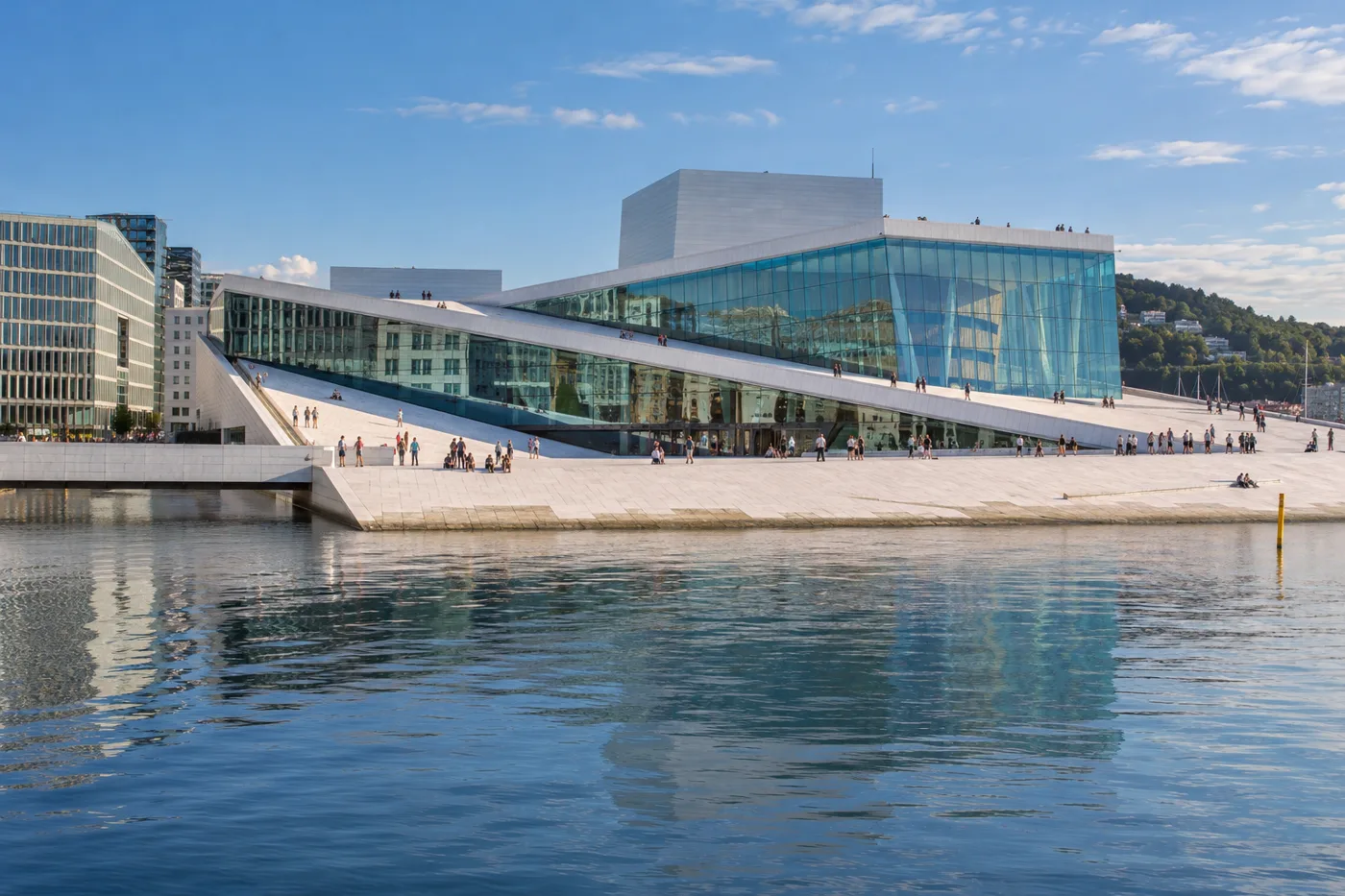
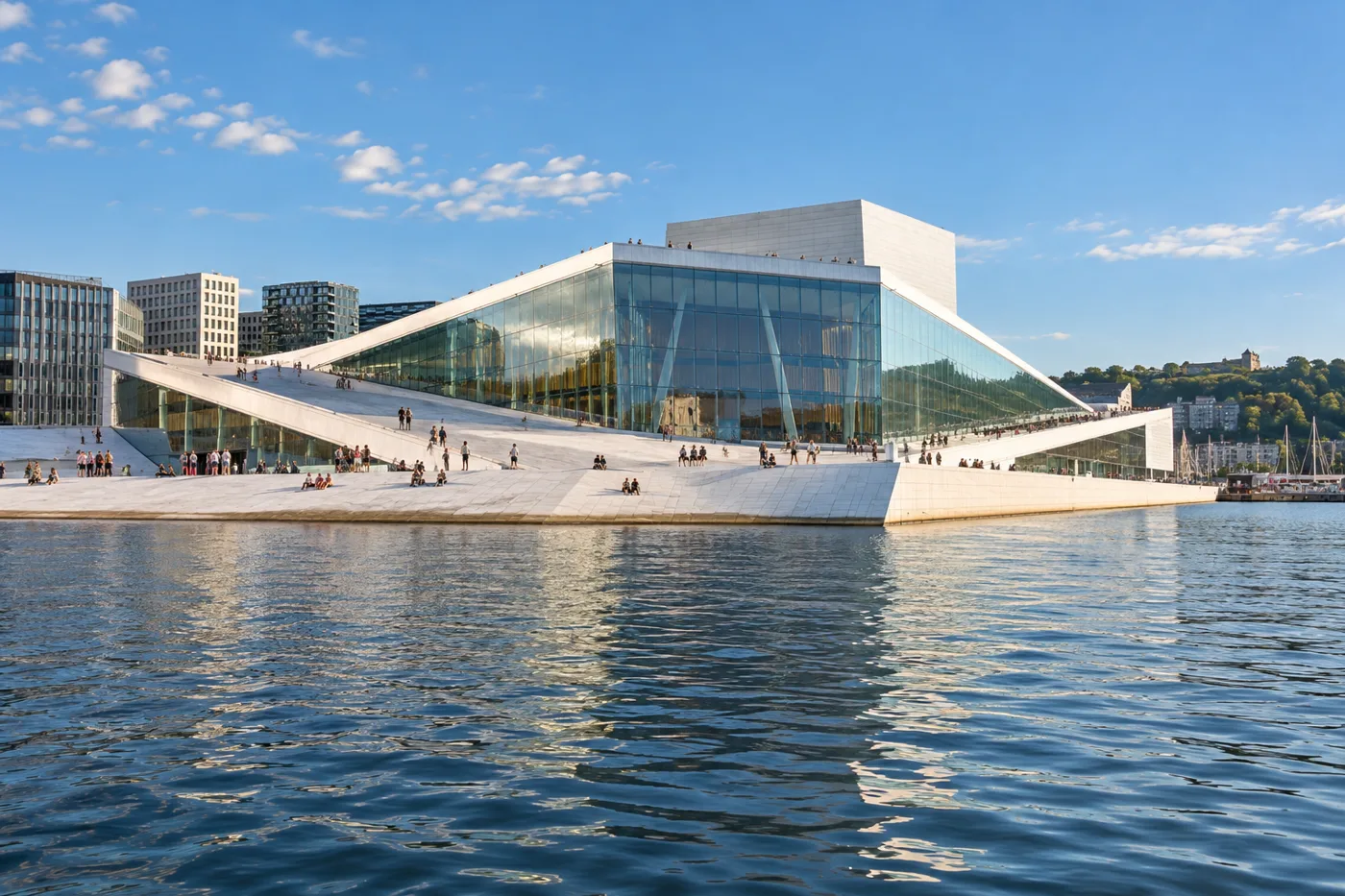
The Opera House makes Oslo’s waterfront part of the cultural experience, with a sloping roof that visitors can explore when conditions permit. Bjørvika around it has changed from a working port into a district of museums, apartments and public space. Starting here gives you an immediate sense of how the capital meets the water.
Walk the exterior before deciding whether to climb the roof. Look back toward the railway station, then continue along the harbour toward MUNCH. A performance is a separate experience from a roof visit: choose it because the actual programme interests you. Rain, snow and ice can make the pale roof slippery; respect barriers rather than copying other visitors.
Allow 45–75 minutes outside. Public exterior access is free when available, while interior tours and performances have separate tickets and schedules. Check operaen.no for current access and programmes. Pair this stop with MUNCH and nearby waterfront walking; driving between these adjacent places adds complication without saving useful time.
Best for: waterfront architecture.
2. Vigeland Sculpture Park
Book here with Viator → Private walking tour including Vigeland Park
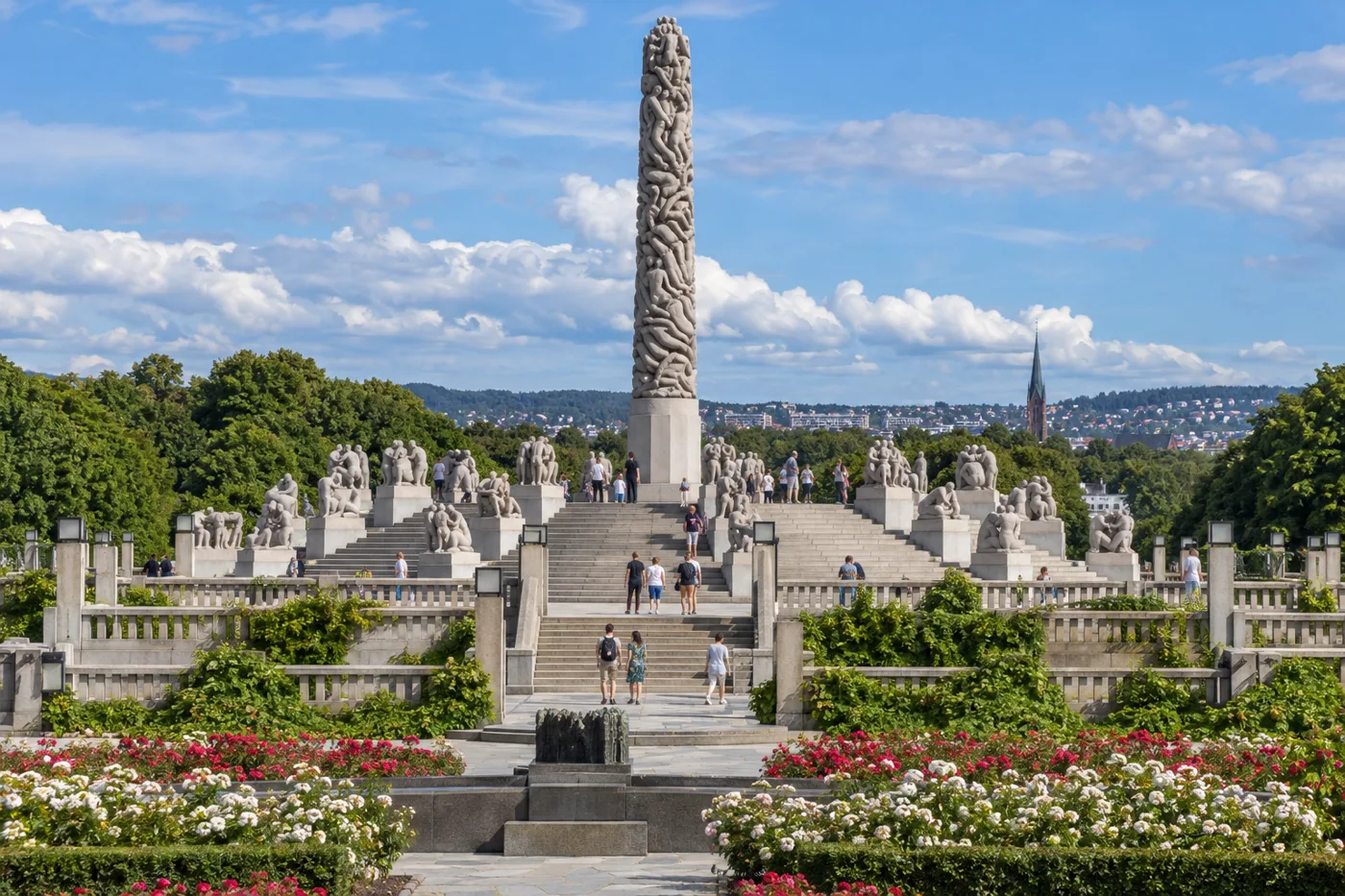
Vigeland’s sculptures occupy a large section of Frogner Park, west of the harbour. The sequence from the bridge to the fountain and Monolith gives the visit a coherent route. Figures of different ages and relationships make it rewarding to look closely, rather than simply photographing the largest structure and leaving.
Start near the main entrance and spend time with individual bridge sculptures. The surrounding park offers space to rest between museum visits, and families can make this a less structured outing. Visitors interested in the artist’s working methods can consider the separate Vigeland Museum, but an outdoor walk remains a substantial experience in its own right.
Allow 90 minutes to two hours. The outdoor park is free; the museum has its own admission and hours. Use Ruter to plan tram or bus access. In winter, prioritise daylight and watch for ice on the paths. An ordinary independent walk requires no reservation, so keep its timing flexible around the forecast.
Best for: outdoor sculpture.
3. National Museum
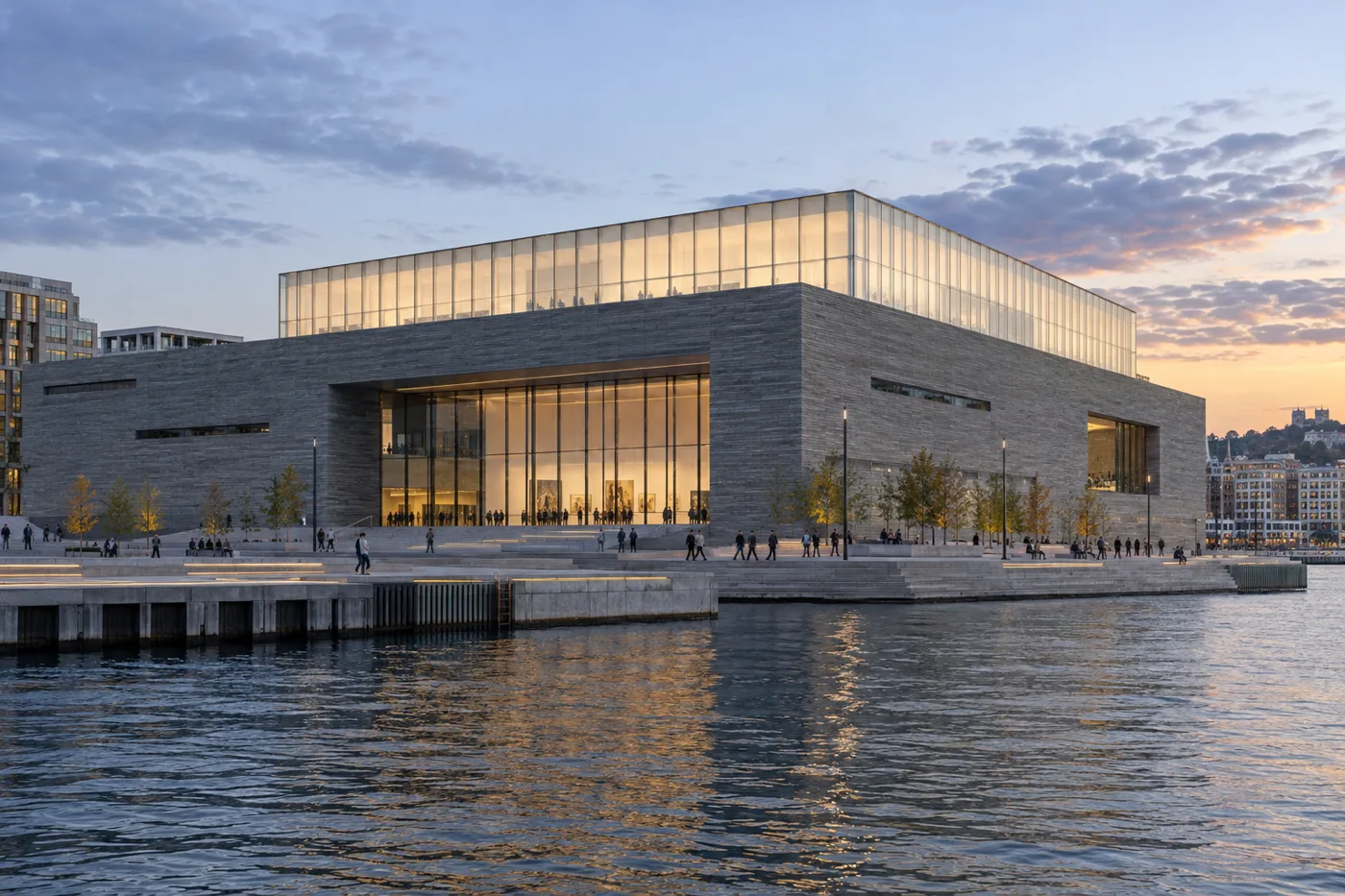
The National Museum brings together art, architecture and design beside Oslo’s City Hall waterfront. Its breadth makes it a good choice for travellers wanting an introduction to Norwegian visual culture. It is also large enough that an unfocused visit can consume much more of a short stay than you intended.
Select a few areas before arriving: painting, design and decorative arts each merit time. Temporary exhibitions may change your priorities, and checking the programme helps avoid disappointment. Aker Brygge is nearby for a break afterward, allowing you to combine sustained indoor viewing with an easy harbour walk rather than another immediate museum visit.
Budget two to three hours, longer for a major exhibition. Paid entry applies; check nasjonalmuseet.no for current tickets, opening days and exhibition access. Reserve where a particular ticket or time is necessary. It is a useful rainy-day anchor, but confirm its opening day before rearranging the rest of your trip around it.
Best for: art and design.
4. Fram Museum on Bygdøy
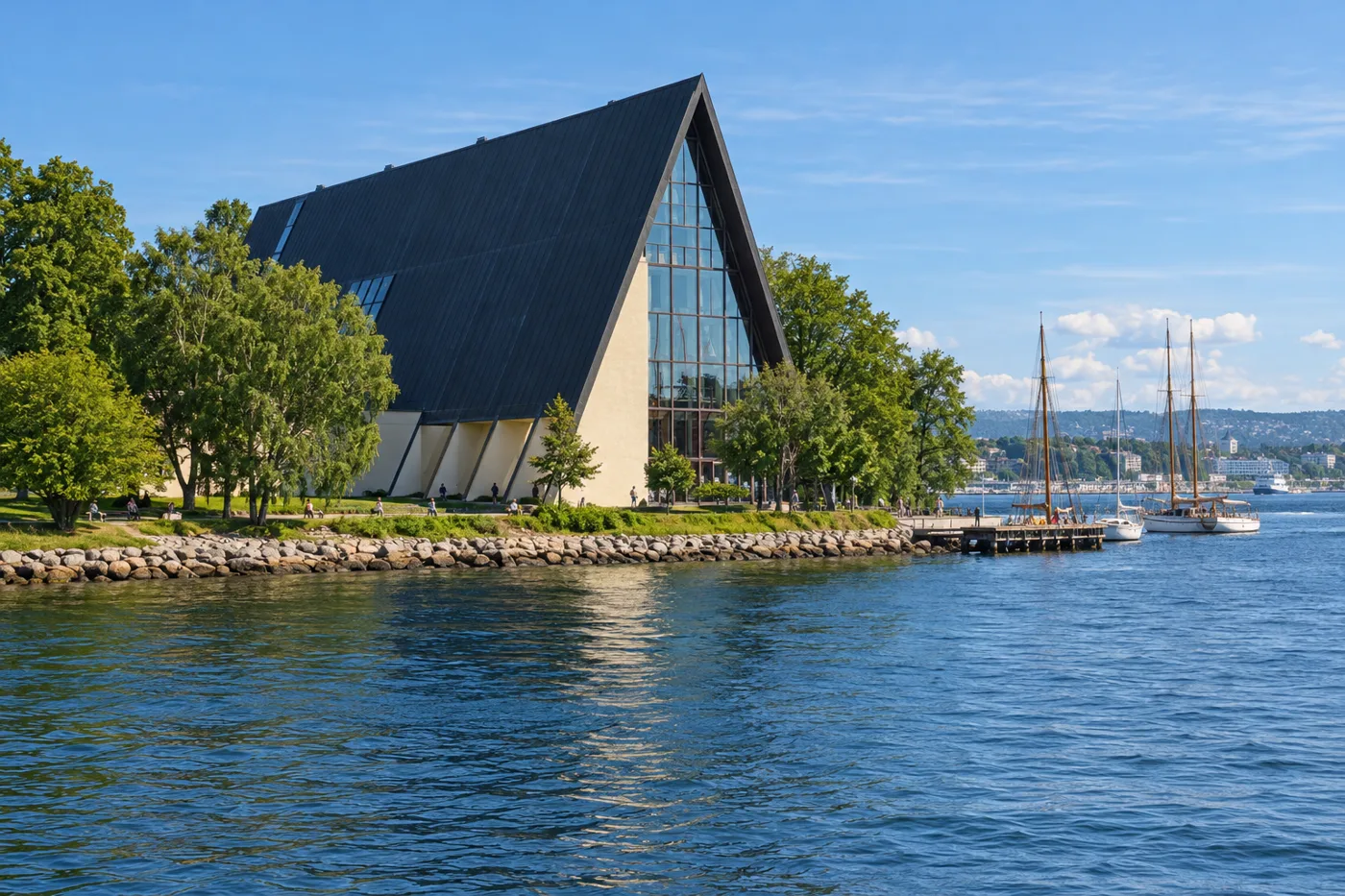
Book here with Viator → The Fram Museum Admission Ticket
The Fram Museum examines Norwegian polar exploration through the ships, equipment and practical conditions of expedition life. It provides context that is especially useful before travelling farther north in Norway. The museum’s physical focus gives cold, distance and cramped living conditions a scale that a simple list of expedition dates cannot convey.
Spend time with the central ship and the interpretation instead of hurrying through several neighbouring museums. Kon-Tiki and the Norwegian Maritime Museum are nearby, but their stories differ. Choose a second collection only if it suits your interests; geographical proximity does not make three consecutive admissions the best use of an afternoon.
Allow roughly two hours plus the journey. Admission is paid and current hours are listed at frammuseum.no. Bygdøy is accessible by bus; a boat route may operate seasonally, but check its calendar before relying on it. In winter, use a confirmed year-round transport option and leave time for the return.
Best for: polar history.
5. Norsk Folkemuseum
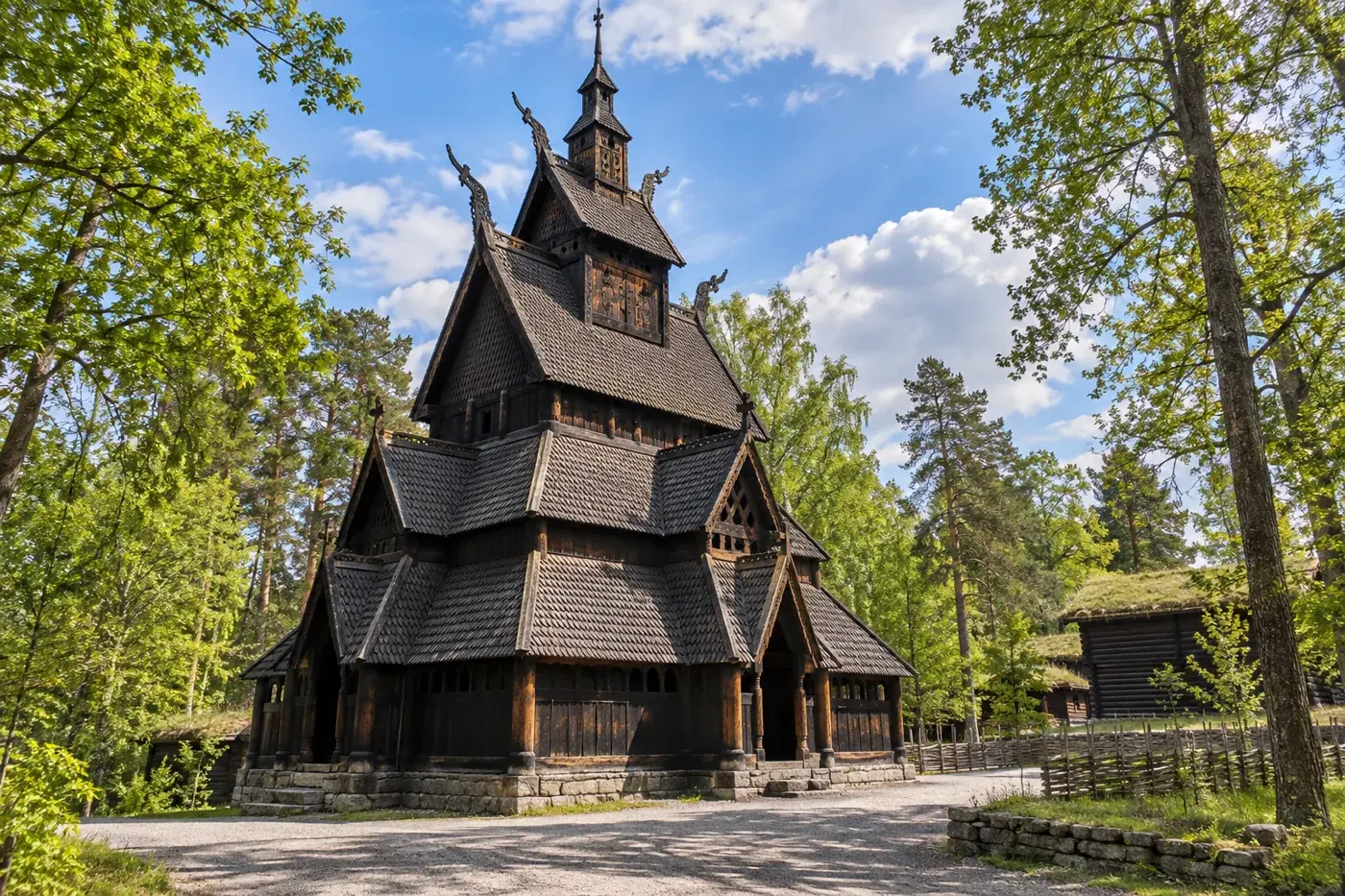
Book here with Viator → City coach tour including Folk Museum admission
Norsk Folkemuseum explains everyday life across Norway through historic buildings and exhibitions. The open-air setting brings regional architecture into a capital-city itinerary, including the relocated Gol stave church. It is particularly valuable if your wider route will not reach rural valleys or another accessible stave church.
Notice differences between buildings and their original purposes instead of moving quickly from façade to façade. Seasonal demonstrations and access to individual interiors can alter the experience. Indoor exhibitions offer a useful change of pace when rain arrives, but a large part of the visit still involves outdoor walking.
Set aside two to three hours and wear practical shoes. Admission is paid; consult norskfolkemuseum.no for opening times, activity calendars and which interiors are accessible. Combine it with one other Bygdøy museum if you have a full day, allowing a lunch break and transport rather than scheduling continuous exhibitions without rest.
Best for: regional buildings.
6. Akershus Fortress
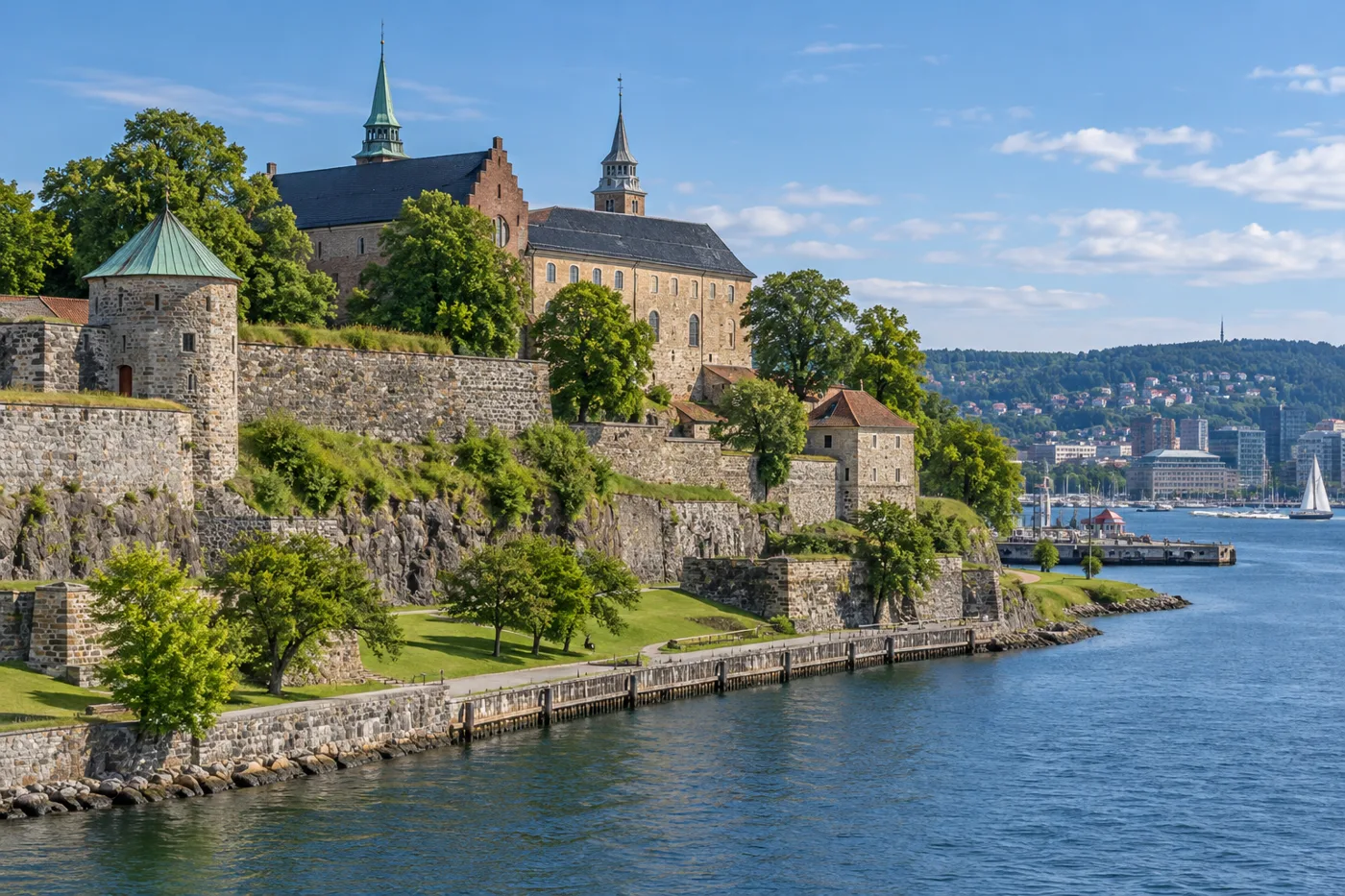
Book here with Viator → Private walking tour including fortress grounds
Akershus occupies a strategic position above the harbour, connecting medieval fortification with later military history. Walking its permitted paths provides a different perspective on the modern waterfront below. The broader complex is not identical to the castle: grounds, museums and interiors have different access arrangements.
Approach from the city and look across the water toward Aker Brygge. You can combine architecture and harbour views without committing to another long indoor visit. This remains an official and military environment, so temporary restrictions and events take precedence over sightseeing; follow signs rather than assuming every gate leads to public access.
Allow 60–90 minutes for the grounds, which are generally free when open. Castle visits, museums and tours can carry separate charges and seasonal hours. Check official fortress information for current access. Pair the walk with the City Hall waterfront and National Museum instead of making an isolated trip across the city.
Best for: fortress history.
7. MUNCH museum
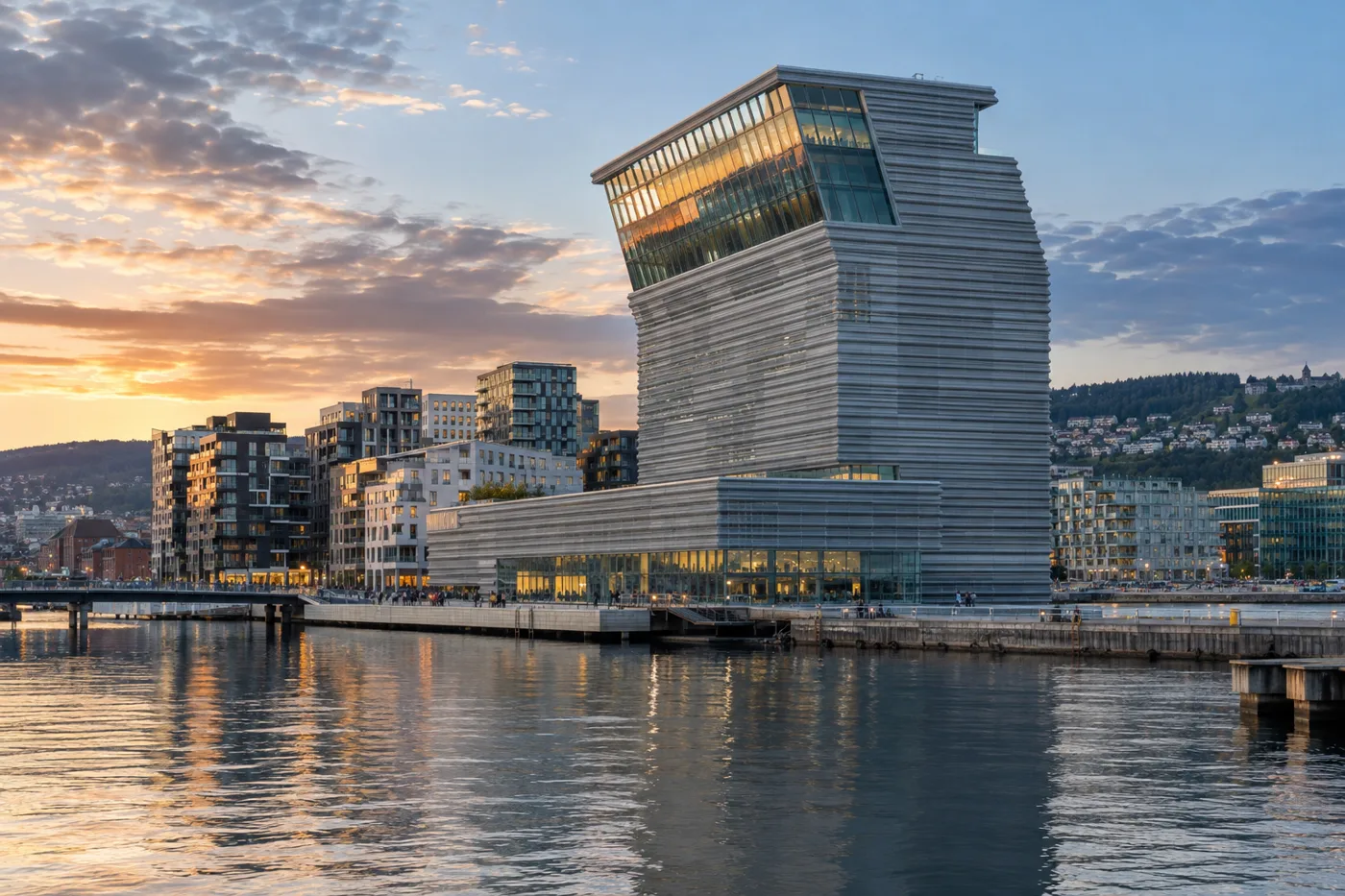
Book here with Viator → Oslo Munch Museum Admission Ticket
MUNCH concentrates on Edvard Munch and related artistic conversations in a tall waterfront building. It complements the broader National Museum rather than offering an identical experience. If Munch is the main reason for your Oslo visit, give this collection priority and reduce competing gallery time elsewhere.
Check the current exhibitions and display information if a particular painting motivates your trip. Famous works are not promises of uninterrupted display in the same place. After the galleries, follow the waterside paths: the open harbour makes a useful contrast to concentrated viewing and helps the visit feel connected to the city.
Plan around two hours. Buy the appropriate ticket through munch.no and check current opening times and any timed arrangements. It combines naturally with the Opera House and a Bjørvika lunch. Adding a long Bygdøy transfer into the same half-day usually reduces the quality of both museum experiences.
Best for: Munch enthusiasts.
8. Oslofjord island ferry outing
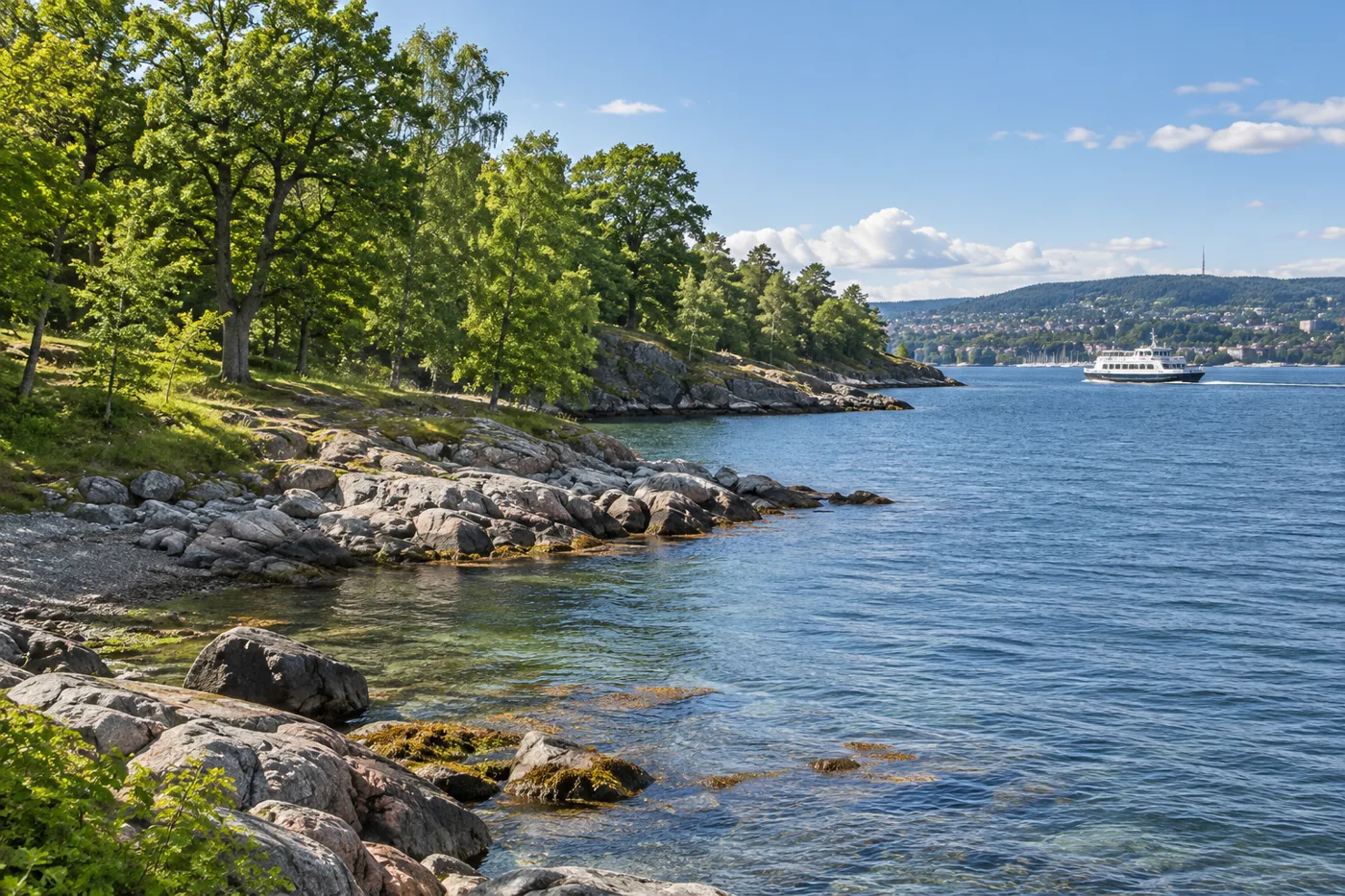
Book here with Viator → Oslo: Guided Oslofjord Island-Hopping Tour
The inner Oslofjord gives the city a slower outdoor side, with public ferries serving islands used for walks and picnics. It offers time on the water without requiring a full sightseeing cruise. This is an urban fjord environment, however, rather than the steep-sided mountain landscape associated with western Norway.
Choose one island instead of spending the entire outing watching connections. Hovedøya is a practical introduction for walking and historic remains. Carry lunch if you want flexibility, take rubbish back and respect protected areas. Swimming depends on season, conditions and your ability; a ferry outing need not include entering the water.
Reserve half a day. Use Ruter for the correct quay, ticket zones and seasonal timetable; fares depend on your route and ticket. Check the last return before leaving the mainland. Wind, reduced winter service and limited daylight can make a museum a better choice on a poor-weather day.
Best for: a short island escape.
9. Grünerløkka and the Akerselva
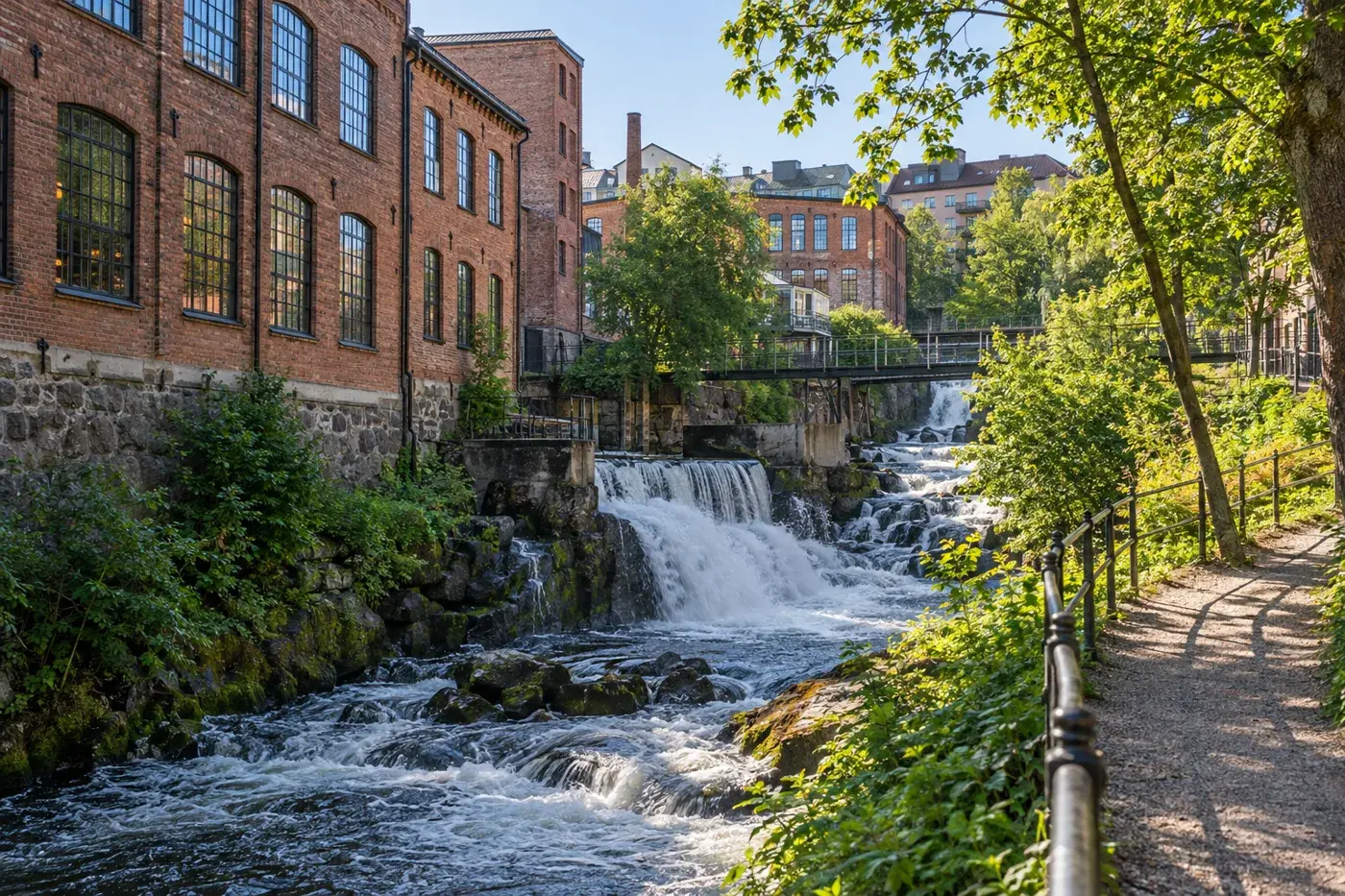
Book here with Viator → 3 Hours Walking Tour for Great Food in Oslo
The Akerselva connects former industrial sites, green spaces and neighbourhood streets. Around Grünerløkka, cafés and shops provide a different view of Oslo from the monumental waterfront. This is an opportunity to notice how the city functions between its major cultural attractions, without purchasing another admission.
Follow a manageable section of the river and allow detours into surrounding streets. You do not need to complete its entire length to enjoy the contrast between water, brick buildings and neighbourhood activity. Choose café or food-market stops according to your budget. Paths and slopes are easier to enjoy after leaving luggage at your accommodation.
Allow two to three hours for a relaxed loop. Walking is free, with optional food costs. Use public transport to shorten the return if needed. In colder months, visit in daylight and take care on icy surfaces near the river. Stay away from fast water and avoid climbing slippery rocks for photographs.
Best for: neighbourhood walking.
10. Holmenkollen and the forest edge
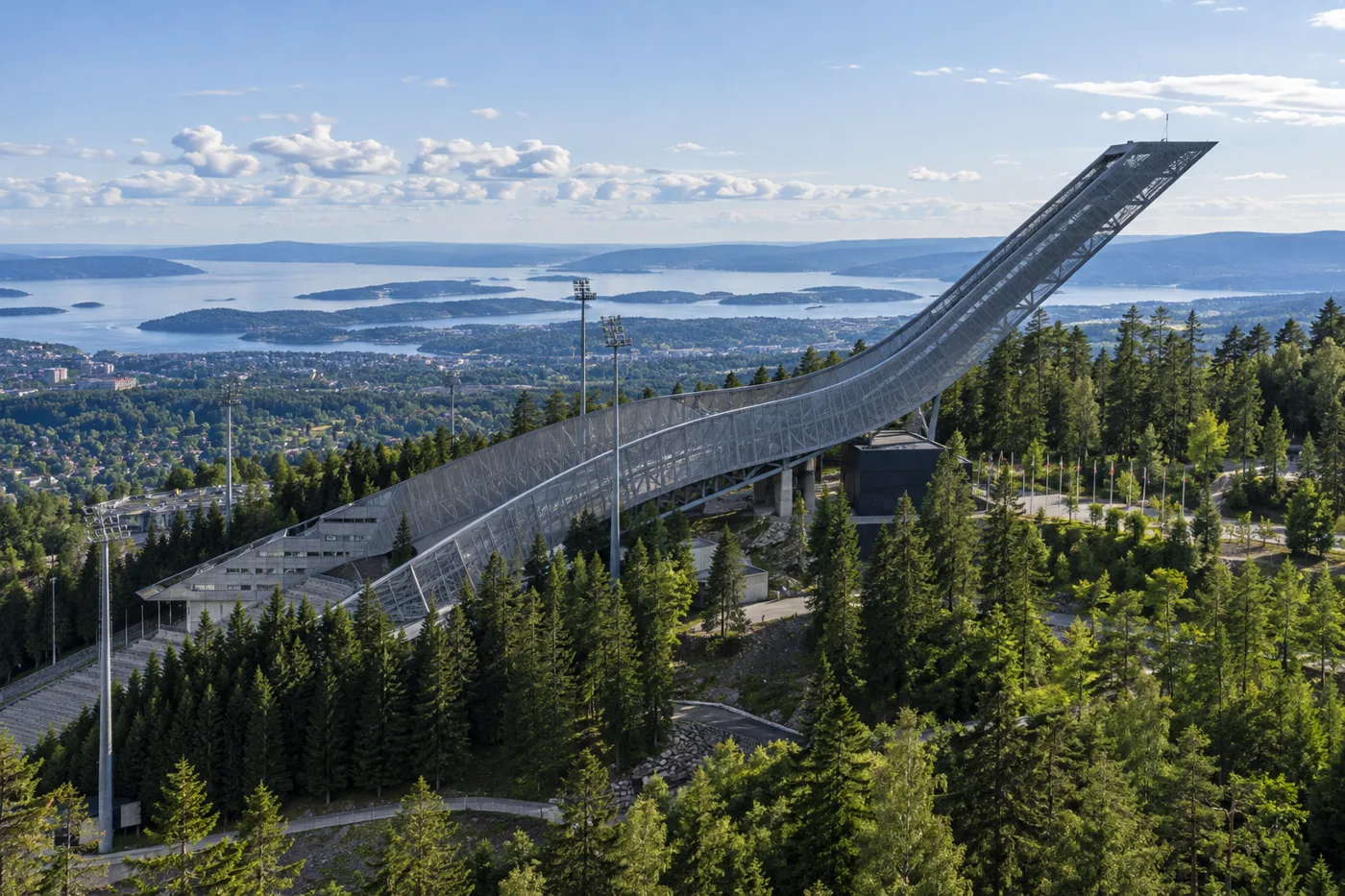
Book here with Viator → City coach tour including Holmenkollen
Holmenkollen links Oslo’s sporting identity with the wooded hills above the city. The ski jump is distinctive even for visitors who do not follow competition. The journey also reveals how quickly dense urban streets give way to hillside homes and forest, an important part of the capital’s character.
Choose whether your priority is the museum and tower or a walk near the forest edge. Those require different preparations. Snow does not make every path suitable for casual walking, and prepared ski tracks should not be treated as ordinary footpaths. Use current route advice rather than improvising a forest outing around an old map.
Allow half a day including metro travel and the uphill approach. Museum and tower admission is paid; check current operation through the official Holmenkollen and Skiforeningen information. Use Ruter for transport changes. Choose a clear interval for the view and substitute a central museum when low cloud removes the main attraction.
Best for: sporting history and views.
Oslo itinerary: one, two or three days
One day in Oslo: waterfront and one major museum
Morning, 09:00–12:00: start at the Opera House and follow the Bjørvika waterfront. Choose MUNCH if its collection is your main interest and the opening fits. If you prefer the broader National Museum, spend the morning walking and save your gallery time for the afternoon. Two large museums can overwhelm a one-day introduction.
Afternoon, 12:00–17:00: eat before following the harbour west toward Akershus and Aker Brygge. Allow at least two hours for the National Museum if chosen. This route stays broadly along the water and can be shortened with transport. In heavy rain, exchange the fortress grounds for more indoor viewing.
Evening, from 17:00: have dinner centrally or return to Bjørvika for a booked performance. Leave a meal buffer around the actual show time. Winter visitors should move outdoor sights earlier and accept a shorter circuit; dark icy paths are a poor reason to hurry between every landmark.
Two days in Oslo: Bygdøy and Vigeland
On day two, morning 09:00–13:00: travel to Bygdøy and make Fram or Norsk Folkemuseum the main visit. A second museum is possible if you want an exhibition-heavy day, but allow lunch and transport. Seasonal boat access must be checked; a bus provides an alternative when the boat is not operating.
Afternoon, 14:00–17:00: return from the peninsula and use tram or bus connections toward Vigeland Park. Do not add island ferries to the same crowded day. If footing is icy or the weather unpleasant, shorten the sculpture walk or substitute an indoor exhibition after checking its opening.
Evening: choose a meal around Grünerløkka if energy allows, using transport for the longer connection. You do not need to walk every kilometre to experience Oslo. Families and travellers who have spent most of the day in museums may prefer an uncomplicated dinner near their accommodation.
Three days in Oslo: islands or Holmenkollen
Morning, 09:00–13:00: choose an Oslofjord island outing in suitable weather or Holmenkollen for sporting history and a clear outlook. Each needs travel time, so selecting one creates a better day than attempting both. Check ferry returns before leaving and verify any museum or tower closure.
Afternoon, 14:00–17:00: explore a manageable Akerselva section and Grünerløkka, or visit a museum omitted earlier. Keep the riverside walk shorter if the morning involved substantial outdoor activity. In persistent rain, two nearby indoor stops with a proper lunch break make a sensible replacement day.
Evening: allow time to pack or reach the departure station. The Bergen railway requires its own reserved journey time and should not be treated as a small sightseeing add-on. For a flight, plan the airport connection separately and confirm the airport rather than assuming every Oslo flight uses the same terminal.
Planning the best things to do in Oslo
Use Ruter for local journeys and compare a suitable period ticket with individual fares. Airport travel has separate route and fare choices; an attraction pass does not automatically include every airport service. A hotel near a useful transport connection can save more time than a marginally cheaper distant room.
Book accommodation and any performance important to your trip before filling the remaining hours. Compare the Oslo Pass against the admissions and transport you will actually use. Free park days and neighbourhood walks may make a pass unnecessary; a deliberate museum-heavy itinerary can produce a different calculation.
Oslo has long summer evenings but no midnight sun. In winter, put the Opera exterior, fortress and park into daylight and use indoor attractions later where hours allow. Ice is a practical issue on slopes and river paths: wear shoes with grip, follow closures and avoid rushing to complete a route.
Separate accommodation, meals, local transport and paid excursions when budgeting. Restaurant dining and repeated admissions make Norway expensive; supermarket lunches and free walks help balance a few paid priorities. Room prices change considerably by date and availability, so compare your actual dates rather than relying on a fixed daily hotel estimate.
Keep weather-sensitive outings separate from transport that cannot move. Check official opening times, current ticket prices, ferry timetables and cancellation terms again shortly before visiting. Leave a margin between excursions and onward travel. The sources below support planning, but a dated guide cannot replace an operator’s live closure notice.
Oslo travel guide: frequently asked questions
Is Oslo worth visiting on a first Norway trip?
Yes for art, polar exploration, public spaces and an easy urban introduction. Add a western fjord destination if steep mountain scenery is a major priority; the inner Oslofjord is a different landscape.
How many days do you need in Oslo?
Two full days cover a central waterfront selection and a substantial outing to Bygdøy or Vigeland. A third day creates time for islands, Holmenkollen or a slower neighbourhood walk. One day requires choosing rather than completing the entire list.
What is the best time to visit Oslo?
Late spring to early autumn brings longer daylight and more flexible outdoor choices. Winter works well for museums and performances, with shorter daylight walks and attention to ice. Check seasonal ferry service before planning an island day.
Can you see Oslo without a car?
Yes. The centre is walkable and Ruter connects the wider city by public transport. A car is unnecessary between waterfront museums and can add parking costs. Check separate airport fares and any seasonal boat ticket arrangements.
Is Oslo expensive and is the Oslo Pass worth buying?
Accommodation, restaurant meals and multiple admissions can make it expensive. Compare your real museum choices and transport costs with the pass price; free walks do not create pass savings. Supermarket lunches and a few carefully selected paid stops help control spending.
What should I book and what can I do in rain?
Book accommodation, specific performances and any timed museum ticket that matters to you. MUNCH, the National Museum and Bygdøy museums provide rainy-day choices. Check opening days before moving an outdoor outing, rather than assuming every museum opens daily.
Where to go next in Norway
Choose a connected next stop and allow separate travel time between regions. These guides explain what each destination needs.
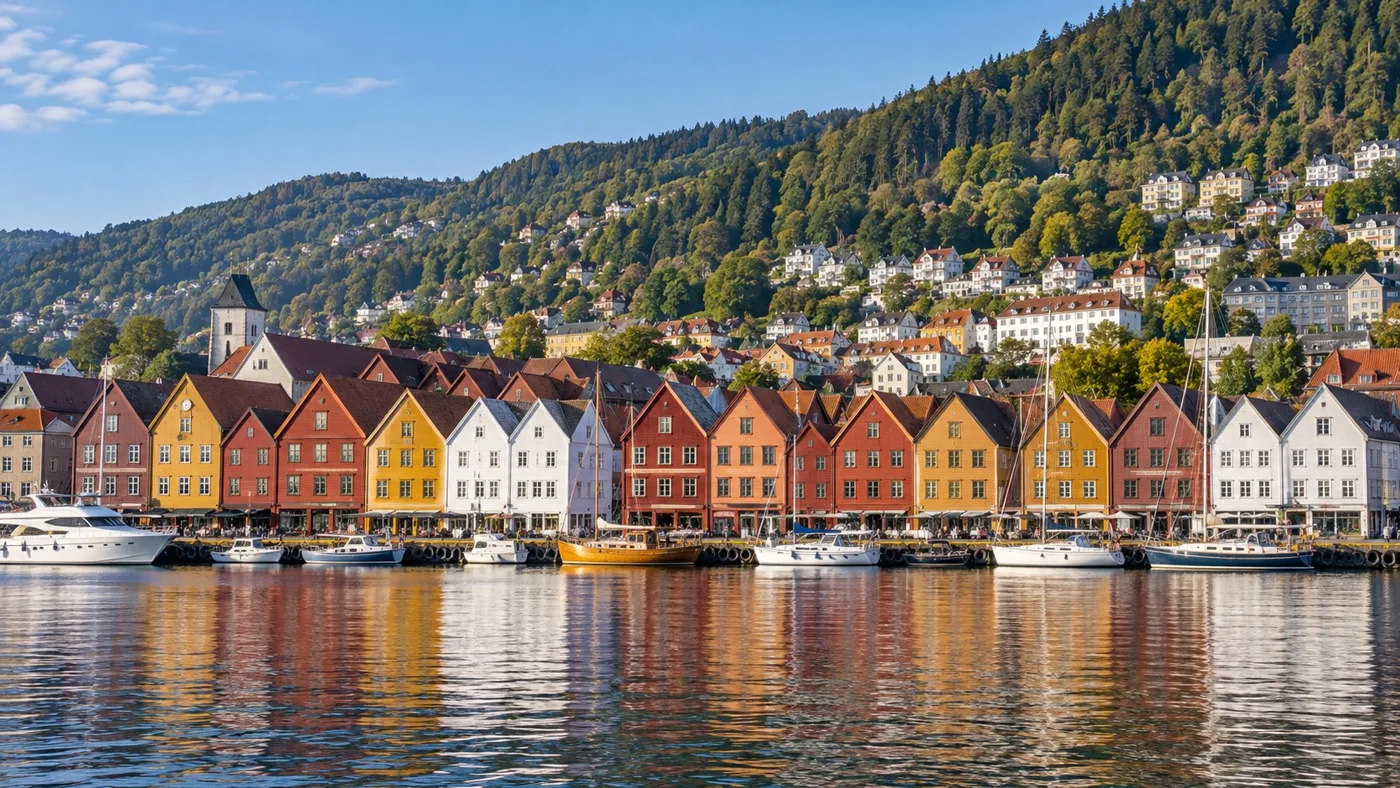 10 Best Things to Do in Bergen: A Practical City Guide
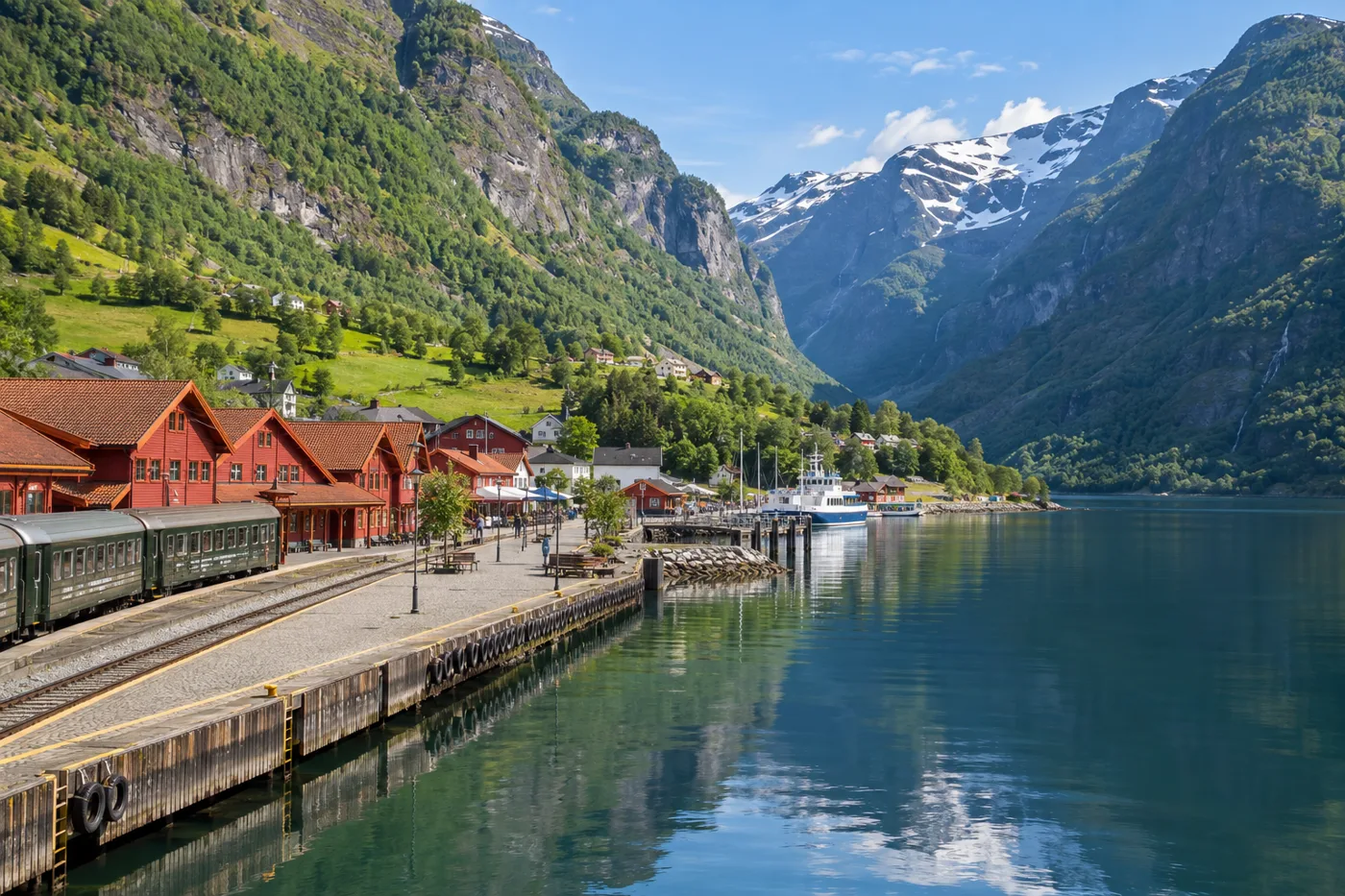 10 Best Things to Do in Flåm: Railway, Fjords and Walks
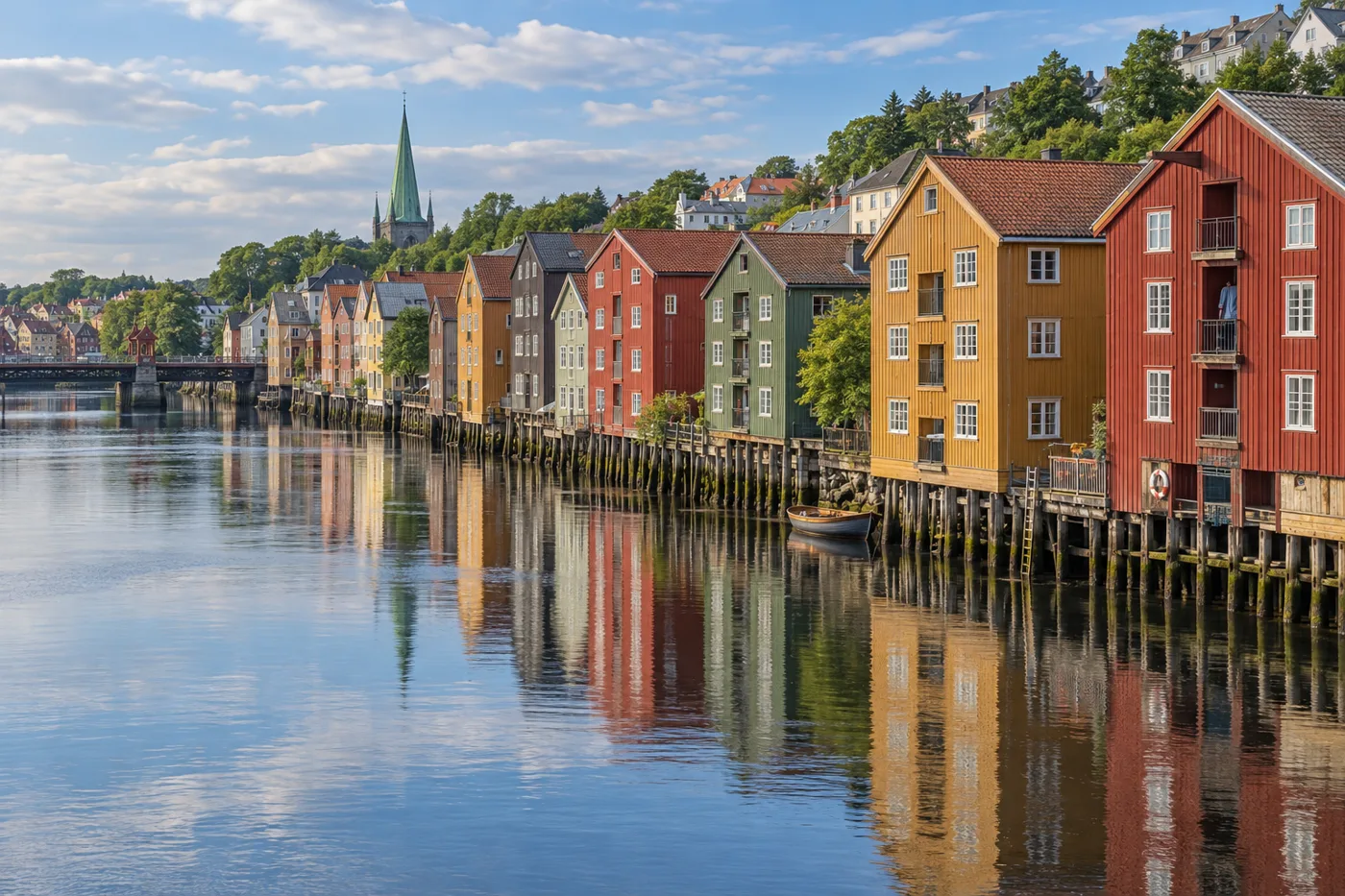 10 Best Things to Do in Trondheim: A Practical Travel Guide
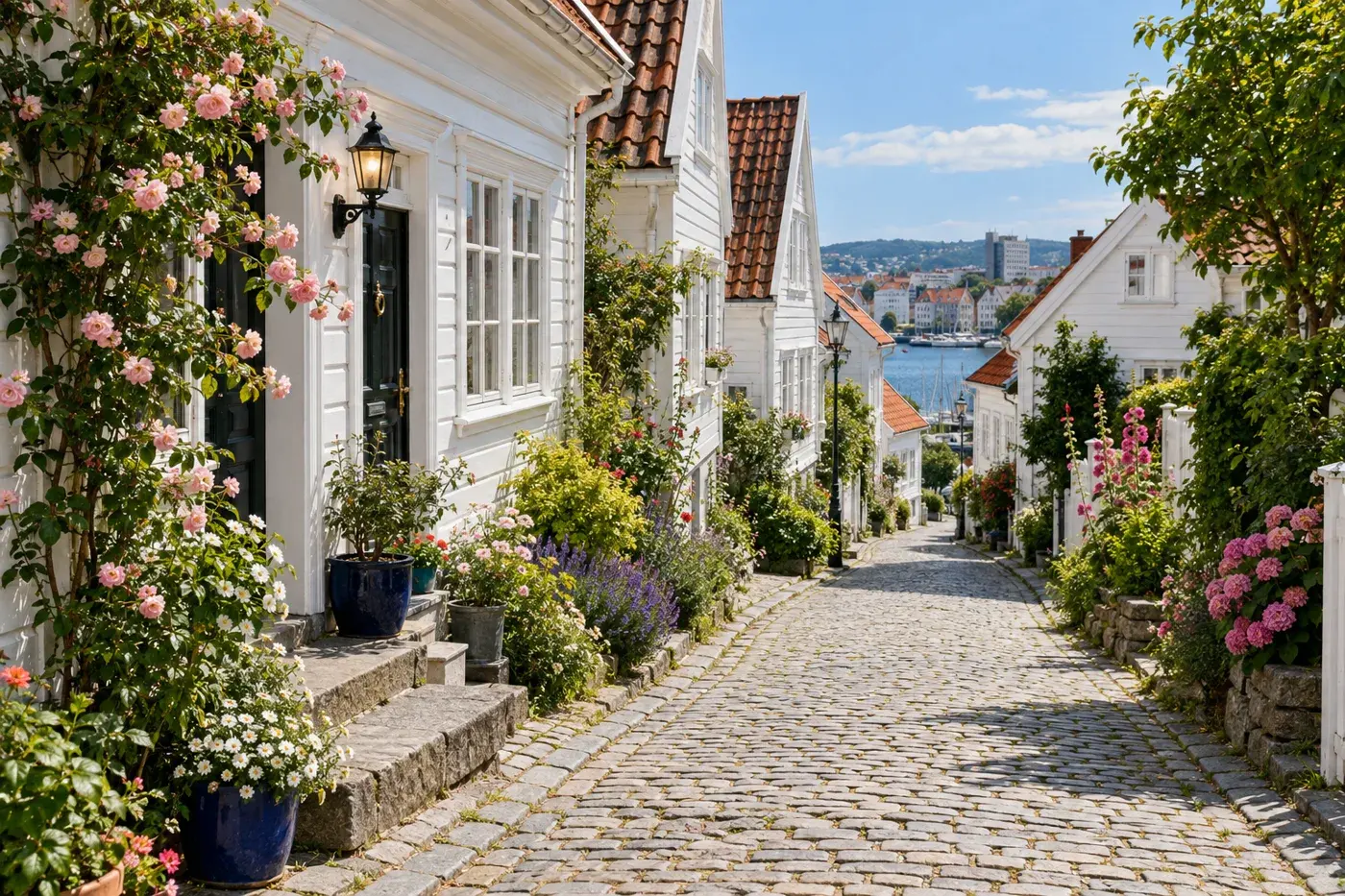 10 Best Things to Do in Stavanger: A Practical Travel Guide
Planning your visit to Oslo
Build your Oslo visit around a few priorities, keeping nearby places together and allowing weather to change their order. Give the main museums enough time and reserve a separate block for a substantial excursion. This produces a more useful trip than completing ten stops at speed. Our guides to Oslo, Bergen, Stavanger, Trondheim and the Norwegian fjords help you choose the next leg of your journey.
For a second base outside the capital, compare Tønsberg’s waterfront and Viking heritage or Hamar’s lakeside museums. Check direct rail departures and the final walk from the station before booking a separate night.
Official sources and practical checks
Official information was reviewed during preparation. Fares, hours, road access and departures can change. Check the operator for your dates before booking. Suggested visit durations are editorial planning allowances.
- VisitOSLO official visitor guide
- Norwegian National Opera and Ballet
- National Museum official website
- Fram Museum
- Norsk Folkemuseum
- MUNCH
- Ruter local transport
Links labelled as affiliate links may earn NorwayTop10 a commission on eligible bookings. Read our editorial policy and commercial disclosure.
Choose accommodation and plan Oslo
Use these guides to connect your sightseeing, accommodation, transport and budget before booking.
- Where to Stay in Oslo: 10 Areas and Booking Decisions
- Budget Hotels in Oslo: 10 Affordable Places to Stay
- Boutique Hotels in Oslo: 10 Distinctive Places to Stay
- Family Hotels in Oslo: 10 Places to Stay With Children
- Oslo Airport Hotels: 10 Stays Near Gardermoen Terminal
- Oslo weekend budget in NOK
- Plan airport, city and onward transport
- Compare scenic rail journeys
Plan experiences around your stay
Activity thumbnails represent the region or subject of the linked guide; see each guide’s image caption and credits. They do not necessarily depict a specific tour or operator.
These guides compare regional options and practical considerations. Check the actual departure point; a related guide is not a promise that every activity is available in this town.
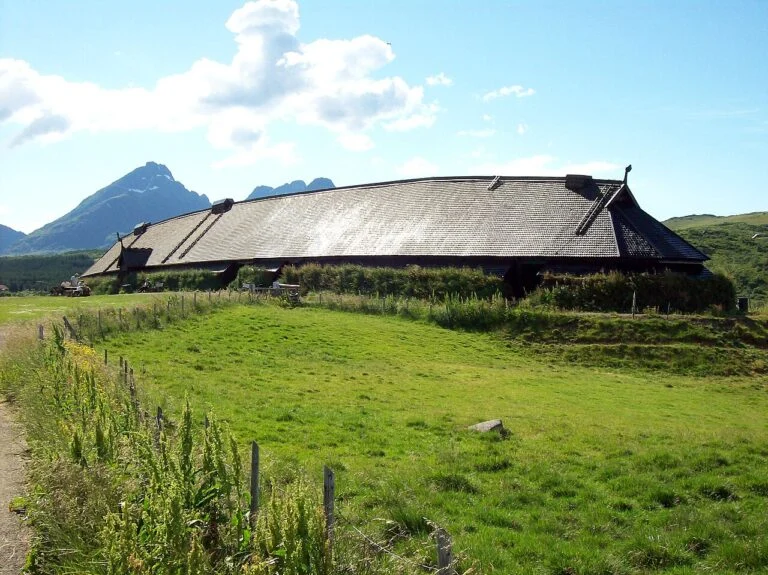
Viking Sites and Museums in Norway
Compare guided activities before booking
Use these tour comparisons to match your available time, meeting point and travel season with the right experience in this region:
Choose a guided day in Oslo by interest
For a city or fjord day with a tailored pace, compare private guided tours and Oslofjord sailing experiences. A private walking tour and an evening boat trip serve different purposes; check the meeting point and how much independent sightseeing time remains. Guided e-bike tours can work for confident cyclists who want to cover more distance; confirm route and requirements first.
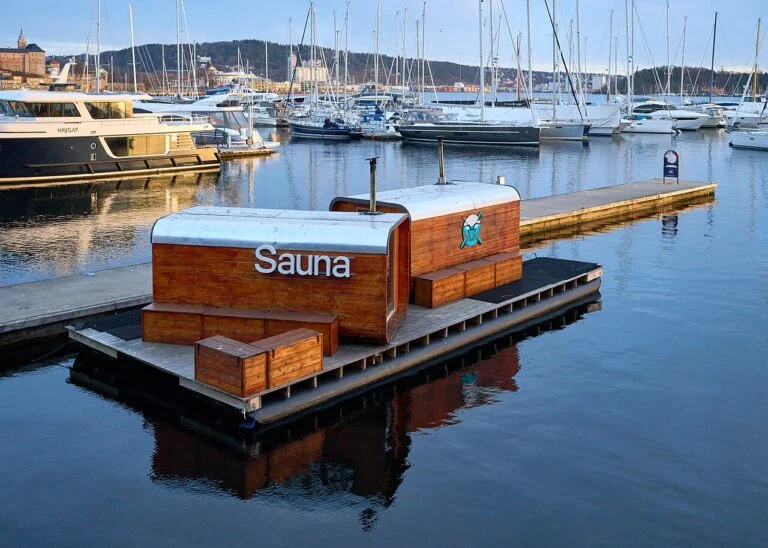
Saunas and Cold-Water Bathing in Norway
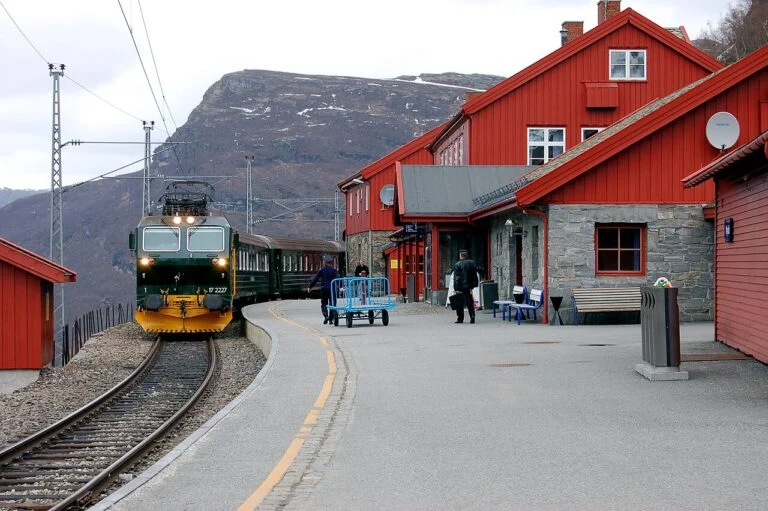
Scenic Train Journeys and the Flåm Railway
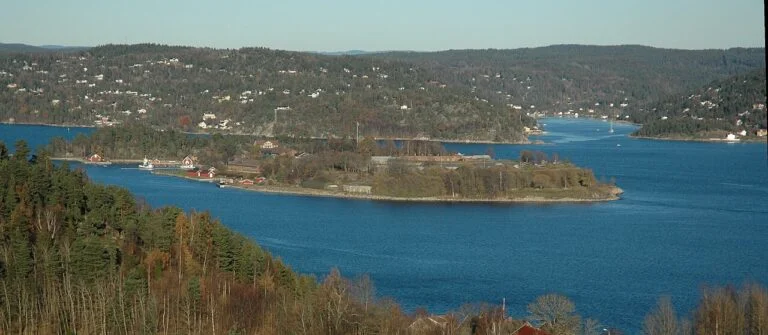
WW2 Sites in Norway
Where to stay in Oslo
Compare location, transport, room requirements and booking trade-offs in our guide to where to stay in Oslo before reserving accommodation.