10 Best Things to Do in Hamar: Museums, Lake Mjøsa and Walks
Hamar is an inland Norwegian city where the most satisfying short stay combines museums with time beside Lake Mjøsa. Domkirkeodden is the leading historic stop, while the Norwegian Railway Museum gives a very different account of how the region developed. Between them, the lakefront provides space to walk without turning every hour into a ticketed activity. One full day offers a good introduction, but two days make it easier to visit both major museums at a sensible pace. A third day can be used for a confirmed summer sailing or a local outdoor outing. Do not assume that the lake behaves like a city transport network: Skibladner is a seasonal experience with a specific timetable. This guide is designed around realistic choices and distinguishes public outdoor areas from museums, sports venues and activities requiring confirmed access.
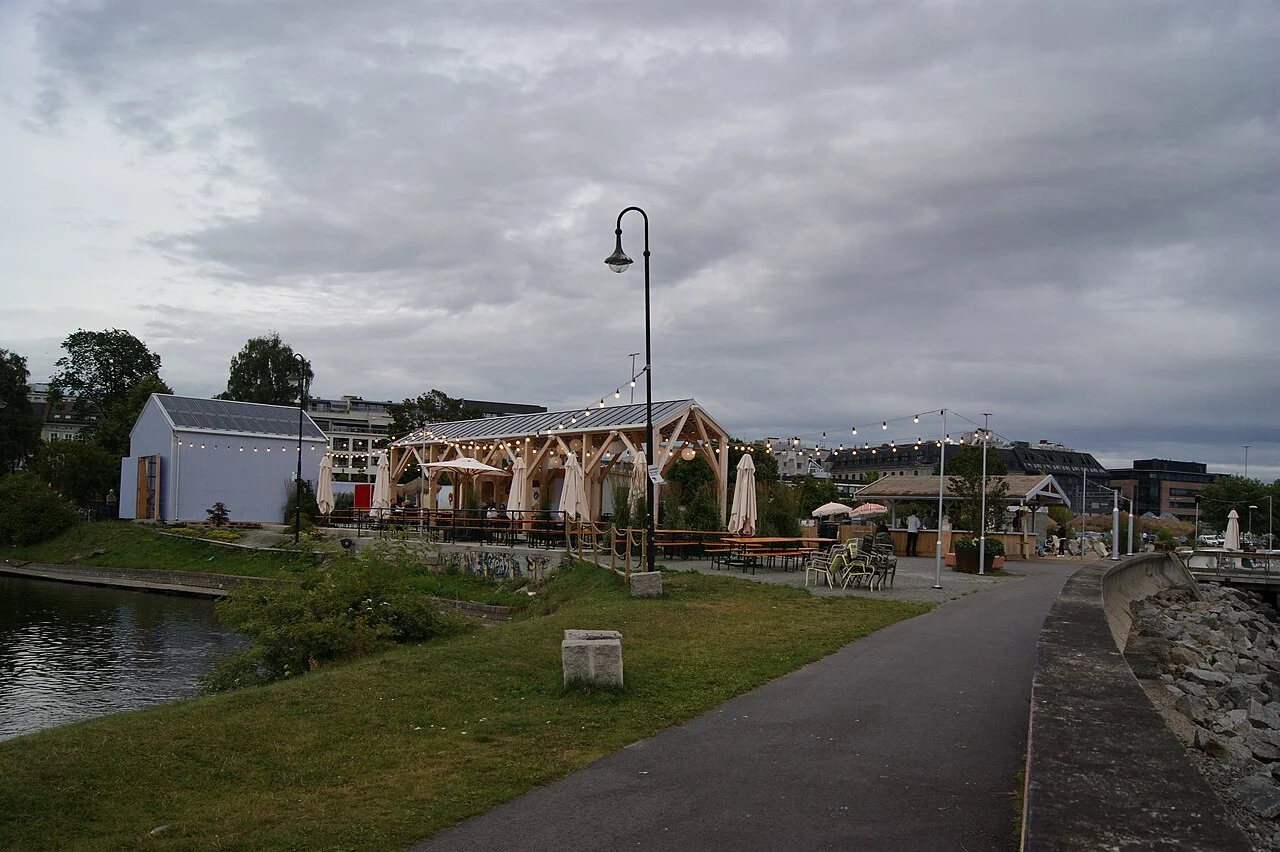
Hamar: quick answers
- Worth visiting?
- Yes, for medieval heritage, museum collections and Lake Mjøsa.
- Time needed
- One day for an introduction; two for the major museums; three with a seasonal outing.
- Best time
- Summer for lake activities; museums make shorter winter visits possible.
- Cost level
- Moderate to high; museum admission and seasonal sailings are extras.
- Getting around
- Walk and use local transport for central and lakeside sights.
- Top priorities
- Domkirkeodden (Hamardomen enclosure currently closed), lakeside walk, Norwegian Railway Museum.
How this list was selected: NorwayTop10’s editorial choices balance distinctive places, practical access and variety for a first visit. The order is a planning guide rather than a public vote. Outings beyond the destination are identified in their descriptions; ten entries do not mean ten stops in one day.
Compare the ten options
Times are editorial planning allowances, not operator schedules. Add travel and waiting time unless the row explicitly describes a whole outing. For guided experiences, use the confirmed booking duration. See each description for terrain and seasonal restrictions.
| Place or activity | Access to plan | Time to allow |
|---|---|---|
| Visit Domkirkeodden | Walk or local transport | 2–3 hr |
| Explore the Norwegian Railway Museum | Local transport or walk | 1½–2½ hr |
| Walk along Lake Mjøsa | Choose a public shore route | 45–90 min |
| Relax at Koigen | Central lakeside on foot | 1–2 hr |
| Spend time at Mjøsfronten | Central waterfront on foot | 45–90 min |
| Visit the Kirsten Flagstad Museum | Town visit on foot | 45–90 min |
| See Vikingskipet with a confirmed purpose | Confirm event access | Use the confirmed event or visit duration |
| Explore Hamar Cathedral and the central streets | Town centre on foot | 30–60 min |
| Choose a manageable Furuberget walk | Choose a signed route start | 1–2 hr on a selected route |
| Book a seasonal Skibladner sailing | Confirmed pier and seasonal sailing | Use the booked sailing duration |
1. Visit Domkirkeodden
Verified planning detail: Checked 23 November 2026, Domkirkeodden's official visitor page says Hamardomen is closed indefinitely for safety reasons and Storhamarlåven is closed September–June. Confirm which parts of the museum are included in your visit. Its published 2026 adult admission is NOK 170. Official visitor information.
Domkirkeodden is the strongest introduction to Hamar’s earlier history. The protected cathedral ruins are its most recognisable feature, but the wider museum setting deserves attention too. Plan the visit around your interest in medieval history and the relationship between the historic site and the lake, rather than taking only an exterior photograph.
Check the museum’s current visitor information for access to the protected ruins, exhibitions and other buildings. Outdoor grounds and paid interiors should not be assumed to have the same arrangements. As of 26 November 2026, the glass cathedral enclosure remains closed following a glass break in summer 2025. The museum says medieval tours can use other ruins instead; check the current closure notice before booking.
Allow time afterwards to look across Mjøsa and consider why this site mattered. A museum visit followed by a quiet walk often makes a more coherent morning than several unrelated stops. In wet or cold weather, concentrate on the accessible interiors and keep the outdoor portion shorter.
2. Explore the Norwegian Railway Museum
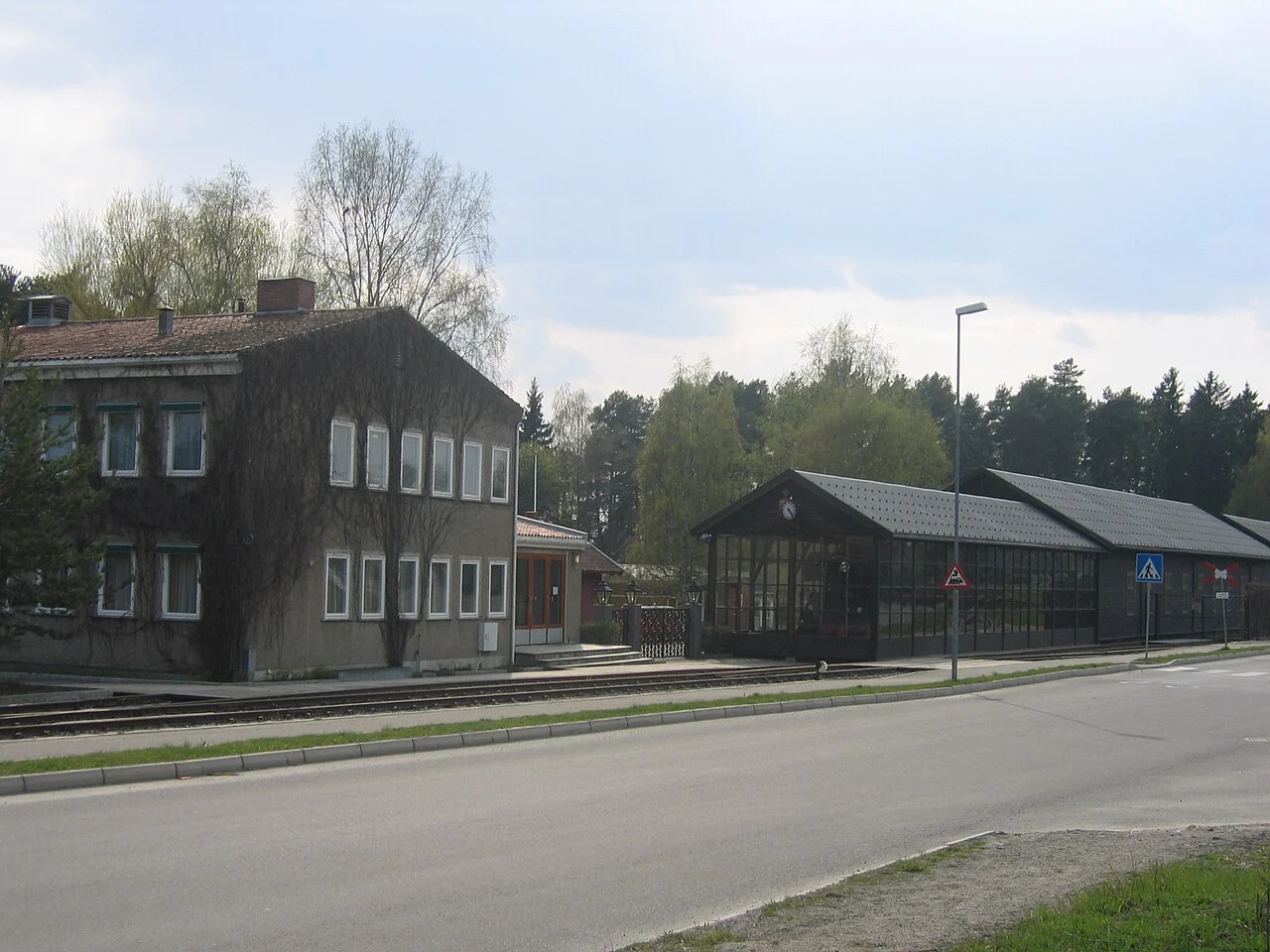
The Norwegian Railway Museum is a distinctive Hamar attraction, with indoor displays and an outdoor museum park. It offers a useful alternative for visitors whose interests lie more with transport and social change than medieval ruins. Give it a proper visit rather than treating it as a quick stop on the way somewhere else.
Railway buildings, track settings and rolling stock work together to explain a larger transport story. A narrow-gauge train operates in the park in summer, but that seasonal feature is not the same as the museum’s entire visitor offer. Check the programme if a ride is important to your group.
Choose a few themes to follow, such as how stations worked or why railways changed travel. That makes the museum approachable for both enthusiasts and occasional visitors. Leave time to move between indoor and outdoor areas, and take a weather layer rather than assuming every part is sheltered.
3. Walk along Lake Mjøsa
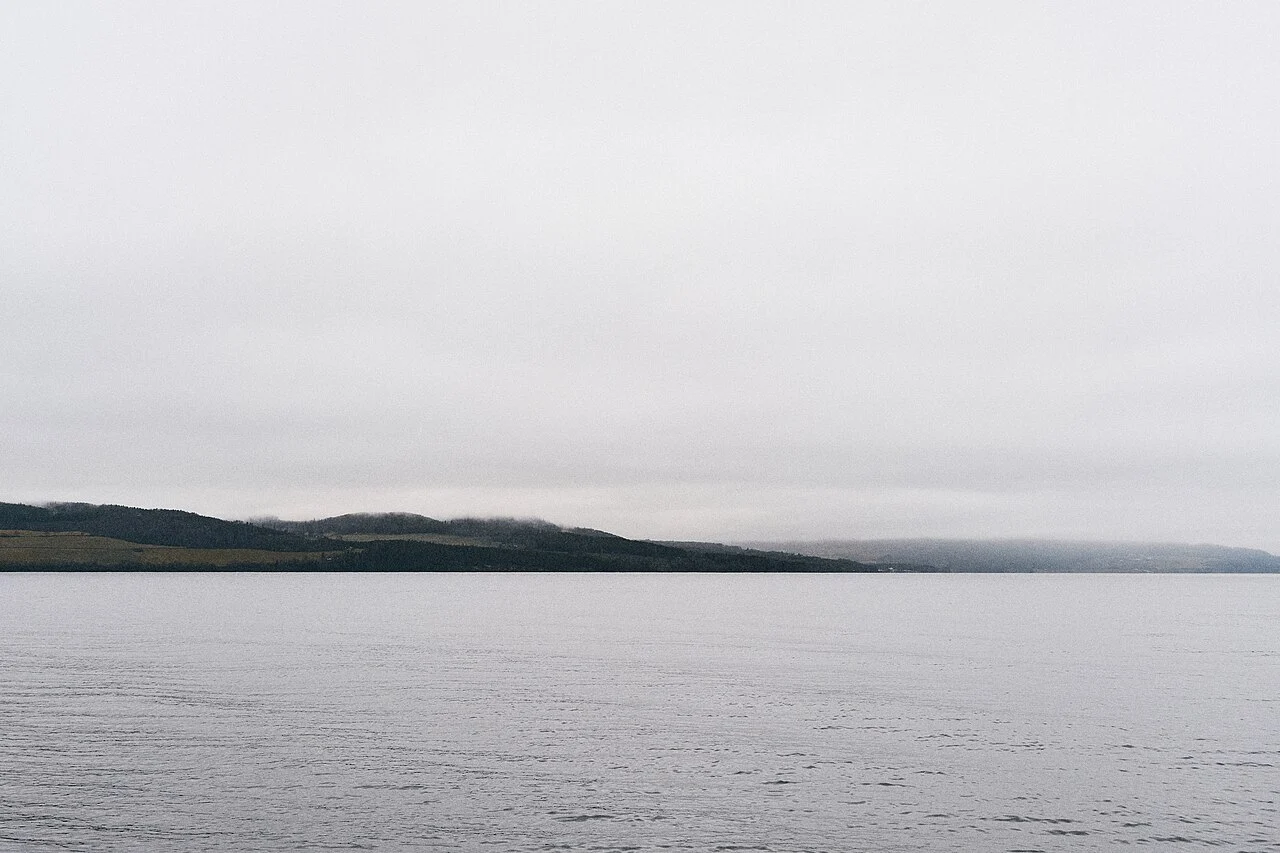
The lakeshore is the connecting experience that holds a Hamar visit together. Choose a public section that links your hotel or the centre with a main attraction, then allow room to pause. Watching the open water and distant shore gives a different perspective from moving directly between museum entrances.
A lakeside route can be as short or long as suits the day, but check the map rather than assuming every shoreline section is an uninterrupted accessible promenade. Surface, distance and exposure matter when travelling with children, luggage or mobility limitations. You do not have to walk all the way between attractions.
Weather over the lake can feel cooler and windier than in nearby streets. Carry a layer and turn back before conditions become uncomfortable. In winter or unsettled weather, stay on suitable land routes; a visit to a lakeside city is not a reason to venture onto unverified ice.
4. Relax at Koigen
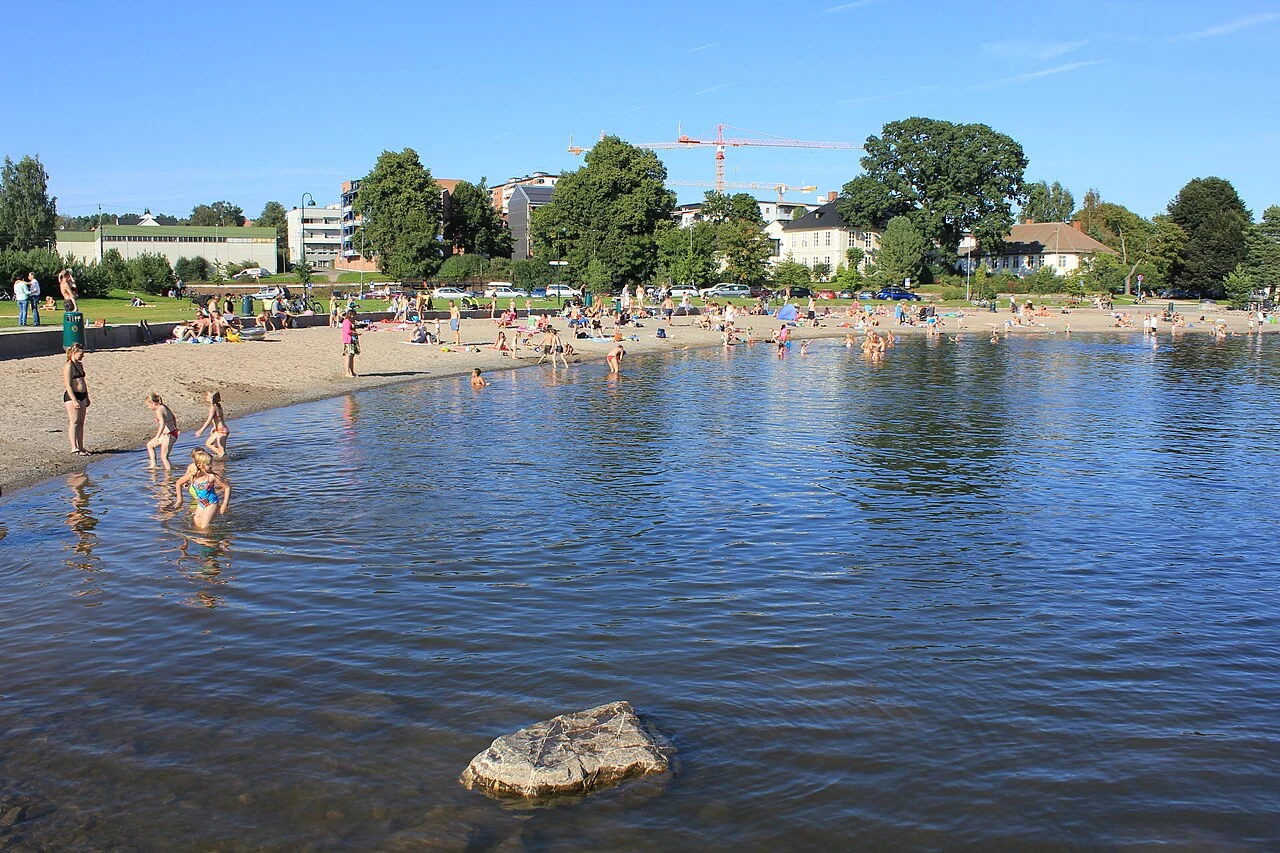
Koigen is a central outdoor recreation area beside Mjøsa, useful for a pause between museums or after travelling. Its lakeside position makes it a natural place to slow down, with the option of a simple walk or time outdoors instead of another formal sightseeing stop. It is particularly convenient for mixed-interest groups.
Swimming is a seasonal personal choice, not an essential part of the visit. Follow local signs and use appropriate supervision and judgement around the water and diving facilities. A beach setting does not guarantee warm water or suitable conditions, even when the air feels pleasant.
Keep the visit flexible. You may want a picnic or an hour outdoors in good weather, while a short look is enough on a cold day. Combine Koigen with the central waterfront rather than making several separate trips back to the same part of town.
5. Spend time at Mjøsfronten
Mjøsfronten adds a contemporary waterfront setting to Hamar’s museum-led appeal. Use it for a relaxed break, a view of the lake or a meal when suitable businesses are operating. It helps show the city as a present-day place to live and spend time, rather than only a collection of historic sites.
Visitor facilities and food offerings can be seasonal or weather-dependent, so avoid building a detailed plan around an unconfirmed stall or terrace. Look at what is actually available on arrival, and have an indoor alternative in the centre. The waterfront itself can remain worthwhile without a specific commercial activity.
This is also a useful place to leave the itinerary open. A short stay benefits from some uncommitted time beside the lake. If you are heading for a train afterwards, work backwards from the station departure and allow time to collect bags or walk at a comfortable pace.
6. Visit the Kirsten Flagstad Museum
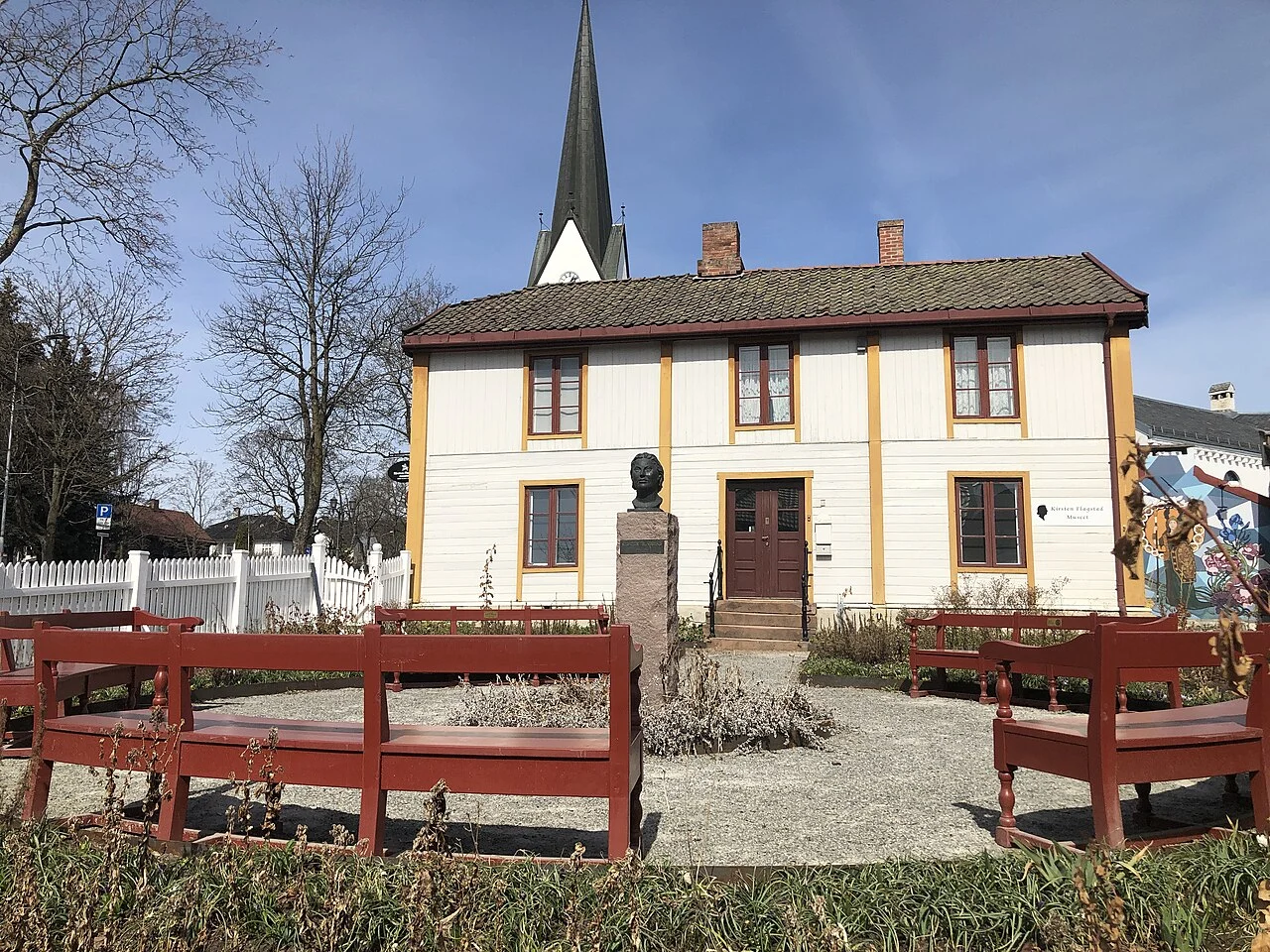
The Kirsten Flagstad Museum introduces Hamar’s connection with the internationally known opera singer. It is a focused cultural stop in the town rather than a large general museum, making it particularly appealing to visitors interested in music, performance and individual lives. Check whether the current arrangements suit your dates.
A smaller specialist museum can require more advance planning than a major attraction. Confirm opening or appointment requirements directly and decide how much time you want to spend. Do not assume that a historic house is available for casual entry simply because it is centrally located.
Pair the visit with a walk around the nearby streets and the centre. The change in subject adds variety after medieval history or railway displays. If some members of the group prefer other activities, a clear meeting point nearby lets everyone make good use of the same part of the day.
7. See Vikingskipet with a confirmed purpose
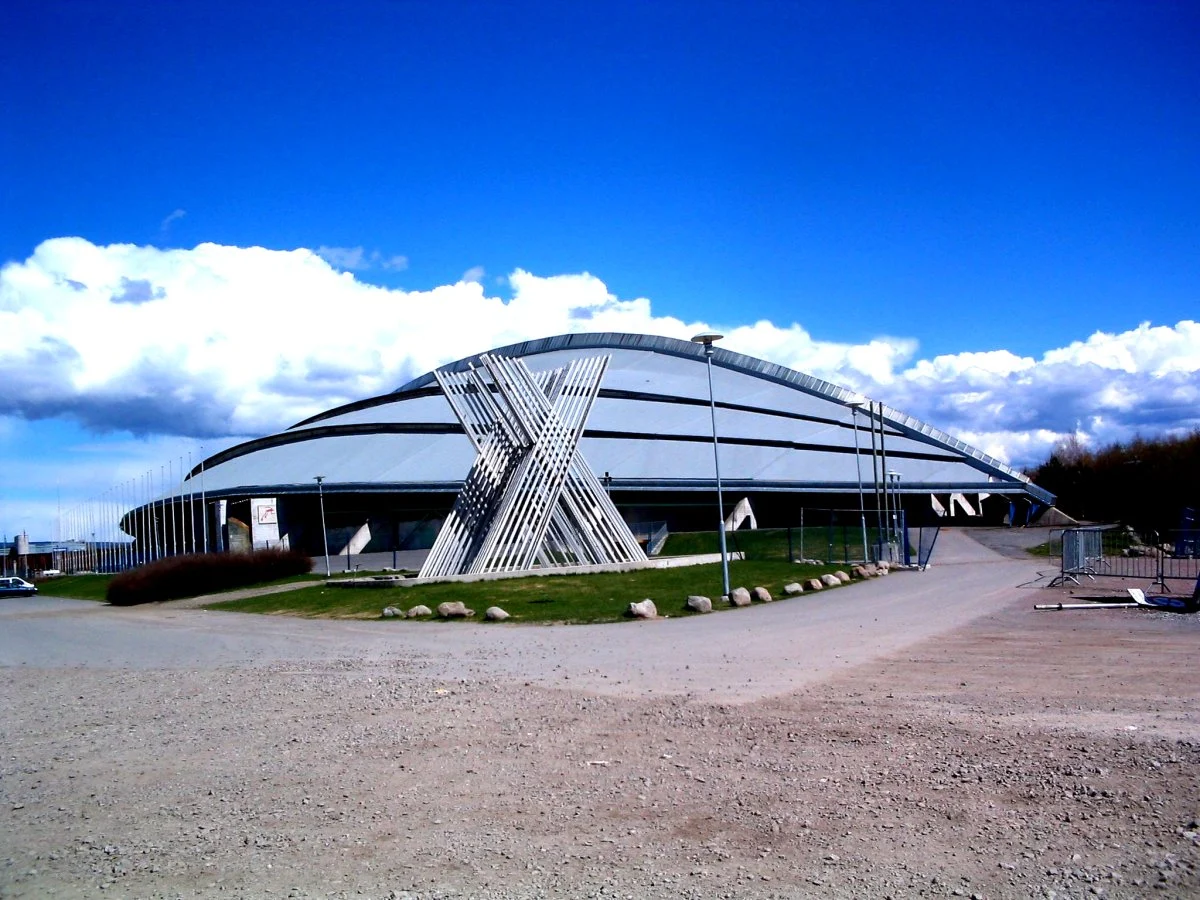
Vikingskipet is Hamar’s prominent Olympic sports and events venue. Its distinctive exterior is one reason to include it, but an event, competition or confirmed visitor opportunity provides a stronger reason for a dedicated trip. Investigate what is actually happening before assuming there is a general sightseeing interior to explore.
Access varies with the venue’s working programme. A sports hall may be in use, preparing for an event or closed to casual entry. Check official information and ticket conditions if you want to attend something, and distinguish that from simply looking at the building from public outdoor areas.
Avoid adding a long detour solely to tick off an Olympic name if time is limited. Visitors with a strong sports interest may reasonably prioritise it, while others will get more from another museum or the lakeshore. The best choice depends on what the venue offers during your stay.
8. Explore Hamar Cathedral and the central streets
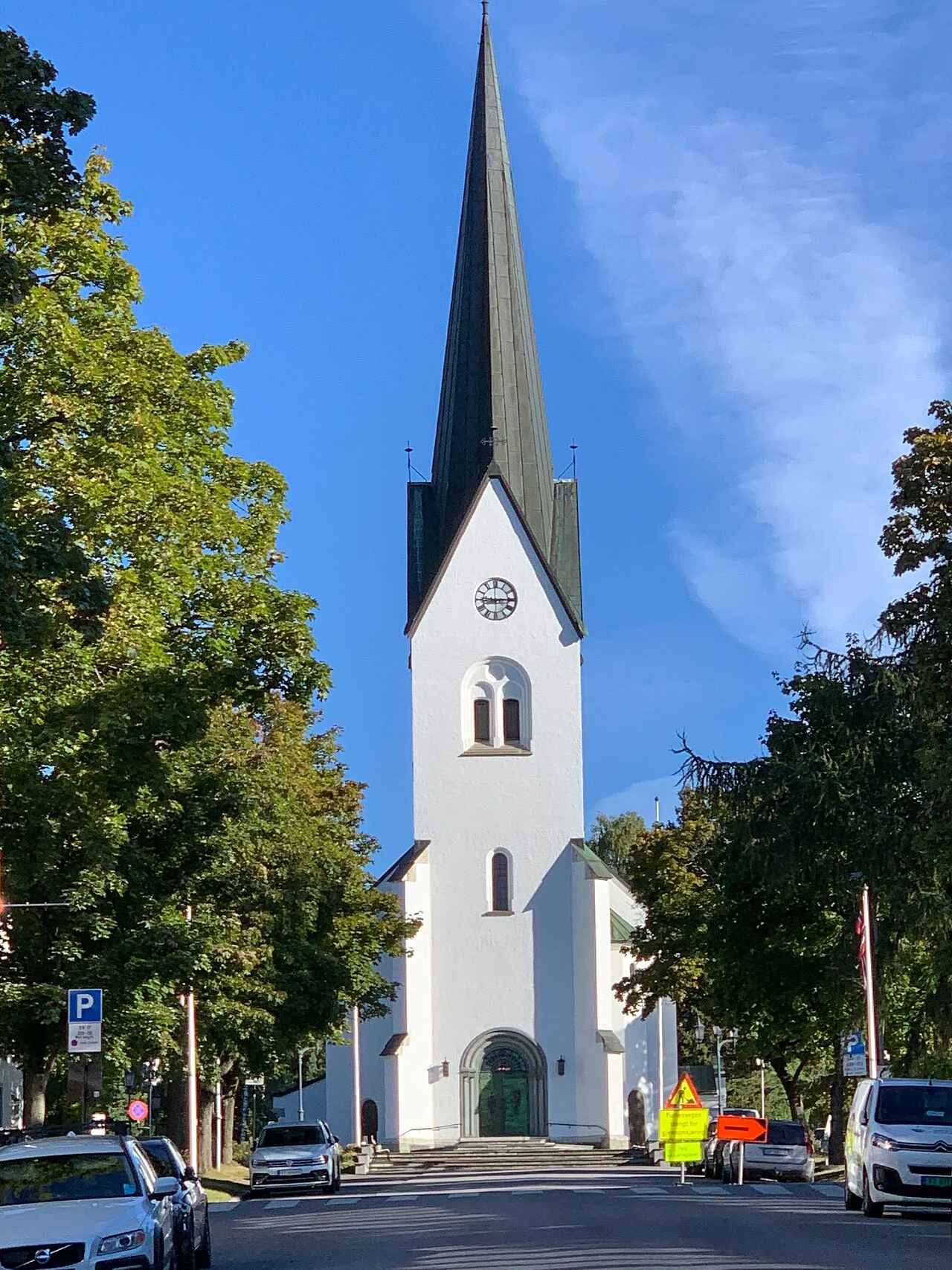
Hamar Cathedral is a separate central church from the medieval ruins at Domkirkeodden. Seeing both prevents an easy geographical misunderstanding and adds a different architectural layer to a short visit. Begin with the exterior and its relationship to the surrounding streets, then consider an interior visit if available.
Services and other church uses take priority over tourism. Check public access if going inside matters, and follow local guidance on behaviour and photography. A quiet exterior stop can still fit a town walk when the interior is unavailable, without requiring the day to be rearranged.
Use the surrounding centre for a meal, a practical shopping stop or a slower wander. The museums tell substantial stories, but the town’s ordinary streets fill out the picture. Leave room for this rather than organising an itinerary that touches the centre only when changing transport.
9. Choose a manageable Furuberget walk
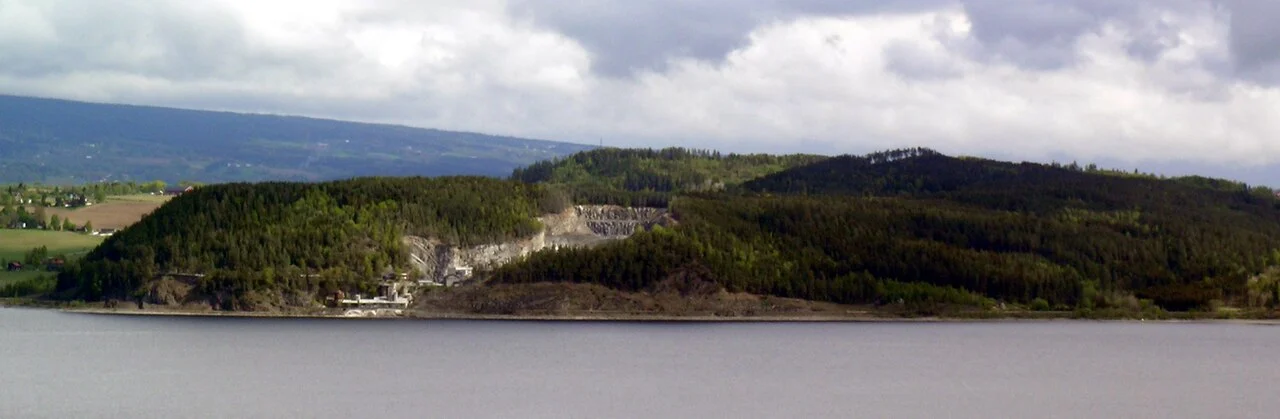
Furuberget gives visitors a nearby woodland alternative to the open lakefront. It is suitable for a selected local route rather than an improvised attempt to walk every trail. Consult the municipality’s information or a reliable current route description and choose a distance that fits the group and available daylight.
Woodland paths can be uneven, muddy or icy, and a short distance on the map does not guarantee an easy surface. Bring suitable footwear and a means of following the route. If conditions are poor, a shorter lakeside walk or an indoor visit may be a more comfortable choice.
Respect signs and the natural setting. The purpose of the outing is a change of pace, with time to notice the woodland rather than rush to a distant endpoint. Allow for the approach and return to town, especially if you have an onward train later that day.
10. Book a seasonal Skibladner sailing
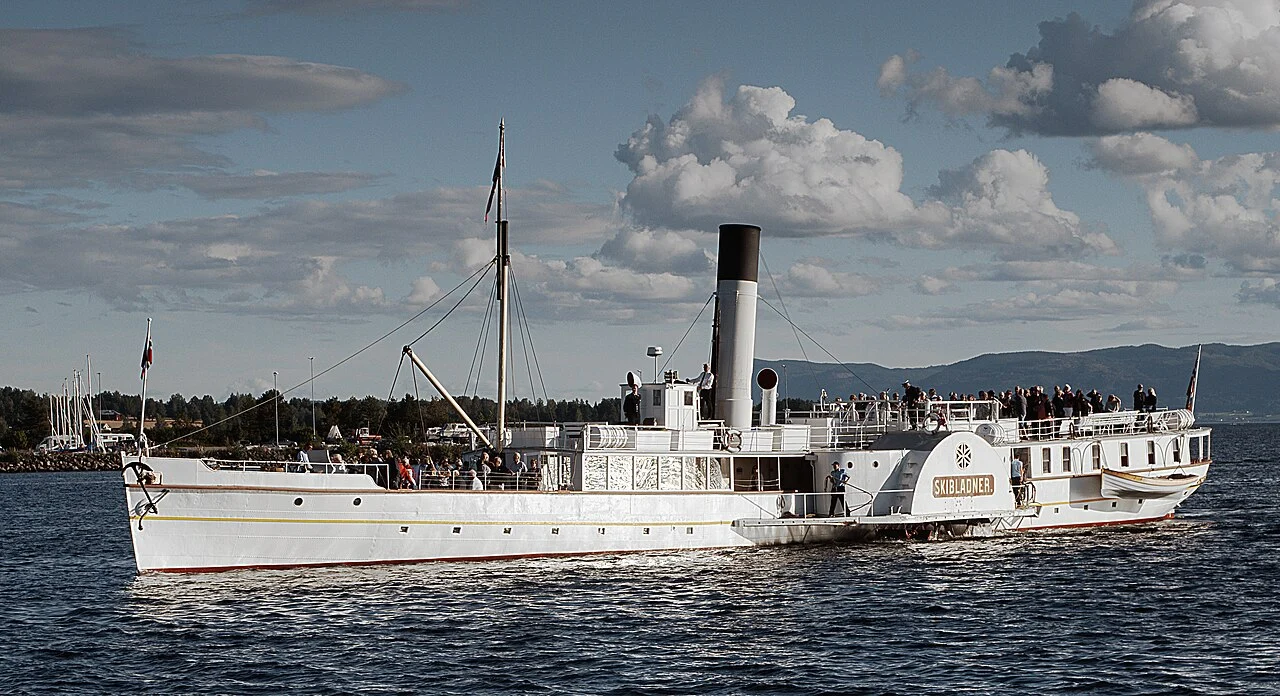
Skibladner offers a distinctive way to experience Lake Mjøsa in the operating season. It should be planned as a scheduled visitor activity with a specific route, rather than treated as a boat that turns up whenever you reach the quay. Decide what length of sailing fits your day before booking.
Read the current timetable and round-trip guidance carefully. Not every port is served in the same way every day, and an outward departure alone does not establish a convenient return. If using another mode of transport for the return, check the complete chain before setting off.
Take layers for time on deck and understand the operator’s boarding and booking requirements. A sailing can be the main activity of a day, not just a short extra between museums. Outside the operating season, keep the lakefront walk and choose another cultural attraction instead of assuming a replacement boat service exists.
Realistic Hamar itineraries
One day: history and lakefront
Start with Domkirkeodden and give the principal museum areas enough time. Return towards the centre along a suitable lakefront section, using local transport if the full walk is too long. Pause at Koigen or Mjøsfronten, then explore a few central streets before your departure. If railway history interests you more, choose the Railway Museum as the day’s main visit instead. Trying to complete both museums hurriedly is less rewarding than a well-paced introduction.
Two days: two museum themes
Use day one for Domkirkeodden, the lakefront and centre. Dedicate the next morning to the Railway Museum, checking seasonal activities separately. In the afternoon, add the Kirsten Flagstad Museum if its access fits, or choose a relaxed central walk. A confirmed event at Vikingskipet can substitute for another activity. Keep space between timed visits so local transport and ordinary breaks do not turn the day into a rush.
Three days: lake or woodland
After the main museums and centre, choose a seasonal Skibladner sailing with a workable return, or a manageable Furuberget woodland outing. Do not assume both fit comfortably around each other. Let the forecast, route and opening information decide the better option. In cold or wet weather, a cultural event or another confirmed indoor visit can provide a useful third-day focus without forcing a speculative outdoor plan.
Practical travel tips
- Confirm the correct cathedral site. Domkirkeodden contains the historic cathedral ruins and museum setting; Hamar Cathedral in the centre is a different church. Searching only for the word cathedral can send you to a different place from the one you intended to visit.
- Group attractions geographically, but do not assume you must walk every connecting stretch. The lakefront invites long walks, while museum visits already involve time on your feet. Use suitable local transport when it improves the day instead of treating a car-free visit as a walking endurance test.
- Check seasonal activity programmes separately from general museum access. A park train, guided house visit or sailing may not operate on every day an associated destination is open. Book only after checking the precise activity rather than relying on a broad tourism description.
- Protect a margin before trains or other onward connections. Hamar may be straightforward to navigate, but walking back from the shore, collecting bags and finding a platform still take time. Avoid making the final attraction dependent on a minimum-transfer calculation.
- Treat the lake with care. Conditions on the shore can change with wind and temperature, while water and ice need appropriate local knowledge. Swimming and winter activities are optional choices, not automatic extensions of a sightseeing walk.
Frequently asked questions
Is Hamar worth visiting without a car?
Yes. The main appeal combines museums, the centre and lakeside areas. Plan walking distances carefully and use current local transport information where useful, especially if visiting several sites in the same day.
Which museum should I choose with limited time?
Choose Domkirkeodden for medieval history and the cathedral ruins, or the Railway Museum for transport heritage. Both are substantial enough to justify time; personal interest is a better guide than trying to rush through both.
Does the museum train run all year?
Do not assume so. The Railway Museum describes a summer narrow-gauge train operation. Check the current programme for your dates and distinguish the ride from the rest of the museum visit.
Can I take Skibladner in winter?
Do not plan on a year-round service. Scheduled visitor sailings are seasonal. Check the current operator timetable and use a different lakefront or cultural activity when no suitable sailing is offered.
Are Hamar Cathedral and Domkirkeodden the same place?
No. The central cathedral and the historic cathedral ruins at Domkirkeodden are separate sites. Mark both on a map if you want to include them in the same visit.
Is Vikingskipet always open for sightseeing?
Access depends on the working venue programme. Check a specific event or visitor opportunity before travelling there for an interior visit. An exterior look is a different experience and may be enough for a brief stop.
Continue exploring Norway
Continue around Lake Mjøsa to Lillehammer’s Maihaugen and Olympic Museum for a second cultural base. Allow a separate day for the museums and check train times before booking.
Sources and current travel checks
Official tourism, museum and operator information informed this guide. Opening calendars, access, fares and transport can change; follow these sources for your travel dates. Suggested visit lengths and itineraries are editorial planning allowances.
Compare the onward route around Mjøsa
Use Hamar as a base for a lake and heritage day rather than trying to cover the entire Mjøsa shore. If your route continues towards Lillehammer, check the connection and allow enough time for a separate museum visit there. Read the Norway itinerary guide for the principle of choosing an overnight base around the next moving day rather than making long day trips from one place.