Where to Stay in Oslo: 10 Areas and Booking Decisions

Where to stay in Oslo depends on your arrival station, the attractions you will actually visit and how much evening travel you want. For a first short stay, the centre around Oslo S and the waterfront is the easiest starting point. A neighbourhood apartment can make more sense for a longer visit, while an airport hotel solves a specific flight problem rather than an Oslo sightseeing problem.
This guide compares ten area and accommodation choices. These are editorial planning recommendations, not a hotel inspection or a claim that every reader should choose the same property. Specific hotels are research examples, not personally tested recommendations. Compare your exact dates, room category and cancellation conditions before paying.
Quick answer: where to stay in Oslo
Oslo is worth two full sightseeing days; three allows an island outing or a less hurried museum visit. May to September offers more outdoor flexibility, while winter suits a shorter cultural break. Accommodation costs are high and date dependent. Walk centrally and use Ruter public transport farther out. Prioritise a convenient arrival, a manageable museum route and a room that fits your actual party.
For most first visits, shortlist Sentrum, the station area and Bjørvika before looking farther away. Couples seeking a particular atmosphere can compare Frogner or the western waterfront. Families should compare beds, kitchens and laundry rather than assume a room labelled family includes everything they need. An inexpensive distant room can cost more once transfers and time are included.
Compare areas and stay types
Choose the area for your arrival, sightseeing and departure. An apartment is a stay format rather than a district, and an airport hotel serves a different purpose from a city base.
| Area or stay type | Who it suits |
|---|---|
| Sentrum: the straightforward first-visit choice | Sentrum places you among central shops, restaurants and transport connections. It is a practical base when your plans combine waterfront sights with museums in different parts of the city. |
| Oslo S and Jernbanetorget: easiest with luggage | The station area is useful when you arrive by rail or continue toward another Norwegian city. Staying near an actual station entrance can simplify a late arrival, particularly with children or heavy luggage. |
| Bjørvika: Opera House, MUNCH and the eastern waterfront | Bjørvika suits visitors who want modern waterfront architecture and an easy connection between the Opera House, library and MUNCH. It also works for travellers who like returning to their room between museum visits and dinner. |
| Aker Brygge and Vika: the western waterfront | The western waterfront is a useful choice if harbour walks, dining and the National Museum are high priorities. Vika can provide a convenient compromise between the waterfront itself and the wider centre. |
| Frogner: a neighbourhood stay with park access | Frogner is worth considering when you prefer residential streets and a less station-focused base. It can suit repeat visitors, couples and travellers who expect to spend time around the western city. |
| Grünerløkka: cafés, restaurants and riverside walks | Grünerløkka suits travellers who want neighbourhood cafés, independent shops and time around the Akerselva. It is a different accommodation decision from sleeping beside the station. |
| Majorstuen: compare connections rather than distance alone | Majorstuen is a useful area to investigate when good public transport matters more than staying on the waterfront. It can work for a longer stay that combines city visits with the western neighbourhoods and forest-facing journeys. |
| Gamle Oslo and Tøyen: examine the individual address | Eastern neighbourhoods can offer accommodation beyond the most obvious waterfront searches. Gamle Oslo and Tøyen cover different settings and should not be treated as interchangeable hotel districts. |
| An apartment: judge the complete stay cost | An apartment is an accommodation format rather than one Oslo neighbourhood. It can work especially well when several people share, when you stay longer, or when cooking and laundry matter. |
| Gardermoen airport: solve an early-flight problem | An airport stay should be chosen for a flight or meeting, not described as a convenient sightseeing base in central Oslo. A property at or near Gardermoen is a different location from a hotel beside Oslo S. |
1. Sentrum: the straightforward first-visit choice
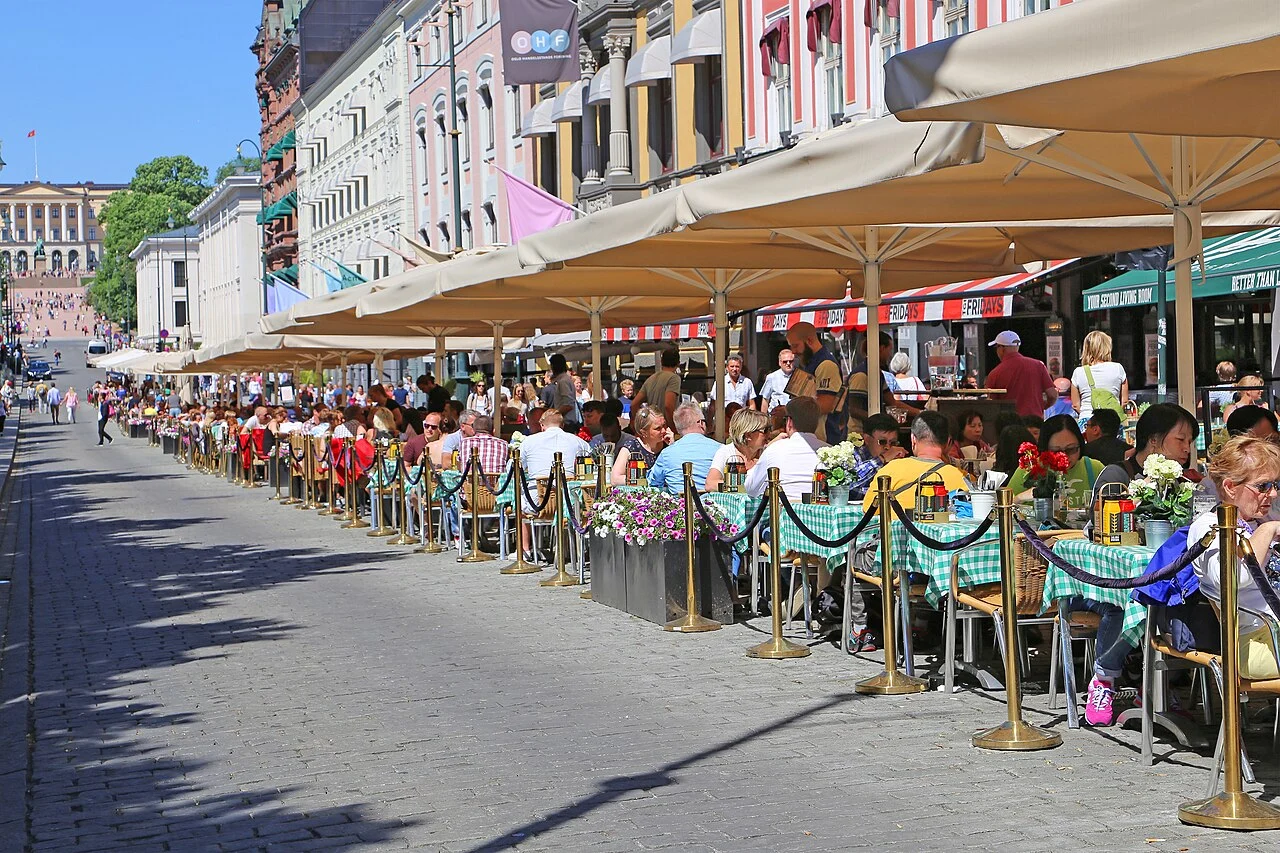
Sentrum places you among central shops, restaurants and transport connections. It is a practical base when your plans combine waterfront sights with museums in different parts of the city. The advantage is flexibility: a change of weather is less disruptive when several transport routes and indoor alternatives are accessible from your accommodation.
Choose the exact street with care. A central address does not establish that a bedroom is quiet, and pedestrian convenience is different from vehicle access. Read recent comments about street noise and ask the property whether your booked room faces the road or an interior space. Travellers who sleep lightly should make that question explicit.
Compare at least two central properties for the same dates and occupancy. Check breakfast, luggage storage, lift access and whether the quoted rate can be cancelled. Allow two or three nights for a short city visit. You generally do not need a car here; reserve accommodation first, then plan museum days around the forecast and actual opening hours.
2. Oslo S and Jernbanetorget: easiest with luggage
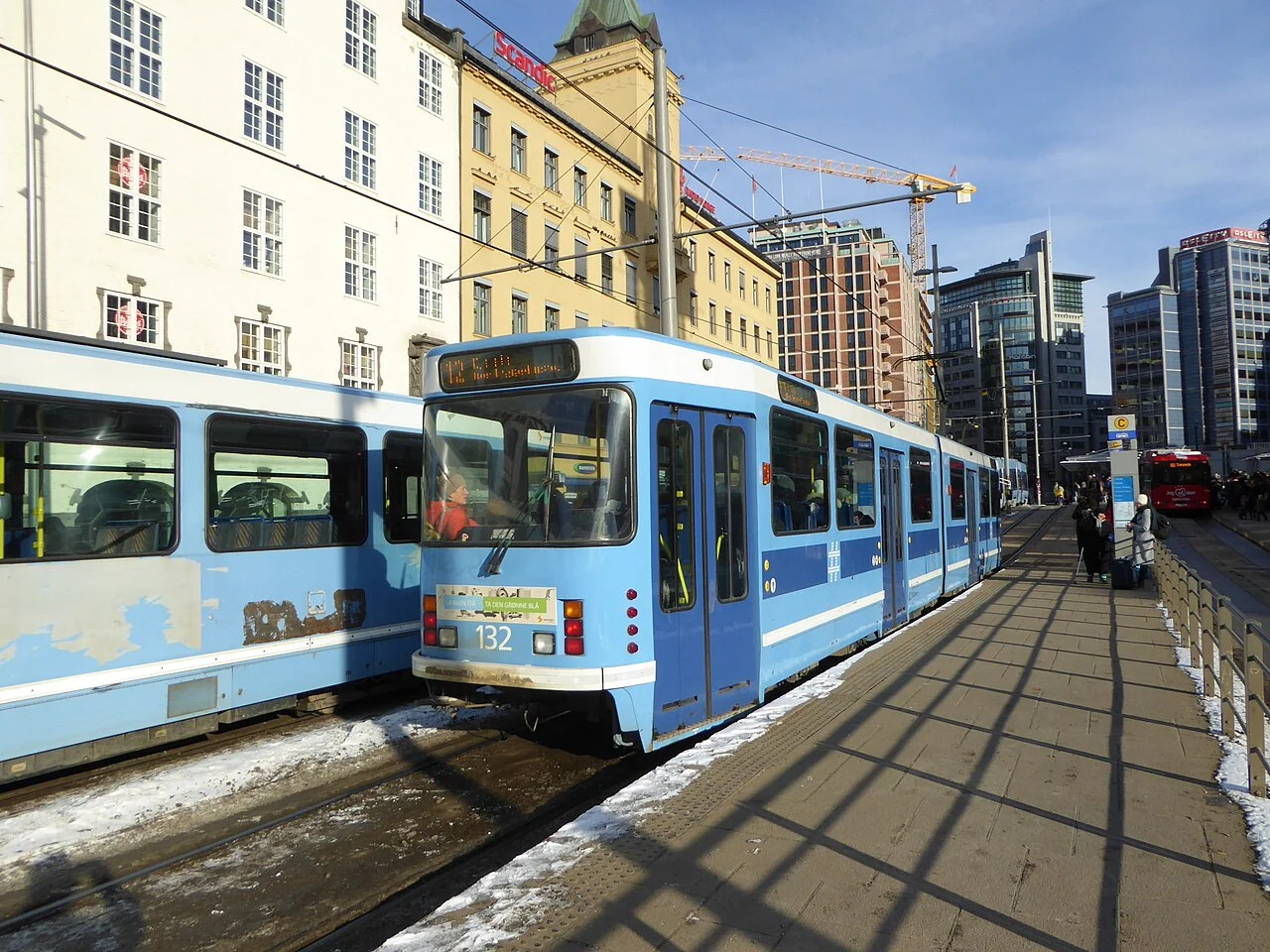
The station area is useful when you arrive by rail or continue toward another Norwegian city. Staying near an actual station entrance can simplify a late arrival, particularly with children or heavy luggage. Check the walking route rather than drawing a radius around a map pin: crossings and the entrance you need still affect the journey.
A station stay makes most sense when convenience is the priority. It does not mean every room overlooks trains or that all nearby streets feel identical. Compare the surroundings of the specific entrance, and decide whether you prefer immediate access or a few quieter blocks away. Keep restaurant choice separate from the hotel's own dining offer.
VisitOSLO's accommodation directory is a useful starting point for checking current central options. Confirm which airport your flight uses and the transport service you will take; an Oslo address does not make every airport equally convenient. For an early departure, check the first usable service before paying a premium solely for station proximity.
3. Bjørvika: Opera House, MUNCH and the eastern waterfront
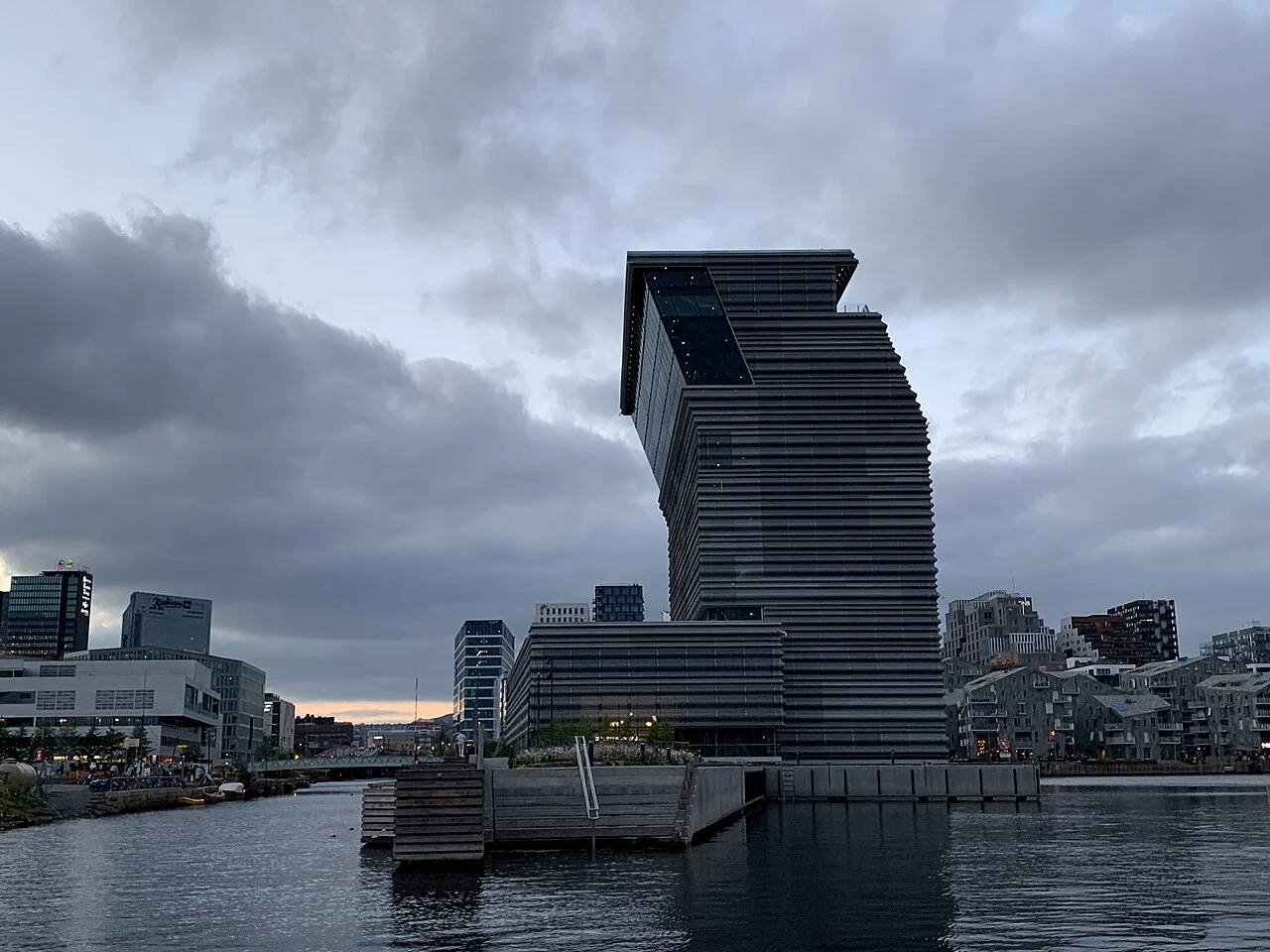
Bjørvika suits visitors who want modern waterfront architecture and an easy connection between the Opera House, library and MUNCH. It also works for travellers who like returning to their room between museum visits and dinner. The waterfront location should be evaluated alongside the route from the station, especially when carrying luggage in rain or snow.
Thon Hotel Opera is a verified hotel example in Bjørvika. Its operator places it near the Opera, MUNCH and transport connections. That establishes its location, not a promise about your particular view or facilities on your dates. A waterfront district contains buildings facing different directions, so pay attention to the booked room description rather than the cover photograph.
Check the operator's current room types and notices before booking. A station-side hotel can be particularly useful for a rail-based Oslo–Flåm–Bergen journey, but the onward train still requires a separate travel day. Pair a Bjørvika stay with one waterfront museum per half-day instead of assuming proximity makes unlimited admissions a comfortable itinerary.
4. Aker Brygge and Vika: the western waterfront

The western waterfront is a useful choice if harbour walks, dining and the National Museum are high priorities. Vika can provide a convenient compromise between the waterfront itself and the wider centre. Compare the precise location with the routes you expect to walk, particularly if you want to return after a late performance or dinner.
The appeal is being able to leave the hotel and immediately begin an urban waterfront day. The trade-off can be a higher room price or activity around restaurants and public spaces. A sea-facing room is a separate purchase decision: establish whether the actual room category includes that outlook rather than relying on a general promotional image.
Plan two nights or more if this area is central to your visit. Confirm parking availability and its total charge if you arrive by car; do not assume a nearby garage belongs to the hotel. Combine the museum with Aker Brygge and fortress-area walking, leaving Bygdøy for another time block. Verify boat departures separately before arranging a ferry-based outing.
5. Frogner: a neighbourhood stay with park access
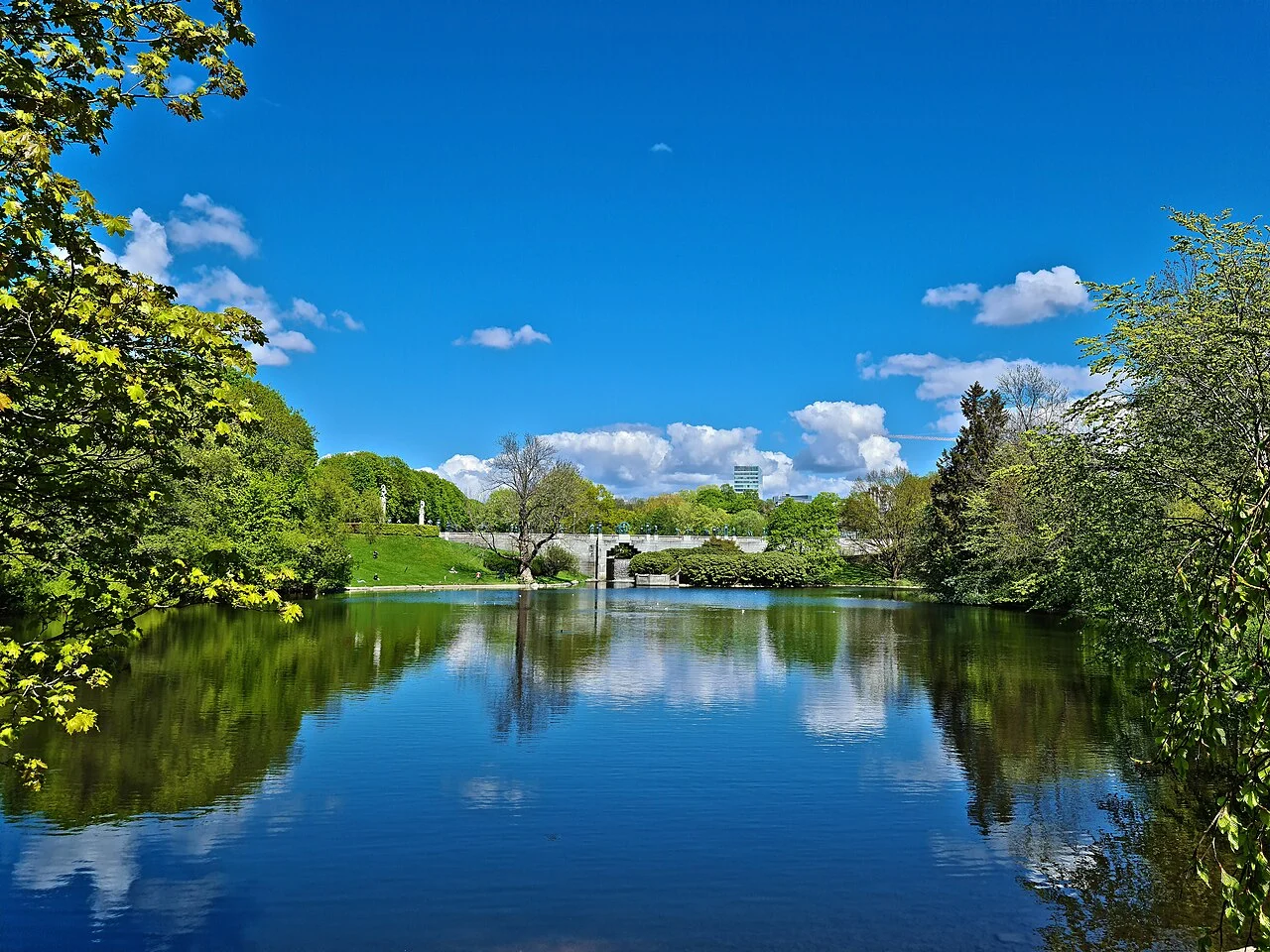
Frogner is worth considering when you prefer residential streets and a less station-focused base. It can suit repeat visitors, couples and travellers who expect to spend time around the western city. The district is broad, so accommodation described simply as Frogner needs a more precise location check against the park, tram stops and your chosen museums.
An apartment or smaller property may give a different rhythm from a large central hotel. Decide whether you value that atmosphere enough to accept additional journeys to Bjørvika or the station. Grocery access, kitchen equipment and the walking route home matter more on a longer visit than a photograph of an attractive living room.
For three or more nights, compare a neighbourhood stay with the complete cost of a central hotel. Confirm cleaning charges, check-in arrangements and the actual beds. Use the Ruter planner for your address and travel dates. Combine a park visit with nearby walking, then choose a separate, coherent museum route rather than repeatedly crossing Oslo between unrelated stops.
6. Grünerløkka: cafés, restaurants and riverside walks
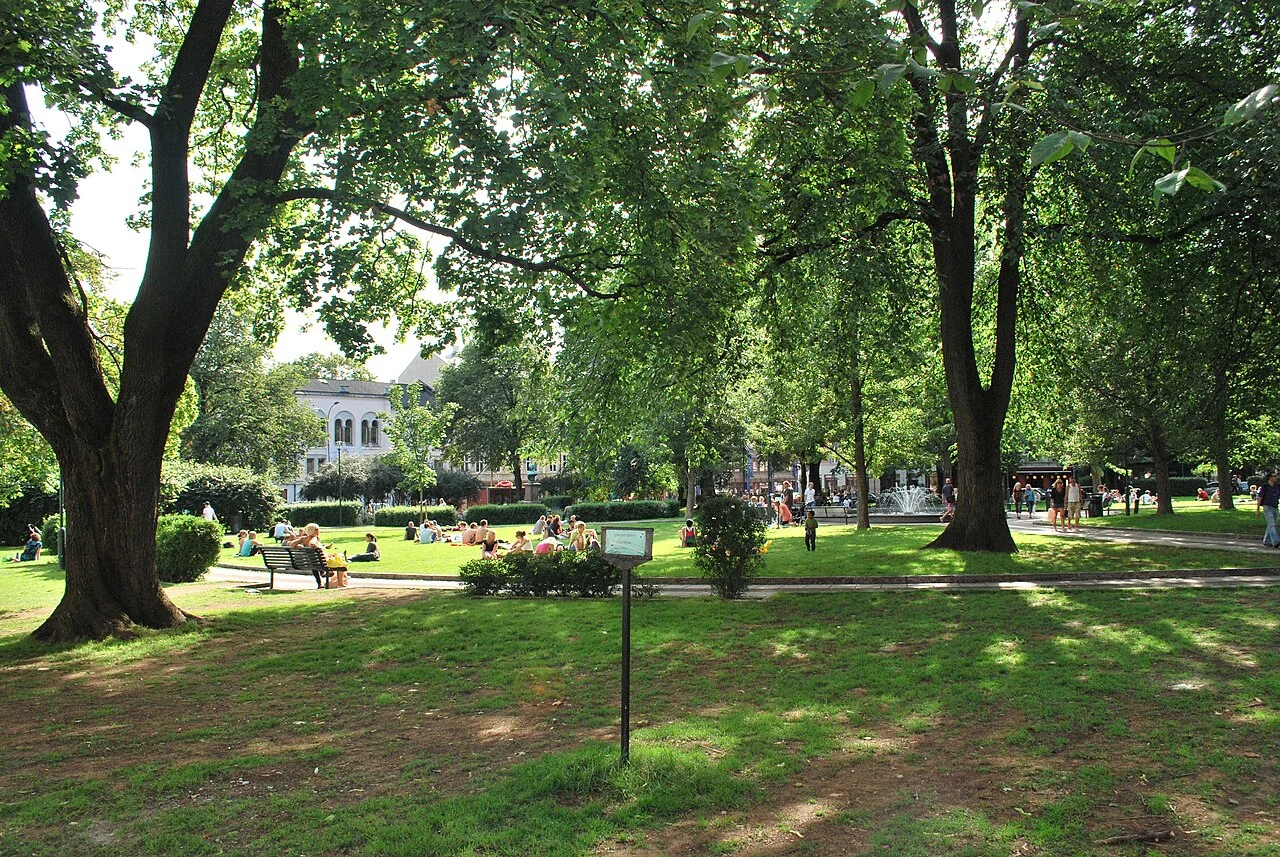
Grünerløkka suits travellers who want neighbourhood cafés, independent shops and time around the Akerselva. It is a different accommodation decision from sleeping beside the station. The district is useful when food and local walking are central to the visit, but less compelling if you only have one hurried night before a train.
Do not equate a lively area with a quiet bedroom. Ask about the street, room orientation and nearby venues, particularly for weekend stays. An apartment listing may have attractive space but no reception or easy luggage storage. Consider how you will manage an arrival before check-in or a departure well after checkout.
Check the connection to both your arrival point and your first booked activity. Allow enough time for the return after dinner instead of assuming every walk is short. Families can benefit from self-catering, but should verify cot arrangements and stairs. Pair this base with an Akerselva walk and reserve a separate day for the western museum peninsula.
7. Majorstuen: compare connections rather than distance alone
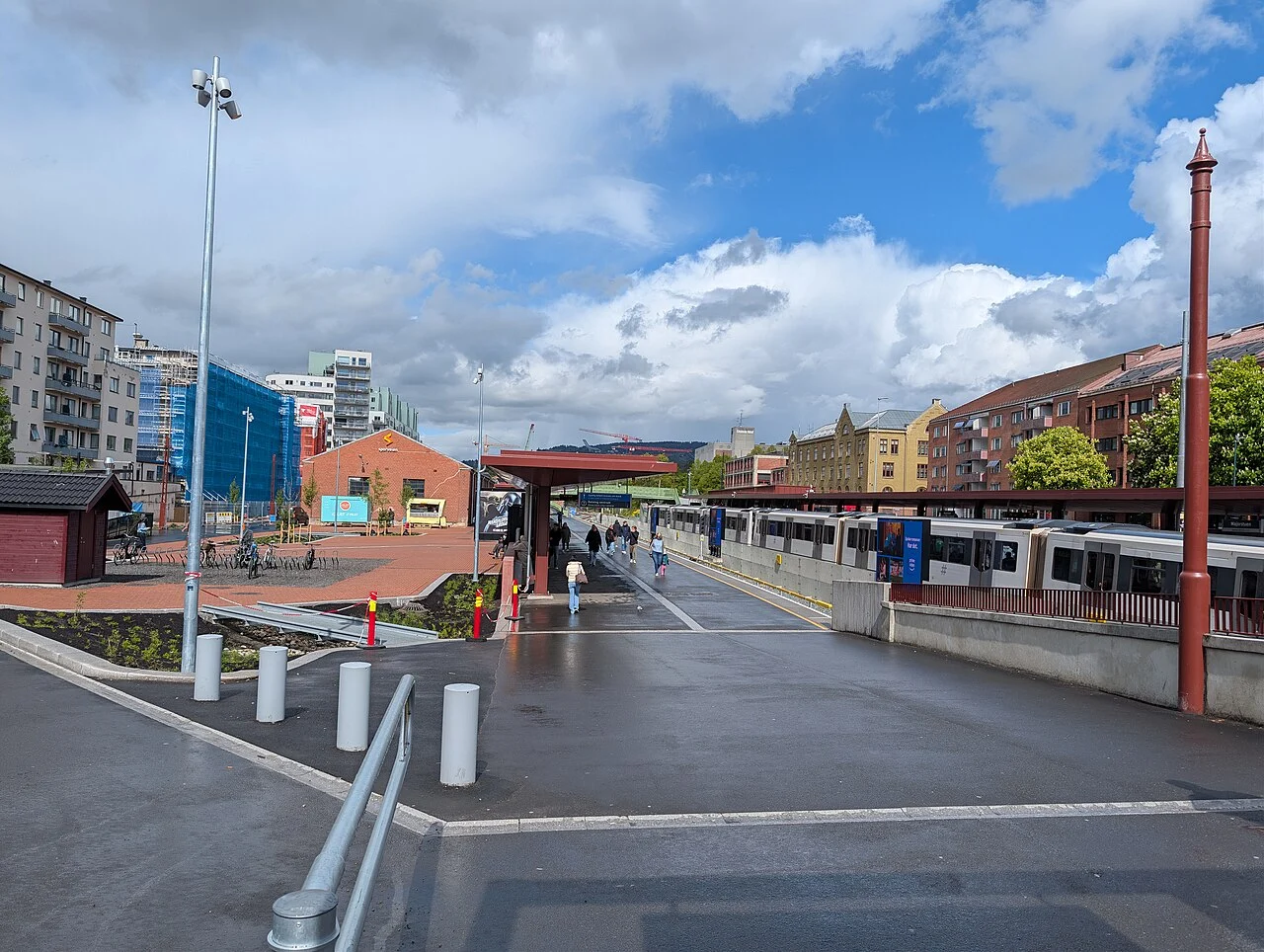
Majorstuen is a useful area to investigate when good public transport matters more than staying on the waterfront. It can work for a longer stay that combines city visits with the western neighbourhoods and forest-facing journeys. The right address depends on the entrance and transport stop you will use, not just the district label.
Look at the daily pattern you are buying. A longer direct journey can be less troublesome than a shorter trip involving several changes. Conversely, a property that requires an uphill walk with luggage may offer less convenience than its map position suggests. Travellers with limited mobility should ask about gradients as well as lifts inside the building.
Compare a full stay budget including local tickets and any late-night taxi contingency. Check current Ruter routes, service changes and the accommodation's reception hours. This is usually a choice for several nights rather than a single museum-focused stopover. Keep your arrival evening simple, then use a daylight outing to learn the route around your accommodation.
8. Gamle Oslo and Tøyen: examine the individual address
Eastern neighbourhoods can offer accommodation beyond the most obvious waterfront searches. Gamle Oslo and Tøyen cover different settings and should not be treated as interchangeable hotel districts. Look at the actual street and transport connection, then decide whether the location supports your itinerary rather than choosing solely because a rate appears lower.
A kitchen or larger apartment can be useful for an extended stay. However, extra floor area is not the same as convenient sleeping arrangements: check whether the second bed is a sofa, whether bedrooms are separate and whether the bathroom can serve your group comfortably. Recent property information is more useful than general claims about an entire neighbourhood.
Use the exact address in a journey planner for arrival and evening return times. Verify check-in instructions before travelling, especially for a self-service property. A modest saving is worthwhile only if the additional travel fits your days. Pair local exploration with a planned central visit, and leave time to buy groceries before shops close for the evening.
9. An apartment: judge the complete stay cost
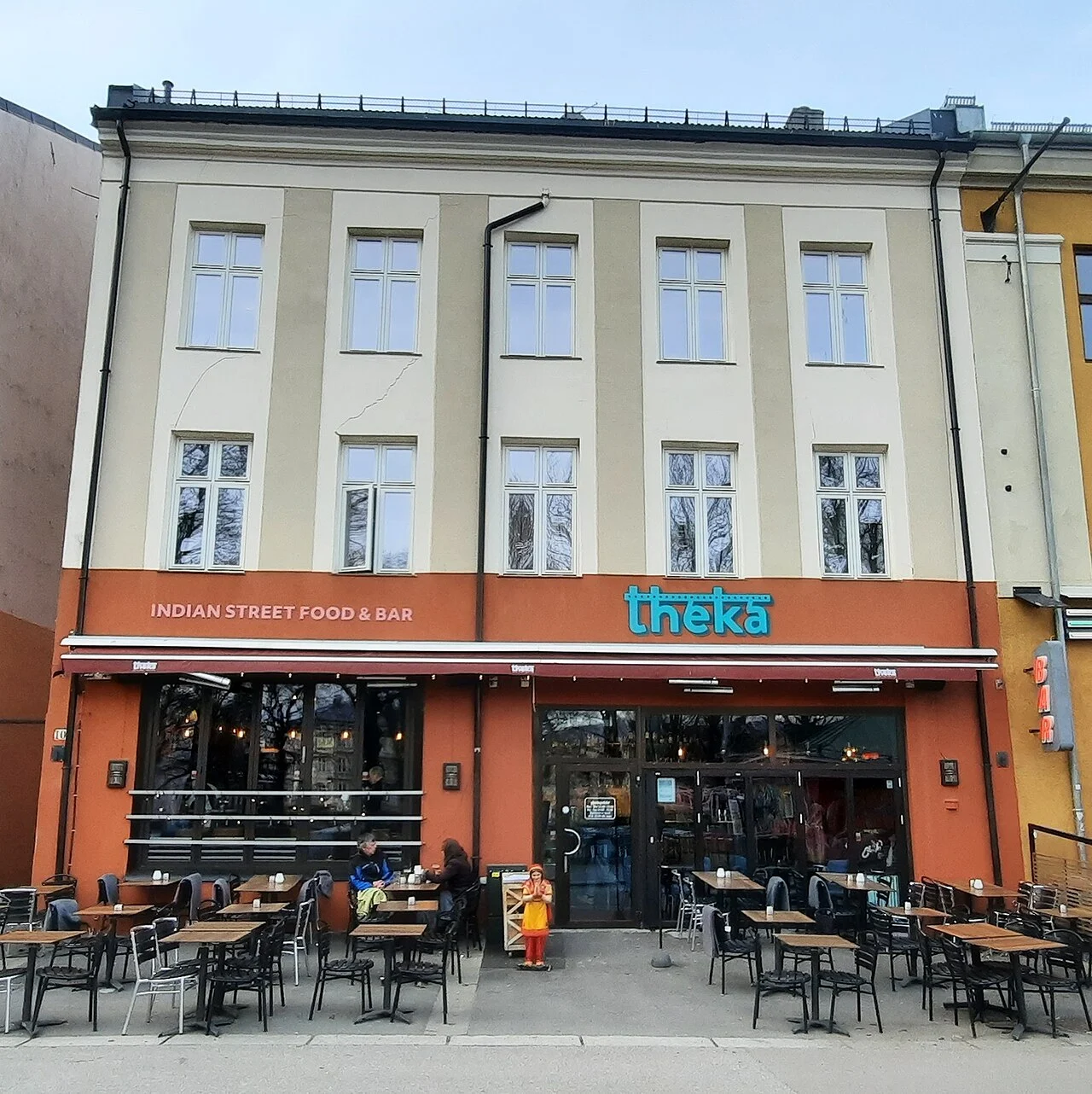
An apartment is an accommodation format rather than one Oslo neighbourhood. It can work especially well when several people share, when you stay longer, or when cooking and laundry matter. The comparison should be against an equivalent hotel arrangement for the same party, not a cheaper hotel room that cannot actually accommodate everyone.
Check cleaning and service fees, deposits, cancellation deadlines and the check-in process. Establish whether essential supplies are included and whether the kitchen has the equipment you will use. A stovetop and refrigerator do not guarantee a useful family cooking setup. Ask whether lift access reaches the apartment itself rather than only an intermediate floor.
For a one-night visit, reception, breakfast and luggage storage may outweigh a kitchen. For a longer stay, compare a supermarket-based food plan with the hotel's breakfast-inclusive rate. Confirm that the property is currently bookable and that its identity and location match the booking confirmation. Avoid moving between apartments simply to save a small amount on individual nights.
10. Gardermoen airport: solve an early-flight problem

An airport stay should be chosen for a flight or meeting, not described as a convenient sightseeing base in central Oslo. A property at or near Gardermoen is a different location from a hotel beside Oslo S. Check the terminal route, shuttle requirements and actual service hours before assuming an airport-branded name means a walkable entrance.
The strongest reason to change hotels is an early departure that makes a city transfer unnecessarily stressful. The cost is lost city time and the work of packing and moving. A final airport night may suit a longer Norway journey, while a short break often benefits from keeping one central base and using a verified airport connection.
Confirm your departure airport, breakfast times and checkout arrangements directly. Compare the complete airport-hotel cost against another central night plus transport. Do not assume a shuttle operates around the clock or is included. Keep the final evening uncomplicated, and leave a sensible margin for terminal access, baggage and airline check-in requirements.
Oslo accommodation itinerary: one, two or three days
One day: choose a central or station-connected base. Use 09:00–12:00 for the Opera House and Bjørvika, subject to access, then lunch and one major museum from about 13:00–16:00. Keep luggage storage arranged if the room is not ready. In persistent rain, shorten the waterfront walk; in winter, put outdoor time into daylight.
Two days: retain the same hotel. Spend the second morning, roughly 09:00–13:00, on one Bygdøy museum plus transport, allowing for opening hours. After lunch, visit Vigeland Park if conditions suit, or choose an indoor alternative. Return for dinner near your base rather than adding an accommodation move to an already full day.
Three days: add an island outing or Holmenkollen, with a full half-day for travel and sightseeing. Leave the afternoon flexible for neighbourhood walking or a missed museum. Check the final ferry return and weather; in winter substitute a confirmed indoor visit if conditions deteriorate. On departure day, protect the airport or onward-train connection before adding another attraction.
Booking, budget and seasonal checks
Get date-specific room quotes before setting your accommodation budget. Prices vary by demand, room type and flexibility; this guide does not claim a city-wide nightly rate. Compare breakfast, taxes and mandatory charges, parking, extra beds and cancellation terms. A lower headline price is not necessarily lower total expenditure, especially when the room is far from the routes you intend to use.
Book the room category you require, not a standard room with an assumption that an upgrade will solve accessibility or family needs. Ask practical questions about steps, shower access, cot availability and luggage storage. Winter travellers should consider the route outside the property as well as its interior. Summer visitors should still check how a late flight connects with reception or self-service entry.
Oslo accommodation FAQ
Is central Oslo worth the extra cost? For a short first visit, it often saves useful time, but compare actual quotes and journeys rather than assuming every central property is good value.
Do I need a car? Usually not for a city break. Check Ruter and airport connections first, and collect a rental car only when a later rural route benefits from one.
Should I stay near the station or waterfront? The station is strongest for luggage and onward rail travel. Bjørvika and the western waterfront suit different museum and walking priorities; compare the precise address.
Is an apartment cheaper? Sometimes for a longer or shared stay, but only after all fees, beds and food arrangements are included in the comparison.
When should I reserve? Once dates and the main route are firm, compare availability and cancellation terms. There is no universal booking deadline that guarantees a good price.
Where should families stay? Choose the property with workable beds, bathroom arrangements and transport, then compare districts. A family label is less useful than the room specification.
Sources, editorial notes and next steps
Research checked 29 October 2026. Use VisitOSLO for accommodation information, Thon Hotels for the Opera property's current details and Ruter for local journeys. Prices, facilities and transport change; verify them directly before booking. Hotel examples are researched references, not a claim of personal stays or paid inclusion. Links here are ordinary editorial links unless explicitly labelled otherwise.
Continue with the Oslo things-to-do guide, the Norway planning hub, the best-time-to-visit guide and the Bergen destination guide to build the next part of your route. Choose accommodation that makes the journey easier, then resist filling every remaining hour. A useful base is one that supports your priorities in both good weather and the weather you actually encounter.
Official sources and current information
Continue planning your Norway trip
Research-based editorial selection. No personal hotel stays or tour participation are claimed. Commercial links, if introduced, will be labelled. Read our editorial policy and commercial disclosure.
Plan your stay in Oslo
Match the room location and total stay price to your sightseeing and onward journey. Compare the actual room, included meals and transfer costs for your dates.