10 Best Guided Walking Tours in Norway
A walking tour is one of the easiest ways to understand a Norwegian city without renting a car. Choose a route that matches your interests, whether waterfront architecture, trading history, island trails or Arctic heritage. These ten options are editorial selections from current tour listings, not a measured ranking.
Start with the city you are actually staying in rather than travelling to another region for a walking tour. Morning tours usually leave the afternoon free for museums and independent sightseeing; a later departure can be a useful orientation after hotel check-in. Private and shared tours solve different problems, so compare what the guide can adapt.
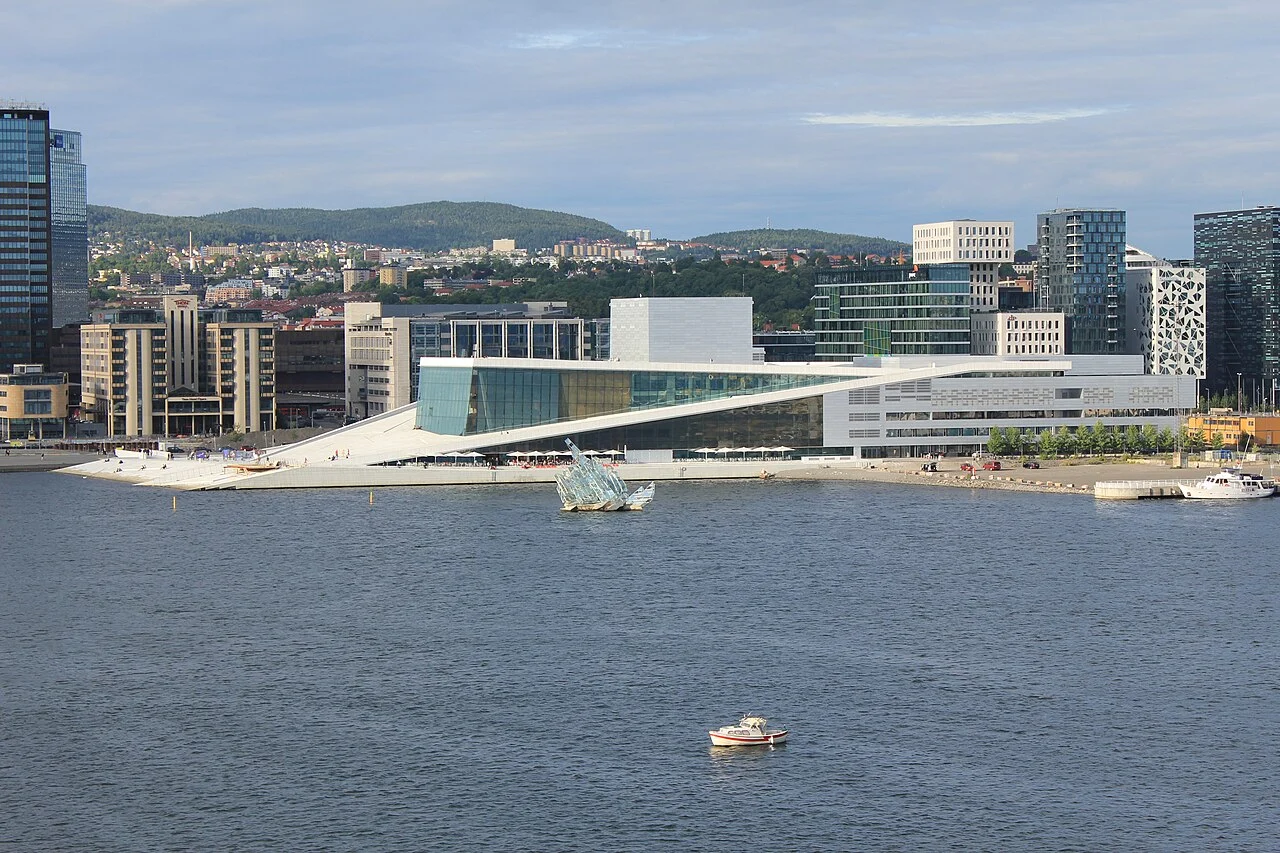
Photographs show real locations, landscapes and subject matter in Norway; they do not necessarily depict the specific listed tour or operator.
This guide contains affiliate links. We may earn a commission if you book through them, at no additional cost to you. Affiliate disclosure.
Quick answers: Guided Walking Tours in Norway
- Worth it?
- Yes for orientation, local history and exploring streets beyond major attractions.
- Time needed
- Allow two to three hours as a planning block, then leave extra time for independent stops.
- Best time
- Year round in cities with suitable footing; plan winter daylight and clothing.
- Approximate cost level
- Compare shared and private prices; check admissions and transport separately.
- Getting around
- Walk from a central base and verify the ending point.
- Top priorities
- Oslo waterfront architecture, Bergen trading heritage and Trondheim or Tromsø local history.
Before you book
Compare availability, inclusions, cancellation terms, meeting location and total price for your travel dates. These are editorial picks based on available tour descriptions, not a ranking by sales, reviews or personal first-hand testing.
1. Central Oslo for a first visit
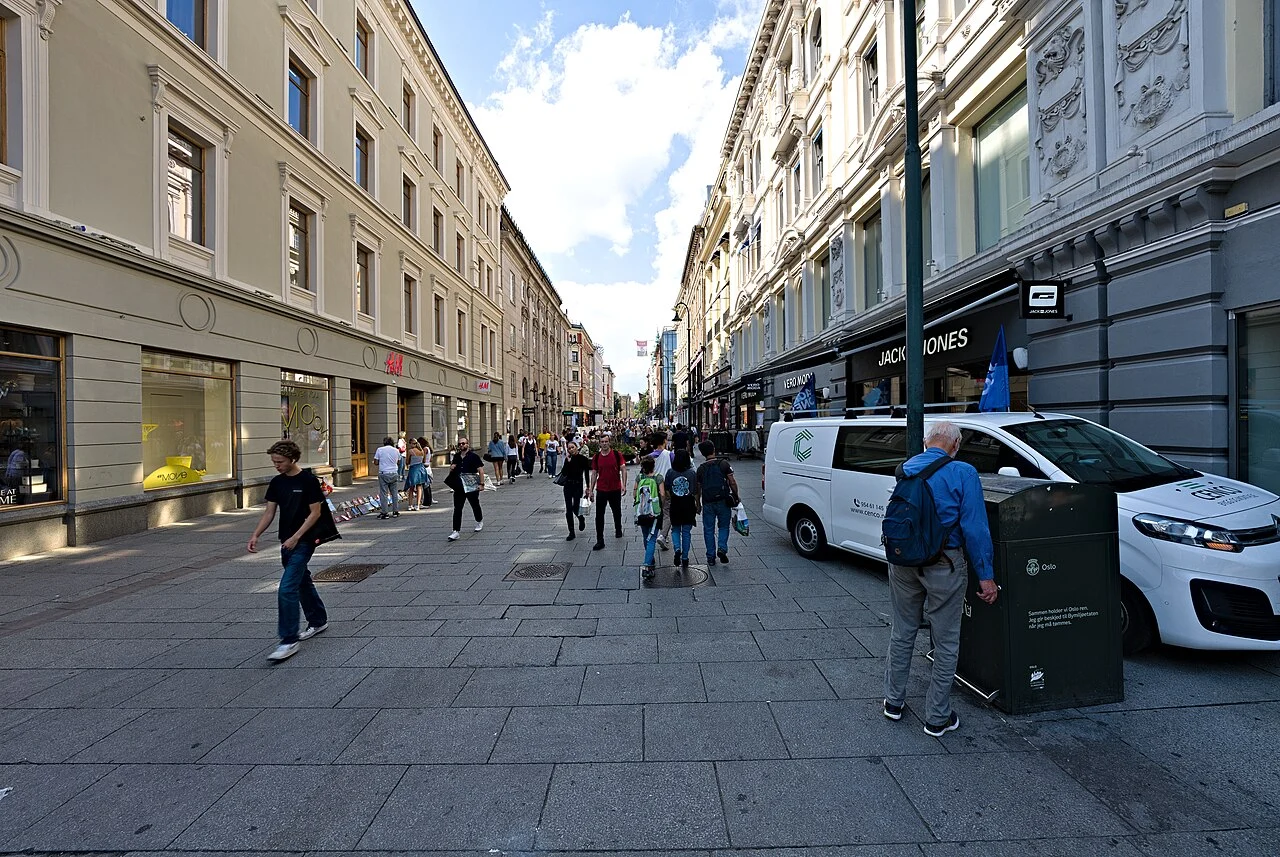
Start with the capital’s centre if you have only a short stay. A local walking guide can connect the waterfront and historic streets into a coherent route. Check the meeting point and whether the walk finishes near your next reservation.
Use the first part of your stay for orientation: learn which parts of the centre are close together, then use the guide’s suggestions to make your own afternoon plan. The harbour and older centre are worth seeing at pedestrian pace rather than by repeatedly boarding transport.
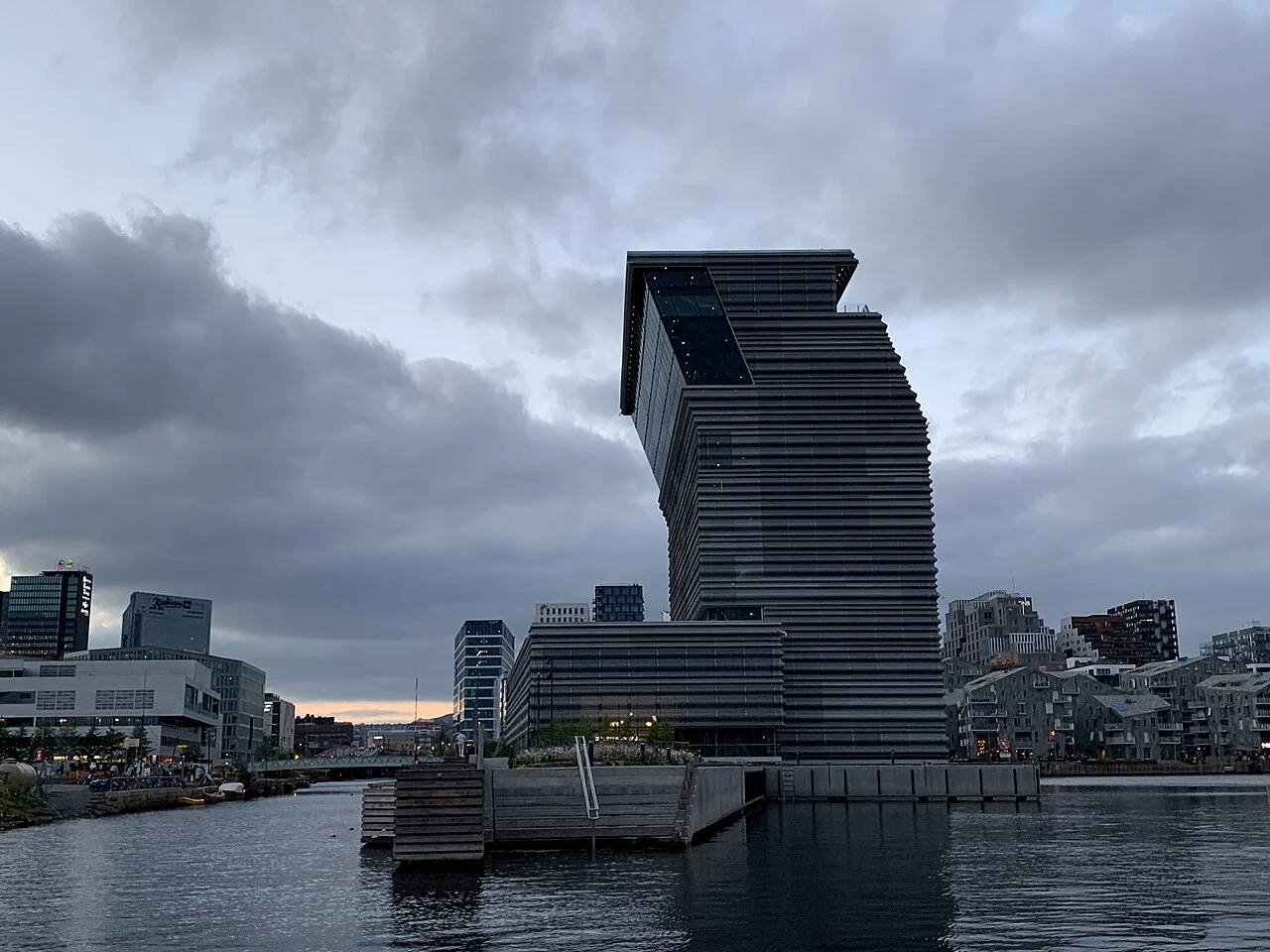
If you have just arrived by train, allow time to store luggage. A guided route may cover landmarks from the outside, so reserve separate admission if you want to spend longer in MUNCH or the National Museum.
2. Bergen’s trading history
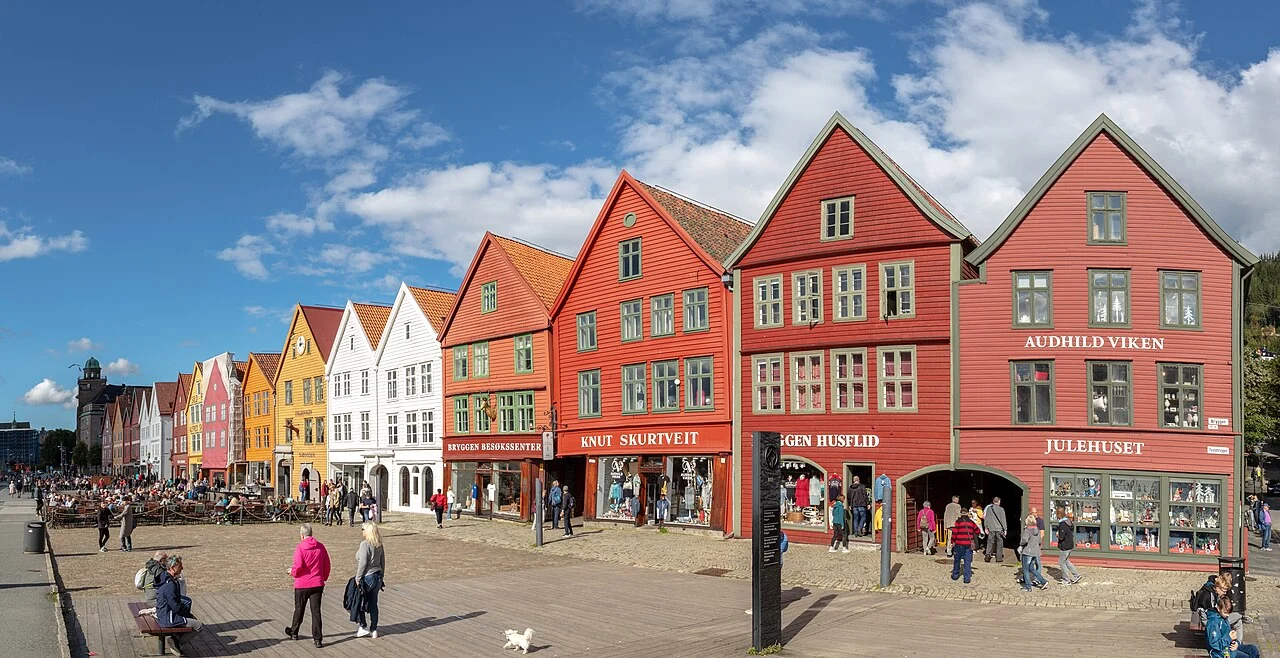
A history-led stroll around Bergen’s harbour and Bryggen puts its timber buildings and maritime past in context. It suits visitors who want to understand the city before exploring independently. Wear shoes suitable for wet cobbles.
Bryggen is more interesting when you look beyond the waterfront façade into lanes and courtyards. Ask the guide about the city’s trading links and the reasons the historic timber quarter looks the way it does. Bergenhus Fortress is another useful point of reference.
Plan your walk before deciding whether to take the Fløibanen funicular or visit a museum. Keep a waterproof jacket handy; even a modest shower can change how comfortable a two-hour walk feels.
3. Small-group Oslo architecture and culture
Choose a longer small-group walk if you want time for questions about modern architecture and everyday life. The Opera House and central neighbourhoods provide a useful contrast; check which route the guide plans on your date.
Oslo’s contemporary waterfront gives a small group particular opportunities to discuss design, public space and changes in the city. A guide can explain why the Opera House and new museum district are positioned as they are and how they connect to older civic landmarks.
A three-hour walk is an investment of time, so check the planned breaks, starting point and route. Arrange your own museum ticket separately if the group merely stops outside the building.
4. Trondheim with a local
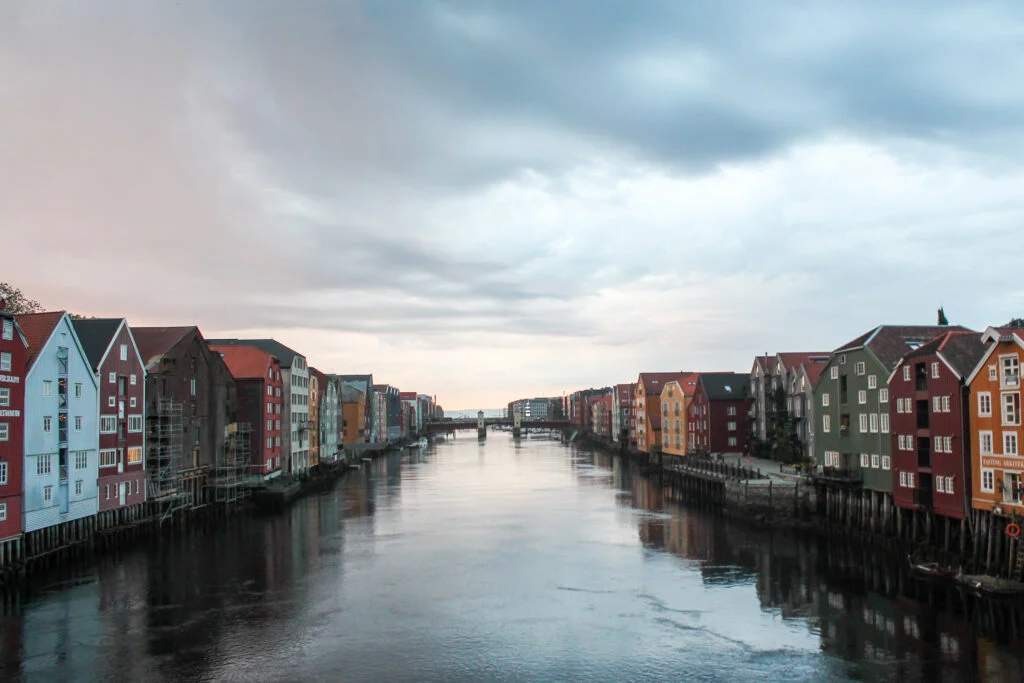
A private walk lets you focus on royal history, local neighbourhoods or the riverside instead of following a fixed checklist. Tell the guide whether Nidaros Cathedral is a priority and check separately if any indoor admission is included.
Build a Trondheim visit around the old centre and Nidelva rather than simply trying to fit in as many attractions as possible. The bridge and timber wharves provide an excellent introduction to the city’s relationship with the river, while Nidaros adds the royal and religious context.
A local-led tour is often conversational and may be less structured than a professional historical lecture. Share particular areas of interest in advance and leave time after the walk for the cathedral or Bakklandet.
5. Custom Oslo walking tour
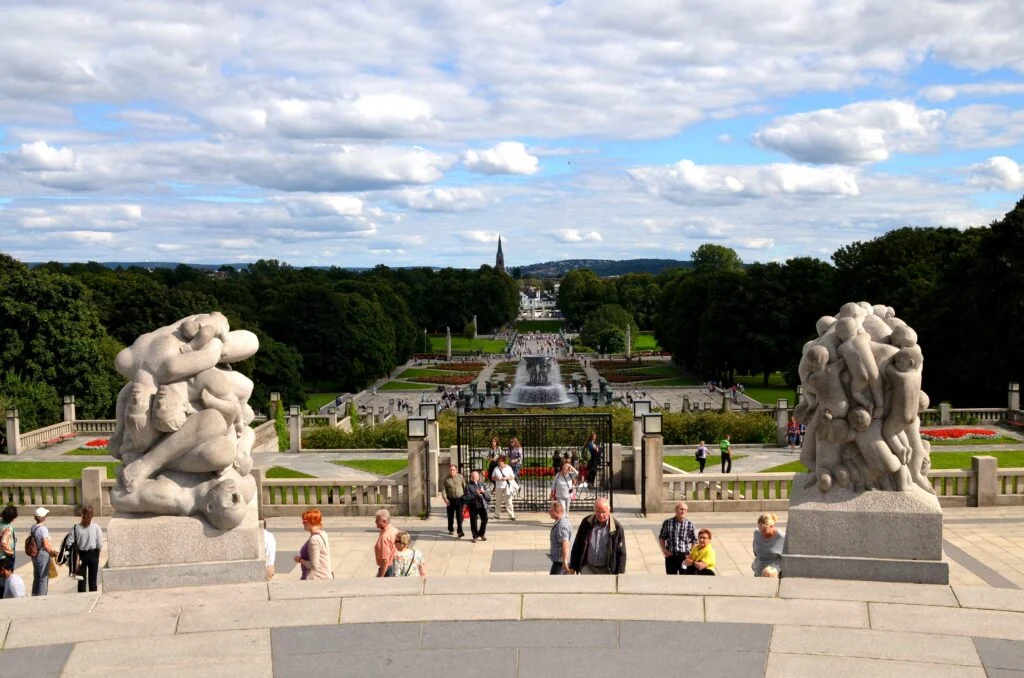
Use a private guide to shape a route around your interests, pace and available time. Agree the starting location and any museum stops beforehand; a guided exterior visit does not automatically include entry tickets.
The advantage of customization is that you can decide whether the sculpture park, city centre or waterfront deserves the largest part of the visit. For a family with children or a group with mixed walking abilities, this can be more useful than choosing a longer standard itinerary.
Clarify how the guide intends to travel between districts, including any public transport fares and the time needed. Discuss a slower route if seating or frequent breaks are important.
6. Oslofjord island hopping on foot
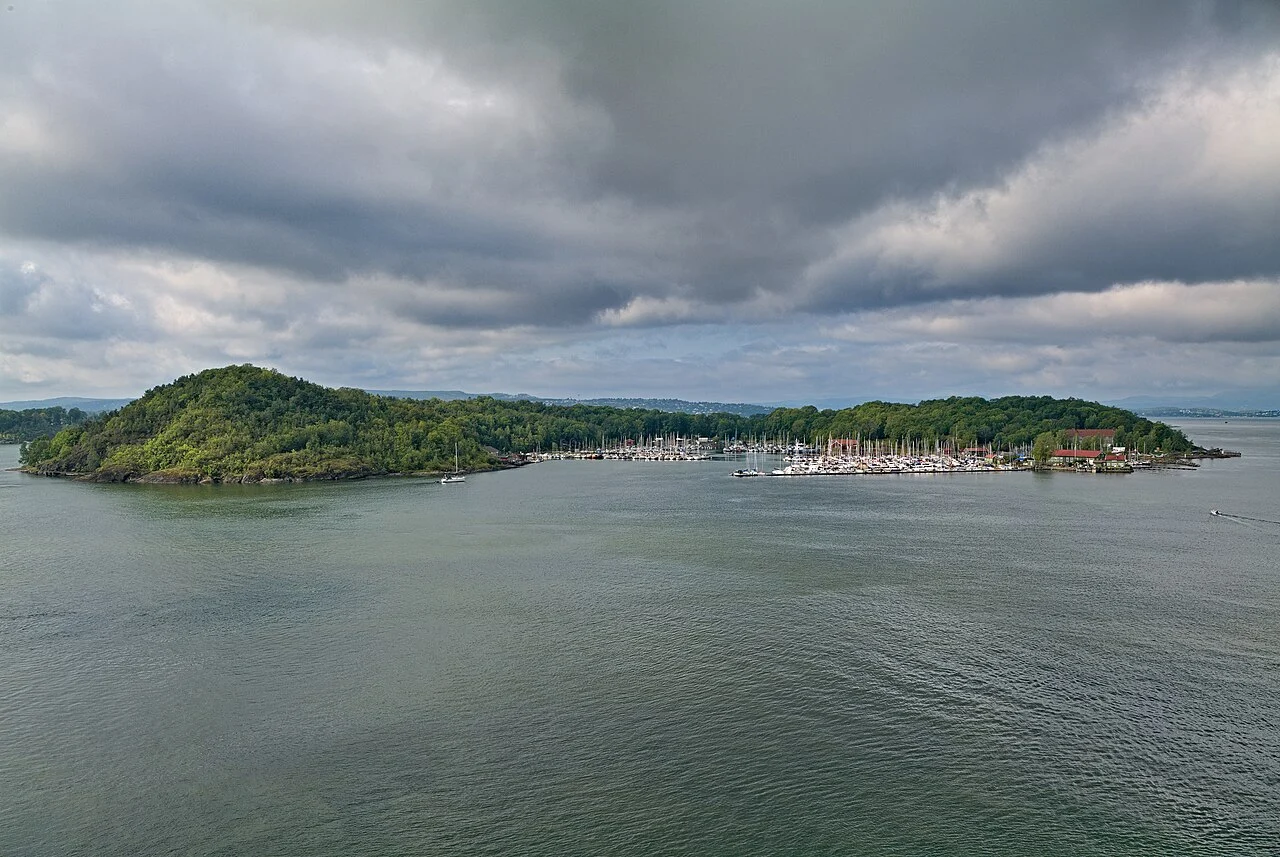
Combine public ferries with walking on the islands for a different view of the capital. Allow enough time for ferry connections, bring layers for the waterfront and check which islands are visited in the season you travel.
A ferry ride helps distinguish Oslo’s sheltered inner fjord from the dramatic western fjords. Once on the islands, the experience is largely about shoreline paths, views back toward the city and the contrast between busy waterfront streets and quiet green areas.
Pack a picnic or buy something before you leave if the tour does not include food. Keep your return ferry options in mind, particularly if you have a fixed train departure or an evening booking.
7. Polar heritage walk in Tromsø
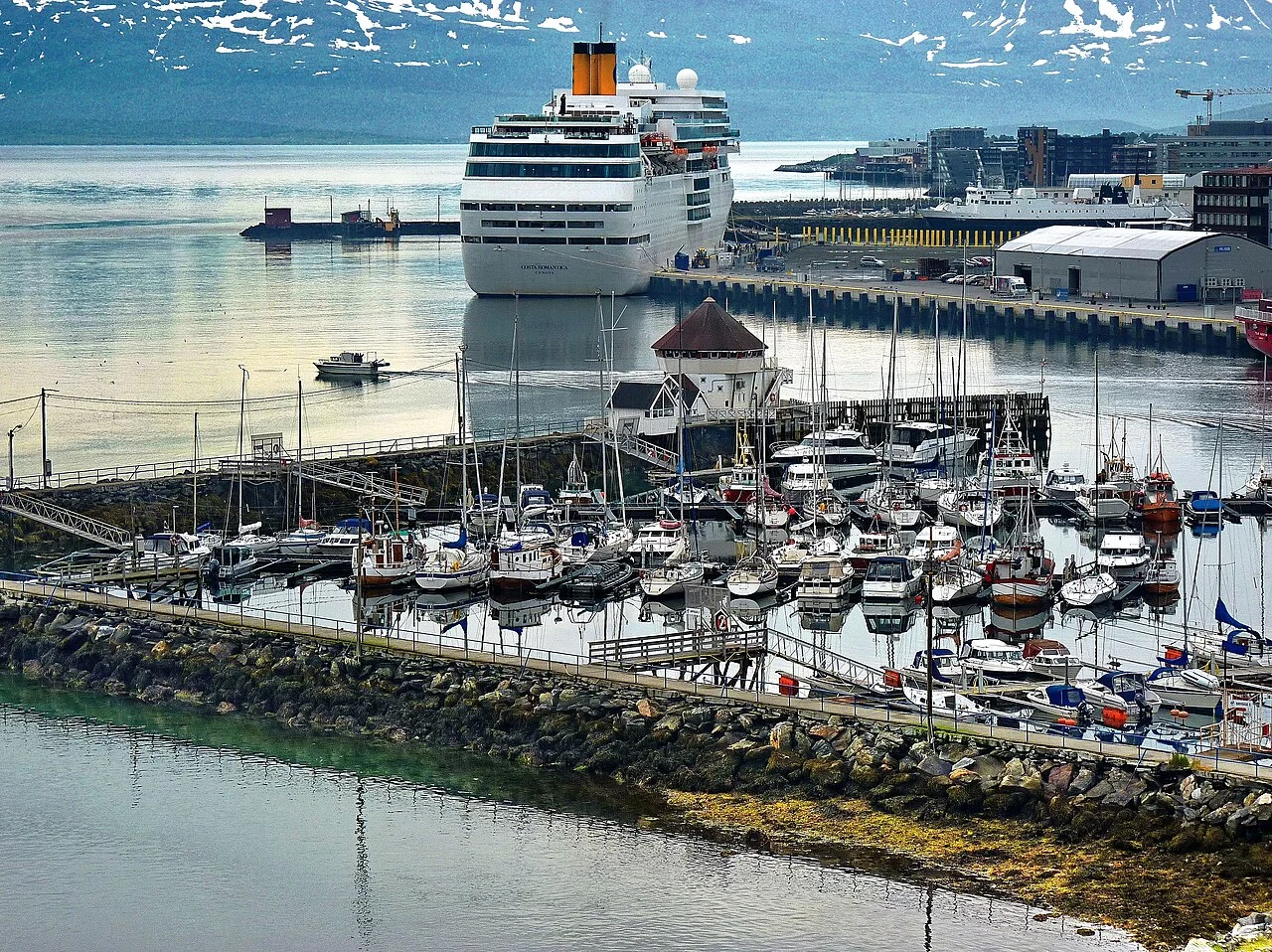
An Arctic history-focused walk pairs city stories with visits to Polaria and the Polar Museum. It is an indoor-outdoor option for days when you do not want a remote excursion. The subject is polar bears, not a live wild bear encounter.
Tromsø’s polar stories are connected to the sea, expedition history and the local community rather than solely to aurora tourism. A history-oriented outing can give the rest of your northern Norway holiday useful context, including how people have lived and worked in the region.
Polaria and the Polar Museum are distinct attractions. Confirm whether both visits, admissions and interpretation are covered, and reserve enough time to return independently to a display that interests you.
8. Oslo’s history and hidden stories
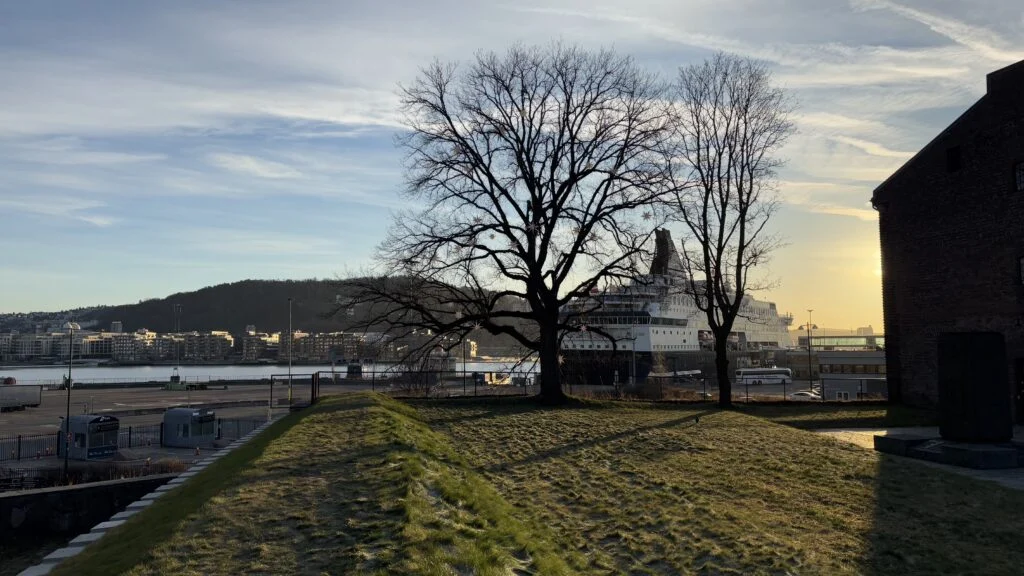
A themed walk is useful if you already know the main sights but want context for the city’s political, wartime and architectural history. Ask about the route and any stairs before booking if mobility is a consideration.
The historic fortress area, political centre and modern harbour make a good framework for understanding how Oslo developed. Instead of treating this as a separate tour of each building, use the walk to understand the relationships between the sites and the periods they represent.
Check how much of the tour is outdoors and whether the guide enters any monuments. It is also worth asking which stories distinguish the themed route from an ordinary highlights walk.
9. Oslo highlights in a shorter window

A compact central walk can fit between train arrival and dinner. Treat it as an orientation rather than a complete visit to the capital, then return to any museum or neighbourhood you want to explore at length.
If the available window is short, select a route that concentrates on a single district instead of promising an exhaustive city introduction. The city hall and museum area, central streets and waterfront can be combined in a fairly compact itinerary.
Work backwards from your next booking, allowing time to find the meeting place and walk to the next location. The tour is best used as a starting point for a later self-guided visit.
10. Bergen at your own pace with a local
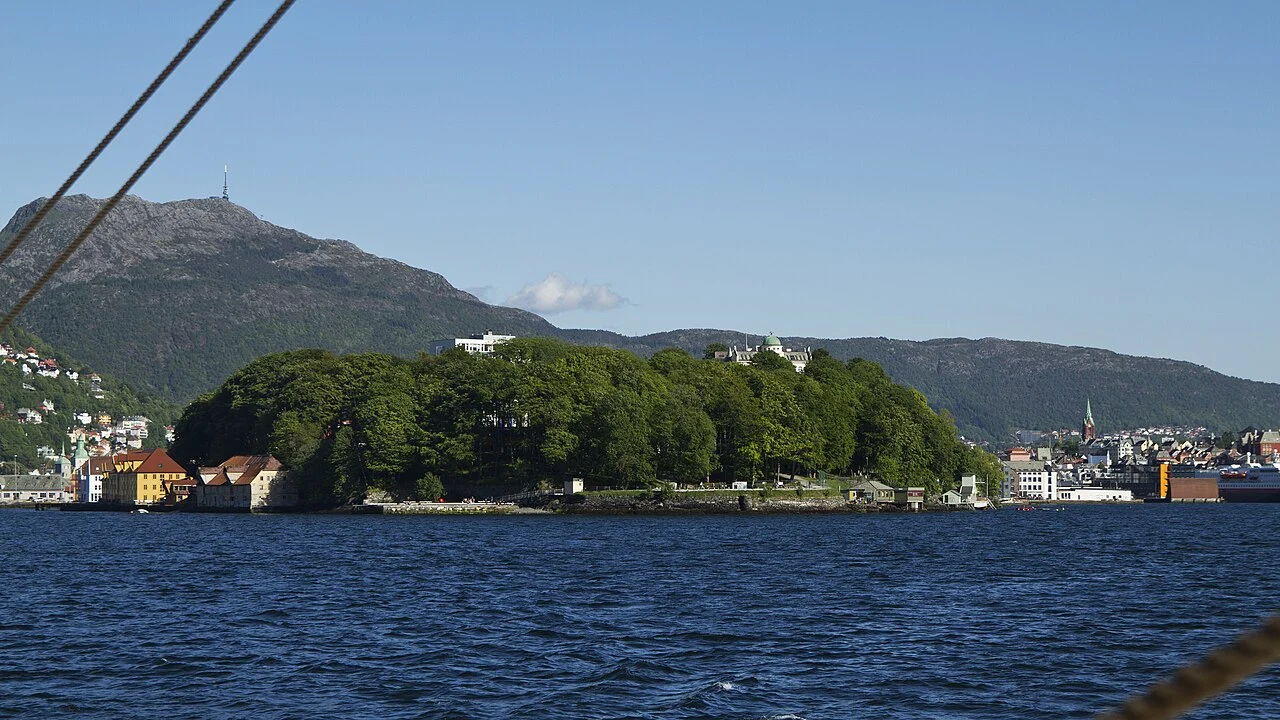
A customized private walk suits a family or group with differing interests. Discuss the balance between the harbour, hillside streets and cafés in advance, and agree whether the route should avoid steep lanes.
The value of a flexible Bergen walk is the possibility of sharing your priorities with the guide. A person interested in everyday timber streets may want a different route from someone interested in the Hanseatic period or waterfront photographs.
Agree a meeting point near your accommodation or transport if the listing allows it. Ask whether the pace and slope of the route can be adjusted, especially in wet weather or when travelling with children.
Planning your trip
For a first city break, choose one general introduction and save themed walks for a different day. In Oslo and Bergen it is easy to combine a central walk with an indoor attraction, whereas an island trip requires more time for transport. Carry a light waterproof layer, check the ending point and book a walk that leaves space for the rest of your itinerary.
Check the provider’s latest details before committing, especially if you are travelling with children, have accessibility requirements, or need to connect to a scheduled departure. Prices and availability can change.
Read our related Norway guide and the complete activity guide directory for more ideas.
Best itinerary: one, two or three days
One day
For a one-day Oslo visit, choose a central morning walk, get lunch near the harbour, then choose one museum or Vigeland Park according to interest and weather. Leave dinner unbooked until you know where the route finishes.
Two days
Spend two days in Bergen. Begin with Bryggen and a guided historic walk, then spend the afternoon around the harbour. On day two choose a clear-weather Fløyen outing or a museum; avoid paying twice for overlapping walking routes.
Three days
For three days in Trondheim or Tromsø, use the first day for orientation, the second for a locally guided history route and a museum, and the third for a flexible local walk or cultural visit. Stay in one base rather than trying to travel between northern cities in a short weekend.
Practical travel tips and booking decisions
Look at the route and themes rather than the number of attractions mentioned. A walk past a building is not an interior visit; confirm whether entry is included. In Bergen, historic timber passages and cobbled surfaces may matter for wheelchair users and strollers. In Tromsø, winter surfaces and wind can change walking pace. Ask the guide about steep gradients, steps, seating breaks and accessible alternatives. A private tour may be worth paying for if mobility or language needs would make a fixed-pace group unsuitable. Wear waterproof shoes in wet weather and plan a sheltered option when conditions deteriorate.
Frequently asked questions
Do I need a guide to explore Oslo?
No, central Oslo is walkable, but a guide can clarify architecture, history and neighbourhood context.
What is the difference between a shared and private tour?
Shared walks generally follow a set route; private tours may adapt interests and pace within the booked time.
Are walking tours accessible?
Not every route is; ask about cobbles, stairs, slopes and rest stops in advance.
Do the tours operate in winter?
Some city walks operate year round, but check dated schedules and local footing conditions.
What should I reserve separately?
Museum tickets, ferry trips or any activity not explicitly included in the tour listing.
Official sources and related travel planning
Reference sources and official planning links were reviewed on 26 November 2026. Tour listings and dated prices may change; verify departure location, restrictions, inclusions, current operating conditions and cancellation terms directly before booking. These are editorial comparisons, not personal tour participation claims.