Scenic Train Journeys in Norway: 10 Rail Travel Tips
Scenic train journeys in Norway can connect Oslo and Bergen, take you down to Flåm or bring you into Romsdalen. Compare the Bergen, Flåm and Rauma railways before booking.
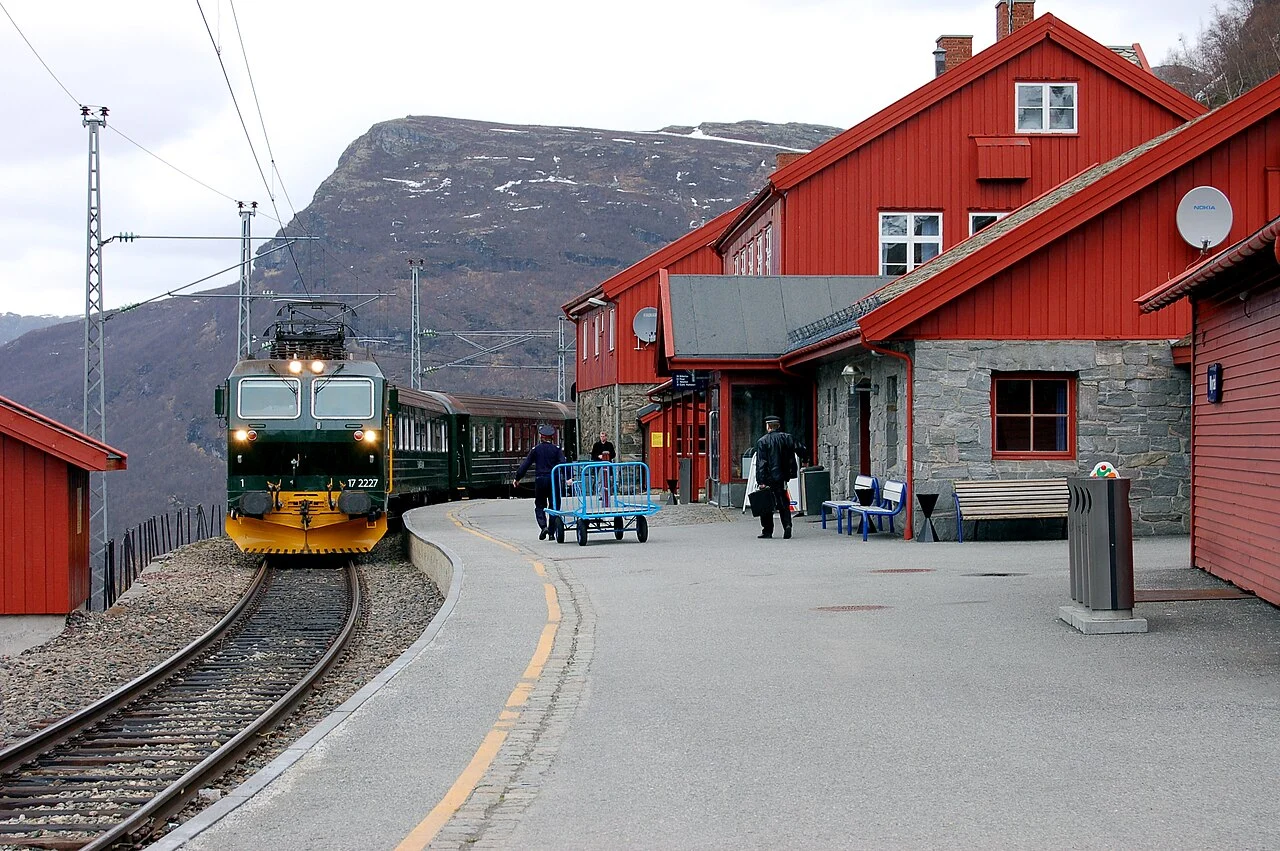
Scenic trains in Norway at a glance
- Worth it? Yes if you can ride in daylight and the train fits your route.
- Time? Allow a full day for Oslo–Bergen, about an hour for Flåm one way and about 90 minutes for Rauma.
- Season? Check daylight and the current timetable.
- Cost? Compare live fares, branch tickets and onward transport.
- Transport? Plan changes at Myrdal or Dombås and your arrival transfer.
- Priorities. Choose the line, confirm the transfer and book for daylight.
Choose the railway that fits your trip
Scenic train journeys in Norway are easiest to plan when the train also takes you somewhere you want to stay. Choose the Bergen Railway for an Oslo–Bergen transfer with high-mountain scenery. Add the Flåm Railway if you want to reach Aurlandsfjord or spend a night in the village. Choose the Rauma Railway if Åndalsnes and Romsdalen are part of your plans. These are distinct routes, and trying to fit all three into a short visit can leave little time at the places they serve.
The most useful comparison is the total travel day. The longest train may be the simplest choice if it takes you directly from one city centre to another. A shorter branch line may need an early departure, a change at a mountain station and a separate trip from the arrival town. List your starting point, the train changes and where you will sleep. Then check whether the scenic part runs in daylight and whether you can move the trip if transport is disrupted.
A return ticket makes sense when you are using a town as a base and want an excursion. A through itinerary makes more sense when you are moving between overnight stops. Consider whether there is time to see anything at the far end. An out-and-back train from Flåm is chiefly a rail experience, while a one-way ride can be part of a journey towards Bergen or Oslo. Compare both against the booking calendar for your actual date.
The Bergen Railway between Oslo and Bergen
Vy gives approximately six and a half to seven and a half hours for the Oslo–Bergen journey, depending on the train. Treat it as the main event for the day and check the timetable for your departure. Travelling west, the line climbs out of eastern Norway towards the high plateau and later descends through western valleys. Finse and Myrdal are useful names to recognise on the route. A lowland city forecast can differ markedly from what you see through the window at higher elevation.
Choose a daytime train if the main reason for going by rail is the view. In winter, compare the daylight during the sections you want to see. A night train can save daytime hours for the cities, but it changes what you see from the train and requires a separate decision about sleeping or seating. Check which carriage and ticket types are available for the departure. If you want to sit together, make the booking as a group and confirm the reservation details.
Give yourself time at the station to find your train and carry your luggage aboard. Check what food is available on your service and bring something suitable if you have a tight arrival or special dietary needs. Choose a hotel you can reach easily at the arrival time. The Oslo travel guide and Bergen travel guide can help you keep sightseeing close to the station when you have a short day at either end.
The Flåm Railway and the change at Myrdal
The Flåm Railway connects Myrdal on the Bergen Line with Flåm at the head of Aurlandsfjord. Vy describes the branch journey as about an hour. The ride moves between the high station and a steep valley that opens towards the fjord. The stop and transfer pattern depends on the departure. If you have time for only one branch ride, decide whether it will be part of a through trip or a return from the village before choosing tickets.
Myrdal is the interchange. Confirm the two services on the same date and check which tickets cover each leg. A through itinerary found in Vy’s journey planner lets you see the planned connection. If you buy separately, confirm what happens if the first train is late. Allow time to move your luggage and check current information about the station. Do not count on buying a meal or arranging a road transfer at Myrdal without verifying that it is possible.
If you stop overnight in Flåm, confirm where you can leave bags between check-out and your train. An overnight makes it easier to add a short harbour visit or a separate fjord outing without using the last possible rail connection. If the schedule is tight, make the train the priority and drop the extra activity. The Flåm travel guide covers village stops and ways to connect the rail journey with the fjord.
The Rauma Railway from Dombås to Åndalsnes
SJ Norge describes the 115-kilometre Rauma Line between Dombås and Åndalsnes as a journey of about an hour and a half. The route follows river and valley terrain and passes landmarks including Kylling Bridge near Verma. The short running time makes it attractive if you can reach the connection without difficulty. Check the complete journey from your origin, including the arrival time in Dombås and the wait before the branch train.
Åndalsnes is the destination if you want a stay in Romsdalen. If you are continuing immediately by bus, identify the stop and leave time to move luggage. A local overnight gives you room for a delayed connection and time to see the town. Use the Åndalsnes travel guide for activities within reach of your base, and check separate access or operating hours before booking them.
When you only have one spare day, a train journey is a better fit if the return is simple. Check both directions before buying a day return, especially in a season with fewer services. If the regular train and a sightseeing product are both advertised, compare the exact departure, ticket and route. A tourist timetable may not fit the onward rail connection you need. Use SJ Norge’s current schedule and journey planner for the regular service.
Fares, seat choices and luggage
Train fares depend on date, ticket type and availability. Compare the live total for your full route, including any separate branch ticket or a return. Check what changes are permitted before buying. A low-priced fare is attractive when your travel is settled, while flexibility can be worth paying for when the train depends on a flight or ferry. If a return package looks cheaper, check whether it brings you back to a place you actually need to be.
Choose seats for comfort and visibility without making the trip depend on a particular side. The view changes repeatedly. For groups, sitting together or having room to manage food and bags can matter more than chasing the best window. Check what the operator says about seating and reservation for each service. A seat assignment on the Bergen Railway does not establish what to expect on a separately booked branch train.
Pack so you can handle transfers without help unless you have arranged it. Check the operator’s rules for luggage, bikes, strollers or mobility equipment before travel. If you require assistance, confirm how it works at both ends and at any interchange. Keep ticket details and the name of the next station available offline. Put warm layers where you can reach them while waiting at an exposed station and keep essentials with you if larger bags are stowed away.
Daylight, disruption and onward transport
Check the exact schedule and current traffic information before setting off. Track work, weather or other disruptions can change the timetable or the way the journey runs. If a replacement bus is planned, confirm the pickup point and travel time and decide whether the trip still suits your aim. A replacement journey may still get you to your hotel while offering a different view and a different connection time. Leave flexibility if the train is the main reason for the trip.
Build a buffer before flights, ferries and prepaid excursions. This is especially important when you are transferring between separately booked operators. If arriving late in a small place, confirm lodging check-in, food options and a practical way from the station to your room. If you will need to return to the station early the next morning, plan that trip as well. The fjord cruise guide can help if you are comparing a rail and boat combination.
For winter travel, choose a departure that puts the scenery you value in the best daylight window. For summer travel, book early if you need a specific train or several seats together. Either way, set aside a fallback block at your destination. A late arrival is less disruptive if dinner and the next morning are flexible. Follow the operator’s current instructions at the station rather than relying on a timetable you saved weeks before.
1. Start the Bergen Railway at Oslo S
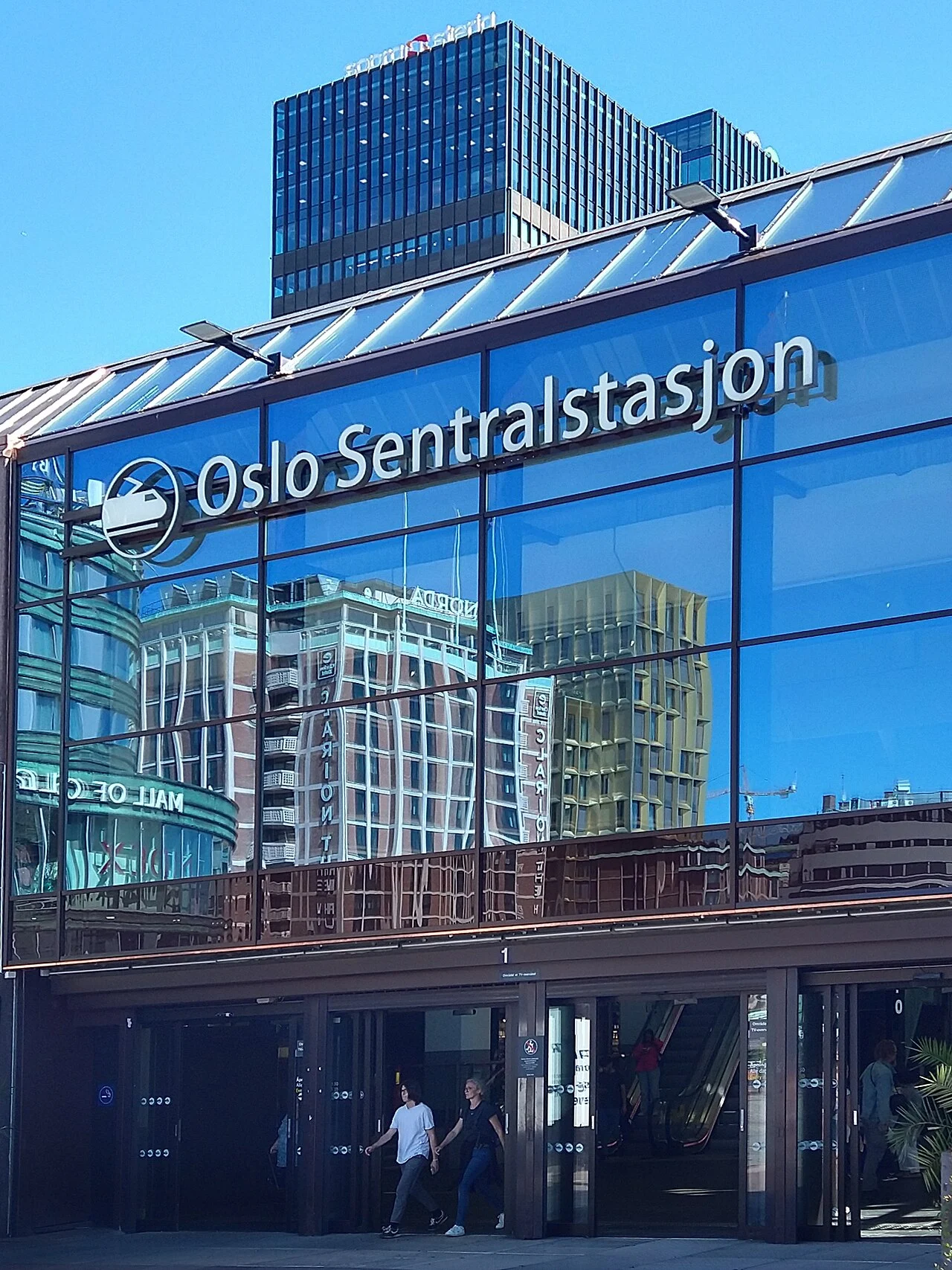
Oslo Central Station is the eastern starting point for this itinerary. A morning departure gives you more opportunity to see the mountain section in daylight during short winter days.
Check the train and platform after arriving. If coming from the airport, compare the two rail legs separately and leave time to find your seat with luggage.
Price your exact departure with Vy and compare tickets with different change rules. Allow extra time for an independently booked airport connection.
2. Break the Bergen Railway journey at Finse
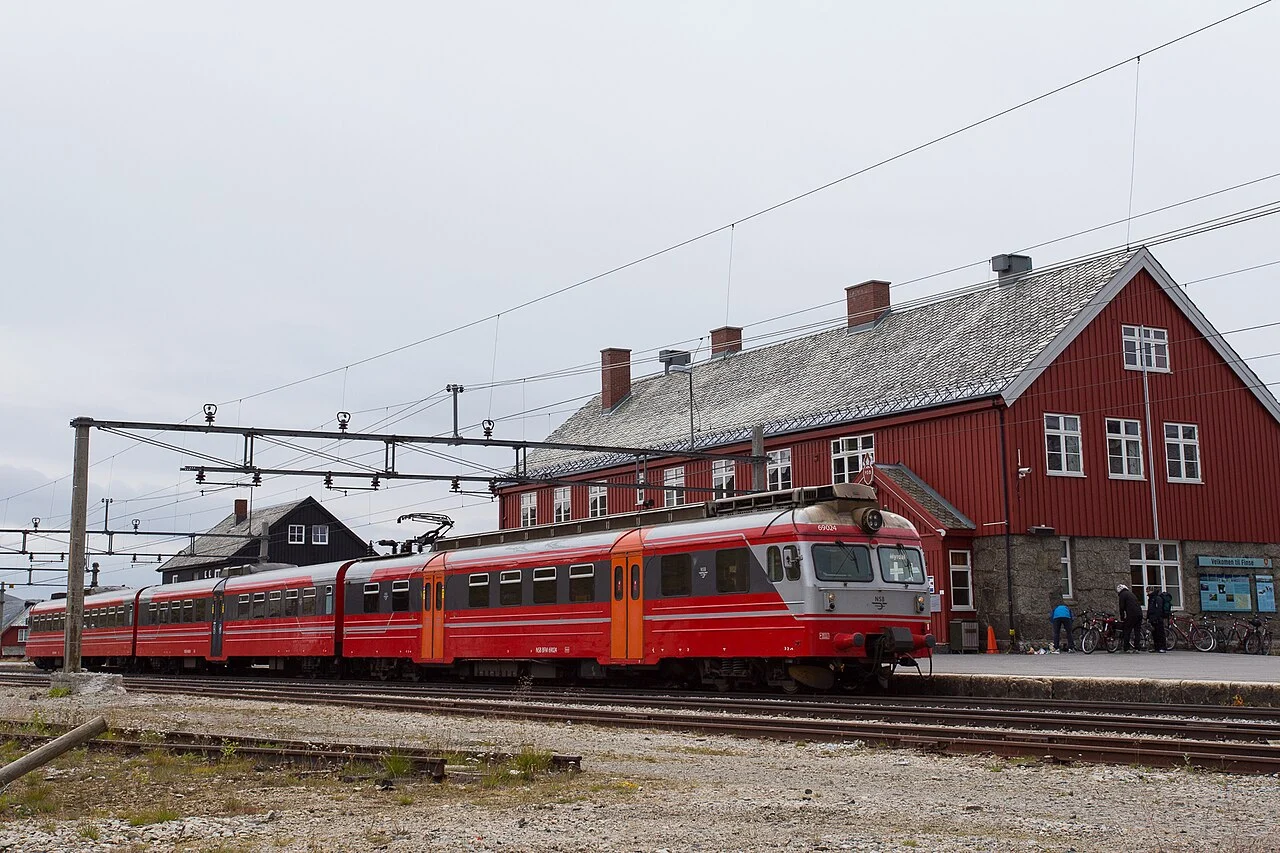
Finse is the highest station on the Bergen Railway. A stop here turns a connection into a stay on the plateau.
Check whether the accommodation or activity you have in mind operates on your dates. Looking out from a warm carriage and spending time outdoors at Finse require different preparation.
Check both rail legs, lodging and meals before committing. In winter, choose a short outing that suits the actual weather and available light.
3. Use Bergen station as your western base
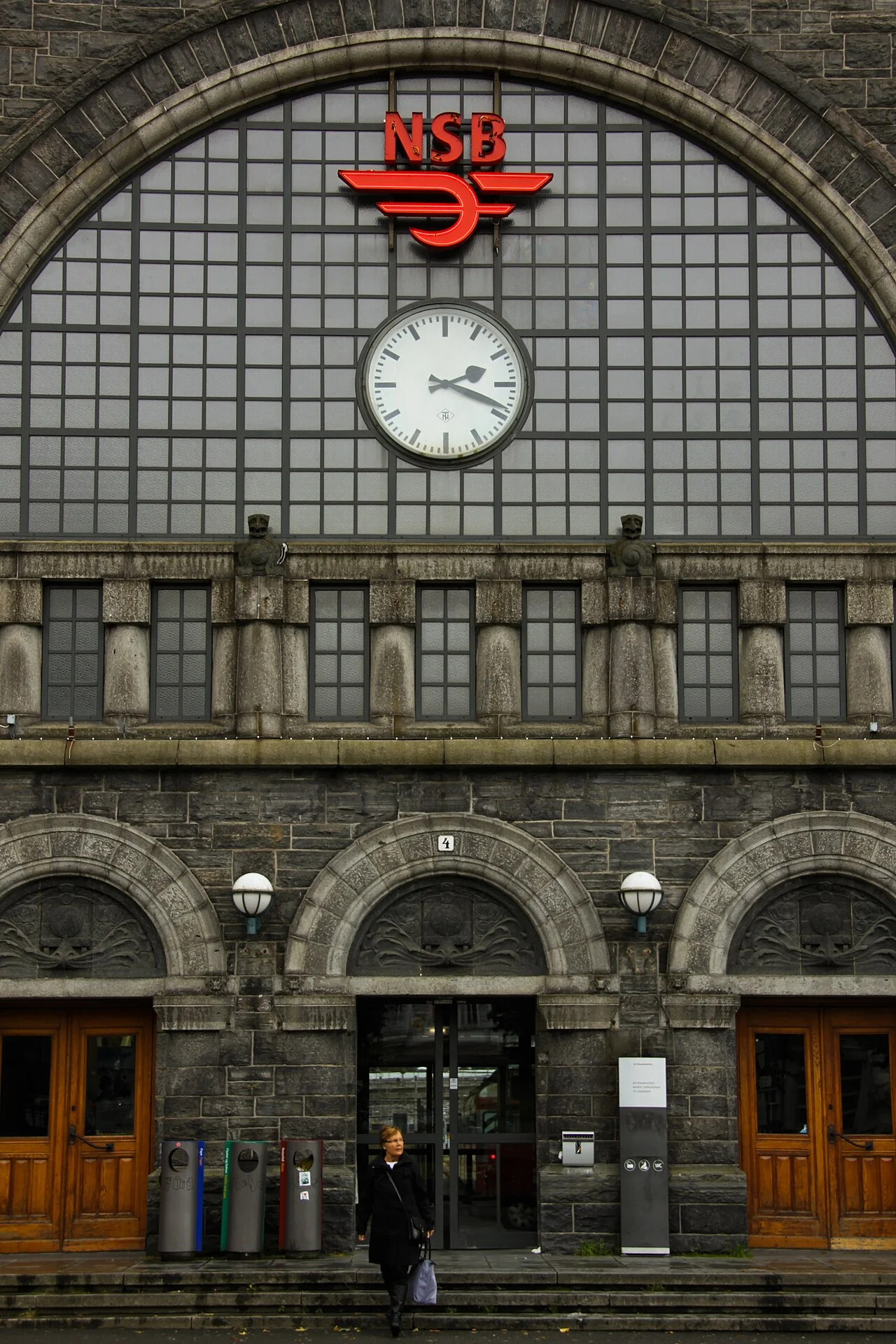
The railway ends in Bergen. An overnight stay gives you a margin before another long rail leg or separate fjord booking.
Confirm how far your lodging is from the station. This matters most when arriving late, carrying luggage or catching the first available service back east.
Allow time between rail arrival and any timed activity. Compare city accommodation and transport costs separately from the long-distance ticket.
4. Change trains at Myrdal for Flåm
Myrdal is where the Flåm Railway branches off the Bergen route. Check the direction on each leg before booking.
Keep a layer accessible for the platform. If you are linking two separately booked segments, read the ticket terms so you know what happens during a disruption.
Compare a through itinerary with the two individual fares. Use the current timetable and leave enough time to handle luggage.
5. Start from Flåm when staying by the fjord
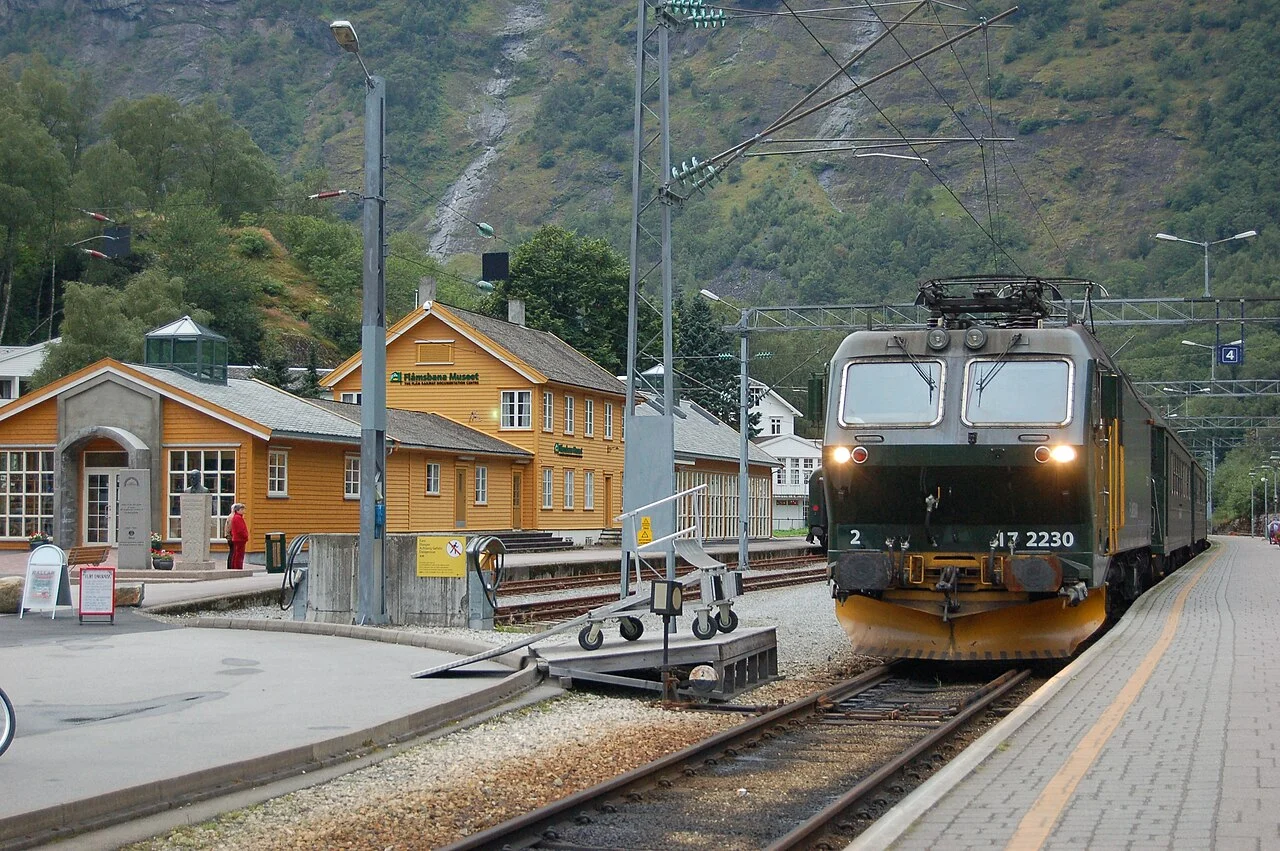
A return ride from Flåm suits visitors based in the village. A one-way ticket makes sense if you are continuing by rail from Myrdal.
Pick the departure around the rest of your day, particularly if coming from a ferry or booked fjord outing. Check that you have time to walk to the railway.
Compare the live return fare with two one-way tickets. Book according to the actual departure and leave a margin before an onward boat.
6. Use Dombås for the Rauma connection
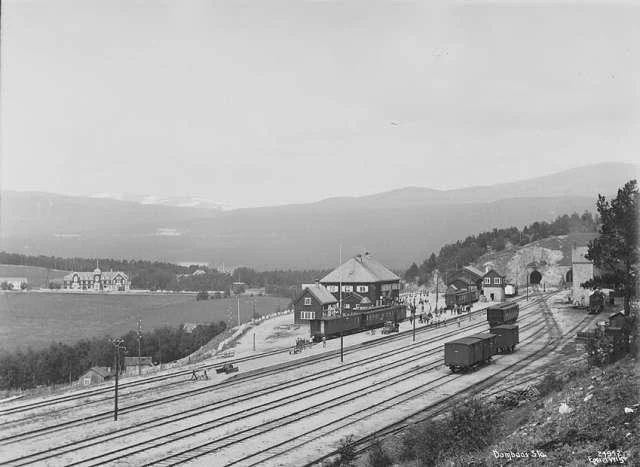
Dombås links the Dovre Railway with the line to Åndalsnes. This is the change to check when travelling from Oslo or Trondheim.
Confirm whether the itinerary shown includes a train for both segments or replacement transport. Save the departure details before arriving at the station.
Compare the full journey fare and check waiting-room hours if the connection is long. Avoid a tight last connection on separate bookings.
7. Watch for Kylling Bridge on the Rauma Railway
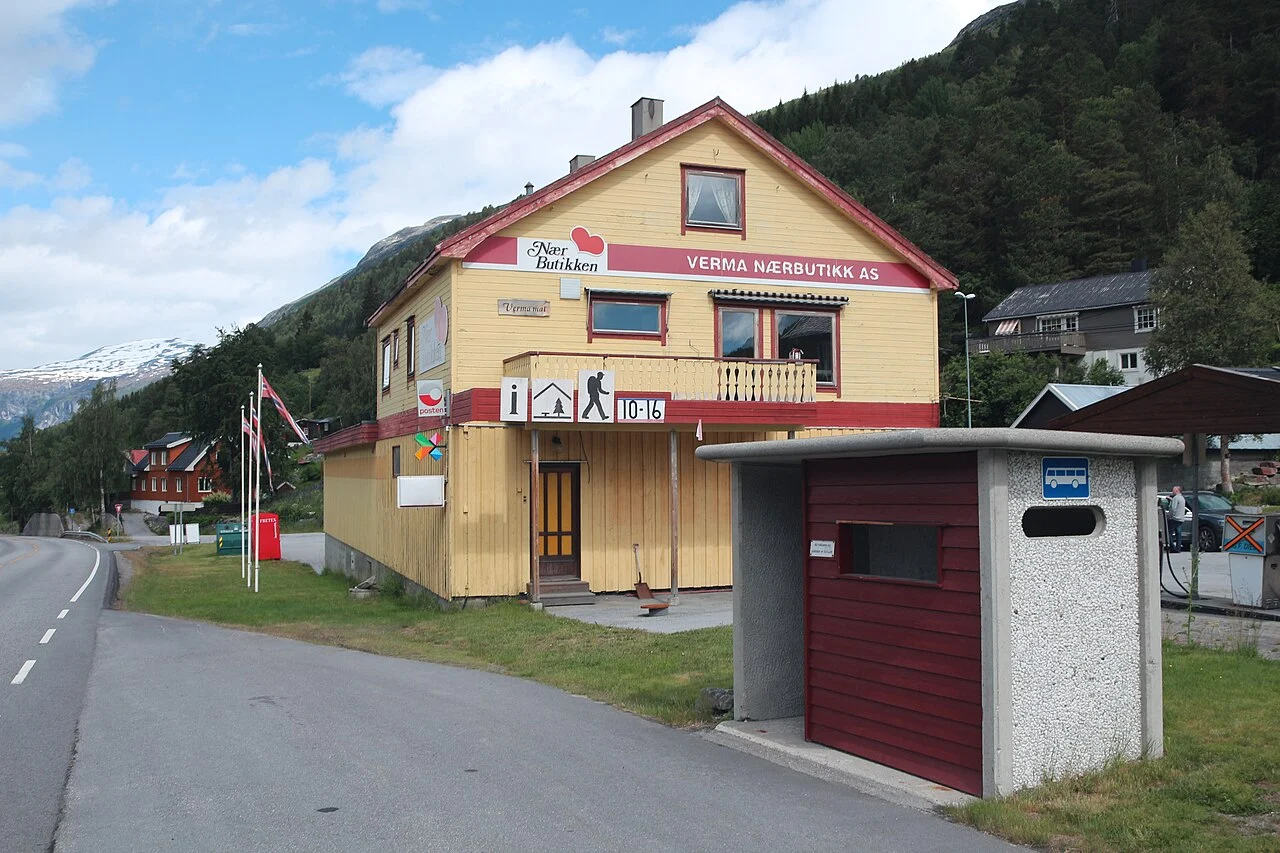
The bridge near Verma is one of the engineering features of the Rauma line. River, valley and railway views change quickly along this part of the route.
Look out as the train approaches Verma and keep the camera ready before leaving the station area. Views can depend on direction, vegetation and where you sit.
Check current train service and choose a daylight departure for scenery. The bridge is part of the ride, so budget for the rail fare and any separate stops.
8. Stay in Åndalsnes after the Rauma Railway
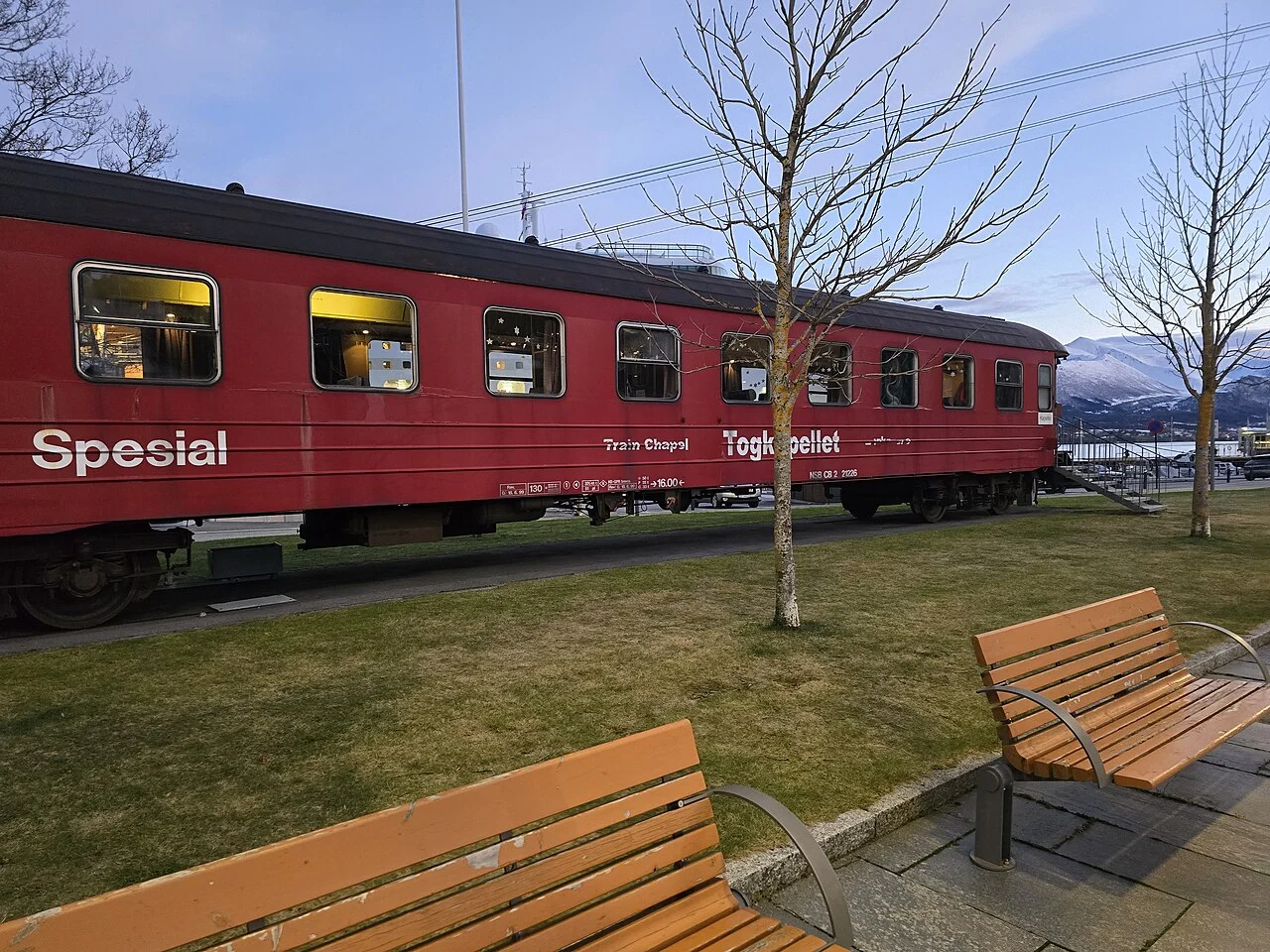
Åndalsnes is a practical endpoint for a scenic rail day. Staying the night gives you more time by the fjord and fewer connections to manage.
If you are continuing to another town, find the actual bus stop and check the departure against the train. An isolated delay can have a larger effect on a sparse timetable.
Check station and bus routes before booking the stay. Allow a separate half-day if you want a local attraction after the ride.
9. Use the Bergen Railway’s winter window
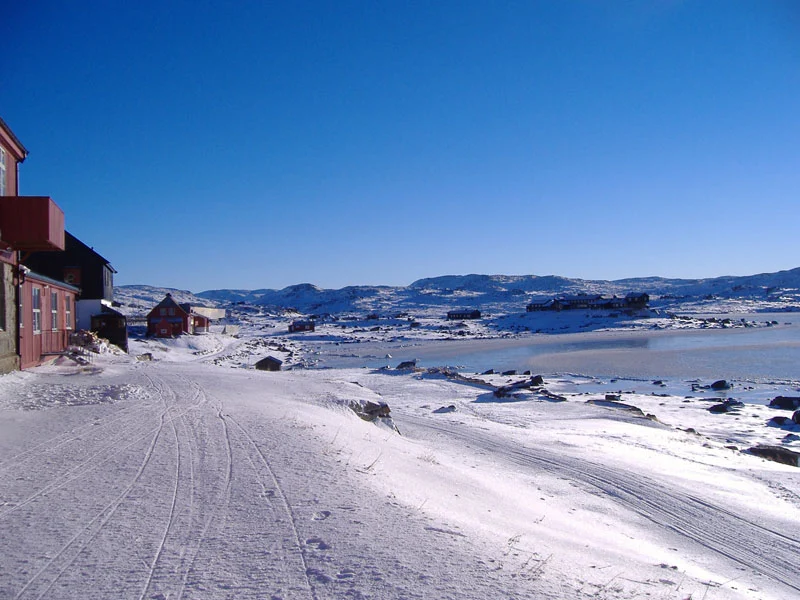
Darkness and cloud can change a scenic ride more than the carriage class does. An early departure generally gives more usable daylight on the mountain section.
Look for the segment you care about in the timetable and check when the train reaches it. A winter photograph from the line will look different from one taken in summer.
Compare the full fare for dates and departures that work. Keep an indoor plan at the destination if the service is delayed or replaced by road transport.
10. Make a Bergen or Flåm stop fit the next leg
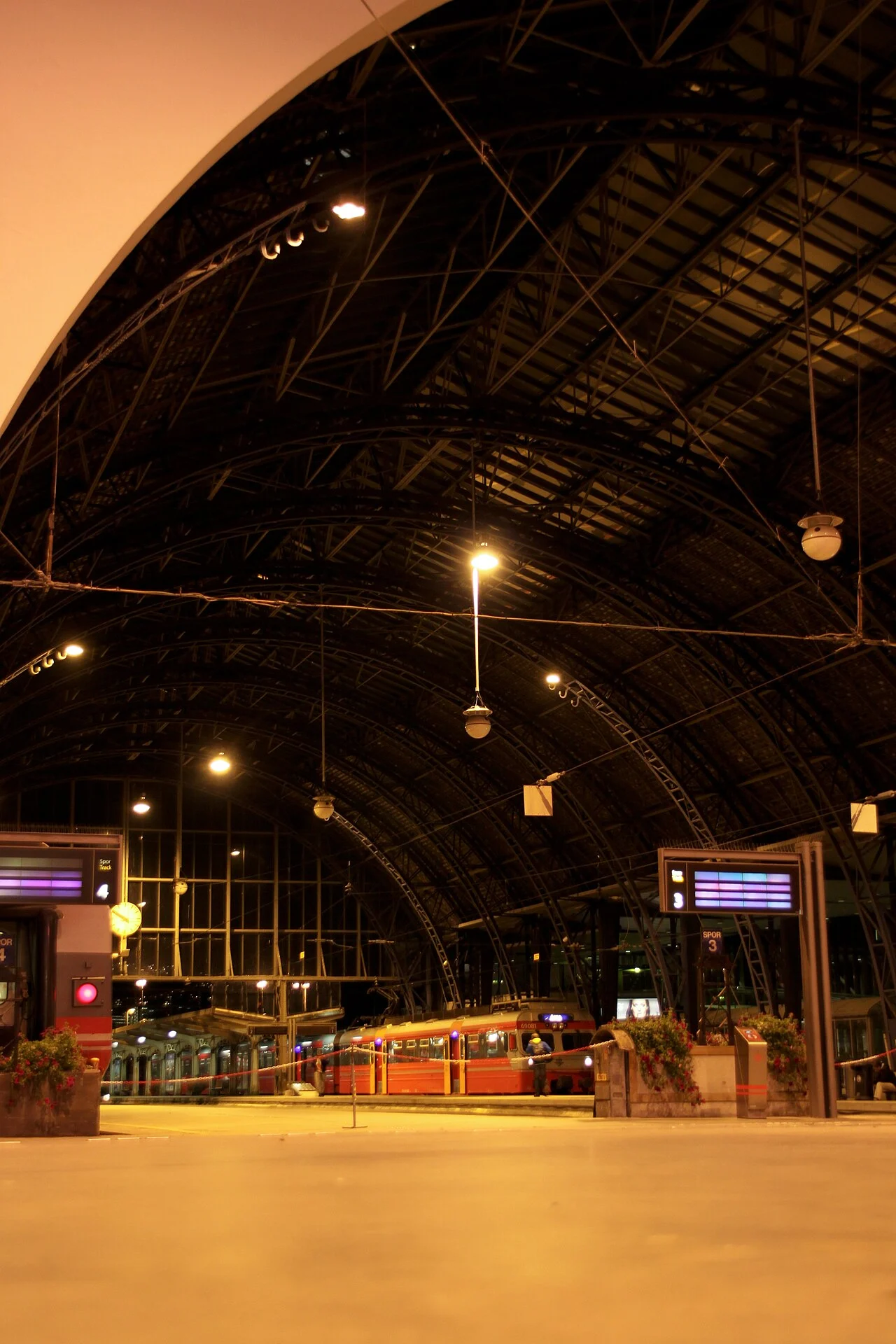
The best stop depends on what you will do next. Bergen suits a city and rail itinerary, while Flåm puts you closer to a fjord outing.
Book the transport that has the fewest alternatives first. Then choose an activity that you can move if the rail arrival slips.
Price room, rail, and boat separately and compare the complete day. Leave enough time to reach the next departure with luggage.
One-, two- and three-day itineraries
One day from Oslo to Bergen. Use the morning to check out and reach Oslo Central Station before your confirmed daytime departure. Keep the afternoon for the railway and allow most of the day for the journey. Reach your Bergen lodging before planning an evening meal. If there is a delay, drop the afternoon or evening sightseeing and confirm check-in. In winter, choose your departure around the available daylight where possible.
Two days with a Flåm overnight. On day one, take a confirmed Bergen Line connection to Myrdal and change to Flåm. Allow the afternoon for check-in, a local walk and food, with a flexible dinner if you arrive late. On day two, give the morning to the harbour or a prebooked outing that leaves a reliable buffer. Use the afternoon for the branch and mainline connection to your next base. If weather cancels the fjord outing, stay local and prioritise the confirmed rail departure.
Three days with the Rauma Line. Use day one to travel to Dombås and change for Åndalsnes if the timetable fits. Settle in and have dinner near your accommodation. Use day two for a morning town visit and a flexible afternoon around Romsdalen. On day three, reserve the morning or afternoon for your confirmed return connection through Dombås. If the weather is poor, use an indoor town stop or shorten the outing. If a train changes, revise the onward reservation before leaving town.
Decide how much to carry on a branch line
If your day includes two changes, think about what you will need between trains. Keep a warm layer and food within reach and avoid packing essential items in a bag you will leave at a hotel. If you plan a branch return from Bergen or a short stay in Åndalsnes, luggage storage can make the day easier. Confirm where it is, its hours and how you will collect everything before onward travel. A station visit is easier with one manageable bag than with equipment for several different activities.
Tell everyone in your group the name of the interchange and what happens after arrival. If you are split across carriages, agree on where to meet on the platform, and check the current information before moving. Small decisions about luggage and meeting points leave more time to enjoy the train ride.
Plan your Oslo–Flåm–Bergen rail trip
Match overnight bases to the trains, cruise and bus services you actually intend to book.
Combine the Flåm Railway with a fjord cruise
Compare a combined Flåm Railway and Nærøyfjord outing from Bergen if you want the connections arranged together. Check exactly which train journeys, cruise tickets and transfers are included.
View the railway and fjord tour →
Check current dates, prices, meeting points and cancellation terms on Viator. Affiliate link: we may earn a commission if you book.
Related planning
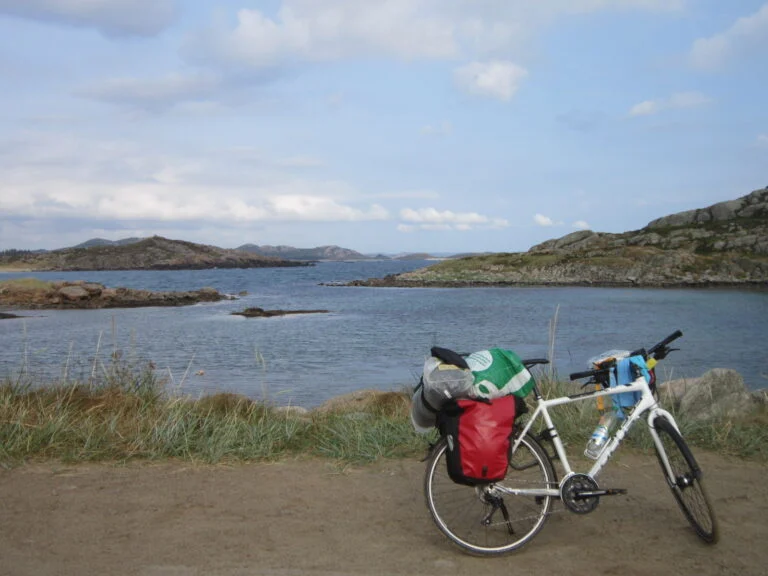
Cycling and Mountain Biking in Norway
Compare related guided experiences
Guided day trips combining rail and fjords · Private trips with a rail component. Check the actual meeting point, duration and inclusions for your dates before booking.
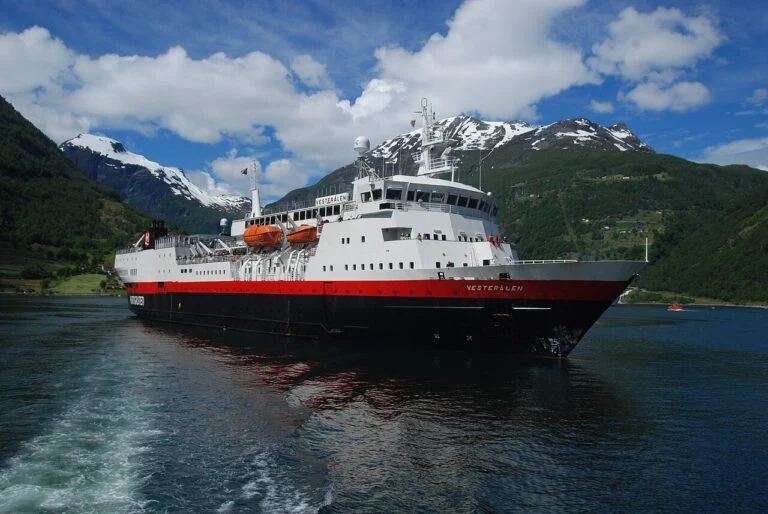
Fjord Cruises in Norway
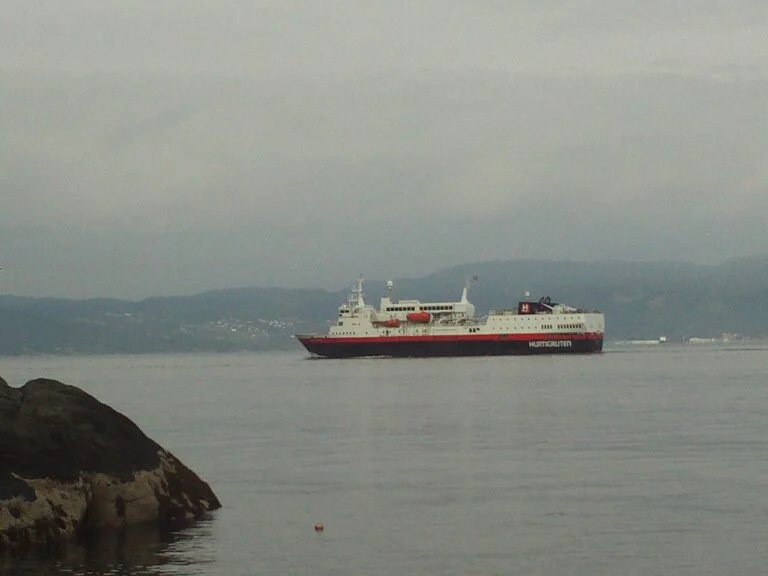
Hurtigruten and Norway’s Coastal Route
Destinations for your trip
Questions and answers
Which scenic train should I choose first?
Choose the Bergen Railway if you need to travel between Oslo and Bergen. Add Flåm for Aurlandsfjord or choose Rauma if you are visiting Åndalsnes.
How long does the Flåm Railway take?
Allow about an hour for one direction. Add time for the change at Myrdal and any onward train or boat.
How much does a ticket cost?
Check a date-specific price in the operator’s booking system. Compare the complete itinerary including return tickets, branches and any separately booked transport.
Should I book ahead?
Yes if you need a specific departure, want seats together or are connecting to a limited service. Check fare change terms.
Can I ride these routes in winter?
Check the date-specific timetable and disruption notices. Choose daytime for the scenery and leave extra time for transfers.
Is one day enough?
It can be enough for one long rail journey or a short return from a suitable base. Two or three days give you more time ashore and a margin for changes.
Book the connection before adding activities
Choose the line that takes you to a place you want to visit. Check daylight, luggage and the real transfer at each end, then book the parts of the day that fit around the train.
Sources and further reading
Finse station and Dombås station information from Bane NOR.
Confirm current fares, timetables and access before booking.