10 Viking Sites and Museums in Norway Worth Visiting
Viking sites and museums in Norway range from objects in central Oslo to a reconstructed longhouse in Lofoten and burial mounds in Borre. Check what is open before choosing a visit.
At a glance
- Worth it? Yes for a museum or site matched to what you want to learn.
- Time? Allow one to two hours in Oslo or a half-day at Borg or Borre.
- Season? Check museum hours and outdoor programmes separately.
- Cost? Published adult examples are NOK 160 in Oslo and NOK 210 at Lofotr.
- Transport? Walk in central Oslo and confirm the final leg to Borg or Borre.
- Priorities. Check the Bygdøy closure, choose the right site and leave time to explore.
Which Viking site should you visit first?
Viking sites and museums in Norway tell different parts of the story. Oslo’s Historical Museum is a good choice if you want to study objects and their interpretation in a city-centre gallery. Lofotr in Borg gives you a longer visit built around a reconstructed longhouse and the landscape of a former chieftain’s farm. Midgard in Borre brings an exhibition and reconstructed hall together with a burial landscape. Choose the experience you want and the site that fits your trip.
Ask what you will actually see. A museum object, a reconstructed building and an archaeological site all provide evidence in different ways. At an exhibition, read where an object came from and what the curator can infer from it. In a reconstructed hall, ask which features come from excavations and which choices were made to show how a building might have been used. At burial mounds, spend time looking at their position in the landscape and use the interpretation on site to understand what is visible.
The easiest itinerary leaves time to pay attention. If you only have a few hours in Oslo, a museum in the centre can be more rewarding than a long journey to fit in a second site. If you already have a Lofoten or Vestfold stay, use one of those museums as the main event for a half-day. Check what is open before assuming a historic attraction has the same access every day of the year.
1. Historical Museum in Oslo
The former Viking Ship Museum at Bygdøy is closed while the new Museum of the Viking Age is being built. The museum’s own visitor information gives late 2027 as its planned opening window, subject to change. Before arranging a trip around the ships, confirm that the museum has announced an opening date and that tickets are available. Old guides may still describe a normal visit to the former museum. Use the current official site before making a separate journey to Bygdøy.
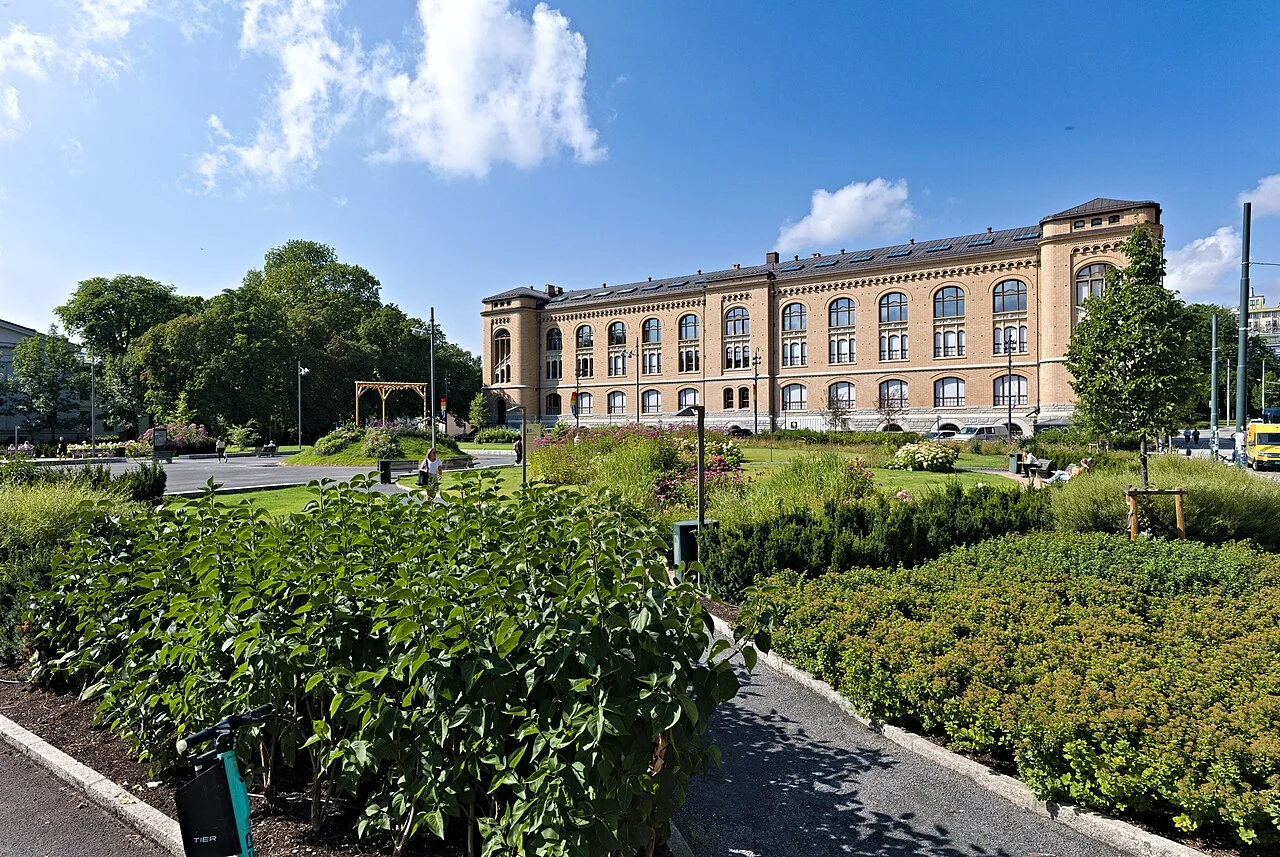
The Historical Museum at Tullinløkka in central Oslo is the institution the Museum of the Viking Age recommends for Viking Age artefacts during the closure. Check the current VÍKINGR exhibition and hours before visiting. The museum’s admission page lists NOK 160 for adults and free admission for children under 18. It offers tickets online and at the entrance. Verify the rate and any closures for your date, especially if you are planning around a holiday or a particular display.
Allow about one to two hours, depending on how closely you read the exhibition and whether you want to explore other collections. A visitor looking mainly for Viking Age material can start with the relevant gallery and leave the rest open. The museum is within walking distance of Nationaltheatret according to its visitor information. Use the Oslo travel guide to pick an afternoon stop near your accommodation or departure station, and leave enough time to collect bags if you are continuing that evening.
2. Lofotr Viking Museum at Borg
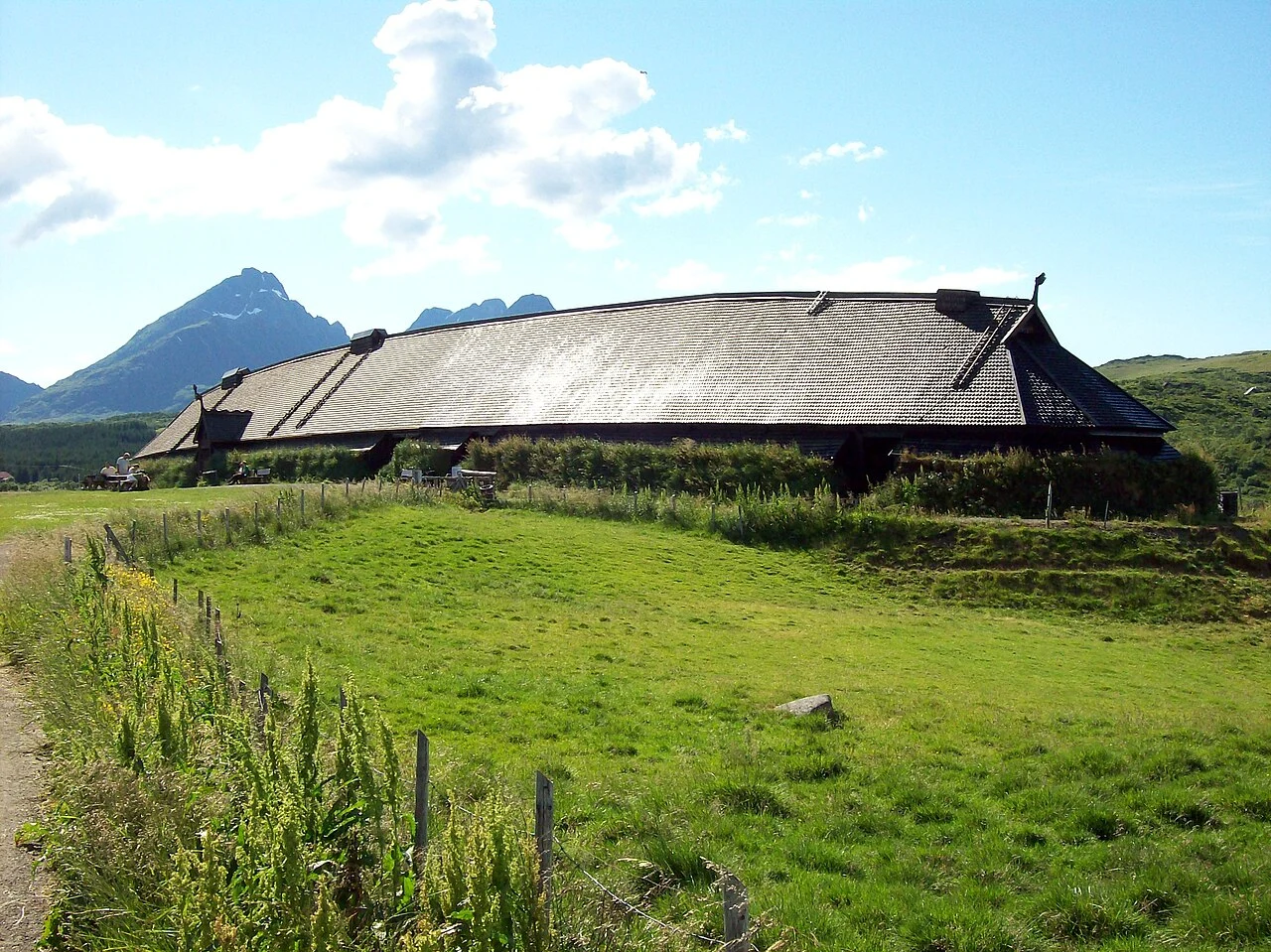
Lofotr Viking Museum is at Borg on Vestvågøy. Museum Nord describes the site as the location of a major chieftain’s farm. Give the reconstructed longhouse and exhibitions enough time to make sense together. The size and layout of the building prompt questions that are difficult to answer from a display case alone. Start by checking how the museum describes the original site, then look at what the reconstruction helps illustrate about work, gatherings and life inside a large household.
Museum Nord’s visitor page publishes date-specific opening hours and lists an adult price example of NOK 210. Check which rate applies to your visit, the last entry and which activities are operating. The museum visit and any scheduled outdoor programme may have different arrangements. If a particular demonstration or activity matters, confirm it with the museum before you choose the date. Budget around the live price for your whole group rather than relying on a summer ticket from an older guide.
Allow two to three hours if you want time for the longhouse and displays, with more time if a scheduled activity fits. Confirm the last leg to Borg and your return if you are travelling without a car. A separate village stop is easier to add after the museum if your route already goes in that direction. Use the Lofoten travel guide to keep stops on the same part of the islands. If wind or rain limits outdoor activities, give the exhibitions more time and avoid booking a distant onward activity immediately afterwards.
3. Midgard Viking Centre and Borre burial mounds
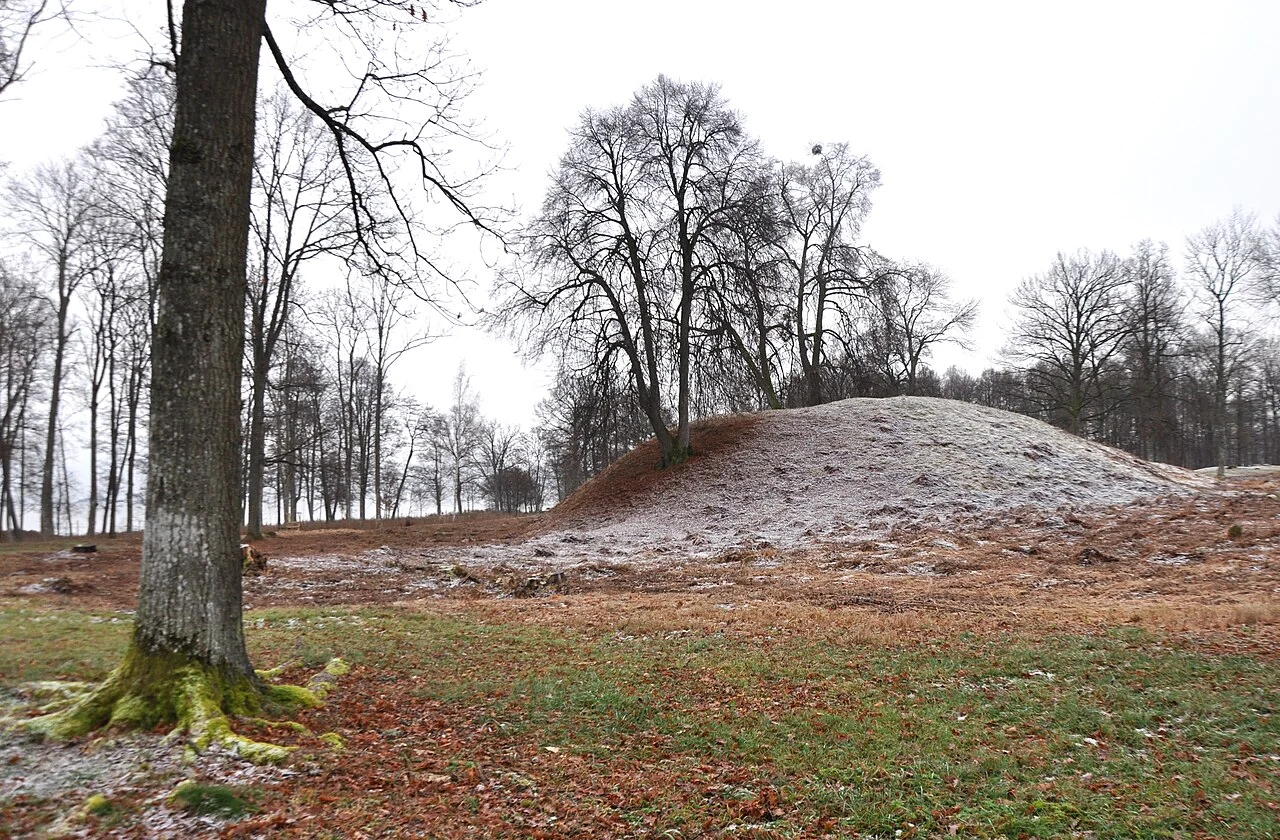
Midgard Viking Centre in Borre is useful for a visitor who wants to combine a museum with the landscape around the burial mounds. The walk gives you a sense of distance and scale that is hard to judge from a photograph. Start with the centre if it is open and ask how the mounds relate to the interpretation in the exhibitions. Follow the paths and site guidance. A grassy rise can look like ordinary parkland, so let the interpretation explain what makes the site significant.
Vestfoldmuseene publishes admission and hours for the centre and describes what its ticket includes, including the hall. Check whether the hall and any guided programme operate on your date and whether a reservation is needed for your group. A museum ticket and access to outdoor areas can have different arrangements. In wet or cold conditions, plan how much time the group wants to spend outside and leave room to shorten the walk.
Give the centre, hall and burial landscape most of a half-day. If you are coming from Oslo, confirm the regional journey, the final leg to Borre and the last return. A long transfer can be worthwhile when the burial site is the focus of your trip. It is less useful if you only have a narrow gap before a flight or another museum. If you are already staying around Horten or another nearby town, give yourself enough time to return on a later service if the visit takes longer than expected.
4. Sagastad and the Myklebust ship in Nordfjordeid
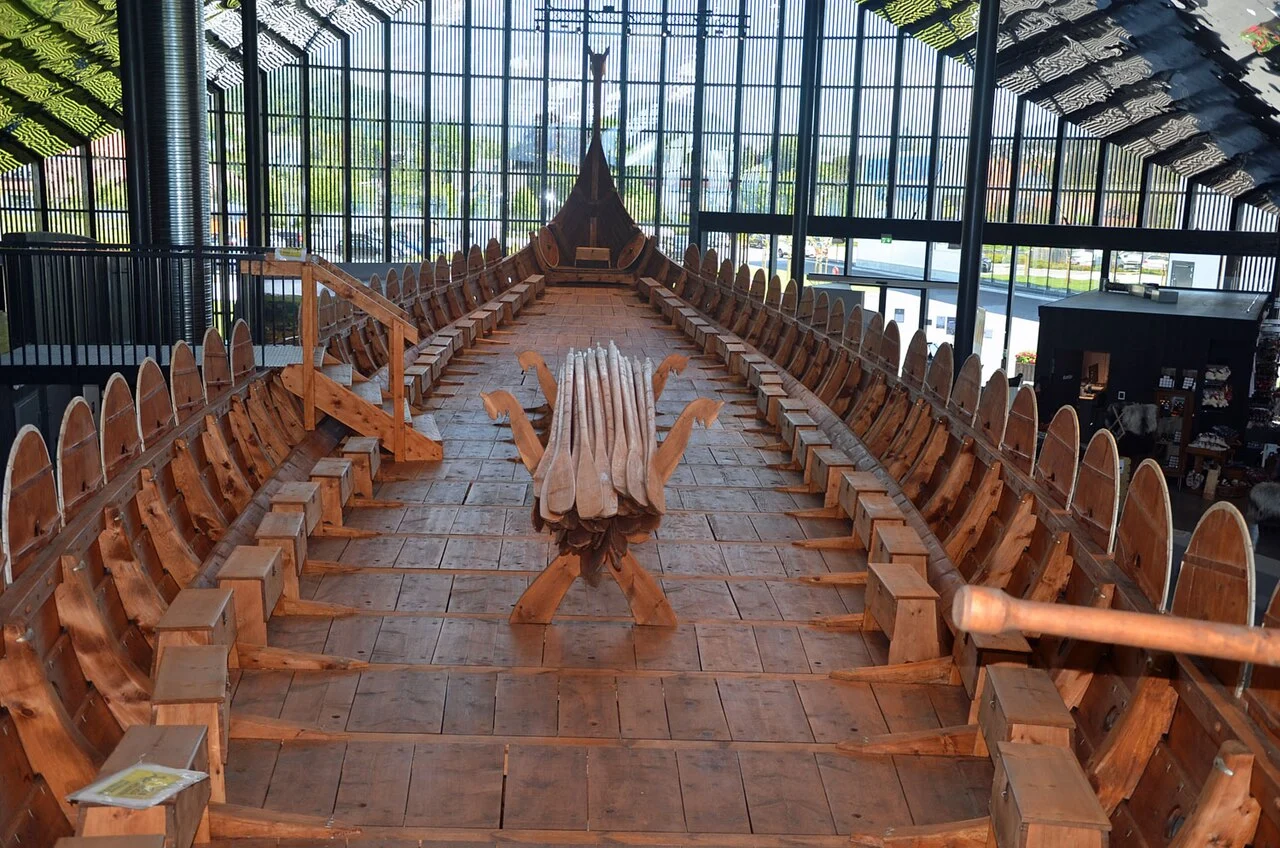
Sagastad’s centrepiece is a full-size reconstruction of the Myklebust ship. The original vessel was burned in a burial, so the structure you board is a modern interpretation of the archaeological evidence. Its scale is the reason to make the stop: from the deck, the relationship between the hull, oars and people aboard becomes easier to grasp than it is on a diagram.
Start with the exhibition so you know what was recovered before you see what was built. Look for the distinction between the objects archaeologists could examine and the choices the modern shipbuilders had to make. If your trip includes a traditional boat museum, compare what a builder can learn from an intact vessel with what can be inferred from the traces of a burned one.
Set aside 90 minutes to two hours. The centre publishes separate seasonal calendars and last admission times. Check the current adult, child or family rate and any ship-launch event before booking. Put the visit before a long drive through Nordfjord, or keep it as your main indoor plan on a wet day.
5. Avaldsnes Viking Farm on Karmøy
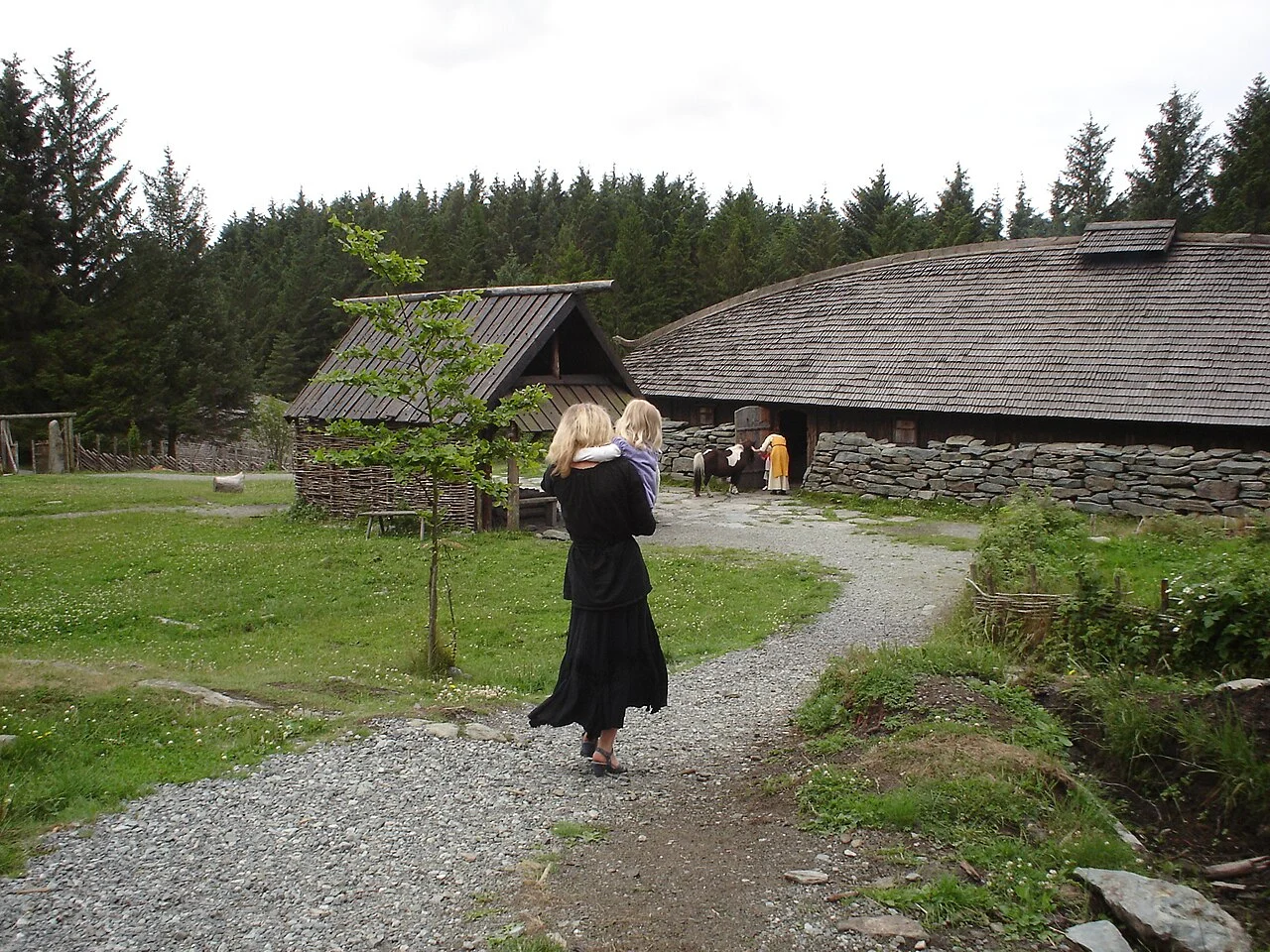
Avaldsnes combines a reconstructed farm, the Nordvegen History Centre and the medieval St Olav’s Church. The church belongs to a later period and adds a second layer to the visit. The farm sits away from the church, so the walk between them gives you time to look at the landscape and waterways that made this part of Karmøy important.
Choose the farm when you want to understand the scale of buildings and the space between them. At the history centre, focus on the stories of rulers and control of the shipping route. If you have time for only one, let weather and opening hours decide. A brief stop at the church exterior gives you a different experience from a visit that includes an open farm.
Allow two to three hours for the cluster and check each venue’s schedule and admission separately. The farm closes for part of the year and is about a ten-minute walk from the church. From Haugesund, confirm the return bus or drive. Check festival tickets separately if the advertised programme is the reason for your visit.
6. Gokstad burial mound in Sandefjord
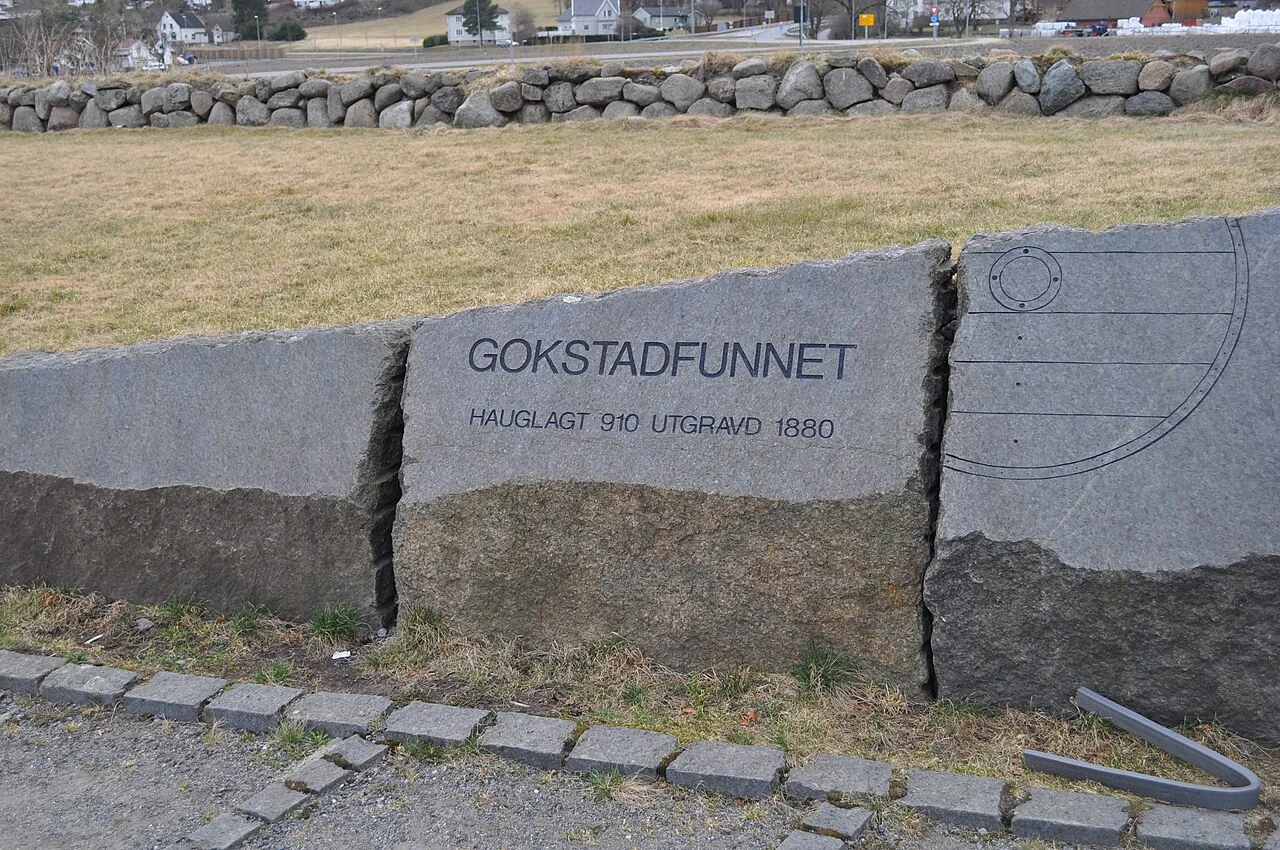
The Gokstad mound marks where the ship that bears its name was excavated. The site gives you the setting for the burial. The surviving ship belongs to the Oslo museum collection. This distinction matters while the museum at Bygdøy is closed because the mound is a worthwhile local stop, but it cannot substitute for seeing the original vessel.
Walk around the marked site and take a moment to judge the size of the mound from the ground. A short read about the excavation beforehand makes the relationship between mound and ship easier to picture. Combine the stop with Sandefjord’s town centre for a trip that also works for people with only a passing interest in archaeology.
Allow 30–45 minutes in daylight. Budget for local transport, and check local access before setting out after snow or heavy rain. There is no need to plan around a museum admission slot for the outdoor mound. If staying in Oslo, pair Gokstad with one Vestfold stop and allow time to get from the railway station to the site.
7. Oseberg mound near Tønsberg
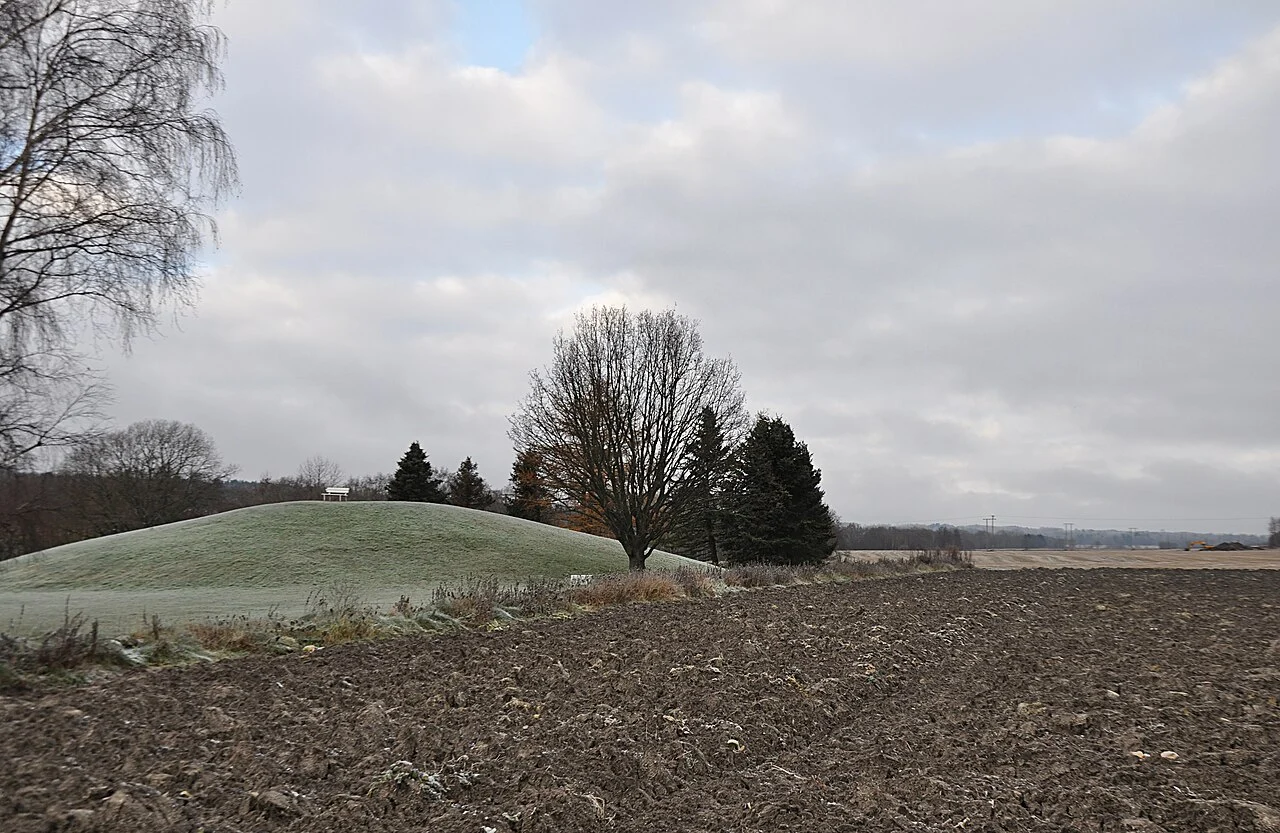
The Oseberg mound gives a physical location to one of the best-known ship burials from the Viking Age. Many visitors first meet the name through the carved ship or objects attributed to the burial. This stop puts those objects back in their landscape and lets you appreciate how much of the burial story is hidden once the finds are removed.
Gokstad and Oseberg reward comparison. Read a little about each ship before stopping at the mounds and make a note of what you can observe on site. Tønsberg is the practical base for Oseberg. Borre has more interpretation and can carry the history portion of the day if you are travelling with someone who prefers a guided or indoor visit.
Allow about half an hour at the mound in daylight. Check the final leg from Tønsberg before leaving the station and confirm any path restrictions locally. In winter use the middle of the day for both mound stops and allow extra time on slippery ground. Check the museum directly before planning a separate Oslo visit for the ship.
8. Kaupang Viking Town near Larvik
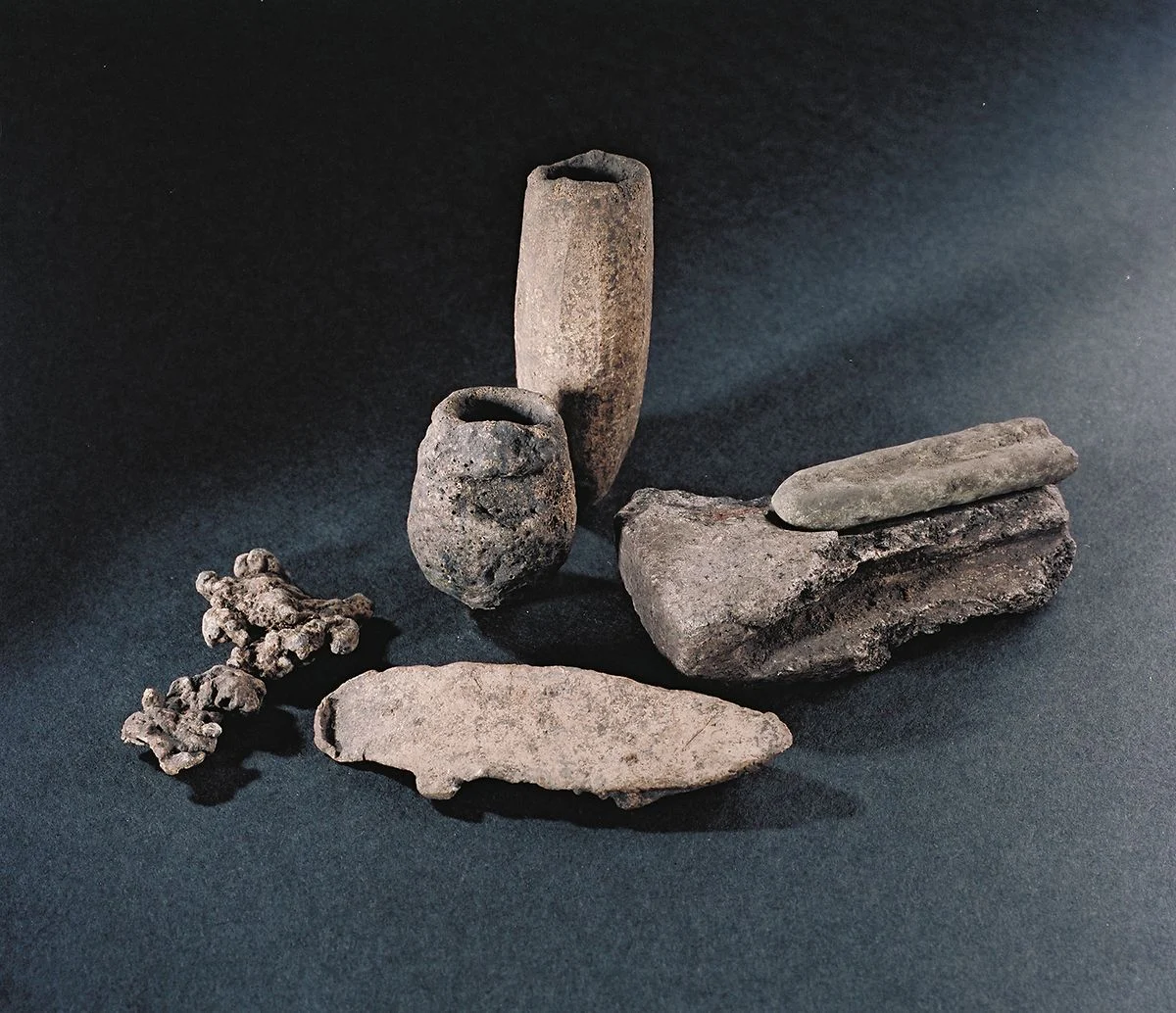
Kaupang opened up a different side of Viking life from the burial grounds. The settlement beside Viksfjorden was established around AD 800 as a place of trade and production. Today, the reconstructed house and settlement model help make sense of a town whose surviving evidence is largely archaeological.
Take the guided visit if it fits your date. The model helps you connect the waterfront, buildings and trade, while an explanation of the excavations shows how researchers got from scattered finds to an idea of how the place worked. Pair it with Gokstad for a day that contrasts daily trade with the resources committed to an elite burial.
Allow around 90 minutes, or longer if a family activity is running. The visitor programme is seasonal, so check the operator’s dates, admission and guided-tour schedule before setting out from Larvik. A car or a prearranged local transfer makes it easier to fit an outdoor mound into the same day. In the off-season, give the time to an open museum.
9. Gjellestad and Jellhaugen near Halden
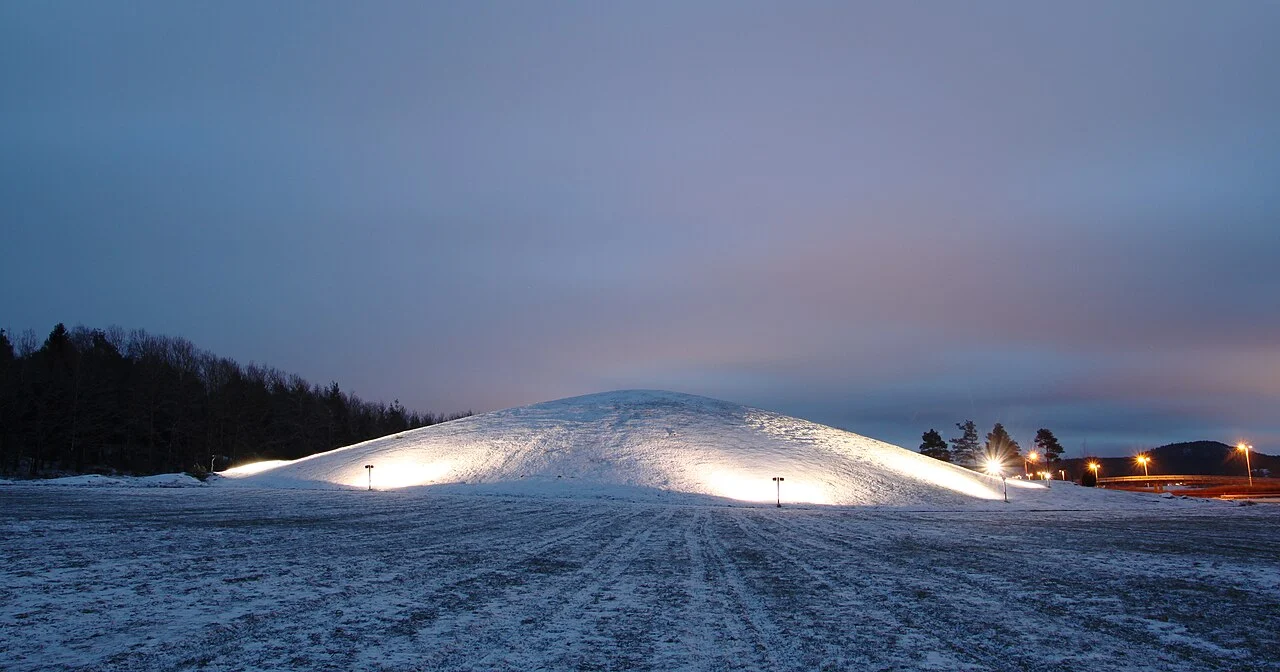
Ground-penetrating radar identified the impression of a buried ship near Jellhaugen in 2018. The research also documented traces of buildings and other mounds. Gjellestad is particularly interesting if you want to understand how archaeologists identify a site before excavation and how the technology changes what can be investigated.
Jellhaugen and the ship find are easy to confuse. Look at NIKU’s diagrams before arriving so that you know which features sit above ground and which were detected below it. A striking feature visible in a field is only part of a much larger archaeological landscape. This stop is best for travellers happy to bring their own reading.
Build it into a Halden-area outing and allow 30–45 minutes for the location and interpretation. Before leaving town, confirm public access and parking and remain on signed routes or public land. Allow for limited daylight in winter and skip the outdoor detour if the public approach is unclear. Set aside time in Halden instead.
10. Stiklestad National Cultural Centre in Verdal
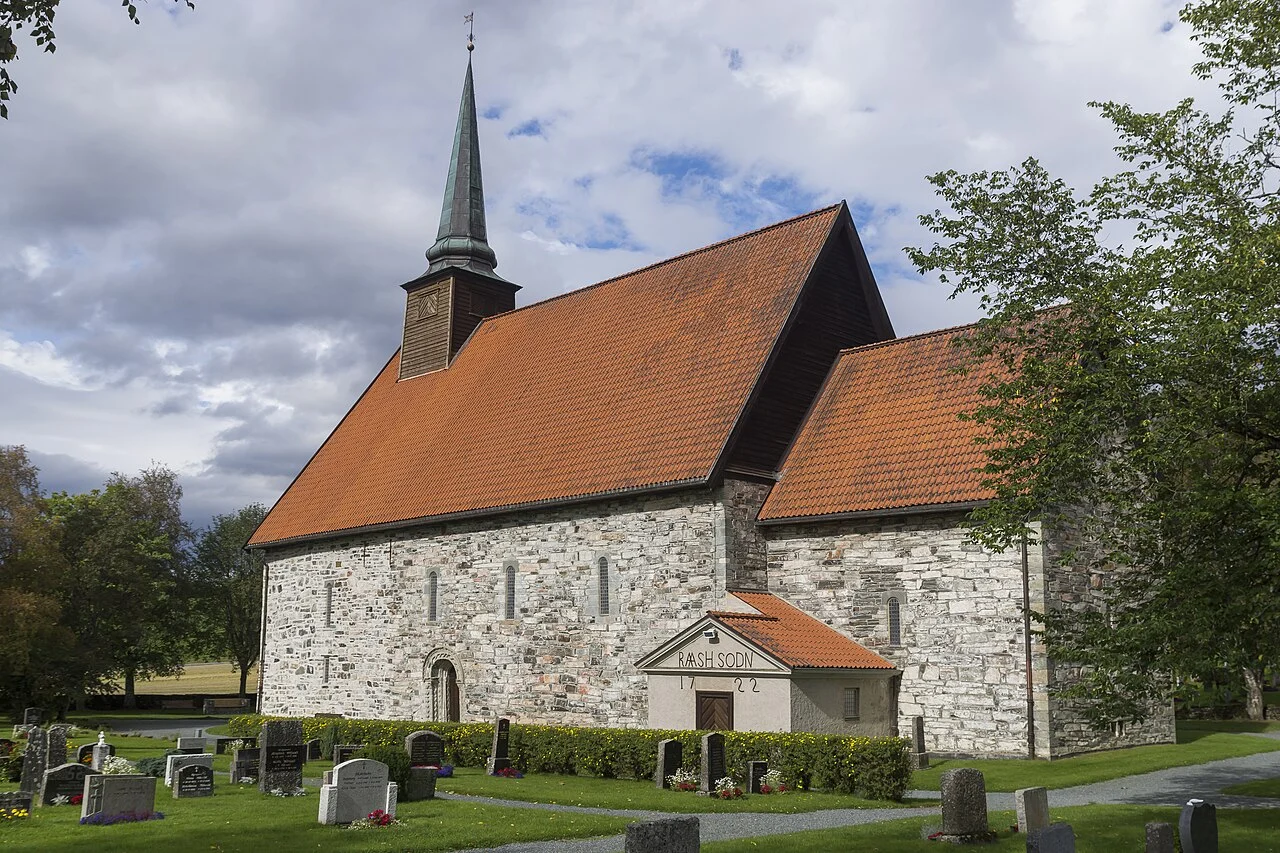
Stiklestad tells the story of the battle of 1030 and the memory of Olav Haraldsson. It makes a good final stop in a Viking Age itinerary because it carries the story into the medieval period. The cultural centre, landscape and later traditions give different perspectives on why a battle can matter centuries after it was fought.
Start with the exhibition. Then use the outdoor setting to think about which elements relate to the battle, which illustrate life around the period and which reflect later commemoration. The summer programme suits families who want a scheduled activity. For a quieter day, allow time to read the exhibition and walk what is accessible outside.
Allow two to three hours, longer during a performance or special event. Check the current exhibition hours, admission and summer programme separately, since event prices and regular access differ. From Trondheim, check the rail arrival at Verdal and arrange the onward leg before buying timed tickets. In poor weather prioritise the indoor exhibitions.
Compare tickets, opening hours and seasonal programmes
Check the museum’s own calendar before planning accommodation around a single activity. Exhibition access, guided sessions and outdoor demonstrations can have different hours. Ask whether the ticket is for a specific arrival time, whether you can return after lunch and what happens if one area is closed. If you are travelling with children, confirm the child age bands and what they can participate in. If a family mainly wants to see a hall and spend time outdoors, give those parts of the day priority.
Compare the full cost rather than the admission alone. A central museum may require only a local walk or transit ride. A rural site may require parking, buses, taxis or an overnight stay. Add food and any separate activity charges to the budget. Confirm where luggage can be stored and whether the group can find somewhere to eat if it arrives outside café hours. Buy tickets early when a timed activity matters, and keep the rest of the day flexible enough to accommodate a change.
Ask about accessibility for the actual route between the parts you want to visit. A modern exhibition building and an outdoor burial landscape can have different surfaces and facilities. If you need step-free entry, seating or a short route, ask what the museum recommends. Confirm whether English-language interpretation or tours are available at the times you need. Allow some space between visits so you can stay longer at a gallery or stop for a rest.
One-, two- and three-day itineraries
One day in Oslo. Use the morning for the Historical Museum if its hours fit, spend one to two hours with the exhibitions and have lunch nearby. Keep the afternoon for a city walk or another central attraction and eat near your accommodation in the evening. If the museum is closed, move it to an opening day or use an indoor city alternative. Check the date rather than travelling to Bygdøy expecting the ships to be on public display.
Two days around Oslo and Vestfold. Use day one for the Oslo collection, with an afternoon walk and dinner in the city. On day two, travel to Borre after checking your confirmed local connection, reserve the main block for Midgard and the outdoor landscape, then return or stay in Vestfold. If weather makes the outdoor visit uncomfortable, give more time to the parts open indoors. Leave room before the last connection and check opening hours before making the journey.
Three days based in central Lofoten. Use day one for arrival and a nearby village or shore stop before dinner. Reserve day two for Borg, with a morning or afternoon museum visit and an unhurried meal afterwards. Use day three for another local stop before travelling onward. If an outdoor part at Borg is unavailable, spend more time in the exhibition or swap days if the museum calendar permits. Check the road or bus before committing to a late return.
Visiting with children or a mixed-interest group
Ask what the children will actually be able to do. An activity advertised in a summer photograph might be scheduled only on certain days. A group can also build a good visit around a few objects, a short walk and a meal break. Let children ask about how a building was made or why an object survives, and give them time to look. When outdoor surfaces are wet or icy, shorten the route and check where it is possible to get warm.
If part of the group wants more time at a museum, choose a meeting place near the entrance or somewhere reachable on foot. A museum that closes early may be a poor place for a late meeting, so check the exact time. If you are travelling after the visit, confirm baggage collection and allow for the walk to the station. A flexible meal near the base usually works better than a reservation that dictates how quickly you have to leave the exhibition.
Leave time to compare what survives with what was reconstructed
At a museum, start with one object whose story you can follow. Look for the date, findspot and material, then ask what the exhibition says about its use. At a site with a reconstructed building, look for the difference between the location of the archaeological remains and the building you can enter today. This gives you a way to compare the visits without expecting the same type of evidence at each stop.
Build that comparison into the itinerary if you have two visits. Give the first visit enough time to read the labels or talk with a guide. On the second, use that background to understand a different place or object rather than trying to repeat the same experience. Ask which outdoor areas remain accessible if the museum closes early. Keep enough time for the walk back to the station or car and check the final return before adding another stop.
Add a digital Viking experience in Oslo
For an additional indoor stop in Oslo, compare a ticket to The Viking Planet. This digital attraction is separate from the archaeological collections and historic sites above; check which experiences your ticket includes.
View The Viking Planet tickets →
Check current dates, prices, meeting points and cancellation terms on Viator. Affiliate link: we may earn a commission if you book.
Related planning

Destinations for your trip
Questions and answers
Is the Viking Ship Museum in Oslo open?
The former Bygdøy museum is closed for redevelopment. The new museum is working towards late 2027, subject to change. Check its official visitor page.
Where can I see Viking artefacts in Oslo now?
Check the Historical Museum in central Oslo for its current Viking Age exhibition and opening hours.
What does admission cost?
Published adult examples are NOK 160 at the Historical Museum and NOK 210 on Museum Nord’s Lofotr visitor page. Check live rates and inclusions.
How long should I allow?
Give Oslo one to two hours and allow most of a half-day at Lofotr or Borre if you want to see the buildings and outdoor areas.
Can I visit without a car?
Oslo’s museum is central. For Borg or Borre, check the final bus, walk or taxi and the last return before booking.
Which season is best?
Start with the date when the exhibition and any outdoor programme you want are operating. Verify seasonal hours and have an indoor plan if the weather changes.
Choose the visit for what you want to learn
Book the Oslo collection for objects, Lofotr for a reconstruction set in its landscape or Borre for burial mounds and interpretation. Confirm current access and allow enough time to see how the site’s pieces fit together.
Sources and further reading
Confirm current prices, opening hours, access and transport before booking.