How to Plan a Trip to Norway: Routes, Budget and Booking
Learning how to plan a trip to Norway starts with a choice, not a booking: decide which part of the country matters most to you. Oslo museums, western fjords and an Arctic winter are different holidays. They can be combined with enough time, but adding destinations without allowing for transport creates an expensive sequence of check-ins. This planning hub turns those competing ideas into a workable route, budget and booking order.
Start here for realistic Norway travel planning: choose a season and region, compare transport, organise accommodation and build an itinerary with room for changing weather.
Norway trip planning: the quick answer
- Is Norway worth visiting? Yes, if you want distinctive coastal landscapes, outdoor experiences or cities with strong museums and manageable public transport.
- How long? Three days suits one base; seven to ten days supports a focused regional journey.
- Best time? Summer for a broad first trip; choose winter specifically for winter activities.
- Cost level? High. Reduce transfers and choose paid activities deliberately.
- Getting around? Trains and buses between connected places; a car for a carefully chosen rural section.
- First decisions? Main experience, travel month and realistic number of bases.
Plan your Norway trip
- Trip costs — Compare three worked budgets in NOK.
- Itineraries — Compare western fjord and Northern Norway routes.
- Transport — Plan train, bus, ferry, flight and car connections.
- Visitor essentials — Check documents, payment, safety and public holidays.
Use the Norway planning comparison tools
- Adjust a worked budget: compare solo and shared-room costs, higher room rates and daily food allowances.
- Choose an Oslo–Bergen route: compare direct rail, the Flåm rail detour and a route with a Nærøyfjord cruise.
- Match the season to your route: distinguish city trips, fjord services, mountain-road access and Arctic light.
1. Choose the experience before the route
Write down the three experiences that would make your holiday worthwhile. They might be a fjord boat journey, two substantial museums and a coastal village. Or they might be northern lights, dog sledding and a quiet winter hotel. This simple list exposes incompatible assumptions: midnight sun and dark-sky aurora are not experiences you should expect on the same summer weekend.
Separate essential experiences from attractive extras. A traveller whose first priority is a particular hike needs an itinerary designed around suitable access and weather, with a fallback if the route is unsafe. Someone primarily interested in Oslo art does not need to rent a car because a generic Norway itinerary includes one. The most useful plan follows your interests rather than a collection of famous photographs.
Choose a primary region and give it enough time. The west works well for fjords and Bergen; the north suits Arctic experiences with their own seasonal requirements. Southern cities can support a shorter cultural trip. Build a second region only when the additional travel still leaves complete days to enjoy it. A domestic flight saves distance, but transfers, check-in and luggage still use much of a day.
2. Match your season to your priorities
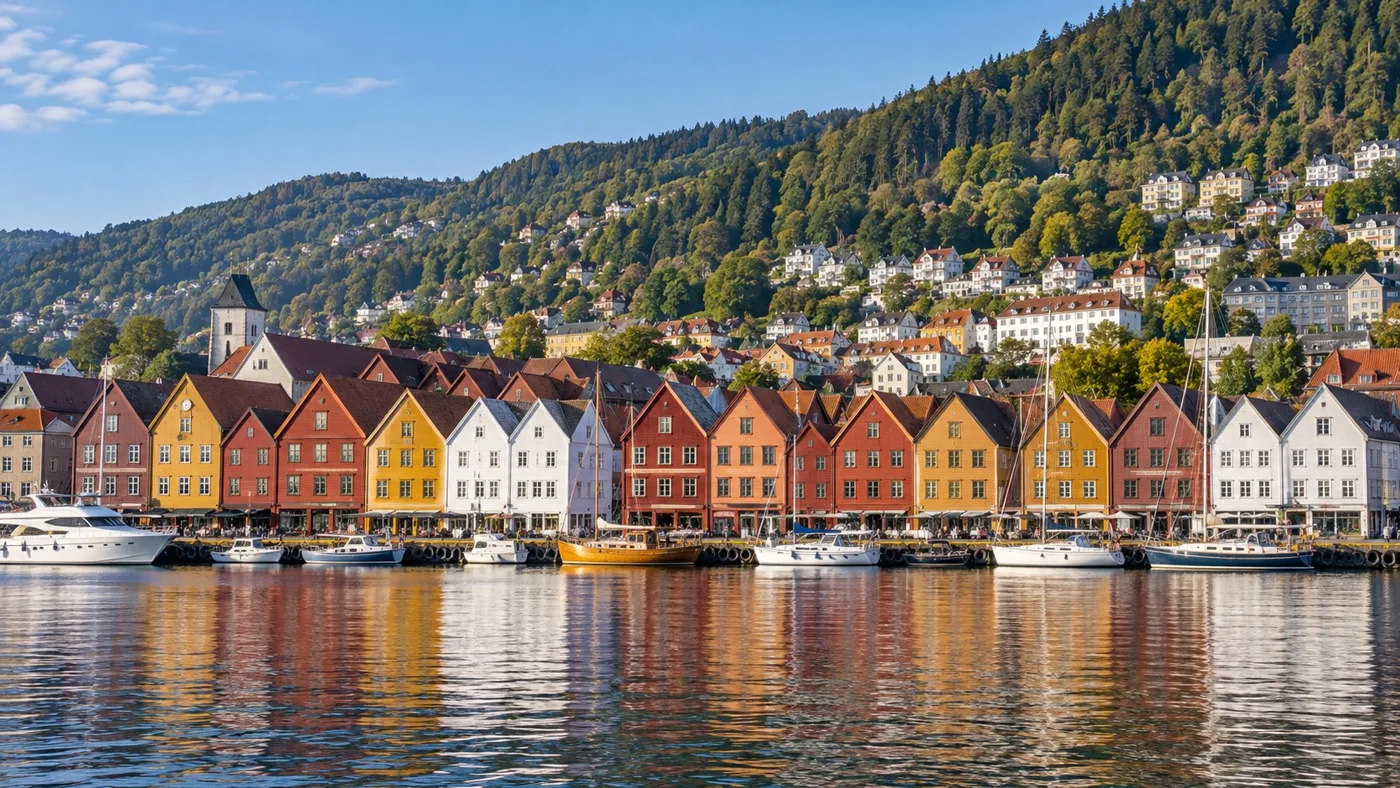
For a first journey combining cities, fjords and accessible outdoor stops, the longer daylight of summer creates useful flexibility. It does not guarantee warmth or dry weather. A windy day on the coast and a clear afternoon inland may demand different plans even within the same region. Pack for changing conditions and choose accommodation you will enjoy returning to when an outing is shortened.
Spring can offer lively city streets and strong waterfall flows, while higher ground remains snowy. Autumn can suit a slower journey, but services and daylight decrease. Winter should be chosen for winter itself, rather than as a cheaper version of a summer driving route. Snow-based products depend on actual snow, and a calendar date is not evidence that a particular activity is operating.
Look up the operating season of your essential experience before booking flights. A seasonal boat route, mountain road, guided hike or small museum may not run when you intend to visit. Check current official information again shortly before departure. For the detailed trade-offs between regions, use our guide to the best time to visit Norway.
3. Build the route around complete days
A complete day is one that begins and ends without a major intercity transfer. Count those days first. A five-night holiday with three bases can leave only two complete sightseeing days after arrival, departure and moves are considered. Two well-chosen bases often provide more useful experience than an itinerary that appears to cover a larger area.
Use a map to understand geography, then use current transport planners to understand feasibility. Fjords, mountain terrain, ferry connections and indirect roads make straight-line distances misleading. A short-looking detour may require retracing a valley road. A map estimate also omits the time needed for parking, toilets, meals, viewpoint stops and checking into unfamiliar accommodation.
Plan your route in one direction where possible. Compare arrival and departure airports before committing to a circular journey; any savings must be balanced against one-way car charges or domestic transport costs. Avoid moving simply because a hotel is slightly cheaper if the move costs a useful half-day. Give each overnight location a clear purpose, such as a transport connection, a cluster of activities or a quieter pace.
Choose bases with useful alternatives
A strong base supports more than one kind of day. Bergen has museums and city walks when the hills disappear into cloud. Tromsø combines urban visits with weather-dependent excursions. A remote cabin can be excellent if quiet is the purpose, but it may create long drives to every meal and attraction. Compare location and facilities together rather than judging rooms only by photographs.
7 days in Norway without a car: Oslo, Flåm and Bergen
Start in Oslo and finish in Bergen, with two nights in each of Oslo, Flåm and Bergen. Days 3 and 5 are rail transfer days. Keeping day 4 in Flåm gives you a full day for the fjord without having to catch an onward train.
| Day | Plan | Sleep in |
|---|---|---|
| 1 | Arrive in Oslo. If you arrive early, walk the Bjørvika waterfront. | Oslo |
| 2 | Spend a full day in Oslo. Use the Oslo guide to pick a museum and a neighbourhood or park. | Oslo |
| 3 | Transfer from Oslo S to Myrdal on the Bergen Line, then take the Flåm Railway down to Flåm. | Flåm |
| 4 | Cruise from Flåm to Gudvangen and return by shuttle if the departures connect. Use the Flåm guide for alternatives. | Flåm |
| 5 | Transfer from Flåm to Myrdal and change for Bergen. Leave the rest of the day flexible. | Bergen |
| 6 | Explore Bryggen and choose a viewpoint or a museum based on the weather. See the Bergen guide. | Bergen |
| 7 | Depart from Bergen. Leave time for your airport or onward connection. | — |
These times are examples from published timetables. Check current schedules, connections, and ticket availability with each operator for your travel dates before booking.
Before booking: Check the Myrdal connections for Oslo to Flåm and Flåm to Bergen on Vy for your dates. Confirm both legs of the Nærøyfjord boat and shuttle round trip with Norway’s Best. If you also need to return to Oslo, allow a separate travel day before an onward flight.
Winter example: a Nærøyfjord day from Flåm
For a sample trip on , the published Norway’s Best timetable shows a 09:30 sailing from Flåm arriving in Gudvangen at 11:30. If the return shuttle doesn’t suit your plans, the timetable shows a 12:00 return sailing, arriving in Flåm at 14:00. That leaves 30 minutes between the scheduled arrival and departure at Gudvangen. Check availability and boarding deadlines for both sailings before booking either leg. Timetable checked .
For the rail days, search Oslo S to Flåm and Flåm to Bergen as complete journeys in Vy. Check the time between trains at Myrdal in each direction before booking your overnight stays. If the fjord outing is cancelled, use your full day in Flåm for a village visit and keep the next day’s rail transfer separate.
4. Decide where public transport works and where a car helps
City visits generally become simpler without a car. Accommodation parking, traffic restrictions and collecting a vehicle can add cost without improving museum or waterfront visits. Use public transport for a connected city journey, and hire a car only for the rural section that genuinely benefits from flexible stops. Returning it before another city stay can be more efficient than keeping it throughout.
For trains, buses and local journeys, begin with Entur, then verify the chosen service with its operator. Check departure stops carefully and distinguish a passenger boat from a vehicle ferry. A booking that works for a person with a backpack does not establish that a rental car can travel on the same sailing.
A rural bus holiday is possible, but it requires fewer spontaneous stops. Stay near useful connections, check the last return service and confirm weekend timetables. Do not reserve a remote hotel before checking how you will reach it with luggage. A taxi can solve a short gap, but depending on a long rural taxi ride can erase savings from a cheaper room.
Driving decisions deserve their own budget
Compare hire cost, insurance terms, fuel or charging, tolls, parking and any ferry charges. Check cross-border conditions and one-way fees where relevant. Winter driving requires appropriate experience and equipment; a rental booking does not provide either. Follow current road reports and accept a route change when conditions demand it. Scenic mountain roads should never be treated as guaranteed year-round shortcuts.
5. Build a budget from actual components
Compare our dated Norway trip budgets in NOK before pricing each booking. The guide works through an Oslo weekend, a car-free Oslo–Flåm–Bergen week and a Tromsø winter break, with itemised accommodation, food, transport, activities and contingency. It distinguishes published price anchors from editorial allowances and shows what each total excludes.
Use a budget with separate lines for transport, accommodation, food, paid experiences and a contingency. Enter real quotes for your travel dates instead of relying on an old daily spending figure. A couple sharing an apartment and cooking will face different costs from a solo traveller booking hotel rooms and guided excursions. Exchange rates and booking time also affect the total.
Choose the paid experiences you care about most, then add free or lower-cost time around them. A harbour walk, a beach visit and a museum can make a balanced day without purchasing a tour for every time block. Compare attraction passes only after listing the admissions you will actually use within their validity. Buying a pass first can pressure you into a rushed and less enjoyable route.
Look closely at accommodation inclusions. Breakfast, cooking facilities, laundry, parking and a convenient bus stop can matter more than a small difference in the nightly rate. Self-catering is particularly useful when staying several nights, but buying groceries for one night can leave waste and unused supplies. Restaurant reservations may be helpful in small places where alternatives are limited.
6. Book in an order that protects the journey
Confirm entry requirements and practical travel documents first, then price international transport and the main region. Next identify any essential limited-capacity experience or accommodation that determines your dates. Only after these pieces fit should you fill in secondary activities. This reduces the risk of assembling non-refundable bookings that rely on a connection or attraction that does not operate.
Read cancellation terms as carefully as the itinerary. Distinguish cancellation by you, cancellation by the operator and a changed route that still counts as a completed service. A weather cancellation does not automatically cover a separate hotel or transport booking. Keep receipts and product descriptions together, and consider insurance suited to the activities and consequences you are taking on.
Leave low-priority city admissions flexible unless a timed ticket is necessary. A clear-weather afternoon may be better spent on a viewpoint than in a museum that can be visited the next day. Conversely, do not leave a particular exhibition until the final morning without checking its closing day. Flexible planning works only when you know which choices are actually flexible.
7. Use realistic one-, two- and three-day starter plans
One day: stay within Oslo
Use 09:00–12:00 for the waterfront and one preselected museum, allowing for its opening. Eat lunch before choosing either another indoor visit or a neighbourhood walk from 13:00–17:00. Finish with dinner near your accommodation. Use local public transport rather than collecting a car. In heavy rain, shorten exposed walks and choose an open museum; in winter, put the outdoor section into the brighter part of the day. See our Oslo guide for choices rather than trying to complete every attraction.
Two days: make Bergen the base
Day one combines Bryggen and the waterfront in the morning with a museum or Fløyen in the afternoon, chosen according to visibility. Day two can be a booked fjord excursion if the current route and duration suit your interests. Keep its full time block clear and spend the evening in Bergen. If wind or cancellation prevents the trip, use city museums and a short sheltered walk. Avoid adding an overnight in a second place just to make a two-day visit appear broader.
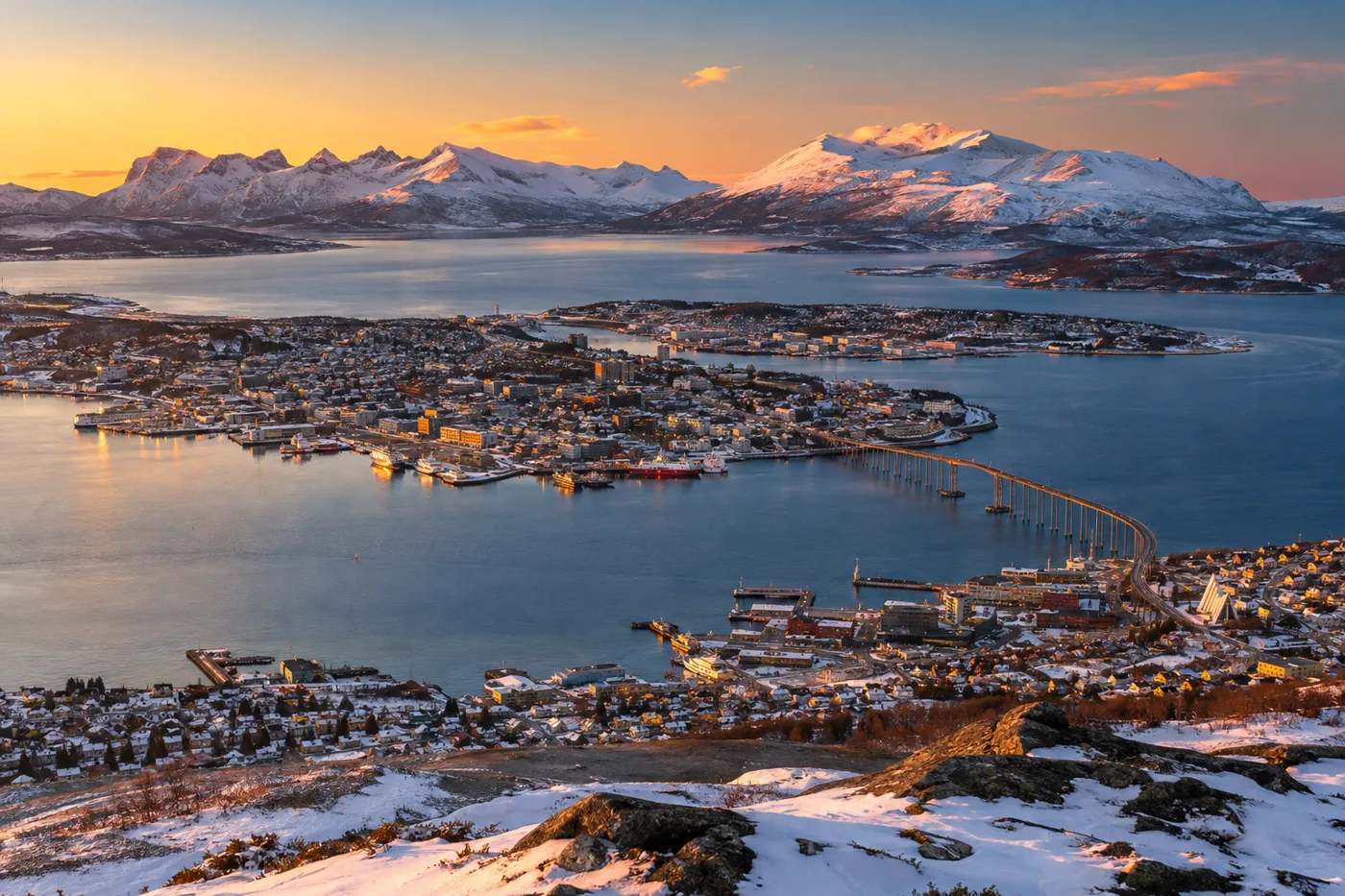
Three days: a Tromsø city-and-excursion break
Use day one for polar history and a clear-weather mainland viewpoint if conditions permit. Day two centres on one suitable guided activity, with the afternoon or evening reserved for rest according to its timing. Day three provides a second weather window or a local museum and shore visit. A dark-season aurora outing belongs on an early evening in the stay, with another evening free if possible. Our Tromsø planning guide explains the seasonal choices. This is a base itinerary, not a reason to fly north between two rushed southern days.
8. Prepare for weather, access and outdoor safety
Carry layers and waterproof protection even when a forecast looks pleasant. Footwear should match the terrain, not simply the city temperature. A mild harbour does not establish that a mountain route is snow-free. Check the specific route’s conditions, daylight and return options, and choose a guide if you lack the experience needed for unfamiliar terrain.
Use Varsom for relevant natural-hazard information and the Norwegian Public Roads Administration for current driving information. Regional warnings require judgement and do not certify an individual route as safe. Never let a prepaid activity or a desired photograph override local closure instructions or an operator’s decision.
Ask operators about mobility access with concrete questions: steps, uneven surfaces, transfer vehicles, toilet access and how much walking is involved. The word easy is subjective. Travellers with dietary or medical needs should confirm arrangements directly. Keep medication, important documents and essentials accessible during transfers rather than buried in checked luggage.
9. Make the next decision, then stop adding
Once your route contains the experiences that matter, improve its quality rather than its length. Add a rest morning, a meal you want to enjoy and room for an unexpected local recommendation. A successful Norway journey is not measured by how many regions you can name afterwards. It is measured by whether the days felt possible and the experiences justified the effort.
If a coastal road trip is your priority, our Lofoten guide explains why arrival points and bases matter. For western Norway, start with Bergen’s main experiences and expand from that base only after checking actual connections. These are next-step choices, not a demand to combine the destinations into one trip.
Norway planning FAQ
How far ahead should I book?
Book once dates and the primary region are firm, especially for limited accommodation or essential small-group tours. There is no universal deadline. Compare current availability and cancellation rules, then keep secondary activities flexible where practical.
Is one week enough for Norway?
Yes, for one focused region or a carefully connected pair of bases. It is not enough for a relaxed survey of Oslo, western fjords, Lofoten and Tromsø together. Count complete sightseeing days before adding another overnight stop.
Can I plan a Norway trip without driving?
Yes. Cities and connected rail, bus and boat routes support car-free journeys. Choose accommodation around actual services and accept fewer spontaneous rural stops. Confirm the final return connection before reserving an isolated property.
Should I book every attraction in advance?
No. Reserve essential timed or small-capacity products, but retain flexibility for weather. A museum can often replace an outdoor block, while a sold-out specialist tour may not be recoverable on arrival. Check each attraction’s own arrangements.
How much should I budget?
Build a date-specific total from accommodation, transport, food and chosen activities. There is no reliable single figure for every traveller. Shared rooms and cooking facilities change costs, while guided Arctic activities can greatly increase an otherwise modest itinerary.
What is the most common planning mistake?
Adding too many bases and treating map travel times as the whole day. Meals, parking, transfers and weather still consume time. Remove one destination before cutting every stop short or relying on tight ferry and flight connections.
A clear plan is a selective plan
Choose your main experience, find its suitable season and build a route with enough complete days to enjoy it. Book the parts that genuinely need certainty, leave alternatives for the weather and verify details directly before departure. Norway rewards a deliberate pace more than a long checklist.
Sources and review notes
Editorial planning guidance by NorwayTop10. Official resources reviewed 21 October 2026: Visit Norway trip planning, seasons and climate, Entur, Varsom and Statens vegvesen. Prices, hours, transport, road status and activity availability must be checked with the relevant operator before booking and again before travel.
Oslo
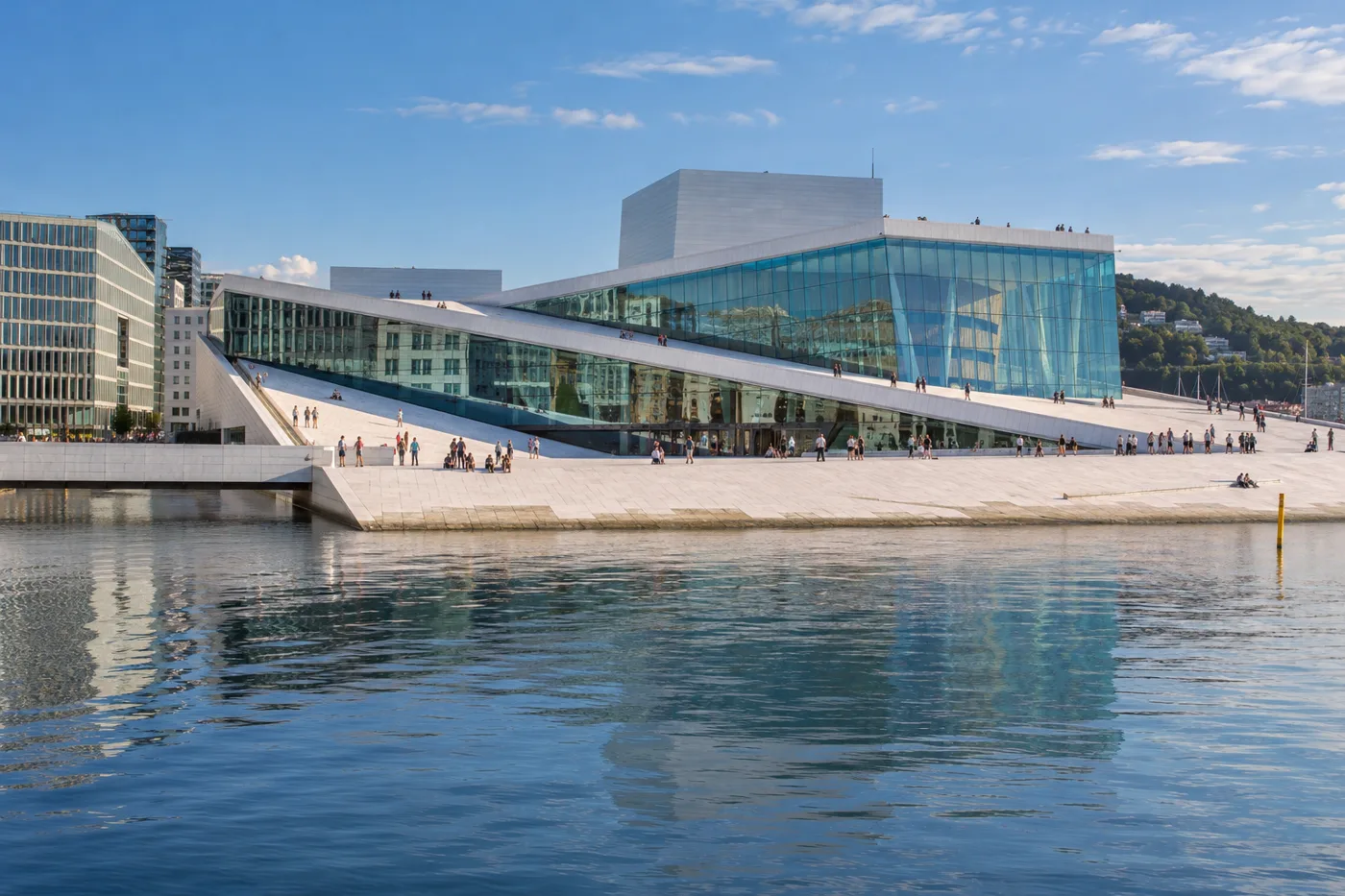
The best things to do in Oslo combine a walkable waterfront, major museums and easy access to parks and islands.
Bergen
Historic harbour walks, city mountains, fjord excursions and realistic itineraries for a first visit to Bergen.
Tromsø
Plan an Arctic city break with clear priorities, realistic day trips and seasonal advice.
Trondheim
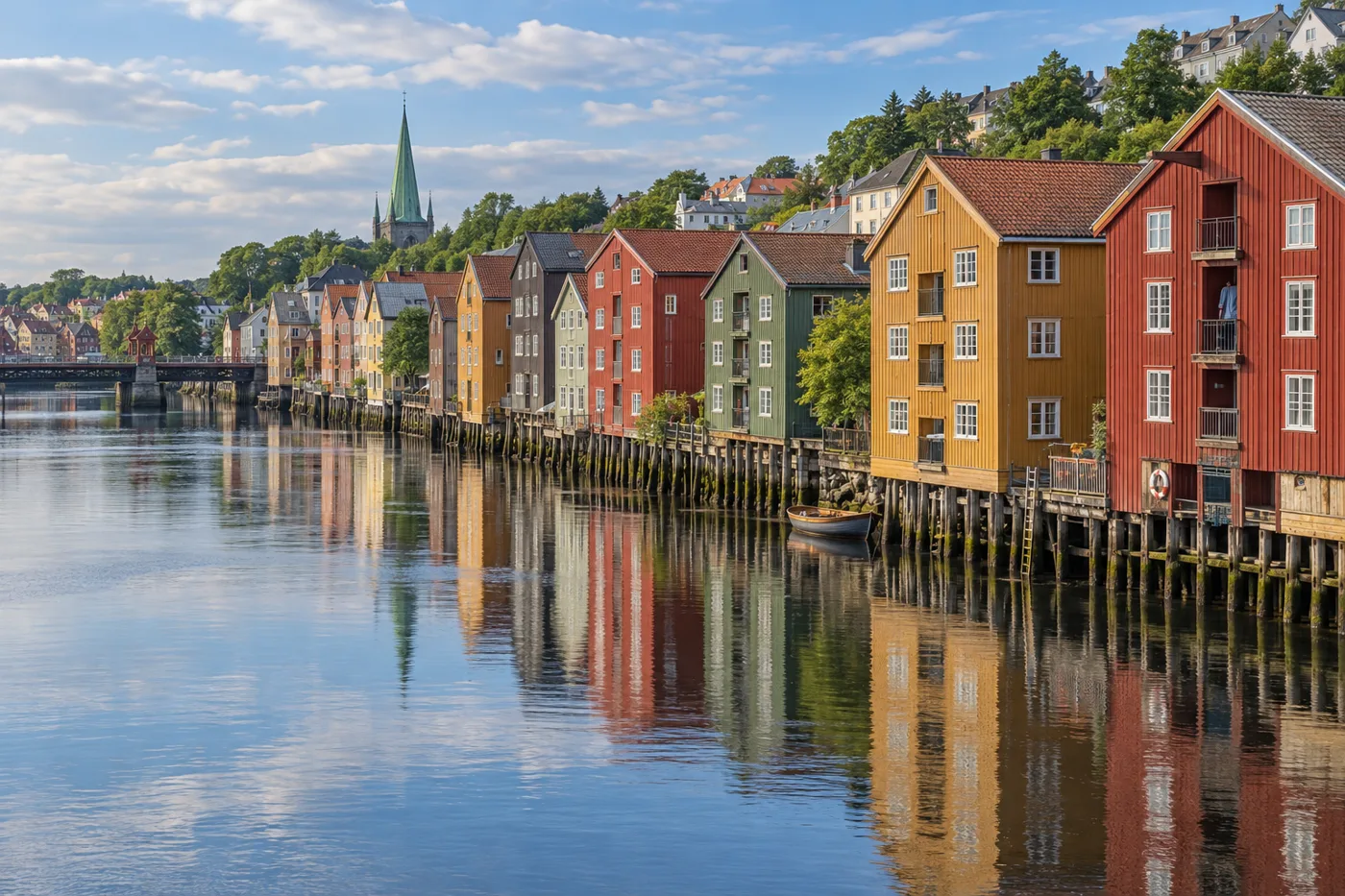
The best things to do in Trondheim connect Nidaros Cathedral with timber neighbourhoods, riverside walks and museums.
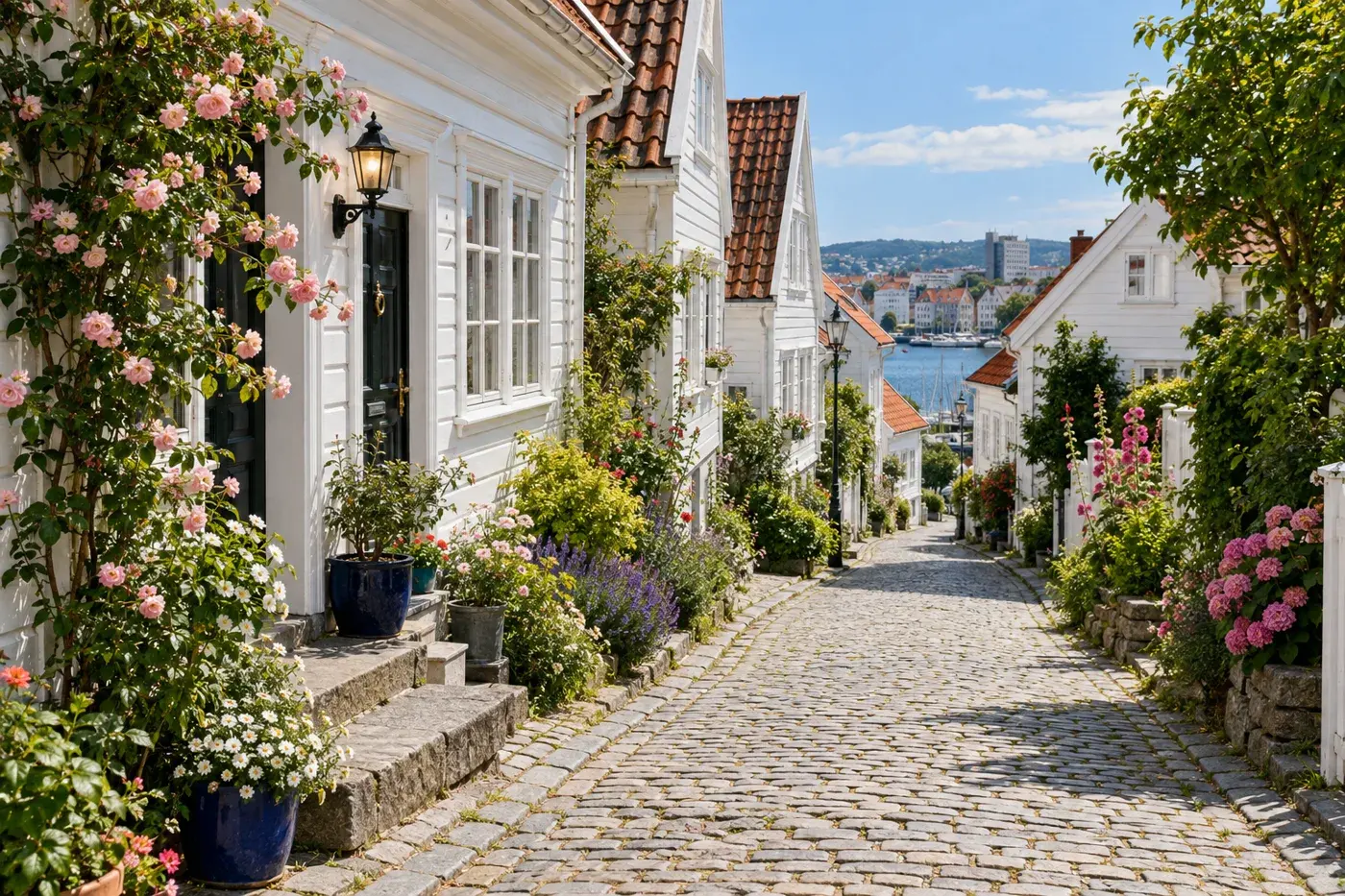
Stavanger
The best things to do in Stavanger combine a compact historic city with Lysefjord, coastal landscapes and properly planned outdoor excursions.
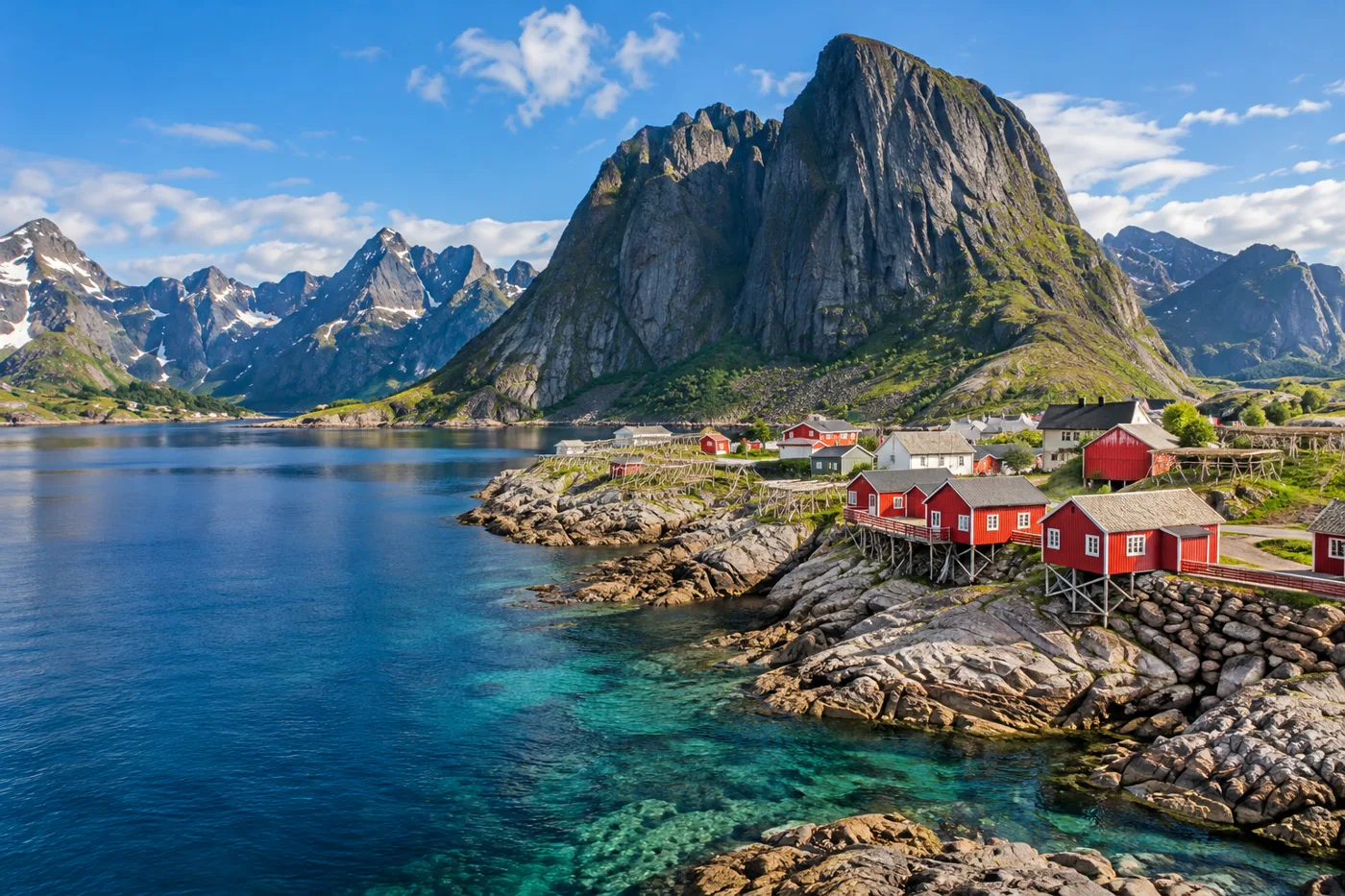
Lofoten
Plan Lofoten around fishing villages, accessible beaches and realistic road-trip distances.
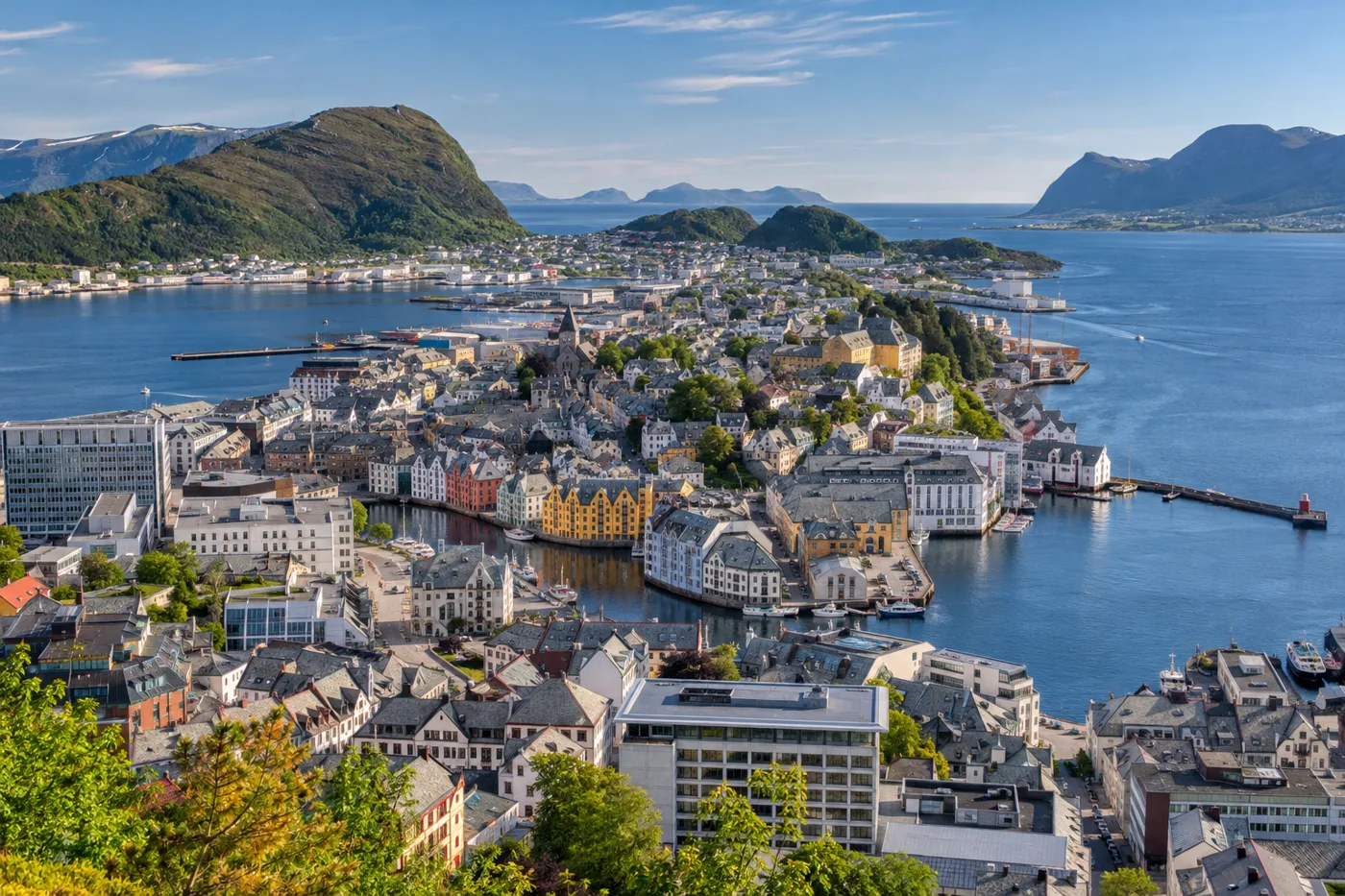
Ålesund
Plan Ålesund with architecture, Aksla, coastal walks, museums and realistic island excursions.
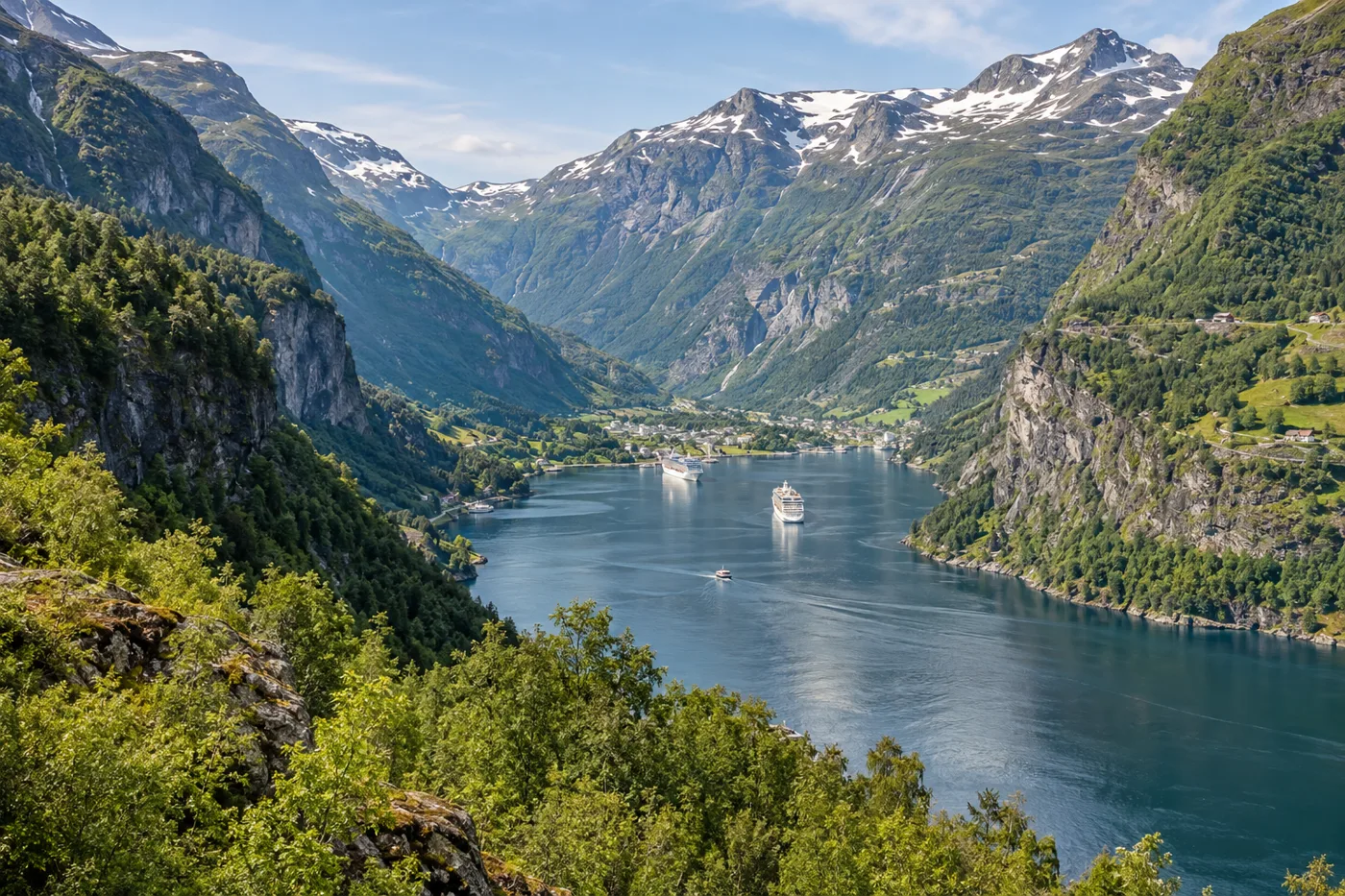
Geirangerfjord
Plan Geirangerfjord with cruises, viewpoints, waterfall walks and safe seasonal logistics.
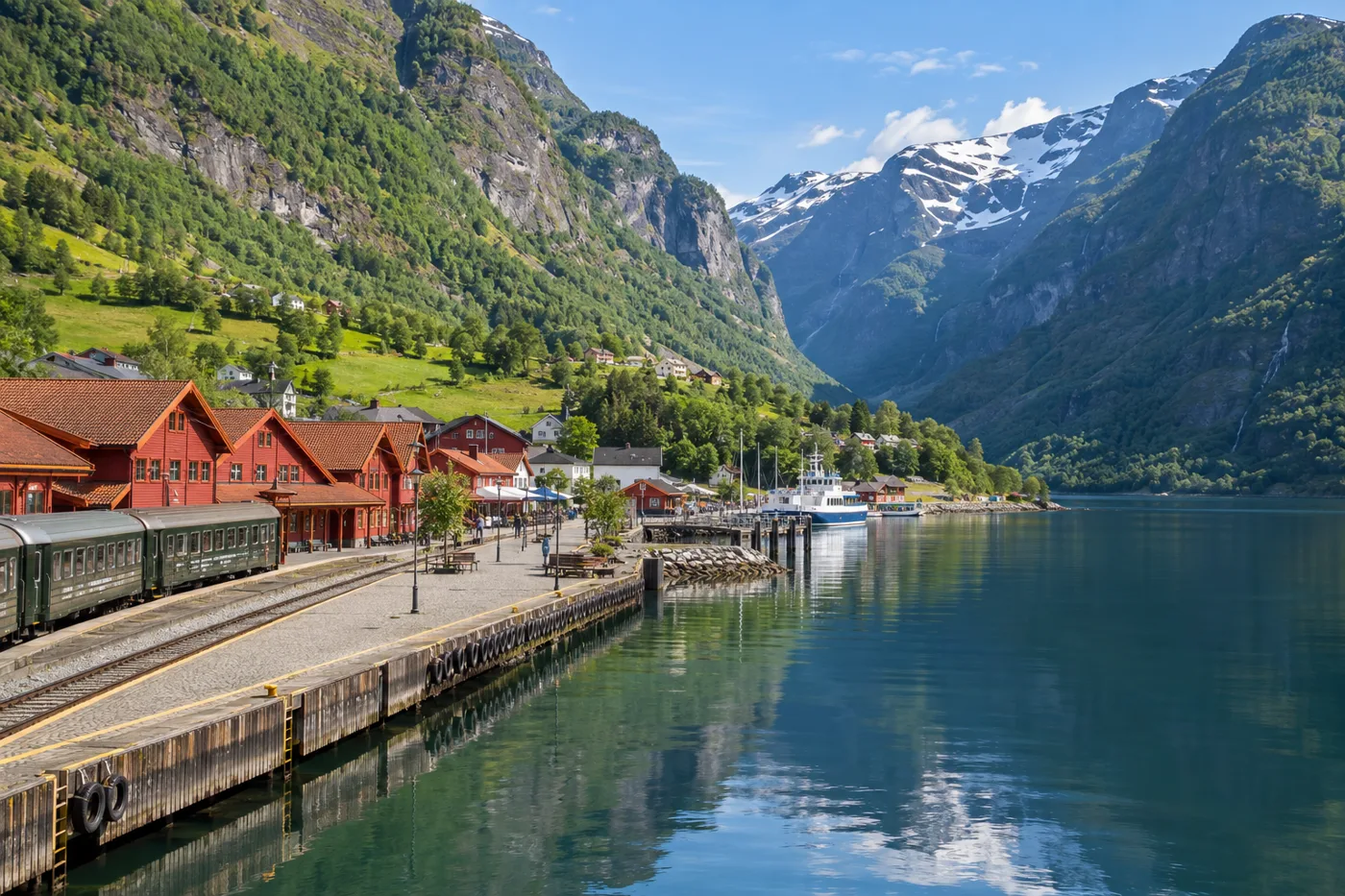
Flåm
Plan Flåm with scenic trains, Nærøyfjord, viewpoints and realistic car-free routes.
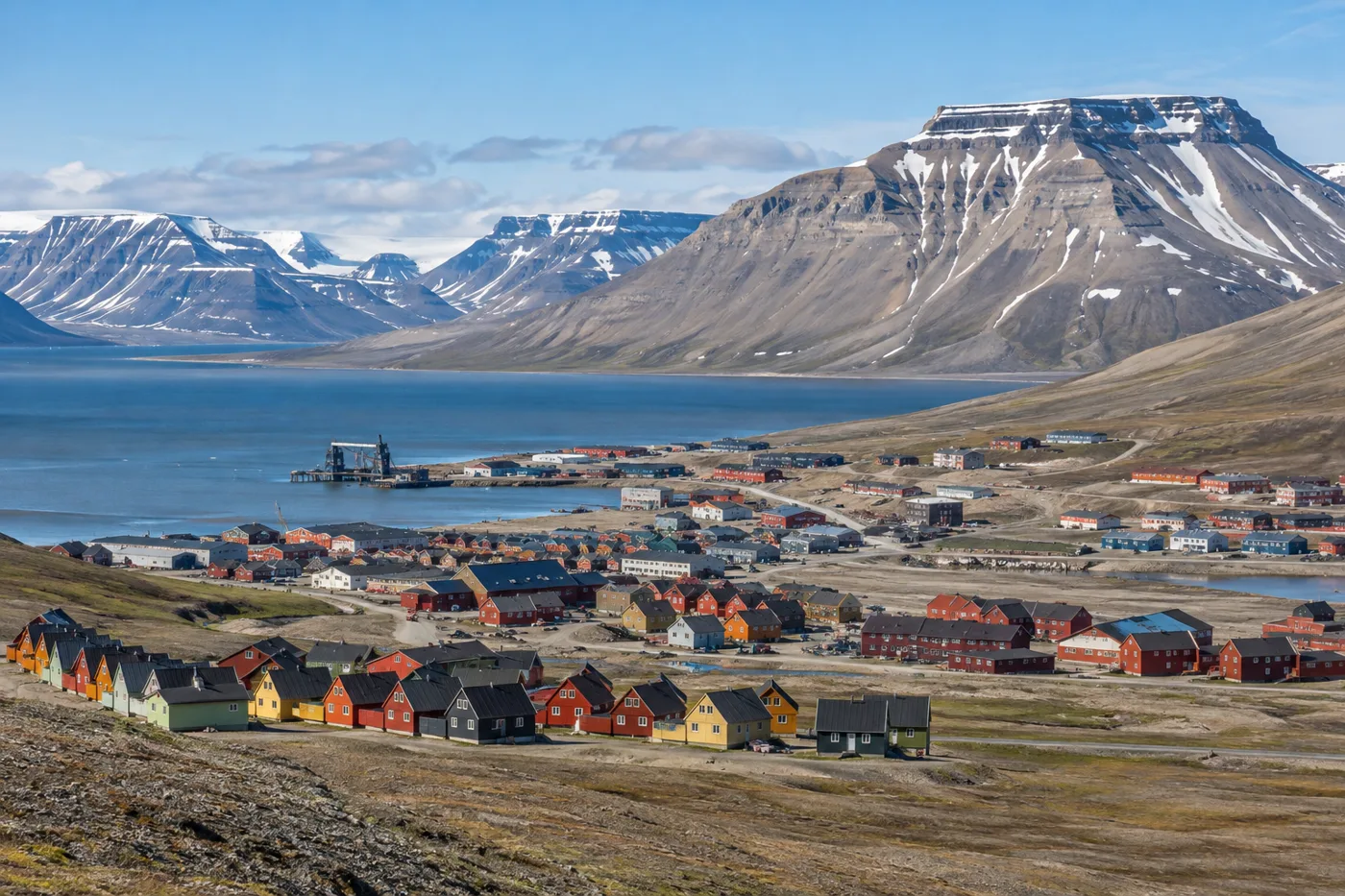
Svalbard
Plan a Longyearbyen-based Arctic visit with guided activities, museums and essential safety advice.
Choose your accommodation base
Compare city areas, transport and practical booking choices before reserving a room.
Choose the right excursion
Use our detailed guides to northern lights, fjord cruises and whale watching to compare seasons, routes and booking conditions.
Choose overnight bases to match your route
Use the Norway accommodation directory after deciding your route, not before. For a trip by public transport, car-free tiny-house stays are worth comparing only when the last connection and walk are realistic. A remote property can add the cost of transfers and meals.
For a driving trip, farm stays and lighthouse stays can make an overnight stop part of the experience. Check arrival arrangements, whether bedding and food are included, and how the next day’s road or ferry connection works.
Understand Norway beyond the route
Norway’s geography affects the distance between stops and the kind of travel required. Read Norway’s land and territories explained before treating the Arctic islands and mainland as one ordinary road itinerary. For context before meeting local traditions, read facts about Norwegian culture and daily life and fun facts about Norway’s history and inventions. The Norway itinerary guide then turns regional choices into realistic travel days.