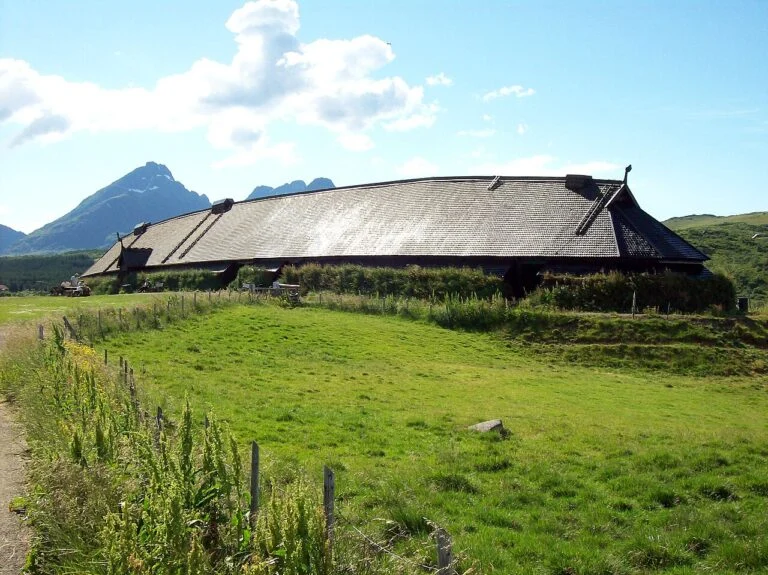
10 Best Things to Do in Tønsberg: Viking Heritage and the Coast
Tønsberg makes a useful short break for travellers interested in early Norwegian history, a lively harbour and the softer coastal scenery of the Oslofjord. Begin with Slottsfjellet and the museum, then explore the waterfront and Viking ship reconstruction at Vikingodden. That combination provides context before you head towards beaches or the Færder coast. One full day is enough for a satisfying central visit; two or three days let you add art, a heritage excursion or one coastal outing. The main planning mistake is treating the islands and the town as a single walkable destination. This guide separates central stops from excursions and distinguishes original archaeological objects from reconstructions. Opening programmes, boat departures and guided activities should always be checked for your dates, rather than inferred from their appearance on a list.
Tønsberg: quick answers
- Worth visiting?
- Yes, for Viking heritage, historic viewpoints and waterfront walks.
- Time needed
- One full day centrally; two for museums; three with a coastal outing.
- Best time
- Warmer months for outdoor and island activities; check seasonal access.
- Cost level
- Moderate to high; central walks are free, galleries and boat trips cost extra.
- Getting around
- Walk centrally; verify buses and boats to the Færder coast.
- Top priorities
- Slottsfjellet, Slottsfjell Museum, Vikingodden.
How this list was selected: NorwayTop10’s editorial choices balance distinctive places, practical access and variety for a first visit. The order is a planning guide rather than a public vote. Outings beyond the destination are identified in their descriptions; ten entries do not mean ten stops in one day.
Compare the ten options
Times are editorial planning allowances, not operator schedules. Add travel and waiting time unless the row explicitly describes a whole outing. For guided experiences, use the confirmed booking duration. See each description for terrain and seasonal restrictions.
| Place or activity | Access to plan | Time to allow |
|---|---|---|
| Climb Slottsfjellet for the town’s setting | Uphill town walk | 45–90 min |
| Explore Slottsfjell Museum | Walk or local transport | 1½–2 hr |
| Visit Vikingodden and Saga Oseberg | Central waterfront on foot | 45–90 min |
| Walk Brygga and the central waterfront | Central waterfront on foot | 45–90 min |
| Visit Haugar Art Museum | Town centre on foot | 1–1½ hr |
| Explore the old central streets | Town centre on foot | 45–90 min |
| See the Oseberg burial mound | Road or dated bus connection | 30–60 min at the site, plus travel |
| Spend time at Ringshaugstranda | Road or dated bus connection | Half-day |
| Make a separate trip to Verdens Ende | Road or dated bus connection to Tjøme | Half-day with travel |
| Choose a Færder boat or island experience | Confirmed quay and return | Use the booked sailing or island-visit duration |
1. Climb Slottsfjellet for the town’s setting
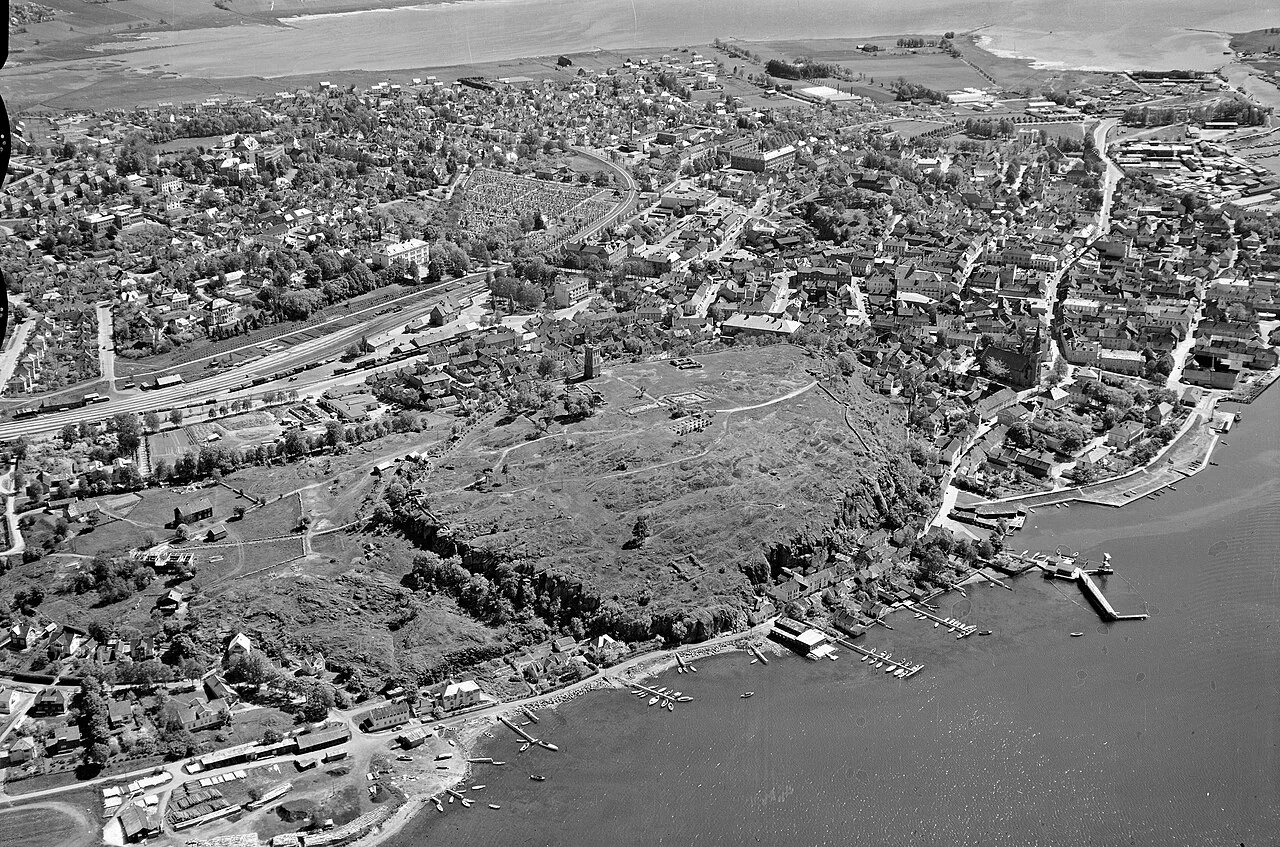
Slottsfjellet is the natural place to orient yourself in Tønsberg. The hill brings together historic remains and an overview of the surrounding town and waterways. Rather than rushing straight to a photograph, take time to understand how the waterfront, centre and approaches fit around this prominent position.
The climb deserves appropriate footwear and a pace that suits the group. Access to particular interiors, including the tower, is a separate matter from reaching the outdoor hill. If the tower is important to you, check its current visitor arrangements instead of assuming it is always open.
Wind, rain or ice can make the top less comfortable than the streets below. Keep to designated routes and avoid climbing on ruins. A shorter safe visit is better than completing every possible circuit, especially when the museum can provide historical context in a more sheltered setting.
2. Explore Slottsfjell Museum
Checked 26 November 2026: Slottsfjell Museum lists low-season adult admission at NOK 100, with NOK 150 in June–August. The published winter schedule is Tuesday–Sunday, 11:00–16:00; the viewpoint tower and café close in the low season. Check holiday exceptions and current ticket arrangements at the museum’s official visitor page.
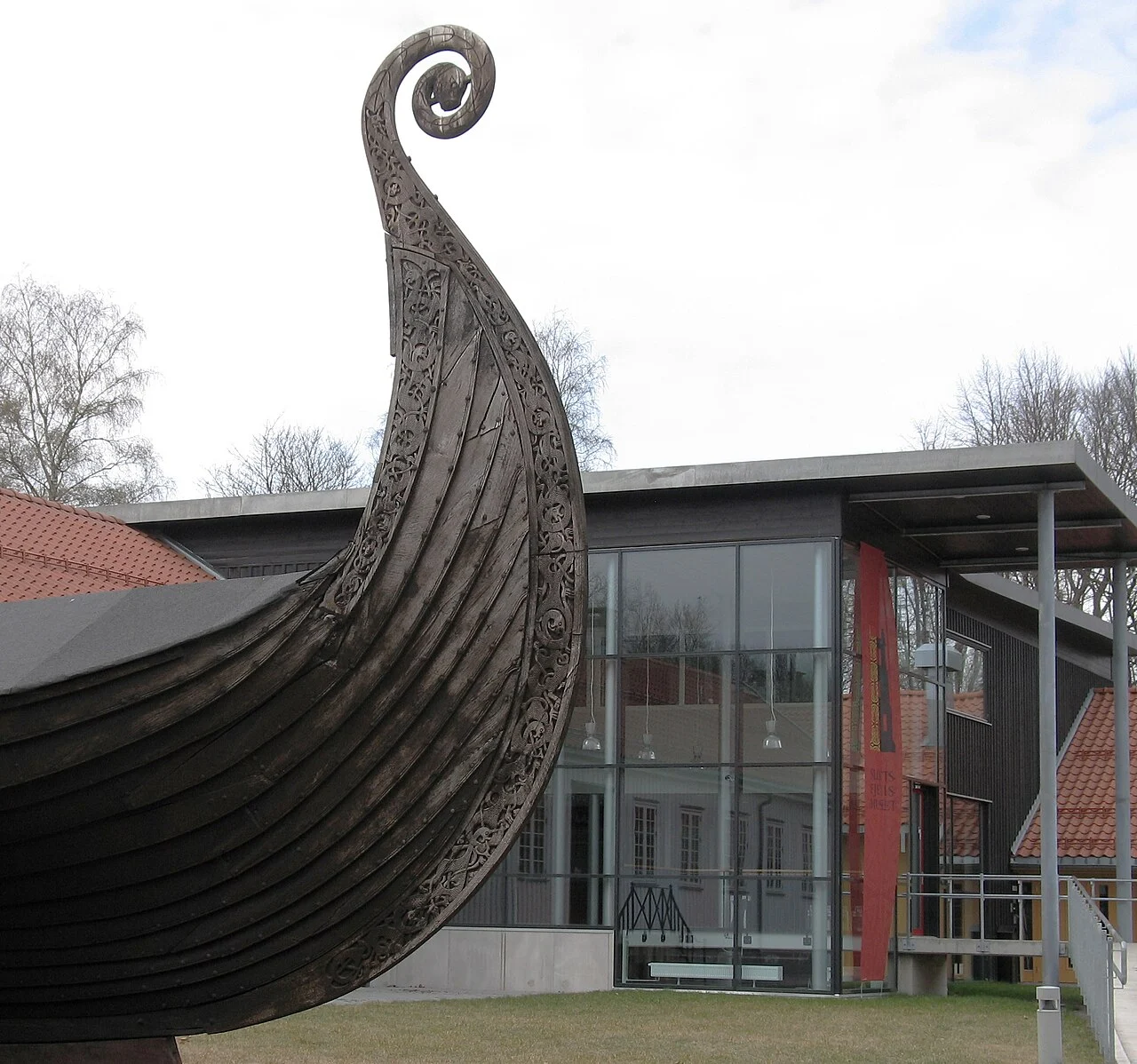
Slottsfjell Museum is the strongest indoor companion to the hill. Its displays connect the town’s past with wider regional history, and the original Klåstad ship is an important distinction from the reconstructions visitors see at the waterfront. Give the museum time rather than treating it as an entrance corridor to a viewpoint.
Check the current exhibition and access information before deciding which part of the collection deserves most attention. Different visitors will favour medieval history, maritime material or the regional story. Choosing a few themes helps avoid museum fatigue while still making the visit substantial and memorable.
Do not tell children that every Viking-looking boat is an original archaeological find. Comparing a surviving vessel with a modern reconstruction creates a useful conversation about evidence, craft and interpretation. Afterwards, the hill and harbour take on more meaning because you have some context for what you are seeing.
3. Visit Vikingodden and Saga Oseberg
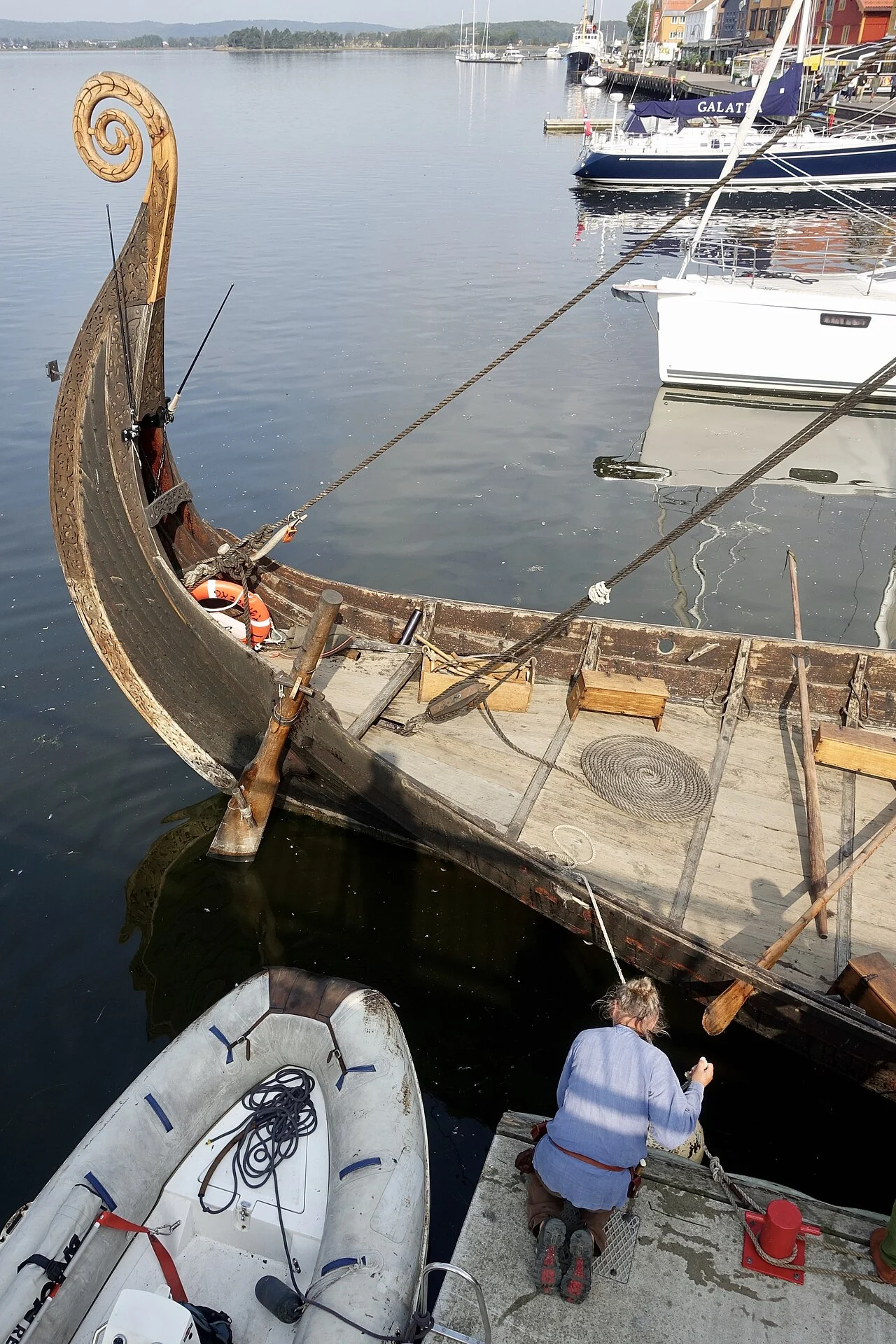
Vikingodden brings boatbuilding and Viking heritage into the central waterfront experience. Saga Oseberg is a reconstruction associated with the famous Oseberg find, not the original excavated ship. That distinction matters: the interest lies partly in how a historical vessel can be studied through skilled modern reconstruction.
Activities, guided interpretation and opportunities to get closer to the work depend on the programme. Check directly if you want more than an outdoor look. A boat being present beside the waterfront does not mean that unrestricted boarding, a sailing or a demonstration is automatically available.
Combine the stop with the museum rather than substituting one for the other. The original Klåstad vessel and the reconstruction answer different questions. Allow time to read interpretation, watch respectfully from public areas and ask staff about current opportunities when appropriate, without entering a working area uninvited.
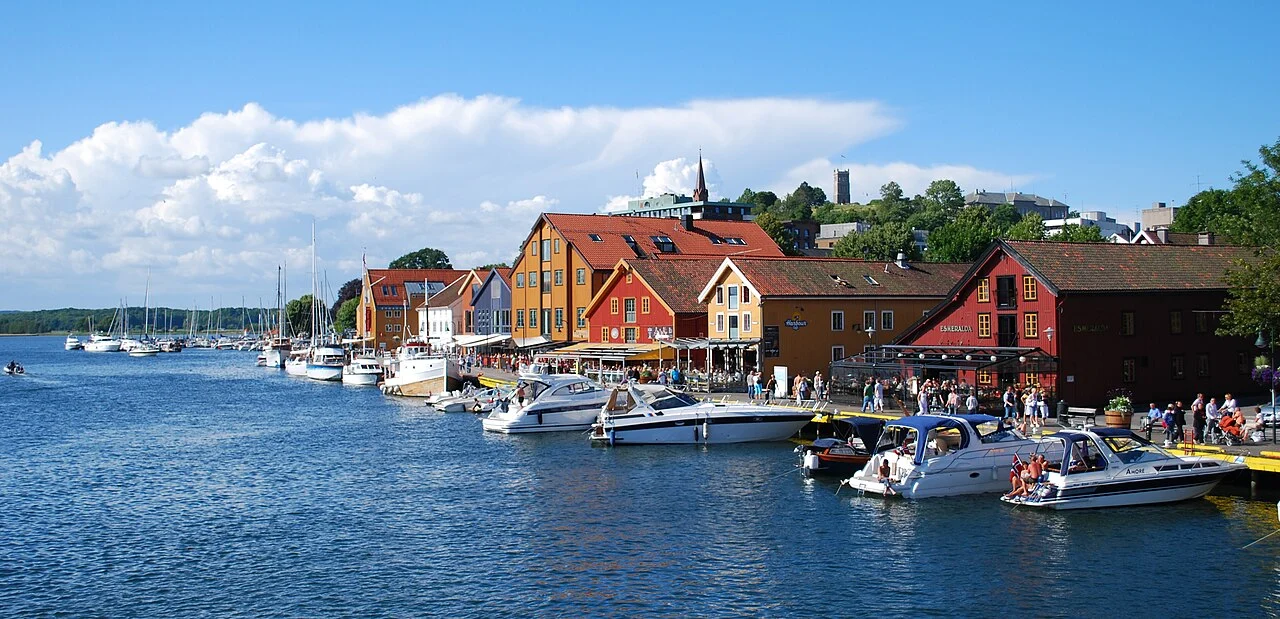
4. Walk Brygga and the central waterfront
The harbour is a useful place to relax after a history-heavy morning. Walk along Brygga, look across the water and choose a meal according to the group’s needs. Its atmosphere is part of Tønsberg’s appeal, but the waterfront should not be the only part of town that you see.
A busy terrace can be enjoyable in summer, while another nearby street may offer a quieter table. Compare menus and remember that seasonal demand affects availability. If you are travelling on a fixed timetable, leave a sensible interval between sitting down and reaching your train or onward connection.
Spend some time simply observing how boats, pedestrians and waterside businesses share the space. The harbour helps explain why the town faces outward towards the coast. You can enjoy that relationship without buying a boat trip or making every evening revolve around a restaurant reservation.
5. Visit Haugar Art Museum
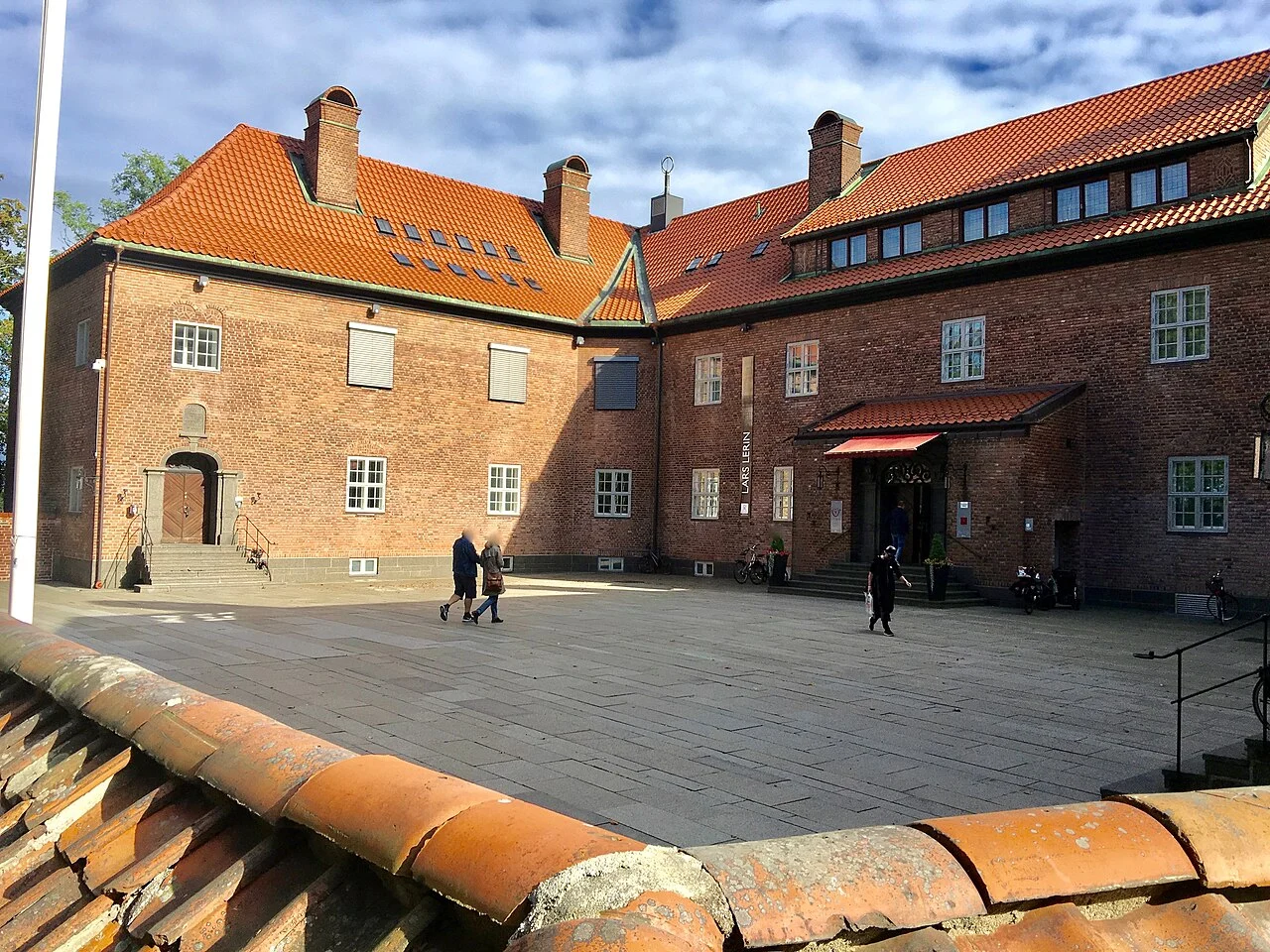
Haugar offers a change from Tønsberg’s medieval and Viking themes. Its central location makes it a practical addition for visitors interested in art, particularly when the weather favours time indoors. Check the current programme and decide whether the exhibitions match your interests before allocating a large part of the day.
Do not assume that a permanent collection and a temporary exhibition are the same experience or available on identical terms. A focused visit can be rewarding even if you do not recognise the artists in advance. Leave enough time to look properly rather than squeezing the museum into the last few minutes before closing.
Group Haugar with the central streets rather than attaching it to a distant coastal outing. The contrast between contemporary interpretation and archaeological history gives a short stay more variety. If your group has mixed interests, plan a nearby meeting point so everyone can use the time comfortably.
6. Explore the old central streets
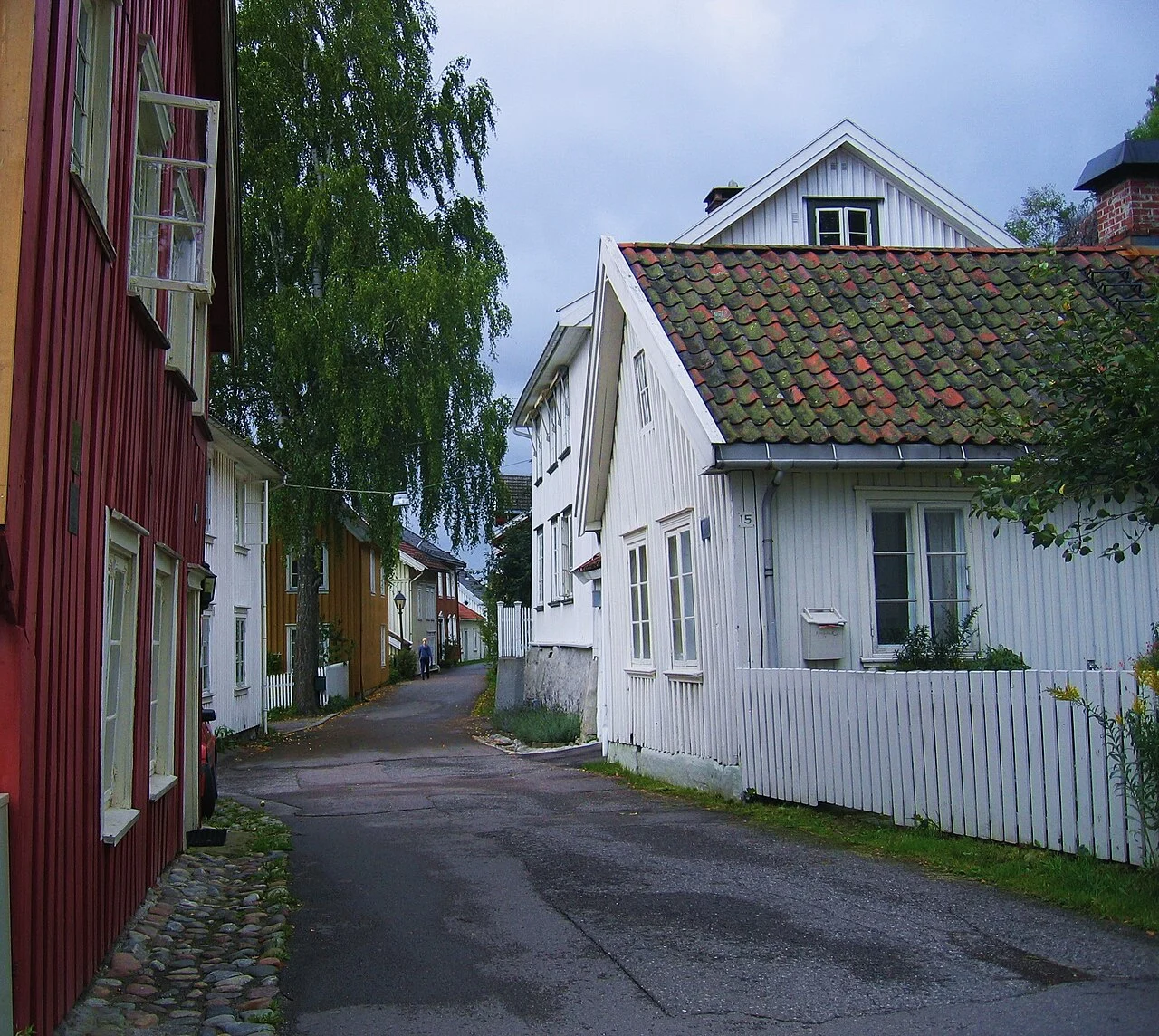
Between the waterfront, hill and museums, Tønsberg has a town centre worth seeing at an ordinary walking pace. Look for changes in scale and building character rather than following only the most direct line between ticketed attractions. This makes the visit feel connected instead of like several isolated stops.
Use a café or shop as a natural pause, but avoid depending on a particular business without checking its current opening. The purpose of the walk is to enjoy the urban setting and find your own preferred corner. A small amount of unplanned time is especially valuable after a guided visit.
Keep the route manageable if you have already climbed Slottsfjellet. Several short walks can be more comfortable than one continuous circuit. When travelling with luggage or children, make practical breaks part of the plan rather than treating them as interruptions to sightseeing.
7. See the Oseberg burial mound
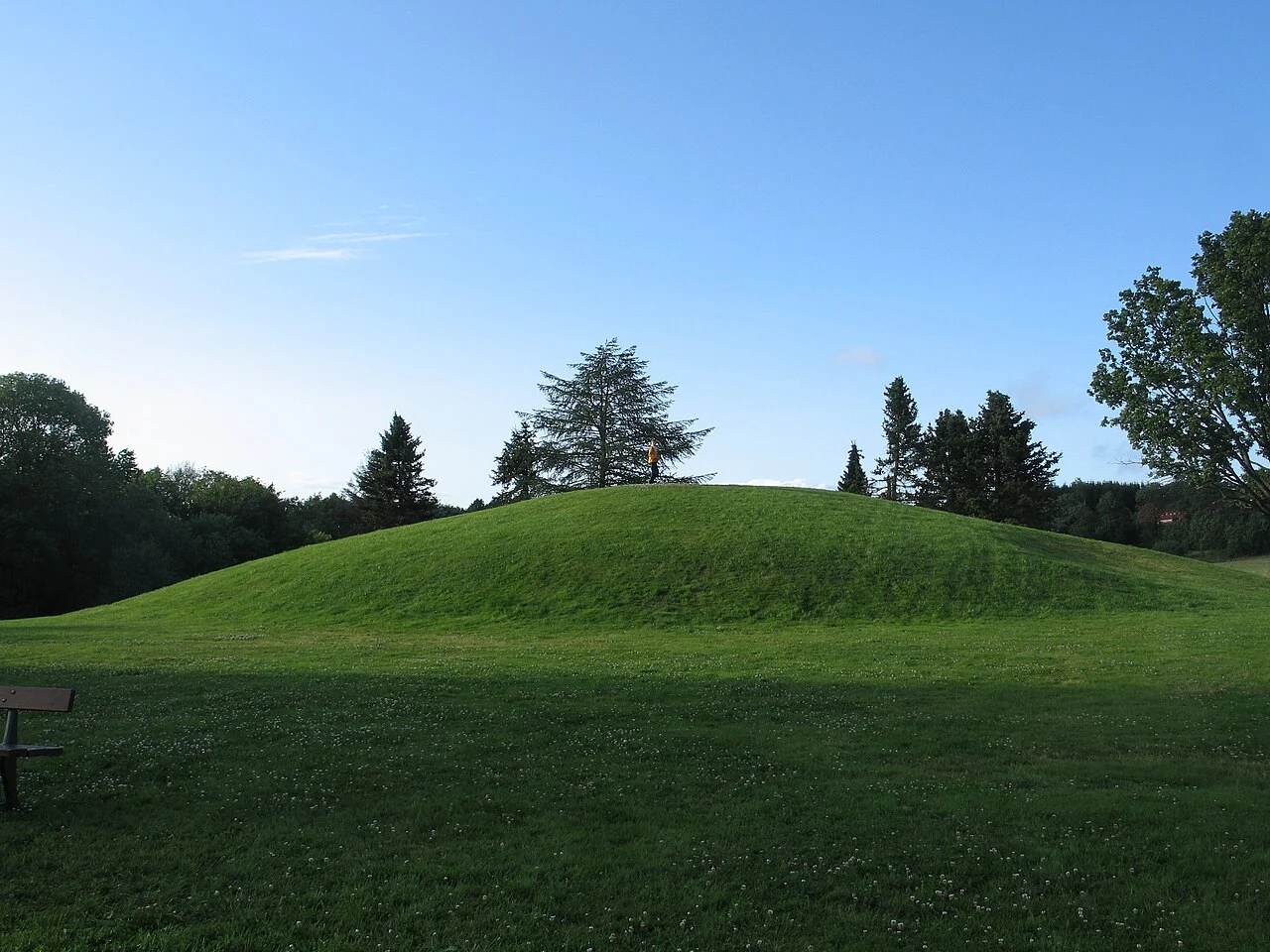
The Oseberg mound is an outlying heritage stop connected with one of Norway’s best-known archaeological discoveries. It is a landscape visit, not another museum containing the original ship. Approach it with that expectation and use interpretation to understand why a relatively quiet place can matter historically.
Check the location and public access before leaving the centre. A mound may not provide a long stand-alone experience for every visitor, so combine it thoughtfully with your interests and transport plans. Someone mainly seeking a lively harbour day can reasonably prioritise the central museum and reconstruction instead.
Treat the site as a protected heritage landscape. Stay on appropriate public routes and avoid climbing where it could damage the ground or conflict with local guidance. The value of the stop is understanding place and discovery, rather than expecting a dramatic structure or a lengthy indoor attraction.
8. Spend time at Ringshaugstranda
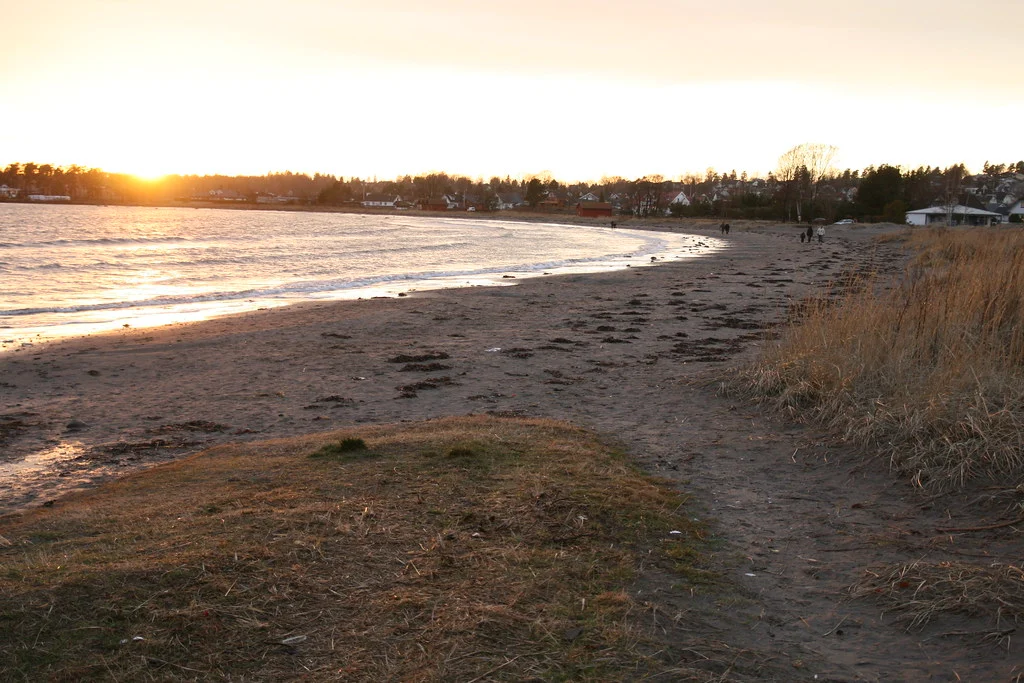
Ringshaugstranda is a good option when you want a beach-focused break from the centre. The sandy setting offers a different pace from museums and historic streets. Choose it for time outdoors rather than treating the shore as an obligatory stop that must be fitted around a tightly booked town itinerary.
Check transport and access, then decide how much beach time makes sense for the conditions. A swim is only one possibility; a shore walk or a quiet pause can be enough. Water temperature and wind may feel very different from the sheltered streets of the town.
Follow local swimming guidance, supervise children and avoid assuming calm-looking water is risk-free. Bring a layer, sun protection when relevant and whatever food you need. If the forecast is poor, keep the beach optional and use the day for a museum or a slower town visit instead.
9. Make a separate trip to Verdens Ende
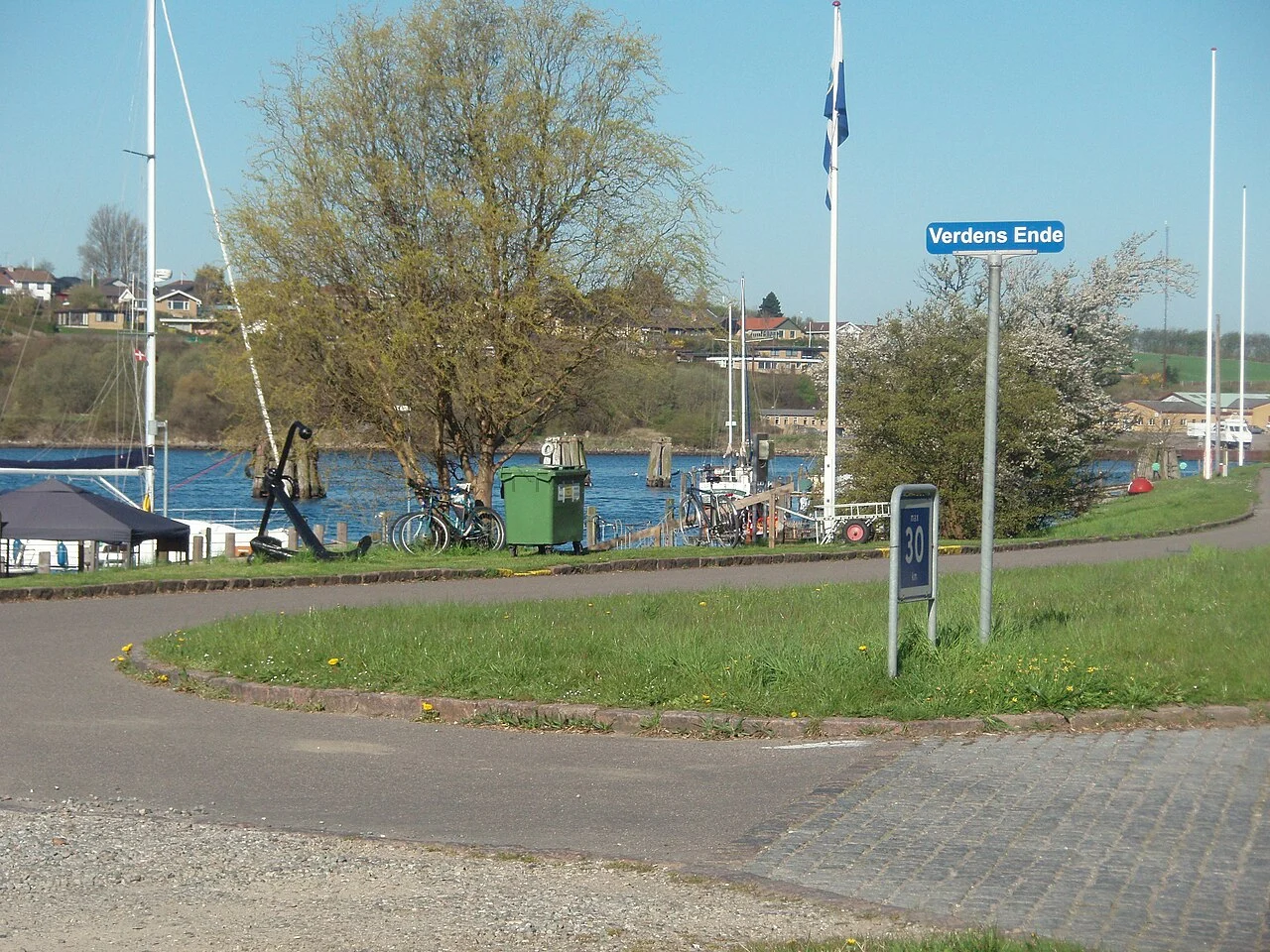
Verdens Ende on Tjøme provides open coastal views and a markedly different setting from central Tønsberg. The exposed rock and sea make it appealing for a carefully chosen outdoor excursion. It is not a quick extension of the harbour promenade, and reaching it requires a separate travel plan.
Choose footwear with grip and pay attention to conditions on smooth coastal rock. Strong wind, spray and wet surfaces can change an apparently easy walk. There is no benefit in approaching wave-washed edges for a photograph, and the most useful route is the one that suits the day’s conditions.
Leave enough time for the outward journey, a modest exploration and the return. Confirm facilities and public transport before departure if you rely on them. Do not add several other island stops simply because they appear nearby on a map; a single well-paced coastal visit can fill the available day.
10. Choose a Færder boat or island experience
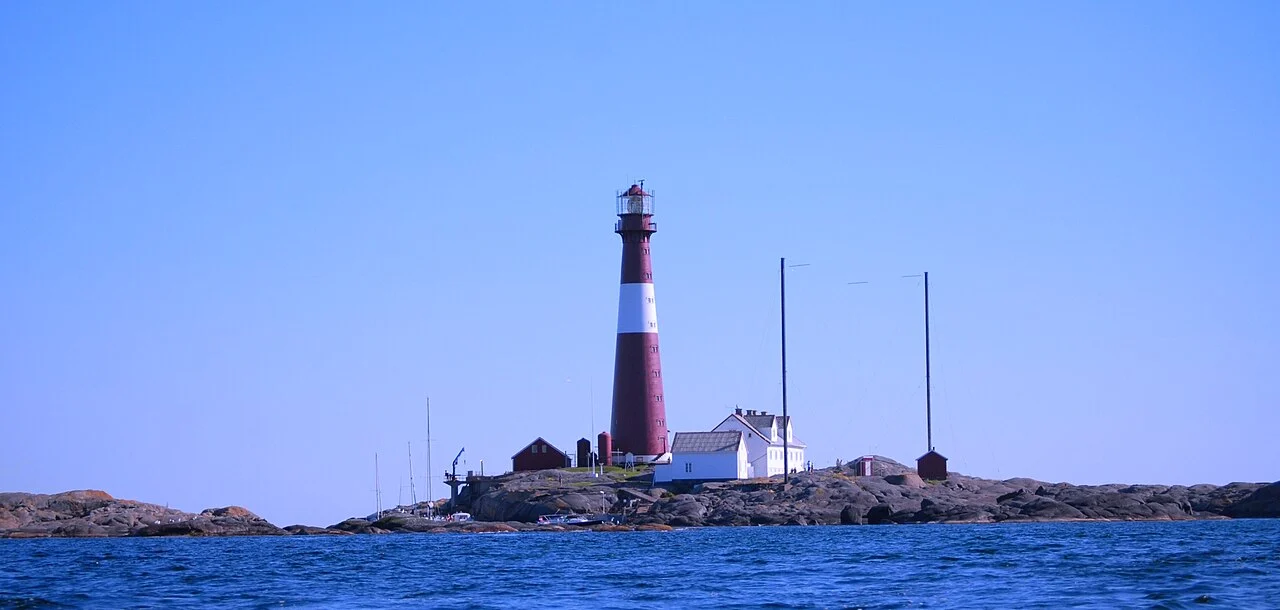
An organised boat excursion or a specifically planned island visit can show another side of the Færder coast. Choose the experience according to the actual route, season and meeting point, not just an appealing image. A guided or scheduled trip may simplify access, but it still requires advance checking.
Verify whether the service is a sightseeing outing, transport between places or a private activity, and understand how you return. Boat timetables and the weather determine what is feasible. Independent island exploration requires suitable equipment and local knowledge; a place being close offshore does not make every landing straightforward.
For a first short stay, choose either this kind of outing or the Verdens Ende excursion as the main coastal day. Keep spare time for delays and changing conditions. If sailing is unavailable, the central waterfront remains enjoyable without replacing it with an improvised trip beyond your experience.
Realistic Tønsberg itineraries
One day: history and harbour
Start on Slottsfjellet, adapting the climb to conditions, then spend meaningful time at Slottsfjell Museum. After lunch, head to Vikingodden and see the Saga Oseberg reconstruction from the public area, adding a confirmed activity if one fits. Finish with Brygga and a short central street walk. This is a full day without the beach, burial mound or outer coast. If the weather is poor, reduce time on the hill and keep the museum as the main anchor.
Two days: add art and a slower town visit
Use the first day for the hill, museum and harbour. On day two, visit Haugar if its exhibition programme appeals, then explore more central streets. Choose one additional outing, such as the Oseberg mound with suitable transport or Ringshaugstranda in pleasant weather. The day should have enough flexibility for a meal and a slower pace rather than requiring perfect timing at every point.
Three days: one coastal focus
Keep the first two days centred on Tønsberg, then choose a well-planned Færder coastal day. Verdens Ende is one option; a confirmed boat or island experience is another. Check transport, weather and the return before departing. Leave the rest of the day open rather than combining multiple distant coast stops. If the forecast deteriorates, use the time for additional indoor culture and a relaxed harbour visit instead.
Practical travel tips
- Distinguish the vessels. Saga Oseberg at Vikingodden is a reconstruction, while the museum’s Klåstad ship is an original archaeological vessel. A photograph of a reconstructed boat should not be captioned as the original Oseberg ship. This distinction makes the history clearer and avoids a common visitor misunderstanding.
- Build the central day on foot, then treat the outer coast separately. A compact-looking regional map hides transfers, parking and walking approaches. Check the full journey to Tjøme or an island before deciding that there is room for an excursion after the museums.
- Check current exhibitions and guided programmes before allocating time. Museums, tower access and boatbuilding activities can each have different arrangements. A general destination listing confirms that a place exists; it is not evidence that all its visitor activities will operate on your chosen day.
- Use sensible coastal judgement. Smooth rock, sea wind and spray can make a short walk less straightforward than a sheltered path in town. Keep back from exposed edges and pick a route that everyone can manage rather than copying a dramatic photograph.
- Leave room for the ordinary town experience. A short stay becomes more balanced when there is time to walk, eat and understand the street connections. Choose the activities that matter to you instead of using ten entries as a required sequence.
Frequently asked questions
Is Tønsberg suitable for a day trip?
Yes if you focus on the central hill, museum, waterfront and Vikingodden. A beach or Færder coastal outing makes the day less relaxed and is better left for a longer stay.
Can I see the original Oseberg ship here?
The boat associated with Vikingodden is Saga Oseberg, a reconstruction. Do not confuse it with the excavated original. Slottsfjell Museum has the original Klåstad ship, a different archaeological vessel.
Can I board a Viking ship whenever I visit?
Do not assume so. Access, demonstrations and sailings depend on the current programme and operating arrangements. Check the organiser if boarding or a guided experience is essential to your plans.
Is Verdens Ende in the town centre?
No. It is a separate coastal excursion on Tjøme. Allow travel time and verify the return, especially if relying on public transport. Exposed coastal conditions also need to be considered.
What is a useful rainy-day plan?
Prioritise Slottsfjell Museum and, if the programme interests you, Haugar Art Museum. Keep the waterfront and central walks shorter. Do not assume indoor tower or workshop access without checking it.
Should I take a car?
The central sights can be combined on foot by visitors comfortable with the hill. A car can simplify outlying heritage and coastal visits, but it is not necessary for a central short break.
Continue exploring Norway
For a longer journey through eastern Norway, compare Fredrikstad’s fortified Old Town as a separate stop. The two towns lie on different sides of the Oslofjord, so check actual transport connections rather than treating them as neighbouring walking districts.
Sources and current travel checks
Official tourism, museum and operator information informed this guide. Opening calendars, access, fares and transport can change; follow these sources for your travel dates. Suggested visit lengths and itineraries are editorial planning allowances.
Plan experiences around your stay
These guides compare regional options and practical considerations. Check the actual departure point; a related guide is not a promise that every activity is available in this town.