WW2 Sites in Norway: 10 Museums, Fortresses and Memorials
WW2 sites in Norway tell different stories. Oscarsborg explains the opening hours of the German invasion, Narvik examines the 1940 campaign, and sites in Oslo, Trøndelag and southern Norway document occupation, deportation and imprisonment. Choose a place that fits the history you want to understand and the region you can reach without spending most of the trip in transit.
Quick answers
- Worth it? Yes, especially when you pair a military site with a museum about civilians or persecution.
- Time: Allow two hours at a major museum and longer for a ferry or rural journey.
- Best time: Year-round for many indoor museums, with seasonal access at some sites.
- Cost: Check admissions, ferry fares and guide charges.
- Transport: Start in Oslo for the simplest car-free itinerary.
- Priorities: Norway’s Resistance Museum, the Holocaust Center and either Oscarsborg or Narvik.
1. Norway’s Resistance Museum in Oslo
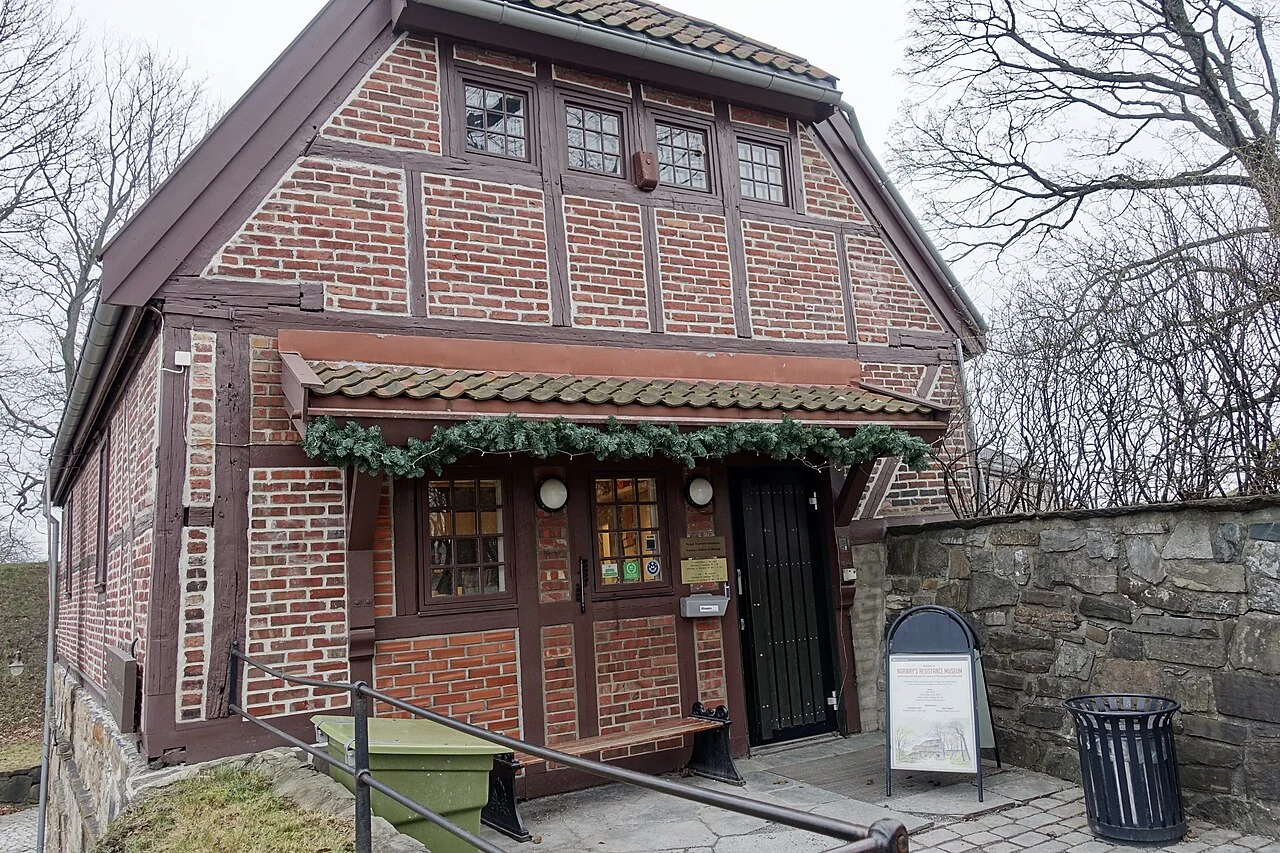
Norway’s Resistance Museum is at Akershus Fortress in central Oslo. Its focus is occupation and organised resistance from 1940 to 1945. It gives you the chronology needed to make sense of sites elsewhere that deal with one incident or one community. The surrounding fortress has a much longer history, so distinguish the history of the site from the museum’s exhibition.
Take time to read the labels and compare photographs, objects and documents with the broader narrative. Resistance was carried out in many ways, and the museum makes it possible to distinguish organised work from the everyday choices people faced under occupation. Note a few places or names if you plan to visit a regional museum later.
Allow about two hours and check the current entrance, ticket and opening times. The museum is a practical walking stop from central Oslo, although surfaces inside the fortress area can be uneven. Use our Oslo guide to organise the rest of the day.
2. The Holocaust Center at Villa Grande
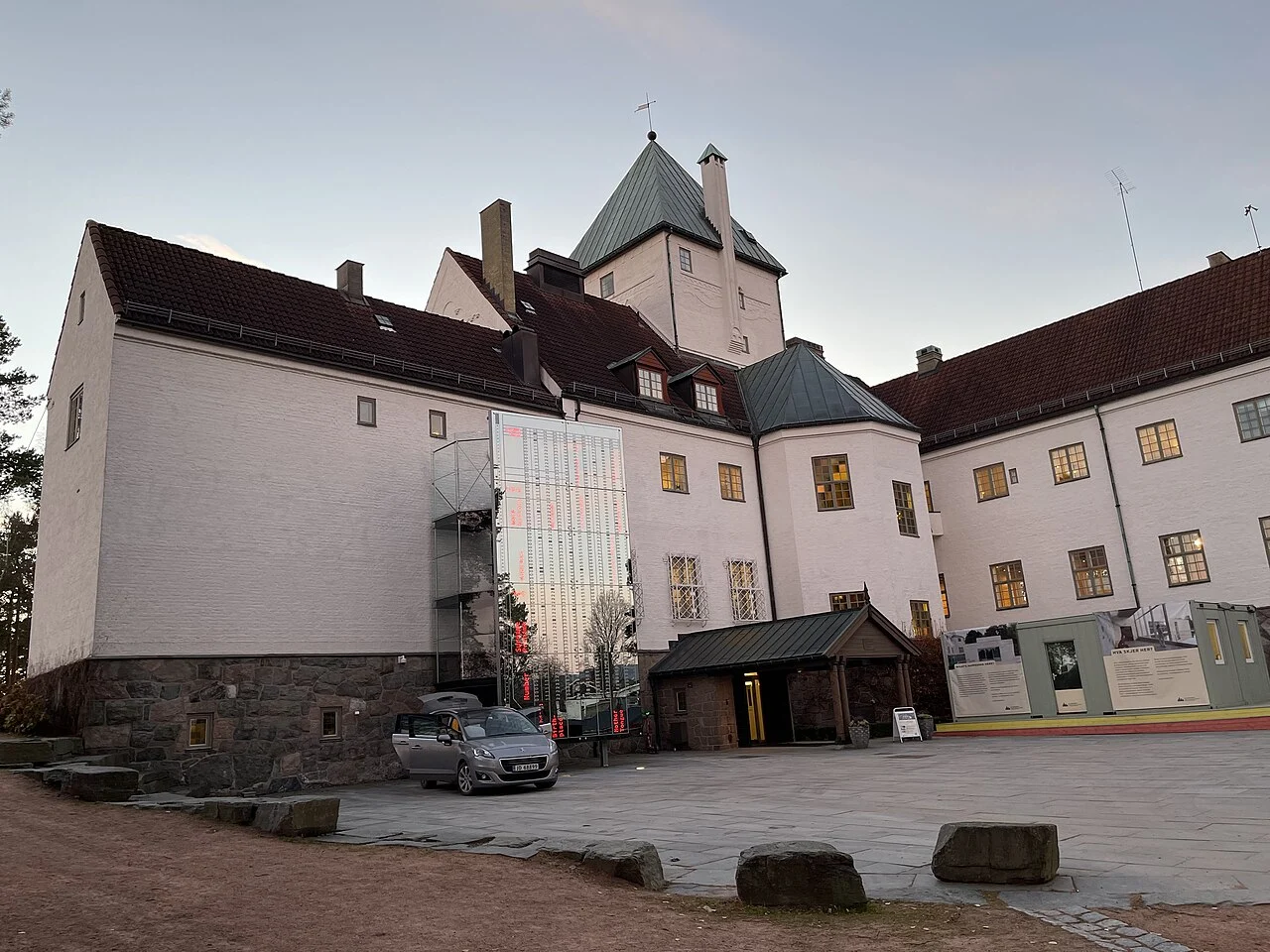
The Norwegian Center for Holocaust and Minority Studies on Bygdøy documents persecution and the fate of Norwegian Jews within the wider European Holocaust. Villa Grande was occupied by Vidkun Quisling during the war. The setting and the exhibition let visitors examine the role of Norwegian collaborators alongside the German occupation.
Give the displays time. Individual stories, documents and testimony make it possible to follow what deportation meant for people in Norway. The memorial space calls for a quieter pace than a general city museum, and families may want to look at the content in advance. Allow a short break between this visit and other scheduled stops.
Plan about two hours and check transit, admission and opening. The historic bunker is a separate feature and may have different access arrangements. A full morning or afternoon on Bygdøy is more realistic than fitting the centre between multiple timed bookings in downtown Oslo.
3. Oscarsborg Fortress near Drøbak
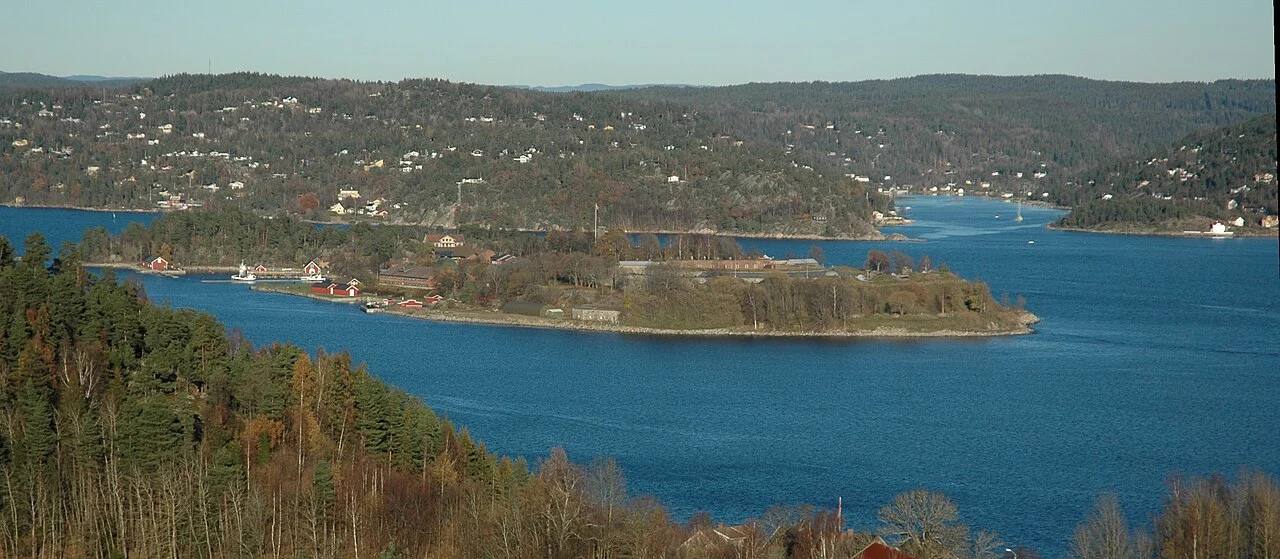
Oscarsborg stands on islands in the Oslofjord and played a decisive role in the opening of the invasion on 9 April 1940. The sinking of the German cruiser Blücher delayed the advance on Oslo. The setting helps explain why the passage mattered and why this is worth seeing from both the ferry and the island.
Walk through the publicly accessible areas and look across the channel from permitted viewpoints. A museum visit or guide can explain the distinction between the events of 1940 and the fortress’s earlier history. Leave room to understand the geography before moving to the next display.
Price the ferry and museum separately and check departures from Drøbak or any other stated boarding point. Allow half a day or more from Drøbak, with extra time from Oslo. In poor weather, check sailings and use an indoor city museum if the connection is impractical.
4. Narvik War Museum
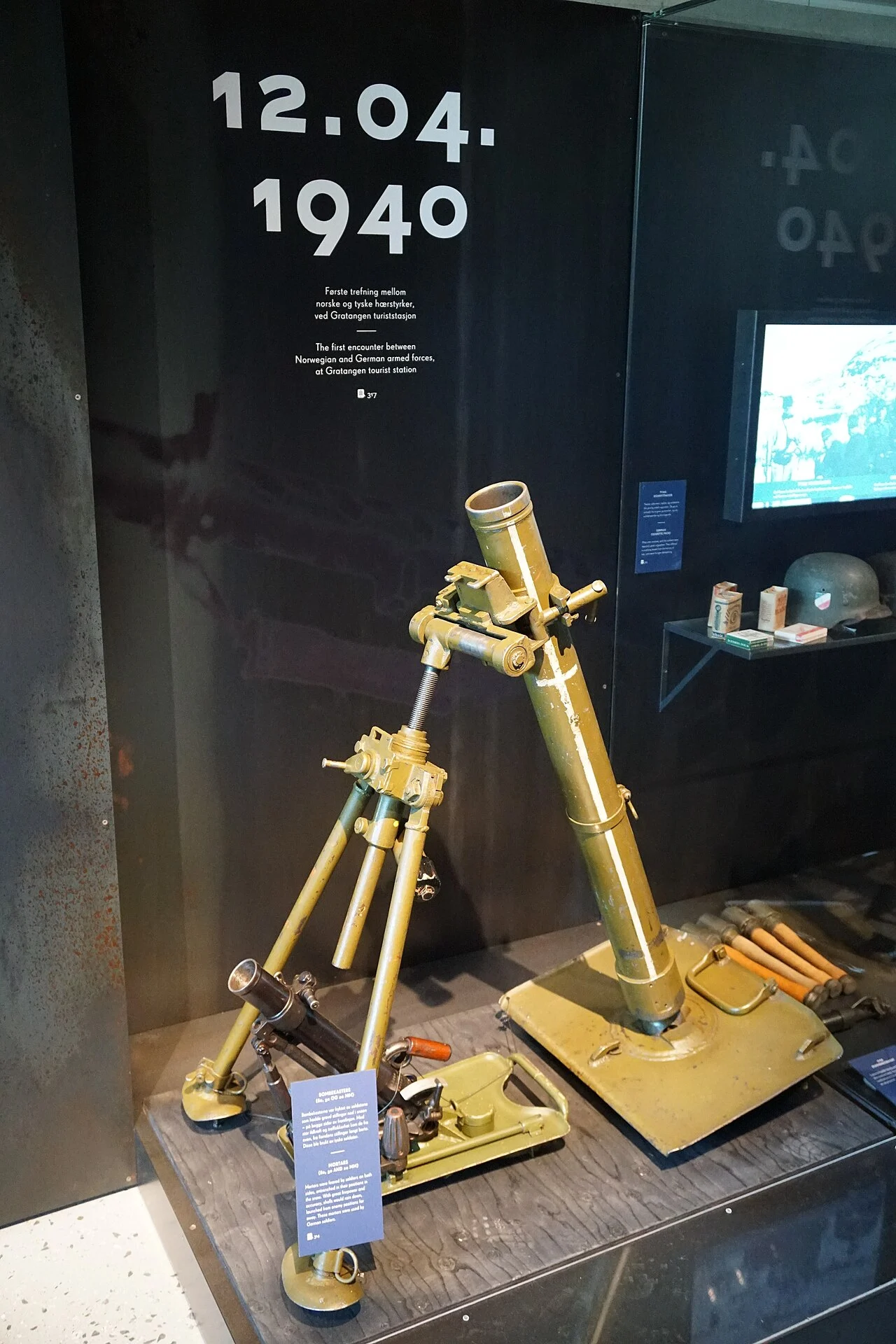
The Narvik War Museum examines the 1940 battle for Narvik and the occupation that followed. Its setting in town lets visitors connect the campaign to the railway, the harbour and the movement of iron ore without a long drive to an isolated museum.
Begin with the campaign chronology, then spend time on civilian experiences. The site is a useful first stop before visiting a memorial, because it establishes who was involved and why the fighting unfolded across a wider area than the town centre. Use the exhibition’s maps to orient yourself before setting out.
Allow at least two hours and check admission and current opening. Ask about available exhibition languages before travel. Keep the afternoon flexible if you want time at the harbour or another local site, and use our Narvik guide for a separate sightseeing route.
5. Vemork near Rjukan
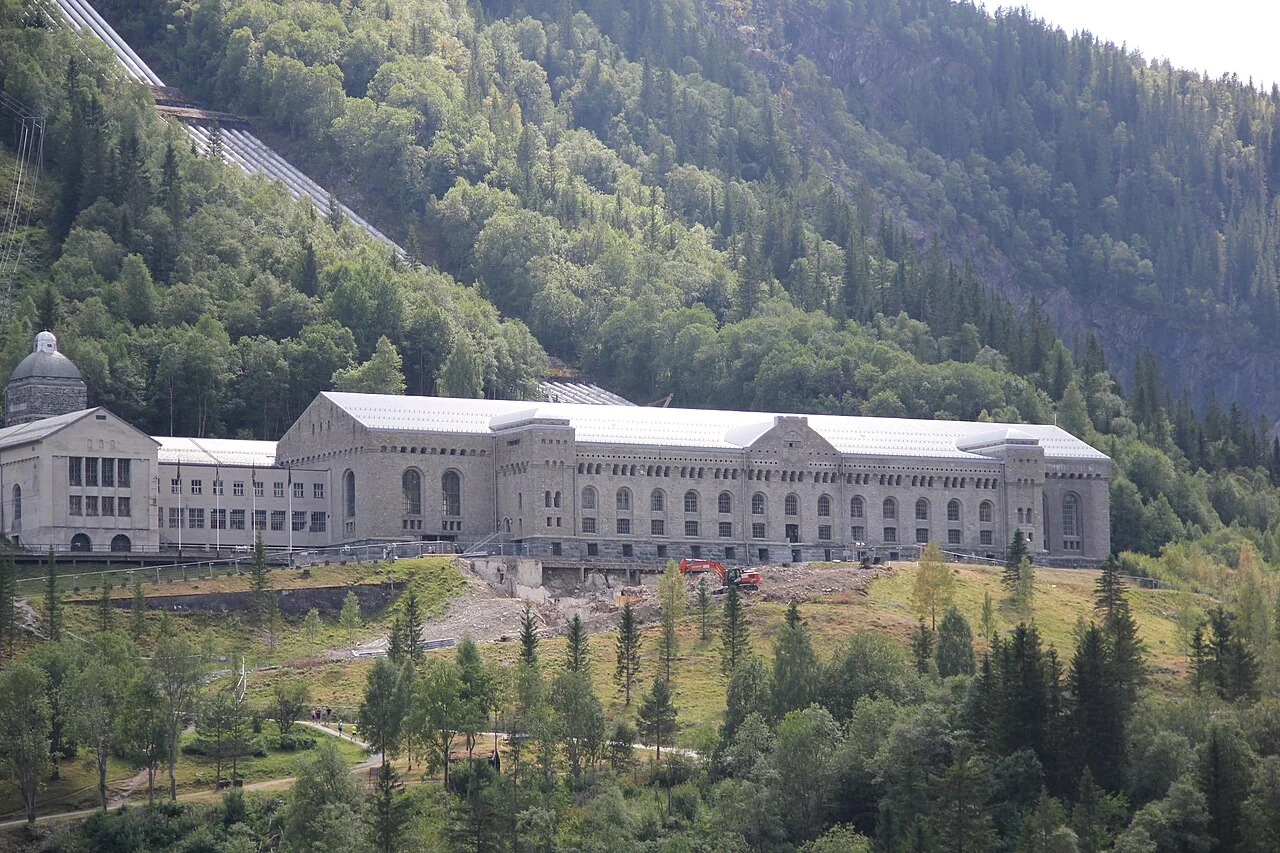
Vemork is an industrial heritage site associated with heavy-water production and the wartime sabotage operations. Its location helps explain the role of hydroelectric power and industrial infrastructure in the story. The Norwegian Industrial Workers Museum manages the visitor site.
Spend part of the visit on the industrial context as well as the wartime episode. The relationship between the buildings, the valley and the workforce helps explain why the site mattered. Check which exhibitions are available before travelling specifically for a particular collection or space.
Allow two to three hours plus approach time, and check admission and seasonal access. Ask about the walk from parking if mobility or winter conditions are a concern. Stay in or near Rjukan if the journey would leave you with only a short window at the site. Confirm the return connection separately if arriving without a car.
6. Falstad Centre in Trøndelag
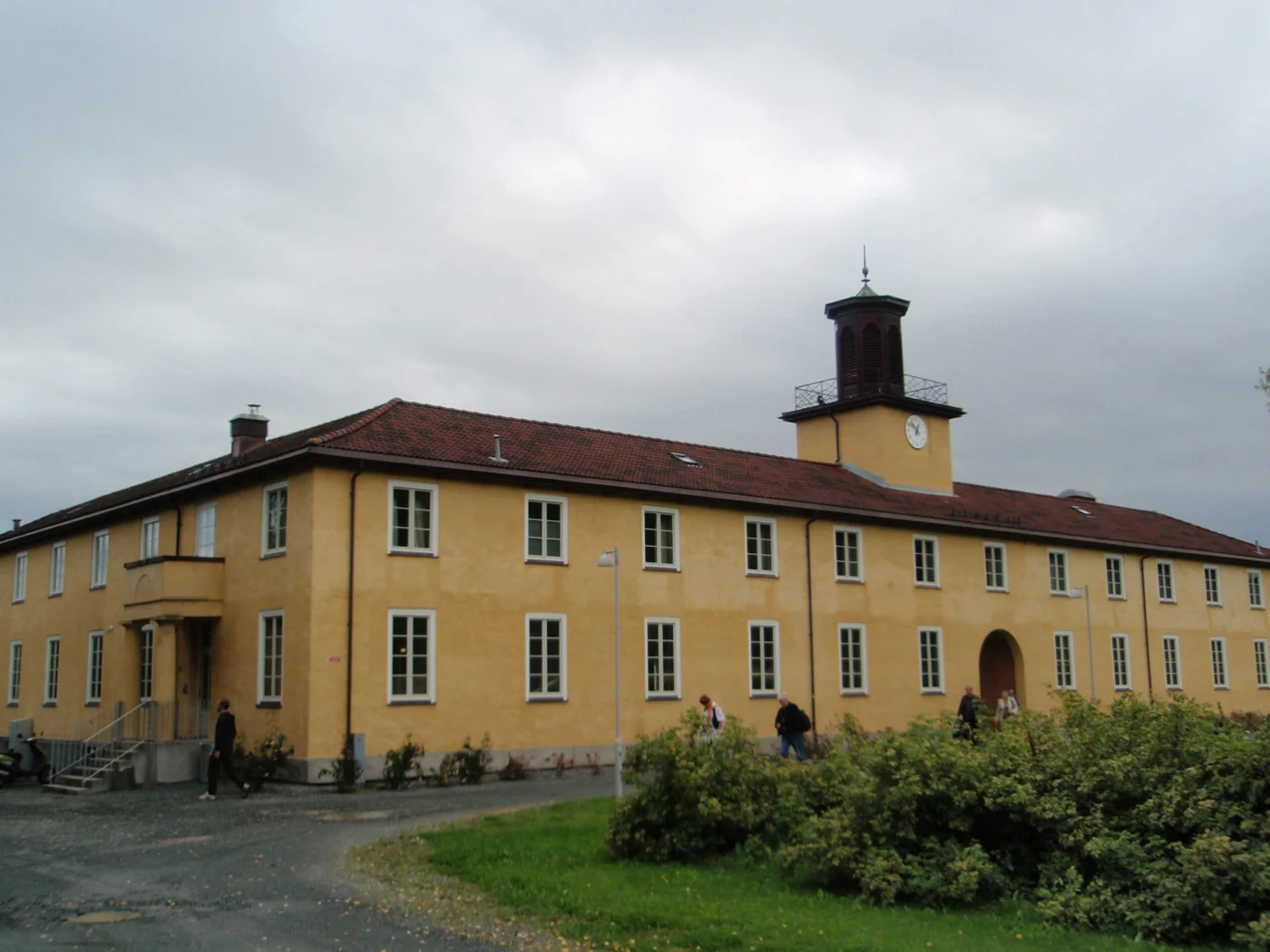
Falstad was used as a German prison camp during the occupation. The centre interprets the history of the site, imprisonment and human rights. The memorial landscape is part of the experience and deserves time beyond the indoor exhibition.
Follow the institution’s guidance when visiting memorial areas. Read about the people held there and the differences in what happened to them. A visit works best when you allow time for the account of imprisonment and forced labour alongside the broader history of occupation. Give the outdoor portion its own time if the site is accessible.
Check current opening, admission, group arrangements and access from the station or parking area. Give the centre and any memorial visit a few hours. If using Trondheim as a base, read the timetable in both directions and avoid planning a second distant site the same afternoon.
7. ARKIVET in Kristiansand
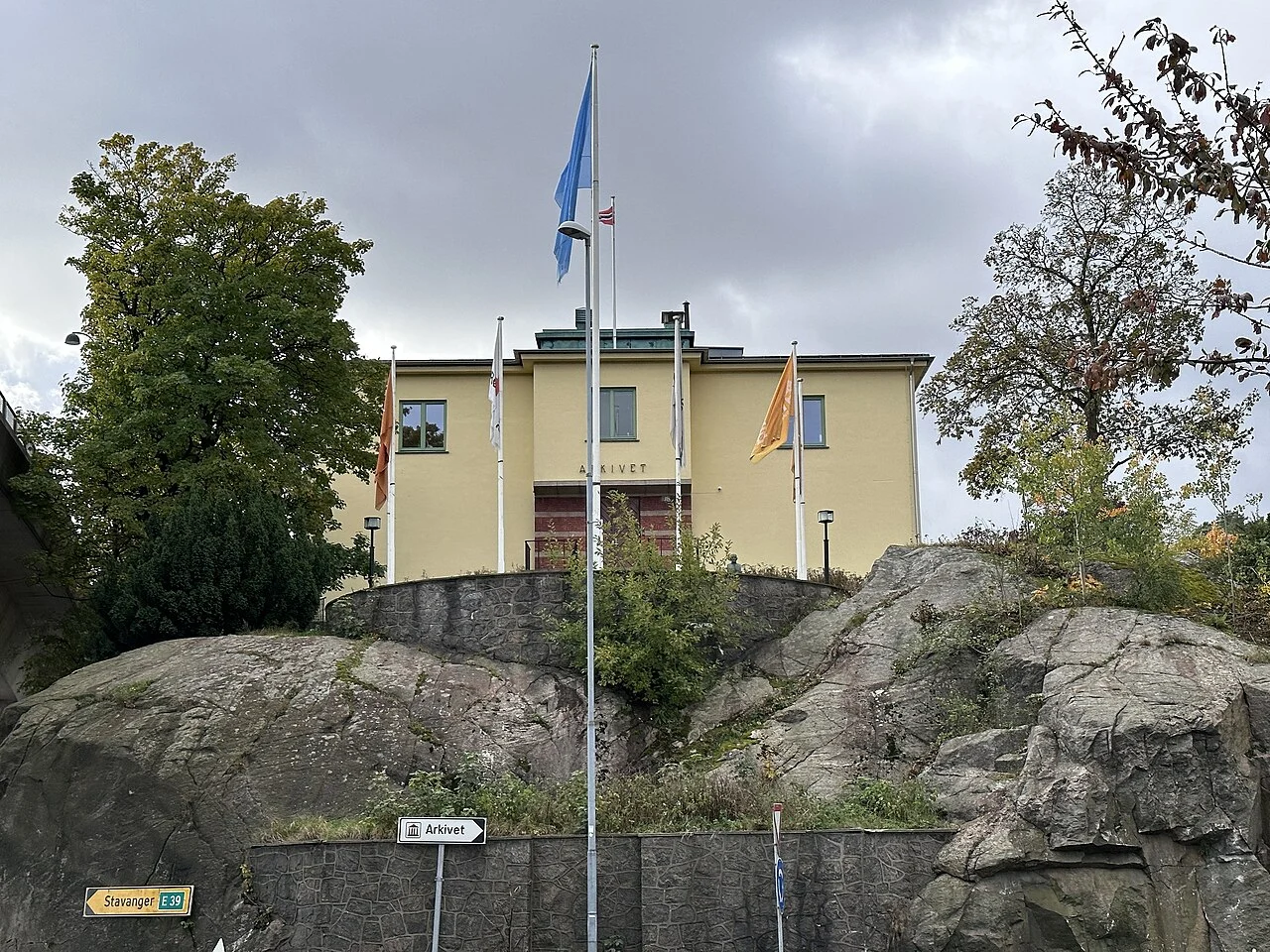
ARKIVET Peace and Human Rights Centre occupies the former state archives building used by the Gestapo in Kristiansand during the occupation. The location links the history of interrogation and imprisonment to a building that visitors can still enter.
Read the exhibition description before visiting with children. The centre recommends age 12 and up for its permanent exhibition on wartime occupation, resistance, captivity and collaboration. Give yourself time to connect the rooms with the documented experiences of people held there. The centre also presents other parts of southern Norway’s war history.
Check guided visit arrangements, admission and language availability. Allow around two hours including any scheduled tour. A city base is practical, particularly if you can walk or use local transit, and an indoor visit fits a wet coastal day.
8. The North Sea Traffic Museum at Telavåg
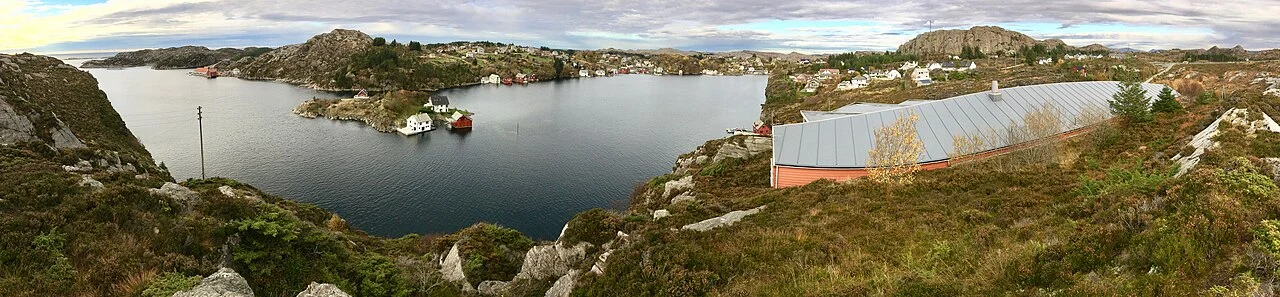
The museum at Telavåg tells the story of wartime connections across the North Sea and the consequences of German reprisals against the community. It offers a village perspective on clandestine traffic and on how occupation affected families far from a major city centre.
Read the local story first before placing it into the broader history of occupation. The relationship between the coast, boats and community becomes clearer in the setting itself. Allow time afterward to look at the landscape from public places and reflect on what you learned. Keep in mind that residential areas are part of a living village.
Check seasonal hours and transport before travelling from Bergen. A trip may take much of a half day once you include the road or public transport. Confirm admission and reserve a guide if available and needed. Use the Bergen guide for a separate city day.
9. Grenselandmuseet in Kirkenes
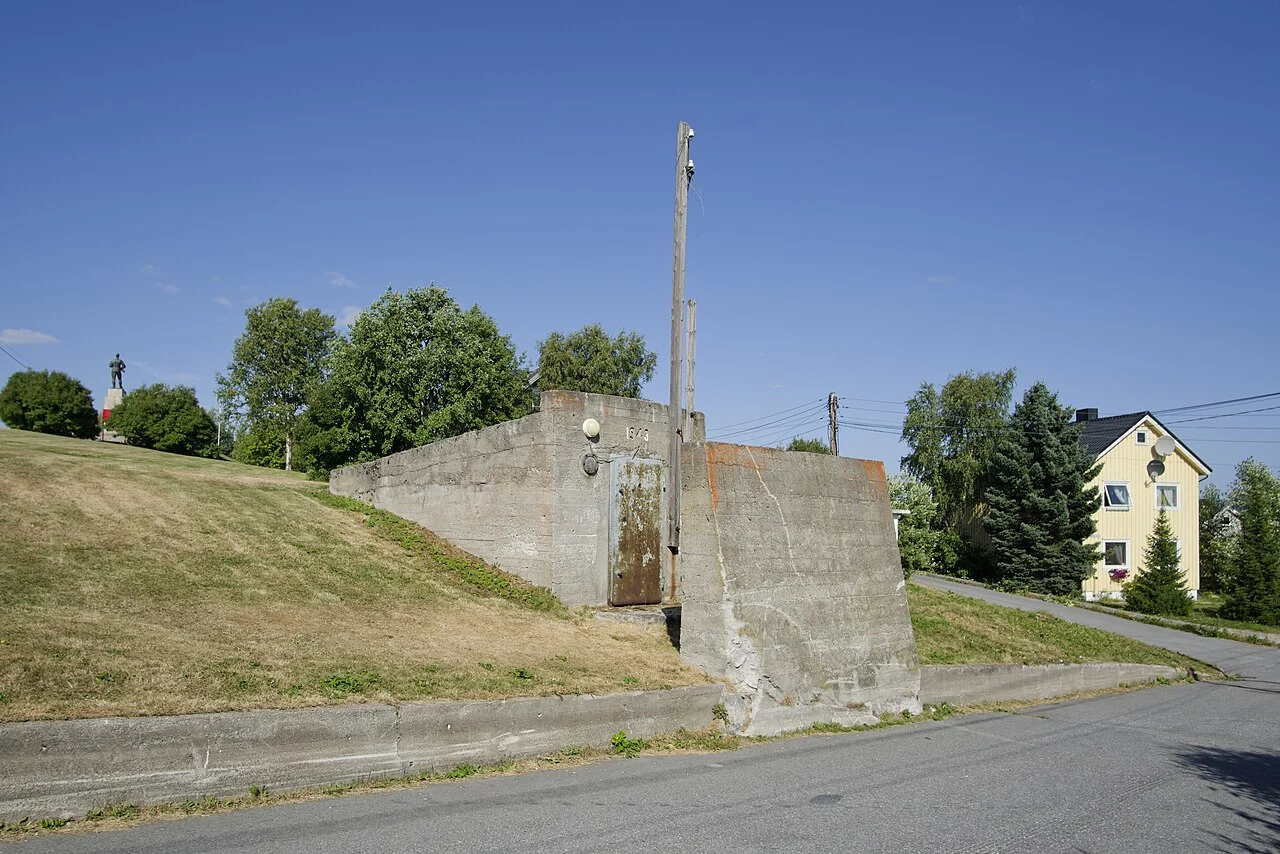
The Borderland Museum in Kirkenes puts the town’s wartime experience into a wider borderland context. The fighting, bombing and liberation in the far northeast are geographically distinct from the invasion stories you will encounter around Oslo and Narvik.
Spend time connecting what you see to the town and the distances on the regional map. The history of the area involves more than a single national perspective. A museum visit helps clarify why the region’s wartime experience differed from that of many places farther south.
Check current opening and admission and allow about two hours. Winter daylight and weather can limit additional outdoor stops, so keep the museum as a distinct visit. Our Kirkenes guide helps plan other activities from the same base.
10. Trondenes Historical Centre near Harstad
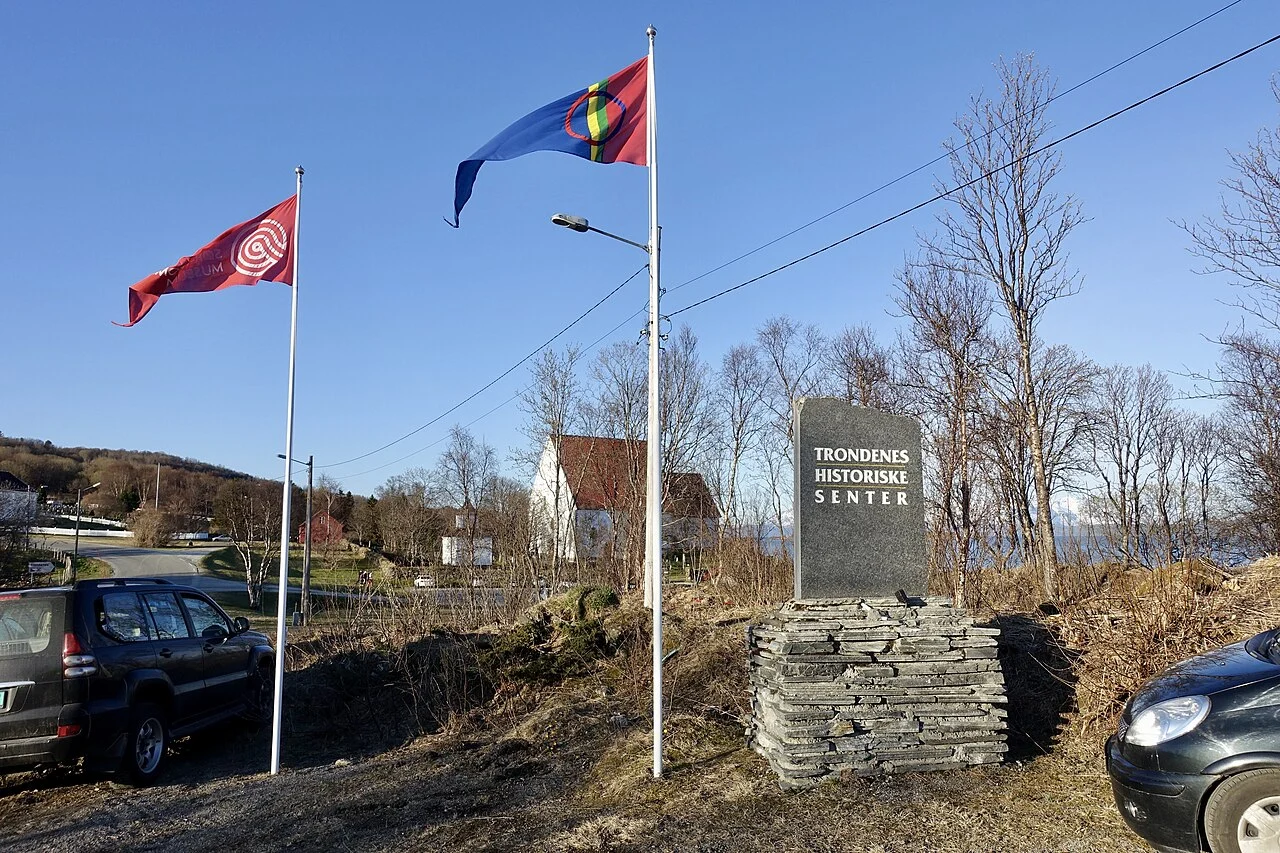
Trondenes has a long history, and the Historical Centre interprets several periods, including the occupation. The wartime landscape around the site makes it useful for a visit focused on forced labour and local history as well as on military infrastructure.
Ask which exhibits and memorial areas are accessible on your dates. Give civilian experiences and the history of prisoners their own time. A visit to the Historical Centre and a tour of nearby military installations can have different content and access rules. Confirm which institution organises each part.
Check the centre’s current schedule and transit from Harstad. Set aside two or three hours for the area and follow marked access. If another attraction requires a guided reservation, confirm it separately before organising a trip around it.
WW2 sites in Norway itineraries
1-day itinerary
In Oslo, visit the Resistance Museum in the morning and allow the afternoon for the Holocaust Center on Bygdøy if both are open. Use transit between them and spend the evening in central Oslo. If one is closed, allow more time at the other and save the second site for another day.
2-day itinerary
Spend day one in central Oslo at Akershus and the Resistance Museum, then check ferry and bus times in the evening. On day two, travel to Drøbak in the morning, visit Oscarsborg in the afternoon and return to Oslo in the evening. Substitute Bygdøy if sailings do not fit.
3-day itinerary
On a three-day northern trip, base yourself in Narvik. Arrive on day one, spend the afternoon learning the town layout and confirm hours after dinner. Visit the War Museum on day two and leave the afternoon for the harbour or a confirmed local memorial. Keep day three for a locally guided visit or another indoor stop before evening travel. Allow a separate trip for Kirkenes.
WW2 sites in Norway travel tips
Read the individual institutions’ calendars before travel. Admission can vary by season, and group visits, guides and ferry crossings may use separate tickets. Allow time between emotionally demanding exhibits and plan meals and transport in advance on rural routes.
Confirm access, language availability and terrain with each site. Some memorials are outdoors and some fortresses have steps or uneven surfaces. Wear suitable footwear and allow for reduced daylight when planning winter visits.
Treat memorial sites with care. Check photography rules, stay on authorised paths and choose what to visit with children according to the subject matter. Plan one major visit per half day so there is time to read and ask questions.
Explore Oslo’s wartime history on foot
Compare this guided WWII history walk if you would like context while exploring Oslo. Check the route and whether any museum admission is included before combining it with the museums in this guide.
View the Oslo WWII history walk →
Check current dates, prices, meeting points and cancellation terms on Viator. Affiliate link: we may earn a commission if you book.
Related planning
WW2 Wreck Diving in Norway
Viking Sites and Museums in Norway
Scenic Train Journeys and the Flåm Railway
Destinations for your trip
Frequently asked questions
Which sites should I start with?
In Oslo, begin with the Resistance Museum and the Holocaust Center. Choose Oscarsborg for the invasion or Narvik if your trip is centred on northern Norway.
How much time do I need?
Allow roughly two hours per major museum and a half day or more for rural travel or a fortress ferry.
Do I need to reserve?
Check guided tours, school-holiday periods and ferries. Individual museum admission may follow different rules from a scheduled tour.
What does it cost?
Check current admissions, transport and optional guide charges for each site. A fortress ferry and its museum may have separate prices.
Can I visit without a car?
Oslo works well by foot and transit. For rural centres, check the complete route and return service before committing.
Can I visit in winter?
Many indoor sites are practical in winter, but check museum hours, road and ferry access and daylight for outdoor memorials.
Conclusion
Choose a site for the part of the history you want to understand and give it sufficient time. A military site paired with a museum about occupation, forced labour or persecution can make the broader story clearer.
Official sources and current conditions
Check operators and official visitor sites for current prices, opening hours, departures and booking requirements.