10 Best Things to Do in Odda: Fjord, Waterfalls and Hikes
Odda sits at the head of Sørfjorden, where steep mountains meet a working town rather than an isolated resort village. It is a useful base for Trolltunga, but a good visit does not depend on completing that demanding hike. Waterfalls, hydropower heritage, glacier scenery and quieter fjord experiences give the area much more variety. The important planning decision is how much walking you actually want: a roadside waterfall, a steep forest trail and a full mountain day require very different preparation. These ten choices include places in Odda and separately identified excursions nearby. Allow two full days for a balanced introduction, or three if a major hike is part of the trip. Avoid treating every famous photograph as another quick stop on the same afternoon.
Odda: quick answers
- Worth visiting?
- Yes, for Hardanger landscapes, waterfalls and industrial heritage.
- Time needed
- Two days; three or more if reserving a separate mountain day.
- Best time
- Summer for the widest hiking options; check weather, trail and access conditions.
- Cost level
- Moderate to high; guided mountain trips and trailhead transport can be costly.
- Getting around
- Use buses or a car; verify trailhead connections and guided transfers.
- Top priorities
- Kraftmuseet, waterfalls, Trolltunga only with suitable preparation.
How this list was selected: NorwayTop10’s editorial choices balance distinctive places, practical access and variety for a first visit. The order is a planning guide rather than a public vote. Outings beyond the destination are identified in their descriptions; ten entries do not mean ten stops in one day.
Compare the ten options
Times are editorial planning allowances, not operator schedules. Add travel and waiting time unless the row explicitly describes a whole outing. For guided experiences, use the confirmed booking duration. See each description for terrain and seasonal restrictions.
| Place or activity | Access to plan | Time to allow |
|---|---|---|
| Odda waterfront and town centre | Town centre on foot | 45–90 min |
| Sandvinvatnet and the lower valley | Choose a safe lakeside approach | 1–2 hr |
| Låtefoss waterfall | Road approach and designated parking | 20–40 min at the site, plus travel |
| Buer valley and views towards Buarbreen | Road transfer and marked valley trail | Use the official return hiking time |
| Kraftmuseet in Tyssedal | Transport to Tyssedal | 1–1½ hr, plus travel |
| Lilletopp above Tyssedal | Steep path above Tyssedal | Use the official return hiking time |
| Trolltunga as a dedicated mountain day | Arrange trailhead transport and guiding as appropriate | Dedicated mountain day |
| Bondhusvatnet excursion from Sundal | Road to Sundal and gravel walking route | About 2 hr walking, plus travel |
| Sørfjorden fruit-growing villages | Road or booked regional excursion | Half-day or full day |
| A booked fjord safari or guided water experience | Confirmed operator meeting point | Use the booked excursion duration |
Bookings through Viator may earn us a commission.
1. Odda waterfront and town centre
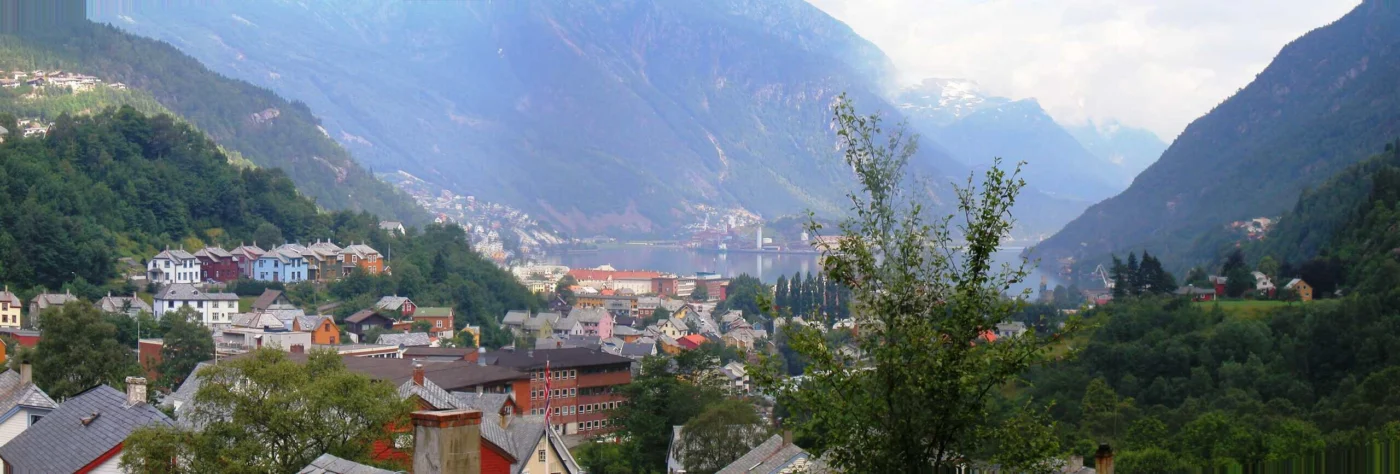
Start with a walk beside the harbour at the head of Sørfjorden. The setting makes the geography immediately clear: the water narrows into town while mountains enclose the valley. Shops, cafés and everyday buildings sit within the same landscape visitors travel to see, giving the place a different character from a purpose-built holiday village.
Use the first hour to find your accommodation, locate bus stops and check supplies for the next day. This practical pause is especially useful before an early hiking departure. A relaxed waterfront walk also makes a sensible arrival activity after a long drive, when adding another remote excursion would leave little flexibility.
The centre is a good place for photographs of the fjord without committing to a climb. Keep industrial sites and private property separate from public walking areas. In unsettled weather, concentrate on short sections with an easy return indoors rather than assuming the waterfront has the same shelter all along its length.
2. Sandvinvatnet and the lower valley
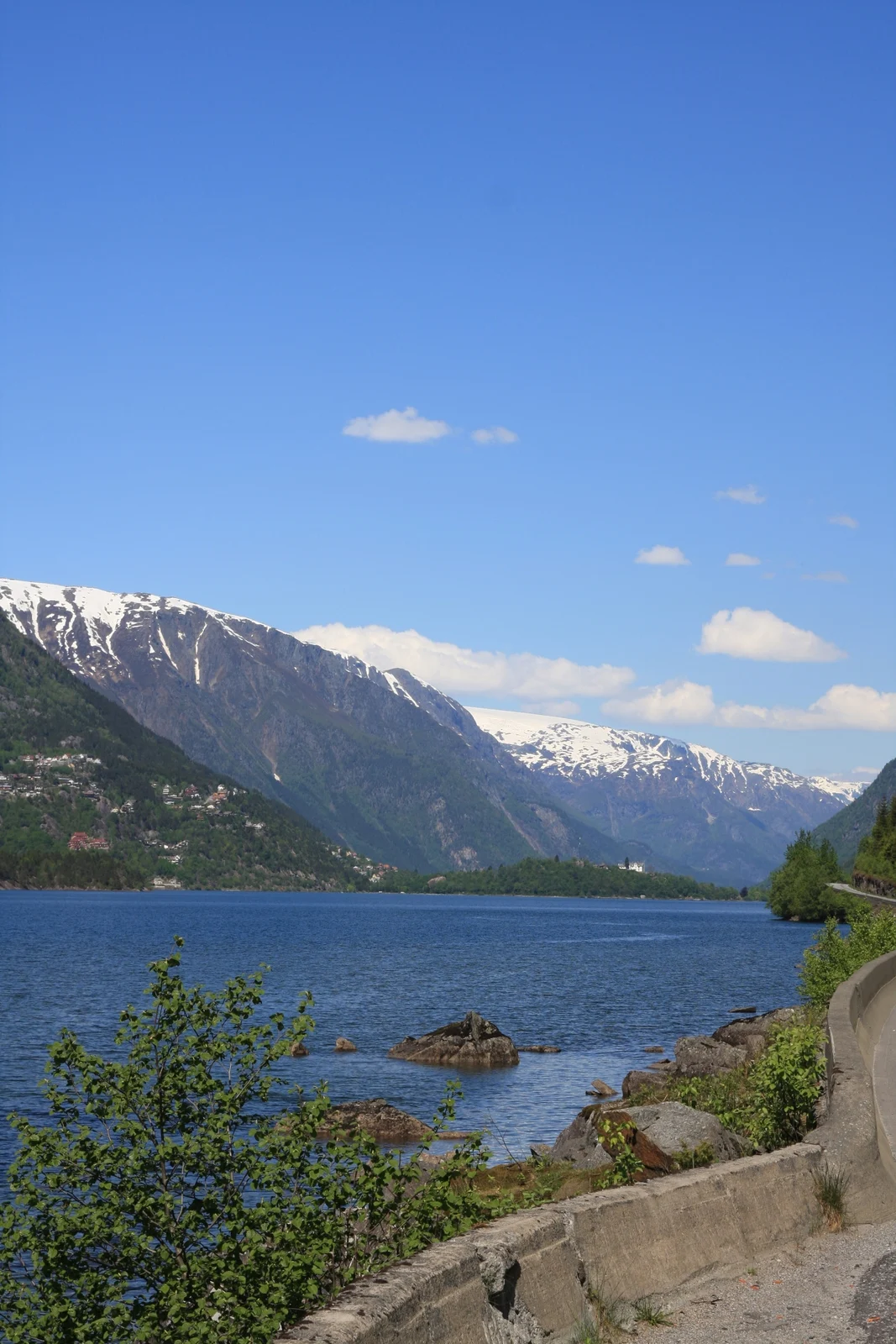
South of town, Sandvinvatnet introduces a different landscape from the fjord: a freshwater lake enclosed by the valley leading towards the waterfalls and Buer. Looking across the water is a useful way to appreciate how close Odda lies to substantial mountain terrain, even before travelling far from the centre.
Choose an established public access point and a modest walking section rather than promising yourself a complete lakeside circuit. Roads, houses and steep slopes affect the route. Ask locally about the most suitable approach for the day's conditions, particularly if travelling with children or looking for a level path.
This is an unhurried stop to combine with a valley outing, not a substitute for checking the logistics of a longer hike. Mist can be atmospheric but can also hide the mountain backdrop. Give the lake time on a clearer morning if your arrival day offers only rain and low cloud.
3. Låtefoss waterfall
Book here with Viator → Private Hardanger waterfall tour from Bergen
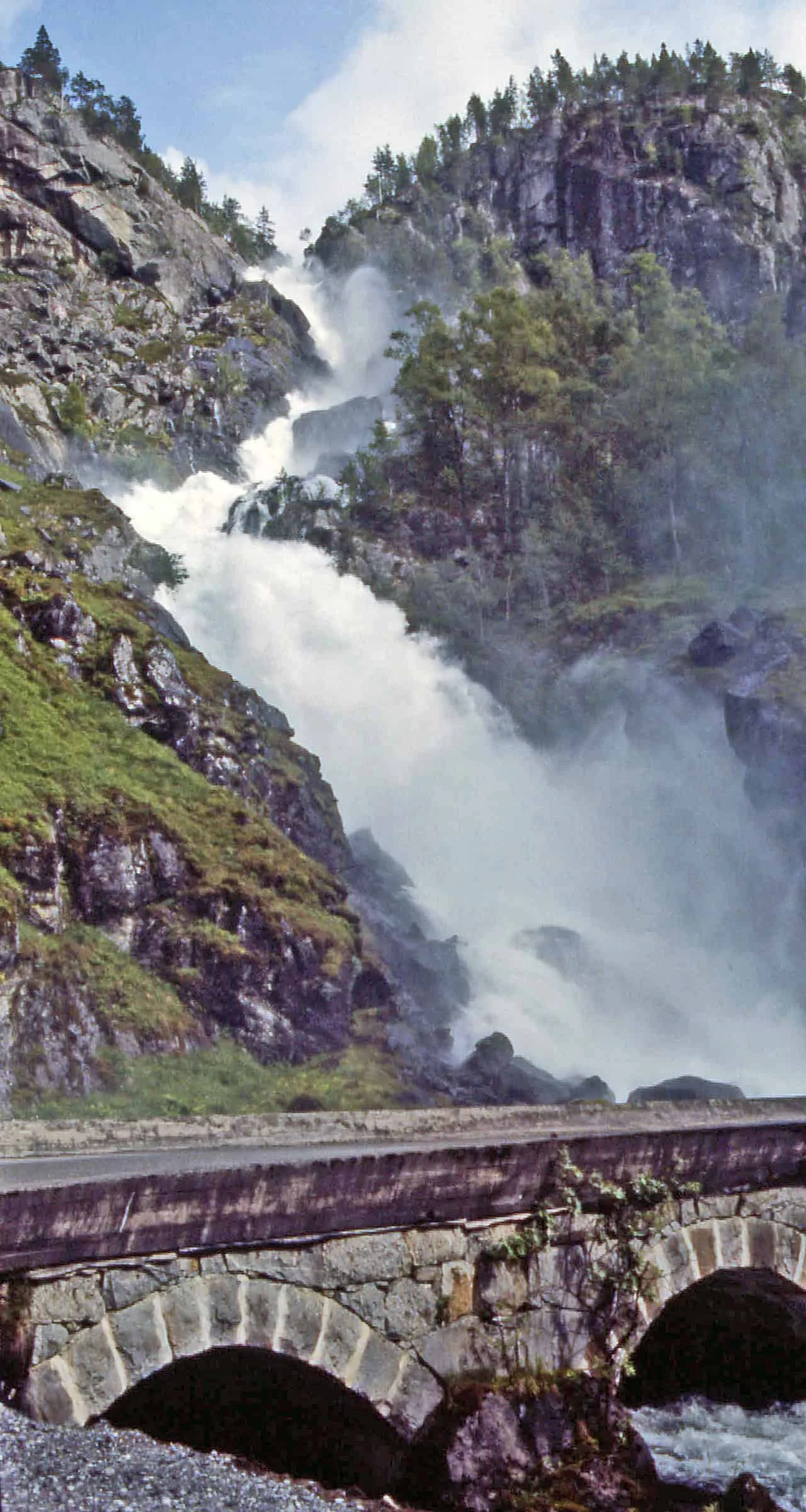
Låtefoss lies south of Odda in Oddadalen and is a natural choice when arriving or departing along the valley road. Its broad streams and the road bridge create a very immediate encounter with moving water. The experience is different from distant mountain waterfalls because the road passes close to the falls.
Use the designated stopping area and give traffic your full attention. Spray can wet both the walking surface and camera equipment, and an attractive viewpoint is never a reason to stand in the carriageway. Visiting outside the busiest arrival waves can make it easier to move carefully and enjoy the scene.
Treat this as a short waterfall stop with time for parking and photographs, rather than a lengthy walk. Flow and visibility vary with weather and season. If you are combining it with Buer, remember that the latter requires much more time and physical effort; the two should not share one hurried allowance.
If visiting Odda as part of a Bergen-based itinerary, a private waterfall trip includes Låtefoss. Check the journey length and pickup location.
4. Buer valley and views towards Buarbreen
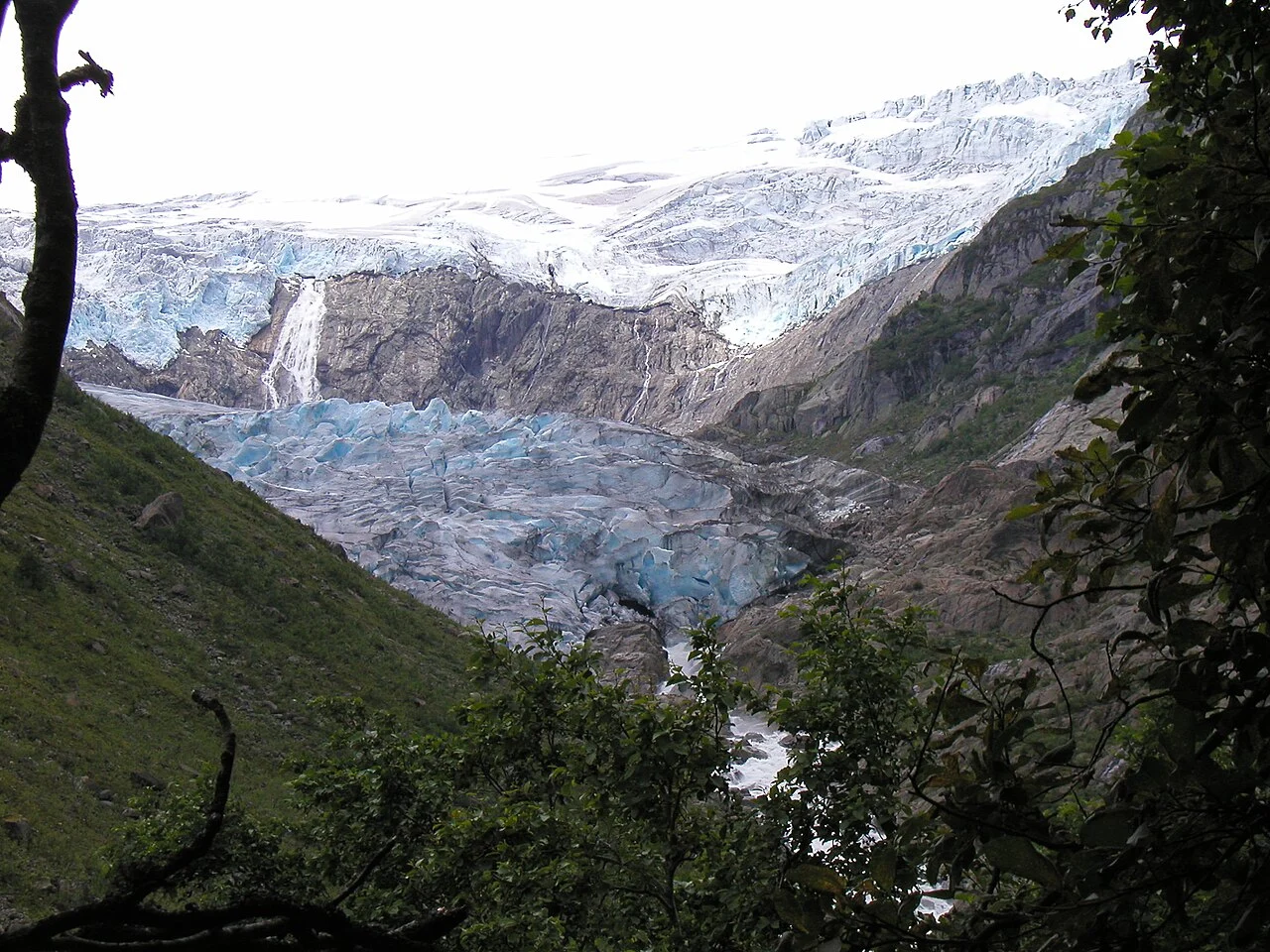
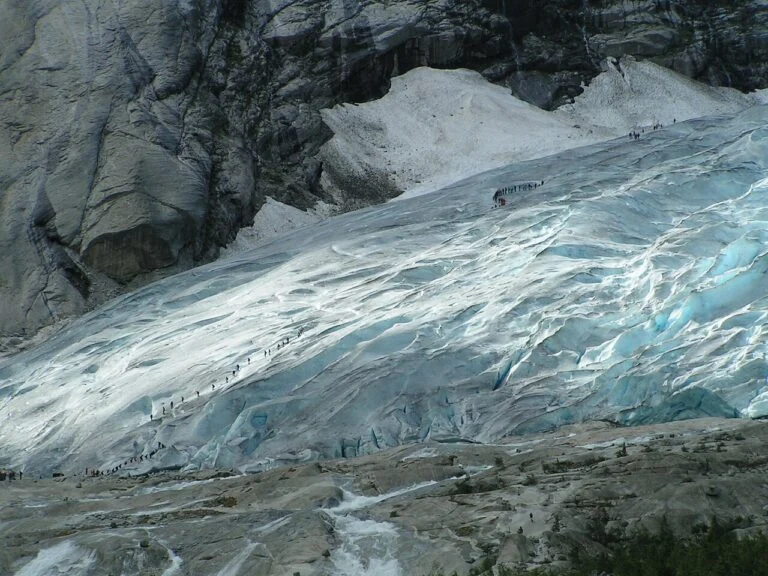
The Buer valley takes you into glacier-shaped country close to Odda, with a mixture of farmland, forest and mountain scenery. The glacier arm is part of the wider Folgefonna landscape. Simply entering the valley already feels different from the waterfront, and visitors can choose their ambition before committing to a longer trail.
The higher approach is rougher and more strenuous than a casual riverside stroll. Wet rock, changing weather and uneven sections can affect the walk substantially. Obtain a current route description and turn back if the terrain exceeds your ability; shorter enjoyment of the valley is a valid visit in its own right.
Seeing a glacier and walking on its ice are separate activities. Do not approach the ice front or attempt an unguided ice crossing. Book a qualified glacier operator if that is your aim, and follow the guide's equipment and age requirements rather than assuming ordinary hiking shoes are sufficient.
5. Kraftmuseet in Tyssedal
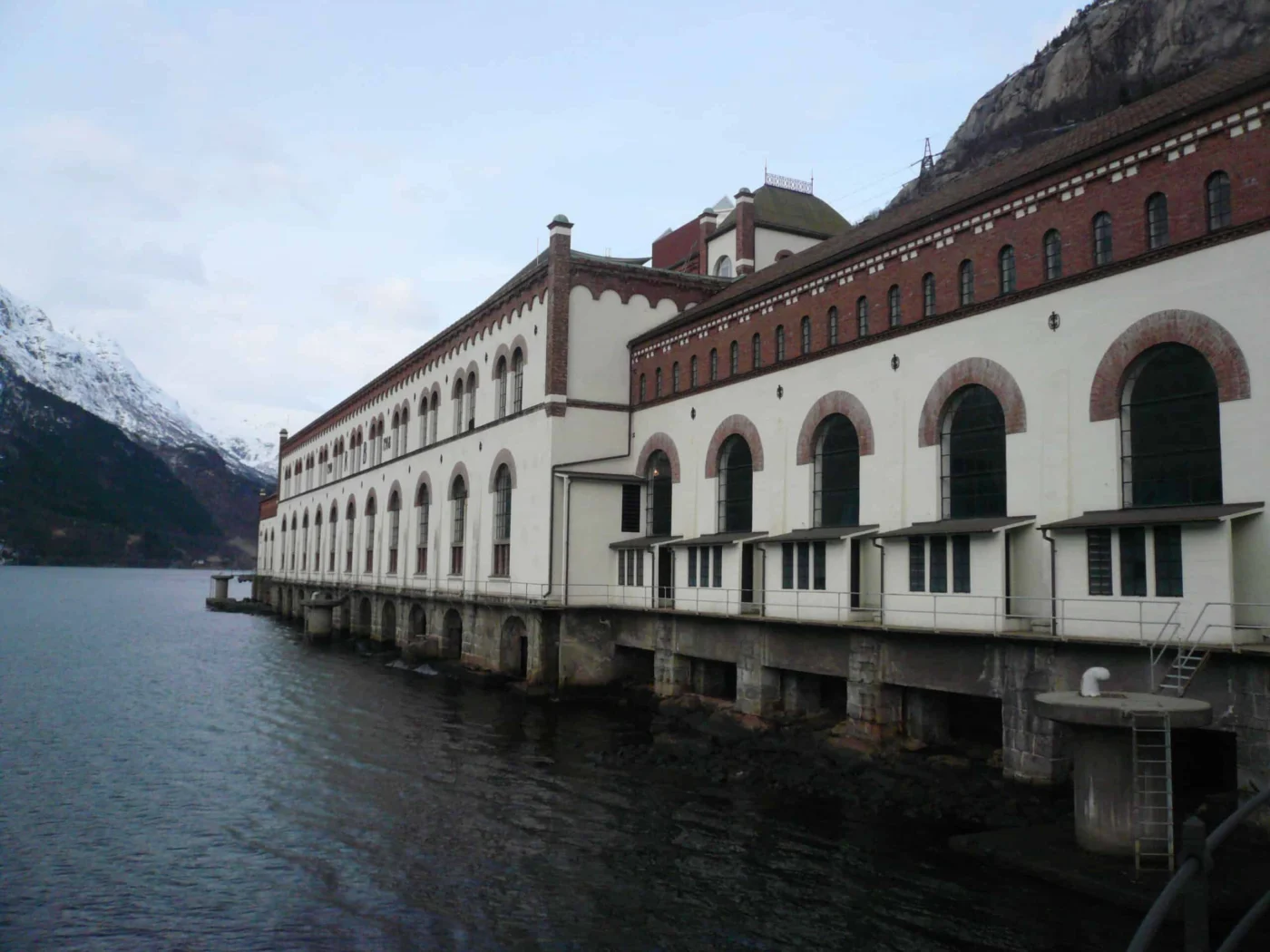
Travel north along Sørfjorden to Tyssedal for Kraftmuseet, the Norwegian Museum of Hydropower and Industry. The historic power station connects the area's dramatic terrain with the electricity that supported industrial development. It is a valuable counterpoint to a trip otherwise focused entirely on waterfalls and viewpoints.
Allow time to understand the machinery and the relationship between water high in the mountains and power production beside the fjord. Reading the interpretation, rather than simply looking into a large hall, helps make the engineering story meaningful. Check the museum's current visiting arrangements before making a dedicated journey.
This is one of the most useful weather alternatives in the Odda area, although you still need to travel to Tyssedal. Combine it with a town lunch or a modest local walk. Do not assume every part of an industrial heritage site is open for independent wandering beyond the visitor route.
6. Lilletopp above Tyssedal
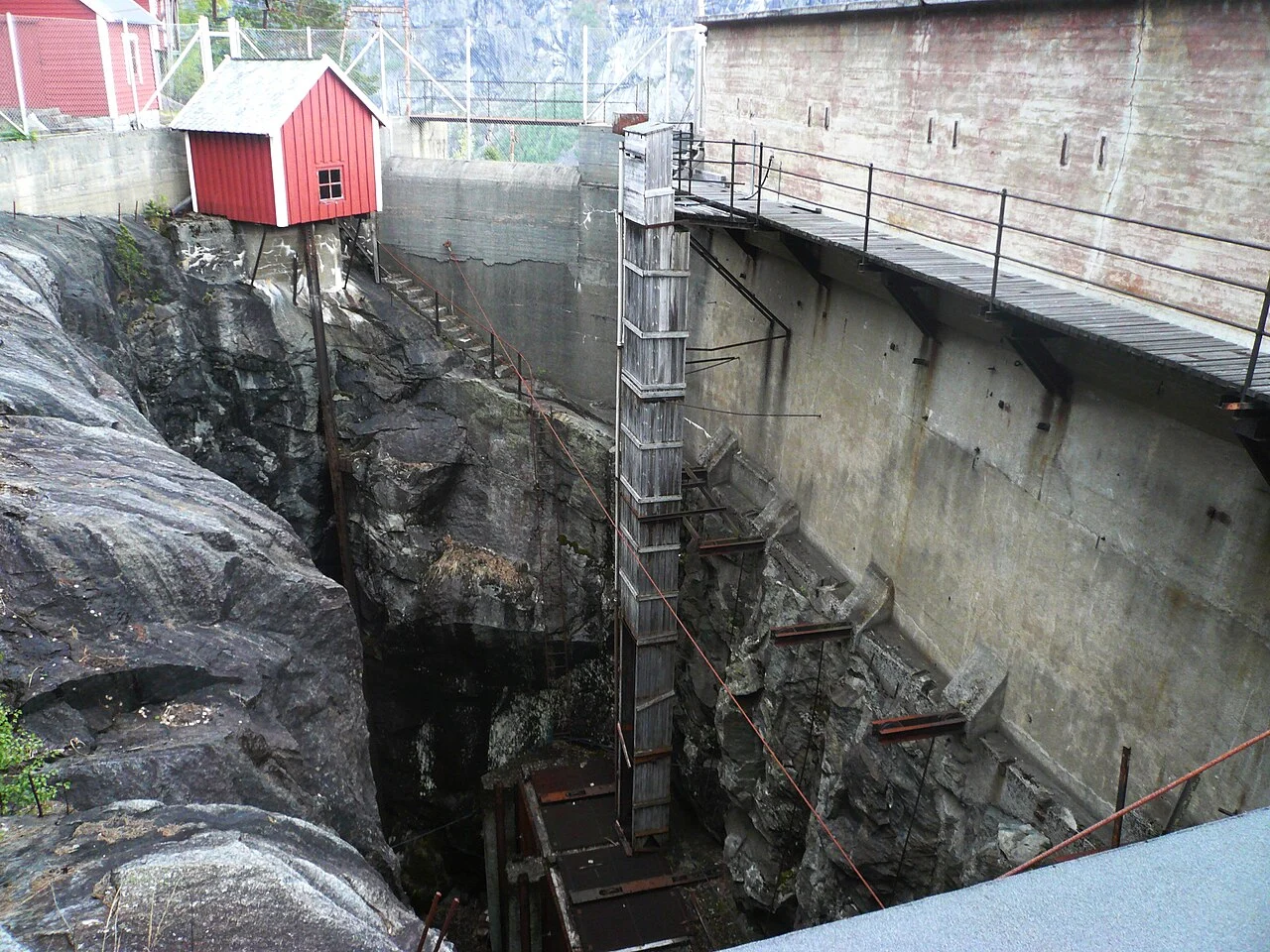
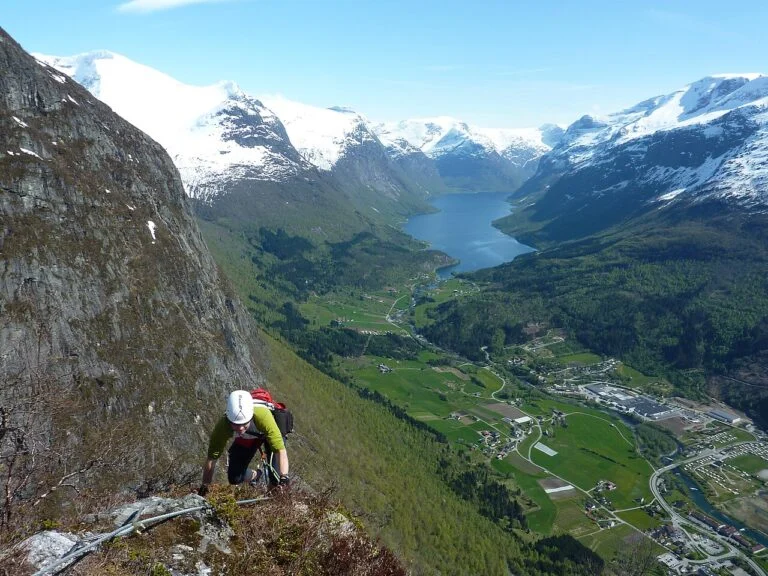
Lilletopp adds an outdoor chapter to the hydropower story. A steep path climbs above Tyssedal to a viewpoint associated with the historic water system. It suits visitors who want a shorter climb with a clear destination, while still offering a stronger sense of height than a fjord-level walk.
Shorter does not mean flat or effortless. Wear footwear with grip, carry water and allow time for a careful descent, especially after rain. Ask Kraftmuseet about the current trail and any access arrangements. Indoor access to historic structures may follow a different schedule from the walking route itself.
Pair Lilletopp with the museum if conditions are suitable and your group enjoys climbing. If anyone is uncomfortable on steep paths, keep the museum as the main visit instead. There is no need to make a demanding detour simply to collect another viewpoint on a day already full of travel.
7. Trolltunga as a dedicated mountain day
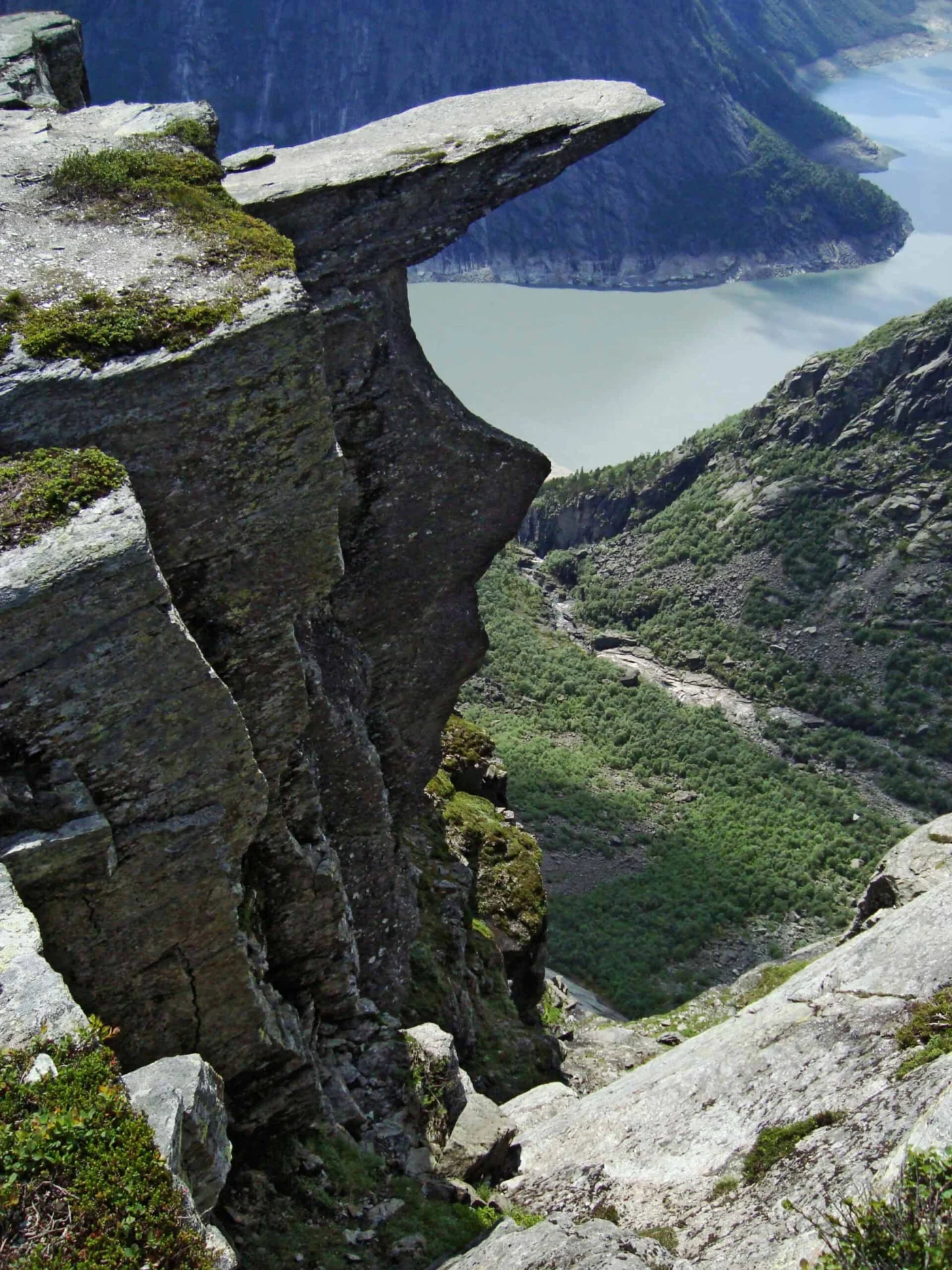
Book here with Viator → Trolltunga Winter Day Hike
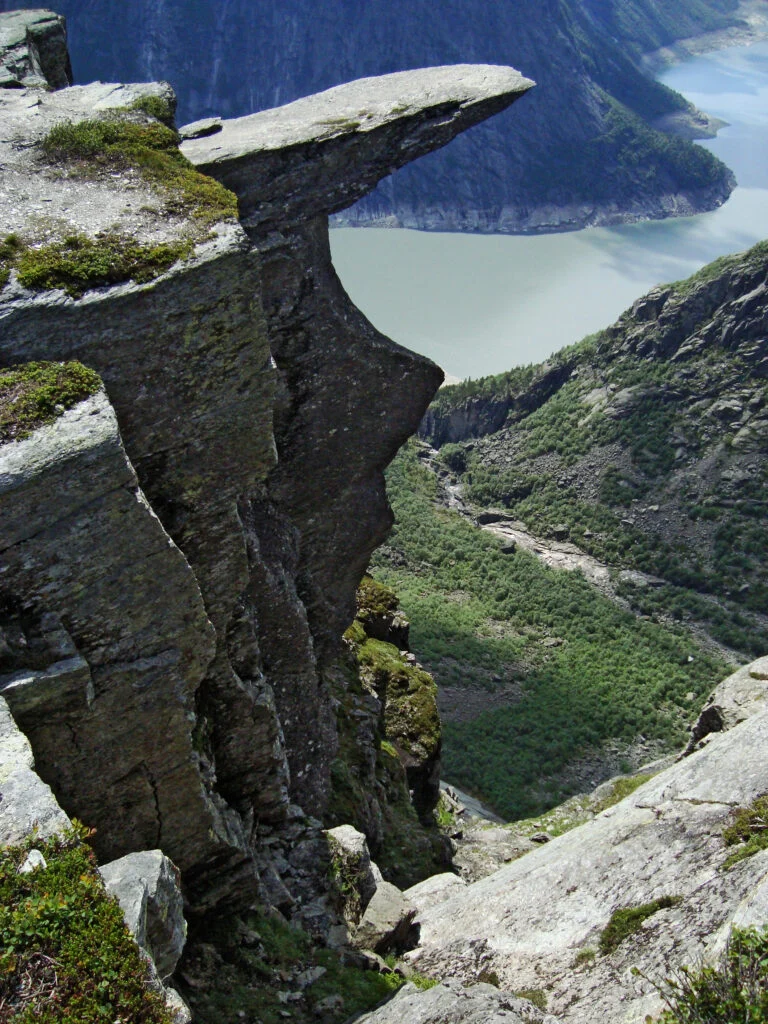
Trolltunga is the area's best-known mountain destination, above Ringedalsvatnet near Skjeggedal. The appeal is the dramatic rock formation and surrounding mountain landscape, but the journey involves sustained walking rather than a brief path from a roadside lookout. It should be planned as the central activity of a suitable day.
Consult the official Trolltunga guidance for the season, forecast, starting point and transport arrangement. Starting from different parking or shuttle points changes the walk, and published distances should never be read without knowing their start. Guided arrangements are particularly important outside normal summer hiking conditions and for visitors lacking relevant experience.
Do not schedule a long onward drive immediately after the hike or promise the trip regardless of weather. Carry appropriate clothing, food, water and navigation, and leave room to turn back. A cancelled mountain day is inconvenient; trying to force the plan when conditions are poor can have much more serious consequences.
8. Bondhusvatnet excursion from Sundal
Verified planning detail: Visit Hardangerfjord gives 4.6 km and about two hours for the return walk to Bondhusvatnet from the Sundal car park. Add the journey from Odda. Follow current national-park instructions for any continuation beyond the lake. Official visitor information.
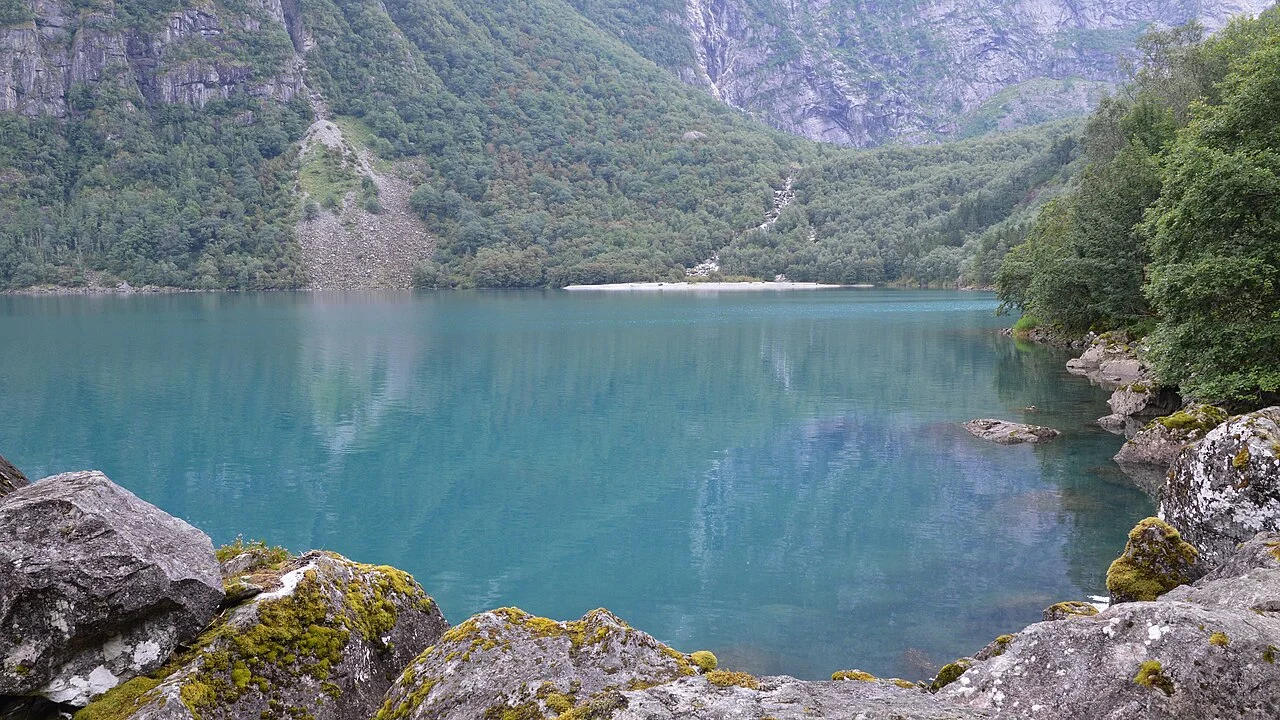
Bondhusvatnet lies in Bondhusdalen near Sundal, across the mountain from Odda by road. It is an excursion rather than an attraction in the town centre. The established valley approach offers lake and mountain scenery without making a glacier crossing part of the visit, which broadens the choices for a mixed-interest group.
Plan the drive, parking and return as well as the walk. The lake is popular, so a quiet start can make the visit more pleasant. Keep to the established path, respect farmland and use the facilities provided at the start instead of assuming there will be services beside the water.
The lake's colour changes with light and conditions, and the glacier is not a guaranteed close-up feature of every photograph. Do not continue over rough ground simply to reproduce an image seen online. Enjoy the valley at a safe distance and treat any more ambitious route as a separate outing needing its own preparation.
9. Sørfjorden fruit-growing villages

The shores north of Odda introduce the cultivated side of Hardanger, with orchards and villages between the water and the mountains. A drive or planned excursion towards the fruit-growing areas adds a gentler day to a hiking holiday. It also reveals that the fjord is a lived-in agricultural landscape, not only a scenic backdrop.
Choose one or two actual stops rather than repeatedly pulling over wherever a photograph looks appealing. Farm visits, tastings and meals can require reservations, and orchard land remains private working ground. Look at Taste Hardanger's current producer information to find an experience suited to your route and the season.
Blossom, fruit and harvest activity occur at different times, so do not expect them all on one visit. If cider tasting is involved, agree the transport plan beforehand. Non-alcoholic apple products can also provide a useful introduction to the region's produce without making alcohol the focus of the excursion.
10. A booked fjord safari or guided water experience
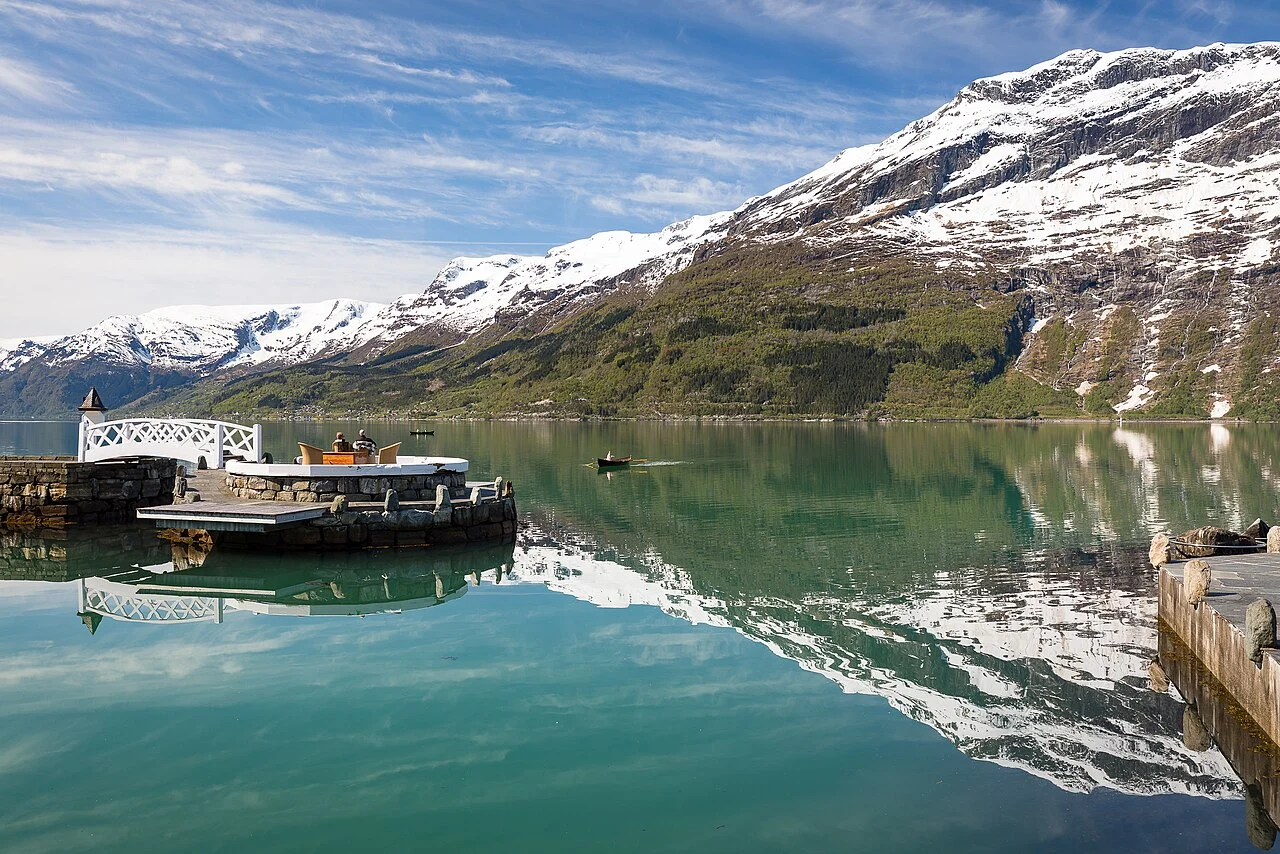
Seeing Sørfjorden from the water provides a different sense of scale from driving its shore. Operators offer experiences such as RIB excursions, including departures connected with Odda and the fruit-growing villages. Choose the actual itinerary and level of activity, since a fast boat trip and a relaxed shoreline paddle are very different experiences.
Check the operator's departure point, seasonal programme, minimum age and clothing instructions before booking. Even a mild day in town can feel cold on the water. Keep the rest of the day flexible enough to accommodate a changed departure, and avoid placing the trip immediately before an inflexible bus connection.
Kayak rental should not be treated as interchangeable with a guided tour. Fjord water is cold and conditions can change. If you lack relevant paddling experience, choose a supervised option and discuss your ability honestly. The useful goal is an enjoyable perspective on the fjord rather than the longest possible distance.
Realistic Odda itineraries
One day: waterfalls and industrial heritage
Begin with the Odda waterfront, then travel to Låtefoss for a careful roadside visit. Return through the valley and leave time for lunch before travelling north to Tyssedal and Kraftmuseet. Add Lilletopp only if the weather, daylight and your group’s energy make the steep trail sensible. Finish in Odda rather than attempting Trolltunga as an extra stop. Without a car, replace the waterfall drive with a prearranged excursion or a shorter lake visit around confirmed bus connections.
Two days: add a valley outing
Use the first day for town, Låtefoss and Tyssedal. Dedicate the second to either Buer valley or Bondhusvatnet, choosing the route that suits the least confident walker. Allow time for transfers and a slower lunch rather than combining both valleys in a race. If mountain conditions are poor, move the museum into that period and keep outdoor stops for the clearer part of your stay. This is the most balanced short visit for travellers who are not planning a major mountain hike.
Three days: reserve a genuine mountain window
Keep one complete day for Trolltunga only if the official seasonal guidance, forecast and your preparation support it. Use another day for the waterfront, Låtefoss and the hydropower museum, and the remaining day for a gentler valley or fruit-growing excursion. Be willing to change the order around weather. Do not combine Trolltunga with a distant evening transfer: staying locally afterwards gives the plan more realistic margins and keeps the following morning flexible.
Practical travel tips
- Book accommodation and a suitable trailhead connection before building a Trolltunga plan around them; town-centre lodging does not place you at the start of the mountain route.
- Pack a waterproof outer layer and warm clothing even when the fjord-level forecast looks mild. Mountain temperature, wind and visibility can differ markedly from conditions in Odda.
- Separate glacier viewing, glacier hiking and ordinary valley walking when comparing tours. Their equipment, terrain and supervision requirements differ.
- Use Entur for regional public transport and confirm any special hiking shuttle directly with its operator. Do not infer return departures from an outward journey alone.
- For a less strenuous holiday, combine Kraftmuseet, Låtefoss, the waterfront and a planned fjord outing. The area is worth visiting without pursuing its hardest hikes.
Frequently asked questions
Is Odda worth visiting without hiking Trolltunga?
Yes. The waterfront, Låtefoss, Tyssedal’s hydropower museum and surrounding fjord villages provide a varied short stay. A valley visit or booked boat trip adds scenery without requiring a full mountain hike.
Can I do Trolltunga on my arrival afternoon?
It should be treated as a dedicated mountain day. The suitable start, seasonal guidance and forecast matter, and a late arrival after travelling leaves poor margins for a long return walk.
Is Buer a simple walk suitable for everyone?
The valley offers options, but the higher glacier approach is uneven and strenuous. Assess the current route description rather than assuming proximity to Odda means an easy trail.
Can I walk onto the glacier independently?
Do not treat glacier ice as an ordinary path. Join an appropriately equipped, qualified operator and remain outside hazardous ice-front areas when visiting independently.
Which is better in rain: waterfalls or mountains?
A short designated waterfall stop can remain practical when a high-level hike is unsuitable, but spray and wet surfaces still require care. Kraftmuseet offers a more sheltered alternative.
Should I hire a car in Odda?
A car gives flexibility for valleys and scattered attractions. A car-free visit is possible if you choose tours and confirmed bus connections, but it needs a narrower, more deliberate itinerary.
Continue exploring Norway
Sources and current travel checks
Official tourism, museum and operator information informed this guide. Opening calendars, access, fares and transport can change; follow these sources for your travel dates. Suggested visit lengths and itineraries are editorial planning allowances.
Choose accommodation and plan Odda and Tyssedal
Compare accommodation options alongside the places you want to visit. Check the journey to the property before reserving.
Plan experiences around your stay
These guides compare regional options and practical considerations. Check the actual departure point; a related guide is not a promise that every activity is available in this town.