10 Best Things to Do in Alta: A Practical Travel Guide
The best things to do in Alta combine prehistoric rock art, a living Arctic town and a landscape of river valleys, birch woodland and open high country. The right itinerary depends strongly on the season. The indoor museum can anchor a winter visit, while its outdoor rock-art paths require snow- and ice-free access. A snow or ice experience is not interchangeable with a summer hike, and northern lights are never guaranteed. Start with Alta Museum and the Northern Lights Cathedral, then choose one activity outside town that genuinely suits your dates and abilities. Alta’s sights are spread out enough that transport deserves attention even when two places appear close on a regional map. Two days provide a clear introduction; three allow time for an organised winter activity or a substantial summer excursion without reducing the city to a hurried transfer stop.
Alta: quick answers
- Worth visiting?
- Yes, for Arctic rock art, northern lights and river-valley landscapes.
- Time needed
- Two full days; three for a guided activity or canyon excursion.
- Best time
- Summer for rock-art paths and hiking; winter for snow experiences and aurora.
- Cost level
- High; guided Arctic activities and transfers are the main extras.
- Getting around
- Use local transport or booked pickups; arrange outlying trails separately.
- Top priorities
- Alta Museum, Northern Lights Cathedral, a seasonal outdoor experience.
How this list was selected: NorwayTop10’s editorial choices balance distinctive places, practical access and variety for a first visit. The order is a planning guide rather than a public vote. Outings beyond the destination are identified in their descriptions; ten entries do not mean ten stops in one day.
Compare the ten options
Times are editorial planning allowances, not operator schedules. Add travel and waiting time unless the row explicitly describes a whole outing. For guided experiences, use the confirmed booking duration. See each description for terrain and seasonal restrictions.
| Place or activity | Access to plan | Time to allow |
|---|---|---|
| Visit the indoor exhibitions at Alta Museum | Transport to Hjemmeluft | 1½–2 hr |
| Walk the rock-art paths when access is open | At Alta Museum | 1–2 hr when open |
| Visit the Northern Lights Cathedral | Central Alta | 30–60 min |
| Choose a guided northern-lights outing in the dark season | Operator pickup or meeting point | Use the booked tour duration |
| Explore a seasonal experience at Sorrisniva | Transport outside the centre | Use the booked visit duration |
| Join an appropriately seasonal dog-sledding experience | Operator pickup or meeting point | Use the booked activity duration |
| Walk to Lille Raipas in suitable conditions | Travel to the trailhead | Dedicated walk using the official route time |
| Plan Alta Canyon as a substantial excursion | Road transfer and chosen route | Dedicated excursion day |
| Choose Haldde or a guided Altafjord excursion | Travel to the trailhead | Dedicated hiking day |
| Explore the Alta River and nearby countryside | Choose a local public route | 45–90 min |
Bookings through Viator may earn us a commission.
1. Visit the indoor exhibitions at Alta Museum
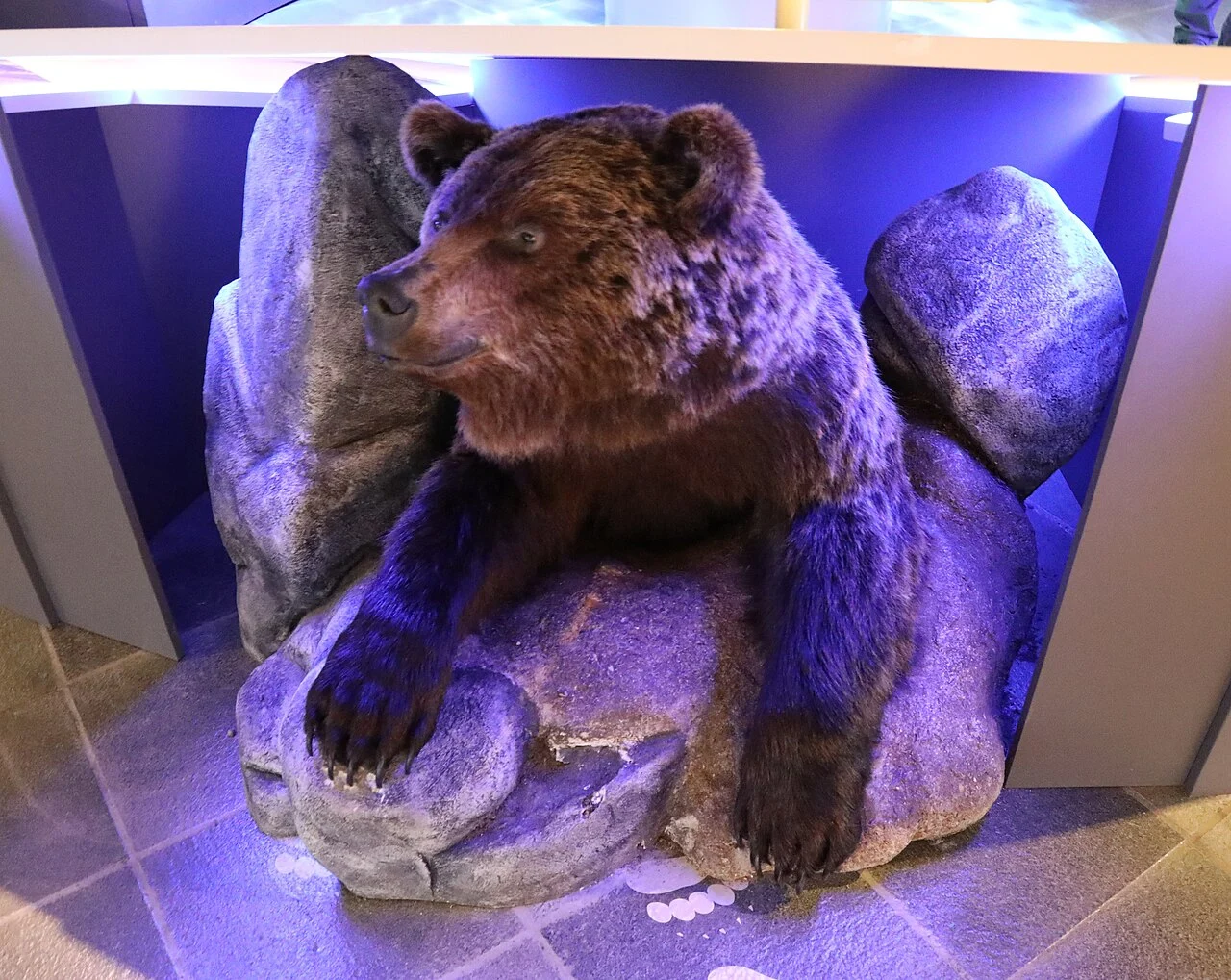
Alta Museum is the natural starting point for understanding the area’s rock art and wider cultural landscape. Its indoor exhibitions make it worthwhile even when snow hides the carvings outside. This distinction matters: a winter museum visit can be rewarding, but it should not be sold as the same experience as walking among visible rock-art panels.
Begin with the interpretation before deciding how much time to spend outside in suitable conditions. The indoor context helps make individual figures and their setting more meaningful. Check the current exhibition and access information directly, especially if an older photograph or summer description has shaped your expectations of what will be visible.
Allow an unhurried visit with time for the displays rather than treating the building only as a ticket office for the path. It works particularly well on an arrival day or during unsettled weather. Arrange the return transport in advance, because the museum is separate from the central cathedral area rather than immediately next door to it.
2. Walk the rock-art paths when access is open
Verified planning detail: Alta Museum's homepage announced winter closure work for its outdoor rock-art area when checked on 23 November 2026. Plan the indoor exhibitions independently and confirm outdoor access for your dates. Official visitor information.
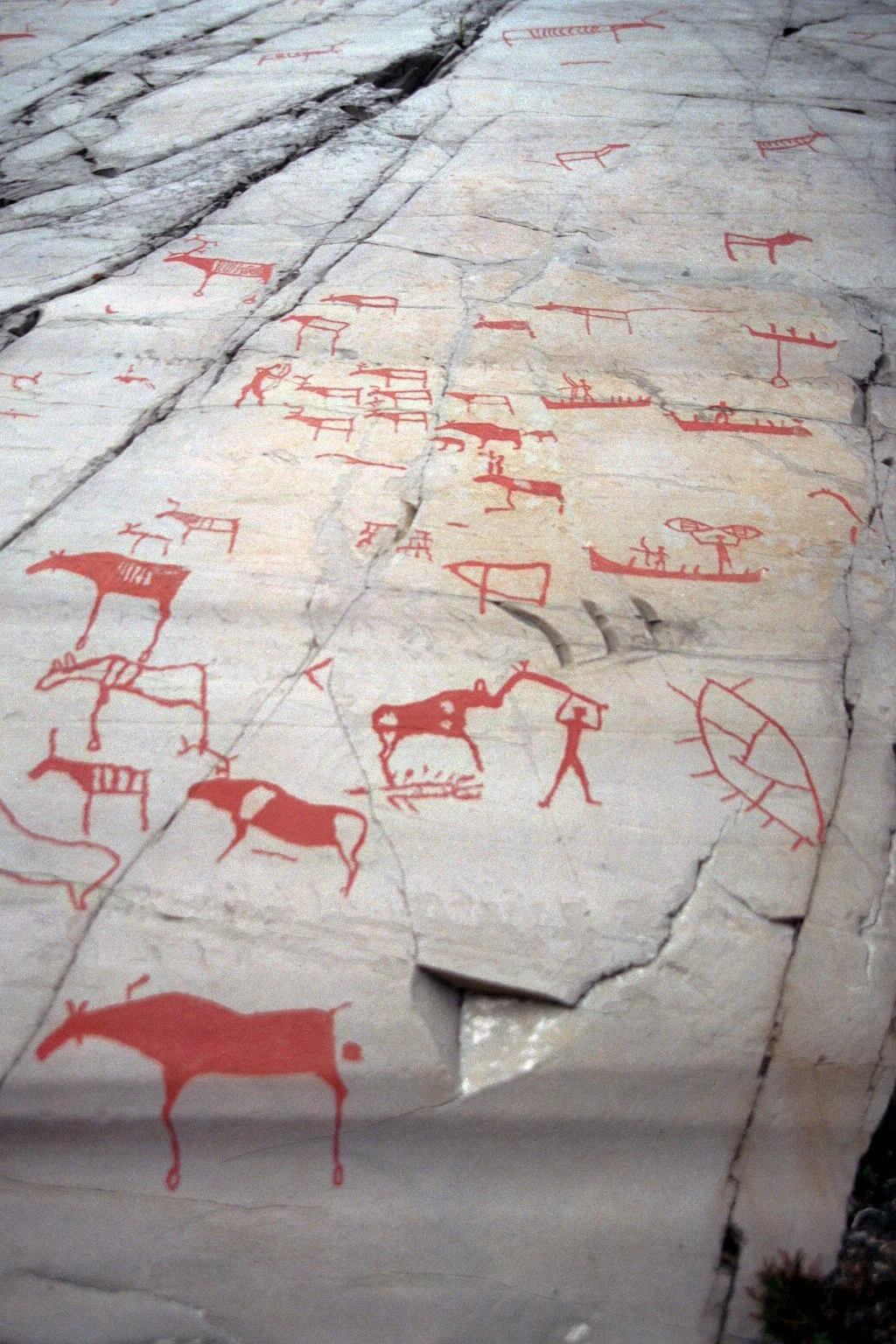
The rock art at Hjemmeluft is one of Alta’s defining cultural experiences. Seeing figures in their landscape offers something different from studying images indoors, with the fjord setting helping visitors think about earlier lives and environments. The outdoor routes, however, are seasonal and depend on snow, ice and the museum’s access arrangements.
Check the museum’s current path status before travelling specifically for the carvings. Do not assume that a particular calendar month guarantees access, or that a brief snow-free patch means a closed route may be entered. Follow the designated boardwalks and paths, and use interpretation or an available guided visit to understand what you are seeing.
Never touch, chalk, wet or trace the figures, and do not step across protected rock surfaces for a photograph. A careful visit is more valuable than collecting every panel. In winter or during closure, focus on the indoor exhibitions and consider returning in the accessible season rather than trying to clear snow or find an unofficial approach.
3. Visit the Northern Lights Cathedral
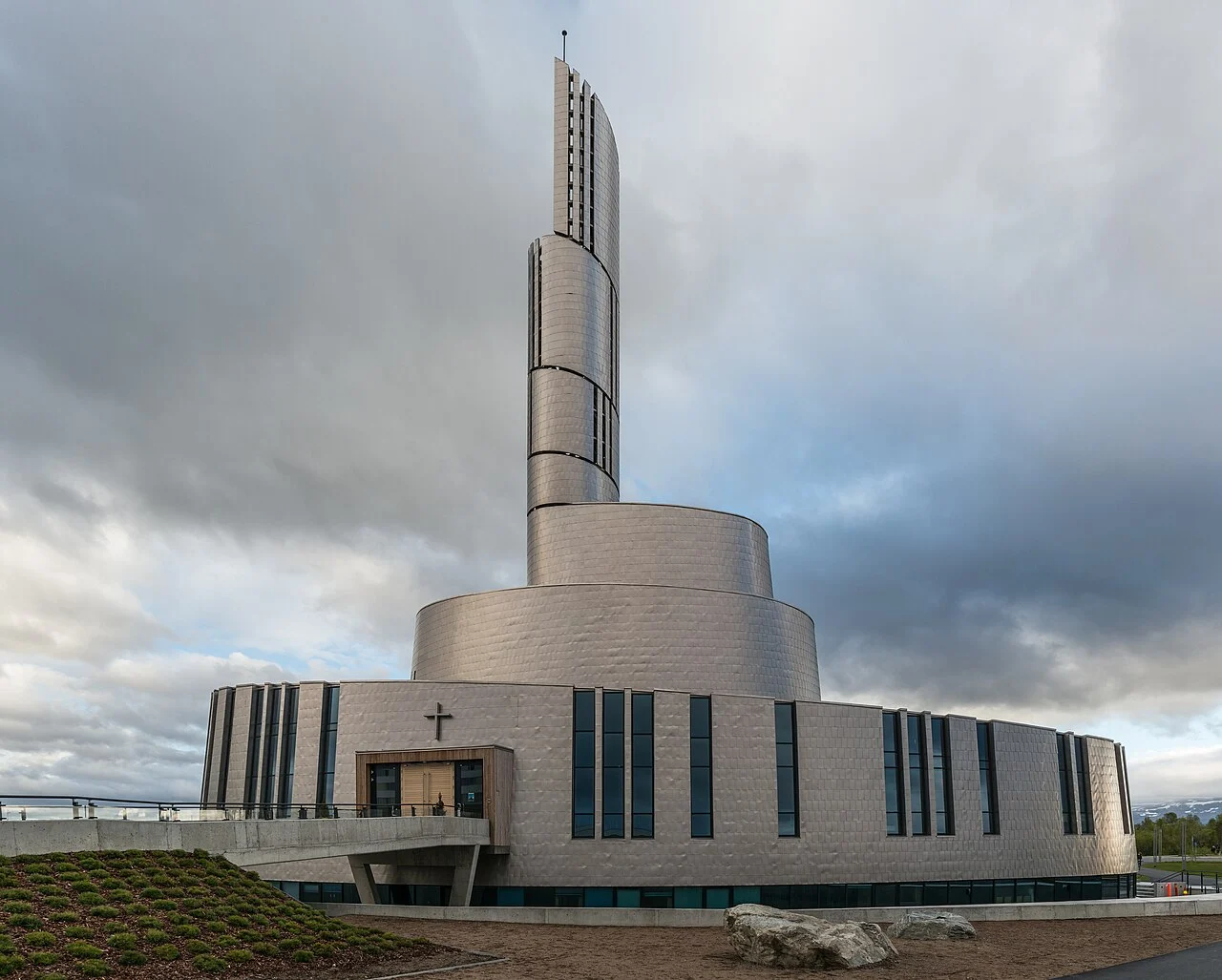
The Northern Lights Cathedral brings contemporary architecture and religious life into an Alta itinerary. Its distinctive exterior provides a clear landmark in the centre, while an interior visit can offer a quieter contrast to outdoor touring. It is also a working church, so tourism needs to fit around services and other uses.
Check the exact visiting arrangements and whether any exhibition or guided element requires a separate ticket or booking. An exterior view does not establish that the interior is open, and a general cathedral description may refer to programmes that run only at particular times. Ask directly if accessibility or a specific language is important.
Combine the cathedral with a central walk, a meal and any other town activity rather than making repeated trips across Alta. The name refers to the aurora but does not mean that visiting the building produces an outdoor display. It is an architectural and cultural stop that remains relevant regardless of whether the evening sky is cloudy.
4. Choose a guided northern-lights outing in the dark season
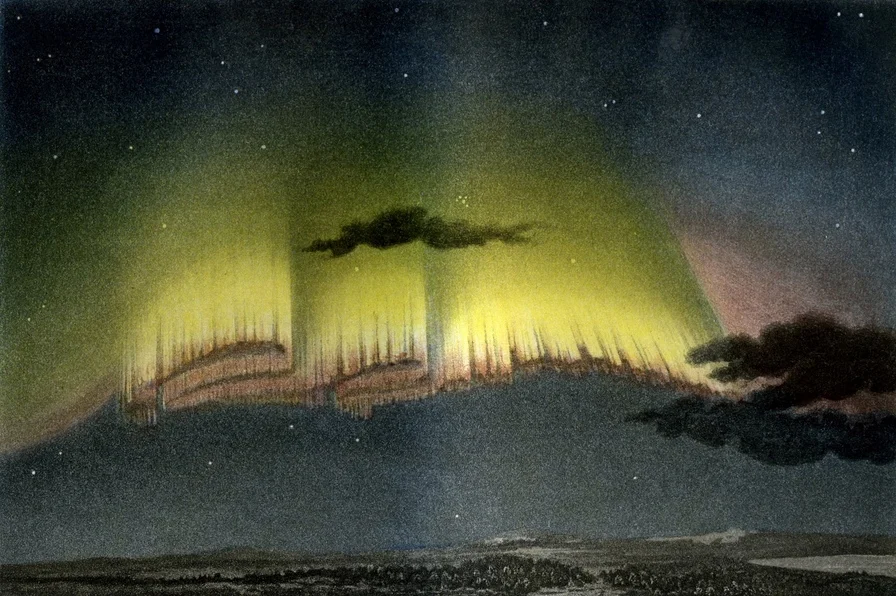
Book here with Viator → Alta Northern Lights Hunt
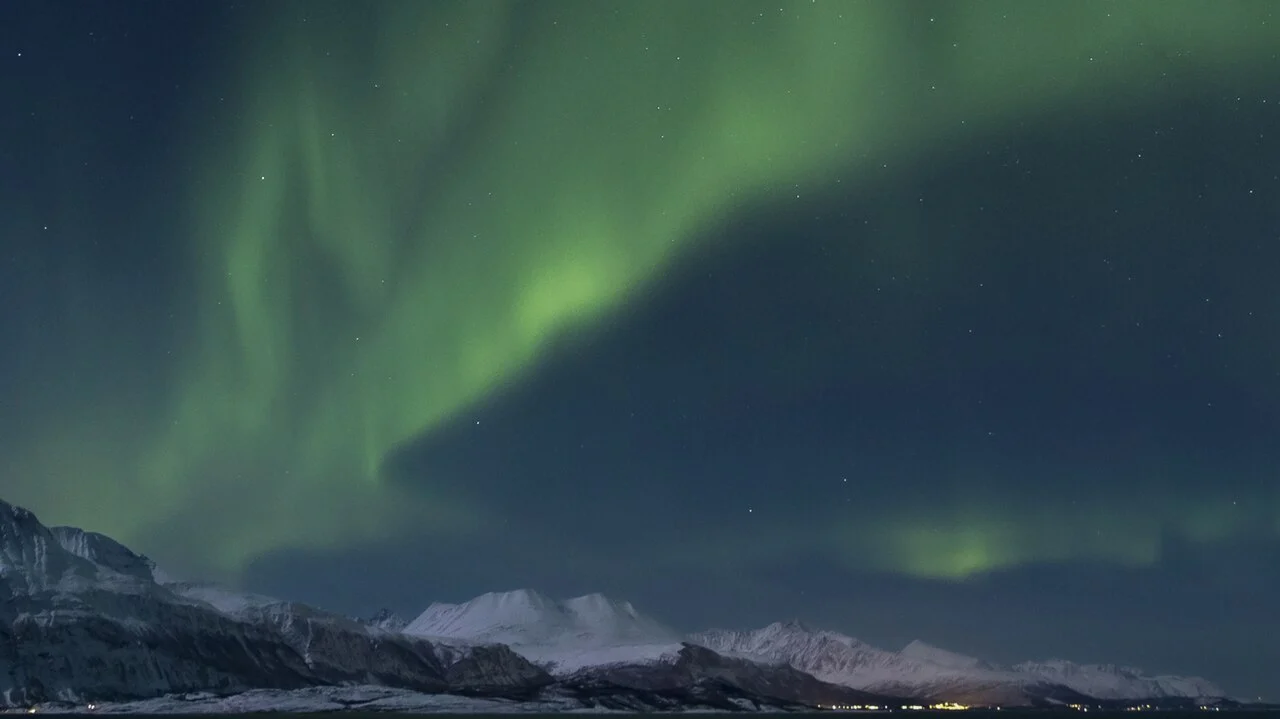
Alta is well known as a base for looking for the aurora, and a guided evening can be a practical way to reach a safe viewing location away from the brightest town lights. Darkness, cloud conditions and auroral activity still determine what is visible. A photograph from an exceptional night should not be interpreted as a typical result.
Compare the duration, group size, transport and clothing arrangements when selecting an operator. Ask what happens if weather is poor and whether the experience includes a stationary camp or travel between viewing areas. A trip can offer information and a good evening outdoors without guaranteeing the lights, so read cancellation terms with that distinction in mind.
Keep the following morning flexible after a late return and make the daytime itinerary worthwhile on its own. Summer’s bright nights are not aurora conditions. If you are travelling primarily for the lights, choose the darker season but allow several nights and accept the possibility of cloud or inactivity rather than planning the entire holiday around a single evening.
5. Explore a seasonal experience at Sorrisniva
Verified winter 2026/27: Sorrisniva advertises the Igloo Hotel from 20 December to 31 March, with day admission at NOK 395 for adults and NOK 180 for children. Overnight accommodation and other activities are separate. Check the operator’s current information before visiting.
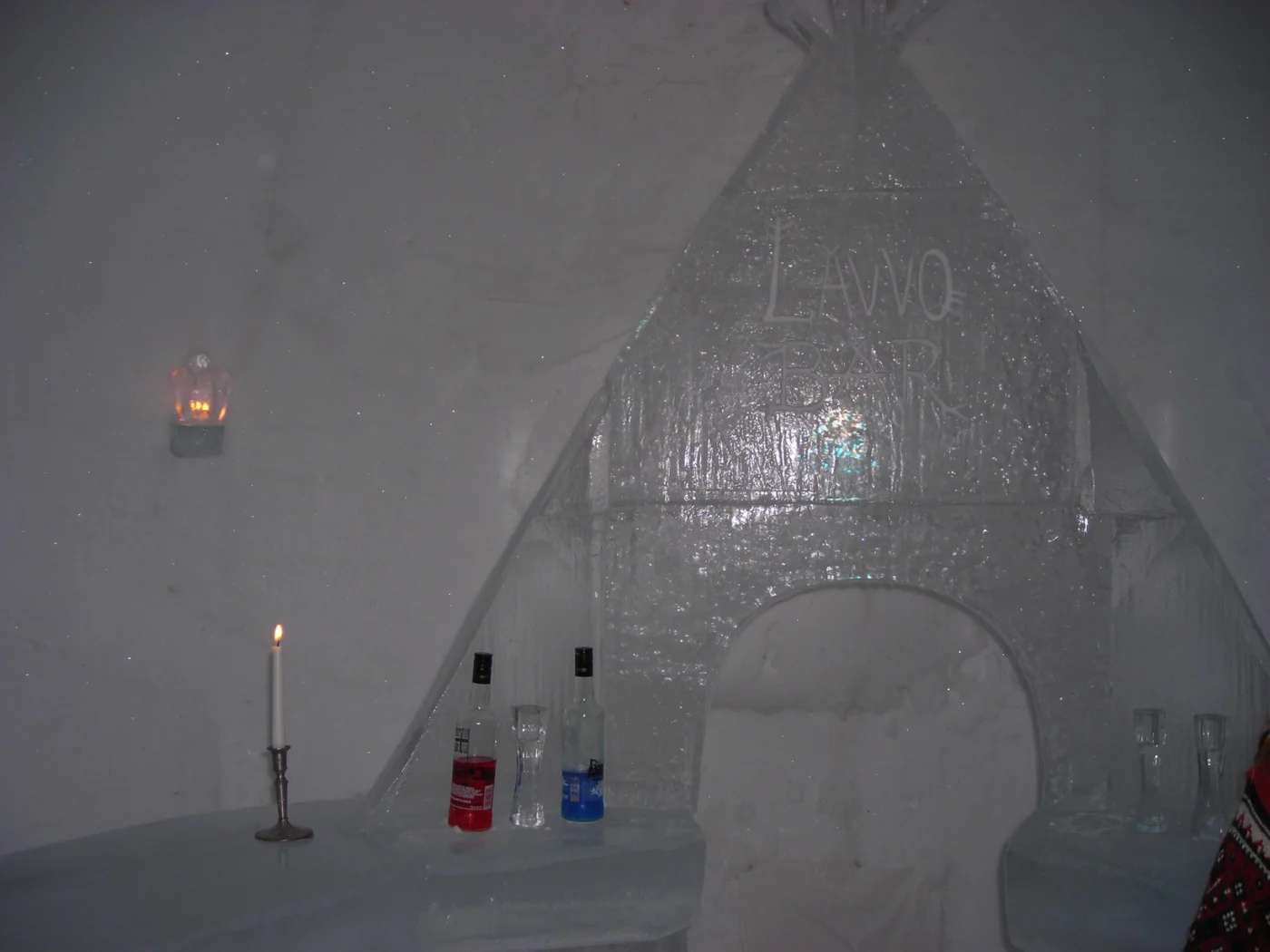
Book here with Viator → Igloo Ice Hotel and Hiking to the Frozen Waterfall from Alta
Sorrisniva, outside the centre beside the Alta River, offers a different setting from the town and museum. Its winter igloo hotel is a notable example of seasonal snow-and-ice construction. A visit should be based on the actual experience available on your dates, not the assumption that the ice structure remains unchanged and open throughout the year.
Check the build, opening and closing arrangements directly and distinguish entry to the ice hotel from accommodation, meals or other activities. A day visit and an overnight stay have very different requirements. Warm clothing remains useful even when the aim is simply to look around the sculpted interiors and learn how the structure is created.
Allow transfer time and choose one coherent booking rather than trying to sample every advertised activity. Outside the ice-hotel season, other experiences may still be offered, but verify those independently. Sorrisniva can be the principal outing of a day, paired with an unhurried return to town rather than another long cross-region excursion.
6. Join an appropriately seasonal dog-sledding experience
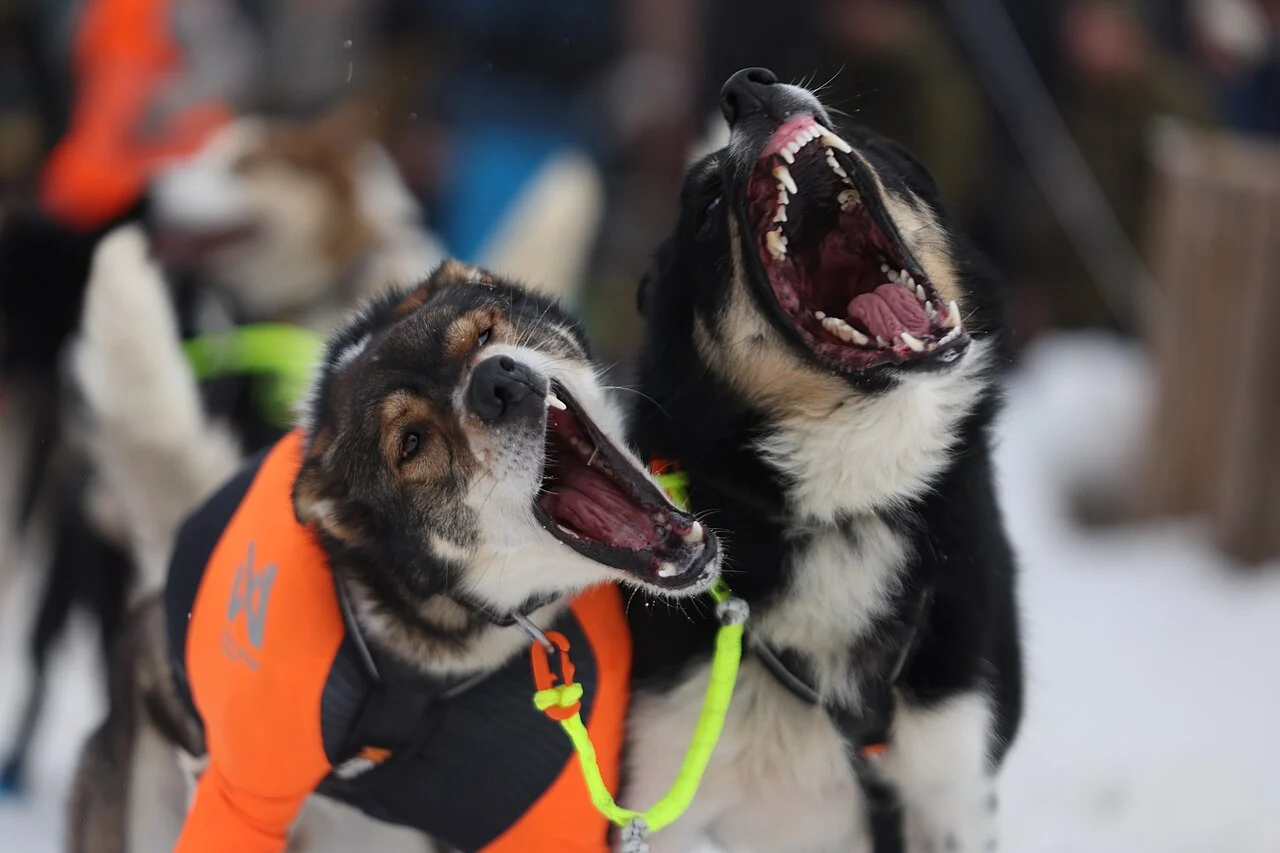
Book here with Viator → Guided dog sledding in Gargia Valley
A guided dog-team outing can introduce a different way of moving through the Arctic landscape. The snow season and the operator’s actual programme determine whether that means sledding or a different activity. A picture of a winter sled should not be used to imply that snow-based departures run on every autumn or spring date.
Ask about route length, clothing, whether you drive or ride, and what physical participation is expected. Tell the operator about any mobility limitations or concerns before booking. Animal welfare matters as well: choose a provider that explains care, handling and the role of the dogs rather than marketing the experience solely as a high-speed thrill.
Reserve a substantial block including transfers, briefing and time around the kennels. Do not combine it automatically with another lengthy winter excursion in the same day. After time outdoors, a relaxed meal and a shorter city visit may be a better balance, particularly for families or travellers who are still adjusting to the cold.
7. Walk to Lille Raipas in suitable conditions
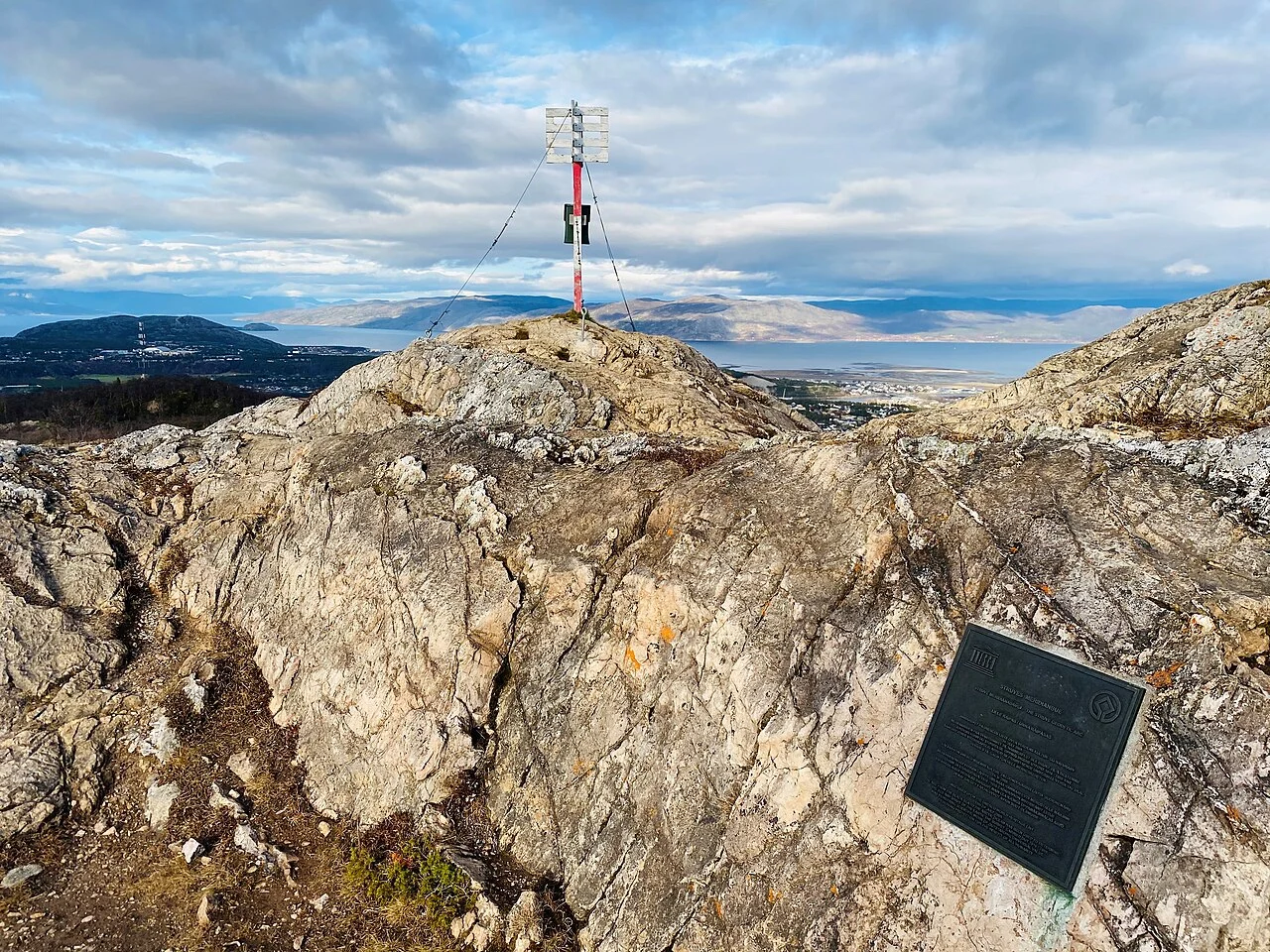
Lille Raipas links an outdoor walk with the history of scientific measurement through the Struve Geodetic Arc. The interest is both the landscape and the story of surveying the Earth, making it a different kind of viewpoint from a simple summit photograph. It is an out-of-centre trail, not an urban promenade.
Check a current route description, starting point and ground conditions before setting out. Snow, ice or mud can change the character of a path that is manageable in summer. Carry suitable footwear, water and a layer for stopping, and give the route enough daylight for an unhurried return. A local guide may be useful if conditions are unfamiliar.
Respect the protected survey location and the surrounding land. On a three-day summer visit, this can provide a focused half-day outdoor activity without taking on the scale of Alta Canyon or Haldde. If your interests are mainly cultural, a shorter walk near town may be enough; there is no need to select a trail merely because it has a World Heritage connection.
8. Plan Alta Canyon as a substantial excursion
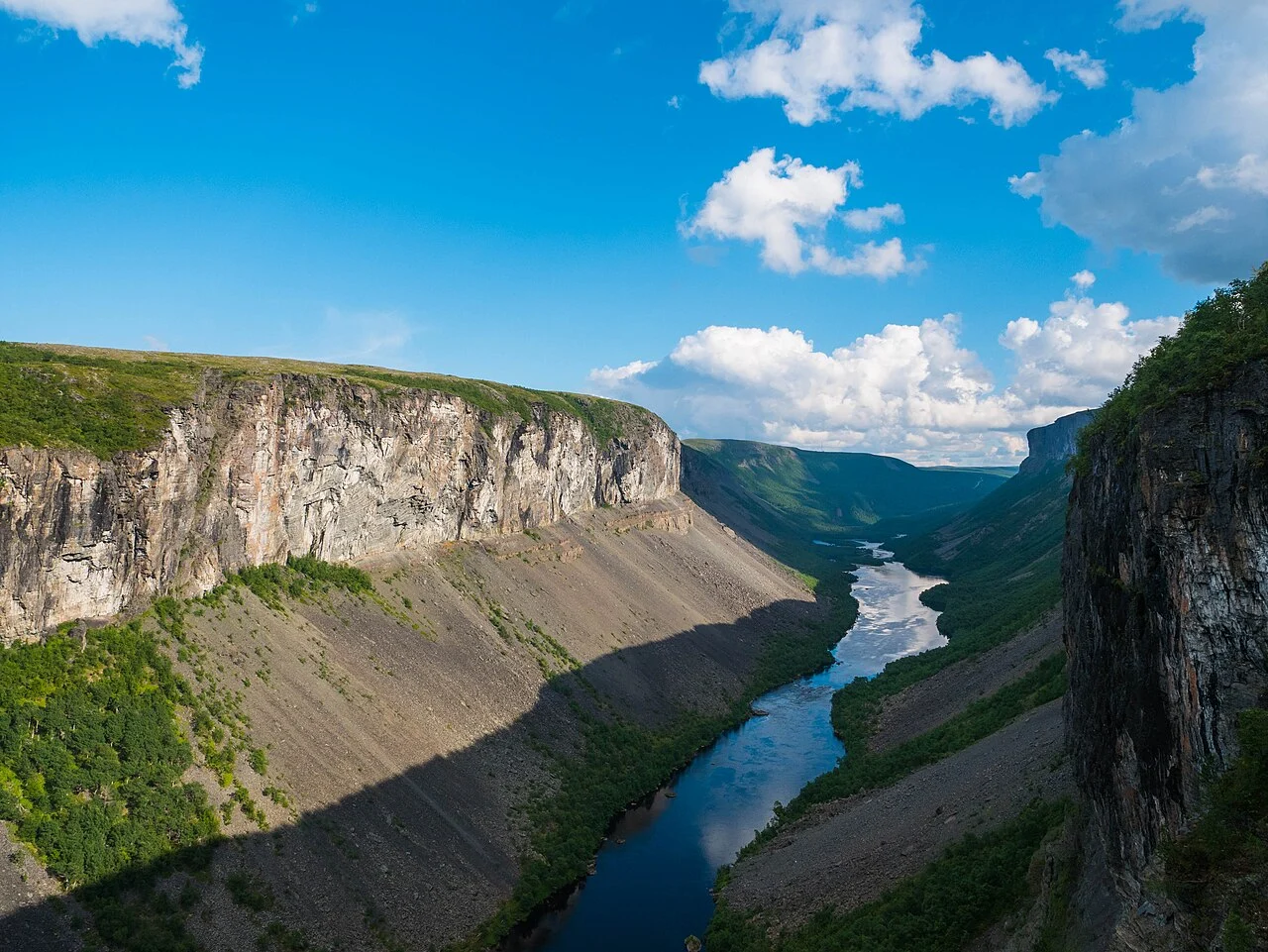
Alta Canyon, also known as Sautso, is a major landscape outing beyond the town. It should be planned as a proper excursion with a defined route or organised activity rather than a quick roadside photo stop. Different approaches involve different distances and terrain, so the name alone does not tell you how easy the visit will be.
Use a current local route description or a qualified operator to choose how to experience the area. Access, land use, weather and your fitness all matter. Do not assume that a driving route reaches a safe edge viewpoint or that an advertised river trip has the same requirements as a walking itinerary. Check the season for the specific option you select.
Give the canyon most of a day when the approach warrants it, and carry food, navigation and weather protection appropriate to the route. Keep well back from exposed edges. On a short stay, choosing the canyon may mean leaving another major activity out; that is preferable to hurrying through unfamiliar terrain to keep an overcrowded schedule.
9. Choose Haldde or a guided Altafjord excursion
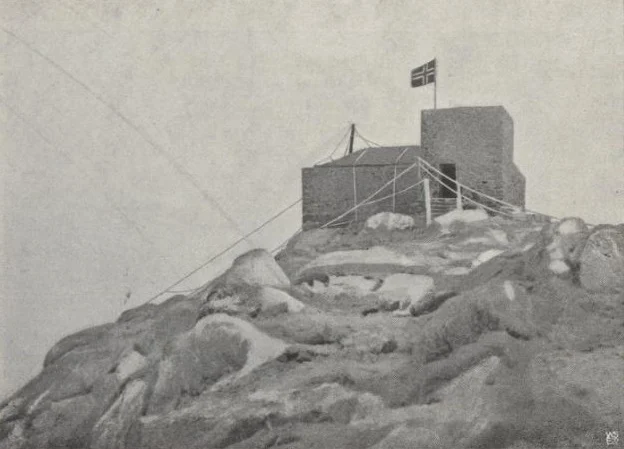
Book here with Viator → Guided Altafjord cruise — alternative to Haldde
Haldde is associated with the history of aurora research and offers a substantial mountain outing to the former observatory area. It is not an easy alternative to the Northern Lights Cathedral or a place reached by a short central walk. The combination of climbing, distance and exposed conditions makes preparation important.
Ask locally about the current route and whether the weather, remaining snow and daylight make it suitable. Bring appropriate navigation, clothing and food, and be realistic about the abilities of everyone in the party. A historical destination at the top does not reduce the demands of reaching it or descending safely after the visit.
Reserve a full hiking block rather than placing it between timed attractions. If you want the scientific story without a demanding route, seek interpretation through local museums or a guided cultural experience instead. The hike is best selected by people who actively want the outdoor journey and have suitable conditions, not by visitors trying to complete all ten entries.
If Haldde is unsuitable, a guided Altafjord cruise is a lower-effort way to explore the wider landscape, subject to marine weather. This is an alternative outing, not a Haldde hike.
10. Explore the Alta River and nearby countryside
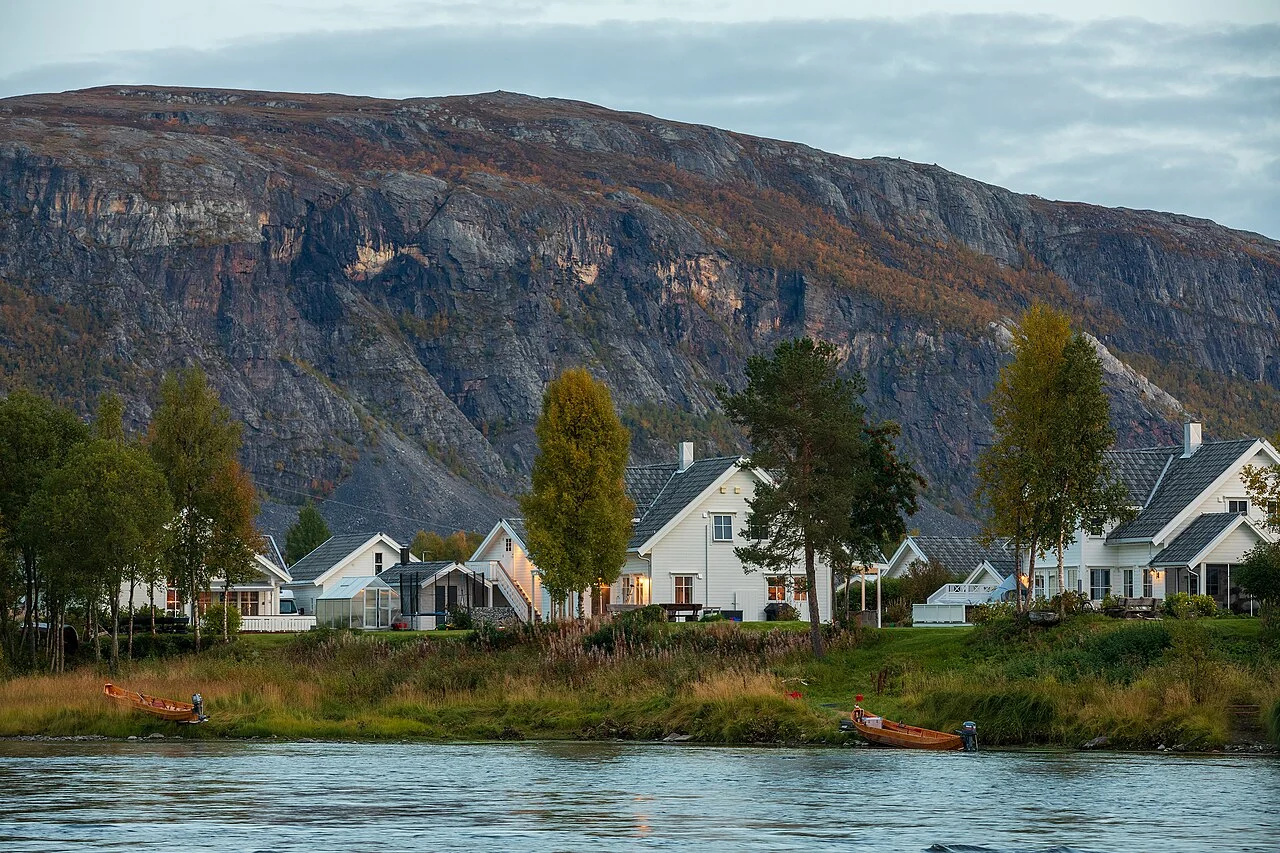
Book here with Viator → Horseback riding near Alta
Alta is more than its headline experiences. A locally recommended walk near the river, a central meal or a quieter look at the town’s different districts can help balance an itinerary dominated by paid excursions. The river landscape is particularly useful for understanding why settlements and travel routes developed as they did.
Choose public routes and follow local guidance on access, private property and seasonal conditions. Riverbanks, ice and changing water can create hazards, so do not wander onto unfamiliar frozen surfaces or assume every apparent track is a visitor trail. If fishing interests you, check the actual permits, season and rules separately rather than treating river access as permission to fish.
Keep this part of the visit flexible. A short walk can fit around the cathedral or provide a gentler morning after a late aurora outing. Ask visitor information for a route appropriate to the day, and choose a café or meal stop that reduces unnecessary transfers. These quieter intervals often make a busy Arctic itinerary more manageable.
For a guided rural experience near town, consider horseback riding at Flatmoen. Confirm riding ability, seasonal availability and transport to the farm.
Realistic Alta itineraries
One day: culture before excursions
Visit Alta Museum and allow the outdoor rock-art route only if it is open and conditions are suitable. Return to the centre for the Northern Lights Cathedral and a relaxed meal. This makes a worthwhile day in any season without depending on a distant mountain route. In the darker months, a booked aurora outing is optional rather than guaranteed sightseeing.
Two days: add one seasonal experience
Keep the first day cultural, then choose one main activity such as a dog-team outing or a visit to Sorrisniva on day two. In summer, Lille Raipas can be an alternative outdoor block. Leave transfer and briefing time and avoid adding a second major excursion just because promotional descriptions call both activities short.
Three days: use the weather window
Use the third day for a suitable Alta Canyon excursion, or a prepared Haldde hiking day if that is genuinely your interest and ability. Do not try to combine both. In winter, retain an indoor or locally guided alternative rather than forcing a summer route into snow. Keep the final afternoon flexible if it is also an airport travel day.
Practical travel tips
- Separate Alta Museum’s indoor opening from outdoor rock-art access. The museum is a year-round cultural option, while snow and ice can close the paths; verify current information rather than relying on an assumed month-by-month season.
- Build transport into every booking. Alta’s attractions extend beyond one compact walking centre, and an excursion may start from an outlying lodge or kennel rather than your accommodation. Confirm transfers before paying.
- Choose winter activities by the actual conditions and product description. Autumn can be an in-between period, and snow-based images do not guarantee sledding or an open ice hotel on your dates.
- Treat Lille Raipas, Alta Canyon and Haldde as different levels of excursion. A broad list of things to do does not imply that all three are appropriate for every visitor or can be combined in one day.
- Ask about warm clothing, footwear and the amount of participation required on a guided activity. Being a passenger is different from driving a dog team or walking a long exposed route.
- Avoid planning an early demanding hike after a long aurora evening. Darkness-based tours and short winter daylight compete for sleep and usable time, so one well-planned outing can be better than several rushed ones.
Frequently asked questions
Is Alta worth visiting in winter?
Yes, if you choose a winter-specific plan with indoor cultural visits and appropriate guided outdoor activities. Alta Museum’s indoor exhibitions remain relevant, but the rock-art paths may be inaccessible. Snow activities and the igloo hotel have their own seasons and operating conditions, so confirm the exact product rather than assuming everything operates throughout the darker months.
Can I see the rock carvings all year?
The museum is open year-round, but the outdoor rock-art routes are available only when access is snow- and ice-free and the museum permits visiting. Check current path status. A winter ticket to the indoor exhibitions should not be interpreted as a promise that visible carvings can also be reached outside.
How many days should I spend in Alta?
Two full days allow the museum, cathedral and one main seasonal experience. Three provide more flexibility for weather and a longer summer excursion or an additional winter activity. If seeing the northern lights is important, several nights improve flexibility but still cannot guarantee a suitable sky or auroral display.
Do I need a car in Alta?
A car can help with dispersed sights, but organised excursions may offer transfers and local transport can cover some journeys. Decide from your itinerary and confirm pick-up arrangements. Winter driving requires appropriate experience and equipment; hiring a car is not automatically the simplest solution for every visitor or activity.
Is Alta Canyon an easy sightseeing stop?
Not automatically. The requirements depend on the approach, route and activity you choose. Plan from current local guidance or an operator’s detailed itinerary, allow substantial time and be realistic about fitness and weather. Do not assume a road reaches a safe accessible viewpoint simply because the canyon appears on a regional attractions list.
Are the northern lights guaranteed in Alta?
No. Darkness, weather and auroral activity all need to cooperate. Guided outings can help with safe access, local knowledge and choosing a viewing location, but cannot control the sky. A balanced itinerary with museum visits, architecture and suitable daytime activities ensures the trip remains worthwhile when cloud prevents viewing.
Continue exploring Norway
Sources and current travel checks
Official tourism, museum and operator information informed this guide. Opening calendars, access, fares and transport can change; follow these sources for your travel dates. Suggested visit lengths and itineraries are editorial planning allowances.
Choose accommodation and plan Alta
Compare accommodation options alongside the places you want to visit. Check the journey to the property before reserving.
Plan experiences around your stay
These guides compare regional options and practical considerations. Check the actual departure point; a related guide is not a promise that every activity is available in this town.