10 Best Things to Do in Molde: Fjord Views and Coastal Trips
Molde is a useful choice for travellers who want a manageable fjord town rather than a schedule built entirely around mountain expeditions. Its waterfront looks across Romsdalsfjord, while paths behind the centre lead towards woodland and elevated viewpoints. The museum, shoreline and lower parks fit comfortably into a town day. Islands and Atlantic-facing scenery need their own transport plan. This guide separates those choices so that a visit to Molde does not become a rushed circuit of places scattered across Romsdal. Allow one full day for the centre and two or three if the coast or islands matter to you.
Molde: quick answers
- Worth visiting?
- Yes, for panoramic viewpoints, coastal scenery and Romsdal heritage.
- Time needed
- One full day in town; two or three with separate coastal outings.
- Best time
- Late spring to autumn for viewpoint walks; check visibility and road conditions.
- Cost level
- Moderate to high; town walks are free, museums and regional transport add costs.
- Getting around
- Walk centrally; arrange transport for Bud, Midsund and the Atlantic Road.
- Top priorities
- Varden, Romsdal Museum, Sjøfronten.
How this list was selected: NorwayTop10’s editorial choices balance distinctive places, practical access and variety for a first visit. The order is a planning guide rather than a public vote. Outings beyond the destination are identified in their descriptions; ten entries do not mean ten stops in one day.
Compare the ten options
Times are editorial planning allowances, not operator schedules. Add travel and waiting time unless the row explicitly describes a whole outing. For guided experiences, use the confirmed booking duration. See each description for terrain and seasonal restrictions.
| Place or activity | Access to plan | Time to allow |
|---|---|---|
| Varden and the Molde panorama | Uphill trail or road approach | Use the selected walking or road approach time |
| Romsdal Museum and Krona | Local walk or transfer | 1½–2 hr |
| Sjøfronten waterfront | Central waterfront on foot | 45–90 min |
| Molde Cathedral and the central streets | Town centre on foot | 20–40 min |
| The Green Corridor and Reknesparken | Marked urban park route | 1–2 hr on a selected route |
| Hjertøya island and fishing heritage | Seasonal boat or other confirmed transfer | Half-day when transport operates |
| Bud fishing village: a separate coastal outing | Road excursion | Half-day including travel |
| The Atlantic Road scenic drive | Road excursion | Half-day or full road-trip day |
| Midsundtrappene: choose an appropriate stair hike | Road or ferry connection to the chosen trail | Dedicated hike using the official route time |
| Fjord-side downtime and local food | Central waterfront on foot | 1–2 hr |
Bookings through Viator may earn us a commission.
1. Varden and the Molde panorama
Book here with Viator → Sightseeing excursion including Varden
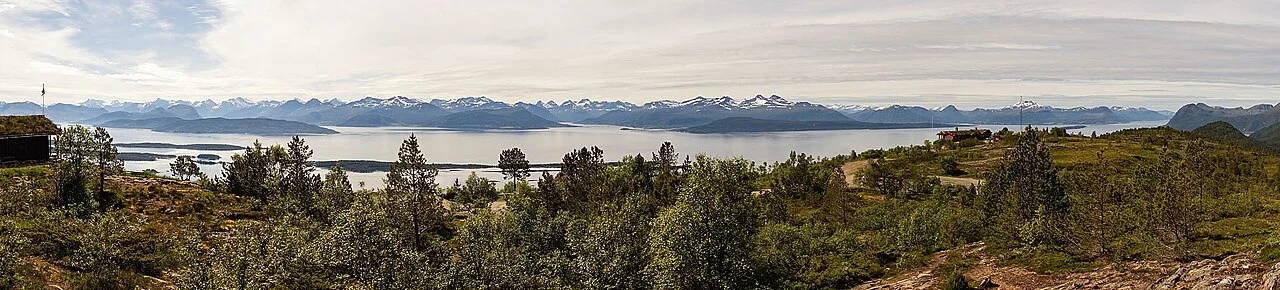
Varden is the classic elevated view above Molde, looking over the town, fjord and mountains beyond. It is a useful first choice when the air is clear because the relationship between shoreline settlement and mountain landscape becomes immediately visible. The attraction is the broad panorama rather than an individual summit or monument. Cloud can hide much of the distant skyline, so keep this outing flexible instead of fixing it to your first morning regardless of conditions.
Choose between a walking approach and transport towards the viewpoint according to your fitness, the road conditions and the time available. A map marker above town should not be interpreted as a level stroll from the harbour. The ascent is part of the outing, and the descent also takes time. Carry a windproof layer even when the centre feels mild, and use footwear suited to the surface of the route you actually choose.
Combine Varden with the Green Corridor or Romsdal Museum if you want a connected town-and-woodland day. Avoid adding a long Atlantic Road excursion to the same tight schedule simply because all appear on a Molde attractions list. If visibility is poor, spend time at the museum and watch for a clearer interval later. That produces a better visit than waiting at the summit for a view that may never appear.
A sightseeing excursion includes the Varden panorama; confirm the departure point and available stops.
2. Romsdal Museum and Krona
Verified planning detail: Checked 23 November 2026, Romsdal Museum's visitor page lists Monday closure for Krona. Open-air buildings have their own seasonal programme, which should be checked separately from visitor-centre opening. Official visitor information.
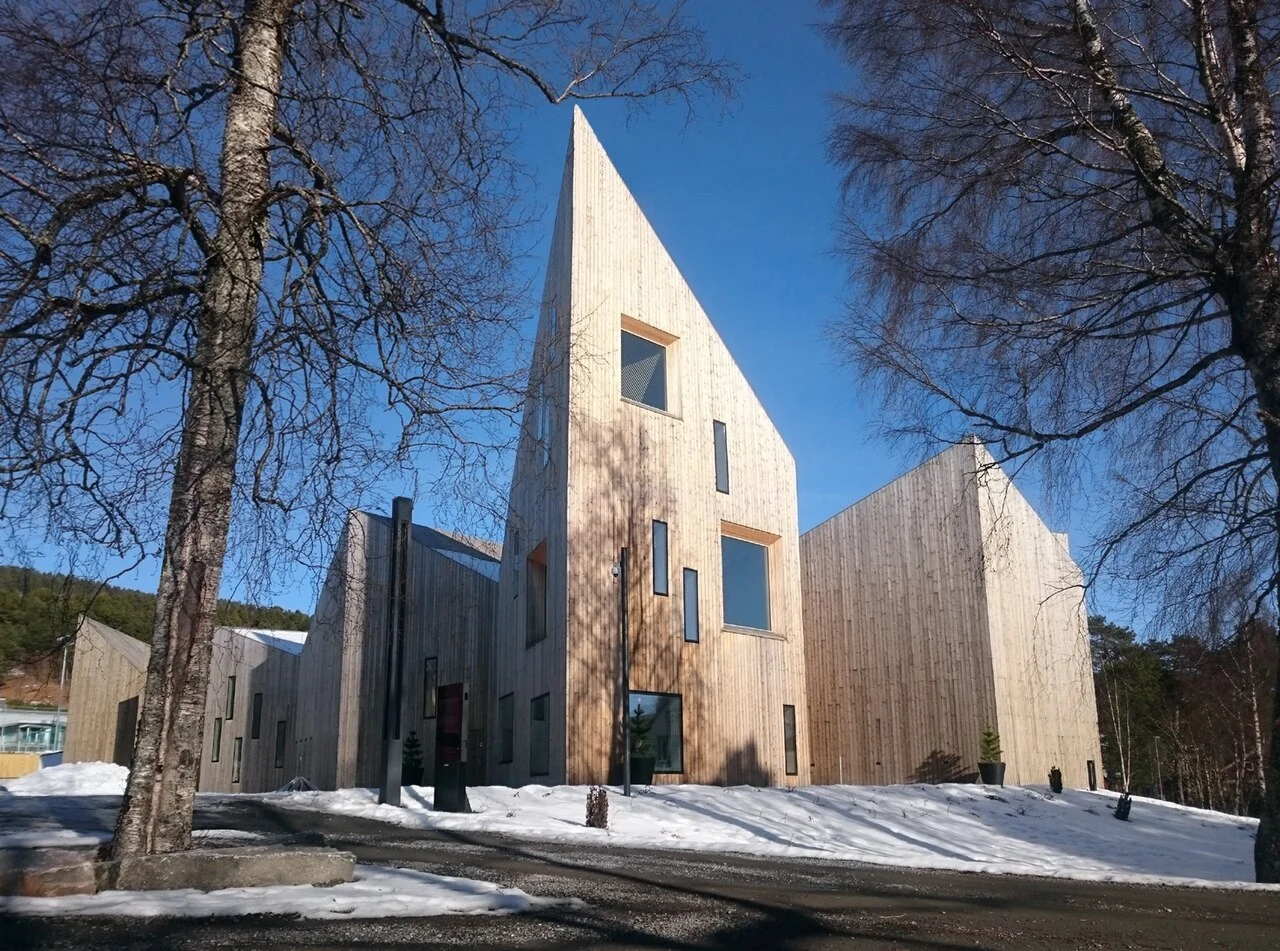
Romsdal Museum provides the cultural context that a sequence of fjord viewpoints can miss. Its buildings and exhibitions concern regional life, craft and history, and the grounds introduce forms of settlement different from the rebuilt modern town centre. Krona is the museum’s main exhibition building. Treat the museum as a substantial visit rather than a brief photograph stop between drives; it adds depth to several days spent travelling through western Norway.
There is a distinction between walking through the museum park and entering exhibitions or historic buildings. Access arrangements, demonstrations and guided activities vary, so consult the museum’s own programme before planning around an indoor experience. If you are travelling with children, choose a smaller number of buildings or displays and allow time outside, rather than expecting everyone to complete every section at the same pace.
The location lends itself to a walk from central Molde and can connect with the route towards Varden. On a wet day, give priority to whichever indoor exhibitions are operating instead of assuming all open-air houses offer shelter. Visitors interested in traditional clothing, timber architecture and local social history should leave a generous block here. That focus also helps distinguish the visit from the coastal fishing heritage available on Hjertøya.
3. Sjøfronten waterfront
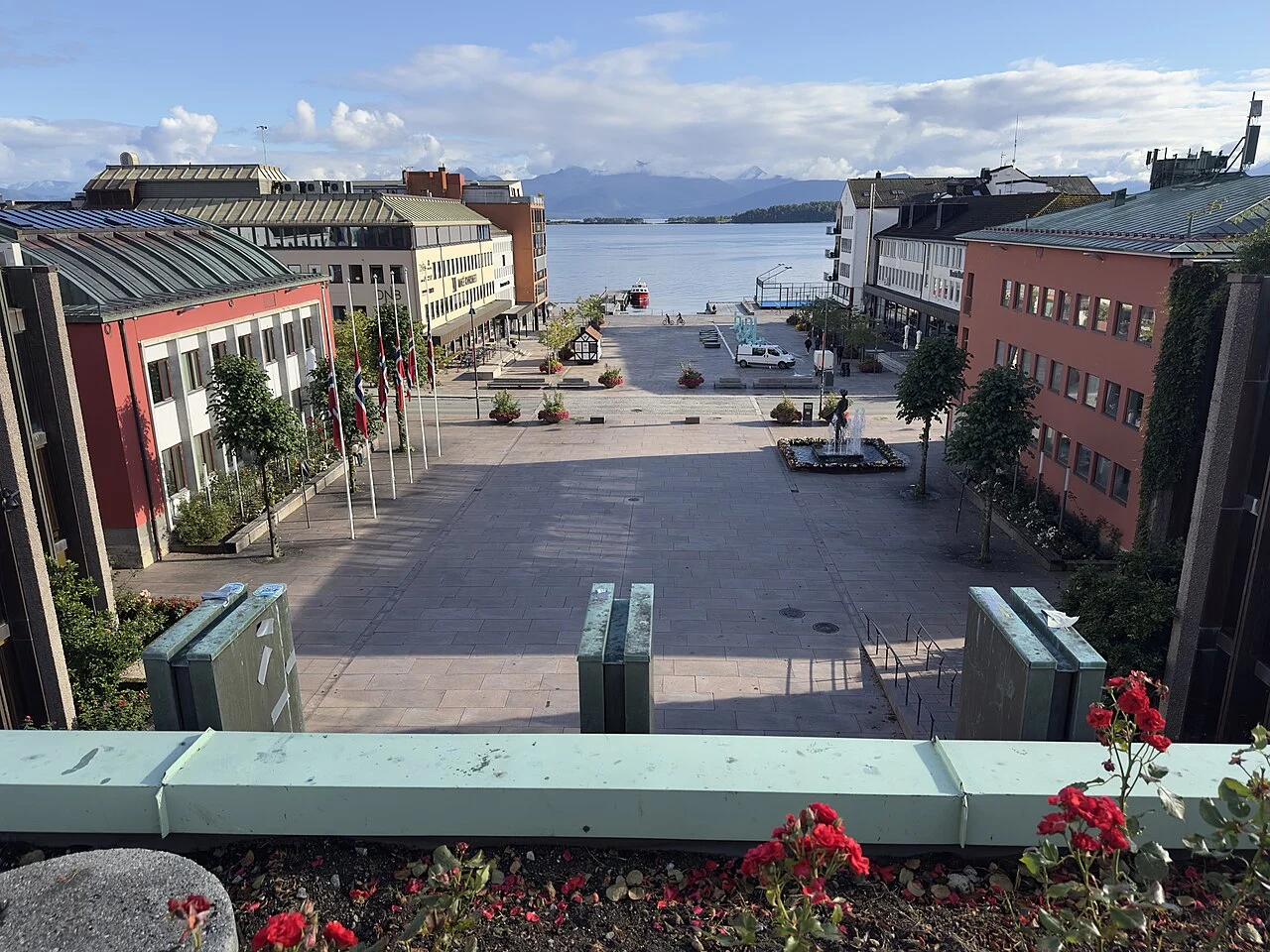
The central waterfront is Molde’s easiest introduction to the fjord. It works well on arrival, before committing to a museum ticket, uphill walk or out-of-town transfer. Look across the water, follow the accessible public stretches and notice how the town’s everyday services meet the shoreline. This is an urban promenade experience rather than a wilderness walk, and its convenience is part of the appeal.
Use the waterfront as the backbone of a relaxed central itinerary, with a café or meal between shorter walks. A bright interval can make the mountain backdrop more rewarding than a distant viewpoint visited under low cloud. Keep an eye on working quays and follow pedestrian routes rather than treating every harbourside surface as public space. Wind off the fjord can make a seated stop cooler than expected.
This is a sensible option for mixed-ability groups because the outing can be shortened without abandoning the whole day. Accessibility still depends on the precise route and any local works, so check the surfaces and kerbs relevant to your party. The waterfront combines naturally with Molde Cathedral and central streets. Save enough time for looking and sitting: its value is the setting, not the number of landmarks completed.
4. Molde Cathedral and the central streets
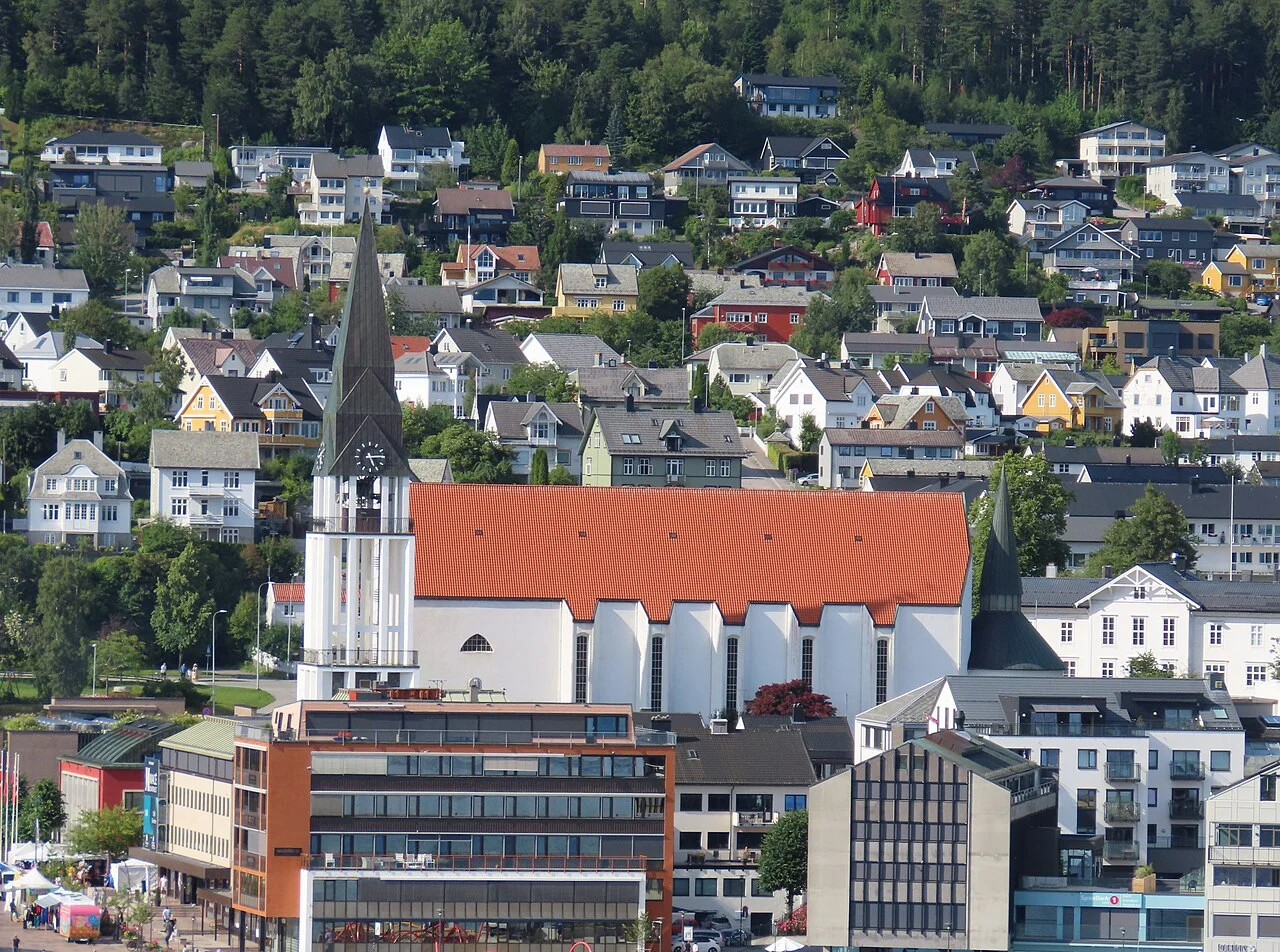
Molde Cathedral is a prominent part of the town centre and offers an architectural contrast to the older timber buildings preserved at the museum. It belongs to the story of the modern town rather than to Norway’s medieval stave-church tradition. Look at the building within its urban setting, then explore the nearby streets on foot instead of approaching it as an isolated attraction requiring a separate journey.
The cathedral is a working church. Interior access can be affected by services, ceremonies and local opening arrangements, so a sightseeing plan should allow for an exterior visit. Enter quietly if the building is open and respect any photography instructions. Travellers particularly interested in church architecture should check with the parish before making the interior the main purpose of a short visit.
Pair the cathedral with the waterfront, shopping streets and a meal to create a useful lower-energy half day. This arrangement works on arrival or departure when a mountain excursion would leave little margin. It is also a better poor-weather fallback than driving aimlessly between viewpoints. Central Molde is compact enough for these choices to feel connected, while still leaving time for an unhurried museum visit later.
5. The Green Corridor and Reknesparken
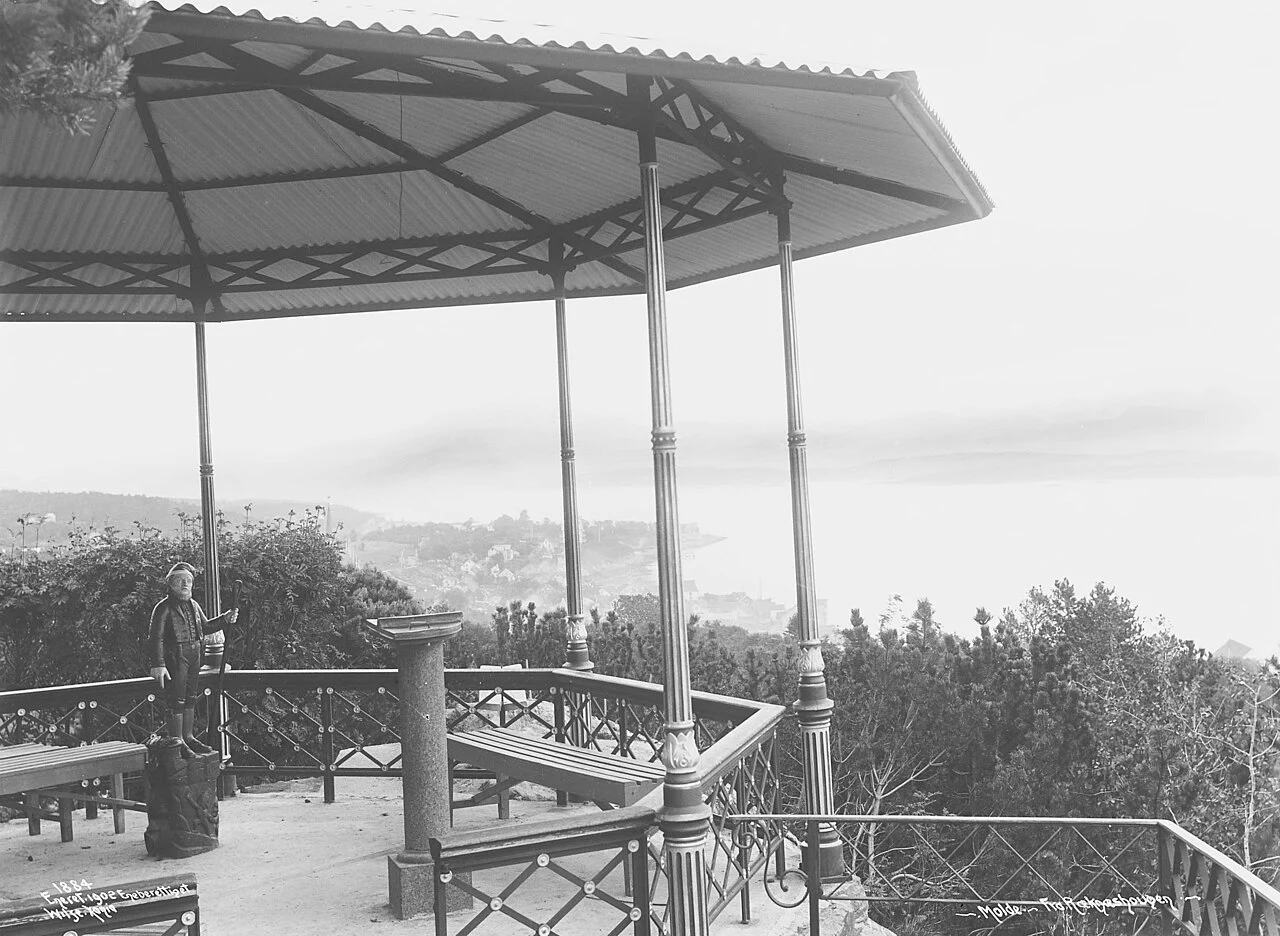
The Green Corridor links the urban shoreline with greener ground above Molde. Official visitor information describes a route through Reknes, Reknesparken and onward towards Varden. You do not need to complete the whole ascent to benefit from the lower parks and changing perspectives. Choose a turning point that suits the weather and your energy rather than regarding the top as compulsory.
This is particularly useful when members of a group want different levels of walking. Some can enjoy a shorter park circuit while others continue uphill, provided meeting arrangements are clear. Paths, gradients and conditions differ along the route, so a lower park visit should not be confused with the demands of reaching Varden. Obtain a local map and identify the return route before setting off.
Combine the walk with the museum area to reduce repeated journeys through the same part of town. After rain, shaded paths can remain damp even when the waterfront has dried. In colder seasons, ice changes the suitability of an otherwise modest outing. A short, comfortable woodland walk is often more enjoyable than extending the route until daylight or footwear becomes a problem.
6. Hjertøya island and fishing heritage
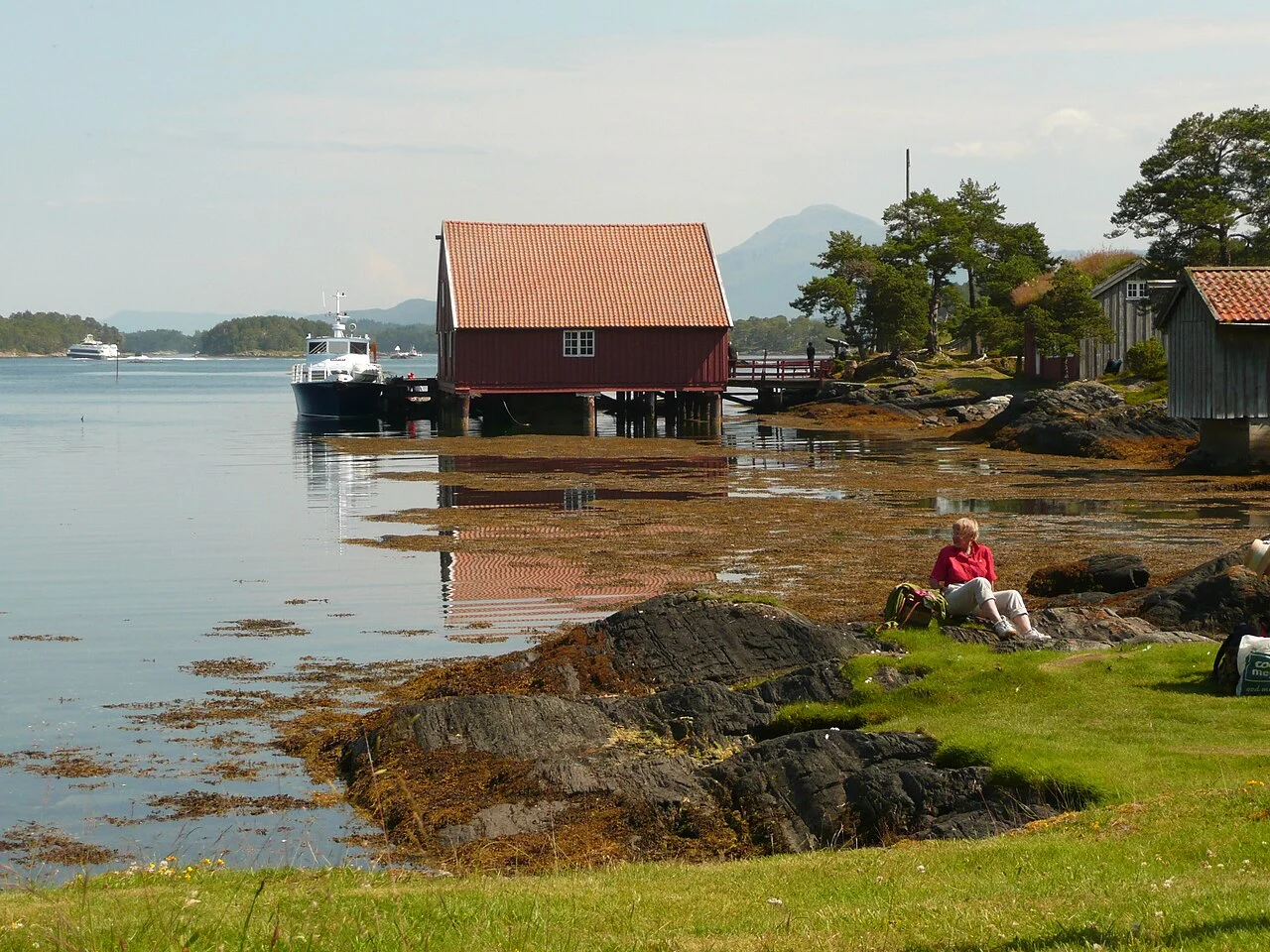
Hjertøya lies among the islands immediately south of Molde and offers a different view of the town’s relationship with the fjord. It combines an outdoor recreation setting with the Fisheries Museum’s historic coastal buildings. The journey across the water is part of the experience. An island visit makes most sense when you want a slower interlude rather than another road-based sightseeing circuit.
Check both the boat connection and the museum opening arrangements before leaving the mainland. The island’s outdoor landscape and the interiors of museum buildings are separate planning considerations, and a boat running does not automatically mean every exhibition is open. Establish the last practical return and leave a margin before it. Travellers with limited mobility should ask specifically about the boat boarding and island paths.
Take a snack, weather protection and enough time to walk without rushing back to the quay. In suitable conditions, the island can occupy much of a relaxed half day; it is less convincing as a hurried addition before an onward bus. If sailings or weather do not work, retain the museum-and-waterfront plan in Molde. Do not substitute an unverified private boat assumption for a confirmed return connection.
7. Bud fishing village: a separate coastal outing
Book here with Viator → Bud fishing village and Atlantic Road excursion
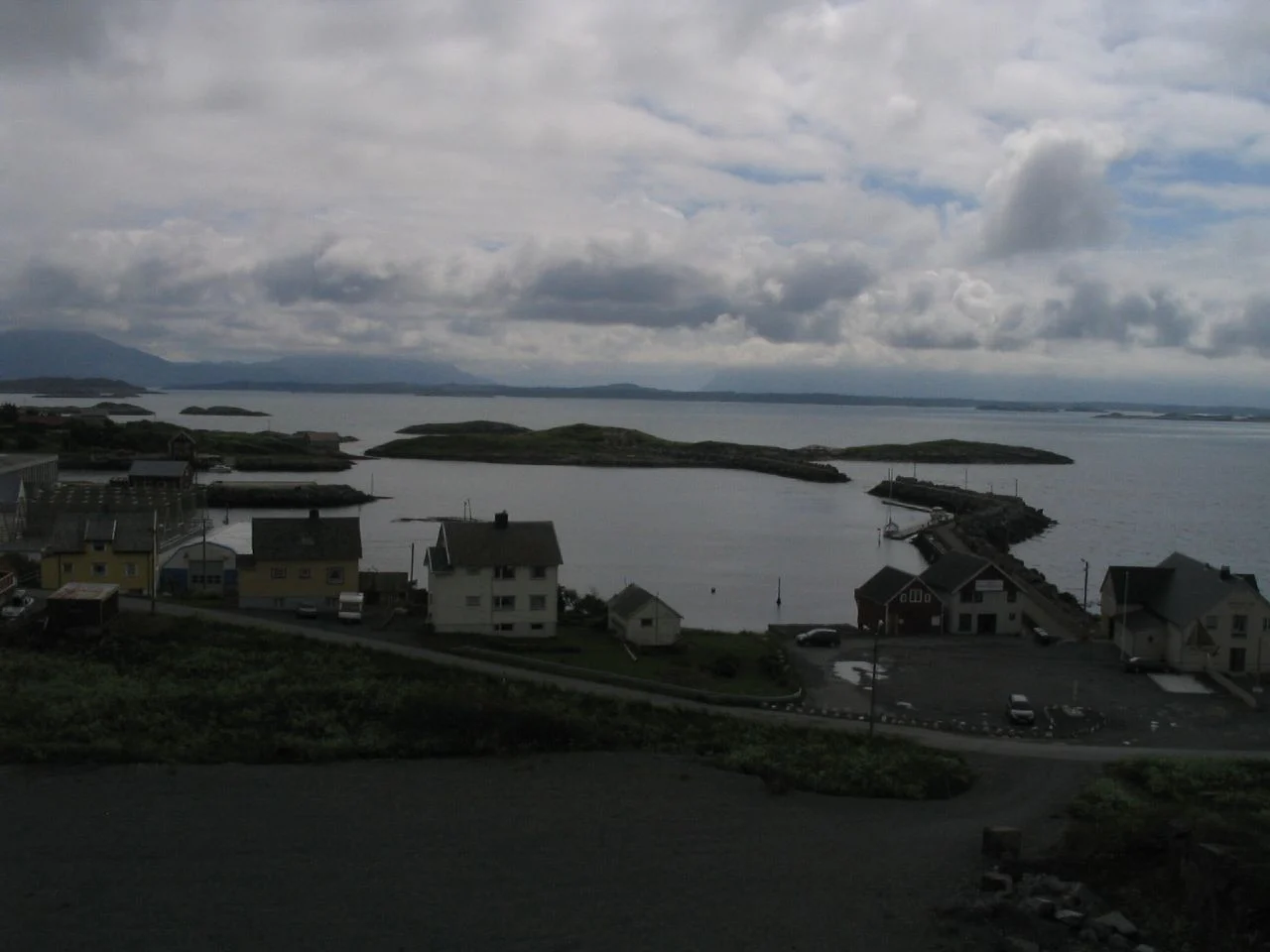
Bud is a coastal village outside Molde, suited to travellers who want the fishing-coast character beyond the fjord town. Its setting is different from the view across Romsdalsfjord: low islands, maritime buildings and the exposed coast become more important than the distant mountain panorama. Treat it as an excursion with its own travel time, not as another stop within central Molde.
A car or an organised excursion makes combining Bud with other coastal places more straightforward. Public transport requires checking the actual outward and return services rather than relying on road distance. Once there, spend time walking through the village and along suitable public waterfront routes. If a museum or visitor facility is important to you, confirm that specific facility’s programme before travelling.
Bud can be combined with part of the Atlantic Road route, but select a few meaningful stops rather than attempting every coastal attraction. Weather may favour sheltered village streets over exposed shore paths. Keep children away from working harbour edges and avoid wave-washed rocks. A slower visit to Bud can be a stronger experience than a long drive punctuated only by brief photographs from parking areas.
A combined excursion connects Bud with the Atlantic Road. Check the meeting point and the time available in the village.
8. The Atlantic Road scenic drive
Book here with Viator → Molde and Atlantic Ocean Road Audio Tour
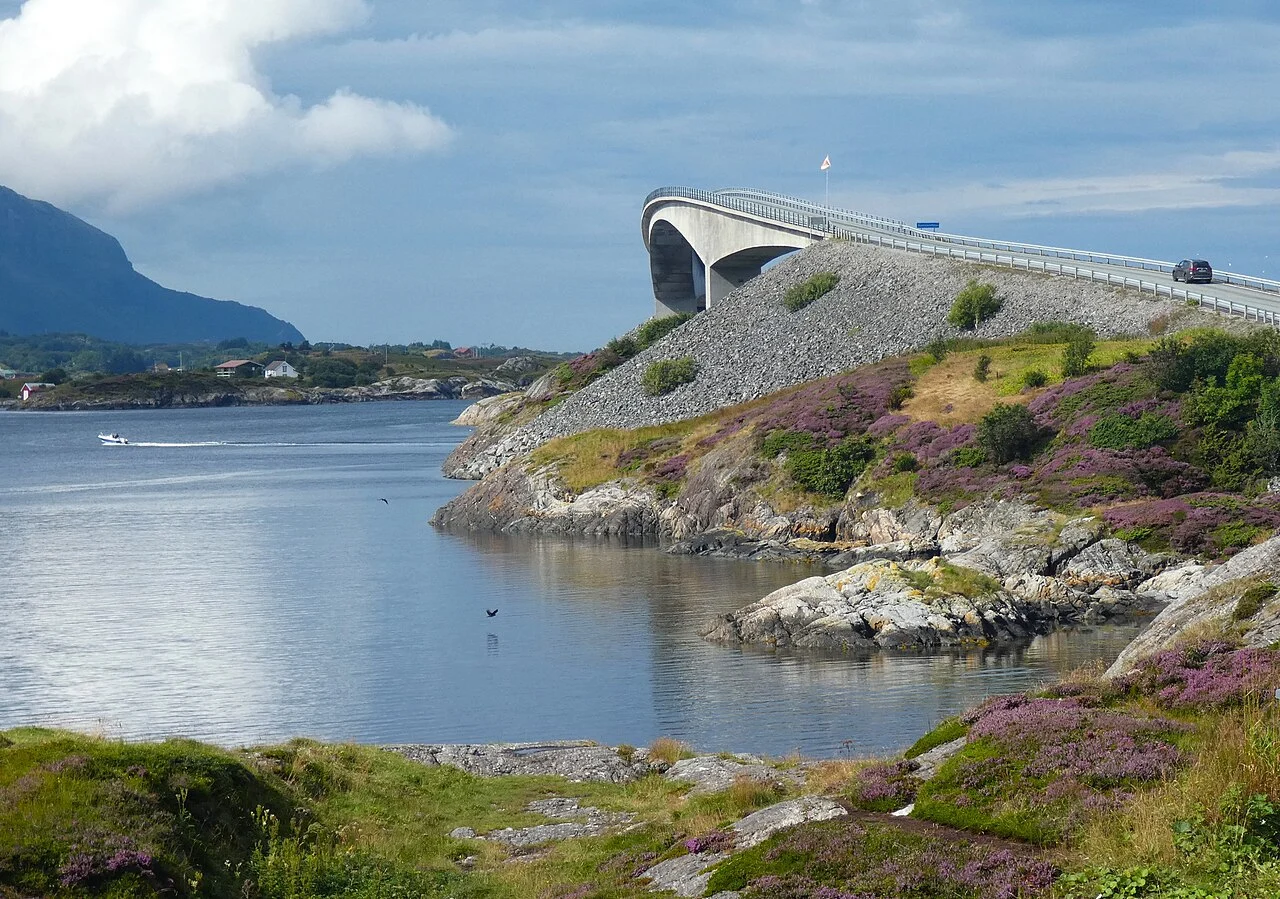
The Atlantic Road belongs to the coast beyond Molde and is best considered a road-trip day. Its bridges and low islands offer an open-ocean contrast to the enclosed fjord scenery. The appeal includes the wider coastal landscape and designated stopping places, rather than simply driving across a famous bridge. Plan the journey from your actual accommodation, not from a cropped map of the scenic section.
Use marked parking and pedestrian areas for views. Drivers should concentrate on the road and stop safely before looking at the landscape or handling cameras. Strong wind, rain and spray can reduce the comfort of shoreline walks; dramatic conditions are not an invitation to approach exposed rocks. Check road and weather information and be willing to shorten the outing if conditions make lingering unpleasant.
For a balanced day from Molde, choose the Atlantic Road and one or two coastal stops such as Bud rather than adding a major hike. If you are continuing towards Kristiansund, this route can form part of an onward journey instead of an out-and-back detour. Allow time for food and breaks. The most useful itinerary is one that leaves you attentive on the return drive.
9. Midsundtrappene: choose an appropriate stair hike
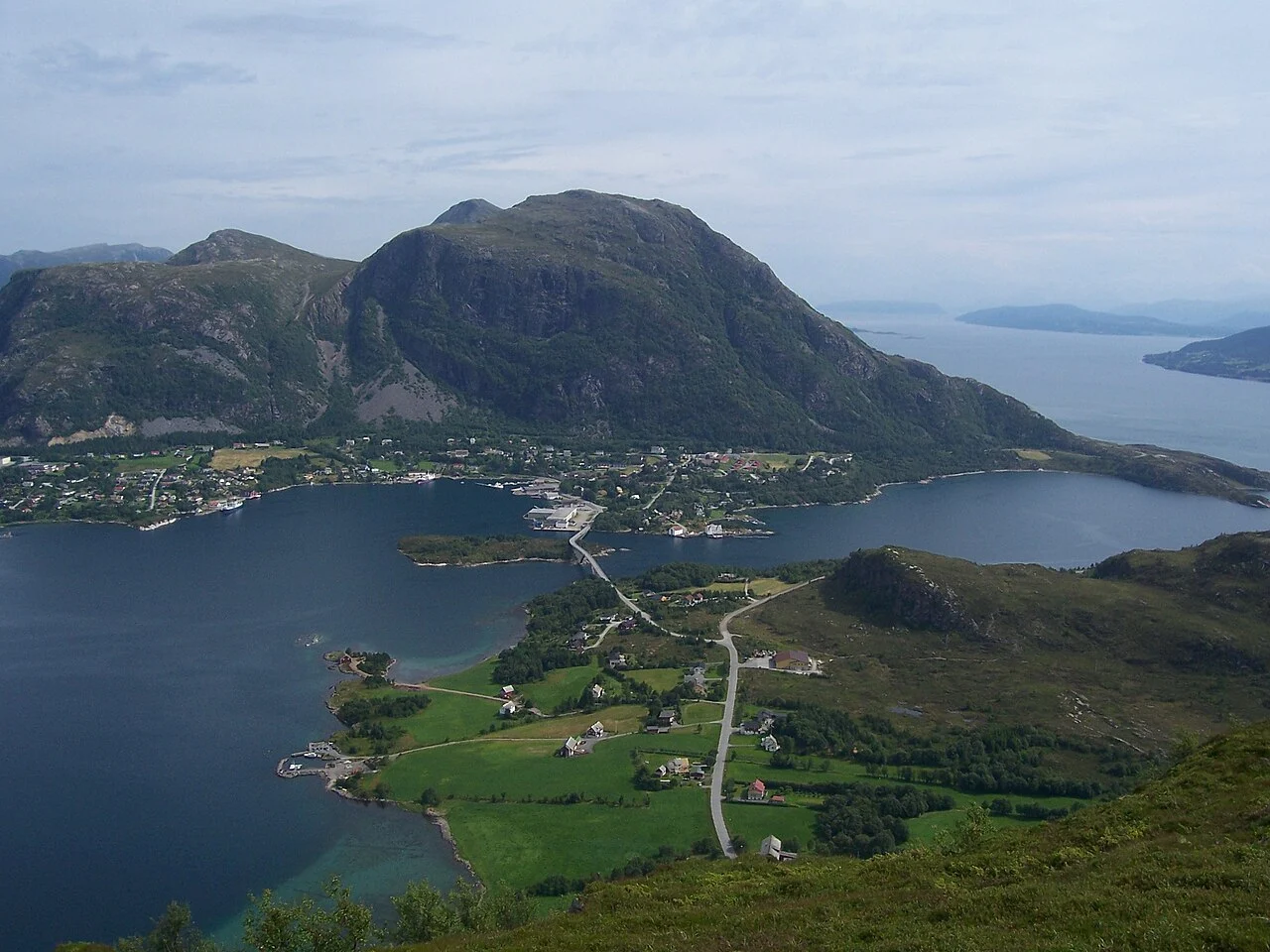
The Midsund area is known for substantial stone-stair walking routes with coastal views. These are excursions from Molde and should not be presented as casual central viewpoints. A stair-built route still involves effort, repeated climbing and a descent that can tire knees. Choose the particular route only after checking its distance, elevation and current conditions against your group’s abilities.
Arrange transport to the correct starting point and carry the equipment appropriate to a mountain walk. Wet steps, wind and poor visibility can change the experience significantly. A route that looks clear in a summer photograph may be unsuitable in snow or ice. Visitors who are unsure about fitness or exposure should seek local advice and choose a shorter alternative rather than feeling obliged to complete a promoted staircase.
Give this outing a substantial part of the day, including travel and recovery time. It is a better choice for active visitors with a clear-weather window than for someone trying to sample all of Molde in a single day. Keep the town museum or waterfront as the fallback. On a longer trip, alternating a physical day with a quieter cultural day makes the whole stay more comfortable.
10. Fjord-side downtime and local food
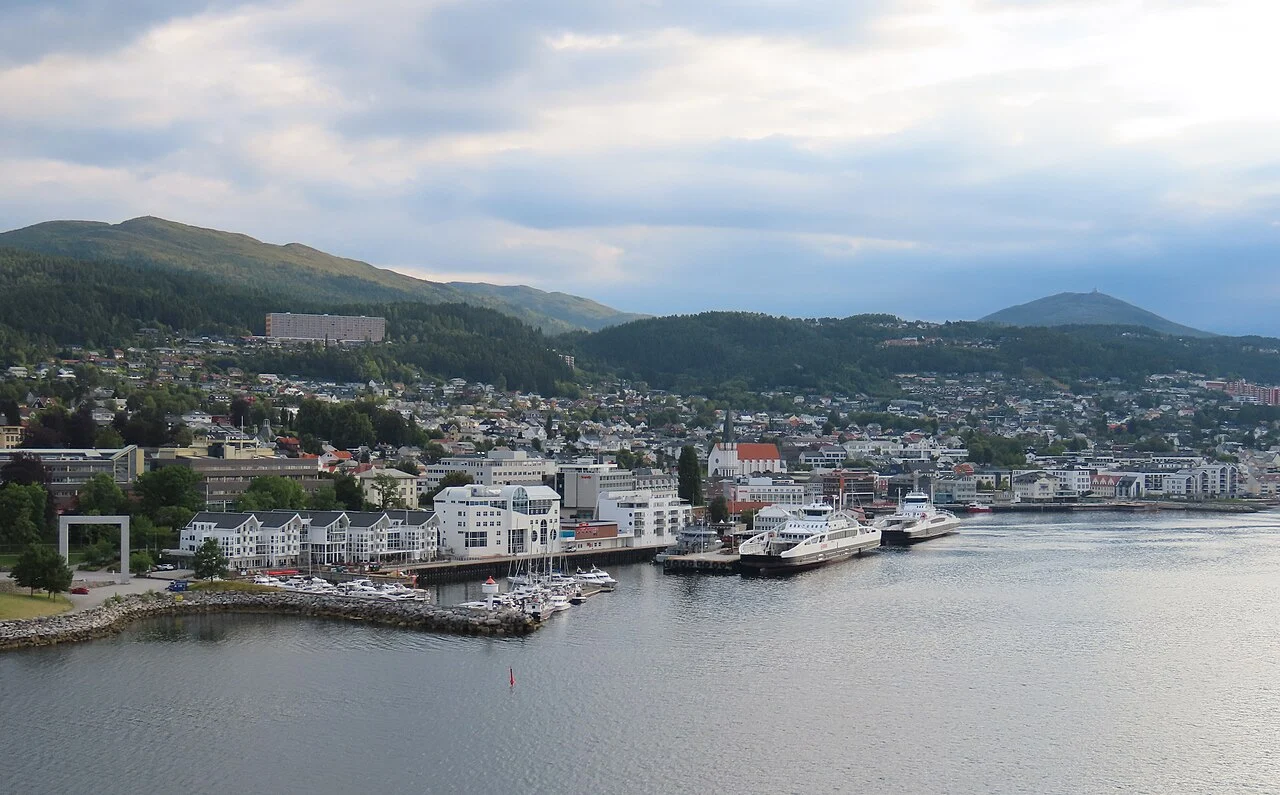
A useful Molde itinerary includes time to experience the town between attractions. A meal overlooking the water, a stop at a central café or an evening walk can provide the pause that a longer Norway road trip needs. This is an editorial suggestion rather than a claim that a particular venue is always available or offers the same menu throughout the year.
Choose restaurants according to current opening times, dietary needs and the part of town where you are staying. If you want local seafood, ask what is actually being served rather than assuming every coastal menu is based on the day’s catch. Reservations can matter for a specific venue or busy evening. Travellers self-catering should buy supplies before a lengthy island or coastal excursion.
This flexible time also protects the itinerary against delays. A cancelled boat, low cloud at Varden or a longer museum visit need not spoil the day if every remaining hour is not committed. Keep an evening unstructured and choose the waterfront when conditions are pleasant. Molde is a practical base precisely because an enjoyable stay does not require a distant excursion every day.
Realistic Molde itineraries
One day: the town and its panorama
Start with Sjøfronten and the cathedral area to orient yourself. Walk towards Romsdal Museum and give its exhibitions the main cultural block of the day. If visibility and conditions are suitable, continue towards Varden using an approach appropriate to your fitness; otherwise choose Reknesparken and a shorter Green Corridor walk. Finish with a meal in central Molde. This route deliberately excludes the Atlantic Road and Midsund: adding either would turn a pleasant town day into a transport exercise.
Two days: add one coastal experience
Use the first day for central Molde, the museum and a possible Varden visit. On the second, choose either Hjertøya, with confirmed boat and museum arrangements, or a road-based outing to Bud and selected Atlantic Road stops. These are alternatives rather than a checklist to complete together. Return with time for dinner and your onward arrangements. If the sea forecast is poor, a mainland coastal outing may offer more flexibility than an island day, but road conditions also need checking.
Three days: give walking its own day
Keep the town day and one coastal or island day. Use the third for a carefully selected Midsund stair walk if the group is equipped and the conditions are suitable. Allow travel, climbing, descent and breaks within the plan. A less active alternative is an extended museum visit and a longer lower-level town walk, using clearer weather for Varden. Keep the order flexible so the best visibility goes to the viewpoint or hike rather than to an indoor museum block.
Practical travel tips
- A car is unnecessary for a central Molde day but useful for Bud, the Atlantic Road and Midsund; verify individual bus and boat services if travelling without one.
- Separate the seasonal opening of museum interiors from access to outdoor grounds.
- Use a forecast for the actual coast or mountain outing, not only for central Molde.
- Reserve an unhurried return margin before flights, ferries or buses.
- Carry layers and suitable walking footwear; waterfront conditions and uphill paths feel different.
Frequently asked questions
Is Molde worth visiting?
Yes, especially if you want a small fjord town with a strong regional museum, accessible central walks and optional coastal excursions. It is less suitable if your only goal is to complete a major mountain hike without additional transport.
Can I see Molde in one day?
One day is enough for a useful introduction to the waterfront, museum and a viewpoint if conditions cooperate. It is not enough to include every island and coastal excursion in this guide.
Is Varden an easy walk?
The walking route involves climbing above town. Suitability depends on the route, fitness, weather and surface conditions. A transport-assisted approach may suit some visitors better; check access before relying on it.
Can I visit Hjertøya all year?
Do not assume a year-round visitor boat or open museum buildings. Check the current boat timetable and museum programme separately for your dates, including the return journey.
Should I drive the Atlantic Road from Molde?
It can be a worthwhile separate day, particularly when combined with a small number of coastal stops. If continuing to Kristiansund, consider incorporating it into that journey instead of returning to Molde.
What should I do when the weather is poor?
Prioritise operating indoor exhibitions at Romsdal Museum, central cafés and short sheltered walks. Keep Varden and exposed coastal walks flexible; low cloud and strong wind can remove much of their appeal.
Continue exploring Norway
Sources and current travel checks
Official tourism, museum and operator information informed this guide. Opening calendars, access, fares and transport can change; follow these sources for your travel dates. Suggested visit lengths and itineraries are editorial planning allowances.
Choose accommodation and plan Molde
Compare accommodation options alongside the places you want to visit. Check the journey to the property before reserving.