Kjerag and Kjeragbolten Hike: Route and Visit Guide
The Kjerag and Kjeragbolten hike starts high above Lysefjord. Plan a full day for the steep return route, the drive or shuttle to Øygardstøl and a weather backup.
Kjerag and Kjeragbolten at a glance
- Worth it? Yes for prepared hikers who want a demanding fjord hike.
- Time? Allow a full day including transport.
- Season? Check the mountain road, normally open from late May to around mid-October.
- Cost? Published hiking parking is NOK 300 per car.
- Transport? Drive, use a confirmed seasonal coach or book a guide with transport.
- Priorities. Check conditions, start with a time buffer and make the boulder optional.
What the Kjerag hike involves
The Kjerag and Kjeragbolten hike starts at Øygardstøl, above the eastern end of Lysefjord. The official route guide describes an approximately 11-kilometre return hike and gives five to six hours as a planning figure. Treat that as the walking day around which you build the rest of the trip. A long lunch, a queue near the boulder or a slower descent can take the total beyond that estimate. The journey to the trailhead and back is extra.
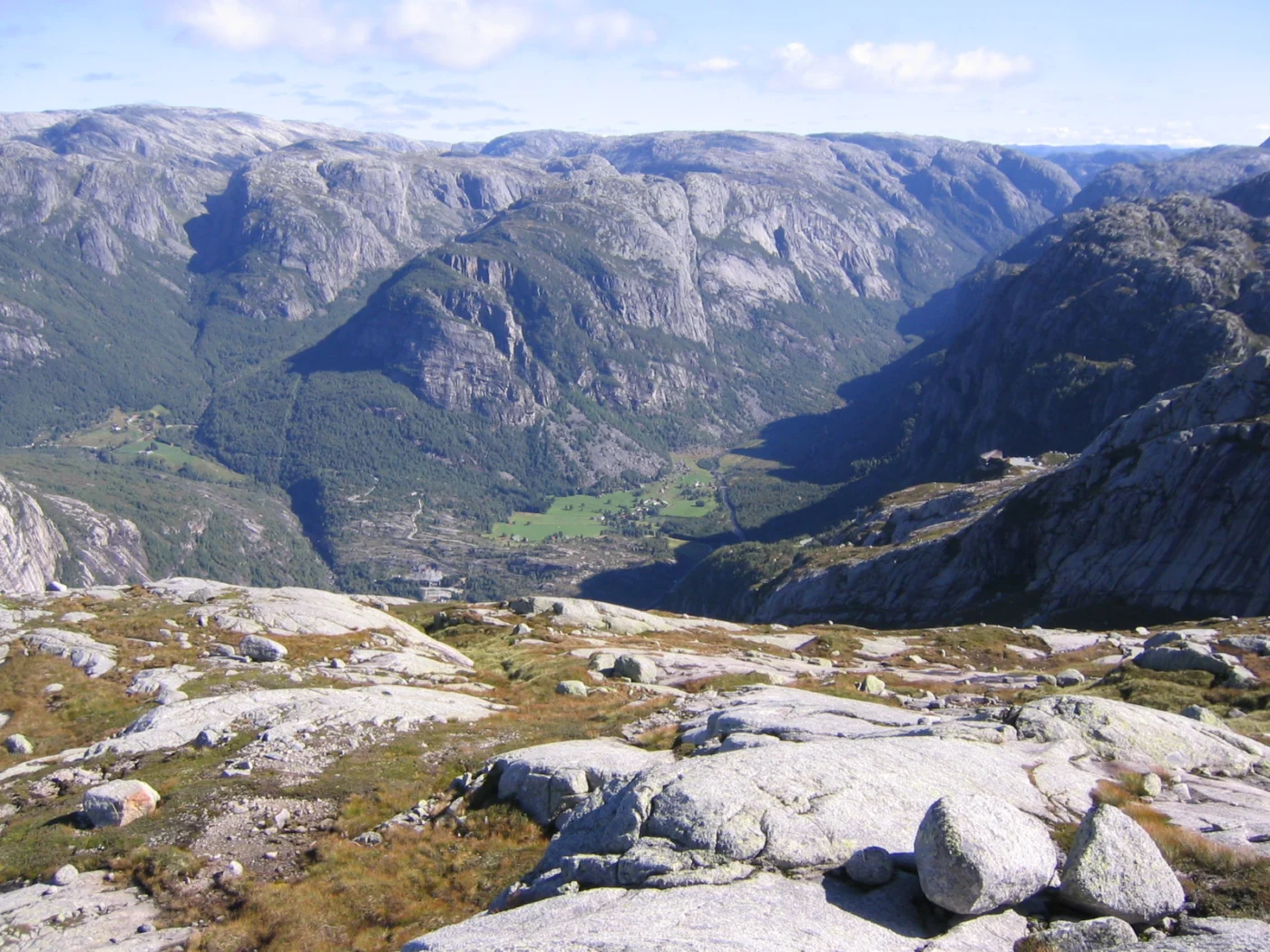
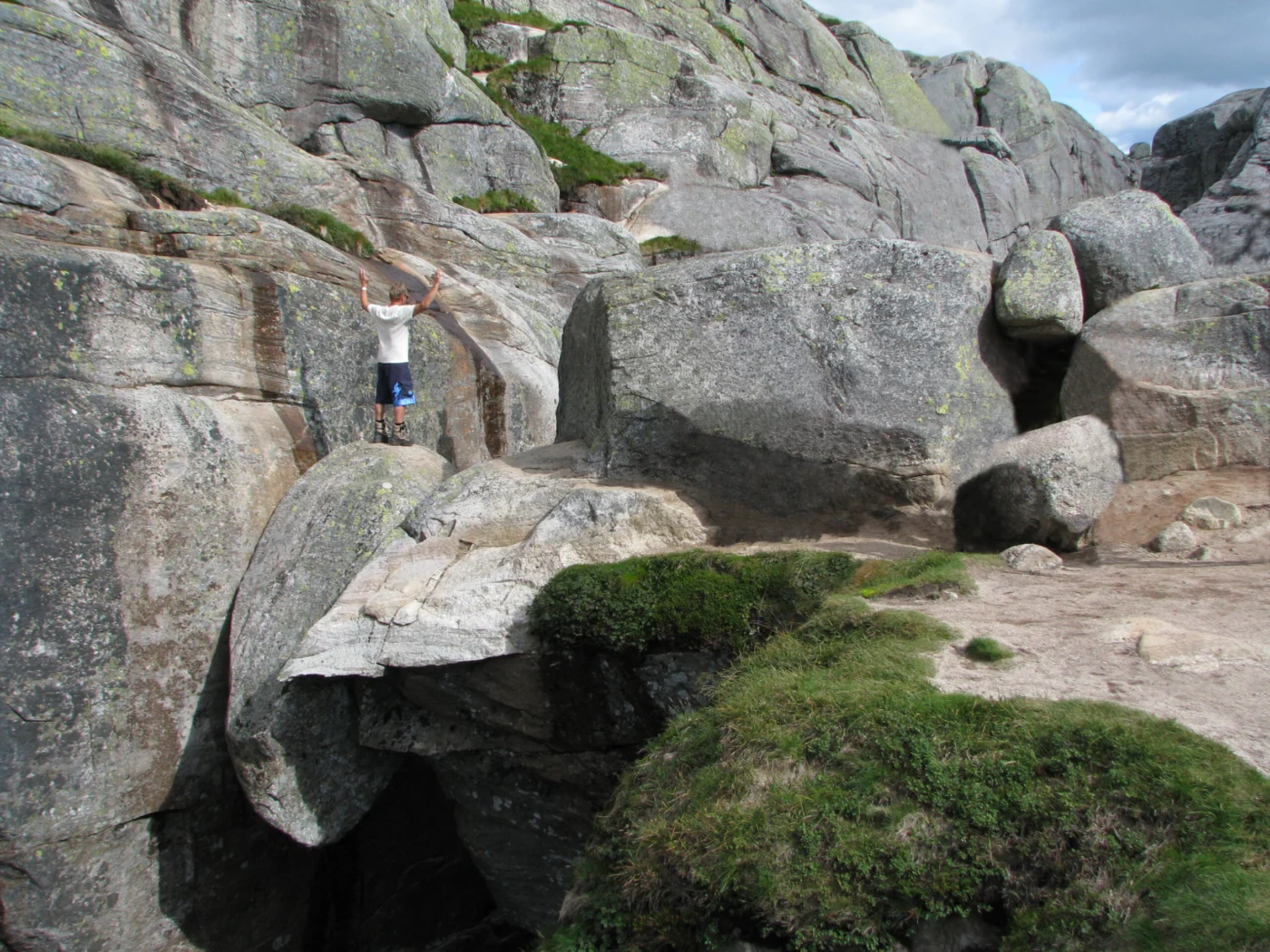
The walk crosses several rises and dips before reaching the plateau. You climb on the outward leg and climb again in places on the return. The surface alternates between rock and uneven mountain ground, with chains on some steep sections. Someone who is comfortable walking for six hours on level ground may find the repeated descents much harder. Talk through the steep sections with your group before committing to a bus or guide booking. If people are unsure, a guide or a lower-level outing can make the day more enjoyable.
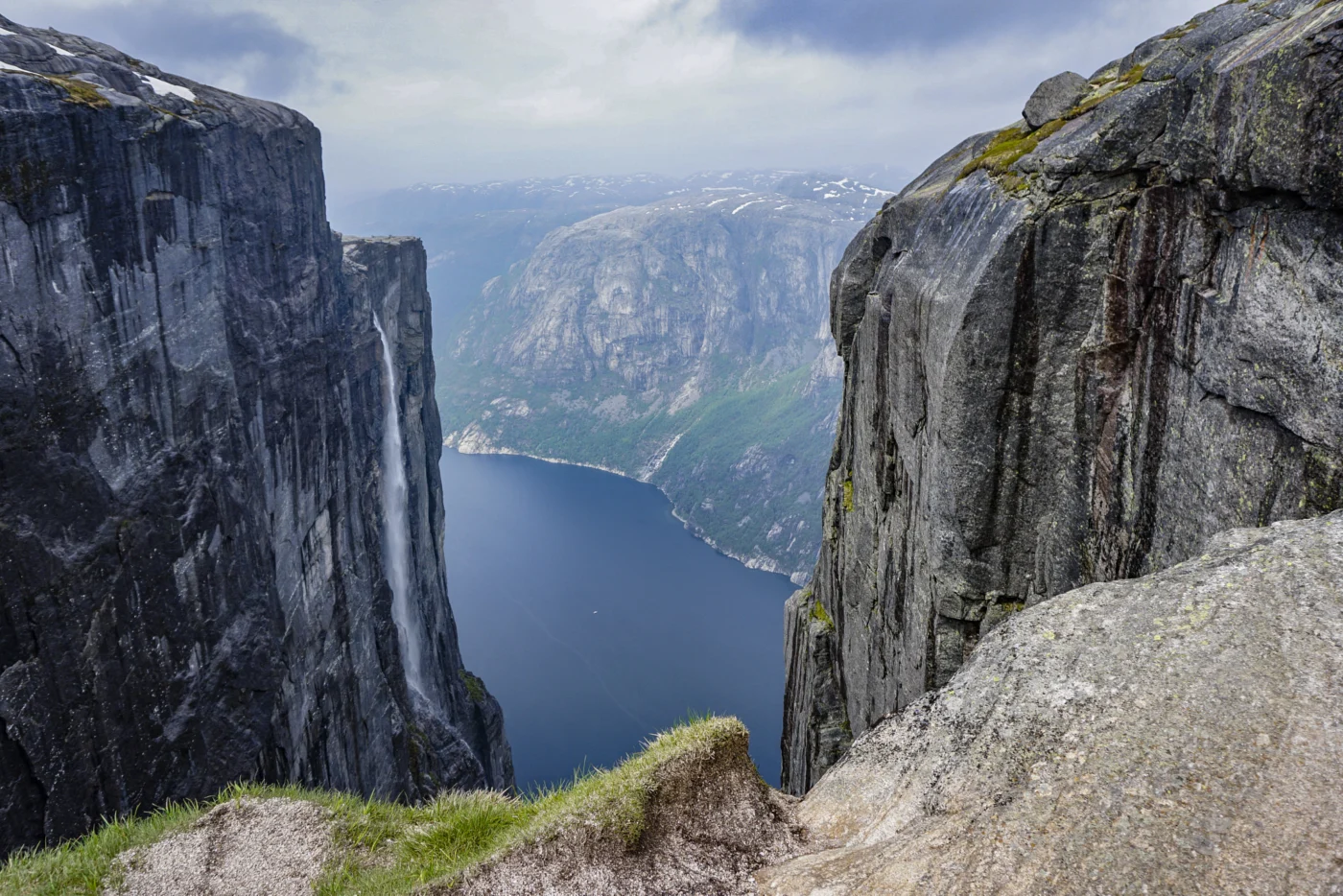
The reward is the scale of Lysefjord and the landscape above it. On a clear day, the contrast between the fjord and the plateau gives a sense of how high you have climbed. Low cloud can hide that view while leaving the walking just as strenuous. Decide whether the hike would still suit your party in mixed weather and whether you would be happy with the plateau or another suitable stopping point as your destination.
Reaching Øygardstøl
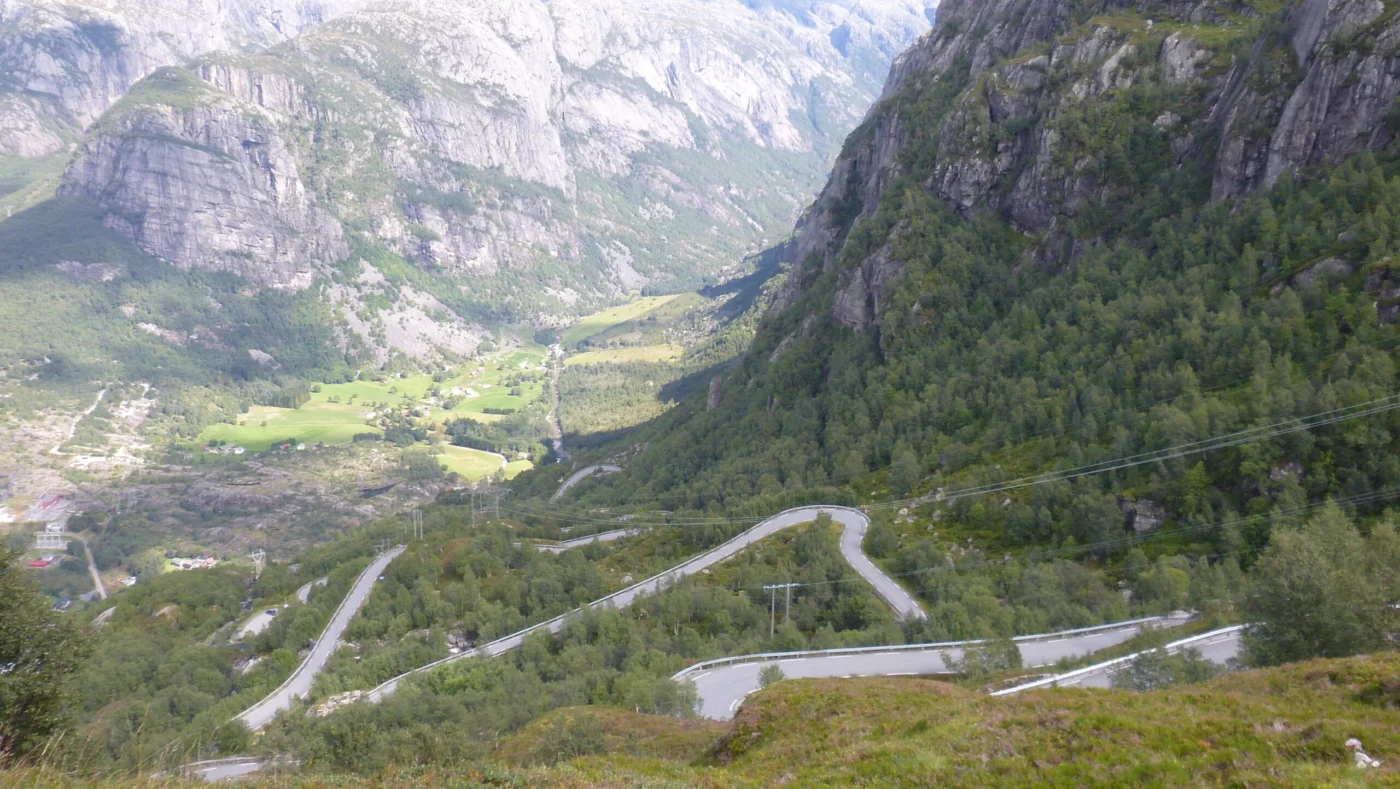
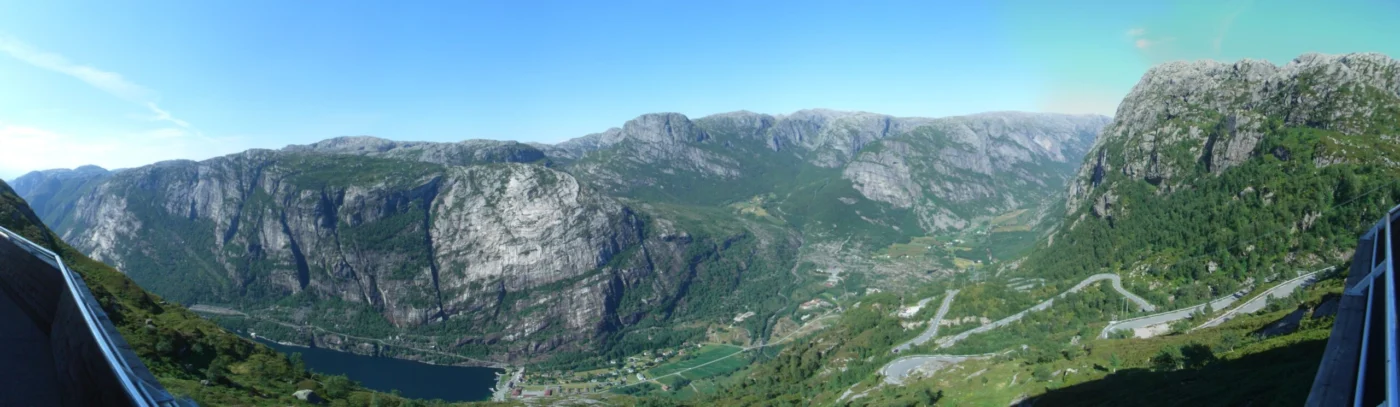
If driving, navigate to Kjerag Parking at Øygardstøl. Lysebotn village is down at the water and is a different destination. The road between the village and the parking area climbs through a series of hairpin bends. If you approach from the inland side, check that the route you choose actually reaches the trailhead on your date. A route suggested by a map can include a seasonal road or a boat service that does not run at the time you need.
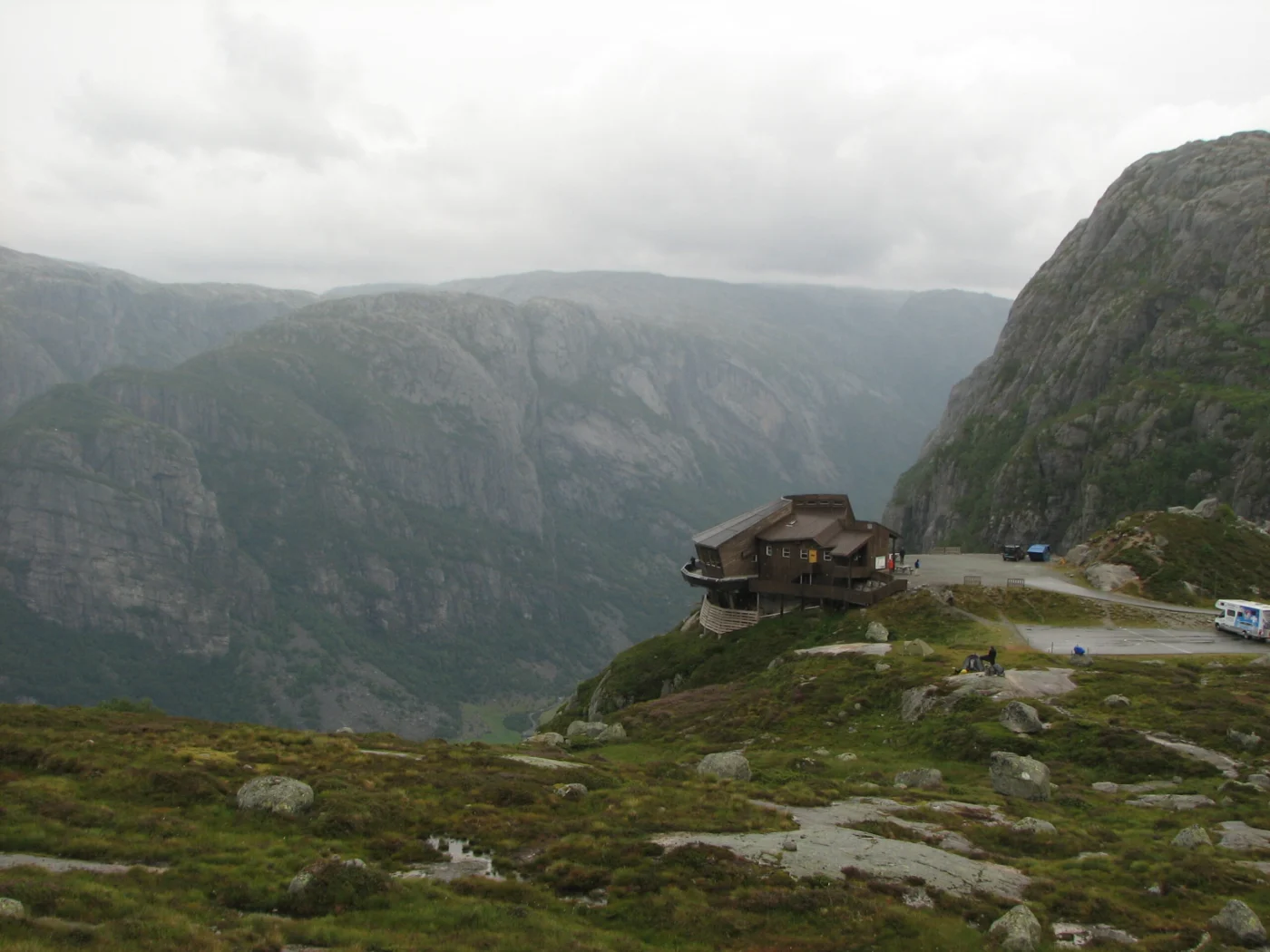
Lysefjorden 365 lists the Kjerag car park fee at NOK 300 per car for hikers. Confirm the current rate and facilities on the official page. Allow time to park, use the facilities if open and organise equipment before starting. Set your target start time using the daylight window and the pace of the slowest person. Also leave a margin for the drive home. The time you finish walking is only one part of a full day on the road.
Without a car, compare a seasonal return coach from Stavanger with a guided outing that includes transport. Visit Norway’s Kjerag Express listing describes a coach that drops passengers at Øygardstøl and returns later the same afternoon. That is a self-guided hike with a fixed pickup. Check the exact timetable and ask what happens if you turn back early or are delayed. A guide can advise on suitability, but the booking may have its own minimum requirements and weather policies.
Staying in Lysebotn and arriving by boat
An overnight stay in Lysebotn can reduce travel on the hiking day if you arrange the uphill transfer. Check accommodation, food and transport together. A room by the waterfront is convenient for a boat arrival, while Øygardstøl remains several kilometres away by road. Do not assume a ferry ticket includes that final leg or that a shuttle will wait for an unplanned late arrival.
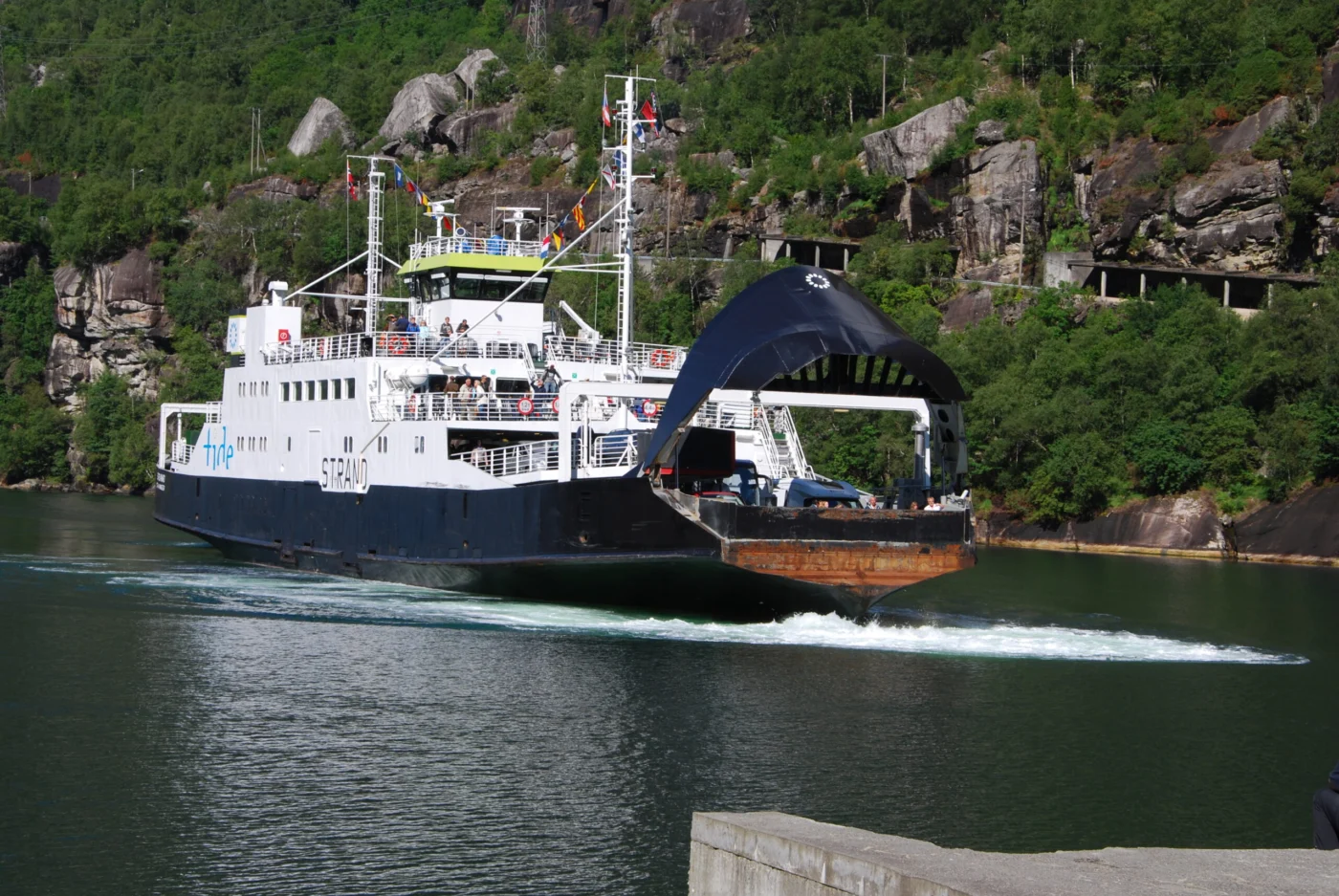
Visit Norway listed a seasonal Lysebotn–Kjerag shuttle at NOK 250 per leg in 2026. Use that as a budget example and check the provider for the current timetable, pickup locations, booking and fares. Arrange both legs in advance if you need a specific return. If arriving by ferry, check which quay the vessel uses, whether it takes passengers or cars, and whether it sails on your date. Check transfer compatibility in both directions before paying for a room or boat ticket.
A boat trip is also a reasonable stand-alone way to see the fjord. That option can suit a mixed group, especially if some people prefer to avoid steep rock. Compare the departure harbour and vessel type using the Norway RIB safari guide or check a larger sightseeing vessel for more shelter. A sailing to the inner fjord can also be affected by conditions, so keep an indoor alternative if the weather is unsettled.
Season, daylight and changing weather
The official Kjerag site describes normal road access from late May to around mid-October. These are typical dates and depend on conditions. An open road means you can reach the parking area. Ask separately about snow, ice, visibility and suitability on the walking route. A warm day in Stavanger can coincide with cold or poor conditions above Lysebotn. Check the forecast for the mountain and use local information before committing to the hike.
A midseason visit usually gives you more daylight to work with, but a fixed coach return still limits the time available. If driving, aim to start early enough to have a margin for the walk and the journey after it. In late season, build the day around shorter daylight and cooler conditions. If you are visiting outside normal access dates, look for a different outing that suits current conditions rather than building your itinerary around the standard summer route.
Pay particular attention to rain, strong winds and low cloud. Rock can become slippery, and poor visibility can remove both the views and the visual cues you expected on the plateau. Check the official trail guide and the Norwegian Public Roads Administration traffic service before leaving. Ask a local guide or trail staff about the day if you are unsure. If conditions are unsuitable, change the plan while you still have the option of spending the day elsewhere.
The boulder and the return walk
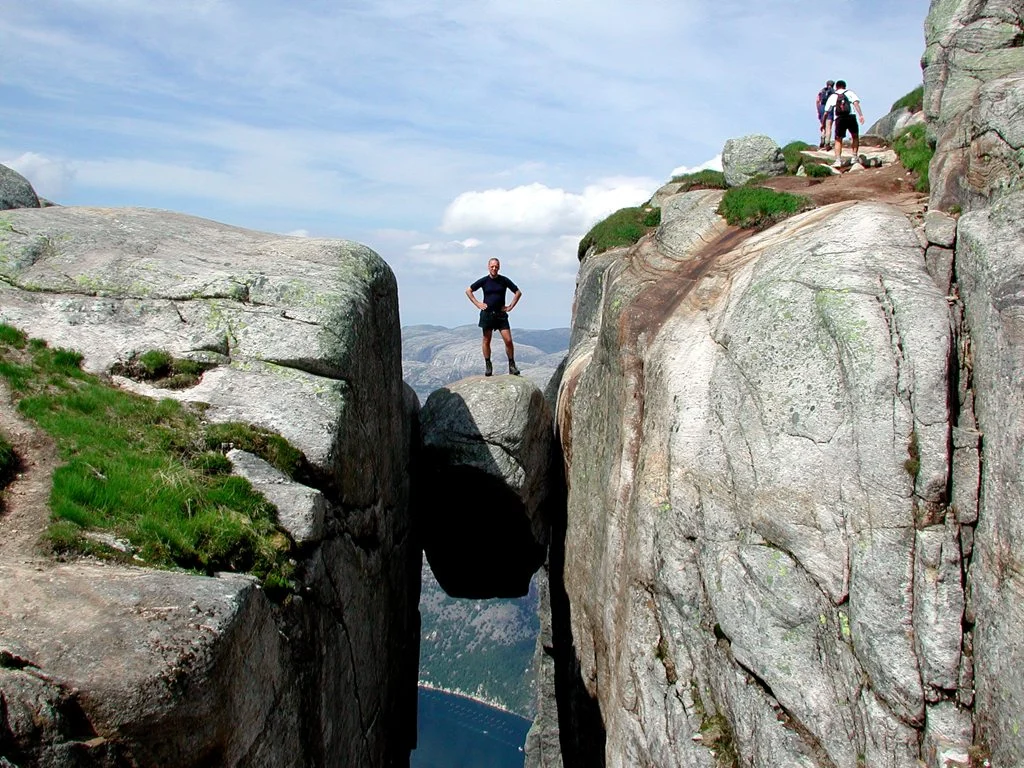
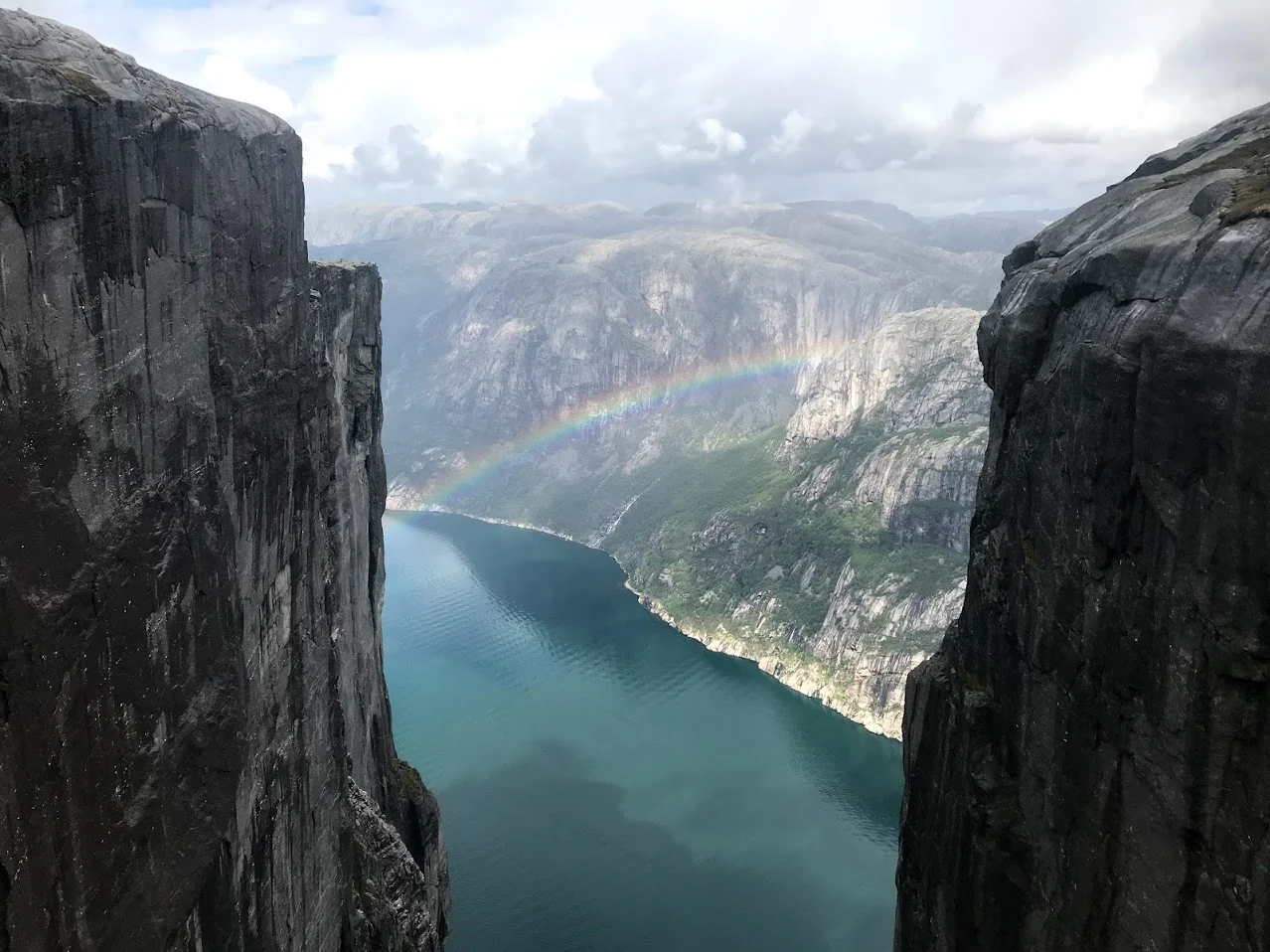
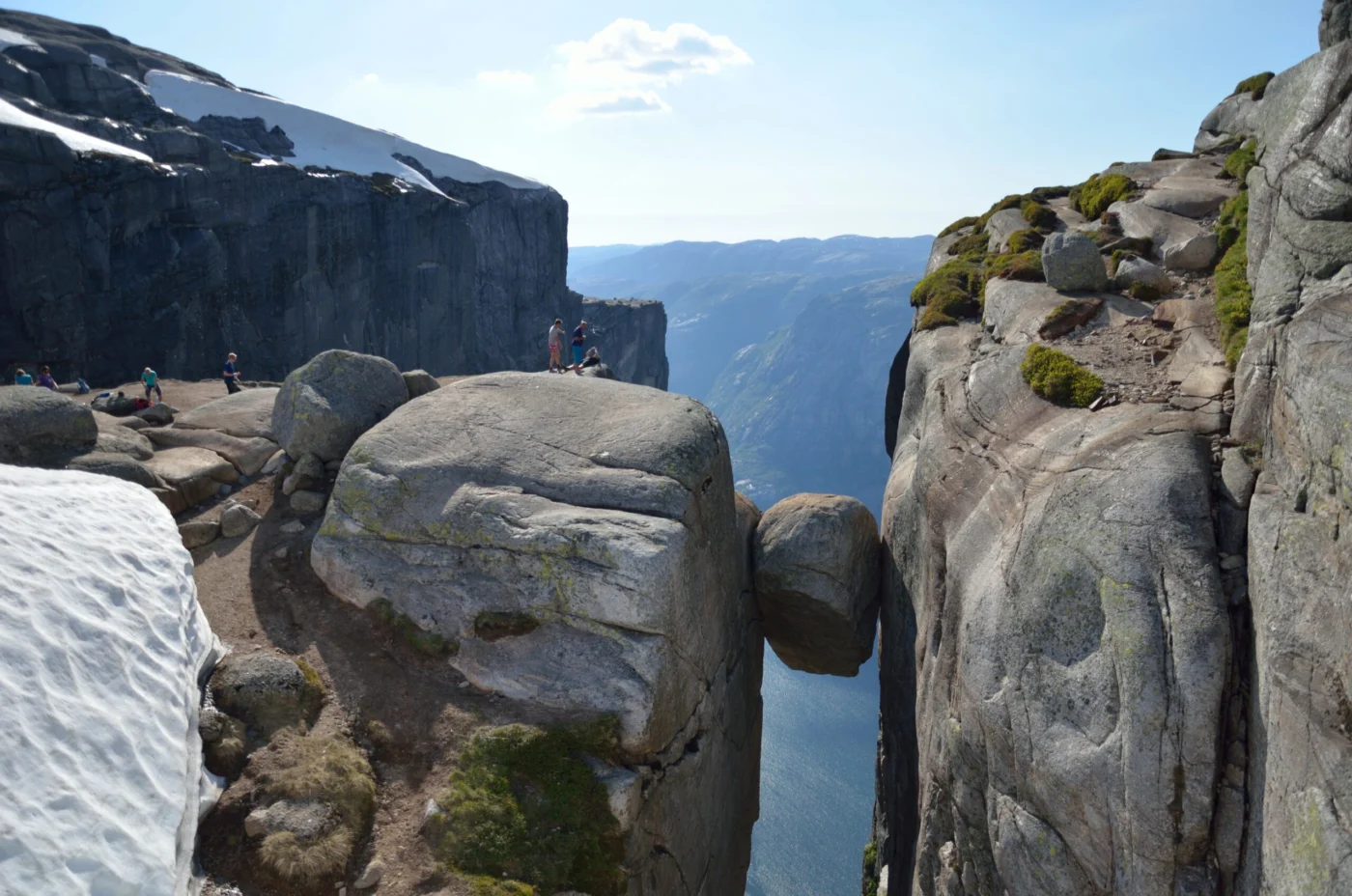
Kjeragbolten is a boulder wedged in a cleft above the fjord. Decide in advance whether your group is interested in the hike, a distant view of the boulder or simply time on the plateau. You can make the boulder optional and still have a worthwhile mountain day. In poor visibility or gusty weather, stay away from exposed ground and follow current local advice.
Leave yourself a firm turnaround point that allows for your pace, transport and daylight. Judge it before stopping near the boulder. It is easy to give away the return margin while waiting for a photograph or trying to catch up with friends. Keep the group together and allow extra time if people are tired or descending slowly. Consider turning back well before the plateau if the first part of the route is taking much longer than expected.
Bring food and water, a map or offline navigation, footwear suitable for steep rock and warm, windproof and waterproof layers. Confirm the guide’s equipment list if booked. Plan for breaks where your group can stop without blocking the trail, and carry your rubbish out. If you are uncertain whether the route matches your group, use the local guide service for a suitability assessment before setting off.
One-, two- and three-day itineraries
One day from Stavanger. Use the early morning for the drive or your booked coach. Spend the main daylight block at Øygardstøl and on the trail. Allow five to six hours for the walk plus time for breaks and a safe return. With a coach, agree on a turnaround time that gets everyone back before pickup. Use the evening for the return and dinner in Stavanger. If mountain conditions make the route unsuitable, stay in the city or take a fjord outing only if the operator confirms it is running.
Two days with a Lysebotn overnight. Use the first morning for travel, then spend the afternoon around the village after confirming your trailhead transport. Check food opening times and have dinner near your accommodation. On day two, take the arranged transfer in the morning, reserve the afternoon for finishing the walk and return to the village or continue by road after collecting your bags. Keep a later departure available where possible. If the hike is cancelled, stay by the fjord or return to Stavanger using confirmed transport.
Three days with a weather window. Use day one to reach your base and check road access and the weather. Explore locally in the afternoon and confirm the next morning’s plan over dinner. Use the better of days two and three for Kjerag, reserving the morning and afternoon for the walk and the evening for return travel or a nearby meal. Use the other day for a lower-level outing or the city. If you want to add the Preikestolen hike, give it a separate day and use its own trailhead, weather and transport information.
What to book and how to budget
For an independent drive, add the car park, fuel and any ferry, rental or accommodation costs. Compare that with the total for the coach or a guided package for your group. Ask whether the advertised price covers pickup and return, and where each happens. If the bus leaves you with less flexibility than you need, staying nearby or choosing a different outing may be a better fit.
Set the hiking date after checking access and transport, then keep other reservations flexible where possible. Pack food before leaving your base if you are relying on an early start or returning late. If you have only one full day, choose a backup that fits the base you have already booked. The Stavanger travel guide has city options for a day when the mountain is unsuitable.
Double-check the published hours for the car park facilities, any shuttle or coach, and your accommodation on the eve of the hike. Keep the operator’s contact details and meeting point available offline. A good Kjerag plan lets everyone choose a comfortable stopping point and still get back with time to spare.
Combine Kjerag with a fjord journey
Compare a guided Kjerag outing that combines hiking with a fjord cruise. Check the full itinerary, seasonal operating dates and return arrangements before setting aside the day.
View the Kjerag hike and cruise →
Check current dates, prices, meeting points and cancellation terms on Viator. Affiliate link: we may earn a commission if you book.
Related planning
Destinations for your trip
Questions and answers
How long does Kjerag take?
The local route guide gives about 11 kilometres and five to six hours for the return hike. Add breaks and transport time.
When should I go?
Plan within the normal late-May to mid-October road season and confirm access and trail conditions before leaving.
Can I get there without a car?
Check a seasonal coach from Stavanger or a guided trip with transport. From Lysebotn, confirm both directions of the shuttle.
What does it cost?
The published car park fee is NOK 300 per car for hikers. Allow extra for transport, food and any guide or lodging.
Do I have to stand on Kjeragbolten?
The plateau and fjord views are reasons to hike in their own right. You can skip the exposed boulder.
Is it worth going in poor weather?
Visibility, wind and slippery rock can change the day considerably. Ask for local advice and use a lower-level or city alternative when conditions are unsuitable.
Deciding between Kjerag and other Lysefjord outings
If your group has one good-weather day, start with the experience everyone wants to share. Kjerag gives you a long mountain walk above the inner fjord. A lower-level sightseeing day gives you more time to look at the shore, stop for food and adjust the pace. The right choice depends on walking experience and the location of your accommodation. A bus to one trailhead cannot be assumed to serve the other.
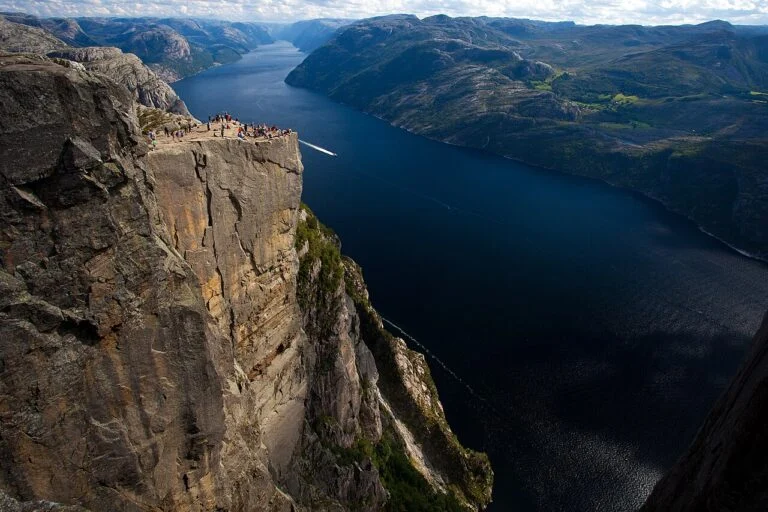
Preikestolen is also a mountain hike with exposed viewpoints, and it has a separate road approach. Compare the two trail descriptions and your confirmed transport before choosing which one to attempt. If you have two consecutive days and one party member is unsure about walking steep ground twice, schedule a fjord or city day between demanding outings where your trip allows. Both transport and time on your feet count toward fatigue.
For a party that wants to split, agree where and when to meet before leaving your base. A walker returning to the trailhead and a passenger returning to a quay may end the day far apart. Use a meeting point you can both reach, and plan what to do if either group is late. If mobile coverage is inconsistent, save booking details and the location offline. A meal near your shared accommodation is easier to shift than a reservation tied to a precise return from the mountain.
Plan for the return before you set off
Choose a transport option that fits your pace and dates. Make the day about the fjord and mountain terrain, and keep enough time to turn back well within your transport and daylight limits.
Sources and further reading
Check current access, prices and schedules with the official sources before booking.