WW2 Wreck Diving in Norway: 10 Essential Planning Decisions
By NorwayTop10 Editorial · Updated
WW2 wreck diving in Norway brings the naval history of the 1940 Narvik campaign into direct contact with cold-water diving. The appeal is real, but these are not ordinary sightseeing attractions. Depth, wreck condition, local restrictions and diver experience determine whether a visit is possible. This guide explains ten decisions that matter before you book, with practical alternatives for non-divers.
Page description: A detailed Norway wreck-diving travel guide covering Narvik history, permissions, equipment, dive planning, costs, safe itineraries and museum alternatives.
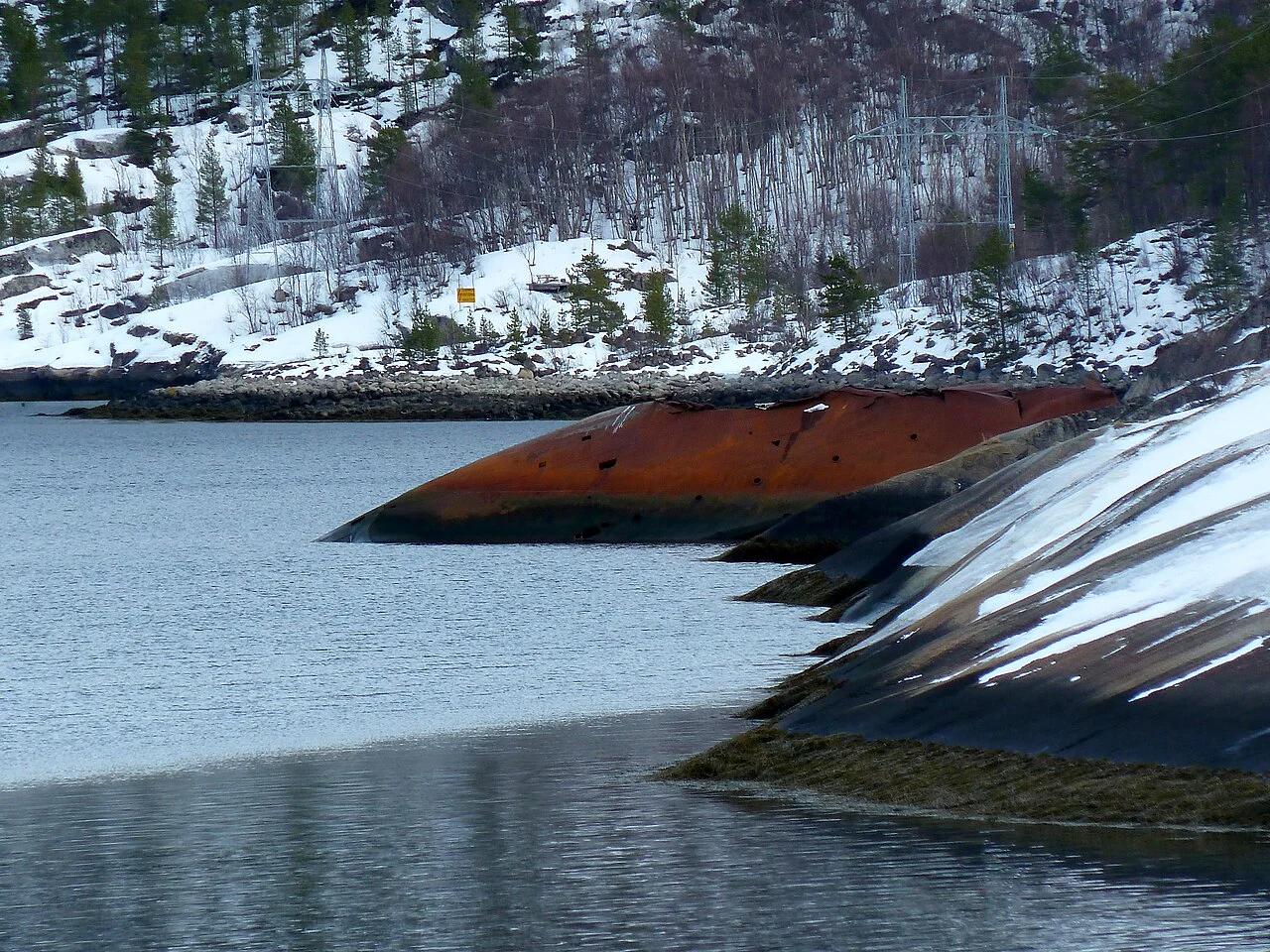
Quick answers: WW2 wreck diving in Norway
Worth visiting? Yes for suitably qualified divers interested in naval history; not for first-time scuba divers. Time needed: Two to three days with a weather reserve. Best time: Depends on operator availability and conditions; cold water year-round. Cost: High, with specialist diving and equipment quoted individually. Getting around: Base in Narvik and use an authorised dive boat. Top priorities: Narvik War Museum, permission checks, an operator-matched exterior wreck dive.
How we selected these ten priorities: They are editorial planning decisions, not a ranking of the most accessible wrecks. Safety, historical context, legal access and realistic travel logistics take precedence over dramatic dive-site names.
1. Narvik’s 1940 naval battlefields
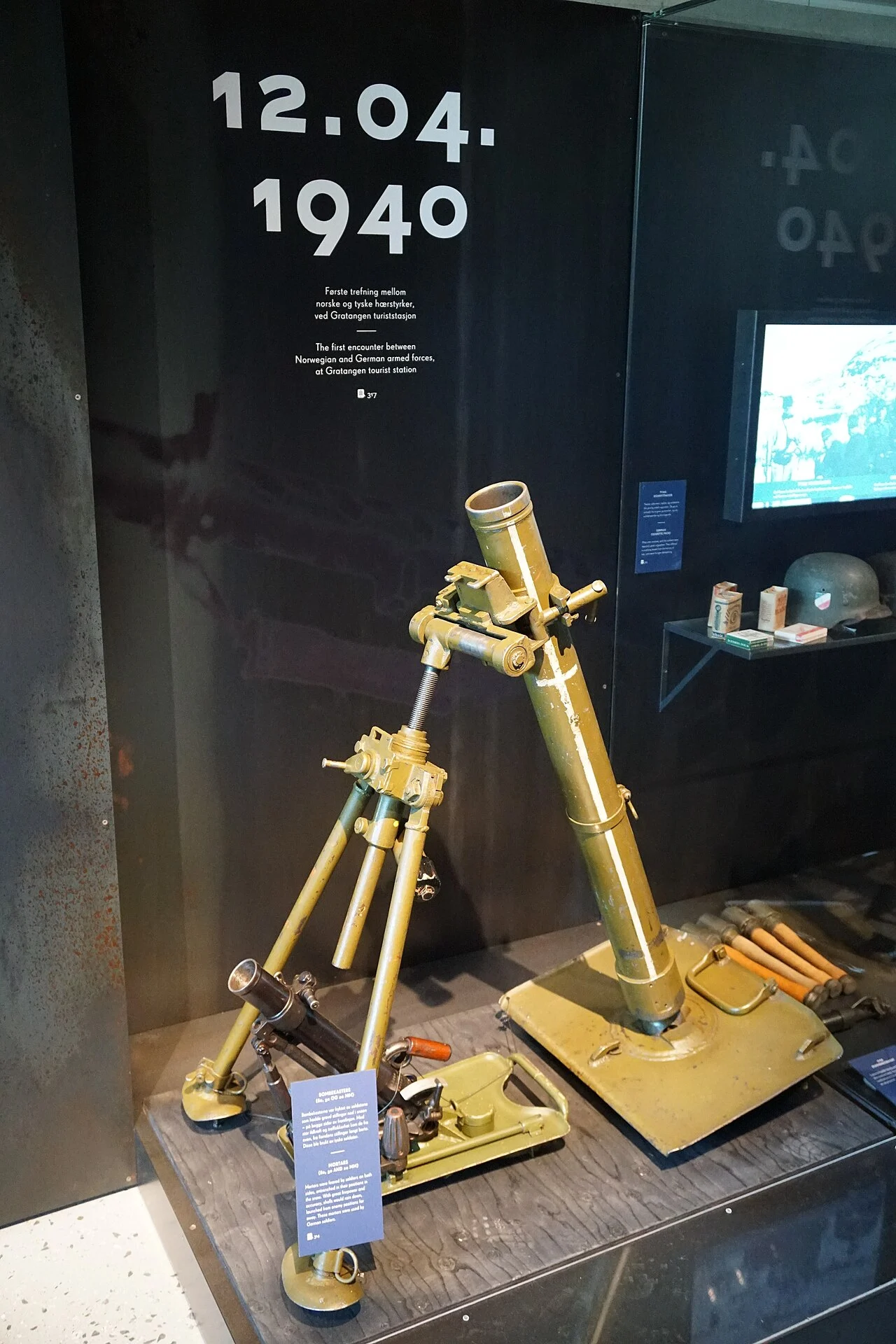
Narvik is the logical starting point for a Second World War wreck-diving trip because two naval battles took place in the area in April 1940. German and British vessels were lost during the campaign, and the fjords still carry physical evidence of those events. This is a working maritime landscape, however, not an underwater museum with unrestricted public access.
Start with a land-based history visit to understand why the ships were there. The geography matters: Ofotfjord is long, deep and exposed in places, while inner harbour waters involve vessel traffic and local restrictions. Knowing the story helps divers interpret what they may see without treating wrecks as collectible objects.
Base yourself in Narvik and allow at least a full day for history and operator consultation before a scheduled dive. Confirm the specific wreck, permission, depth, conditions and boat departure with a specialist. Do not assume every historically documented vessel remains accessible or suitable for recreational diving.
Practical details: Allow time for a specialist briefing; availability, access and costs vary. Verify current conditions and any required authorisation before departure.
2. The destroyer wrecks and site selection
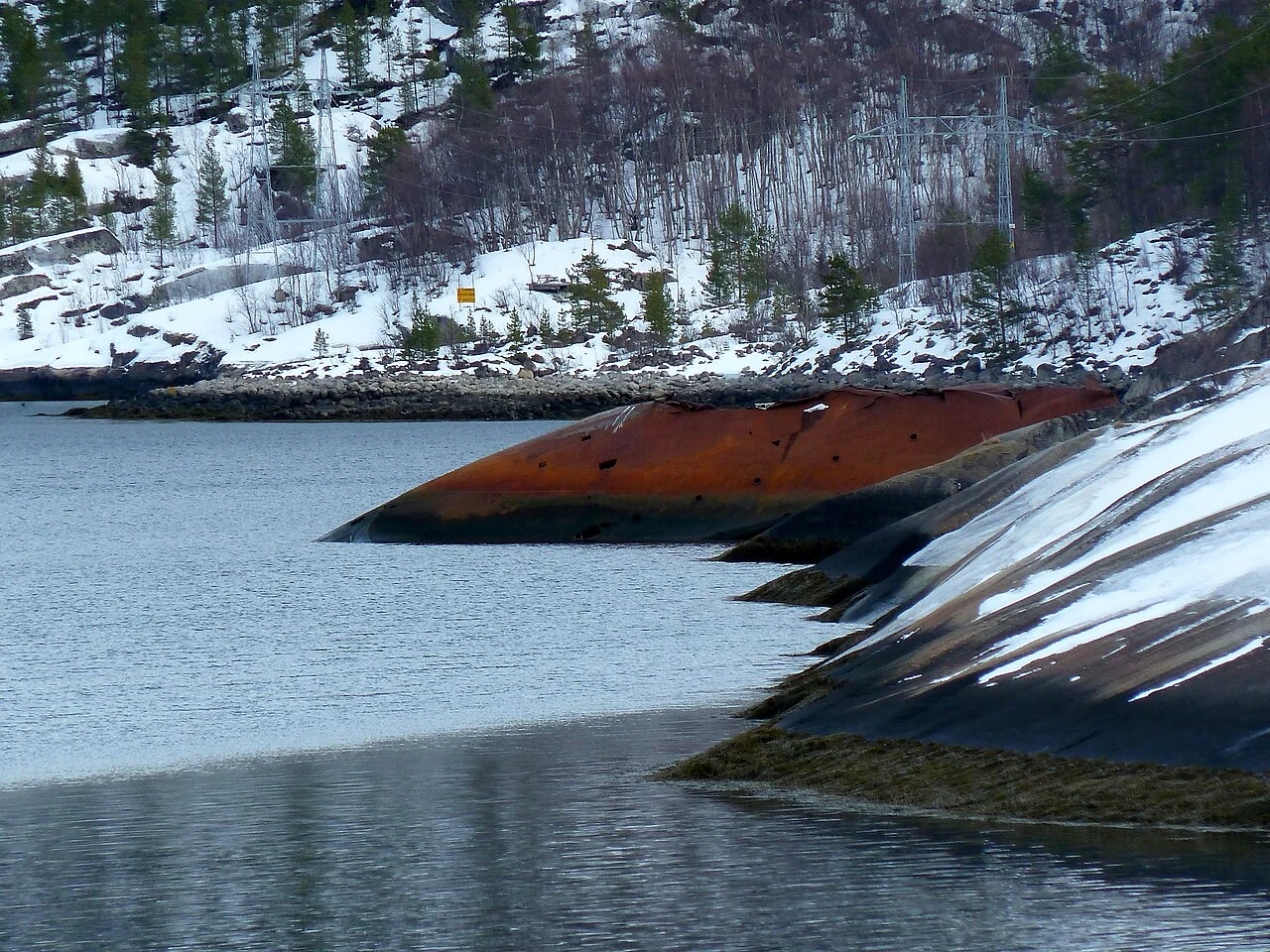
The destroyer losses associated with the Battles of Narvik are often the reason divers first research this destination. Yet a famous wreck name tells you almost nothing about whether a particular visitor can dive it safely. Wrecks differ in depth, structural stability, sediment, location and legal status.
Ask for a site briefing that distinguishes an exterior observation dive from any overhead or penetration plan. Look for intact structural features only from a safe distance, avoid loose plating and fishing line, and keep your attention on your buddy and instruments rather than a camera. Visibility can deteriorate rapidly if sediment is disturbed.
Request a written description of the proposed site and maximum planned depth before committing. Operators should be able to explain qualification requirements, expected conditions and the reason they chose that site. If the proposal exceeds your training, choose another dive or a land-based historical activity.
Practical details: Allow time for a specialist briefing; availability, access and costs vary. Verify current conditions and any required authorisation before departure.
3. Narvik Harbour permissions and navigation
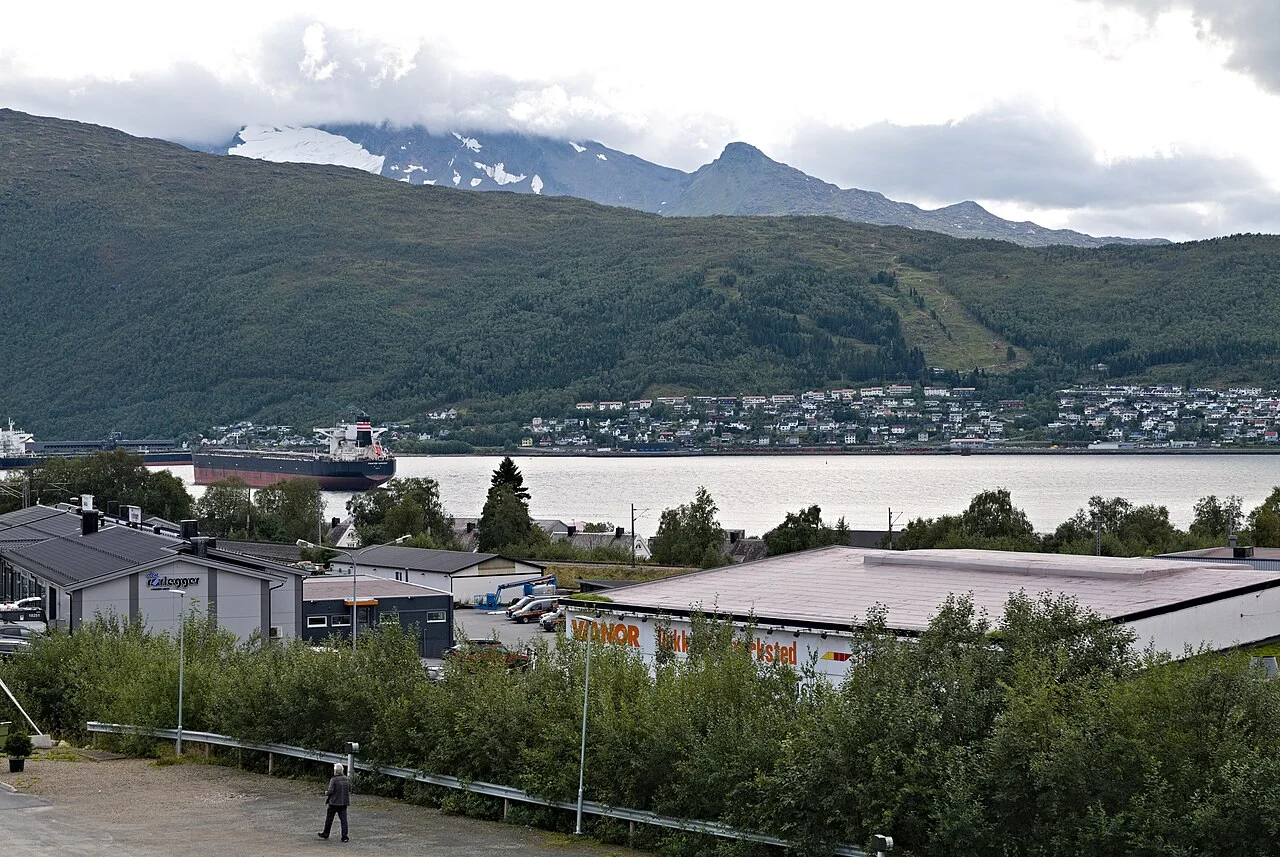
Some wrecks lie in or near operational harbour waters, where ship movements, security requirements and navigation rules can be as important as underwater conditions. Narvik Harbour publishes diving guidance and restrictions. Historical interest does not create a right to enter controlled water.
A professional plan identifies who is responsible for obtaining any required authorisation, how surface support will monitor traffic, and what happens if a commercial vessel movement changes the schedule. Independent divers should never assume that a publicly described wreck is an approved entry point.
Consult Narvik Harbour’s current diving information and have the operator confirm the exact area and date. Do this before paying non-refundable travel costs. A boat excursion or museum visit may be a better alternative when permission cannot be confirmed.
Practical details: Allow time for a specialist briefing; availability, access and costs vary. Verify current conditions and any required authorisation before departure.
4. Cold-water equipment and drysuit competence
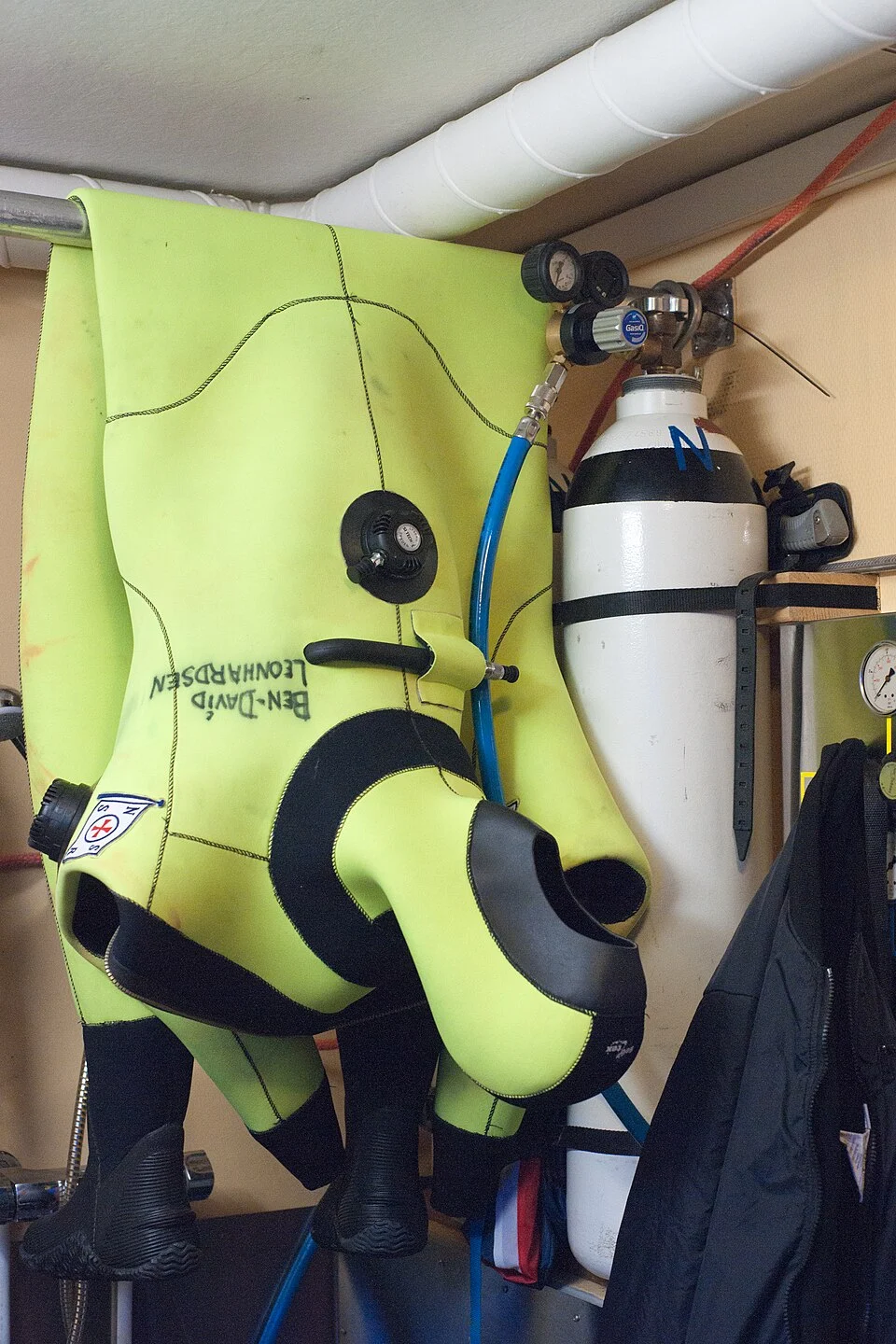
Norwegian fjords remain cold enough to make thermal protection central to dive planning, even during summer. Water temperature can vary by season and depth, and a warm day on shore does not indicate conditions below the surface. Cold exposure affects dexterity, breathing comfort and task loading.
A drysuit is useful only when the diver is trained and practised in its use. Check thermal layers, seals, hood, gloves, buoyancy systems and the compatibility of your regulators with expected temperatures. Carrying unfamiliar rental equipment directly onto a demanding wreck dive is an avoidable risk.
Tell the operator what equipment you own, what you need to rent and when you last used it in comparable water. Schedule a checkout dive if your recent experience is limited. Build time into the itinerary for fitting, weight checks and equipment changes rather than treating the first wreck descent as a test.
Practical details: Allow time for a specialist briefing; availability, access and costs vary. Verify current conditions and any required authorisation before departure.
5. Depth, decompression and certification limits
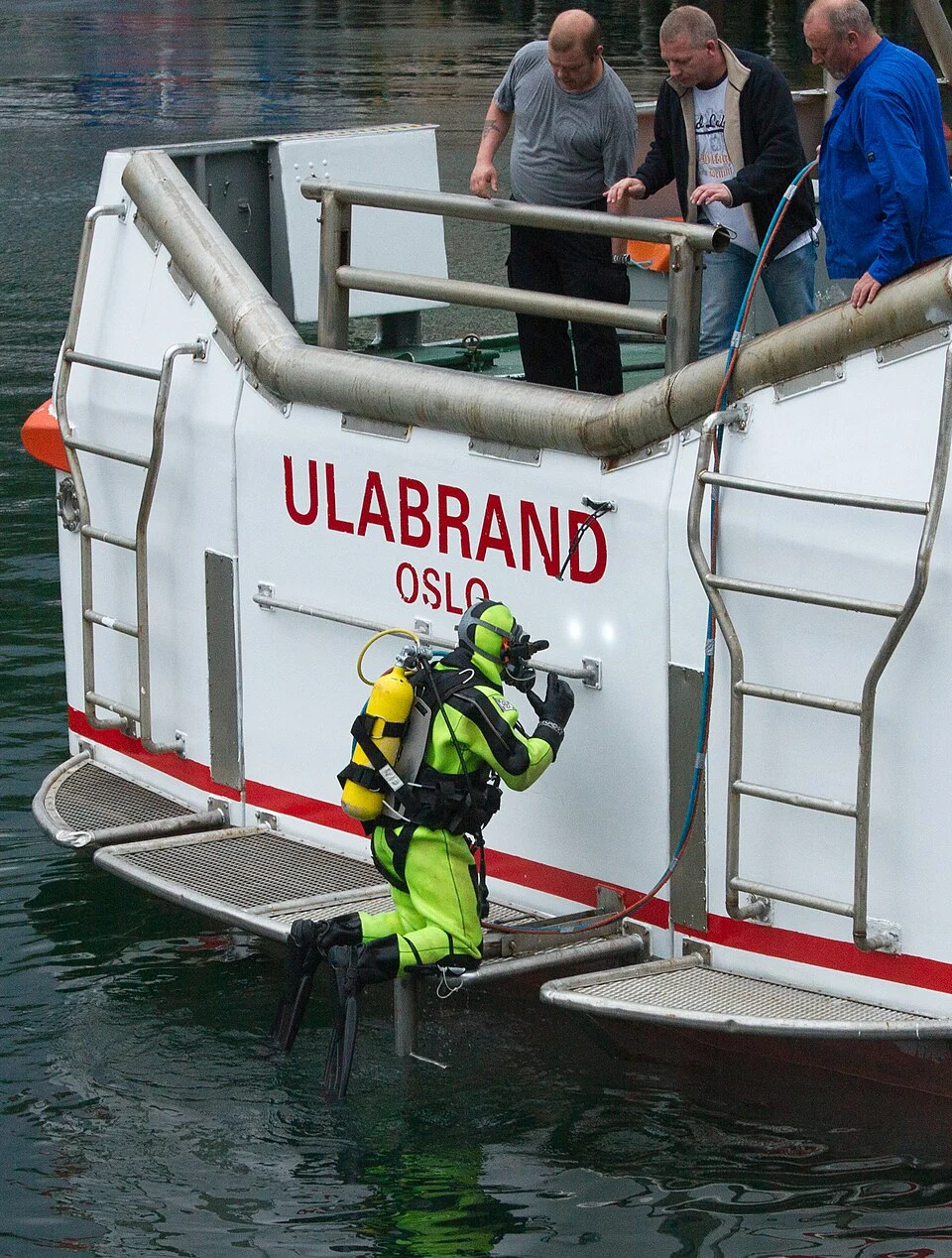
Many shipwrecks are beyond basic recreational profiles, but the depth of a particular site must be verified rather than guessed from the name. A diver qualified for open-water recreational diving is not automatically qualified for deep, decompression, mixed-gas or overhead wreck diving.
Before booking, compare the proposed depth, gas plan, ascent strategy and task complexity against your actual training and recent logged experience. A guided dive does not transfer responsibility for your limits to the guide. If a plan requires mandatory decompression or wreck penetration, it requires specific training and equipment.
Ask the operator to specify prerequisites in writing and disclose your qualifications accurately. Avoid pressure to extend depth or bottom time simply because you have travelled far. Choosing a shallower non-wreck dive is a successful decision when the proposed site is unsuitable.
Practical details: Allow time for a specialist briefing; availability, access and costs vary. Verify current conditions and any required authorisation before departure.
6. Wreck conservation and potential war graves
Wartime wrecks can be archaeological resources, places of remembrance and, in some cases, the final resting places of people who died in service. Their legal protections are not identical across sites. Some may also contain fuel, unstable materials or suspected unexploded ordnance.
Treat the site as a memorial rather than a salvage opportunity. Do not remove objects, enter unstable compartments, handle ammunition or attach equipment to fragile structure. Even apparently harmless souvenir collection damages historical context and may violate applicable law.
Ask the operator and relevant authorities about the wreck’s status and any no-disturbance rules. If an object appears hazardous, leave it untouched and report it through the operator. For visitors primarily interested in naval history, the Narvik War Museum provides a lower-impact alternative.
Practical details: Allow time for a specialist briefing; availability, access and costs vary. Verify current conditions and any required authorisation before departure.
7. Surface conditions and boat operations
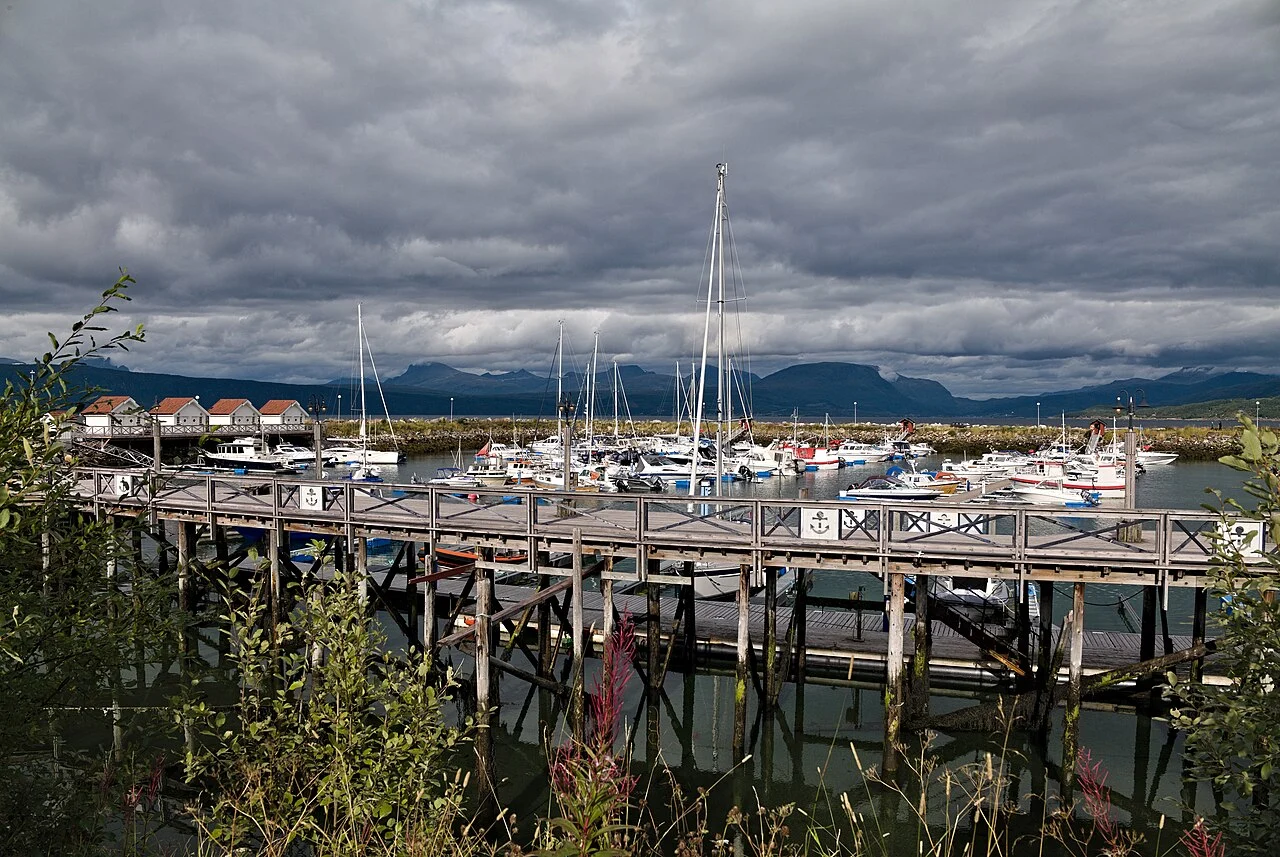
A fjord can look sheltered from a viewpoint yet present wind, current, cold spray or awkward surface conditions at a particular dive site. Dive availability is therefore a weather-and-operator decision, not a fixed attraction opening time. A scheduled departure is never a guarantee of entering the water.
Find out how the boat manages entry, recovery, diver counts and communications. Ask about the surface marker protocol, emergency oxygen, nearest appropriate medical response and procedures for a separated diver. A competent operator should be willing to explain the plan without promising perfect visibility.
Reserve at least one flexible day in Narvik if wreck diving is the main reason for travel. Confirm the cancellation and rescheduling policy before booking accommodation. Use a cancelled dive day for the museum, railway history or viewpoints rather than attempting an improvised independent descent.
Practical details: Allow time for a specialist briefing; availability, access and costs vary. Verify current conditions and any required authorisation before departure.
8. Photography without disturbing the site
Wreck photography is challenging in green or dark water because available light, particles and confined sightlines affect image quality. A striking photograph of a corroded hull can also conceal the effort required to reach it. The image should not dictate the dive profile.
Practise camera handling in simpler conditions first. Keep buoyancy, trim and buddy contact ahead of framing. Avoid finning close to sediment or structure, and never move artefacts to improve a composition. Exterior details and wide context shots can tell the story without entering a compartment.
Discuss camera restrictions and the planned dive sequence with the guide. Leave bulky lighting equipment ashore if it interferes with safe equipment management. Allow more time for photography only within the agreed gas, depth and ascent limits; do not extend a dive for one last picture.
Practical details: Allow time for a specialist briefing; availability, access and costs vary. Verify current conditions and any required authorisation before departure.
9. Narvik War Museum and non-diving companions
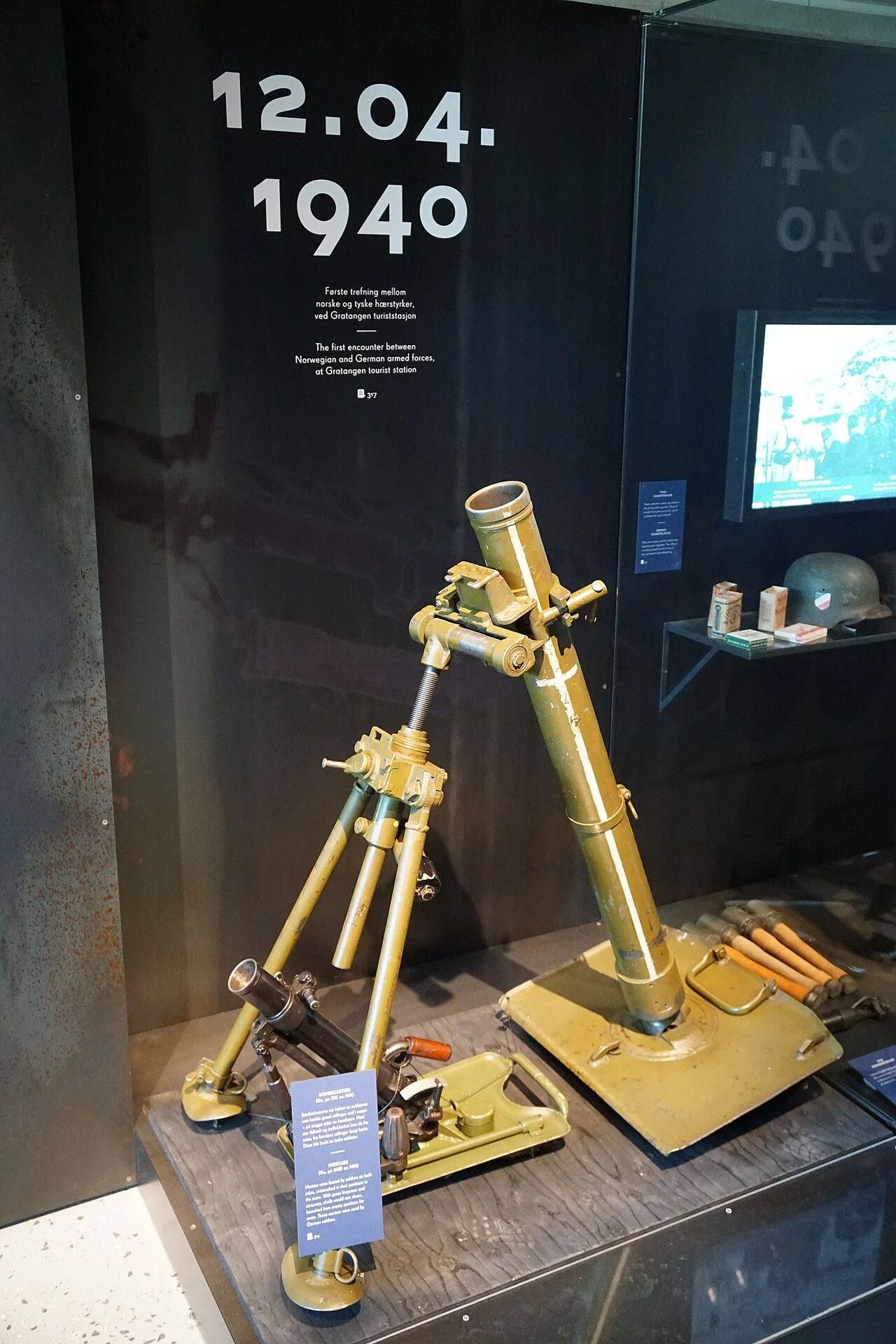
Narvik War Museum explains the 1940 campaign in a way that makes the underwater remains more meaningful. It is also the strongest fallback when weather, permissions or diver readiness rule out a wreck dive. A mixed group does not need to spend the entire holiday on a dive boat.
Visit the museum before the dive if possible, then use the town and surrounding viewpoints to understand the relationship between railway, harbour and fjord. Some local experiences interpret submerged history through remotely operated underwater cameras or drones, subject to current schedules.
Allow roughly one to two hours for a museum visit, depending on your interest; confirm opening hours and admission on the official site. Check whether any underwater-drone activity is currently offered rather than assuming regular departures. Pair the museum with a relaxed afternoon in Narvik.
Practical details: Allow time for a specialist briefing; availability, access and costs vary. Verify current conditions and any required authorisation before departure.
10. Choosing a responsible operator and trip budget
The most useful operator is not necessarily the one advertising the largest number of wrecks. A suitable provider screens qualifications, explains site selection, handles local permissions, maintains emergency procedures and is prepared to cancel when conditions are wrong.
Request a clear quote covering boat places, guiding, cylinders, weights, rental equipment and any extra training or checkout dive. Ask how the operator manages group size and divers with different experience levels. Compare the total trip cost, not just the advertised price of a single outing.
Prices vary with equipment, season, group size and itinerary, so obtain a current quote directly. Book specialist diving before committing to flights or long-distance rail travel. Consider the cost of an extra night, travel insurance that actually covers the planned diving activity, and a weather reserve.
Practical details: Allow time for a specialist briefing; availability, access and costs vary. Verify current conditions and any required authorisation before departure.
Best Narvik itineraries for wreck-diving travellers
One day: history first
Morning: Begin at Narvik War Museum, allowing time to understand the April 1940 naval battles and the geography of Ofotfjord. Confirm the museum’s current hours before travelling. If you have a dive booked, complete equipment checks and the operator briefing instead of squeezing a museum visit into the departure window.
Afternoon: Take a prearranged, appropriately qualified dive only if the operator confirms permission and conditions. Non-divers can explore central Narvik and harbour viewpoints. Do not combine a demanding dive with a rushed onward journey or an ascent to altitude without following the applicable post-dive guidance.
Evening: Stay in Narvik for a relaxed meal and review the next day’s weather. If diving is cancelled, use the day for the museum and land-based history rather than searching for an unvetted replacement site.
Two days: briefing, diving and flexibility
Day one morning: Visit the museum and meet the operator to discuss credentials, equipment and the selected wreck. Afternoon: Complete a checkout dive if required or take a guided local history walk. Evening: Confirm the next day’s boat plan and weather decision.
Day two morning: Join the scheduled wreck-diving excursion if all requirements are met. Afternoon: Rest, clean equipment and leave time for unexpected delays. Evening: Remain in town rather than relying on a tight connection. The operator should advise on safe intervals before flying or travelling to altitude.
Three days: the more resilient plan
Day one: Arrive, visit the museum and undertake equipment fitting and operator consultation. Day two: Schedule the primary dive, with a full afternoon for recovery and debriefing. Day three: Keep as a weather reserve or use it for the town, Ofoten railway history and a permitted land excursion. This is a more realistic structure than trying to collect several wrecks in a single day.
In winter, short daylight, snow and road conditions can affect land transfers and surface operations; the operator decides whether diving is viable. In summer, longer daylight helps with sightseeing but does not eliminate cold water or harbour restrictions. Do not assume a particular wreck can be visited in either season.
Practical planning tips
Getting there: Narvik is connected by road and rail via Sweden, while air travellers commonly use Harstad/Narvik Airport at Evenes and continue by ground transport. Check current connections and allow for winter disruption. Do not plan a same-day international arrival and technical dive.
Booking: Contact the specialist provider before buying non-refundable transport. Share certification, recent logged dives, drysuit experience, medical considerations relevant to diving and rental requirements. Ask about permits, maximum depth, gas, rescue provisions and cancellations.
Budget: Norway is expensive, and a specialist boat dive may involve equipment hire, guiding, accommodation and extra days. Compare a written total quote. Museum tickets and local transport have separate prices that may change.
Safety: Stay within training and experience; do not penetrate wrecks without suitable authorisation and qualifications. Avoid touching munitions, entangling debris or fragile metal. Check that insurance covers the exact planned activity, including any technical diving.
Season: Diving depends on weather, water conditions, vessel availability and permissions. Summer offers easier general sightseeing logistics; winter brings shorter daylight and more demanding travel planning. Neither season guarantees a suitable wreck dive.
Frequently asked questions
Is WW2 wreck diving in Norway worth it?
For suitably qualified cold-water divers with a serious interest in naval history, a properly authorised Narvik wreck dive can be rewarding. It is not an appropriate introductory scuba activity. Non-divers can explore the campaign through the museum and town.
How many days do I need in Narvik?
Allow two or preferably three days if diving is the primary purpose, including time for operator checks and a weather reserve. A history-only visit can fit into one day, subject to travel schedules.
Can beginners dive the war wrecks?
Do not assume so. Suitability depends on the exact site, depth, conditions and qualifications. Beginners should arrange separate entry-level training or an appropriate sheltered dive.
Are Narvik wrecks open to the public?
Not universally. Harbour restrictions, wreck-specific permissions, heritage considerations and operational conditions may apply. Confirm access with Narvik Harbour and the operator for the exact site.
What is the best season for wreck diving?
There is no universally reliable season. Operator schedules and safe conditions vary, while cold water is a factor year-round. Choose dates with flexibility and check directly before travel.
How much does a wreck-diving trip cost?
There is no dependable single price. Request a quote covering boat, guide, cylinders, equipment, training and cancellation terms, then add accommodation, transfers and a reserve day.
Sources and verification
Check Narvik Harbour’s diving guidance for local restrictions, Dive Narvik’s current operator information for operator-specific possibilities, and Visit Narvik for museum and visitor information. These links are starting points, not substitutes for current permission or a dive briefing. Reconfirm all prices, hours and schedules before travel.
Related Norway guides
Continue with WW2 sites in Norway, diving and snorkeling in Norway, things to do in Narvik, and Norway activities.
Conclusion
The best WW2 wreck-diving trip to Norway begins with site permission, suitable qualifications and a realistic weather buffer—not a checklist of famous ship names. Narvik offers a compelling combination of naval history and specialist diving, but the museum and surrounding landscape are worthwhile even when conditions keep everyone out of the water.
Editorial note: NorwayTop10 Editorial. Independent travel-planning information, not dive instruction. Some outbound recommendations may be commercial; see our affiliate disclosure and editorial policy.