10 Best Things to Do in Narvik: A Practical Travel Guide
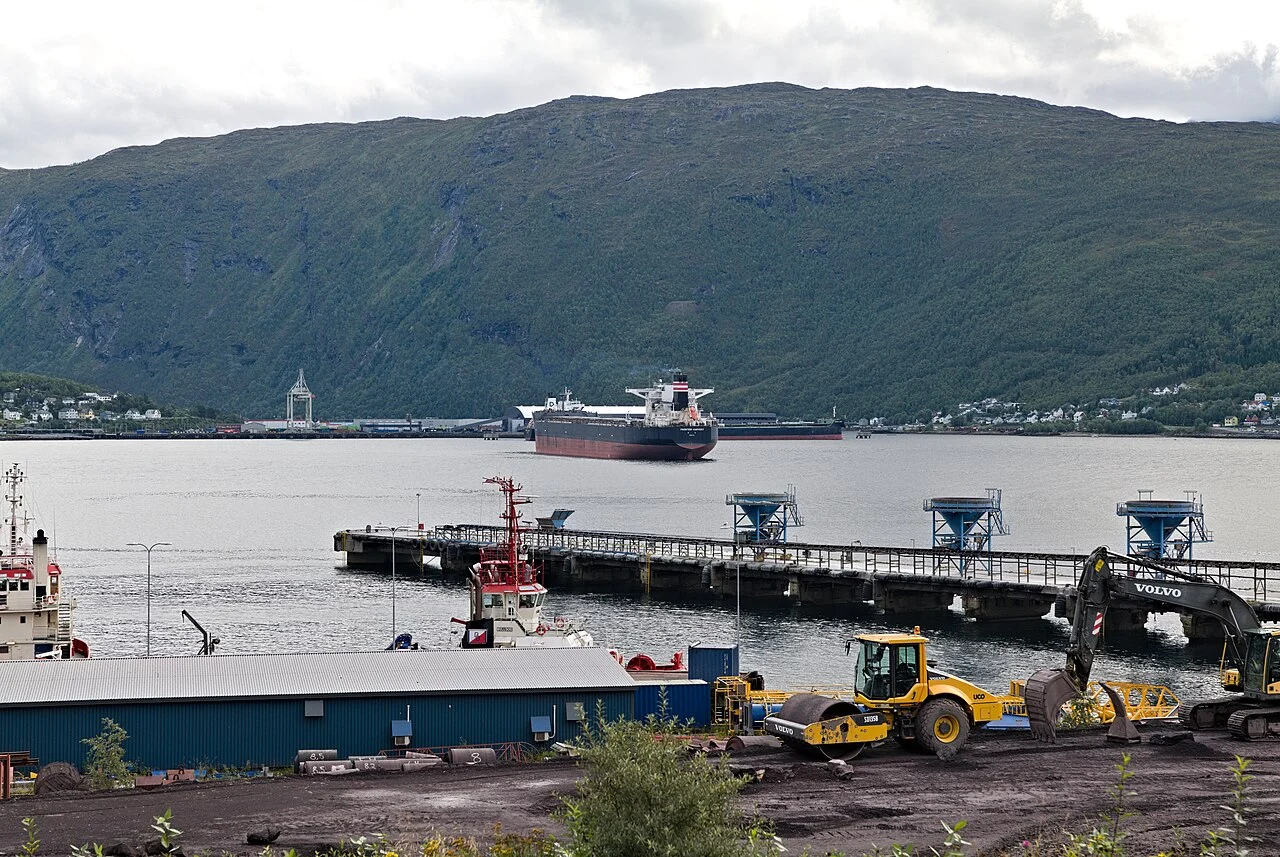
The best things to do in Narvik connect a dramatic fjord setting with railway engineering, wartime history and mountain country. The city is an excellent place to slow down and understand how an Arctic port became linked to iron ore from Sweden. It also rewards travellers who separate a manageable city visit from more demanding outdoor adventures. There is an important planning distinction for this edition: the operator advertises the new Narvik Gondola from January 2027. The cable car is closed through December 2026 for construction; before the confirmed reopening, do not plan a visit around a ride. Use museums, harbour walks and the Ofoten railway as the reliable framework, and confirm the precise operating arrangements of every mountain activity. Two days provide time for the centre and one major excursion; three allow a quieter pace or a separate wildlife-park outing.
Narvik: quick answers
- Worth visiting?
- Yes, for wartime history, rail journeys and Arctic mountain scenery.
- Time needed
- Two days; three with a longer railway or regional excursion.
- Best time
- Summer for hiking and long daylight; winter for snow, with weather flexibility.
- Cost level
- High if adding guided tours and rail excursions.
- Getting around
- Walk centrally; plan railway and regional trips separately.
- Top priorities
- Narvik War Museum, Ofotbanen, mountain viewpoints when accessible. The new gondola is advertised from January 2027; verify status.
How this list was selected: NorwayTop10’s editorial choices balance distinctive places, practical access and variety for a first visit. The order is a planning guide rather than a public vote. Outings beyond the destination are identified in their descriptions; ten entries do not mean ten stops in one day.
Compare the ten options
Times are editorial planning allowances, not operator schedules. Add travel and waiting time unless the row explicitly describes a whole outing. For guided experiences, use the confirmed booking duration. See each description for terrain and seasonal restrictions.
| Place or activity | Access to plan | Time to allow |
|---|---|---|
| Begin at Narvik War Museum | Town centre on foot | 1½–2 hr |
| Ride the Ofoten railway | Narvik railway station | Use the booked rail journey duration |
| Visit Narvik Museum | Local walk | 1–1½ hr |
| Walk the public waterfront and town centre | Town centre on foot | 45–90 min |
| Follow a suitable trail in Tøttadalen | Travel to a suitable route start | Use the chosen route time |
| See the Brennholtet rock-carving area responsibly | Follow the permitted visitor approach | 30–60 min, plus approach |
| Plan a seasonal Navvy Road walk | Arrange start and return transport | Dedicated walk using the official route time |
| Consider Polar Park as a separate day trip | Road or booked excursion | Separate excursion day |
| Look for northern lights in the darker season | Operator pickup or viewing location | Use the booked evening duration |
| Check Narvikfjellet’s opening status before planning mountain access | Confirm current lift access | Use the operator's current visit duration |
1. Begin at Narvik War Museum
Verified planning detail: The museum's official visitor page displayed adult admission of NOK 150 when checked on 23 November 2026. Use its opening calendar and current ticket categories when planning the visit. Official visitor information.
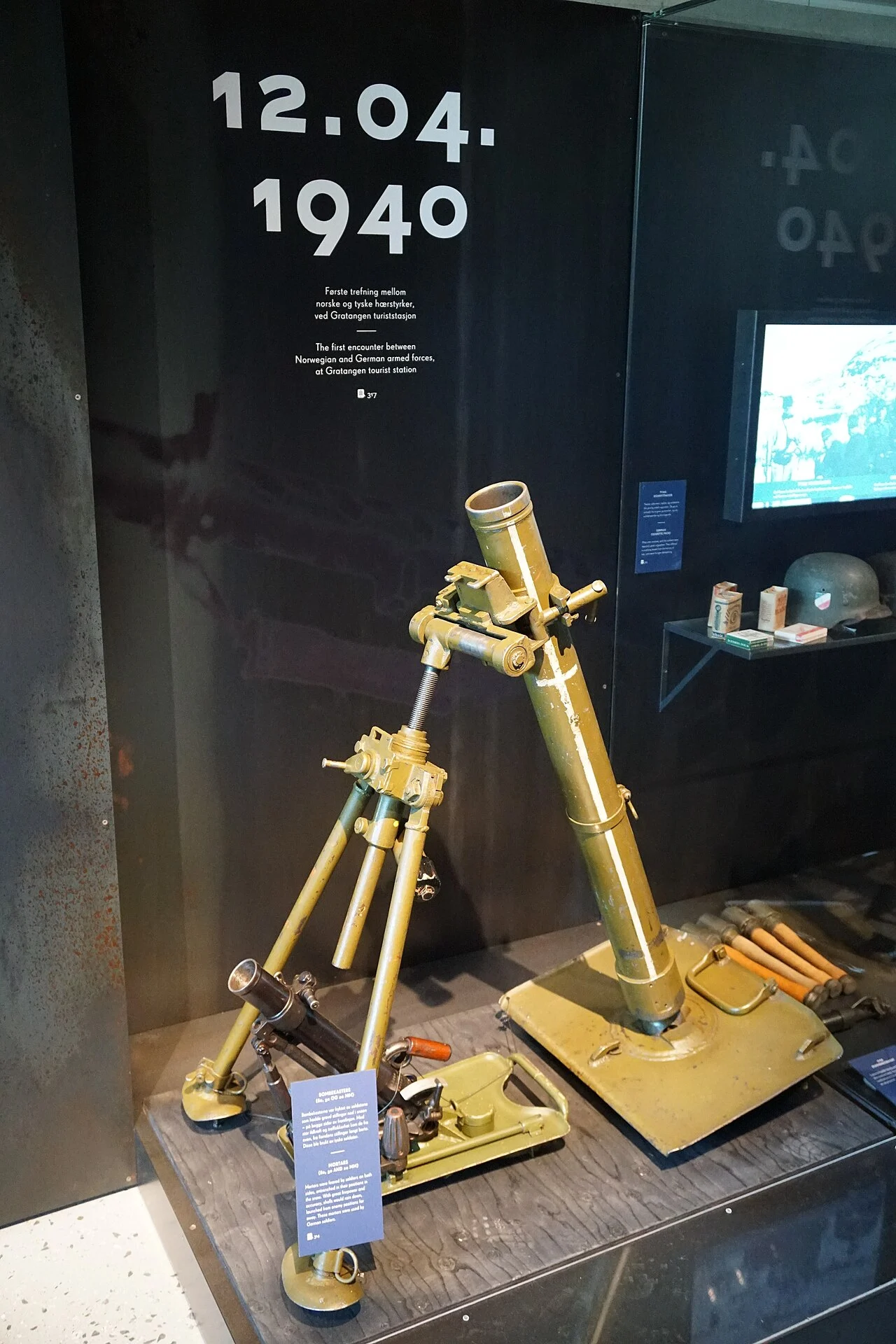
Narvik War Museum provides essential context for the battles around the city and the wider consequences of the Second World War. This is a substantial historical visit rather than a decorative stop between viewpoints. Its subject can be challenging, so allow time to read, reflect and discuss what you see instead of trying to cover it during a brief gap.
Start here if you want the later harbour, railway and memorial visits to make sense. The strategic importance of the port becomes clearer when connected to the movement of iron ore and the events of 1940. Families should consider the interests and ages of children before deciding how much of the exhibition to cover.
Check admission arrangements directly and plan a relaxed break afterwards. A city-centre location makes it practical to combine the museum with lunch and a short walk rather than another long transfer. It is also a strong weather alternative, but its value is historical rather than simply providing shelter when the mountains disappear into cloud.
2. Ride the Ofoten railway
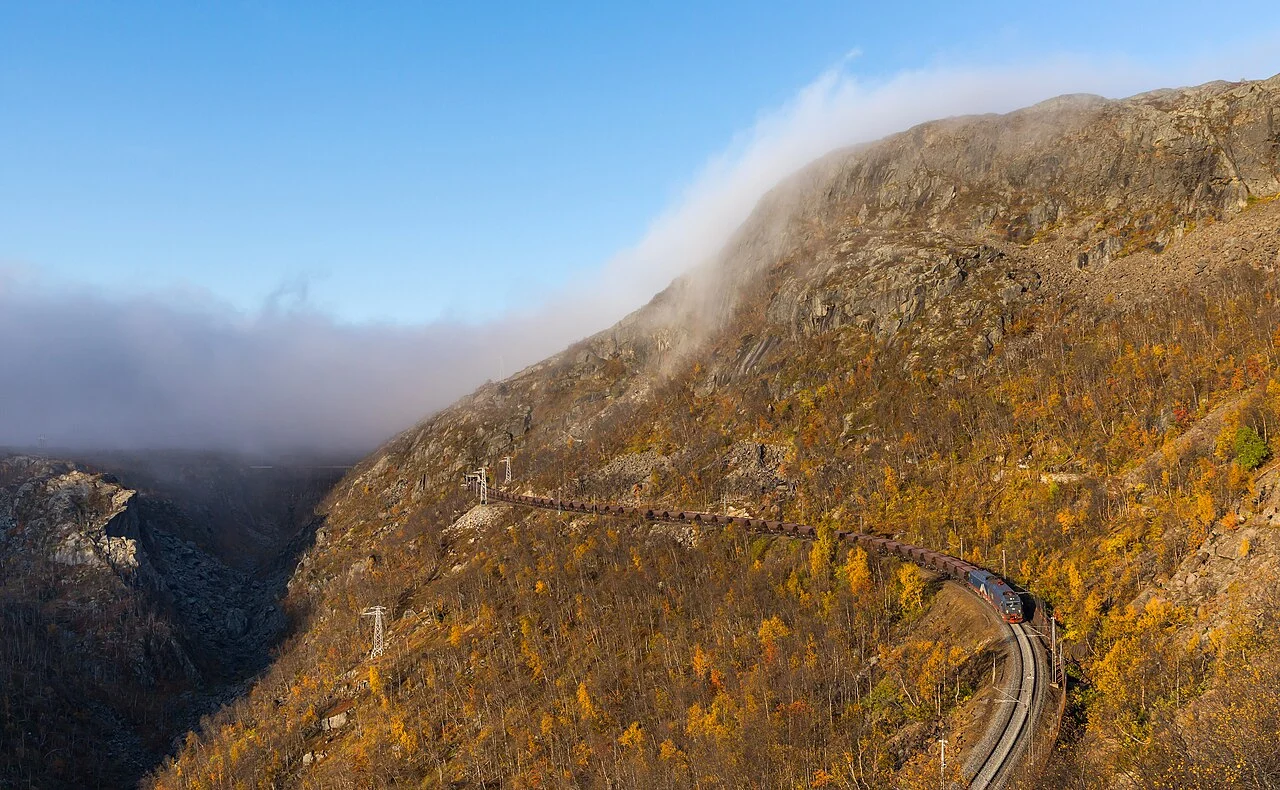
The Ofoten railway offers a view into the landscape and the engineering that connects Narvik with Sweden. Climbing away from the port, the line makes the relationship between mountain, border and industry visible. A railway outing is particularly appealing to travellers who want to experience the region without undertaking a demanding hike.
Distinguish a dedicated sightseeing product from an ordinary scheduled passenger train. Stops, commentary, ticket conditions and return arrangements may differ. Check the actual service operating on your date and whether your planned turnaround station has a convenient return. Crossing into Sweden introduces a separate international journey, so carry appropriate travel documents and verify applicable requirements.
Allow a meaningful part of a day, including getting to the station and any wait between trains. Do not assume that an outward departure automatically includes a return ride. If weather obscures distant mountains, the railway and industrial story may still be interesting, but travel primarily for that experience rather than a guaranteed panoramic photograph.
3. Visit Narvik Museum
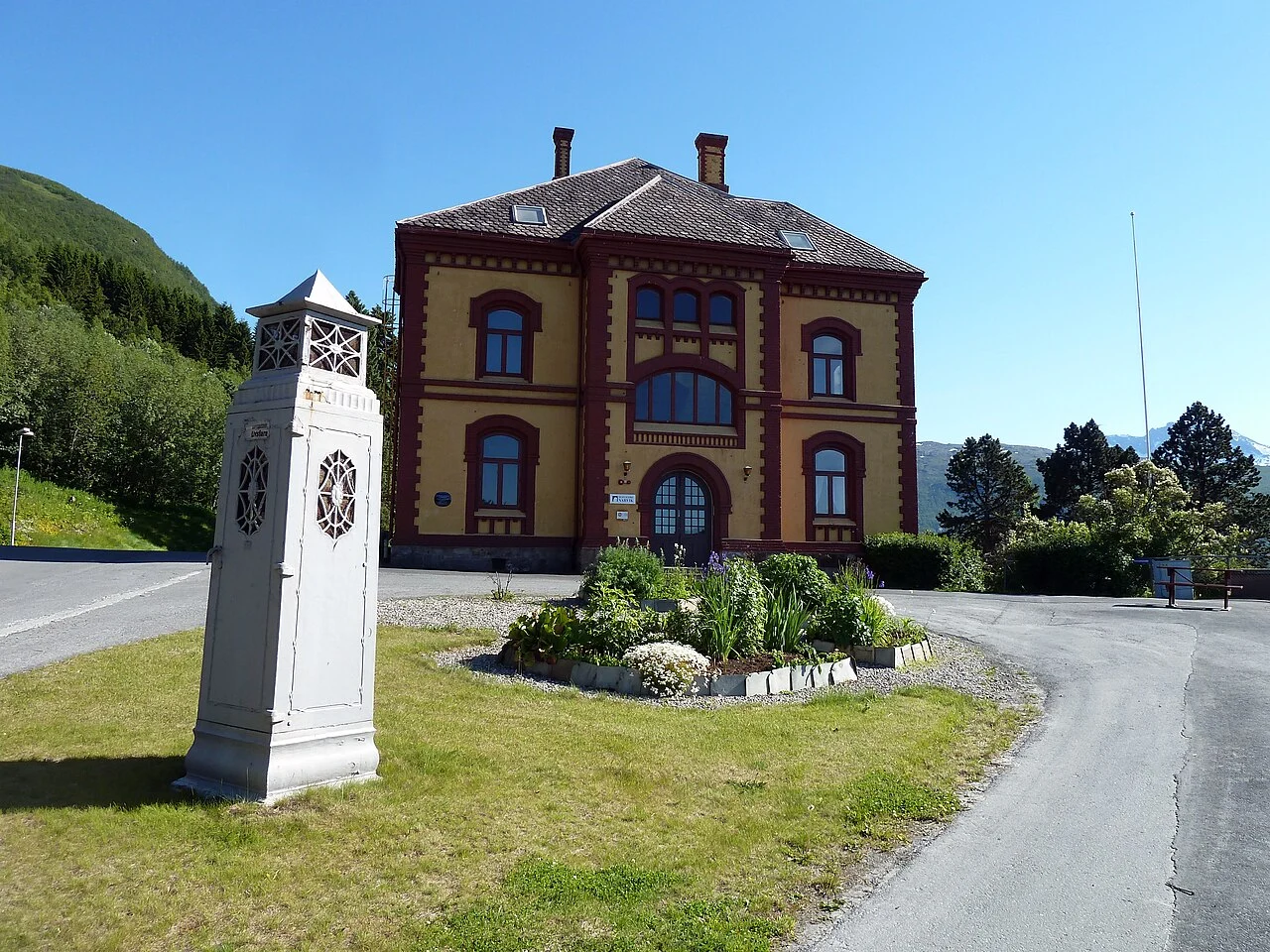
Narvik Museum examines the construction of the railway, the movement of ore and the development of the city around its harbour. It complements the War Museum by giving everyday and industrial history more space. The two museums are not interchangeable, and choosing both can be worthwhile for visitors particularly interested in how this unusual city came into being.
Look at the museum park and harbour outlook as part of the visit, weather permitting. They help connect the exhibits to the shipping facilities and landscape still visible outside. A museum about transport becomes easier to understand when the tracks, port and urban development can be considered together rather than as isolated historical facts.
Give each museum its own block of time if visiting both. Splitting them across two days is often more rewarding than reading intensively for an entire afternoon. Verify opening days before arranging your schedule, especially outside the busiest travel period. Pair this museum with a nearby walk rather than trying to add a distant road excursion immediately afterwards.
4. Walk the public waterfront and town centre
A walk through Narvik’s centre and along accessible waterfront sections helps reveal the scale of the working harbour. The mountains and water can be seen without leaving the city, while streets, civic spaces and memorials introduce its more recent history. This is an accessible starting point for choosing the rest of your stay.
Use public walking routes and keep clear of industrial quays, rail operations and cargo areas. A photogenic harbour is still a workplace. The best route depends on the weather and where you are staying, so ask locally about safe, open access rather than following a straight line on a map to the water’s edge.
Keep the walk flexible: an hour or two with stops can suit an arrival day, while a shorter circuit may be enough in cold wind. Add a café or simple meal instead of stretching the route to satisfy an arbitrary distance. During icy weather, pavement grip and daylight matter more than completing every suggested city viewpoint.
5. Follow a suitable trail in Tøttadalen
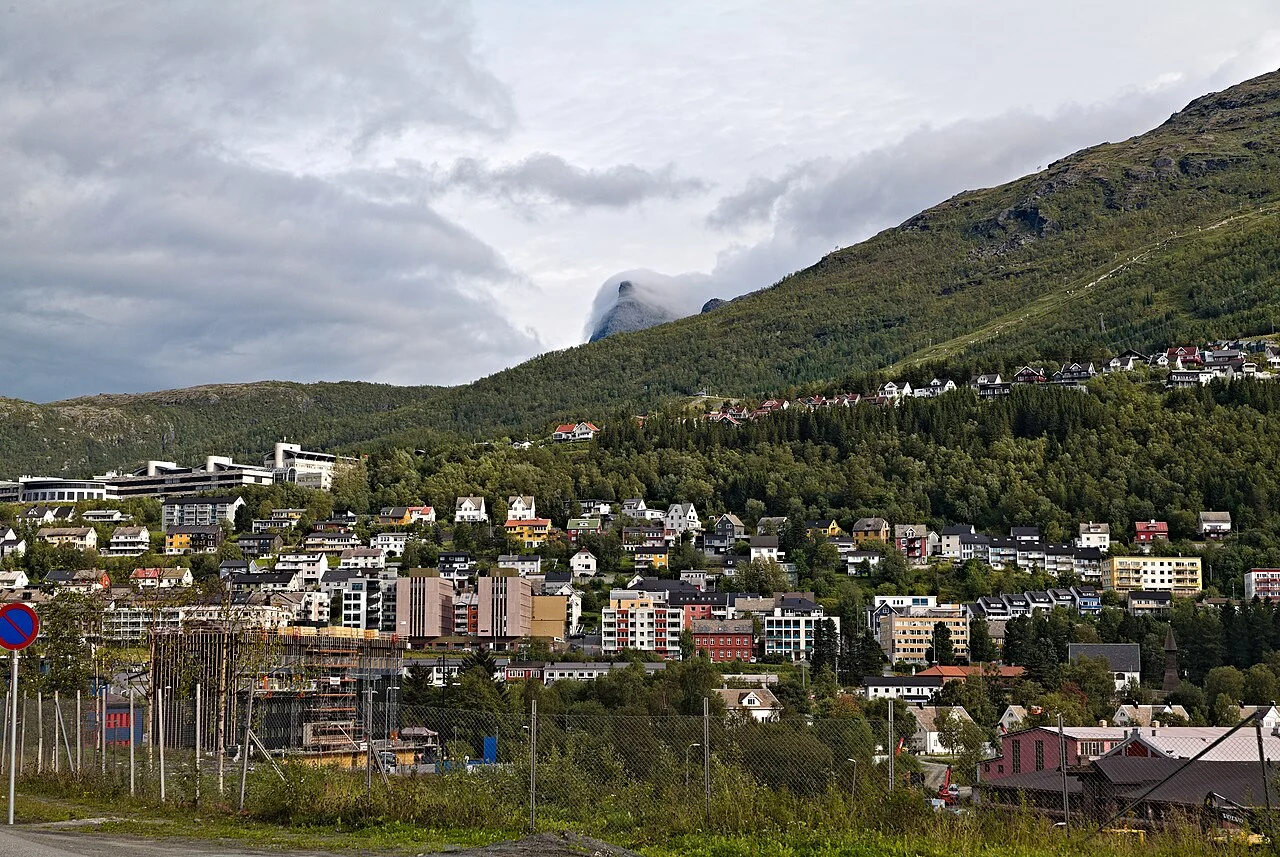
Tøttadalen provides an introduction to the outdoor landscape close to Narvik. It is a useful choice when you want a valley walk rather than a full mountain expedition. Different routes lead into different terrain, however, and proximity to a town does not make every path suitable for casual footwear or poor weather.
Choose a specific, locally recommended route and check the trail surface, snow and daylight before setting out. Carry a map that works without mobile coverage and bring water and a warm layer. If your group has mixed experience, select a turnaround point that the least confident person can manage comfortably, including the return.
Use the valley as the main outdoor block for that day rather than squeezing it between a train connection and an evening departure. If cloud, rain or ice makes conditions unpleasant, a shorter walk is a sensible result. The city’s museums offer a productive alternative without requiring you to turn an uncertain trail into an endurance test.
6. See the Brennholtet rock-carving area responsibly
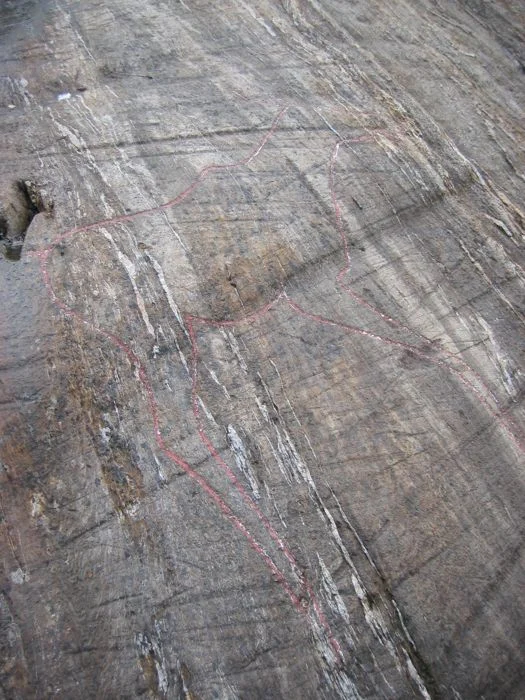
The rock carvings at Brennholtet add a much older layer to Narvik’s story. They are a reminder that the region’s human history extends far beyond railway construction and twentieth-century conflict. Visit as a protected cultural landscape, with attention to official access and interpretation rather than expecting a large indoor attraction.
Ask visitor information for the correct route and the current conditions before going. Snow, ice, wet ground or vegetation can affect visibility and access. Do not touch, trace, chalk, wet or otherwise alter carvings to improve a photograph. A faint marking is not a reason to interfere with a protected surface.
Allow an unhurried short outing with time to understand what is visible, then combine it with a nearby city activity if the route allows. When conditions hide the art, the responsible choice is to return in another season or learn through interpretation elsewhere. Avoid walking off the intended approach in an attempt to find a better angle.
7. Plan a seasonal Navvy Road walk
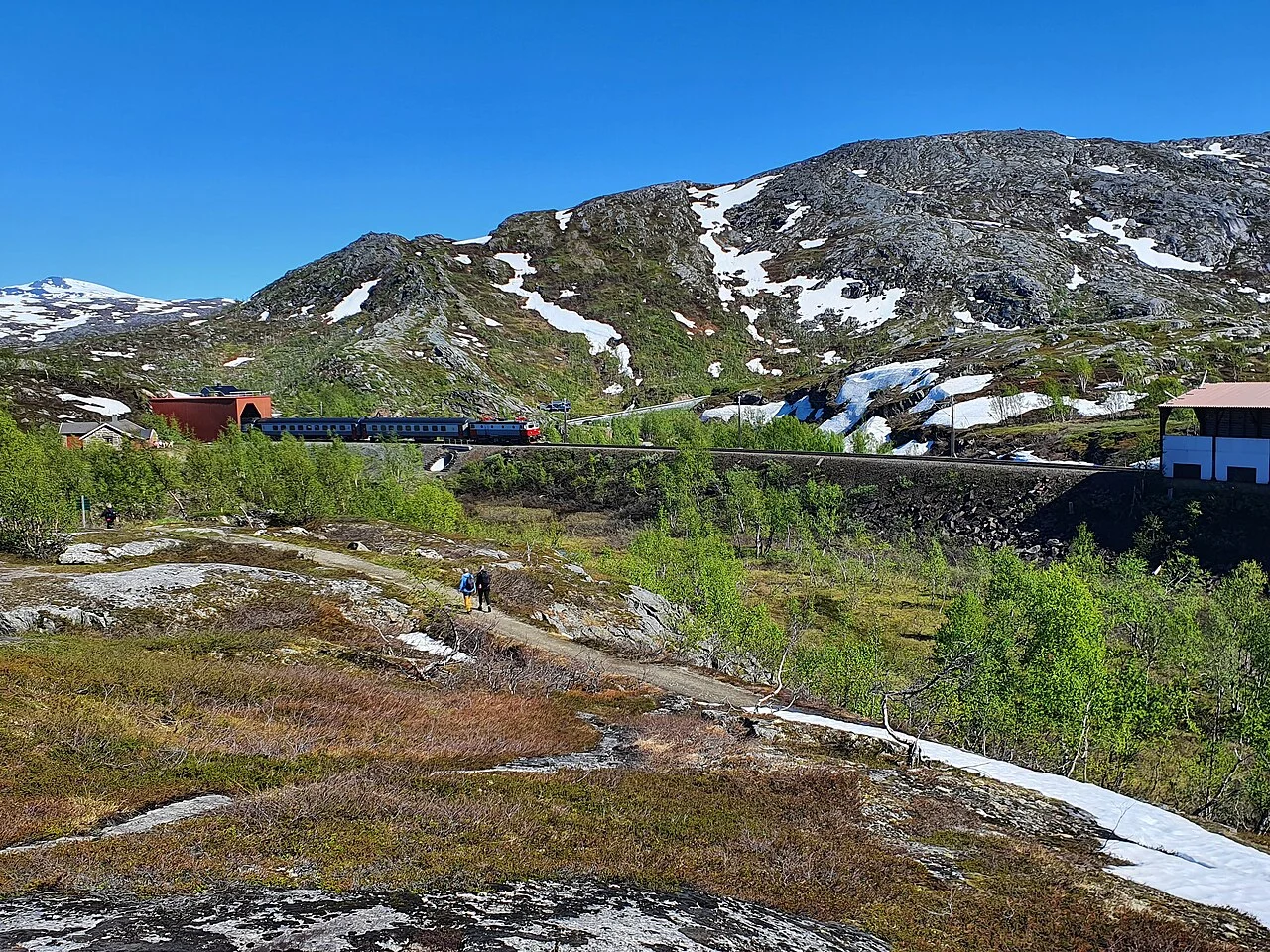
Rallarveien, often described in English as the Navvy Road, connects walking with the railway’s construction history. It offers a more active way to experience the mountain corridor than staying on a train. It should be planned as a genuine outdoor excursion, with a clearly chosen section, access point and return arrangement.
Ask which sections are appropriate for the season and your ability. Snow can remain in upland terrain after conditions improve in town, and a train timetable may leave little flexibility if you miss the final connection. Confirm whether your planned route involves crossing the border or a remote station before deciding what to carry.
Reserve a substantial part of a day and bring food, weather protection and reliable navigation. A local guided option can reduce uncertainty, but read the actual itinerary and difficulty. If your main aim is a relaxed scenic outing, riding the railway may be the better choice. Walking is not simply a free replacement for transport.
8. Consider Polar Park as a separate day trip
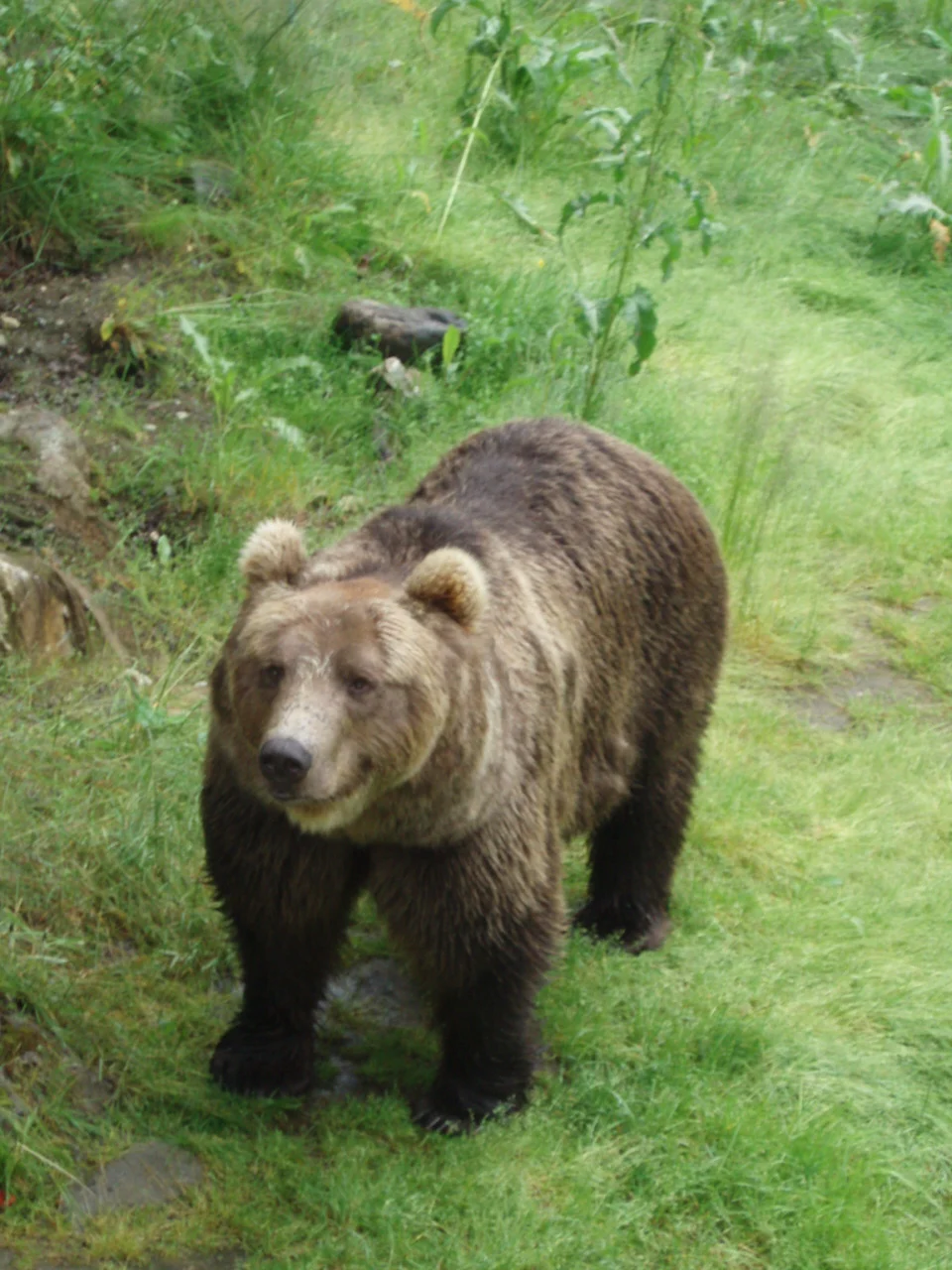
Polar Park lies outside Narvik and is best treated as an independent excursion rather than a stop within the city. It focuses on northern animals in a managed wildlife-park setting. Choose it because that experience interests you, and distinguish animal viewing in enclosures from wildlife encounters in the open countryside.
Check the current visiting arrangements and any separately booked experiences directly. Special animal encounters can have additional conditions, limited places and safety rules. Transport from Narvik also needs planning; a regional bus route does not necessarily deliver an easy door-to-door visit with a convenient return after you have finished.
Leave enough time to move around the grounds without rushing and dress for outdoor conditions. The weather at a park inland may differ from the harbour. On a two-day Narvik visit, choosing Polar Park generally means giving up another major excursion. With three days, it can fit comfortably alongside the museums and railway if connections work.
9. Look for northern lights in the darker season
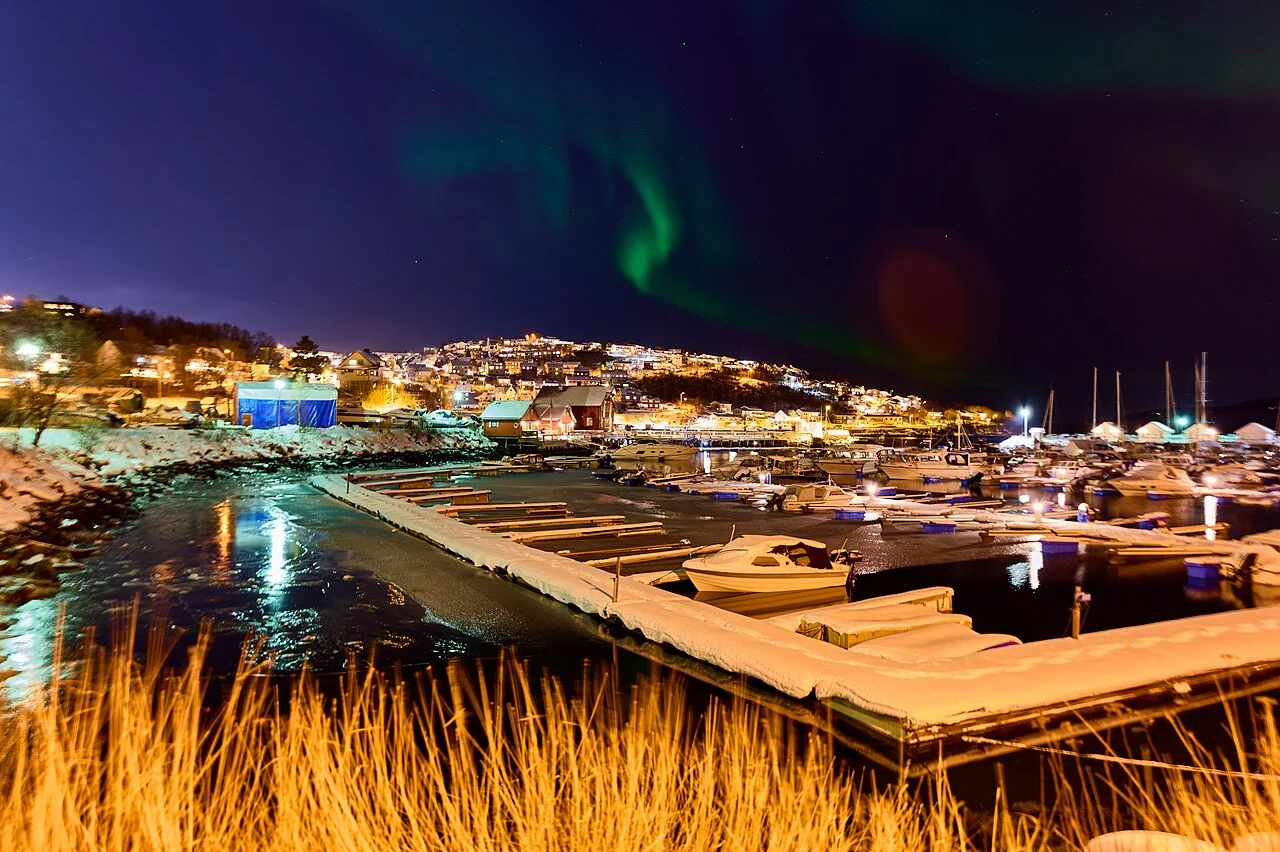
Narvik can provide opportunities to look for the aurora during dark periods, but the lights are a natural possibility rather than a scheduled attraction. Cloud, the level of activity and local viewing conditions all matter. A trip should remain satisfying even if there is no visible display during your stay.
Compare guided outings by transport, duration and the type of location used. A safe viewing area with a practical return can matter more than promotional language about chasing the lights. Do not stop a car in an unsafe road position, walk onto unfamiliar ice or enter industrial land to escape street lighting.
Protect the next day’s plans after a late return. It is better to keep the following morning flexible than to combine a long aurora outing with a demanding early hike. Summer’s bright nights offer a different reward through extended daylight, but are not a substitute aurora season. Choose the timing of your trip according to your main interests.
10. Check Narvikfjellet’s opening status before planning mountain access
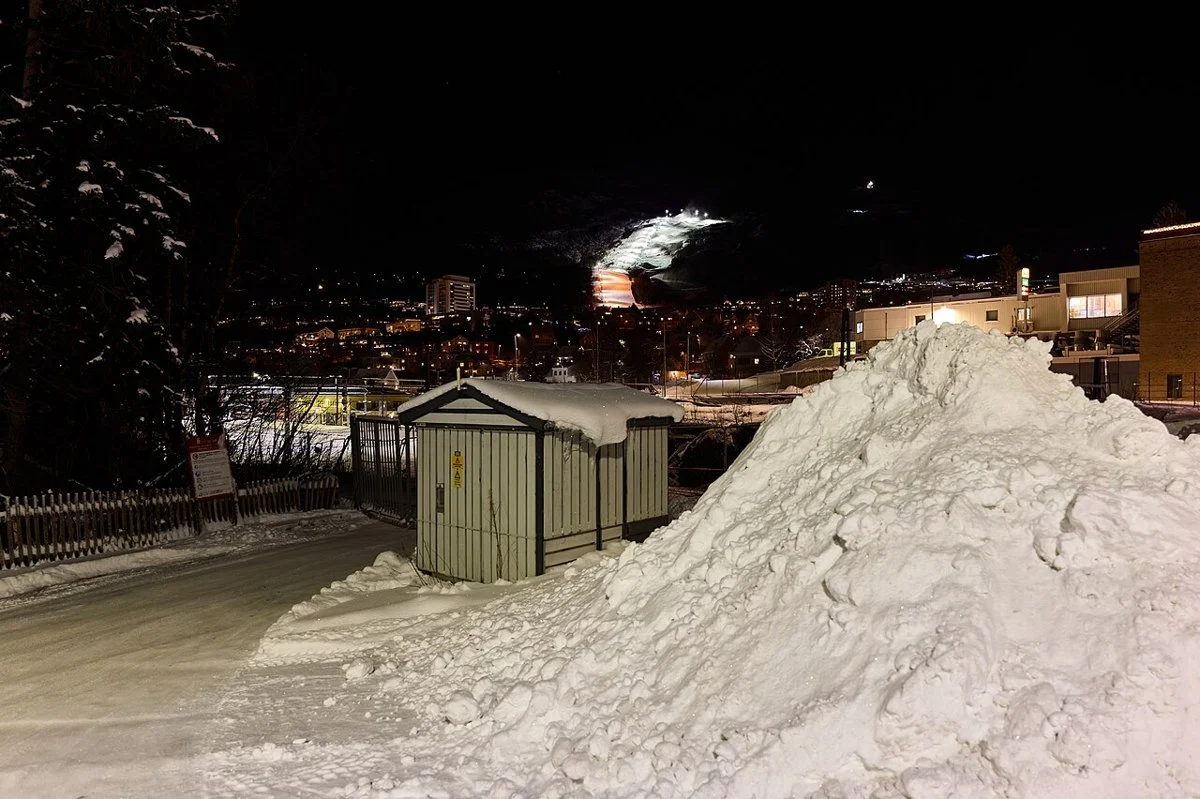
Narvikfjellet is closely associated with the city’s mountain views and winter sports, but its transport facilities are changing. The operator states that the gondola is closed for construction through December 2026, with the new cable car planned to open in January 2027. Confirm the actual reopening before relying on a mountain-lift trip.
For a later trip, confirm the actual opening announcement, available tickets and weather status directly with the operator. An advertised future month is a plan, not a guarantee of operation on every subsequent date. Mountain restaurants, ski facilities and walking access can also have separate restrictions or development work affecting them.
Do not improvise a walk through construction or ski infrastructure because the lift is unavailable. Use designated, locally confirmed routes and choose an alternative city or railway activity if access is uncertain. When the new gondola is operating, it may become a practical viewpoint option, but the day’s wind, visibility and operating notices must still guide the decision.
Realistic Narvik itineraries
One day: understand the city
Start at the War Museum, pause for lunch, then walk through the centre and along public waterfront sections. If industrial history is your main interest, use Narvik Museum instead or extend the day with a second museum if opening hours allow. Keep a first visit grounded in the city rather than spending it in transfers to several outlying attractions.
Two days: add the railway
Follow the city day with an Ofoten railway excursion whose return is booked or clearly confirmed. Fit Narvik Museum around the train only if there is comfortable time; otherwise substitute it for a less important first-day stop. Until the gondola has reopened, use this as the main scenic outing.
Three days: select one outdoor or wildlife outing
Use the third day for a suitable Tøttadalen or Navvy Road walk in appropriate conditions, or choose Polar Park as a distinct road excursion. Do not combine a long hike with the park merely to complete the list. Keep a weather alternative and an unhurried departure margin. A darker-season aurora outing is optional and does not replace a workable daytime itinerary.
Practical travel tips
- Treat Narvik as a city with separate regional excursions. The railway, Polar Park and serious mountain routes each deserve their own planning block rather than being grouped as nearby quick stops.
- Until reopening is confirmed, do not book accommodation solely around a Narvik Gondola visit. The operator advertises January 2027 for the new installation; check the latest opening and ticket information for later travel dates.
- Differentiate normal train services from dedicated sightseeing departures. Confirm the return, turnaround station and any border crossing before paying, especially if your plan depends on getting back for a bus or flight.
- Bring shoes with grip for town and appropriate equipment for trails. An icy pavement and a snowy mountain path present different problems, and summer route descriptions should not be used as winter walking instructions.
- Allow time to understand the War Museum’s difficult subject. A quiet meal or short walk afterwards can be more useful than stacking another intensive exhibition immediately after it.
- Use local visitor information for current trail advice, and follow official road and avalanche warnings for relevant activities. Hiring a guide does not make unsuitable weather or terrain irrelevant.
Frequently asked questions
Is Narvik worth visiting if the gondola is closed?
Yes. The War Museum, Narvik Museum, railway, harbour and suitable local walks provide a varied visit. The mountain lift is one possible element rather than the whole destination. Until the new gondola has reopened, plan around these alternatives; the operator plans a January 2027 opening. Check the latest status before travel.
How long should I stay in Narvik?
Two full days allow a city-history day and a railway excursion. Three days make room for one longer walk or Polar Park without forcing rushed connections. Visitors with only one day should choose the War Museum or Narvik Museum and a waterfront walk, rather than trying to cover the entire surrounding region.
Can I visit Narvik without a car?
The city’s central sights can be visited without one, and railway travel is itself a major activity. Outlying excursions require more careful transport planning. Check the actual route, stop and return service rather than assuming that a place within the region is straightforward to reach by bus at any time.
Does the Ofoten railway require crossing into Sweden?
Your route depends on the ticket and destination you choose. Some excursions focus on the Norwegian section, while regular services can continue across the border. Verify the exact service, return arrangements and travel-document requirements for your itinerary. A ticket described simply as a scenic railway experience may not answer every practical question.
Is Narvik suitable for beginner hikers?
There are less demanding local options, but the surrounding mountain region also contains serious terrain. Ask for a specific route suitable for the day’s conditions and your experience. Do not choose a hike solely because it looks close to the city on a map, and avoid treating a closed lift as an invitation to improvise a mountain route.
When can I see the northern lights?
Look during dark periods outside the bright summer nights, with a suitable sky and auroral activity. There is no guarantee on a particular night. Keep cultural and scenic daytime plans, allow sleep after late tours and choose safe locations rather than venturing onto unfamiliar terrain simply to find darkness.
Continue exploring Norway
Sources and current travel checks
Official tourism, museum and operator information informed this guide. Opening calendars, access, fares and transport can change; follow these sources for your travel dates. Suggested visit lengths and itineraries are editorial planning allowances.
Choose accommodation and plan Narvik
Compare accommodation options alongside the places you want to visit. Check the journey to the property before reserving.
Plan experiences around your stay
These guides compare regional options and practical considerations. Check the actual departure point; a related guide is not a promise that every activity is available in this town.