Preikestolen Hike: 10 Tips for Pulpit Rock from Stavanger
The Preikestolen hike is an eight-kilometre return walk to Pulpit Rock above Lysefjord. Plan the trailhead journey, weather window and return before setting out from Stavanger.
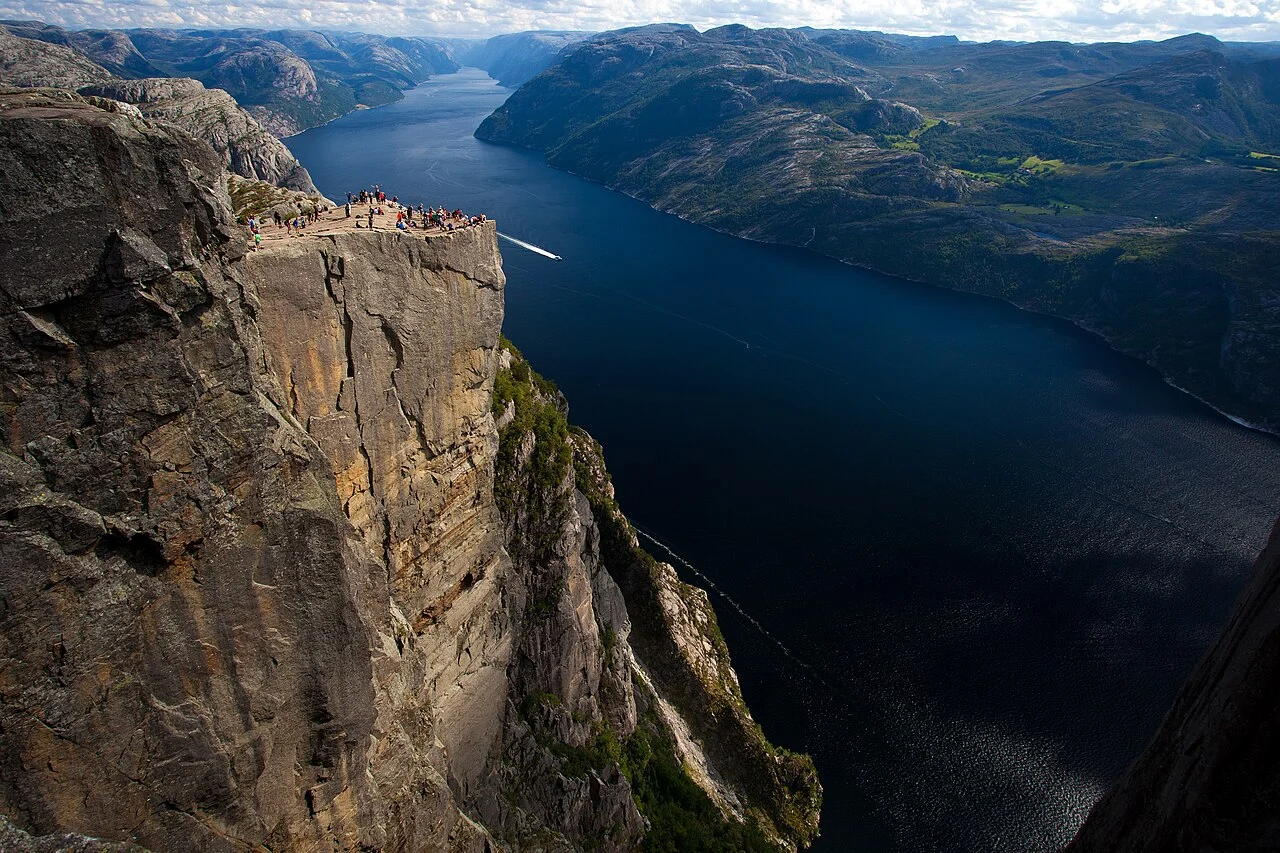
At a glance
- Worth it? Yes for a demanding fjord walk in suitable conditions.
- Time? Allow around four hours walking plus breaks and transport.
- Season? Choose for daylight and conditions. Use a guide in winter.
- Cost? Published car parking for more than two hours is NOK 275.
- Transport? Drive via the Ryfylke tunnel or book a confirmed coach or guided trip.
- Priorities. Check conditions, allow a return buffer and stay well back from the edge.
1. What the Preikestolen hike involves
The Preikestolen hike from the mountain lodge is about eight kilometres return. Visit Norway gives around four hours as a planning figure. Set aside more time for breaks, busy sections and the pace of your group. The total day also includes the trip from Stavanger or your local accommodation, the walk from wherever you park or get off the bus, and time to get back after the hike. A four-hour hike and a four-hour window between other reservations are different propositions.
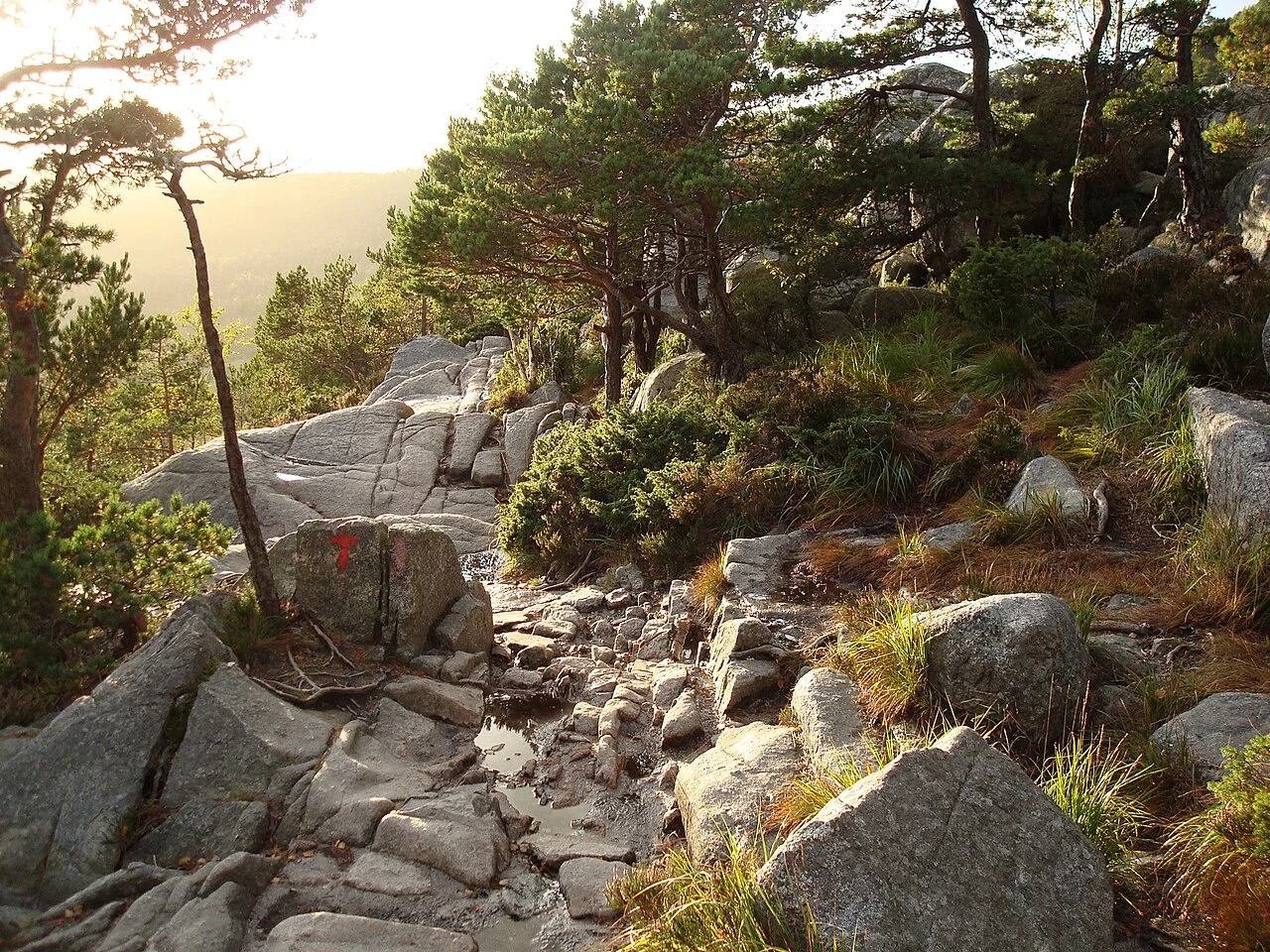
The route climbs through varied terrain, including uneven stone surfaces. Expect the descent to take concentration, particularly after rain or if you are tired. The distance is short enough to fit a day trip, while the sustained changes in level make it more demanding than a walk along the fjord. If your party has mixed experience, agree to walk at a pace everyone can maintain. Allow time to rest away from the main flow of hikers.
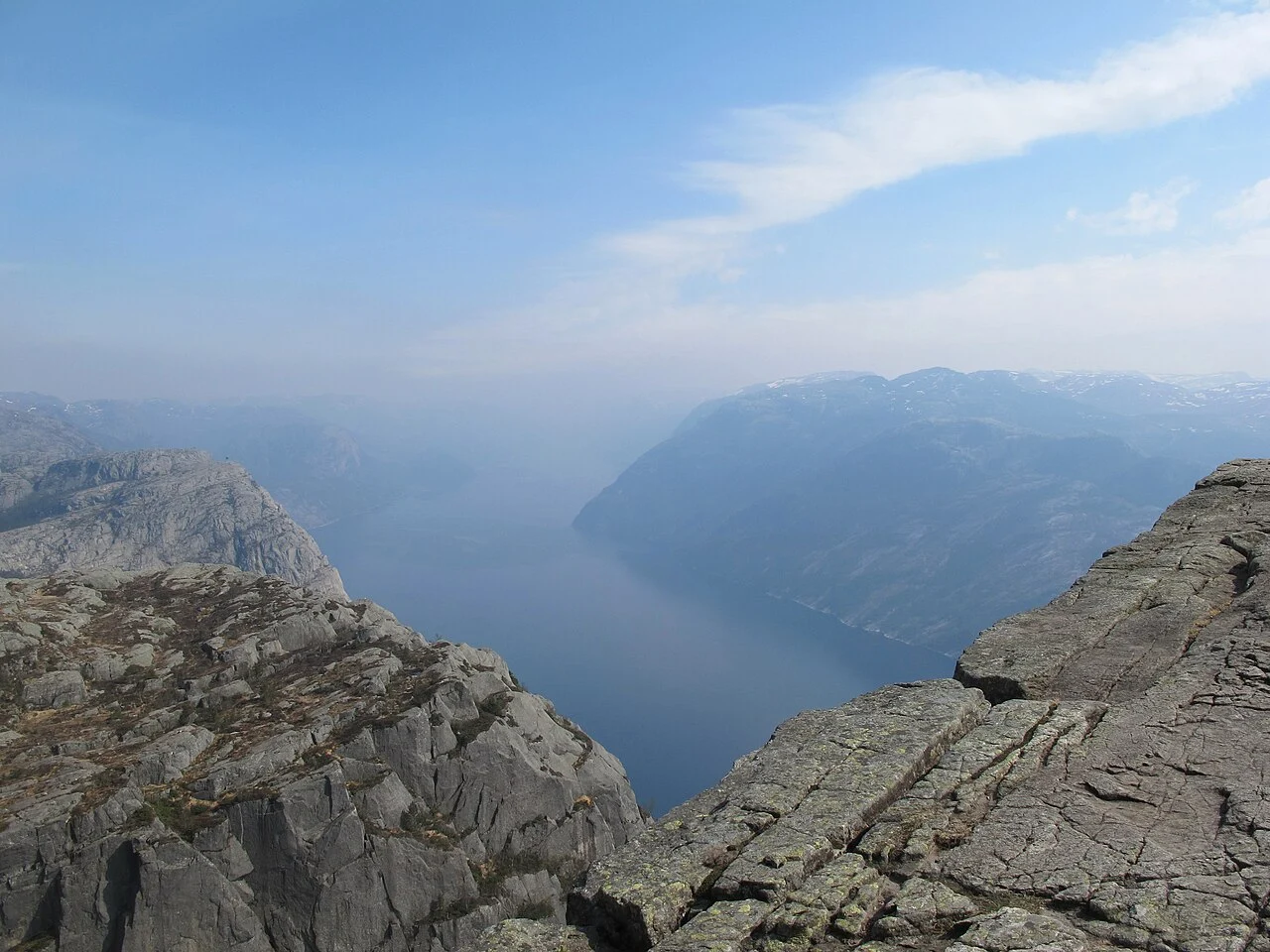
The main destination is an exposed rock plateau above Lysefjord. There is no need to approach the edge to see the fjord. Give the group time to find a place where everyone feels comfortable and keep children close. If gusts, wet rock, ice or poor visibility make the approach uncomfortable, stop well back or turn around. A good day on the trail can end at a suitable point before the plateau.
2. Getting to the trailhead from Stavanger
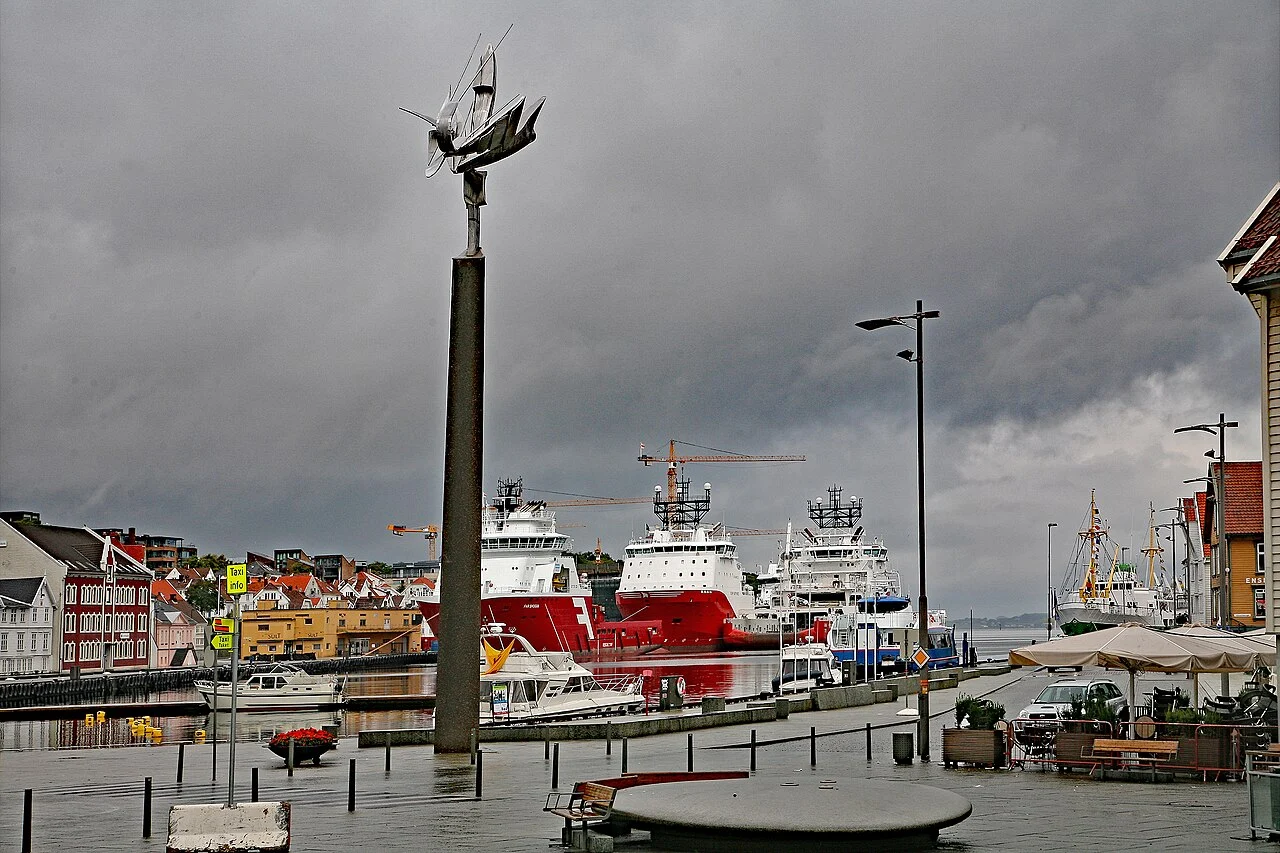
Use Preikestolen Basecamp or Preikestolen Parking as your destination when comparing transport. Stavanger is the starting point for many day visitors, while the trail begins across the fjord system near Jørpeland. Driving from Stavanger via the Ryfylke tunnel is one option. Check road conditions and tolls for your vehicle before setting out. Leave a margin for traffic and the walk to the actual start, especially on a busy summer day.
Preikestolen 365 lists NOK 275 for a car parked more than two hours. It says drivers pay after the hike and before leaving. Its parking information also explains the main and secondary parking arrangements and current staffed hours. The car park operates around the clock with automatic barriers, while on-site staffing and other facilities have separate hours. Check the parking page for your date, and follow the instructions if you are directed to a different part of the site.
A seasonal coach can simplify a car-free trip from Stavanger. Check the operator’s timetable, departure address and the final ride back. Ask whether your return is tied to a specific departure and what happens if you finish early or late. If you are choosing a guided tour, confirm whether pickup and return are part of the same booking. When travelling from another base, confirm every leg before assuming a bus shown in a route planner runs on the day you need it.
3. Choosing a season and start time
For a straightforward first visit, choose a date when you have enough daylight and several workable transport options. Summer generally gives a longer window, while weekends and holiday periods can bring more visitors. An early start may help if it fits your accommodation, transport and sleep. A later start can also work with a flexible return and enough daylight. Check conditions for the actual date and pick a time that gives you a genuine margin.
Winter needs a separate plan. Visit Norway strongly recommends a guide in winter and notes that operators can provide equipment suited to the conditions. A date on the calendar does not establish that the route is suitable. Ask about the state of the trail, expected daylight, equipment and what the guide does when the weather changes. If the operator advises against the hike, choose a town visit or check for a confirmed fjord cruise instead.
Check the trail and weather before you leave your base, even if you bought transport several weeks earlier. Wind on an exposed plateau can differ from conditions at the lodge. Low cloud can hide the fjord, and rain can make the rocky descent slower. In those conditions, decide whether the walk itself is worth doing and whether it fits the group’s skill. The official traffic service is useful for the road leg, while the local route authority and your guide can advise on the hike.
4. Timing, costs and booking decisions
Budget for parking or a return coach, and add fuel, tunnel tolls, any food or equipment and a guide if you book one. Check whether a guided price includes transport and whether a coach ticket includes both directions. Compare the price for the whole party. Four travellers sharing a car face a different calculation from one person staying within walking distance of the coach stop. Confirm current prices with the operators before booking.
Keep the whole daylight block available if Preikestolen is the day’s main activity. If you travel by a fixed return coach, agree on a turnaround time based on your pace and the return deadline. A viewpoint stop, toilet queue or lunch can add more time than you expect. Check whether you can use another departure before assuming there is a backup. If you drive, plan the return around weather, daylight and how tired the driver will be.
A cruise and hike package can work if the itinerary explicitly connects both legs. For instance, Rødne publishes return-bus information for a combined product. Its published example describes a return drive of around 50 minutes and a roughly four-hour walk. Check current operating dates and what is included. A standard sightseeing cruise may stay on the water without taking you to the trailhead. Use the fjord cruise guide to compare that as a separate outing.
5. On the trail and at the plateau
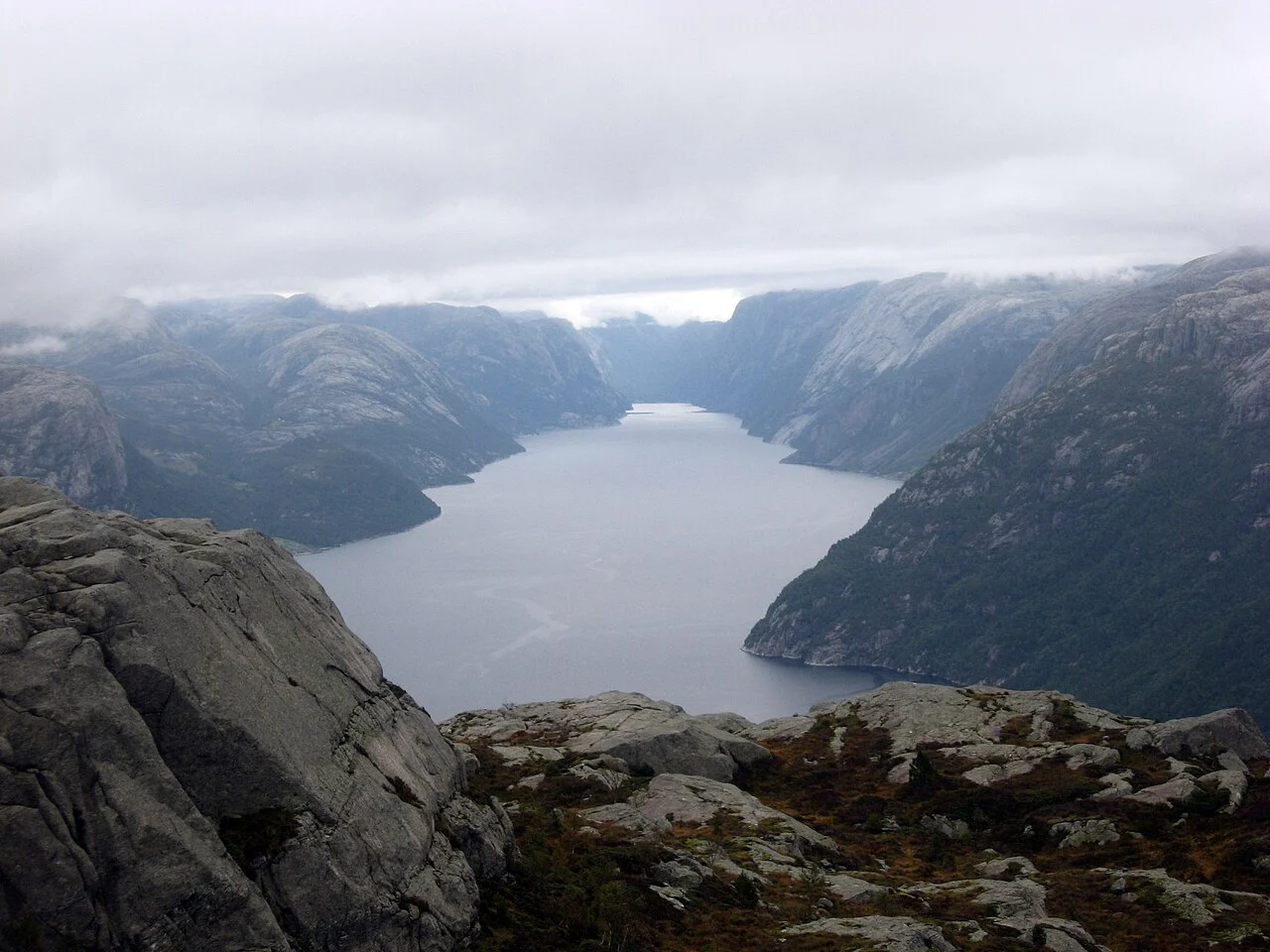
Carry enough food and water for the planned walk, and check what is open near the trailhead before counting on buying supplies there. Use footwear with grip, weatherproof outer layers and a warm layer for stops. Bring a charged phone and save the official route information and booking details offline. In winter, follow the guide’s advice on equipment and explain any concerns before starting. An extra warm layer is useful when the group stops in wind after climbing.
Stay on the established route and choose breaks where other hikers can pass. If someone is finding the early climbs much harder than expected, stop and reassess while the group still has time to return. A crowded trail can make it tempting to follow the pace of the people ahead. Set your own pace and keep the group together, especially when visibility deteriorates or the surface changes.
At the plateau, look for a place well back from the edge before taking out a camera or arranging a group photograph. Give others room and avoid stepping backwards for a wider frame. If it feels crowded or the weather is poor, enjoy the view from a suitable point or head down. On the descent, leave time for food and a rest before the onward journey. Decide where you will meet your driver or coach before you start hiking.
6. Stay near Preikestolen BaseCamp
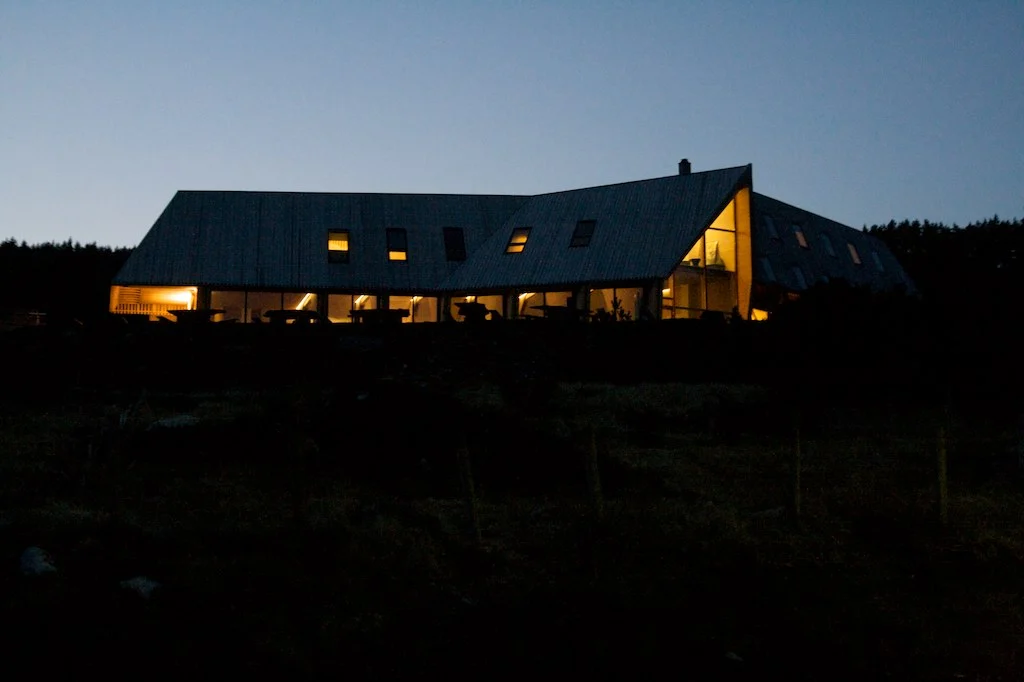
The lodge is at the foot of the hiking route. Staying nearby makes an early departure easier if you want time to walk before the middle of the day.
Check what is open when you arrive. A room close to the start can still require planning for dinner and supplies if services end early.
Compare accommodation, parking and transport inclusions. Check the current road and trail report before committing to a start time.
7. Use Jørpeland as a separate stop
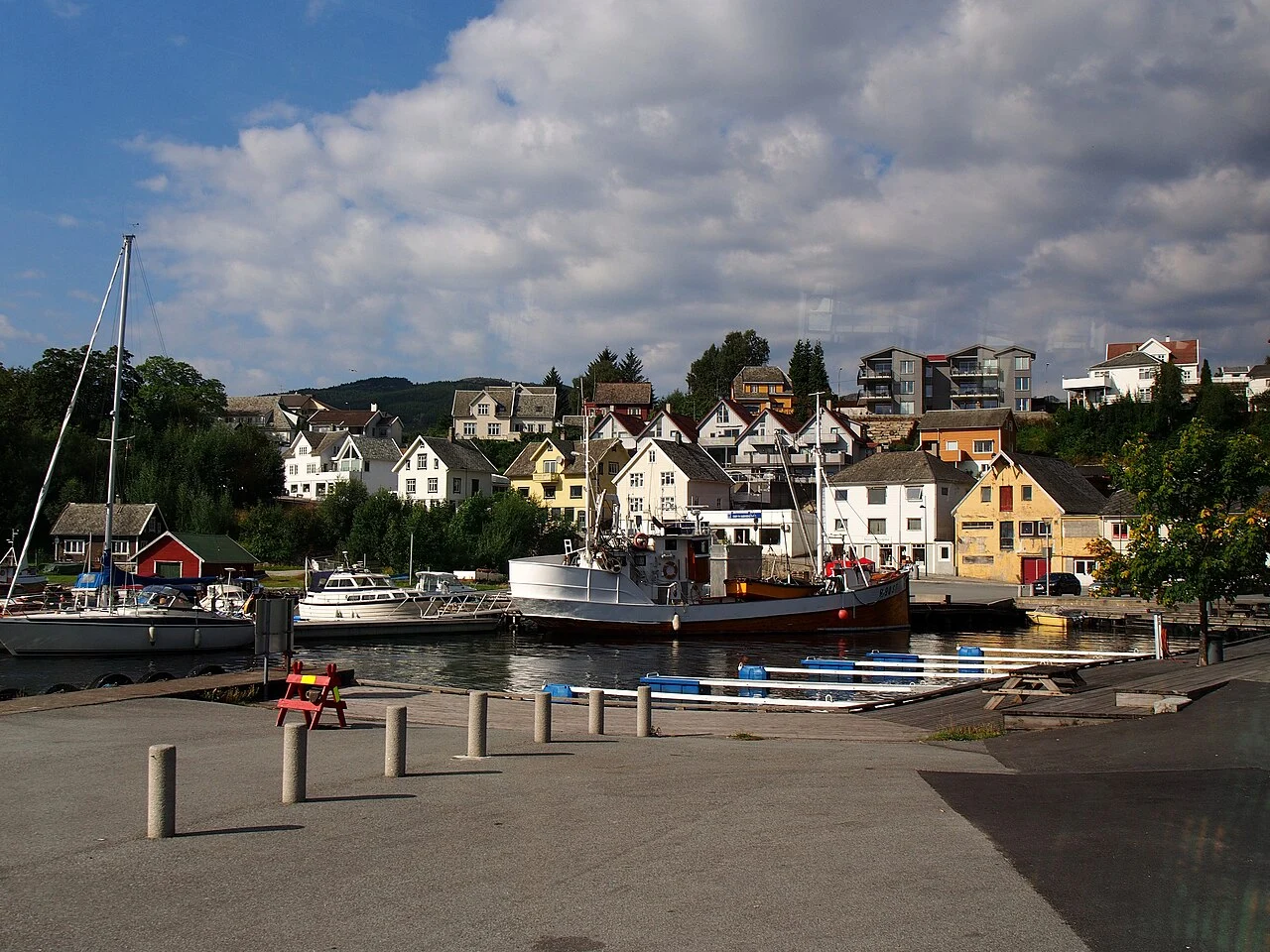
Jørpeland is a nearby town that works for food or a lower-level outing. It keeps the day worthwhile if poor visibility closes off the plateau plan.
Allow time by the waterfront rather than treating the town as a hurried fuel stop. Confirm your onward transfer if you are travelling without a car.
Budget separately for town parking and meals. Give yourself an hour or two and check your actual route back to Stavanger.
8. See the cliff from Lysefjord
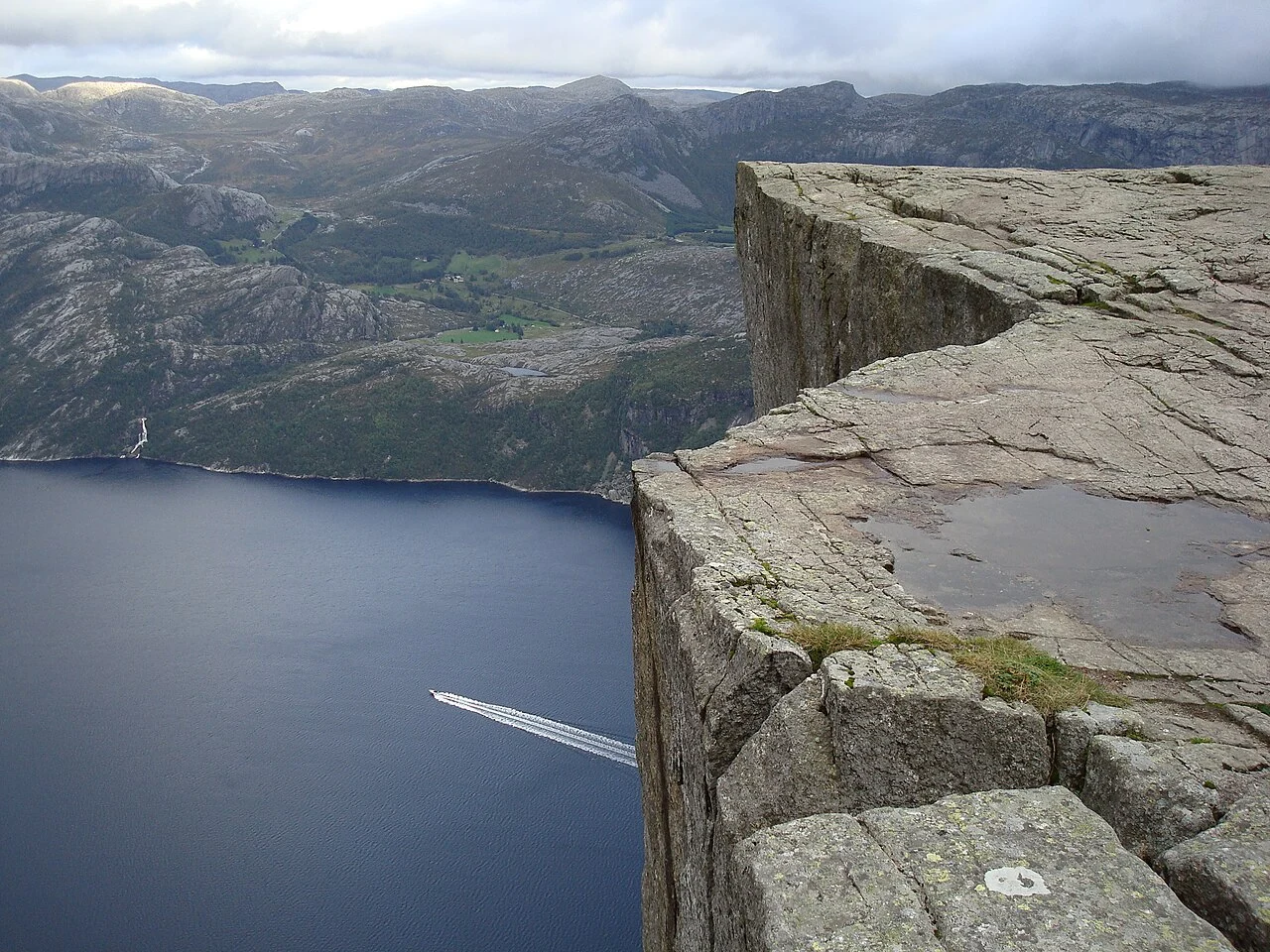
A fjord cruise offers a view of the cliffs from below. It can be a useful alternative for a mixed group that wants the scenery without a four-hour walk.
Choose the vessel and route for their own merits. Where a trip is sold as a combined cruise and hike, check both transfers and the amount of time available on foot.
Compare current departure, duration and full fare. Leave a buffer before the next booking and use a separate weather slot for the hike if you can.
9. Start in Stavanger with a confirmed return

A Stavanger base puts the trailhead trip and a fjord cruise within reach on different days. The return matters most if the group walks at different speeds.
Find the bus stop or pickup first and save the provider’s contact details. Allow enough time on foot to stop for food and still reach the road comfortably.
Check the current fare and last departure for your date. If driving, add the actual toll and parking costs to the rental comparison.
10. Leave time for the walk back to the trailhead
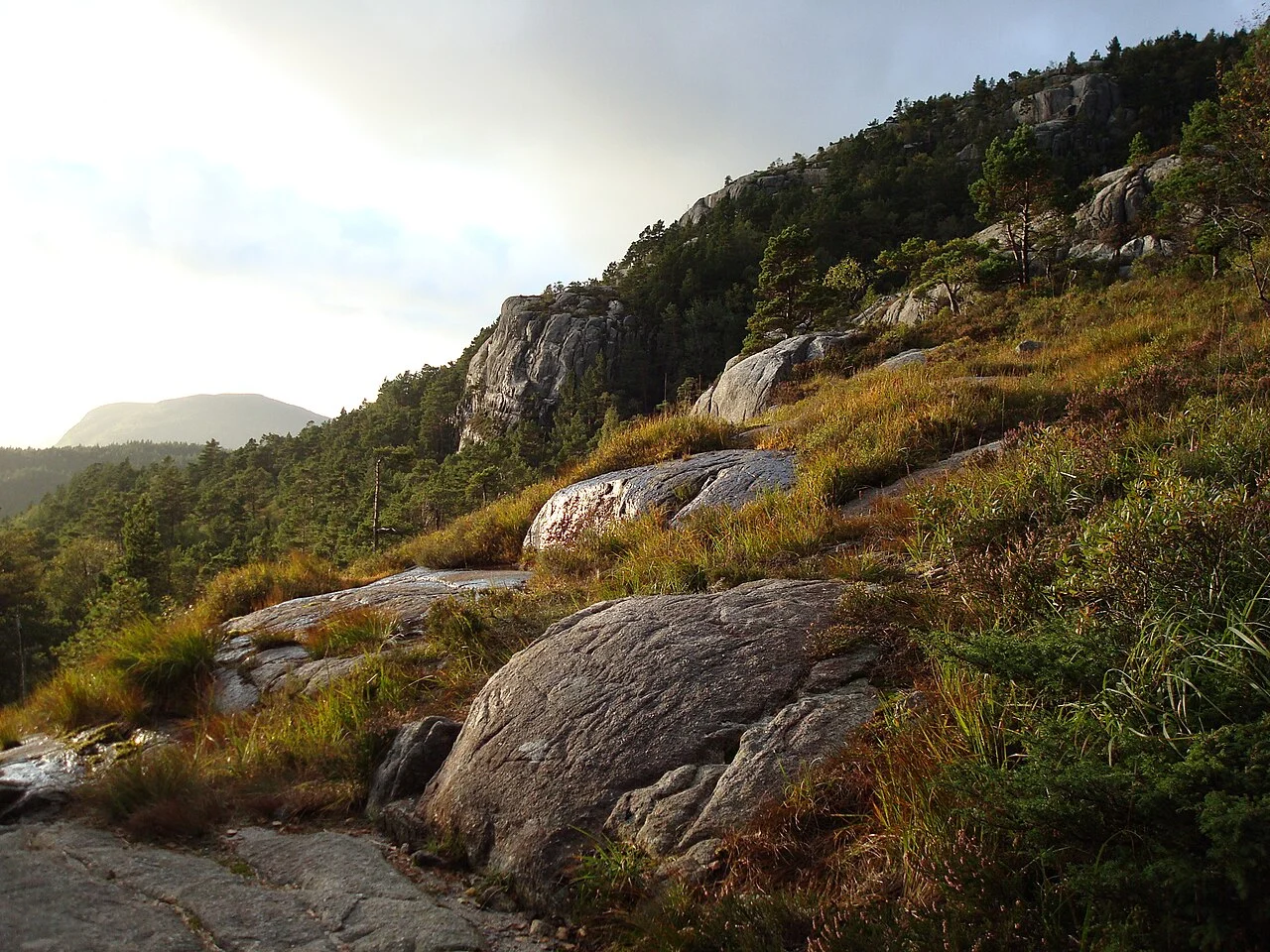
The plateau is only the halfway point on a round trip from the lodge. The return uses the same uneven trail, and tired legs can make the descent slower than you expect.
Agree on a turnaround time before setting out and keep a snack and water for the return. Give other walkers room on narrow sections, especially when the rock is wet.
Visit Norway suggests about four hours for the full hike. Add breaks, trailhead transport and time for a missed bus when planning your day.
One-, two- and three-day itineraries
One day from Stavanger. Use the morning to travel to Basecamp by road or the confirmed coach. Keep the late morning and afternoon for the hike, with at least four hours plus a buffer for breaks. Return to Stavanger for dinner. If the mountain forecast is unsuitable, move to a city itinerary or a confirmed fjord sailing. Check that your alternative fits the weather and the actual departure point.
Two days with a flexible hike date. On day one, arrive and use the afternoon for Stavanger’s harbour or an indoor visit, then confirm the next day’s route before dinner. If day one is clearly the better weather window and you arrive early enough, reverse the order. Use day two for the hike and return, keeping the evening clear for delays. If the hike is cancelled, use the Stavanger travel guide to fill the morning and afternoon within the city.
Three days around Lysefjord. Use day one for arrival and a short Stavanger visit. Give day two to the hike and allow a relaxed evening after the return. Use day three for a fjord trip or a city museum, leaving the morning and afternoon flexible if you need to swap the hike date. If you want to add the Kjerag hike, plan it as a separate full day with its own seasonal road, trailhead and transport checks. In winter, use a guided option and keep an indoor alternative.
When another outing fits better
If some members of your group are uncomfortable on rocky terrain or exposed viewpoints, choose a fjord outing that everyone can enjoy. A boat gives a view of the cliff from below and keeps the day focused on Lysefjord. Ask about the vessel, shelter and boarding, and confirm that the route visits the part of the fjord you want to see. The RIB safari guide explains how an open-boat option differs from a conventional cruise.
If the group splits, arrange a meeting place near your accommodation after both outings rather than counting on the trailhead and the cruise quay being close. Check the later return for both groups and agree what to do if a trip runs over. A flexible meal works well here. The walk can also be a poor fit just before a flight if the only way to make check-in is for everyone to finish within the published estimate.
For a quieter experience, consider an overnight closer to the trailhead or choose a date outside the busiest part of summer, subject to conditions and services. An overnight only helps if you can reach your lodging and the trailhead at the times you need. Confirm meal hours, luggage storage and the first and last transport before paying. A city base remains a sensible choice if you want a weather alternative with several indoor options.
Walk to Preikestolen with a guide
Prefer company and local guidance on the trail? Compare this guided Preikestolen hike, then check the pickup arrangements, equipment and walking requirements for your group.
View the guided Preikestolen hike →
Check current dates, prices, meeting points and cancellation terms on Viator. Affiliate link: we may earn a commission if you book.
Related planning
Destinations for your trip
Questions and answers
How long is the hike?
Around eight kilometres return and about four hours walking. Add time for transport and breaks.
Do I need to book?
Reserve a coach, guide or package if you need one. Check current parking and trailhead information if driving.
Can I go from Stavanger without a car?
Check the current seasonal coach or a guided product with return transport.
What does it cost?
The parking operator lists NOK 275 for a car staying more than two hours. Add tolls or compare a return bus fare.
Can I hike in winter?
Use a guide and confirm trail conditions, equipment and daylight before booking.
What if the forecast is poor?
Use a city visit or a fjord sailing if the operator confirms it. Reschedule the hike if you have a better day available.
Staying closer to the trailhead
If you are staying at Basecamp, check whether your room rate includes parking and when you can leave bags before or after checkout. If you are staying in Jørpeland, confirm the last leg to the trailhead and the return separately. In either case, find out which facilities operate when you expect to arrive. Pack food the evening before if an early departure falls outside breakfast hours. If you plan to start near sunrise, confirm that the timing, conditions and transport work for the entire group, or ask a local guide about a suitable departure.
Build the day around the return
Confirm transport in both directions and keep enough daylight for a slower descent. Choose a fjord or city alternative if the plateau conditions are unsuitable for your group.
Sources and further reading
Confirm current prices, schedules, access and requirements with the official sources before booking.