Birdwatching in Varanger: 10 Sites and Planning Tips
Birdwatching in Varanger takes you along an Arctic coast of harbours, open water and seabird cliffs. Plan the trip around the season, choose a base near the sites you most want to see and check Hornøya access before you book.
Birdwatching in Varanger at a glance
- Worth it? Yes for coastal birding with time to watch from established hides.
- Time? Two to three days gives you more flexibility.
- Season? Late winter or spring for sea ducks and the breeding season for colonies.
- Cost? Use public hides or budget around NOK 1,600–1,700 for the paid examples below.
- Transport? A car or a guide with transport makes coastal stops easier.
- Three priorities. Choose the habitat, confirm Hornøya permissions and leave a spare weather window.
1. Choose the season before booking a base
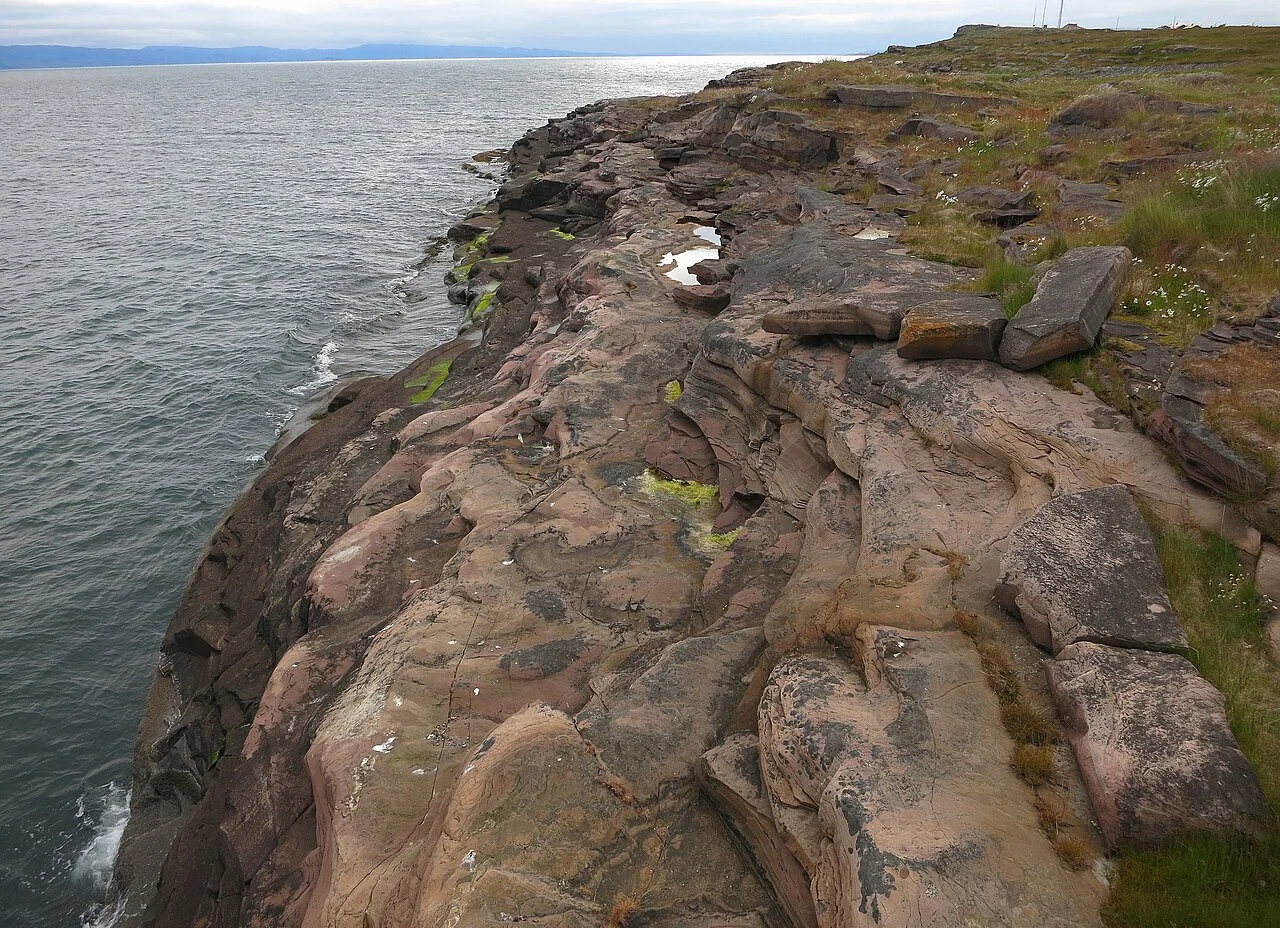
Birdwatching in Varanger works best when you decide which habitat matters most before choosing dates. A visitor looking for wintering sea ducks will spend much of the day scanning harbours and nearby water. A summer visitor interested in breeding seabirds will have a different plan, with time for a coastal viewpoint and possibly a permitted boat trip. There is enough variety to make either trip worthwhile, but a date that suits one group of birds does not automatically suit the other.
For wintering eiders, look at late winter and early spring and ask a local guide for recent observations before setting dates. Use the available light for the waterfront and plan warm breaks near your base. Days with poor visibility can be useful for short looks at sheltered water. Days with difficult roads call for a shorter itinerary even if a site farther away has been productive. A single report is a reason to investigate a place and gives little indication of what you will see after a long drive.
During the breeding season, plan with the assumption that some sites have access restrictions. Long daylight lets you spread out driving and observation, but it also makes it easy to spend too long on the road. Choose two main stops a day and give them time. In late summer and autumn, make migration and weather part of the decision. Check what local observers are reporting rather than expecting a breeding-season experience after the colony has dispersed.
2. Vadsø and Ekkerøy for a first coastal day
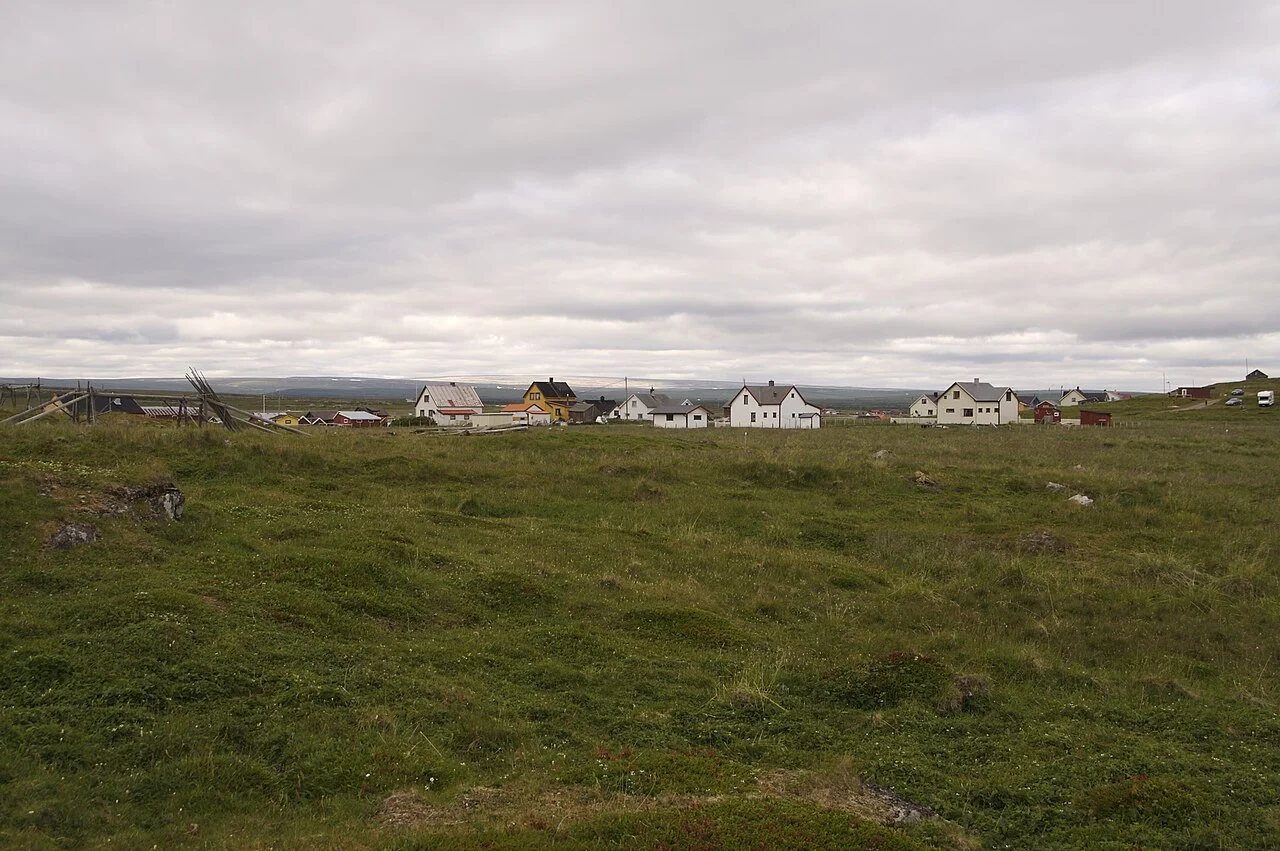
Vadsø makes a useful starting point for the southern shore. The Norwegian Scenic Routes overview lists bird hides in and around Vadsø, Vestre Jakobselv and Ekkerøy. Start with the site nearest your accommodation. It gives you a quick way to judge wind, visibility and how much time you can comfortably spend outside. An hour with binoculars can reveal more than a chain of short stops where the birds are always beyond useful viewing distance.
Continue east to Ekkerøy if access and weather suit. The settlement and its shoreline are a different experience from looking out from town. Give yourself time to watch from an established spot before deciding whether to move. If the light is difficult, change the angle from a public viewing point or wait and see if the weather improves. Keep away from nesting areas and follow any signs even when a path appears open on a map.
Allow 45 to 90 minutes at each main stop, including a short walk where appropriate. The public hides are the low-cost option. Budget separately for transport, food and any paid guiding. Check the approach before relying on a hide for a traveller with limited mobility. The Scenic Routes overview identifies partial wheelchair accessibility, which does not establish the surface, gradient or access at every shelter. Ask your accommodation or a local guide about the exact stop that fits your group.
3. Kiberg, Domen and the Vardø end of the route
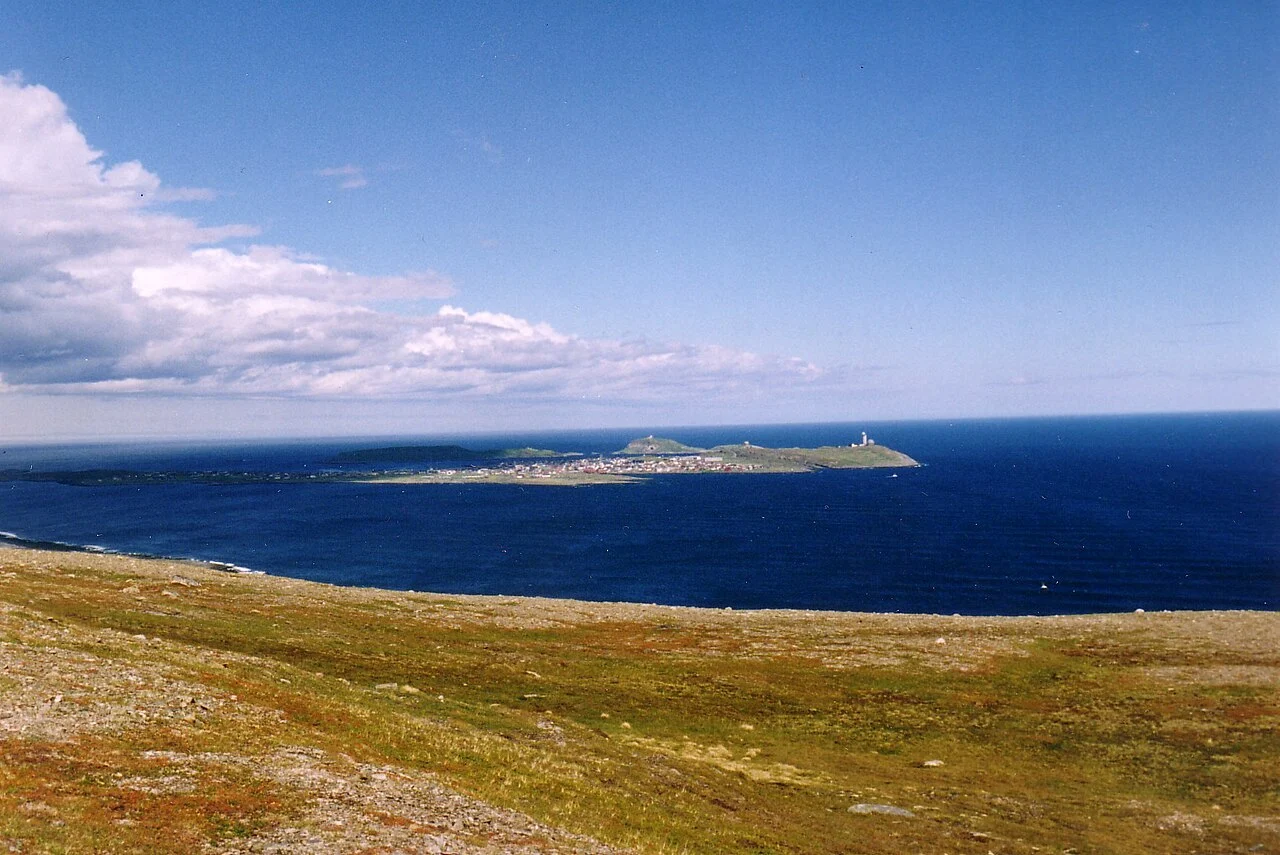
Kiberg and Domen can fit into a west-to-east day that ends in Vardø. Kiberg gives you a chance to pause near the coast and see what is using the water. Domen is a viewpoint with a bird shelter and an opportunity to look over a wider stretch of the landscape. Conditions at the two stops can differ. If an exposed viewpoint is uncomfortable or visibility is poor, spend more time at the sheltered stop and continue to your base before the weather worsens.
In Vardø, allow time for the harbour and for the Steilneset area. The Scenic Routes guide identifies a bird hide at the tip of Steilnesodden. Treat the memorial and birdwatching as separate stops when planning the day. If you want to visit the memorial or another indoor attraction, check its current hours before setting out. A town-based alternative is especially useful when a planned sailing has been cancelled and you have already travelled east.
For photographers, Birding Varanger lists a six-hour floating hide session in Kiberg from February to April at an example price of NOK 1,700. Confirm the current rate, equipment arrangements and dates with the provider. Ask how you reach the hide, how long the session runs before the group can leave and whether there is a toilet or a sheltered waiting area. If your travel companions want a short look with binoculars, a public shelter will give them more freedom to change the day.
4. Hornøya access and boat bookings
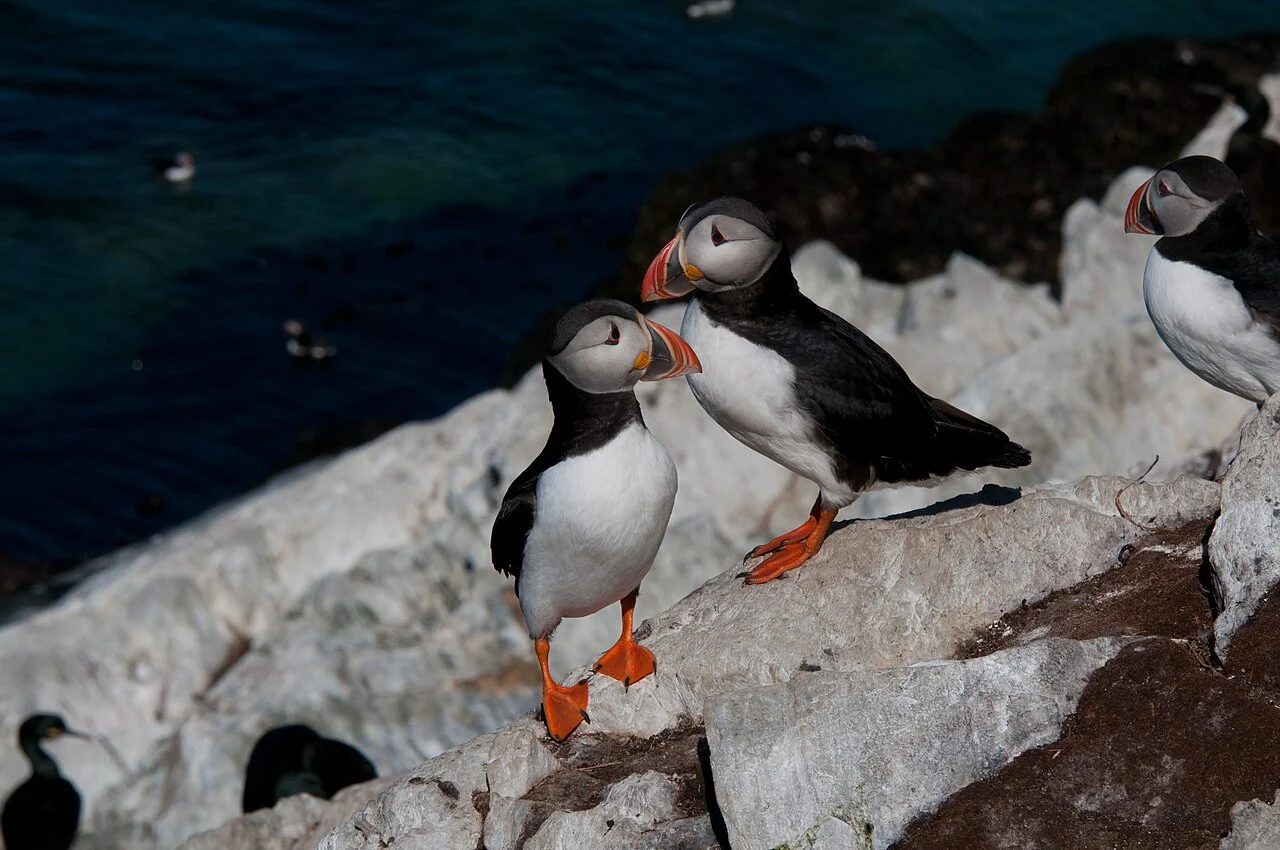
Hornøya is off Vardø and is associated with puffins, guillemots, razorbills and other breeding seabirds. It is also part of a protected reserve. Separate the questions of whether a boat runs, whether the operator is authorised for the relevant date and what a visitor may do after boarding. A page showing old departure times or photographs from a former route is insufficient for any of those checks.
Vardø municipality publishes seasonal restrictions for specified sea areas around Hornøya and Reinøya during the breeding season. Vardø Port also publishes information on permitted transport, and the County Governor has issued seasonal permits. Before paying, ask the operator to confirm its current authorisation, meeting point, expected duration and whether the trip includes a permitted landing or observation from the water. Follow the current rules and the guide’s instructions on the day. A restriction may change where you can go even if the boat can sail.
One Birding Varanger listing gives an example price of NOK 1,600 and a duration of four to five hours for a guided Hornøya product. Confirm the calendar and price, and ask what happens if sea conditions prevent the advertised format. Give the excursion most of a half-day plus time at the harbour. Keep your other bookings flexible. A sensible fallback is a morning in Vardø with a mainland hide in the afternoon, subject to road conditions. The Norway puffin guide covers other regions if the colony is your main reason for travelling.
5. Hamningberg and transport across the region
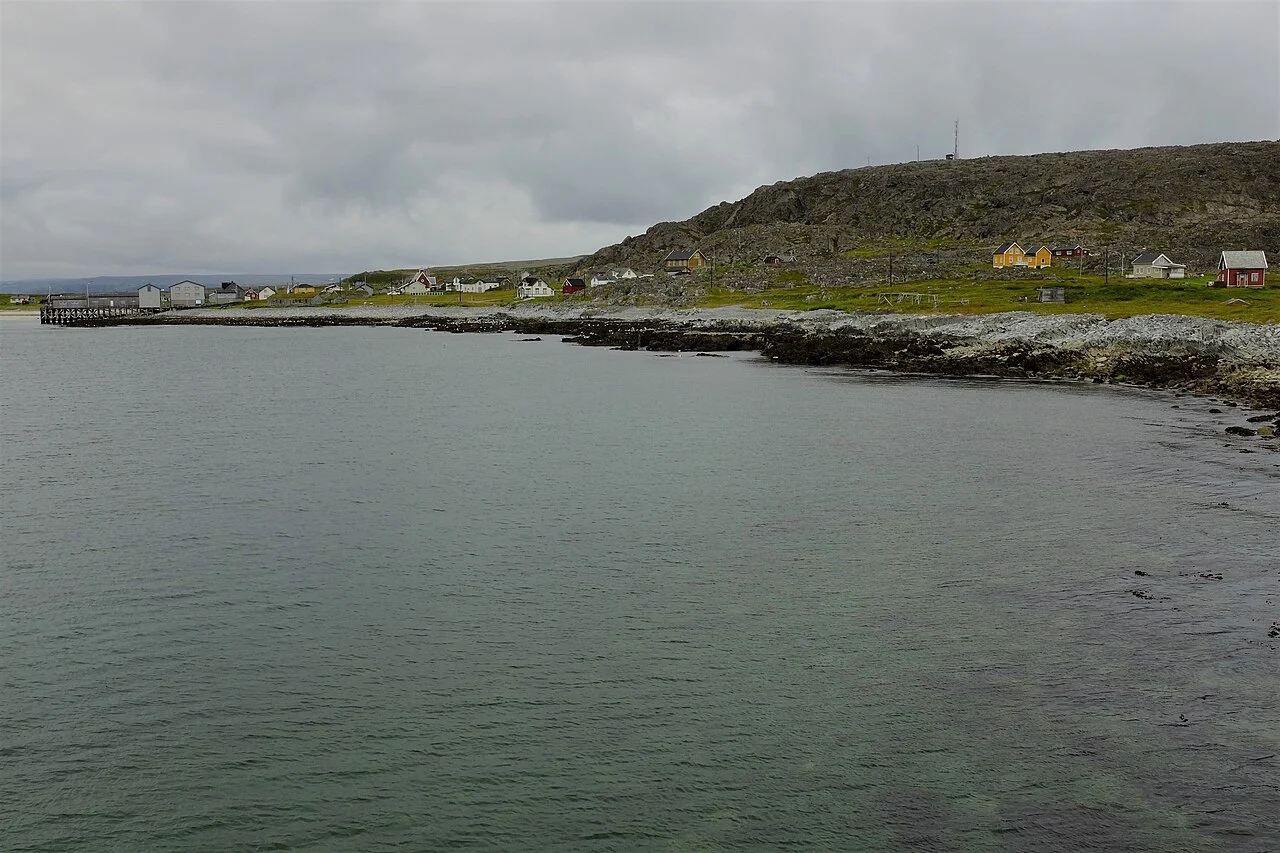
Hamningberg sits at the far end of the scenic route beyond Vardø. Its hide is an option when the road is open and the forecast suits an exposed coast. The Norwegian Public Roads Administration describes the approach as winter-closed. Check the actual road status and allow enough time to come back the same way. If the road is closed or visibility is poor, stay with stops closer to Vardø. A hide shown on a map is useful only when you can get there and back safely.
A car gives you flexibility between short coastal stops. Confirm fuel and food options in your overnight town, particularly outside the main season, and use the official traffic service before leaving. Travellers using buses should plan around specific stops and the last return before committing to an outlying hide. A local guide with transport can cover selected sites in one trip and help interpret what you see. Ask where you will be picked up and how much walking is included.
Kirkenes can be a gateway, but reaching the main Vadsø–Vardø birding coast involves travelling around the fjord. If arriving late, stay near your arrival point or plan the drive around daylight and the conditions. Use the Kirkenes guide for ideas around the gateway, then move to the coast for your main birdwatching days. Avoid booking an island trip immediately after a long transfer if you have another day to choose from.
6. Equipment, behaviour and booking order
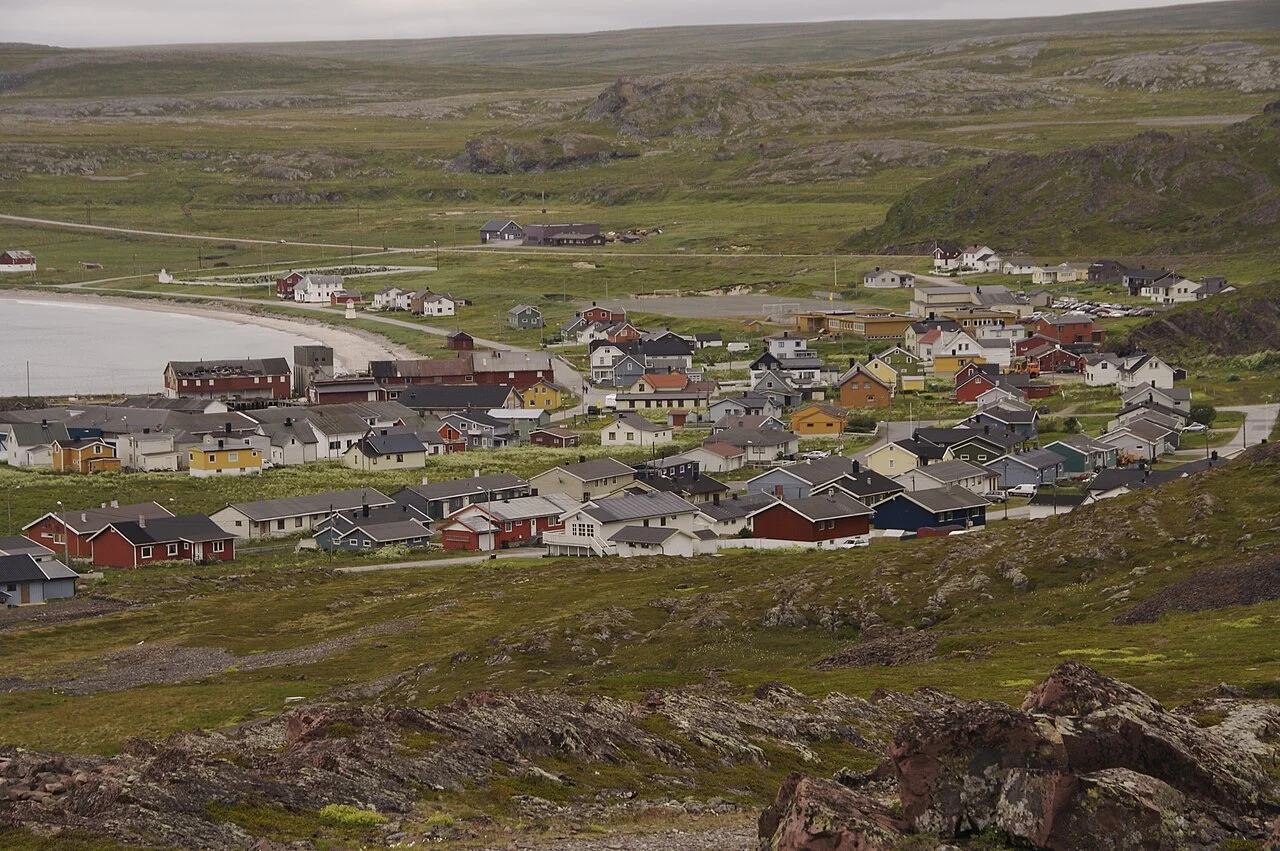
Bring binoculars, waterproof outer layers and warm gloves that let you handle your optics. A telescope can help for birds on the water, especially from an established shelter. If travelling light, prioritise binoculars and the clothes that let you stay still comfortably. Check what a paid hide provides and whether you need a tripod, chair or spare batteries. Pack a warm drink and something to eat when you expect to be away from town for several hours.
Keep your distance and watch how birds respond. Avoid playback, feeding or approaches that repeatedly displace resting birds. Give other visitors room at narrow hides and avoid sharing precise locations of sensitive nests. If birds move away from the shore as you approach, stop and use a viewing point farther back. A longer view through optics is part of responsible birding here.
Book accommodation and any priority guided session around the habitat and season you want, then check road access and operator instructions close to departure. Public shelters can fit around weather without a timed ticket. For a paid outing, understand whether a change of date, a different route or a refund applies when conditions prevent the advertised trip. Keep one easy stop near your overnight base for an arrival delay or a weather change.
7. Nesseby’s church shoreline
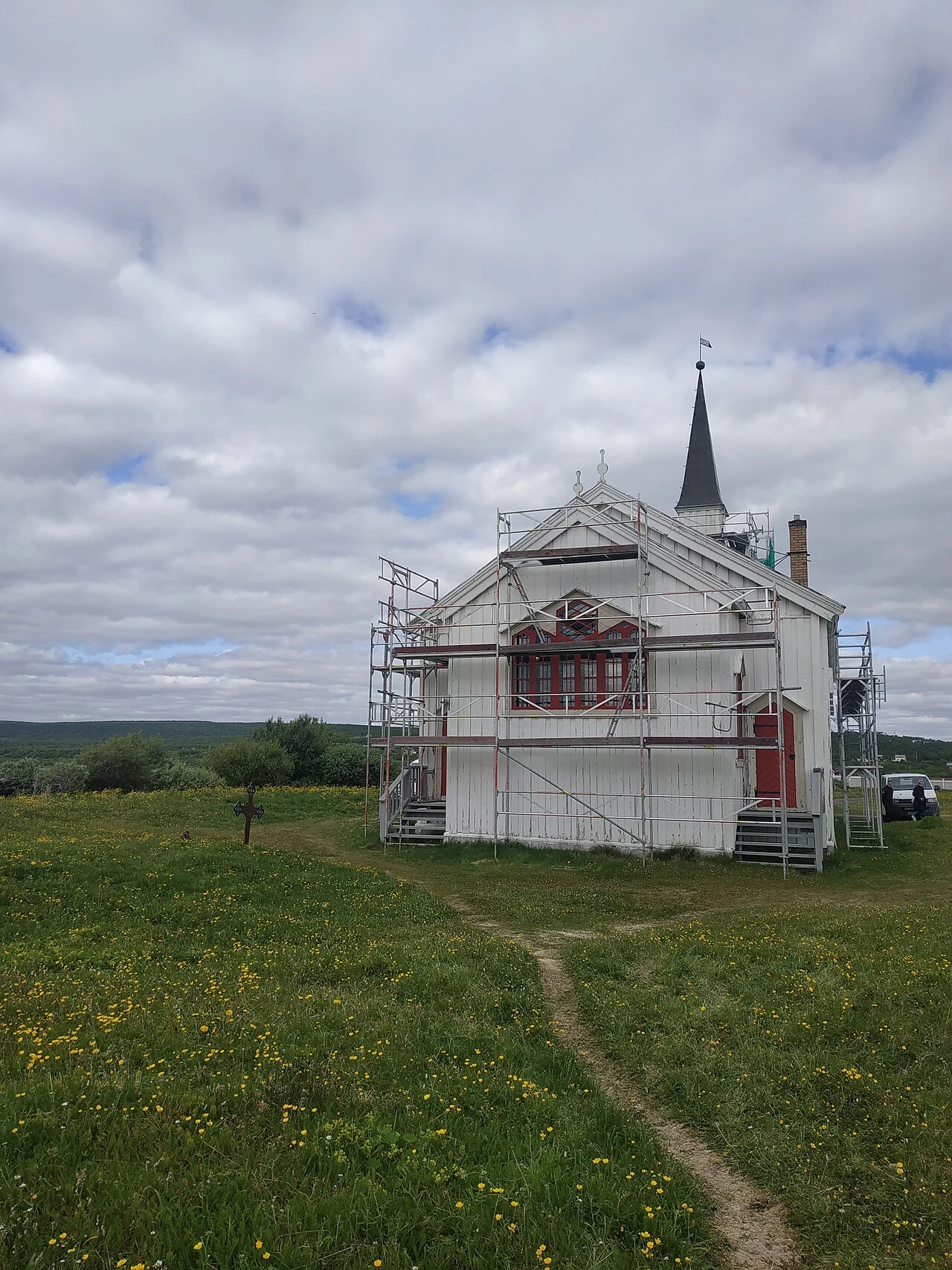
The shoreline near Nesseby church offers a short introduction to the inner fjord. It is a practical stop before committing to the longer eastern leg of the drive.
Scan the water before walking closer to the shore. Look for changes between the open water and the shallows, and step back if birds respond to your approach.
Allow 30–45 minutes in daylight. Budget for transport and confirm where visitors may park. Pair the stop with Vestre Jakobselv if you are moving on to Vadsø.
8. Vestre Jakobselv and the river mouth
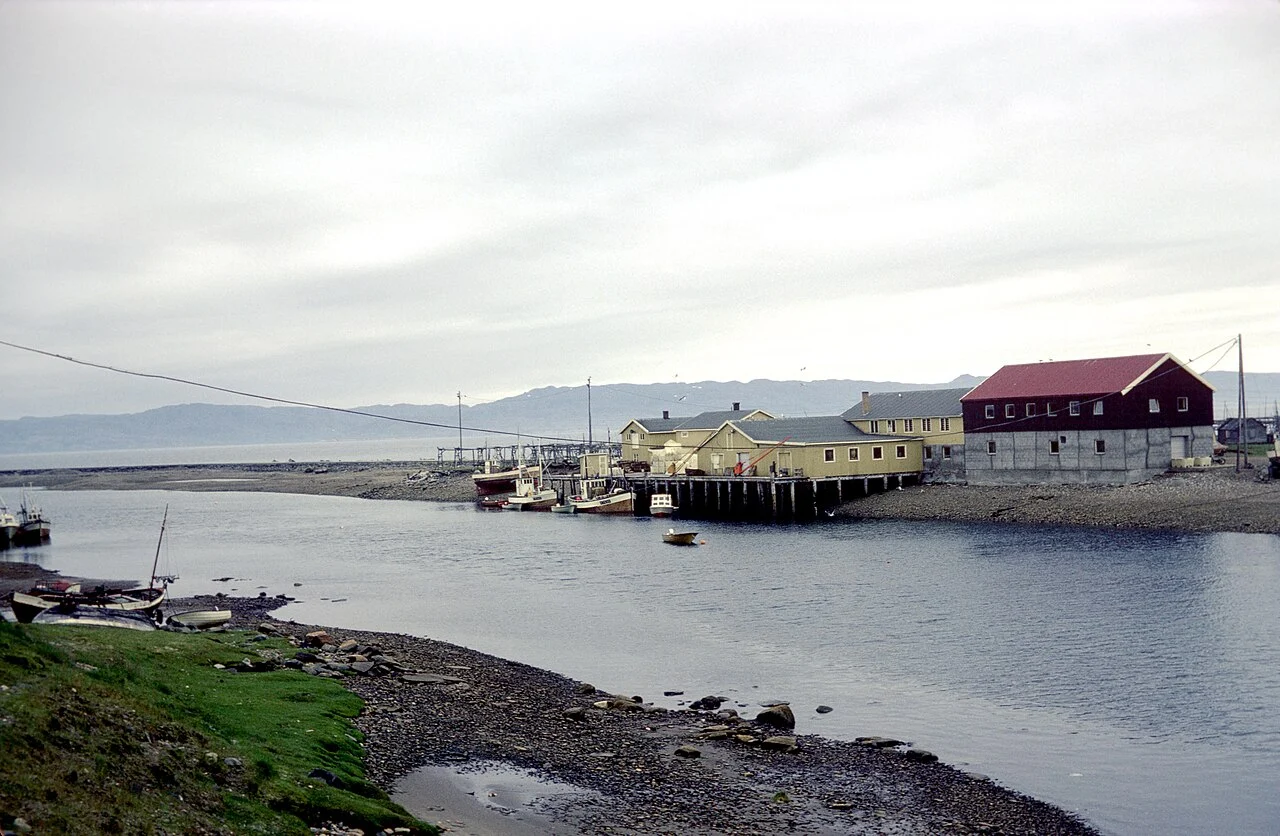
Vestre Jakobselv is among the stops with a birdwatching shelter listed by Norwegian Scenic Routes. Use it as an introduction to viewing from land before going farther east.
Start with the river mouth and work outward with binoculars. A short sheltered scan can suit travellers with different levels of interest, especially when exposed viewpoints are windy.
Allow 30–60 minutes. Check ground conditions in winter and budget for your transport. Use it between Nesseby and Vadsø, or as the main stop if you are short on daylight.
9. Båtsfjord for a separate harbour itinerary
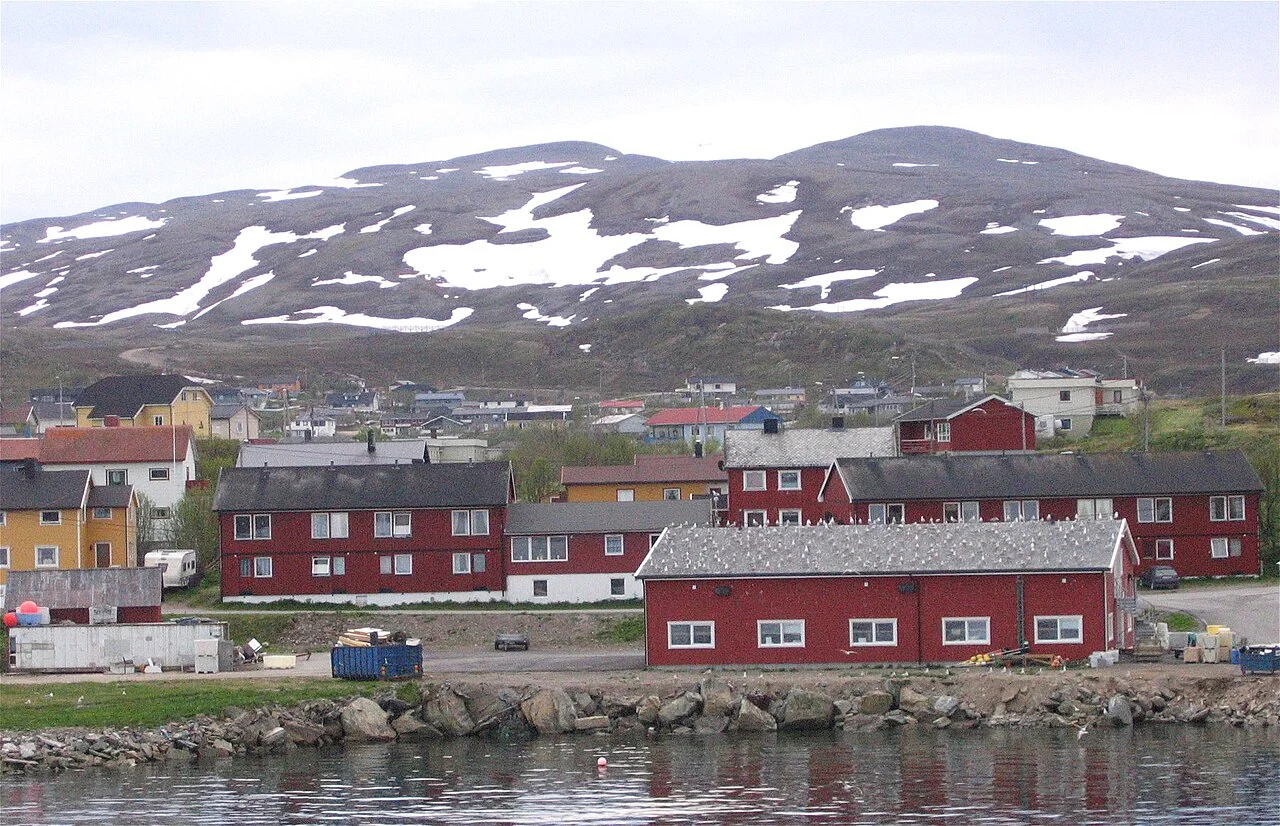
Båtsfjord belongs on a separate itinerary from the Vadsø–Vardø coastal drive. Its harbour offers an option for travellers who are interested in seasonal sea duck watching.
Watch from established public areas and leave room for people working on the quay. Ask locally what is being seen before paying for a specialist outing or making a winter detour.
Allow at least a half-day on site and account for a separate transfer. Confirm any guide or vessel fare, road status and the return plan before booking accommodation.
10. Steilnesodden on the Vardø mainland itinerary
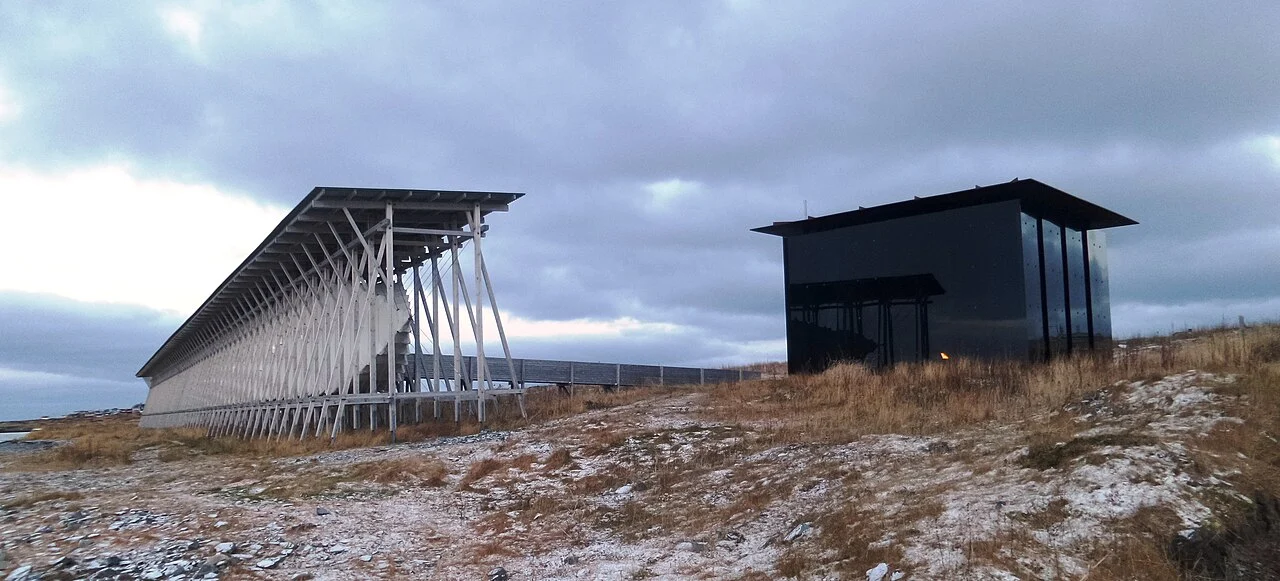
Norwegian Scenic Routes lists a birdwatching hide at the tip of Steilnesodden. It gives you a shore-based watch to plan independently of Hornøya permits.
Bring binoculars and scan from shelter where available. If the group has mixed interests, agree on a meeting time and combine the watch with a separate walk in town.
Allow 30–60 minutes and check wind, footing and current route access locally. Budget for any separate museum or guided stop. Keep the shore watch flexible when the weather turns.
One-, two- and three-day itineraries
One day from Vadsø. Use the morning for the waterfront and a nearby hide, allowing up to 90 minutes if there is activity. Have lunch in town, then drive to Ekkerøy for an afternoon shore stop and return to Vadsø for dinner. If the road or visibility makes the second stop unsuitable, stay in town and try shorter sessions around a warm break. Check the return bus before treating this as a car-free itinerary.
Two days from Vadsø to Vardø. On day one, visit Vadsø and Ekkerøy in the morning and early afternoon, then continue to Vardø via one selected coastal stop. Check into your accommodation and confirm the next day’s plans before dinner. On day two, use a half-day for a permitted Hornøya excursion if a departure is confirmed, leaving the other half for Vardø and Steilneset. If the boat cannot sail, use the harbour and a mainland hide, keeping stops short if the weather is poor.
Three days with a weather buffer. Follow the first day of the coastal route and use the better of days two and three for the main boat or photography booking. On the spare day, use the morning for one site you missed and the afternoon for Hamningberg only if access and visibility suit. Keep the evening for the return to your base and a meal. In winter or early spring, replace the outer road and any unconfirmed island outing with a harbour session or a booked hide. A late change is much easier if both nights are in the same place.
Related planning
Puffin Watching in Norway

Musk Ox Safaris on Dovrefjell
Wildlife Tours on Svalbard

Scenic Road Trips in Norway
Destinations for your trip
Questions and answers
When should I visit?
Choose late winter or early spring for sea ducks and look at the breeding season for seabirds. Confirm local access and recent sightings.
Can I go to Hornøya?
Check current reserve rules and use a permitted operator. Confirm whether the outing includes landing or viewing from the boat.
How long should I allow?
One day works around Vadsø. Two or three days let you add Vardø and keep a spare weather window.
How much does it cost?
Public hides are the low-cost option. Published private-provider examples are NOK 1,600 for a guided island excursion and NOK 1,700 for a floating hide session.
Do I need a car?
A car is useful for multiple hides. For a car-free trip, base yourself near a town waterfront and confirm buses or a guide with pickup.
What if the outer road is closed?
Skip Hamningberg and use Vardø or other accessible stops along the main coastal route. Check official traffic information first.
Give the coast time
Choose Vadsø for an introduction to the southern coast and Vardø if an authorised island excursion is your priority. Plan enough time to use the hides and keep one mainland alternative available. In a region where access changes with season and weather, a trip with fewer scheduled stops gives you more time to see what is there.
Sources and further reading
Check current access, prices, opening hours and transport with the official sources before booking.