Hiking in Lofoten: 10 Trail and Trip Planning Tips
Hiking in Lofoten is easier to plan by choosing one area and keeping a lower-level alternative nearby. Compare Reinebringen, Ryten, Kvalvika and Haukland before choosing your route.
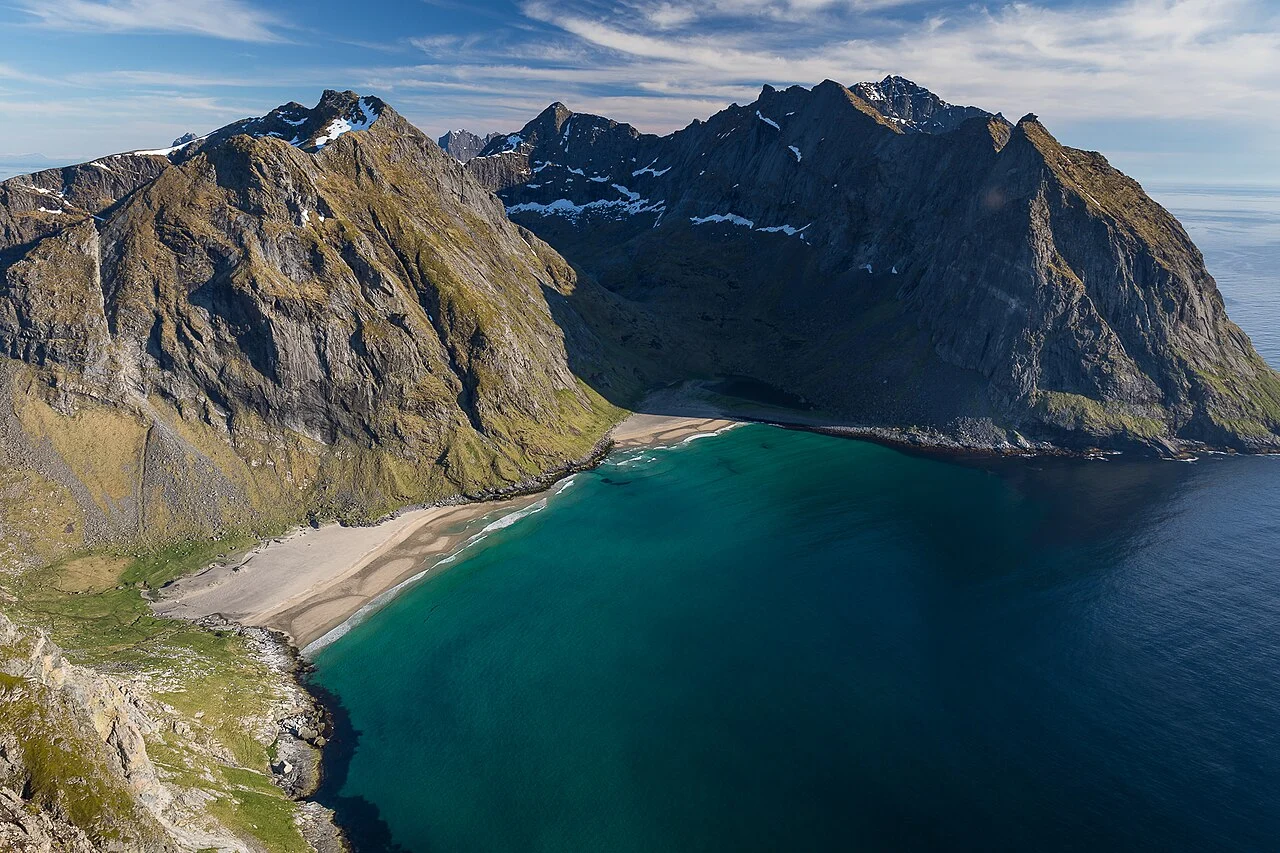
Hiking in Lofoten at a glance
- Worth it? Yes, with routes matched to weather and ability.
- Time? Keep a half-day or longer for a mountain route.
- Season? Choose snow-free conditions for a first hike.
- Cost? Budget for local parking, transport and any guide.
- Transport? Confirm designated parking or the final bus and walk.
- Priorities. Choose a base, check conditions and plan the return.
1. Choose a hiking base before choosing a summit
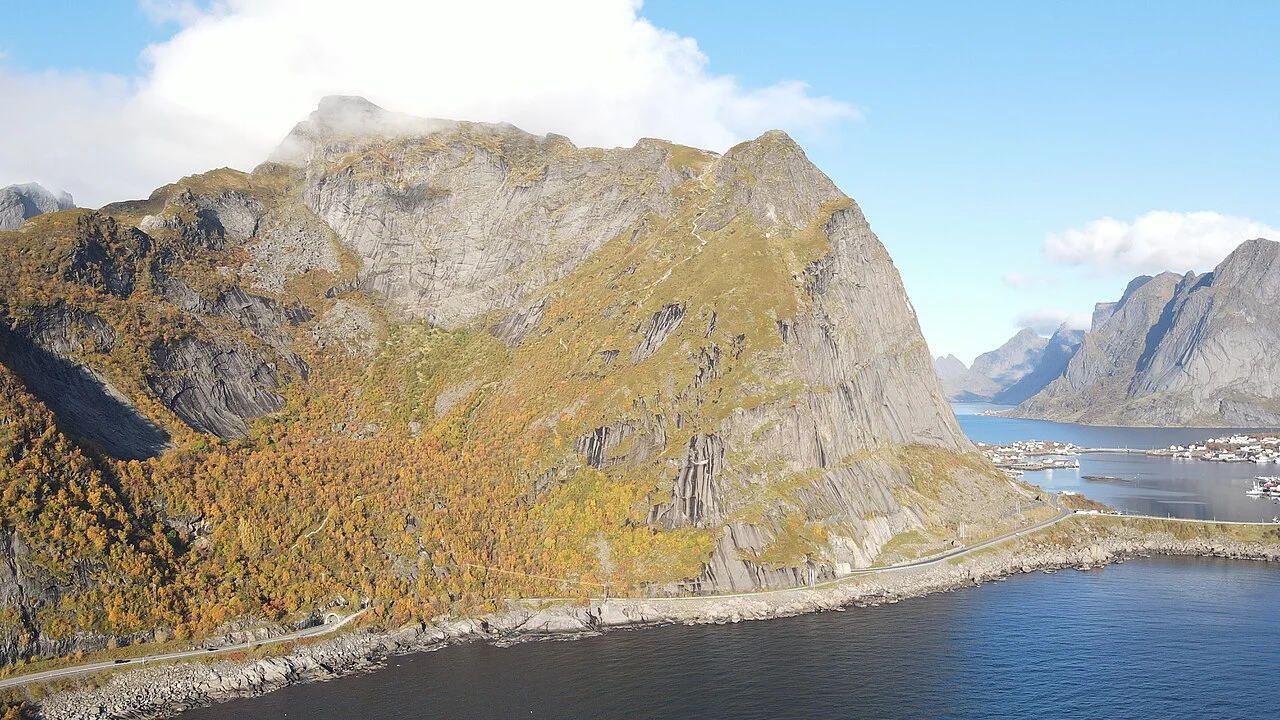
Hiking in Lofoten works best when you group walks by island and keep an alternative within easy reach of your base. Reine suits a stay in the far west and gives you an early decision on Reinebringen. Fredvang is the starting area for Ryten or Kvalvika. Around Leknes and Vestvågøy, Haukland provides a shoreline option and access to more demanding walks. Pick the area first. A trail that looks close on a map can still require a drive along narrow roads and time to find a legal parking space.
Decide what kind of terrain your group wants. Reinebringen is a steep stair ascent. Ryten is a longer approach to a mountain viewpoint above Kvalvika. A beach or coastal walk can make more sense when wind or cloud removes the reason to climb. The distance on a trail listing gives only part of the effort. Ask about the surface, exposure, descent and whether you can easily turn back. If several people have different aims, agree which part of the day you want to spend together before choosing the walk.
Use the Lofoten travel guide to fit hiking around fishing villages, food and transport. Give each hiking day a main route and a lower-level alternative. That makes it easier to avoid spending the whole day driving if the first route is unsuitable. If you are staying just one night, choose a walk close to your lodging instead of adding a second area for the sake of a single viewpoint.
2. Reinebringen and the Reine harbour alternative
Seasonal safety check, 26 November 2026: Visit Lofoten identifies May–September as the usual hiking season and strongly advises against the route in winter. Snow and ice on the steep stairs can make the route unsafe even outside the usual winter months. Check the official hiking guide; when conditions are unsuitable, choose the harbour instead.
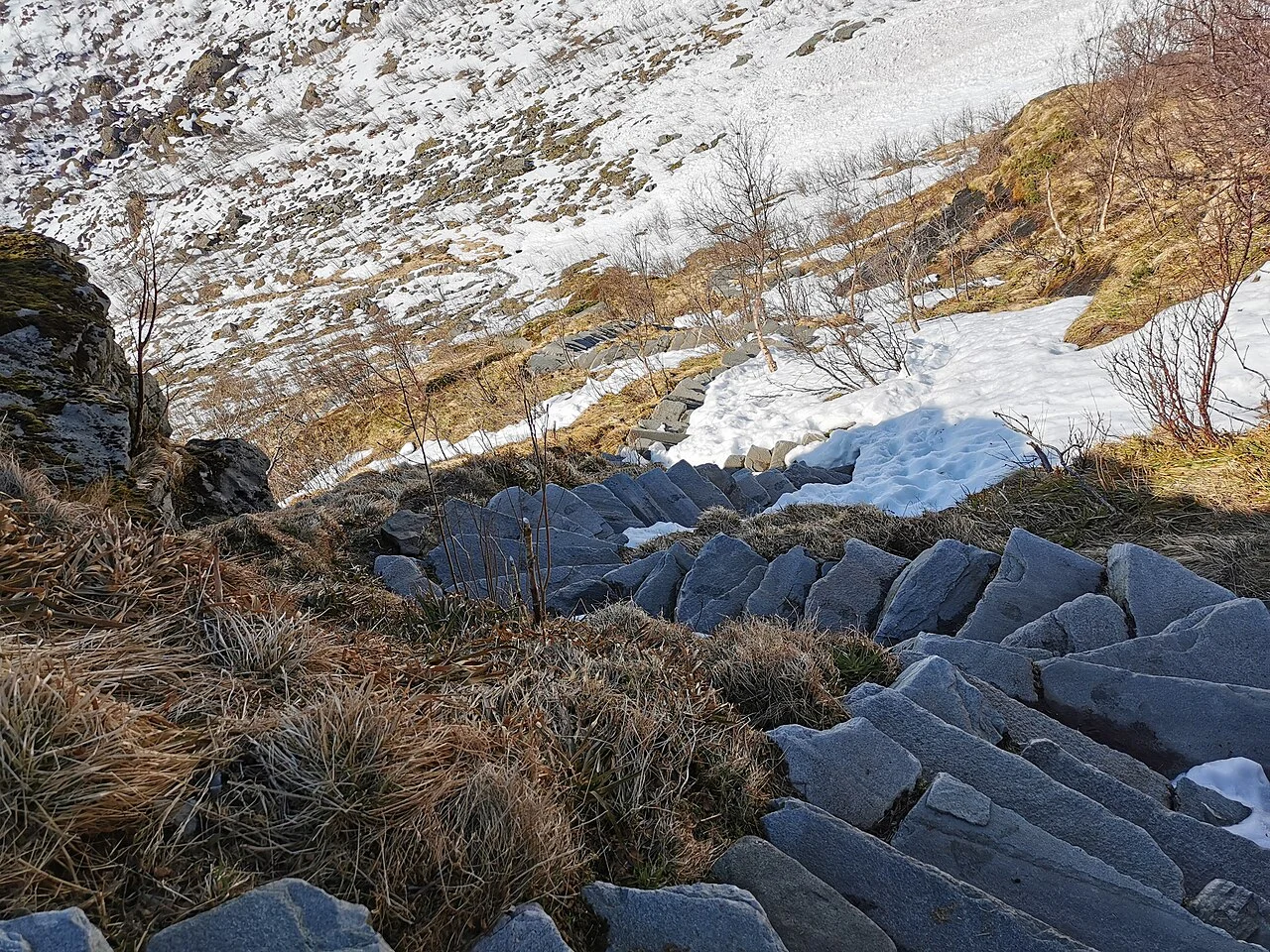
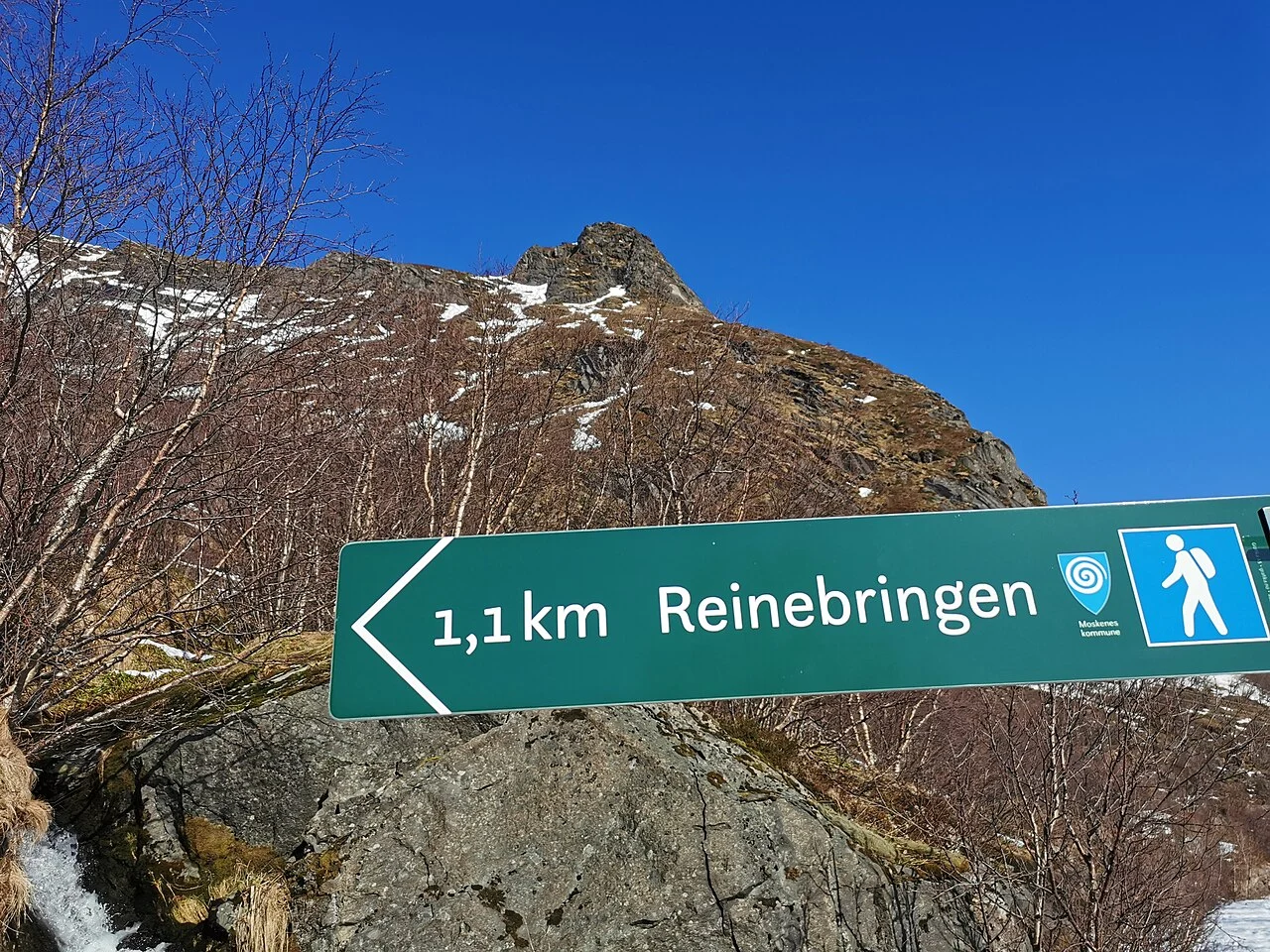
Reinebringen looks over the harbour and bridges around Reine. The maintained steps still make for a steep climb and descent. Visit Lofoten gives approximately one to two hours in its route information. Allow a longer block for the walk from parking, breaks, traffic on the steps and a slower return. If the group finds the ascent difficult, consider how the descent will feel before going farther. Give people room and stay away from exposed edges at the viewpoint.
Use designated parking. The local Reinebringen guide directs drivers to Ytre Havn and says roadside parking and stopping in passing places are prohibited. Check current parking prices and any time limits at the marked lot. Allow time for the walk to the trailhead from the actual parking space. Do not plan to drop passengers off in a narrow road or private driveway. If the lot is busy, use another permitted option or change the plan.
The village and harbour can be the day’s main visit when the upper route is unsuitable. A short walk near the water gives a different perspective on the islands, bridges and steep slopes without committing to the steps. Check where it is appropriate to walk and where you can have a warm break. A lower route also works for companions who do not want to climb. Arrange a meeting point and leave the return time flexible if your group splits.
3. Ryten or Kvalvika from Fredvang
Visit Lofoten describes routes from the Fredvang school area or Innersand. It gives about two hours one way to Ryten and around an hour and a half one way to Kvalvika beach for the routes described. Those are planning examples from the indicated approaches. Add stops and the return. Choose the mountain or the beach as your main destination unless you have checked the complete combined route and it fits your group and the conditions.
Ryten gives a view down towards Kvalvika. A photo at the viewpoint can make the route look shorter than it is. Plan for open terrain and wind, and stay clear of cliff edges. If cloud hides the upper ground or people in the group are tiring, use a suitable turnaround rather than pressing on for a picture. Bring layers for the stop and enough food and water for the return. Confirm any temporary closures or reroutes before setting out.
Kvalvika is also a return walk over uneven ground. Going down to the beach means walking back up on the way out. If you stop for a long time, leave enough energy and daylight to get back. Use the marked or advised route and follow posted detours. Check the parking guidance for your exact approach. A lot at another trailhead can turn the walk into a different route, so avoid choosing a parking spot solely because it appears closer to the beach on a map.
4. Haukland for a lower-level day
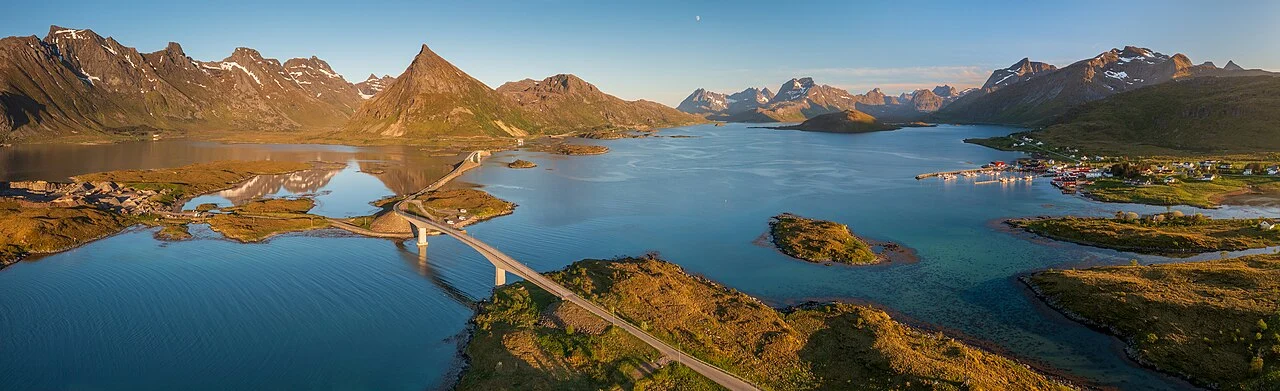
Haukland on Vestvågøy is useful when the group wants time near the coast without a summit commitment. The beach and surrounding terrain give a good view of how the mountains meet the sea. Use the designated access and check current parking charges and facilities. Allow an hour or two for a shoreline visit and warm break if conditions suit. A clear view from the beach is a good reason to stay low even when another hike is on your original list.
Visit Lofoten describes Mannen, which starts at Haukland, as short and exposed. A short approach from a beach does not make the ridge a substitute for a gentle walk. Check the route and local advice before choosing it. If the forecast is windy or visibility is poor, stay near the shore or return to town. In wet weather a planned hour outdoors can become a shorter stop and a café visit. Leave enough time to change clothes before continuing.
If you also want to see Uttakleiv, choose the transport and route separately. Check where you can park and whether the walking route you had in mind is open and appropriate. Avoid assuming that a road tunnel is the walking connection. If you are staying around Leknes, you can keep the day within Vestvågøy instead of making a late drive to Reine after the walk. The shorter return makes it easier to adapt to weather or tiredness.
5. Seasons, safety and trail conditions
For a first hiking trip, start with the snow-free season and verify conditions at the actual elevation. Ice or snow can persist on higher ground even when the village looks clear. A local summer description does not establish winter suitability. Ask a qualified local guide about routes that require winter experience. A shore visit or town day is a reasonable alternative if the mountain route is beyond the group’s skills.
Check the forecast, current trail advice and the Norwegian Public Roads Administration traffic service before leaving. Wind, rain and cloud can matter more than temperature. A wet descent can take longer than the ascent. Agree when to turn back before you get to an exposed area. Carry layers, water, food, a charged phone and an offline route, and choose footwear for the conditions. Keep enough daylight for the full return and the walk to your vehicle or bus.
Long summer light helps you schedule a second window, but it is still worth setting a return time. Read the midnight sun guide if a late outing is part of the plan. A late hike followed by an early ferry can make the next day harder. Give fragile ground room, stay on the established route where instructed and carry waste out. If a path is closed, use the posted alternative or choose a different outing.
6. Parking, transport and what to book
Budget for parking, road transport, food and any guide. Check each trailhead’s current price and payment method. There is no single Lofoten hiking tariff. Compare the total for your party with a guide or transfer if you are travelling without a car. Confirm whether a booking includes transport and what happens if the guide chooses another route because of the weather. Accommodation near the main hike can reduce transport costs and make a changed start easier.
If you rely on a bus, check the closest usable stop and the final walk to the trailhead. Plan the last return for the actual day and allow more time than the walking estimate. Save the stop name and timetable offline. A bus that works for a village visit can leave too little time for a mountain route. Choose a shorter route or arrange a return if the timetable gives you no margin. Check any ferry independently before you schedule a hike on a travel day.
Use one confirmed booking as the anchor of a day. If a guide requires an early meeting, check breakfast and equipment arrangements the evening before. In the peak season, book lodging and transport while keeping the route flexible where possible. Bring a dry change and know where you can get warm or eat afterwards. If you are comparing a hiking holiday with a wider drive, the scenic road trip guide offers context for the travel days between bases.
7. Fredvang before heading to Ryten
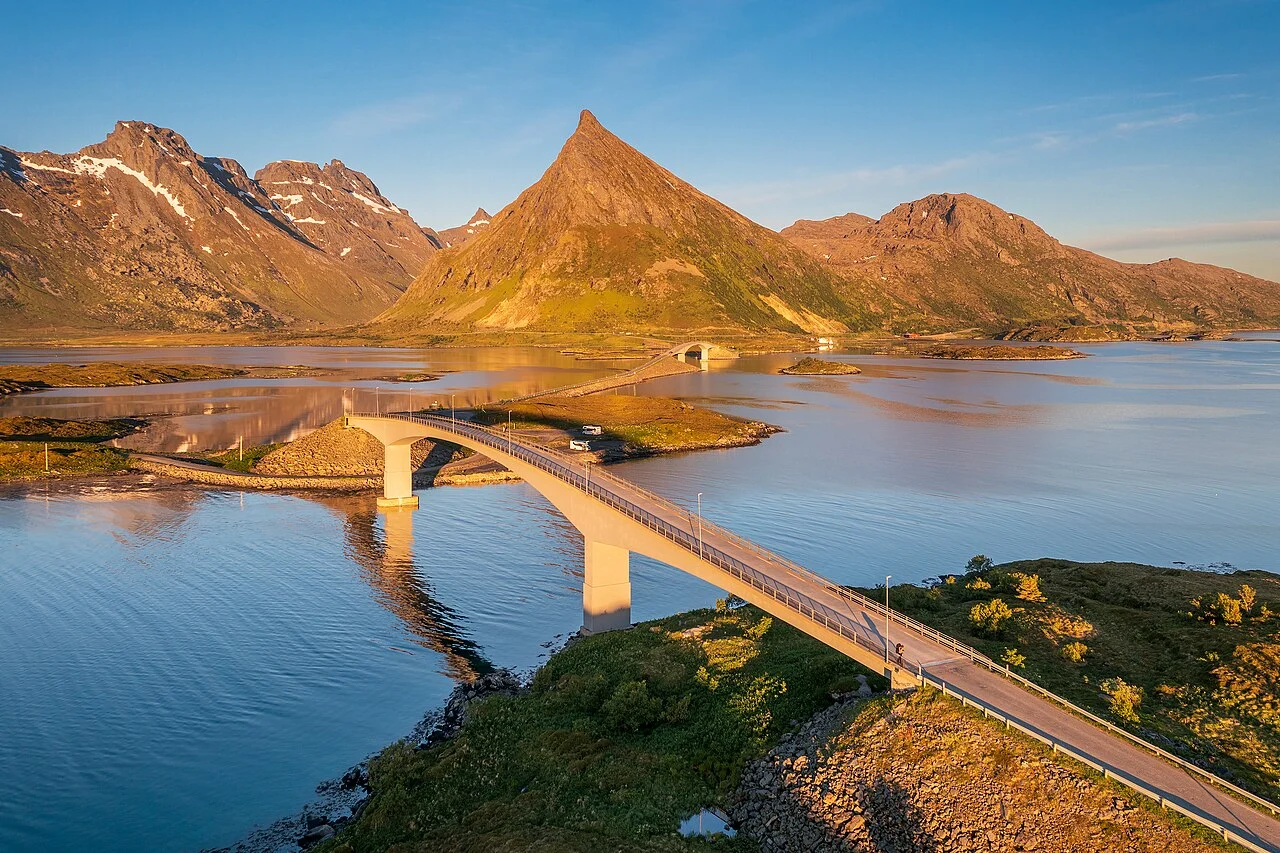
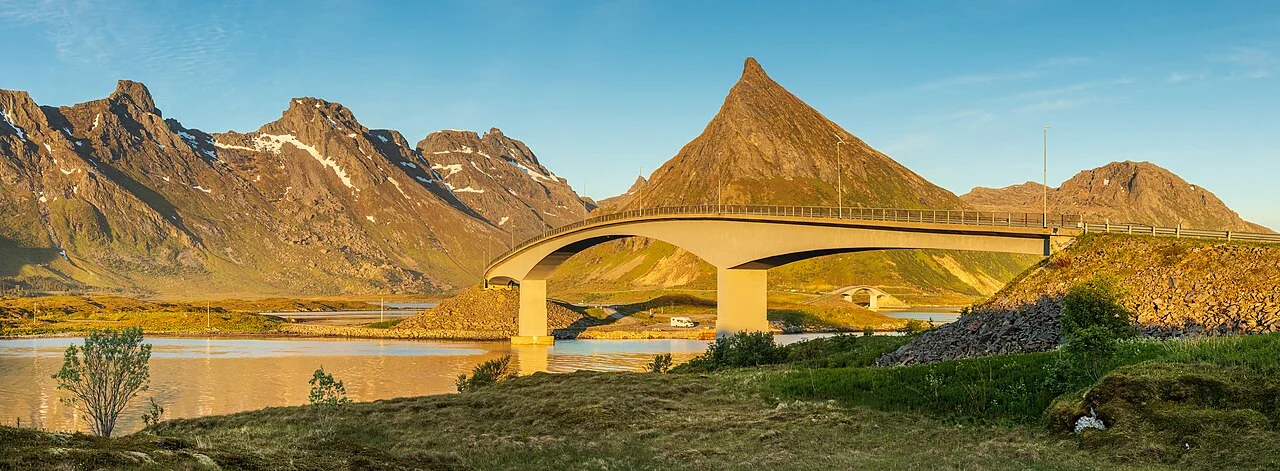
Fredvang is the village to orient around for a trip to Ryten or Kvalvika. The route to the village crosses bridges with views toward the mountains.
Find the specific trailhead and approved parking before arriving. A village name alone does not tell you which approach the route follows.
Allow most of a half-day for an outing that includes a climb. Compare parking or any shuttle costs and check current access before leaving your base.
8. Haukland as the coast-level option
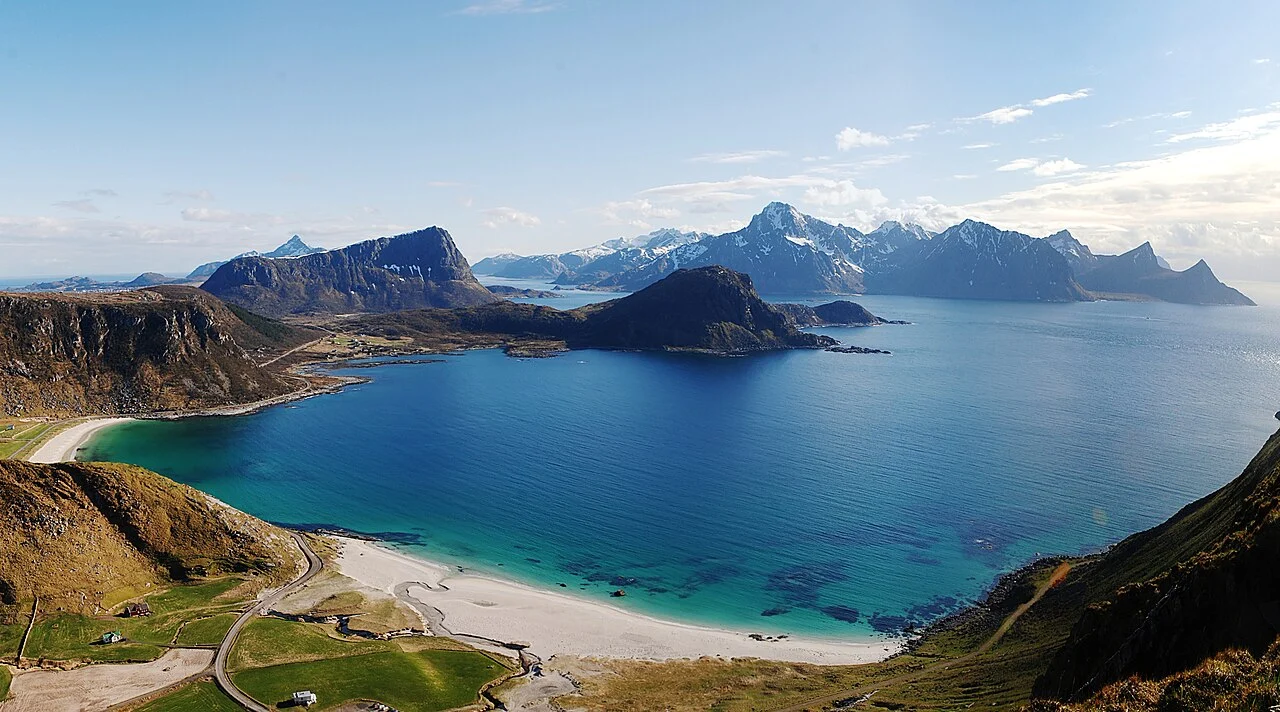
Haukland gives you a lower-level day close to Leknes. It can be worthwhile when the ridge routes are low in cloud.
Give the shore and the changing water time. Stay on established approaches if the ground is wet or crowded.
Allow 45–90 minutes for a short visit. Check opening hours for any facilities and budget for parking or transport.
9. Reine harbour when the stairs are unsuitable
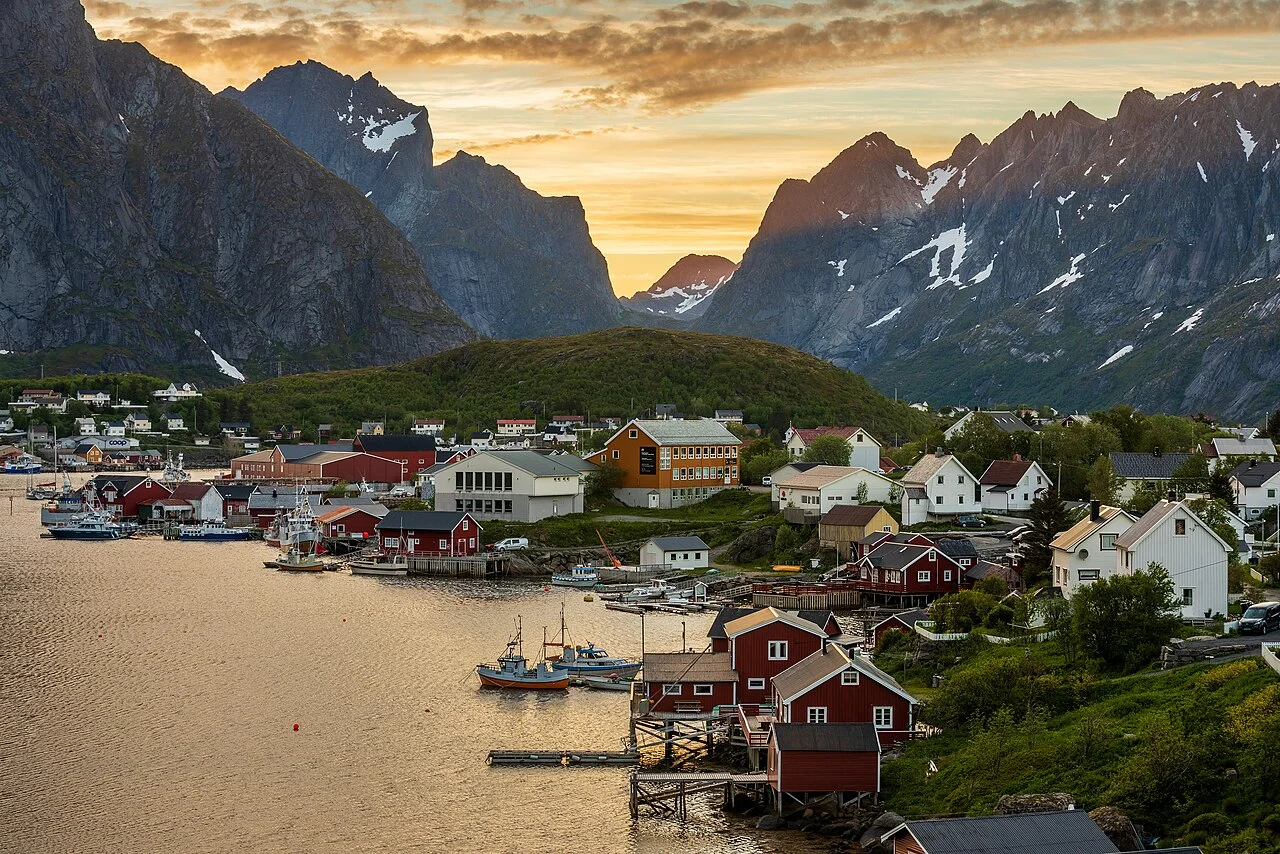
The harbour gives you a view of the same mountain setting without depending on a climb. This works for a party with different abilities or during unsettled weather.
Walk the public areas and give yourself time to look back toward the cliffs and water. Leave space for harbour work and private access.
Set aside an hour or two and check public parking. A meal in the village or a local bus can be easier to arrange than a late summit return.
10. Use Vestvågøy for a flexible second day
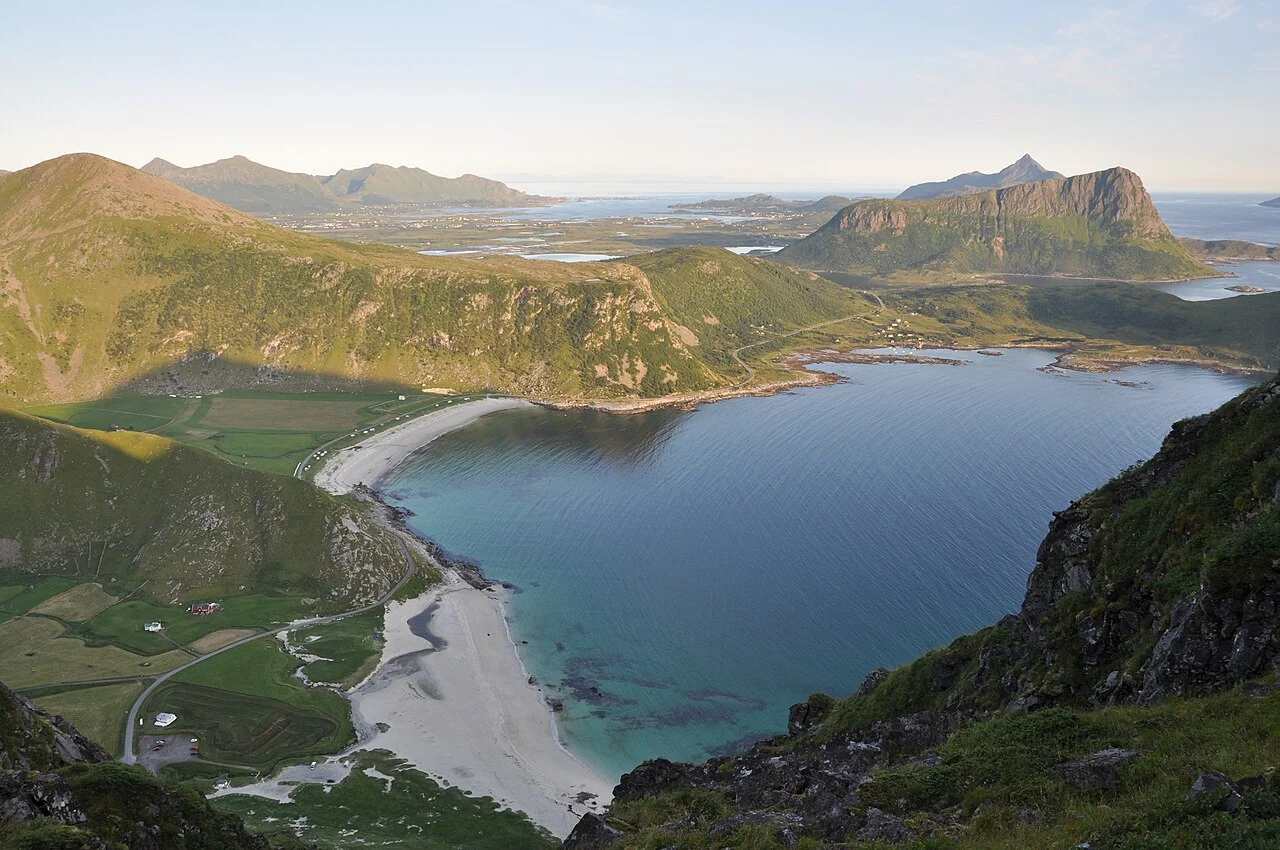
A base near Leknes keeps beaches and other low-level stops within reach. A second day can be useful if your first choice depends on a clear sky.
Decide in the morning whether to take a longer route or stay near the coast. Set a turnaround time based on daylight and the return journey.
Check forecast, trail guidance and transport. Keep the budget flexible enough to switch to a local activity or spend time at a sheltered venue.
One-, two- and three-day itineraries
One day based in Reine. Use the morning for breakfast, a condition check and the walk from designated parking. If the steps suit the group, keep the main block for Reinebringen and the return. Use the afternoon for a meal and a harbour visit and stay local for dinner. If the route is unsuitable, spend the main block in the village and choose a sheltered low-level stop. Confirm transport before leaving the area.
Two days around Fredvang and Reine. On day one, arrive in the west, check the exact trailhead and use the afternoon for a short visit near your accommodation. Have dinner locally and decide which day has the better mountain conditions. On day two, give the morning and early afternoon to Ryten or Kvalvika, then return for a warm break before onward travel or dinner. If the longer route is unsuitable, keep the day low and use only confirmed access. Switch the days if you arrive early and the forecast warrants it.
Three days with a Vestvågøy stop. On day one, base yourself near Leknes and use the afternoon for Haukland if the coast is suitable. On day two, travel west after breakfast, check into your lodging and spend the afternoon in a village before dinner. Hold day three for the main Reine or Fredvang walk and leave time for the return. If the forecast is better earlier, swap the coastal stop and the main outing only if transport and lodging allow. If you are leaving by ferry, prioritise the confirmed crossing and keep the walk short.
Decide how to use a second weather window
If the first day is clear, use it for the hike that depends most on visibility or an exposed viewpoint, provided conditions and your group are suitable. Save the village or shoreline visit for a day when the forecast gives you fewer options. If you are driving between bases, check the timing of the next check-in and decide where to leave your bags while you walk. Moving a hike between days is easier when neither day depends on a tight ferry or dinner reservation.
A group can split for part of the day if both sides have an independent return plan. Check the distance from the car park to the village or beach where you intend to meet. Keep the return time flexible and choose a warm place to wait if it rains. Ask locally about facilities before relying on them outside summer.
Explore Lofoten with a hiking guide
If you would like a guided outing, compare this Lofoten wilderness hike with your independent route. Confirm the meeting point, terrain and fitness requirements; do not assume it follows Reinebringen or Ryten.
View the guided Lofoten hike →
Check current dates, prices, meeting points and cancellation terms on Viator. Affiliate link: we may earn a commission if you book.
Related planning

Destinations for your trip
Questions and answers
Which hike should I try first?
Choose by terrain and where you are staying. A low-level Haukland visit is a practical introduction. Reinebringen and Ryten require separate checks for effort and exposure.
How long should I allow?
Give a mountain route most of a half-day or longer. Include the approach, breaks and a slower descent.
How much does it cost?
Check current parking and transport rates for the chosen trailhead. Add any guide or equipment you need.
When is best for a first hike?
Choose snow-free conditions and check the specific route before leaving. Use a lower alternative if there is ice, strong wind or poor visibility.
Can I go without a car?
Yes for some routes if the bus and final walk fit. Check the last return and choose a route with a useful time margin.
Do I need to book ahead?
Book lodging, transport and a guide when you need them. Check trail access and parking separately for your dates.
Leave enough time for the return
Choose one main walk near your base, confirm access and make the lower-level alternative part of the plan. A flexible day gives you time to enjoy the coast without rushing the descent.
Sources and further reading
Check current trail access, parking rates and transport before leaving.