Besseggen and Jotunheimen Hiking: 10 Trip Planning Decisions
Besseggen and Jotunheimen hiking can anchor a mountain holiday, but the Besseggen ridge requires more than a boat ticket and a favourable forecast in the valley. The standard ridge walk covers about 14 km, with roughly 1,100 metres of cumulative ascent. DNT and Visit Norway advise allowing about six to eight hours. Choose the walking direction, check actual trail conditions and set aside a day for a safer alternative.
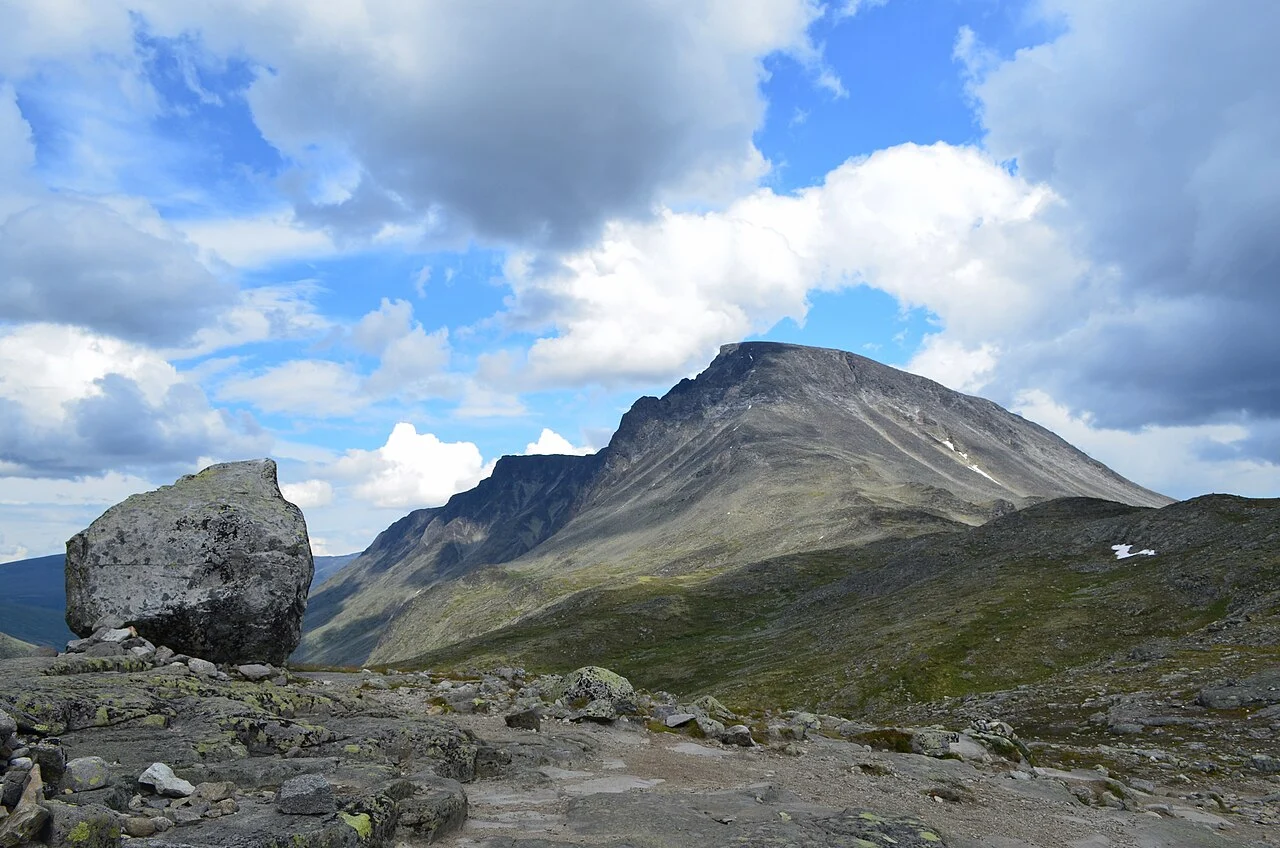
Quick answers
- Worth it? Yes for fit hikers comfortable with exposed terrain in suitable conditions.
- Time: One full ridge day and ideally a weather reserve.
- Best time: The regular hiking period usually follows the seasonal Gjende boat service.
- Cost: Budget for boat fare, parking or shuttle, and optionally lodging or guiding.
- Transport: Base yourself near Gjendesheim or use a confirmed seasonal connection.
- Priorities: Book the right boat, assess the ridge and keep a lower route available.
1. Set up near Gjendesheim
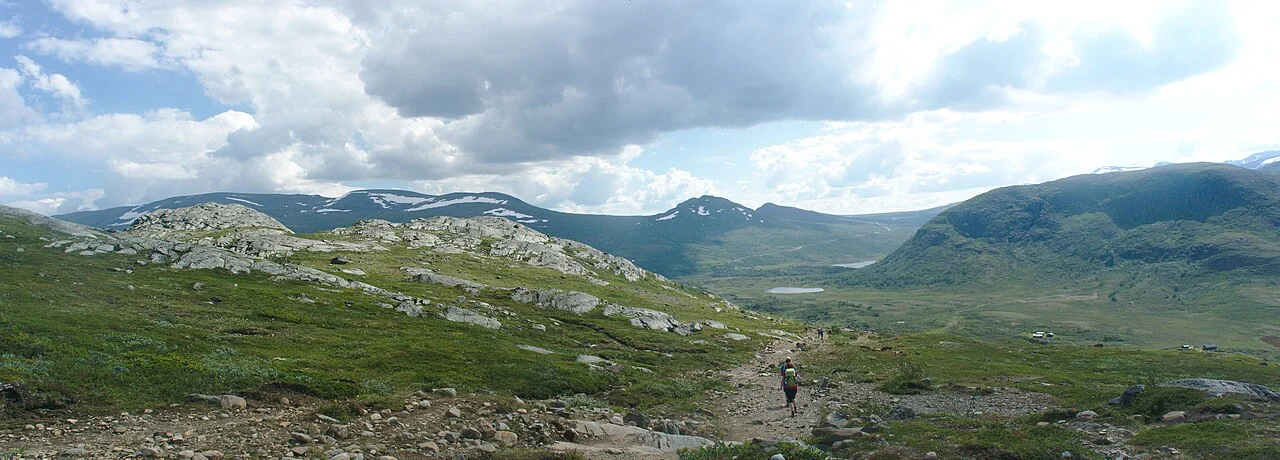
Gjendesheim sits by the eastern end of Gjende and is the usual access point for the boat and the ridge. Staying near it can simplify an early departure. A map pin on the lake is only a starting point for planning, since different parking, lodge and shuttle arrangements can apply.
An arrival afternoon lets you look at the landing, locate the path you expect to return on and ask about recent conditions. You can also organise food and equipment while shops or lodge services are available. This is more useful than squeezing in another hike before your main objective.
Check lodging, car park or bus access and the time you can actually reach the quay. Book a bed and meal if your chosen lodge requires it. Plan to spend the night nearby after a long ridge day, especially if your onward drive crosses mountain roads.
2. Take the boat to Memurubu first
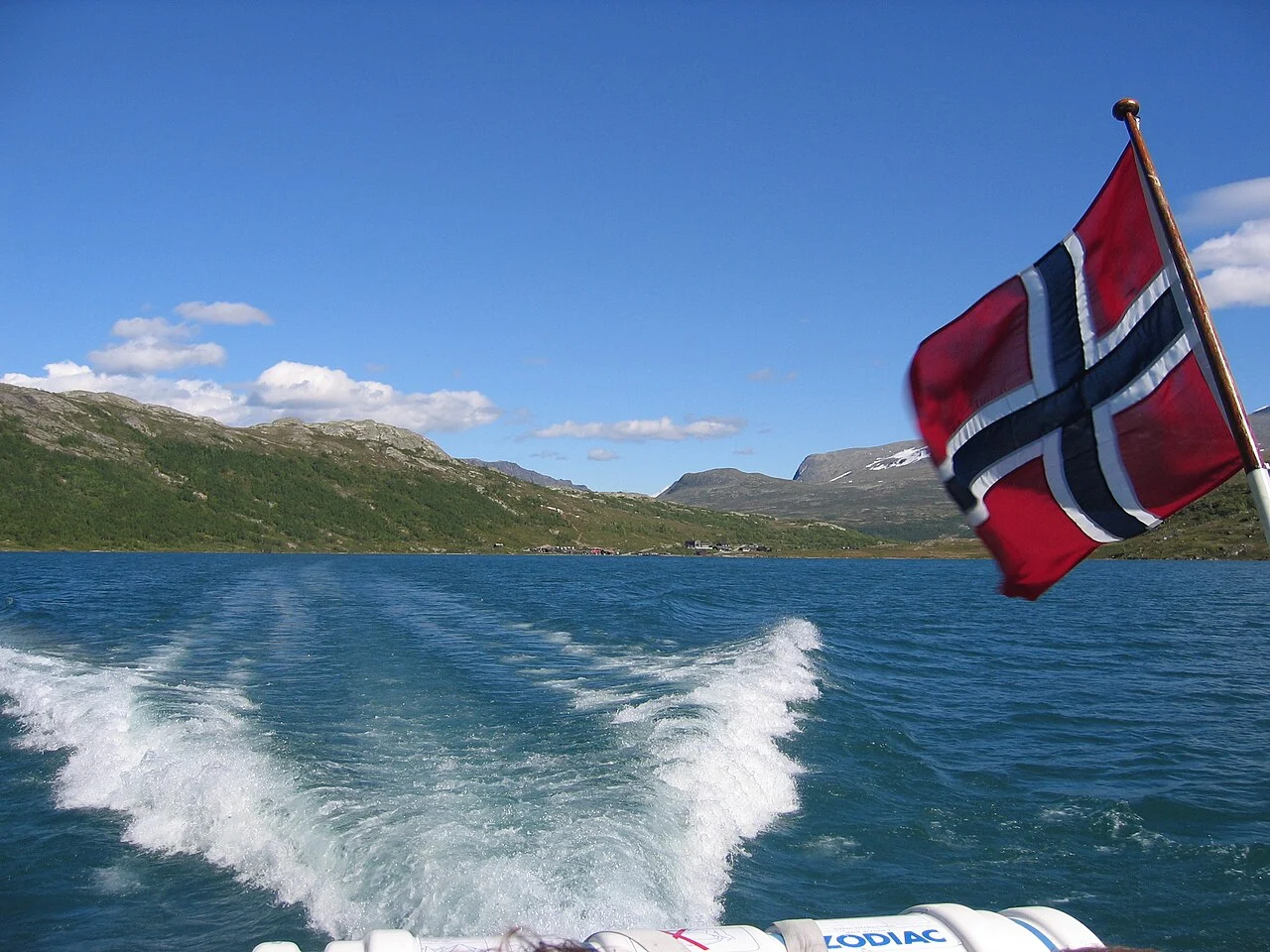
The standard plan for many hikers is to take the Gjende boat to Memurubu and walk back to Gjendesheim. An early sailing helps keep the walking day separate from the return timetable. The ridge still presents exposure and an uphill scramble in this direction.
Read the ticket closely. Gjende services can call at different places and the departure time does not include parking, a shuttle or walking to the quay. Find out how early the operator asks passengers to arrive, and save the booking somewhere you can reach offline.
Reserve the sailing and price the parking or connecting shuttle separately. Allow a buffer at the quay and another between your expected finish and any onward bus. If you miss the sailing, switch to an appropriate alternative instead of starting the full walk hours later without a safe plan.
3. Assess the reverse direction
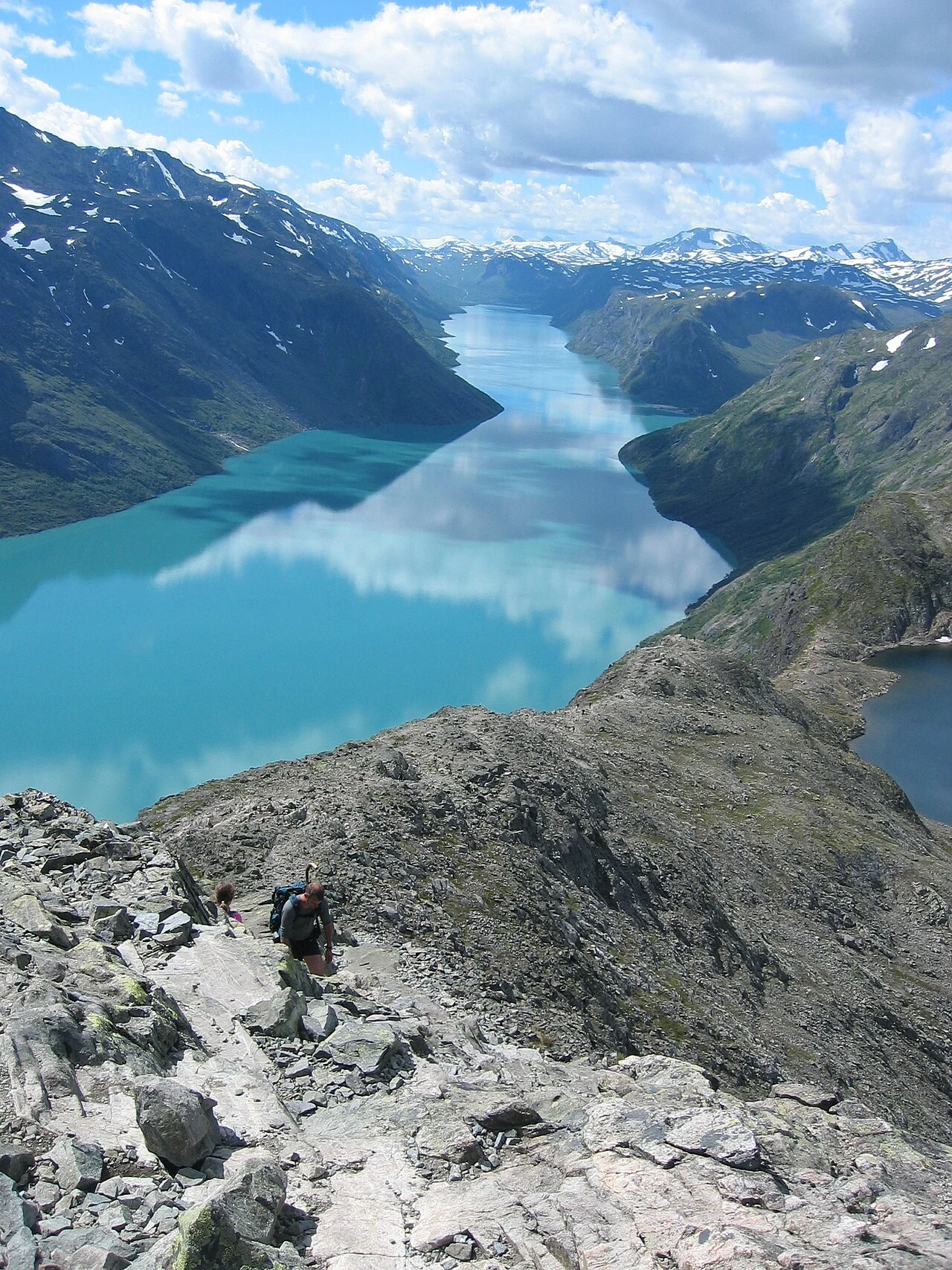
Walking from Gjendesheim to Memurubu is possible under appropriate conditions, but it changes both the character of the ridge and the transport problem. You descend the exposed scrambling section and need a viable return from Memurubu. For some people, descending exposed rock feels more difficult than climbing it.
Evaluate this choice as a group. A hiker who feels comfortable on long trails may still dislike steep terrain with significant exposure. Previous experience on comparable ground is a more useful basis for the decision than the fact that both directions appear on the map.
Confirm return boat availability and check when the last realistic connection departs. Build in enough time for a slower descent and ordinary delays. If a missed departure would leave you without accommodation or onward transport, choose the other direction or use a different walk.
4. Budget for the first climb
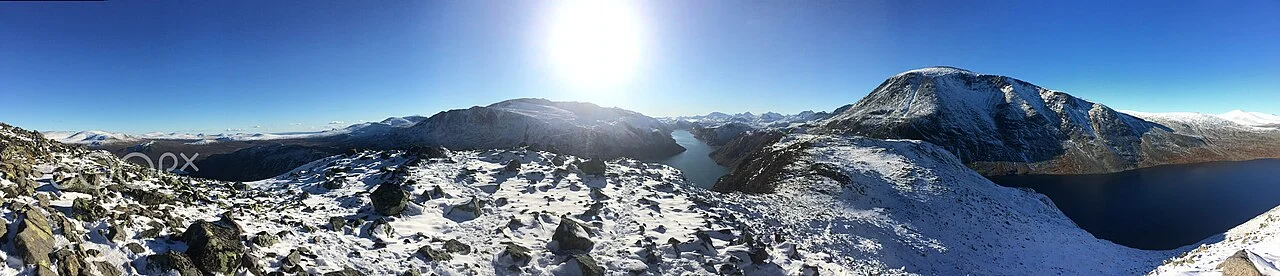
The route from Memurubu gains height early. That is a useful point to judge how the group is coping before the exposed section. The effort of climbing with a day pack and leaving the shelter of the lake can feel very different from walking along the shore.
Start at a pace that allows conversation and keeps the group together. Stop to adjust a rubbing boot or to add clothing before discomfort becomes a problem. Take a proper pause if someone is already struggling, and ask whether continuing still fits the original plan.
Bring lunch, snacks, water and layers for a full day. Check the latest route advice before setting out, and factor in at least the official six-to-eight-hour estimate plus time for transport. If conditions are beyond the group’s abilities, deal with that early while safer choices remain available.
5. Give the ridge your full attention
The steepest exposed part is what makes Besseggen distinctive. Hikers may need their hands on the rock. Wind, wet stone, ice and crowding can change the experience, and there is no reason to approach the edge for a photograph.
Agree on expectations before leaving the landing. Some people are comfortable climbing the section slowly but unhappy when others wait directly behind them. Leave space and take a stable pause only where there is room away from drops and through traffic.
Check the forecast for the heights and consult current local trail advice. Avoid the ridge when conditions make it unsuitable for your group. Choose a lower route if heights, poor visibility or slippery rock are likely to be problems. Book a qualified guide if the group needs local judgement and support.
6. Leave time for the high ground and descent
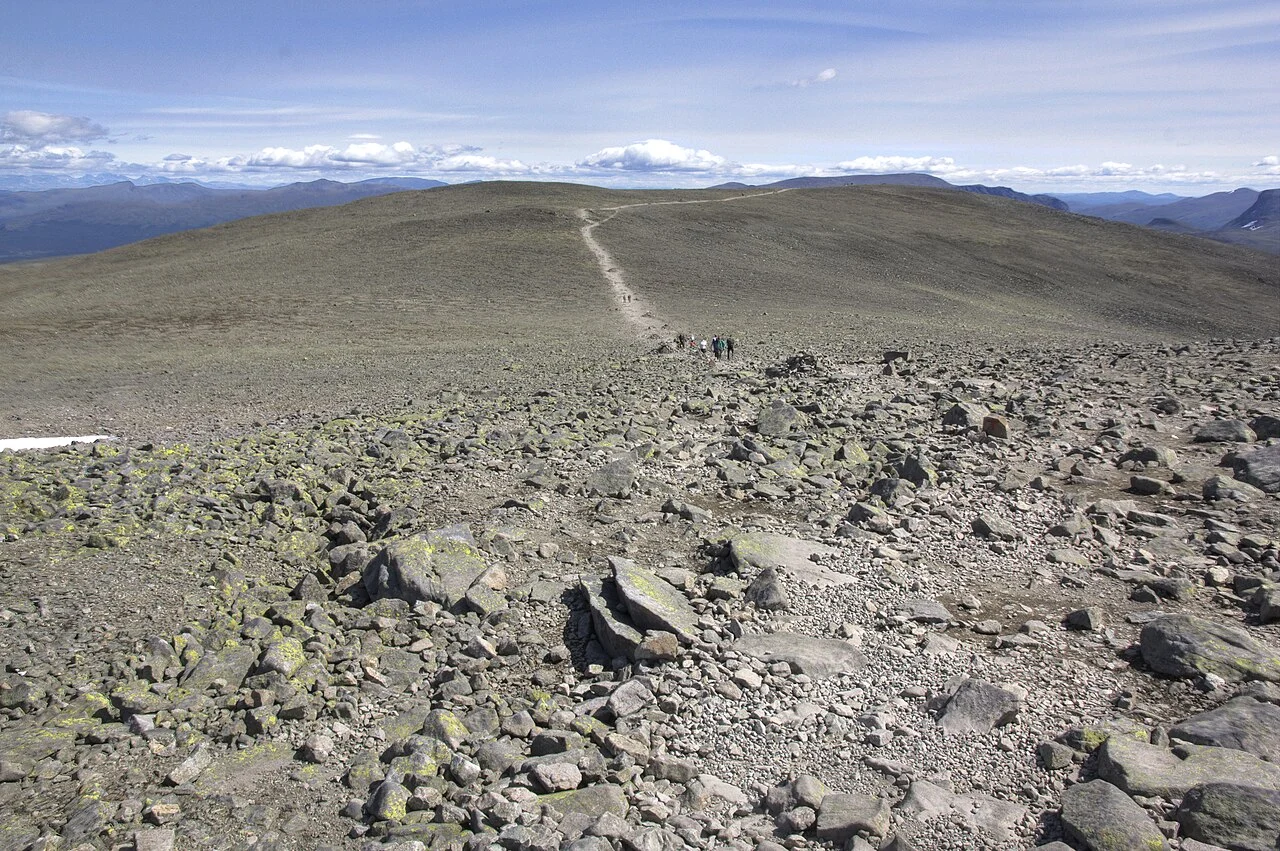
The scramble is one part of a much longer walk. The route also crosses high ground around Veslfjellet, followed by a descent on rough terrain. Fatigue can build even after the section that attracted most of your attention is behind you.
Keep enough food and energy for the way down. A hiker whose feet or knees are sore may move more slowly downhill than expected. Agree where to stop to regroup and allow enough daylight to deal with slow progress without rushing.
Take offline mapping, a charged phone, a navigation backup and a headlamp. Keep waterproofs and warm layers handy. Tell someone your intended route and return plan, and budget extra time before the final bus or a long drive. Get current local advice if the route markings could be obscured.
7. Use the Gjende shore as an alternative
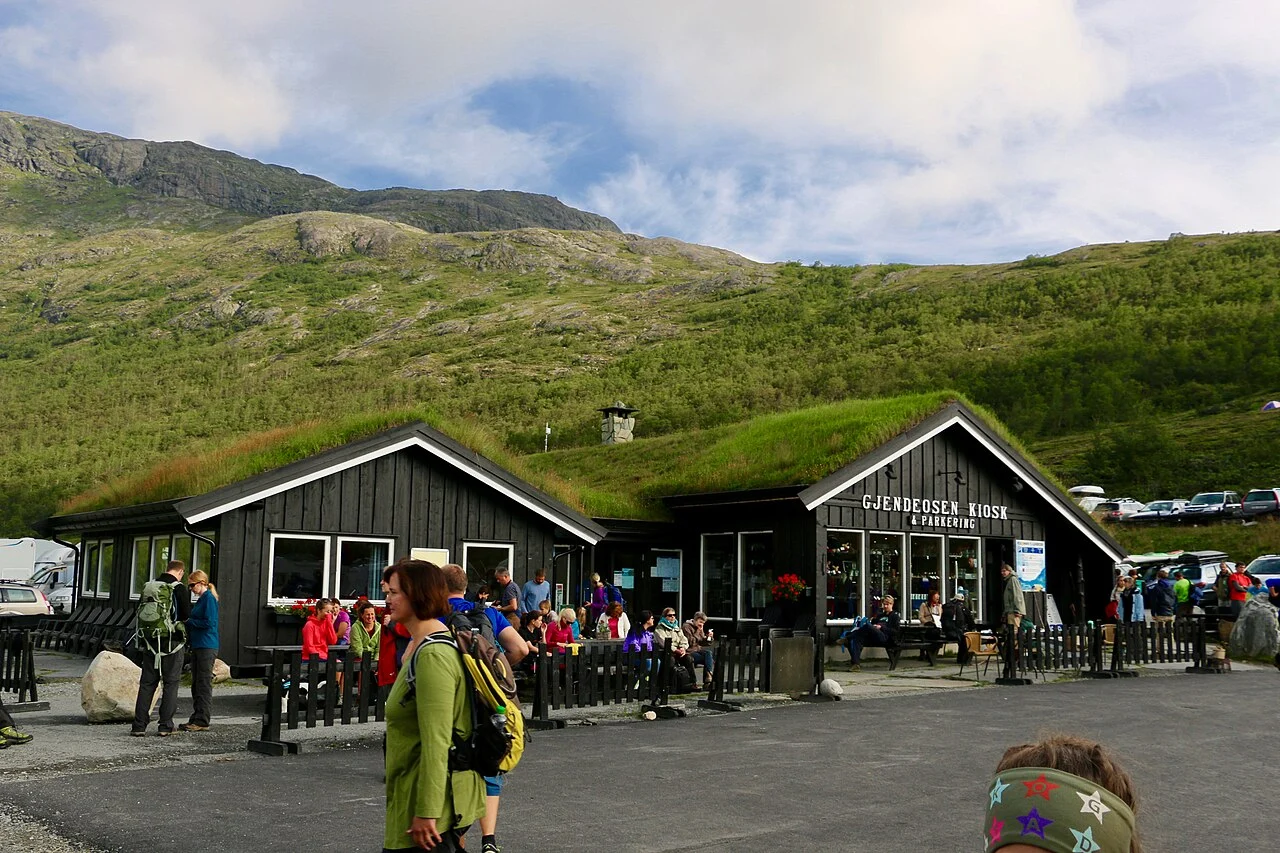
A lower walk near Gjende lets you spend time around the lake without attempting the ridge. The shore itself gives you a sense of the valley’s scale and can be a better choice for a group unsure about exposure. Ask locally for a maintained segment suitable for the current conditions.
Think in terms of an out-and-back with an easy turnaround, especially when weather is changing. A complete shoreline connection can still be a serious walk, and a lower altitude does not remove hazards such as slippery ground, exposed edges or high water.
Allow two or three hours for a modest outing, depending on the segment you choose. Bring the essentials for the conditions and check the return transport if you plan a one-way walk. On a day with severe weather, use a village or indoor option instead.
8. Use Gjendebu for a separate valley plan
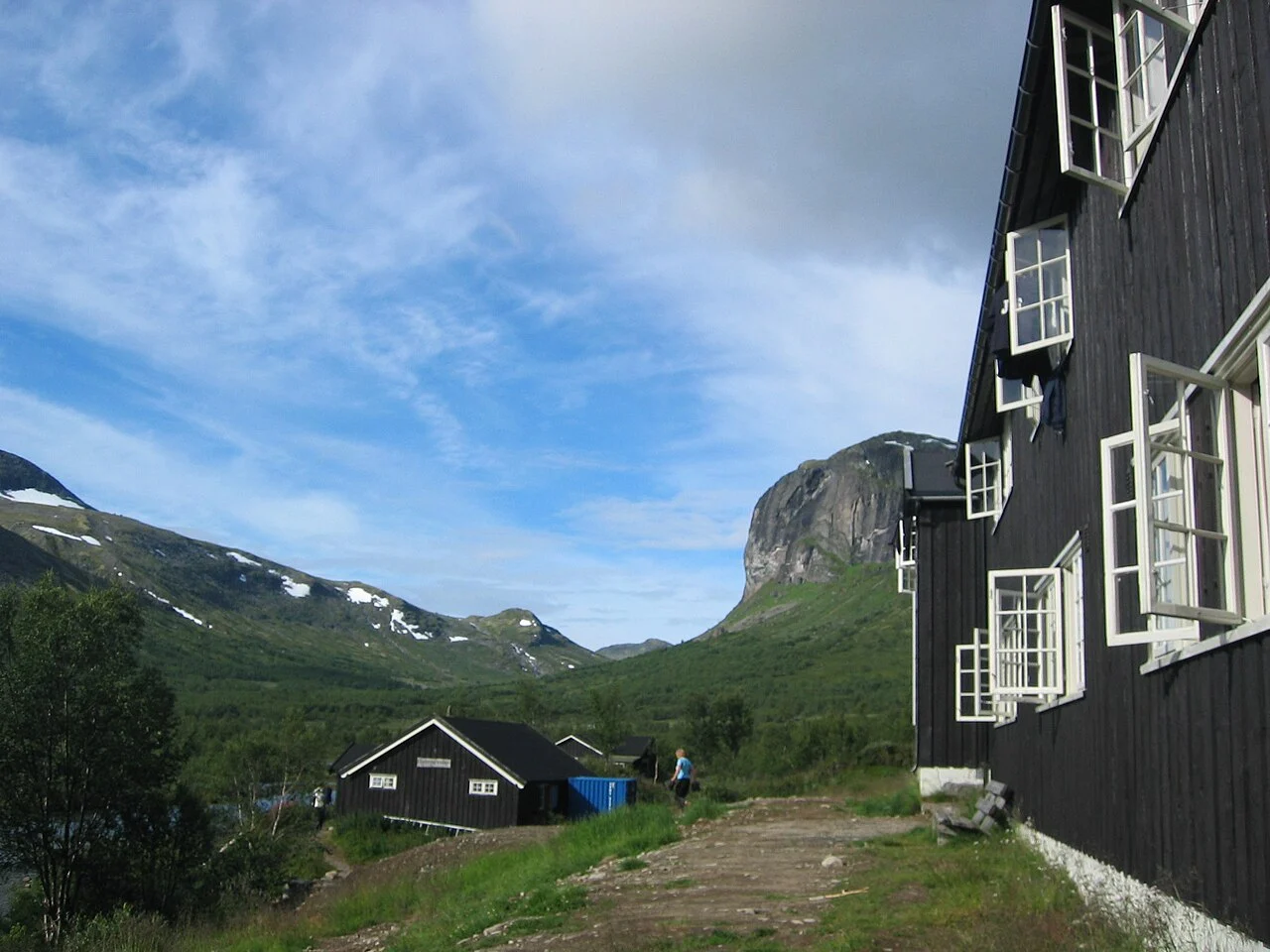
Gjendebu sits at the western end of Gjende and can anchor a different visit. Reaching it by boat gives you time in a quieter setting and a different view of the landscape. It is best treated as its own outing, with a clear plan for the return.
A short valley walk and time near the lodge can be enough for one visit. A longer or steeper trip from Gjendebu demands its own research, experience and equipment. Ask which walks are suitable on the day and how much daylight you have after arrival.
Check whether the boat stops there on your travel date and whether lodge services are operating. Reserve any overnight and budget for boat fares and meals. If the return sailing is too close to your arrival, choose a shorter visit or stay overnight instead.
9. Build in a Lom or valley day
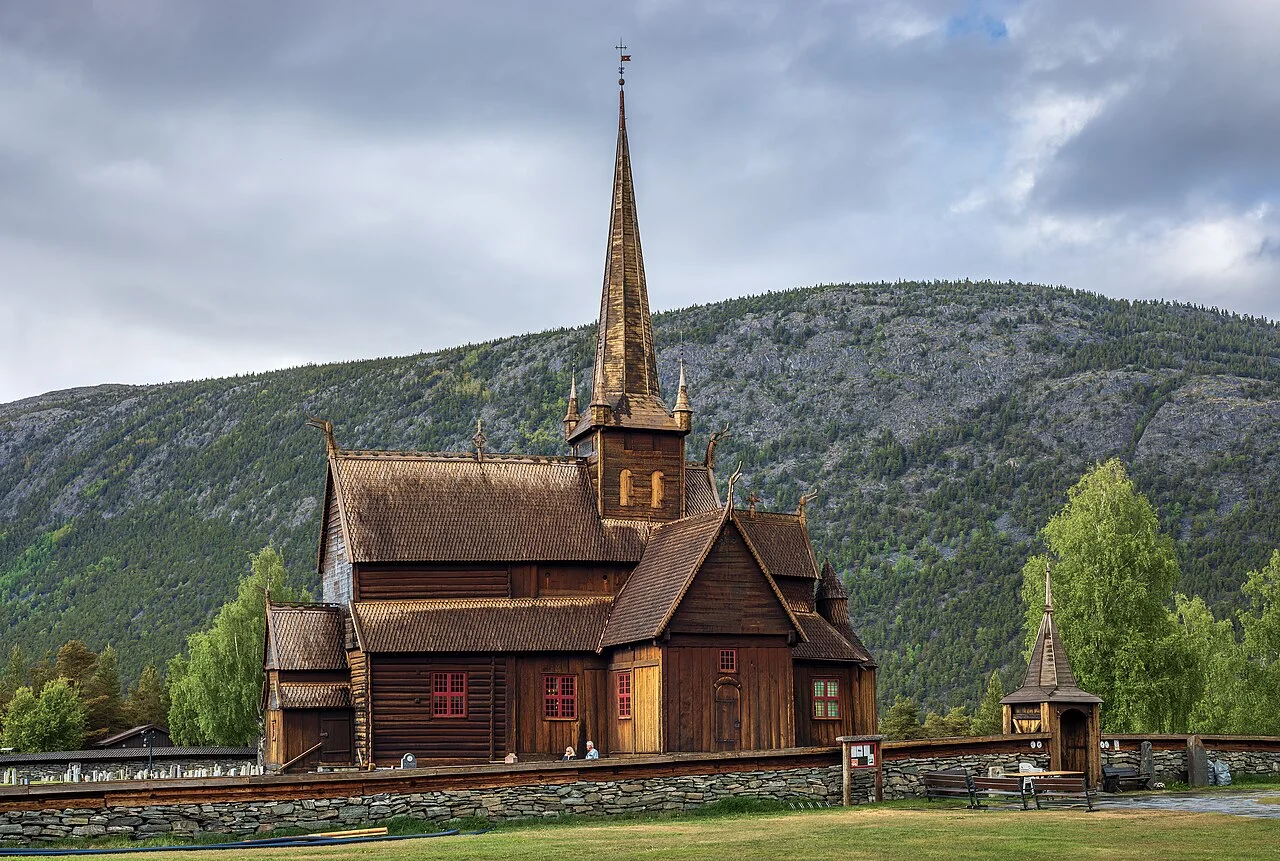
Lom offers a useful lower-altitude stop for travellers entering or leaving Jotunheimen. Its village services, stave church and access to inland roads can fill a weather day. Check which attractions are open before treating the village as a guaranteed indoor option.
A slower valley day also helps a group recover before another substantial walk. Shop for food, look at maps and make one visit rather than attempting a long sightseeing circuit. If conditions improve, that preparation makes it easier to set out the following morning.
Reserve time for the drive, parking and meals, and verify current road status. Our stave churches guide puts the Lom visit in context. If you are coming from the south, use the Lillehammer guide to plan a separate arrival stop.
10. Choose a second mountain outing deliberately
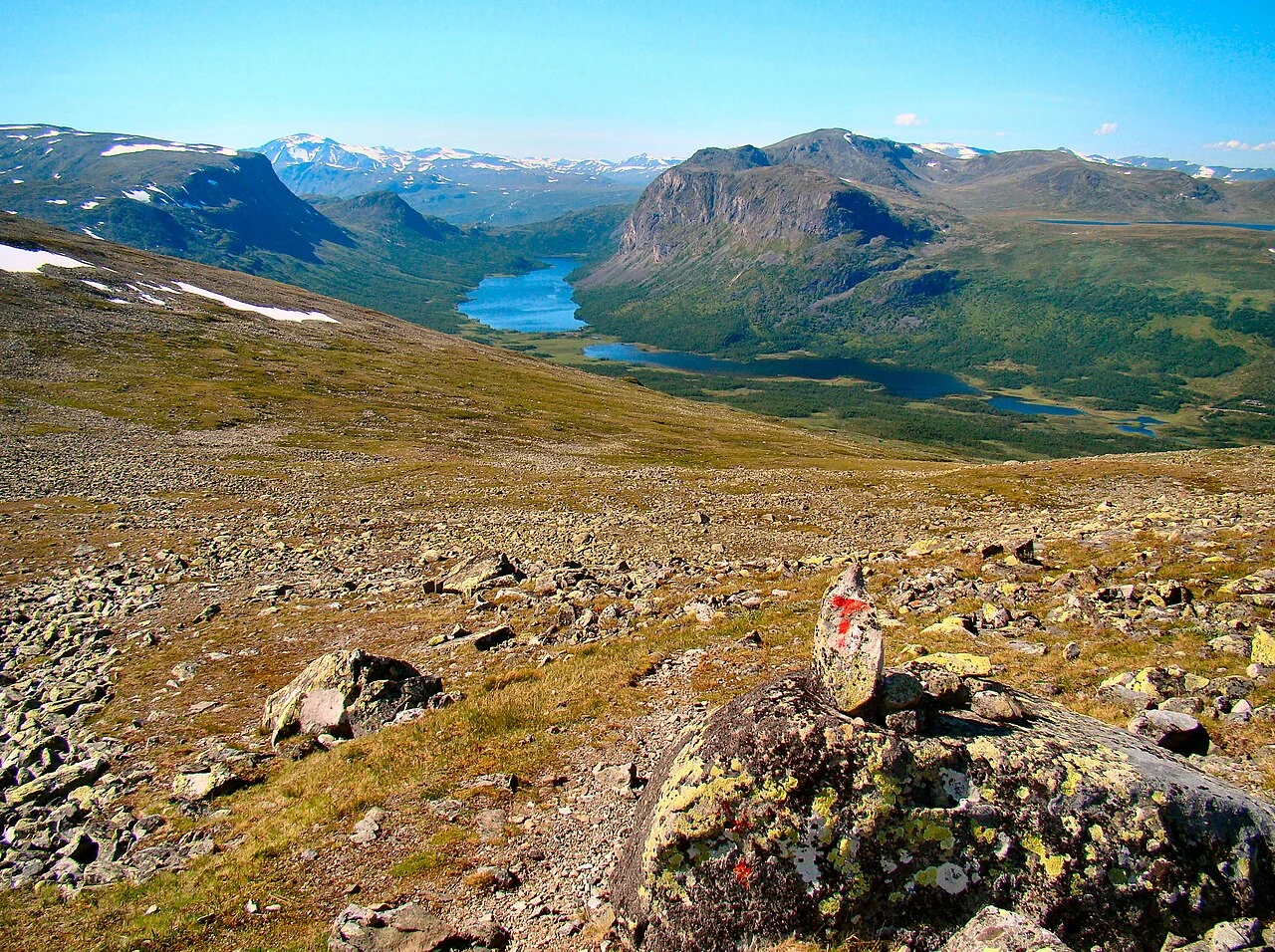
Jotunheimen contains routes ranging from short walks to remote high-mountain and glacier travel. Pick a second outing based on what your group actually enjoyed and managed on the first day. A famous summit is a poor default if weather is unsettled or if the group needs recovery.
Start by discussing terrain and travel time rather than length alone. A short route can still be exposed or technically difficult. If a route crosses glacier terrain, seek appropriate professional guidance and make sure the operator understands your experience and expectations.
Check road opening, trail advice and any guide or lodge availability before changing regions. Set aside most of a day for a substantial walk and leave space between it and an onward booking. The Sogndal guide offers ideas if your next base is on the fjord side.
Besseggen and Jotunheimen hiking itineraries
1-day itinerary
From a local base, take your confirmed morning boat to Memurubu in suitable conditions, spend the afternoon completing the ridge and descent and return to lodging for dinner. If conditions are unsuitable, choose a lower outing near Gjende or a valley visit, with time to check the forecast again in the evening.
2-day itinerary
On day one, arrive in the morning or early afternoon, locate your boat connection and do a short local walk. Check equipment, conditions and departure arrangements after dinner. On day two, reserve morning and afternoon for Besseggen and stay locally in the evening or take a confirmed connection. If the ridge is unsuitable, use the day for a lower walk or a village stop.
3-day itinerary
Spend day one arriving and preparing, with an easy afternoon outdoors. Use the better of days two and three for the ridge. On the other day, check the morning forecast, explore a lower route or go to Lom in the afternoon and leave the evening for travel or recovery. Keep a final long drive separate from a late finish if possible.
Besseggen and Jotunheimen hiking travel tips
Plan from the boat and return transport rather than a walking time alone. Read the current fare and luggage rules, and budget separately for parking, shuttle, meals and lodging. Confirm whether changes are allowed if you switch days.
Check trail reports and a mountain forecast before departure. Carry wind and rain protection, layers, food, water, first-aid basics and offline maps. If the route exceeds the group’s ability or a severe forecast removes your margin, use a different plan. Call 113 for a medical emergency in Norway.
Drive only on verified open roads and allow for slower progress in poor weather. Reserve popular lodge and boat dates early, and keep one day flexible. Short daylight or an early return bus can determine the day even when the walking conditions look reasonable.
Related planning
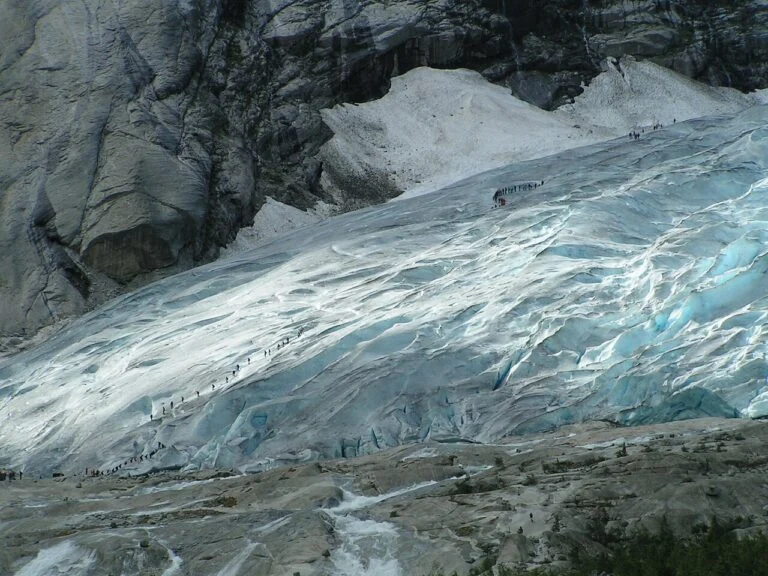
Glacier Hiking in Norway
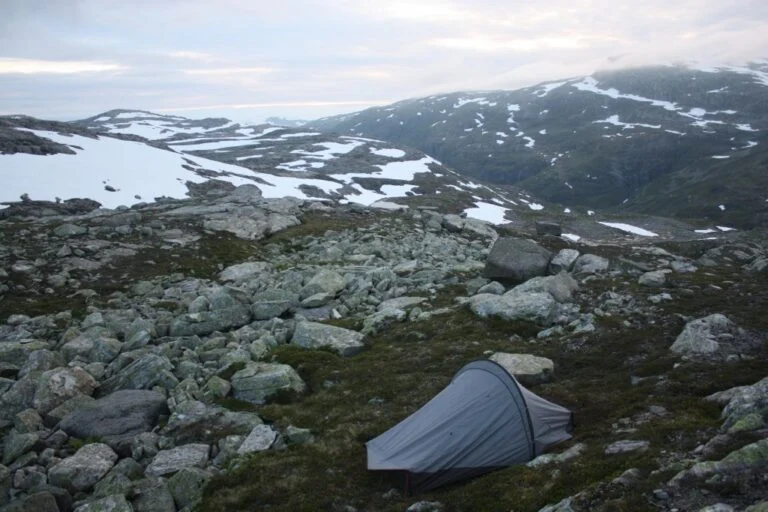
Wild Camping and the Right to Roam in Norway
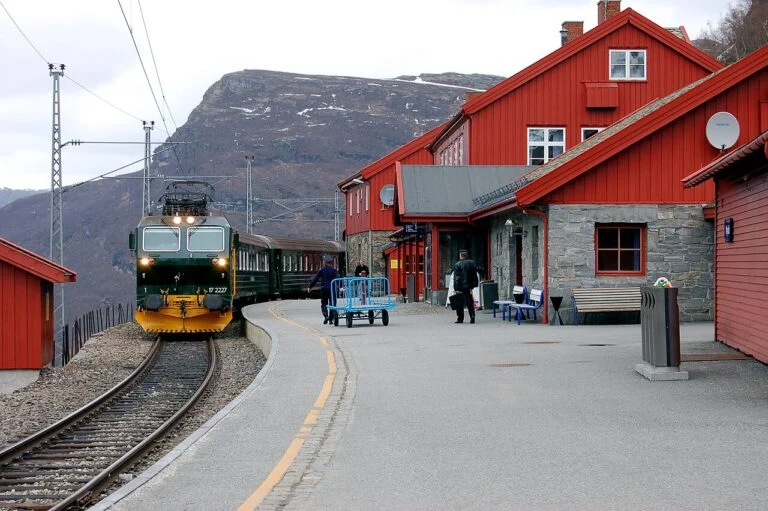
Scenic Train Journeys and the Flåm Railway
Destinations for your trip
Frequently asked questions
How long does Besseggen take?
Allow about six to eight hours for the 14 km ridge walk, plus the boat and local transfers. Add time if your group moves slowly or conditions require extra care.
Is it suitable for inexperienced hikers?
The exposed scramble and long rough walk require fitness and confidence on steep ground. An inexperienced group may prefer a lower route or a qualified guide.
What should I book?
Reserve the sailing you intend to take and check parking or transfer arrangements. Book lodge beds and meals separately.
When is the hiking season?
It commonly follows seasonal boat access from around mid-June to mid-October. Confirm the timetable and local conditions for your exact date.
What does it cost?
Check the current boat fare and any parking, shuttle and accommodation costs. A guide is a separate booking.
Can I do it without a car?
Some seasonal public transport may work. Verify the complete trip and build a margin after the hike, or stay near the landing.
Conclusion
Give Besseggen a full day and choose the direction and boat as a single decision. A reserve day and a lower-altitude plan let the weather decide when to tackle the ridge.
Official sources and current conditions
Check operators and official visitor sites for current prices, opening hours, departures and booking requirements.