Midnight Sun in Norway: 10 Places to See It in Summer
The midnight sun in Norway is easiest to see from a base with an open horizon and a confirmed late return. Compare Tromsø, Lofoten, North Cape and Longyearbyen by season, cost and access.
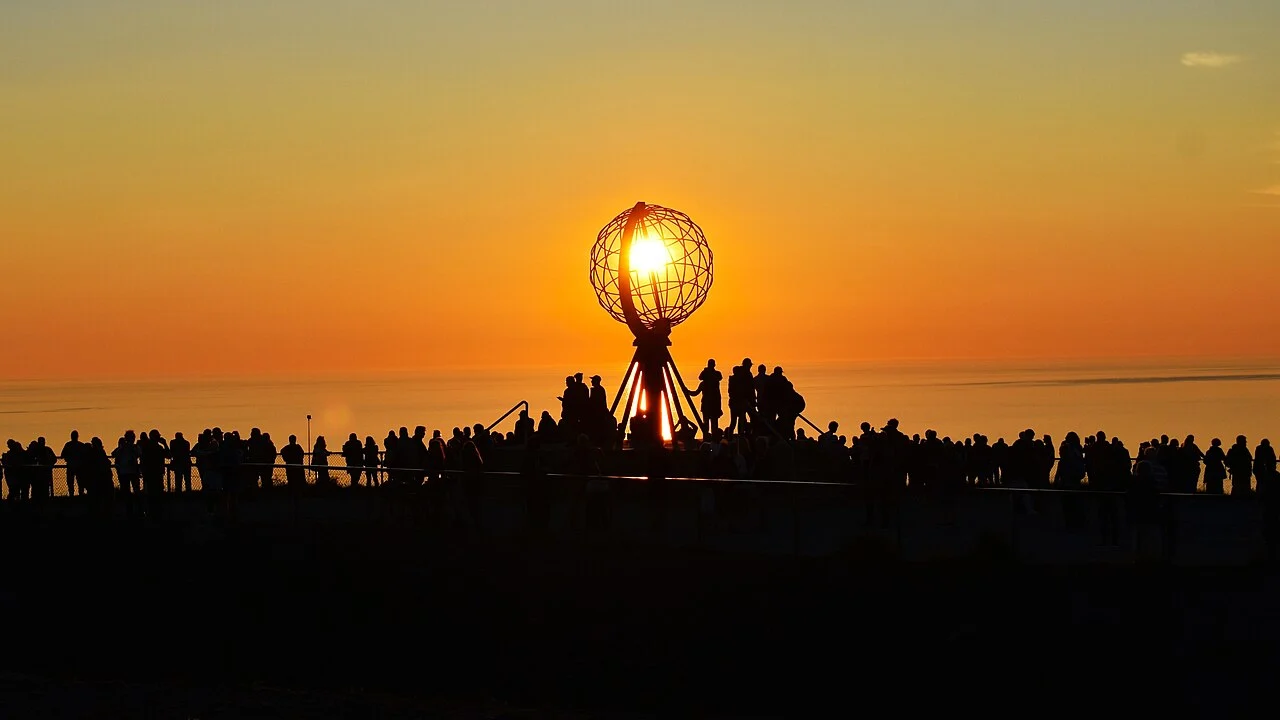
At a glance
- Worth it? Yes for long Arctic light even when clouds hide the sun.
- Time? One evening works. Two or three nights give you another viewing window.
- Season? Check the date range for the specific viewpoint.
- Cost? A public viewpoint can be low-cost. A published Tromsø lift example is NOK 495.
- Transport? Confirm the late return by lift, bus, car or taxi.
- Priorities. Choose an open horizon, check the forecast and plan the way back.
What the midnight sun means for your trip
The midnight sun in Norway is the period when the sun stays above the horizon all night at a given location. The window gets longer farther north. What you can see from a particular spot also depends on the horizon. A mountain can hide the sun from a valley or city street while it is visible from an open shore. Clouds can obscure the disc while the sky remains light enough for a late walk. Plan the experience around the light, weather and place rather than one promised photograph.
Choose the region first. Tromsø is a good fit for a short city stay with a late viewpoint. Lofoten makes sense if you are already travelling through the islands and want open coastal views. North Cape is a separate Finnmark journey, and Longyearbyen on Svalbard needs its own flight and activity planning. The northernmost choice is not automatically the best fit. It can cost more in time and transfers than you want to spend on a short trip.
If you only have one evening, choose a place with an easy return. A low-level walk near accommodation or a viewpoint with a confirmed last lift can be more enjoyable than rushing to a distant headland. If you have two or three nights, use the best forecast for the main outing and keep another evening free. Pack for a cool, windy stop and plan how you will sleep afterwards. Continuous light can make it easy to stay out longer than intended.
Tromsø for a short city break
Visit Tromsø describes the midnight sun season in the city as running from late May to late July. Use that as an approximate window and confirm the conditions and date for the viewpoint you want. Pick a place with an open view in the direction of the low sun. Even within the city, a view across the water can be different from a view blocked by buildings or the surrounding terrain. Ask locally where you can go without a complicated late return.
Fjellheisen takes visitors up to Storsteinen. Visit Tromsø lists an adult return ticket at NOK 495 in its published example. Confirm the current fare, operating hours and final descent for your date, and check how you will get from the lower station back to your accommodation. A ticket for the cable car is separate from the bus or taxi you may need afterwards. Allow time for any queue and for a break at the top. If the lift closes or cloud obscures the view, use an accessible city walk instead.
Keep one night free if you are also booking a fjord tour or another evening activity. Use the day for a museum, harbour visit or meal and give yourself time to rest before going out late. The Tromsø travel guide can help you choose a base that keeps the evening journey simple. If you are travelling with children, look at the light earlier in the evening and keep your usual bedtime where it works better for the group.
Lofoten for open coastal views
Visit Lofoten identifies Hov on Gimsøy and Unstad among its midnight sun viewpoints. Its published example for Hov runs from about 25 May to 19 July, with exact dates varying slightly. Check the guidance for the specific place. An open northern horizon matters because the sun stays low around local midnight. A site with a fine daytime view may be shaded by mountains at that hour. Choose where to stop before setting out late.
Plan for legal parking, a short walk and a realistic return. Use designated access and follow signs on beaches or near farmland. Keep food and warm layers with you if nearby businesses will be closed. If you are driving, stay near the part of Lofoten where you want to watch. A late round trip across several islands can make the following day harder, especially if you have an early ferry or a planned hike. Check the Lofoten travel guide for a route that keeps accommodation and activities together.
Choose a simple shore visit if your main aim is seeing the sun. A late hike is a separate decision that depends on route, conditions and energy. Long daylight does not reduce the consequences of fatigue or make a steep path easier. A lower-level alternative can give you more time to watch the light change without worrying about a descent. If cloud covers one site, compare the forecast and nearby access before starting a long drive. An evening with bright skies can still be worth seeing when the sun itself is hidden.
North Cape and Svalbard require their own plans
Visit Nordkapp describes the North Cape plateau as a midnight sun viewpoint in summer. Its visitor centre, North Cape Hall, has its own opening hours. Check current access, admission and transport if you want to use the hall or arrive close to midnight. Honningsvåg can be a base for the approach. Confirm whether your coach or excursion returns at the hour you need, and allow extra time if you are visiting on a coastal ship. The ship’s schedule and the hall’s schedule are separate.
Visit Svalbard describes the midnight sun around Longyearbyen as running from roughly 20 April to 23 August. Early in that period, the available excursions can differ from those in summer. Choose the date for the outdoor activity as well as for the light. Check its departure, price and pickup directly. Some travellers are happy to spend the evening in town. If you want to go into the wilderness, book a suitable local guide and check current visitor guidance rather than choosing an independent route beyond the settlement.
Svalbard is worth considering when you want the wider Arctic trip and can budget for the flights, accommodation and activities. The longer light season is useful if your dates fall outside the mainland window, but it does not make a rushed connection worthwhile. Use the Longyearbyen guide for the town and seasonal options. Give yourself enough time to adapt if weather changes a planned outing.
1. Tromsø for a city-based trip
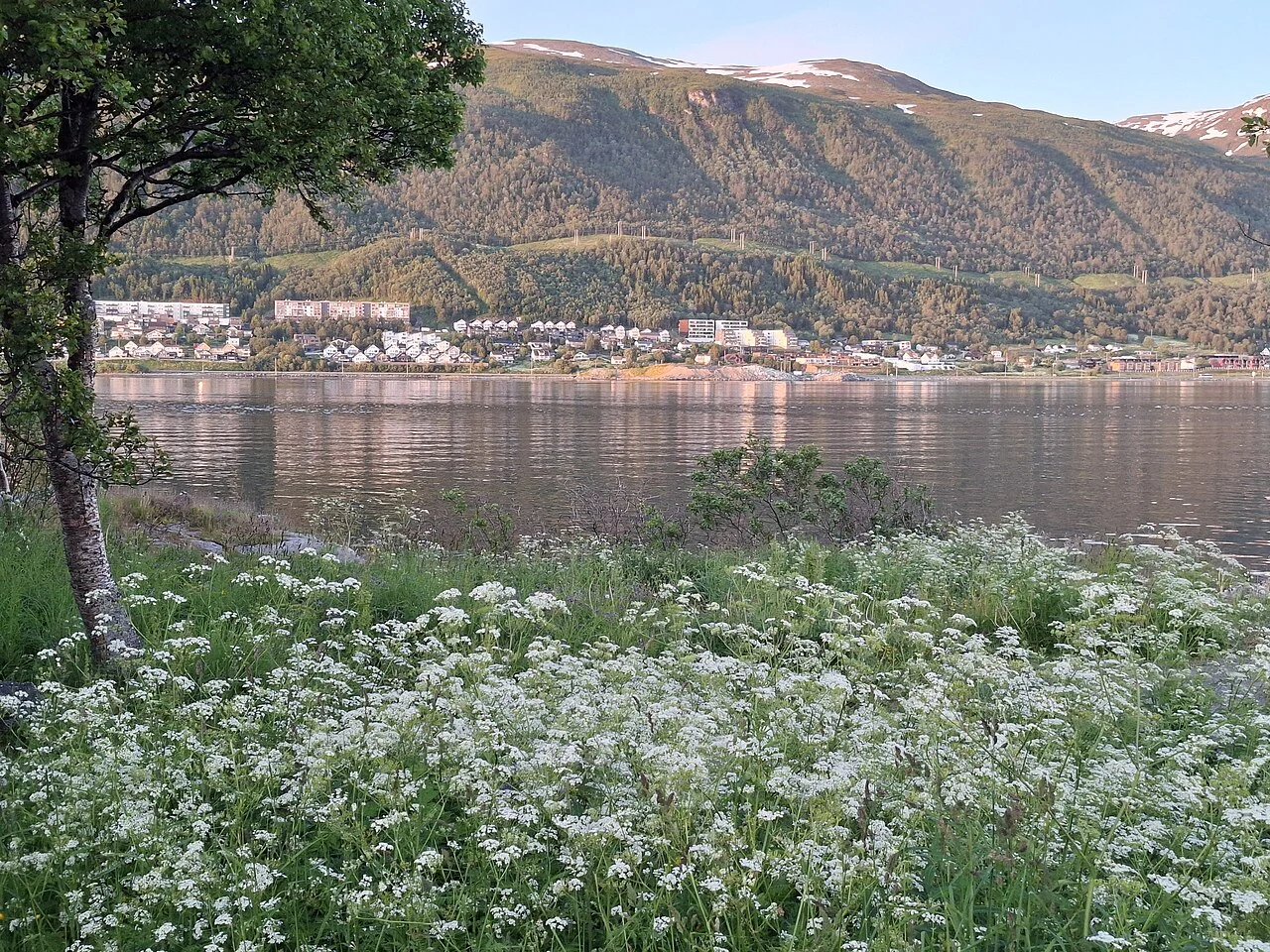
Tromsø combines late light with a city where you can stay several nights without changing hotels.
Spend an evening on the waterfront before deciding whether to travel farther for an unobstructed horizon. Buildings and mountains can hide the sun even when it remains above the astronomical horizon.
Allow an hour or two. Walking has no fare. Check the end time of any paid activity and arrange the return before booking.
2. Lofoten for a north-facing shoreline
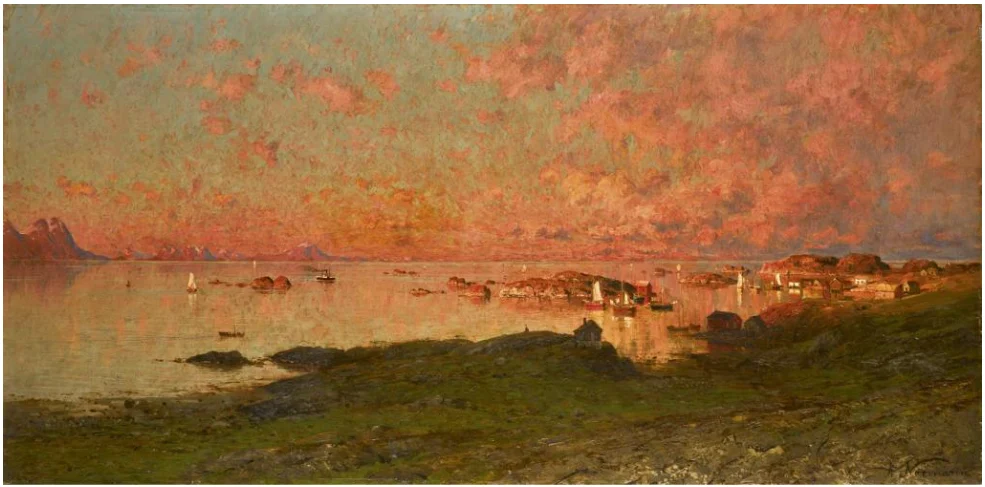
A Lofoten base puts mountains and the sea in the same view, but the orientation of the bay matters more than the accommodation’s marketing.
Choose a signed coastal viewpoint with an open northerly outlook. Give yourself time to watch how the light changes on the water, even if a cloud bank hides the disk.
Allow two hours and check parking and local access. Budget for the drive or a tour, and avoid relying on a late bus without checking the return timetable.
3. North Cape for the plateau
North Cape gives the trip a specific geographic goal on Magerøya. It is exposed, and a sea view can disappear in fog.
Watch the forecast from Honningsvåg and use clearer intervals to decide when to go. A daytime visit and a late-night return attempt can feel very different.
Allow a half-day for the outing. Check the visitor centre’s hours, what the ticket includes and the current price before setting out.
4. Longyearbyen for the longest summer light
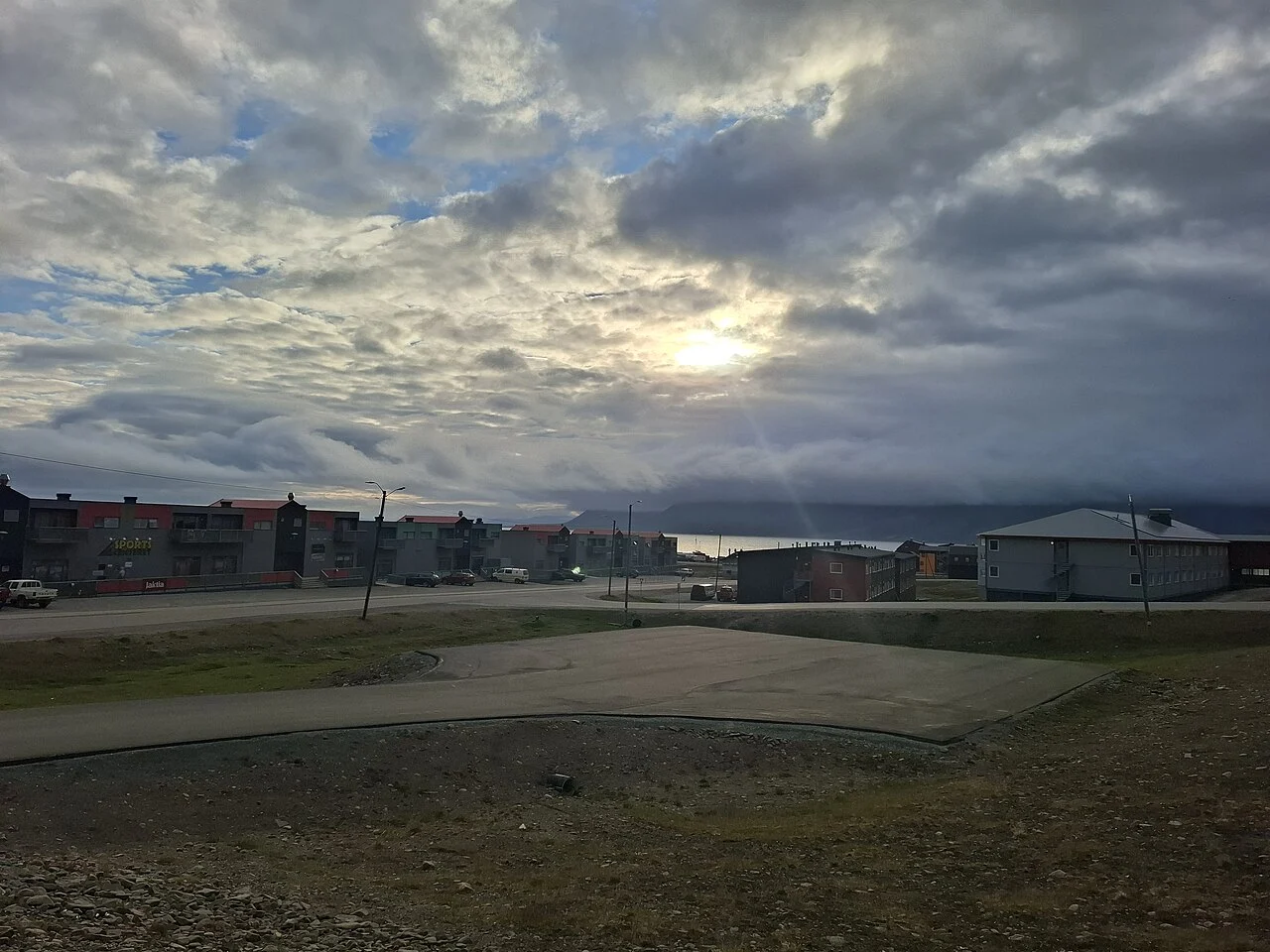
Longyearbyen’s latitude gives it a longer midnight-sun season than the mainland examples. The settlement is a practical base for organised outings.
The late light changes how a harbour or valley looks. Make an evening out of it near your accommodation, or join a guided activity if you want to travel outside town.
Allow an evening, check activity quotes and book departures around flights. Confirm current polar-bear safety guidance and local access with the operator.
5. Bodø for a short early-summer trip
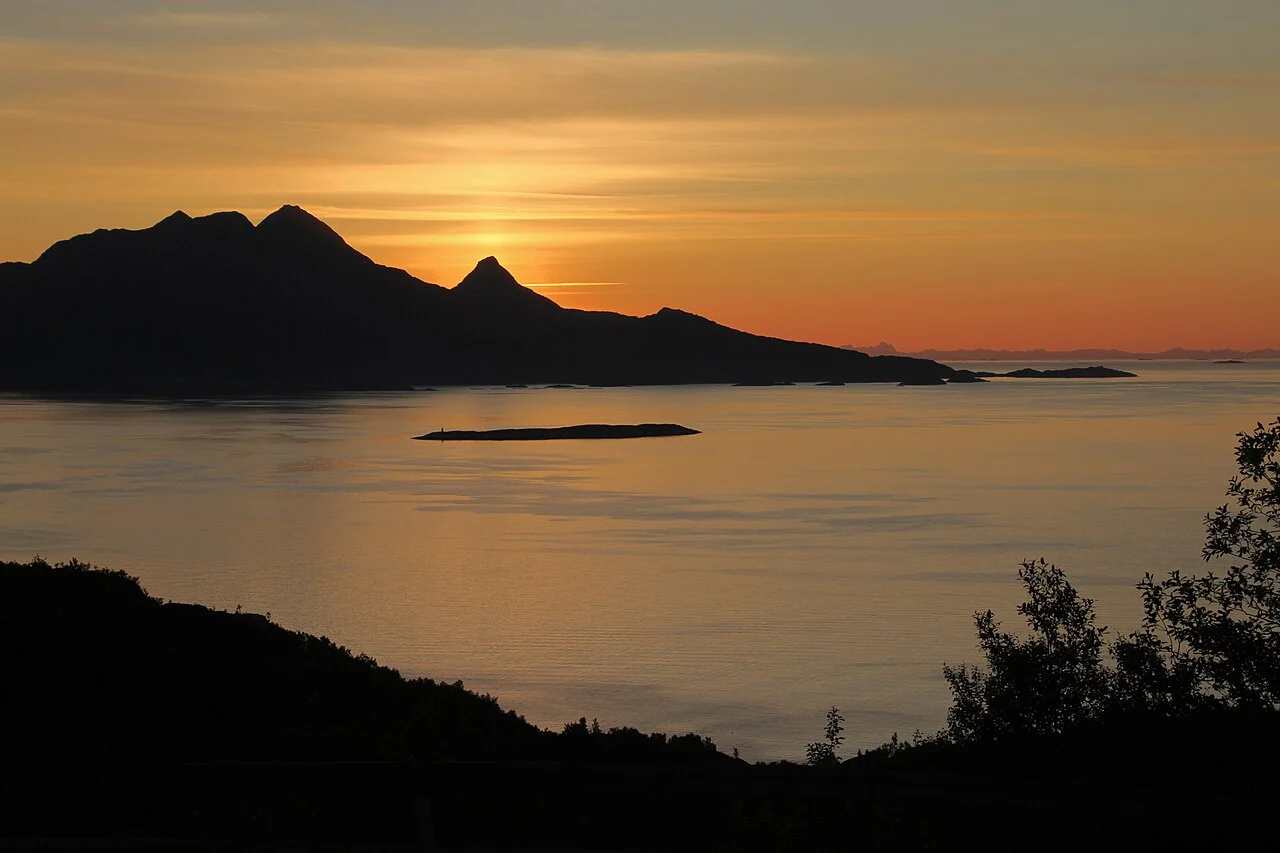
Bodø has a shorter published midnight-sun window than Tromsø. It works well when your trip already follows the railway or the coast.
Pick a view with space toward the north and a return route you know. Check the actual view from shore before committing to an evening outing on the water.
Allow one or two hours. Budget for local transport or a tour, verify the relevant dates and check late departures before leaving the centre.
6. Andenes for open views over the sea
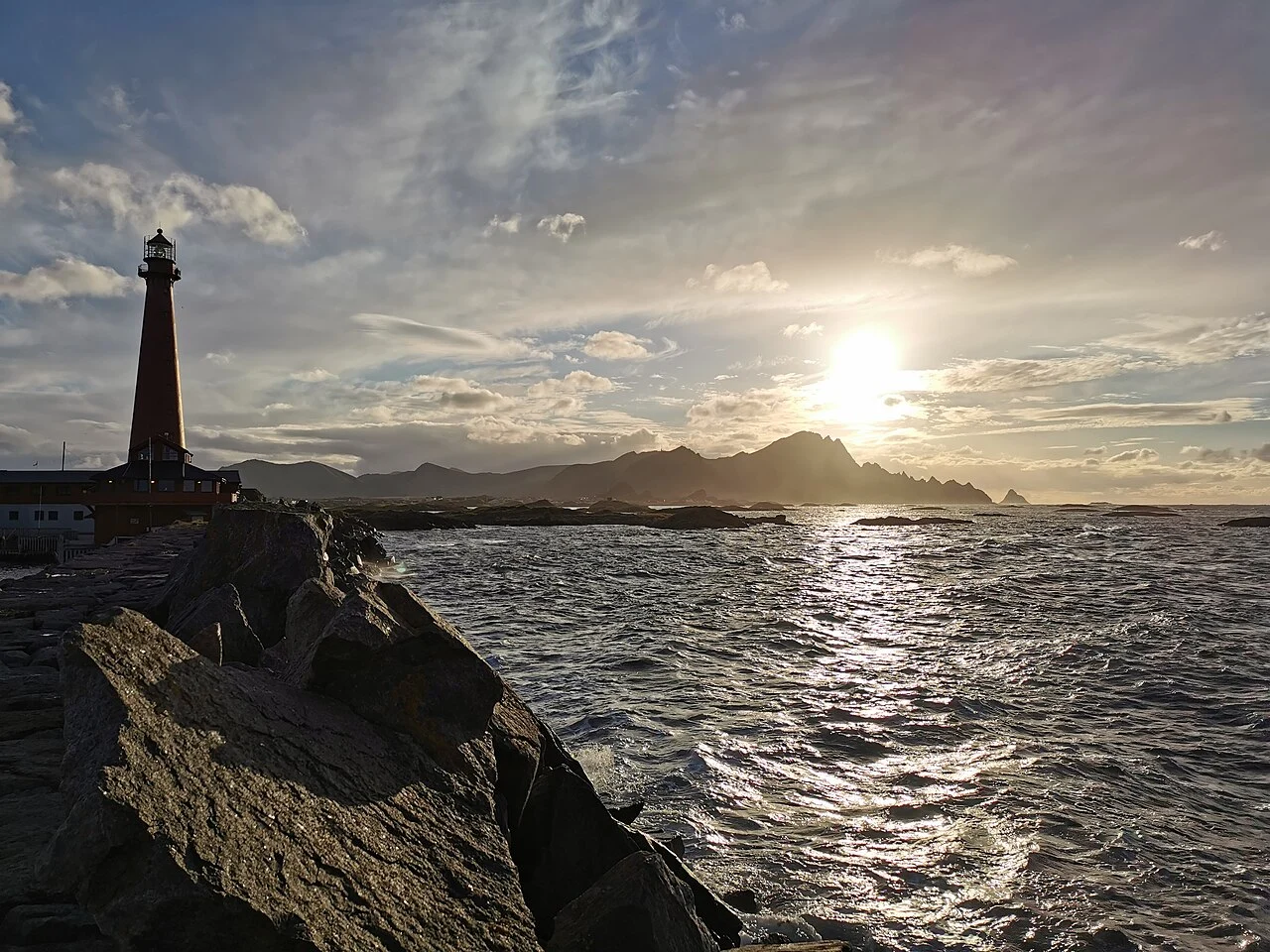
Andenes is near the northern end of Andøya and gives you an open coastal setting. It is an easy pairing with a Vesterålen stay.
Use the late light for a shore walk and schedule any paid sea trip independently. Wind may leave the shore usable while a boat departure is postponed.
Allow an evening and overnight. Check local access, bring layers and price ferry or road travel separately from activities.
7. Senja for a road-based evening
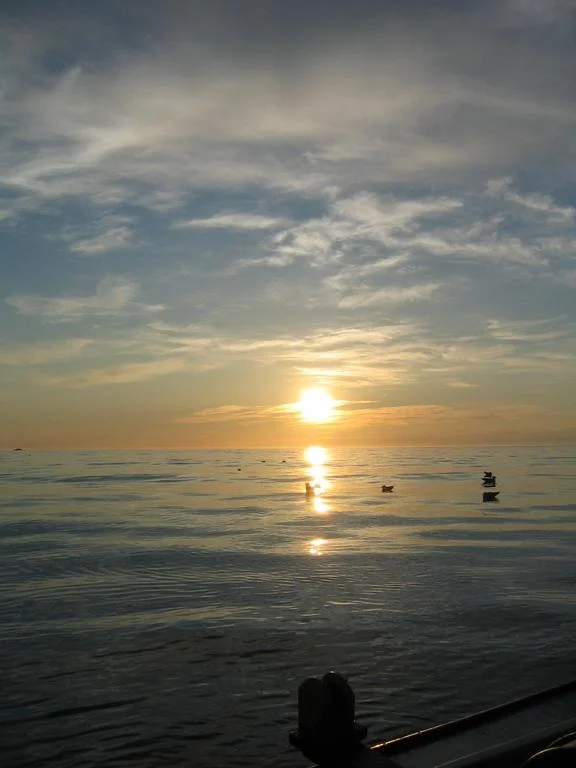
Senja suits travellers who want to combine the coast with a slower drive. The mountains make viewpoint choice important.
Look at the direction of a bay before choosing it for the evening. The inland side of a mountain can be in shadow long before a nearby beach.
Allow an evening and build in turnaround time. Check ferry and road information for your date, budget for transport and book accommodation close to the area you plan to watch.
8. Sommarøy for a coastal stay near Tromsø
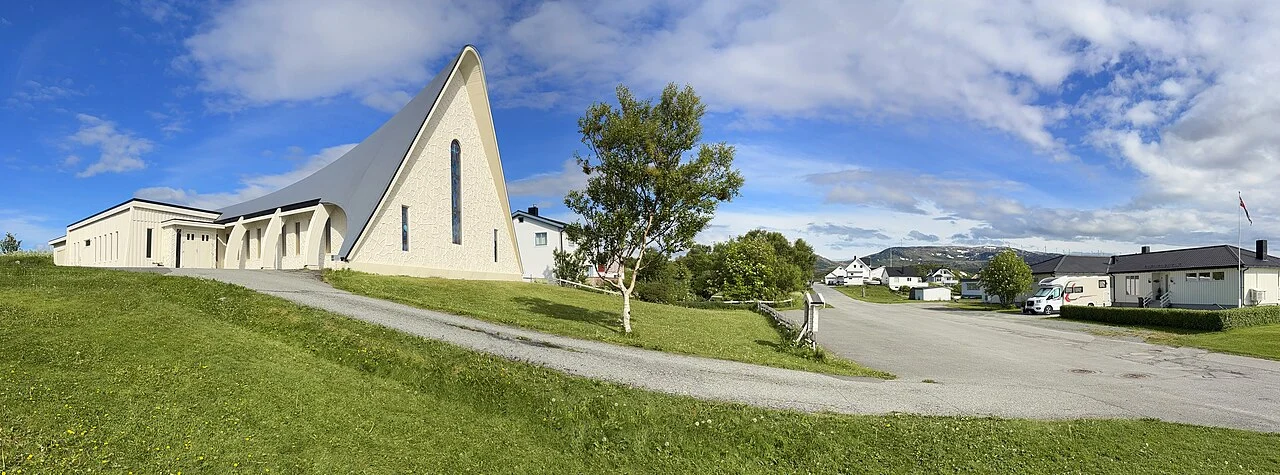
Sommarøy offers a shore-based alternative to the city waterfront. It makes most sense when your travel plan already includes western Kvaløya.
Take time to find a public shoreline position out of the wind. A night with scattered cloud can still give changing light, so a flexible meal time helps.
Allow half a day including travel. Book accommodation if staying over and confirm the final return before relying on public transport.
9. Vardø for an eastern Finnmark route
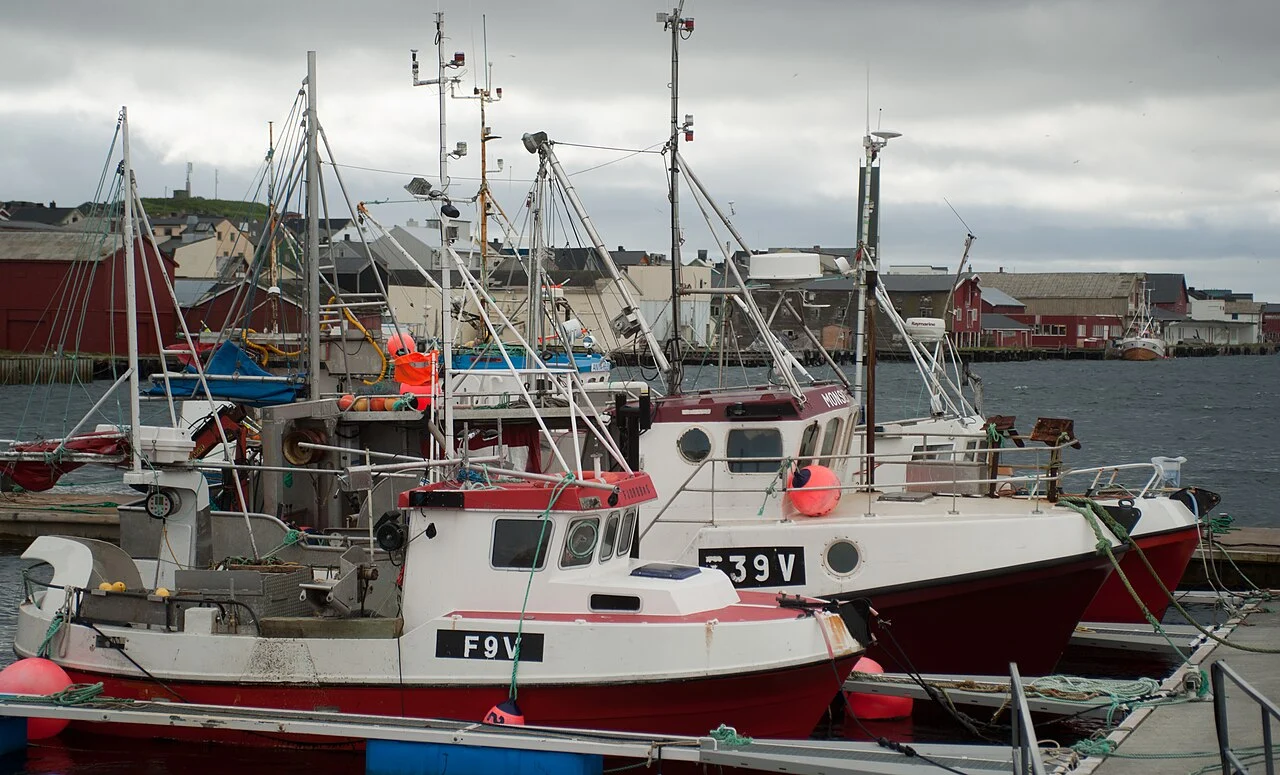
Vardø combines long summer light with a compact port setting. It can fit into a wider trip along the Varanger coast.
Walk the public waterfront and compare the foreground at different points. A harbour view works if the open horizon is obscured, especially when clouds catch light after midnight.
Give yourself an evening and check the transfer from your previous base. Budget separately for museums or a wildlife outing and confirm their schedules.
10. Harstad for a night between transport legs
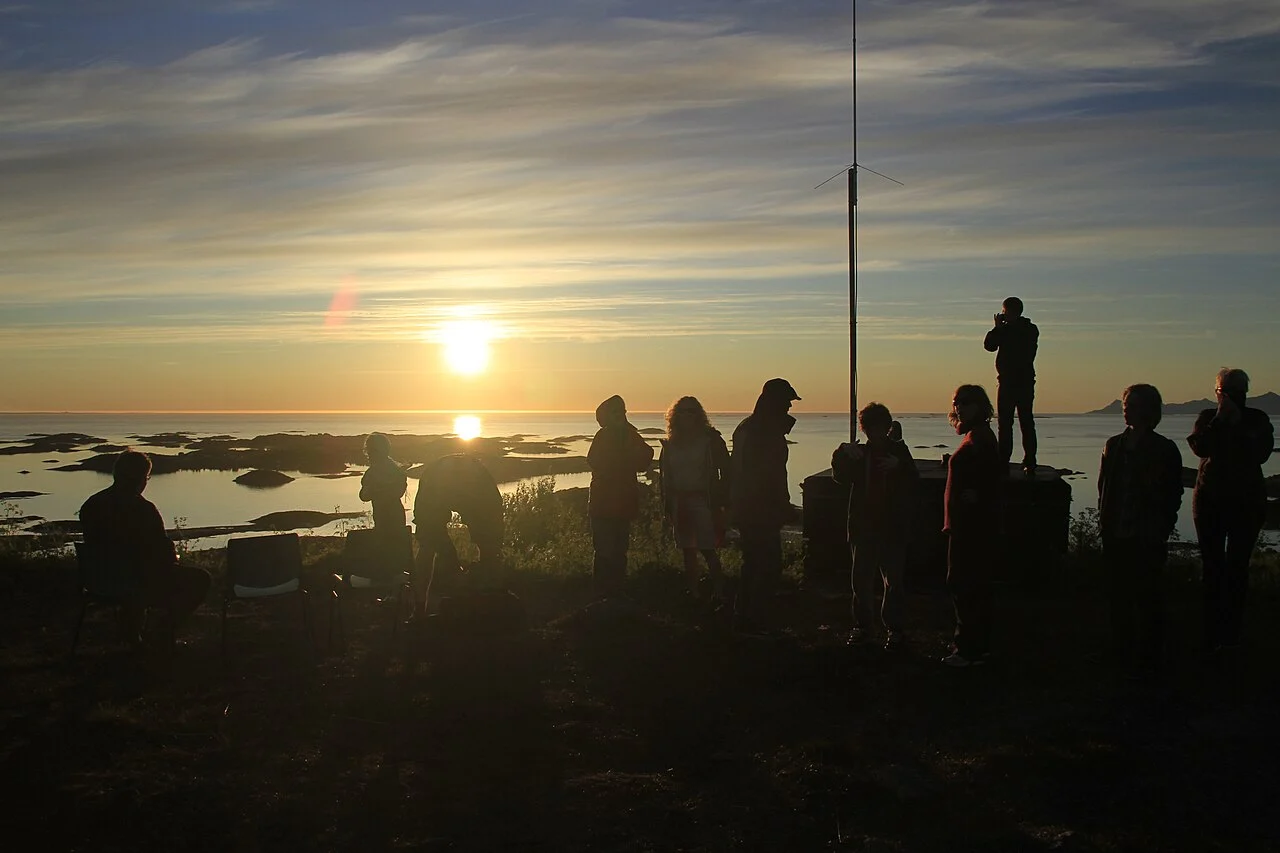
Harstad works as a base when you are travelling through southern Troms. The published season is longer than Bodø’s and shorter than the North Cape’s.
Check whether hills block the view from your accommodation. If the harbour has limited sightlines, plan a separate viewpoint while you still have transport.
Allow one or two hours. Verify the last bus or arrange a return before paying for a late activity, and keep an extra evening free if seeing the sun is a priority.
Costs, transport and what to book
A public viewpoint can be the low-cost choice if it is accessible from your base. Budget for parking, local transport or a taxi as appropriate, and check any access charges. The Tromsø cable car example gives an idea of a paid viewpoint. A guided excursion has a different price and may include pickup, a route chosen for conditions and a longer trip. Compare the final quote with the cost of reaching and leaving the same area independently.
Use current schedules and opening hours for the date. A late slot advertised in summer may not operate every day, and a bus that is convenient in the afternoon may finish before you want to return. Book the return or arrange a taxi in advance if a missed connection would leave you waiting outside. For a shared evening excursion, check where the guide drops you and whether the full price includes transport. If your accommodation is outside town, ask what options are available near midnight.
Bring windproof and warm layers and a small bag for what you need during the wait. For photography, give yourself time to see how clouds and the horizon affect the scene. Use a designated spot and keep clear of traffic and private land. If you will be driving next morning, decide in advance when to return. Blackout curtains or an eye mask can make an overnight stay easier when you are adjusting to the light. Keep your regular meal and sleep times when that suits the group.
One-, two- and three-day itineraries
One day in Tromsø. Use the morning for a city visit and the afternoon for a museum, meal or rest. In the evening, go to a viewpoint with a confirmed return or use a short waterfront walk. If the lift or view is unavailable, stay near your accommodation and enjoy the light from a suitable public spot. Check the last bus or arrange a taxi before leaving. Keep the next morning flexible if you will be out late.
Two days in Lofoten. On day one, arrive, check your local parking or access and use the afternoon for a nearby village before dinner. Spend the evening at an open coastal site if conditions suit. On day two, leave time for a late breakfast and a short daytime outing, and use the evening as your second viewing window. If the weather turns poor, stay close to your base and choose an indoor or sheltered stop. Confirm the next day’s road or ferry connection before choosing how long to stay out.
Three days in Longyearbyen. Use day one for arrival, check-in and a local walk in the settlement before dinner. On day two, reserve the morning or afternoon for the museum or a short town visit and use the evening for a confirmed guided activity if it suits your dates. Use day three for a moved outing or a shorter local visit before departure. If weather prevents the guided route, ask about a town-based alternative and stay within the area recommended for independent visitors.
Plan a second evening around cloud and the horizon
Check cloud cover in the direction you intend to watch, as well as the forecast for your accommodation. Low cloud on the horizon can hide the sun on an otherwise bright evening. If the coast and town have different conditions, choose between them only after confirming a safe and practical return. On a short visit, a nearby viewpoint you can try twice may give you more viewing time than a distant tour with one fixed departure.
If your trip falls just outside the published season, decide whether the light itself is what you want. A long twilight and a late sunset can still suit a coastal evening. Choose an open public place, set a time to head back and pack the same warm layers. If you want the sun to stay visible around midnight, look up the dates for the exact location before paying for a non-refundable evening tour. The wider region’s dates can include places with different horizons.
Take to the water under the midnight sun
Compare a midnight-sun RIB safari for a summer evening based in Tromsø. Check the seasonal dates and open-boat requirements; cloud can affect the view even when the sun stays above the horizon.
View the midnight-sun RIB safari →
Check current dates, prices, meeting points and cancellation terms on Viator. Affiliate link: we may earn a commission if you book.
Related planning
Destinations for your trip
Questions and answers
When can I see the midnight sun?
Tromsø’s published window runs approximately from late May to late July. Longyearbyen’s is longer, roughly late April to late August. Check the specific place and year.
Does it cost anything?
A suitable public viewpoint can be low-cost. Budget for travel and any access charges. Visit Tromsø’s published Fjellheisen adult return example is NOK 495.
Is it worth going in cloud?
Yes if you are interested in the long light and the landscape. If you want a clear view of the sun, give yourself a second evening.
How many days should I allow?
One evening is enough to try a local viewpoint. Two or three nights help if you want to work around cloud and weather.
Do I need a car?
Tromsø can work without one if your return is confirmed. A car can help in Lofoten, but choose a base close to the site you plan to use.
Should I book ahead?
Reserve a guided trip or any required transport if the time matters. Check hours and access even if you plan to visit independently.
Pick the viewpoint before planning the late return
Choose a base with an open view and transport that works at the hour you want to go. Keep a second evening available when possible and give yourself time to rest after the outing.
Sources and further reading
Confirm current schedules, prices, hours and access before booking.