10 Best Things to Do in Bodø: A Practical Travel Guide
The best things to do in Bodø combine an unusually accessible Arctic city with tidal water, coastal walking and the history of travelling by sea and air. It works well as a destination in its own right rather than simply a place to change transport for Lofoten. Start with the harbour and a major museum, then give Saltstraumen its own carefully timed outing. With an extra day, choose either the coast near Mjelle or the historic trading settlement at Kjerringøy rather than racing between both. Summer offers long light and more outdoor flexibility; darker months favour museums, performances and guided excursions. Wind can change even a short walk, and the sheltered city centre does not indicate conditions offshore. Two full days provide a useful introduction, while three make room for a longer journey outside town.
Bodø: quick answers
- Worth visiting?
- Yes, for coastal landscapes, aviation history and powerful tidal currents.
- Time needed
- Two days; three with a longer coastal excursion.
- Best time
- Summer for long daylight; darker months for museums and possible aurora.
- Cost level
- High; regional transport and guided trips add to lodging costs.
- Getting around
- Walk centrally; use buses, a car or tours for outlying sights.
- Top priorities
- Saltstraumen, Norwegian Aviation Museum, central harbour.
How this list was selected: NorwayTop10’s editorial choices balance distinctive places, practical access and variety for a first visit. The order is a planning guide rather than a public vote. Outings beyond the destination are identified in their descriptions; ten entries do not mean ten stops in one day.
Compare the ten options
Times are editorial planning allowances, not operator schedules. Add travel and waiting time unless the row explicitly describes a whole outing. For guided experiences, use the confirmed booking duration. See each description for terrain and seasonal restrictions.
| Place or activity | Access to plan | Time to allow |
|---|---|---|
| Watch the tidal current at Saltstraumen | Road or dated bus connection | 1–2 hr at the shore, plus travel |
| Explore the Norwegian Aviation Museum | Local transport or walk from the city | 2–3 hr |
| Walk Bodø harbour and the central waterfront | Central waterfront on foot | 45–90 min |
| Find a city-and-island view around Rønvikfjellet | Choose the trailhead | Use the chosen route time |
| Visit Kjerringøy’s historic trading settlement | Road or booked excursion | Half-day with travel |
| Understand coastal cargo at Jektefartsmuseet | Local transport | 1–2 hr |
| Choose a coastal walk at Mjelle | Road approach and coastal path | Half-day with travel |
| Check the programme at Stormen | Central venue on foot | Use the event duration |
| Look for seasonal light with realistic expectations | Choose a suitable viewing location | Use the booked outing duration |
| Choose one guided coastal experience | Operator meeting point | Use the booked excursion duration |
Bookings through Viator may earn us a commission.
1. Watch the tidal current at Saltstraumen
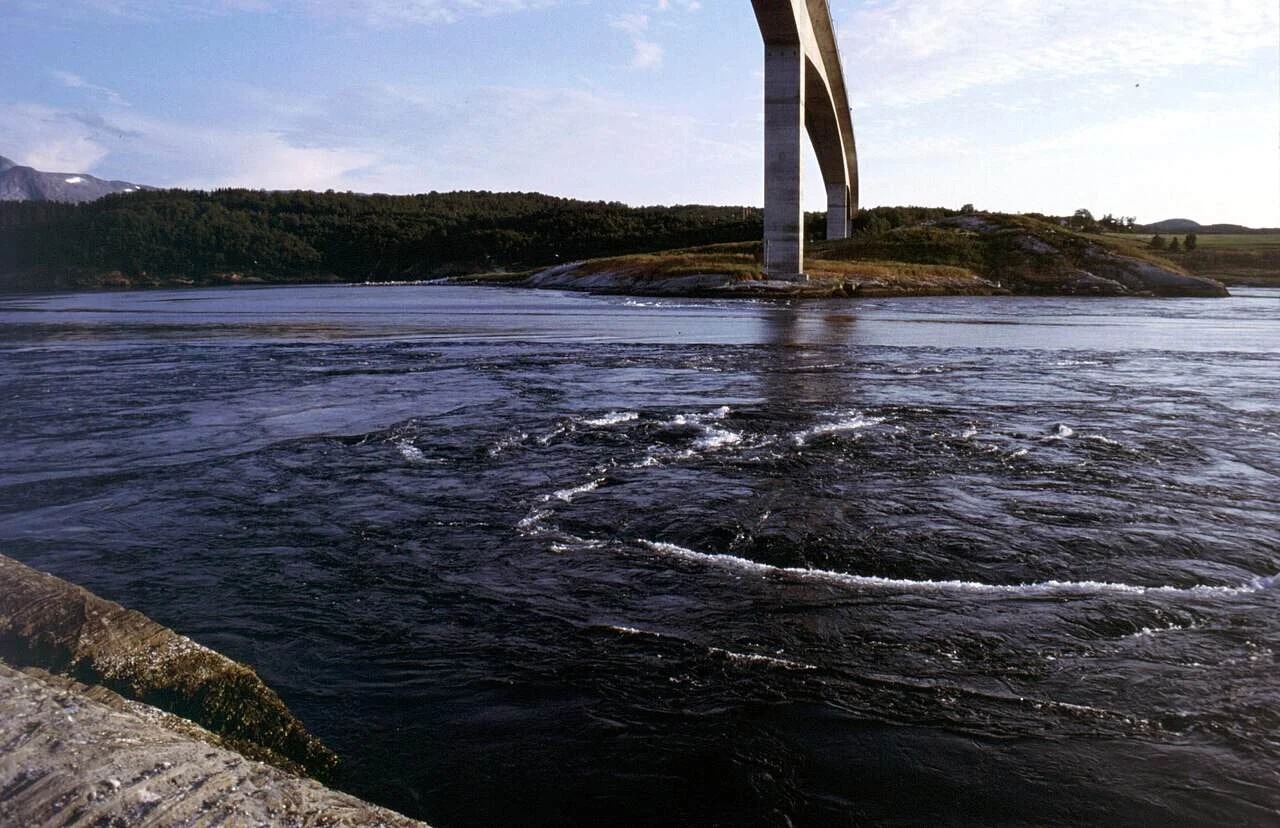
Book here with Viator → Zodiac Experience Saltstraumen and Eagle Safari
Saltstraumen is the essential natural outing from Bodø: a narrow sea passage where the changing tide produces powerful movement, swirling water and visible contrasts between calm and fast-flowing sections. The strength of the current varies through the tidal cycle, so an arbitrary arrival time may miss the effect that visitors came to see.
Use the official local current information to choose a viewing window, then work backwards to arrange transport. Shore viewpoints can provide a rewarding visit without joining a boat tour. A guided boat trip is a separate experience with weather, equipment and age requirements; confirm those before paying rather than assuming that every departure suits every traveller.
Give the excursion a substantial part of a day once travel and waiting are included. Stay on established access routes, keep children close around exposed edges and never enter the current. Combine the visit with a simple nearby coastal stop if conditions allow, rather than trying to add a distant museum on the opposite side of the region.
2. Explore the Norwegian Aviation Museum
Verified planning detail: The Aviation Museum asks drivers to register their number plate at reception or the café to receive four hours of free parking. Check its current admission and opening information before visiting. Official visitor information.
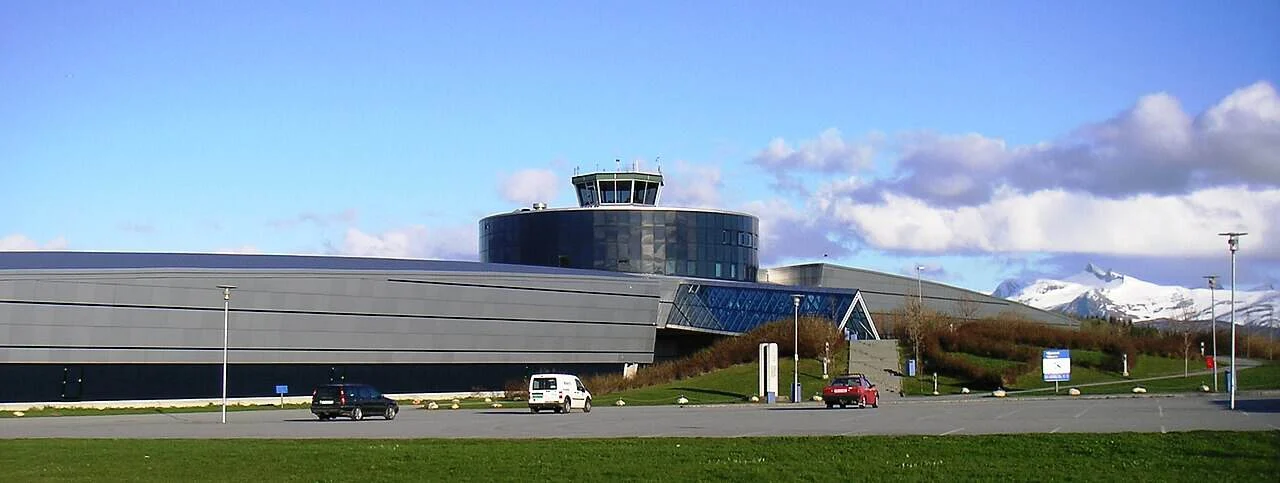
The Norwegian Aviation Museum is a strong choice for understanding why aircraft matter so much in a country of mountains, islands and long distances. Its collections cover civilian and military aviation, giving the visit a broader purpose than simply looking at machines. It is particularly useful when coastal wind or rain limits outdoor plans.
Allow enough time for the different sections rather than treating the museum as a short airport stop. Travellers interested in engineering may want much of a half-day; families can choose a smaller selection and take breaks. Check which interactive elements or special exhibitions are available on your date, because a general museum admission does not guarantee every activity.
Plan the journey independently of your flight connection. Even though the airport is nearby, security queues, luggage and transfer arrangements need separate time. Pair the museum with a relaxed city meal or harbour walk. It is an excellent anchor for a first day when the weather is unsettled and your energy after travelling is uncertain.
3. Walk Bodø harbour and the central waterfront
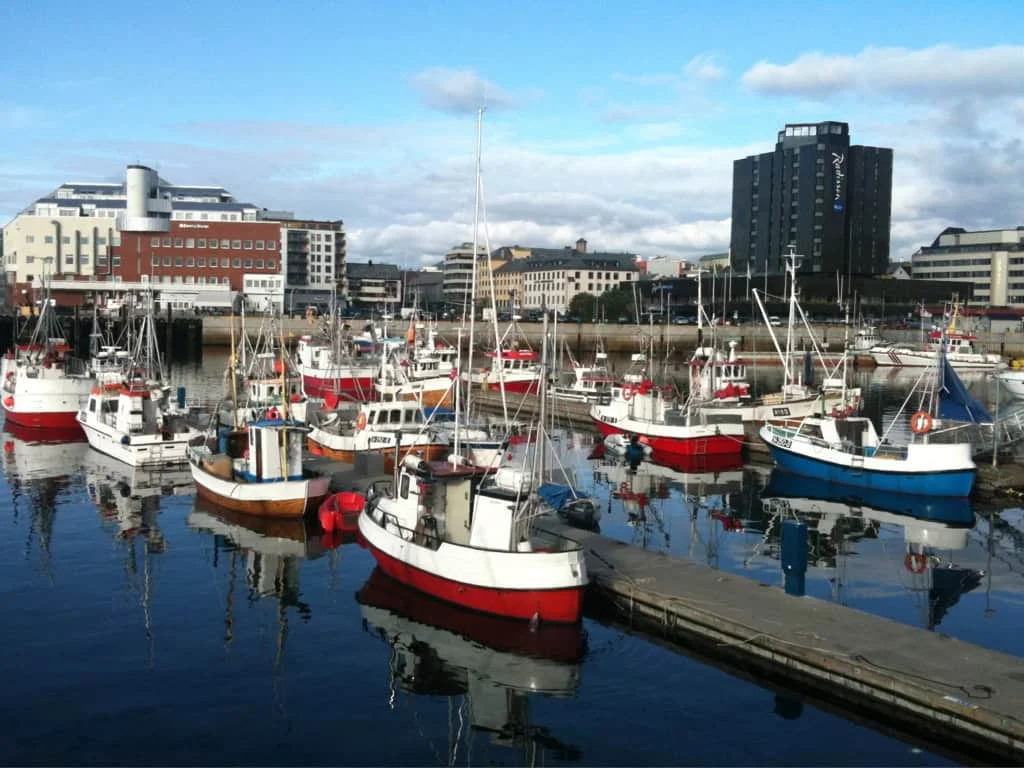
Book here with Viator → Self-guided Bodø waterfront audio walk
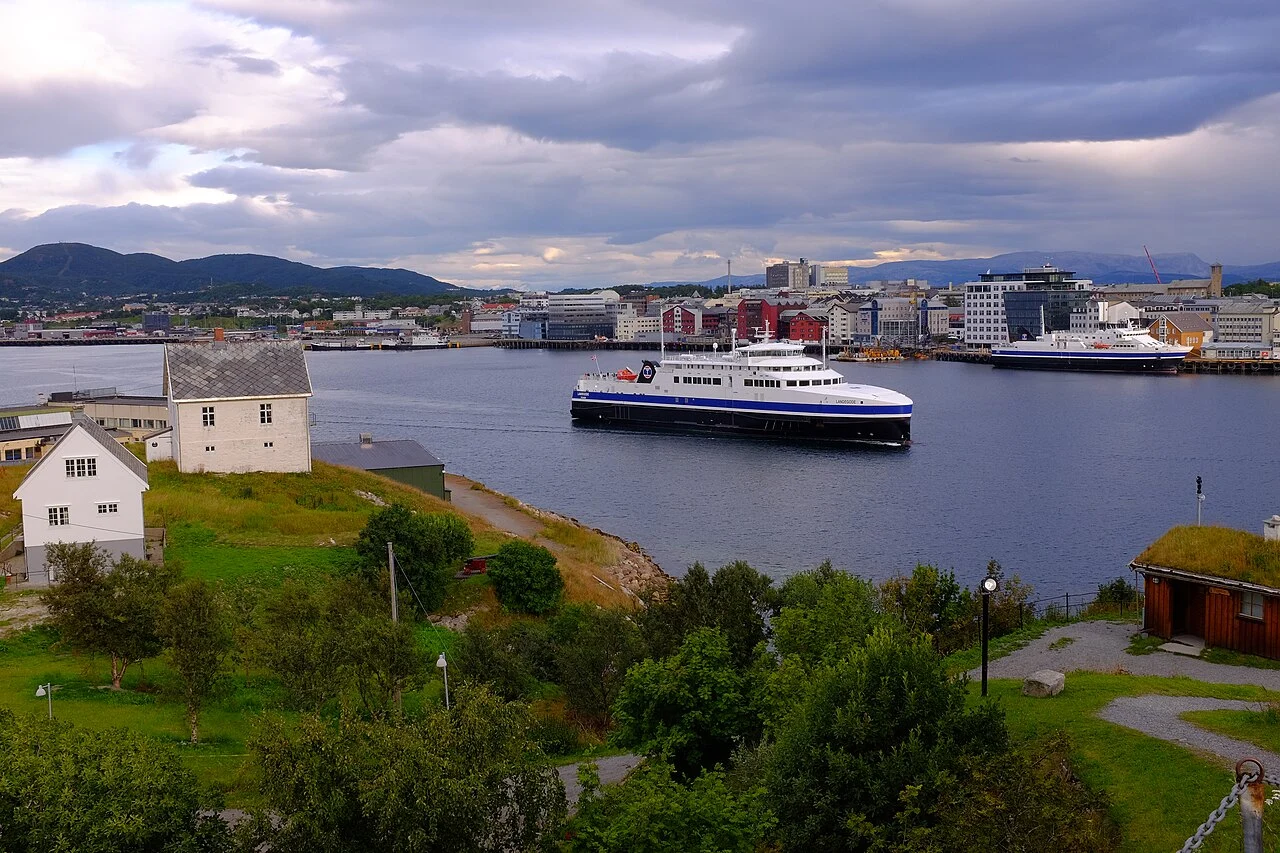
Bodø’s harbour introduces the working coast that shapes the city. Fishing vessels, passenger transport and commercial activity share the waterfront with places to eat and sit. A walk here is most rewarding when approached as an introduction to everyday northern life, with changing light and mountain outlines adding interest beyond a single landmark photograph.
Begin near the centre and follow clearly public waterfront sections, taking care around vehicle movements and operational quays. Do not assume that every pier is a promenade. Choose a café break when wind picks up, and make the route shorter if arriving after a long rail or air journey. The practical value is its flexibility.
This is a good free activity between timed visits and an easy way to understand where local transport departs. Check the exact terminal for any onward boat separately: a harbour is not one interchangeable departure point. Keep a waterproof layer handy even during bright weather, as exposure can make the waterfront feel colder than streets a block inland.
An audio walking tour gives context to the waterfront, downtown and the view towards Nyholmen fortress.
4. Find a city-and-island view around Rønvikfjellet
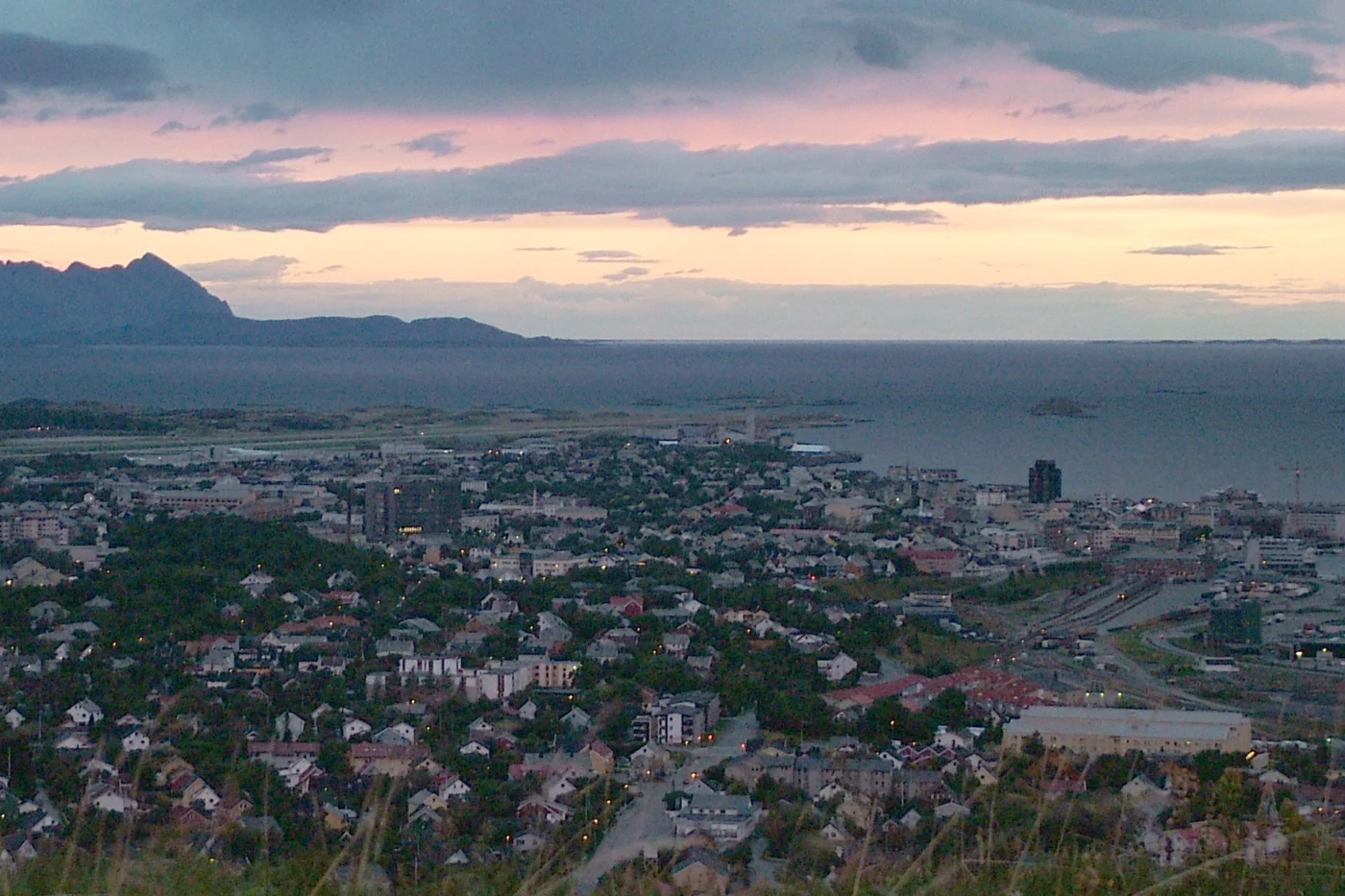
The hills around Rønvikfjellet offer a different perspective on Bodø, with the urban area, water and offshore landscape visible when cloud allows. This is a useful outdoor counterpoint to indoor museums because it connects the city to its surroundings. Choose a locally recommended route that suits your fitness rather than assuming that all hill paths have the same difficulty.
Before setting out, ask about the most appropriate access point and the state of the trail. A modest elevation can still mean slippery rock, strong wind or snow outside summer. Carry footwear with grip and a layer that works when you stop moving. The return journey deserves the same daylight allowance as the ascent.
Treat the outing as weather-dependent instead of fixing it between two non-refundable bookings. On a clear day, a leisurely walk and a picnic can become the main event. In poor visibility, move the time to a museum and keep the viewpoint for a later window. A view obscured by cloud is not improved by pushing farther into unfamiliar terrain.
5. Visit Kjerringøy’s historic trading settlement
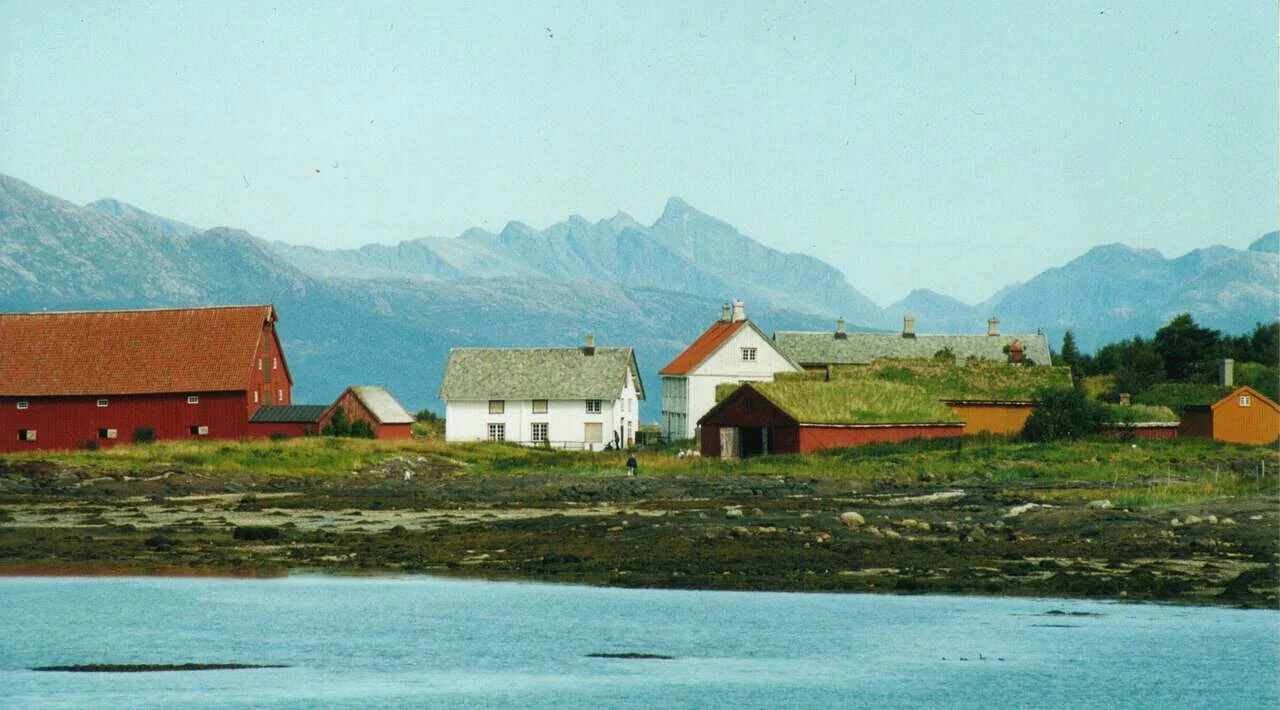
Book here with Viator → Coastal cruise to Kjerringøy
Kjerringøy adds the history of coastal trade to a Bodø itinerary. The preserved trading environment helps explain the relationship between fishing communities, merchants and transport before the modern road network. It is a destination outside the city, with a slower atmosphere that deserves more than a quick stop solely to photograph the buildings.
Check the museum’s visiting season and which interiors are open before arranging the trip. Grounds, exhibitions and guided visits can have different access arrangements. Public transport may not connect neatly with a short visit, while driving requires attention to the actual route and any ferry involved. Do not build the day around an assumed frequent shuttle.
Allow a substantial excursion window and leave space for the waterfront and surrounding landscape. It is usually more satisfying to combine the trading history with a nearby coastal walk than to dash back for several city attractions. Outside the main season, confirm the purpose of the visit carefully so that you are not travelling far for closed interiors.
A coastal cruise is one way to combine the historic trading settlement with fjord scenery. Confirm the landing arrangements and admission.
6. Understand coastal cargo at Jektefartsmuseet
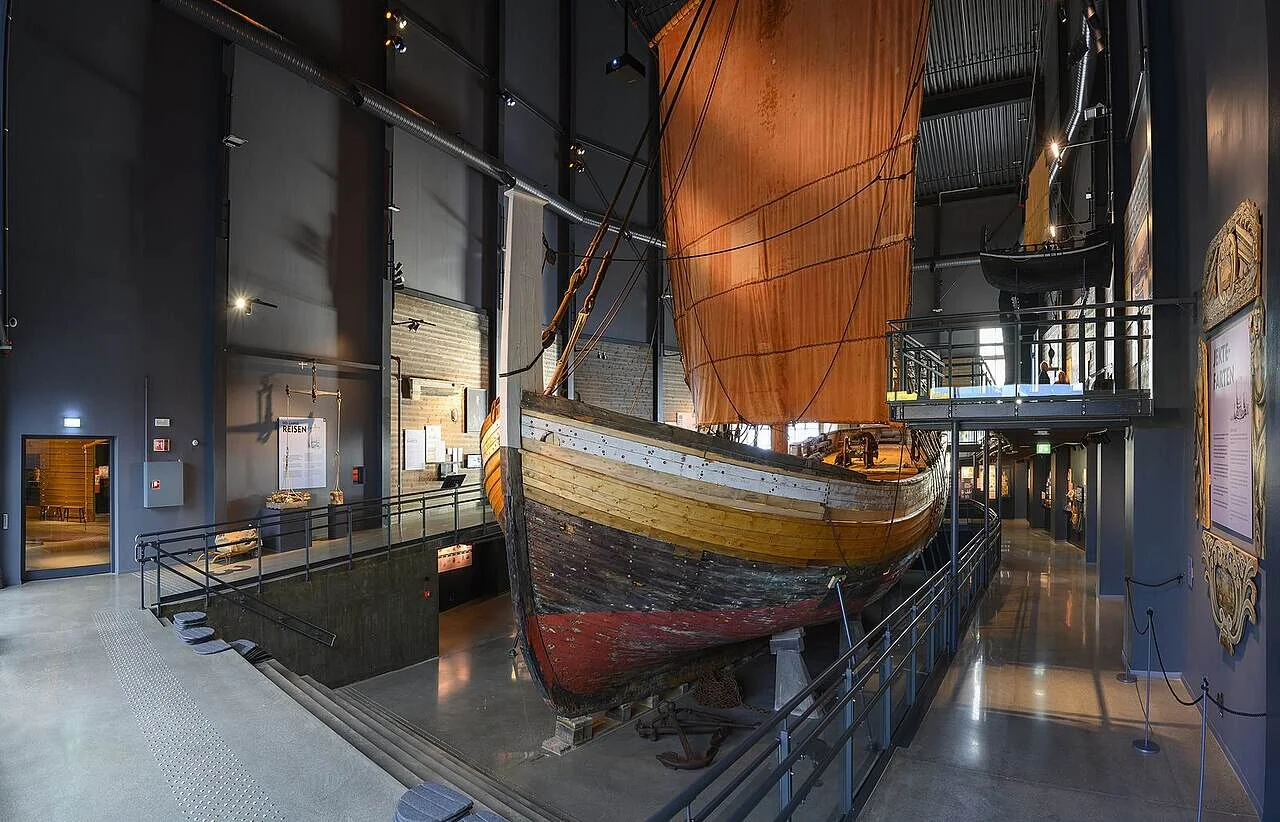
Jektefartsmuseet focuses on the cargo vessels and trading connections that linked northern communities with markets farther south. This gives useful background to the harbours, fishery and trading places encountered elsewhere in the region. It makes a thoughtful pairing with Kjerringøy, although the two do not need to be visited on the same day.
Approach the displays through the practical questions of a sea journey: what people carried, how the vessel worked and what communities relied on it. That framework helps visitors who are not already maritime enthusiasts. Families can concentrate on the ship and a few stories rather than trying to read every label during a single visit.
Verify the current opening arrangements and transport to the museum, then give it an unhurried block of time. A waterfront stroll nearby can round out the outing if conditions are pleasant. When choosing between this and the Aviation Museum on a short stay, select the subject that most interests your group rather than squeezing both into rushed visits.
7. Choose a coastal walk at Mjelle
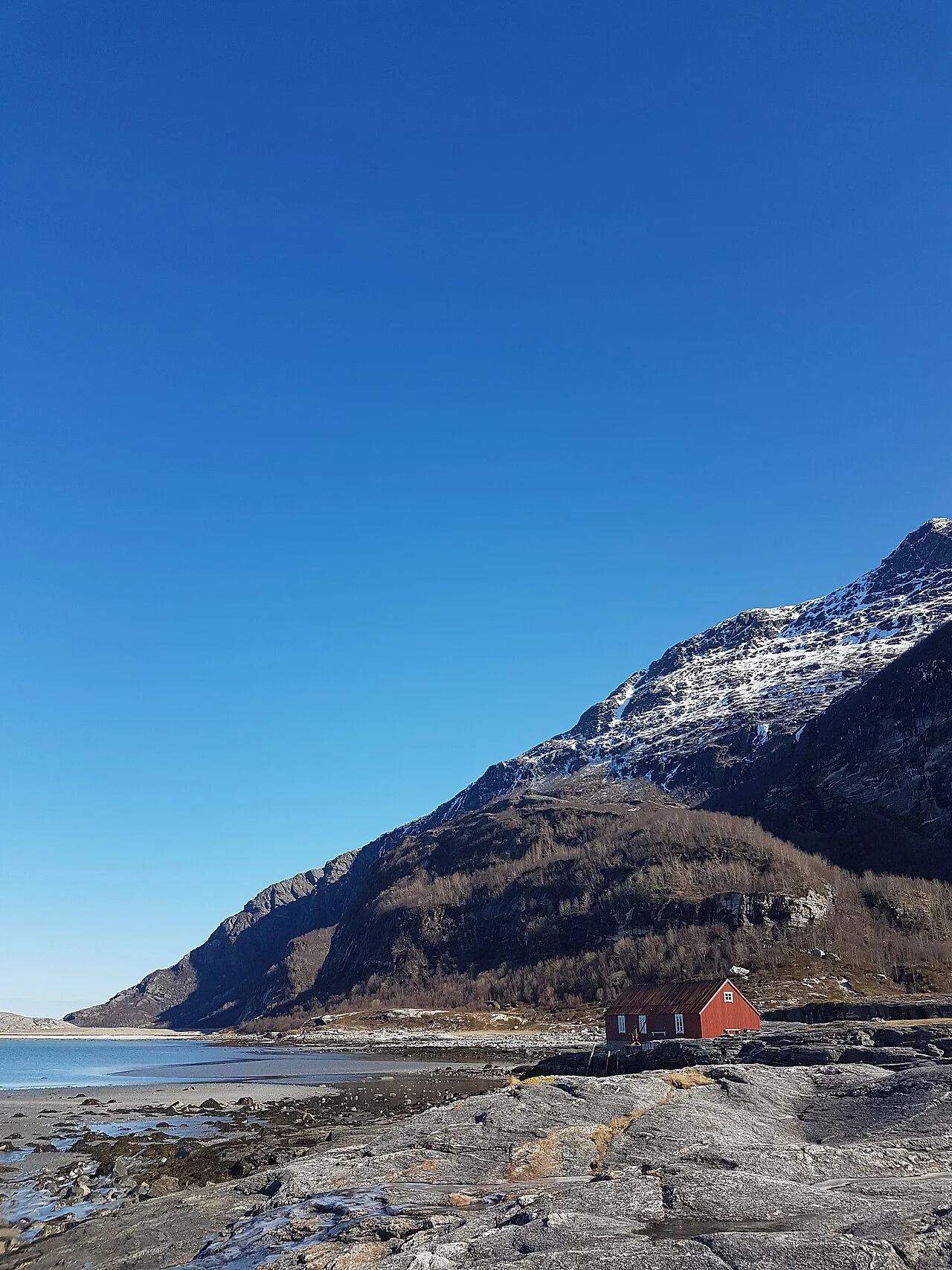
Book here with Viator → Private shore excursion to Mjelle
Mjelle is a popular coastal outing for beach scenery and an experience of the open shore beyond Bodø. The appeal is the combination of sand, rock, sea and mountain backdrop, rather than a guarantee of warm bathing weather. Even in summer, the beach can be windy and the water cold.
Arrange transport with the complete walk in mind, including the approach from the access area. Follow local signs and respect private land along the way. Footwear suitable for uneven ground is more useful than city shoes, and a picnic should include something warm or sheltering for a break if the breeze strengthens.
This works best as a relaxed half-day or longer outing when the forecast is favourable. Do not turn it into a rushed photo stop before an important ferry or flight. Keep away from waves and slippery shore edges, remove all rubbish and leave the natural materials where they are. A shorter visit is sensible if conditions deteriorate.
A private beach excursion can simplify transport from Bodø. Check pickup, walking distances and coastal conditions.
8. Check the programme at Stormen
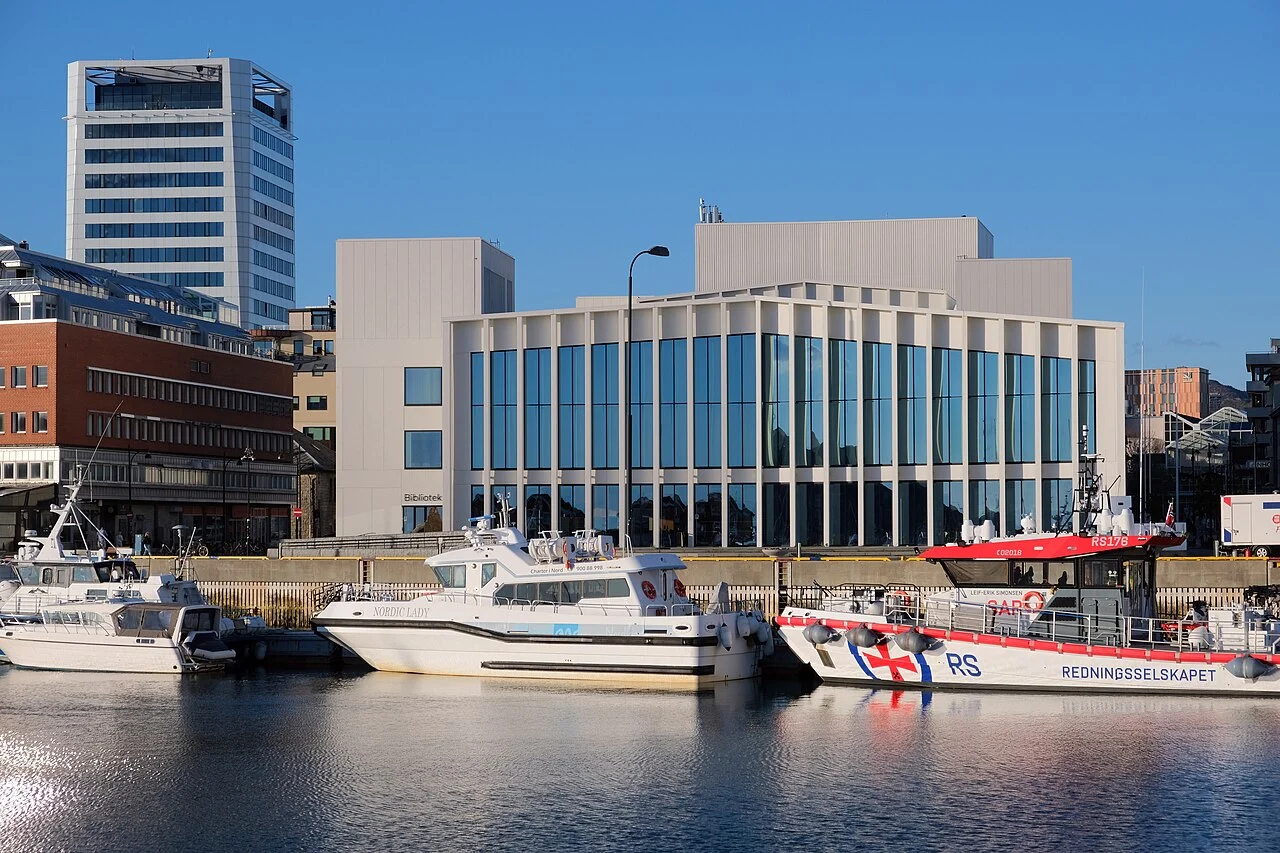
Stormen brings contemporary cultural life into an itinerary otherwise dominated by sea and landscape. The concert hall is a place to look for performances, while the nearby library offers another perspective on the city’s public spaces. A concert or event can make an evening memorable without requiring a long excursion after dark.
Look at the actual programme for your dates rather than assuming there will be an appropriate performance every night. Language, duration and seating arrangements matter if you are travelling with children or do not understand Norwegian. Book a specific event because it interests you, not simply because the building appears on a sightseeing list.
The library and exterior architecture can also be appreciated without attending a major performance, subject to normal access arrangements. Combine this part of town with the waterfront and a meal. During a winter stay, a scheduled cultural evening provides a useful alternative to repeatedly chasing an aurora forecast that may remain cloudy.
9. Look for seasonal light with realistic expectations
Book here with Viator → Guided northern lights hunt from Bodø
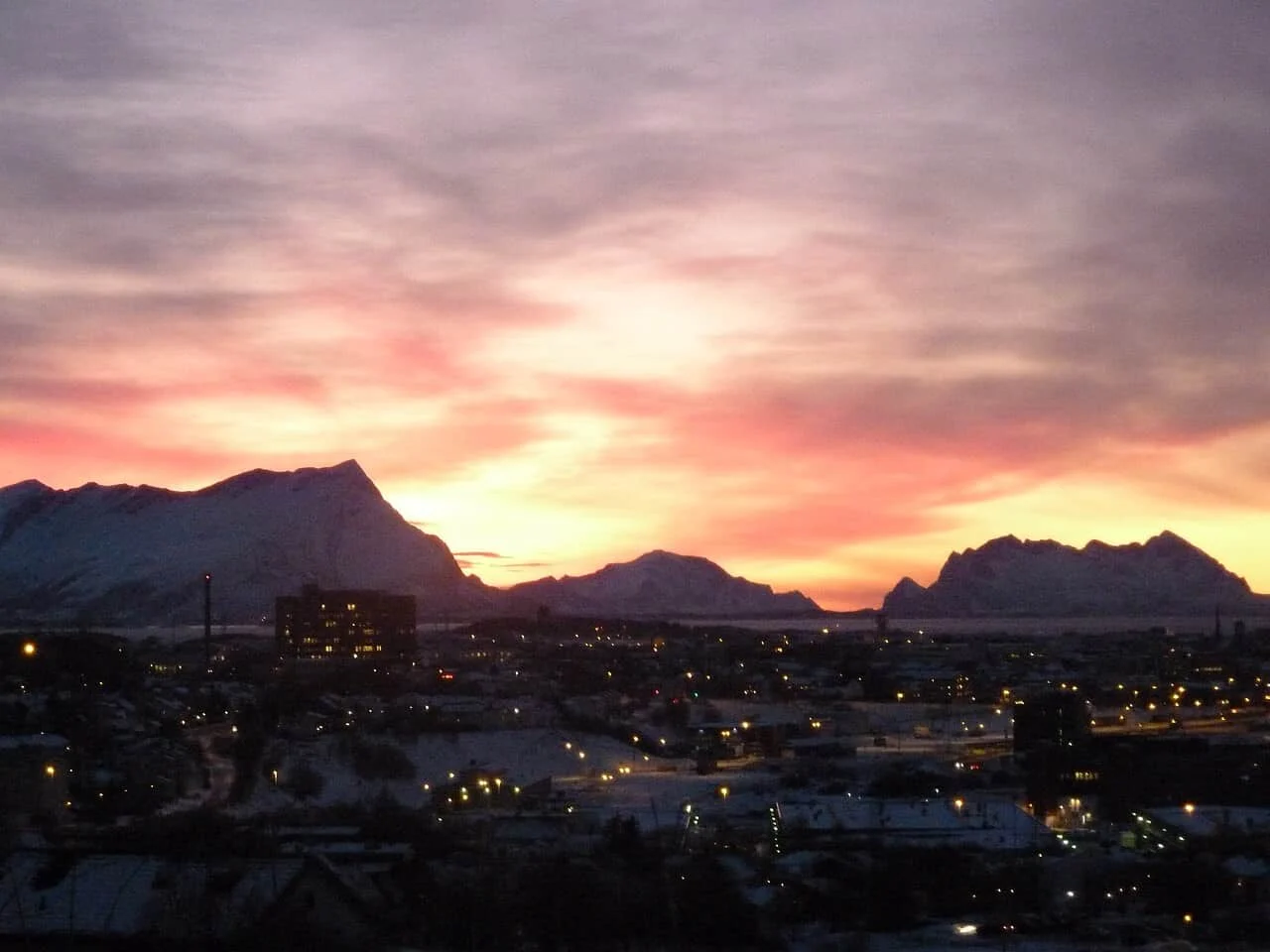
Bodø’s northern position changes the rhythm of a visit. Summer brings extended light and opportunities to linger outdoors; the darker part of the year creates the conditions in which the northern lights may be visible. These are different travel experiences, and neither should be planned by copying the other season’s schedule.
For aurora, darkness, a suitable sky and solar activity all matter. No guide, tour or hotel can guarantee a display. A guided outing can help with transport and choosing a safe viewing location, but it does not control the weather. Compare the trip duration and return arrangements before booking a late night.
Keep daytime plans worthwhile in their own right. A museum, coastal meal or harbour walk means a cloudy evening does not make the day feel wasted. In bright summer conditions, use curtains and a regular sleep routine if needed; long light is not a reason to drive tired or attempt a route beyond your ability.
A guided outing is an option during the dark season; sightings are not guaranteed.
10. Choose one guided coastal experience
Book here with Viator → Saltstraumen and eagle safari by RIB
A locally operated sea excursion can reveal the scale of Bodø’s coast more effectively than another drive. Depending on the operator and season, choices may focus on scenery, birds, fishing or the waters around Saltstraumen. Decide which experience you actually want, because a fast open-boat ride and a sheltered sightseeing cruise are very different outings.
Read the operator’s description of clothing, mobility, minimum age and sea conditions. Ask whether equipment is supplied and where the boat departs. Wildlife sightings depend on natural behaviour and should never be treated as guaranteed. If seasickness is a concern, discuss the route and boat type before committing rather than after reaching the quay.
Reserve a weather alternative for the same day and avoid tight onward connections after returning. Coastal services can be adjusted or cancelled when conditions make that necessary. On a short visit, one well-chosen excursion is generally more useful than booking several similar boat trips that compete with museums, local walks and time to enjoy the city.
Realistic Bodø itineraries
One day: city history and waterfront
Spend the morning at the Aviation Museum, then return to the centre for lunch, a harbour walk and a look at the Stormen area. If a Saltstraumen visit is your main priority, substitute it for the museum and time the outing to the current rather than adding it to an already full schedule. Keep the evening local, especially after travelling.
Two days: add Saltstraumen
Use day one for the Aviation Museum, waterfront and a possible performance. Give day two to a properly timed Saltstraumen excursion, with a short city viewpoint walk if weather and energy remain good. Reverse the days if the weather favours the coast first. An aurora outing in the darker season is optional and should not erase the next day’s sleep.
Three days: choose a longer excursion
Follow the two-day plan, then devote the third day to Kjerringøy or Mjelle. Choose Kjerringøy for trading history and confirm interior access; choose Mjelle for open-coast walking in suitable weather. Jektefartsmuseet can replace a less important activity rather than being forced into the travel day. Leave a margin before your onward journey, particularly when a ferry connection is involved.
Practical travel tips
- Use the Saltstraumen tidal-current information to plan the actual viewing window. The time that suits your hotel breakfast may not suit the water, and travel should be arranged around the phenomenon rather than the reverse.
- Bodø has useful transport links, but attractions outside the centre require route planning. Check the return service as carefully as the outbound one, particularly for a museum or beach reached by an infrequent bus.
- Pack for wind as well as temperature. A bright forecast can still produce an uncomfortable exposed shore visit without a waterproof shell, warm mid-layer and footwear suitable for wet ground.
- Choose one substantial museum per day if travelling with children. Leave time for food and movement between exhibits so that the city does not become a sequence of hurried indoor visits.
- Do not assume that Lofoten transport is a casual local boat outing. Book and plan the precise route, terminal and season separately if continuing beyond Bodø.
- For current road, trail and sea conditions, use local visitor information and the relevant operator. Historical photographs and a list of attractions cannot establish whether an outdoor activity is suitable today.
Frequently asked questions
Is Bodø worth visiting without going to Lofoten?
Yes. Saltstraumen, the Aviation Museum, maritime history and the surrounding coast can fill a varied two- or three-day stay. Bodø suits travellers who enjoy combining a working northern city with outdoor excursions. Choose the city on those terms rather than expecting a compact version of Lofoten’s fishing villages and mountain scenery.
How many days should I spend in Bodø?
Allow two full days for a major museum, the city centre and a Saltstraumen outing. A third day makes room for Kjerringøy or a longer coastal walk without constant rushing. Travel days and onward ferries can consume more time than expected, so count usable sightseeing hours rather than simply hotel nights.
Can I visit Saltstraumen without a boat tour?
Yes, there are shore-based ways to observe the current. Check official access and current information, arrange transport and remain on safe public routes. A boat tour is an optional alternative with its own operating conditions. Neither a boat nor a particular bridge viewpoint should be treated as suitable regardless of weather.
Do I need a car in Bodø?
The centre can be explored on foot, and some other attractions can be reached by public transport. A car or organised excursion makes outlying coast and countryside easier, but it is not essential for every stay. Decide from your chosen attractions, check actual timetables and avoid hiring a car solely for activities within the central area.
Can I see the northern lights in Bodø?
They may be visible during dark periods when weather and auroral activity cooperate. They cannot be reliably seen during bright summer nights, and no winter trip guarantees a display. Include museums and other daytime interests in your itinerary so the stay remains worthwhile if clouds prevent viewing.
What is a good rainy-day plan?
Choose the Aviation Museum or Jektefartsmuseet, then check the Stormen programme and spend time in the centre. Confirm opening arrangements before travelling. Wind and rain may make an exposed coastal outing less enjoyable even when a museum remains easy to visit, so switching the order of your itinerary is often enough.
Continue exploring Norway
Sources and current travel checks
Official tourism, museum and operator information informed this guide. Opening calendars, access, fares and transport can change; follow these sources for your travel dates. Suggested visit lengths and itineraries are editorial planning allowances.
Choose accommodation and plan Bodø
Compare accommodation options alongside the places you want to visit. Check the journey to the property before reserving.
Plan experiences around your stay
These guides compare regional options and practical considerations. Check the actual departure point; a related guide is not a promise that every activity is available in this town.