Puffin Watching in Norway: 10 Ways to Plan Your Visit
Puffin watching in Norway is easiest to plan around a spring or summer visit to Runde, Bleik or Hornøya. Compare shore and boat options, seasonal access and costs before you book.
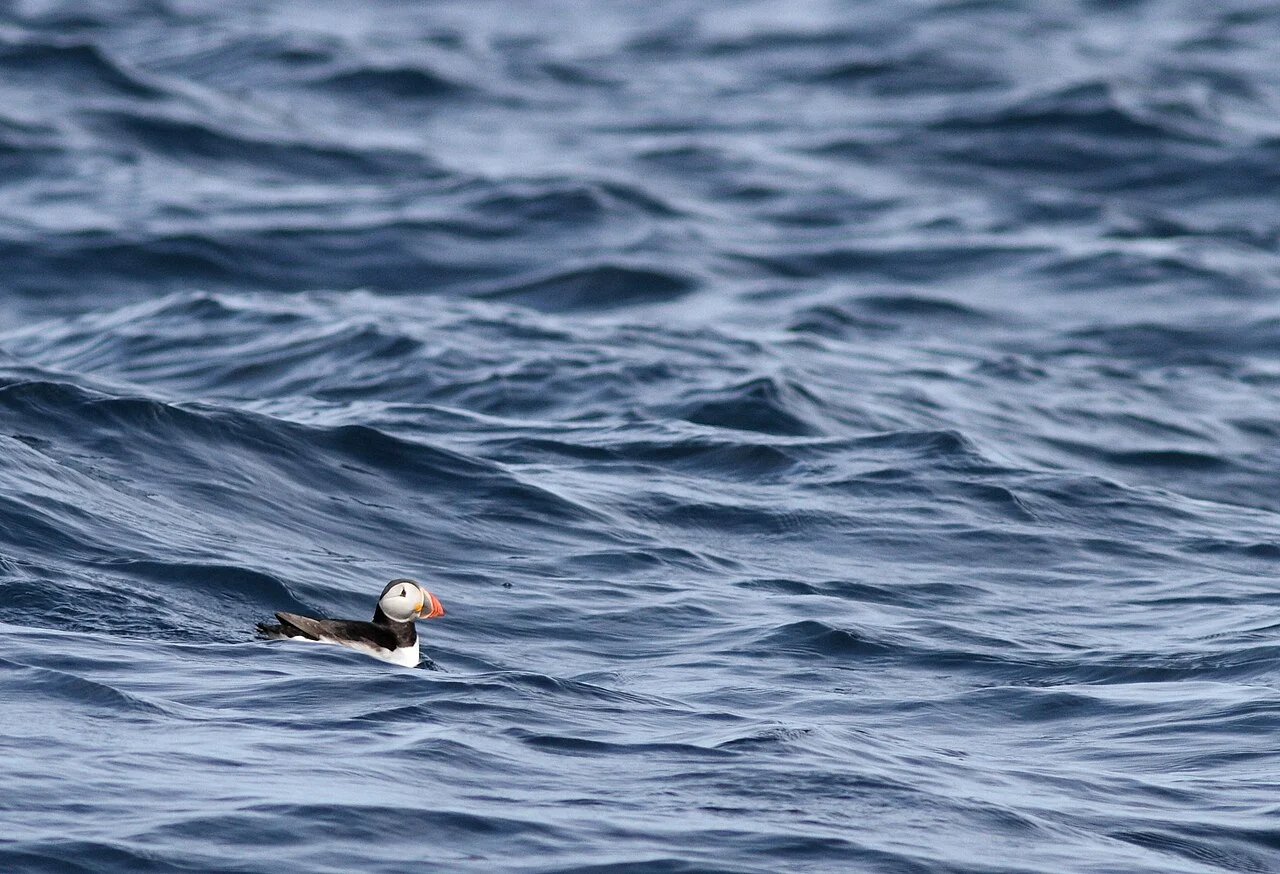
Puffin watching in Norway at a glance
- Worth it? Yes for coastal wildlife in the breeding season, with variable sightings.
- Time? Allow half a day per outing and a spare slot if possible.
- Season? Start with spring and summer and confirm the colony’s current window.
- Cost? Opplev Runde lists a boat example from NOK 380.
- Transport? Check the departure harbour or walking route and your return.
- Priorities. Choose one colony, confirm access and give nesting birds space.
Choose a colony that fits your route
Puffin watching in Norway is usually easiest to plan around one breeding colony. Runde fits a trip through Sunnmøre or Ålesund. Bleik fits a Vesterålen itinerary based on Andøya. Hornøya is an eastern Finnmark option from Vardø when authorised trips are available. These destinations involve very different journeys. Choose the one that works with your wider trip and leave enough time to watch rather than spending the best part of the day driving between accommodation and the site.
Decide whether you prefer to look from land or from a boat. A land visit can give you longer to watch the same patch of coast and more control over when you leave. It may also involve a steep or exposed walk. A boat gives you a different angle on the cliffs and a chance to see birds on the water, with less control over how long you can stay in one place. Ask what the trip involves from the departure point to the return, including any shore access.
Plan around the setting as well as the species. A cliff visit lets you watch birds crossing between open water and nesting ground, and a boat trip can be interesting when other seabirds are more visible than puffins. A wildlife listing cannot predict how many birds you will see. Leave yourself a second viewing window if puffins are a major reason for travelling, and choose a destination where there is something else you want to do.
1. Runde on foot from Goksøyr
Runde is a useful first choice if you are visiting western Norway and want both a land-based plan and a boat option. Visit Norway’s listing for Runde Environmental Centre describes puffins nesting from April to July. Treat that as the broad window and ask the visitor centre what has been seen recently. The season and the conditions on the day matter more than choosing a date from old photographs. The centre can also give current advice on routes, access and opening hours.
A guided Runde product departing from Ålesund describes a walk of around 45 minutes up to the bird cliffs. Use that as a planning example for the ascent, and allow time for observation, rests and the walk down. Confirm the route and difficulty with the provider or tourist information before committing. In wind or rain, the effort and comfort of the walk can change. Pack for the return as well as the time spent watching, and keep to permitted paths and viewing points.
Opplev Runde lists the Aquila boat outing from NOK 380 with a duration of about two hours. Check the current adult or child price, exact launch, age rules and seasonal sailing times in the booking calendar. Ask whether the tour is mostly outside and what happens if conditions change. The boat and cliff walk make different demands on the group. Book whichever one everyone can comfortably complete, and use the exhibition or café as an alternative if open.
2. Bleiksøya by boat from Andøya
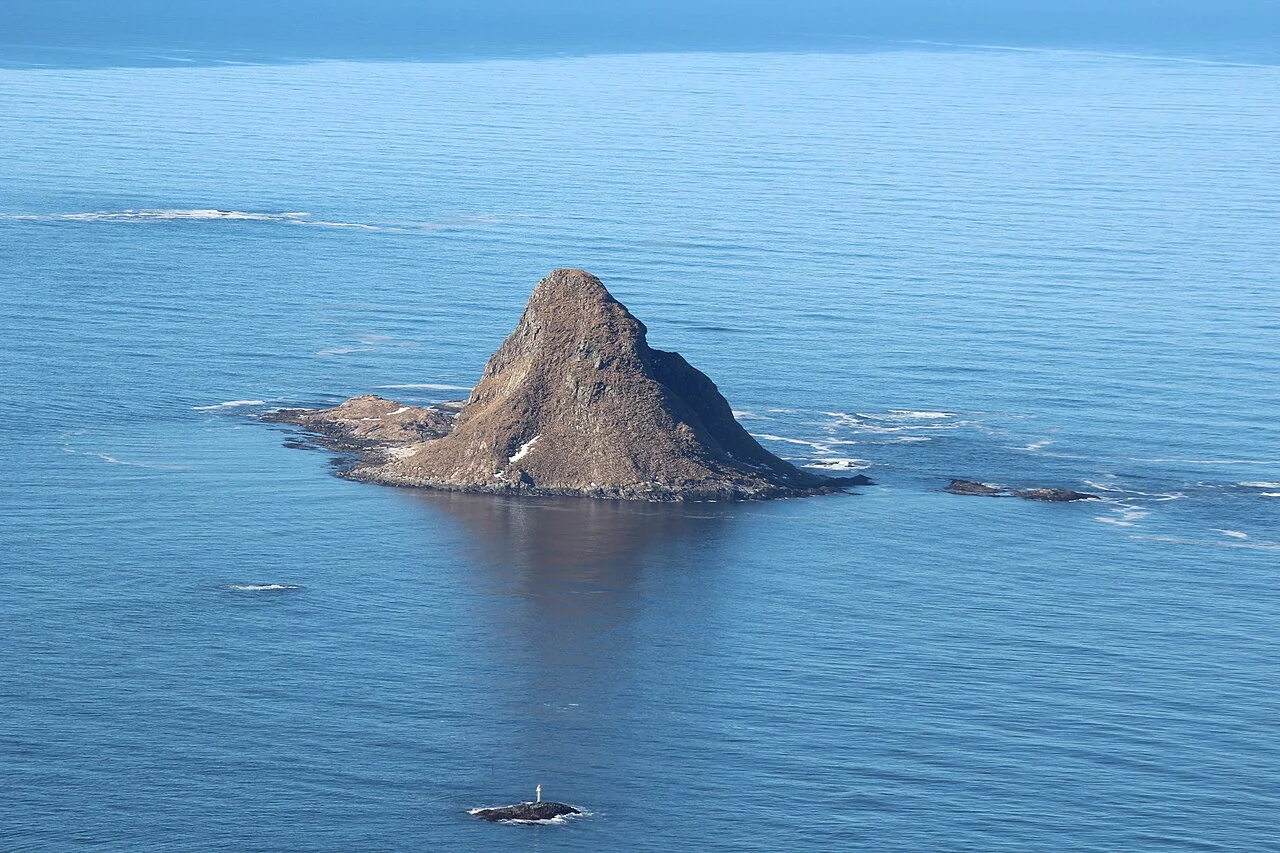
The Bleik boat departs from Andøya and visits the waters around Bleiksøya. Visit Norway lists the trip at around 90 minutes. Ask the operator for the current price, departure point and operating dates. Confirm how early to arrive and whether the published duration includes boarding. Keep enough time after the sailing to return to your accommodation or drive to the next stop without rushing.
A viewing boat offers a chance to see birds flying close to the surface or sitting on the water as well as activity around the island. Ask about seating, wind protection and boarding if your party includes children or someone who struggles with steps. Take binoculars that you can secure as instructed by staff. If motion makes sustained viewing difficult, use the guide’s directions about when you are likely to have the best view and spend the rest of the ride looking at the coastline.
Stay on Andøya if the sailing is the main event and your itinerary has room for a second slot. A shore visit around Bleik can fill part of the day if a sailing is delayed, but ask locally where viewing is appropriate and what it is realistic to see from land. If you also want to visit Andenes for a different wildlife trip, treat it as a separate booking. The Norway whale watching guide helps compare formats and the time you need at sea.
3. Hornøya from Vardø
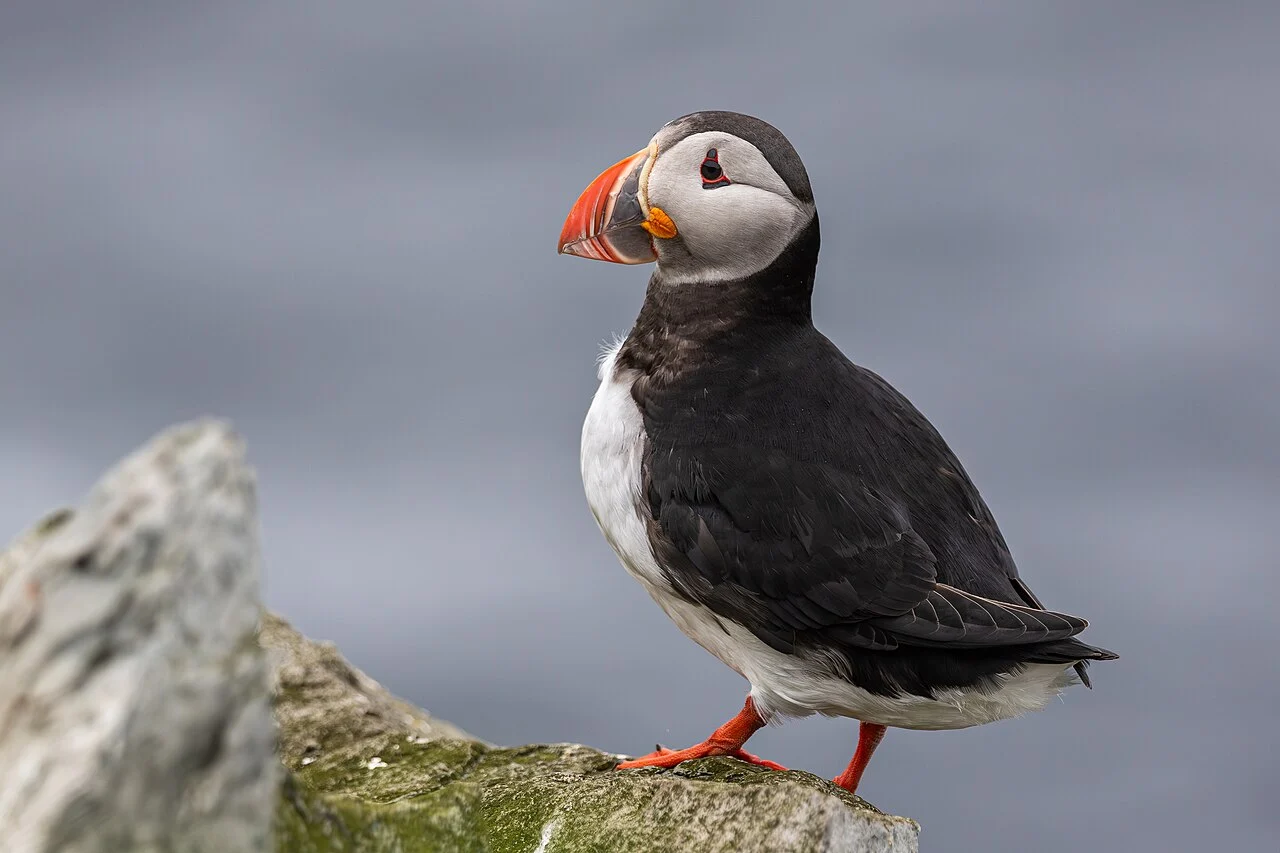
Hornøya is a protected seabird site off Vardø. Its combination of puffins and other cliff-nesting seabirds makes it a worthwhile option on an eastern Finnmark itinerary when access is confirmed. The planning question is whether you can join an authorised trip on the date you want and what that trip is allowed to do. Consult current reserve notices and the operator before buying. Older departure schedules and accounts of where visitors walked may describe different access rules.
Visit Vardø says it is awaiting confirmation of permits for the 2027 season. Check its current update and book only once you know who is authorised, whether the trip lands and how the route operates. Ask how much of the half-day you should reserve, what clothing is needed and what happens if the trip is cancelled. Travel to Vardø for the coast as a whole if a Hornøya booking is still uncertain. That gives you a trip you can enjoy even without a crossing.
Plan a mainland alternative before arrival. Vardø and the Varanger coast offer harbour and viewpoint stops with different birds and conditions. The Varanger birdwatching guide compares those stops and discusses seasonal restrictions. If you are arriving from Kirkenes, make the transfer around the fjord part of the itinerary. Confirm your road or public transport plans before depending on a morning sailing.
4. Lovund and the Lundeura viewpoint
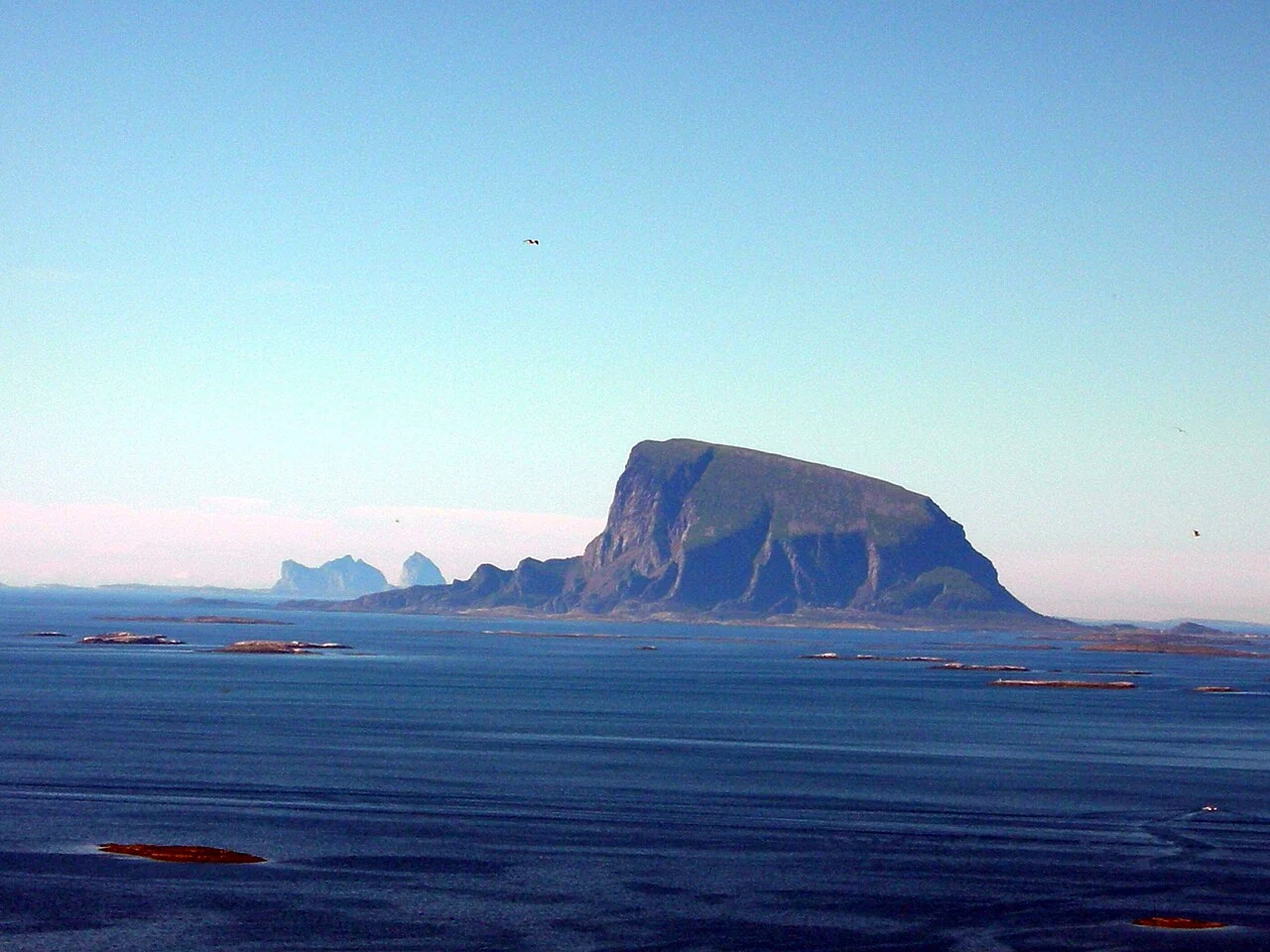
Lovund is a boat-access island on the Helgeland coast. A marked approach to the Lundeura viewpoint gives you a land-based option if you want a full island stay around puffins.
Look across the scree from the visitor area. The birds may spend daylight hours offshore, so leaving before evening can mean missing the most active period. Bring binoculars and give the birds room to approach their burrows.
Allow an evening and at least one overnight. Check Reis Nordland for your exact sailing and decide whether to leave the car on the mainland. Budget for the crossing and accommodation, and book the room before making a tight connection. Check local trail access and the forecast before setting out.
5. Gjesværstappan from Gjesvær
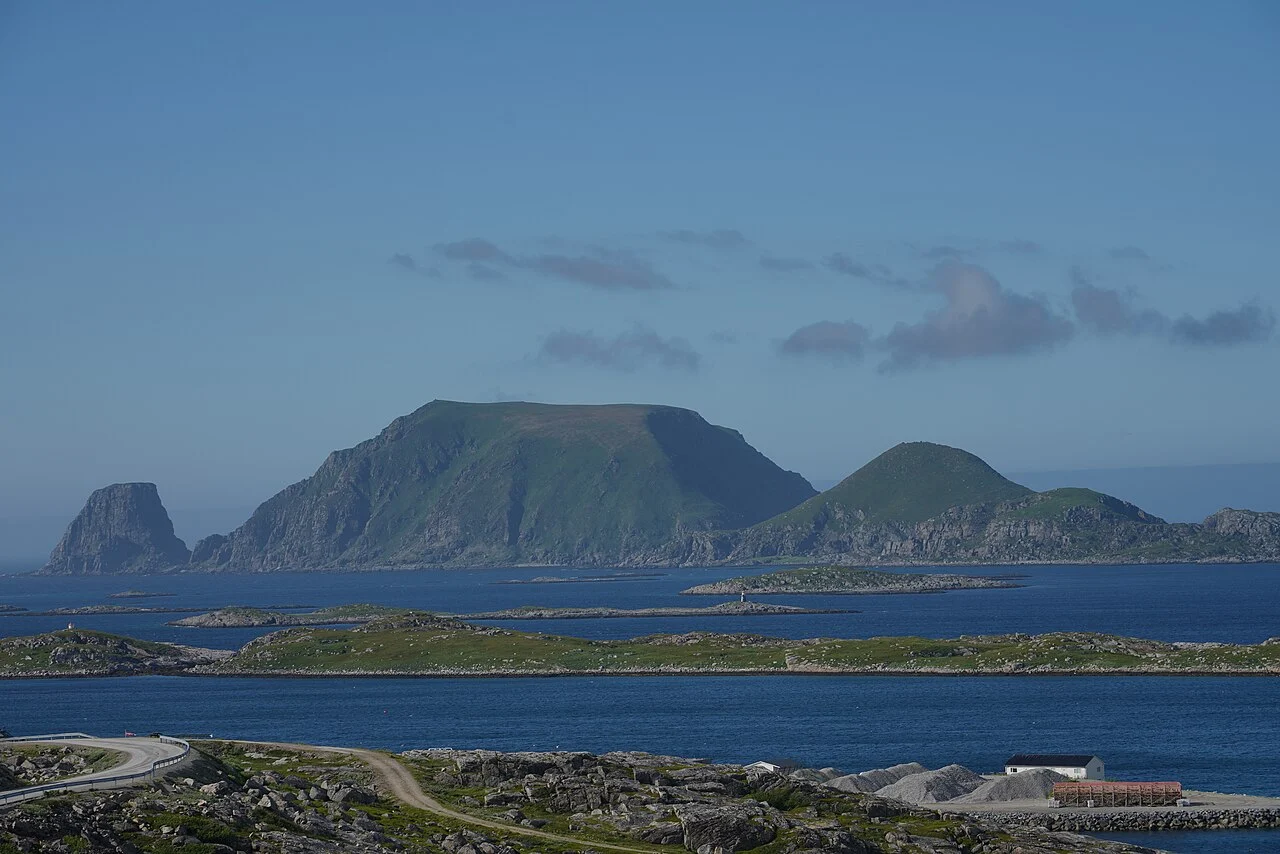
The seabird reserve west of the North Cape is visited by boat from Gjesvær. It fits a Magerøya stay because you can add a bird outing without moving to a second base in Finnmark.
Watch birds in flight and on the water as well as on the slopes. From a moving boat, binoculars are often easier to handle than a camera with a long lens. The operator describes viewing from the boat, with no landing on the islands.
The advertised trip is about two hours. Allow additional time for check-in and the drive from Honningsvåg. Check the seasonal fare, advance booking and refund terms, and keep the North Cape visit flexible if the sea trip is rescheduled.
6. Røst and the outer Lofoten bird islands
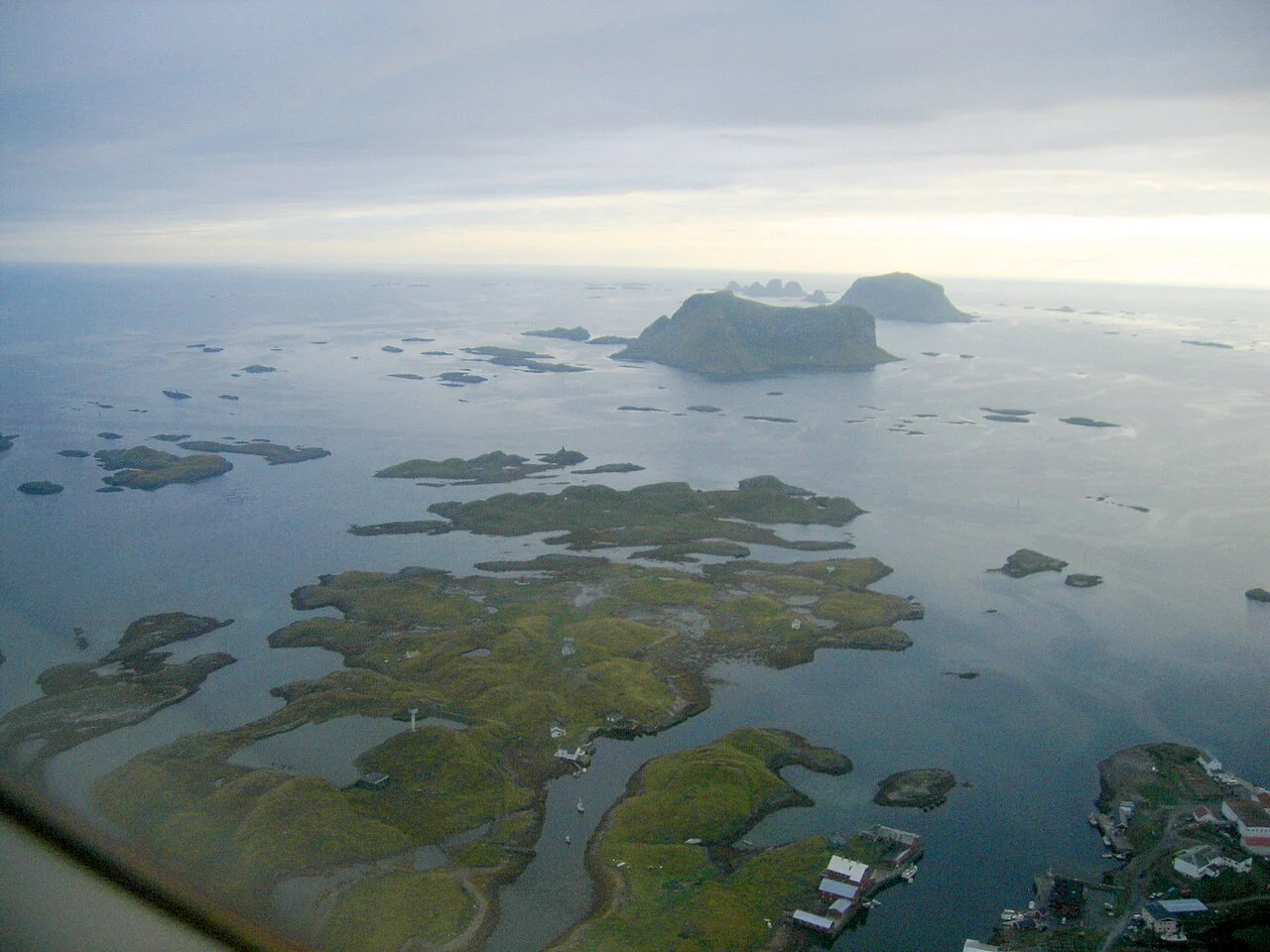
Røst is a separate island stay at the southern end of Lofoten. A sea safari is the way to experience the outer skerries and bird cliffs without relying on a small-boat connection from another base on the same day.
For a visit centred on puffins, ask which colony the tour expects to pass and what is being seen that week. The same trip can be worthwhile for the seascape and other seabirds, especially late in the season when puffin activity is less predictable.
Visit Lofoten lists an approximately two-hour summer RIB trip. Confirm fare, minimum age, clothing and cancellation terms directly. Reserve the main transport, accommodation and tour together, allowing a spare sailing window before a flight or other fixed booking.
7. Runde by boat when the climb is unsuitable
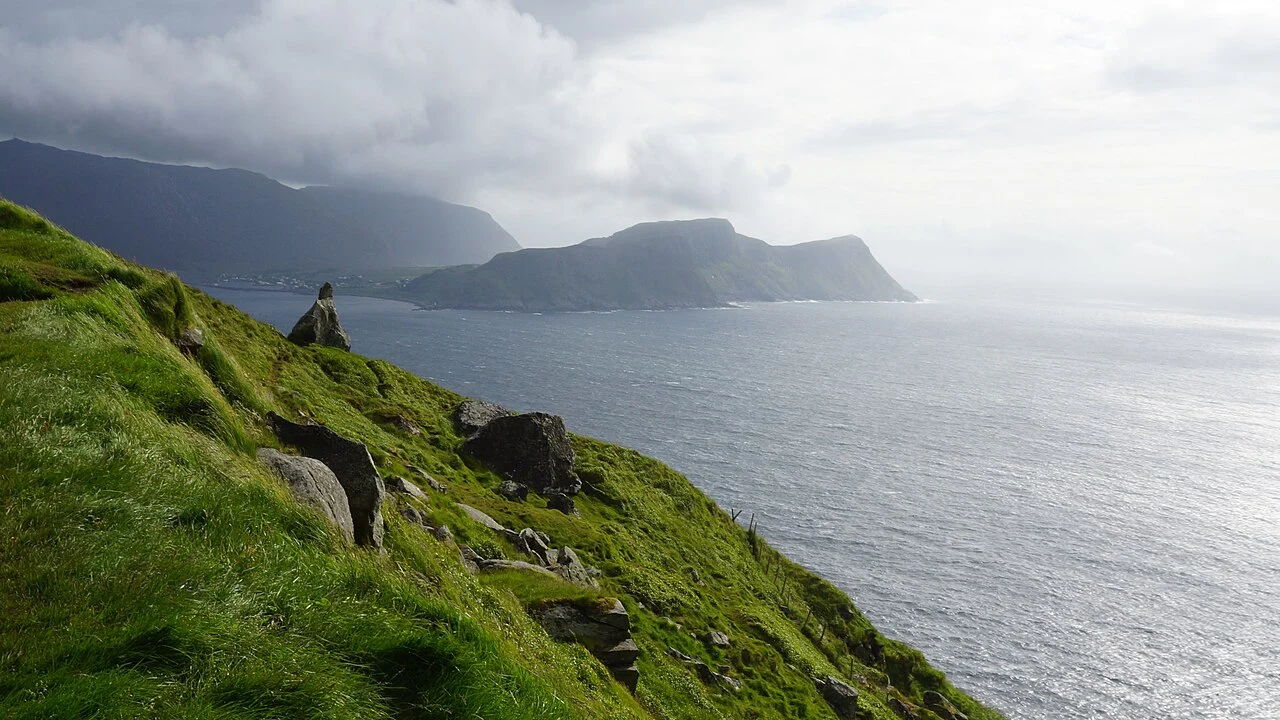
A boat outing gives you the seaward perspective on Runde’s cliffs. It suits a group that wants to see the breeding landscape together when some members would struggle with the uphill walk to the land viewpoint.
Ask the operator where viewing takes place and whether the boat has shelter or seating at the rail. The angle from the water makes the cliff structure easier to appreciate, while the visibility of birds changes with swell, light and distance.
Set aside at least a half-day for the outing and check the specific sailing’s time, cost and boarding arrangements. Wind can cancel a trip even if it is sunny ashore. Use Runde Environmental Centre as an alternative if the sea outing and the hill both look unsuitable.
8. Bleik harbour as the base for a split group
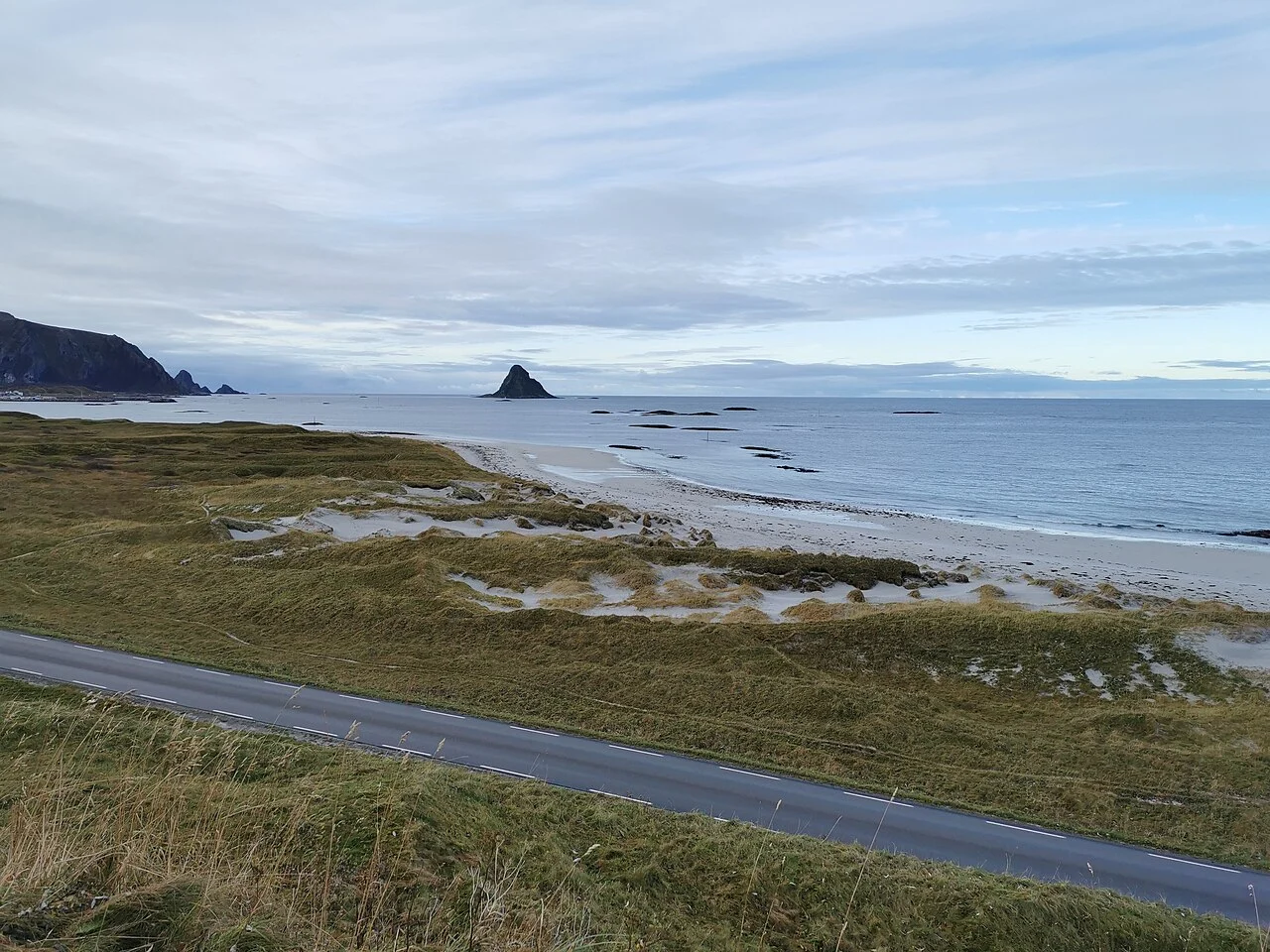
Bleik’s harbour is the departure point for the Bleiksøya tour. Staying nearby makes it easier to arrange a boat trip for the birdwatchers while other travellers spend time in the village or on a shore walk.
From shore you can see the ocean setting that makes the island distinct. The boat gives a different view of the colony, so use the harbour and village for the land day and keep the paid trip for the travellers who want to watch birds at sea.
Allow a morning or afternoon for the split plan so both groups can move at their own pace. Confirm the fare and departure details before booking a room around a particular boat. If you are arriving from elsewhere in Vesterålen, check the last onward leg and leave time for parking or the walk to the quay.
9. An evening watch on Runde
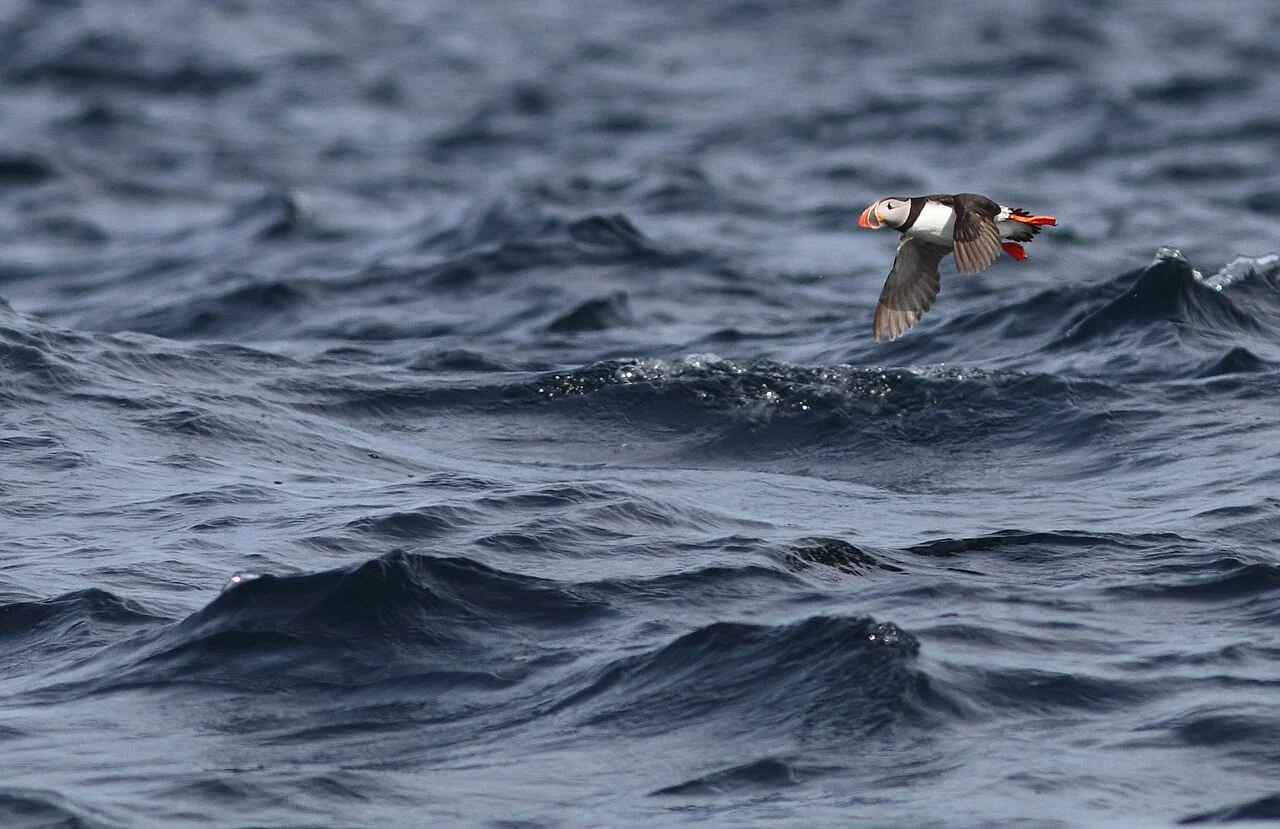
Puffins may spend much of the day feeding offshore. On Runde, the local visitor centre highlights the evening return to the breeding slopes, which changes how you plan a same-day visit from the mainland.
On the designated route, choose a viewing position where you can stay still and leave room for others. Scan the sea and the slope with binoculars before switching to a camera. Repeated short passes over the cliff can give a clearer view than following one bird across the whole bay.
Allow a few hours for the climb, waiting and the descent. An independent walk has no tour fare, while guided options have their own prices and start times. Check local access rules, weather and the return journey beforehand. Swap to a daylight visit or the environmental centre if visibility or footing is poor.
10. Start at Runde Environmental Centre

The environmental centre is a practical stop before heading to the cliffs. A guided experience listed by Visit Norway starts there with a film on local marine life and the herring that support the coastal food web.
Use the visit to pick out the species you are likely to see and ask about current trail and viewing conditions. That is especially useful if children will join the climb or if the group has limited time to watch from a single viewpoint.
Allow an hour for a standalone introduction and more for any guided walk. Check opening hours, ticket inclusions and the actual trail departure against the weather and your transport. If the hill is clouded in, keep the centre as the main activity and spend any clear interval on the shore.
Season, prices and practical viewing
Spring and summer are the starting point for breeding-colony visits. Confirm the dates for the colony and the product you are considering. If you have only one day, choose the site with the easiest transport from your base and keep the other half of the day flexible. If you have two or three days, reserve a priority departure early in the stay and leave a later block open. Ask how the operator makes weather decisions and when it communicates them.
Budget for the complete trip. A free-to-access walking route can still involve transport, parking, food and accommodation. A paid boat might include only the sailing or might be sold with a guide and a larger transfer package. Compare final prices for your group. Ask about children’s fares and whether a changed or cancelled sailing leads to another departure, a credit or a refund. Check local rules and any charges before treating an older route description as current.
Bring binoculars, clothing for wind and rain and a dry layer for the return. On land, choose a viewpoint where you can stand clear of the path and give the birds room. Do not approach burrows, feed birds or use playback to draw them nearer. On a boat, follow the skipper’s instructions about where to sit or stand and keep gear secure. If a bird moves away because people are approaching, stop and give it more space.
One-, two- and three-day itineraries
One day on Runde. Use the morning to travel to the island, confirm local advice and visit the environmental centre if open. After lunch, use the afternoon for a permitted cliff walk or a confirmed two-hour boat slot. If the provider recommends an evening walk and your transport allows it, move the observation block later and eat beforehand. In poor weather, use the exhibition or a sheltered local stop and confirm how you will get back before changing the plan.
Two days on Andøya. Arrive on day one, find the Bleik departure point in the afternoon and confirm the next day’s sailing before dinner. On day two, give the morning or afternoon to the boat, allowing extra time for boarding and return. Use the other block for a shore visit or a warm break. If a suitable sailing operates on day one and you can reach it comfortably, take that and keep day two in reserve. Confirm road conditions and any onward connection before leaving.
Three days around Vardø. Use day one to reach your base, visit the harbour and check current operator and reserve information. On day two, keep a half-day for a confirmed Hornøya product and use the rest for a town visit and dinner. Leave day three for a moved trip or a mainland coastal stop before travelling onward. If permits or weather prevent a boat trip, make both days mainland birding days. Keep the outer road and more exposed stops conditional on current access.
How to plan for companions and weather
Tell everyone in your group what the experience involves. A visitor hoping for a close photograph may be disappointed if the birds are far offshore, while someone interested in the coastal scenery may enjoy the same outing. Agree on a warm meeting point if a companion prefers to skip the walk. The Ålesund travel guide offers alternatives for a western Norway stay if the conditions make a trip to Runde impractical.
Keep the booking confirmation and meeting address available offline. Check whether you need to bring food or whether the visitor centre will be open when you return. If you book a boat from a village, ask what the crew expects you to do if you arrive early and there is no staffed reception. Leave a buffer before dinner or onward travel. For a photographer, a little extra time to get warm and dry makes more difference than an additional stop squeezed into the last hour.
A good viewing window can be short. Give yourself time to scan calmly and learn how to recognise the birds at a distance. Ask a guide to point out where birds are coming from rather than assuming the place where people have gathered is the best spot. If weather closes the intended route, choose a different experience for the day and check again later. A closed trail or cancelled sailing is a reason to change plans.
Check the last leg before paying
Runde, Bleik and Vardø all make better bases when you know where you will eat and how you will reach the observation point. If you are travelling without a car, check the final leg from the bus or harbour and the last return in the actual timetable. A taxi or an operator pickup can be practical if arranged before the day. An evening cliff walk can be a good fit for someone staying locally and a poor fit for someone relying on a fixed return. Compare those details before buying a tour from another town.
Related planning
Destinations for your trip
Questions and answers
Where should I go for a first visit?
Choose Runde for a western Norway route, Bleik for Andøya or Vardø if you are already visiting eastern Finnmark and authorised Hornøya trips are confirmed.
When are puffins easiest to see?
Look at the spring and summer breeding window and check recent reports for the specific colony. Runde’s visitor information describes nesting from April to July.
How much time should I allow?
Give each main outing at least half a day including the approach, observation and return. Two or three days give you a useful weather buffer.
How much does a boat tour cost?
Opplev Runde lists the Aquila from NOK 380. Check current prices and rates for your group, and ask other operators for their date-specific fares.
Can I see them without taking a boat?
Runde offers a land-based option when the walking route is suitable and open. Check current access, terrain and guidance before heading up.
What if the sailing is cancelled?
Use an established shore viewpoint or indoor visit and ask whether a later sailing is available. Respect closures and keep clear of protected areas.
Pick one colony and give it time
Choose the colony that fits your route, then make room for a change in weather or access. Watch from the allowed places and enjoy the wider birdlife if puffins are difficult to see.
Sources and further reading
Confirm current schedules, prices, hours and access with local operators.