10 Best Things to Do in Svalbard: A Longyearbyen Guide
The best things to do in Svalbard begin with accepting that this is a specialist Arctic destination. Longyearbyen provides museums, restaurants and accommodation, while wilderness experiences require qualified local organisation and flexibility about weather. There is no road network connecting all the settlements, and the surrounding tundra is not an ordinary self-guided city hiking area. This Svalbard travel guide prioritises useful first-visit experiences, clear seasonal choices and realistic days based in Longyearbyen, rather than promising wildlife encounters or expedition access on demand.
Ten Longyearbyen-based priorities with seasonal choices, wildlife responsibilities and practical short-stay itineraries.
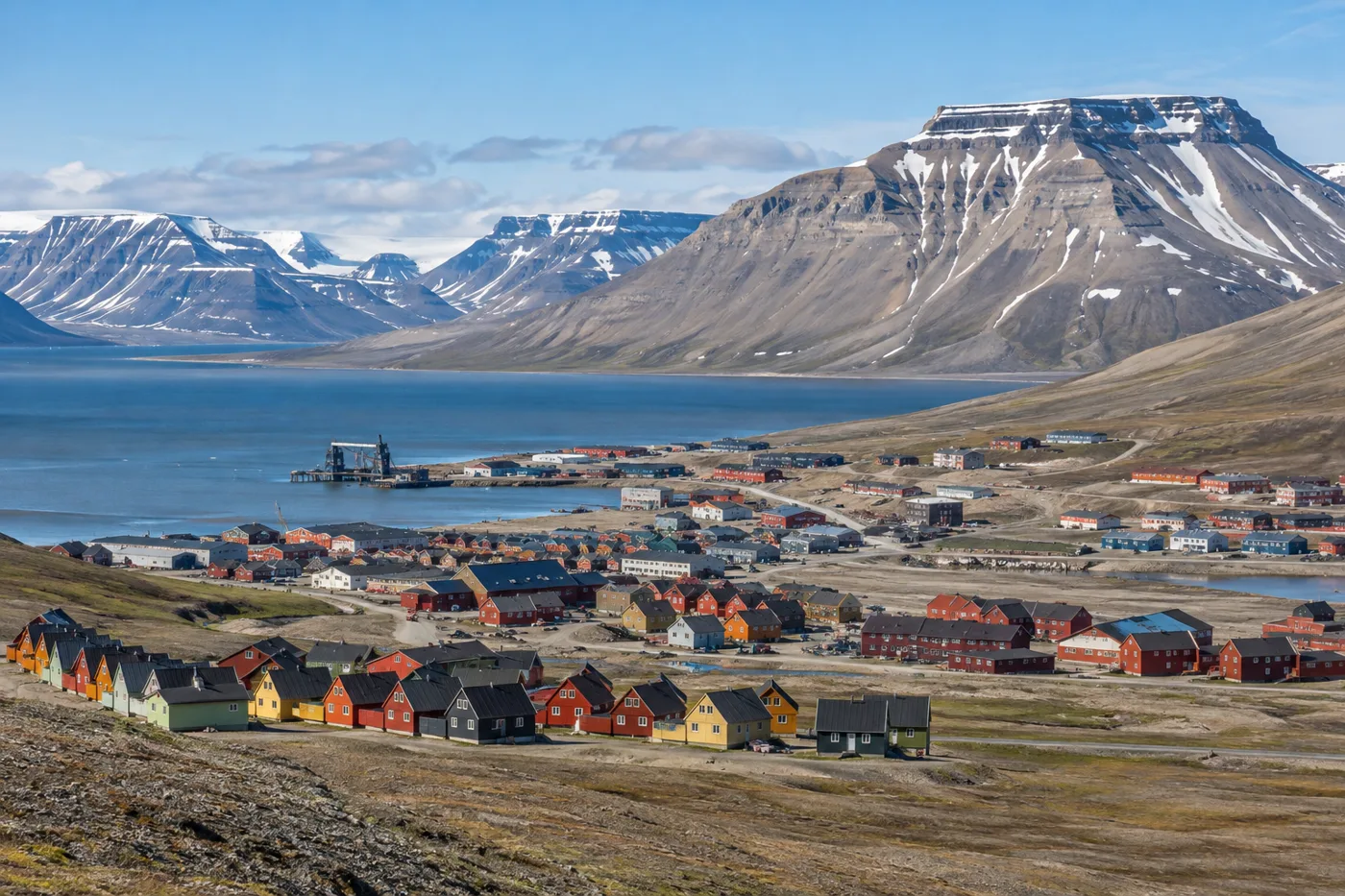
Svalbard: quick answers
- Worth visiting?
- Yes, for Arctic nature and history with a specialist budget.
- Time needed
- Three full days minimum; four to six nights adds weather flexibility.
- Best time
- Summer for boats and hiking; late winter for snow; dark winter for atmosphere.
- Cost level
- Very high; flights, lodging and excursions are major expenses.
- Getting around
- Airport transfer, settlement walking, taxis and tour pickups.
- Top priorities
- Svalbard Museum, mining history, one suitable guided nature excursion.
How this list was selected: This selection favours a first visit based in Longyearbyen: historical context, manageable local visits and seasonal excursions with appropriate safety arrangements. It is not a list of independent wilderness routes. Wildlife sightings are never promised, and no item recommends seeking polar bears.
In this guide
- Longyearbyen on a guided town introduction
- Svalbard Museum
- Mine 3 with an authorised guided visit
- North Pole Expedition Museum
- Svalbard Church and its community setting
- An Isfjorden boat excursion in season
- Guided summer hiking on tundra and mountain slopes
- Dog sledding suited to the season
- A guided dark-season northern lights experience
- Nordover and Longyearbyen’s cultural life
Best things to do in Svalbard: the Top 10
Bookings through Viator may earn us a commission.
1. Longyearbyen on a guided town introduction
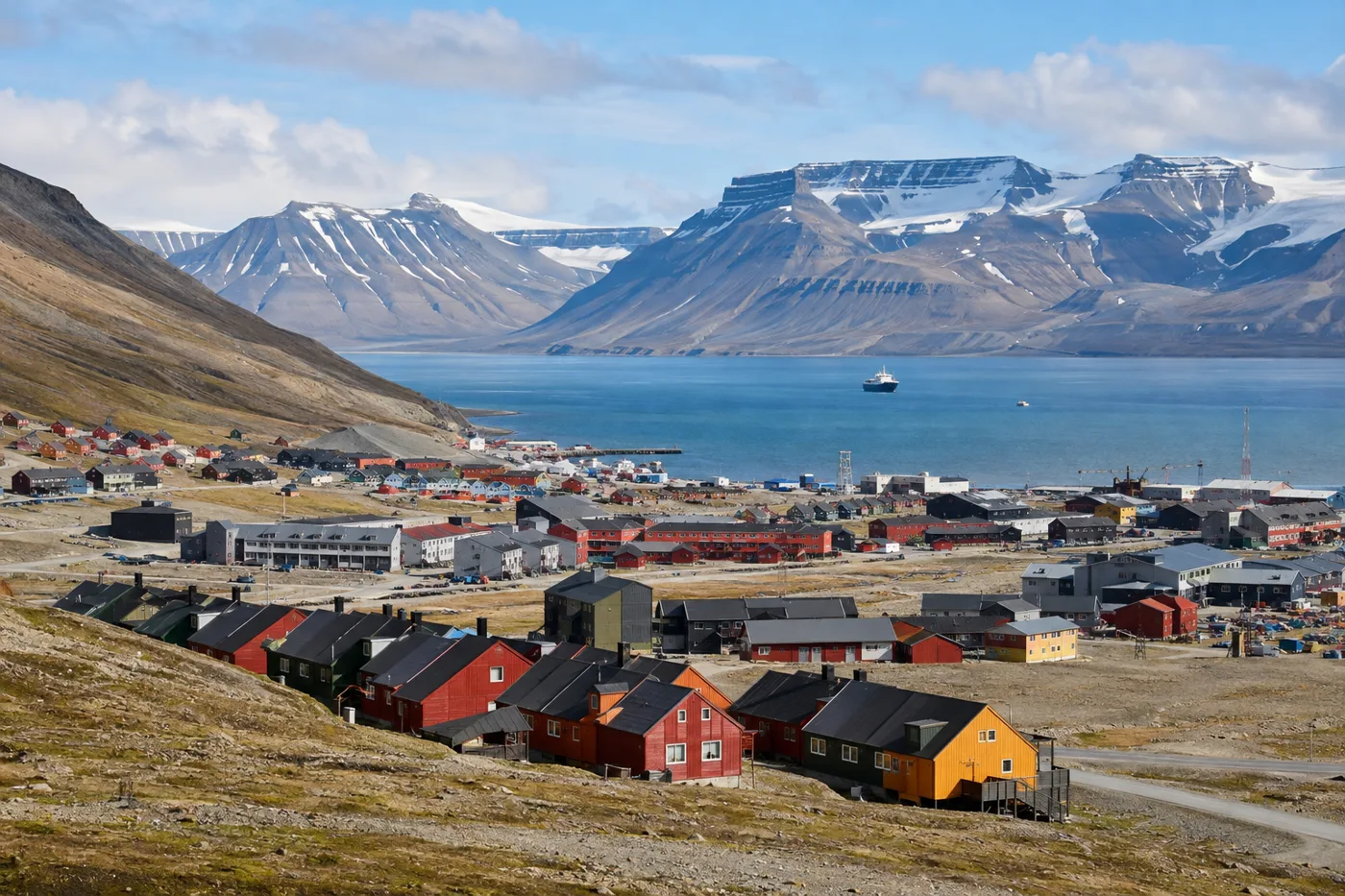
Book here with Viator → Guided town and photography walk
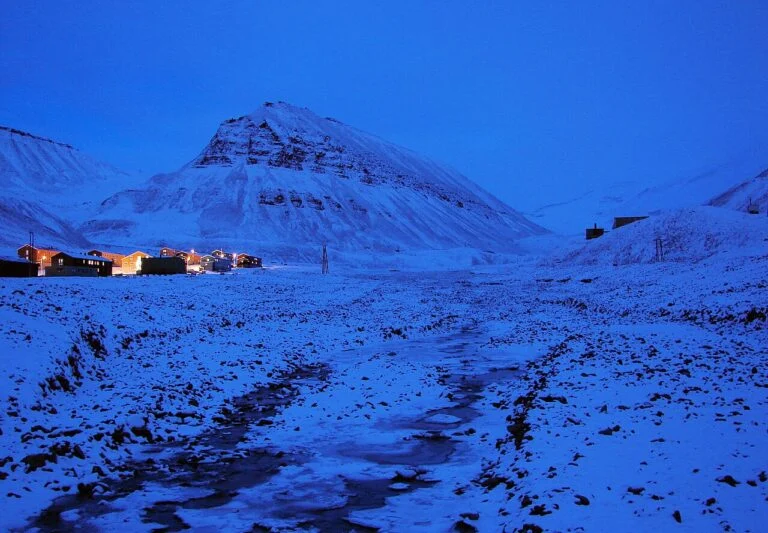
Longyearbyen is an inhabited community shaped by coal mining, research and tourism. Beginning with a town introduction helps distinguish residential space from visitor facilities and wilderness. Colourful buildings sit beneath bare mountain slopes, but the town is more than a photogenic base for expedition departures. Its working history deserves attention before you leave it behind.
A guide can explain visible mining infrastructure, adaptation to changing light and why certain areas should not be entered casually. Walk central streets afterwards and spend locally where possible. Ask before photographing residents, avoid private plots and follow current instructions about wildlife or weather within the settlement. A town map does not replace local safety advice.
Allow two hours for an introductory excursion or a shorter central walk, according to the programme. Guided tours are paid; public streets have no admission charge. Confirm safe settlement walking areas with visitor information rather than judging from distance alone. Use airport buses, taxis or arranged pickups for accommodation; do not walk from the airport.
Best as a first-day orientation; follow local boundary advice.
2. Svalbard Museum
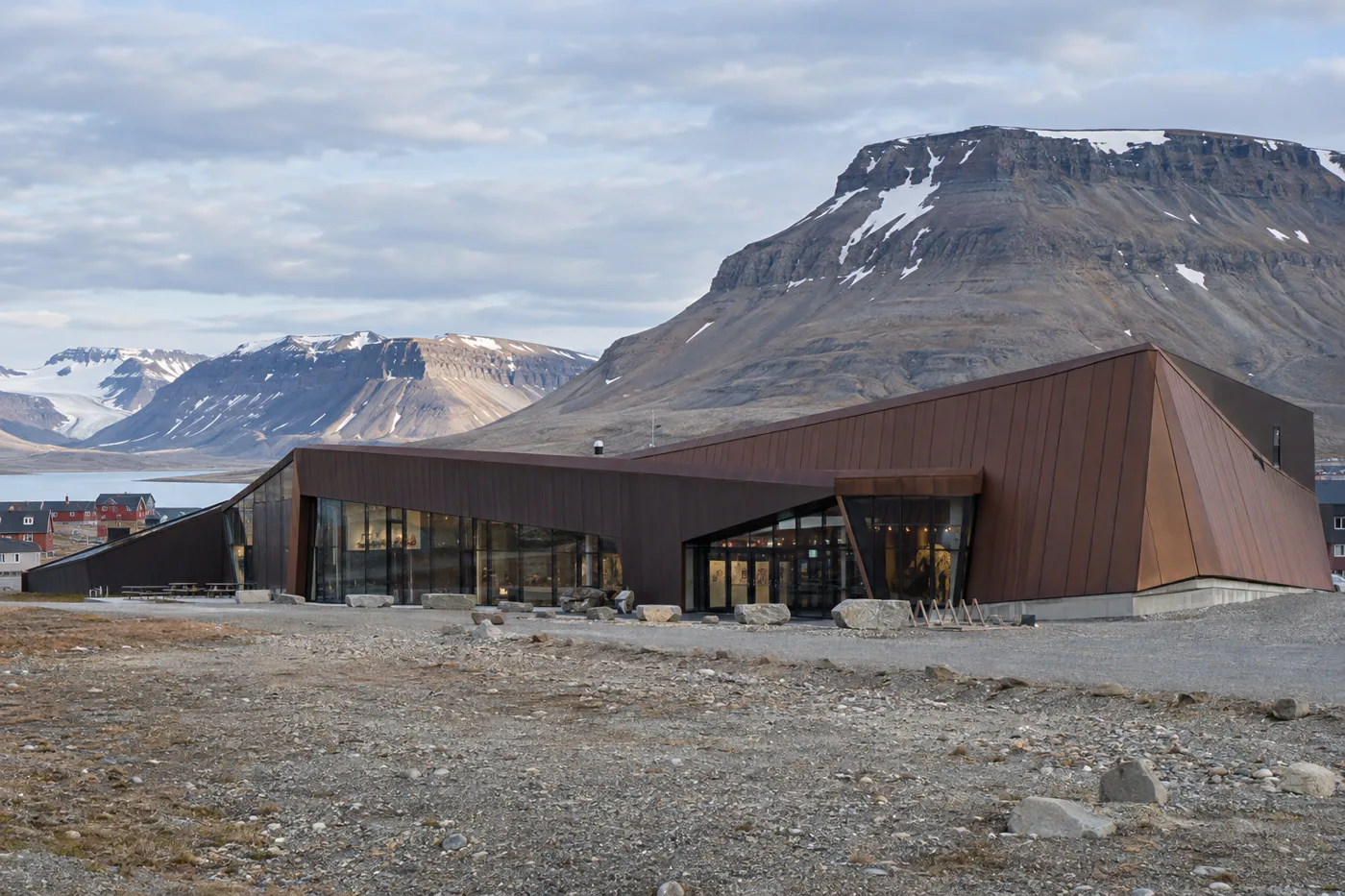
Svalbard Museum gives the archipelago a historical and environmental framework before you travel into its landscapes. Natural history, human use and changing conditions can otherwise become disconnected observations. A museum visit helps you understand more than the species photographed on one boat trip, and provides a worthwhile reason to spend time in Longyearbyen itself.
Read across the exhibits rather than rushing to the most dramatic objects. Connect exploration and extraction with the practical limits of living here. This is a useful place to reconsider an itinerary treating wildlife as guaranteed or the valleys as simple recreational countryside. Travelling with that context makes a subsequent guided excursion more meaningful.
Plan 90 minutes to two hours. Admission is paid; check current opening, exhibitions and guided options through the museum’s official information. Keep it as a flexible indoor block during the dark season or after a cancelled outdoor departure. Pair it with the expedition museum if history is a priority, with a meal break between visits.
Best for context before a nature excursion.
3. Mine 3 with an authorised guided visit
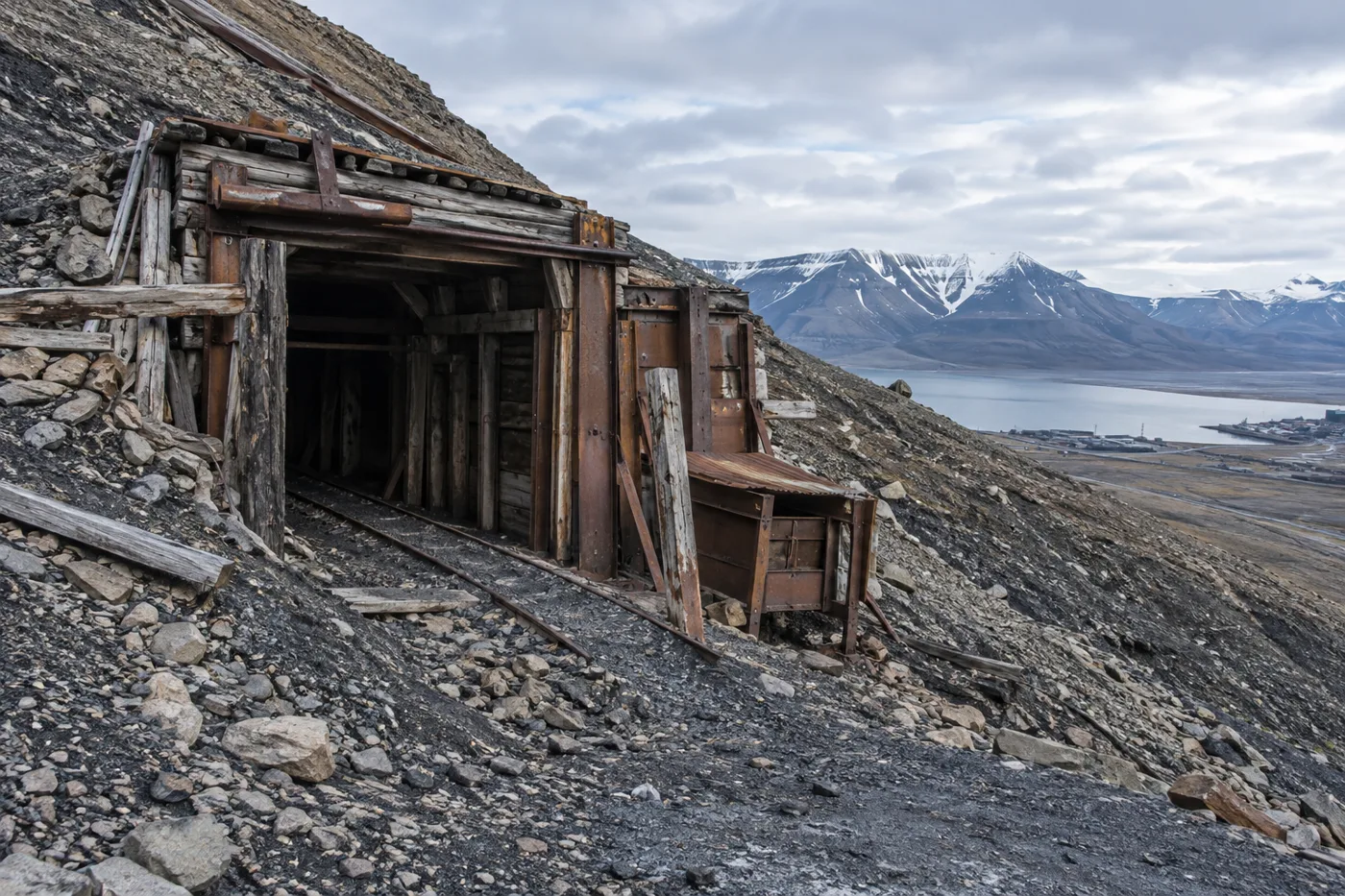
Coal mining explains much of Longyearbyen’s existence, and Mine 3 provides a direct encounter with that industrial past. The preserved environment gives scale to work that is difficult to imagine from distant cableways. This is an organised heritage visit, not an invitation to enter abandoned structures elsewhere on your own.
Listen to the explanation of labour and machinery, distinguishing preserved visitor areas from inaccessible sections. Uneven ground, confined spaces and cool conditions may affect suitability. Visitors with mobility concerns, claustrophobia or young children should ask for specific advice before booking, rather than assuming a museum ticket always describes an easily accessible indoor experience.
Allow the full tour block including pickup, usually a substantial part of a half-day. Tickets are paid and should be reserved; do not assume walk-in access. Confirm clothing, transport and accessibility. Stay clear of unmaintained mining remains outside guided sites and avoid combining the tour with an inflexible departure immediately afterwards.
Best for understanding the town’s industrial history.
4. North Pole Expedition Museum
The North Pole Expedition Museum focuses on exploration and attempts to reach the high Arctic by airship and other means. Its specialised subject complements the broader Svalbard Museum. Travellers interested in Amundsen, Nobile or expedition technology may appreciate the detail, which rewards a slower visit rather than a glance between outdoor departures.
Approach it as focused history rather than another general introduction to Arctic wildlife. Documents, imagery and objects require reading time, so it suits visitors who enjoy individual stories and context. It also gives a poor-weather day a purpose instead of spending the entire afternoon repeatedly checking whether a boat operator’s forecast has changed.
Allow one to two hours according to interest. Admission is paid; check current opening and ticket conditions. Central walking routes may be practical within locally advised boundaries, but wind and icy ground can make a taxi helpful. Pair it with a café or gallery instead of rushing through several museums without a break.
Best for expedition history enthusiasts.
5. Svalbard Church and its community setting
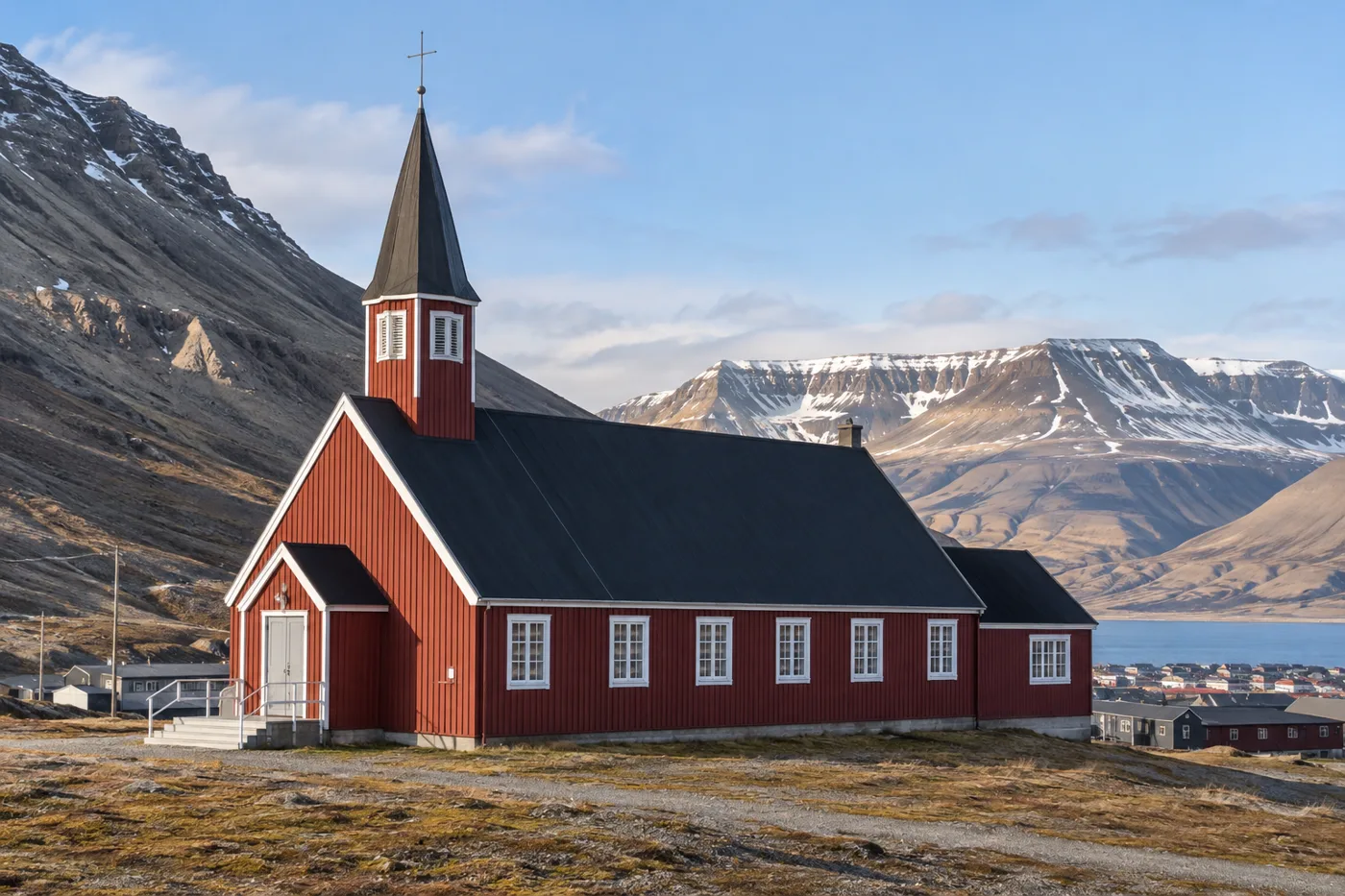
Svalbard Church is part of Longyearbyen’s community and offers a different perspective from museums about past expeditions. Visit with the consideration appropriate to an active church. Its setting helps explain the relationship between settlement, valley and mountains without undertaking a wilderness hike, although even nearby walking depends on weather and local instructions.
If open, take a quiet look and respect services, private gatherings and visitor guidance. It can be a reflective stop after mining and exploration history, but should not be treated as entertainment always available on demand. Winter darkness changes a short walk; check the route and stay within current local advice rather than following a summer photograph.
Allow 30–45 minutes plus safe travel time. Check current public access and events; there may be occasions when a sightseeing visit is inappropriate. An ordinary quiet visit should not need booking while organised events may differ. Combine it with a guided introduction so both the route and community context are clear.
Best for a respectful pause within the settlement.
6. An Isfjorden boat excursion in season
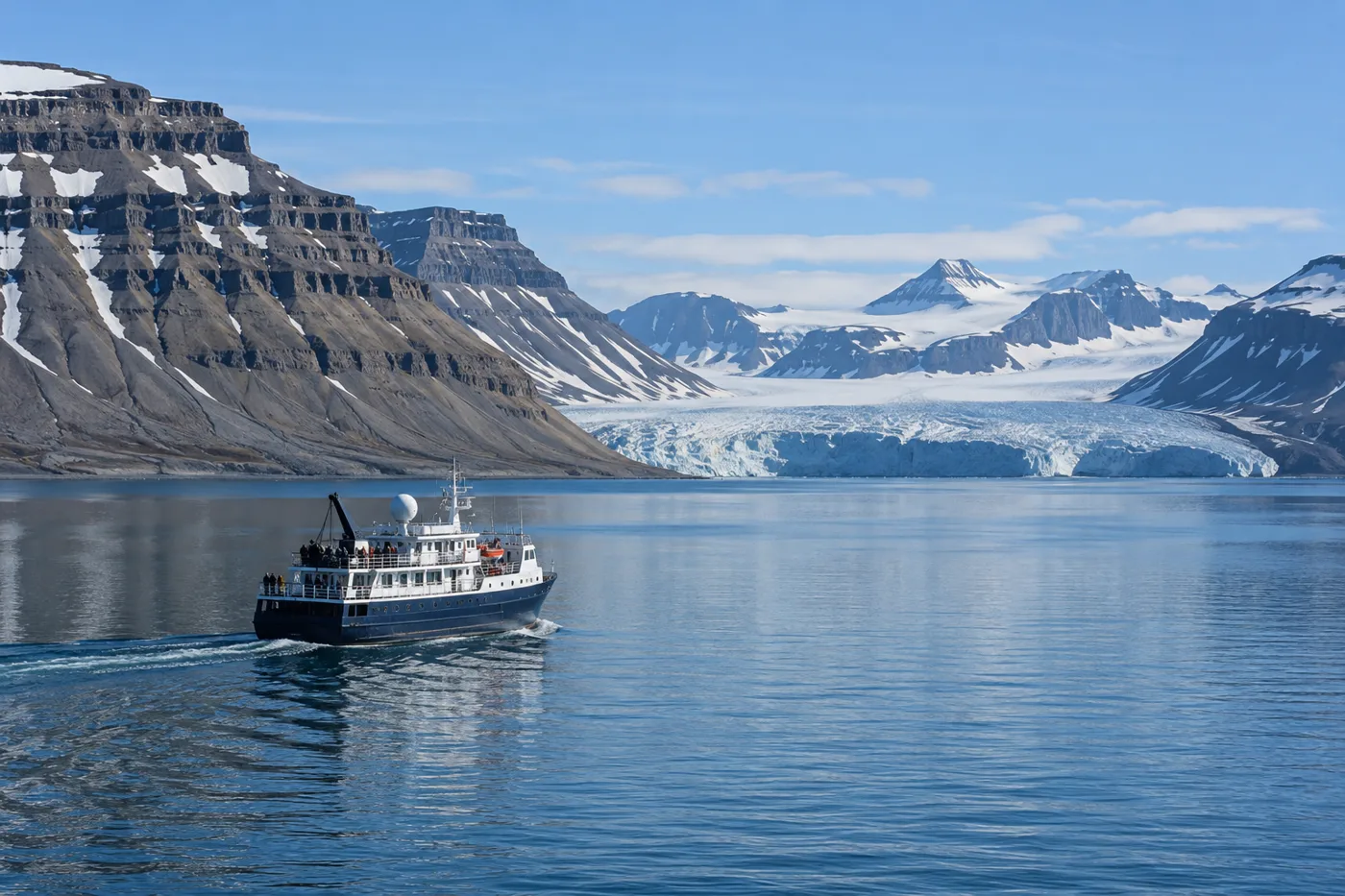
A boat trip opens a broader view of Svalbard’s coast, including mountains, glaciers or historical locations depending on the actual route. Glacier in a product name does not promise access to a particular ice front. Sea state, ice and current regulations determine what a vessel can safely and lawfully do on your day.
Choose the vessel as carefully as the destination. An enclosed boat and open RIB differ greatly in exposure, mobility and comfort. Ask about toilets, clothing, seasickness, landings and changed-route policy. Wildlife observation must remain under operator control; guests should never encourage closer approaches for a photograph, even when another group appears to be doing so.
Reserve a half-day or full day according to the product, normally in the boat-operating part of the year. Prices vary with vessel and duration. Book a reputable operator and retain a cancellation alternative. Do not schedule a remote landing and outbound flight with a narrow gap: marine conditions outrank a sightseeing checklist.
Best for a wider coastal perspective; confirm the actual route.
7. Guided summer hiking on tundra and mountain slopes
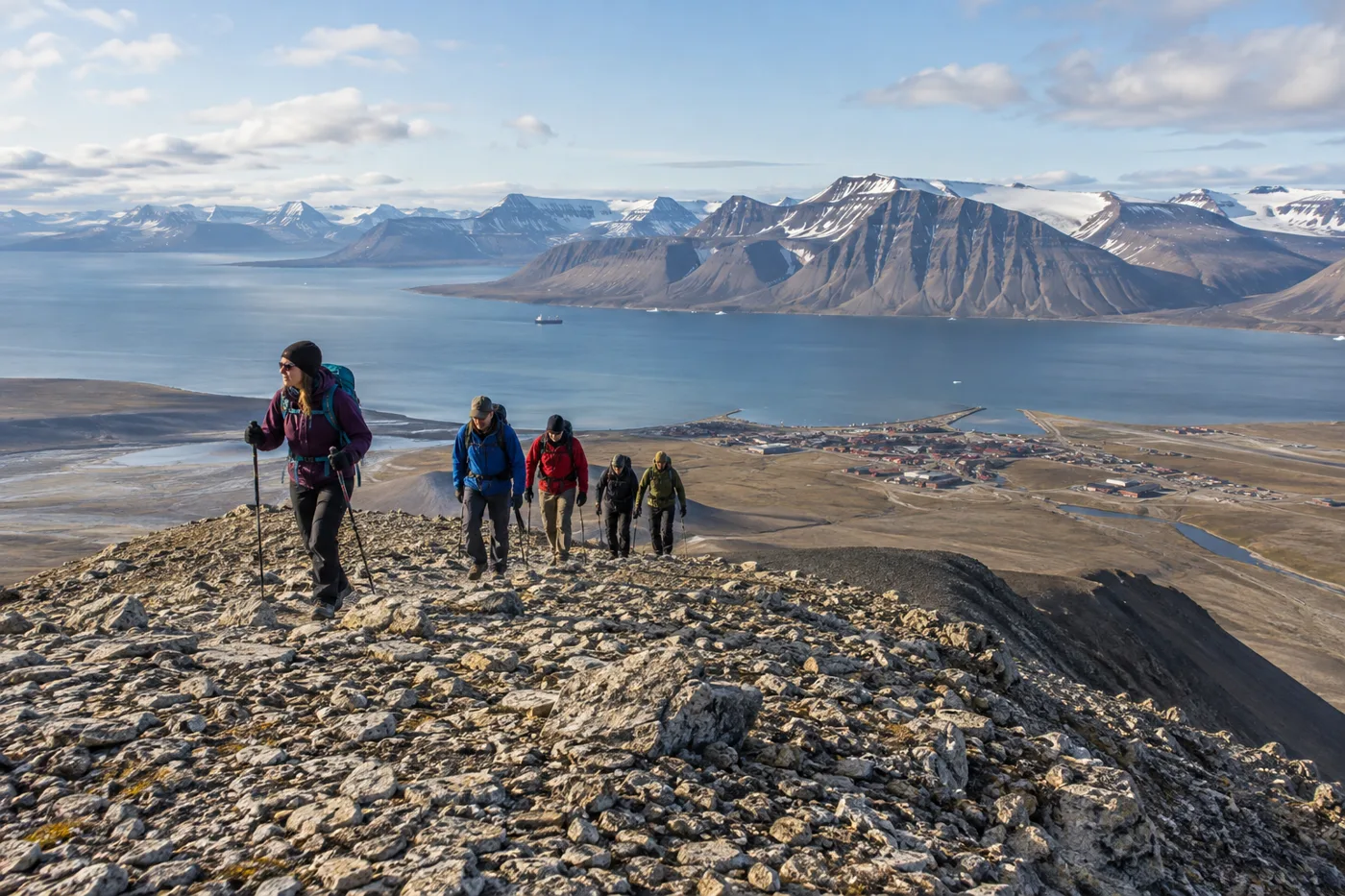
Summer hiking reveals tundra plants, geology and the proportions of the valleys around Longyearbyen. It requires a different approach from a mainland city walk. Polar bear risk, weather, terrain and local rules make an organised excursion with an appropriate guide the practical first choice for ordinary visitors, even on a route that looks short on a map.
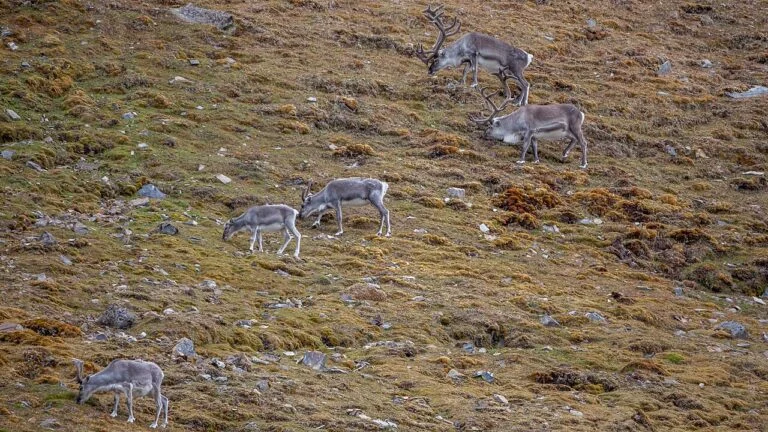
Choose a route matching fitness rather than the highest summit photograph. Soft ground and river crossings can make progress slower than the distance suggests. Stay with the guide, protect vegetation and leave archaeological remains untouched. Do not approach reindeer or other wildlife for a close-up, and accept a shorter route if conditions change.
Allow the advertised half-day or day, including briefing and equipment. Tours are paid; ask about boots, waterproofs, cancellation criteria and ascent. Summer does not guarantee mild weather, and snow may remain higher up. Check Governor and Visit Svalbard information; a downloaded trail line cannot replace a safety plan or current local judgement.
Best for active summer visitors with a qualified guide.
8. Dog sledding suited to the season
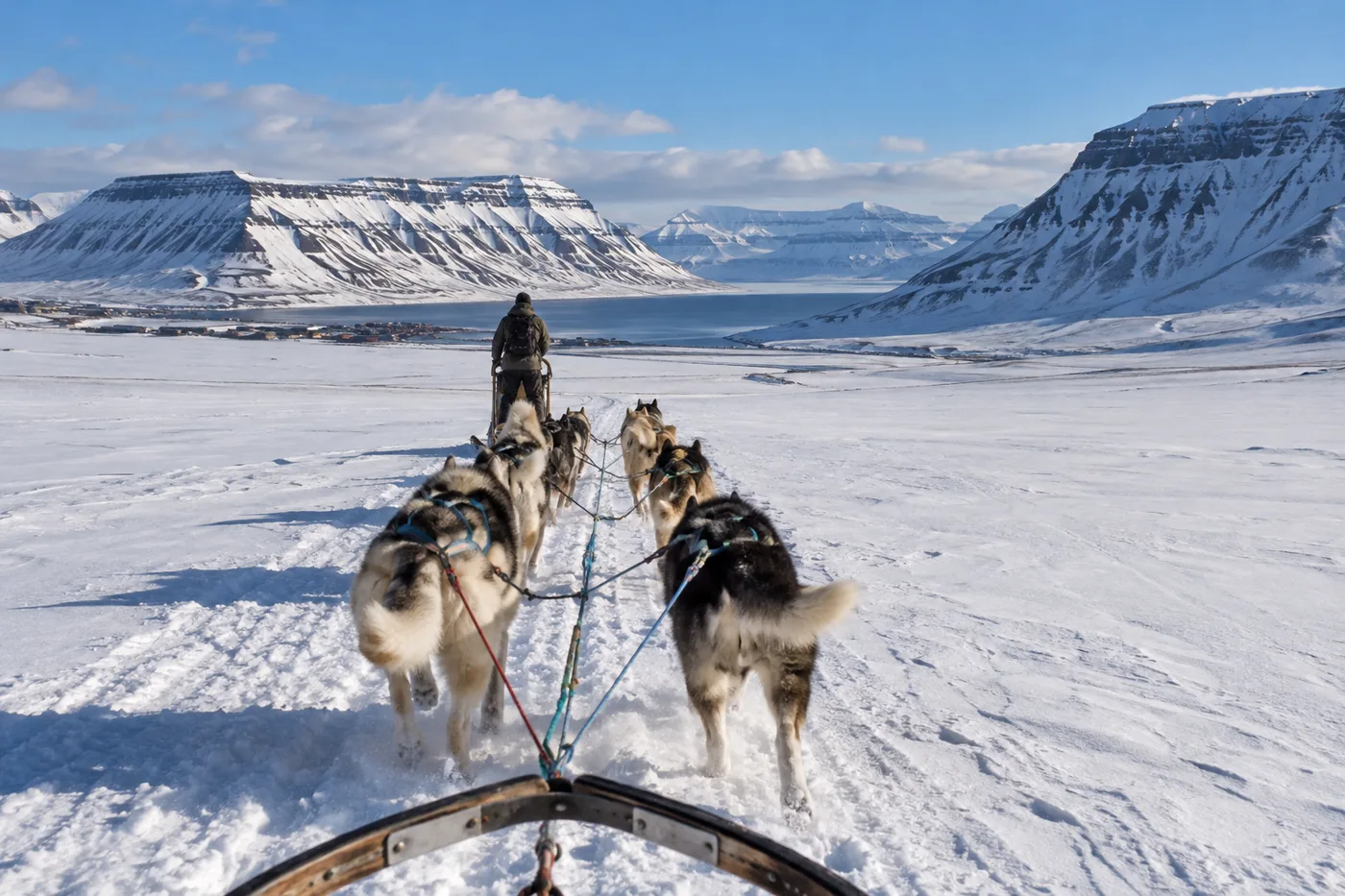
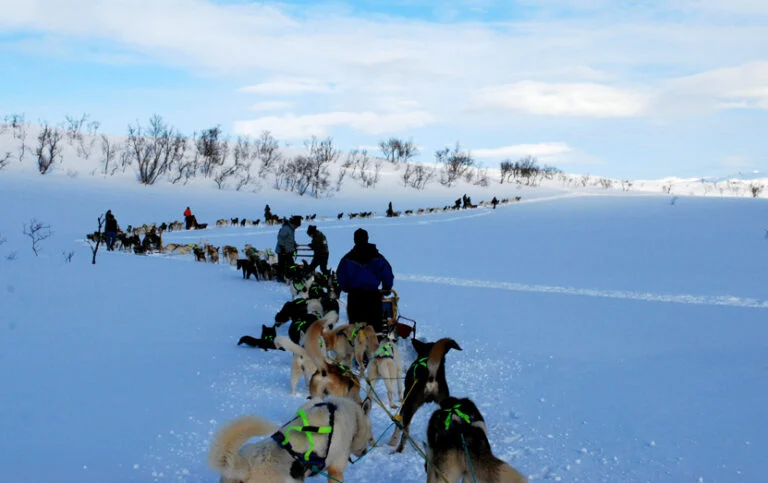
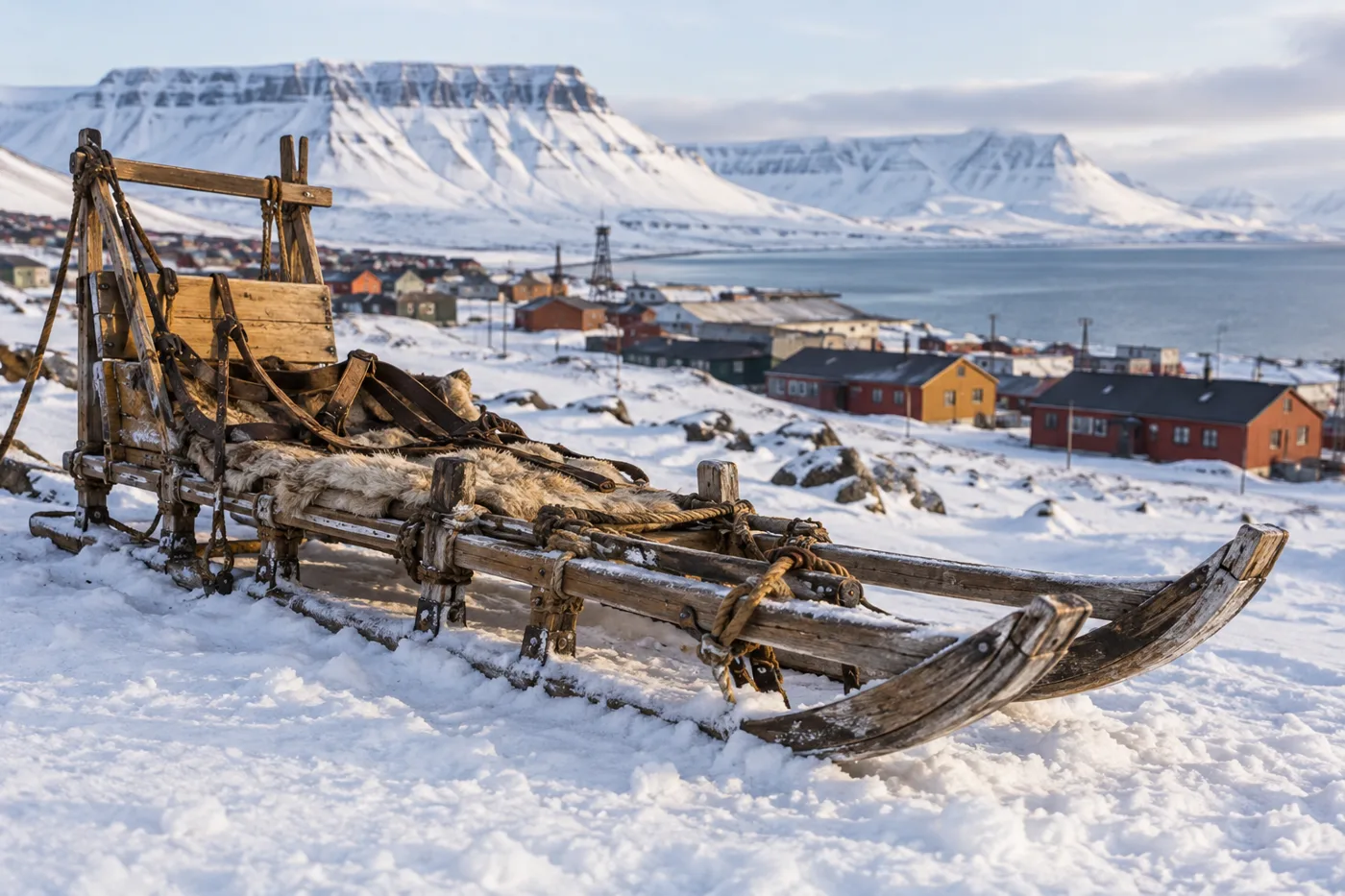
Dog teams offer a different pace from motorised transport. Snow sledding and summer wheeled outings are distinct activities dependent on suitable ground conditions. A booking should describe the seasonal experience clearly instead of relying on winter photographs throughout the year. The appeal includes teamwork and the landscape, not simply collecting another attraction.
Consider whether you want to drive under instruction or ride. Handling a sled involves balance, braking and physical work; seated passengers still need cold protection. Ask how the operator manages welfare, supervision and suitability. Meeting dogs can be enjoyable, but follow kennel instructions and avoid approaching animals without permission, especially when teams are being prepared.
Set aside a half-day or the full stated duration with transfers. Rates depend on length and inclusions. Reserve early in busy periods and confirm age limits, clothing and medical restrictions. Leave the next appointment flexible in winter weather. A town museum is a useful backup if the outdoor trip cannot operate safely.
Best for a clearly described seasonal activity with good welfare standards.
9. A guided dark-season northern lights experience
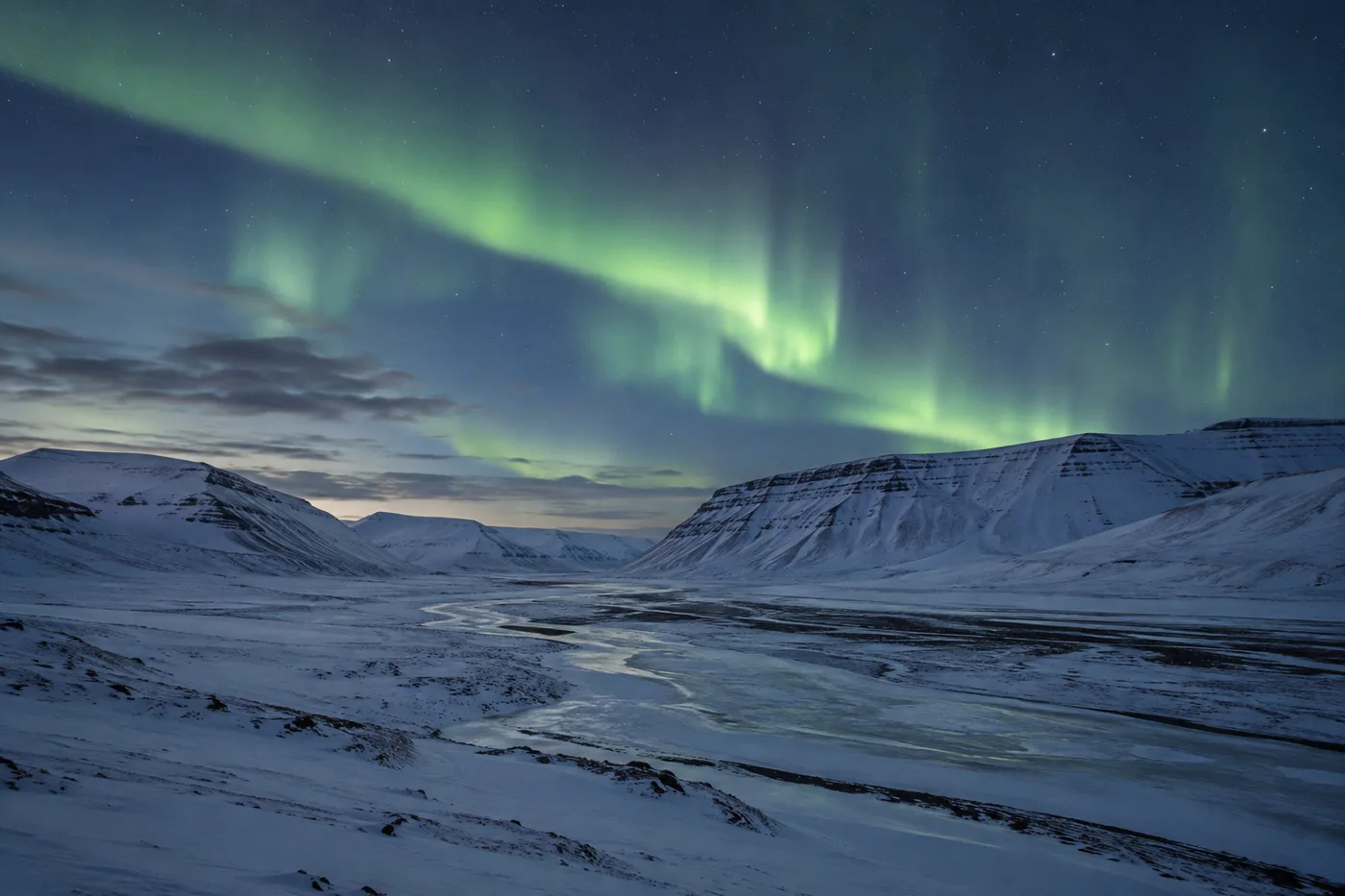
Book here with Viator → Private northern lights snowcat excursion
Longyearbyen’s dark season creates an unusual atmosphere, but aurora remains a natural phenomenon with uncertain visibility. The appeal includes darkness, blue twilight at the seasonal edges and a different daily rhythm. It should not be presented as a guaranteed replacement for summer coast trips or an excuse to ignore local weather and safety advice.
Use a guided experience rather than walking independently out of town to escape lights. Compare sheltered experiences with vehicle-based outings and ask what happens when the sky stays cloudy. A guide can explain conditions and the landscape; even the best forecast cannot create a display on demand, so choose a product with value beyond a photograph.
Allow the full evening block and keep the next morning relaxed. Prices, durations and dates vary. Book a priority outing and retain another evening if possible. Wear the recommended layers and do not leave the group for a photograph. In bright summer, choose a different activity: continuous daylight prevents normal aurora viewing.
Best for dark-season atmosphere with realistic expectations.
10. Nordover and Longyearbyen’s cultural life
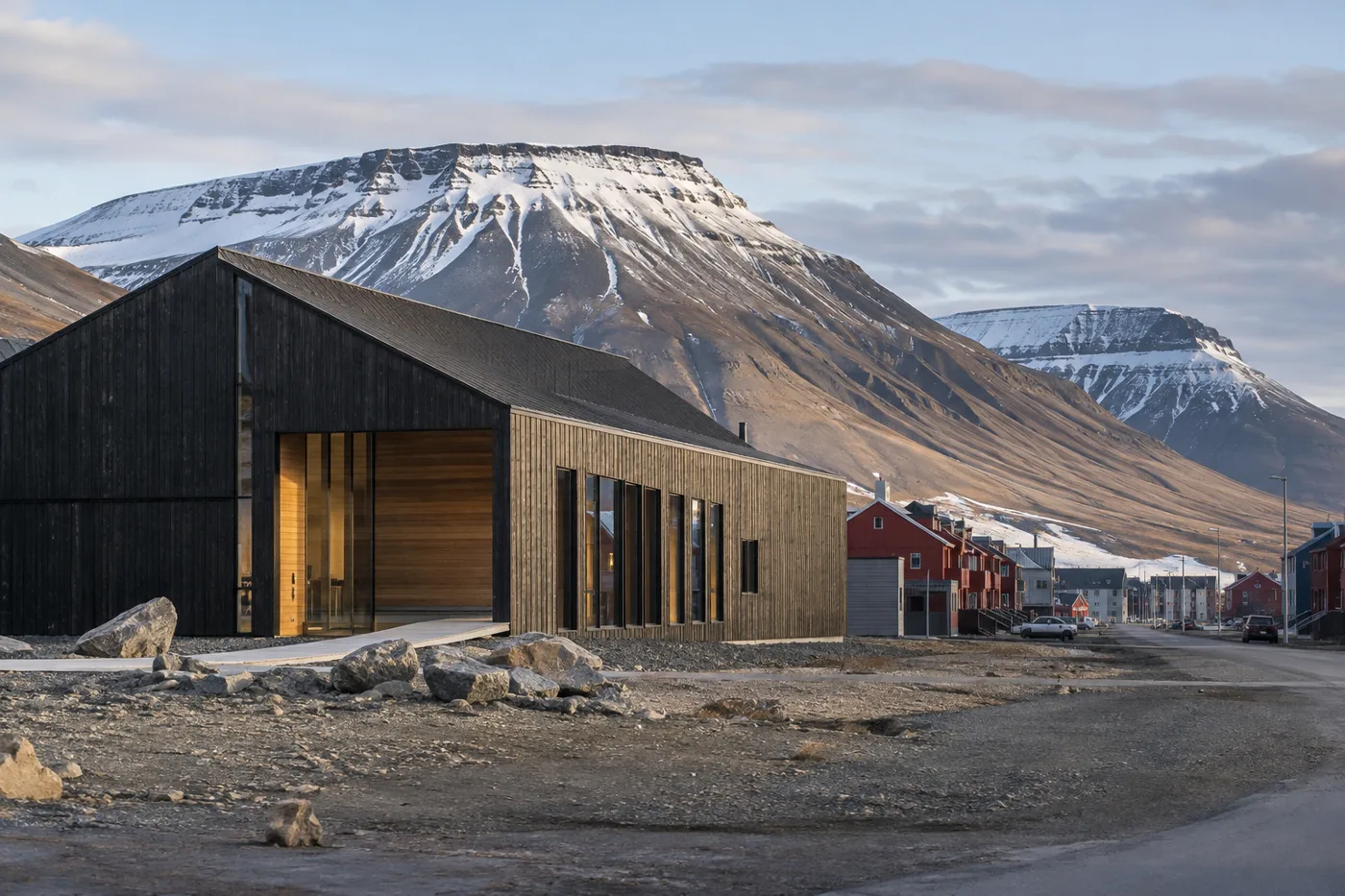
Nordover gives a visit room for art and contemporary interpretation alongside mining and expedition stories. A cultural stop is useful when weather changes outdoor plans. It also reminds visitors that Longyearbyen has creative work and interests beyond being an expedition launch point, and deserves attention as a community rather than simply a gateway.
Check the current exhibition rather than assuming an artist or display is permanent. Combine the visit with a café and time to read about what you have encountered. Local events can offer another perspective if they fit your dates, but respect ticket arrangements and avoid assuming that a community gathering is a tourist performance.
Allow about an hour, longer if the programme suits your interests. Admission and opening can vary; consult current information through official destination listings. Keep it flexible within a town day. During a longer stay, a quiet cultural afternoon can be more useful than filling every gap with another expensive weather-dependent excursion.
Best for a flexible indoor stop and contemporary perspective.
Svalbard itinerary: one, two or three days
One day in Longyearbyen
09:00–12:00: begin with a guided introduction and central streets. Eat lunch before a 13:00–15:00 Svalbard Museum visit, subject to opening. Add the church only if access, conditions and available time suit it.
16:00 onwards: rest, then dinner. In dark months, a guided aurora experience is possible if booked. If arriving by air that day, shorten this plan: airport transport and check-in consume much of the usable time. Do not turn an arrival delay into a reason to rush outside town.
Two days in Svalbard
Use day one for town context and Svalbard Museum. Day two: reserve either a boat trip during its operating season or a suitable winter dog activity. Keep the full operator time block, transfers and briefing clear of competing reservations.
A cancelled excursion can become Mine 3 if space and conditions allow, followed by Nordover or the expedition museum. Replacements are not guaranteed at short notice. Dinner and a quiet evening make a better follow-up than a second major outing after a tiring cold day.
Three days in Svalbard
Day one: introduction and Svalbard Museum. Day two: your priority seasonal excursion without fixed afternoon commitments. Day three: a booked Mine 3 visit in the morning, then lunch and a focused afternoon at the expedition museum or Nordover.
In good summer weather, a guided hike can replace the third-day indoor plan. In late winter, choose a suitable snow activity. Let operators use the better weather window. On departure day, allow flight and airport-transfer margins; never plan a wilderness return immediately before check-in.
Planning the best things to do in Svalbard
Read the Governor’s current travel, environmental and safety guidance before departure. Regulations changed in 2025 and field-safety arrangements changed from January 2026. Old blogs cannot establish the boundaries of permitted activity. Reputable operators must account for current rules, conditions and access restrictions. The Governor states that organized-tour companies are responsible for meeting applicable obligations; from 1 July 2027 the approved Svalbard guide requirement applies to tourism and field operations outside inhabited areas. See the field-safety regulations notice before booking.
Never seek, attract or follow polar bears. The Governor specifies a minimum distance of 300 metres, increased to 500 metres from 1 March to 30 June, and retreat if a bear is discovered too close, subject to stated inhabited-area exceptions. Distance rules do not promise safety; follow guide and authority instructions.
Use established guided excursions outside the settlement. Polar bear protection, communications, terrain knowledge and emergency planning cannot be replaced by renting equipment without experience. Do not enter abandoned mines, approach glacier fronts independently or copy expedition routes from photographs. The shortest route is not necessarily the safest.
Book flights, lodging and essential activities with clear cancellation rules. Allow a buffer after weather-sensitive travel and consider insurance explicitly covering your activities, rescue and medical needs. Check passport and entry-document requirements with authorities and your airline: Svalbard has distinct arrangements and mainland assumptions may not apply.
Budget realistically: a cheap flight does not make the destination cheap. Prioritise meaningful paid experiences and balance them with museums and responsible town time. Restaurant reservations help at busy periods. Check clothing inclusions before buying specialist equipment that an operator may provide. Confirm the total payable price rather than comparing headlines.
Stay on durable ground, leave historical objects and natural remains untouched, and keep clear of wildlife. Camping, drones, landings and protected areas have specific regulations. This guide does not provide independent expedition instructions. Request current advice for activities beyond ordinary organised visitor experiences and respect closures even if another visitor ignores them.
Svalbard travel guide: frequently asked questions
Is Svalbard worth three days?
Three full days introduce Longyearbyen, mining history and one seasonal guided outing. Four to six nights is more resilient to flight and weather disruption, especially if outdoor activities are the main reason to travel.
Can I explore outside town independently?
Ordinary visitors should book guided excursions. Polar bear risk, weather, terrain and current rules make independent wilderness travel a specialist undertaking, not an extension of a town walk.
Can I guarantee seeing a polar bear?
No. Never expect wildlife to be pursued or approached. Bears are protected and distance requirements apply. A responsible journey values the landscape without requiring a sighting.
When should I visit?
Choose summer for boats and guided hiking, late winter for suitable snow activities, and the dark season for atmosphere and possible aurora. Exact activity dates depend on conditions and operator schedules.
Is Svalbard expensive?
Yes. Flights, accommodation, meals and specialist excursions produce a high total. Compare inclusions and cancellation terms, then prioritise a few meaningful activities rather than every available tour.
Should activities be booked in advance?
Book essential small-group experiences ahead, especially Mine 3 and your seasonal priority. Leave time for weather changes and check what happens if an operator cancels or changes the route.
Where to go next in Norway
Choose a connected next stop and allow separate travel time between regions. These guides explain what each destination needs.
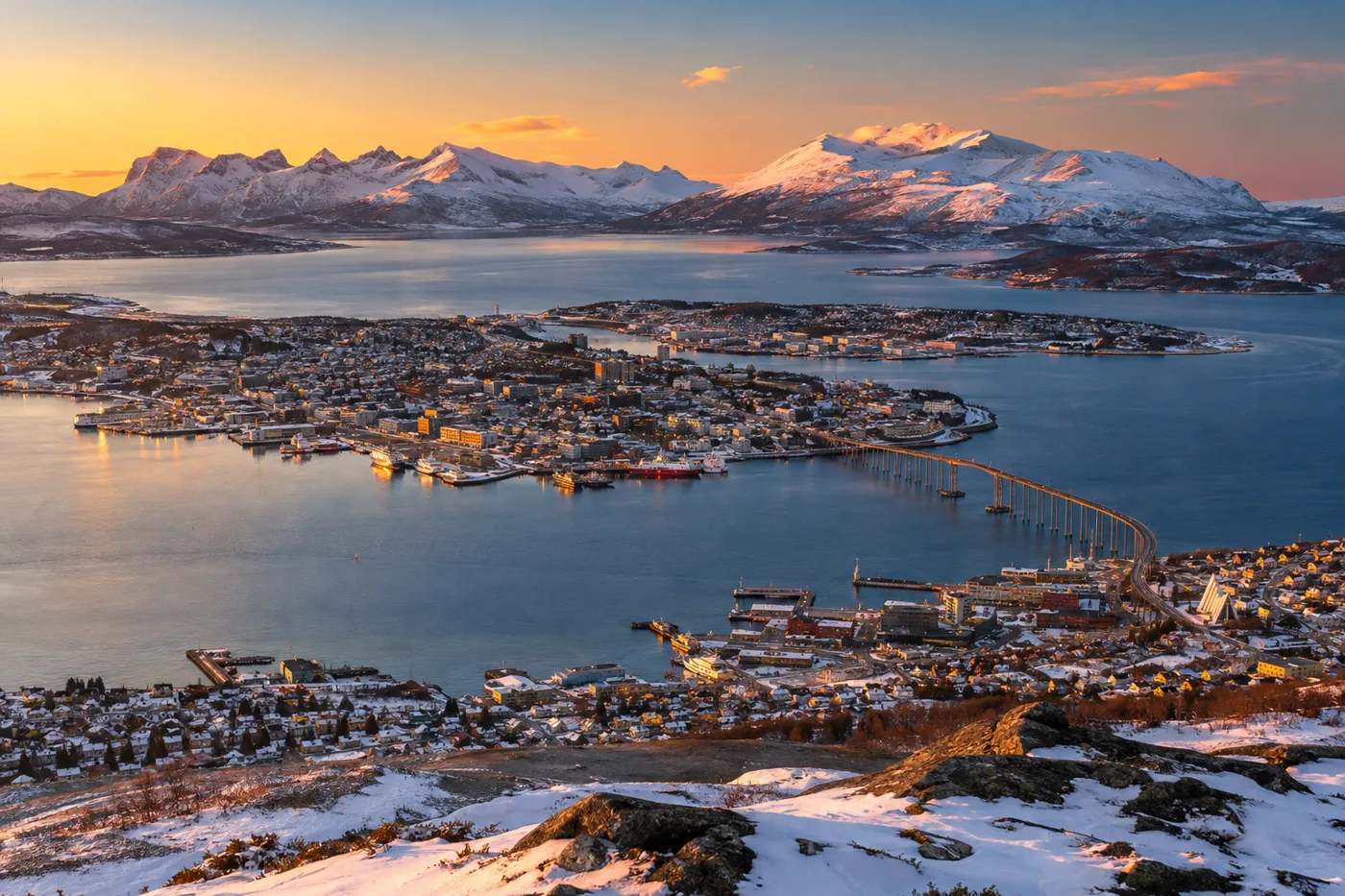 10 Best Things to Do in Tromsø: An Arctic Travel Guide
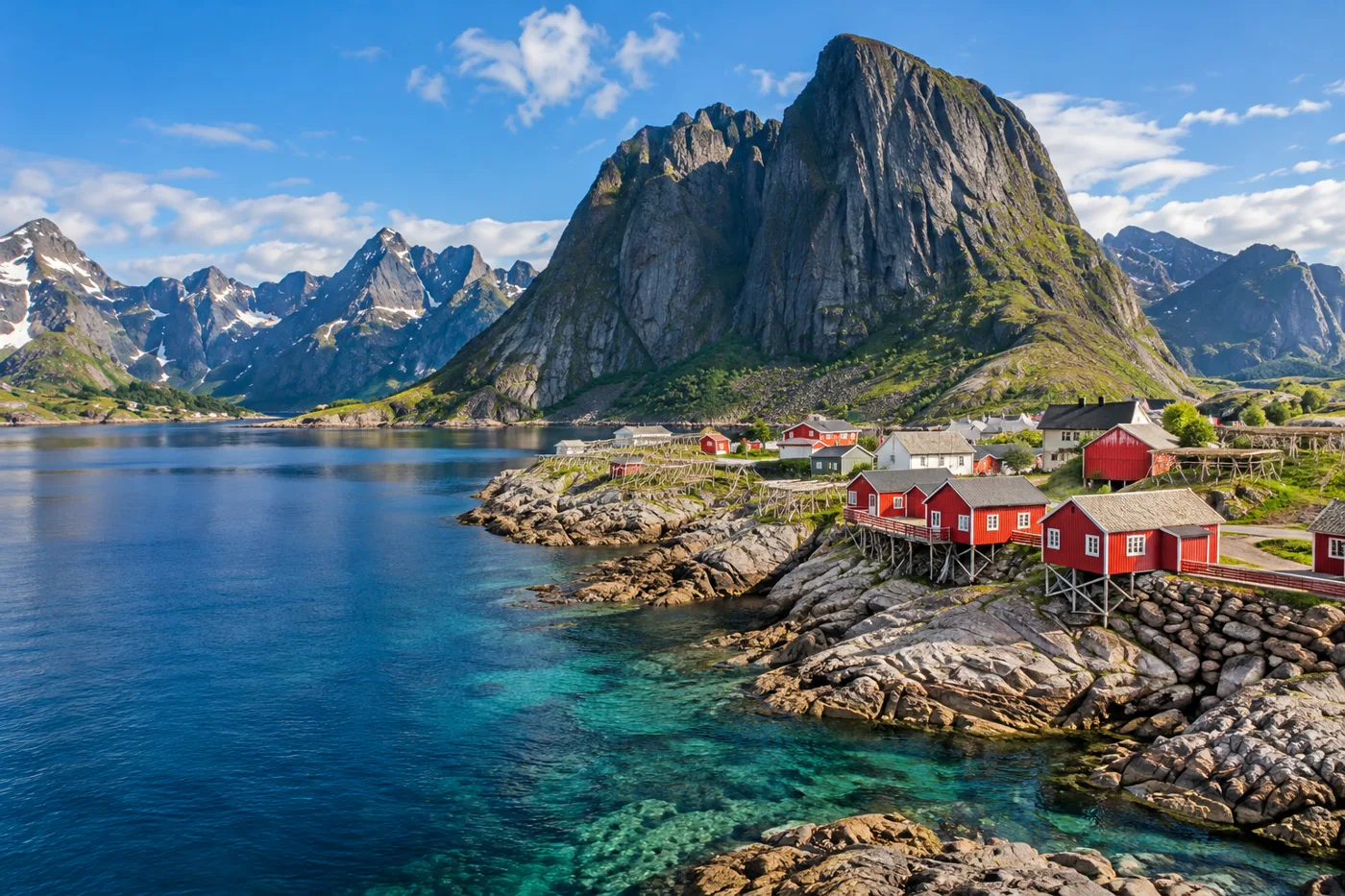 10 Best Things to Do in Lofoten: Villages, Beaches and Routes
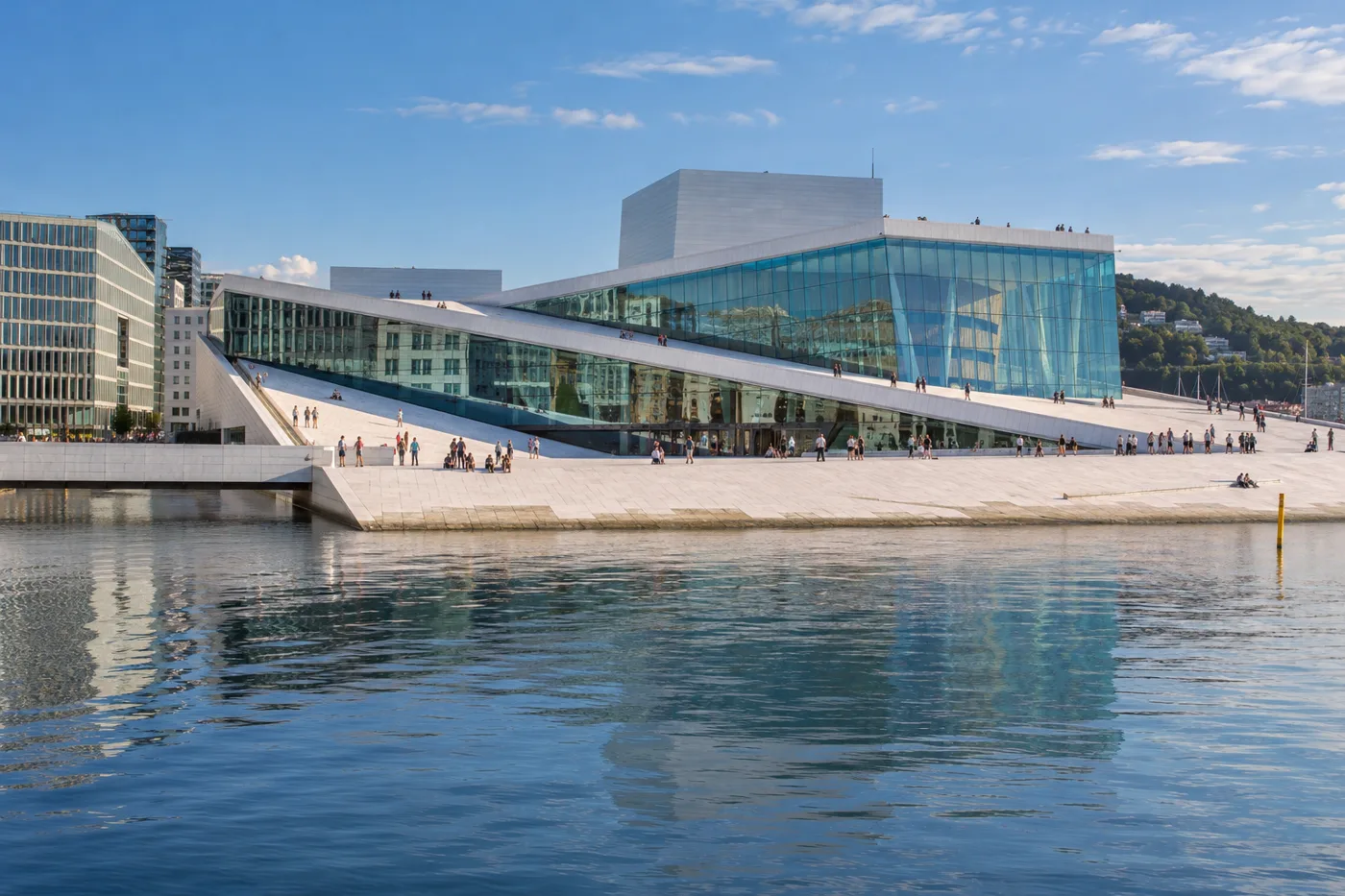 10 Best Things to Do in Oslo: A Practical Travel Guide
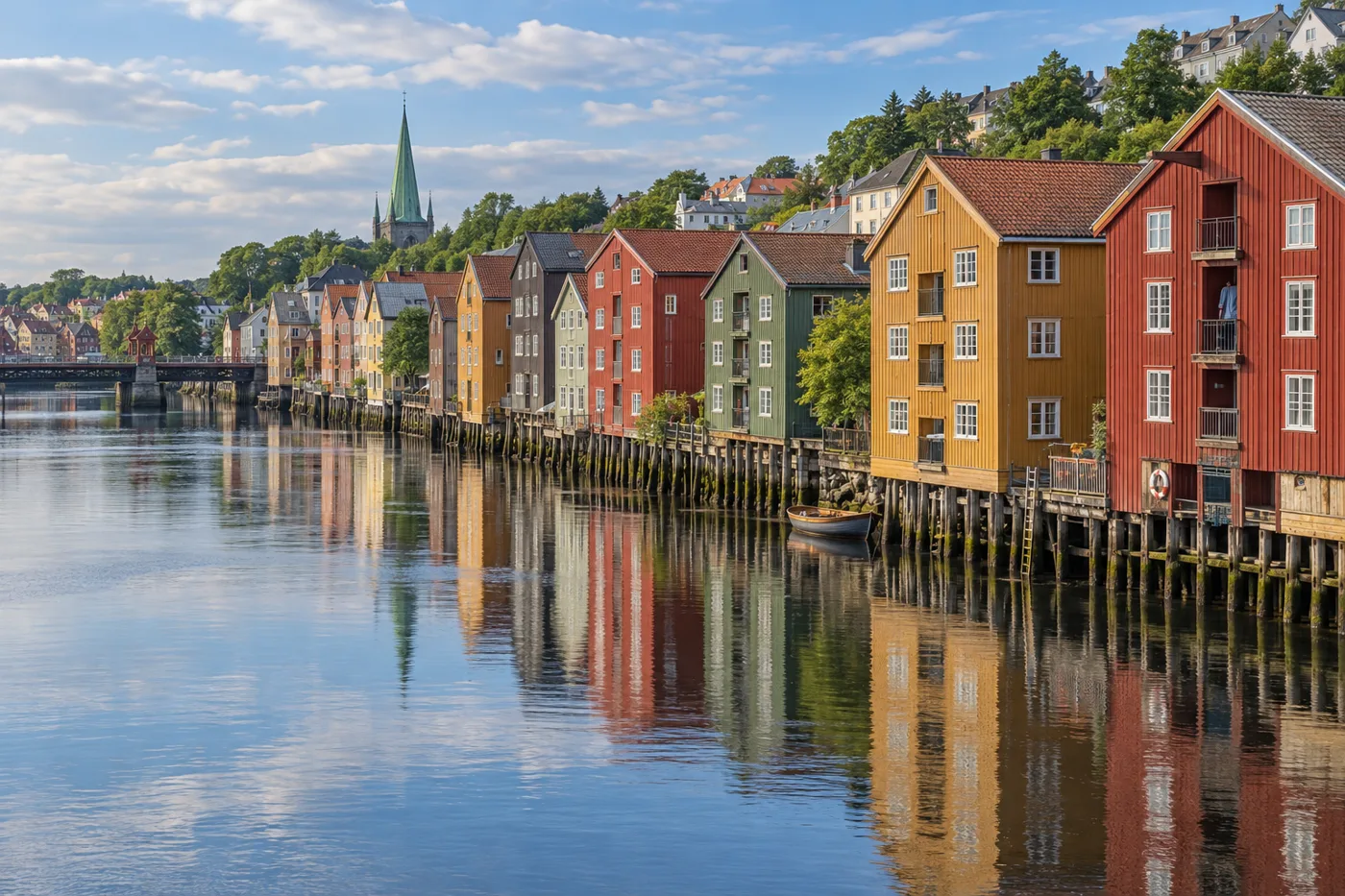 10 Best Things to Do in Trondheim: A Practical Travel Guide
Planning your visit to Svalbard
A successful first Svalbard visit begins with context, appropriate guidance and room for uncertainty. Museums and community life are worthwhile parts of the journey, not simply substitutes for wilderness. Choose the season matching your interest, trust current local safety decisions and measure the visit by understanding rather than a wildlife checklist.
Official sources and practical checks
Official information was reviewed during preparation. Fares, hours, road access and departures can change. Check the operator for your dates before booking. Suggested visit durations are editorial planning allowances.
- Governor of Svalbard: travel and current regulations
- Governor: environmental rules effective January 2025
- Governor: Safety in Svalbard
- Visit Svalbard: official planning
- Visit Svalbard: museums and galleries
- Visit Svalbard: Mine 3
- Visit Svalbard: North Pole Expedition Museum
Links labelled as affiliate links may earn NorwayTop10 a commission on eligible bookings. Read our editorial policy and commercial disclosure.
Choose accommodation and plan Svalbard
Compare accommodation options alongside the places you want to visit. Check the journey to the property before reserving.
Plan experiences around your stay
These guides compare regional options and practical considerations. Check the actual departure point; a related guide is not a promise that every activity is available in this town.