Whale Watching in Norway: 10 Responsible Planning Choices
Whale watching in Norway starts with choosing the right region and season, not with a promise of a particular animal. Winter trips in the Tromsø region have recently focused on the feeding grounds around Skjervøy and Kvænangen, while Andenes and other Vesterålen departures support different seasonal plans. The whales follow food, and operators must respond to their location, weather and sea conditions.
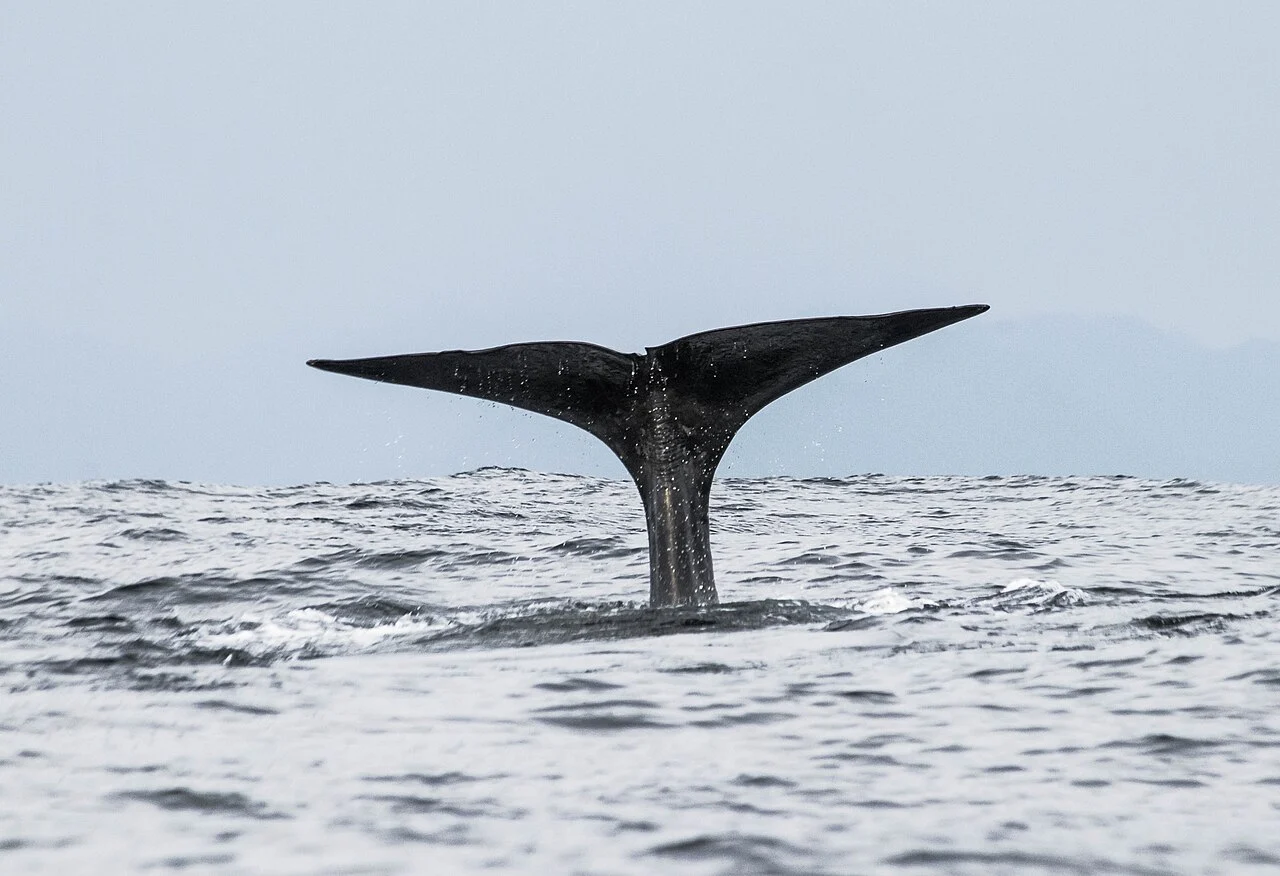
This guide explains ten practical choices for a responsible visit. It is not a league table of guaranteed sightings. A researched operator example establishes an advertised departure or price, not a promise that the tour will operate unchanged or that NorwayTop10 has personally taken it. The existing illustration is interpretive artwork and does not document a particular encounter.
Whale watching in Norway: quick answers
Is it worth it? Yes, if you value a guided marine experience without requiring a guaranteed sighting. Allow a full day for many Tromsø-based winter trips, and enough nights for weather flexibility. Visit Tromsø describes the usual regional season as early November to late January, with timing varying as herring and whales move. Andenes offers a different set of trips, including operator-advertised year-round options.
Costs are substantial, especially once transport and accommodation are included. Choose the region, vessel and departure point before comparing fares. Prioritise responsible wildlife behaviour, a route you can comfortably complete and cancellation terms you understand. No boat size, camera package or sighting policy removes the fact that whales are wild animals in an exposed marine environment.
1. Tromsø winter departures: allow a real sea day
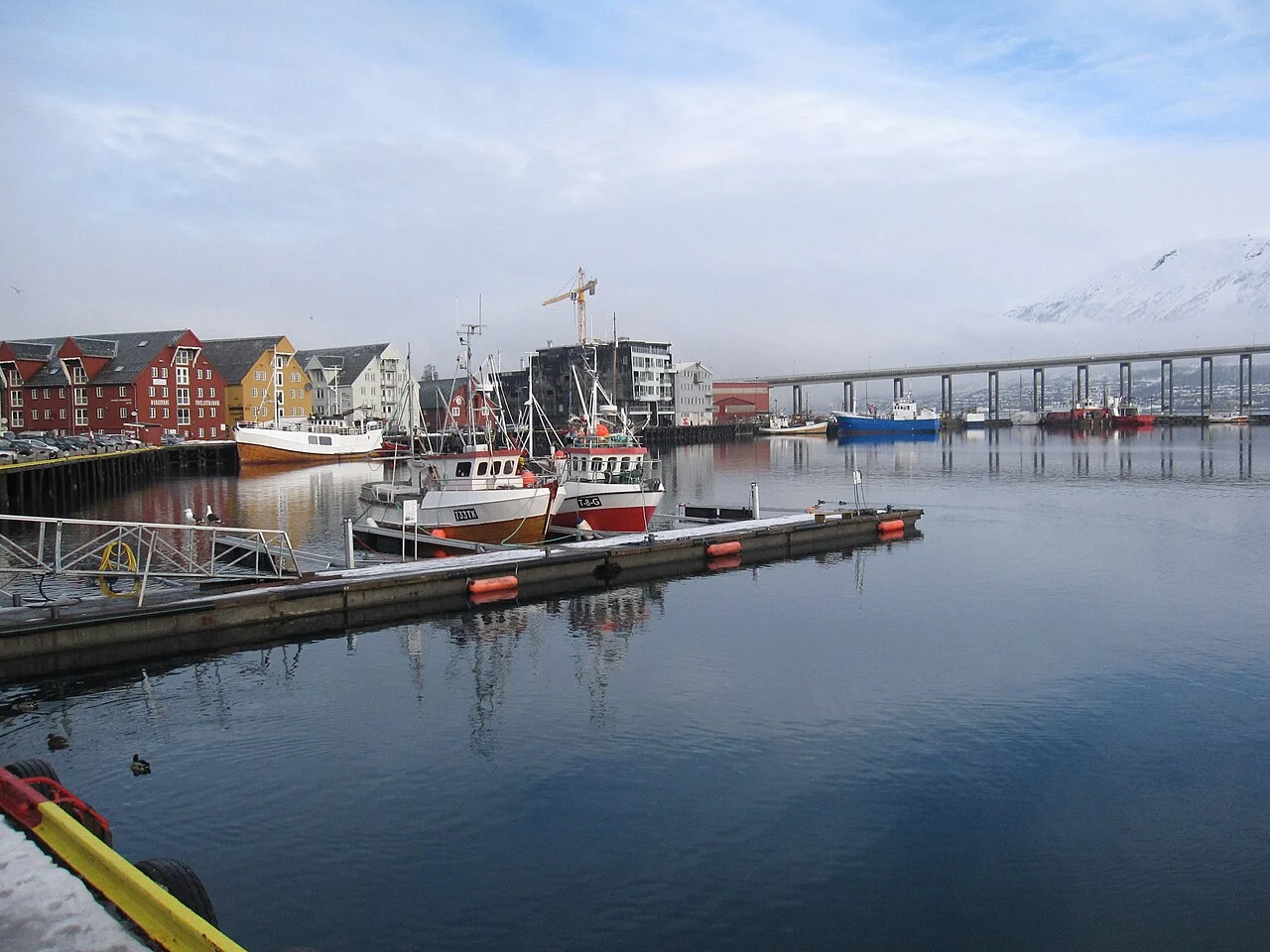
Tromsø can be a convenient accommodation base, but recent whale feeding grounds have often been well north of the city. A tour starting in Tromsø may therefore involve a long return boat journey or land transport followed by a sailing. It is a full-day commitment rather than a short extra activity that can always be fitted between museums.
Compare what you will actually do during the transit. A heated lounge, windows, toilets and food arrangements matter over several hours. Do not assume the advertised wildlife portion lasts for the entire excursion. The route must respond to the animals' position and conditions; an efficient vessel still cannot make distant feeding grounds appear beside your hotel.
Read the current duration and check-in instructions before reserving. Keep the following afternoon or evening free from inflexible connections. If you also want an aurora outing, allow rest rather than assuming two substantial activities always combine comfortably. Use a central Tromsø base when it simplifies arrival, meals and the early walk to the required quay or pickup point.
2. Skjervøy: staying nearer the departure can change the trip
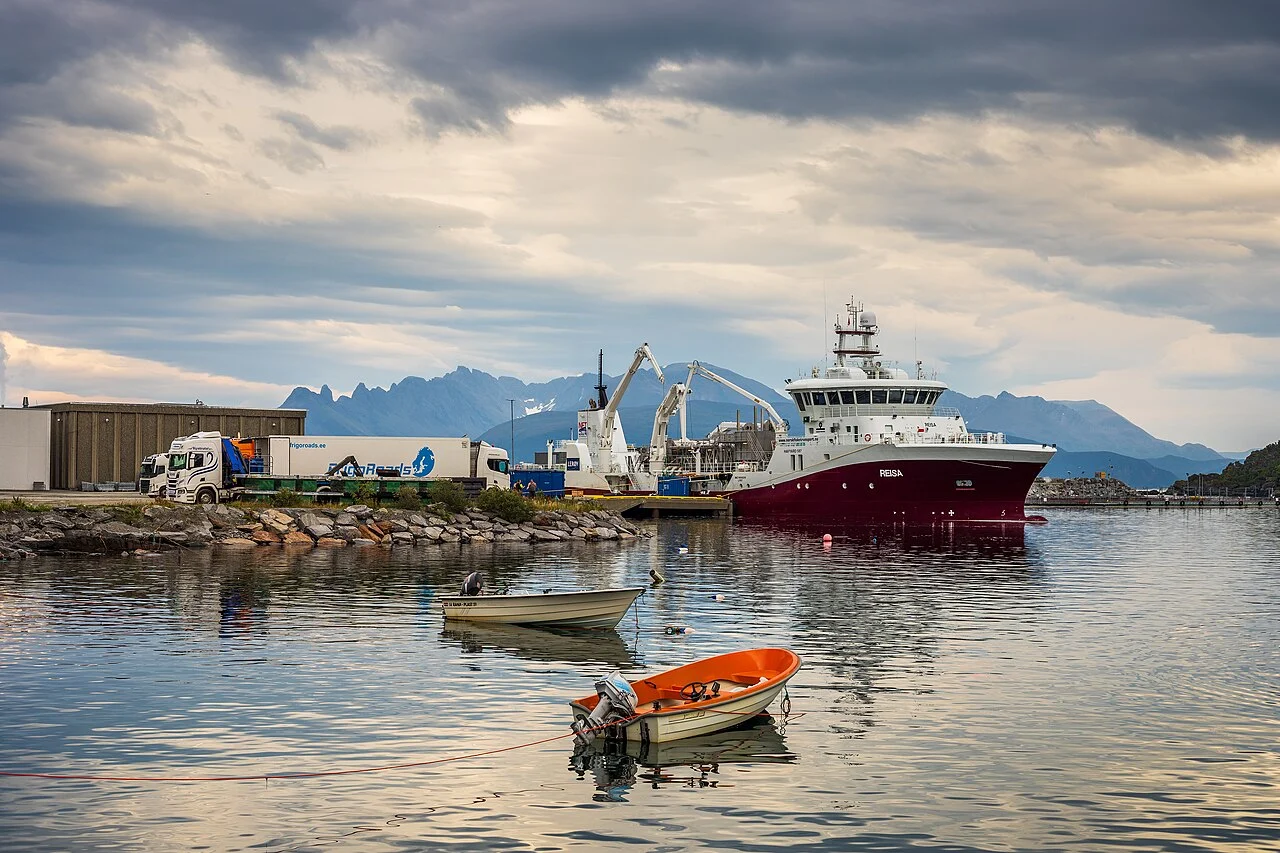
Skjervøy is worth investigating when the regional feeding grounds and your chosen operator make it a suitable base. Staying there can remove the need to repeat a long Tromsø transfer on the activity day. That benefit must be weighed against getting to Skjervøy, finding accommodation and arranging meals, especially during the darker part of the year.
Do not buy a boat ticket first and assume a public bus or express boat will match it. Visit Tromsø describes public transport journeys with timetable-dependent connections, and some organised products include a dedicated transfer. Independent travel and a packaged excursion solve different problems. A morning departure can require an overnight even when the places look close on a regional map.
Check current services with Svipper and confirm the operator's meeting time before paying. If staying overnight, price the complete journey rather than comparing only the whale-tour fare. Leave a buffer before your outbound flight. The practical advantage of a local base disappears if the return depends on an unverified connection or a winter drive you are not prepared to make.
3. Andenes: a different whale-watching base
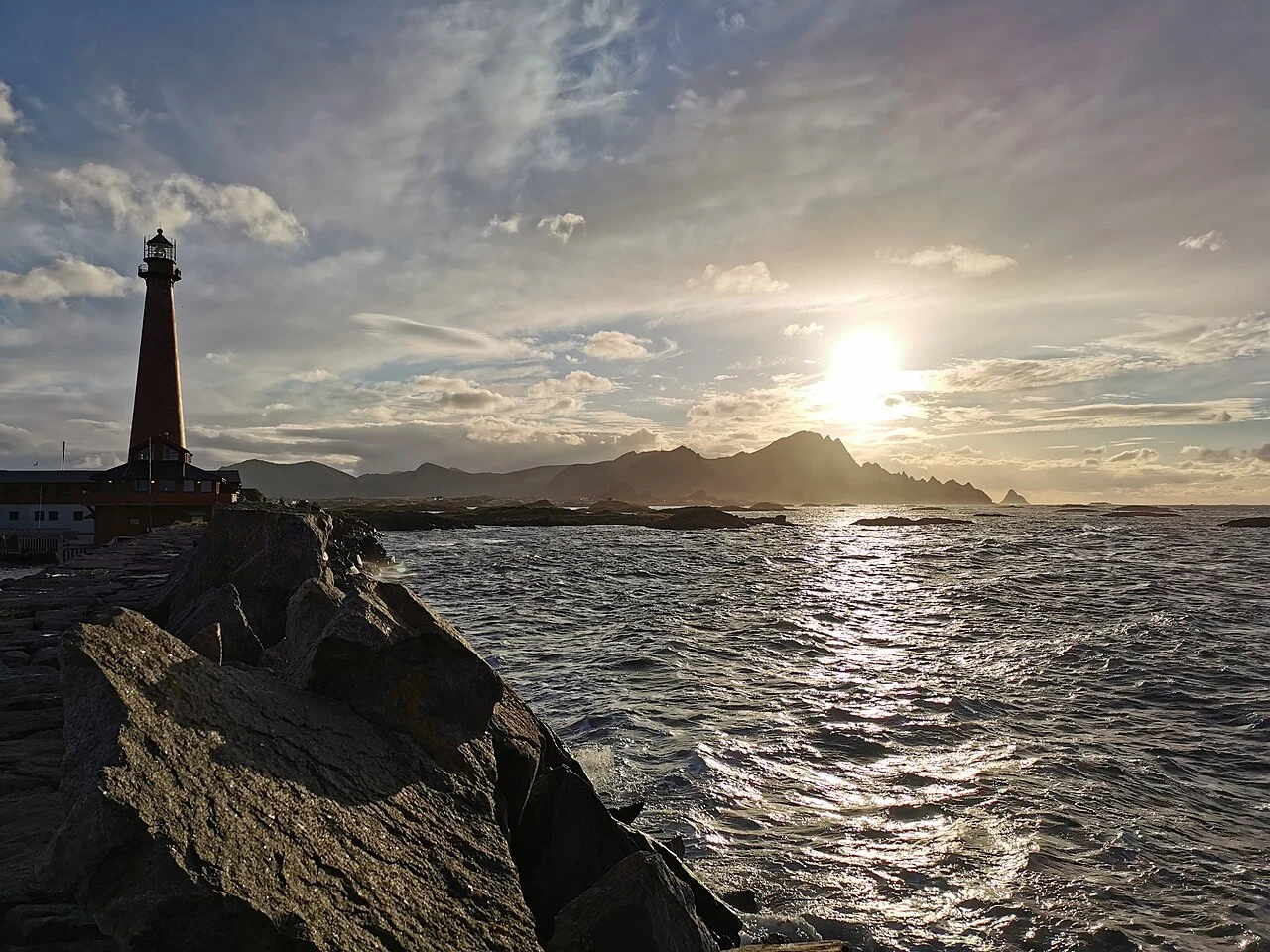
Andenes, at the northern end of Andøya in Vesterålen, supports a different trip from a Tromsø winter excursion. Whalesafari advertises year-round RIB options and a main visitor season from late May to mid-September, with vessel and operating calendars varying. Choose it as part of a Vesterålen plan rather than assuming a Lofoten accommodation address is automatically nearby.
Whalesafari's listed Andenes RIB example starts at NOK 1,690 and normally lasts about one-and-a-half to two-and-a-half hours on the water, checked 29 October 2026. The listing specifies a minimum age of eight. These details belong to that product, not every boat or child policy. Check the total appointment including check-in and briefing, and verify availability for your dates.
Allow time in Andenes before and after the excursion, with another day useful when sea conditions disrupt plans. Compare an open RIB with an available larger-boat option on the actual calendar. Ask about physical suitability and clothing before booking. Do not schedule a long onward drive immediately after a trip if fatigue, seasickness or weather could make the combination difficult.
4. Stø: a summer wildlife day in Vesterålen
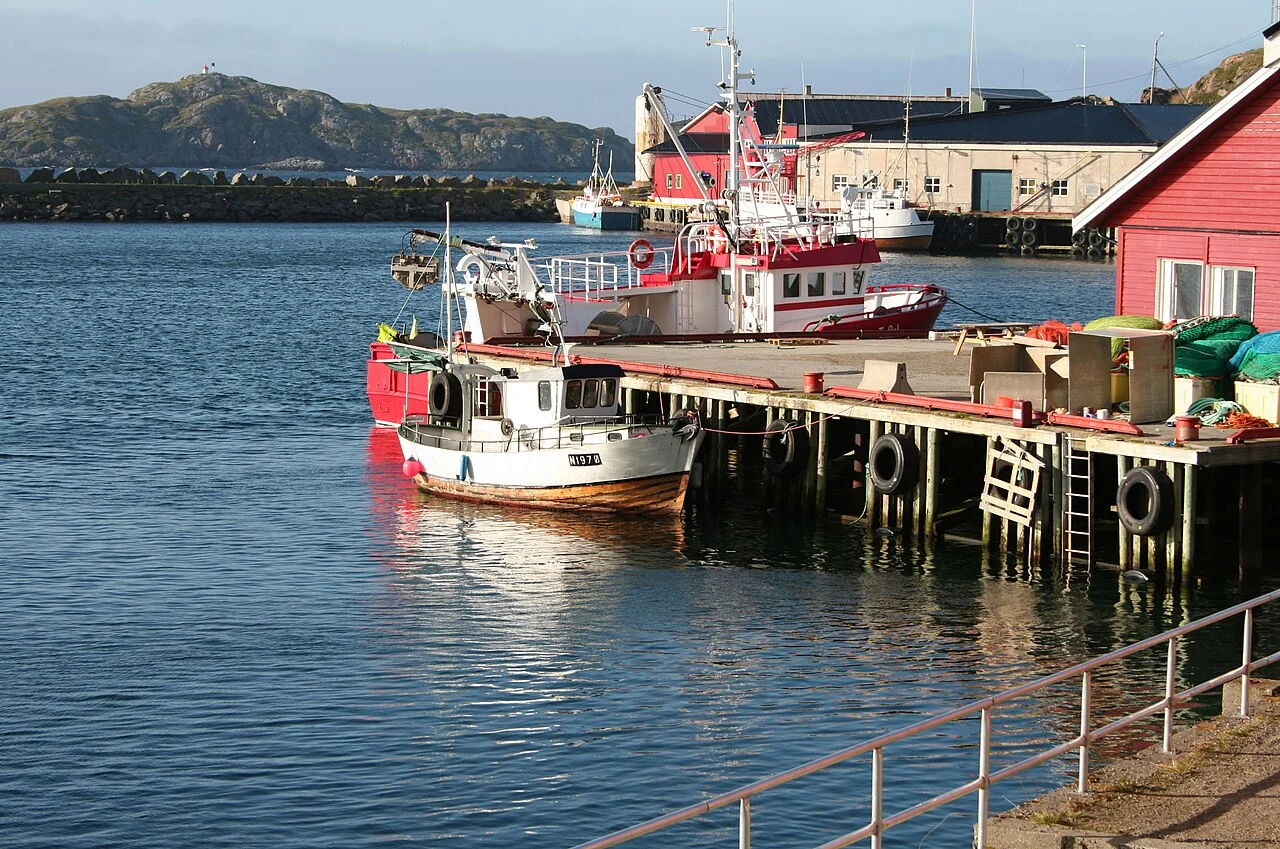
Stø is another Vesterålen departure to investigate for a summer plan. Arctic Whale Tours describes its summer whale safari as a full-day experience, with an advertised June-to-August season and an approximate six-to-eight-hour duration. Verify the current calendar rather than assuming an earlier season's departure time or vessel applies to your own visit.
The appeal is a broader wildlife day, not necessarily a quick search for one species before lunch. Read how the operator describes birds, whales, meals and the vessel. The length may suit patient wildlife watchers while being less comfortable for travellers who mainly want a brief coastal outing. A long advertised duration should influence your accommodation and driving decisions before you reserve.
Stay within a realistic distance of the departure or overnight locally where practical. Ask about check-in, clothing, food and toilets. Protect the full day and keep a shore alternative for cancellation. Avoid treating Stø and Andenes as interchangeable meeting points: different villages and roads still need actual travel time, even when both products are advertised within Vesterålen.
5. Larger boats: shelter and facilities can matter most
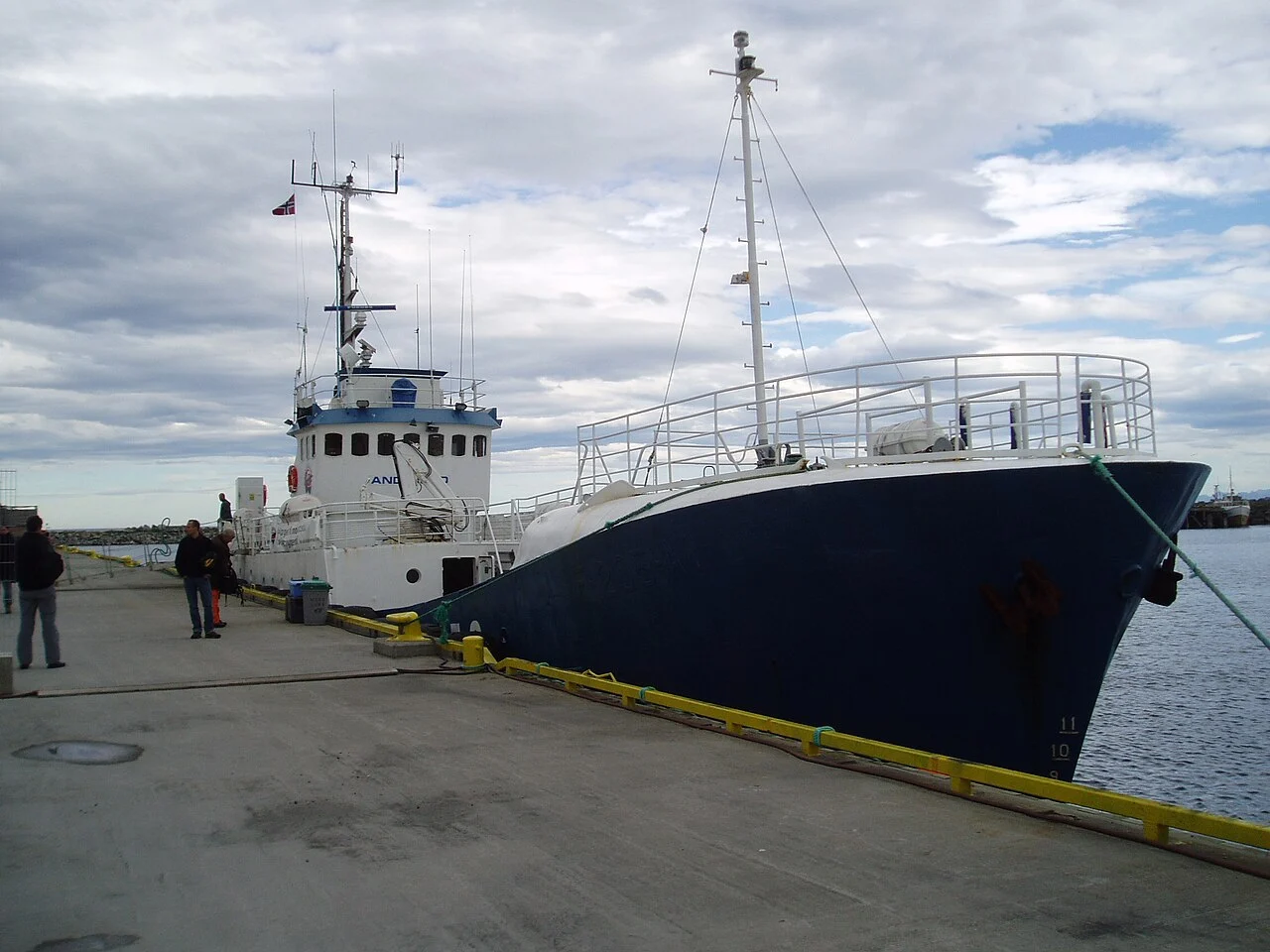
A larger boat may appeal to families and visitors who value indoor seating, toilets and room to move. It can provide a different experience from a small open craft. However, size alone does not establish comfort, stability, accessibility or a shorter route. Ask about the actual vessel, including any replacement arrangement during busy periods or maintenance.
Check how viewing works when animals are found. Can everyone reach a permitted outdoor position, and is there a sheltered alternative? A warm lounge does not remove the need for suitable clothing outside. Motion sensitivity can still matter on a large vessel. Seek appropriate advice if you are concerned, and do not assume a promotional description resolves a medical or mobility question.
Compare total duration and inclusions rather than simply the number of seats. Reserve the trip whose facilities match your group and check the quay in advance. Follow crew instructions on decks and stairs. If a large-boat product includes a second-chance ticket, read its limitations separately; shelter and a repeat policy are useful features, but neither guarantees a sighting on the booked day.
6. RIBs and open boats: assess the physical experience
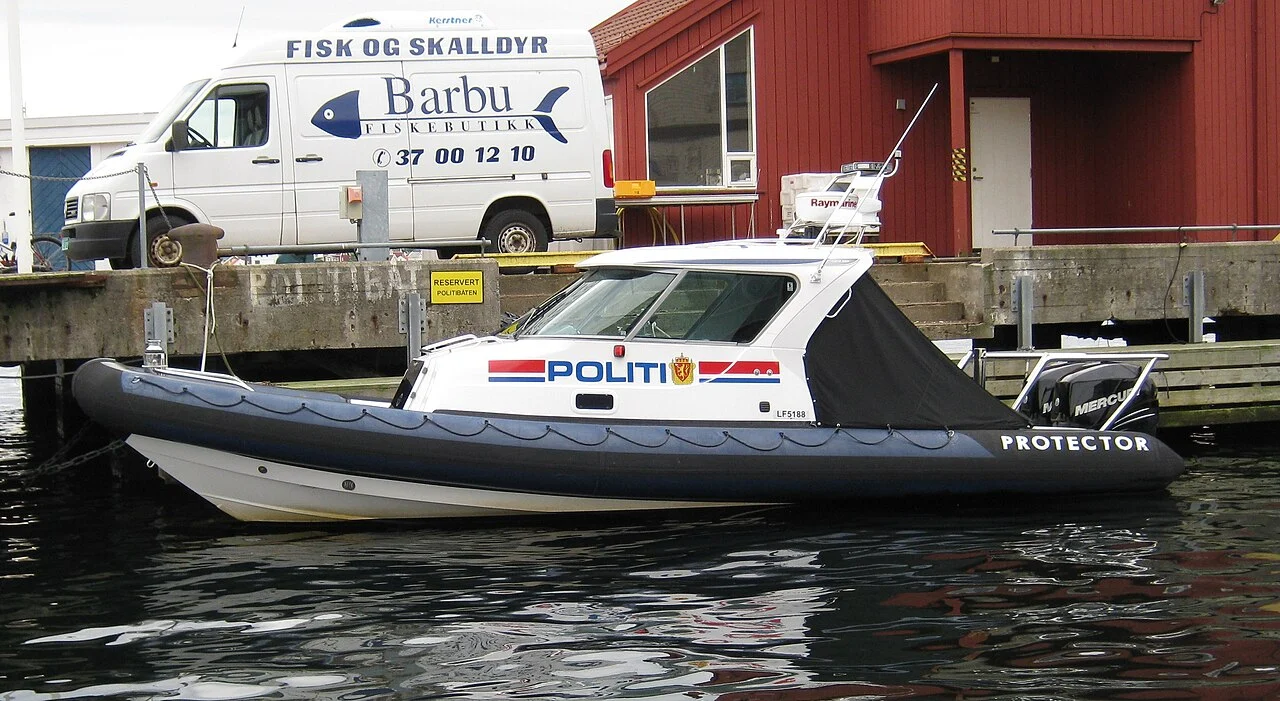
An open boat can offer a close-to-water perspective, but it also means greater exposure and a different boarding and seating experience. It should be chosen because the format suits you, not because you believe being lower automatically makes the wildlife encounter better or more responsible. The operator's conduct and the animals' behaviour are more important than the camera angle.
Ask about impact from movement, how long you remain seated and which health or age restrictions apply. Protective clothing does not make every passenger suitable for every route. Check whether children meet the specific product's limits and whether the operator can accommodate your needs. A short-sounding duration can still involve prolonged cold and a demanding approach to the vessel.
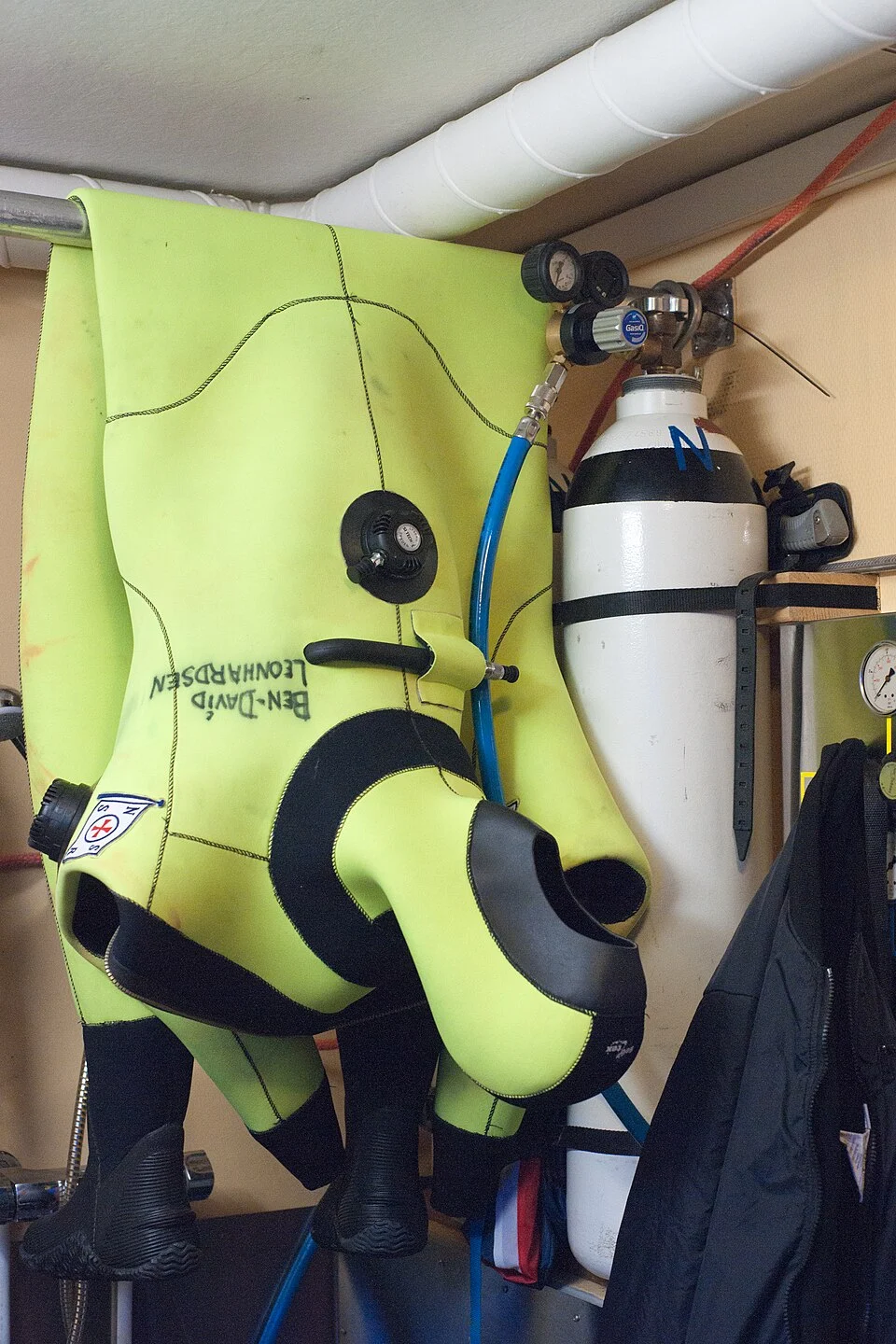
Obtain clothing instructions and confirm what is supplied. Keep the briefing and return buffer clear of other commitments. Protect equipment without bringing bags that interfere with seating or safety gear. If you are unsure about suitability, choose a different format or a land-based wildlife activity. Paying for a seat is not a reason to suppress relevant information during the operator's pre-trip checks.
7. Responsible behaviour: the whales control the encounter
A worthwhile whale-watching experience does not require a boat to pursue, surround or pressure animals into a photograph. Visit Tromsø's guidance emphasises minimising disturbance and allowing encounters on the whales' terms. Ask prospective providers how they apply local guidelines rather than judging responsibility solely from a green label or dramatic close-up footage.
Watch how the product is marketed. Guaranteed close contact, pressure to get into the water or imagery that treats wildlife as a performance should prompt questions. Whales can approach voluntarily, but that is different from guests expecting an operator to force proximity. Choose guiding that explains behaviour and the wider marine environment, including when to stop watching or move away.
Stay in designated areas, follow instructions and do not encourage the crew to approach more closely for a personal shot. Keep noise and movement appropriate to the vessel. Check current official local guidance before choosing any specialist in-water activity; this guide recommends ordinary boat-based observation rather than treating swimming with whales as an automatic upgrade to responsible watching.
8. Season and species: build the journey around the right question
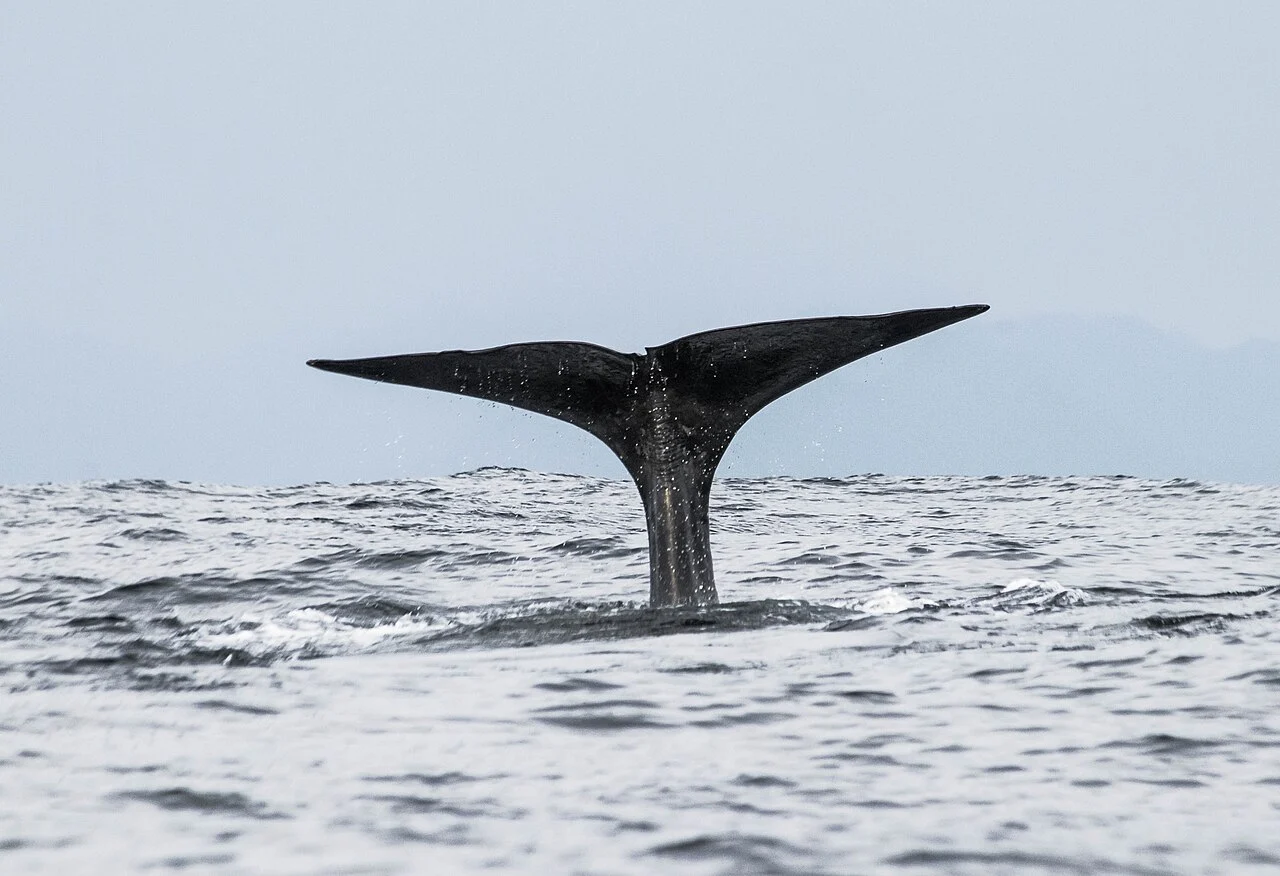
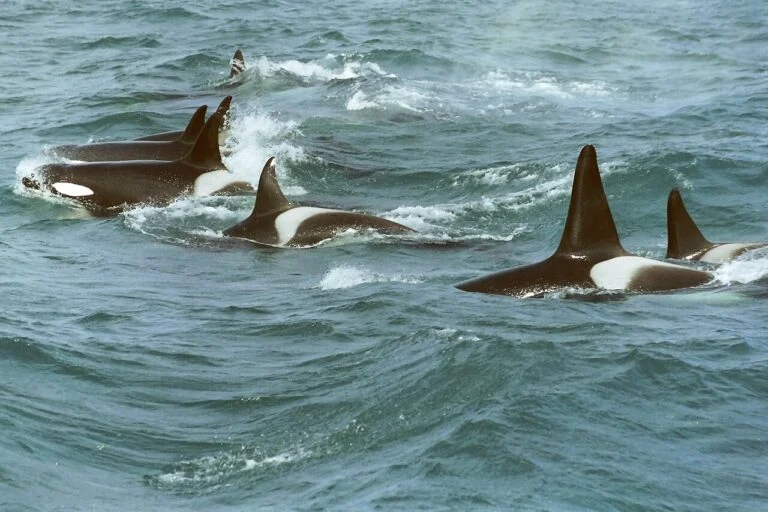
The first question should be which region and seasonal experience interests you, not which date guarantees a particular species. Visit Tromsø links the winter presence of orcas and humpbacks to herring movements. Arctic Whale Tours describes sperm whales as a principal focus of its summer Vesterålen trips. Different places, seasons and food conditions produce different possibilities.
A national Norway itinerary cannot treat all these experiences as a single interchangeable product. If your holiday is fixed in summer, investigate the departures actually offered then instead of booking a winter-oriented city and hoping for the same programme. If a photograph of orcas is the main attraction, recognise that the decision still cannot promise an encounter on your dates.
Confirm the operator's current calendar before buying flights or a remote room. Keep a meaningful alternative day in the region. Book the activity whose season determines the journey first, with cancellation terms understood, then choose supporting accommodation. Avoid adding a distant whale-watching stop to an already full route solely because the country-wide map makes it look close.
9. Prices and no-sighting terms: read both together
A useful comparison includes transport, guiding, vessel time, clothing, food and any admission included ashore. Rødne's Tromsø listing through Visit Tromsø was advertised from NOK 1,995 for approximately seven to eight hours when checked on 29 October 2026. That is a dated product example, not a universal fare or a promise about a later departure's route or price.
A repeat-trip policy may require spare days and available seats. It is not automatically a refund, particularly if you cannot use the next departure before leaving Norway. Distinguish no sightings from cancellation and from a changed itinerary that still operates. If booking through a marketplace, read both the product terms and the platform's cancellation conditions before paying.
Get the final total for every traveller and check age-based tickets directly. Keep the confirmation and meeting instructions accessible offline. A lower price can be poor value if it excludes the transfer you need, while a longer expensive trip may be inappropriate for your group. Budget for the experience you can comfortably complete rather than buying the largest headline promise.
10. Weather buffers and onward travel: protect the whole holiday
Coastal weather can cancel or change a sea excursion even when your city accommodation and flight operate normally. That mismatch is a reason to plan a buffer rather than a complaint an operator can always resolve. A room refund, flight refund and whale-tour refund are separate contractual questions. Check your insurance coverage for the actual activities and consequences that concern you.
Leave time to reach the harbour and to return without rushing. A delayed boat or a cold, tiring day can make a long drive a poor follow-up. Keep meals, clothing changes and rest in the plan. If you are staying far from the departure point, check who provides the transfer and what happens if a late return misses an ordinary public connection.
Book the priority outing early enough in the stay that a replacement may be possible, without treating a buffer as a guarantee of availability. Keep an indoor or shore-based wildlife alternative. Do not let a prepaid onward ticket pressure you to question a crew's safety decision. The aim is a rewarding regional journey that can absorb one changed day, not a tightly linked sequence that fails when the sea does not cooperate.
Whale-watching itinerary: one, two or three days
One day from Tromsø: use the operator's complete advertised block, often most of the day, rather than assigning a short morning slot. Arrive at the correct check-in point with suitable clothing and food arrangements understood. Keep the evening for dinner and rest. If the operator cancels, substitute an open museum or city walk and follow the written rebooking or refund procedure.
Two days: stay in one base and place the whale trip on the first suitable booked day. Reserve the second for a possible weather replacement or a less demanding local experience. Do not prebook every spare hour if the first outing is your main reason to visit. During the polar-night period, use the available twilight deliberately and avoid relying on a summer walking plan.
Three days in Vesterålen: allow the first day for arrival and local orientation, the second for the chosen Andenes or Stø excursion, and the third for regional time or a replacement where available. Keep the boat's actual duration and briefing in the schedule. Check road, airport and ferry connections independently. A Tromsø itinerary and a Vesterålen itinerary are alternatives for a short stay, not a casual combination across consecutive mornings.
Whale watching FAQ
Are whales guaranteed? No. A repeat-trip policy is a booking arrangement, not control over animal behaviour or weather.
When is the Tromsø-region season? Usually early November to late January according to Visit Tromsø, with timing and location changing as herring and whales move.
Can I go in summer? Investigate current Vesterålen departures, including Andenes and Stø. Do not assume the Tromsø winter feeding-ground experience operates unchanged in summer.
Is a RIB better? It is a different format with different exposure and suitability. Choose according to physical needs, age limits, comfort and operator behaviour.
Can children join? Some products accommodate children and others have minimum ages or restrictions. Confirm the specific vessel and tour rather than relying on a general family-friendly label.
Can I fly home after the trip? Only if a realistic return, transfer and airline check-in margin exists. A weather-sensitive boat return is a poor foundation for a tight flight connection.
Sources and editorial conclusion
Research checked 29 October 2026 using Visit Tromsø's whale-watching and regional-transport guidance, Whalesafari's Andenes listings, Arctic Whale Tours' Stø information and operator product details. Prices quoted here are dated examples; check current fares, vessel assignments and availability directly. Route timing and itinerary allowances are editorial planning guidance, not guaranteed travel times.
Continue with Tromsø accommodation, the Tromsø destination guide, the Lofoten guide for wider northern route context and Northern Lights in Norway if planning a winter stay. Choose a region that suits the season, a vessel that suits your group and terms you can understand. A responsible wildlife holiday values the encounter that occurs without demanding that the animals produce a particular result.
Official sources and current information
Continue planning your Norway trip
Research-based editorial selection. No personal hotel stays or tour participation are claimed. Commercial links, if introduced, will be labelled. Read our editorial policy and commercial disclosure.
Compare a Tromsø whale-watching trip
For a Tromsø-based winter trip, compare this whale and Arctic wildlife boat safari. Check its operating season, time at sea and no-sighting policy; encounters depend on wildlife and conditions.
View the Tromsø whale safari →
Check current dates, prices, meeting points and cancellation terms on Viator. Affiliate link: we may earn a commission if you book.