10 Fun Facts About Norway You Might Not Know
NorwayTop10 Editorial
Fun facts about Norway are easier to remember when you know where the stories belong. A fake headline about a train robbery helped popularise Easter crime fiction. Three mirrors send sunlight into Rjukan’s town square. And a king penguin in Scotland holds an honorary rank from Norway’s King’s Guard. Here are ten stories, with sources, places to visit and practical tips for your trip.
Ten short stories about Norwegian culture, nature and inventions, with tips on places you can visit.
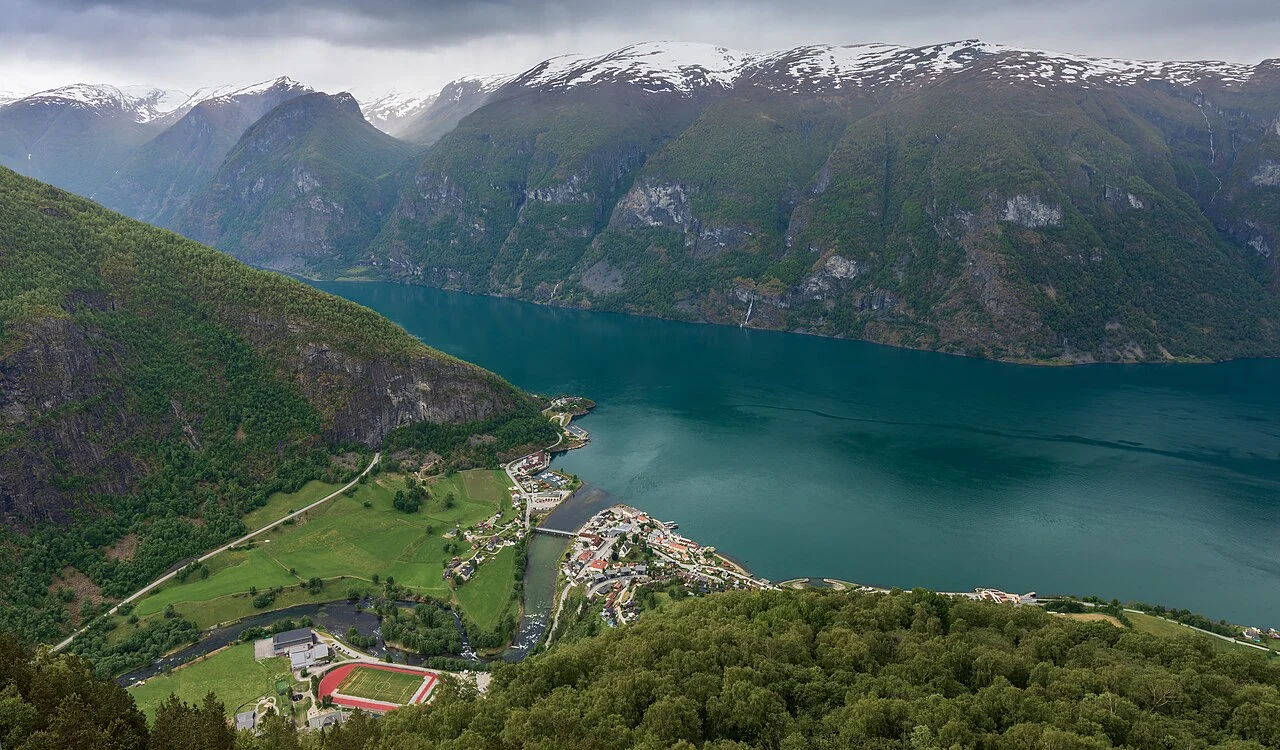
Fun facts about Norway at a glance
Worth experiencing? Yes, especially when the stops fit a trip you are already planning. How long? One day in Oslo or Lillehammer and two to three days for a fjord route. Best time? Summer for roadside stops and walks, and sunny winter days for Rjukan’s mirrors. Cost? Town squares and some viewpoints are free. Trains, museums and guided tours cost extra. Transport? Take the train to Lillehammer, a bus to Bygdøy when it runs, and a car for flexible stops along the fjord roads. Three highlights? The sun mirrors, the Lærdal Tunnel and the Atlantic Ocean Road.
1. Easter crime fiction got a boost from a fake headline

On the Saturday before Palm Sunday in 1923, Aftenposten readers saw a headline announcing that the Bergen train had been robbed overnight. It was an advertisement for a crime novel. The Norwegian Folk Museum identifies the stunt as an important moment in the rise of Norwegian Easter crime fiction. The date and newspaper are documented. How many readers actually fell for it is another matter.
The Easter holiday brings together an unlikely pair of traditions. Ski trips and oranges belong outdoors, while spooky stories tend to take over indoors. Easter crime can mean anything from reading a novel in the sun outside a cabin to watching a detective series on television. The tradition is recognisable even if you spend Easter in town and never put on skis.
The Norwegian Folk Museum at Bygdøy is a good stop on an Oslo trip if you want to learn about Norwegian holidays. Allow around two hours for the museum and check hours and ticket prices before visiting. The museum’s account of the advert is free to read online. Riding the Bergen Railway is a separate experience. Compare departures with Vy before booking.
2. Rjukan uses mirrors to bring sunlight to its town square
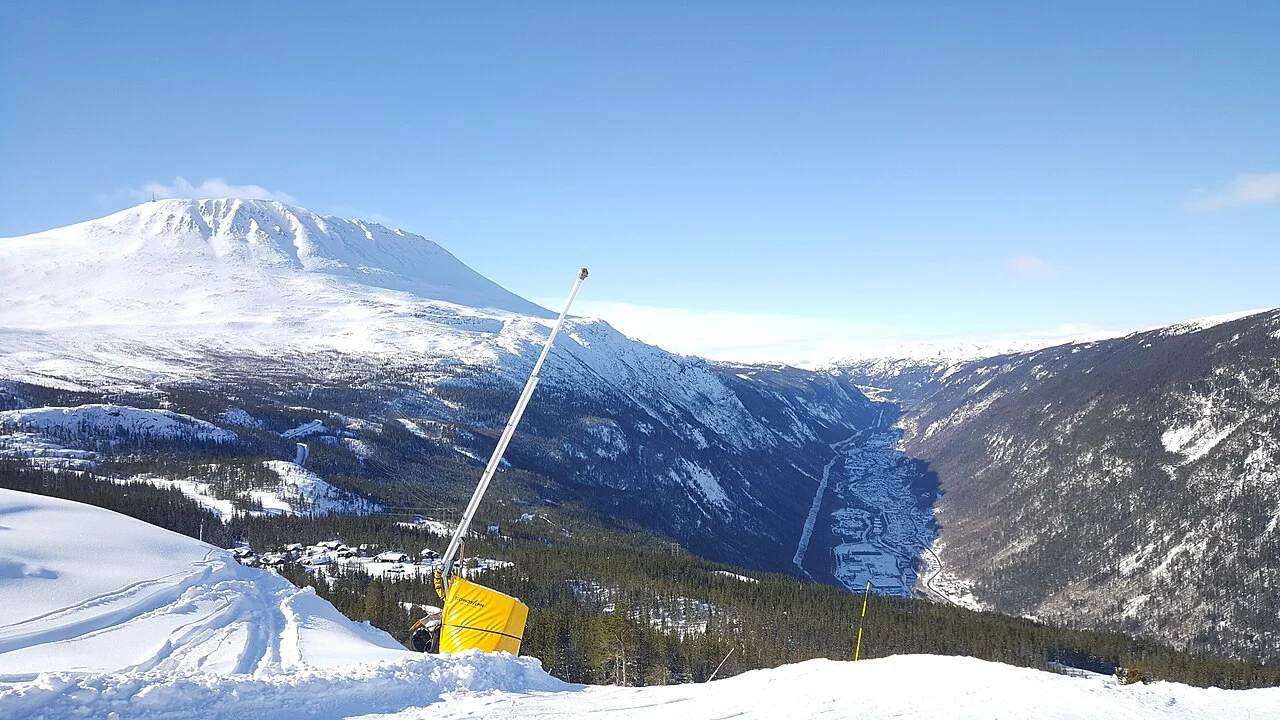
The steep mountains around Rjukan shade the town square from direct sunlight for part of the year. Three mirrors high above town reflect sunlight down onto the square. The idea was first proposed in 1913. More than a century later, the mirrors show how the terrain can shape everyday life in a Norwegian industrial town.
The square is the easiest place to understand what the mirrors do. Look at how the town sits on the valley floor, then watch for the bright patch on the ground when there is sunlight to reflect. On an overcast day you can still appreciate how steep the valley is. The reflection requires direct sunlight, so the date alone gives you no guarantee.
Allow 20 to 30 minutes at the square and several hours in Rjukan if you have more time. The square is a public space. The Krossobanen cable car or the Norwegian Industrial Workers Museum at Vemork can be separate stops if open. Check transport, opening hours and tickets directly. Leave time to switch the order if the clouds are thick when you arrive.
3. A carpenter from Lillehammer patented the cheese slicer

Thor Bjørklund patented his cheese slicer in 1925 and started Thor Bjørklund & Sønner in 1927. The principle is simple. Pulling the blade towards you cuts a thin slice off the top of the block. It is a small invention that fits into an ordinary breakfast, whether you are serving yellow cheese or Norwegian brown cheese.
Try a firm cheese if you want to compare the slicer with a knife. The slicer makes a thin slice across a broad surface. Brown cheese has a sweet, caramel-like flavour and is easy to find in Norwegian supermarkets. Buy a small pack if you only want a taste, or look for a waffle topped with brown cheese at a café.
In Lillehammer, this is a story to keep in mind as you walk around town. Allow an hour for the centre and lunch, and more time if you want to visit Maihaugen. The town walk is free. Cheese and pastry prices vary by shop and café, and the museum publishes its own hours and admission prices.
4. Svalbard holds a backup of seeds from around the world

The Svalbard Global Seed Vault stores copies of samples deposited by gene banks. Those institutions can retrieve their own seeds if the original collections are lost. The seeds are stored deep inside the mountain. The entrance is the part that frequently appears in pictures of the area near Longyearbyen.
Think of the vault as a backup with a specific purpose. Active gene banks conserve, document and use plant diversity, while the vault can help rebuild collections if they are lost. The vault is closed to visitors, and a stop outside is mainly a chance to see the setting and learn the story.
Allow around half a day for a local guided outing if you want to see the area. Ask the operator whether the vault is on the route and whether the tour runs in your season. Book with room for weather changes. There is no regular admission ticket to the vault. The duration and price of area tours vary by operator.
5. The Lærdal Tunnel is 24.5 kilometres long

The Lærdal Tunnel runs beneath the mountains between Aurland and Lærdal. It is 24.5 kilometres long. On a road trip, it lets you combine the two places without spending the entire day crossing the mountains. Inside, large illuminated rock chambers break up the long drive.
The bright chambers are the surprise for many passengers. They are large enough to change the sense of distance after the narrower stretches. If the view is your priority, the road over Aurlandsfjellet is the scenic option when it is open. Both routes end at fjord villages with different places to take a break.
Budget around half an hour for the tunnel drive as a rough estimate and allow extra time on both sides. Add a couple of hours if you want to see old Lærdalsøyri. Check the Norwegian Public Roads Administration for roadworks, closures and diversions. No sightseeing ticket is required. If you want to take photographs, wait until you reach a legal stopping place outside the tunnel.
6. A king penguin in Scotland holds the rank of major general

Sir Nils Olav is a king penguin at Edinburgh Zoo with an unusual connection to Norway. His Majesty the King’s Guard has awarded him a series of honorary ranks. Major general is among the titles listed by the zoo. He is also known as Baron of the Bouvet Islands, giving the story another Norwegian connection.
It is a mascot tradition that has grown over time. The sight of a formal military ceremony with a penguin in attendance probably explains why this story is easier to remember than many facts about the Guard. The image shows a king penguin to illustrate what the species looks like.
To visit, check Edinburgh Zoo’s information. Allow a few hours for the park, check the hours and admission price and ask about access to the penguin area on the day. On a trip to Norway, you can look for the guards at the Royal Palace in Oslo. Check the palace’s information if you are planning around a specific ceremony.
7. Bouvet Island is a Norwegian dependency in the South Atlantic

Bouvet Island lies in the South Atlantic and became a Norwegian dependency in 1930. It is a remote volcanic island with extensive ice cover and steep stretches of coast. The word dependency describes its legal status. The striking thing on a map is its location, far south of Norway and far out to sea from the nearest continents.
It is easy to think of Norwegian islands as places in the north. Bouvet Island offers a different picture, with neither a regular ferry port nor a town to look up. Sir Nils Olav’s honorary title also points to the island, even though the penguin lives in Scotland.
This is a free map-and-reading stop in your planning. Spend ten minutes finding the island and comparing its position with Svalbard. There is no scheduled transport service for ordinary tourists. If you want to spend a day on polar history in Norway, look up the Fram Museum at Bygdøy and check its admission and hours.
8. Knivskjellodden reaches farther north than North Cape

North Cape is famous for its tall cliff and globe monument. Knivskjellodden on the same island reaches about 1.5 kilometres farther north. The coordinates of a low peninsula tell a different story from the prominence of a famous viewpoint. Both are on Magerøya in Finnmark.
At North Cape you look down on the sea. On the way to Knivskjellodden you experience the coast from lower ground. The walk takes several hours, and fog, wind and wet rocks can change the experience significantly. Check conditions before deciding and choose the cliff viewpoint if a long walk is unsuitable.
Allow at least half a day for the hike in good conditions, with time to turn back. Ask the local tourist office about route markings, parking and seasonal advice. Check hours and admission for North Cape Hall separately. An overnight stay nearby gives you more margin than pairing the walk with a tight bus or ferry connection.
9. The Atlantic Ocean Road crosses eight bridges
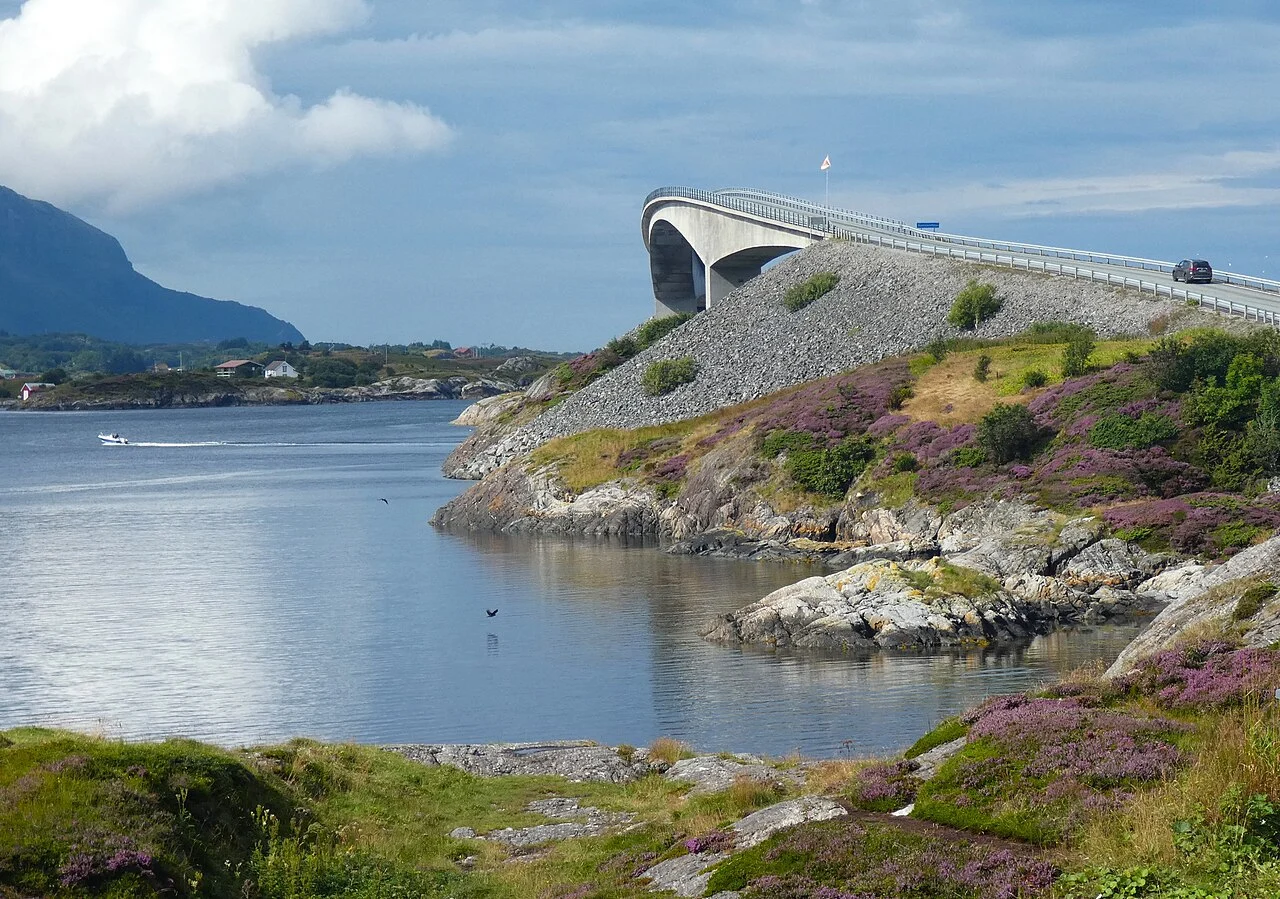
Between Vevang and Utheim, the Atlantic Ocean Road crosses eight bridges linking islands and skerries. Storseisund Bridge is the most recognisable of them. From some angles its arch looks much steeper than it feels from the roadway. The surrounding terrain is low and open to the sea.
Short stops are as much a part of the experience as the drive. Use a designated car park and take time to see how the bridges join the rocky islands. Weather and visibility shape what you can see. Sea spray can be striking from a safe distance, while the most exposed walking sections are less appealing in strong winds.
Allow one to two hours for driving and short stops from the surrounding area. You do not need a sightseeing ticket for the road itself. Check the Norwegian Public Roads Administration for traffic and closures. Combine the trip with Kristiansund or Averøy so you can postpone the exposed stops if the weather is poor.
10. Norwegian salmon found its way onto Japanese sushi menus

In 1985, Fisheries Minister Thor Listau travelled to Japan with a Norwegian delegation. The visit was part of an effort to find a market for Norwegian seafood. Promoting Norwegian salmon for sushi was a specific goal of the export campaign that followed. Today raw salmon is a familiar sight on sushi menus in many places.
The interesting part is how a familiar ingredient can find a new use when producers and chefs meet. Salmon was already known in Japan, but the campaign sought a different place for it on the menu. One piece of salmon nigiri illustrates the result simply, with a slice of salmon visible on top of a small mound of rice.
In Oslo, Bergen and other cities, you can turn this fact into a lunch stop. Check the menu for both price and origin if you want to try Norwegian salmon. Allow about an hour for a simple lunch. A reservation can help at popular dinner spots, and menu prices are best checked directly.
Three itineraries for exploring these fun facts about Norway
One day in Oslo
Start at Bygdøy in the morning. Allow around two hours for the Norwegian Folk Museum and have lunch before returning to the centre. If polar history appeals, add the Fram Museum before leaving Bygdøy. Choose one museum if time is short. In the evening, try salmon nigiri and check what the menu says about the origin of the fish. Check public transport both ways and make a museum the main activity on a rainy day.
Two days by train to Lillehammer
Take a morning train from Oslo and spend the first afternoon in the town centre. Allow time for lunch and a bakery or café that serves waffles with brown cheese. Have dinner in town and stay within walking distance of the station if you have heavy luggage. Visit Maihaugen the following morning if it is open, then return by train in the afternoon or evening. Take a shorter walk if the streets are icy and check whether a bus serves the museum that day.
Three days around Aurland and Lærdal
Spend the first day reaching Flåm or Aurland, with time to check in and take an evening walk if the weather allows. On day two, drive through the tunnel to Lærdal in the morning and explore old Lærdalsøyri in the afternoon. Take the mountain road one way if it is open and visibility is good. Otherwise use the tunnel both ways if it is open. On day three, pick one local activity before continuing. Set aside half a day for the onward journey and check road conditions before leaving.
Practical travel tips
Choose one region at a time. Rjukan, North Cape and Svalbard fit into very different trips. On a short break, one main stop per day and a shorter backup activity are more realistic than crossing several regions to see everything.
Book the flights, guided tours and trains that determine the rest of your route first. Check museum opening hours before choosing a day to visit. Budget for transport, parking and meals even when the viewpoint or town square is free.
Use daylight for coastal walks and unfamiliar roads. Check seasonal closures, visibility and wind before heading to a mountain or coastal stop. On an overcast day the effect of the Rjukan mirrors may be less visible. Choose a museum if the weather makes the original plan unsuitable.
Check hours and ticket prices with each venue. Use Entur for public transport, Vy for trains and the Norwegian Public Roads Administration for road updates. Check ferry departures with the operator.
Frequently asked questions
Which of these experiences are free?
You can visit Rjukan’s square, explore public spaces in Lillehammer and drive the Atlantic Ocean Road without a sightseeing ticket. Transport, parking at some stops and meals may cost extra.
How many days do I need?
One day is enough for one area. Two or three days give you time for a main stop and an alternative in the same region. Svalbard and Finnmark are better suited to separate trips if you are coming from southern Norway.
Can I visit the Svalbard Global Seed Vault?
The vault is closed to regular visitors. Ask a local operator whether a tour passes the entrance and whether it runs in your season.
When is the best time to see Rjukan’s sun mirrors?
Choose a day with direct sunlight during the period when the square is in shade. Check the forecast and ask the local tourist office before planning the rest of your day.
Which stops can I reach without a car?
Oslo and Lillehammer work well by train and local transport. Flåm is also accessible without a car when the train, bus or boat connections fit. The Lærdal Tunnel itself is a road journey.
Do I need to book anything in advance?
Book the transport that determines your day and arrange guided outings in Svalbard in advance. Check whether museums or activities use timed tickets.
Plan the rest of your trip
Find destinations in Norway · Find accommodation in Lillehammer · Compare stays in Flåm and Aurland · See where to stay in Kristiansund
Start with the story that fits your route
Choose Rjukan to see how an industrial town solved a problem created by the mountains. Drive through the Lærdal Tunnel if you are already travelling between the fjord villages, or spend a day in Lillehammer learning about something you might have in your kitchen drawer. Each fact links to its source. The images are AI-generated illustrations.