10 Best Things to Do in Grimstad: A Practical Guide
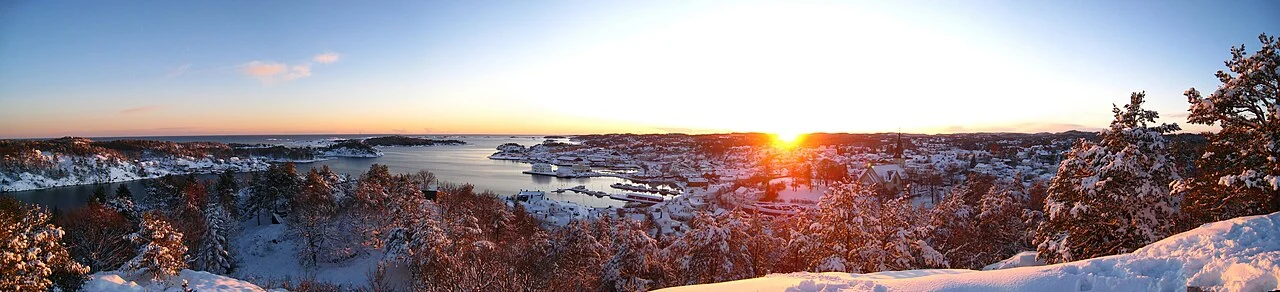
Grimstad is a good choice for a southern Norway stay built around small streets, literary history and unhurried coastal time. Its white wooden centre is compact, but the worthwhile experiences spread beyond the harbour to gardens, beaches and the countryside around Fjære. The appeal is a collection of modest places that work well together, rather than a single attraction that justifies racing through the town. Visitors who enjoy walking, museums and a slower lunch stop can make a rewarding short break here. Two days allow the centre and one wider outing. With three, add a boat trip, a longer cycle route or more time on the coast, depending on weather and seasonal availability. Do not assume every museum, excursion or summer event operates whenever the streets are accessible. This guide separates dependable outdoor places from experiences that need a booking or an opening-date check. The suggested itineraries are flexible routes for planning, not live schedules. Choose the parts that fit your interests instead of attempting all ten in the shortest possible visit.
Grimstad: quick answers
- Worth visiting?
- Yes, for literary history, wooden streets and the southern coast.
- Time needed
- One day for the centre; two or three for museums and coastal walks.
- Best time
- Summer for seasonal museums and waterfront activities.
- Cost level
- Moderate to high; central walks are free, museums and lodging add costs.
- Getting around
- Walk centrally; verify transport for the outlying coast.
- Top priorities
- Old town and harbour, Ibsen Museum, Maritime Museum.
How this list was selected: NorwayTop10’s editorial choices balance distinctive places, practical access and variety for a first visit. The order is a planning guide rather than a public vote. Outings beyond the destination are identified in their descriptions; ten entries do not mean ten stops in one day.
Compare the ten options
Times are editorial planning allowances, not operator schedules. Add travel and waiting time unless the row explicitly describes a whole outing. For guided experiences, use the confirmed booking duration. See each description for terrain and seasonal restrictions.
| Place or activity | Access to plan | Time to allow |
|---|---|---|
| The old town and harbour | Town centre on foot | 45–90 min |
| Ibsen Museum | Town centre on foot | 1–1½ hr |
| Maritime Museum | Town visit on foot | 1–1½ hr |
| Dømmesmoen gardens and landscape | Local transfer or walk | 1–2 hr |
| Groos recreation area | Local walk or transfer | 1–2 hr |
| Groosebekken heritage walk | Choose the start and return route | Allow a dedicated walking block |
| Fjære Church and the surrounding countryside | Road or dated bus connection | 45–60 min, plus travel |
| Fevik coast | Road or dated bus connection | Half-day |
| A Grimstad archipelago boat excursion | Confirmed quay and return | Use the booked sailing duration |
| A selected cycling route toward Raet | Bike route with a planned return | Half-day on a selected route |
1. The old town and harbour
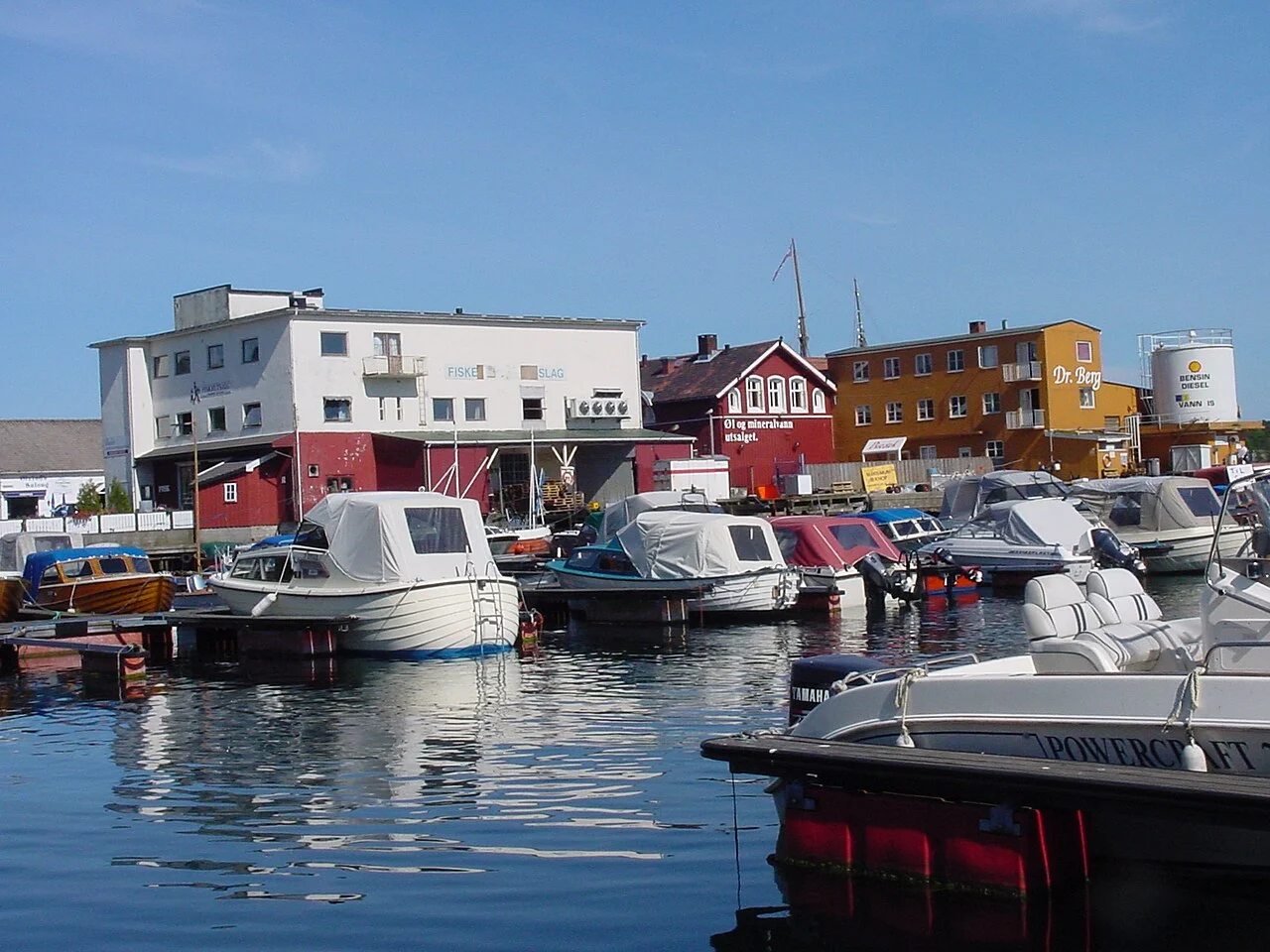
Grimstad’s compact centre is the best introduction to the town. Walk the small streets between the wooden houses, then come back to the harbour to understand how the settlement relates to the coast. The pleasure is in observing the scale and details, with time to stop rather than moving between a succession of fixed viewing points.
Begin here on arrival and use the walk to locate the museums, tourist information and any planned boat departure. It fits well around a meal or an uncertain weather window. A guided town walk can add stories when one is scheduled, but the street network is also suitable for a deliberate self-guided introduction.
The white houses remain homes and workplaces. Stay on public routes and avoid looking into private windows or moving into gardens for photographs. Shop and restaurant openings vary, particularly outside the busiest season. The centre should remain a pleasant walk even if a particular courtyard, bakery or shop is unavailable that day.
2. Ibsen Museum
Checked 26 November 2026: Admission requires a guided tour, and winter visits are arranged by advance booking. The museum’s published 2026 summer programme limited groups to 15 and offered designated English tours; confirm the new season’s dates and language before travelling. Official museum information.
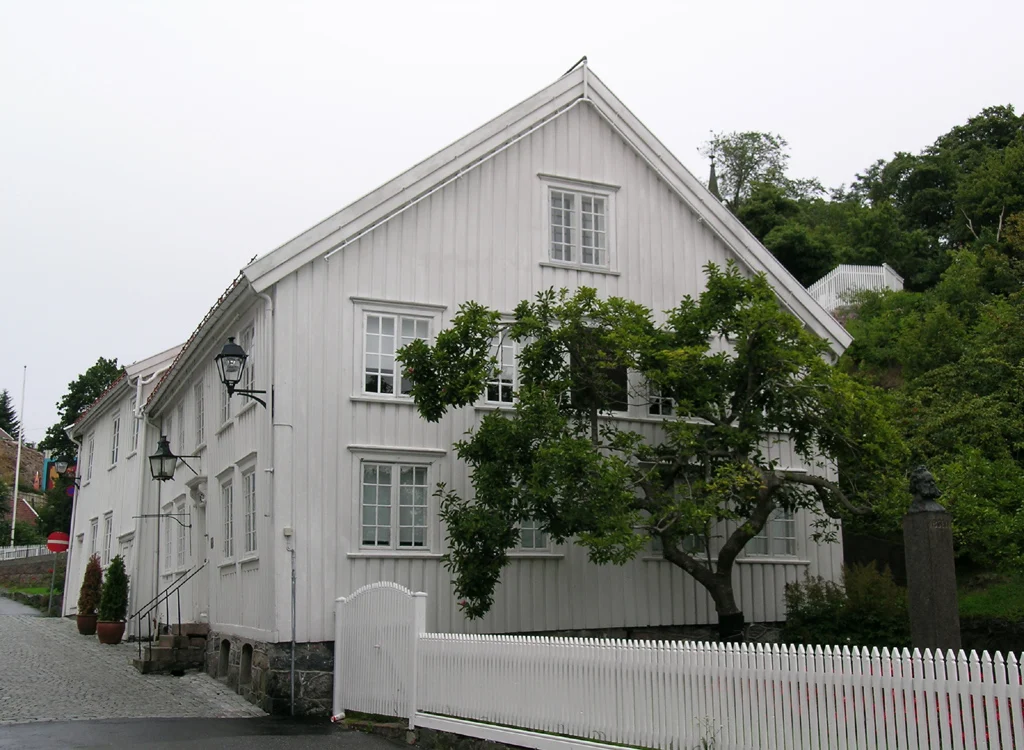
The Ibsen Museum gives Grimstad’s literary identity a specific place to explore. Henrik Ibsen came to the town as a young pharmacy apprentice, and the museum connects that period with his later significance as a writer. It suits visitors who want more than a street-side reference to the town’s association with literature.
Check the museum’s current opening and tour arrangements through Grimstad’s museums before planning your day around entry. Pair it with the old town walk so the streets and exhibits inform each other. Leave time to read the interpretation; a literary museum is more rewarding when it is not squeezed into the last few minutes before a boat departs.
Exhibition access, guided visits and special events are separate possibilities. Confirm the required guided tour’s language, time and availability. Do not assume the museum is open daily throughout the year. When it is closed, enjoy the centre and choose another confirmed activity rather than entering or searching for access through neighbouring properties.
3. Maritime Museum

Grimstad’s Maritime Museum adds the seafaring side of the town to a visit otherwise focused on wooden streets and writers. It helps explain why a small coastal community could have connections far beyond its harbour. This is a useful complement to a boat trip, especially for travellers interested in how maritime work shaped daily life.
Look up the current exhibitions and location details before choosing your museum combination. Two museums in one day can be worthwhile for an enthusiast, but many visitors will prefer one substantial indoor visit followed by a walk. Select by interest rather than assuming that every museum listed for Grimstad is interchangeable.
Museum calendars are often narrower than public access to the waterfront. Check the exact date and any event-specific arrangements with the operator. Visitors with mobility needs should ask about the complete route and exhibition access. A maritime theme does not mean the visit includes a sailing or a chance to board a working vessel.
4. Dømmesmoen gardens and landscape
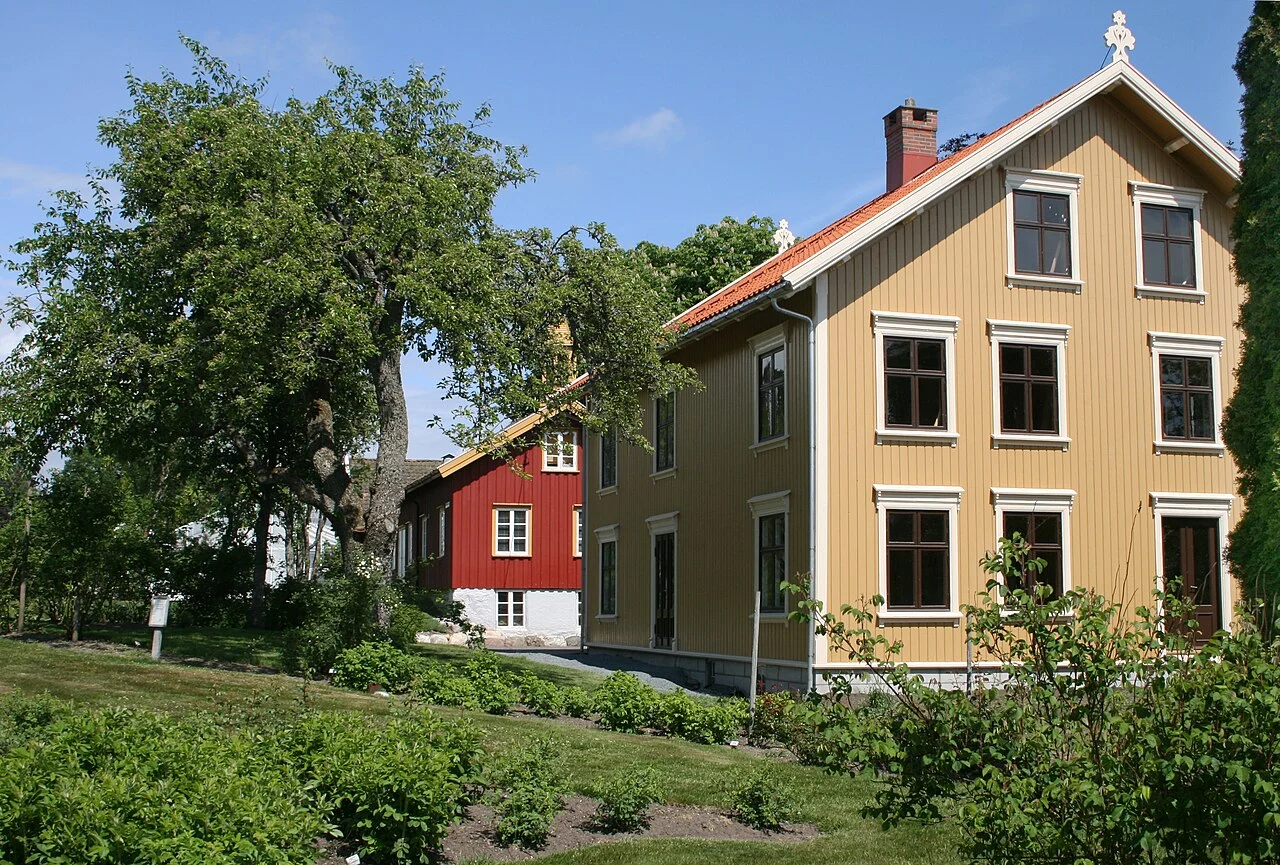
Dømmesmoen offers a greener setting inland from the harbour. Gardens, trees and paths provide a different rhythm from central sightseeing, and the area has a connection with horticultural history. It is a useful choice when you want a relaxed outdoor excursion without making the whole day revolve around a beach or a boat departure.
Choose between a modest garden-and-path visit and a longer walking route before setting out. Check current information for the Norwegian Horticultural Museum if its indoor displays are part of your plan; garden access and museum opening are not the same thing. Bring footwear suitable for paths as well as town pavements.
The appearance of a planted landscape changes with the season. Spring growth, summer planting and autumn foliage are different experiences, while winter conditions can limit comfortable walking. Avoid promising particular flowers for an unconfirmed date. Stay on permitted paths and respect any work areas or restrictions associated with maintaining the grounds.
5. Groos recreation area
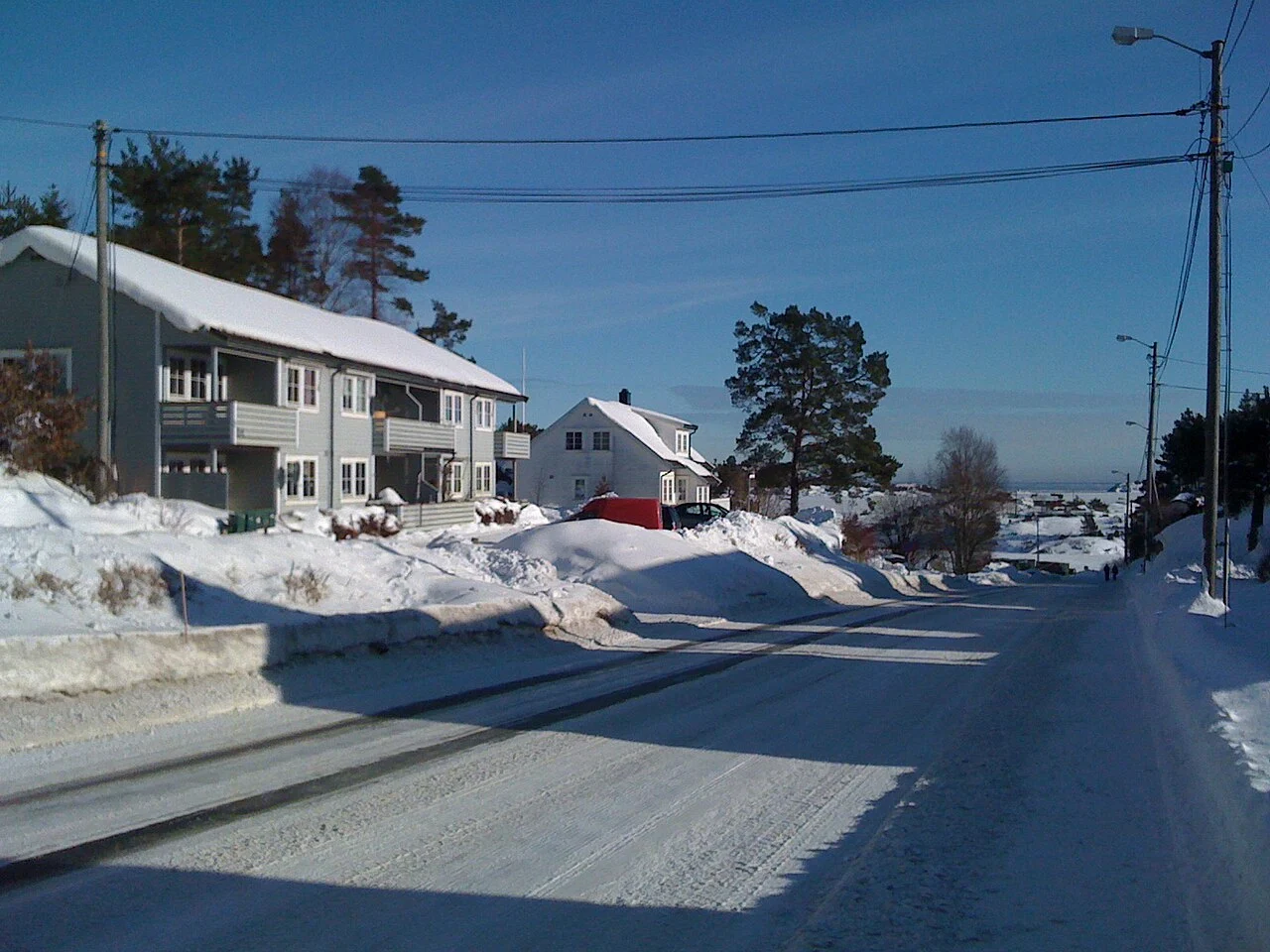
Groos is a useful place to give a Grimstad visit a proper coastal pause. Its recreation setting works for a picnic, a short walk or suitable-weather beach time without requiring an ambitious excursion. It complements the town rather than replacing it, particularly for visitors who prefer being outdoors to visiting several museums.
Check the route from your accommodation and decide whether to walk, cycle or use another form of transport. Pack what you need rather than assuming food and facilities will be available at all times. In good weather, allow enough time to sit and enjoy the shore instead of treating it only as a quick photograph stop.
Swimming is optional and depends on temperature, wind and local conditions. A generally sheltered setting is not a guarantee of safe water for every visitor. Supervise children, follow posted notices and keep away from boat movements. On a cool or windy day, a coastal walk may be the better version of the same outing.
6. Groosebekken heritage walk
Verified planning detail: Visit Southern Norway describes the Dømmesmoen–Groos heritage trail as 4 km. This is a point-to-point route, so plan the return or onward connection as well as the walk. Official visitor information.
The Groosebekken route links inland and coastal environments and offers a way to experience more than the immediate town centre. The route is associated with the stream corridor between the Dømmesmoen area and Groos. It can bring variety to a walking-focused day, with the journey itself taking priority over arriving at one famous attraction.
Consult the local route map and choose an appropriate start, end and return arrangement. A roughly four-kilometre corridor does not automatically make a short circular outing from your accommodation. Allow additional distance for approaches, breaks and any return walk. A one-way route is most comfortable when the final transport is arranged in advance.
Wet ground, seasonal maintenance and your group’s pace can affect the experience. Follow the signed or mapped public route rather than shortcuts through private land. Carry water and a layer even for an outing close to town. If the ground conditions are poor, choose a shorter garden visit and return to the centre instead.
7. Fjære Church and the surrounding countryside
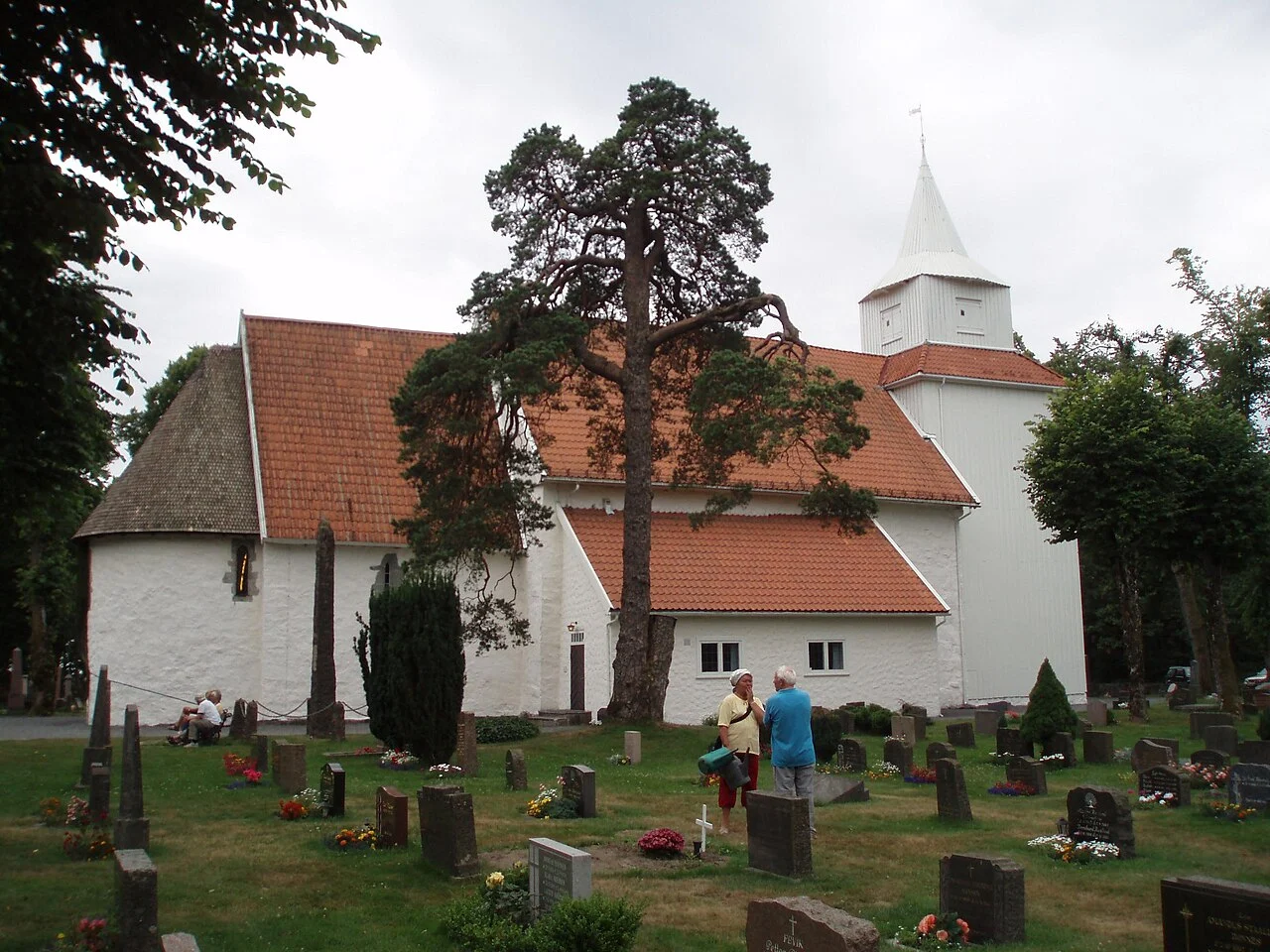
Fjære Church gives a wider Grimstad itinerary a different historical setting from the harbour and literary museums. The stone church belongs to the rural landscape outside the centre and works best as part of a carefully chosen excursion. Seeing the grounds and exterior is distinct from a confirmed interior visit.
Combine the church area with Dømmesmoen or a suitable cycle route rather than making multiple trips inland on the same day. Check parish or visitor information if entry matters to you. Leave room for a quiet stop and interpretive material instead of assuming a building on a route can be appreciated from a moving car.
This is a working religious site. Services and private ceremonies take priority, and interior access can be limited. Respect the churchyard and keep to public paths. If cycling, plan where to leave the bicycle without blocking entrances; if driving, use designated parking rather than stopping on a narrow roadside for a photograph.
8. Fevik coast
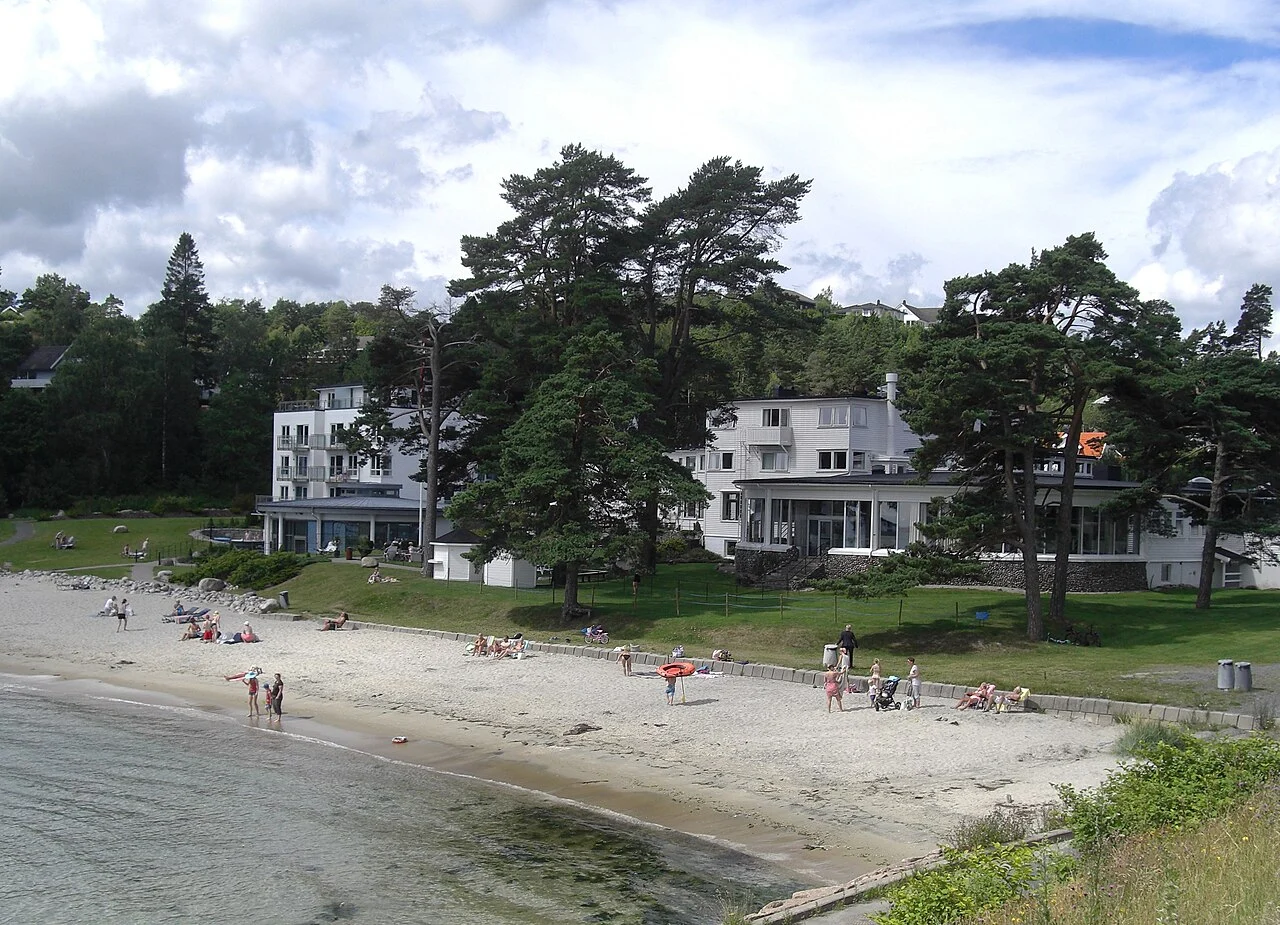
Fevik gives the wider Grimstad area an additional beach-and-coast option, with a setting different from the small streets of the centre. It is worth considering for visitors who have already enjoyed the harbour and want a longer coastal pause. Treat it as an excursion with its own travel time rather than a central sight just around the corner.
Choose a specific public coastal place and confirm the approach before you leave. The name Fevik covers a wider area than one attraction. A beach visit can be combined with a meal if a suitable venue is open, but book or check directly if that meal is important to the day’s plan.
The Raet coastal landscape has protected natural qualities. Follow local signs, avoid disturbing birds and do not remove beach material. Wind, water temperature and ground conditions still matter on a fine-looking day. Visitors who do not swim can enjoy the coast through a modest walk, with no need to turn the outing into a water activity.
9. A Grimstad archipelago boat excursion
A planned boat trip can reveal the low islands and channels that make the coastline around Grimstad distinctive. It gives a different perspective from looking outward from the harbour and can be a main event for visitors interested in coastal life. Choose a named, currently offered excursion with clear boarding and return arrangements.
Check the operator, date, route and duration before reserving other activities around it. Some departures are seasonal or require advance booking. Allow time before boarding and keep warm clothing accessible even when the town is sunny. A sheltered harbour does not describe every part of the route beyond it.
Do not treat an organised passenger trip, boat rental and independent kayaking as equivalent options. They require different skills, preparation and responsibility. If conditions are unsuitable or the service does not run during your stay, a museum and coastal walk make a useful alternative without gambling on an unverified means of reaching an island.
10. A selected cycling route toward Raet

Cycling can connect Grimstad’s town, rural landscape and coastal places in a way that a succession of short drives does not. Official local route material includes suggestions toward the Raet landscape and Hasseltangen. The sensible choice is a route suited to your ability, rather than a claim that every road between listed attractions is equally pleasant to ride.
Obtain the current route information, check bicycle availability and look at both distance and climbing before setting out. Leave time for the stops that interest you, such as Dømmesmoen, the church area or a coastal pause. A shorter loop ridden comfortably is often more enjoyable than a larger itinerary completed against the clock.
Expect to assess traffic, surface and weather rather than assuming a fully separated cycleway. Wear appropriate safety equipment and respect pedestrians on shared paths. Bicycle hire and repair arrangements need checking for your dates. Keep a fallback plan for strong wind or persistent rain instead of depending on cycling as the only way to reach a booked attraction.
Realistic Grimstad itineraries
One day: old town, literature and the harbour
Begin with the centre and harbour, then visit the Ibsen Museum if it is open for your date. Give the museum enough time and keep lunch unhurried. Spend the afternoon at Groos or take a shorter local walk according to weather and energy. Visitors more interested in ships than literature can choose the Maritime Museum instead. A boat excursion should replace the main museum-and-coast block, not be added on top of every stop.
Two days: add gardens and the inland landscape
Keep day one for the central route. On day two, visit Dømmesmoen and choose either part of the Groosebekken walk or an excursion toward Fjære Church. Settle your return arrangement before beginning a one-way route. If rain arrives, make a second museum the main event and reduce outdoor ambitions. The plan works better when you choose one connected outing than when you attempt to travel back and forth between the harbour, church and several beaches.
Three days: a coastal choice
Use the third day for one substantial boat or cycling outing, or a slower visit to Fevik. Confirm availability and conditions first. Those who enjoy museums can instead explore the maritime and horticultural themes more deeply, keeping time for the centre between them. Do not feel obliged to fill a whole extra day with distant sights: a longer stay is also an opportunity to walk without luggage and enjoy a favourite coastal place in better weather.
Practical travel tips
- Base yourself centrally for a walking-led short stay, but check the distance to the actual attraction entrances rather than relying on a broad town label.
- Look up each museum’s calendar separately. Membership of the same museum organisation does not mean every location has identical opening hours or visitor arrangements.
- For the Groosebekken corridor, include the journey to its start and back from its finish. A published route distance may describe only one section of your day.
- Keep boat plans flexible until an operator confirms the departure. Have an enjoyable land-based alternative so a cancellation does not waste the whole day.
- Choose cycling from a current local route map, not from a straight line joining attractions. Traffic and terrain are practical parts of the experience.
- Protect the slower pace that makes Grimstad appealing. A museum, a walk and a good meal are enough for a satisfying day; more stops are not automatically more valuable.
Frequently asked questions
What is Grimstad best known for?
Its wooden town centre, coastal setting and literary connections are central to its appeal. For a first visit, combine the harbour streets with a museum or an outdoor outing instead of choosing only one theme.
Is one day enough for Grimstad?
One day can cover the centre and one main experience, such as the Ibsen Museum or a suitable boat excursion. Two days allow gardens or coast without rushing. Longer stays are useful if cycling and island trips are priorities.
Do you need a car?
Not for the central introduction. A car or carefully checked public transport can help with Fevik and rural places, while cycling is another option for suitable visitors. Do not assume every outlying site has a convenient return service at your preferred time.
Can you combine Dømmesmoen and Groos on foot?
The Groosebekken route provides a mapped connection through the area, but plan approaches and your return as well as the route itself. Check current local information and conditions. A one-way walk is different from a complete circular outing from your hotel.
Are boat trips available all year?
Availability depends on the operator and the particular trip. Check the exact date rather than assuming a summer activity is permanent. A land-based itinerary should remain possible if no suitable departure is running or the weather prevents sailing.
What is a good rainy-day plan?
Choose one of Grimstad’s museum themes, subject to confirmed opening, and combine it with a short central walk when conditions ease. Literary and maritime visits suit different interests. Check exhibitions before deciding, rather than assuming every museum is simply a generic indoor replacement.
Continue exploring Norway
Pair Grimstad with Arendal’s Pollen harbour and Tyholmen on a longer southern Norway trip. Give each town a separate walking block and check museum opening days.
Sources and current travel checks
Official tourism, museum and operator information informed this guide. Opening calendars, access, fares and transport can change; follow these sources for your travel dates. Suggested visit lengths and itineraries are editorial planning allowances.
Choose a Southern Norway overnight base
If your next day focuses on Arendal’s harbour or Tromøy, compare hotels in Arendal; for a separate city and coastal day to the west, use Kristiansand hotels. Avoid driving back and forth each evening. For an overnight experience in its own right, compare floating cabins and houseboats and confirm the actual location and access.