10 Best Things to Do in Geirangerfjord: Plan Your Visit
The best things to do in Geirangerfjord are not interchangeable views of the same water. A boat reveals waterfalls and abandoned farms, a roadside platform shows the scale of the valley, and a river walk brings the landscape close enough to hear. Choose one experience from each category before adding anything else. Distances look short on a map, but winding roads, ferries, cruise traffic and weather determine how much you can comfortably do. Staying overnight creates useful flexibility without guaranteeing perfect visibility.
A practical Geirangerfjord travel guide distinguishing village sights, mountain viewpoints and demanding hikes, with realistic itineraries and seasonal road advice.
Geirangerfjord: quick answers
- Worth visiting?
- Yes, for a concentrated introduction to western Norway’s fjord landscape.
- Time needed
- Two nights is useful; one full day covers a cruise and a lower viewpoint.
- Best time
- Late spring–early autumn for broad choice; high roads are seasonal.
- Cost level
- High for boats and accommodation; several walks and viewpoints are free.
- Getting around
- Boat on the fjord; car or booked excursion for many road viewpoints.
- Top priorities
- Fjord cruise, Flydalsjuvet or Ørnesvingen, Waterfall Walk.
How this list was selected: This editorial ranking favours experiences revealing different aspects of the fjord, while considering access and time. It is not a claim that all ten fit one day. Road status, visibility and walking conditions should change your practical priorities, particularly for high viewpoints and exposed hiking.
In this guide
- Take a sightseeing cruise on Geirangerfjord
- Look over the village from Flydalsjuvet
- Stop at Ørnesvingen on the Eagle Road
- Reach Dalsnibba when road and sky allow
- Follow the Waterfall Walk beside Storfossen
- Understand the landscape at Norsk Fjordsenter
- Hike to Storseterfossen in safe conditions
- Visit Skageflå with a deliberate hiking plan
- Use Hellesylt as a stop, not only a ferry terminal
- Slow down in Geiranger village or kayak the fjord
Best things to do in Geirangerfjord: the Top 10
Bookings through Viator may earn us a commission.
1. Take a sightseeing cruise on Geirangerfjord
Book here with Viator → Geiranger Fjord Sightseeing Cruise – 75 min
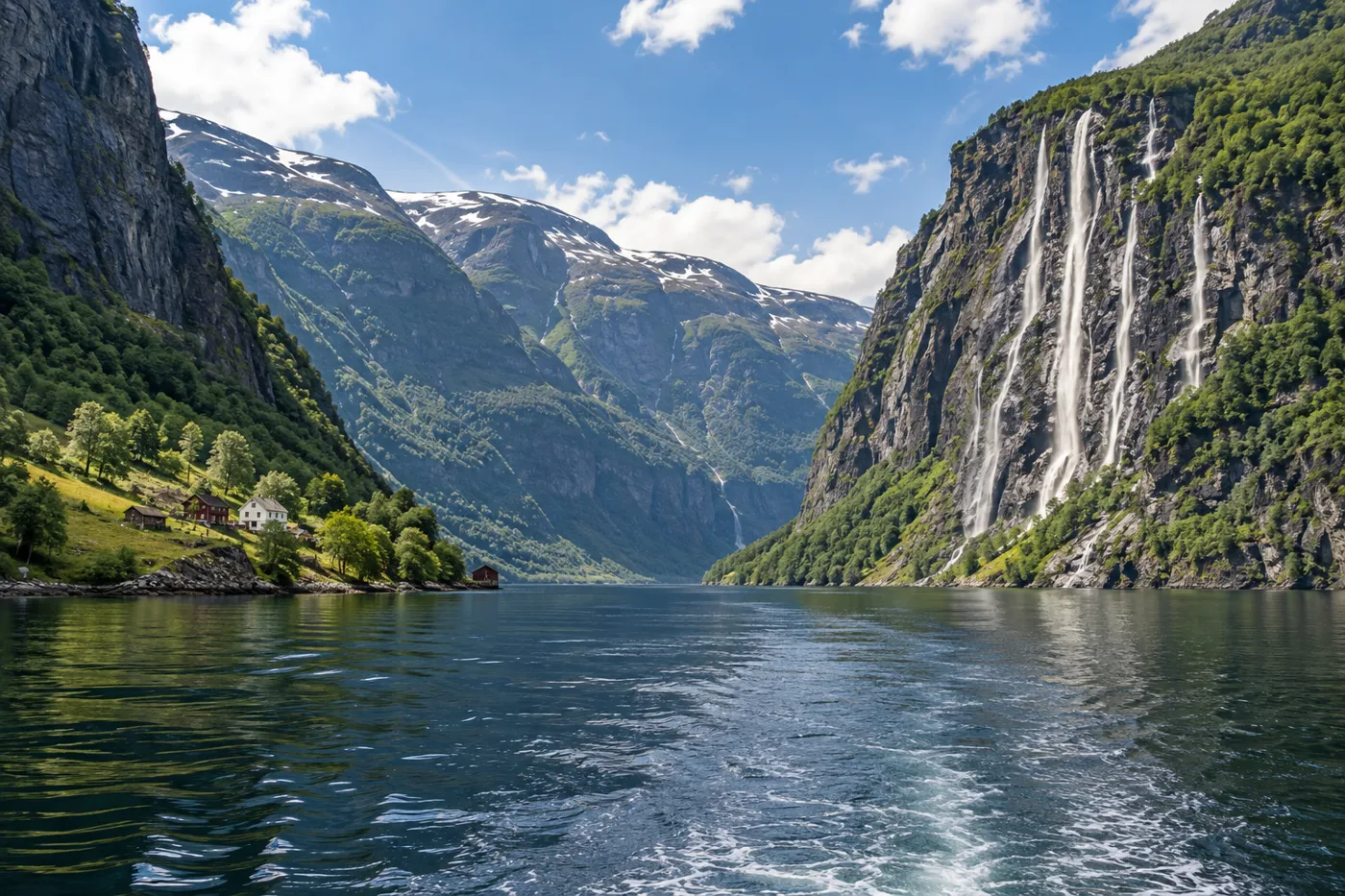
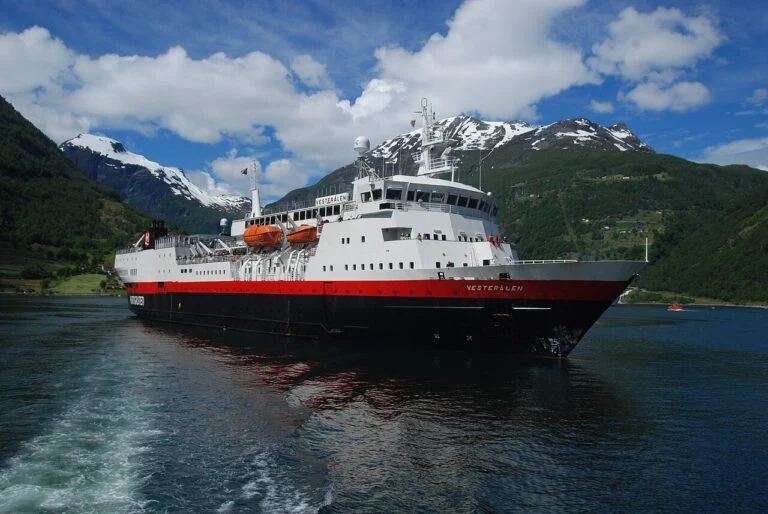
Seeing Geirangerfjord from the water explains the relationship between steep slopes, waterfalls and small farm sites. The settlement at the head of the fjord is only one part of this landscape. A cruise follows the water corridor and provides a perspective roadside viewpoints cannot reproduce, particularly when you want to understand how people reached places without a practical road connection.
Choose a sightseeing cruise, transport ferry or RIB according to the experience you want. These are different products, with different boarding points, comfort and commentary. Waterfall flow changes with snowmelt and rain, so no operator can guarantee a particular photographic appearance. Carry waterproof layers for an outside deck and secure loose belongings. Consider whether a fast exposed boat suits everyone in your party.
Allow the advertised sailing duration plus boarding time and a generous margin before another activity. Book popular summer departures ahead, checking whether the ticket is one way or return. Fares and schedules vary by date. If continuing to Hellesylt, coordinate luggage and land transport rather than assuming a sightseeing ticket carries your vehicle. A cancelled or missed connection needs a workable alternative.
Best for: understanding the fjord. Confirm your return or onward journey.
2. Look over the village from Flydalsjuvet
Book here with Viator → Sightseeing tour including Flydalsjuvet and Eagle Road
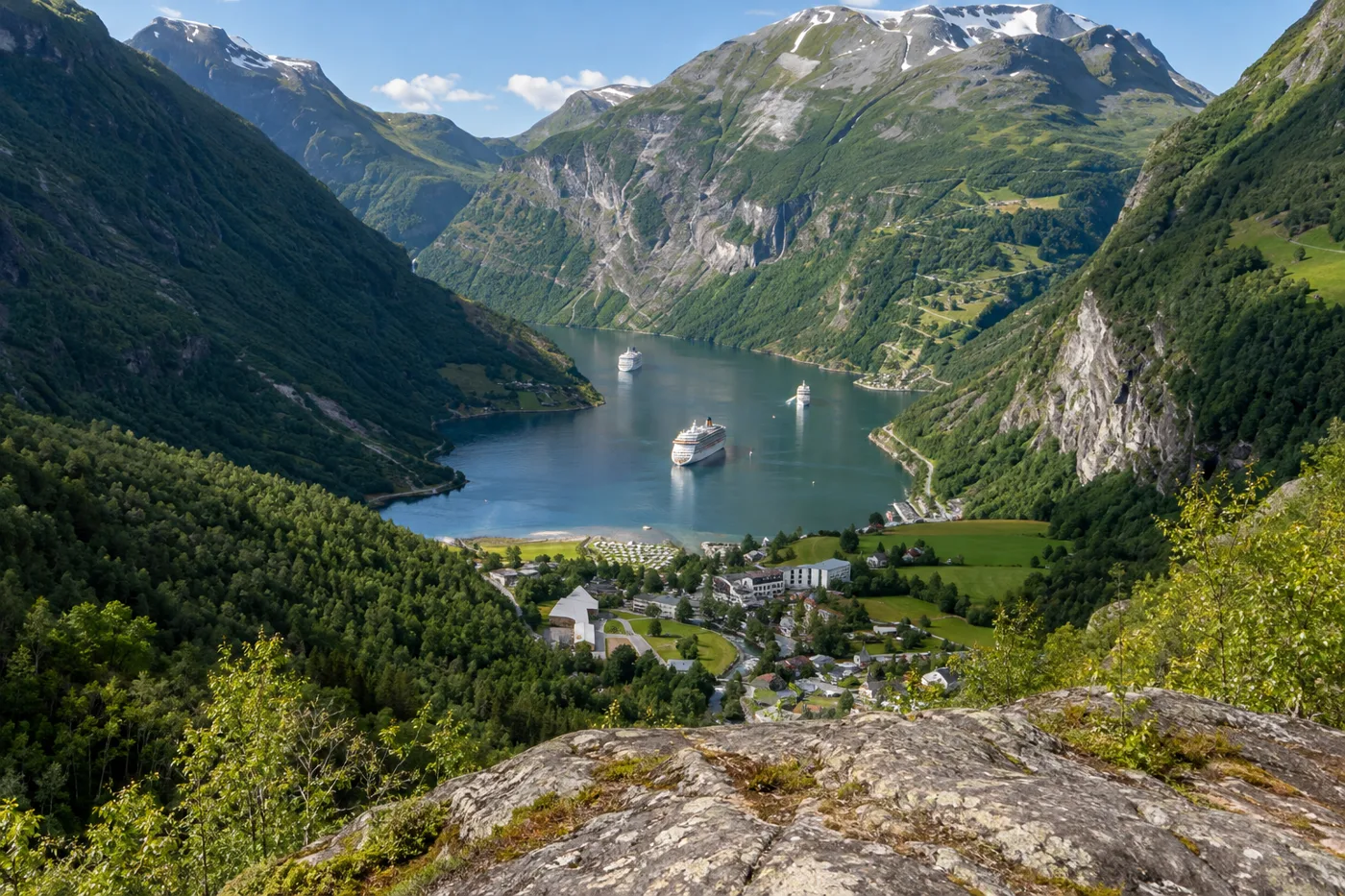
Flydalsjuvet is one of the clearest places to understand the village at the head of the fjord. The official tourism listing places it about four kilometres from central Geiranger on the road towards Grotli. That short map distance includes a significant climb, so it should not automatically be treated as an easy roadside walk from the harbour.
Use the designated viewing areas and compare the small village below with the long water corridor beyond. The developed viewpoints are sufficient; copying photographs taken on exposed rocks adds risk without improving your understanding. Cruise ships can dominate the lower view on some days, while cloud may obscure the opposite slopes. Both are reasons to manage expectations rather than step beyond safe access.
Allow approximately 20–40 minutes at the viewpoint, plus travel and parking. Viewing is ordinarily free, while guided transport costs separately. Check road conditions and parking instructions, especially outside summer. Pair the stop with Dalsnibba only when the higher road is open and visibility justifies continuing. Otherwise return for the river walk or visitor centre rather than extending the drive unnecessarily.
Best for: a road-accessible overview. Remain within safe designated areas.
3. Stop at Ørnesvingen on the Eagle Road
Book here with Viator → Scenic coach excursion including Eagle Road
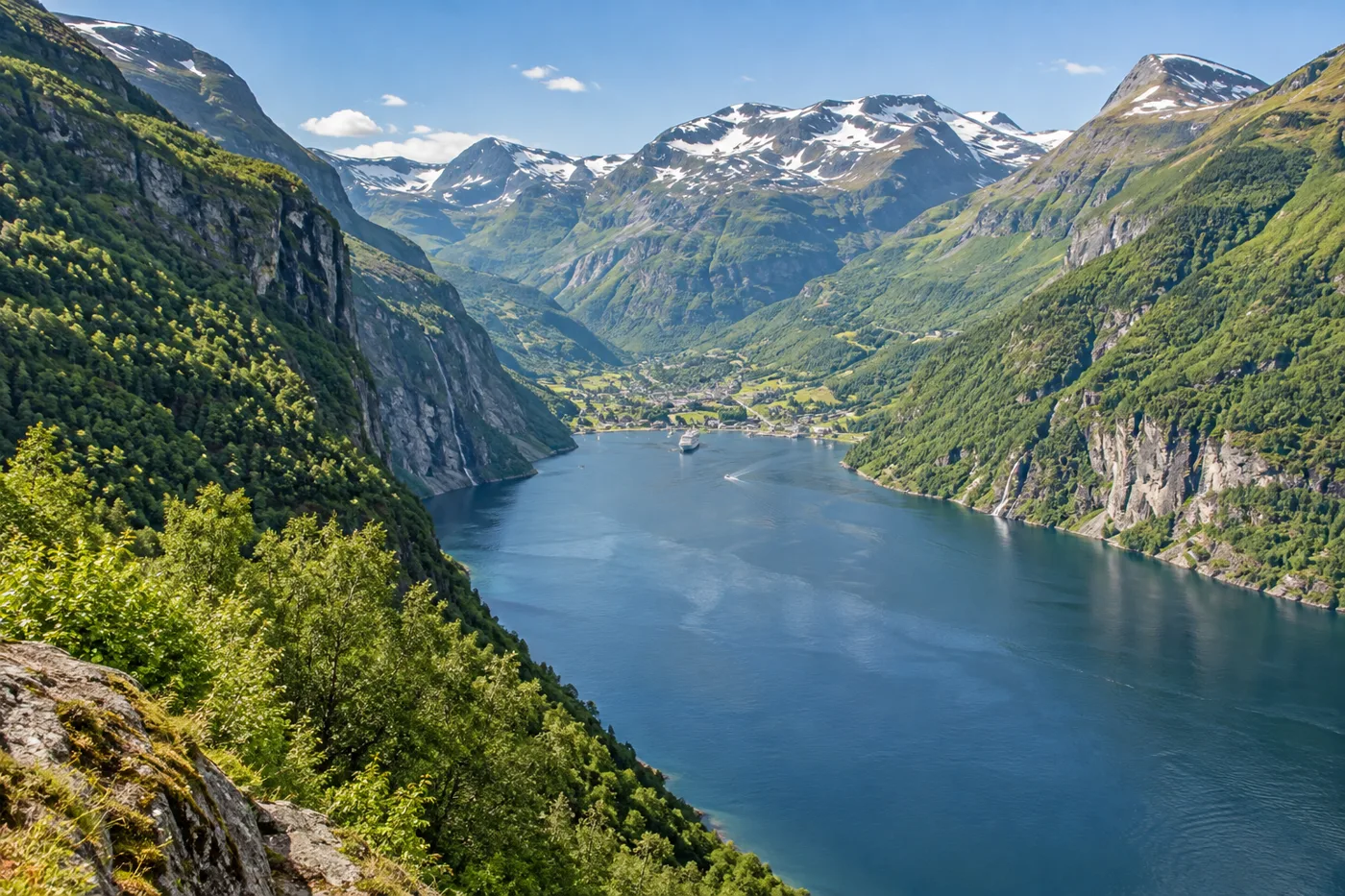
Ørnesvingen looks along the fjord from the road north of Geiranger. Its value differs from Flydalsjuvet: rather than concentrating on the village at the head of the water, the view emphasises the fjord extending between mountain sides. It is also a logical stop when arriving from or leaving towards Eidsdal, avoiding a separate return drive from the village.
Use the constructed viewing space and avoid stopping elsewhere on hairpins for photographs. Vehicles need room to turn and pass, and coaches make the road busy in peak season. A short stop may be enough when the sky is clear. If cloud is low, the engineering and scale of the road can still be interesting, but the distant panorama is not guaranteed.
Plan 15–30 minutes at the viewing area, allowing extra time for traffic. There is no normal viewpoint admission ticket. The Eagle Road is the usual year-round northern approach, which does not promise interruption-free winter travel. Check Statens vegvesen for conditions and coordinate any Eidsdal–Linge ferry independently. Do not let a viewpoint stop make you late for a fixed sailing or booked excursion.
Best for: a stop along your route. Never block a traffic lane.
4. Reach Dalsnibba when road and sky allow
Book here with Viator → Geiranger Skywalk – Dalsnibba, Europe’s highest fjordview 1500 m
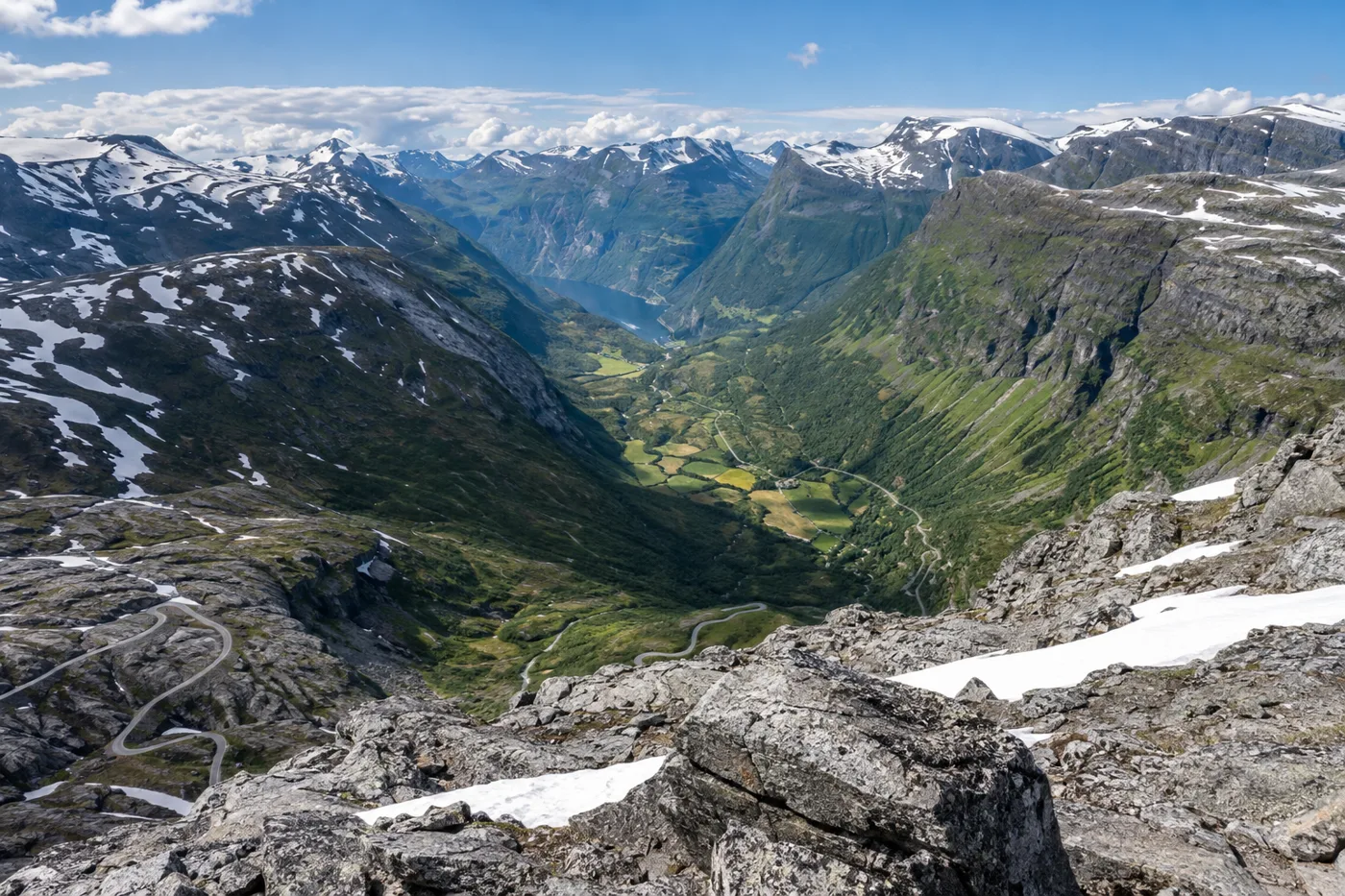
Dalsnibba is a high mountain viewpoint in a very different environment from the fjord village. Its attraction is the vertical relationship between distant water and surrounding peaks. Because the access road is seasonal and visibility matters, it should be a conditional addition rather than the fixed centrepiece of every Geiranger itinerary. A clear village does not guarantee a clear summit.
Check live conditions before setting out and carry a warm windproof layer. Temperatures and wind exposure can differ greatly from the harbour. Use the official viewing facilities and respect any closure instructions. In thick cloud, paying for a high viewpoint may provide less value than a lower walk or museum. A driver also needs to concentrate on the road rather than watching scenery.
Access via the Nibbevegen mountain road is paid; confirm current admission, vehicle rules and opening with the operator. Allow a substantial excursion, roughly 2–3 hours from Geiranger including a stop, rather than treating it as a brief detour. The southern mountain approach is also seasonal. A route planner displaying a road is not evidence that it is open on your travel date.
Best for: clear-weather mountain scale. Verify opening on the day.
5. Follow the Waterfall Walk beside Storfossen
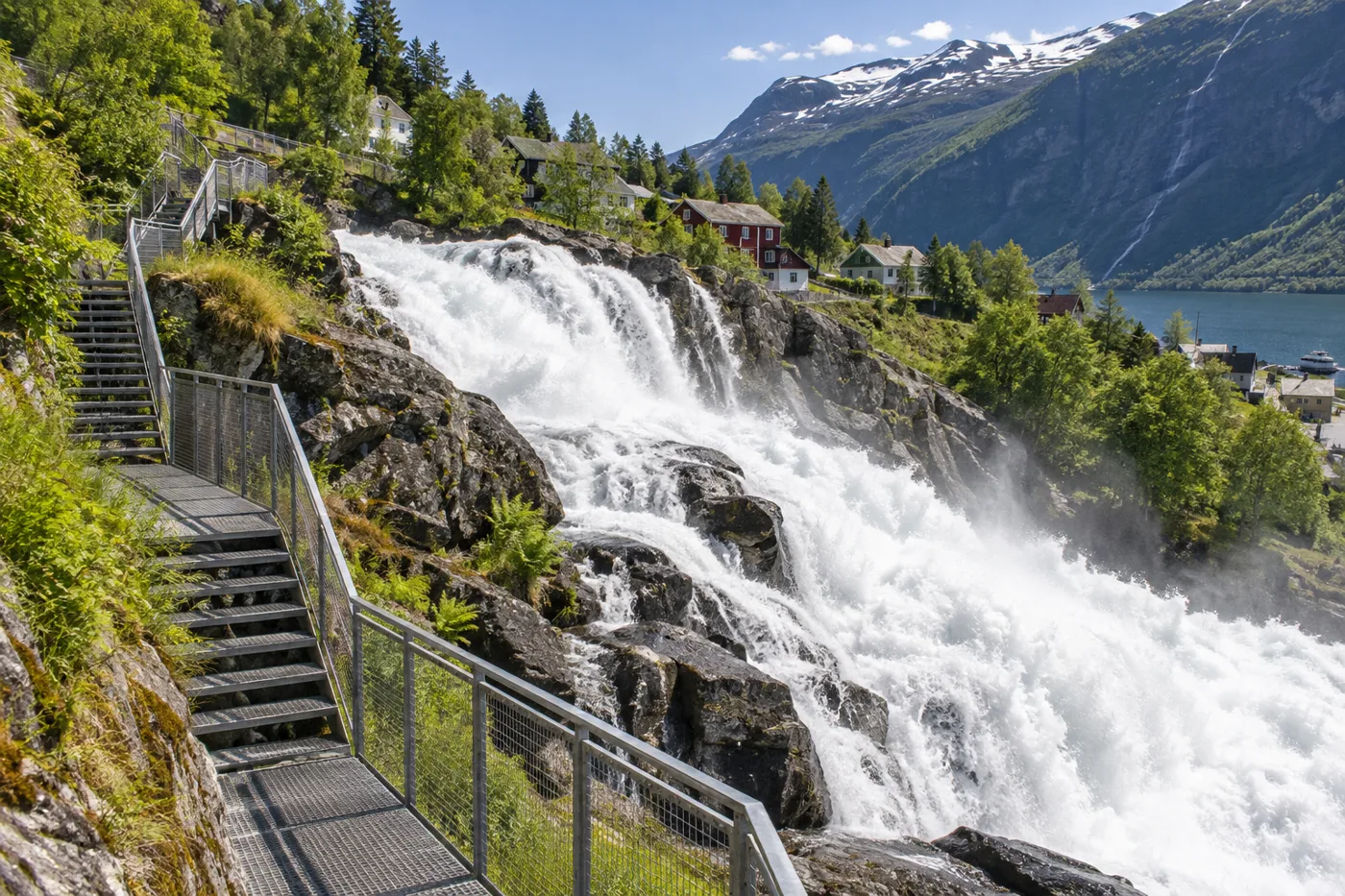
The Waterfall Walk connects the village with the area around the Norwegian Fjord Centre. It offers immediate contact with moving water without booking a boat or driving a mountain road. Steps and viewing platforms follow the river, making it particularly useful for a short stay based in Geiranger. This is distinct from the longer hike to Storseterfossen above the village.
Pause at platforms rather than treating the ascent as a staircase workout. Spray, sound and changing angles make the river feel different from the distant waterfalls seen from a boat. Official information describes 327 steps, so the route is not a step-free shortcut. Anyone with mobility limitations should arrange another approach to the centre and check the specific access they require.
Allow about 45–90 minutes depending on stops and whether you return the same way. The outdoor route has no ordinary admission charge; the visitor centre is a separate visit. Wet steps can be slippery and winter conditions may require another plan. Pair the walk with the centre when open, then return downhill before dinner rather than starting an unfamiliar route close to darkness.
Best for: a car-free village activity. Wear shoes with dependable grip.
6. Understand the landscape at Norsk Fjordsenter
Book here with Viator → Hop-on hop-off sightseeing bus including Fjordsenter stop
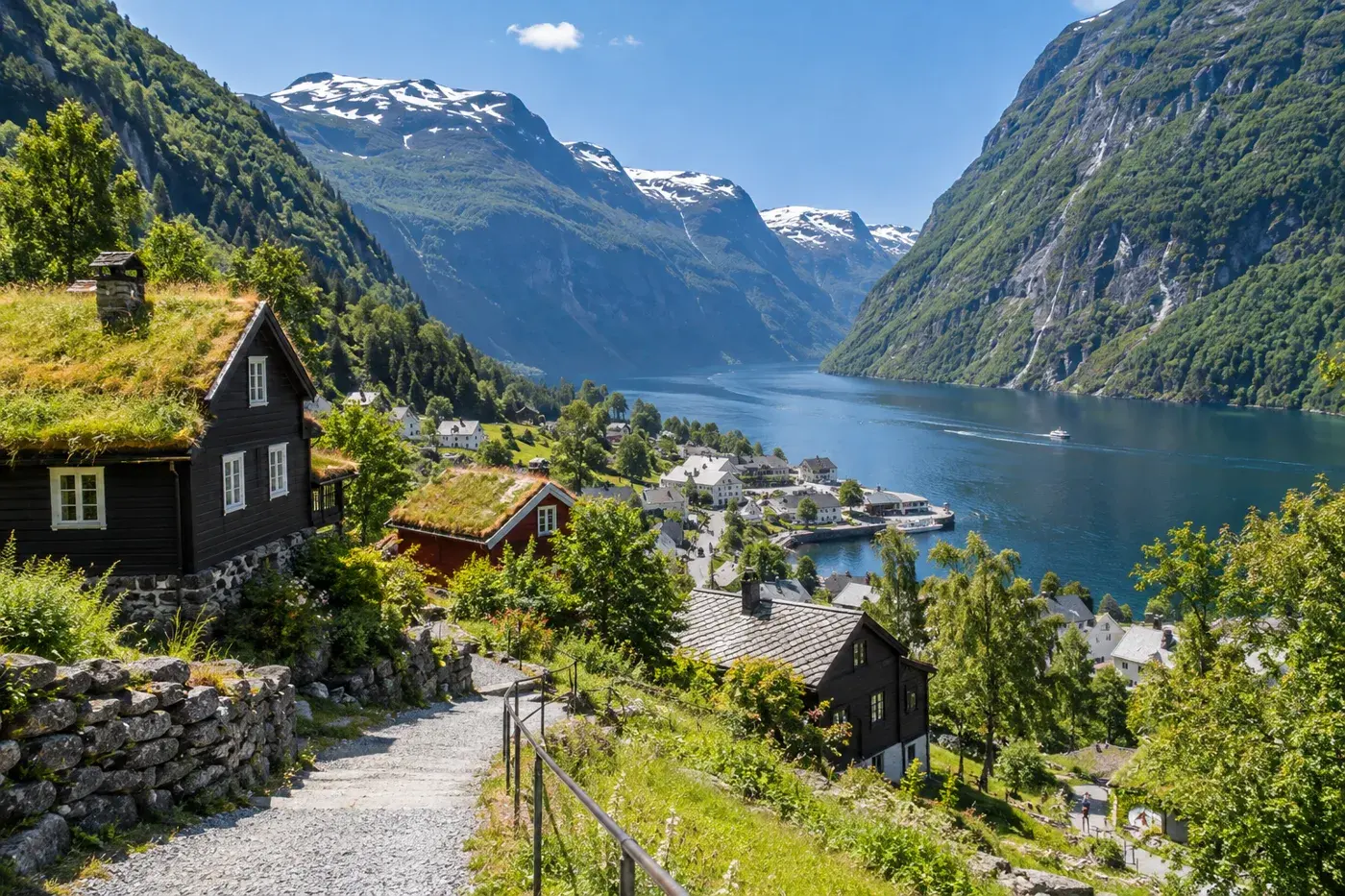
Norsk Fjordsenter is the local World Heritage visitor centre. It provides a framework for what you see outside: the fjord is a place of settlement, farming and demanding transport, as well as a natural landscape. A visit adds meaning to tiny farms seen from a cruise and to the roads that make present-day travel comparatively straightforward.
Look for the human scale behind the large scenery. Interpretation helps explain why isolated farms mattered and why maintaining cultural landscapes involves practical decisions. Families may appreciate a focused introduction before undertaking a long outdoor activity. Staff can also advise on local conditions, a more useful approach than relying entirely on an old walking description or a photograph taken in another season.
Allow roughly 1–1½ hours, more if attending a programme. Check the current opening calendar, admission and guided activities directly. The centre is above the harbour; the Waterfall Walk provides a scenic approach with many steps, while road access is another option. Do not assume a café, guide or every exhibition operates throughout all general opening hours. Plan the return as carefully as the ascent.
Best for: context and weather flexibility. Ask about local walking conditions.
The sightseeing bus can help visitors connect the Fjord Centre and other stops; check whether museum admission is separate.
7. Hike to Storseterfossen in safe conditions
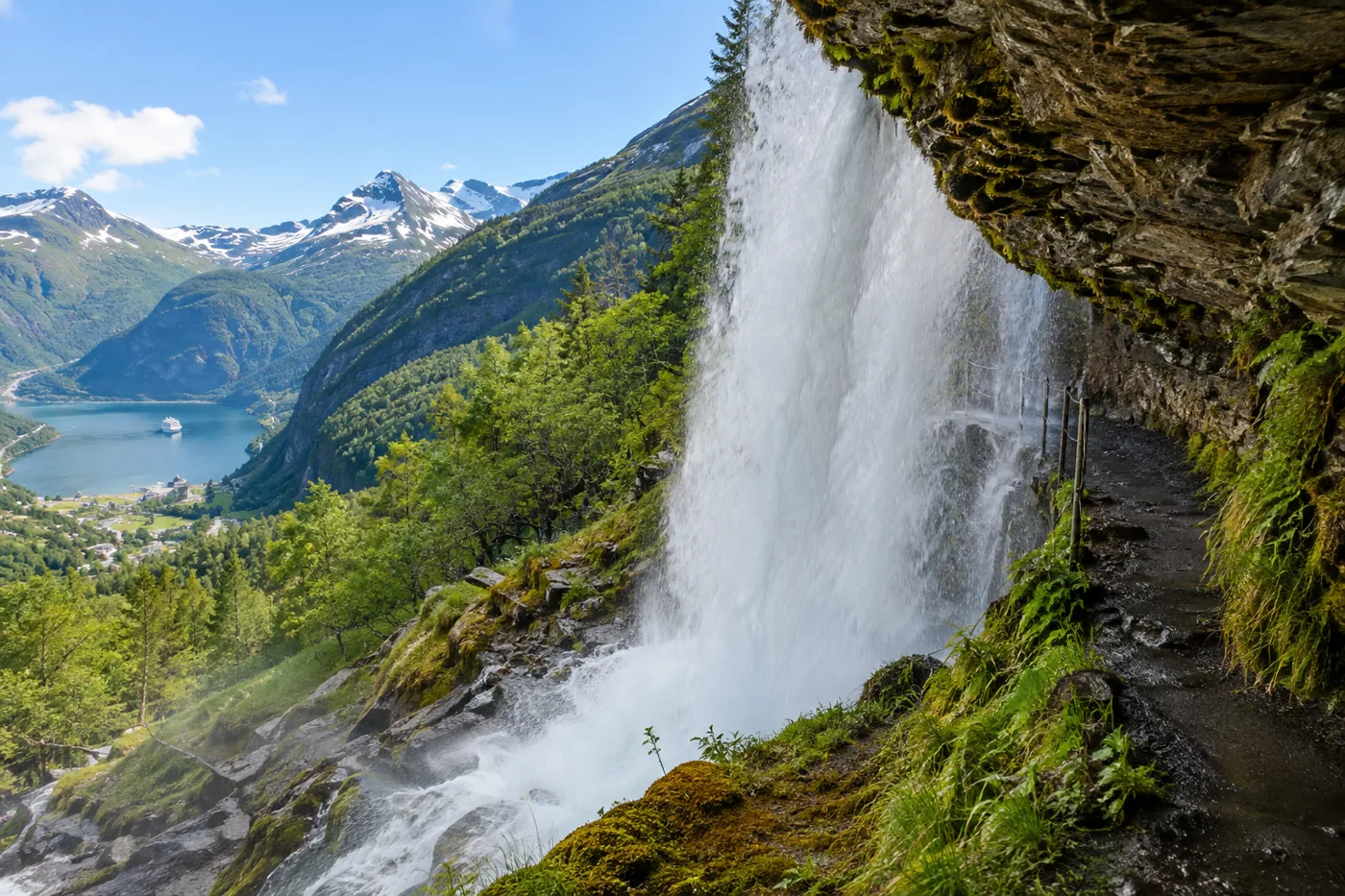
Storseterfossen is known for a path passing behind the falling water. It offers an active outing above the village, unlike the shorter developed river walk below. The distinction matters: this is a hike with uneven surfaces and elevation gain. Suitable footwear and enough return time are essential, even though the destination often appears in casual sightseeing lists.
The official tourism description allows about an hour from Vesterås Farm to the waterfall, but total duration depends on where you begin. Use marked routes and follow barriers or closure notices. Spray makes surfaces wet, and a photograph is never a reason to step beyond safe access. Carry drinking water and a layer, leaving enough energy for the descent as well as the climb.
Allow at least 2–3 hours from the upper starting area, longer from the village or at a slower pace. Independent hiking does not ordinarily require an admission ticket; transport, guiding or parking arrangements can cost extra. Ask locally about recommended access and parking. Avoid the outing in unsafe ice, severe weather or inadequate daylight, choosing the lower Waterfall Walk only if that route is also safe.
Best for: suitably equipped walkers. Confirm your route and turnaround time.
8. Visit Skageflå with a deliberate hiking plan
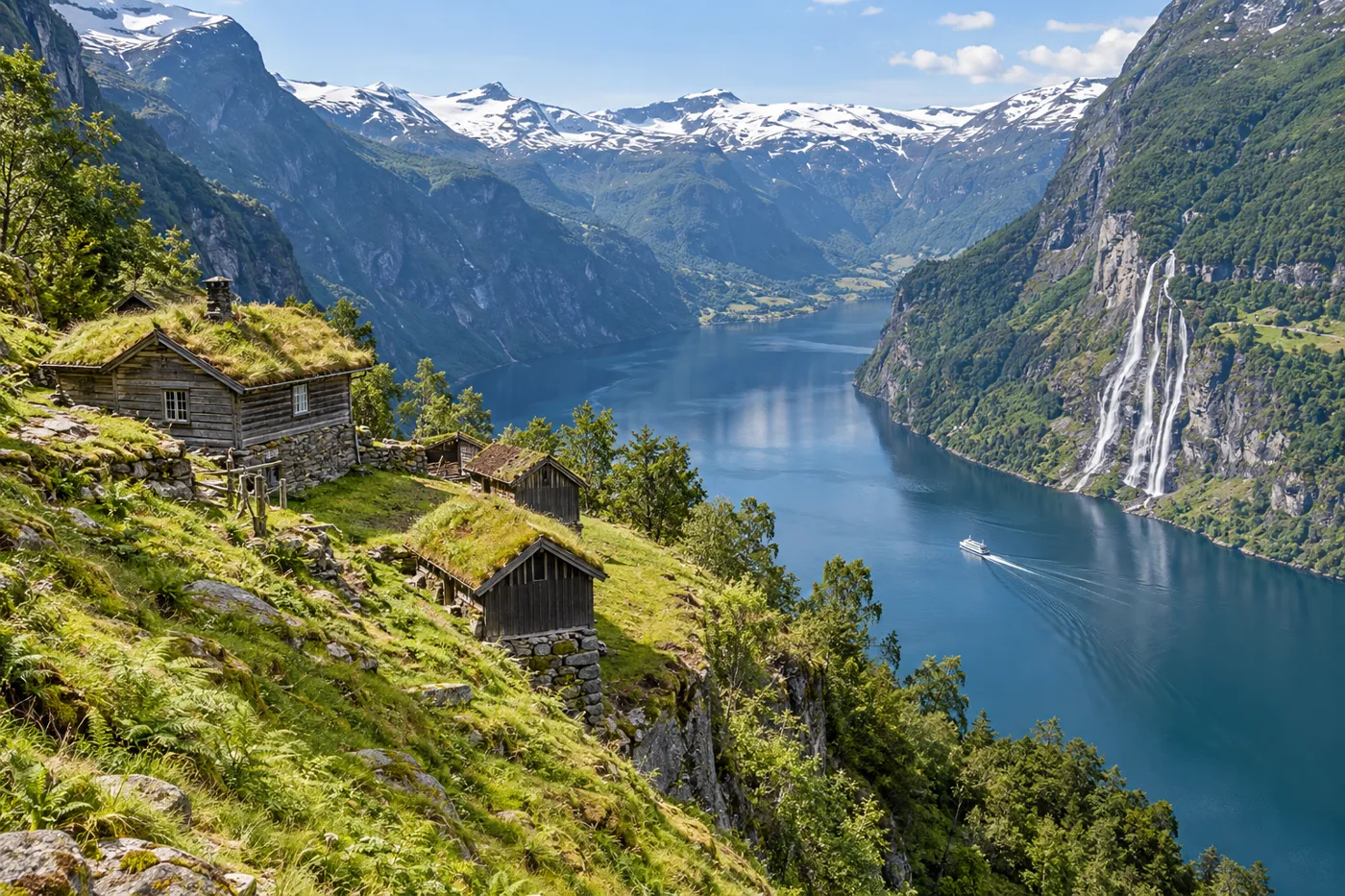
Skageflå is an abandoned farm above the fjord, showing how demanding life could be on these slopes. Its familiar view is only part of the reason to visit. Reaching the site brings steepness, isolation and dependence on boat access into focus much more directly than seeing a farm from a distant cruise deck or roadside viewing platform.
Treat this as a mountain outing rather than a quick boat-photo stop. The ascent from the landing is steep, and exposed or slippery sections will not suit every traveller. Arrange a guide when your experience does not match the route. Respect the farm remains and established paths, avoiding vulnerable ground simply to find a different camera angle. A boat ride does not remove the physical demands.
Confirm drop-off, collection, landing conditions, route difficulty and cancellation terms before booking. Allow a large part of the day, with duration determined by the chosen route and walking pace. Boat transfers and guiding are paid services. Keep a lower village activity as an alternative if conditions make the outing inappropriate, and never schedule an essential onward departure immediately after an uncertain return landing.
Best for: experienced or guided walkers. Confirm both boat legs.
9. Use Hellesylt as a stop, not only a ferry terminal
Book here with Viator → Sightseeing boat from Hellesylt
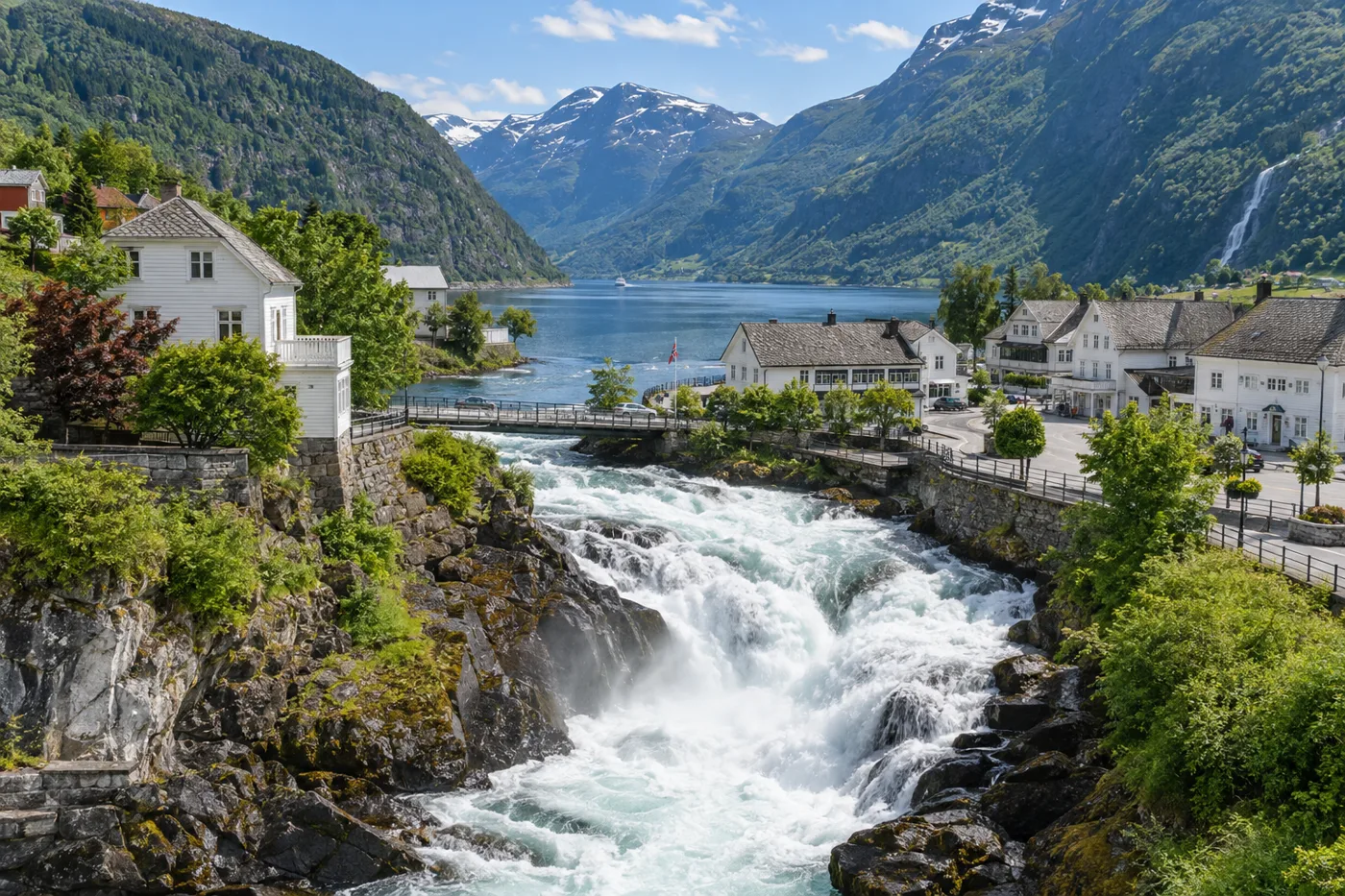
Hellesylt sits at the other end of a useful fjord journey and deserves attention when your route passes through it. The village and waterfall offer a different relationship with water from Geiranger’s high viewpoints. A stop can break up a driving day, provided your ferry reservation and onward road journey have been planned together rather than assembled as unrelated bookings.
Walk around public village areas and waterfall viewpoints, allowing residents and ordinary traffic their space. A modest stop changes the rhythm of a transport day. There is no need to force a long attraction list here: a meal, a short walk and the setting of another fjord settlement may be enough. Check opening before depending on a particular café outside the main season.
Allow 45–90 minutes beyond ferry reporting time, longer for a meal. Public village walks require no attraction ticket. The Geiranger–Hellesylt connection has seasonal arrangements and capacity limits; confirm current service, vehicle booking and check-in instructions. Missing a sailing can significantly change the road trip. Do not use an old timetable or assume every passenger excursion accepts a car.
Best for: a through-route. Build the day around the booked ferry.
A sightseeing boat from Hellesylt is an alternative to a standard ferry journey; check the route, meeting point and return arrangements.
10. Slow down in Geiranger village or kayak the fjord
Book here with Viator → Guided fjord kayaking from Geiranger
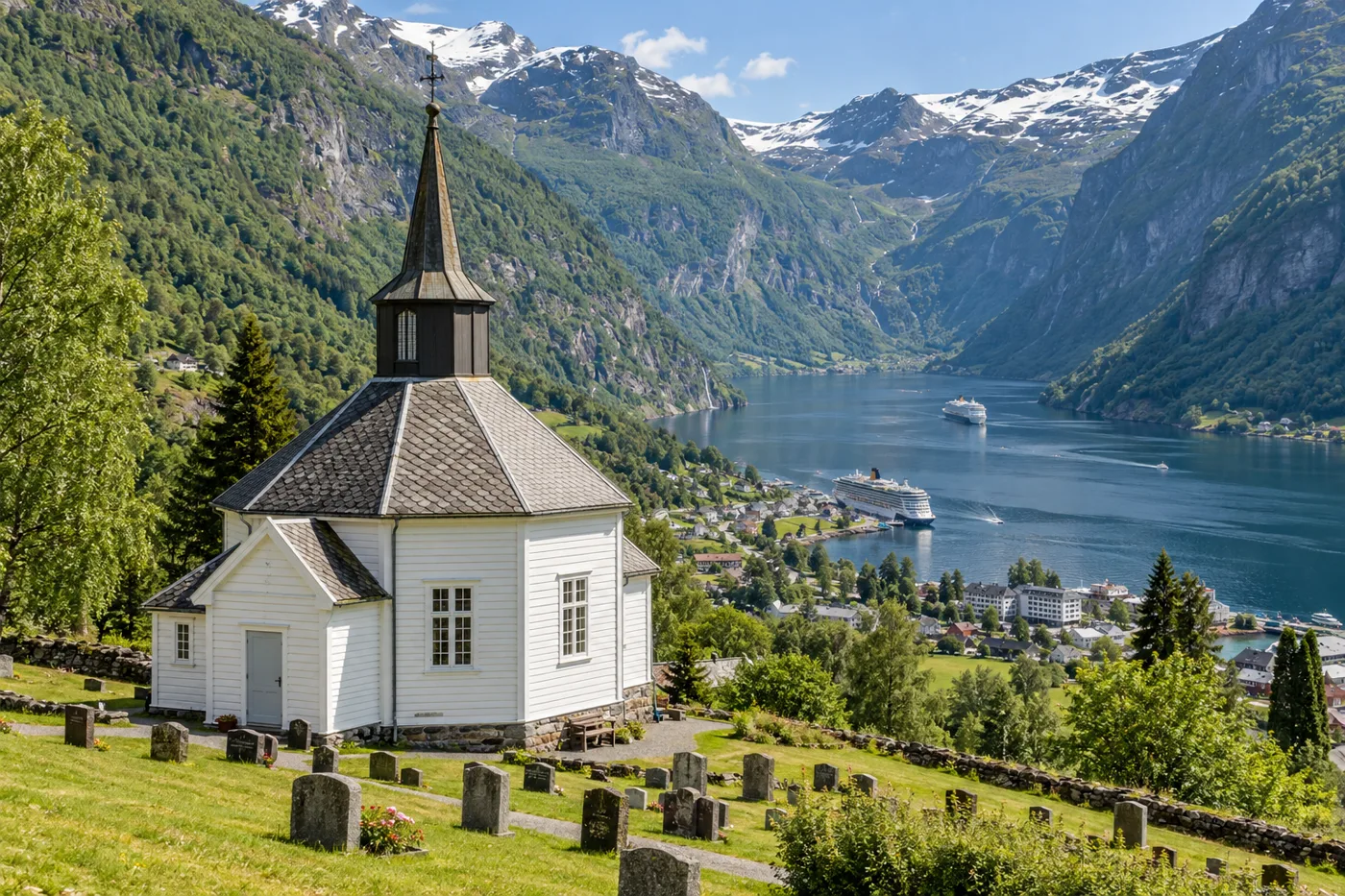
The village becomes more enjoyable when it is not treated solely as an interchange between excursions. The church area, waterfront and streets provide everyday scale after the large views. This is also where you can stop and decide what the weather allows, rather than continuing with an overloaded list simply because you wrote it before travelling.
Use public paths and be considerate around the church and cemetery. The church is a place of worship, so interior access should never be assumed. Choose food fitting your transport schedule and examine locally made products without assuming every souvenir is produced in the village. Early and later periods can feel calmer than peak shore-excursion hours, especially if you have stayed overnight.
Allow around an hour for a circuit, with a separate meal allowance. Outdoor strolling is free; food and paid activities are additional. Opening hours vary considerably by season, so buy supplies before shops close and confirm dinner availability outside summer. Leave your final evening loose enough to enjoy a clear spell or recover from a wet hike instead of booking another time-sensitive activity.
Best for: a flexible buffer. Confirm seasonal dining availability.
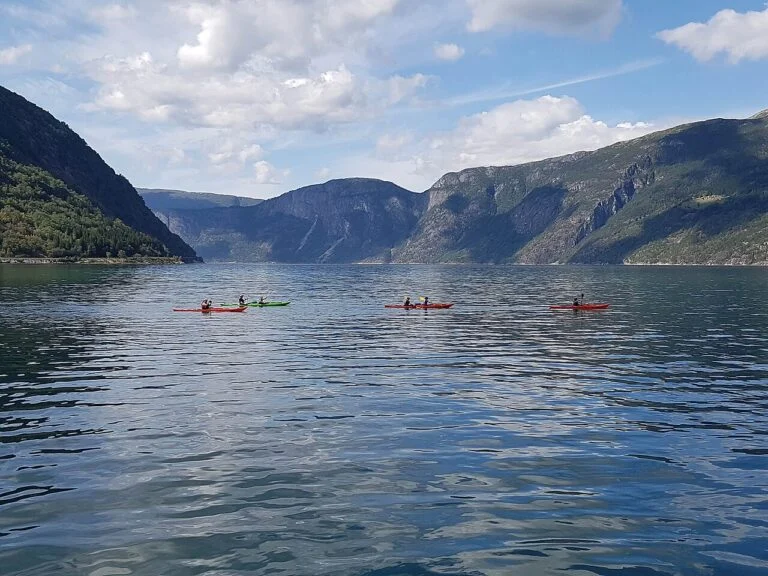
For an active alternative to a village stroll, consider a guided kayak outing on the fjord. Check weather, ability requirements and starting point.
Geirangerfjord itinerary: one, two or three days
1-day Geirangerfjord itinerary
Morning, 09:00–12:00: take a prebooked fjord cruise, leaving boarding and disembarkation margins. Have lunch in Geiranger. The actual sailing determines the order; these blocks do not imply a specific departure. If arriving late, make the cruise the anchor and reduce land sightseeing.
Afternoon, 13:00–16:30: choose Flydalsjuvet by confirmed transport or the Waterfall Walk and Fjord Centre on foot. Evening, 17:00 onwards: village stroll and dinner. Rain favours the visitor centre; poor visibility reduces the value of a viewpoint. Do not add Skageflå and Dalsnibba to this compact day.
2-day Geirangerfjord itinerary
Day one follows the cruise and village plan. Day two, 09:00–13:00: use clear weather for Flydalsjuvet and Dalsnibba if the mountain road is open. Book a suitable road excursion or drive with stopping time. Return for lunch rather than placing another major transfer immediately afterwards.
Afternoon, 14:00–17:00: visit Norsk Fjordsenter and walk beside Storfossen, or take a short local walk if the centre is already covered. Stay in Geiranger for dinner. If the summit is cloudy or closed, substitute Storseterfossen only when its path is safe; otherwise use an indoor and village day.
3-day Geirangerfjord itinerary
Reserve day three for one substantial choice: a guided Skageflå outing, a safe Storseterfossen hike, or onward travel through Hellesylt. For a hike, use morning and early afternoon with a clear turnaround. Do not schedule a non-refundable departure immediately after a weather-dependent landing.
For a Hellesylt travel day, work backwards from the booked sailing and allow village time before driving onward. In winter or restrictions, use routes confirmed open instead of summer map suggestions. Three days need not mean returning from every excursion: a coherent onward route may be the best use of the final afternoon.
Planning the best things to do in Geirangerfjord
Check Statens vegvesen before mountain-road travel. The southern approach and Dalsnibba are seasonal; the northern Eagle Road has a different operating pattern. A navigation application showing a road does not establish its current opening, driving conditions or suitability for your vehicle.
Reserve accommodation and essential cruises early in summer, then keep small activities flexible. Cruise calls concentrate visitors in short windows. An overnight stay lets you use morning and evening without assuming that any part of the village will be completely empty.
Use ferry departures as fixed points in a road itinerary. Include waiting, reporting and disembarkation, and carry water and food in case the day changes. Bus and excursion patterns are seasonal, so confirm every connection rather than expecting frequent urban-style transport.
Spend on experiences offering variety. A cruise and free lower walk may provide more than several paid viewpoints. Carry waterproof layers, respect daylight and avoid slippery or exposed hiking in unsuitable conditions. Prices, hours and departures vary; recheck official information before travel. Suggested time blocks are planning estimates, not sailing schedules.
Geirangerfjord travel guide: frequently asked questions
Is Geirangerfjord worth staying overnight?
Yes, if you want a cruise and land sightseeing without a day-trip deadline. Two nights give useful weather flexibility.
How many days do I need?
One full day covers a cruise and one accessible land activity. Two allow road viewpoints; three support a major hike or slower onward journey.
When is the best time to visit?
Late spring to early autumn offers the broadest excursion choice. Snowmelt, mountain-road opening and autumn closures vary, so verify your dates.
Can I visit without a car?
Yes, using confirmed seasonal boats, buses and excursions. Choose accommodation around boarding points and do not assume frequent year-round services.
What should I book first?
Accommodation and the essential boat journey, especially when carrying a vehicle. Arrange road excursions and guided hikes around those fixed bookings.
Can I drive to Dalsnibba in winter?
Do not plan an ordinary winter drive to the viewpoint. Its mountain access road is seasonal; check the operator and road authority for actual opening.
Where to go next in Norway
Choose a connected next stop and allow separate travel time between regions. These guides explain what each destination needs.
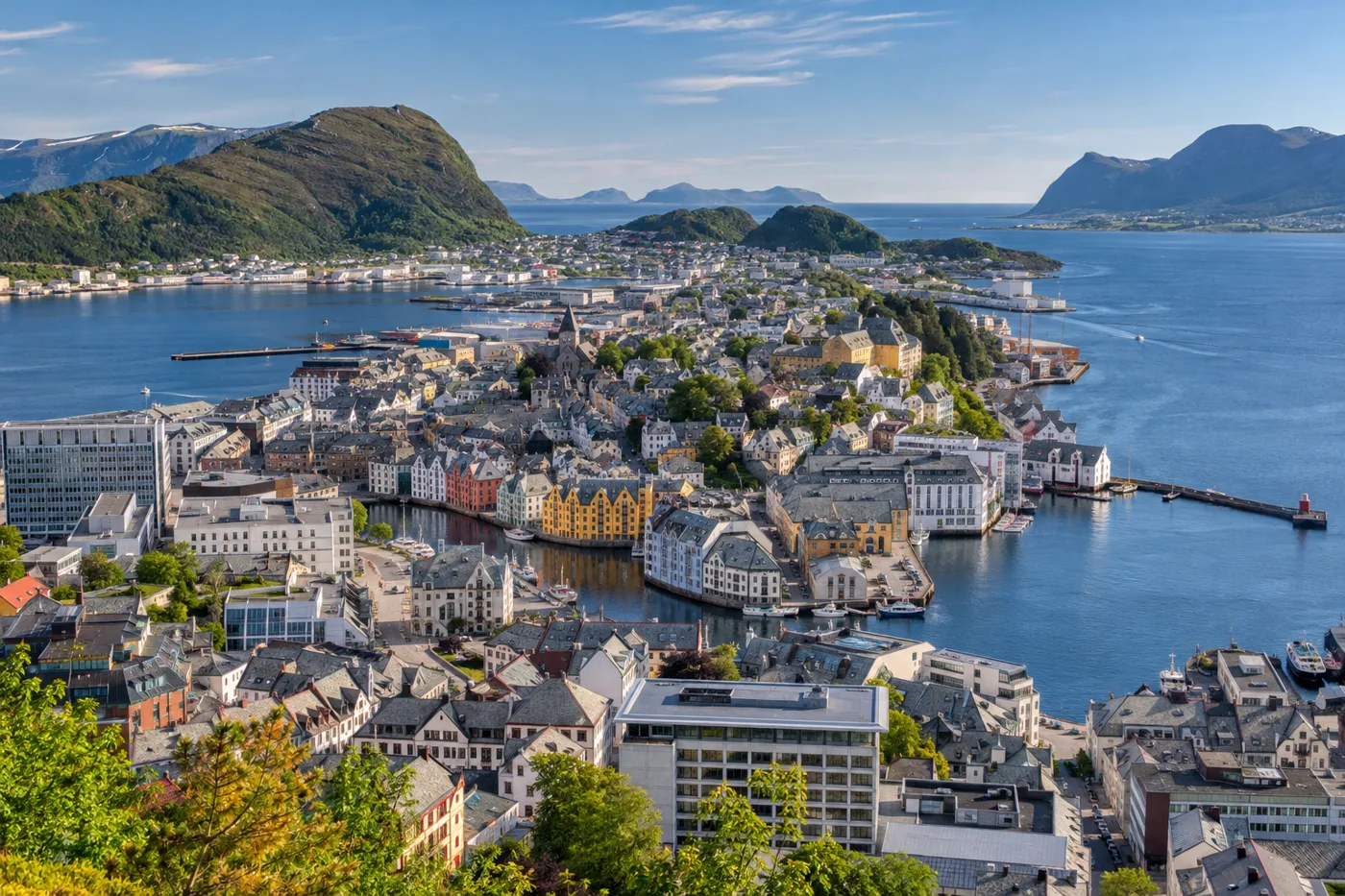 10 Best Things to Do in Ålesund: A Practical Travel Guide
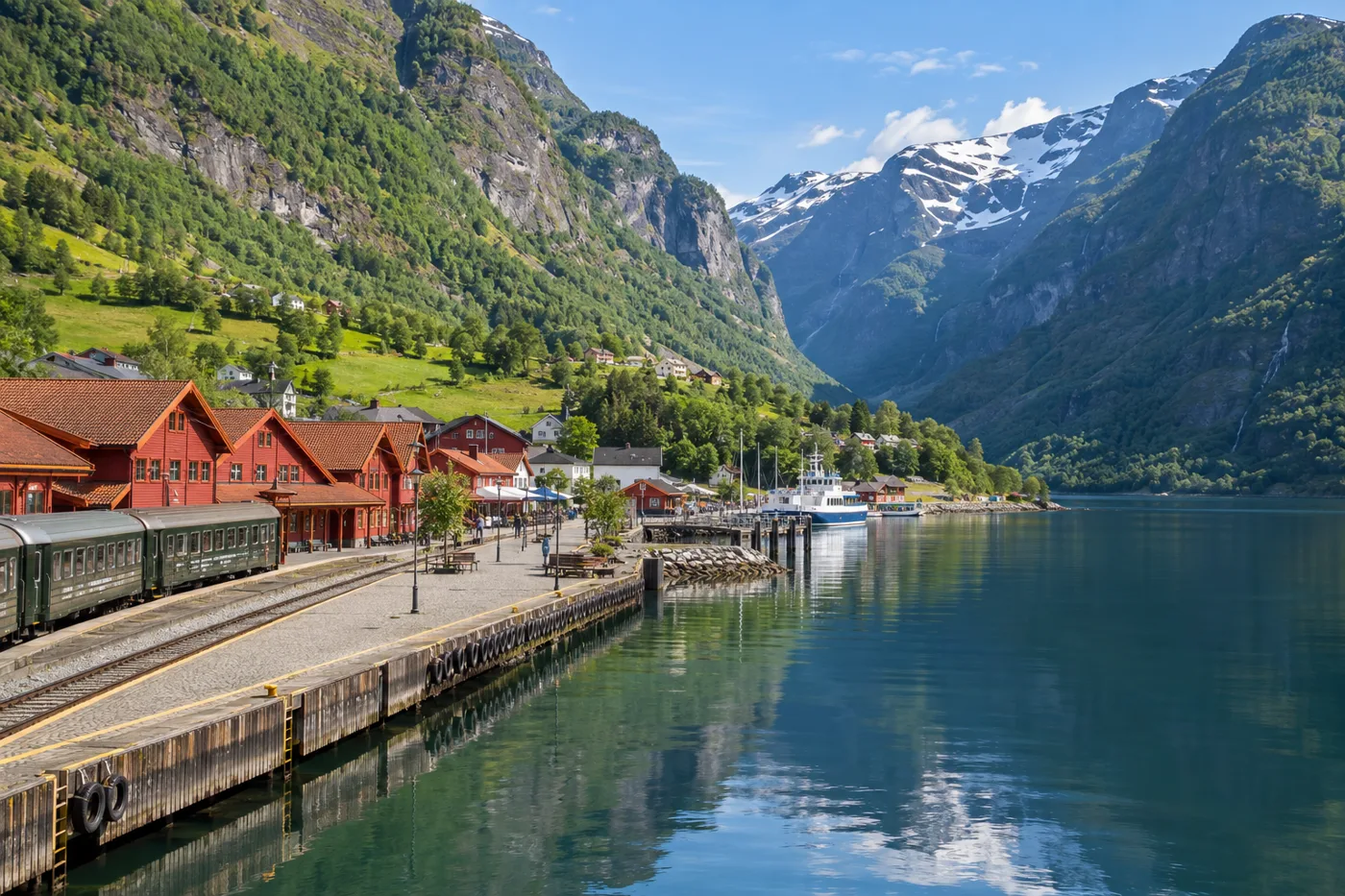 10 Best Things to Do in Flåm: Railway, Fjords and Walks
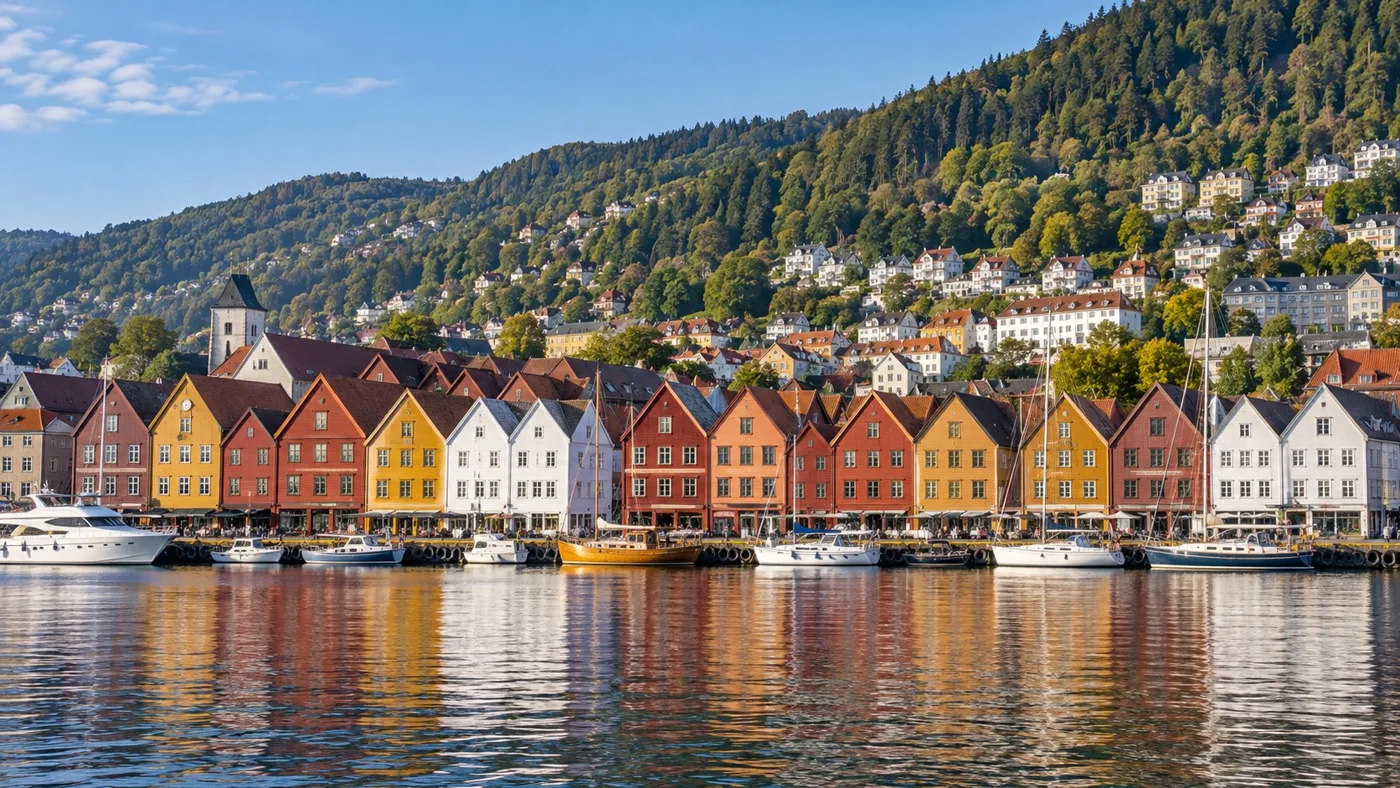 10 Best Things to Do in Bergen: A Practical City Guide
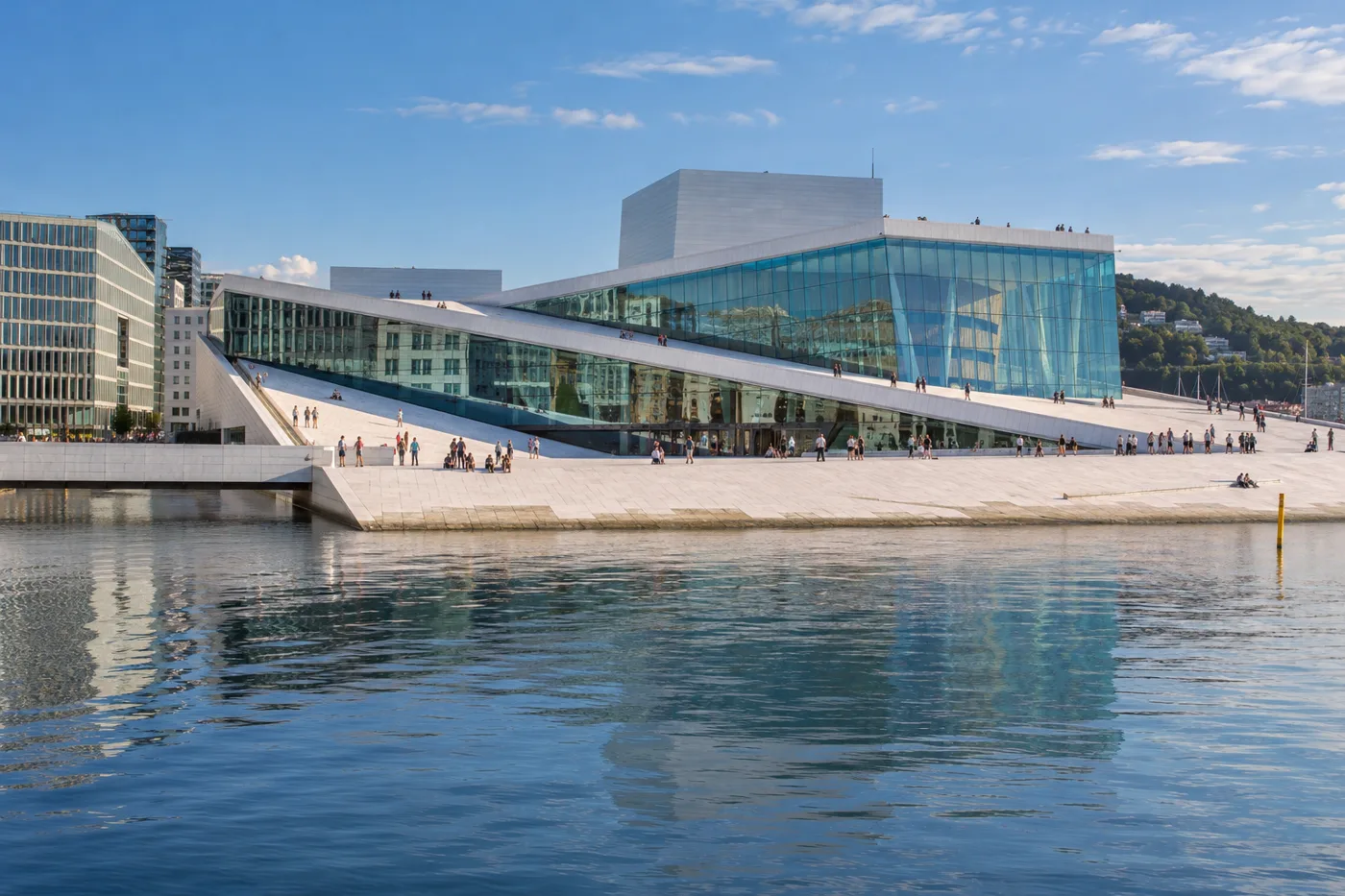 10 Best Things to Do in Oslo: A Practical Travel Guide
Planning your visit to Geirangerfjord
Combine the water, one suitable viewpoint and time on foot near the village. Let road status and visibility decide the higher excursions, and give ferries and demanding hikes the time they need. Fewer well-connected experiences produce a more useful visit than a rushed circuit of every named overlook.
Official sources and practical checks
Official information was reviewed during preparation. Fares, hours, road access and departures can change. Check the operator for your dates before booking. Suggested visit durations are editorial planning allowances.
- Fjord Norway: Geirangerfjord
- Norwegian Fjord Centre
- Dalsnibba visitor information
- Skageflå boat transfer
- Storseterfossen
- Statens vegvesen traffic
- Geiranger Fjordservice
Links labelled as affiliate links may earn NorwayTop10 a commission on eligible bookings. Read our editorial policy and commercial disclosure.
Choose accommodation and plan Geirangerfjord
Compare accommodation options alongside the places you want to visit. Check the journey to the property before reserving.
Plan experiences around your stay
These guides compare regional options and practical considerations. Check the actual departure point; a related guide is not a promise that every activity is available in this town.
Fjord Cruises in Norway
Compare guided activities before booking
Use these tour comparisons to match your available time, meeting point and travel season with the right experience in this region:
Overnight alternatives for the onward fjord journey
When travelling from Geiranger towards Nordfjord, use the Loen, Olden and Stryn hotel guide rather than assuming every road is open. If travelling with children towards Ålesund, compare family hotels around Ålesund with the next day’s itinerary and room capacity.
Fjord Kayaking in Norway