Norway Visitor Essentials: Entry, Safety and Holidays
NorwayTop10 Editorial
These Norway visitor essentials answer the questions that can affect whether a trip works. Check entry documents before buying a restricted fare, save emergency contacts, confirm accessible transport and see which 2027 holidays can change opening hours.
Norway visitor essentials for a first trip. Check entry documents, payment, emergency numbers, accessibility and the 2027 public holiday dates.

Norway Visitor Essentials at a glance
Start with documents, dated transport and the actual hours for your arrival. Pay in NOK, bring a physical backup card and save 110, 112 and 113 alongside your insurance information. One day works for a city arrival, and two or three days let you add a rural outing when transport fits. Summer often makes outdoor logistics easier. Costs depend on the route and can change on busy dates.
Plan your Norway trip
- Trip costs — Compare three worked budgets in NOK.
- Itineraries — Compare western fjord and Northern Norway routes.
- Transport — Plan train, bus, ferry, flight and car connections.
- Start Here — Bring your route, season and booking plan together.
1. Check passport and visa requirements first

Start with the Norwegian Directorate of Immigration, UDI. Its visitor information asks about nationality and travel documents because the rules depend on the traveller. Check each person separately if the group uses different passports. Confirm the purpose and length of the visit and any time already spent in the Schengen area.
Read the instructions for the entire journey, including a transit country and your return. A passport or visa that works for one passenger may be insufficient for another. Airlines can also ask to see evidence for a connection. Keep the applicable official page and travel documents where you can get to them while checking in.
Check before you pay for non-refundable bookings. If a visa is required, use the official application route and allow for appointments and processing. Ask the relevant authority about special documents or unusual circumstances. Recheck the requirements shortly before departure, especially if the plan or passport changes.
2. Check Svalbard as a separate border leg

A trip to Svalbard should be checked separately from a mainland itinerary. The rules governing crossings of the external Schengen border apply on journeys between the mainland and Svalbard. What matters for a visitor is whether they can complete each part of the journey, including re-entry to mainland Norway on the return.
Write out your flight sequence, including every stop. Confirm document requirements with UDI and check the carrier’s identification guidance. Travellers with a visa should verify whether their permission matches the number of entries required by their own route. A mainland return is part of the document check even if the Svalbard stay is brief.
Resolve the documents before booking a remote excursion or a restricted fare. Set aside time for the airport and save a copy of the itinerary offline. If people in the same group have different travel documents, repeat the check for each passenger. Keep a separate weather margin for the island itinerary.
3. Pay in Norwegian kroner and carry a backup
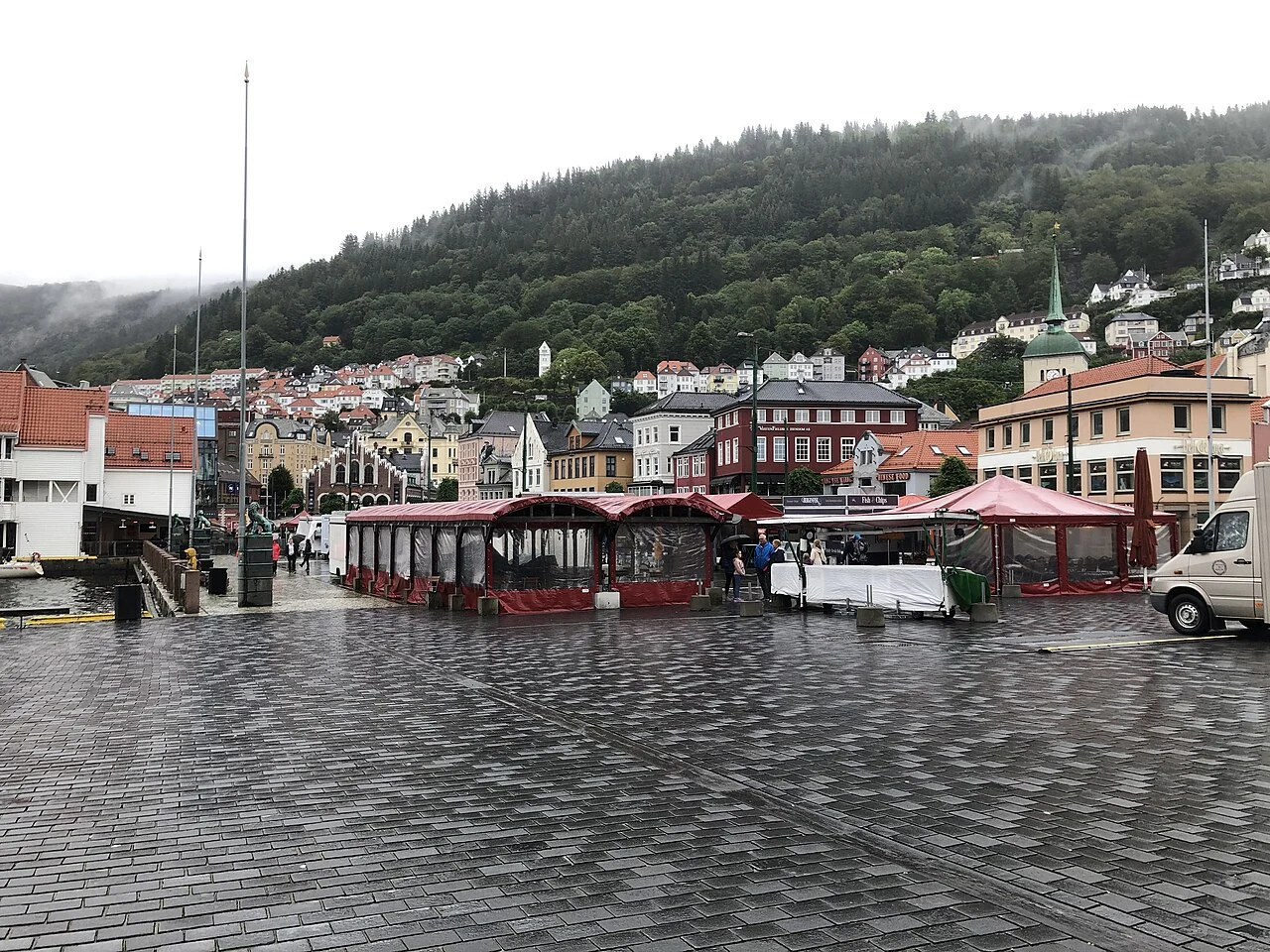
Norway uses the Norwegian krone, shown as NOK. Cards and electronic payments are widely accepted, including in many ordinary shops and cafés. A physical card and a second way to pay are useful when a phone battery fails, a machine requires a PIN or your bank blocks an unfamiliar purchase.
Compare foreign transaction charges with your card issuer before travelling. Where a payment terminal offers you a choice of currencies, read the quoted conversion and fees before accepting it. At hotels and rental companies, confirm whether a deposit is required and which card the booking terms allow for that deposit.
Save payment confirmations for accommodation and transport. Carry a backup separately from your main wallet, and check in advance whether a remote stay needs payment by a particular method. On a transfer day, leave time to buy food where a shop can confirm it is open, since a café near the destination may close earlier.
4. Save the emergency numbers before you leave

For an emergency in Norway, call 110 for fire, 112 for police or 113 for a medical emergency. Helsenorge gives 116 117 for out-of-hours medical help that cannot wait when the regular doctor is unavailable. Save the numbers with their purposes rather than trying to remember them on a stressful day.
State where you are and what happened. On a road or trail, have your location, nearest landmark and callback number ready if known. Put your accommodation’s address and the name of your planned outing in a note that works offline. For practical problems that are not emergencies, contact the operator or accommodation first.
Check your travel insurance and assistance number before departure. Where applicable, confirm healthcare coverage through the official Helsenorge visitor guidance. Bring enough of any routinely needed medication and check official rules for carrying it. In remote areas, tell someone the route and return plan while communications are still reliable.
5. Confirm accessibility end to end

A trip is only as accessible as its least accessible transfer. Ask about the exact train, boat or bus you plan to use, the station or quay, and the route from there to your room. A lift in the hotel is helpful only if you can reach the door and use the room you actually booked.
Describe the details that matter to you. Ask about step-free boarding, door width, ramp gradient, toilet access or whether a companion can travel alongside you. For a harbour visit, ask about the gangway and whether water level or vessel changes affect boarding. Confirm which accessible taxi or public service operates at the time you need it.
Reserve assistance directly with the responsible operator and save its confirmation. Allow a larger transfer window where equipment or staff need to be arranged. Check which refund or rebooking options apply if a vehicle is substituted. Keep a local outing in reserve when the accessibility of a longer journey is uncertain.
6. Plan around Norway’s 2027 public holidays

The main dates for travel planning in 2027 are 1 January, the Easter break from 25 to 29 March, 1 May, Ascension Day on 6 May, Whit Sunday and Whit Monday on 16–17 May, and Christmas Day and Boxing Day on 25–26 December. Easter Saturday falls inside the Easter travel window and has its own hours. In 2027, Constitution Day and Whit Monday both fall on 17 May.
Check arrangements separately for supermarkets, museums, pharmacies and transport. A holiday may affect one part of a journey more than the others. For Constitution Day, local parade routes and road closures can change how you reach a station or restaurant. Christmas Eve deserves a separate check even though the public holidays are the following two days.
Buy necessary food ahead of multi-day holiday periods and confirm any dinner reservations. Look up the dated return service as well as the outward journey. If a trip depends on a particular attraction, check its own holiday notice before paying for the rest of the day. Holiday programmes may be published locally closer to the event.
7. Match cultural dates to the place

Sámi National Day is on 6 February. Constitution Day is on 17 May. Sankthansaften is the evening of 23 June. These dates can make a trip more memorable when you choose a community with a programme that fits your interests and your route. They also have different implications for opening hours, so check each day on its own terms.
Look for public programmes from the municipality, local cultural venues or relevant organisers. On 17 May, children’s parades can be the main attraction. On 6 February, the programme might include events with different audiences or ticketing. For a June celebration, confirm whether weather or local conditions could affect outdoor activities.
Leave a half day if seeing a public event is a priority. Choose an accommodation base you can return to easily when city transport is diverted. Check accessibility, admission and booking separately for individual events. Keep the evening open when the official programme has not yet been published.
8. Save ticket confirmations and route details offline

A mobile ticket is useful only if you can retrieve it when required. Download confirmations and keep the reservation reference for each operator. Save directions to your hotel and a screenshot of the stop or quay for the last leg. Follow ticket instructions on when to activate or show a ticket.
Check your roaming and charging arrangements before leaving. Saving a map is particularly useful if you will be away from major towns or if your route changes because of weather. Put different travellers’ ticket references where the right person can reach them, and keep copies of essential information securely.
Ask accommodation how late check-in works, particularly if they send a code or use a separate address for keys. Carry a charged battery pack on a long day. Before heading to a remote place, save the last departure and what you will do if you miss it. Confirm train and bus changes with the operator before relying on an old screenshot.
9. Choose outdoor plans by daylight and conditions

A forecast for a town can be very different from conditions beside a fjord or on an exposed trail. Check the exact route, daylight and local advice. Winter trips need particularly realistic daylight plans. On a city break, outdoor time can be shifted between short walks, museums and meals without losing the whole day.
Ask about closures and current trail conditions before committing to a drive. A longer hike should be treated differently from a sheltered waterfront walk. Keep enough time to turn back. If a tour is the main reason for the stay, ask what the operator does when the outdoor plan no longer fits the weather.
Use official traffic advice and local forecast or warning services. Read local rules before camping or lighting a fire. Budget time for an alternative and keep paid plans flexible where possible. A published itinerary is a starting point, so make the final decision close to your travel date.
10. Check the room, meals and power before departure
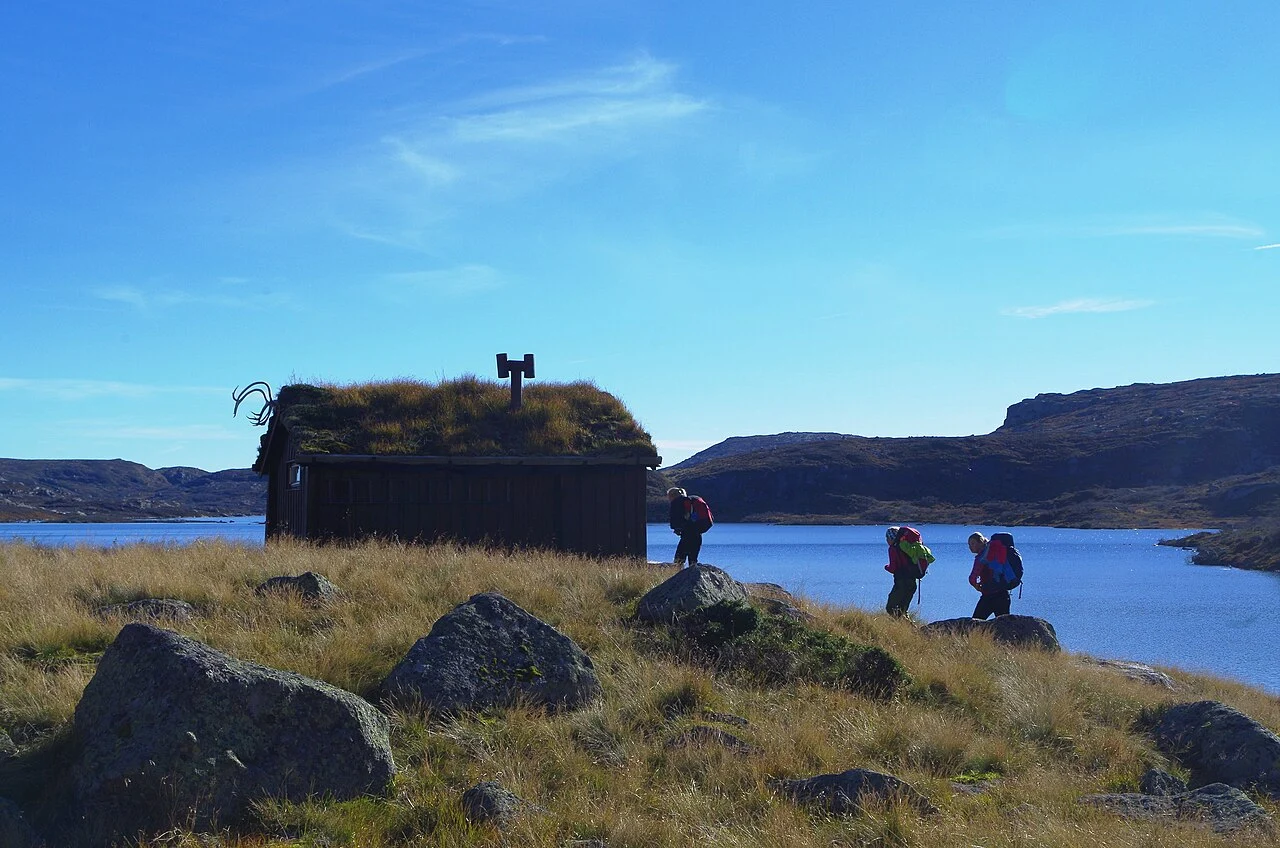
Ask about check-in times, access instructions and where you can eat on arrival. This matters most after a late flight, on a public holiday or at a remote cabin. Check luggage storage and any cleaning or bedding fees directly. One clear answer about arrival can save more time than comparing several small differences in room price.
Look at the plug shape and voltage compatibility on each device and the accommodation or official practical information. A travel plug adapter changes how a plug fits. Check the rating on the charger before buying an adapter. Carry only what you need and keep essential chargers in hand luggage where permitted.
Use the final evening to confirm the next day’s route. Save the first and last transport options, the accommodation phone number and the address where you will collect any rental keys. If the room and onward service are booked separately, allow enough time for delays. Buy food early when the next stop has limited shopping.
One-, two- and three-day plans
One day — arrive in Oslo with an evening buffer
Use the morning or early afternoon for arrival and airport transport. Check in, buy food if shops are open and take a short walk near your accommodation before dinner. Keep an indoor option if rain or low daylight makes the walk unappealing. A late arrival is easier if you already know how to get into the room and where you can eat. Save the train or coach details before leaving the airport.
Two days — allow space around 17 May
On the first day, travel to your chosen city and check the parade route after you have checked in. Buy any necessary groceries while shops are open. On the second day, follow the municipal programme in the morning, leave the afternoon flexible and eat close to the room in the evening. If rain or crowding makes one spot unsuitable, move to a different section with clearer access. Confirm how you will get back while roads are restricted.
Three days — travel with a weather backup
Use day one for arrival, transport and a simple evening. Put a weather-sensitive activity in the first useful daylight block on day two and keep the afternoon open. Use day three as a short local visit or a fallback before travelling onward. If the weather deteriorates, trade the outdoor plan for an indoor one in the same town. Keep the return trip and any accessible assistance booking confirmed independently of the activity.
Practical planning tips
Keep essential information in one offline note. Include contact numbers, insurance details, the address of your accommodation and the last useful connection. Check costs and opening hours before paying for activities with a tight schedule. For travel during the Easter or Christmas periods, confirm food shopping and late arrivals first. Use the official authority for anything that depends on a passport, visa, medication or an emergency service.
Confirm transport schedules, fares and opening hours directly. Check Entur for dated public transport and Statens vegvesen for current traffic. Verify ferry arrangements with the operator.
Frequently asked questions
Does every visitor need a visa?
Requirements depend on nationality, passport and circumstances. Use UDI’s personalised visitor guidance for the complete route.
Can I use a bank card everywhere?
Card and electronic payments are widely accepted. Bring a physical card and a backup, and confirm payment terms for deposits or remote stays.
Which number is for a medical emergency?
Call 113 for a medical emergency. Call 116 117 for urgent out-of-hours medical assistance that is not an emergency.
Why is 17 May different in 2027?
Constitution Day coincides with Whit Monday. Check the municipality’s programme and each operator’s Sunday or holiday arrangements for that date.
How can I confirm accessible transport?
Ask about the vehicle, stop and onward path for the exact departure. Obtain confirmation for assistance where it is needed.
Should I book a room before checking local transport?
Compare the journey to the door and the last practical arrival first. This matters especially outside cities and on holidays.
Plan the rest of the trip
Start Here · Choose a travel season · Find accommodation · Learn about Norwegian traditions
Make the first booking count
Check your documents, arrival and onward plans first. Save the official travel information and contact numbers you may need before you leave.
Sources and image credits
UDI entry guidance · Svalbard entry guidance · Helsenorge · Accessible travel · 2027 public holidays · Practical Norway travel guidance
Images come from existing NorwayTop10 guides and include illustrative artwork. See the site image credits.