Northern Lights in Norway: 10 Practical Planning Choices
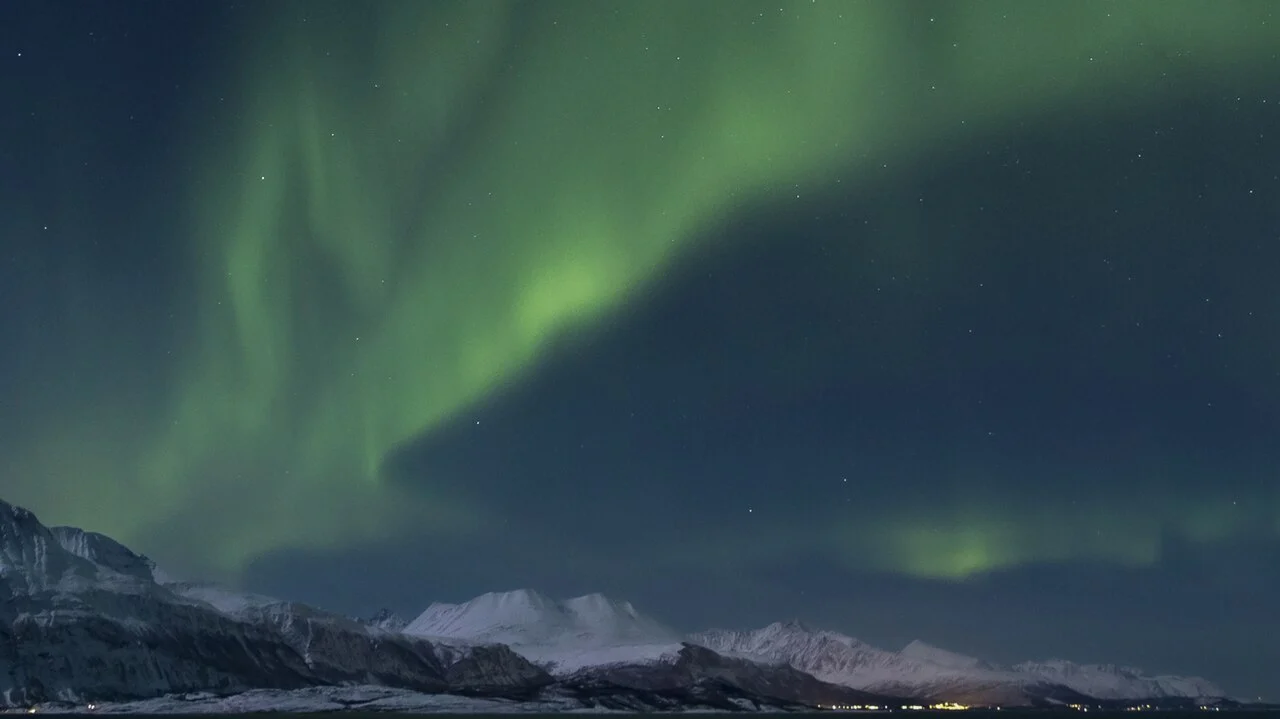
Northern lights in Norway are worth planning for when the trip also works without a sighting. Darkness, a sufficiently clear sky and auroral activity must coincide. A remote cabin, a powerful forecast or an expensive tour cannot guarantee that combination. The most useful decision is therefore not simply where a spectacular photograph was taken, but which base, season and tour format suit your route and tolerance for long evenings.
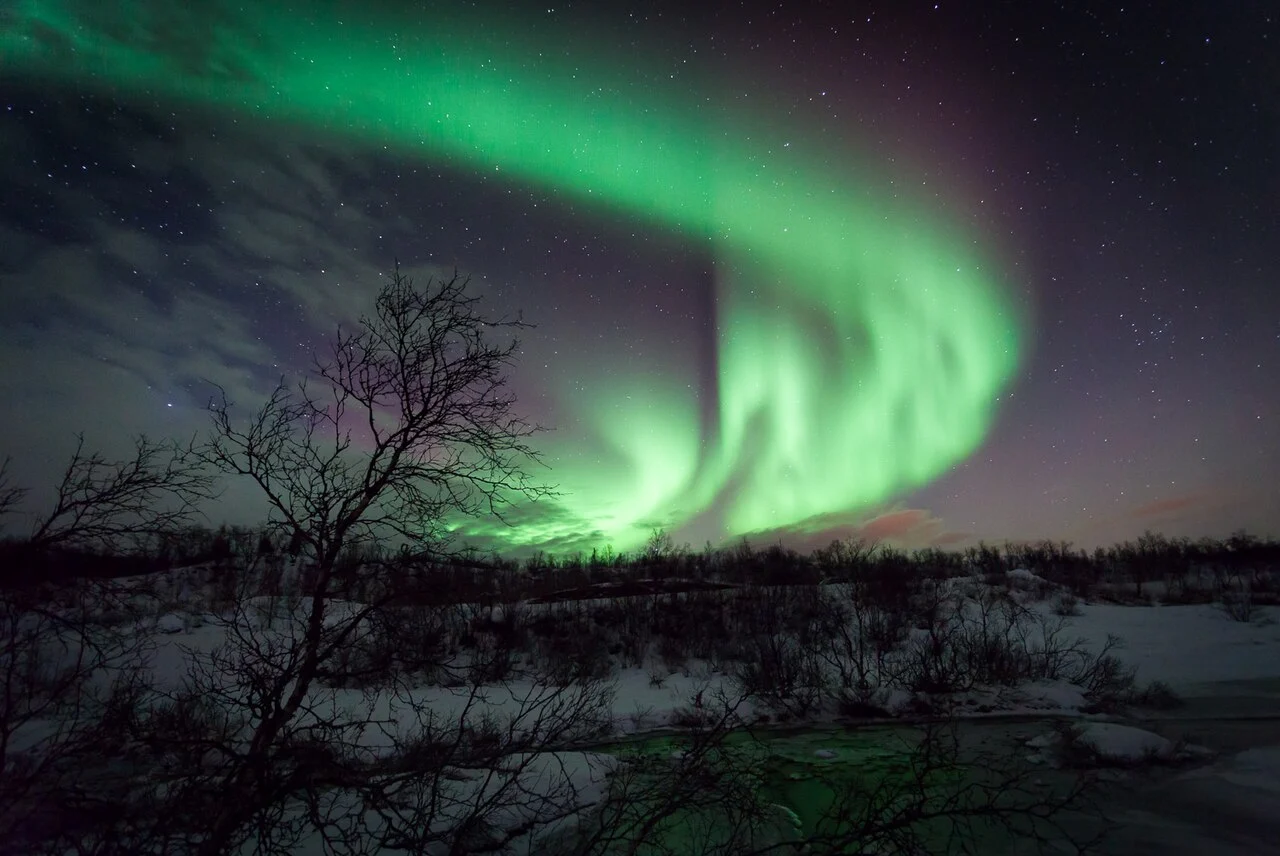
This guide offers ten practical choices rather than a ranking of guaranteed viewing spots. It combines official destination information with editorial itinerary allowances. The photographs show actual northern lights, but are not a guarantee of a particular display. Check current operator information before buying tickets and judge an excursion by its whole experience and conditions, not a promise of a photograph.
Northern lights in Norway: quick answers
Is it worth visiting? Yes, when you value northern Norway beyond the aurora. How long? Allow at least three full days in one base, with extra nights adding flexibility rather than certainty. When? In Tromsø, Visit Tromsø describes possible viewing from late August to early April and organised tours generally from September to early April. Bright summer nights are unsuitable for normal viewing.
Cost level is high once flights, accommodation and guided outings are combined. The simplest first-visit transport plan is usually a well-connected base with organised excursions, not an unfamiliar winter drive. Prioritise a workable season, a comfortable tour format and enough spare time to react to weather. Exact fares and departures vary, so compare your dates directly rather than relying on an undated nationwide price.
1. Tromsø: convenience before remote scenery
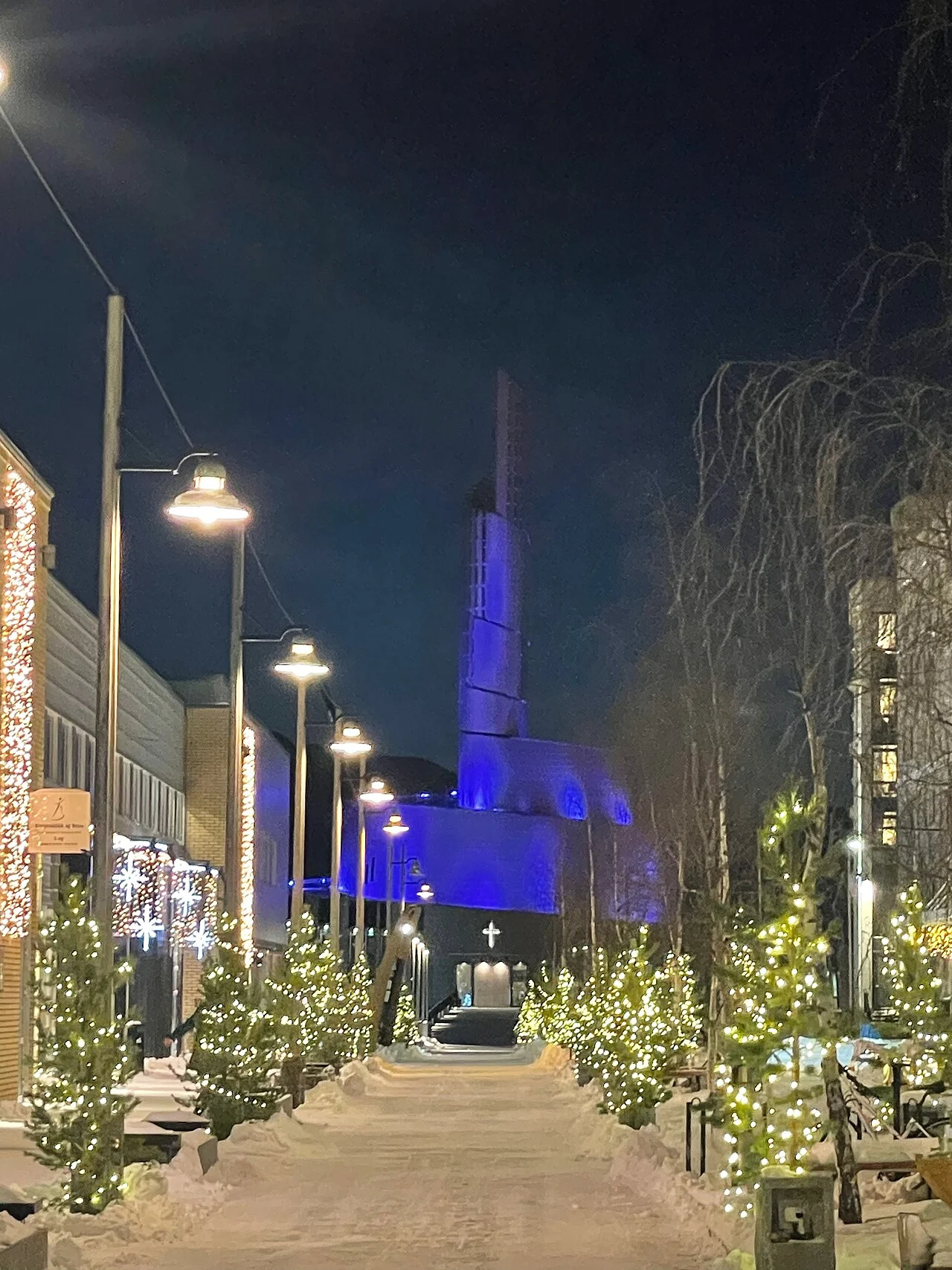
Tromsø is a practical starting point for visitors who want city services alongside evening excursions. You can plan museums, meals and short local walks without making every hour dependent on clear skies. A central stay can also simplify reaching a tour meeting point, although hotel pickup must be confirmed rather than assumed from a booking-platform description.
Compare what happens before the first viewing stop and after the last. A city-based chase can involve substantial time travelling beyond Tromsø, with the eventual route responding to conditions. Being based in town does not mean the excursion stays nearby. Choose it because you are comfortable with the advertised vehicle and duration, not because you expect the shortest drive to produce the strongest display.
Reserve the evening that matters early in the stay, with another evening available if budget and conditions allow. Confirm clothing, toilets, food and the drop-off location. Keep the following morning lighter. Pair the stay with the Tromsø destination guide and a central accommodation comparison so the hotel supports late returns as well as attractive daytime views.
2. Alta: consider a different northern base
Alta is another established northern destination to investigate when you prefer its wider travel context or an operator based there. Choosing it should begin with flights, accommodation and the actual activity programme, rather than a claim that one town can guarantee clearer weather. Regional differences do not remove the uncertainty of cloud or natural auroral activity on your nights.
Decide what you want to do during daylight or twilight. A meaningful daytime plan keeps an unsuccessful evening from becoming the entire story of the visit. Check the distance between your lodging, meals and tour meeting place. An accommodation package can be convenient, but the included evening should be compared with the experience you would purchase separately.
Allow a dedicated stay rather than treating Alta as a quick extra viewing stop between distant destinations. Confirm the operator's current season and exact transfer arrangements. Ask whether activities require separate reservations and what happens in poor weather. Use the Alta destination guide for local context, and leave substantial intercity travel outside the evening you most want to spend outdoors.
3. Lofoten: combine landscapes with realistic road logistics
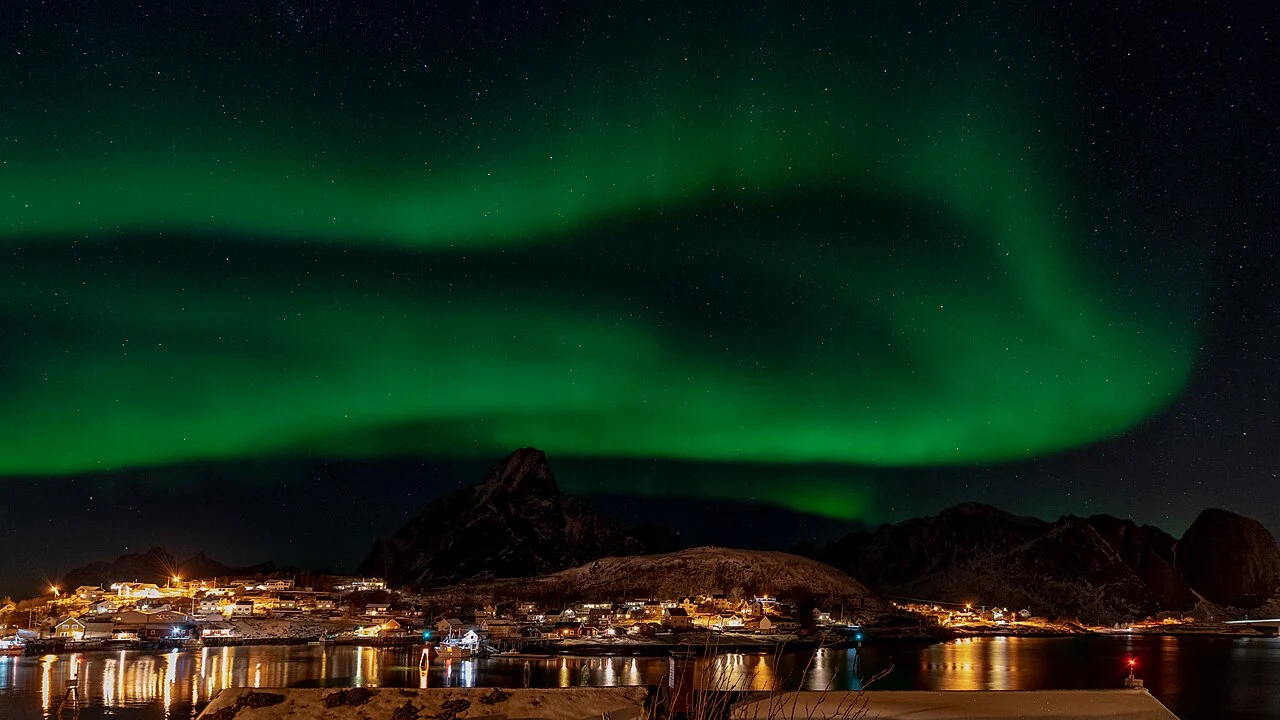
Lofoten suits travellers who would enjoy villages, coastlines and changing weather even without an aurora display. It is a dispersed island itinerary, not a single compact viewing base. Accommodation, groceries and evening transport need to be chosen together. A photogenic cabin can be less practical if the only meal or safe return route requires a difficult journey.
Look at the view from a safe, permitted location rather than copying roadside compositions from social media. Coastlines can be exposed, and winter driving or walking conditions may differ sharply from a calm promotional photograph. A dark beach is not automatically accessible or sensible at night. Ask local providers about appropriate locations and respect property boundaries and closures.
Spend several nights in a manageable part of the islands instead of driving the whole route after dark. Verify organised tour availability for your dates and base. If you hire a vehicle, assess winter experience and conditions independently from the accommodation booking. Pair a northern-lights plan with daytime village visits, leaving longer drives for a suitable daylight window.
4. A mobile minibus or coach chase: compare endurance
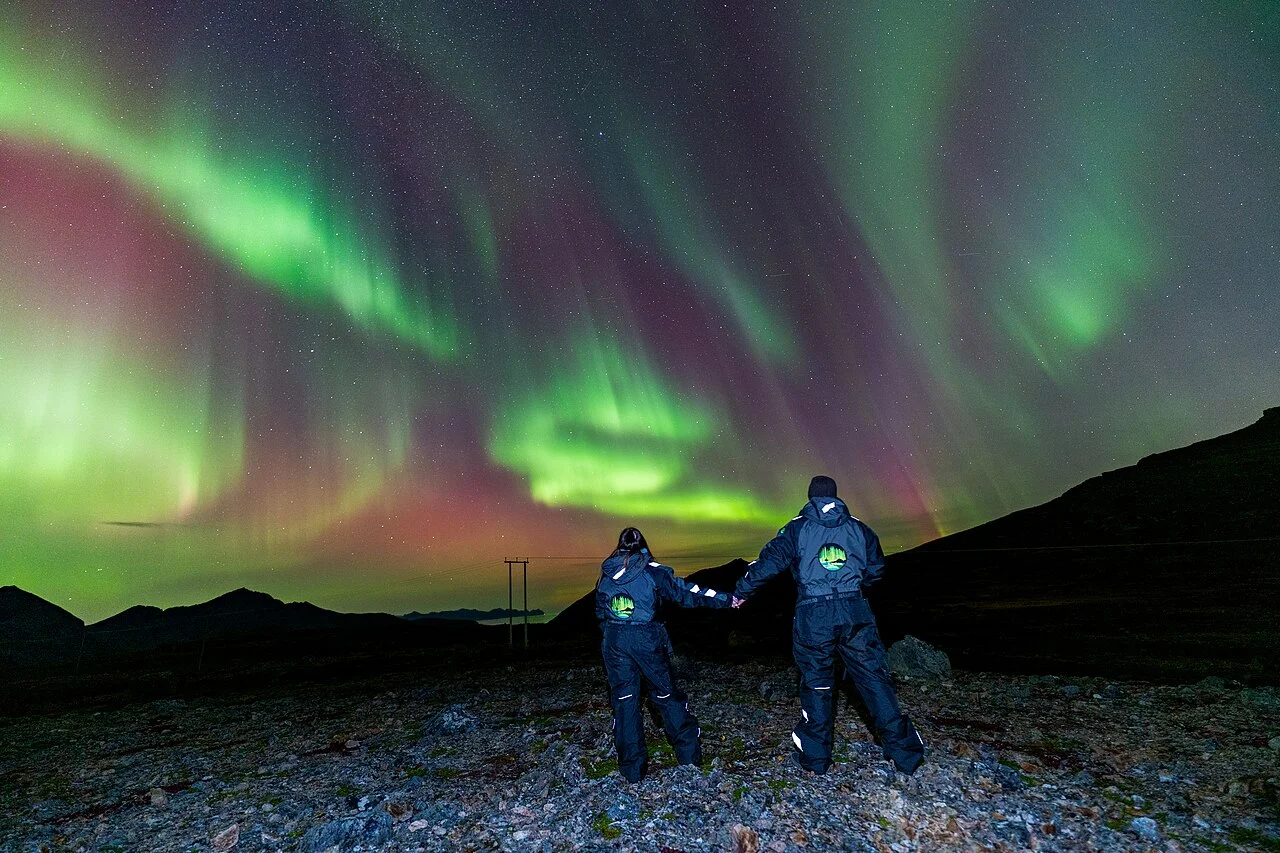
A mobile chase aims to search for better sky conditions within the operator's practical reach. This flexibility can be useful when cloud varies across the region. It also means a long night in a vehicle, repeated stops and uncertainty about the final route. A smaller group is a format choice, not a scientific guarantee of a better display.
Compare seat comfort, walking demands, group size and how much time may be spent outside. Ask what the operator means by small group and whether photography assistance is individual or shared. Travellers with back problems, motion sensitivity or young children should check suitability directly. A headline duration should be treated as a commitment rather than something you can shorten at will.
Book the format you can enjoy even during a modest or unsuccessful display. Verify whether thermal clothing, food, photos and hotel drop-off are included. If cross-border travel is possible, ask the operator what documents are required; do not infer requirements from an old itinerary. Avoid a dawn flight after a tour advertised to return late or at an uncertain hour.
5. A fixed camp or sheltered evening: comfort versus mobility
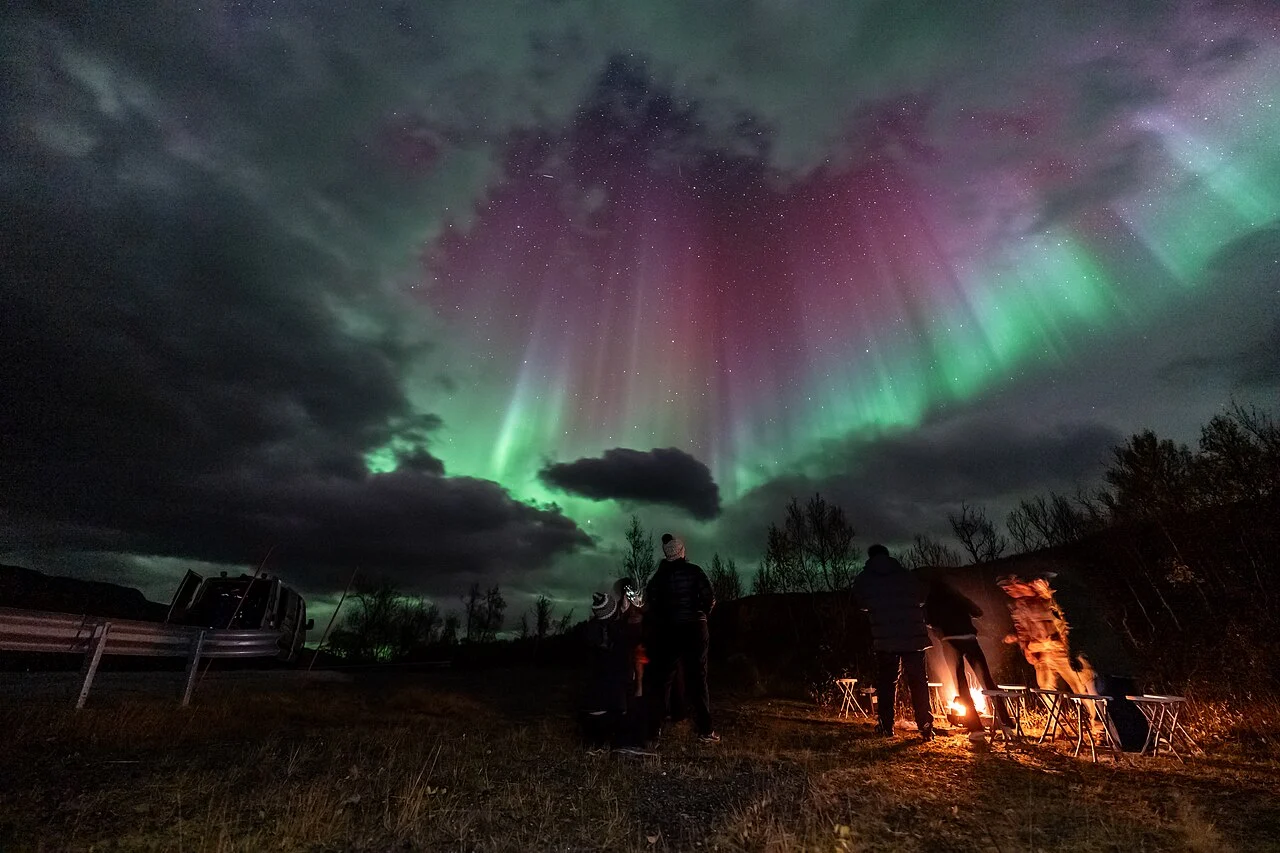
A fixed-location experience can appeal to visitors who prefer a shelter, a less travel-heavy evening or another activity alongside sky watching. The advantage is comfort and a more predictable setting. The trade-off is limited ability to move when cloud covers that particular area. Compare the offered experience rather than assuming every camp or lodge has identical facilities.
Ask about toilets, seating, heating, time outdoors and the distance from the vehicle to the shelter. A fire photograph does not establish that every guest stays warm or that a bathroom is nearby. Some experiences concentrate on storytelling, food or local culture. Choose those because they interest you, and ensure the cultural component is described respectfully and specifically.
Confirm the actual operating dates, total duration and return arrangements. For a mixed-age group, sheltered facilities may matter more than pursuing the longest possible drive. Ask how poor visibility changes the programme and whether food or equipment is included. Keep expectations separate: a comfortable evening can be worthwhile without a sighting, but it is still worth understanding what you are paying for.
6. A boat-based outing: evaluate the vessel first
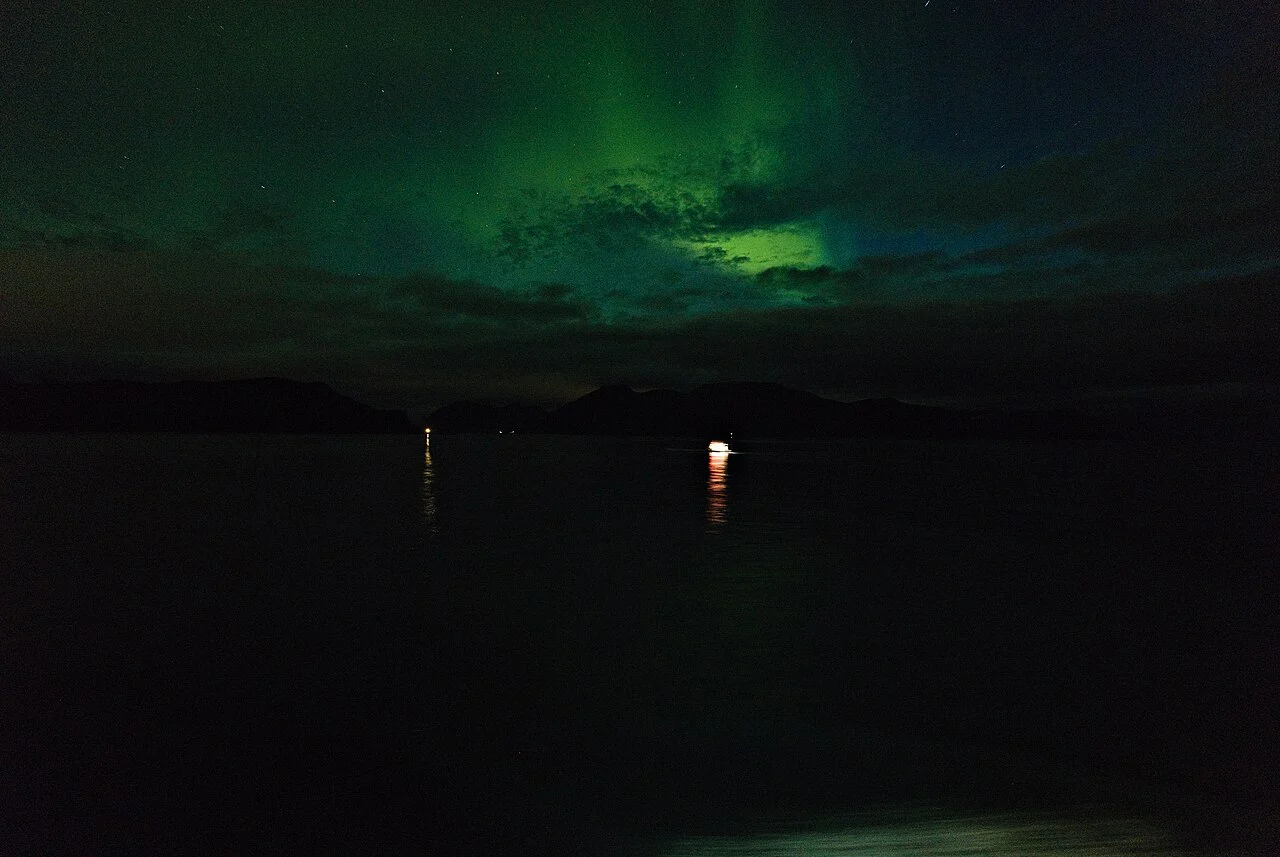
A northern-lights cruise combines a night on the water with possible viewing. It can be attractive for travellers who enjoy the marine setting itself, but it cannot drive inland to escape coastal cloud. The boat's comfort, indoor space and route policy are important parts of the decision. Do not compare it with a road chase as though only the price differs.
Check heated seating, toilets, deck access and how many guests can comfortably move outside. Wind and motion can make the experience feel colder than a city forecast suggests. A camera on a moving deck also faces different limitations from one on stable ground. Travellers prone to seasickness should seek appropriate advice before deciding that a larger vessel removes the issue entirely.
Read the weather-cancellation and changed-route terms, including what happens when skies remain cloudy. Verify the quay and boarding time separately from departure. Keep warm, wind-resistant layers and follow crew instructions on deck. Choose a daytime fjord cruise instead if enjoying the landscape in visible light matters more to you than spending a night at sea with uncertain skies.
7. Independent viewing near a base: keep access simple
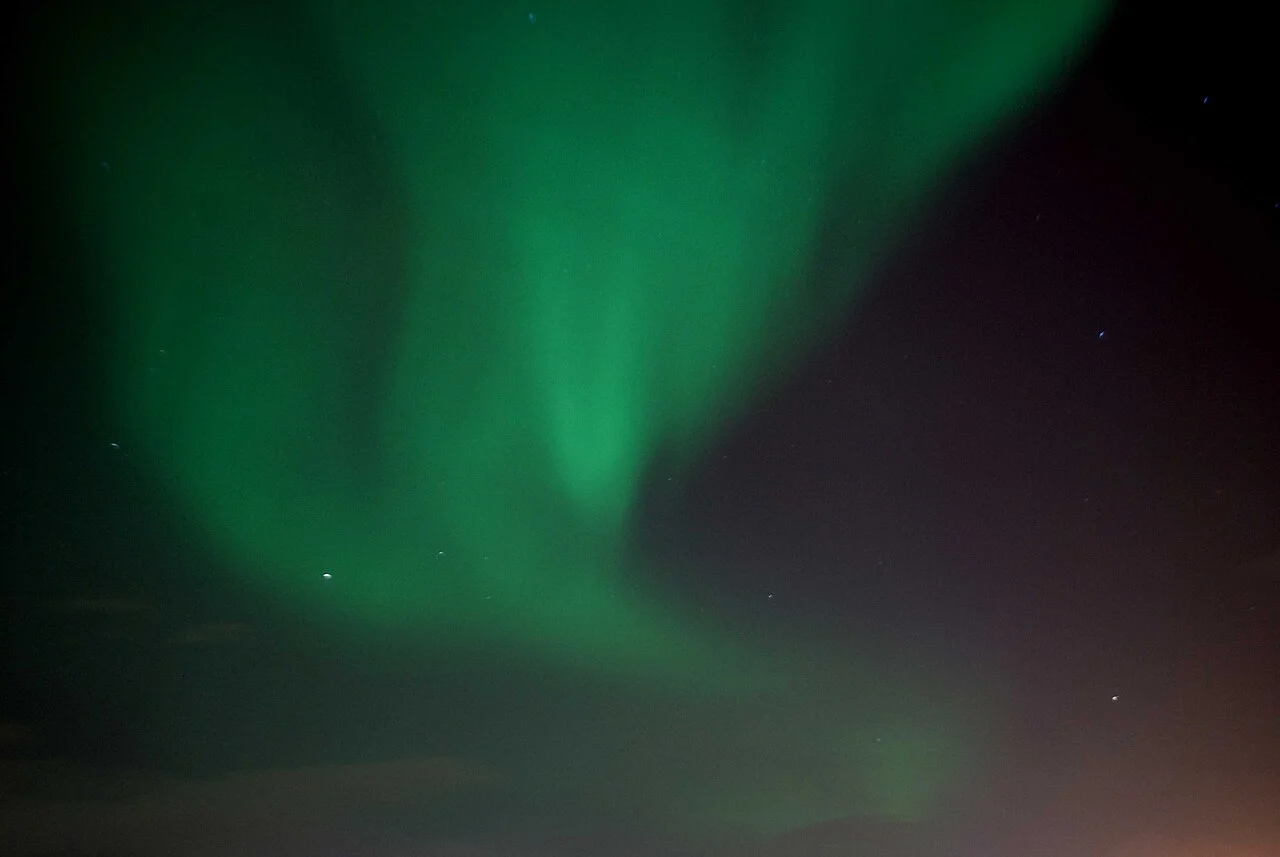
Independent viewing can be a reasonable option when a safe, permitted location is available near your accommodation and the sky is clear. It avoids paying for another excursion merely to stand outside. The requirement is a suitable route and return plan, not just a dark map area. In unfamiliar winter terrain, local advice is more valuable than an enticing satellite image.
Start by asking the property or official visitor information about appropriate nearby places. Avoid roads, private driveways, frozen water and exposed coastal edges. A location that works in daylight may be unsuitable in darkness or on ice. Do not walk into the wilderness because a phone app predicts a display; the forecast does not assess your route or ability.
Use a short, reversible outing and carry the equipment and clothing local conditions require. Know how you will return, keep your phone available and avoid disturbing nearby residents. If access is uncertain, choose an organised experience or a safe urban viewpoint. A less dramatic foreground is a fair exchange for a clear view of the sky without unnecessary risk.
8. Season: darkness is not the same as snow
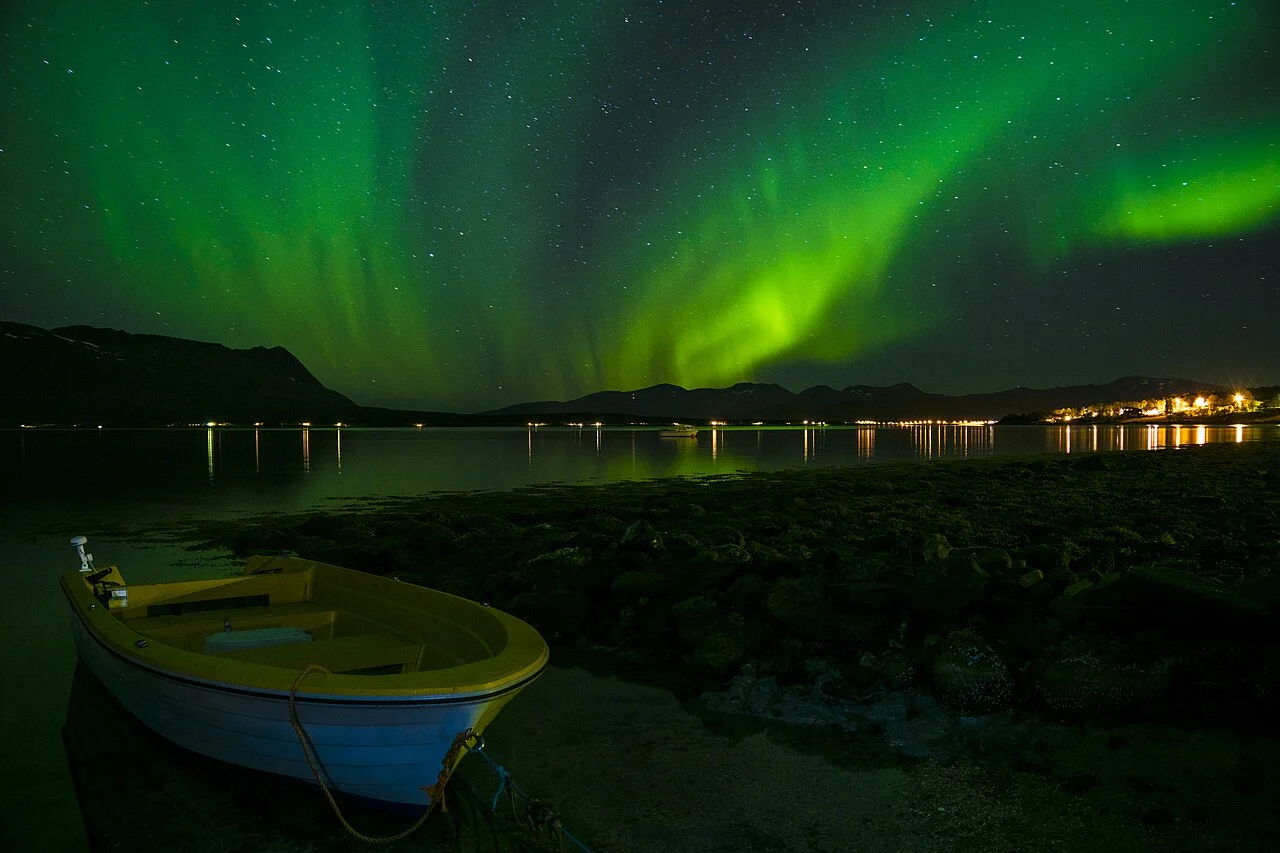
Autumn, midwinter and the later winter season offer different trips. Autumn can support aurora viewing without providing the snow activities associated with winter advertising. Midwinter brings very limited daylight, while later winter gives a different balance of daytime outings and dark evenings. Choose the season for the complete holiday rather than treating an aurora photograph as a timetable.
Check each essential experience separately. A dog-sled photograph, a boat trip and a mountain walk may have different operating calendars and condition requirements. Snow is not promised by a date label alone, and an aurora season does not establish the opening of a particular attraction. Prioritise the experience that would most disappoint you to miss, then build the route around its actual availability.
Book after confirming your dates align with current operator calendars. Leave outdoor sightseeing for the available light and reserve indoor options for poor-weather periods. In the bright summer, choose midnight-sun or ordinary daylight experiences instead. Travelling farther north does not solve the basic lack of darkness, and a summer northern-lights promise deserves careful scrutiny before payment.
9. Forecasts and photography: separate the questions
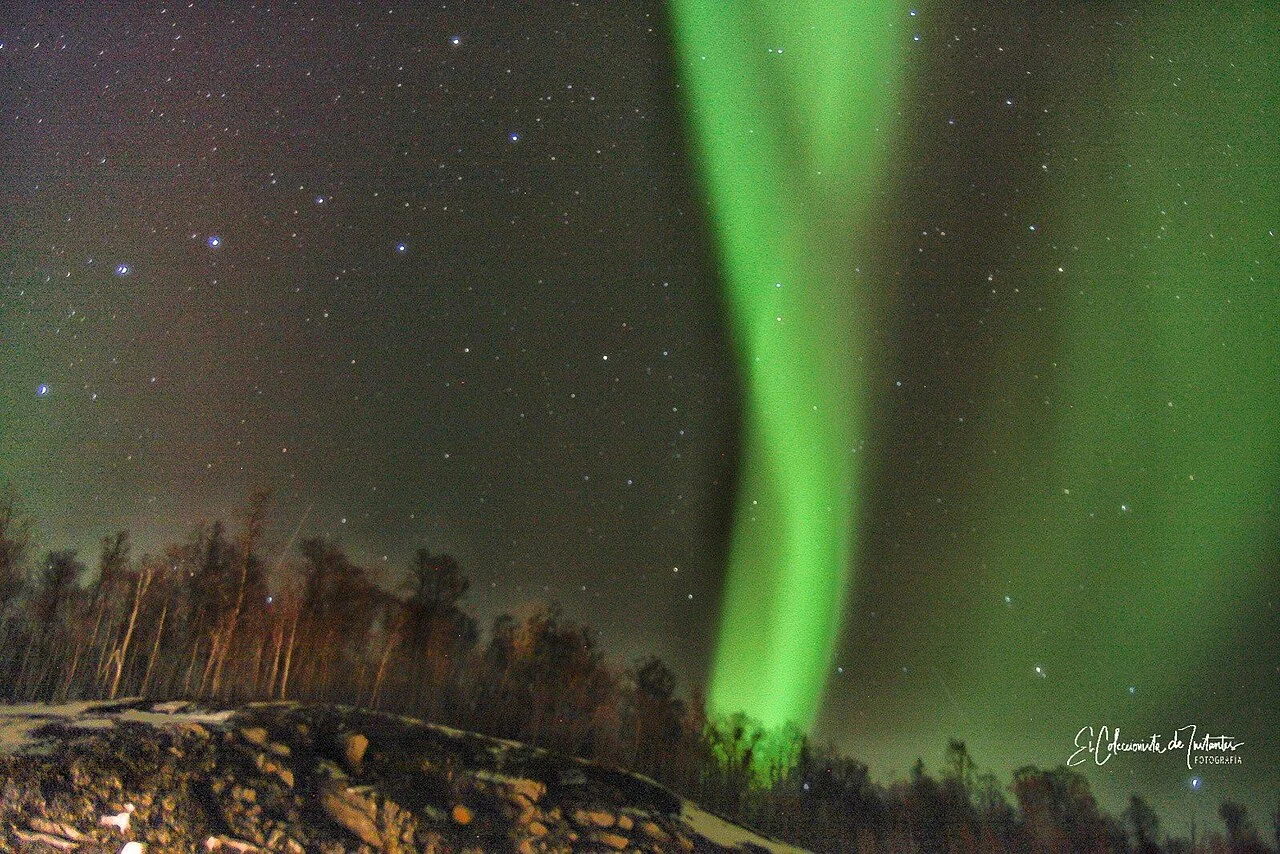
An aurora forecast and a weather forecast do different jobs. One describes conditions relevant to auroral activity; the other helps assess whether you can see the sky. Neither creates a guaranteed local viewing event. A strong number is not a reason to ignore extensive cloud, unsafe roads or the limitations of a short visit with no alternative evenings.
Photography can also change expectations. A camera may record colour and detail differently from the eye, especially during a faint display. Judge an outing by what actually occurs, not by an intensely processed promotional image. Ask whether photographs are included, whether you can use your own equipment and whether instruction fits the group's size and the guide's responsibilities.
Check official weather information close to the outing and follow the operator's route decisions. Prepare camera batteries, storage and gloves before departure if photography matters. Avoid changing equipment in a way that interferes with other guests or requires leaving the group. A few minutes watching without a screen can be more rewarding than spending the entire display troubleshooting settings.
10. Booking terms: understand the unsuccessful-night policy
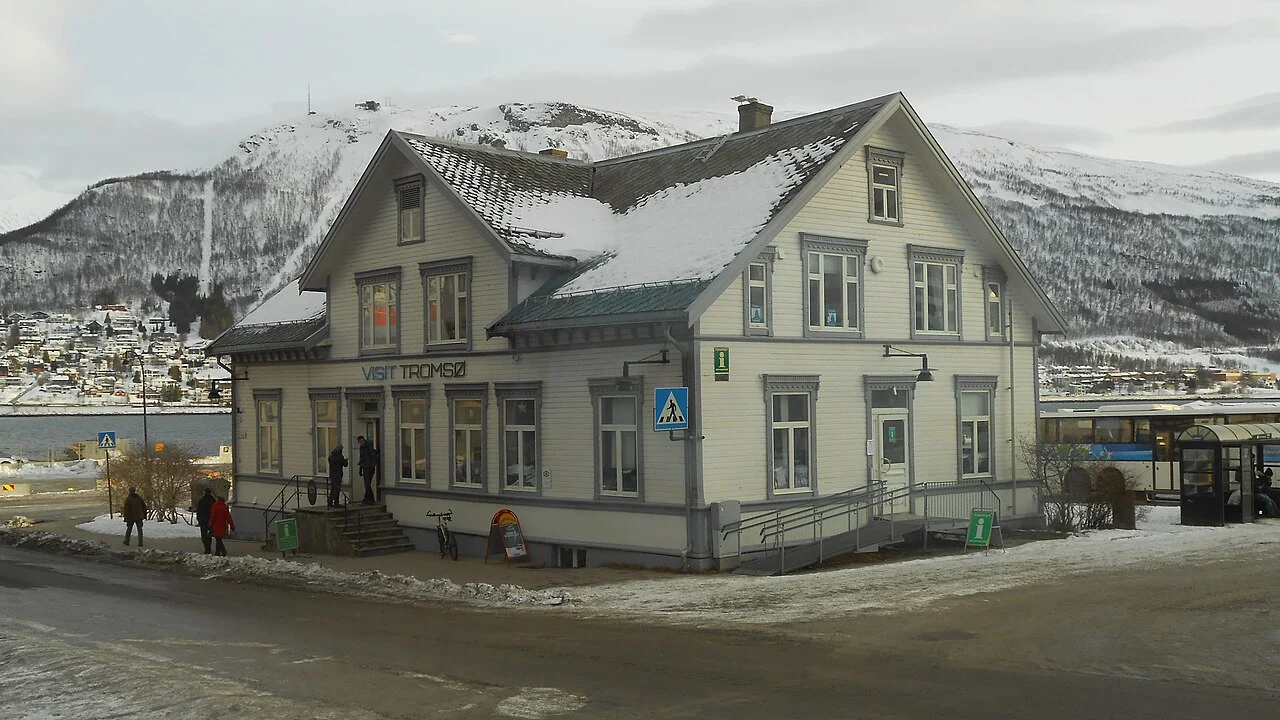
A no-sighting policy can mean several things: another departure, a discount, a voucher or no special remedy. It should not be assumed to mean a cash refund. A free repeat outing may have little value when you leave the following morning or when later departures are full. Read eligibility and timing before treating a policy as financial protection.
Distinguish cancellation by the guest, cancellation by the operator and a completed trip without aurora. A weather-related route change may still count as a delivered service. Check which costs are included and whether a third-party booking platform applies additional terms. Keep the written product description and confirmation, particularly if pickup or clothing provision influenced your choice.
Compare the total price for your group and your dates. Set aside budget for accommodation, meals, local transport and a weather buffer before deciding on a second outing. Check official operator information again before departure. No legitimate booking should need an invented guarantee of a natural phenomenon to explain its value; the transport, guidance, comfort and programme should be clear enough on their own.
Northern lights itinerary: one, two or three days
One day: use the morning for arrival and orientation, roughly 10:00–13:00 if your transport permits. Choose an open museum or short local walk during the afternoon, then eat before the booked evening departure. Do not attach a demanding daytime outing to a late arrival. In poor weather, retain the operator's full time block and let the actual cancellation policy determine the next step.
Two days: stay in the same base. Use a relaxed second morning after a late return, then a manageable afternoon visit. A second evening provides another opportunity if a suitable tour is available, but should not be purchased as a promise of success. In summer, replace the aurora component altogether. In winter, plan outdoor city time around the limited daylight rather than a conventional summer schedule.
Three days: place the priority evening on day one or two, with another night available for weather. Keep one substantial daytime activity and avoid stacking a full-day whale trip, a long aurora chase and an early airport transfer into consecutive blocks without rest. Use the third day for an omitted museum, a shorter local outing or preparation for departure. Changing cities during this short stay usually consumes more useful time than it adds.
Budget and practical preparation
Get quotes for the exact date and format; a fixed camp, boat and long chase are different products. Compare group size, clothing, meals, photography and returns before judging the headline fare. No unchecked national price range is presented here. Spending more can buy comfort or a smaller group, but it cannot buy an independent guarantee that clouds move or the aurora appears.
Follow the provider's clothing list, including footwear suitable for standing still. A warm city coat may be insufficient for hours outside. Ask about physical demands and toilet access before payment if these affect participation. Keep departure-day transport separate from a weather-sensitive return. Safety decisions must follow current conditions, not the pressure to complete a prepaid checklist.
Northern lights FAQ
How many nights should I stay? Several nights in one base provide more weather opportunities than a single evening; three full sightseeing days are a useful planning start, not a probability guarantee.
Can I see aurora in summer? Bright summer nights in far northern Norway prevent normal viewing. Plan a dark-season visit instead.
Is a tour essential? Not when safe local access and clear skies align, but organised transport and guidance can help visitors who cannot assess or reach suitable locations independently.
Which tour is best for children? Compare age limits, late returns, shelter and toilets directly. A shorter comfortable format may suit your family better than a long chase.
Does no sighting mean a refund? Only if the actual terms say so. Repeat-trip and voucher policies differ from cash refunds and may require spare time.
Should I move between Tromsø and Lofoten in three days? Usually choose one base. The transfer reduces time available for both daytime experiences and alternative evenings.
Sources and editorial conclusion
Checked 29 October 2026 against Visit Tromsø's aurora FAQ and season guidance, Visit Norway's northern-lights information and official weather planning. Viewing locations, itineraries and comfort comparisons are editorial decisions, not promises of access or success. Verify live fares, seasons, travel documents and operator terms before booking. No operator paid for inclusion; links are editorial unless explicitly labelled as commercial.
Continue with the Tromsø accommodation guide, Tromsø destination guide, Alta guide and Lofoten guide. The strongest northern-lights holiday is one you would still value after a cloudy evening. Choose the base for the wider trip, select a format you can comfortably complete and preserve enough flexibility for nature to remain uncertain.
Official sources and current information
Continue planning your Norway trip
Research-based editorial selection. No personal hotel stays or tour participation are claimed. Commercial links, if introduced, will be labelled. Read our editorial policy and commercial disclosure.
Build a Tromsø winter trip
Connect your aurora plans to the room location, transfer arrangements and full trip budget.
Compare a guided aurora evening from Tromsø
A guided evening can help with transport and choosing a viewing location. Compare this Tromsø tour’s duration, equipment and cancellation terms, remembering that clear skies and aurora sightings cannot be guaranteed.
View the Tromsø northern-lights tour →
Check current dates, prices, meeting points and cancellation terms on Viator. Affiliate link: we may earn a commission if you book.
Related planning
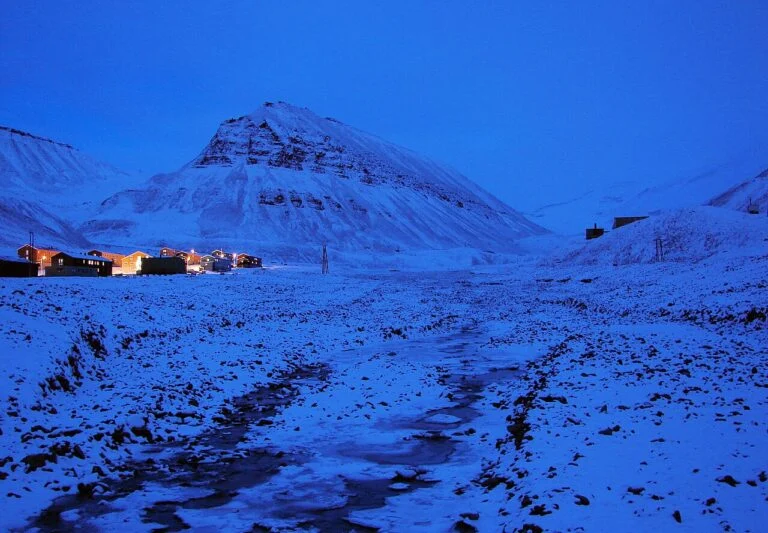
Polar Night in Norway
Compare northern bases before booking an aurora trip
Compare Alta hotels with Narvik hotels if your trip involves an airport or rail connection and a guided night outing. Check the operator’s actual meeting point and the late-night return. Senja hotels can suit a quieter island stay, but account for winter roads when choosing your base.
For travellers moving through northern Norway via the coast or a flight, the Bodø hotel guide is useful for organising a transfer night. None of these accommodation choices guarantees clear skies or an aurora sighting.
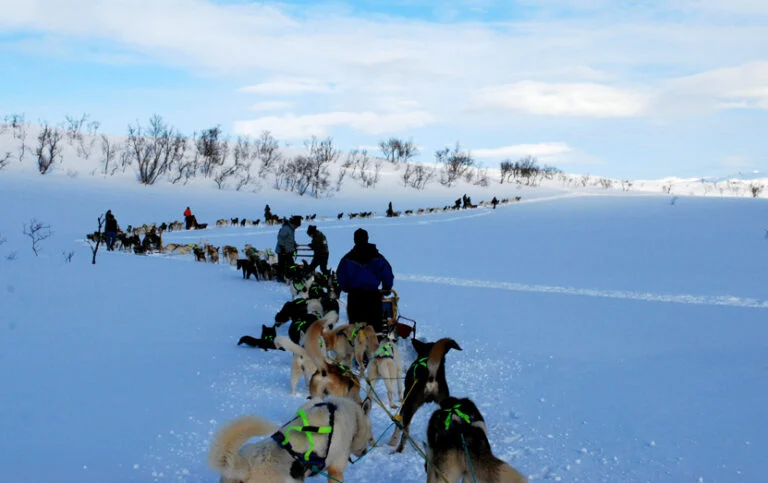
Dog Sledding in Norway