Campervan Trips in Norway: 10 Routes and Planning Decisions
Campervan trips in Norway work best when the route follows the vehicle, the weather and the places you can legally stay. A fjord road can take much longer than its distance suggests, and a parking bay is useful only if it can accommodate your vehicle. These ten planning decisions take you from rental pickup to a realistic western fjord itinerary, with separate options for longer holidays.
Quick answers
- Worth it? Yes for travellers who want flexible stops and are comfortable driving a larger vehicle.
- Time: Allow three days for a small fjord circuit and longer for a multi-region trip.
- Best time: Summer is usually simplest for scenic-road access and campsite services.
- Cost: Budget for hire, fuel, tolls, ferries, campsites and optional power.
- Transport: Collect and return in one region unless a one-way rental fits your route and budget.
- Priorities: Check vehicle dimensions, reserve key overnight stops and verify each day’s roads.
1. Choose a vehicle that fits the route
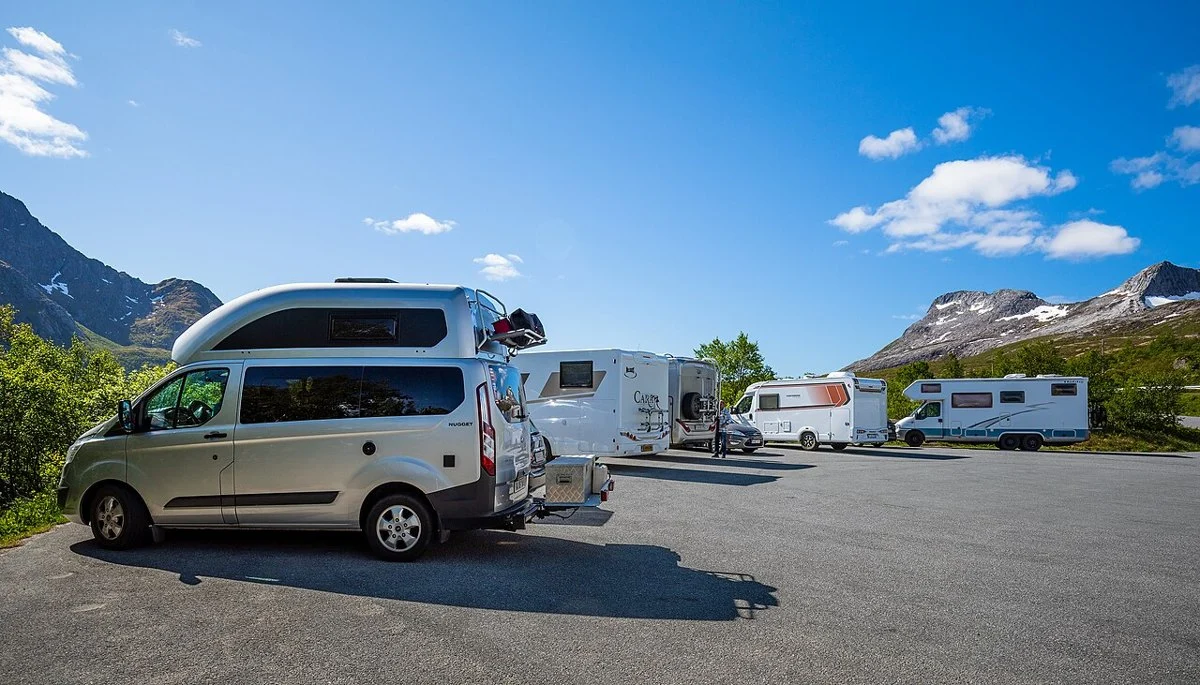
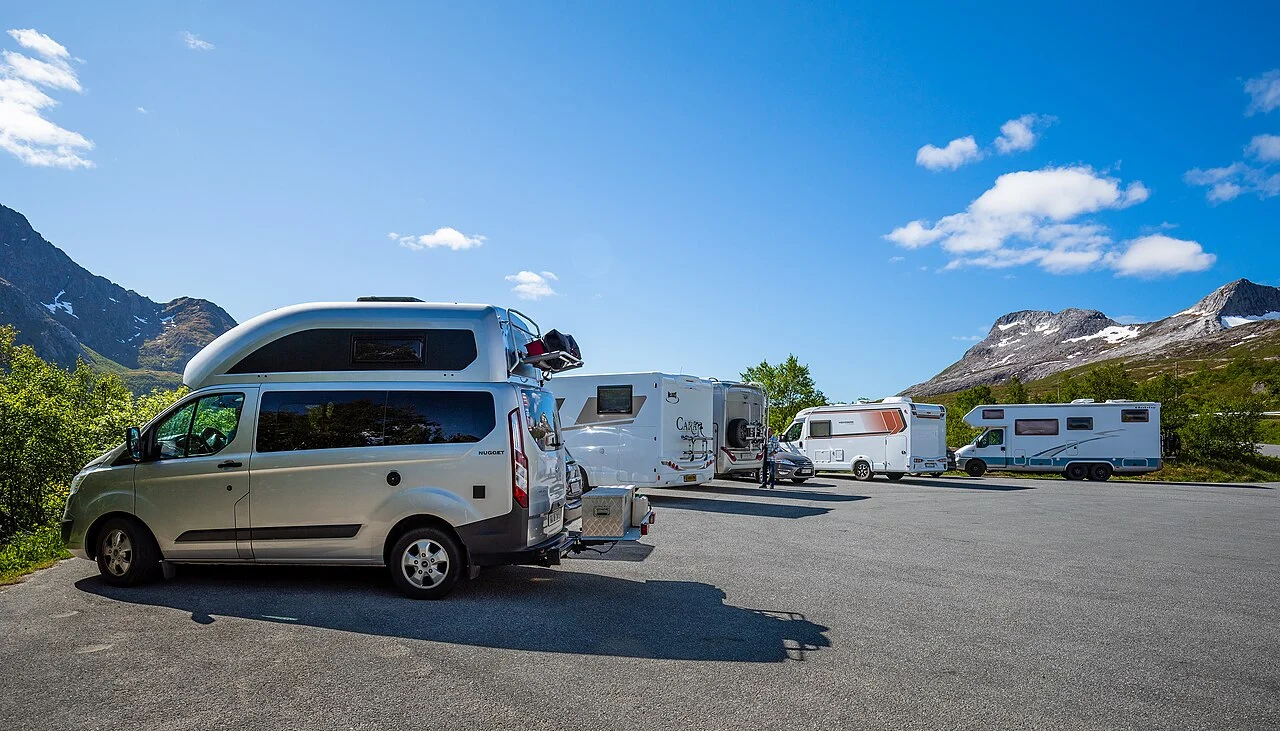
A compact campervan generally gives you more parking choices than a large motorhome. A bigger vehicle can be worthwhile if you need separate beds, more indoor space or a toilet, especially in wet weather. Compare those needs against the routes you are actually planning.
At collection, ask someone to show you how the vehicle’s heating, water and electrical systems work. Check how much room you have for wet gear when the beds are set up. If you are travelling with children, verify seat belts and child-seat fit before packing supplies around the passenger area.
Record the height, width, actual length and relevant weight limits. Include a rear bike rack when checking applicable ferry charges. Confirm driving-licence and rental restrictions for the model and allow enough pickup time to report damage, inspect tyres and ask where to get help.
2. Use Bergen and Voss as a manageable first leg
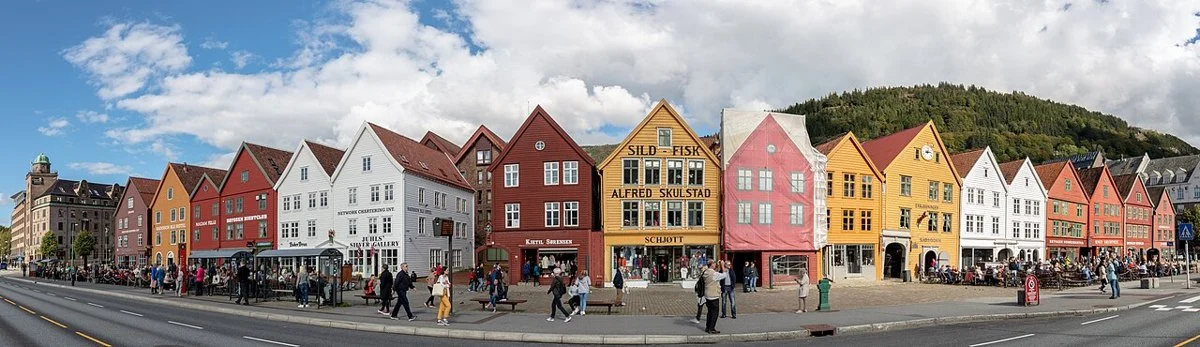
A west Norway itinerary can start in Bergen and move inland to Voss. This keeps your first drive short enough to collect the van, shop and reach a campsite while reception is open. Spend city time before collection if you do not want to manage parking in central Bergen.
Use the first evening to learn how much water and power you use and what is awkward to reach once the beds are open. If there is steady rain, a serviced site gives you a place to dry off and troubleshoot equipment before driving farther into the fjords.
Check campsite check-in, the route from the rental depot and whether your pitch includes electricity. Allow most of the afternoon for the rental handover and the first drive. Our Bergen guide helps you plan the city part separately.
3. Add Hardanger without making a long loop
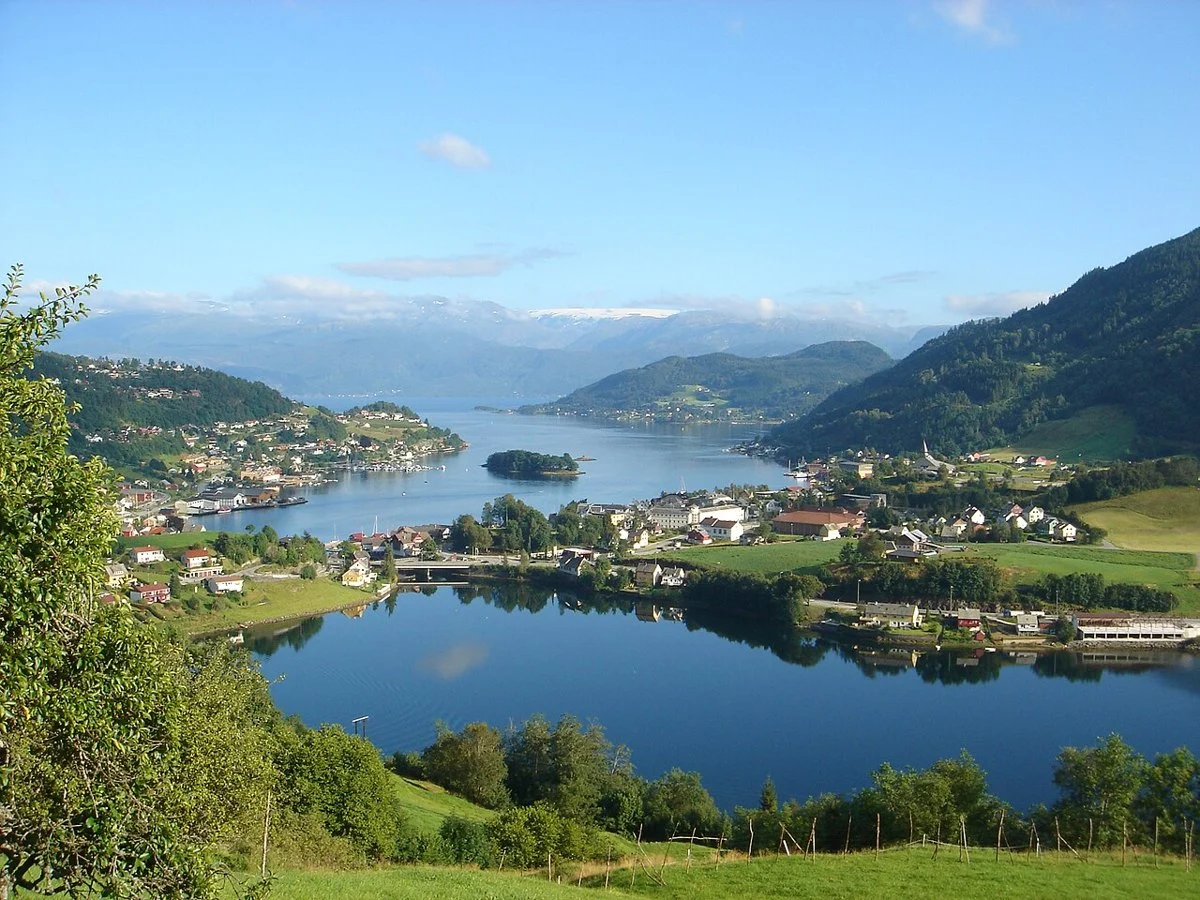
Hardanger works as a short extension from Voss or as the focus of an entire trip. Norheimsund and Øystese sit on the northern side of the fjord, while Eidfjord is farther inland. Choose one area for the day and check whether a bridge, ferry or mountain road is involved in getting there.
Take time to explore one waterfront or village on foot after parking legally. A campervan gives you a place to eat during a shower, but roadside stopping needs a suitable designated space. If the first viewpoint is full, continue to a larger stop instead of waiting in a narrow access lane.
Pick one confirmed campsite and one realistic backup before leaving. Check seasonal attraction hours and allow an hour or more for an unhurried lunch stop. Review our scenic road trip guide before adding another drive to the same day.
4. Treat Flåm and Aurland as a full day
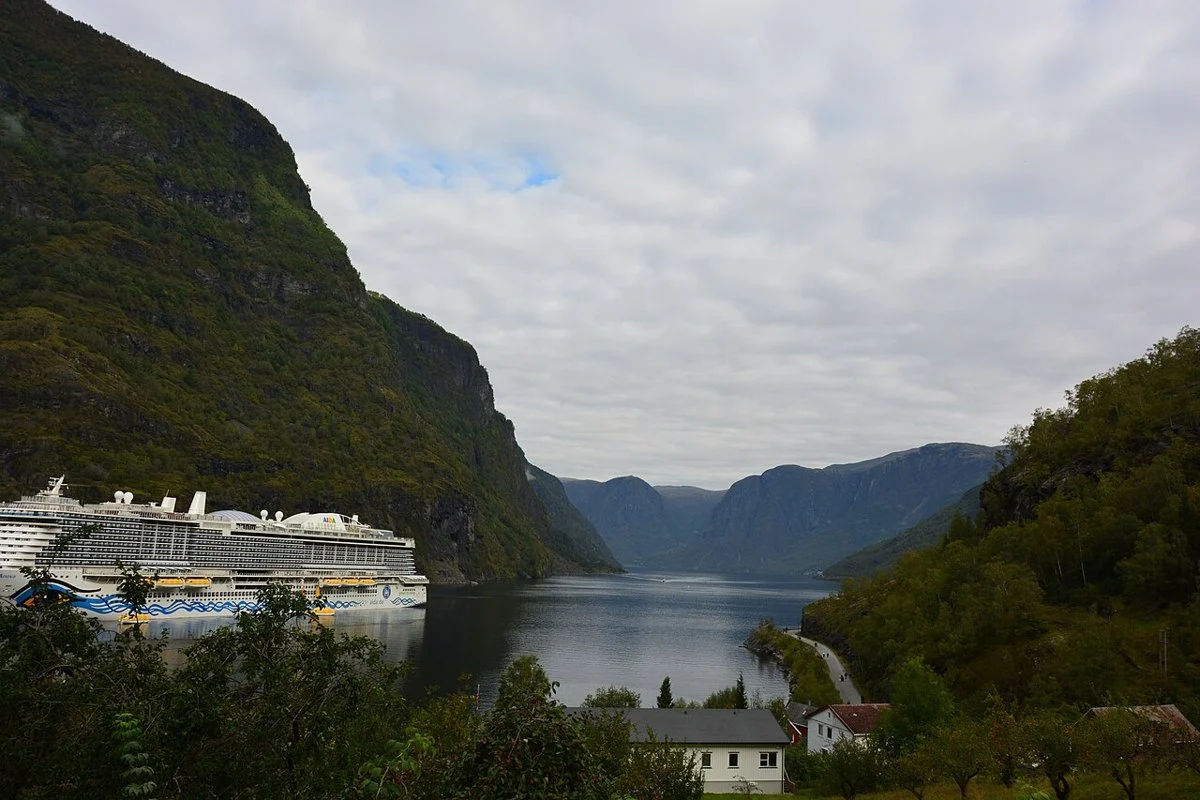
Aurland and Flåm offer fjord scenery within a relatively compact area. They can form a day from Voss or a separate overnight. Cruise calls and booked departures can affect how busy the waterfront is, and a campervan requires more space to park than a car.
Decide whether you are there for the water, a train journey or a viewpoint. One scheduled outing plus a short walk is plenty if you are also relocating. The Stegastein approach involves a narrow uphill road, so check vehicle access and consider a local tour or another view if it would be uncomfortable.
Book any priority cruise or train and allow time to get from parking to the meeting point. Check the campsite’s arrival deadline and look at current conditions before adding Aurlandsfjellet. Our fjord cruises guide can help you choose a sailing.
5. Give Geiranger and Trollstigen separate attention
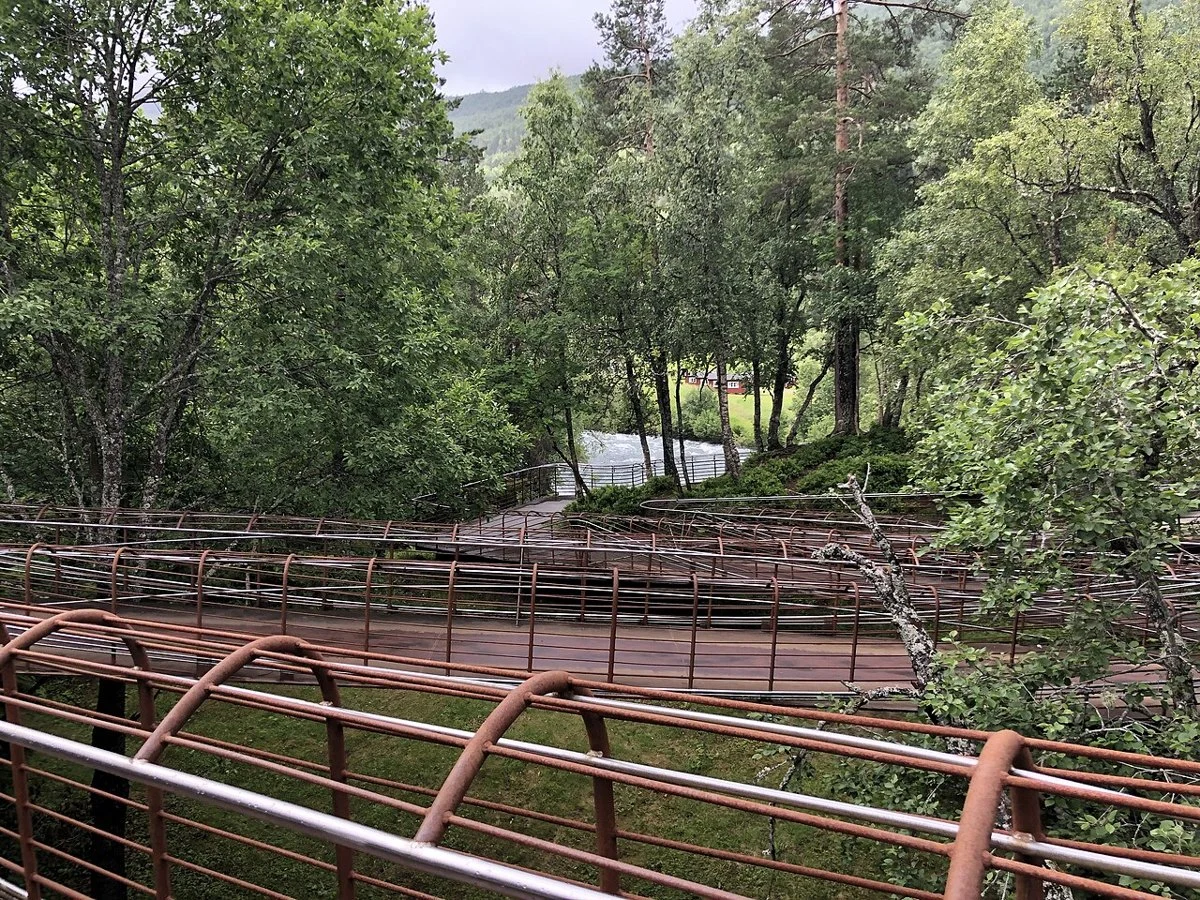
The official Geiranger–Trollstigen scenic route links mountain and fjord landscapes, but its roads do not all operate year-round. Trollstigen and the Geiranger approach from Langvatnet need separate condition checks. A summer date alone does not establish access after roadworks, rockfall or unusual weather.
Decide whether your group wants to drive the winding sections in a campervan. It can be more enjoyable to stay near the fjord and book a local excursion than to spend the day checking clearance, traffic and turning space. When you do drive, park only where the vehicle fits fully.
Check official alerts on the morning of travel and plan a route using open roads if the preferred leg is closed. Confirm any ferry separately and reserve an overnight that leaves time for delays. Use the Ålesund guide if the coast is your next stop.
6. Plan Lofoten as its own trip
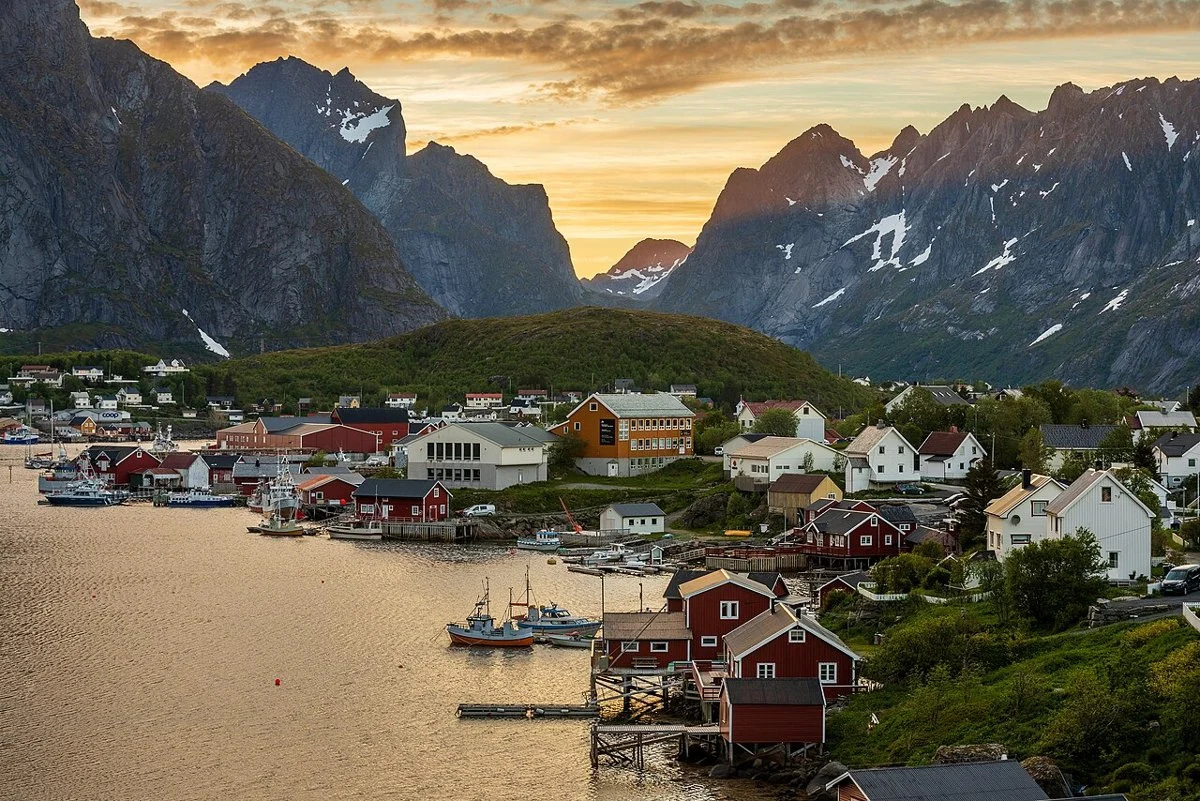
Lofoten is well suited to a slower itinerary, but it makes little sense as a rushed extension of a three-day western fjord loop. Collecting farther north can reduce transit days if a suitable rental is available. Compare a road approach with a ferry crossing before choosing where to collect.
Work from one or two overnight bases and group harbour, beach and village stops by area. Exposed coastal conditions can make a short drive feel demanding. When a small car park is full, look for a lawful larger alternative instead of using passing areas or private access roads.
Book campsite space and any relevant ferry around summer demand. Check the vehicle category and whether the crossing can be reserved. Allow an arrival day to adjust to wind or delays. Our Lofoten guide helps you choose the stops.
7. Check every ferry and toll separately
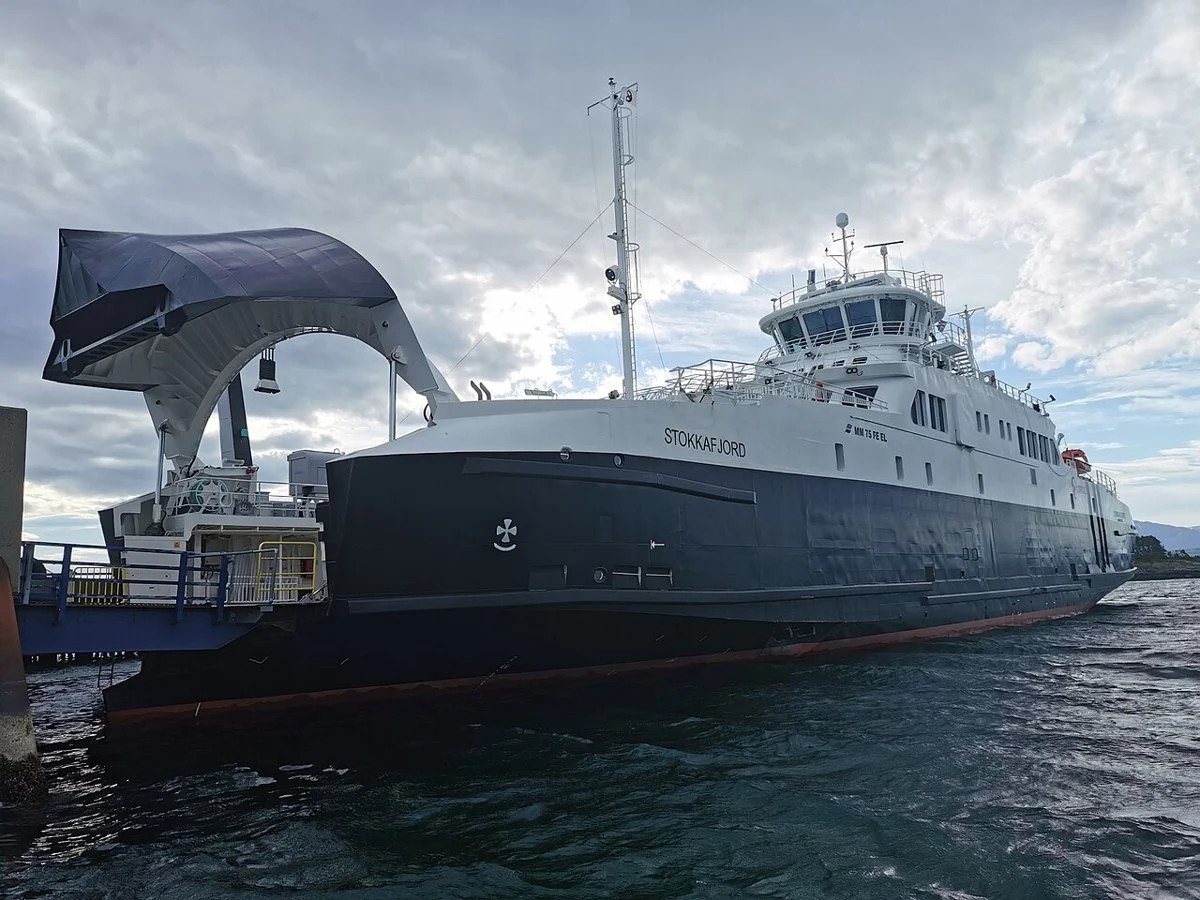
Ferries may be part of an ordinary road journey or booked sightseeing services. A search for the place name can return both. Verify the actual terminals, operator, check-in rules and whether the fare depends on the vehicle’s overall length.
Keep the rental agreement and registration details available. Ask the rental company how it bills tolls and ferries and whether it already manages the relevant accounts. You need to understand both the operator fare and the rental company’s handling charges before comparing a route with an all-road alternative.
Check departure times on the day and identify a later sailing if there is one. Build time for waiting or boarding around peak periods. Avoid putting a nonrefundable timed attraction immediately after a ferry unless there is enough room for an ordinary missed departure.
8. Book lawful overnight stops
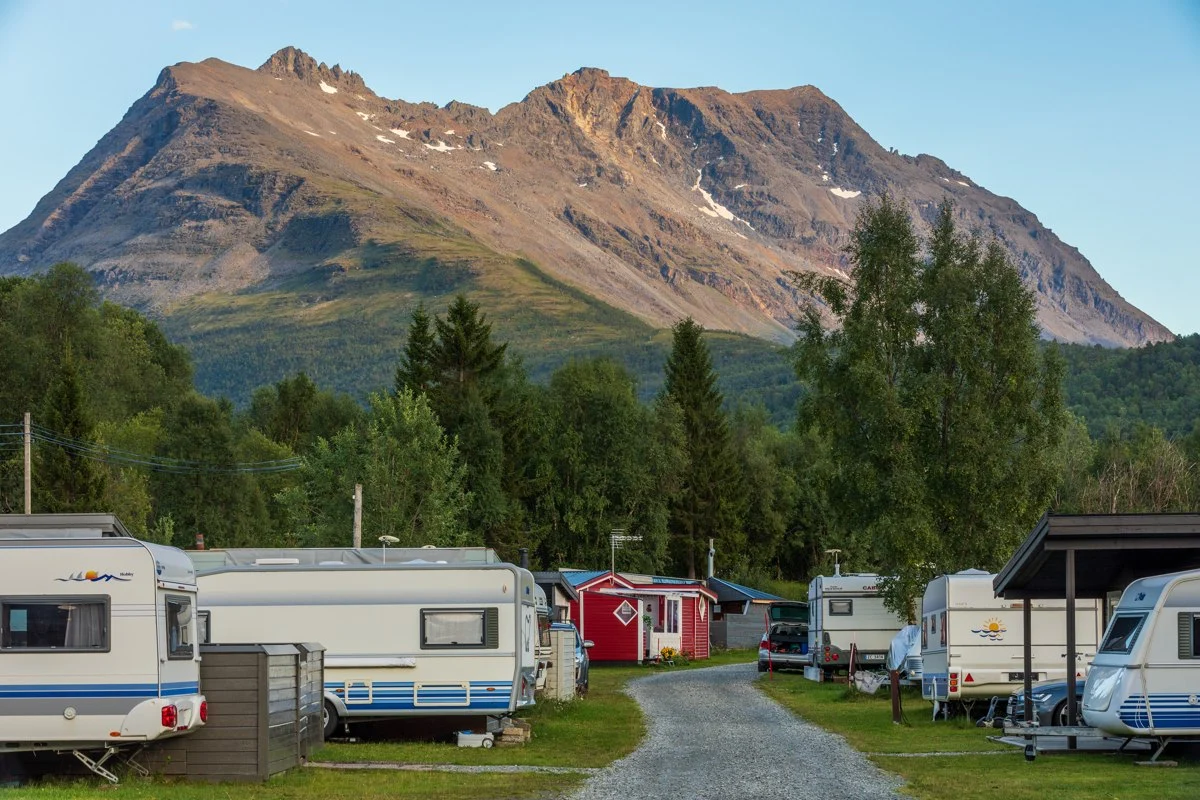
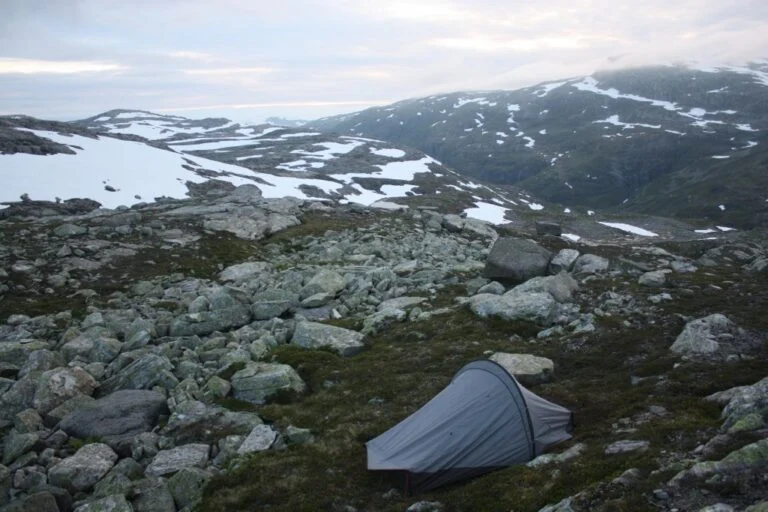
The right to roam does not grant permission to drive across open land or disregard parking and overnight restrictions. Designated campsites and motorhome areas are the simplest way to know where you can stay. A day-use parking sign may tell you little about overnight use unless you read all conditions.
Choose a site by the facilities you need. Some places offer space only, while others have water, toilets or electric hookups. Use an established site when you need services, when local restrictions make other places unsuitable or when you want a certain place to stop before dark.
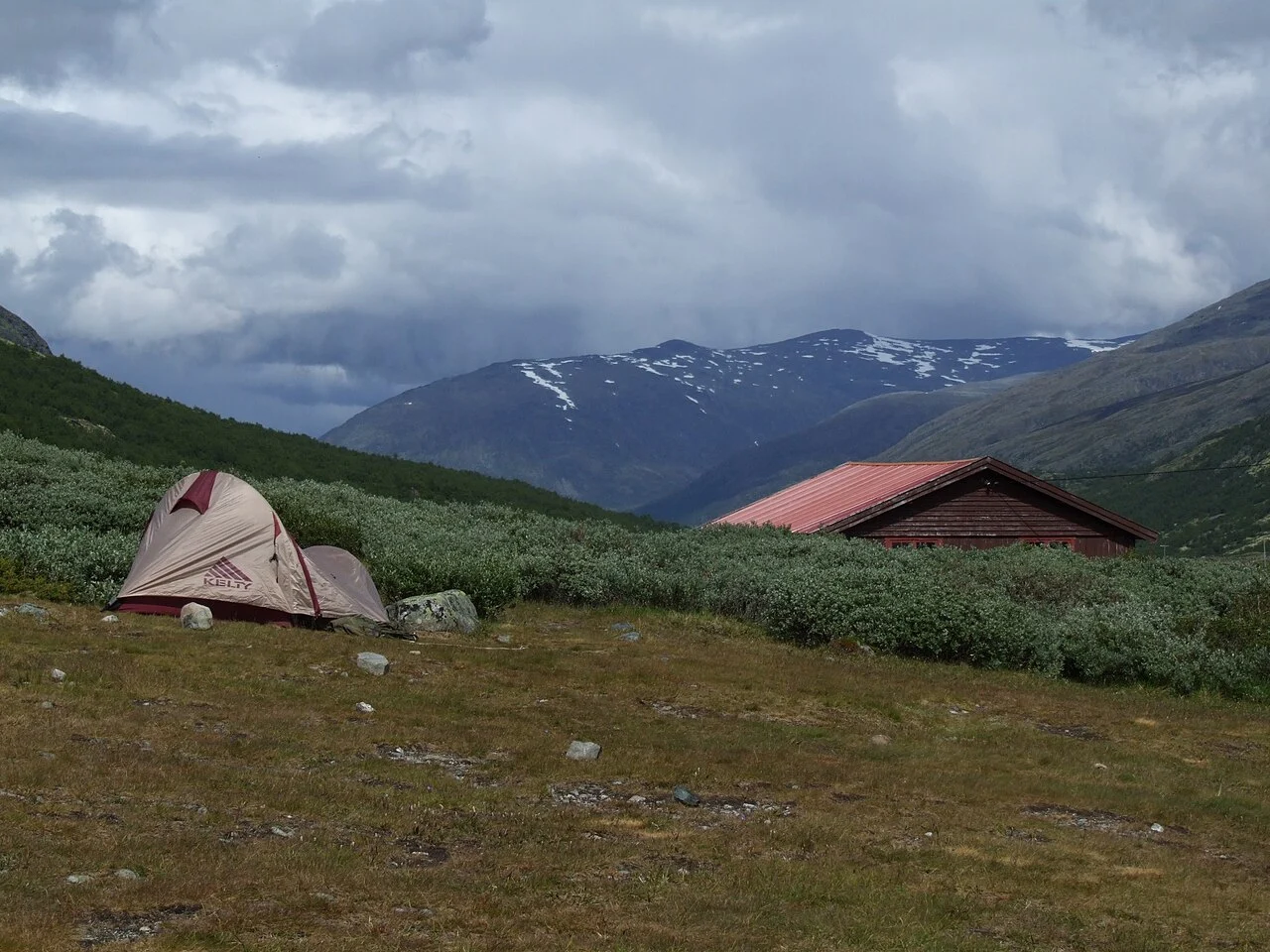
Confirm opening, vehicle size limits and arrival arrangements before setting off. Reserve busy nights and check whether power or showers cost extra. Keep the phone number and directions offline. The rules for a tent are covered in our wild camping guide.
9. Schedule water, waste and power stops
Fresh water, grey water and toilet waste each have different requirements. Use designated service facilities and follow the van operator’s instructions. A campsite’s public listing may say little about which services are available to visitors who are passing through.
Look at tank and power levels during breakfast, before you are on a remote road. The first couple of nights tell you how quickly the group uses water and how much your battery can support. Cold weather can change both heating demand and the practical use of the water system.
Ask each site whether it provides potable water, an appropriate waste point and the hookup you need. Plan a service stop well before the tank is full. Budget for a paid service or campsite if necessary and leave time to return the van with tanks, fuel and equipment in the condition specified.
10. Build a driving day with room to turn back
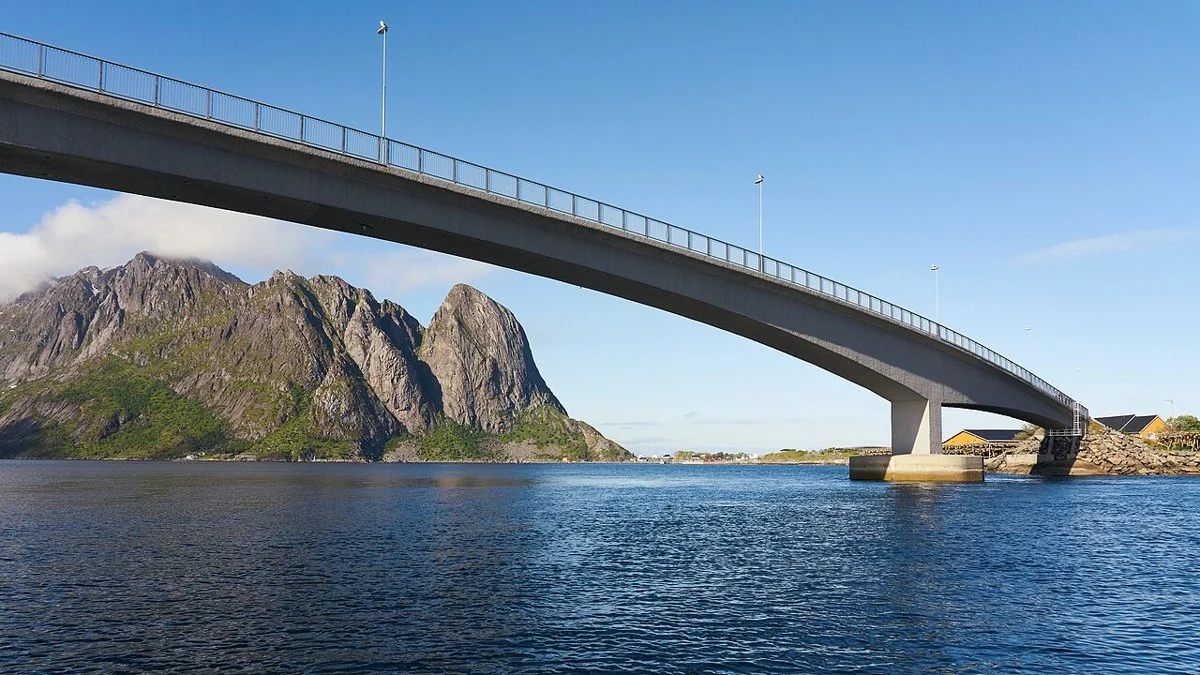
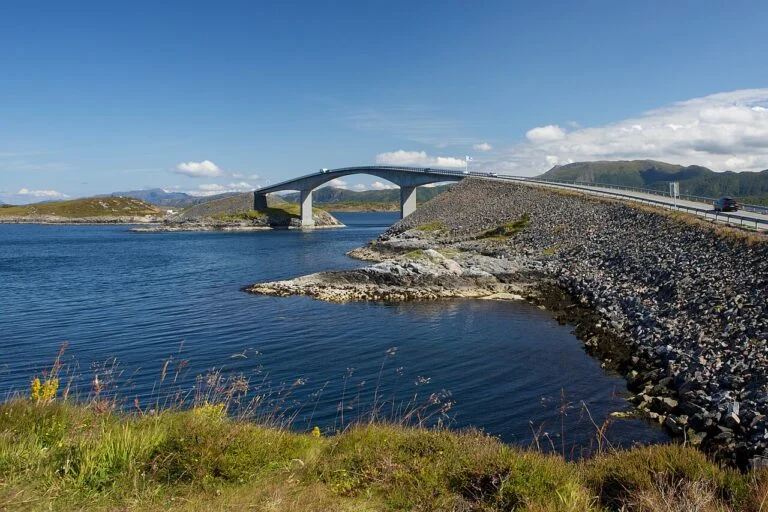
Norwegian roads can involve tunnels, steep sections and limited passing space. The map estimate usually represents movement, not a full day with shopping, photos, ferry queues and time to find a suitable pitch. For a new driver, the first day is a chance to learn how the vehicle feels on a shorter route.
Plan each day around one main stop and a confirmed overnight. Use passing places for their intended purpose and allow faster traffic to pass safely where permitted. Skip a narrow detour if the road surface, vehicle dimensions or weather make it hard to drive comfortably.
Check Vegvesen traffic reports and vehicle restrictions before leaving. Verify ferry and road alternatives together so a closure does not send you onto another difficult route. Add time for the final fuel stop and rental inspection. If the schedule is tight, shorten the previous evening’s drive.
Campervan trips in Norway itineraries
1-day itinerary
Start near Bergen, collect the van in the morning and spend time on the handover. Shop before leaving town and choose one afternoon stop on a short Voss-bound drive. Reach a booked site in the evening. If the weather slows the pickup, skip the sightseeing stop and head to the site.
2-day itinerary
On day one collect in Bergen, travel to Voss after lunch and use the evening to check the van at a serviced site. On day two drive to one Hardanger village in the morning, stop for lunch and return toward Bergen in the afternoon. Keep the evening or a later pickup slot for the rental return and verify the depot’s hours. If roads are affected, keep the second day around Voss.
3-day itinerary
On day one collect in Bergen and reach a Voss campsite in the afternoon. On day two go to Flåm or Aurland in the morning, allow the afternoon for one booked activity and stay at a confirmed site. On day three take a short morning walk, return toward Bergen after lunch and leave time for fuel and inspection. Use a lower route or drop the extra stop if roads close. If the return is early, sleep nearer the depot on day two.
Campervan trips in Norway travel tips
Ask for a quote including mileage, extra drivers, bedding, insurance excess, cleaning and any one-way fee. Compare the total in kroner with a car and rooms. A compact van may cost less on some crossings, but check actual fares rather than assuming a universal length band.
Check height and length restrictions, road alerts and local weather every morning. Winter travel requires suitable equipment and current advice from the rental company and road authority. Plan a lower-altitude route in poor conditions and avoid adding a late mountain crossing to recover time.
Book the first and last nights and any high-demand stop your route depends on. Confirm fuel type, handover hours and where to empty tanks before the return. Keep an offline copy of campsite details, operator contacts and relevant booking confirmations.
Related planning
Destinations for your trip
Frequently asked questions
Is a campervan worth it for three days?
Yes if you stay within one region and leave time for pickup and return. Voss and one fjord stop are enough for a first trip.
What will the trip cost?
Compare hire, fuel, campsite, toll and ferry charges. Include cleaning and any insurance excess or additional equipment charges in your comparison.
Can I sleep anywhere with a campervan?
Use places where vehicle parking and overnight stays are permitted. Check local signs, private-property rules and any restrictions.
Should I book a campsite ahead?
Book key summer nights and any pitch you need for electricity, waste disposal or a late arrival. Check that the vehicle fits.
How are ferries charged?
The operator and route determine the fare. Actual length, including a protruding rack, can affect the category. Check how the rental company handles payment.
What happens if a scenic road closes?
Use Vegvesen’s current information and choose an open route that fits your vehicle. Keep a lower-altitude or shorter alternative.
Conclusion
A good campervan route has enough space between pickup, driving and the evening stop. Start with one region, check the roads and vehicle limits each morning, and keep the overnight and return logistics simple.
Official sources and current conditions
Check operators and official visitor information for current prices, hours, access and booking rules.