Svalbard Wildlife Tours: 10 Ways to Plan Your Visit
Svalbard wildlife tours range from short guided drives near Longyearbyen to summer boat trips that look for walruses. This guide compares seasons, prices and boarding arrangements and shows how to leave room for Arctic weather.
Svalbard wildlife tours at a glance
- Worth it? Yes for Arctic wildlife and landscapes, with variable sightings.
- How long? Two to three days based in Longyearbyen.
- When? Choose polar summer for boat trips or sunny winter for snowy scenery.
- Cost? Example prices range from about NOK 900 for a guided drive to NOK 3,100–3,200 for a walrus boat trip.
- Transport? Use the airport shuttle or a taxi and confirm operator pickup.
- Three priorities. Book a local guide, check wildlife rules and keep a spare half-day.
1. Choosing a Svalbard wildlife tour
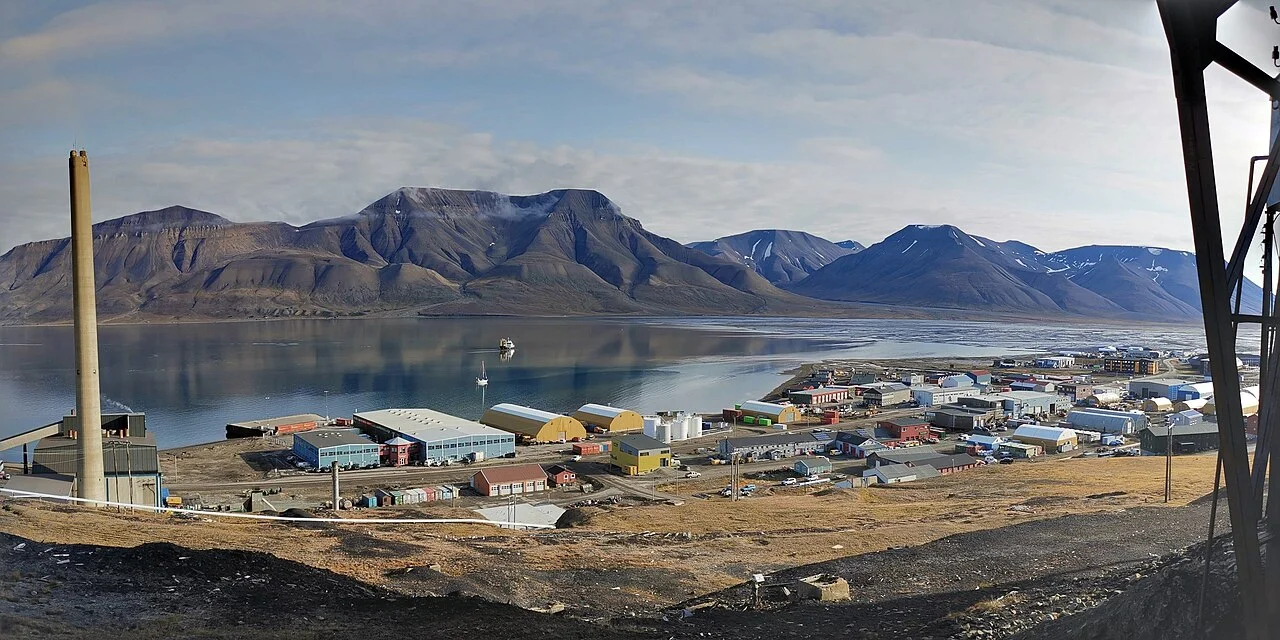
Longyearbyen is the most practical base for a short wildlife trip. You can sleep in town, take a guided land outing and try a fjord trip without changing accommodation. A guide who can explain the landscape and identify animals at a distance adds value on a day when sightings are sparse. Choose an outing whose route, scenery and time outdoors would justify the fare even if you see very few animals.
A guided drive with short walks suits travellers who want a gentler introduction or have a limited window between arrival and dinner. A dedicated photography walk gives the group more time to stop, watch and wait. That pace is worthwhile if your interest is animal behaviour, but it can feel slow for children who want to keep moving. Ask how long the longest walk is, what the ground is like and whether passengers can remain in the vehicle at a stop.
Boat outings are a different decision. Check whether there is an enclosed cabin, a toilet, a sheltered place to sit and a safe way for everyone in your group to board. Compare the time underway with the time planned for observation. A shorter excursion often makes sense if you are unsure how you tolerate motion. Ask what the skipper can offer when the planned viewing area is inaccessible and how you will be told about a route change.
2. Seasons and what you might see
Choose the season for the activity you would most like to do. If your main aim is watching seabirds or looking for walruses from the water, start with the polar summer timetable. Individual operators publish different dates. Sea ice can affect access in the earlier part of the boating season, while wind can change the route at any point. Compare an operator’s actual departures for your dates instead of relying on the season name.
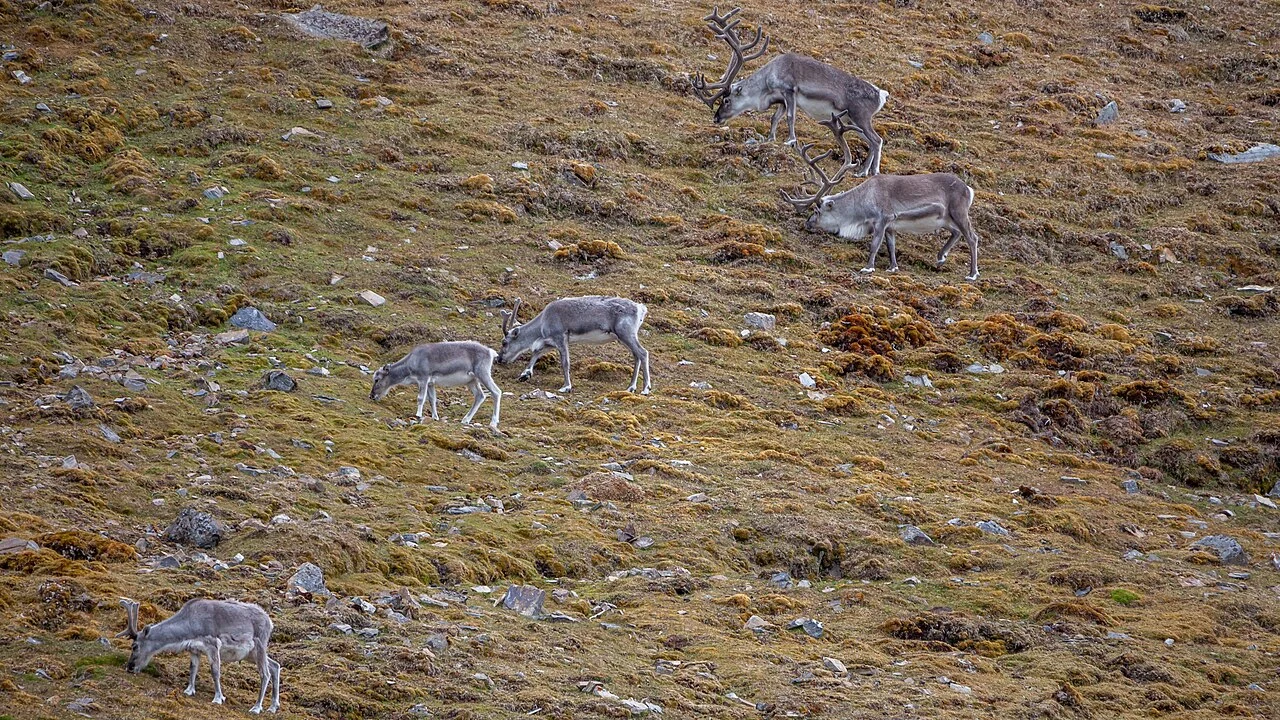
On land, Svalbard reindeer and Arctic foxes are among the species you may hear about on local outings. Their movements and visibility vary, and a walk along the edge of town can yield more interesting observations than a long drive on another day. In summer, a guide can help distinguish birds without moving closer to a nesting area. Snow and low light change both the subjects you can see and how long it is comfortable to stand still.
During the dark season, choose an experience whose description makes sense without landscape visibility. A town-based outing and a museum visit can fill the day, with a guided evening activity if it runs. For a trip focused on snowy scenery and the chance to see it in daylight, look at the sunny winter calendar. The polar night guide explains the difference between the deeper dark season and the periods with twilight.
3. Tour prices and what the fare includes
Visit Svalbard lists Rana Itinerans’ Drive & Stroll with two- and three-hour formats and an example rate of NOK 899 per person. Confirm the current duration, rate and pickup point, and tell the provider what you hope to see. Ask whether the price shown applies to an individual seat or requires a minimum group. A short drive can work well on the first day if you arrive early enough to leave time for delays.
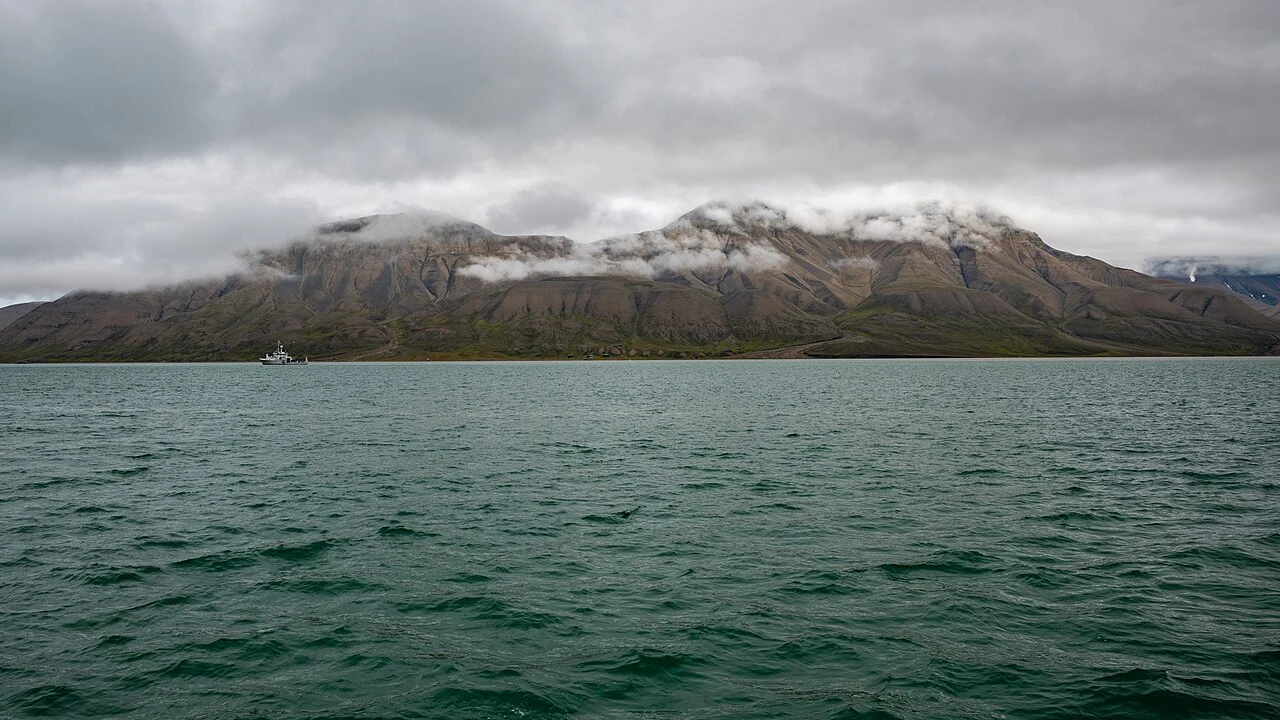
Visit Svalbard lists Hurtigruten Svalbard’s closed-boat walrus outing at about four hours, with an example adult price of NOK 3,095 and a minimum age of eight. Better Moments has a separate listing at NOK 3,200 per adult. Treat the prices as examples and check current booking calendars, boarding instructions and clothing requirements. Find out whether you will need to reach the harbour independently and how much time the provider allows between check-in and departure.
When comparing prices for a family, check each passenger’s age band, the total cost and the cancellation terms. A private land outing may make financial sense for a group that wants an adjustable pace, while an individual seat is easier to price for a solo traveller. For the complete trip, add flights, accommodation, airport transport and food. A weather buffer can be another night in town or a free half-day, depending on what you can afford and how important the boat is to your plans.
4. Polar bears, landings and wildlife distance
The Governor of Svalbard says it is prohibited to unnecessarily disturb, attract or pursue polar bears. Where the statutory distance requirements apply, the minimum is 300 metres, increasing to 500 metres from 1 March to 30 June. The Governor also explains the duty to retreat in applicable close encounters and the exceptions for certain locations. Read the current rules before departure. On an organised excursion, follow the guide or skipper and expect them to change course if wildlife makes the original plan unsuitable.
Visit Svalbard recommends joining organised outings with local activity providers for travel into the wilderness. For trips from 1 July 2027, the Governor states that tourism and field operations outside inhabited areas must use approved Svalbard guides. Read the official field-safety notice and ask the operator how it meets the requirements for your dates. Ask your accommodation or the visitor information centre where you can walk independently within Longyearbyen. A road continuing beyond the last cluster of buildings does not tell you where the appropriate limits are. If a guided hike is cancelled, stay in town or book another organised activity that the provider considers suitable for the conditions.
Landing permissions and restrictions around wildlife can also change the experience on a boat trip. Ask whether the tour normally observes from the vessel and whether a landing depends on conditions and permission. A skipper may also change the route for wind, sea ice or wildlife. Binoculars help when a walrus or seabird is far from the boat. Leave the decision about where to stand, how long to observe and when to move to the guide.
5. Planning the stay from Longyearbyen
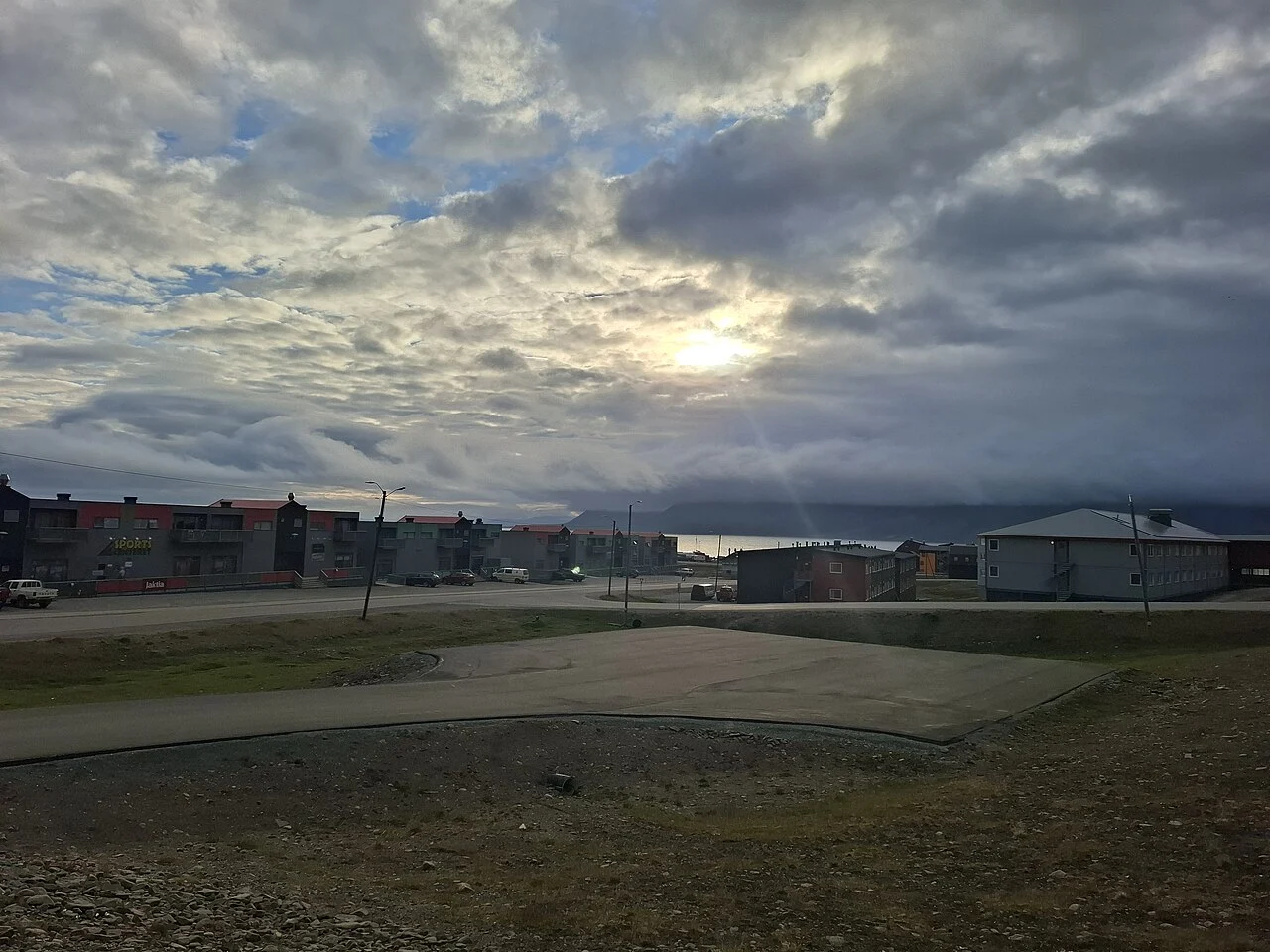
Use the airport shuttle information to check the stop for your accommodation. Confirm a separate pickup for the wildlife tour where required. If you have limited mobility, ask for the distance between the vehicle and the departure point, whether there are steps at the dock and what happens if the boat uses a different berth. Compare this with the actual conditions you are comfortable managing.
Keep the first few hours of arrival day simple. A delayed flight or a missed connection can spoil a prepaid afternoon outing. Choose one priority excursion early in the stay and leave another block free in case of a change. Ask the company how far ahead it contacts passengers and what it offers if it cannot run. Avoid assuming a changed outing will fit around your next reservation. Use the Longyearbyen travel guide to choose local stops that fit between tours.
Give the museum about an hour, or longer if you plan to read the displays closely. Check its current admission and opening times before arranging the rest of the day. It is also a useful first stop if you want context for Svalbard’s wildlife and history before a tour. For a guided museum visit, the museum advertises a one-hour option at NOK 400 per person. Confirm the dates, availability and whether that product suits your group.
6. Watch for seals on a fjord outing
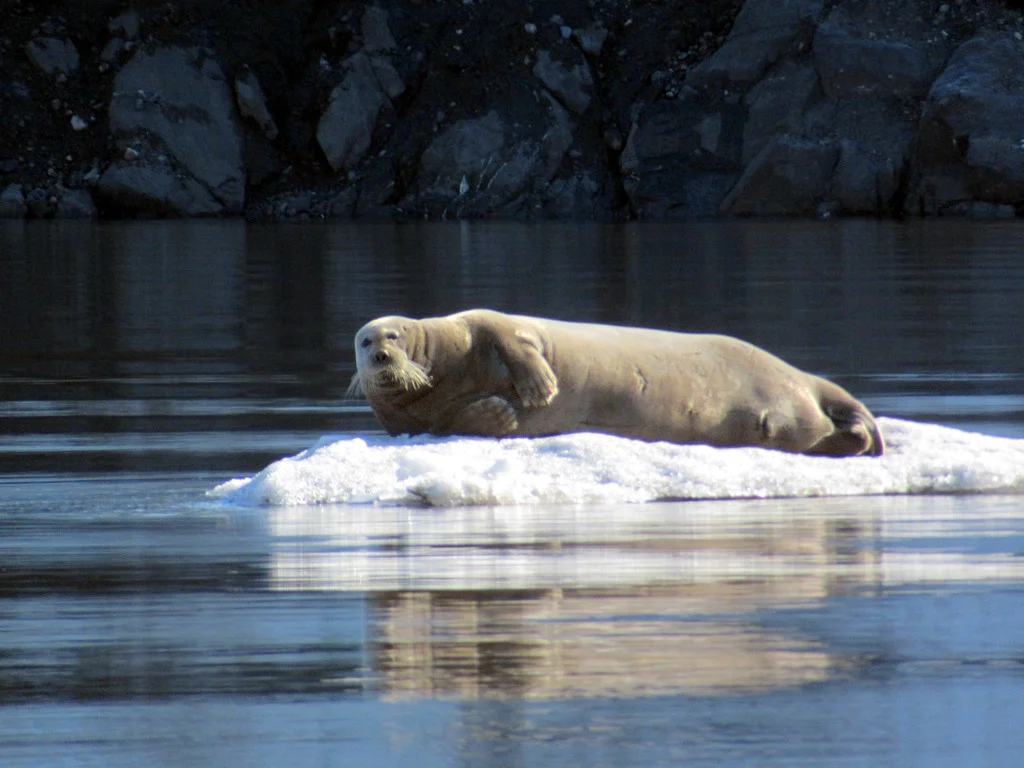
Seals may be seen from boats and along the ice edge, depending on where the vessel can travel that day.
Bring binoculars and watch the water as well as any floating ice. Listen for the guide’s explanation of the species and how to observe it from a distance.
Check the exact route, time on the water and fare before paying. Use the operator’s advice on what wildlife is plausible during the month you visit.
7. Choose a walrus-focused sailing
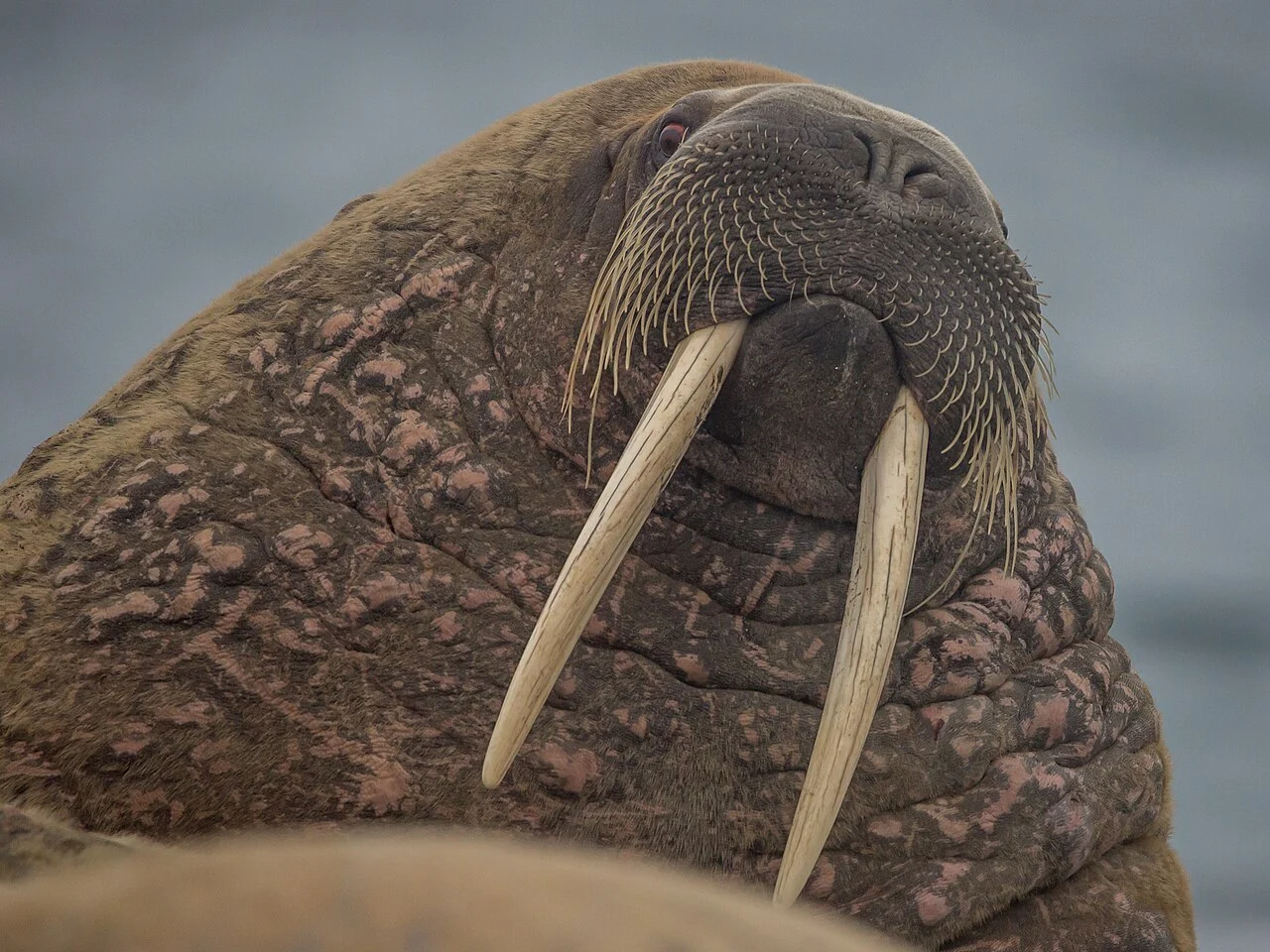
A dedicated itinerary can help if walrus is one reason for visiting Svalbard. Ask where the boat expects to go and how viewing works from the vessel.
Watch the shoreline or water from the position the crew gives you. Locations can change with season and conditions, and a stop may be dropped.
Compare the route, price and length, and leave space for a change of plan before an onward flight.
8. Look for Arctic fox with a guide
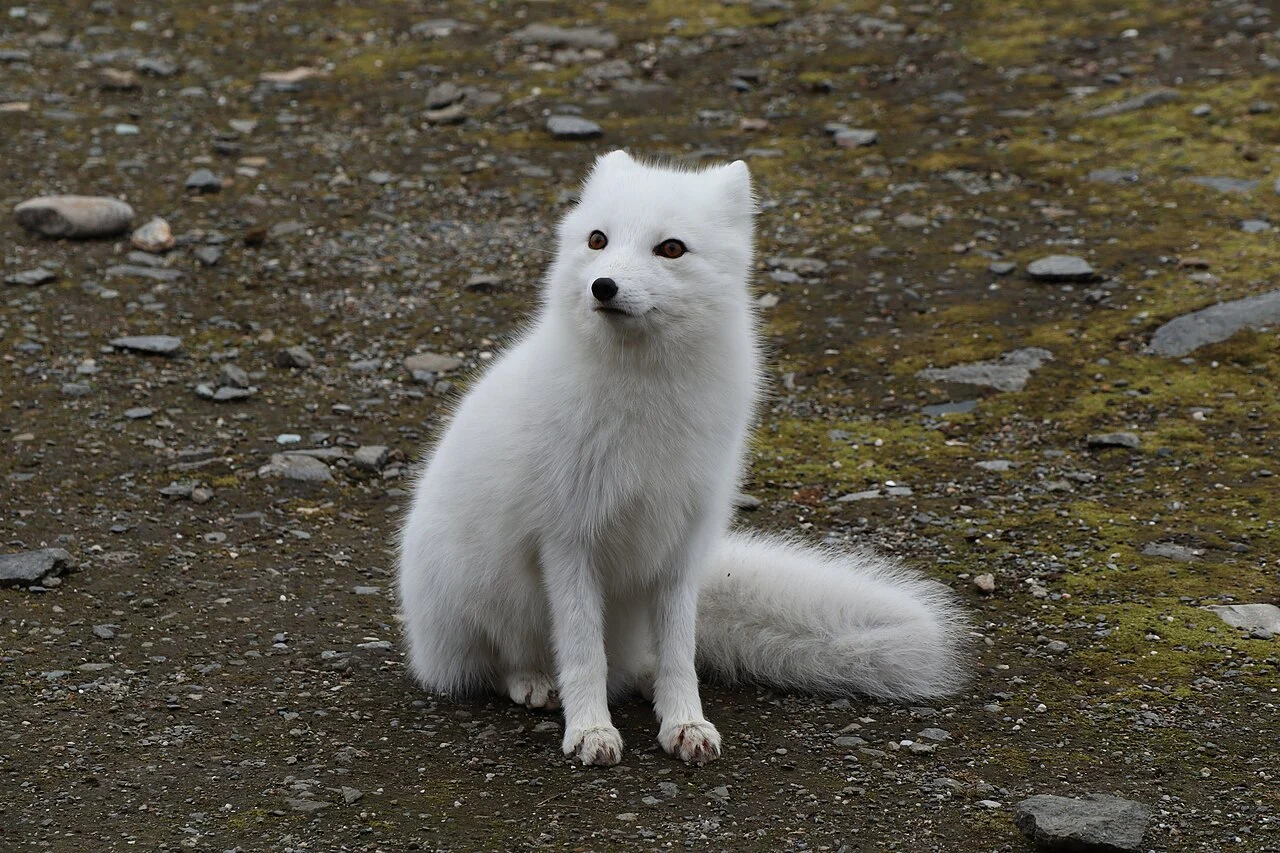
An Arctic fox sighting is a possibility on some outings, although animals move independently of tour schedules.
Keep distance and avoid trying to draw a fox closer. Ask your guide about the terrain and other tracks or wildlife you might notice while waiting.
Check which guided trips actually cover appropriate terrain and whether the price includes transport. Plan the outing for reasons beyond seeing one species.
9. Compare an Isfjorden itinerary
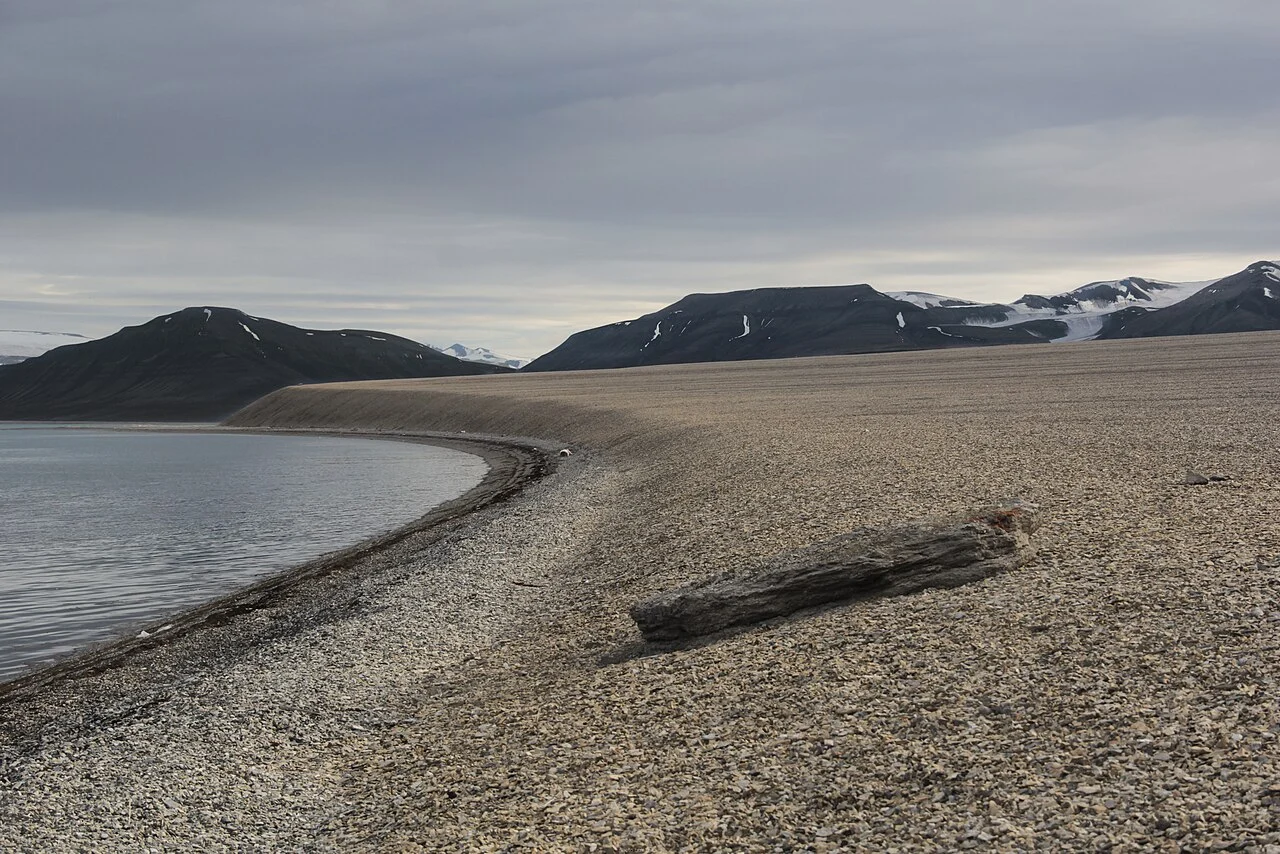
A trip on Isfjorden can give you a broad perspective on the coast, even with few wildlife sightings.
Ask about deck shelter and how long the crew typically stays at a viewing stop. A cabin is useful when cold or spray makes it hard to remain outside for a long session.
Allow a half-day or longer according to the published sailing. Compare vessel, fare and cancellation terms before booking.
10. Keep scenery as part of the wildlife plan

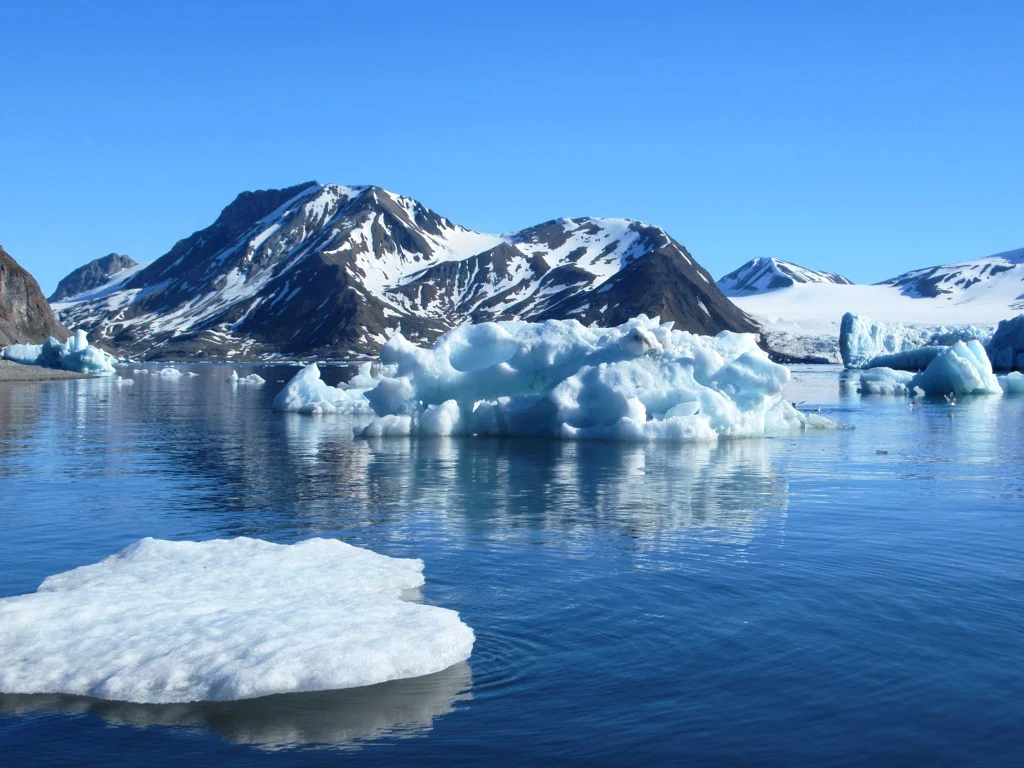
Glaciers and fjord scenery are reasons to choose a route even when sightings are sparse. Different sailings reach different parts of the archipelago.
Read the map with the expected weather and time on board in mind. For a first visit, a shorter trip with ample deck time may suit you better than the most distant itinerary.
Confirm the operator’s advertised route, seasonal alternatives and fare. Keep a separate town plan if conditions lead to cancellation.
One-, two- and three-day itineraries
One day in Longyearbyen. Use 09:00–11:30 for breakfast and a museum visit if it is open. Keep the afternoon for a prearranged two- or three-hour drive with short stops, allowing time for pickup and a warm meal afterwards. Stay in town for dinner. If bad weather stops the excursion, spend longer at the museum and choose a short town walk only if local advice and conditions allow. If you depart that evening, leave enough time to collect bags and catch the airport shuttle.
Two days with a summer boat trip. On day one, settle in, confirm the meeting point and choose a short afternoon outing only if the arrival time allows. Eat in town and check the next day’s sailing arrangements. On day two, reserve a half-day for a fjord or walrus trip. Return to town for a warm meal and keep the other half-day flexible. If the boat cannot run, ask about a guided drive and move the museum to the most useful opening window. Leave the evening free for a rescheduled departure only if the operator offers one.
Three days with a weather buffer. On day one, spend the late morning or afternoon at the museum and get familiar with your pickup location before dinner. Use day two for the priority boat or guided land outing. On day three, leave the morning or afternoon available for a moved booking. If everything has already run, choose a short guided photography outing or spend more time in town before dinner. In the dark season, use the same order with a guided land excursion as the main booking and avoid making a summer boat route part of the itinerary.
Practical tips before booking
Pack for periods of sitting or standing in the cold. Ask what the operator supplies and what it expects you to bring, including suitable footwear, layers and protection from wind or spray. Check whether an open boat requires you to arrive early for fitting. If you plan to take photos, ask how to secure equipment and where bags can go. Binoculars are often more useful than trying to photograph a distant animal with a phone.
Ask about food and toilets before choosing a half-day outing. If the boat leaves near lunchtime, plan a meal that fits the pickup schedule. On a land outing, clarify what the guide means by a short walk and whether stops can be shortened. A traveller who is comfortable walking in town may have a different experience on uneven or icy ground.
Book the activity with the most limited availability first and use current operator information for dates, prices and schedules. Tell the provider how long you are in town, particularly if you would consider a different departure. Keep one indoor plan that your group genuinely wants to do. If you are combining wildlife viewing with a guided snowmobile trip, check the two activities’ requirements and allow time between bookings.
Related planning
Destinations for your trip
Questions and answers
Is a Svalbard wildlife tour worth it?
Yes if you want to learn about the Arctic and would enjoy the scenery even with few sightings. Choose a trip that suits your interests and comfort.
Will I see polar bears?
Sightings are unpredictable. Book for the landscape and other wildlife, and follow the guide and the Governor’s distance rules if a bear appears.
How much should I budget?
The guided drive example is NOK 899 per person. Two walrus boat listings give adult prices of roughly NOK 3,100–3,200. Confirm rates for your date.
What is the best season?
Look at polar summer for seabird and walrus boat outings, and sunny winter for daylight on a snowy landscape. Check the exact tour calendar.
How many days should I allow?
Two to three days in Longyearbyen give you time for a priority outing and a backup slot. A single day works best for a town-based visit.
Do I need a car or advance booking?
Use the airport shuttle or a taxi and confirm your tour pickup. Reserve the outing that matters most and leave room for changes.
Book one main outing and keep a spare slot
Stay in Longyearbyen, pick a trip you would enjoy even without a close sighting and reserve a second window for changes. Give yourself time to learn about the wildlife, whether that means a guide’s explanation on the water or an hour at the museum.
Sources and further reading
Check official guidance for current restrictions, opening hours, fares and schedules before you travel.