Polar Night in Norway: 10 Ways to Plan a Winter Trip
Polar night in Norway can mean blue twilight on the Tromsø waterfront or nearly round-the-clock darkness in Longyearbyen. Choose your base by how much light you want, how you will get around and what you would still enjoy under a cloudy sky.
Compare mainland and High Arctic conditions, choose a short itinerary and budget for the outings you want to book.
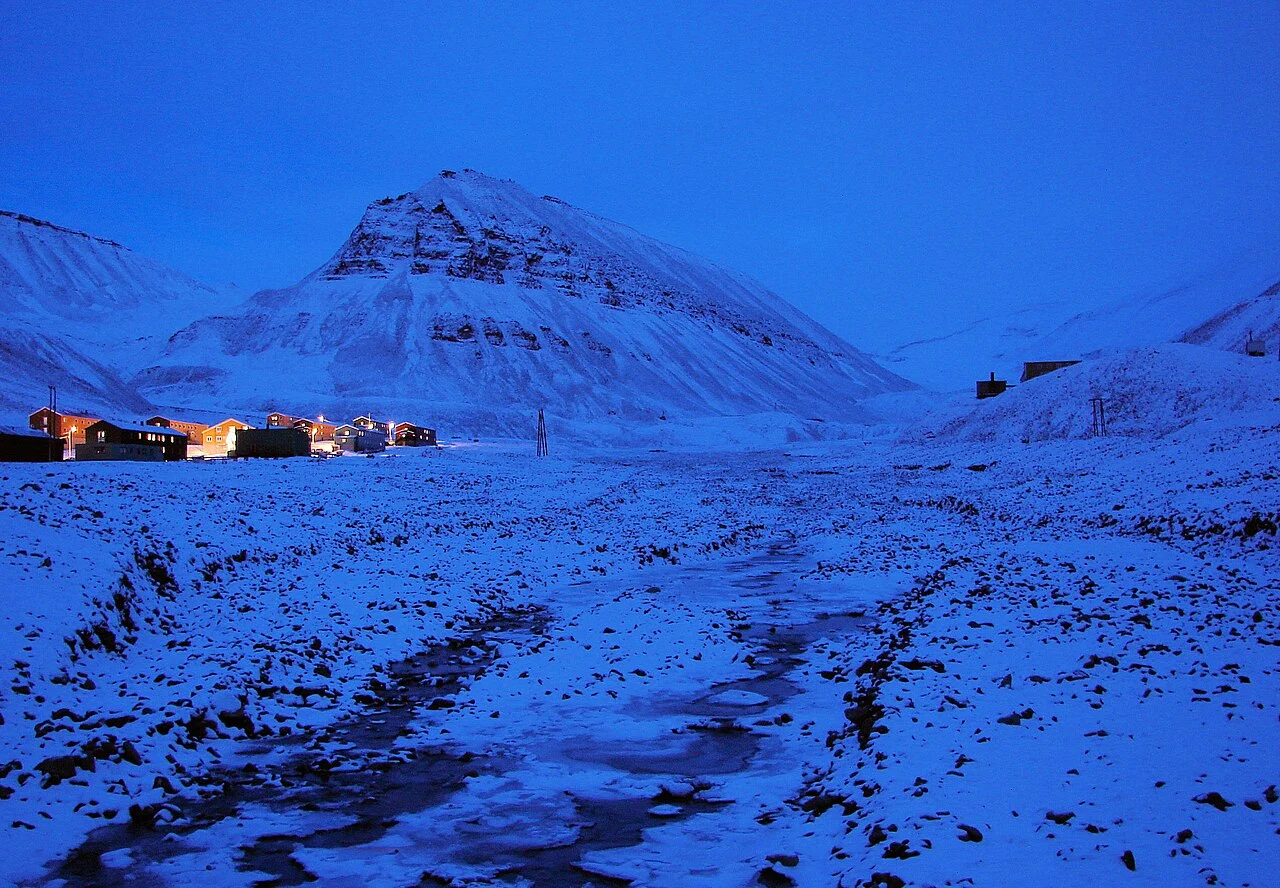
Polar night in Norway at a glance
- Worth visiting? Yes, for Arctic twilight and guided winter outings.
- How long? Two to three nights in one base.
- When? December for mainland darkness, January for a gradual return of twilight.
- Cost? Walks are free. A guided aurora outing can cost roughly NOK 1,800–2,750 per adult in the examples below.
- Getting around? Use local buses in Tromsø and arrange pickups for out-of-town tours.
- Three priorities. Spend midday outside, reserve one evening excursion and keep a backup evening free.
When to see polar night in Norway
Polar night in Norway is the period when the sun stays below the horizon. The dates change with latitude, and what you actually see depends on cloud, snow and whether mountains block your view toward the south. In Tromsø, the polar night starts in late November and the sun rises above the horizon again around mid-January. The surrounding mountains can delay the first view of direct sun from central Tromsø until later in January. If a sunrise matters to your trip, check where you will be standing as well as the date.
For blue-hour scenery, keep the middle of the day free. Look south from a safe, open position such as an established section of waterfront. A clear horizon can show a narrow band of colour while clouds above the town are already dark. Overcast skies can flatten the difference between noon and late afternoon, while fresh snow can make streets and hills much easier to pick out. Use noon as a planning window and adjust your walk after looking outside.
December is a good fit for mainland travellers who want very short days and a winter city break. Late November suits visitors who prefer the beginning of the dark season and can accept uncertain snow coverage. January offers a different trip as midday light gradually returns. If you mainly want a snowy landscape with time for long daytime excursions, consider dates after the polar night. Check the operating calendar for the exact activity you want before you settle on flights.
Tromsø, Alta or Longyearbyen?
Choose Tromsø for a first visit if you want to walk to restaurants and museums, use public transport from the airport and choose among several styles of evening outing. The compact centre lets you change plans between lunch and dinner. Book close to your tour meeting point if you will return after midnight. A central room can save more effort than a peripheral hotel with a slightly lower nightly rate, especially for a short stay with heavy winter luggage.
Alta is worth considering if your preferred plan involves one or two prearranged winter activities and a quieter base. Look at the map before comparing rooms. A town-centre hotel and a property outside town can serve very different itineraries even when both advertise aurora viewing. Ask about the round-trip cost of getting to a lodge, where the operator picks up and whether a hotel can arrange dinner on your arrival night. Visit Alta publishes seasonal activity information, but the operator can tell you whether the specific departure fits your dates.
Choose Longyearbyen if the High Arctic dark season is the reason for travelling. Visit Svalbard dates the period with the sun below the horizon from 26 October to 16 February and identifies 14 November to 29 January as the deeper civil polar night. Snow and moonlight can still reveal the mountains in clear conditions. If you want more landscape detail and longer twilight, choose the edge of the dark season. Visitors should arrange guided excursions outside the settlement and consult the Governor’s current safety guidance. The last lit building is a poor way to judge where an independent walk should end.
What to do with short days and long evenings
Give the brightest part of the day to an outdoor activity you can shorten. In Tromsø, walk the harbour and continue only as long as the pavements and visibility allow. Leave time to stand still and watch the light change. An hour outdoors can be plenty if you are taking photographs and your hands are cold. Put the Polar Museum after the walk. Visit Tromsø lists daily opening from 11:00 to 18:00 and NOK 130 for adults. Set aside 60 to 90 minutes and check the museum’s hours for your date, especially around holidays.
For a night outside, compare a mobile aurora chase with a fixed-base experience. A mobile tour can change direction when cloud cover is uneven, with a later and less predictable return. A fixed location is easier to plan around if you value a shorter outing or regular access to shelter. Ask how much time the group spends standing still, what happens in persistent cloud, whether warm clothing is supplied and how far you will have to walk from the vehicle. Compare cancellation and rebooking terms before paying. A clear gap in the cloud can be more useful than a high aurora forecast over a fully overcast base.
In Longyearbyen, reserve part of a day for Svalbard Museum. It gives context to a dark-season visit through the archipelago’s history and wildlife. Use the museum’s own page for the day’s admission and opening hours, and allow about an hour or longer if you read the displays closely. For a second activity, choose a town history walk or a guide-led evening outing based on your comfort in the cold. Confirm pickup and the level of exertion. Put an indoor option on the same day so a weather cancellation leaves you with something you wanted to do.
Costs, transport and bookings
A short Tromsø stay can be built around a paid museum, city buses and walks, with one evening excursion as the main extra expense. Two Visit Tromsø listings illustrate the difference within guided products. One photography outing was listed at NOK 1,790, and one small-group option showed NOK 1,950 at its standard rate and NOK 2,750 during its stated peak period. Use those as examples in NOK per person and price your actual date with the operator. Check whether winter clothing, meals, photographs and hotel drop-off are included before comparing the total.
Svipper publishes airport routes and sells tickets for its city buses through its app. The Airport Express is a separate service with its own tickets. Check the stop closest to your accommodation, luggage space and the timetable for the day you fly. If you land late or have several bags, compare the price of a taxi for the whole party with the bus fare and the walk at each end. In Alta or Longyearbyen, arrange the airport transfer with the hotel or carrier if you are uncertain about late arrivals or mobility needs.
Book refundable or changeable accommodation where it makes financial sense, particularly if your travel depends on a single connection. Reserve a priority tour on the first or second night, then keep another evening free. Compare meal prices and holiday opening hours near your hotel before committing to an out-of-town room. For Longyearbyen, leave a buffer before any onward flight on a separate ticket. Check the fare conditions on each booking and decide whether the savings justify the connection risk.
1. Longyearbyen at the edge of the dark season
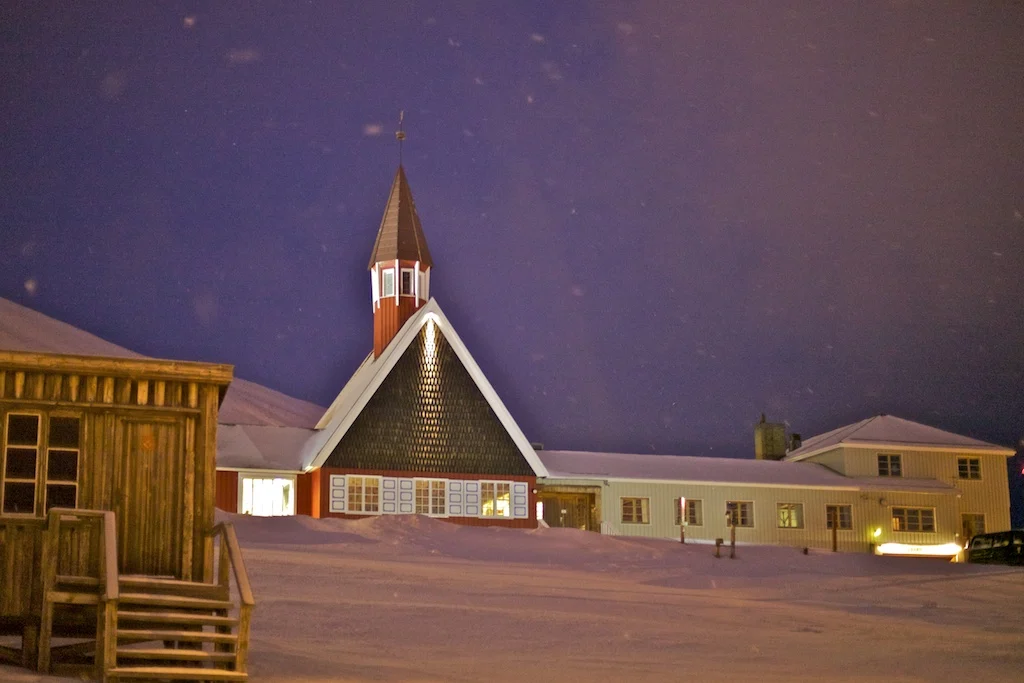
The first and last weeks with the sun below the horizon give you a different trip from the deepest winter weeks.
Look for light on the mountains from within the settlement. Its colour and duration vary through the season and with cloud cover.
Give yourself a midday window and an evening. Check flights, activity dates and the rules for travel beyond the settlement.
2. Tromsø for a short city break
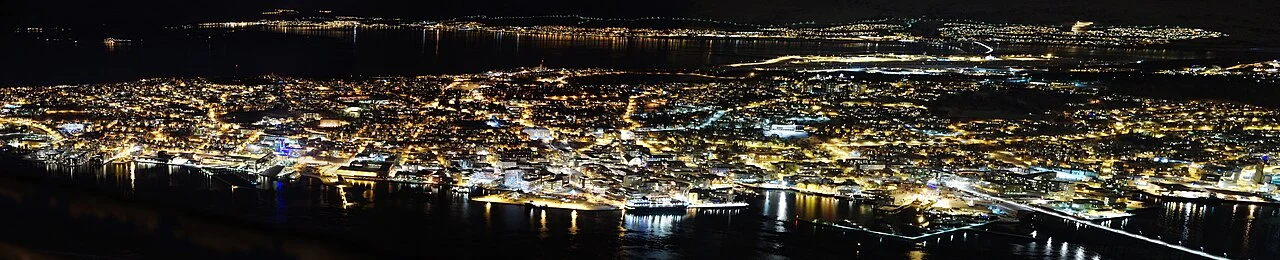
Tromsø’s compact centre and airport connections make it straightforward to organise a short stay.
Walk the centre during twilight and use museums or cafés when the light fades. Leave later plans open until you know the forecast.
Allow two nights if possible, compare central room rates and check transfers for an evening tour.
3. Longyearbyen in the deepest polar night
Around the middle of winter, Longyearbyen has a longer dark period than the mainland bases. The landscape can be visible by reflected or artificial light even when the sun stays far below the horizon.
Use a town walk to see how daily life continues through the dark season. Arrange a guided trip for any outing that takes you outside the settlement.
Check tour dates directly and compare whether transfers and equipment are included. Build in a buffer before the return flight.
4. A town walk during blue twilight in Tromsø
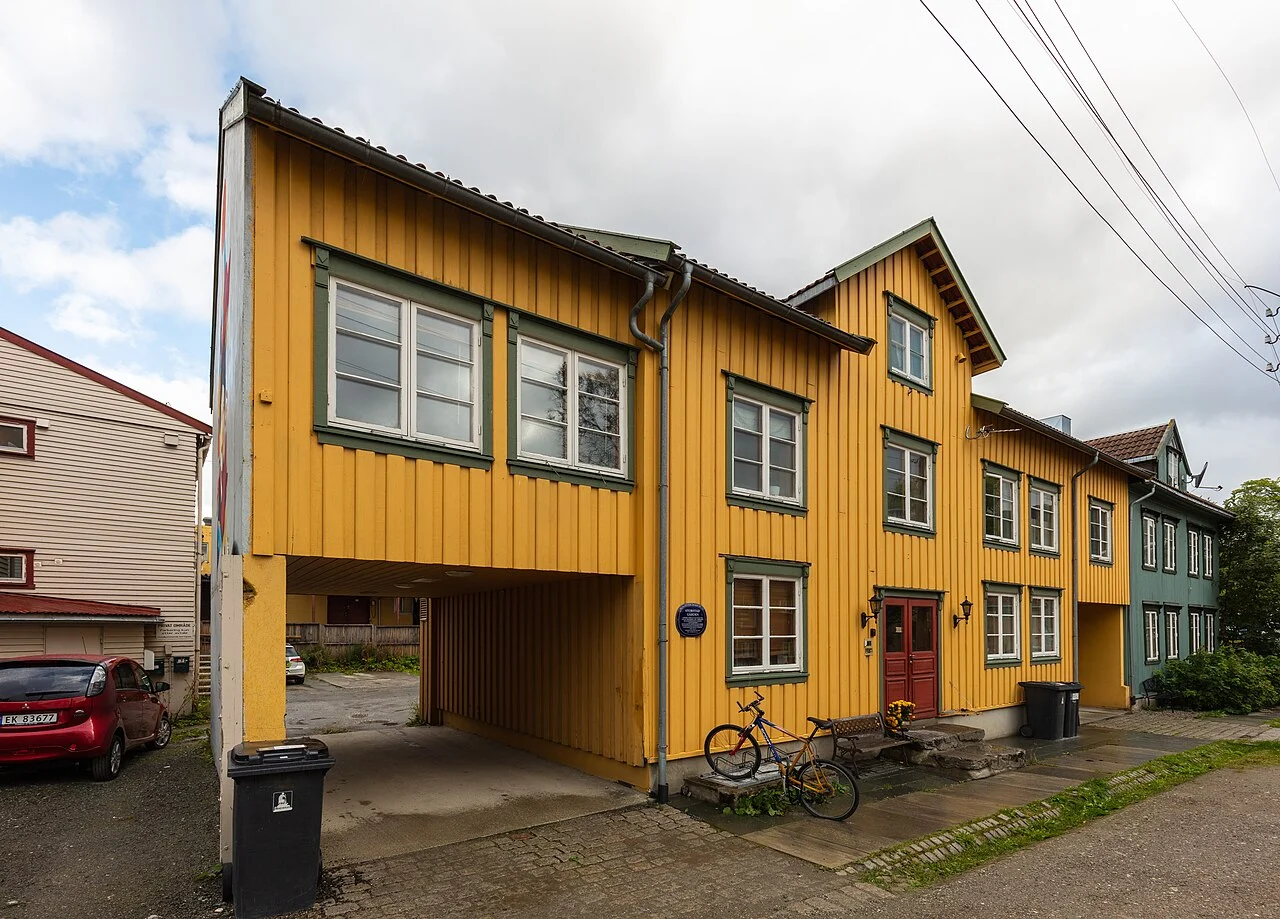
A daylight-starved day is easier to use when you plan the outdoor portion near the middle of it.
Pick one short walk that returns to a warm indoor stop. The harbour and central streets are practical when an exposed viewpoint is windy.
Allow 45–90 minutes and budget separately for indoor entry. Check footing and transit before extending the route.
5. Alta for a quieter winter base
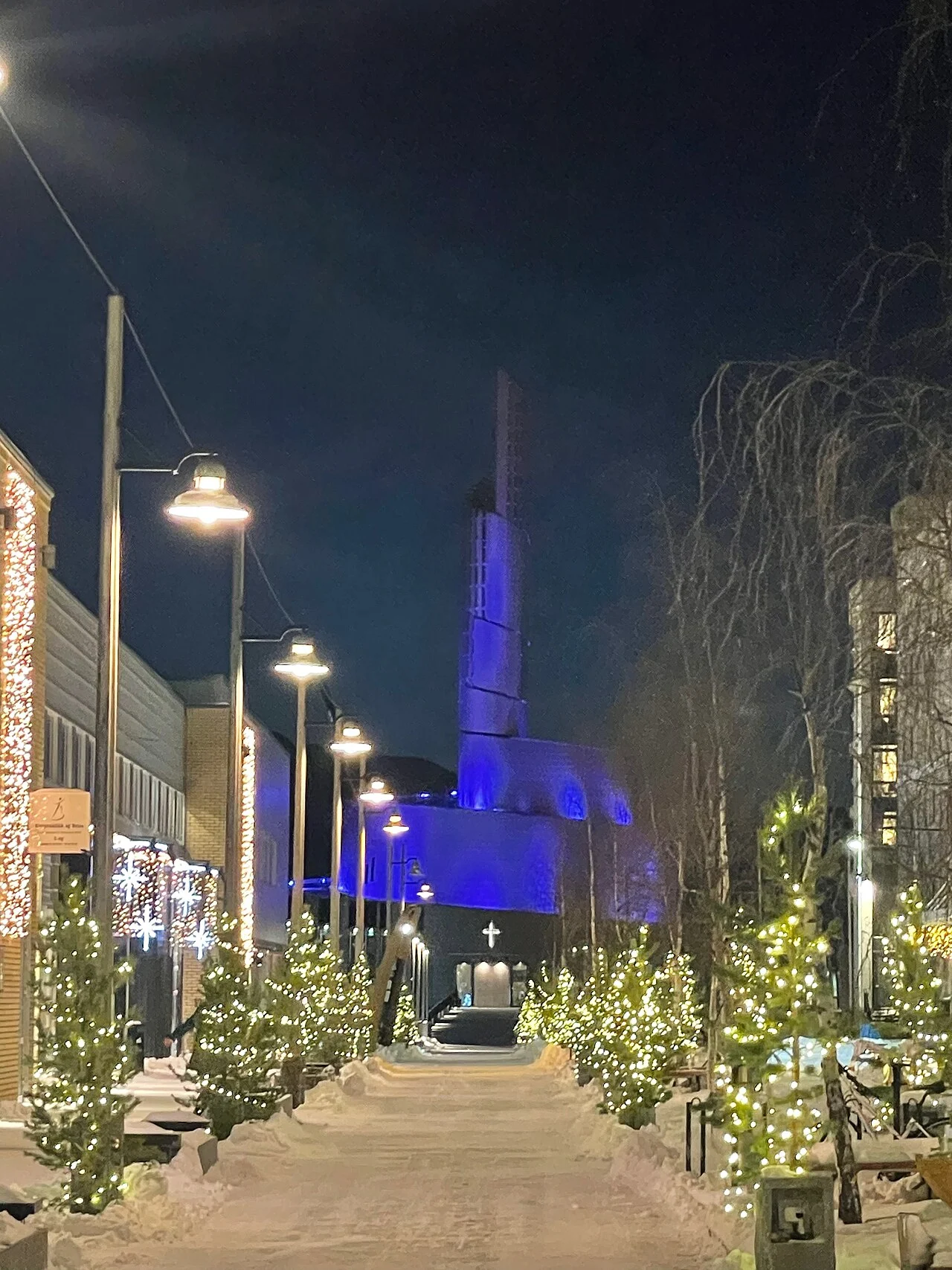
Alta suits a trip with a small number of organised activities instead of a different departure every day.
Pair a central stop with a planned winter outing. Build the transfer around the organiser’s actual pickup area.
Allow half a day before an evening booking. Check seasonal hours and compare the cost of a room and transport together.
6. Use Longyearbyen’s indoor stops

Indoor time is valuable during the dark season. It also puts the landscape and settlement into context before a guided excursion.
Give yourself time for the Svalbard Museum and a warm meal. Keep this slot flexible so it can move around an operator’s weather decision.
Check museum hours and admission. Allow at least an hour inside and schedule the walk back separately.
7. Kirkenes for an eastern Finnmark stay
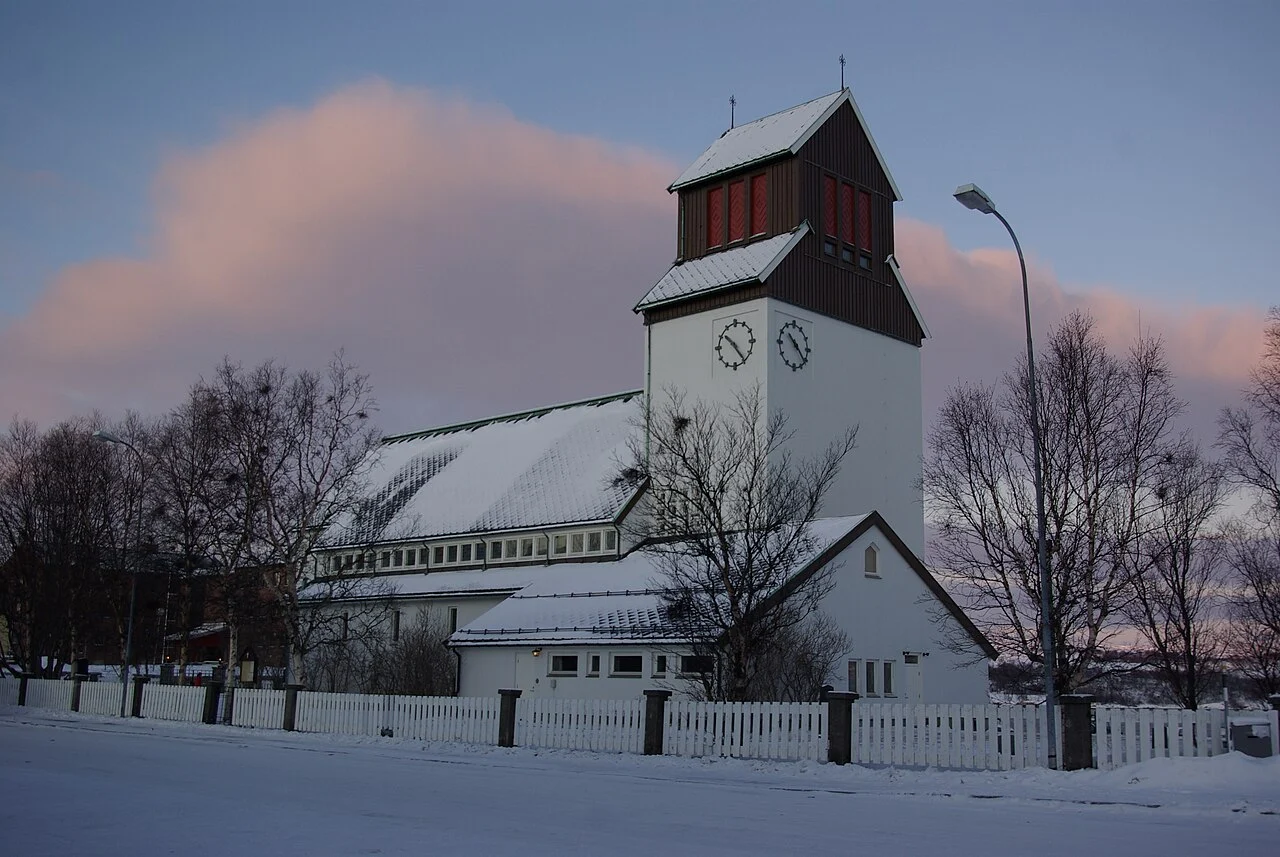
Kirkenes offers a different winter itinerary, built around eastern Finnmark rather than the tour departures available in Tromsø or Alta.
Use the short twilight for an outdoor look at town. Schedule a museum or another confirmed indoor stop after the light fades.
Allow a half-day around town and confirm venue hours. Compare pickup, fares and return times before adding an excursion.
8. Leave one evening for aurora near Tromsø
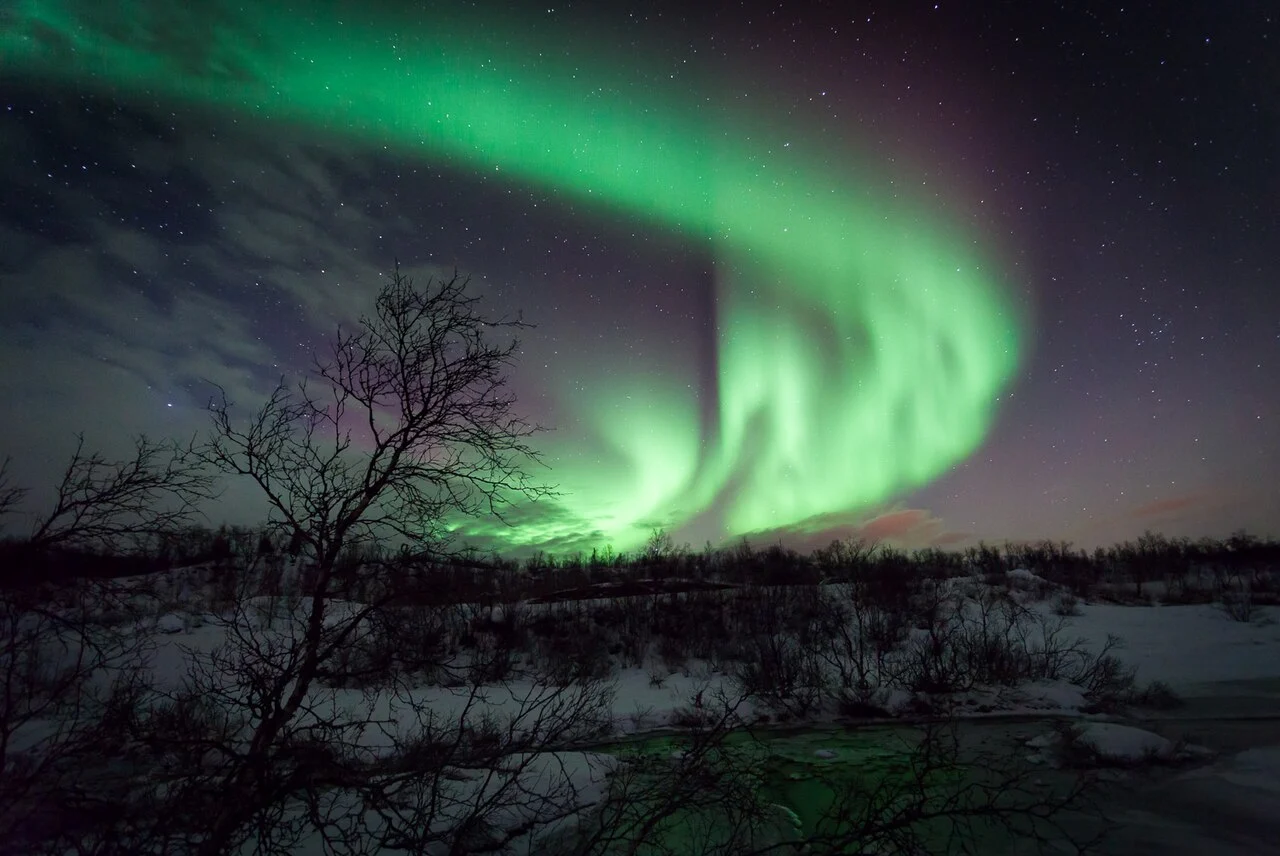
Polar night provides darkness but cloud can hide an active sky. Leaving one night free improves your ability to change plans.
Compare where a guide can travel and when the outing returns. If you stay in town, choose a public spot where you can get back easily.
Check the advertised fare, cancellation policy and return time. Avoid booking a late tour on the night before your earliest flight.
9. Plan a settlement outing in Longyearbyen
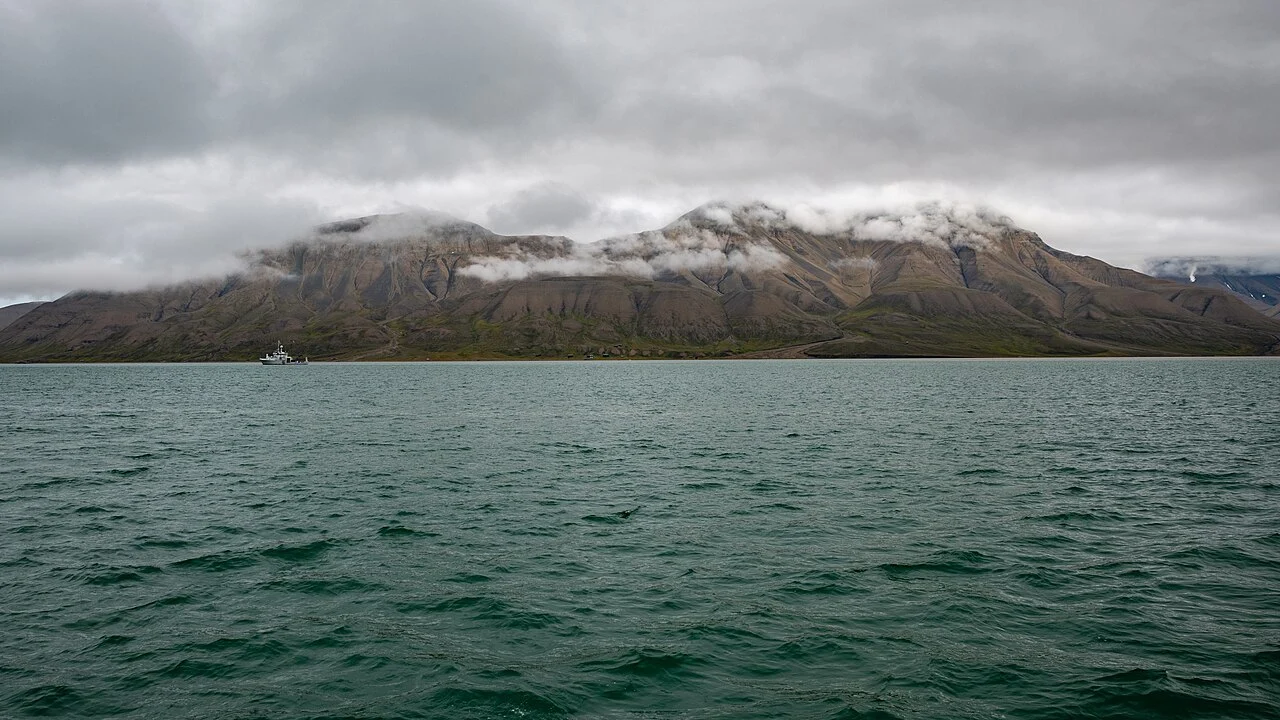
A short settlement outing can fit around a tour or replace one lost to weather.
Ask your accommodation which local routes are appropriate in current conditions. Use the harbour or a nearby indoor venue if access allows, and leave longer trips to a guide.
Allow an hour or two. Check venue prices and access, and confirm the current guidance on the settlement boundary.
10. Arrange airport transfers before a late arrival
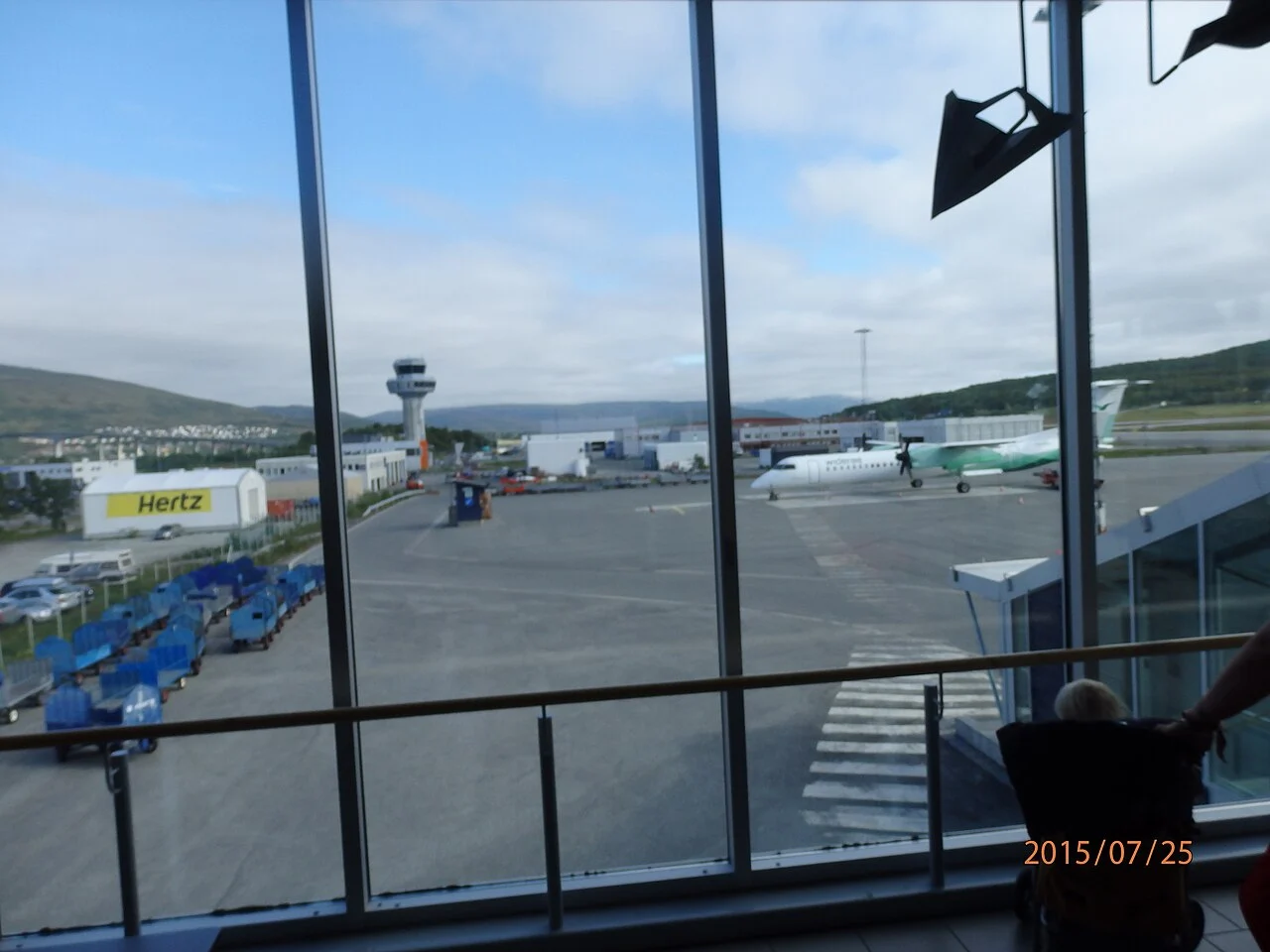
Late winter arrivals are easier when you know how you will get from the terminal to your lodging. The same applies after evening excursions.
Check the actual stop and walking distance in Tromsø before buying a transfer. Icy pavements and luggage can change an otherwise short walk.
Compare bus and taxi costs for the whole party. Check the live timetable for your flight and keep your first evening flexible.
One-, two- and three-day polar night itineraries
One day in Tromsø. Use 09:30–11:00 for breakfast and a short orientation walk near your hotel. Around 11:00–13:00, walk the harbour during the brightest window, then go straight to a warm lunch. Spend 14:00–16:00 at the Polar Museum or split the time between a shorter museum visit and a café. For the evening, choose a guided aurora outing if you have an overnight stay and can accommodate a late return. With rain, icy pavements or high winds, shorten the waterfront leg and bring the museum forward. If you are flying out the same evening, leave the tour for another trip and check your airport connection before leaving the centre.
Two days in Tromsø. Follow the first-day harbour and museum route and take the evening tour if it operates. Start day two slowly after a late night. From about 11:00, use a local bus toward Tromsdalen for a different view of the city if pavements and visibility are suitable. Leave 13:00–16:00 for lunch back in the centre and an indoor visit or a second waterfront walk. Check return departures before you set off. Reserve the evening for a rebooked tour or dinner. If the mainland side is too windy or slippery, stay central and use the bus for airport travel only.
Three days in Tromsø. Keep days one and two in and around the city, using the middle day for your main excursion if the best operator availability falls there. On day three, use 09:00–10:30 to check conditions and meet a prebooked small-group scenic outing if available, then spend the brightest hours on its road-accessible stops. Keep the rest of the afternoon for the return to Tromsø and leave the evening open. In poor conditions, replace the outing with a museum, lunch and a short walk from the hotel. Put an early flight on a separate day from a long excursion.
Three days based in Longyearbyen. Use day one for the airport transfer, town orientation after check-in and dinner close to the hotel. On day two, put the museum in late morning, take a long indoor lunch and give the afternoon or evening to a guided outing with pickup confirmed in advance. Keep day three available for a rescheduled tour or a guided town visit. If you leave on day three, check out and keep the hours before your airport transfer local. Give Longyearbyen its own trip block rather than trying to add it as a mainland day trip.
Winter travel tips
Pack for standing outdoors. Bring insulating layers, wind protection, warm gloves, and footwear with grip. Keep a reflector visible on streets and carry a headlamp for routes where extra light is appropriate. Ask about traction aids if you are unfamiliar with icy pavements and remove them where staff require it indoors. Keep a spare battery warm when you are photographing twilight. Use established paths and lit streets when visibility is poor.
Keep the transport plan simple. A car adds flexibility on a longer mainland trip if you are confident driving in darkness on winter roads. In a short Tromsø stay, buses and operator pickups usually cover the essential trips. If you rent a car, check weather, road and ferry information before departure and leave enough slack to turn back. In Longyearbyen, use the hotel or local guides for advice on where to walk and how to get back. Do not use a track on a map as a route recommendation.
Build your day around meals and recovery. Confirm the restaurant kitchen’s hours if a tour runs across dinner. Ask where the vehicle will leave you and what your options are if your hotel is farther away. Late arrivals, heavy boots and slick streets can make an otherwise easy walk feel long. If you travel with children, ask about age limits and bring one early-evening activity forward so the trip still works if the aurora excursion is too late.
See Longyearbyen with a local guide
Compare a guided town and photography outing for a Longyearbyen stay. Check the winter departure schedule and clothing guidance; this is a settlement visit rather than a wildlife expedition.
View the Longyearbyen guided walk →
Check current dates, prices, meeting points and cancellation terms on Viator. Affiliate link: we may earn a commission if you book.
Related planning
Destinations for your trip
Questions and answers
Is polar night in Norway worth visiting?
Yes, if you want Arctic twilight and can enjoy museums, food or guided winter outings on cloudy days. Tromsø is the easiest starting point for a short first trip. Choose Longyearbyen if deep darkness itself is a priority.
Is it dark all day in Tromsø?
The sun stays below the horizon in the polar night, but a clear day can have several hours of twilight. Use the period around noon for an outdoor plan and assume that snow, clouds and terrain can change what you see.
How many days should I book?
Allow two to three nights for Tromsø if the aurora is a priority. One day is enough for the harbour and a museum, but one evening leaves little room for cloud or cancellations. In Longyearbyen, keep one block of time free for rebooking.
How much should I budget for an aurora tour?
Use the listed prices in this guide as examples and check the current rate in NOK for your dates. Small groups, holiday departures, equipment and transport can change the final price.
Can I do the trip without renting a car?
Yes. Stay in central Tromsø and use airport buses and guided tours with a central meeting point. In Alta or Longyearbyen, check the airport transfer and activity pickups when choosing accommodation.
Should I book a tour before I arrive?
Reserve early if you have holiday dates, a small-group preference or just two nights in town. Compare weather policies and keep one evening open. A tour booking gives you an outing and a guide, while sightings depend on sky conditions and auroral activity.
Choose one base and leave a night free
Start with Tromsø if you want the simplest short trip. Choose Alta if you have a particular winter outing or lodge in mind, and Longyearbyen if you want to experience the deeper High Arctic dark season. Wherever you go, protect your midday walking time and keep one evening open for changes in the weather.
Sources and further reading
Check official sources for current hours, ticket prices, transport, safety guidance and seasonal availability before booking.
- Visit Tromsø winter guide
- Visit Alta winter guide
- Visit Svalbard dark-season dates
- Governor of Svalbard: environmental protection law (section 30a)
- Svipper airport buses
- Polar Museum hours and prices
- Svalbard Museum hours and prices
- Visit Tromsø photography tour price
- Visit Tromsø local-guide tour and seasonal prices