Ski Touring in Norway: 10 Regions and How to Plan a Trip
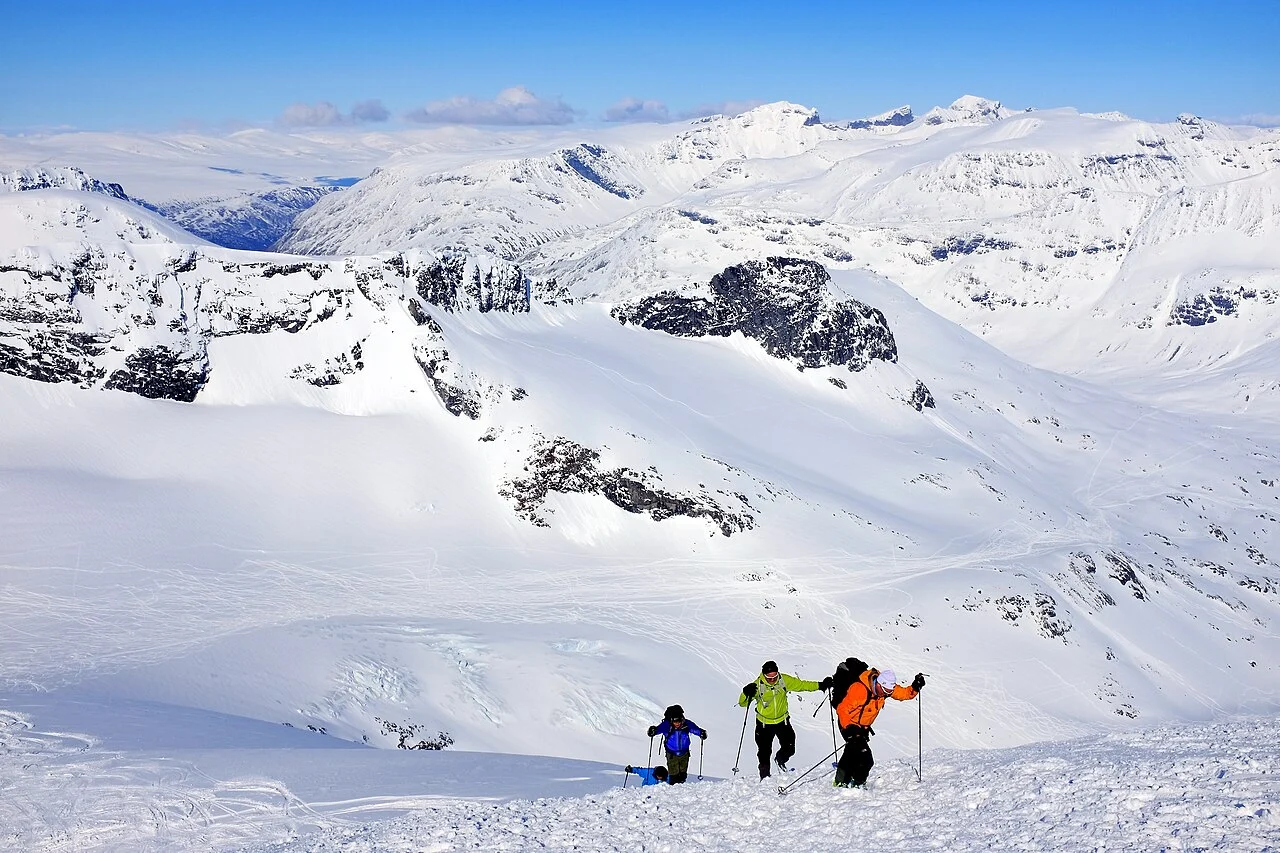
Ski touring in Norway takes you beyond prepared pistes into terrain shaped by wind, snowfall, thaw and daylight. Choose a base for its range of options and access to qualified guiding. This guide compares ten regions or bases and explains how to plan around the abilities of the group, the local avalanche bulletin and the logistics of getting back.
Quick answers
- Worth it? Yes for suitably skilled skiers or those working with a qualified guide.
- Time: Two to three days in one base allow more flexibility than a fixed summit day.
- Best time: Depends on region, snowpack and daylight. Ask local guides about spring or earlier windows.
- Cost: Budget for lodging, transport, guide time and specialist equipment.
- Transport: Confirm meeting points and transfers before booking.
- Priorities: Check Varsom, choose terrain with a guide and reserve a weather alternative.
1. Tromsø for a city base
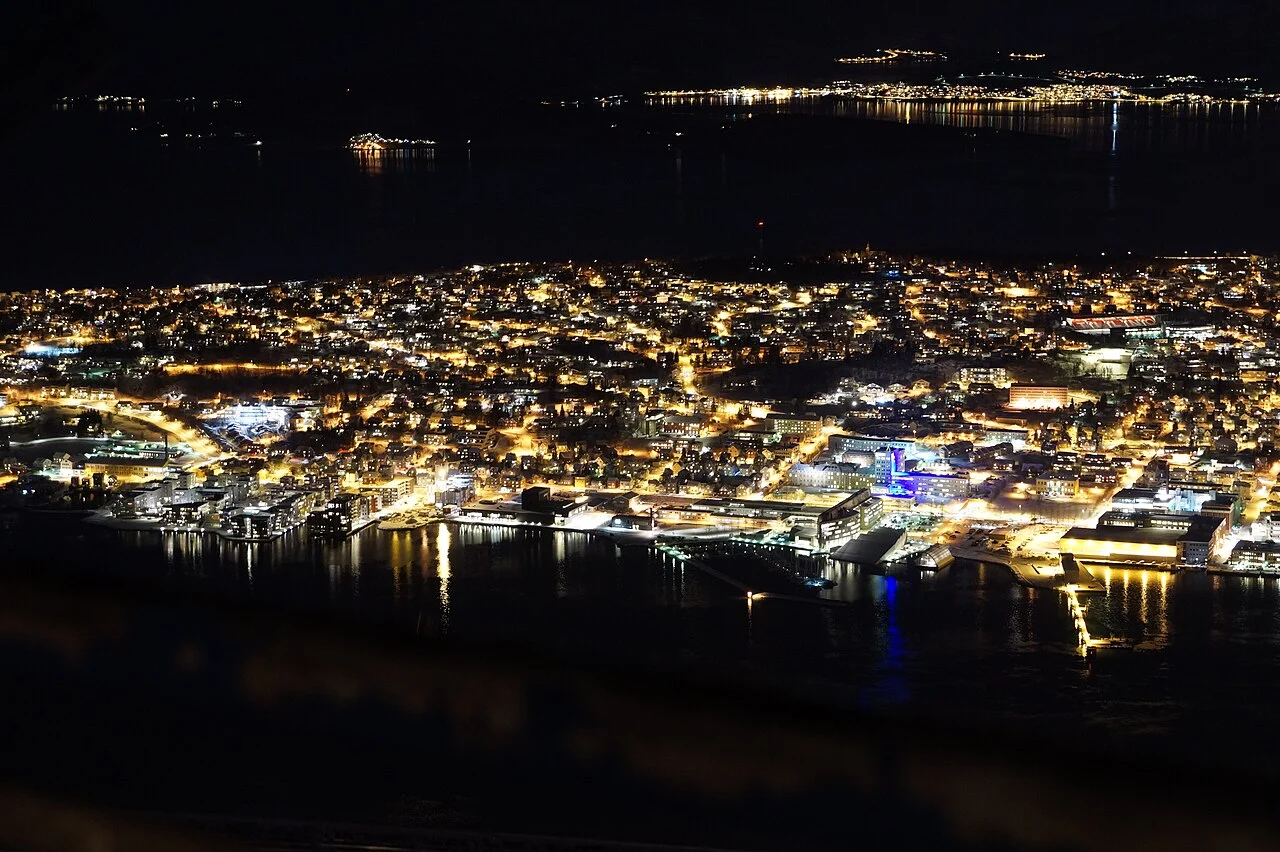
Tromsø works for skiers who want airport access, equipment services and a city to spend time in during poor weather. The wider area includes island and mainland settings, so the hotel is a base for reaching the day’s terrain rather than a promise that a tour starts at the door.
A guided group can compare several areas without changing lodging. Coastal winds, recent loading and visibility can vary across that area. Let the operator decide where the group goes, and avoid paying for a specific summit if what you want is a suitable day of skiing.
Ask whether pickup is included, whether an early meeting works with your accommodation and what the rental supplier can fit the day before. Reserve one full day per tour. Use our Norway destination guide to plan a city day between outings.
2. Lyngen for a fjord-based stay
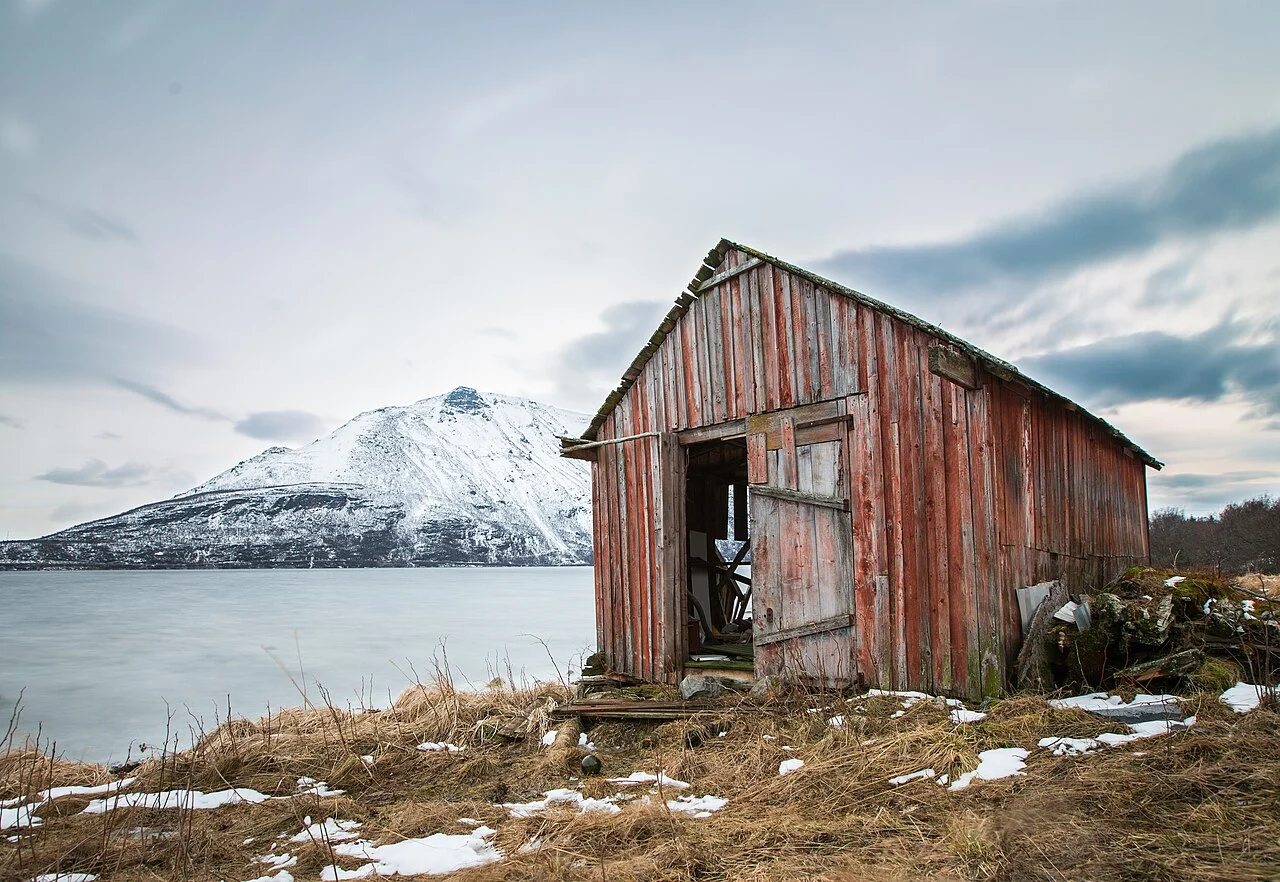
The Lyngen Alps rise on a peninsula with steep coastal mountains and access shaped by fjords. A local base reduces repeated transfers, especially if the guide normally starts on that side of the water. Choose it if the main purpose of your trip is skiing with one operator.
The relationship between water and altitude is what makes the landscape memorable. It also makes the approach to each day’s terrain different. A map that shows a short distance across the fjord says little about how long the trip takes by winter road and ferry.
Ask which shore the guide operates from and whether ferry travel is necessary on arrival or during the stay. Compare the package price with a separate lodging and guide quote, including transfers and food. Confirm the last crossing if the operator needs one, and agree what happens if travel is disrupted.
3. Senja for a slower coastal itinerary
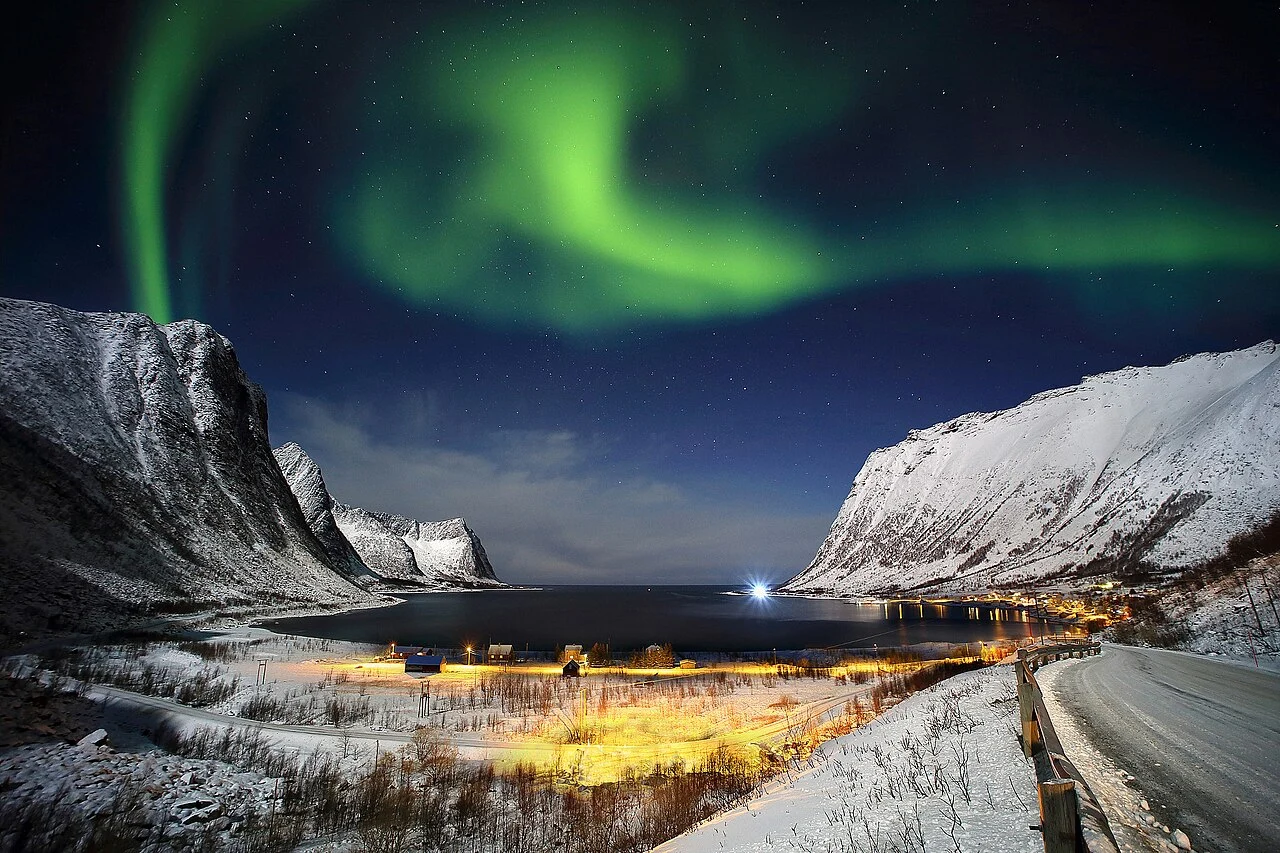
Senja’s road network follows fjords around a rugged island landscape. The appeal is a stay with time for coastal scenery as well as a tour. It rewards a route with one comfortable base and an arrival day before a scheduled mountain outing.
Conditions can differ between sheltered and exposed parts of the island. A location you saw in a photo might be unsuitable on the days you are there. Decide with the guide what level of skiing is realistic and consider a shoreline outing if visibility removes the mountain plan.
Confirm winter access to the accommodation, nearest food shop and guide pickup point. A seasonal restaurant or transport service may have limited hours. Save a full day for guided skiing and avoid depending on a tight connection on departure day. Check current road and ferry information separately.
4. Ringvassøya for a Tromsø-area option
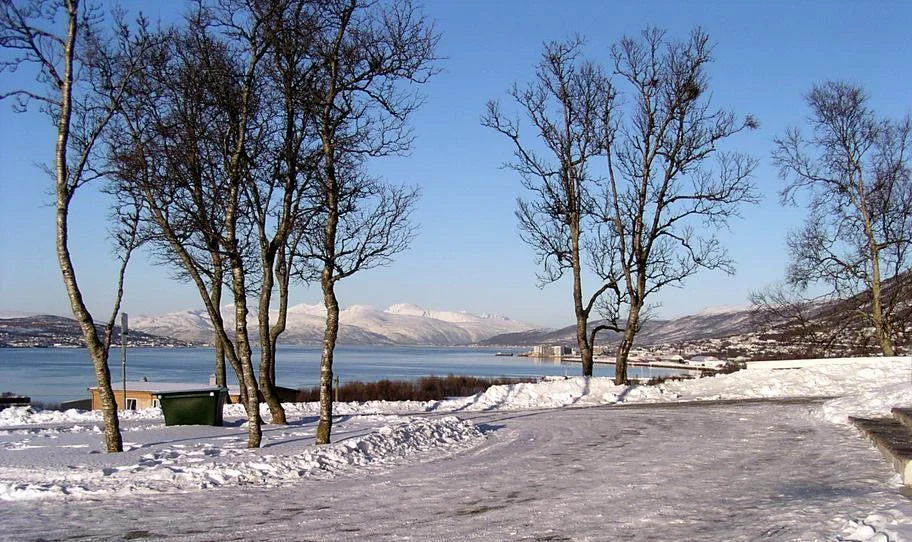
Ringvassøya is another coastal touring area in the wider Tromsø region. It can broaden the options for a group already based in the city. Treat it as one choice within a conditions-led plan and discuss where a guide expects to meet you.
An island setting can offer an entirely different view from the city streets, but distance on a road map is only one input. The approach, parking, visibility and snowpack determine whether a proposed day fits. A local operator can explain what those factors mean for your group.
Ask for the expected total door-to-door time and confirm whether you need a rental car. Compare any separate transfer and equipment charges with the base day rate. Leave the evening flexible and plan a city activity if coastal weather makes the scheduled outing unsuitable.
5. Sunnmøre and Hjørundfjord
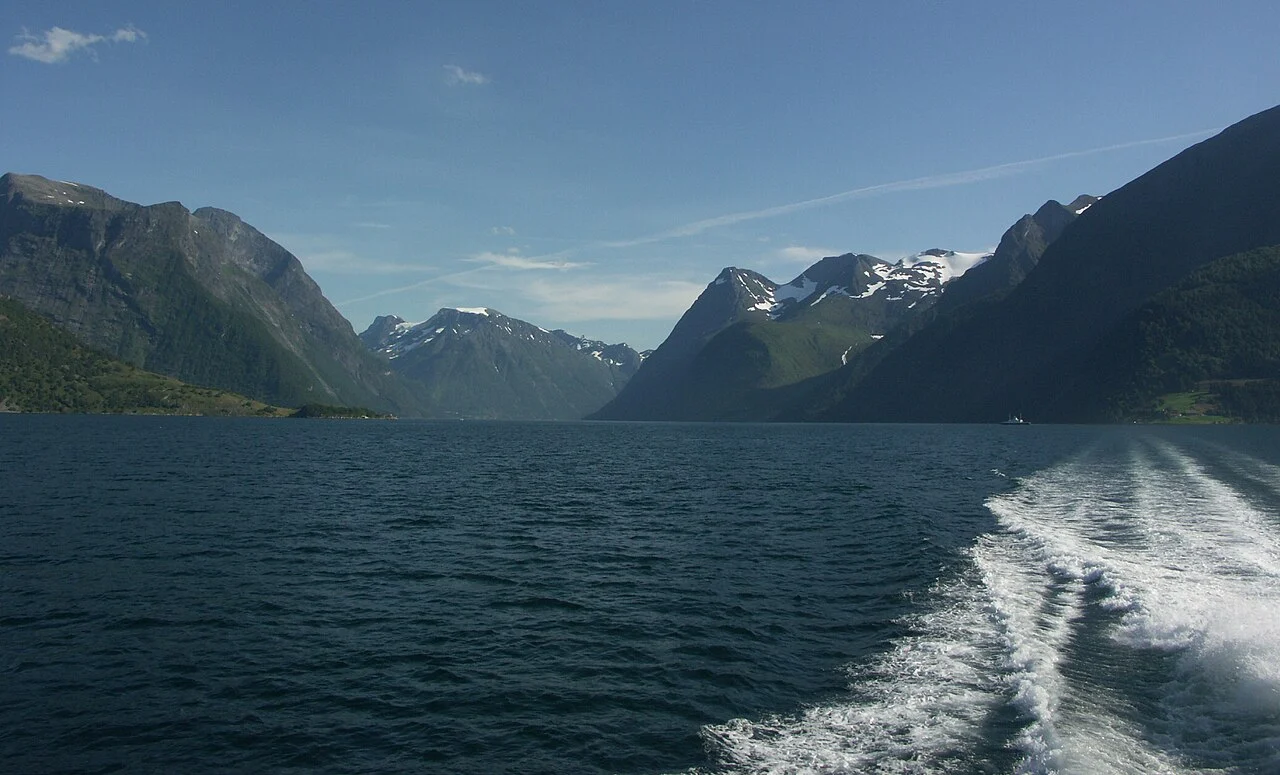
The Sunnmøre Alps surround Hjørundfjord, with settlements linked by roads and ferries. The steep geography makes a qualified guide and flexibility particularly valuable. A hotel that looks close across the water can be less convenient than a more modest room near the actual meeting point.
A clear day can make the fjord and surrounding peaks visible from much of the area. Give the trip some time at water level too. That keeps the visit rewarding during cloud or wind and gives tired skiers a straightforward alternative on the day after a long outing.
Ask where the operator can run trips in the current conditions and confirm seasonal road and ferry connections. Budget a full day for a tour plus travel. Compare lodging options with food service and use our Norway road trip guide for the approach planning.
6. Romsdal around Åndalsnes
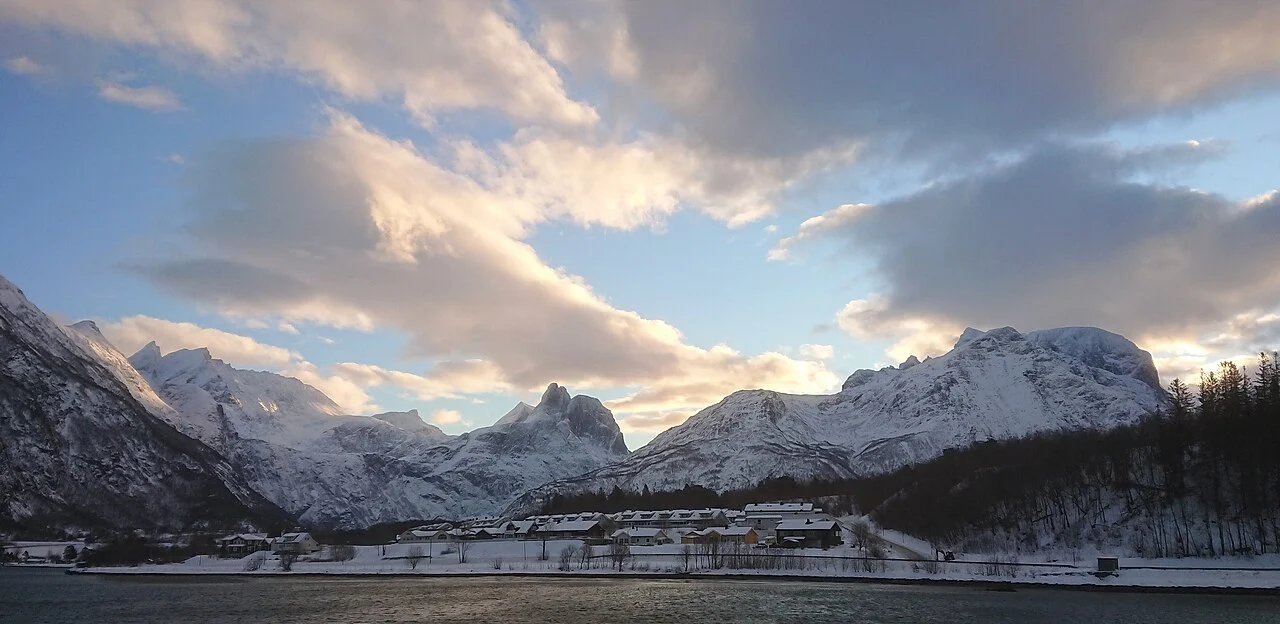
Åndalsnes gives access to a steep valley landscape at the end of the Rauma railway. It can suit travellers who want a single valley base. Rail access simplifies the arrival for some groups, and the daily guide meeting may still require a vehicle.
The valley walls make the scale of the terrain obvious even on the approach. Choose outings around your guide’s assessment of the current snow and the group’s downhill ability. A plan based on a famous peak can quickly become a day the group is unequipped to enjoy.
Ask about station pickup, rental fitting and winter driving before booking. Allow a full day for the tour, then leave time for the onward train on a different day. Keep a low-elevation valley or town activity ready and check current access before relying on any particular attraction.
7. Sogndal and the inner Sognefjord
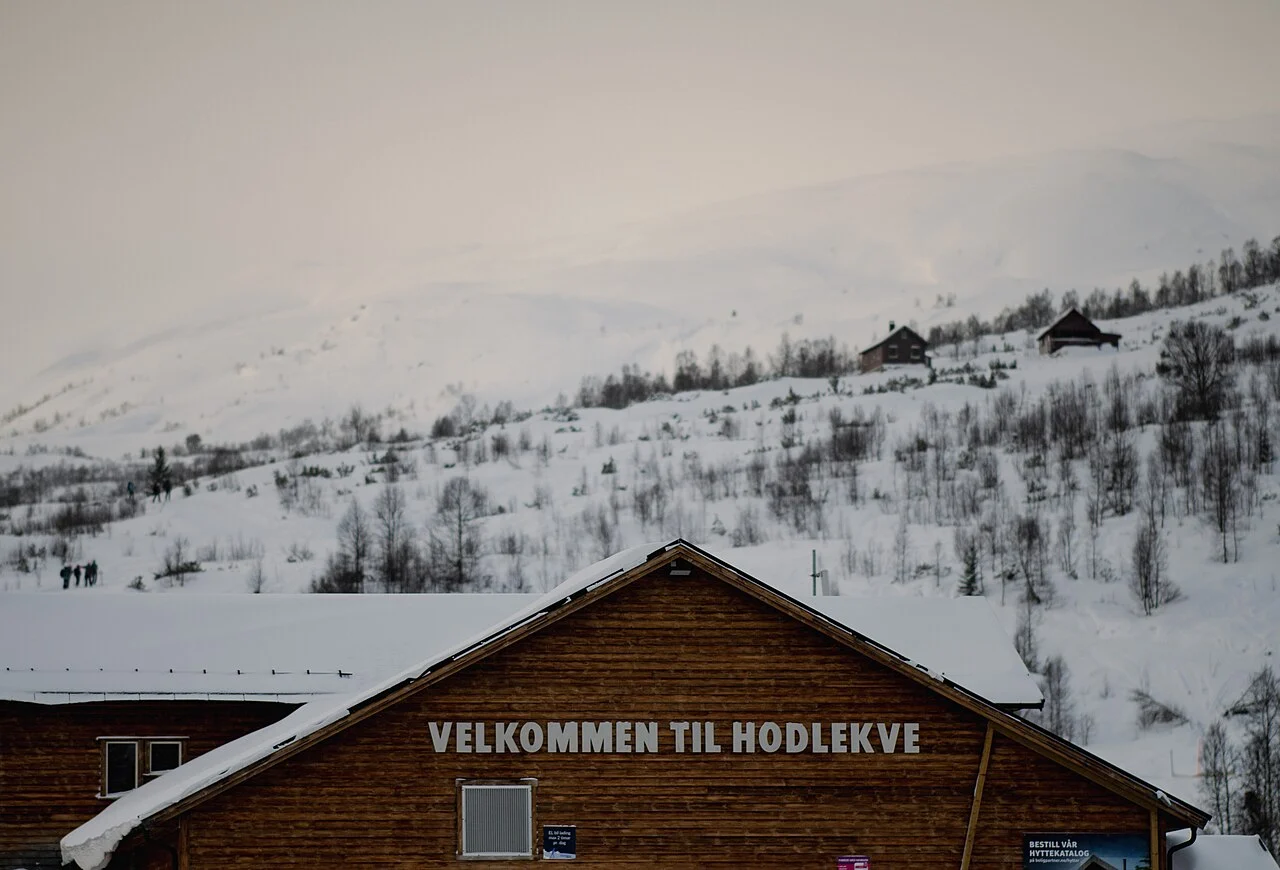
Sogndal is a practical service base for trips in the inner Sognefjord area. It works best when you decide with the guide which part of the region to use. Roads climb out of the fjord landscape into terrain where the weather can differ markedly from town.
A longer stay gives you time to adjust the plan when wind or warming changes the conditions. Use a break between ski days to check gear, buy food and visit a lower-elevation stop if its seasonal hours fit. The fjord can be enjoyed as a destination in its own right.
Ask about accommodation near the actual departure point and whether winter equipment rental is available on your arrival day. Compare a private guide’s group price with a scheduled group departure. If you are also planning sightseeing, keep drives and ferry connections on a separate day.
8. Jotunheimen for a specialist plan
Jotunheimen is high mountain country where access, accommodation and weather set the terms of a trip. A specialist guided plan may use a different approach from a lowland day tour. Check whether the access road, lodge and route you are considering operate together.
The appeal is a sustained mountain setting and time away from a city. That also means less room for a quick retreat to shops or transport. Discuss whether the plan includes remote travel, glacier terrain or other skills that change what you need to bring and know.
Book guides, lodging and access only after confirming they are compatible. Leave time for travel both ways and allow weather days. Avoid a fixed departure deadline after a remote tour, and ask about backup lodging and how the operator handles an early finish.
9. Hemsedal for a mixed-ability trip
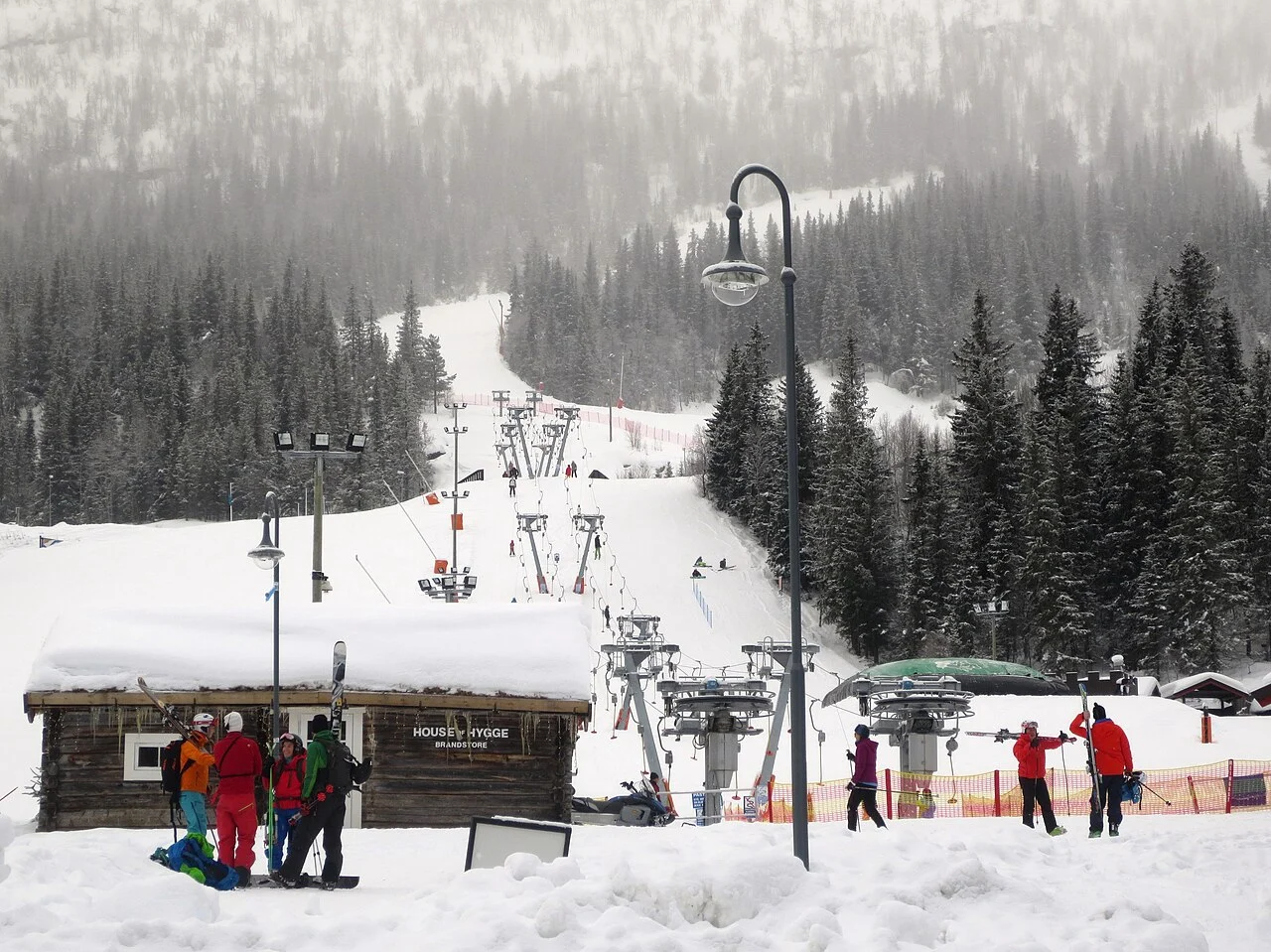
Hemsedal gives groups a resort option alongside the possibility of guided touring. That is useful when one person wants to spend the day developing downhill technique and another is ready for a tour. Each person can choose an activity that matches their skills.
Time on marked pistes gives you feedback about turning and stopping on unfamiliar equipment. Backcountry snow may be harder to ski than a prepared run, so tell your guide honestly how you did and which conditions caused difficulties. Adjust the next day’s plan accordingly.
Compare lift, rental and lesson costs separately from the touring quote. Reserve kit sizes and check what is open before arriving. Use the first morning for equipment familiarisation, and keep a resort day available if the operator postpones touring.
10. Lofoten for a flexible spring visit
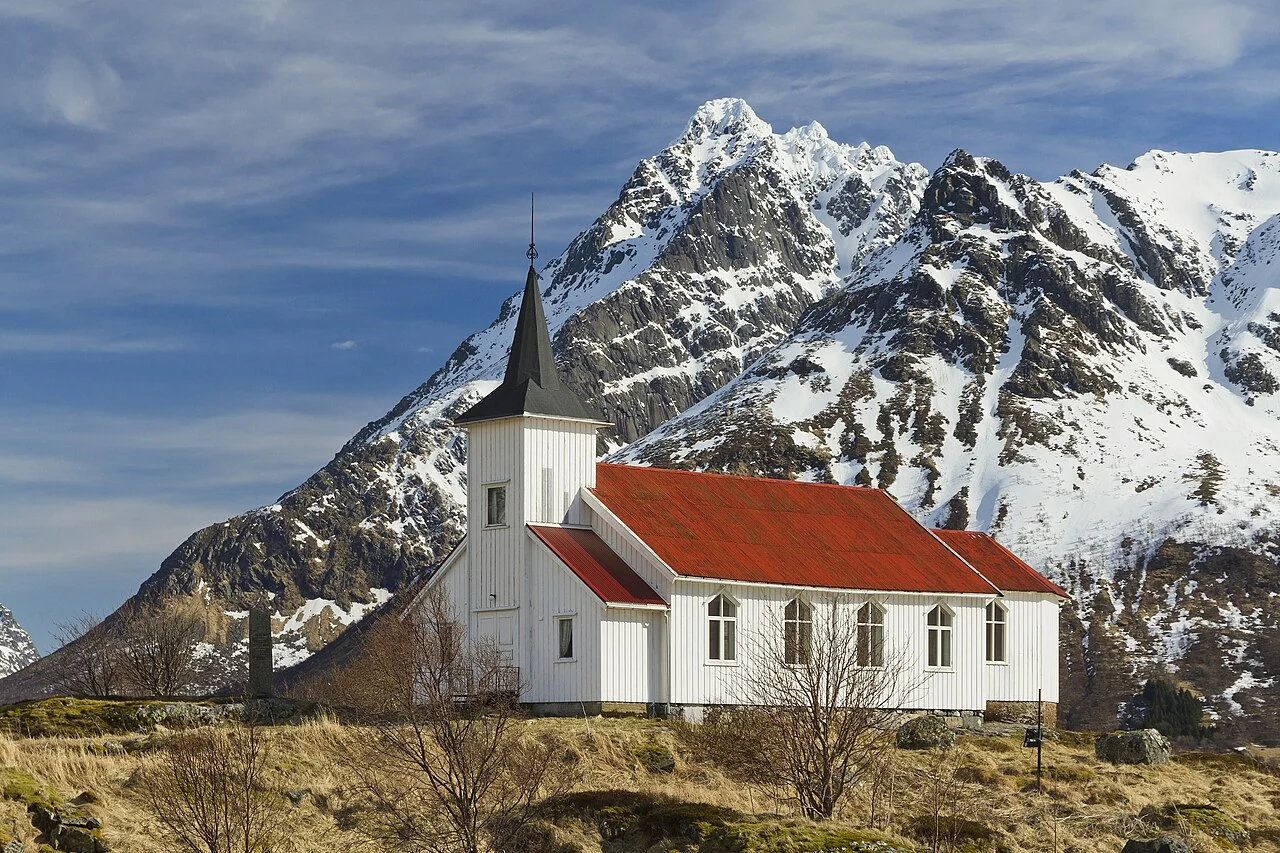
Lofoten combines steep coastal topography with settlements strung along a long island chain. It can appeal to skiers who also want time in fishing villages or at the water. A flexible road itinerary helps because the guide’s meeting point may change with conditions.
Snow cover and visibility can vary with elevation and exposure. A view of green or bare ground near the harbour says little about what is happening higher up. Ask your guide how coastal weather is affecting the plan and avoid choosing terrain from photographs or online tracks.
Check road conditions and whether your lodging is within a realistic drive of the guide’s preferred area. Ask what happens if wind or rain rules out the tour. Reserve a full day for the outing and use a separate day for village visits. Our Norway activities guide has alternatives for mixed groups.
Ski touring in Norway itineraries
1-day itinerary
One day in Tromsø: Collect gear the previous evening if possible. Meet the guide in the morning for a terrain and equipment briefing, ski during the main daylight window and return to town for dinner. On a poor-weather day, move the session if the operator permits or stay in town.
2-day itinerary
Two days in Hemsedal: Spend the first morning fitting gear, the afternoon on open pistes with a lesson if needed and the evening discussing your skills with the guide. On day two, meet early, leave the afternoon for the guided outing and return the equipment before dinner. If the tour is cancelled, use a prepared run only if the resort is open and conditions suit you.
3-day itinerary
Three days in Sunnmøre: Arrive on day one, fit gear in the afternoon and confirm ferry and guide arrangements after dinner. Tour on the best of days two and three. Keep the other morning for a lower-elevation visit or an additional guided session if appropriate, leave afternoons flexible and spend the evenings in one base. Put onward travel on a later day if a ferry connection would otherwise dictate the mountain plan.
Ski touring in Norway travel tips
Use the regional Varsom bulletin together with local weather and a terrain assessment. A danger rating covers a region, and avalanche problems vary with location and elevation. Take a recognised course and use a qualified guide if you lack the skills to evaluate terrain, avalanche exposure and rescue readiness.
Each group member needs appropriate rescue equipment and training in its use when travelling in avalanche terrain. Confirm what the operator supplies, discuss winter navigation, and agree on the day’s meeting point, equipment and cancellation terms. Avoid treating someone else’s tracks as evidence that a slope is suitable.
Book early for popular weekends and compare complete quotes. Include specialist skis, skins, boots, rescue kit, transport and lodging. Leave room in the budget for a lesson, a weather delay or a replacement activity.
Related planning
Destinations for your trip
Frequently asked questions
Is ski touring in Norway suitable for beginners?
A qualified guide can advise whether an introductory session fits your downhill ability and conditions. Book a piste lesson first if you need to build control on skis.
How long should I allow?
Plan a full day for a tour and allow at least one spare day if touring is the main purpose of the trip.
When is the best time?
The answer depends on latitude, altitude, snowpack and weather. Ask the local operator which period offers suitable terrain and daylight for your skill level.
What does it cost?
Request a current quote for guiding, equipment and transfers. Check whether a published price is per group or per skier and what you would pay after a weather cancellation.
Can I tour without a rental car?
Sometimes. Confirm guide pickup, public transport or a paid transfer before you reserve accommodation. Recheck any ferry and winter road dependencies.
Where should I check avalanche conditions?
Use the official Varsom regional forecast alongside weather and observations. Ask a qualified guide to interpret the implications for the proposed terrain if you lack that training.
Conclusion
Choose one base with several options and discuss your actual ability with the guide before booking. Put flexibility into the travel dates and budget so the mountain day can follow conditions.
Official sources and current conditions
Check operators and official visitor sites for current prices, opening hours, departures and booking requirements.