Glacier Hiking in Norway: 10 Tips for Guided Trips
Glacier hiking in Norway is easiest to plan around a guided trip on Nigardsbreen or Folgefonna. Compare prices, approach roads, time on the ice and family options.
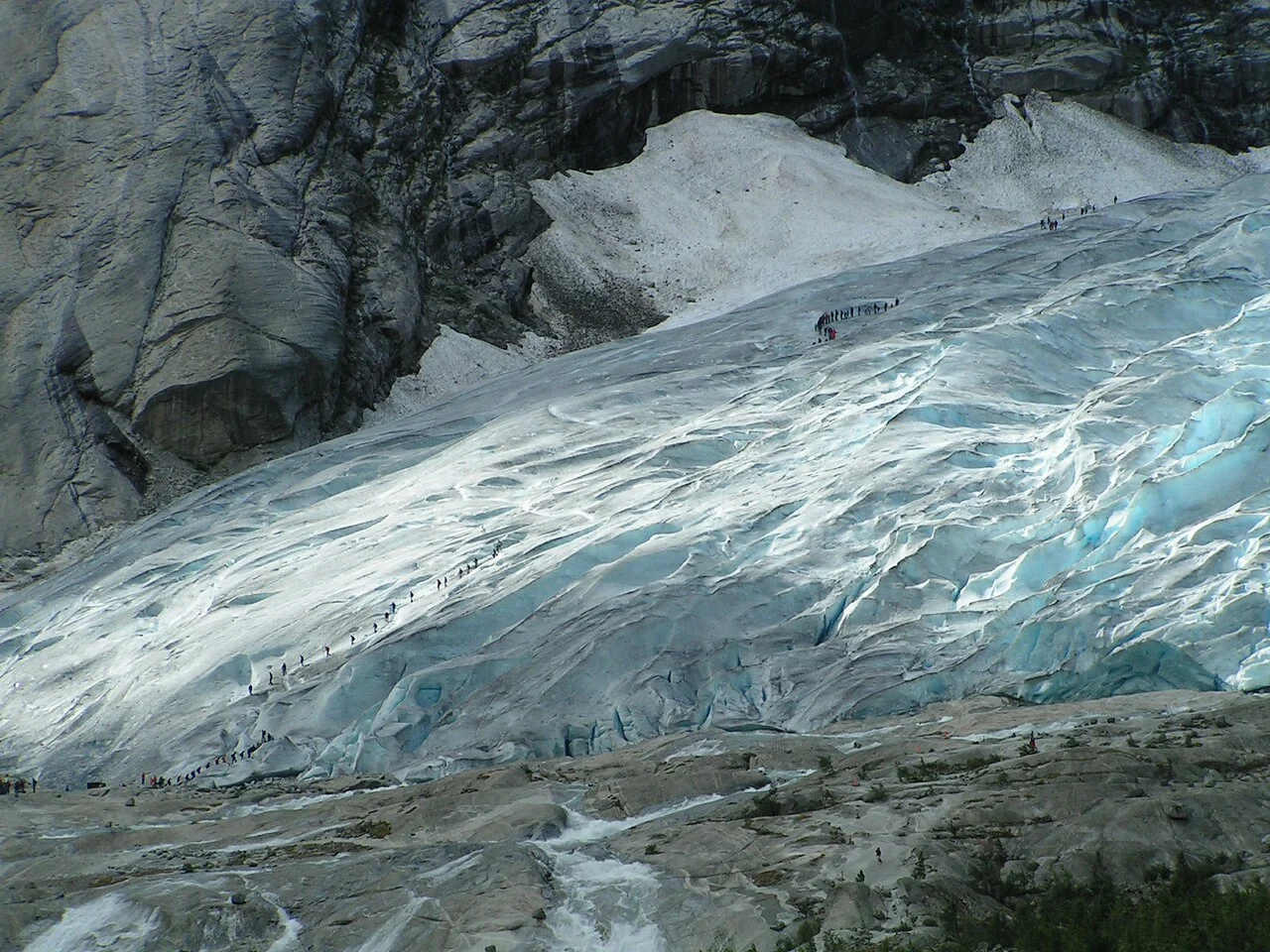
Glacier hiking in Norway at a glance
- Worth it? Yes for a guided mountain outing suited to your group.
- Time? Allow a half-day or full day, plus travel.
- Season? Check the guide’s seasonal calendar and current access.
- Cost? Published examples range from NOK 860 to NOK 1,249 and up.
- Transport? Confirm the meeting point, road and any ferry.
- Priorities. Book a guide, check equipment and keep a weather alternative.
1. Choose a glacier walk that fits your route
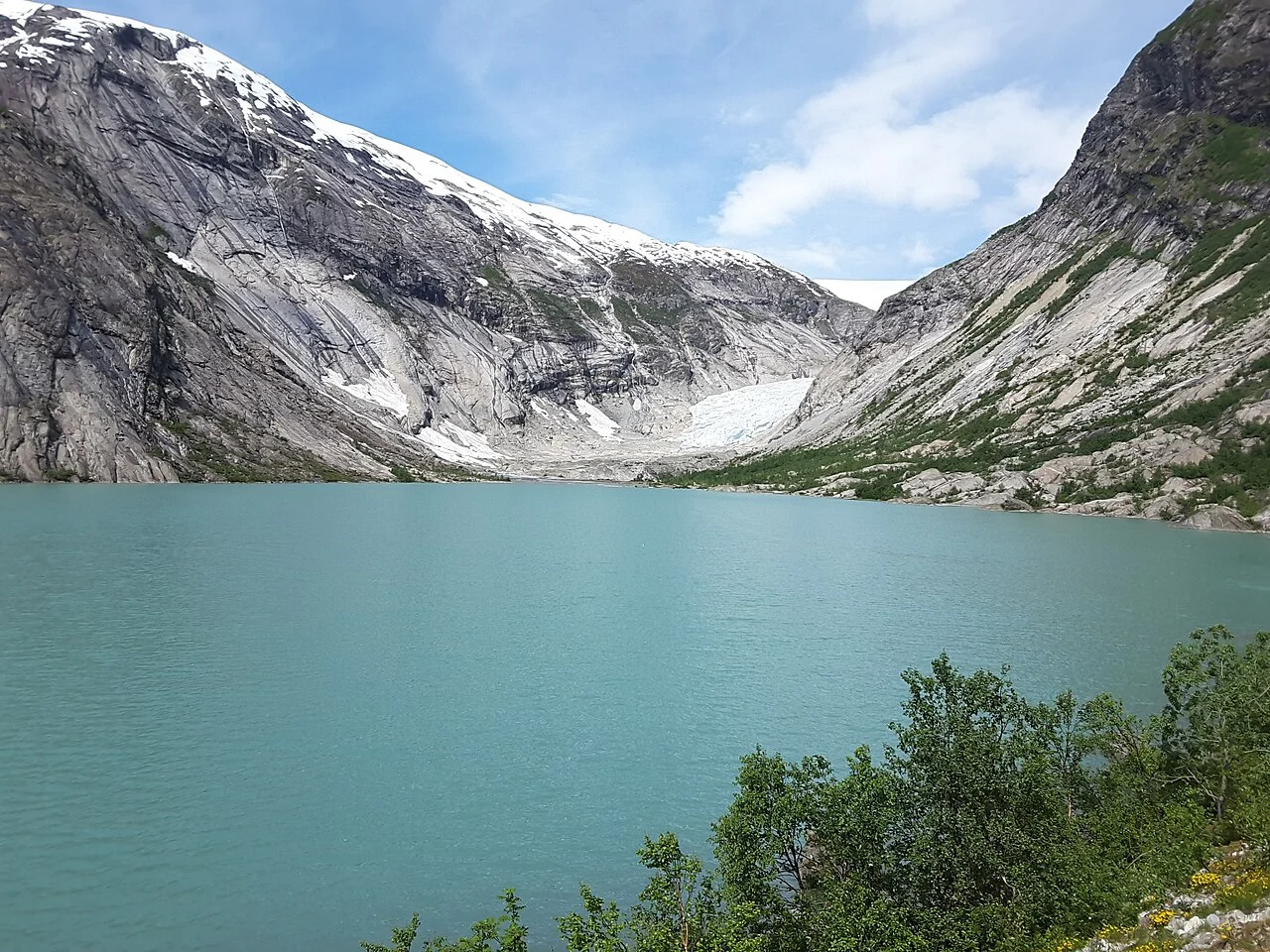
Glacier hiking in Norway can mean a short introduction on Nigardsbreen in Jostedalen or most of a day on the ice and approach terrain at Folgefonna. Choose according to the region you will already visit, the fitness and ages in your group and the amount of time you want to spend outdoors. A booking that calls itself short may include several hours on foot or in transit even if the time on the ice is limited. Read the complete programme before comparing prices.
Nigardsbreen is an outlet of Jostedalsbreen and is a useful choice if your trip already takes you through the Sognefjord area. The approach gives you a chance to see how the valley opens towards the glacier before the guided part starts. Folgefonna is a separate choice in Hardanger. Its Jondal approach climbs from fjord level to a mountain meeting point, so the road and conditions at altitude are part of the day. Avoid trying to visit both on the same day.
Make a distinction between looking at a glacier from a permitted viewpoint, walking on one with a guide and taking a longer mountaineering course. A viewpoint can suit a mixed group or someone who would prefer a shorter visit. A guided ice walk includes equipment fitting and instruction and gives you time to learn what the surface looks like up close. Longer tours add effort and exposure. Ask the operator to explain the difference between two products if the labels are similar.
2. Nigardsbreen from Jostedalen
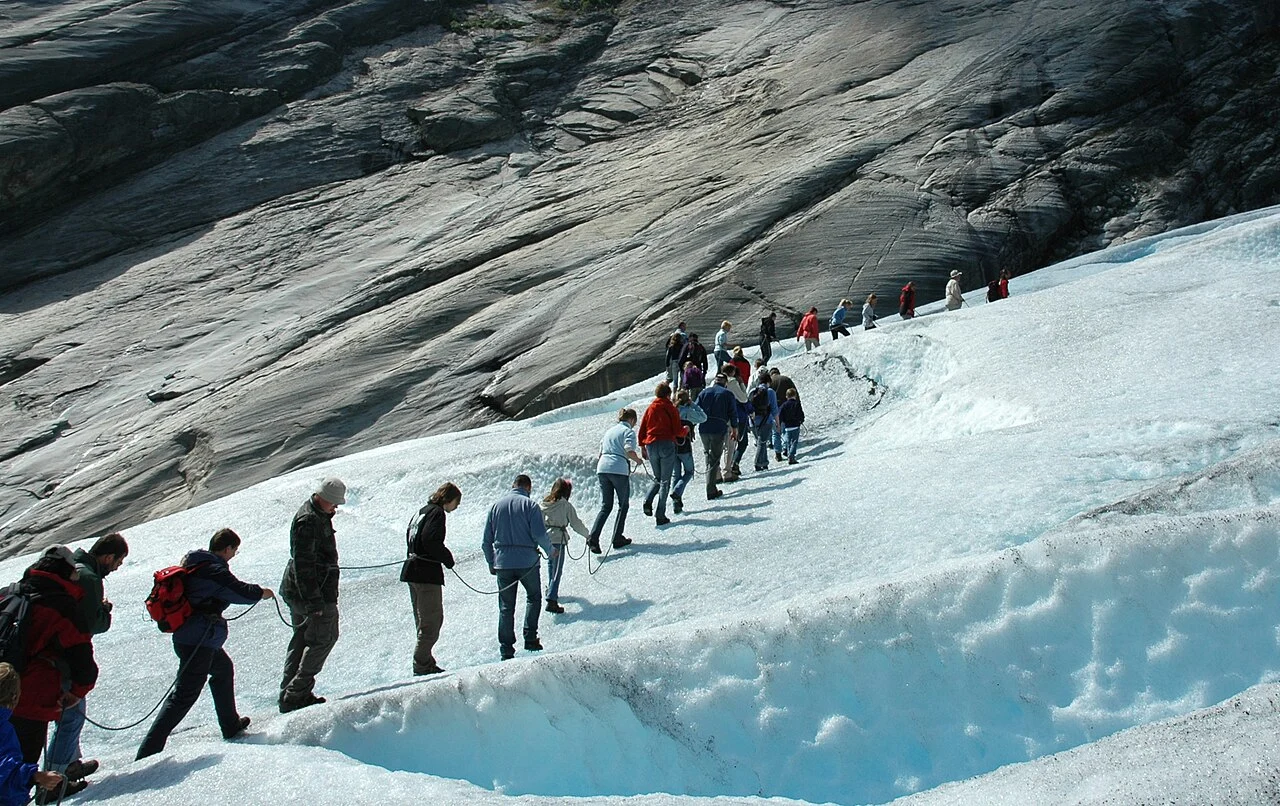
Jostedalen Breførarlag advertises a Short Blue Ice Hike of about four and a half hours, including roughly an hour and a half on the ice. Its published 2026 group price was NOK 860 and the listed group age minimum was 12. The same operator offers private arrangements with different rates and age limits. Use the example to budget and check the exact dates, rate and eligibility for the season you are booking. A name such as Short Blue Ice Hike describes a particular product.
The approach and return matter. Ask where to meet, how far you will walk, how much climbing is involved and whether a boat transfer or other transport applies to the exact trip. Check which elements are included in your booking and allow time to reach the check-in point from your accommodation. A short period on the glacier can still involve an uneven approach and some steep sections. Explain any difficulty with balance or sustained walking to the operator before paying.
The same guide company publishes shorter options for families, including products from age eight. Compare the actual minimum age, the terrain and how much time your group will be able to stay attentive and comfortable. Ask about equipment sizes and whether younger visitors need to be accompanied by a particular number of adults. A group with younger children can plan a permitted shore or visitor-centre outing separately. The Sogndal travel guide can help place Jostedalen in a longer trip.
3. Folgefonna from Jondal
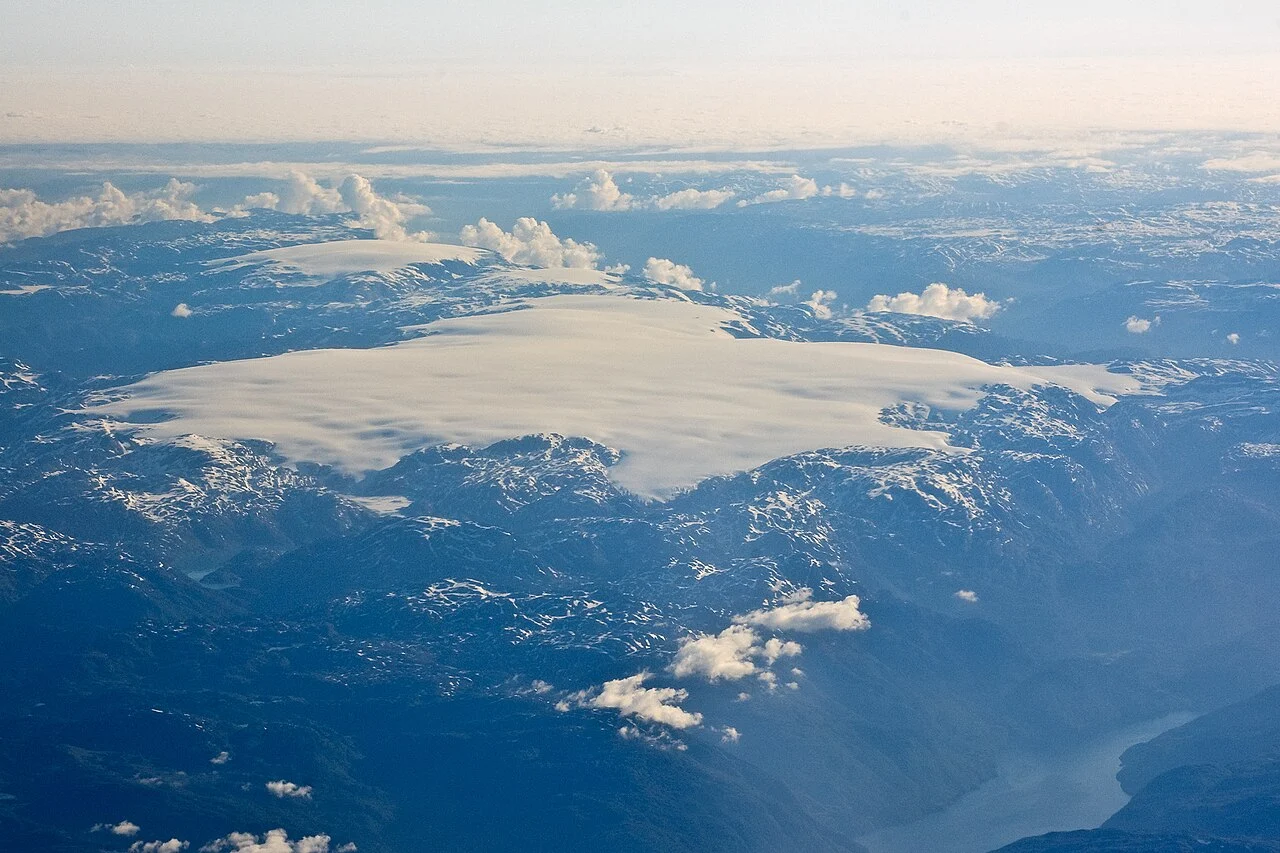
Folgefonni Glacier Team advertises a guided Blue Ice Hike lasting about five to six hours. Its tour overview lists a starting price of NOK 1,249 and describes a Juklavass glacier product for visitors over ten. Confirm the age rule and quote for your date. The detailed page describes a total walking distance of roughly five to six kilometres and about 300 to 400 metres of height difference. Give the full outing a day, even if the distance looks modest on paper.
The meeting point is the guide shop at Fonna Glacier Centre. The operator describes a road of about 19 kilometres from Jondal and gives 30 to 40 minutes for the drive. It also lists a NOK 150 car toll on that road. Check current road access, the toll and the exact meeting instructions before leaving. If you are arriving from across a fjord, check the ferry separately. A ferry arrival in Jondal still leaves the mountain road to cover.
This route can fit a Hardanger visit when you have a night close enough to the meeting point. Ask where to leave bags, whether a non-participant can wait nearby and how late the group may finish. If you plan an evening ferry, allow enough margin to drive down and reach the correct quay. When the provider is unsure about the day’s conditions, use a flexible lower-level alternative. The Odda guide gives ideas for a wider Hardanger itinerary.
4. Season, weather and glacier access
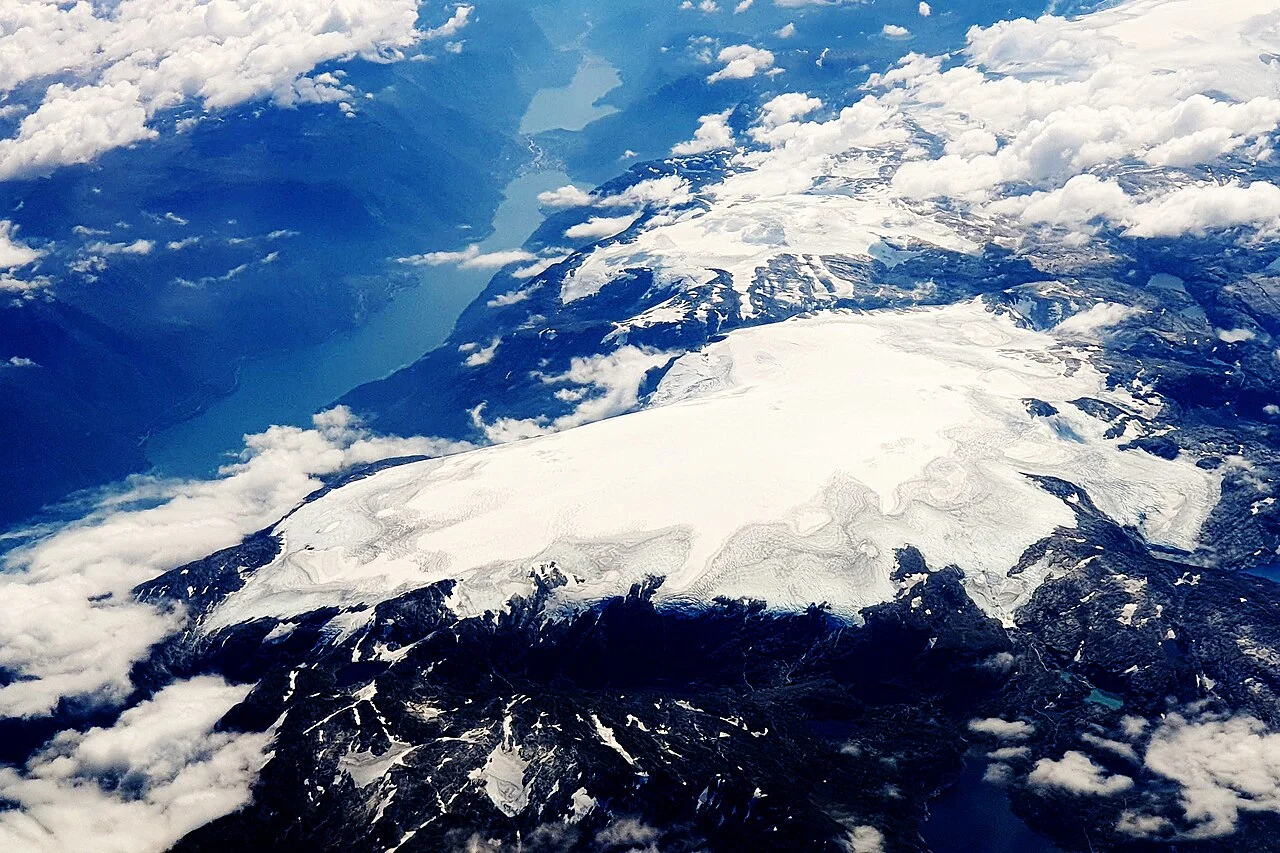
Use the provider’s current calendar as your first filter. The Nigardsbreen short product published a mid-May to late-September window for 2026, while Folgefonni Glacier Team advertises its Blue Ice Hike across a different seasonal window. Dates from a previous year help explain the kind of trip available but do not confirm a departure. Ask how the company will contact you if a route moves or if ice, weather or road access prevents the trip from running.
Conditions at fjord level are only part of the picture. The mountain road above Jondal can have different weather from the village. On the Nigardsbreen approach, rain and an altered route can change how the day feels even when a walk remains possible. Let the guide make the decision about the group’s route and turn-around. Check the official traffic service for the driving leg and the operator for the route itself.
If you decide on an independent viewpoint visit, follow signs, barriers and current local instructions. Stay clear of the ice and any area closed to visitors. A receding or changing glacier can alter access, so older maps and photographs are poor evidence of a suitable route. Ask the visitor centre for current public viewing options. If the guided walk cannot run, an alternative museum or valley visit is preferable to trying to recreate the experience independently.
5. What to book, bring and budget
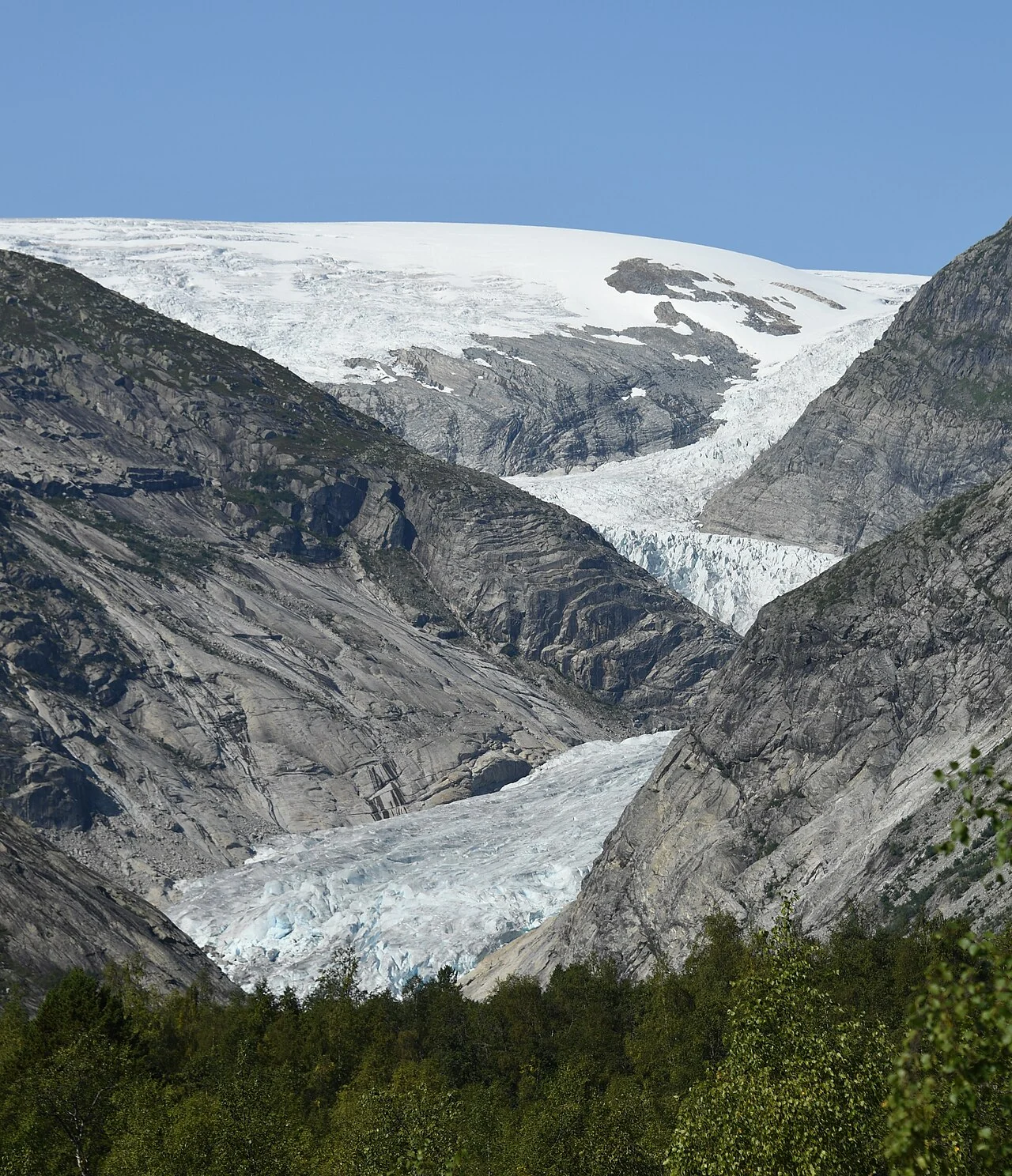
Choose the guided outing first, then fit accommodation and transport around it. Compare the price for the whole party with any separate road toll, ferry, parking, equipment or meal costs. Ask how group and private prices are calculated. A private rate stated for two or three people as a total is different from an advertised per-person charge. Check whether children have a separate fare and whether your chosen time requires a minimum number of guests.
Ask what the provider supplies, including the equipment that it requires on the ice. Confirm footwear requirements, sizes and what clothing you must bring. If you have unusual shoe sizes or use specialist footwear, contact the operator before paying. Take food, water and layers for the time you will spend outdoors according to the guide’s packing list. Ask where you can change and whether the itinerary includes a place to buy food before leaving.
Read the weather and cancellation terms. Ask whether the provider changes the start time, moves you to another departure or offers a refund when a trip cannot run. If your booking depends on arriving by ferry or driving a mountain road, plan what you will do if that connection is delayed. Keep the guide’s number, the exact meeting point and the confirmation available offline. Let the group know where to meet at the end.
6. Give Jostedalen its own travel day
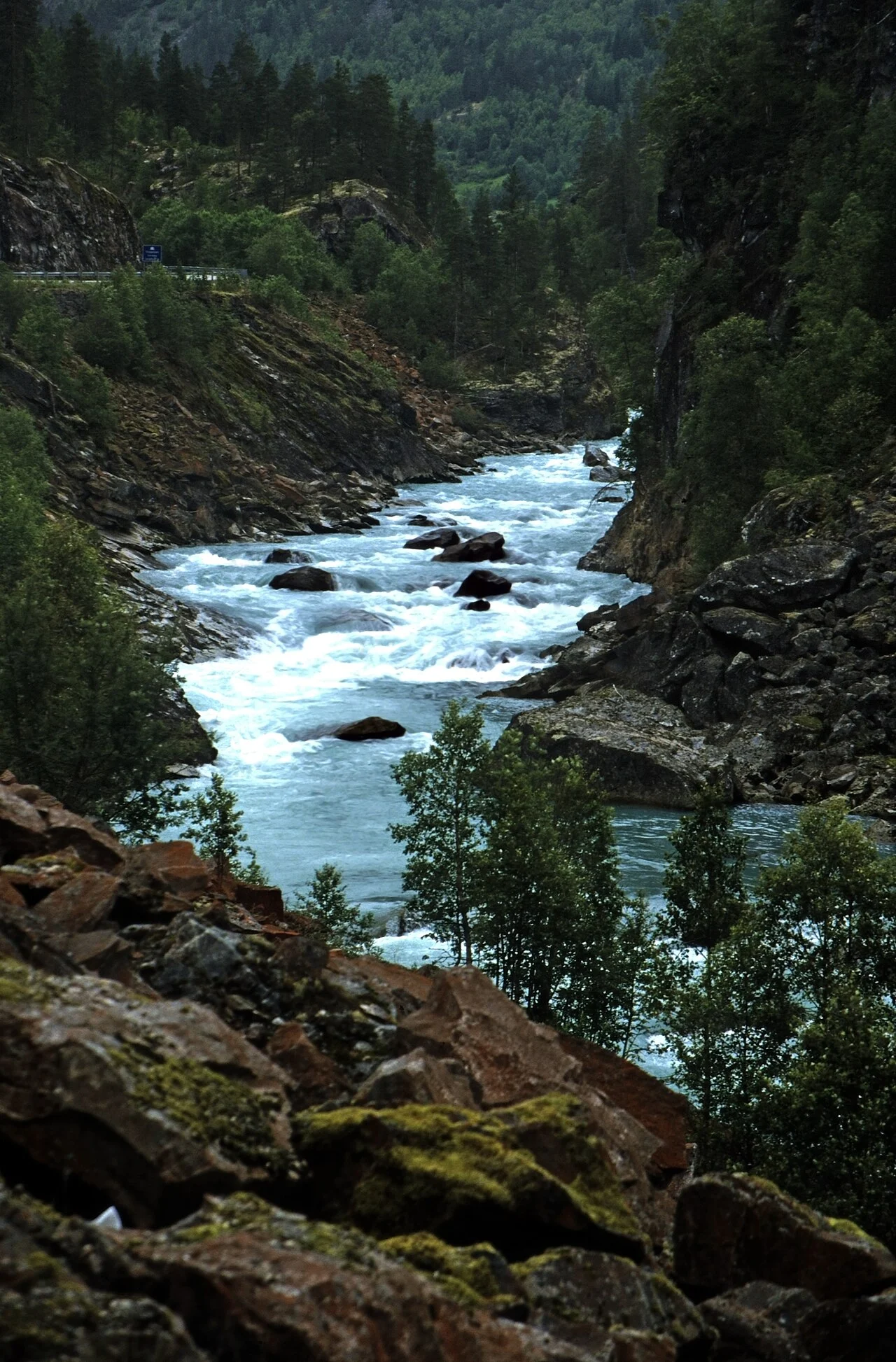
Jostedalen is the approach to Nigardsbreen and deserves a separate block on a fjord itinerary.
Arriving the previous evening makes it easier to find lodging and understand the transfer. Keep the guided session as the main activity the next day.
Check local lodging and transfer costs against the operator’s schedule. Allow time to reach the actual meeting point.
7. Use Breheimsenteret to understand the valley
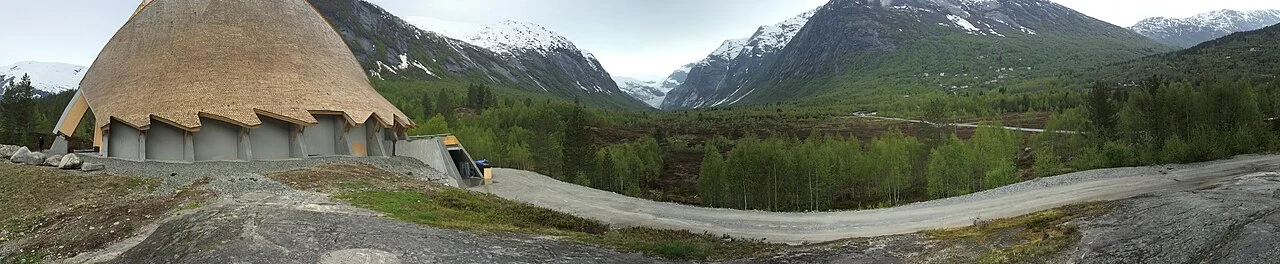
Breheimsenteret gives visitors a place to learn about the glacier landscape before or after an outing.
Check where your booked hike starts before treating the centre as the meeting point. Use the visit to make sense of the valley and the changing extent of the ice.
Allow an hour or more and confirm seasonal opening and any admission charge.
8. Make Jondal your Folgefonna base
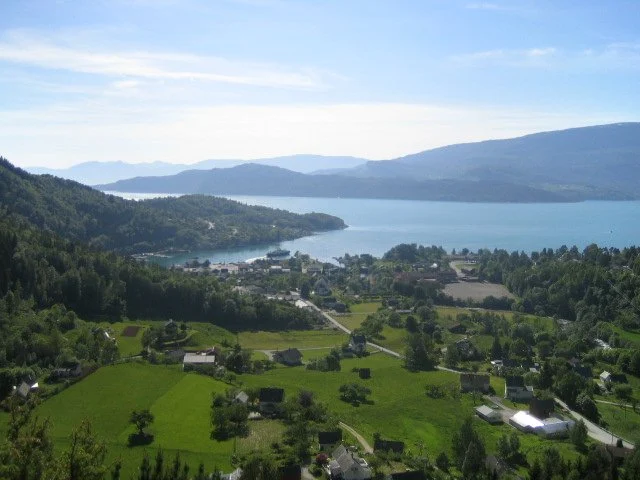
Jondal is useful for visitors who want to approach Folgefonna from Hardanger without a rushed morning ferry.
Check how to reach the guide’s meeting point from the village. The fjord-side weather can differ from the weather on the mountain.
Allow a full outing day and confirm the road, operator fare and any separate transport before paying.
9. See Bøyabreen without a glacier hike
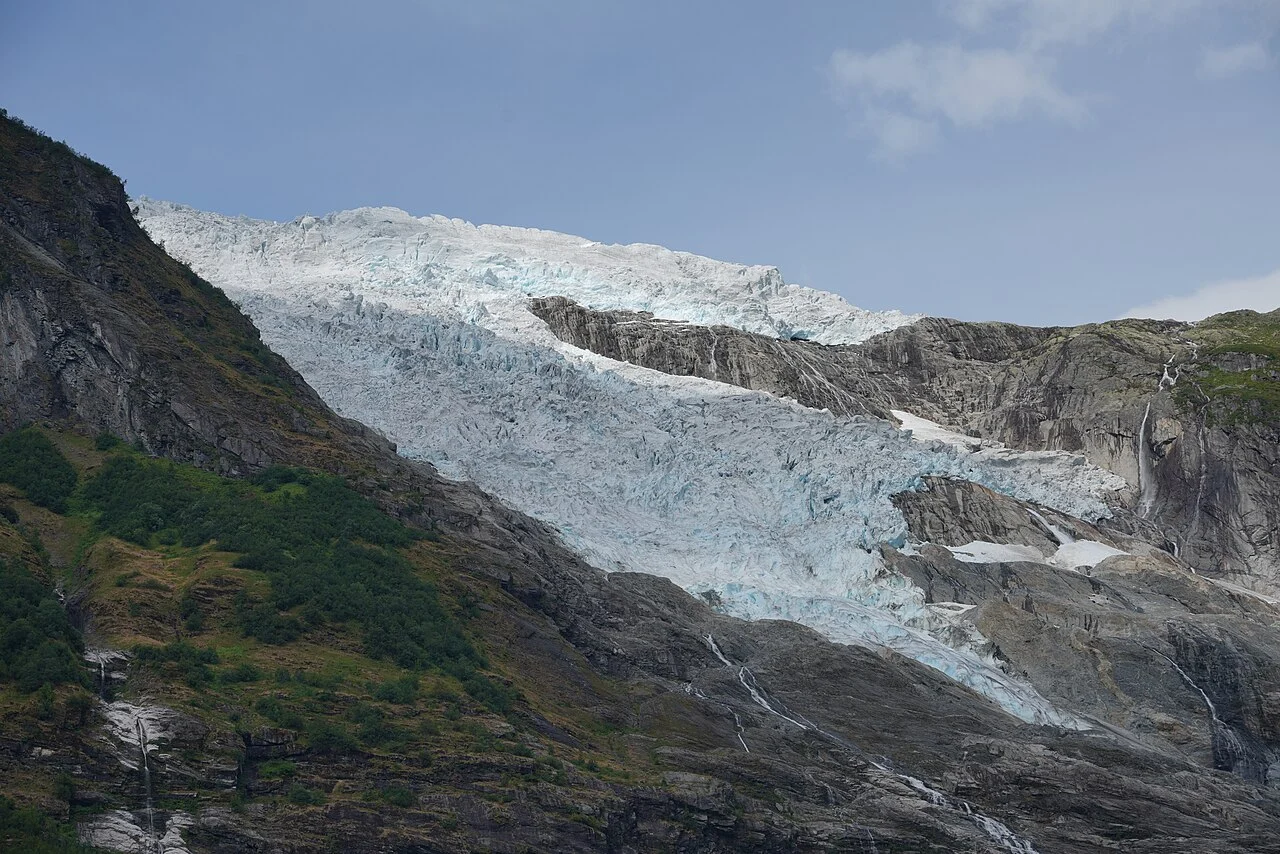
Bøyabreen offers a different kind of stop near Fjærland. It can suit travellers who want to see a glacier landscape from established visitor areas.
Look at the ice and valley from the marked public approach. Follow local signs and give blocked or unstable areas plenty of space.
Allow an hour for a short stop and check current access. Budget separately for further attractions in Fjærland.
10. Keep Fjærland as a weather alternative
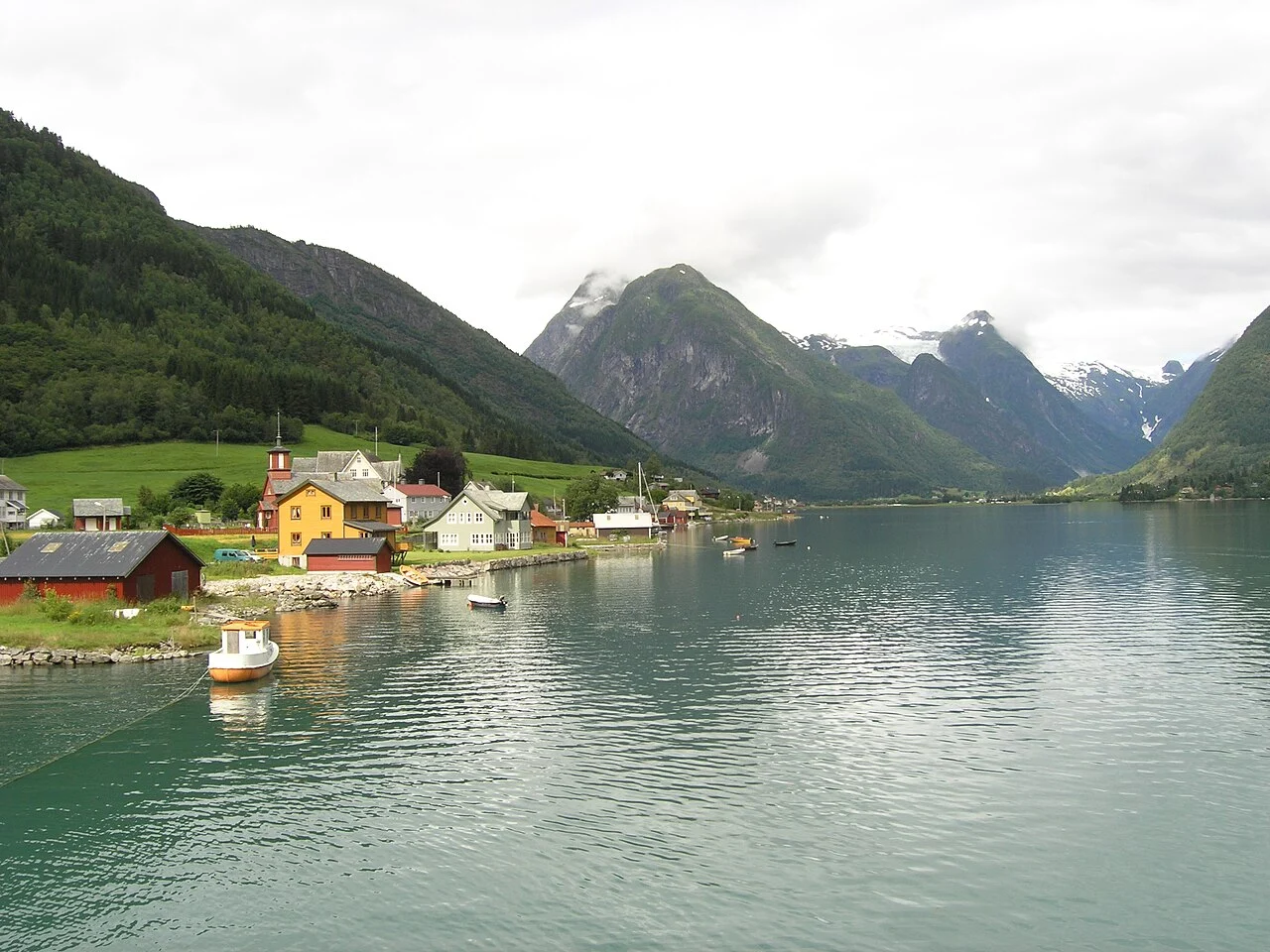
A museum or village stop lets some of the group learn about glaciers without being out on the ice.
Set up the alternative as its own visit. That makes it usable if the hiking operator moves or cancels a departure.
Confirm hours, admission and the travel time from where you are staying. Avoid planning it as a quick detour after a full-day tour.
One-, two- and three-day itineraries
One day in Jostedalen. Use the morning for breakfast and travel to the confirmed check-in point. Give the main part of the day to the guided Nigardsbreen trip and leave time for the approach and return. Eat afterwards near your accommodation or on your confirmed onward route. If the trip cannot run, ask locally which viewpoints are open or choose a valley visit. Check visitor facilities and opening hours before relying on them.
Two days near Sognefjord. Use day one to reach your base, confirm the drive to Jostedalen and visit a nearby shore stop in the afternoon. Eat near your accommodation and prepare food and layers that evening. Reserve day two for the guide, with the morning and afternoon flexible around the confirmed time. Keep an alternative in the valley if weather intervenes and leave enough time to reach your next overnight stop. If you already have a good slot on day one and can reach it comfortably, that leaves day two as a weather buffer.
Three days around Hardanger. On day one, arrive near Jondal, check the mountain road and use the afternoon for a local stop before dinner. Use day two for the guided Folgefonna walk and plan an easy evening after the drive back down. Keep part of day three available for a changed departure or a lower-level visit before onward travel. If your road, guide or ferry plans change, adjust the rest of the day around the confirmed connection. Do not reserve a second distant outing in the same daylight block.
Make the most of a guided outing
Tell the guide what interests you, whether that is ice colours, how the valley has changed or learning how the group moves together. Route selection belongs to the operator. A group with people at different levels can ask in advance how the guide adapts the pace and what is possible if someone needs to finish early. Bring a camera only in a setup that lets you keep it secure and follow instructions without distraction.
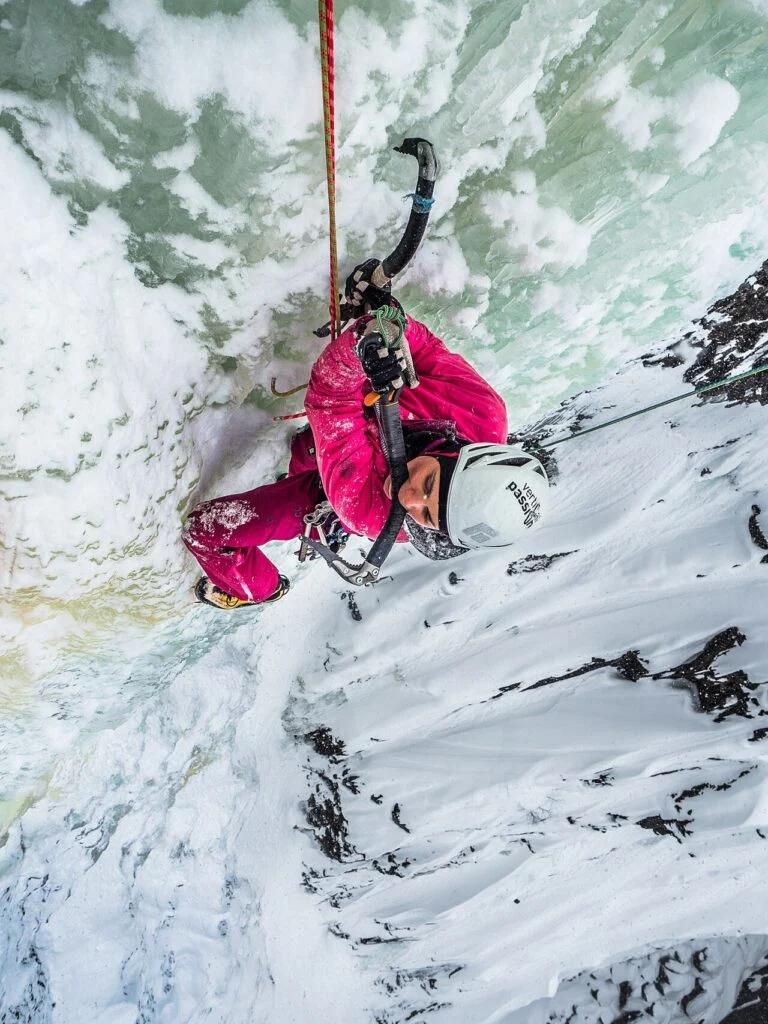
If a companion prefers to stay on shore, plan the day for both people. Confirm how each will reach the meeting place after the activity and choose a time with room for a slow return. A café or visitor centre may work when it is open, while a separate vehicle or confirmed pickup may be necessary for a mountain departure. If you are choosing between a summer glacier hike and a winter climbing course, the ice climbing guide explains the different formats.
Compare the approach as well as the ice time
On a short trip, compare the total time from your hotel door to the evening return. A family staying in the Sognefjord area can give Nigardsbreen one day without adding a second region. If your itinerary already follows Hardanger, Jondal is a more natural staging point for the Folgefonna example. Ask the operator what to expect on the approach, including whether the way back follows the same terrain and whether you can leave your vehicle near the check-in point.
When the group includes a slower walker, ask for the expected time on uneven ground and any steep sections before buying. A shorter time on the ice can still mean a substantial walk. Choose a permitted viewpoint for companions who want to see the glacier with less effort, and make a shared plan for lunch and the return.
A guided glacier day from Bergen
Compare a guided day trip from Bergen that includes a blue-ice hike on Folgefonna. Check the walking requirements, equipment and glacier conditions for your chosen date.
View the Folgefonna glacier trip →
Check current dates, prices, meeting points and cancellation terms on Viator. Affiliate link: we may earn a commission if you book.
Related planning
Destinations for your trip
Questions and answers
Is glacier hiking in Norway worth it?
Yes if you want a guided outdoor day and the route suits your group. A permitted viewpoint visit is a worthwhile choice if you prefer to stay off the ice.
What does it cost?
Published examples include NOK 860 for a Nigardsbreen short group walk in 2026 and from NOK 1,249 for a Folgefonna blue-ice trip. Check current rates, inclusions and any road charges.
How much time should I allow?
Allow about four and a half hours for the listed Nigardsbreen outing and five to six for the Folgefonna example, plus travel and check-in as directed.
Can children join?
Age limits differ by product. Check the specific booking and ask about family options, equipment fit and the amount of walking.
Do I need to book ahead?
Book the guide when your dates are firm, especially if you need a particular age-appropriate option or only have one day.
What happens in poor weather?
Follow the operator’s decision. Keep a valley or town alternative and check whether your booking can be moved.
Choose your glacier before booking transport
Base the choice on the approach, route length and the people in your group. Confirm the booking and current access before setting out, and leave room for the guide to adapt the day.