Sea Fishing in Norway: 10 Tips for Planning Your Trip
Sea fishing in Norway ranges from short guided charters in Lofoten and Alta to multi-day fishing camps. Compare costs, boats, and rules before choosing a trip.
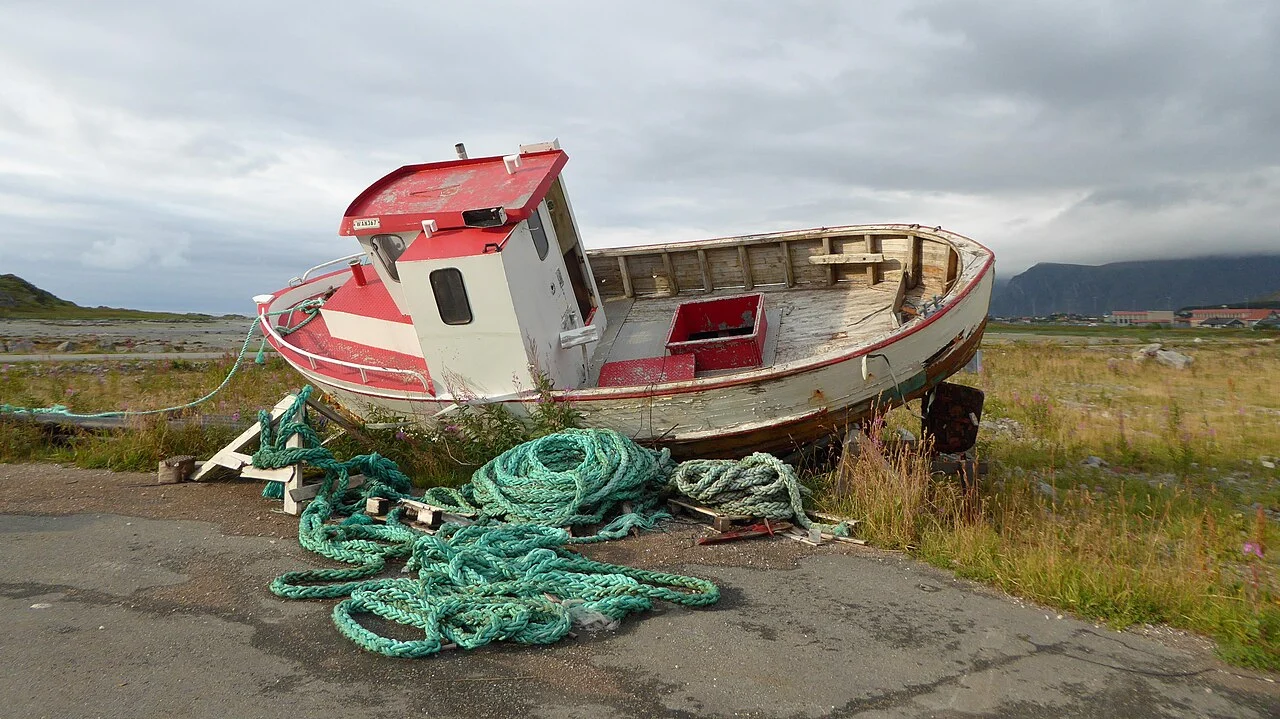
Sea fishing in Norway at a glance
- Worth it? Yes for a guided coastal outing suited to your group.
- Time? Reserve a half-day for a local charter.
- Season? Check the current calendar, weather and daylight.
- Cost? Published examples start around NOK 1,000–1,200.
- Transport? Confirm the quay and the return.
- Priorities. Choose the boat, check fishing rules and verify export eligibility if needed.
1. Choose a guided trip, fishing camp or shore session
Sea fishing in Norway can mean a few hours with a skipper in Svolvær, several days at a fishing camp or a short session from an appropriate shore location. Decide what you want before booking accommodation. A guide can explain the local fishery and provide equipment. A camp may suit an experienced group that wants several days on the water, provided its arrangements match the group’s competence. A shore session can work when you want to stay close to town and have confirmed suitable legal access.
A first-time visitor will usually have an easier day on a guided boat. Ask about the exact length of the trip, the boat’s facilities and what happens if someone wants to stop early. If one person is interested in fishing and the rest mainly want to see the coast, tell the operator. Some trips devote most of the time to fishing. Others leave more room for passengers to watch. Compare the actual programme, including how long it takes to reach the fishing grounds.
Choose a trip you would enjoy without keeping fish. Weather, regulations and what is caught all affect the day. Ask whether the operator is happy to take a group that simply wants to learn about the coast and try fishing. If you want to eat some of the catch, confirm whether any preparation or cooking is included. A fishing ticket, a meal and permission to take fish home are separate questions.
2. Lofoten from Svolvær
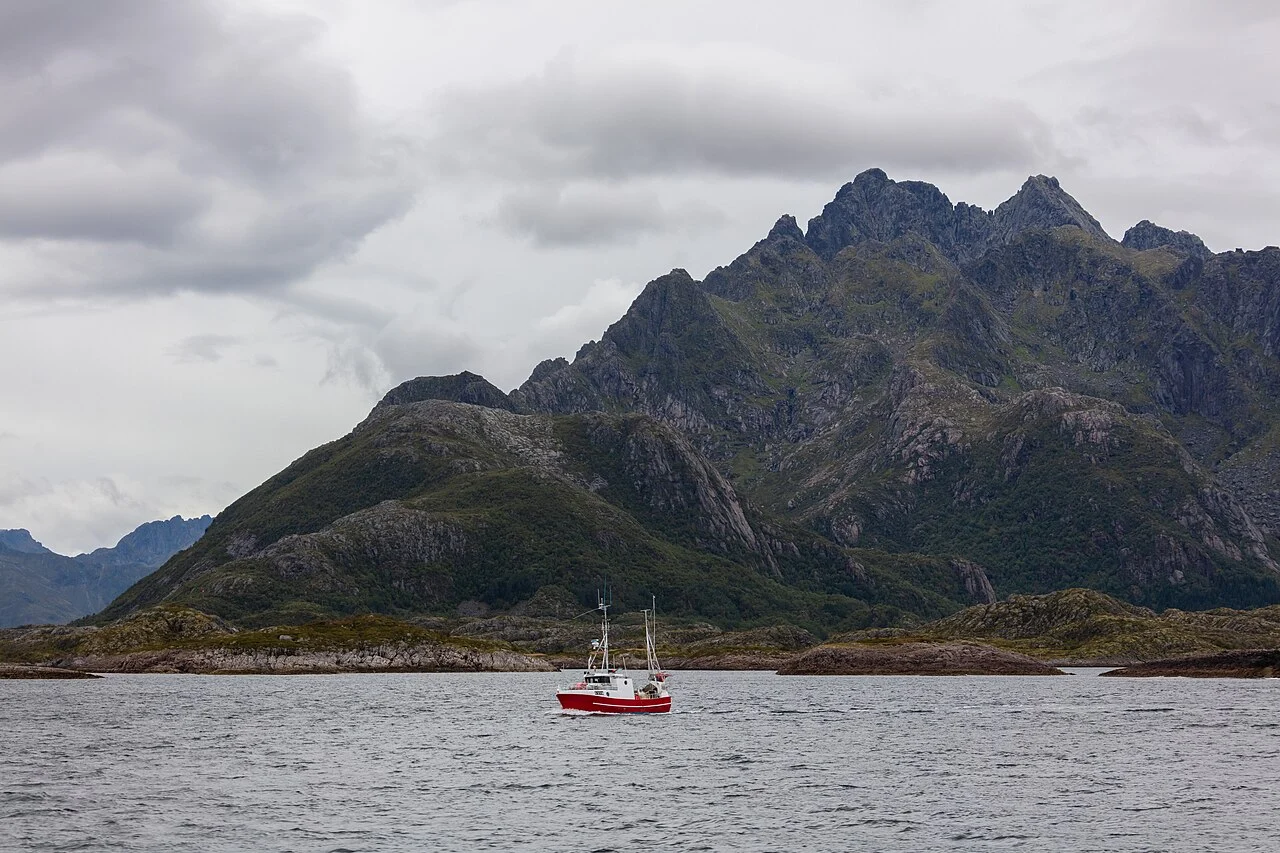
Visit Lofoten lists a sportfishing trip with No Problem Sportfishing from Svolvær at a published example of NOK 1,000. The listing describes a small boat with a maximum of six passengers. Check whether that example applies to your date, how long the trip takes and where to meet. Ask what the ticket covers, including equipment and any clothing. A small group can give you time to ask the skipper questions, but confirm seating, shelter and boarding before choosing it.
Svolvær works if you want a town base and a walk to a central departure, provided the address on the booking matches your accommodation plan. Arrive with enough time to find the exact quay and get ready. If you are travelling by bus, check the last return to your accommodation before paying for an afternoon slot. Use the Lofoten travel guide to plan a harbour visit or meal on the same day without adding a long drive.
A second day gives you a weather window and more time in the region. If the boat cannot leave, use a town stop or an accessible shore walk. Do not replace a cancelled trip with a self-drive boat unless you have independently confirmed the conditions, your competence and the rental requirements. If you also want to see Trollfjord, compare a sea eagle safari on another day. Ask each operator about route and weather terms separately.
3. Altafjord and northern winter options
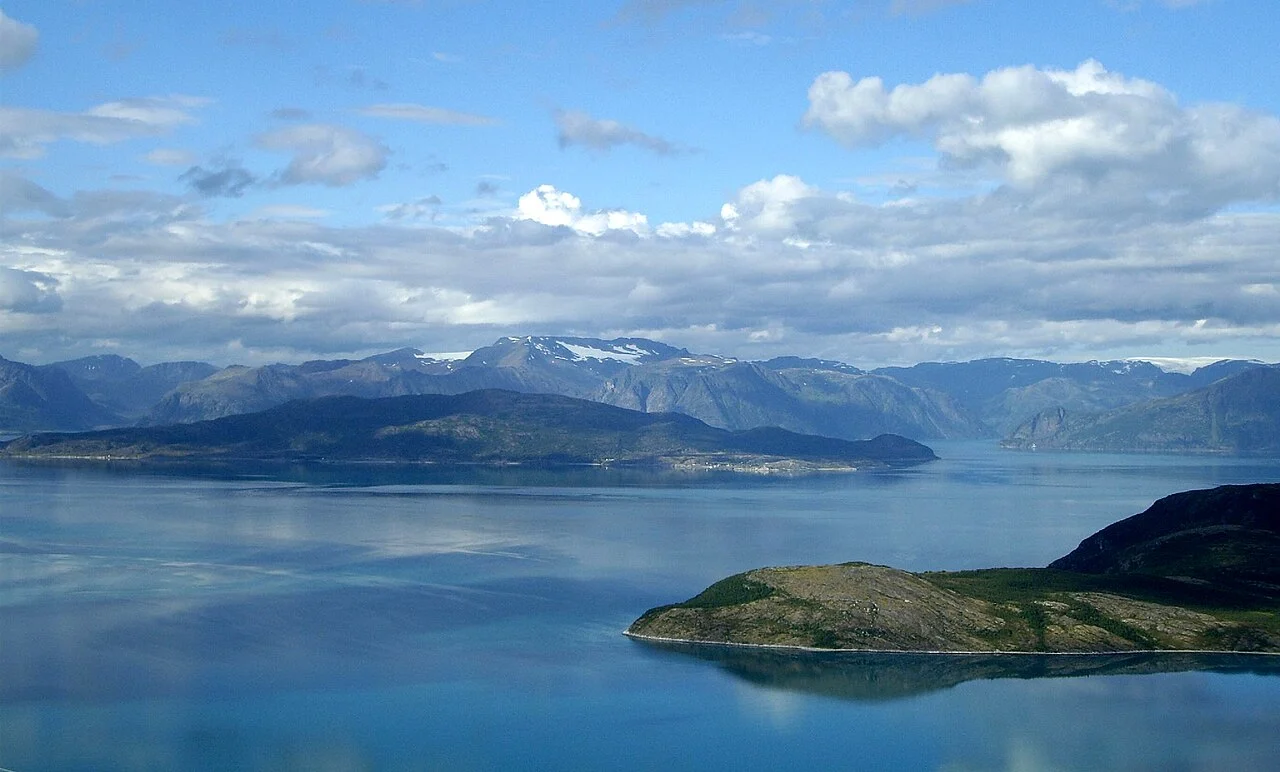
Visit Alta lists a guided boat outing on Altafjord from NOK 1,200. Its published example shows an October 2026 to March 2027 window. Use those figures as a product-specific example and check the live calendar for your date. Ask how long you will be outdoors, whether the boat has shelter and how the skipper makes weather decisions. If you are comparing an earlier and a later departure, check usable daylight as well as your own transport.
Confirm where the trip starts. A booking sold under Alta can use a different harbour or meeting point from a tour leaving central town. Ask whether there is a hotel pickup or whether you need a taxi, and confirm the return. If you are going directly from the airport, give yourself time to collect luggage and get warm clothing ready. A late arrival is easier to absorb when the fishing is booked for the next day. The Alta travel guide covers town alternatives if weather changes the plan.
Sea fishing and ice fishing are distinct outings even during the same winter stay. The ice fishing guide covers lake access and permission for that separate activity. If you want both, choose different days so you can adapt to changing conditions. For a boat trip, ask about motion, boarding and warm space. For any outdoor booking, make sure each person knows how long they can expect to be out and what gear they need.
4. Fishing rules, minimum sizes and keeping a catch
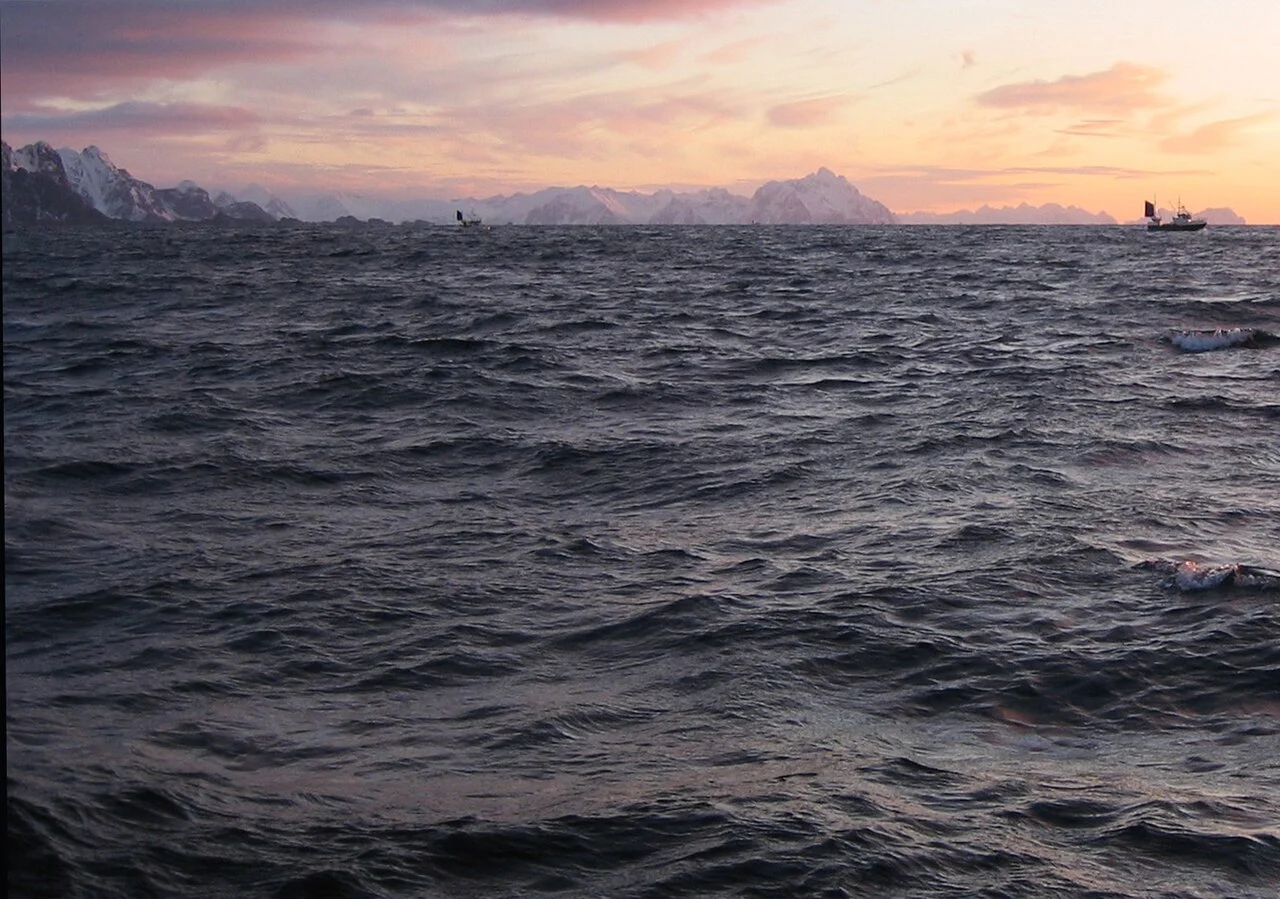
Use the Directorate of Fisheries’ tourist angling guidance before fishing. It explains the restrictions on handheld tackle and species, and it links to minimum sizes for saltwater fish. Minimum sizes can depend on the species and area. Ask the skipper how to identify and measure fish, and follow the current rule for the place you are fishing. If you cannot identify a fish confidently, ask before deciding to keep it.
Check area restrictions separately. The Directorate’s Norwegian tourist guidance states that fishing is prohibited within 100 metres of a fish farm. Other local or species-specific rules may apply. A skipper should be able to explain which waters the boat is using, but visitors also benefit from knowing which official guidance applies. Check again if you move to a different region or change from a guided boat to a shore session. Rules for freshwater or migratory fish differ. See the salmon fishing guide if your main interest is river fishing.
Ask what the operator expects you to do if the fish is below the minimum size or cannot be kept. The Directorate says undersized fish must be returned as carefully as possible. Follow the skipper’s directions on the day. Keep the rest of the group clear when someone is handling a fish and give the crew room to work. An outing can be successful even when everything that has to go back is released.
5. Fish export and registered fishing camps
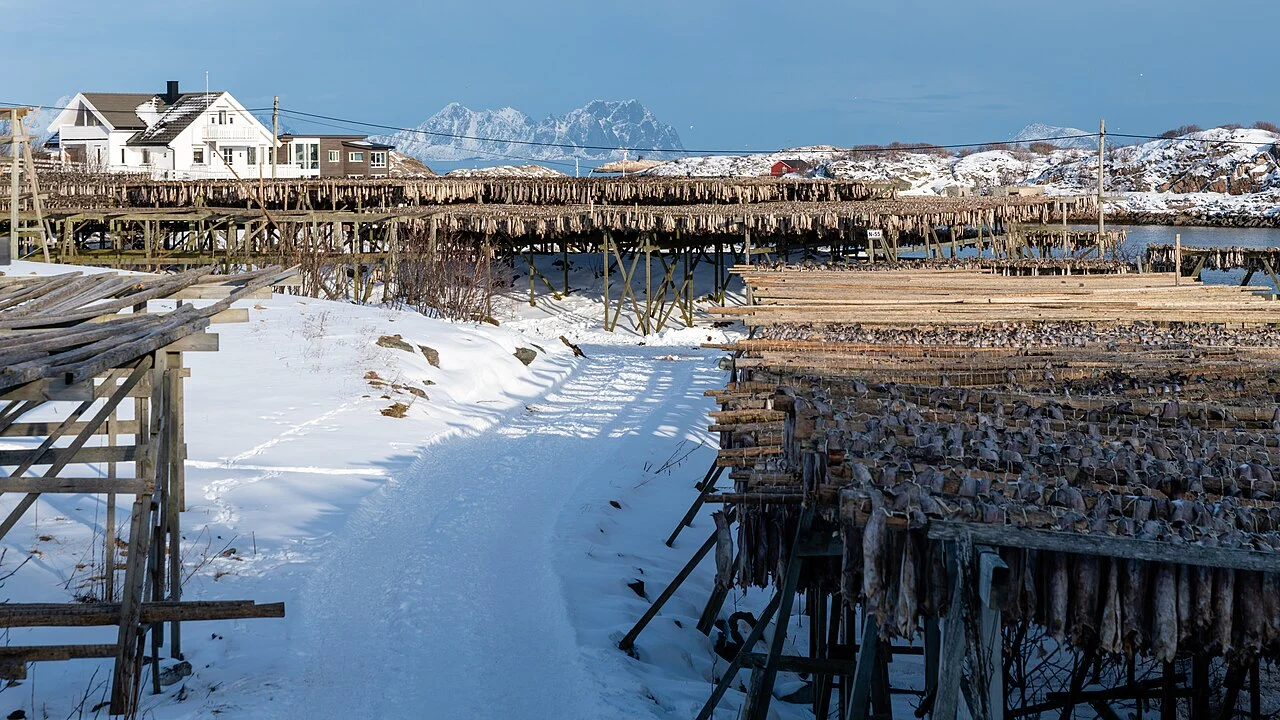
If you want to take your catch abroad, check export eligibility before booking. The Directorate says the allowance is limited to qualifying visitors aged 12 or older who fish through a registered tourist fishing business and meet the applicable documentation rules. Ask the provider to confirm that your specific booking qualifies. A general charter, a shore session or staying in the same village as a registered camp does not establish that you can export your catch.
The Directorate’s English export guidance gives a quota of 15 kilograms under the 2026 rules and 10 kilograms from 1 January 2027, with the quota usable up to twice per calendar year. Check the rule for the date you leave Norway and read the current documentation requirements. There is no separate trophy-fish allowance on top of the quota. If you have a trip that straddles New Year, confirm what applies at the point of export rather than relying on the rule in force when you booked.
Ask the provider what paperwork it supplies, when you receive it and what is required for any storage or preparation. Export documentation must be issued for each qualifying individual, not a group; the named person must be present when the catch leaves Norway. The Directorate’s current export guidance lists the required details and explains that these particular limits exclude freshwater species and salmon, trout and char. Make these checks while you can still change the booking. If the paperwork is missing, choose a plan that does not depend on export. Keep the local fishing and export questions separate. A limit on what can be exported is different from a rule about what can be caught or retained in the first place.
6. Boats, equipment, and the full cost
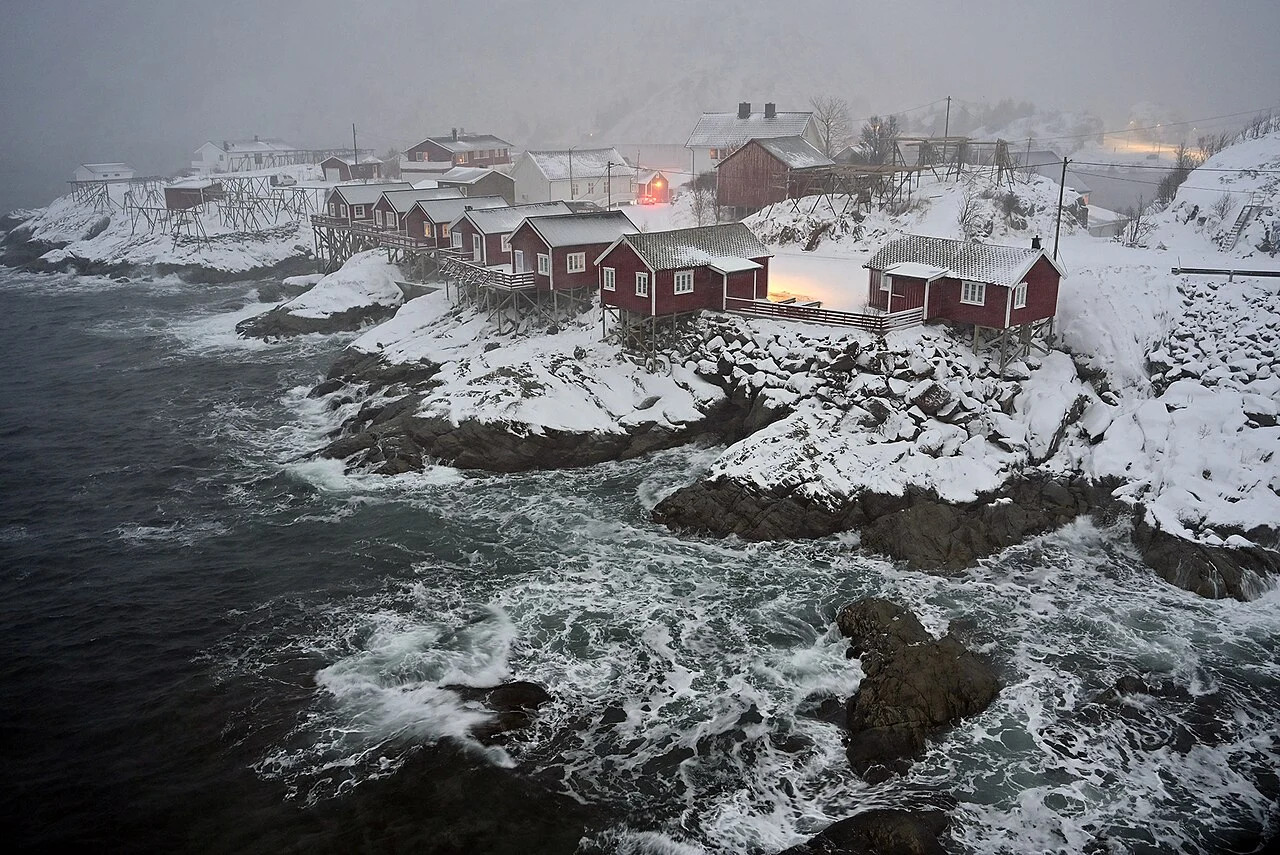
Get the exact quote for your party. Compare per-person seats and private charters on the same basis, including time on the boat, equipment, fuel, clothing and any transfers. For a fishing camp, check accommodation, boat hire and additional charges separately. A cheaper daily rate may depend on a longer minimum stay. Ask how you pay for fuel and what happens if the boat cannot be used on part of your booking.
For a rental boat, ask the company to check licence or competence requirements for the vessel and the person who will be in charge. Confirm the permitted area, equipment and local briefing. If the group is unfamiliar with the area or with boating in cold water, choose a skipper-led trip. The Norwegian Maritime Authority’s boating guidance recommends wearing a lifejacket or suitable flotation clothing. Check its current rules and the operator’s requirements for the specific vessel.
Ask about shoes, gloves and other layers, and bring a dry change if the operator recommends it. Confirm flotation equipment is available in suitable sizes. If someone has a mobility concern or is sensitive to motion, discuss the actual boarding and seating arrangement before payment. An outlying quay can take extra time to reach and a boat trip can be tiring even if you spend most of it sitting. Leave time for a warm meal afterwards.
7. Compare a Svolvær charter with a shore day
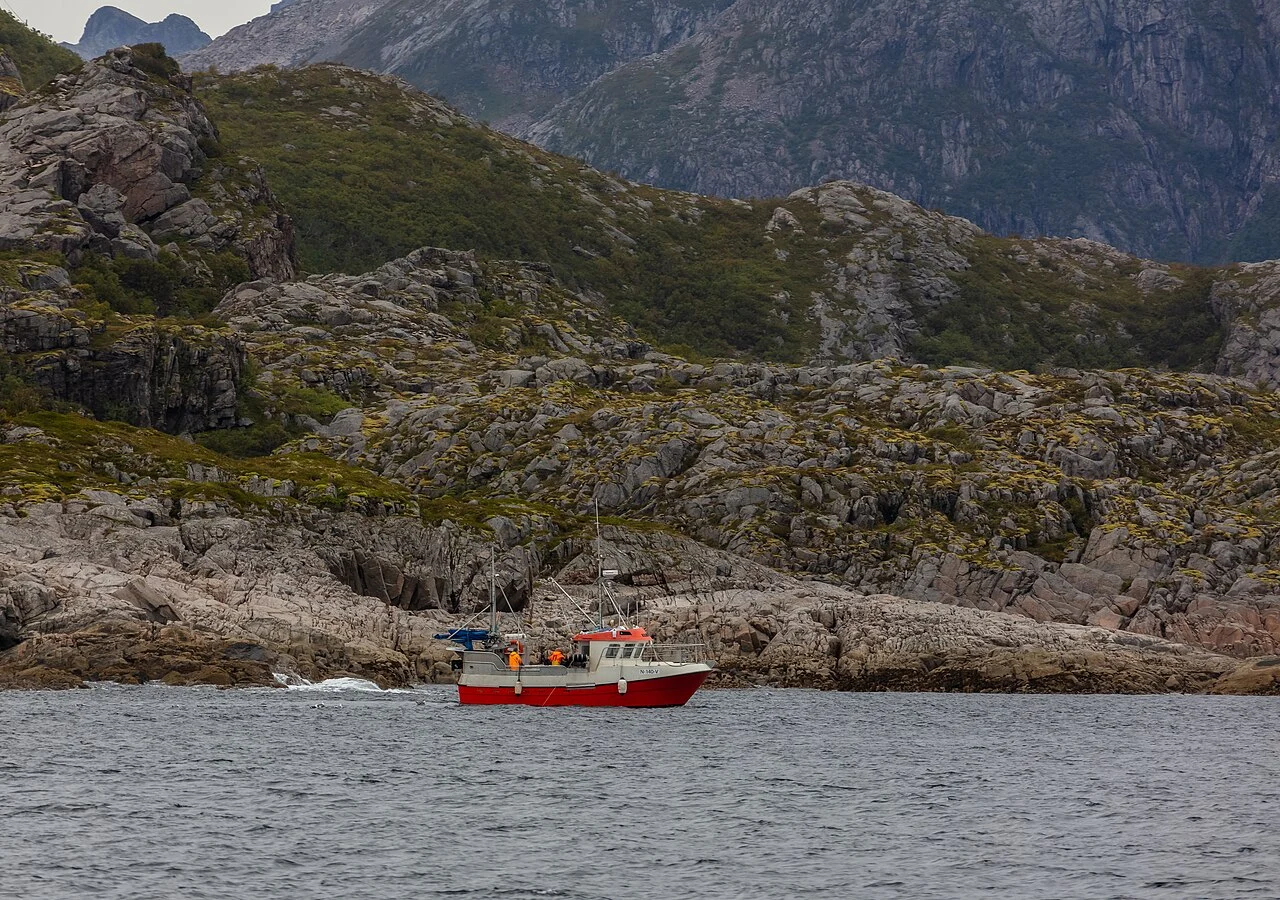
A Svolvær charter gives you equipment and local knowledge. A shore day offers a simpler plan that does not depend on a boat running.
Ask the operator what you will do if wind changes the route. Keep a harbour walk or another established shore stop in reserve.
Compare the fare with your full shore budget. Allow time for check-in and avoid a fixed evening departure.
8. Choose a camp with the right facilities
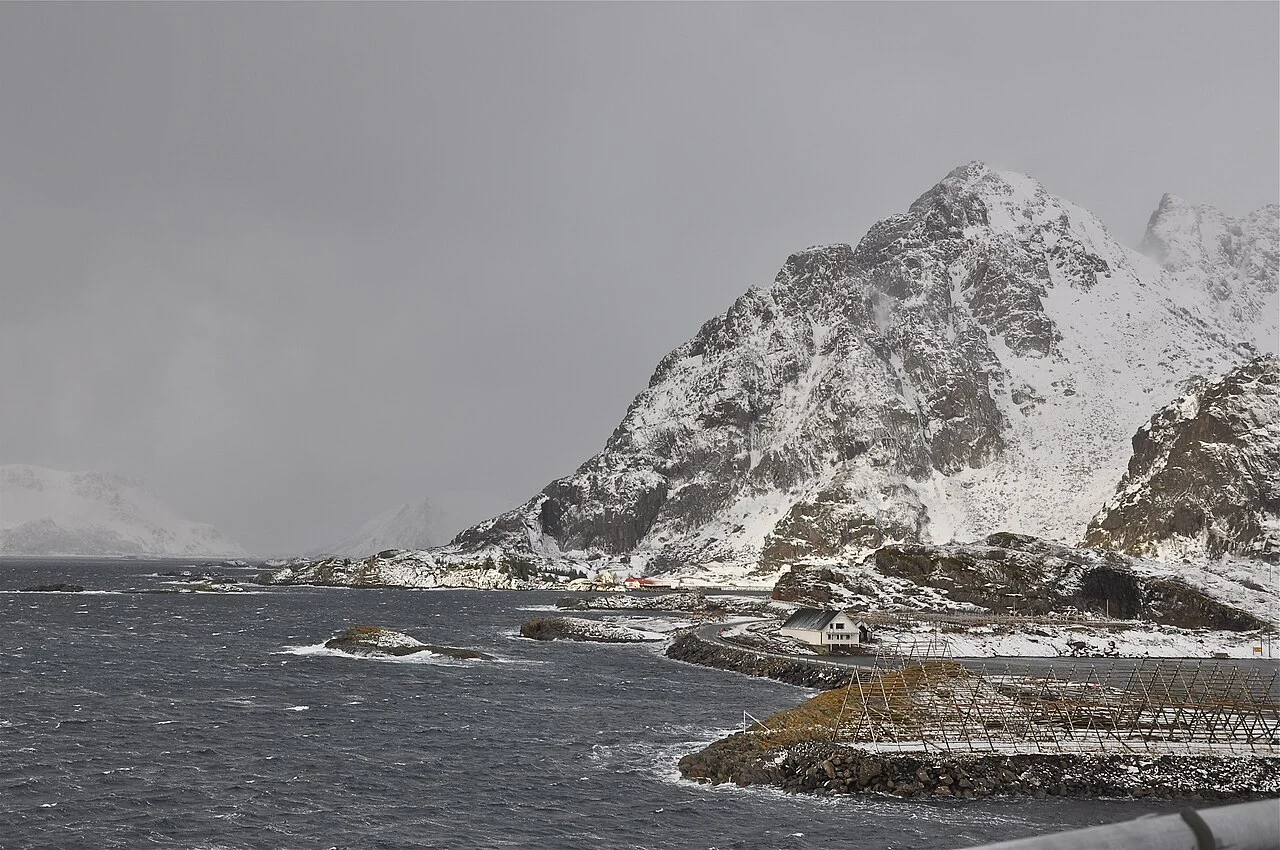
Camp stays can give a group more time to fish from the same base. The boat and the accommodation both need to suit the party.
Ask about briefing, shelter, equipment storage and the services that keep the day practical for non-anglers.
Confirm costs and local rules before booking. Check official fish export requirements independently if you plan to take fish abroad.
9. Allow a buffer in Altafjord
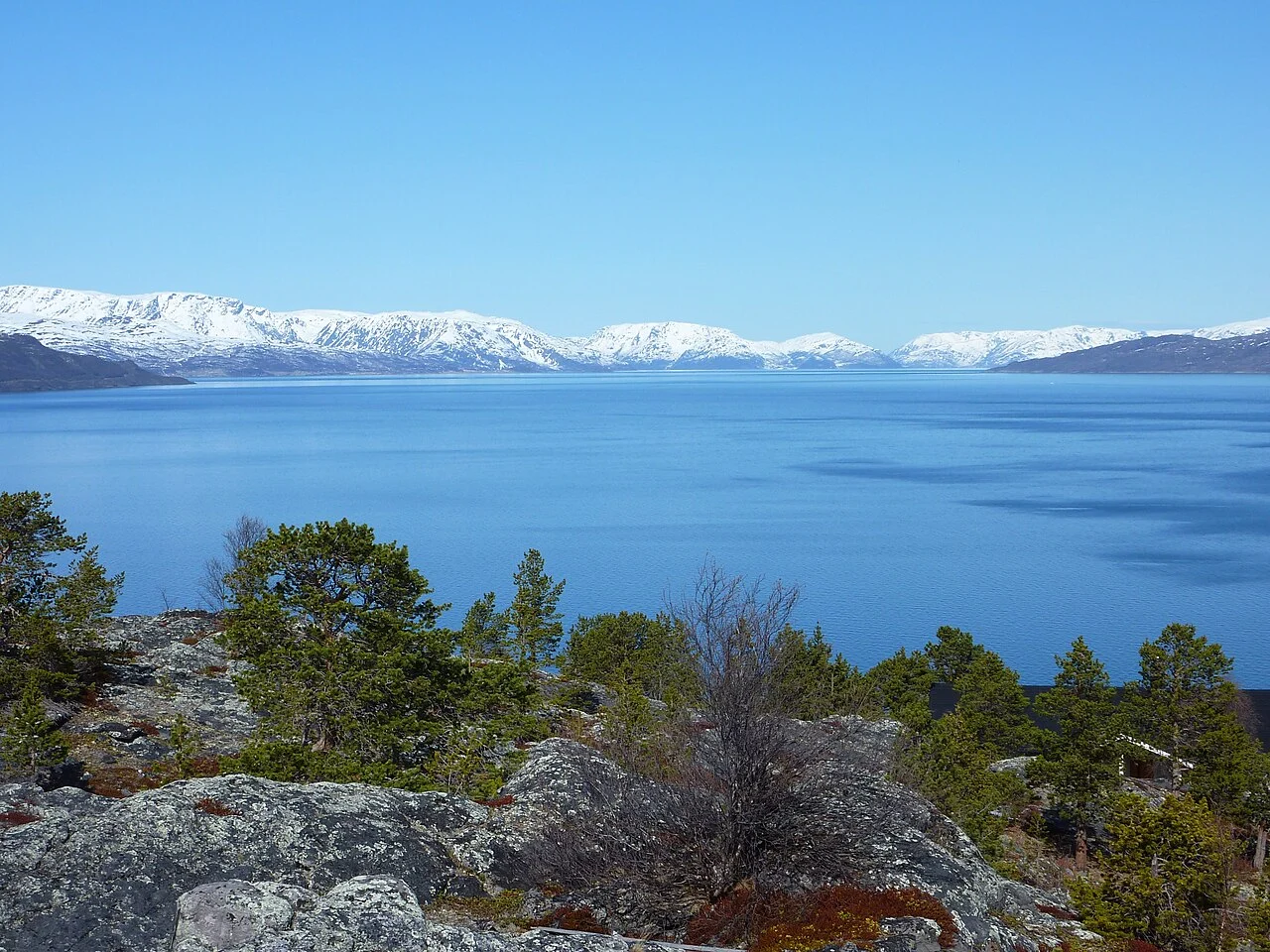
A separate spare day gives you room if a northern departure is moved. Winter conditions can alter the length and character of the outing.
Check what shelter the vessel offers and what you can do in town if the trip changes.
Confirm current fare and cancellation terms. Avoid placing the trip next to your flight.
10. Use a working harbour as a fallback
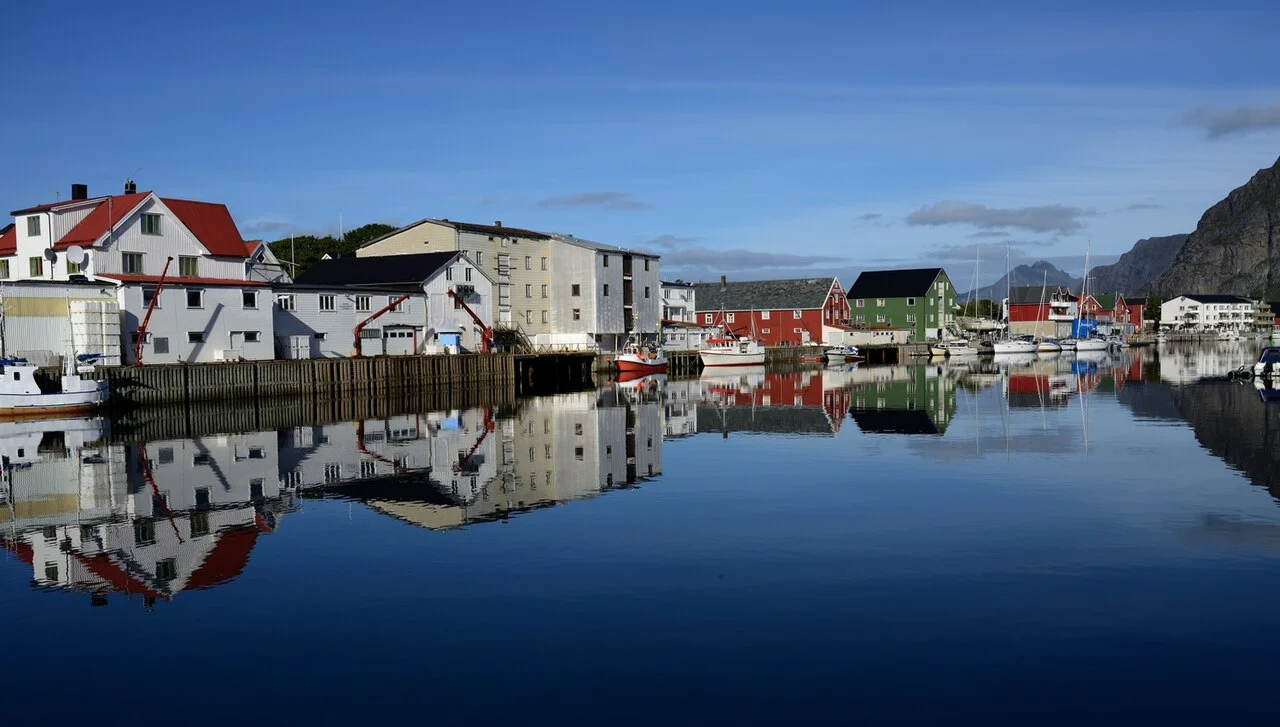
A harbour visit helps you understand the fishing setting even if the boat stays in port.
Respect signs and keep clear of working quays. Enjoy public spaces and plan a separate meal or indoor stop.
Allow an hour or two and check opening hours and costs for any separate venue.
One-, two- and three-day itineraries
One day in Svolvær. Have breakfast near the harbour and allow time to find the check-in. Give the morning or afternoon to a confirmed charter and leave the other block for a short town visit. Have dinner locally and keep the return flexible. If the skipper cancels, use the harbour or an indoor visit and ask whether another departure is available. Check the last bus before adding a distant stop.
Two days in Alta. On day one, arrive, locate the harbour or pickup and use the afternoon for a local visit. Confirm the next day’s conditions before dinner. Use day two for the boat and leave a generous margin afterwards for food or onward travel. If an earlier suitable slot works with your arrival, use it and keep day two available. In poor conditions, stay in town or choose a confirmed land-based outing.
Three days at a fishing base. Use day one for arrival, the local briefing and a short outing only if conditions and arrangements suit. Give day two to the main fishing trip and allow time to return equipment and eat. Keep part of day three for a changed trip or a local shore visit before leaving. If you plan to export fish, arrange documentation and packing before the final transfer. If weather prevents boating, check the provider’s alternatives and keep your onward journey practical.
Check shore access before a short session
If you only have an hour, ask locally where shore fishing is permitted and practical. A quay in use by ferries or fishing vessels can be unsuitable even if it appears easy to reach. Check signs, keep walkways clear and choose a position that allows you to leave safely if the weather changes. If you are carrying rented equipment, confirm where you will return it before choosing a site. Save a nearby indoor stop for companions who would rather stay warm while you fish.
Try a fishing outing from Bergen
If you are staying in Bergen, compare this fjord sea safari with fishing as a separate option from the northern bases above. Check the boat, equipment and catch arrangements before booking.
View the Bergen fishing safari →
Check current dates, prices, meeting points and cancellation terms on Viator. Affiliate link: we may earn a commission if you book.
Related planning
Destinations for your trip
Questions and answers
Is sea fishing worth trying as a beginner?
Yes if you choose a suitable guided trip. Check the time outdoors, boarding and equipment before booking.
What does it cost?
Published examples are NOK 1,000 in Svolvær and from NOK 1,200 in Alta. Confirm the current price and inclusions.
How long should I allow?
Keep a half-day for a local charter unless the operator gives a longer estimate. Include travel and check-in.
Can I take fish out of Norway?
Only if you qualify under the current rules and have the required documentation. Check registration and the quota for your export date.
Do I need to book ahead?
Reserve early if you need a specific boat or departure. Ask about cancellation and weather alternatives.
What if conditions are unsuitable?
Follow the skipper’s decision. Use a town or shore alternative and ask about rescheduling.
Book the boat around your base and the conditions
Choose the format, confirm the return and check the rules before deciding what to keep. Leave enough time for a weather change and for the group to get warm after the trip.
Sources and further reading
Confirm current prices, times and rules before booking or fishing.