Salmon Fishing in Norway: 10 Tips on Permits and Rivers
Salmon fishing in Norway starts with checking whether the river is open and buying access to the exact stretch you want to fish. Compare the national fee, local permits and seasonal restrictions before booking.
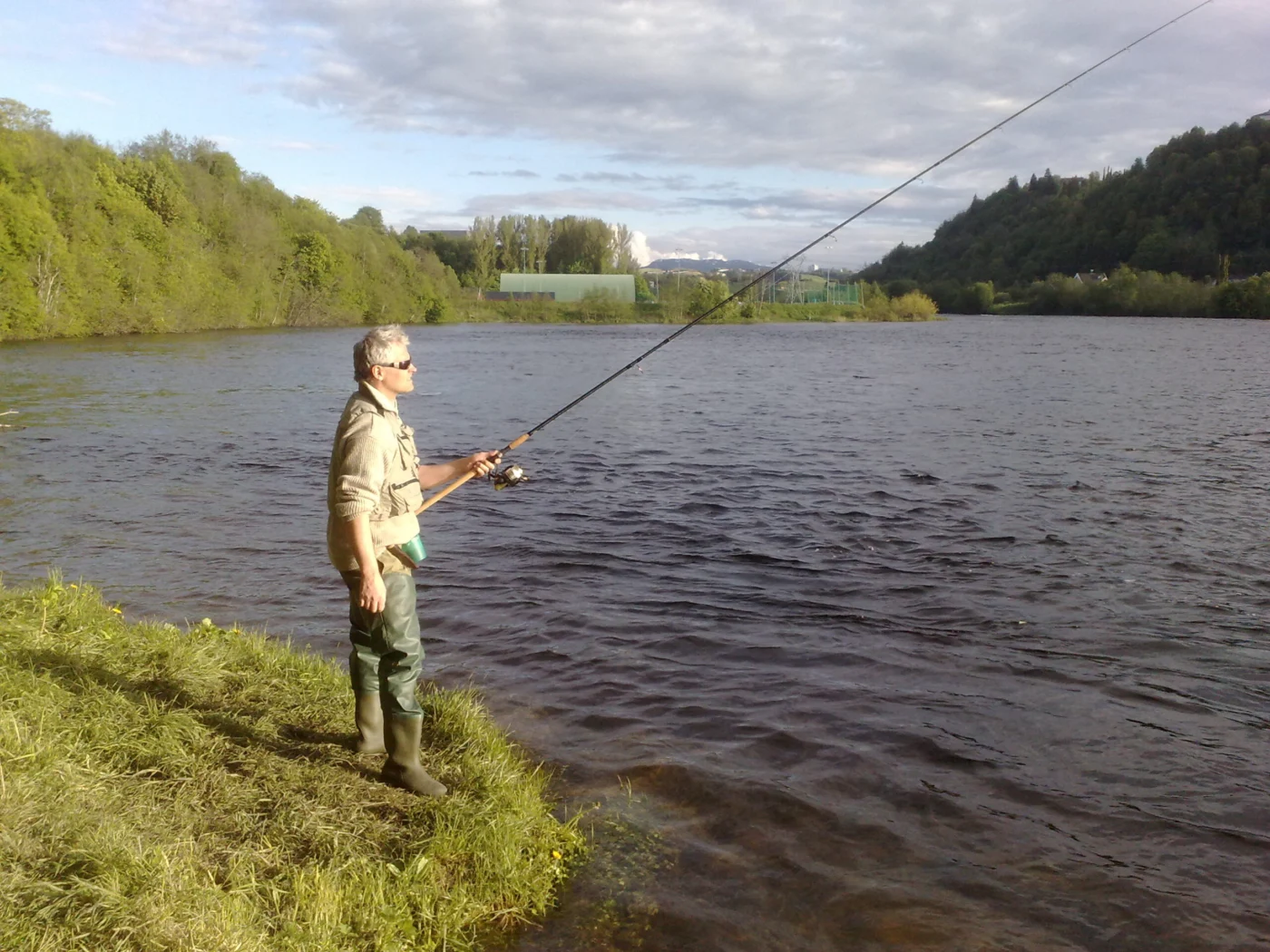
Salmon fishing in Norway at a glance
- Worth it? Yes for a permitted river trip with flexible dates.
- Time? Allow one session or two to three days with a spare slot.
- Season? Check the exact river and current restrictions.
- Cost? The national portal lists NOK 347, with local permits separate.
- Transport? Check the approach to the permitted bank and the return.
- Priorities. Confirm the river, get the right permit and check equipment requirements.
1. Start with the river rules, then choose a beat
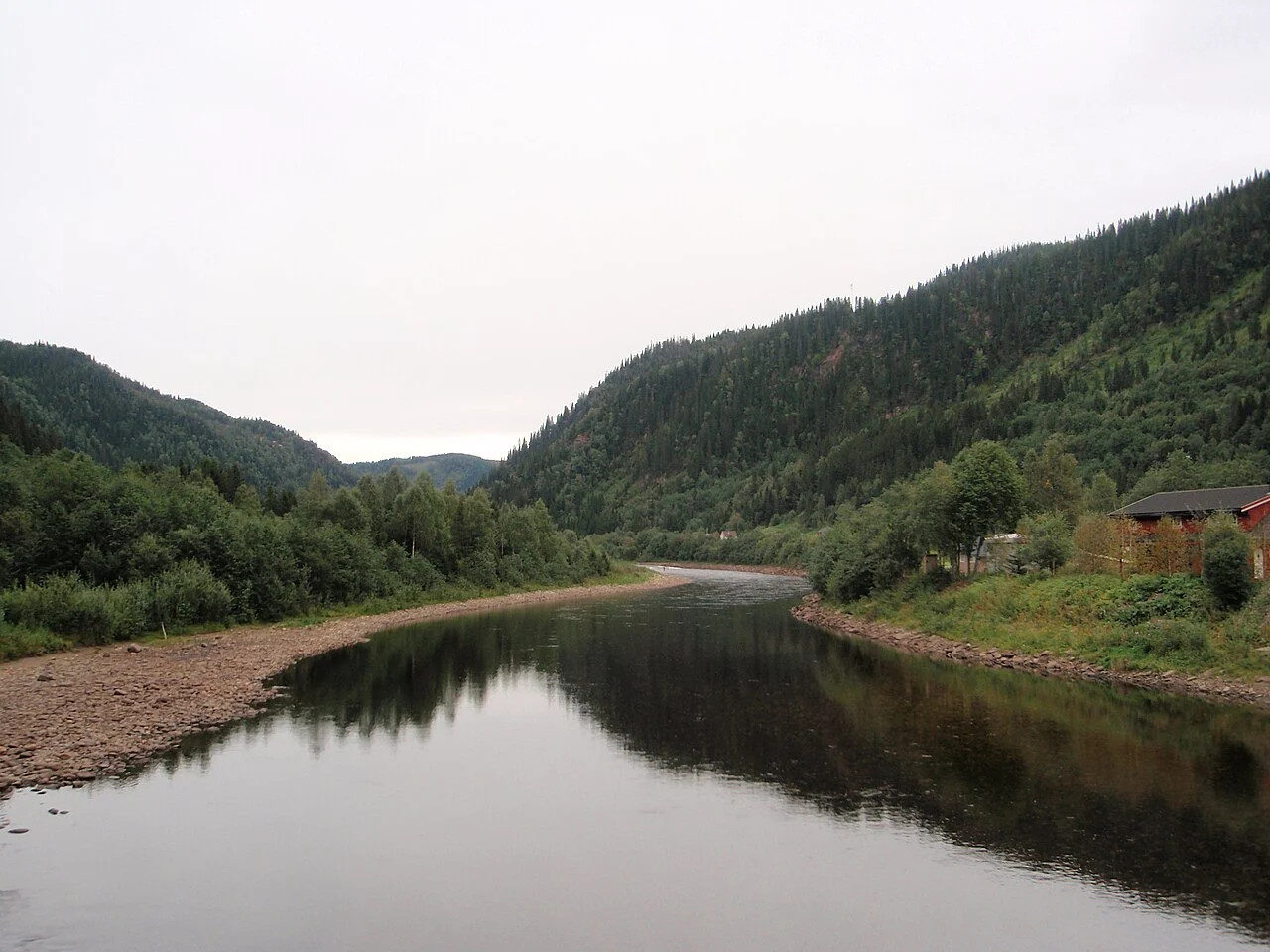
Salmon fishing in Norway begins with finding a river that is open to the species, method and dates you have in mind. A beat is a defined stretch of river with its own access arrangements. Two permits sold for the same river can cover different banks, hours and lengths of water. Find the official rules for the river first, then check the seller’s map for the exact beat. A river’s reputation tells you little about what you are allowed to do on a particular day.
Choose a base close to the water you can actually fish. A lodge with an assigned beat can simplify an unfamiliar trip, while a town base gives you more options if conditions change. Ask how far it is from your lodging to the permitted access point and what the walk involves. Do not assume that a bridge, roadside pullout or path shown on a map gives access to the bank you need. Use the seller’s directions and park where you have permission.
If you are new to river salmon fishing, consider a guide for the first session. Ask the guide to explain the local rules, how the rotation works if people share a pool and what equipment is suitable for the beat. The aim is to arrive with the right access and expectations. A first outing can be worthwhile for learning the river even when you do not catch anything. Build the trip around a setting you want to spend time in rather than a promise of fish.
2. National fee and local fishing permit
The Norwegian Environment Agency’s fee portal lists NOK 347 for the individual river fishing fee for salmon, sea trout and sea char. The portal states that visitors under 18 do not pay the national fee. Check the live rate and conditions for the year you travel. A local permit is a separate requirement on many waters and can have its own age rules and prices. Confirm what applies to each person, including anyone who wants to try fishing briefly.
Get the local permit for the exact stretch, date and session. Ask whether the price is for one person, a rod, a group or a package that includes guiding or accommodation. Keep the national receipt, permit and any required identification available during the visit. Save a copy offline if coverage is poor. If you buy access through a lodge, ask which parts of the paperwork it handles and which you need to arrange before check-in.
Read the terms before paying for a non-refundable stay. The national fee portal says the fee is not refunded if a trip is cancelled. A local permit or guide may have different terms. Check what happens if a closure or river condition prevents fishing, whether you can move the booking and whether the accommodation can be changed separately. The cost of a trip includes the time and transport needed to use the permit as well as its purchase price.
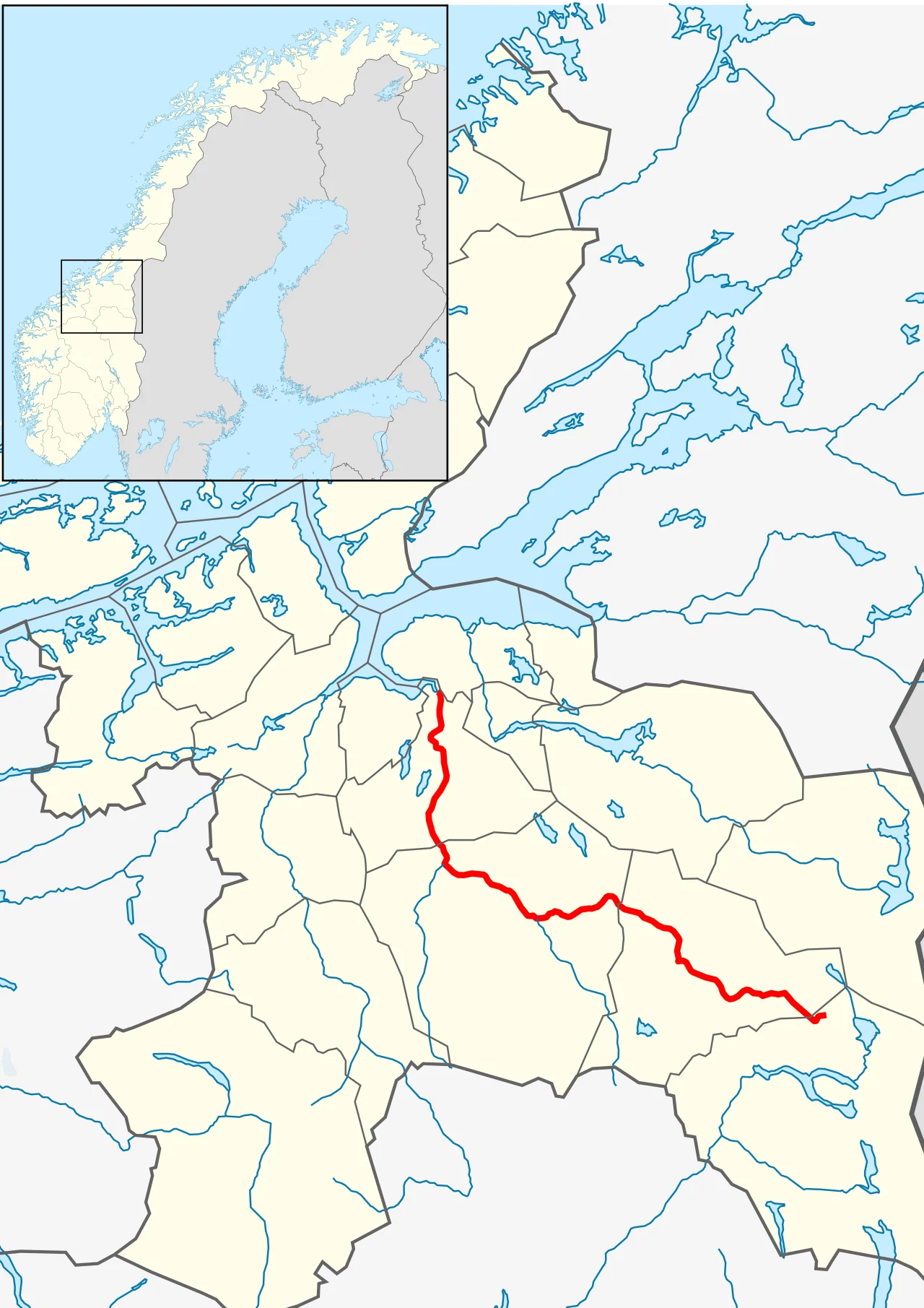
3. Trøndelag rivers and seasonal changes
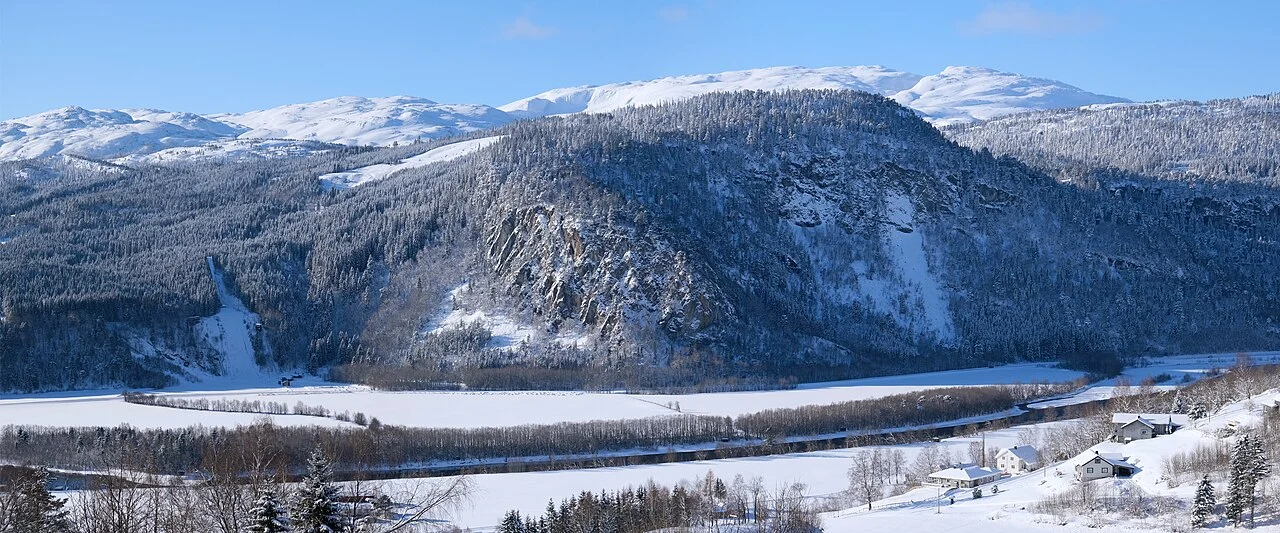
Gaula and Orkla are well-known Trøndelag rivers, but their seasons cannot be assumed to follow an old calendar. In July 2026, the Environment Agency announced that salmon fishing in Gaula, Orkla and Verdalselva would close from 1 August that year. Treat this as an example of an in-season change. Check current official notices and the river association before buying a future date, and check again before you travel. An old permit listing or a lodge’s usual operating window cannot establish that the fishery is open.
If your trip starts in Trondheim, compare the journey to the permitted water before deciding where to sleep. The city can be a useful arrival point, while a base nearer the beat can make an early session easier. A long drive is a poor fit if the permit begins at a fixed hour and you need to collect equipment or complete a local check first. Use the Trondheim guide to plan an arrival or backup day around a short fishing stay.
A river such as Namsen can be a separate trip rather than a last-minute substitute. Before changing rivers, confirm opening, the exact beat, equipment requirements and the route to it. If the first river closes, an available permit elsewhere may still mean moving lodging or finding transport. Keep a fallback that works in your current region. A day in town or a short shore visit can be easier to organise than a completely new fishing booking.
4. Catch limits, reporting and equipment hygiene
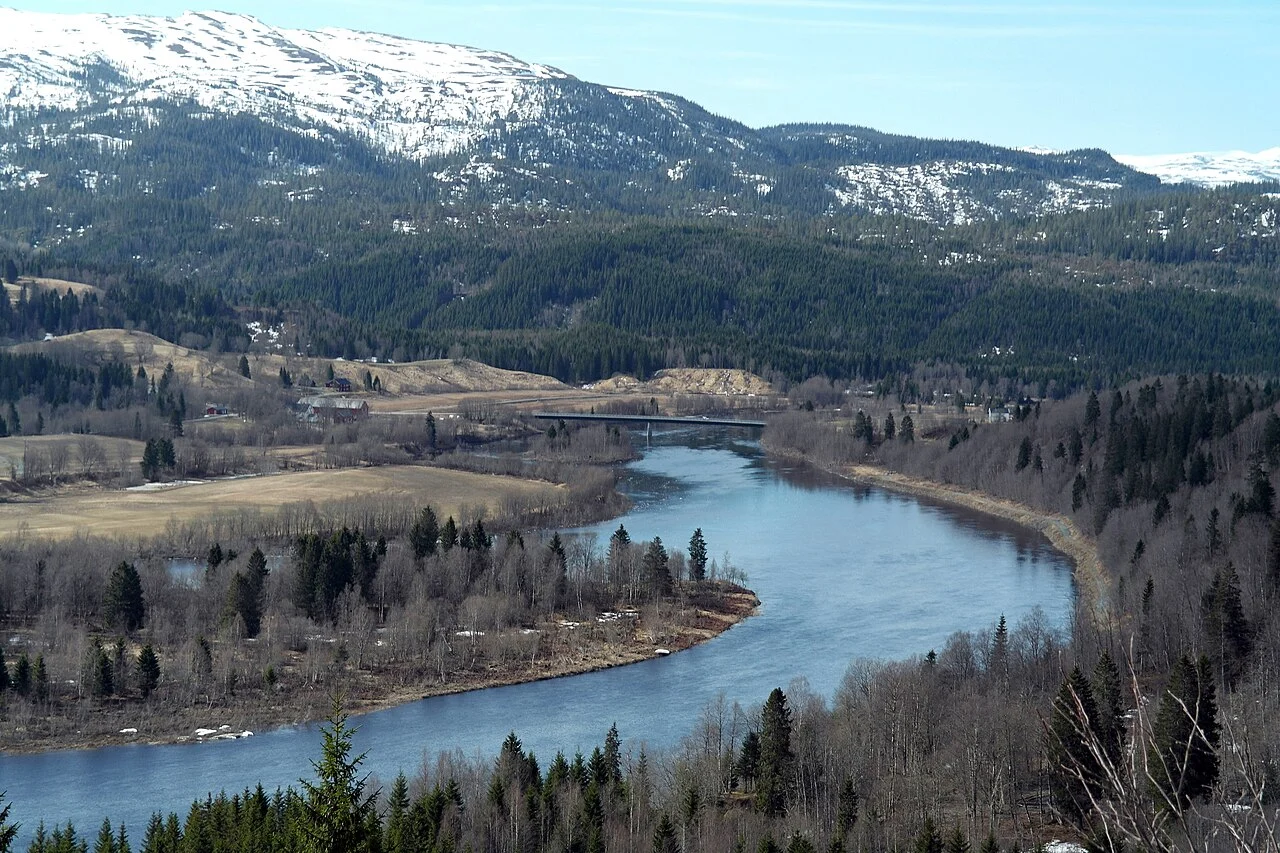
Read the current rules for your specific river, including species, dates, gear, quotas and any release requirements. The river may distinguish between salmon and other migratory fish, and different stretches can have different limits. Ask what to do if the fish cannot be identified confidently. Find out when and where catches or released fish have to be reported. A permit seller or local guide should be able to point you to the current reporting instructions.
Ask about cleaning and disinfection before moving equipment between waters. Boots, waders and tackle are part of that check. Confirm whether the river requires proof of treatment, where it can be done and whether the station will be open before your session. Do this well before an early start. If a guide supplies equipment, ask what it covers. Follow local instructions and avoid bringing wet equipment from another waterway without checking the requirements.
Respect the limits on the permit. Keep within the marked stretch, use agreed access and leave enough space for other anglers. If fishing is suspended, choose another activity until you have independently verified a lawful alternative. The national access guidance and the right-to-roam guide are useful for general trip planning. Fishing rights and local bank access still need a specific check.
5. How to budget and what to book first
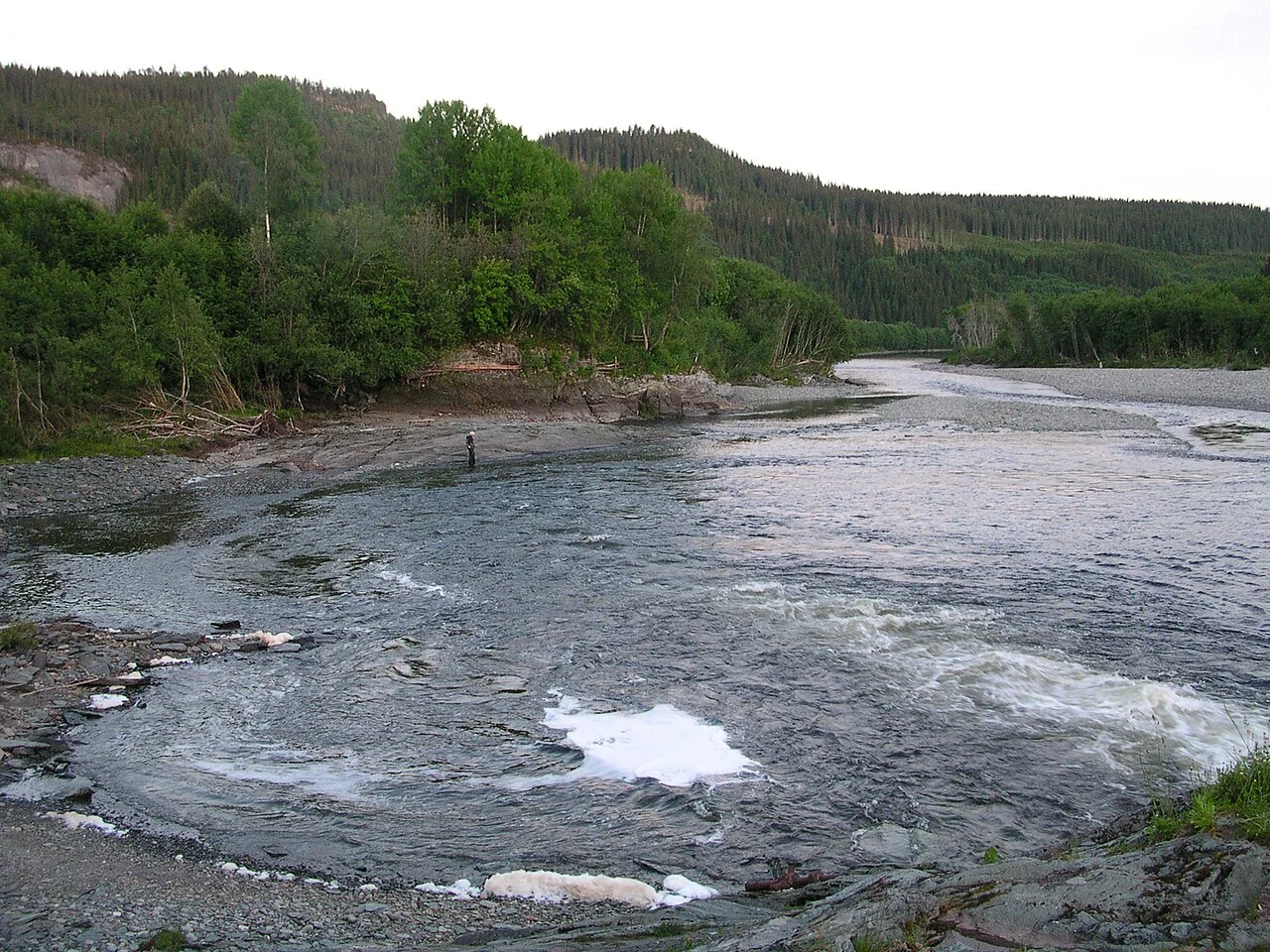
Start with the official opening status and choose a seller that identifies the exact water. Get a quote for the permit, guide and equipment before paying. Add the national fee where required, transport, meals and accommodation. For a group, compare the full cost for all anglers and any companions. A lodging package may include a permit on some days and charge separately on others. Ask how long the booking gives you on the water and whether an early departure can reduce the time you actually use.
Leave room for changes in river conditions. Water level and weather affect access and the suitability of a session. Ask the guide or seller how it communicates changes and where you can wait. Do not try to make up for a poor session by entering unsuitable water or crossing onto another beat. If you have little experience with the river, choose guided help or a bank setting that the operator considers suitable.
Pack according to local advice and consider what happens if it rains or turns cold. Bring a warm change and food for the length of the session, and check whether the guide provides anything else. Confirm the meeting point and save the directions. Keep an onward journey clear of the end of a prepaid session, particularly if you need to return equipment. If someone in the group stays ashore, agree where you will meet and how each person will get back.
6. Check the Gaula beat before arranging a stay

The Gaula has separate fishing stretches and local arrangements. Decide which stretch you can actually book before choosing accommodation.
Ask who manages the water and whether there are changes to access, catch rules or dates. Bring the written booking to the river.
Check the current permit and national fee. Allow time to find the signed access and parking.
7. Check Orkla sessions independently
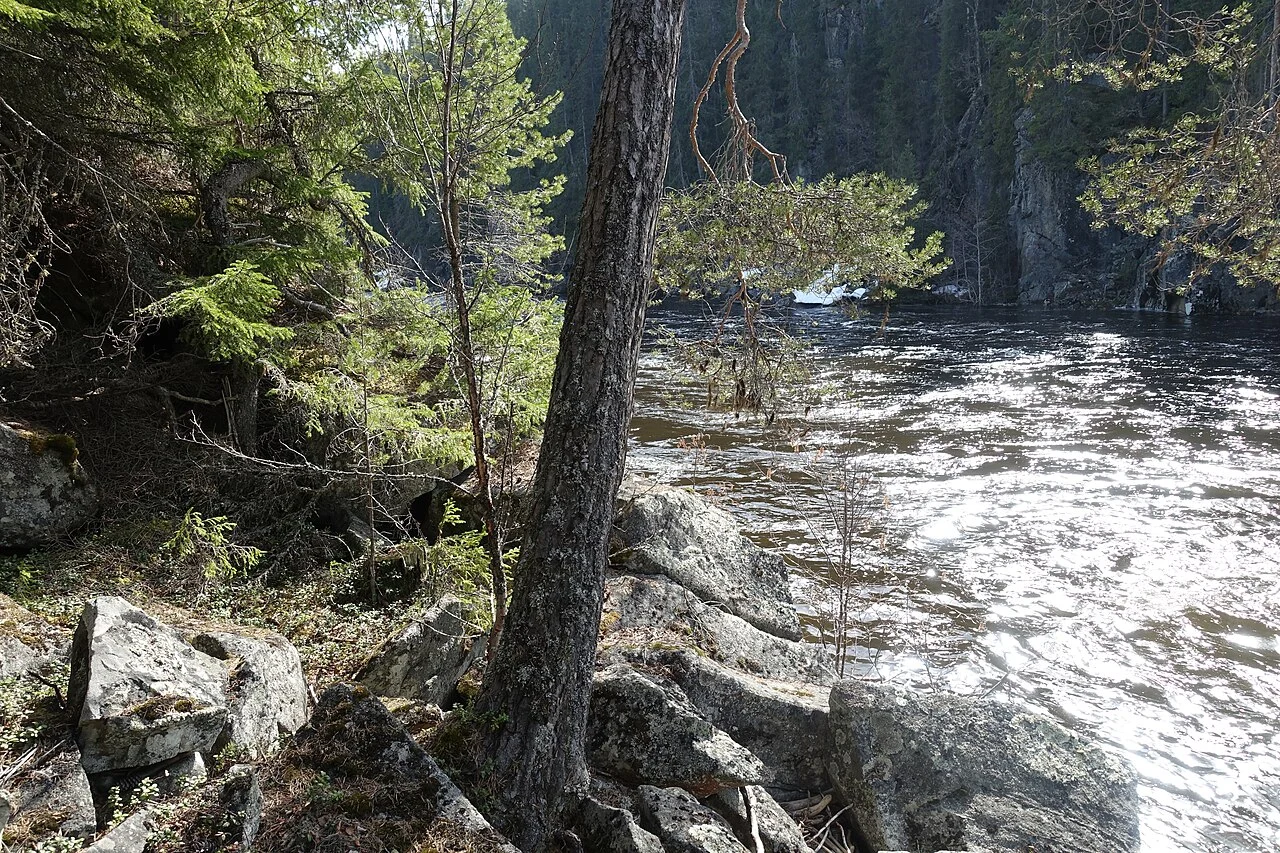
The Orkla is a different river with its own local information. A permit bought for another water does not cover it.
Compare morning and evening session options with the rest of your trip. Make sure everyone in the group knows where they can go.
Confirm the exact beat, dates and live prices. Allow time for any equipment hygiene requirements.
8. Treat the Namsen as a separate itinerary
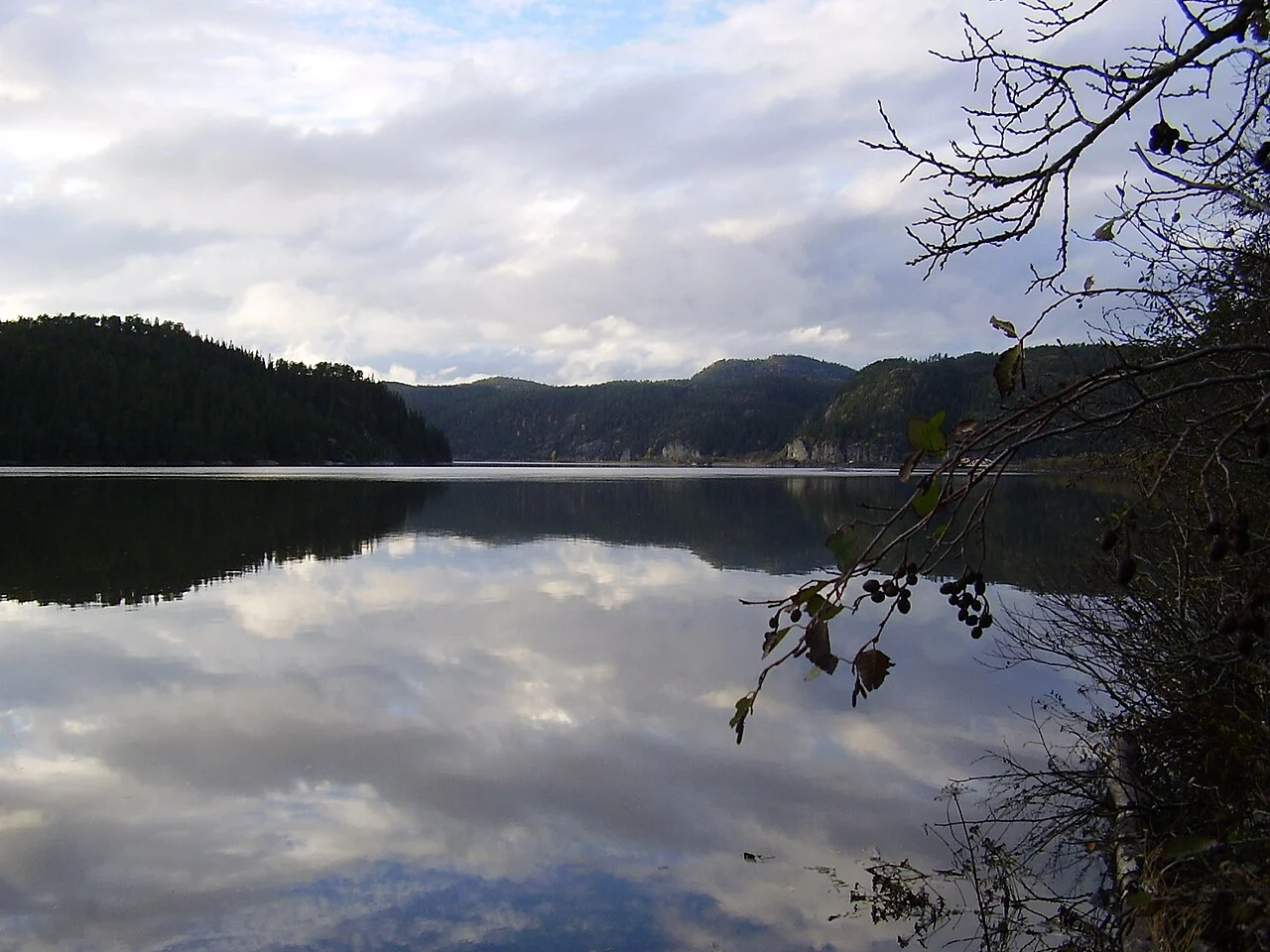
The Namsen belongs in a different part of a Trøndelag trip. Give it a base of its own if fishing is the main purpose.
Ask what access is included and whether a boat or guide is necessary for the experience you want. Clarify the time you must arrive.
Compare the combined cost of the permit, lodging and any boat. Verify current restrictions before paying.
9. Keep a non-fishing day near Stjørdal
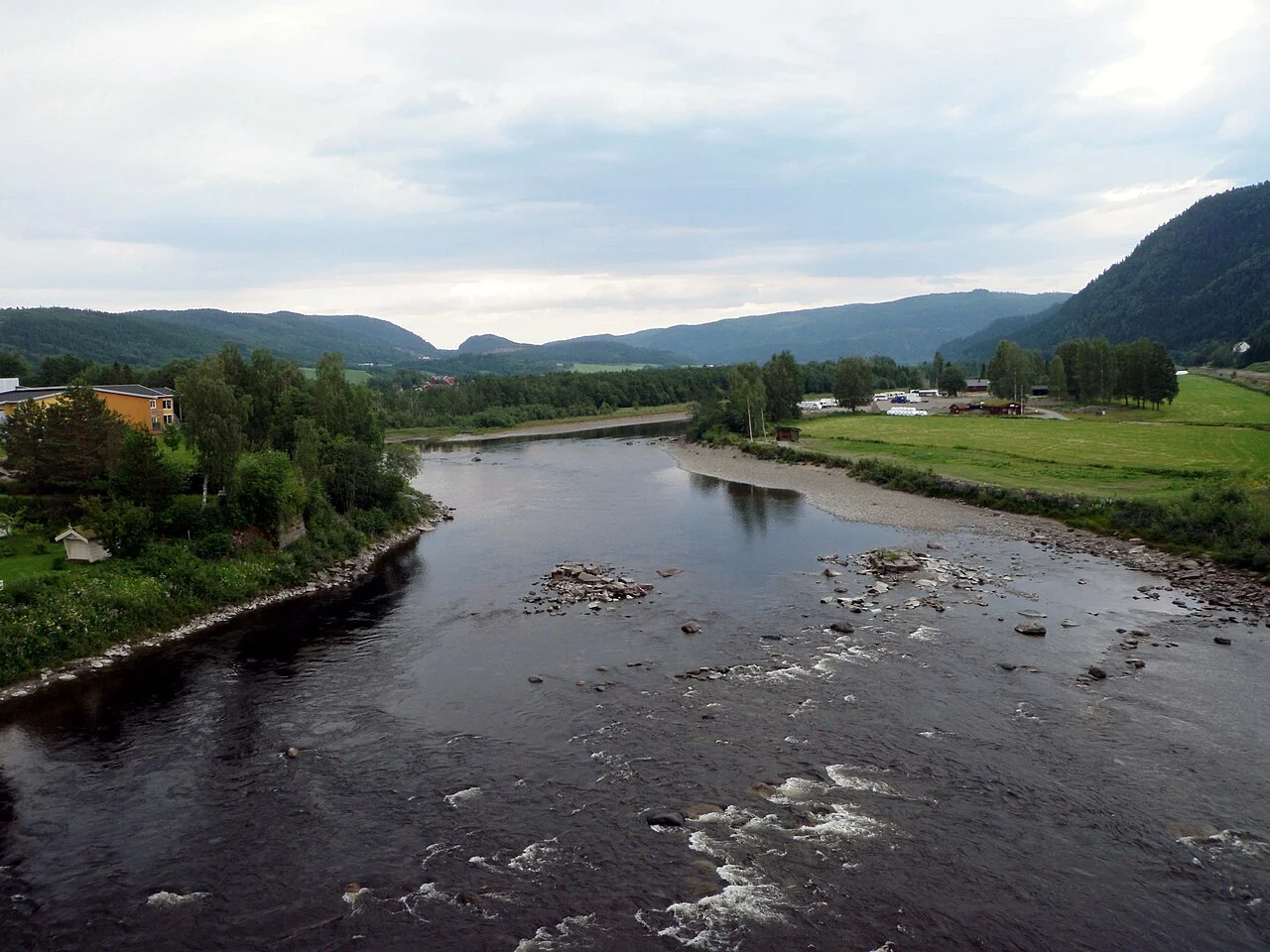
A spare day near Stjørdal can be useful if you are waiting on a river decision or travelling with non-anglers.
Choose an outing that does not depend on getting access to a riverbank. That makes it usable even if conditions are poor.
Check timings and transport independently of the fishing booking. Leave a buffer before your next transfer.
10. Recheck dates and access before driving
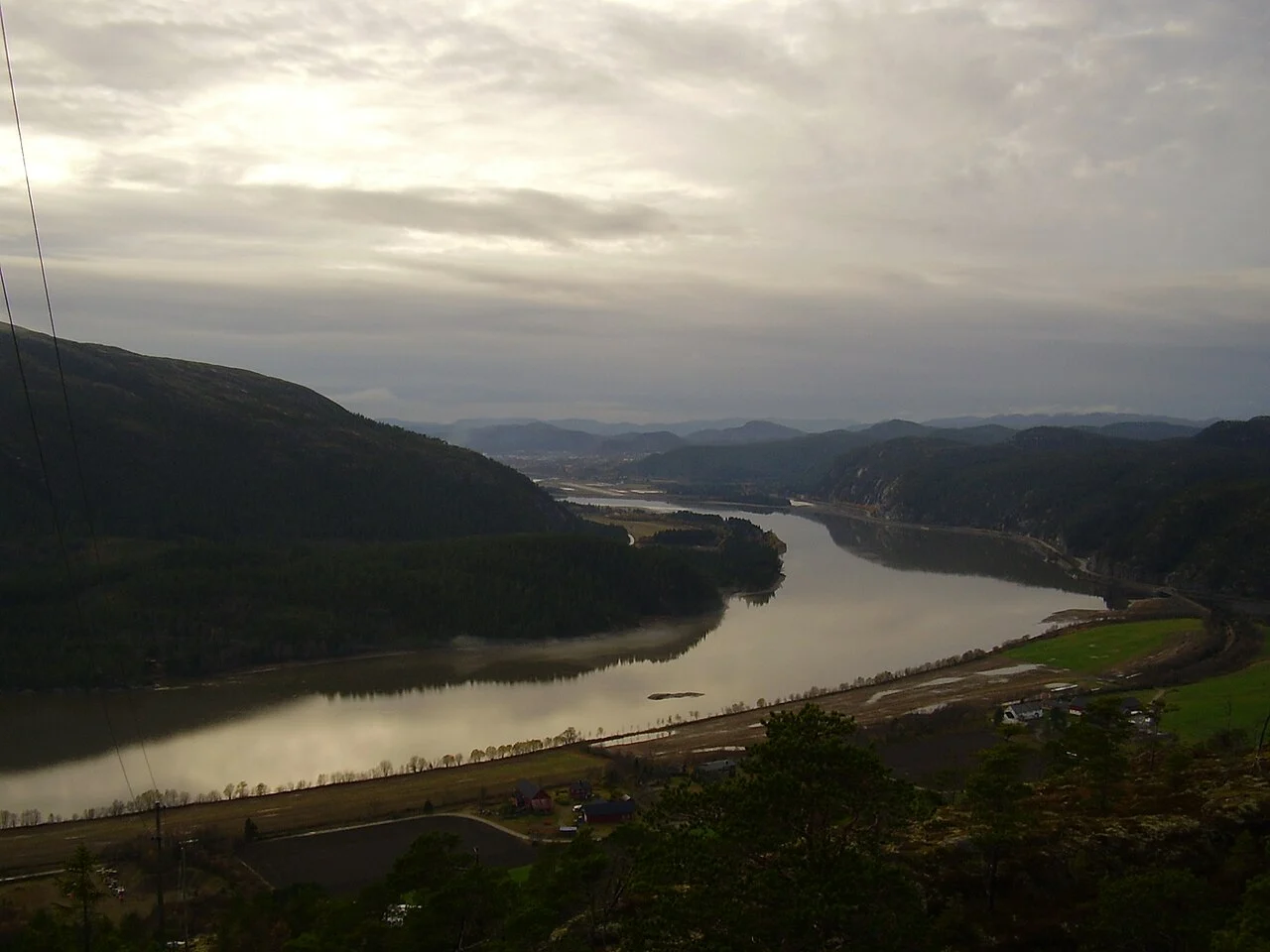
Rules can change during the season. A screenshot saved at booking can help you find your permit, but use the live notice to decide whether you can fish.
Ask the river manager if the announcement is unclear. Plan where else the group can spend the day if the beat is unavailable.
Check before departure and again near arrival. Keep accommodation and activity terms in mind if changing the plan.
One-, two- and three-day itineraries
One day from a local base. Check river status and collect or disinfect equipment before the confirmed start. Give the morning or afternoon to a permitted guided session and keep the other block for a meal and a local visit. Return to your accommodation or continue only after allowing time for reporting and gear return. If conditions prevent fishing, use a town or shore stop and check whether the booking can move.
Two days in Trøndelag. On day one, arrive, confirm the beat and use the afternoon to collect equipment or meet the guide. Have dinner near your lodging and check current access before bed. On day two, reserve the main block for fishing and keep the evening flexible. If the river closes, choose a visit in the area or return to Trondheim rather than buying access to unfamiliar water on short notice. If you already have a valid session on day one, use day two as a buffer.
Three days with a flexible river plan. Use the first day for arrival and an introduction to the area. Give day two to the main permitted session and use day three for a moved booking or a separate town visit. Confirm each day’s access and any separate permit rather than assuming you can fish the same stretch again. If the weather or closure lasts, keep the final day for a low-level outing and your onward travel. Check current road and transport information before leaving.
Plan for the people who are coming with you
If one person is fishing and another is using the trip to see the region, choose a meeting point both can reach. A companion may prefer to spend the session in a town instead of waiting beside a river in poor weather. Check whether the group needs separate vehicles and whether a guide can collect the angler. A flexible meal near the lodging can work better than a fixed booking immediately after a session.
If your main aim is spending time near water, compare river fishing with a completely separate coastal outing. Each has its own permissions and requirements. The Norway sea fishing guide is a starting point for that separate decision. A closure on a salmon river is a reason to change the day’s plan. Keep your booking information and the authority’s current river notice available, and use local advice if you are uncertain which rules apply.
Confirm the session in writing
Before travelling, ask the seller for the exact start and finish time, the permitted banks and the name or number of the beat. Ask whether the permit includes any shared pools and how visitors are expected to use them. An evening start may cross midnight, so confirm which calendar date appears on the ticket and whether it matches the day you plan to arrive. Where a lodge uses a rotation, ask which stretch you can use on each day. Get those details while you can still move the booking or choose a closer place to sleep.
If you are planning to fish early, check how to reach the bank without disturbing nearby residents. Confirm where the guide meets you, what to do if you are late and how you will get back after the session. Arrange meals and gear return around the confirmed finish time. Take note of the seller’s instructions for submitting the catch report even if you return without a fish.
Related planning
Destinations for your trip
Questions and answers
Do I need both fees and permits?
Check both the national fee and the local access permit. The national fee does not reserve a beat.
How much does the national fee cost?
The official portal lists NOK 347 for the individual river fee. Check the current year and add the price of any local permit and guide.
When is the best time?
Choose a date when the specific river and beat are confirmed open. Check again shortly before travel because seasons can change.
How many days should I allow?
One session can fit a day near the water. Two or three days make it easier to arrange equipment and leave a backup.
Can I fish without a car?
Ask the guide about pickup and check the route to the permitted bank. The closest town may have public transport while the final leg does not.
What if the river closes?
Follow the closure, contact the permit seller and use a local alternative unless you have verified another open beat.
Confirm the water before committing to the trip
Check the river, permit and rules in that order. Build travel and accommodation around the confirmed session and keep a flexible plan for the rest of the stay.
Sources and further reading
Verify the current rules, permits and access before paying or fishing.