Ice Fishing in Norway: 10 Tips for Alta and Tromsø
Ice fishing in Norway is easiest to plan as a guided outing from Alta or Tromsø. Compare locally assessed sites, prices, equipment and fishing permission before choosing a date.
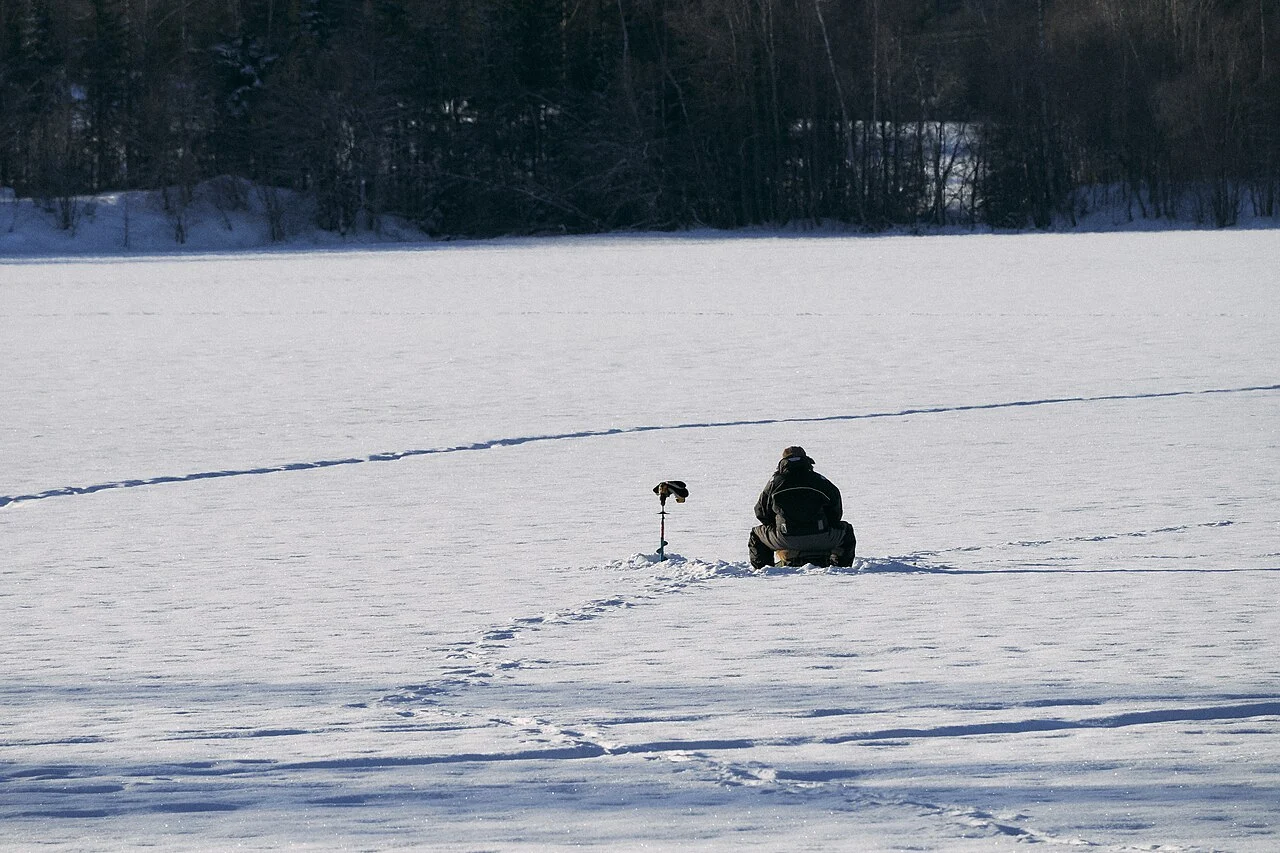
Ice fishing in Norway at a glance
- Worth it? Yes for a quiet guided winter outing.
- Time? Allow a half-day or more, depending on the approach.
- Season? Use the operator’s winter or spring dates and site assessment.
- Cost? Published combination examples are NOK 1,950 and from NOK 3,540.
- Transport? Confirm the exact pickup and return.
- Priorities. Book a local guide, check fishing permission and bring warm layers.
1. Choose a guided ice fishing trip in Norway
Ice fishing in Norway is a quiet winter outing with more time spent waiting than moving. A guided booking is a practical introduction because someone local assesses the site, explains what is included and selects a lake appropriate for the day. Choose the outing by approach, time outdoors and access to warmth. A trip described as easy can still involve walking in snow and sitting in the cold. Ask what the description means for the people in your group.
Decide whether you want the fishing to be the main activity or part of a winter day with snowshoeing or a vehicle transfer. A short approach leaves more time by the hole and makes it easier to return if someone gets cold. A longer outing can show you a different landscape, but a larger portion of the day may go to travel. Ask how much time is usually spent fishing, whether you can take a warm break and how the guide handles an early return.
Make the experience about the lake and winter landscape as well as the catch. A meal that is included should have a plan for a day when nothing is caught. Check this with the operator, along with dietary requirements and whether drinks are provided. If a member of your party wants a more active afternoon, choose a combined product or arrange a separate outing after you have checked how long the first one really takes.
2. Alta and Kvenvikmoen
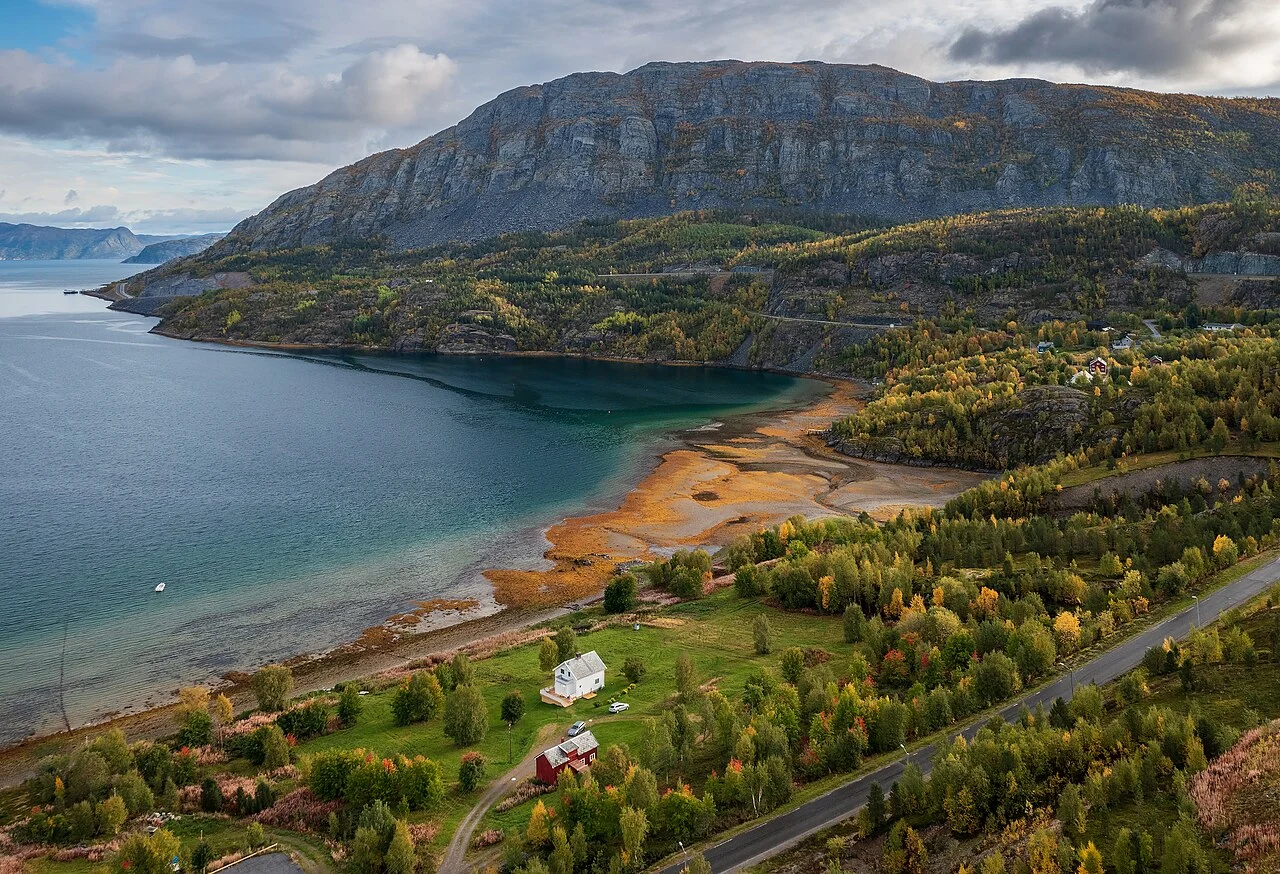
Visit Alta lists a four-hour guided outing that starts at Nordlyssalen in Kvenvikmoen and reaches the lake on snowshoes. The description includes fishing equipment, instruction, lunch and hot drinks. It also mentions toilets near the starting and finishing point. Confirm the current price, available dates and whether you need to arrange transport from central Alta. An outing advertised in the Alta region can still start outside town.
The snowshoe approach gives you something to do before the quieter part of the trip. Ask how far the group usually walks and whether the guide adapts the route for beginners. Check whether warm footwear and outer clothing are supplied as well as the fishing kit. For children or people who get cold easily, ask what happens if they need to stop early. Find out whether there is shelter at the lake or only at the base.
A longer Alta option combines a snowmobile ride with ice fishing. Visit Alta describes a six-hour format, and its booking marketplace lists a snowmobile and ice fishing example from NOK 3,540. Check whether the listing you select includes the same duration, transport and equipment. Ask whether you will be driving or riding as a passenger and what rules apply. Use the snowmobile safari guide to compare the driver and passenger formats before booking.
3. Tromsø and the longer day outside town
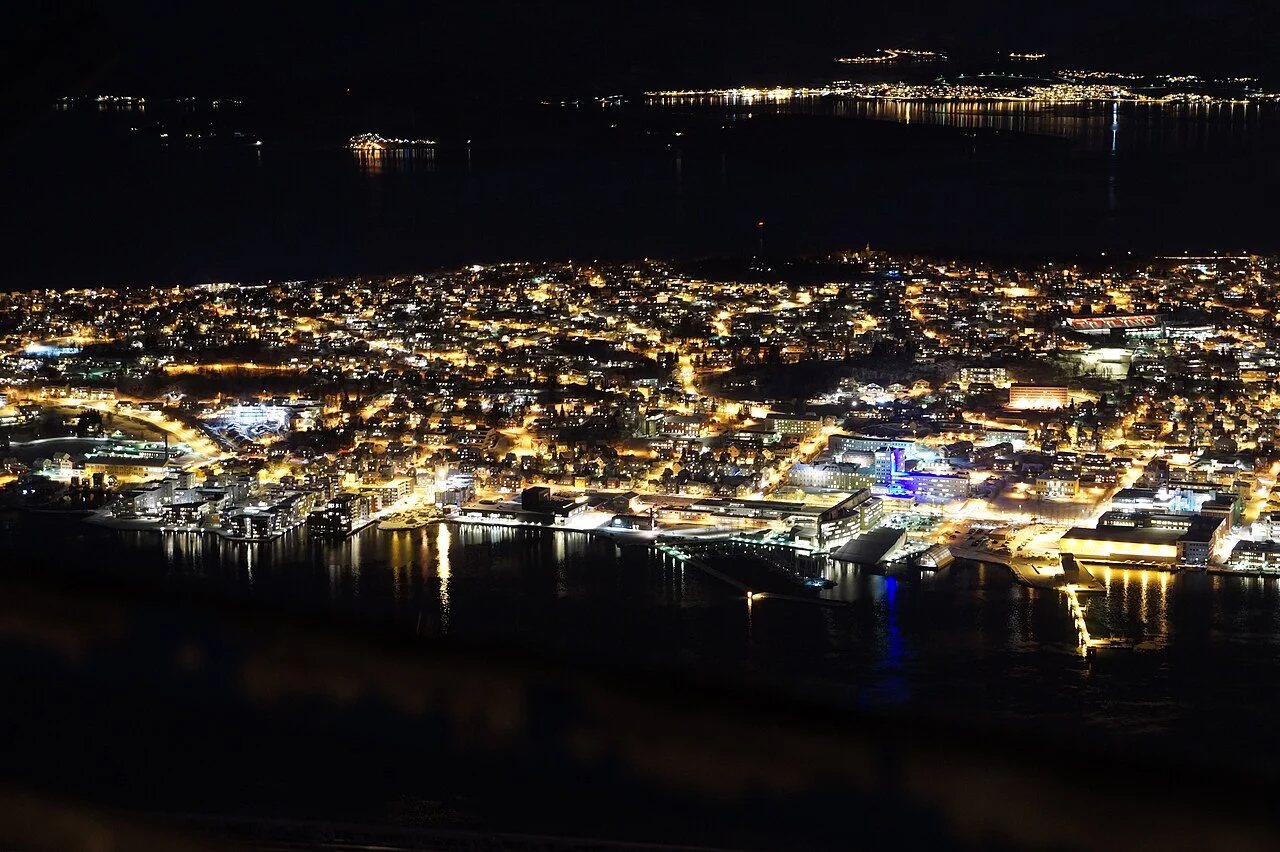
Visit Tromsø lists a combined ice fishing and snowshoeing outing lasting five to eight hours at a published price of NOK 1,950 per person. The listing describes a central departure and includes warm clothes, boots, fishing equipment and a meal. Use the figures as an example and check current availability, meeting instructions and what the provider supplies. Ask how much time you will spend in transit and how the guide chooses the location.
A five- to eight-hour window is too broad to put a tight evening reservation directly afterwards. Plan it as your main activity. If you are arriving by ship, compare the actual all-aboard time with the expected return and the walk back to the berth. If there is little margin, choose a shorter outing or a town day. The Tromsø travel guide has alternatives within the city when a winter lake trip is impractical.
Check how the route uses the available daylight. During the polar night, even a daytime departure can have limited light. Later winter gives you more scope to see the approach and surrounding terrain, while snow and ice still determine what the guide can offer. Ask whether the product is designed around time on the lake or around a longer winter trip. Choose the one you would enjoy even if the weather alters the itinerary.
4. Fishing rights and the ice assessment
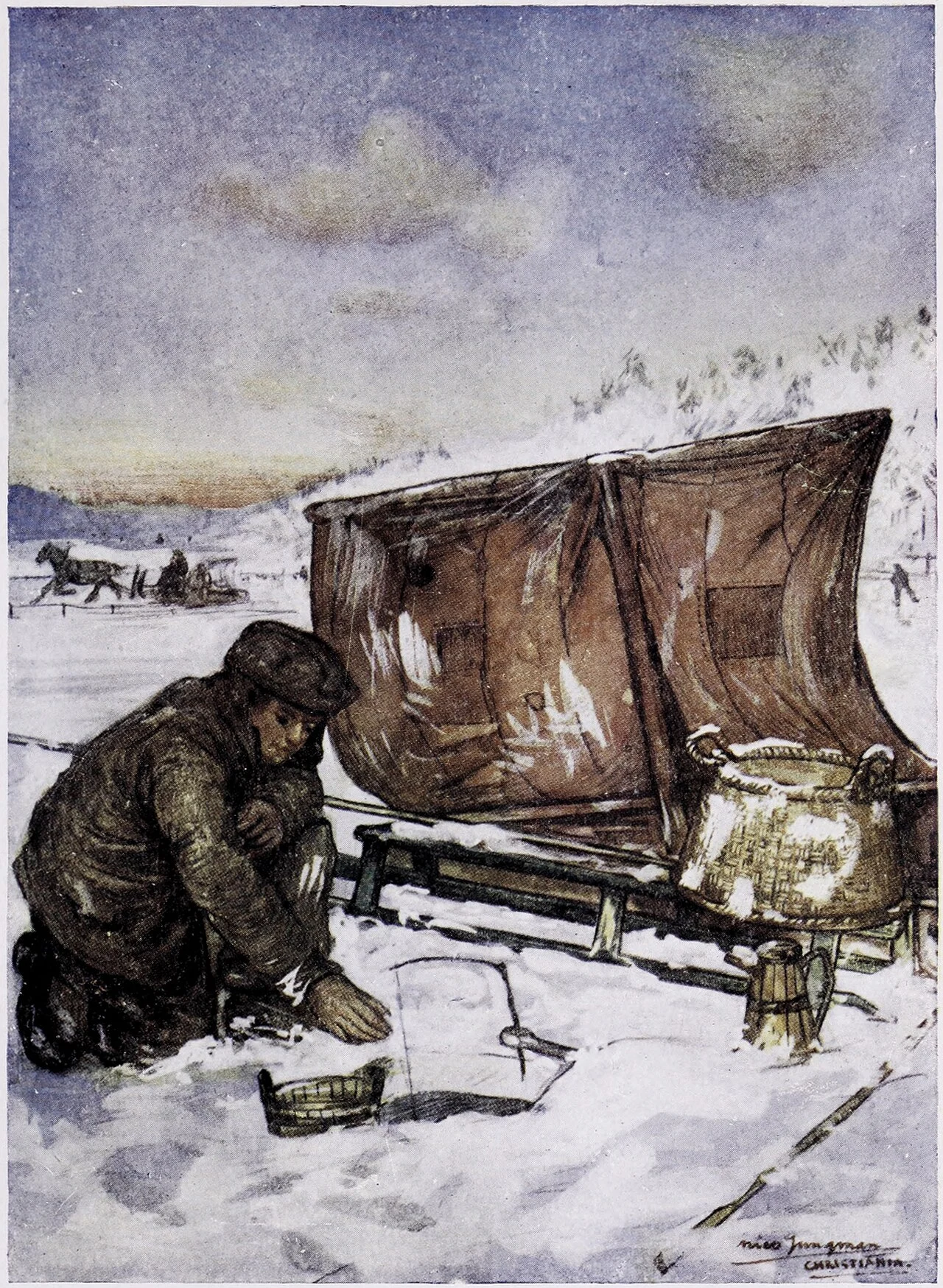
Check permission for the exact water before fishing. The Norwegian Environment Agency’s fishing guidance distinguishes different kinds of water and access. Freshwater fishing can require permission from the rights holder or a local permit. Ask the operator whether permission is covered for your group and which local rules apply to species, dates, methods and catches. If you plan to fish independently on a different lake, check that lake separately. A tour ticket for one water does not establish rights elsewhere.
Use local advice for current ice conditions. Varsom explains that its ice warnings describe the regional situation, and its app carries observations. Those sources can help you understand conditions before travel, but a regional picture cannot determine whether a particular route onto a lake is suitable. Let the guide assess the approach and choose where the group stops. Do not follow old tracks or rely on the appearance of snow-covered ice.
If a guide cancels or moves the session, change your plans with it. A different lake may have its own rules and access. Do not substitute an independent visit to the same ice. If you would rather spend time fishing in open coastal water, the sea fishing guide covers a separate activity with different permissions and logistics. Choose a confirmed operator for that plan too.
5. Equipment, clothing and booking costs
Ask what the company supplies and in what sizes. A trip that includes a rod and bait may still require you to bring suitable boots, gloves or outer layers. Confirm whether there is seating and what you will use during the approach. Dress for time spent sitting still, using the provider’s packing list. A warm layer for the lake and a dry change afterwards can make the return more comfortable. Ask whether large bags can stay at the base or need to be left at your lodging.
Compare the whole cost for your group. Check the per-person fare, child rates, any minimum group size and whether a transfer, meal and fishing permission are included. The Tromsø example and the Alta snowmobile combination involve different lengths and types of travel. A lower price with a separate rural pickup can cost more overall if you need taxis both ways. Ask for the actual total for your booking and confirm the return.
Read the weather and cancellation terms before paying. Ask what the operator does when it cannot use its preferred lake and whether a shortened route or different activity is offered. A shift of several hours can be easy to accommodate if the rest of the day is free. It is harder if you have a flight, another prepaid excursion or a meal booking far from the return point. Keep the pickup address and the provider’s contact details available offline.
6. Practical tips for families and mixed groups
If the group includes children, ask about minimum ages, the walk to the lake and whether the provider offers equipment in the right sizes. Check whether a child can take a break somewhere warm and what an accompanying adult needs to book. Keep the rest of the day light if you are trying ice fishing for the first time. A warm meal and enough time to change are more useful than another timed activity immediately afterwards.
If someone wants to stay ashore, agree where they will wait and how both sides will reach the meeting point. A café near the lodging may work better than a long wait outside at the operator’s base. Check what opens at the time you need it. If you are deciding between fishing and a winter walk, the snowshoeing guide compares short and longer outings. Keep the plans close enough that a moved departure does not disrupt the whole party.
Check conditions again the day before you travel. Confirm when the operator will tell you if the route changes, where to meet and what you need to bring. If you have only one night in the area, make sure the quoted return leaves room for checkout, baggage or a late flight. A short backup near the town is useful even when the tour goes ahead. It gives you somewhere to go if you finish early or want a warm break before dinner.
7. Choose a place to warm up
Before booking, ask the guide how much of the trip is spent away from a building or vehicle. This matters when you are bringing someone who gets cold easily or needs regular access to a toilet. Ask where you can wait while the other participants are fishing. If the only way back is with the group, choose a shorter product or discuss an alternative with the company. Give yourself time after the return for a dry change and a warm meal.
For a city-based visit, compare the actual transfer with the time you want by the lake. A central pickup may make the day simple, while a meeting point outside town can work better if you have a car and nearby lodging. In either case, find out what happens to your return if the guide needs to choose a different lake. A flexible final hour can make a changed itinerary much easier.
Before the trip, ask the guide where you can warm up if a child or another traveller gets cold. Check whether shelter is near the fishing spot or back at the meeting point, and plan the afternoon around the answer.
8. Try the Kvenvikmoen snowshoe approach
Visit Alta lists an outing that starts at Kvenvikmoen and uses snowshoes to reach the fishing lake.
Find out how much of the trip takes place on foot and what you can do during the stationary part. Sitting still feels different from walking in the same temperature.
Allow the advertised four hours plus travel and confirm the current rate, equipment and food before booking.
9. Check what the Tromsø fare includes
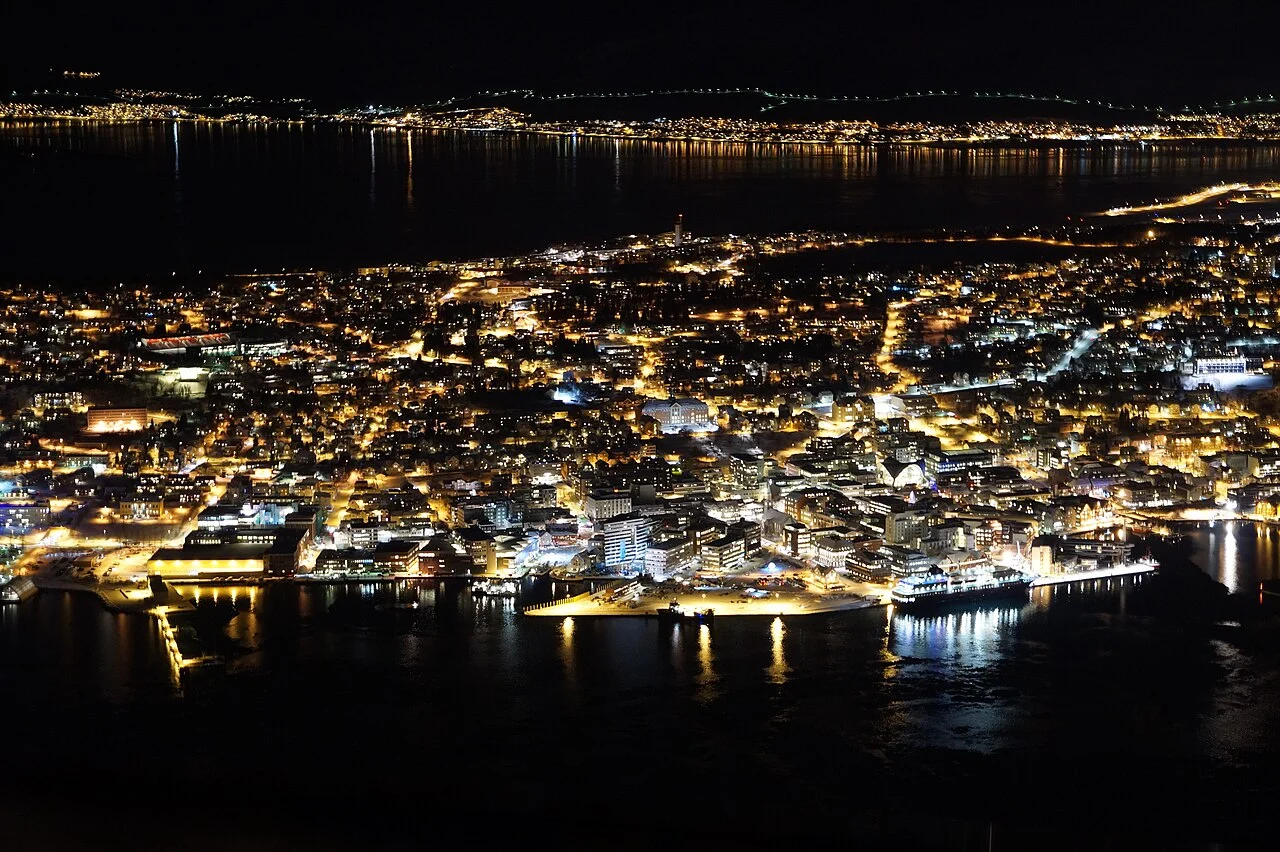
The guided Tromsø product describes equipment, winter clothes and a meal. That makes it easier to compare with a transport-only fare.
Ask about clothing sizes and what the guide does if it is too windy to sit comfortably. Compare the time spent fishing to the overall excursion length.
Confirm the pickup, fare and limits for children. Allow extra time before an evening departure.
10. Build a warm stop into an Alta day
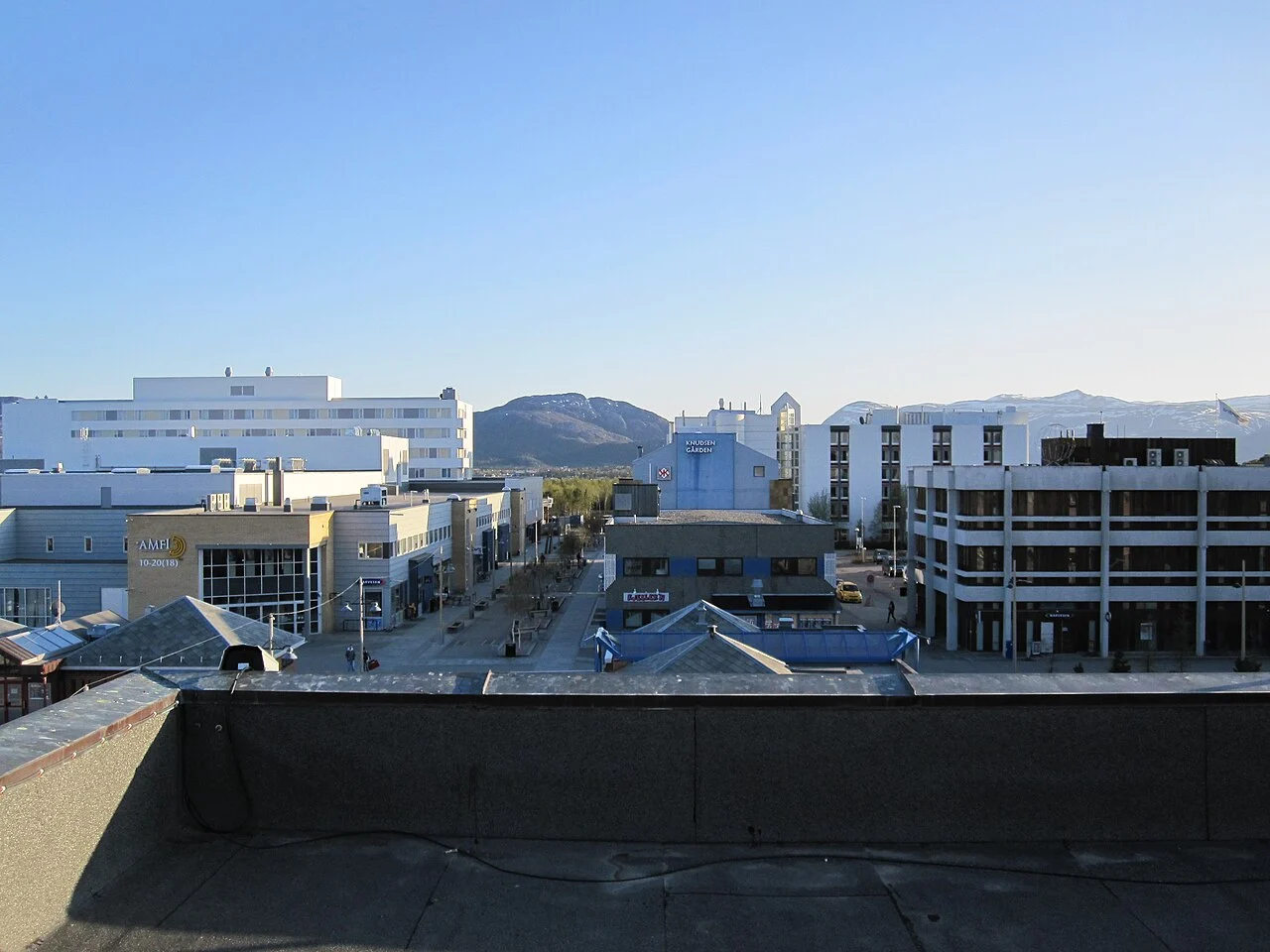
A short indoor or central stop after fishing gives the group time to change clothes and warm up.
Check whether your tour returns to town or ends at a separate facility. Keep the next venue close enough for the day to work if travel takes longer.
Compare current hours and entry fees before planning a second paid attraction. Leave time for a meal and the journey back.
One-, two- and three-day itineraries
One day in Alta. Have breakfast and travel to the confirmed meeting point. Set aside the main daylight block for the four-hour Kvenvikmoen example plus your own travel. Use the other part of the day for a short town visit and have dinner near your accommodation. If the lake outing cannot run, stay in town or confirm a separate indoor visit. Check opening hours and transport before changing the day.
Two days in Tromsø. Use day one for arrival, a museum or harbour visit in the afternoon and an early dinner. Check your pickup before bed. On day two, allow the morning and afternoon for the combined outing and keep the evening flexible. If a suitable departure is available on day one and you can reach it comfortably, reserve that and keep day two open. If conditions prevent fishing, use a town activity or a different guided winter outing that the provider confirms.
Three days based in Alta. Use day one to arrive, orient yourself and check the provider’s instructions. Reserve day two for the main fishing activity and use the evening for an unhurried meal. Hold a morning or afternoon block on day three for a moved trip or a local visit before your onward journey. If you add an ice hotel visit, check its admission and transport separately. In poor conditions, choose the indoor option first and keep a confirmed ride back to town.
Compare a Tromsø-area ice-fishing trip
Compare this guided fjord ice-fishing outing if Tromsø is your base. Confirm the transfer, warm clothing and what happens when the ice or weather prevents the planned activity.
View the Tromsø ice-fishing trip →
Check current dates, prices, meeting points and cancellation terms on Viator. Affiliate link: we may earn a commission if you book.
Related planning
Destinations for your trip
Questions and answers
Is it worth trying ice fishing as a beginner?
Yes if you want a quiet winter activity with a local guide. Choose a short approach and ask how much time is spent sitting outside.
What does it cost?
Visit Tromsø’s combined outing lists NOK 1,950. A published Alta snowmobile combination starts at NOK 3,540. Check the final price and what it includes.
How long should I allow?
The Kvenvikmoen example is four hours, while the Tromsø example lists five to eight. Add time to reach the meeting point.
Do I need a permit?
Check the exact lake and who holds fishing rights. Ask whether your guided booking includes the required permission.
When is the best time?
Use the guide’s winter or spring calendar and current site assessment. Choose a daylight window that suits your trip.
What if the ice is unsuitable?
Follow the operator’s decision. Ask about a moved trip or a different activity and keep a town-based fallback.
Choose the lake and the return before you book
Confirm who assesses the ice, what permission is covered and how you get back. Give the outing room in your day and keep a warm alternative nearby.
Sources and further reading
Confirm current prices, permits, opening hours and transport before booking.