10 Best Things to Do in Bergen: A Practical City Guide
The best things to do in Bergen combine Bryggen’s trading history, a mountain viewpoint and enough time on the water to understand why this city works as a gateway to Western Norway. Two full days cover a useful city introduction; three let you add a fjord cruise without reducing Bergen to a hurried walk between transport connections.
Compare ten Bergen experiences by location, time, cost and weather dependence, with realistic one-, two- and three-day plans.
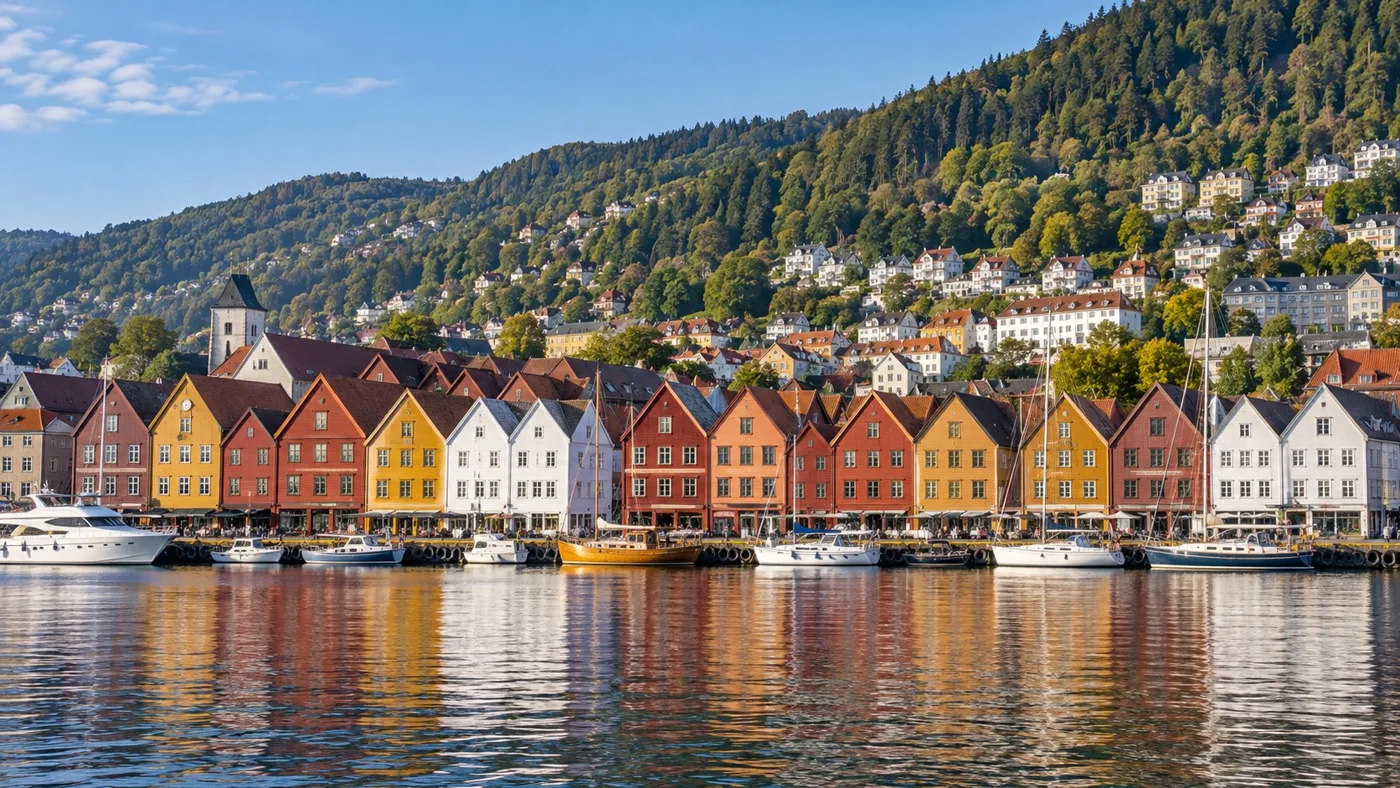
Bergen: quick answers
- Worth visiting?
- Yes, for maritime history, city mountains and fjord access.
- Time needed
- Two full city days; three with a fjord cruise.
- Best time
- May–September for a first visit; winter needs shorter outdoor plans.
- Cost level
- High, especially accommodation and excursions.
- Getting around
- Walk around the harbour; use Skyss for longer journeys.
- Top priorities
- Bryggen, one clear-weather mountain, and a fjord cruise or museum.
How this list was selected: Editorial selection for a first visit, based on local significance, route fit, practical access, weather resilience and variety. This is not a measured popularity ranking.
In this guide
- Explore Bryggen beyond the waterfront photograph
- Ride Fløibanen and spend time on Fløyen
- Take a Bergen–Mostraumen fjord cruise
- Visit Kode for art and a useful wet-weather plan
- Walk Bergenhus Fortress and choose a historic interior
- Understand Hanseatic Bergen at Schøtstuene
- Walk Nordnes for a different side of the harbour
- Compare seafood options around the Fish Market
- Choose Ulriken for a second, more exposed mountain outing
- Extend the harbour walk towards Sandviken
Best things to do in Bergen: the Top 10
Bookings through Viator may earn us a commission.
1. Explore Bryggen beyond the waterfront photograph
Book here with Viator → Private walking tour of Bryggen and central Bergen
Best for: Historic Bergen · Time: 60–90 min · Cost: Outdoor walk free
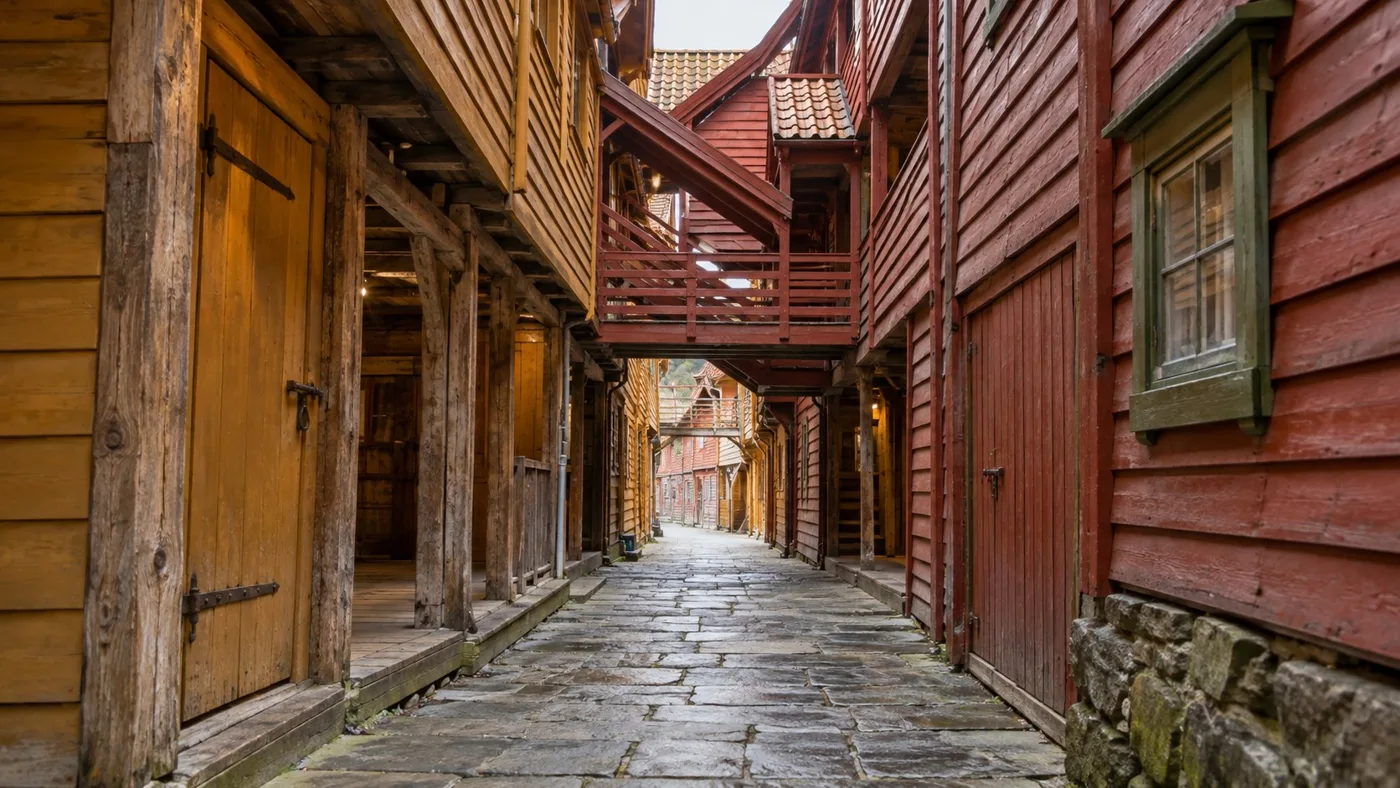
Bryggen is Bergen’s historic trading quarter beside Vågen harbour and a UNESCO World Heritage site. The colourful frontage is familiar, but the narrower passages behind it explain much more about the district’s shape. Spend time looking at the long wooden building rows rather than treating the site as a single viewpoint across the water.
A slow circuit works better than stopping in the busiest section of pavement. Walk the harbour frontage, enter the passages where access is permitted and browse the small workshops and galleries. Uneven surfaces and changes of level matter for visitors using wheelchairs or walking aids; the district should not be described as uniformly step-free.
Allow 60–90 minutes. Outdoor exploration has no admission charge, while shops, tours and museums keep separate hours and prices. Early morning or a later return can reduce pressure when cruise groups are present. No booking is needed for an independent walk. Continue north to Bergenhus, or uphill towards Schøtstuene, rather than crossing the harbour repeatedly.
2. Ride Fløibanen and spend time on Fløyen
Book here with Viator → Guided Mount Fløyen hike with funicular ride
Best for: First mountain view · Time: 1½–3 hours · Cost: Paid funicular; check date
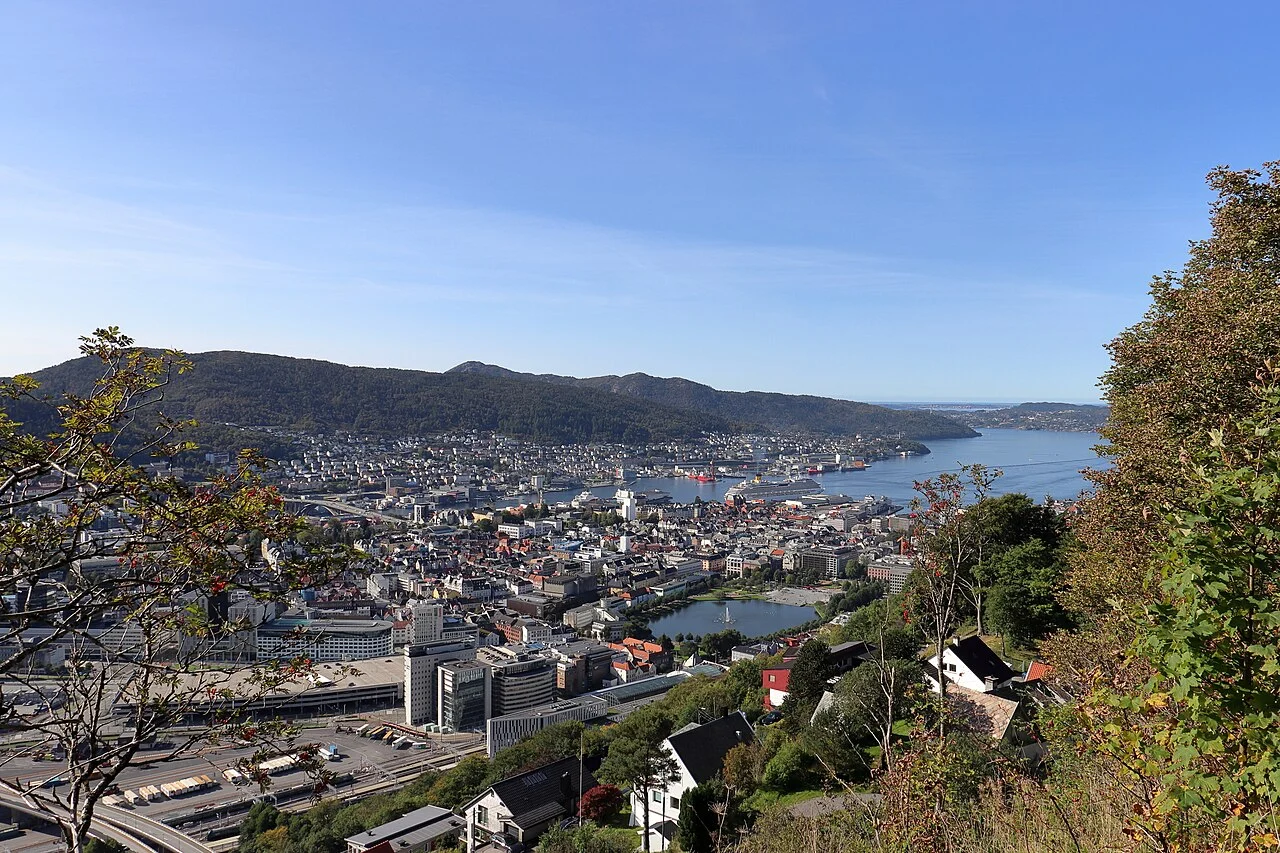
Fløyen is the easiest mountain introduction for many visitors because the lower funicular station is close to the central harbour. It combines a city panorama with woodland paths, giving a short city break an outdoor component without requiring a full mountain expedition. The important choice is visibility: a clear period makes a greater difference than the time printed on a tour itinerary.
At the top, separate the viewpoint stop from any longer walk. A short outing near the station and a woodland circuit are different commitments from crossing exposed terrain. Visitors travelling with children can leave time for the play areas rather than immediately heading back down. Carry a waterproof layer even when the harbour feels mild.
Allow 1½–3 hours including queues and walking. The funicular is paid; the current official ticket selector provides date-specific fares and ticket types. Walking uses no funicular ticket, but gradients and conditions still require judgement. Buy online if appropriate and confirm operating hours. The operator announces a maintenance closure from 15–18 February 2027; check opening status before travelling. Pair this with Bryggen, and keep Kode as a poor-visibility alternative.
3. Take a Bergen–Mostraumen fjord cruise
Book here with Viator → Mostraumen fjord cruise
Best for: Fjord outing without transfers · Time: About 4 hours with boarding · Cost: Adult standard fare NOK 890 in 2026; NOK 940 in 2027
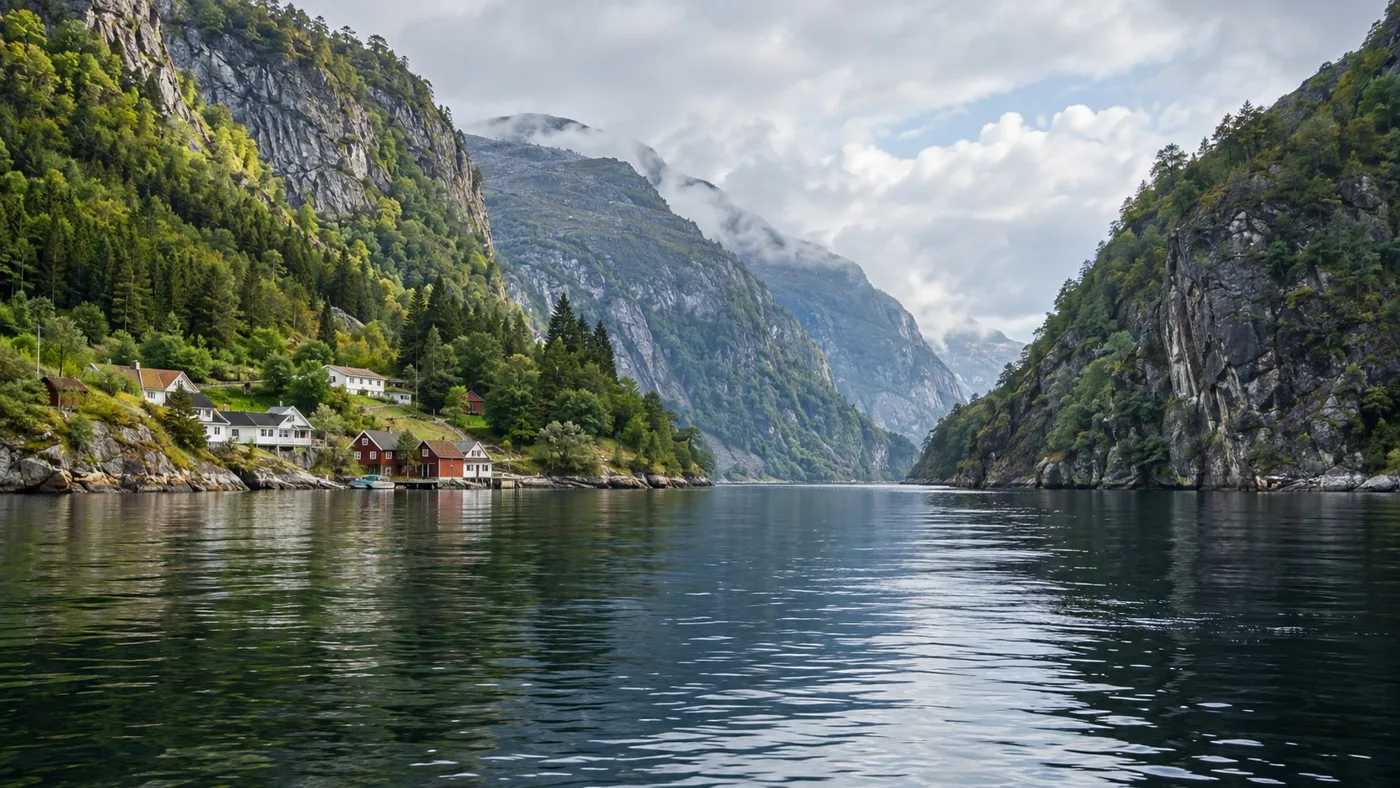
A Mostraumen cruise offers a fjord outing directly from central Bergen without a chain of rail and bus changes. Rødne advertises a return journey of roughly 3–3½ hours through the Osterfjord area. This makes it useful for a short stay, but it is not the same route as Nærøyfjord, Geirangerfjord or a day involving the Flåm Railway.
The benefit is uncomplicated travel: board in Bergen and return to the same city base. Choose this when the priority is time on the water rather than collecting several famous destinations. Keep warm layers accessible for the outdoor deck. Decide beforehand whether the shorter excursion meets your expectations; adding a distant fjord name to the itinerary does not change where the boat goes.
Reserve the dated departure and allow about four hours including boarding, plus time for lunch. Rødne lists an adult standard fare of NOK 890 for 2026 and NOK 940 for 2027 (child ages 4–15: NOK 445 and NOK 470 respectively). Promotions and availability vary; the dated booking price and terms control. Rødne identifies Zachariasbryggen as the departure point for this route. Confirm your ticket’s pier and arrival instructions. In severe weather, follow operator updates and move a museum visit into this block if the sailing is cancelled.
4. Visit Kode for art and a useful wet-weather plan
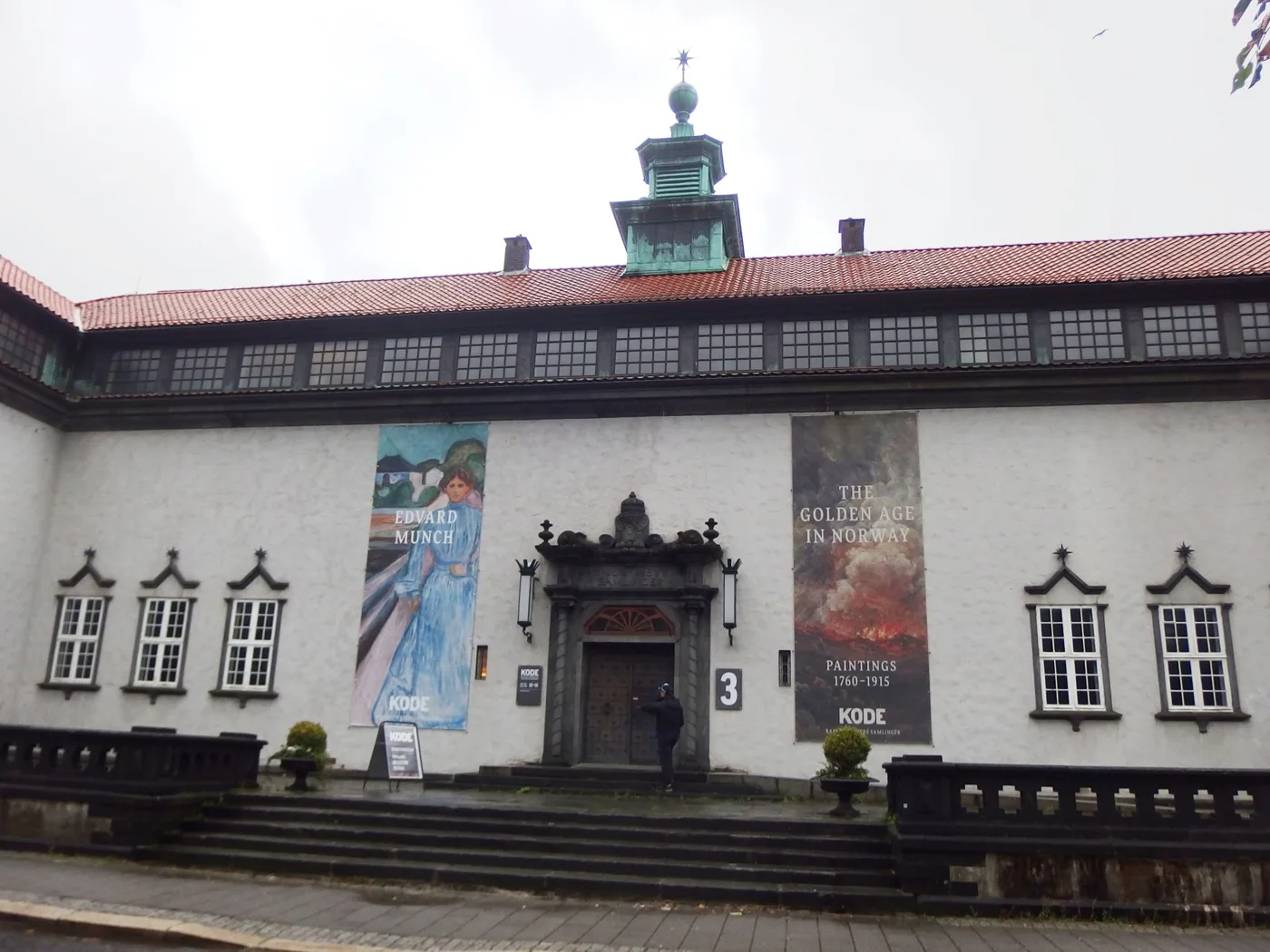
Best for: Art and rainy days · Time: 2–3 hours · Cost: NOK 200 adult listed
Kode’s city-centre art museums sit around the Lille Lungegårdsvannet area, providing an indoor contrast to harbour walks and mountain outings. This is a substantial visit rather than a brief shelter stop. Choose exhibitions that interest you, then build the afternoon around the relevant building instead of assuming every Kode address offers the same experience.
The practical advantage is flexibility. On a day of low cloud, seeing art can provide more value than paying for two obscured mountain viewpoints. Allow time to look closely at a selected collection, stop for lunch and return to the centre on foot. Families should check the current programme rather than assuming a particular activity is offered every day.
Allow 2–3 hours. Kode’s main visitor information currently lists NOK 200 adult admission for same-day access to its art museums, with under-18s free. Buildings have different programmes and seasonal opening days; verify your chosen building before buying. Buy ahead when required for a particular exhibition. Pair with the lake and central streets, leaving the next clear morning available for Fløyen.
5. Walk Bergenhus Fortress and choose a historic interior
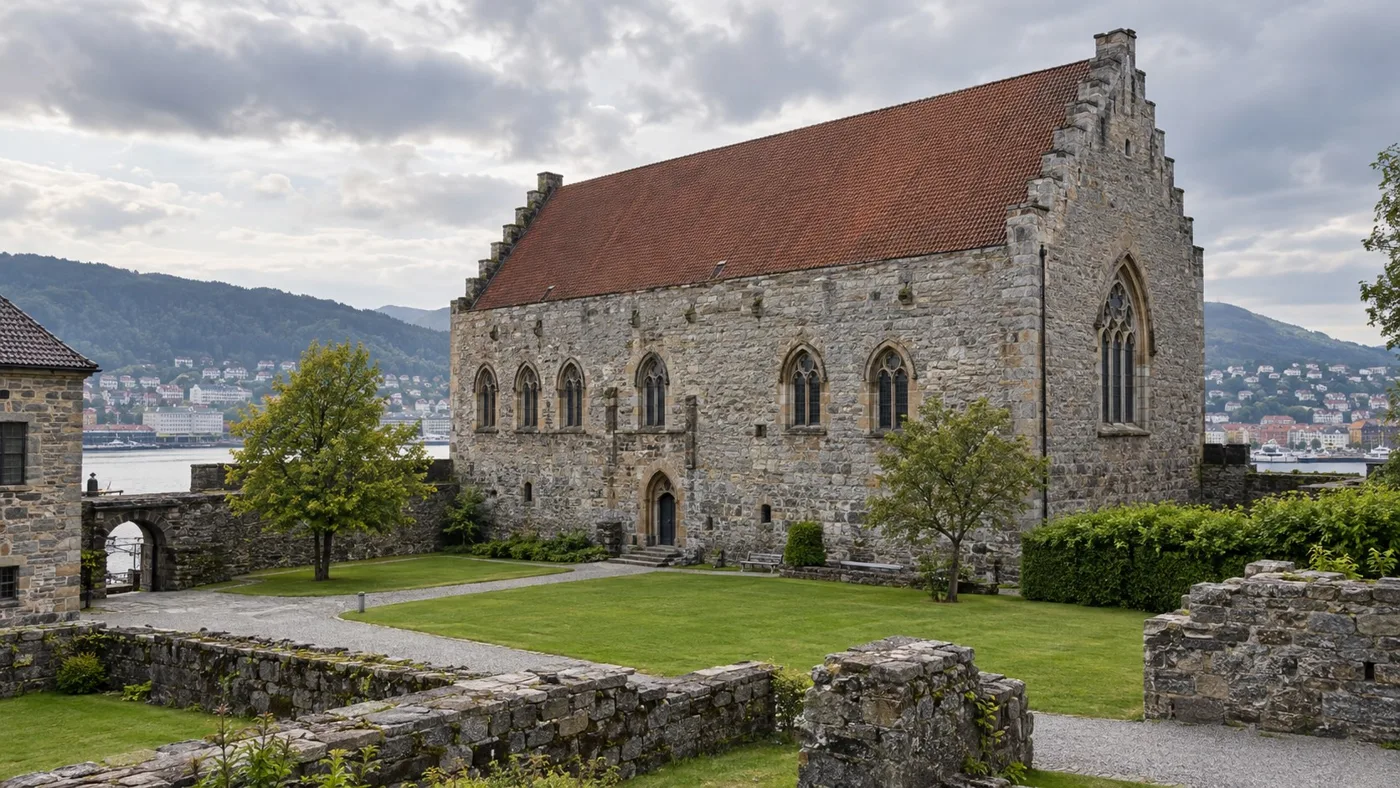
Book here with Viator → Historic walking tour including Bergenhus Fortress
Best for: History beside the harbour · Time: 45–60 min grounds · Cost: Interiors ticketed separately
Bergenhus occupies the northern end of the harbour route, making it a logical continuation from Bryggen. The fortress area brings Bergen’s political and defensive history into a walk otherwise dominated by commerce. Håkon’s Hall and Rosenkrantz Tower are distinct visits, so first decide whether you want a short outdoor circuit or time inside a historic building.
An outdoor visit gives breathing space after the tighter Bryggen passages. For an interior, check the access requirements: old stairs and restricted circulation can determine whether a particular building suits your party. Visit Norway notes that Håkon’s Hall and Rosenkrantz Tower do not offer universal access. Do not assume that accessible grounds mean an accessible tower.
Allow 45–60 minutes for the grounds or around 1½–2 hours with an interior. The grounds and ticketed buildings have different access arrangements; check current gate hours, event restrictions and individual admission prices before visiting. Independent outdoor visits normally need no reservation. Combine with Bryggen and Schøtstuene on the same side of Vågen instead of treating each as a separate journey.
6. Understand Hanseatic Bergen at Schøtstuene
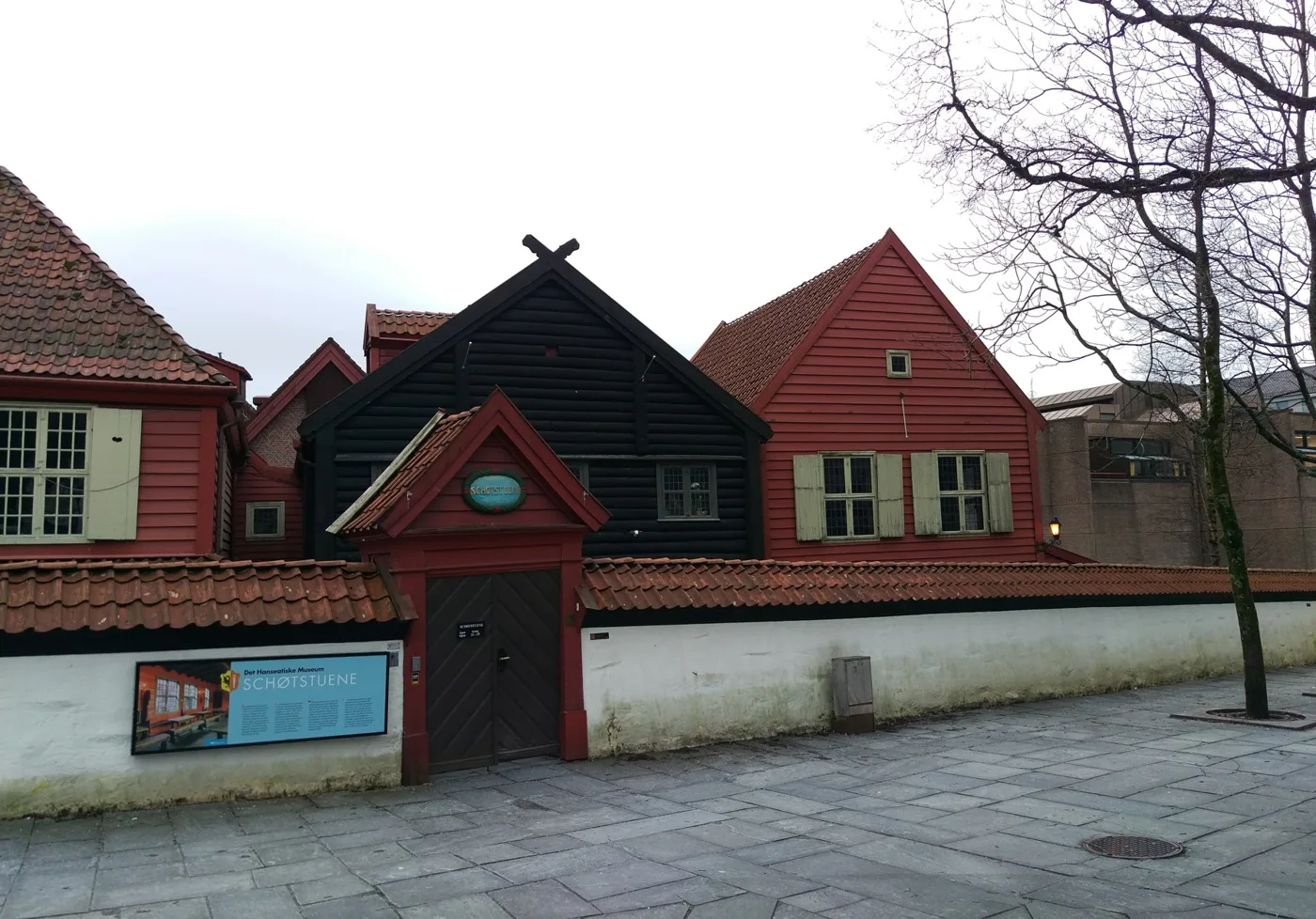
Best for: Hanseatic history · Time: 60–90 min · Cost: Check museum programme
Schøtstuene adds historical explanation to a Bryggen walk. The Hanseatic merchants’ meeting spaces help visitors think about how people lived and organised trade, rather than seeing the district only as attractive timber architecture. It is particularly useful when a guided explanation would add more than another sequence of exterior photographs.
Distinguish Schøtstuene from the historic Hanseatic Museum premises at Finnegården. The museum’s restoration information says its activities have moved to Schøtstuene, and a more recent restoration announcement points to reopening the main museum in 2027. An old listing promising normal access at the waterfront address can therefore lead you to the wrong entrance.
Allow 60–90 minutes and confirm the current visitor entrance, tour language, opening days and admission through the museum before travel. Tickets and tour availability vary with the programme; do not treat restoration access as a normal daily opening. Book a guided session if it is important to your visit. Pair with St Mary’s Church exterior and Bryggen; move this earlier in the day if the last tour is before your planned waterfront walk.
7. Walk Nordnes for a different side of the harbour
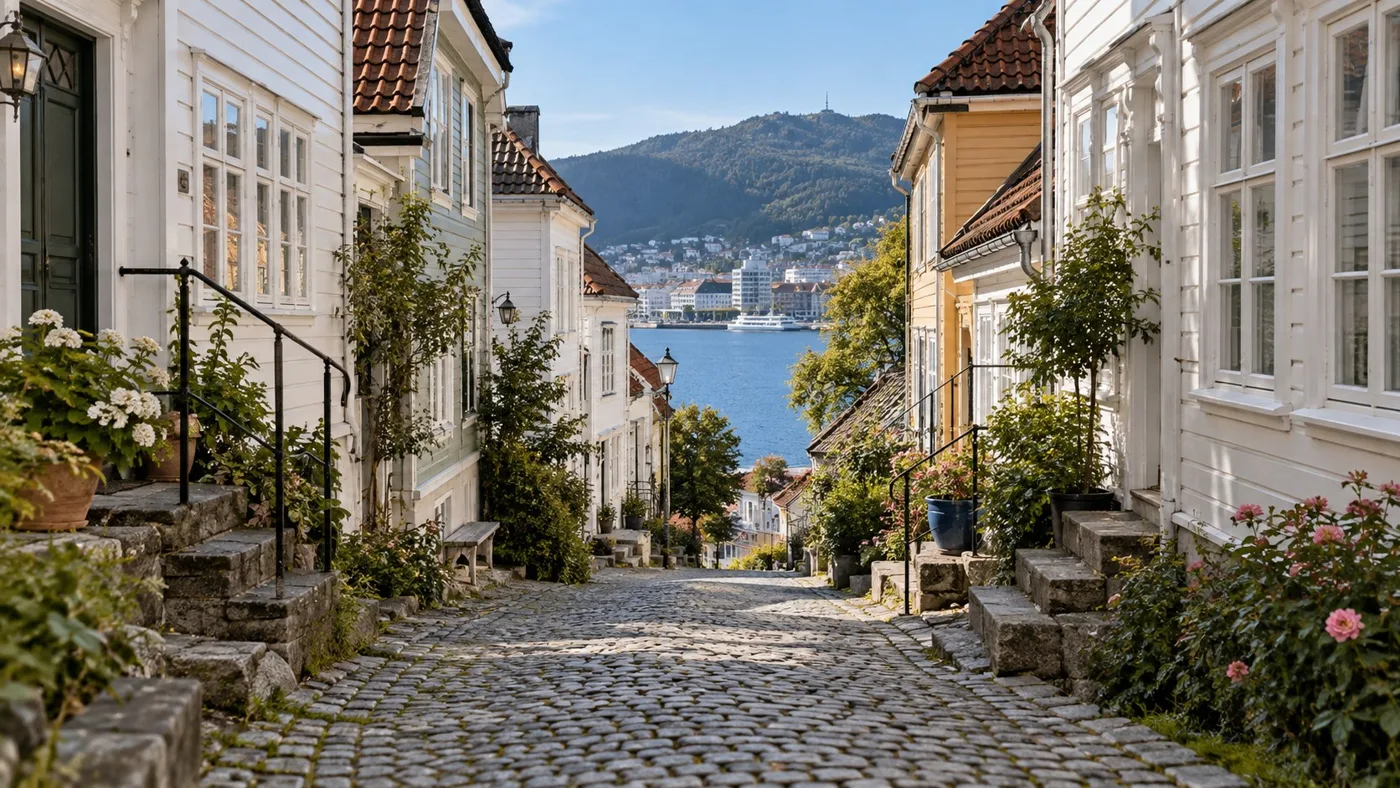
Best for: Free neighbourhood walk · Time: 1–2 hours · Cost: Public streets free
Nordnes lies on the peninsula west of the central harbour. It offers a useful change of scale: residential streets, waterfront edges and a longer walk away from Bryggen’s busiest frontage. Choose it when you want time in the city itself rather than adding another paid attraction to an already crowded day.
Start from the centre, follow a route through the peninsula and return by different streets where practical. This is a neighbourhood walk, so keep entrances clear and avoid treating private steps or gardens as photography locations. The outer waterfront is more exposed than the sheltered central streets. In persistent wind and rain, shorten the route and put time into an indoor attraction instead.
Allow 1–2 hours at an easy pace, with additional time for a café stop. Public streets require no ticket or booking; park access and any facilities can be affected by conditions. Daylight is the best default for unfamiliar streets in winter. The aquarium is an optional paid addition, with its own opening calendar and admission, rather than an inclusion in this free walk.
8. Compare seafood options around the Fish Market
Book here with Viator → Guided food and culture walk
Best for: Short food stop · Time: 20–60 min · Cost: Browsing free; meals extra
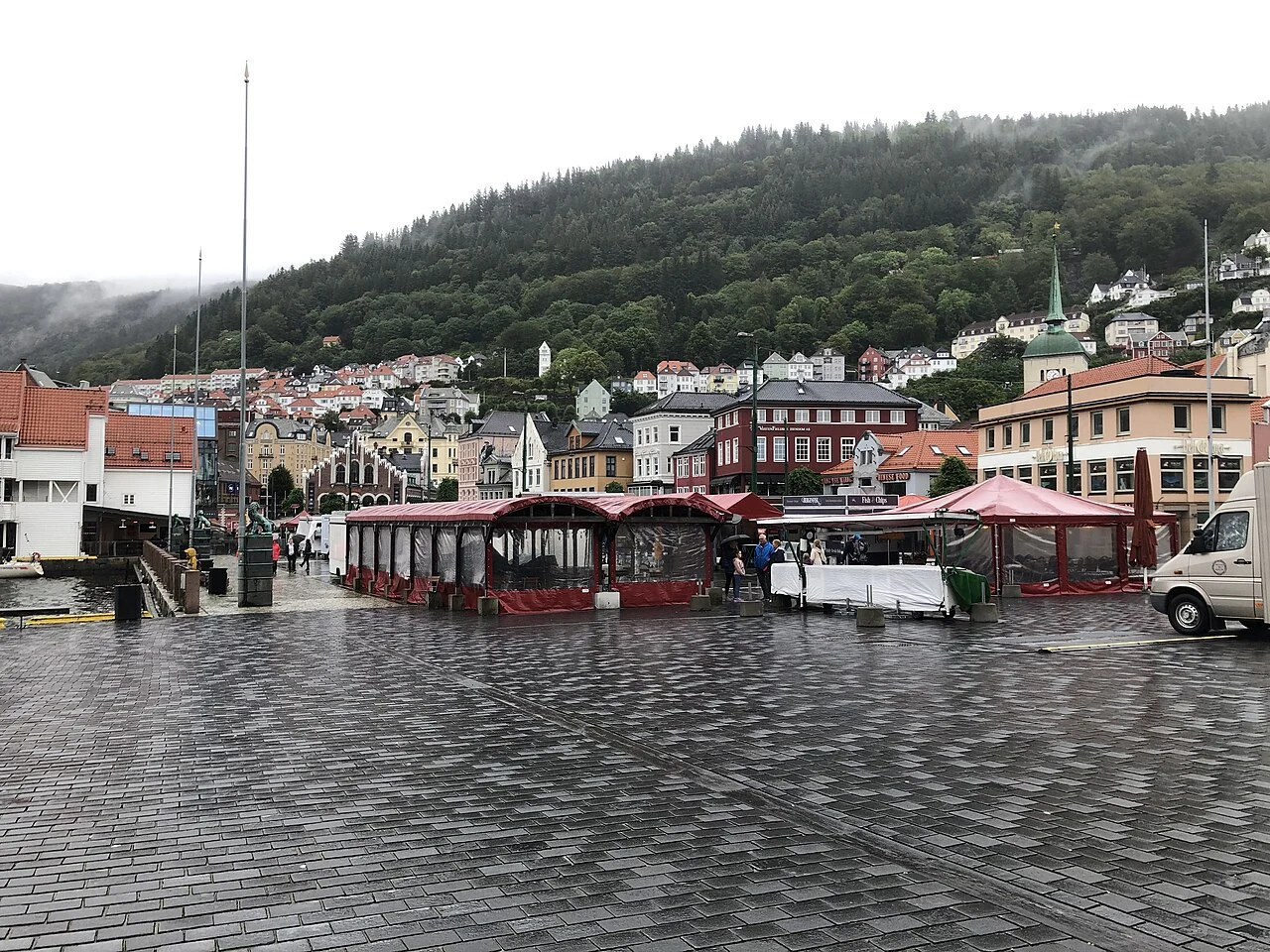
The Fish Market occupies the harbour hinge between Bryggen and the western waterfront. It is convenient for a short food stop and helps orient a first visit. Distinguish the indoor Mathallen area from the outdoor market: Visit Bergen describes indoor trading throughout the year and a seasonal outdoor market, rather than identical activity in every month.
Browse first, then decide whether to eat. Check the menu, portion size and final price before ordering, especially when comparing a snack with a restaurant meal. A harbour location can be useful when time is short, but you do not need to make this your main meal simply because the market appears on a sightseeing list. Dietary requirements deserve a direct conversation with the vendor.
Allow 20–40 minutes to browse or up to an hour for lunch. Browsing has no admission charge; food is individually priced. Published opening information distinguishes winter and summer operation and notes differing vendor hours. Check the current listing if you are arriving early, late or on a holiday. Pair with Bryggen or a cruise departure, but leave a boarding margin rather than ordering just before the boat leaves.
A guided food walk is useful for comparing local tastes with context; confirm the tastings and any dietary requirements.
9. Choose Ulriken for a second, more exposed mountain outing
Best for: Second mountain outing · Time: 2–3 hours from centre · Cost: Adult return NOK 435 in 2026; NOK 460 from February 2027
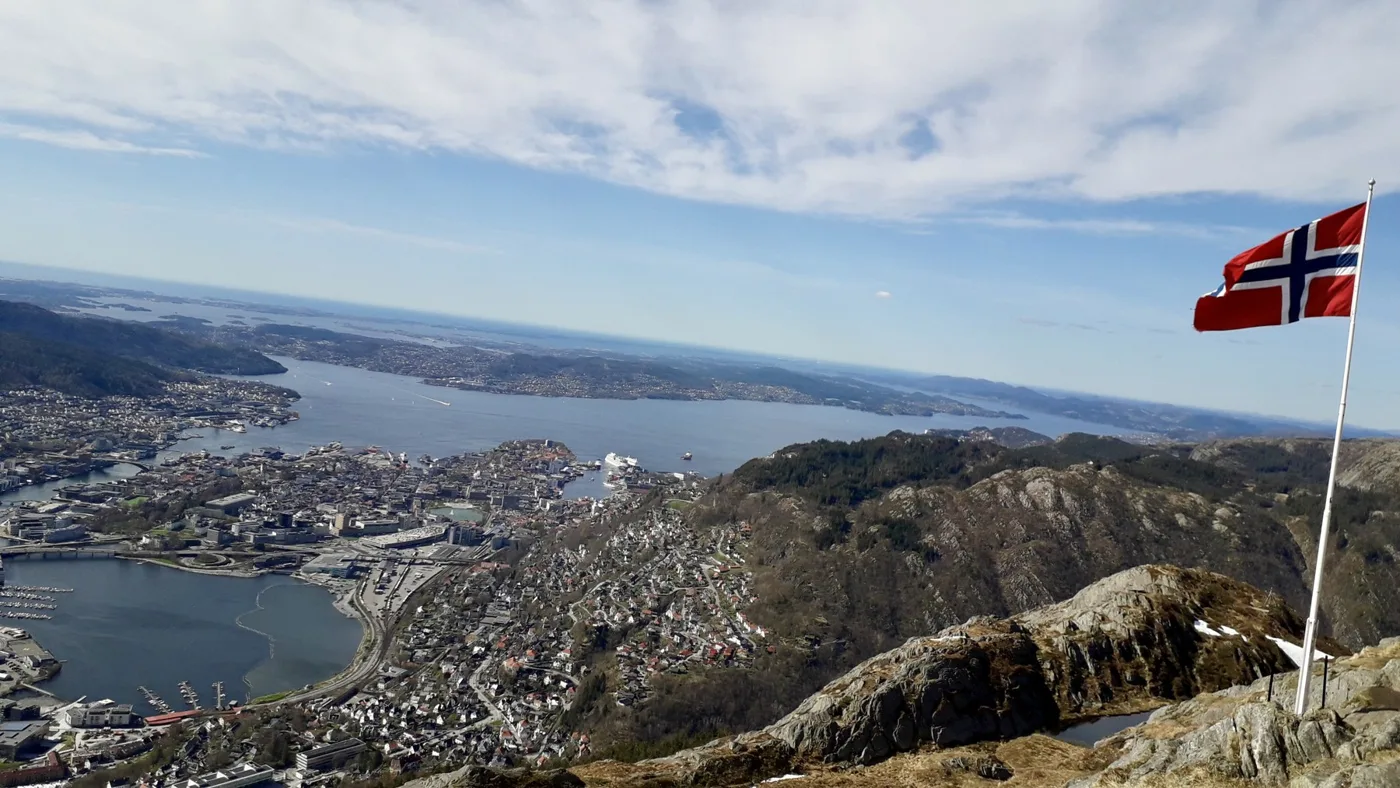
Ulriken’s cable car provides another mountain perspective on Bergen, with a different setting from Fløyen’s central funicular approach. It ranks lower here because reaching the lower station adds travel and a second paid viewpoint may not be the best use of a short stay. Choose it deliberately for the mountain visit, rather than assuming both lifts belong in every itinerary.
The cable car and a mountain hike are separate decisions. Stay close to the top facilities when that suits conditions and experience; do not improvise a long traverse because a line on a map appears to connect the viewpoints. Wind, visibility, daylight and appropriate footwear matter. The Vidden crossing is not included in the short visit suggested here.
Allow 2–3 hours from the centre for transport, the cable car and a short summit-area visit, longer for any hike or meal. The operator lists NOK 435 adult return and NOK 255 one way for the rest of 2026, rising to NOK 460 return and NOK 270 one way from February 2027. Ulriken is closed throughout January 2027 for maintenance and reopens on 2 February; winter Mondays are normally closed. Confirm prices, operating hours and weather status before leaving. Check public transport or the operator’s transport options to the lower station. Choose a clear day and substitute Kode when mountain visibility is poor.
10. Extend the harbour walk towards Sandviken
Best for: A slower extended walk · Time: 1½–2 hours · Cost: Public streets free
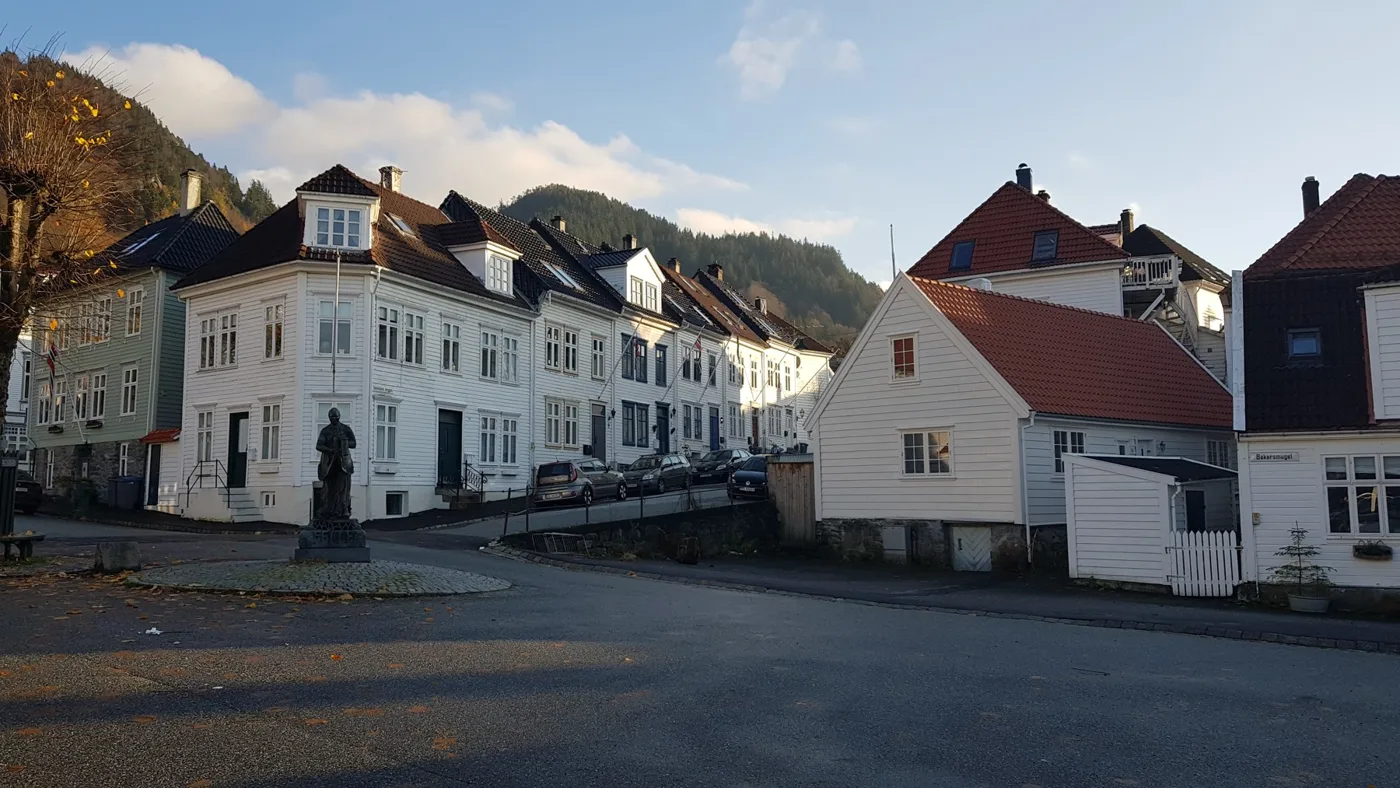
Sandviken is a northern extension of the historic-centre route, useful for travellers who prefer a longer urban walk over another ticketed visit. It adds residential streets and a different stretch of Bergen’s waterfront geography. This is a selective final option: on a one-day visit, the earlier priorities normally deserve the time first.
Continue beyond the fortress area only as far as your energy, weather and return plans allow. Avoid assuming that every waterfront edge forms a continuous public promenade. Use public streets, respect working areas and private properties, and choose a clear turnaround point. This is particularly helpful on a longer stay when you want an unhurried afternoon after a museum-heavy morning.
Allow 1½–2 hours for an out-and-back or a shorter walk combined with a public-transport return. Public streets are free and require no booking; buses require a valid ticket. Check the route before leaving and shorten the walk in darkness or strong rain. Combine with Bergenhus on a day without a cruise rather than trying to add the entire northern walk after a late boat arrival.
Bergen itinerary: one, two or three days
One day: the historic centre and one mountain
Morning, 09:00–12:00: walk Bryggen, then continue to Bergenhus. Include an interior only if its opening and visit length leave enough time. Lunch, 12:00–13:00: compare options around the harbour. Afternoon, 13:00–16:00: take Fløibanen and spend time near the viewpoint or on a short woodland walk. These are planning blocks, not guaranteed opening times.
Evening, 17:00–19:00: return to the harbour for dinner and a short walk. The core route is walkable, with the funicular providing the main transport. In cloud or during the February 2027 Fløibanen maintenance closure, replace Fløyen with Kode if open, or Schøtstuene with a confirmed tour. In winter, place the outdoor part within daylight and move the indoor visit later.
Two days: add depth without unnecessary transfers
Day one follows the route above. On day two, use 09:00–11:00 for a Nordnes walk, followed by an early lunch. Visit your chosen Kode building around 13:00–16:00 if its calendar permits; some venues do not open until 11:00, so a generic 10:00 museum start is unreliable. Keep 17:00 onwards for dinner or a separately booked concert. Central locations connect on foot; use a bus for a longer return if needed.
Swap the days if the forecast gives one clear mountain period. If your museum date falls on a closure day, reverse museum and neighbourhood blocks after checking the calendars. Do not squeeze Ulriken into the end of Nordnes simply to complete the list. Two days are enough for a satisfying selection, not ten compulsory stops.
Three days: reserve one half-day for the fjord
Keep the first two days, then reserve a confirmed Mostraumen departure on day three. For a morning sailing, allow roughly 09:00–14:00 for arrival, the advertised cruise and lunch, adjusting the block to your ticket. Spend 14:00–16:00 on Schøtstuene if open or a short harbour walk. Have dinner in Bergen rather than arranging a tight onward transfer immediately after the boat.
If the sailing is in the afternoon, use the morning for the museum and leave ample boarding time. A cancellation should trigger an indoor city day or a rescheduled sailing, not a last-minute attempt to reach Flåm and return. Travellers continuing east should build a separate dated rail-and-fjord itinerary.
Planning the best things to do in Bergen
Stay centrally for a first short visit if walking access is worth the accommodation cost to you. A car is unnecessary for the central programme and adds parking decisions. Use Skyss or Entur for airport and regional transport; verify the exact destination, ticket zone and last service for your travel date. An airport transfer deserves its own time block.
Book dated cruises and limited accommodation before flexible walking plans. For the Bergen Card, compare its actual price and date-specific benefits with the attractions you will genuinely use. Do not count a discount as free entry. Two cable-car outings plus a cruise can make an otherwise inexpensive walking itinerary costly; choose one mountain and one major paid experience if controlling spend.
Carry waterproof outerwear and shoes suitable for wet surfaces. A sunny harbour is not a mountain forecast. In winter, plan shorter outdoor loops, allow for ice and preserve daylight for views. Bergen is not a dependable northern-lights base, and it does not have true midnight sun. Choose a dedicated Arctic itinerary when either phenomenon is the main purpose of the trip.
Bergen travel guide: frequently asked questions
Is Bergen worth visiting if I already have a fjord cruise booked?
Yes. Bryggen, Bergenhus, Kode and the city mountains provide experiences distinct from time on the water. Allow a full city day rather than using Bergen only as a night before departure.
How many days are enough?
Two full days suit the historic centre, a mountain and a museum or neighbourhood. Three give you space for a half-day fjord cruise and weather adjustments. Arrival and departure days may not be full sightseeing days.
What costs the most?
Accommodation and major excursions usually deserve the closest budget attention. As checked on 26 November 2026, Ulriken lists NOK 435 adult return for 2026 and NOK 460 from February 2027; Kode lists NOK 200 adult art-museum admission, and Rødne lists NOK 890 for 2026 and NOK 940 for 2027 before promotions. Check current terms before paying.
What should I book ahead?
Book accommodation and a dated cruise first, then any limited guided visit. Independent Bryggen and neighbourhood walks need no reservation. Check mountain visibility and ticket flexibility before committing to a lift ride.
Can I do Bergen without a car?
Yes. Central attractions connect on foot, while public transport reaches farther locations. Ulriken requires a separate journey to its lower station. Use a current planner rather than assuming the cable car starts beside the harbour.
What should I do when it rains?
Use Kode or a confirmed museum tour, and keep shorter harbour walks between indoor periods. Rain does not automatically cancel a cruise, but operating decisions belong to the operator. Low cloud can remove the value of a mountain panorama even when the lift runs.
Where to go next in Norway
Choose a connected next stop and allow separate travel time between regions. These guides explain what each destination needs.
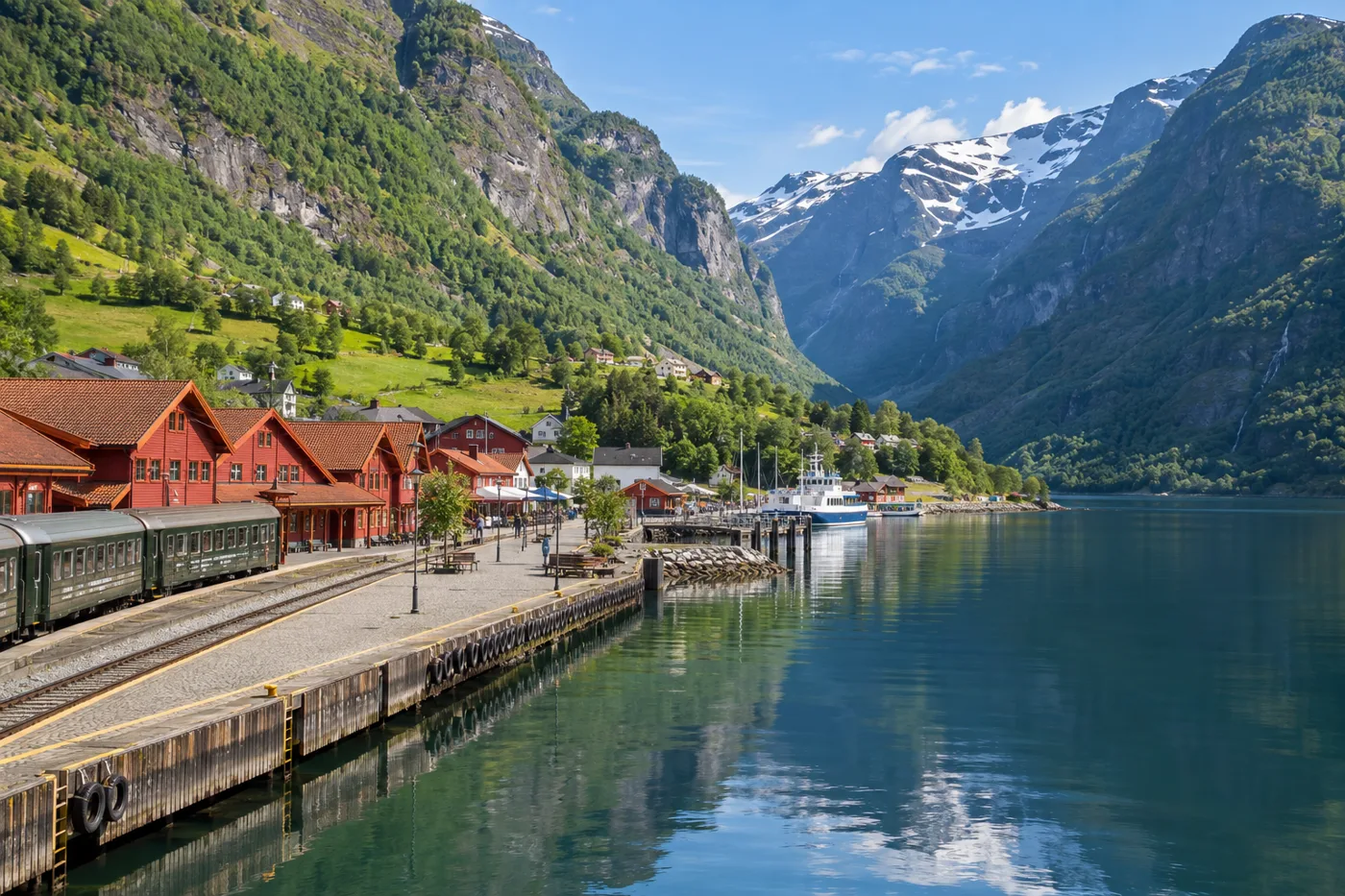 10 Best Things to Do in Flåm: Railway, Fjords and Walks
 10 Best Things to Do in Stavanger: A Practical Travel Guide
 10 Best Things to Do in Ålesund: A Practical Travel Guide
 10 Best Things to Do in Oslo: A Practical Travel Guide
Planning your visit to Bergen
Start with Bryggen, use the clearest period for one mountain and decide whether your remaining priority is art, history or a fjord cruise. The strongest Bergen itinerary leaves room to change that order. It does not depend on visiting all ten places or on every outdoor departure running exactly as planned.
Practical sourcing: operator details were checked on 16 October 2026 through Fløyen, Ulriken, Kode, Rødne, Museum Vest and Visit Bergen. Recheck prices, closures, opening days, meeting points, transport and cancellation conditions on official sites before booking. Commercial links are identified where they appear.
For a longer Vestland coastal itinerary, Florø’s harbour and island experiences offer a separate base farther north. Compare coastal boat or road travel for your date and do not assume a day trip will leave enough time for an island visit.
Official sources and practical checks
Official information was reviewed during preparation. Fares, hours, road access and departures can change. Check the operator for your dates before booking. Suggested visit durations are editorial planning allowances.
- Heritage status, passages, accessibility and off-peak advice
- Central access, walks and current maintenance notices
- Date/ticket dependent fares
- Cruise length and route
- 2026 and 2027 fares and varying promotions
- Zachariasbryggen departure for Mostraumen
- NOK 200 adult art-museum admission; under-18 admission
- Villa renovation notice until summer 2027
- Grounds/interior accessibility distinction
- Museum activities moved to Schøtstuene
- Restoration announcement indicates 2027 reopening
- Indoor versus seasonal outdoor operation
- Cable car prices and transport options
- Public transport ticket information
- Fløibanen maintenance notice for February 2027
Links labelled as affiliate links may earn NorwayTop10 a commission on eligible bookings. Read our editorial policy and commercial disclosure.
Choose accommodation and plan Bergen
Use these guides to connect your sightseeing, accommodation, transport and budget before booking.
- Where to Stay in Bergen: 10 Areas and Booking Decisions
- Budget Hotels in Bergen: 10 Affordable Places to Stay
- Boutique Hotels in Bergen: 10 Distinctive City Stays
- Family Hotels in Bergen: 10 Stays for Trips With Kids
- Bergen Airport Hotels: 10 Flesland and City Stays to Compare
- Plan Flåm alongside Bergen
- Car-free fjord week budget
- Compare fjord cruise routes
- Check train, bus and boat connections
Plan experiences around your stay
Activity thumbnails represent the region or subject of the linked guide; see each guide’s image caption and credits. They do not necessarily depict a specific tour or operator.
These guides compare regional options and practical considerations. Check the actual departure point; a related guide is not a promise that every activity is available in this town.
Fjord Cruises in Norway
Compare guided activities before booking
Use these tour comparisons to match your available time, meeting point and travel season with the right experience in this region:
Guided and independent sightseeing in Bergen
Compare self-guided audio tours around Bryggen with museum experiences if you prefer an indoor stop when the weather changes. Check whether the audio route covers public streets only and whether admission to any museum or funicular is included. Photography tours offer a different focus if you want to learn how to work with Bergen’s changing light.
Continue by rail to Voss
If your plans focus on inland mountain scenery rather than another fjord cruise, consider a separate night in Voss. See the Voss hotel guide for stays near the station and valley bases. Check the onward train and activity meeting point before choosing a room; a station-adjacent stay can reduce the need for a car.

Traditional Norwegian Food and Local Flavours
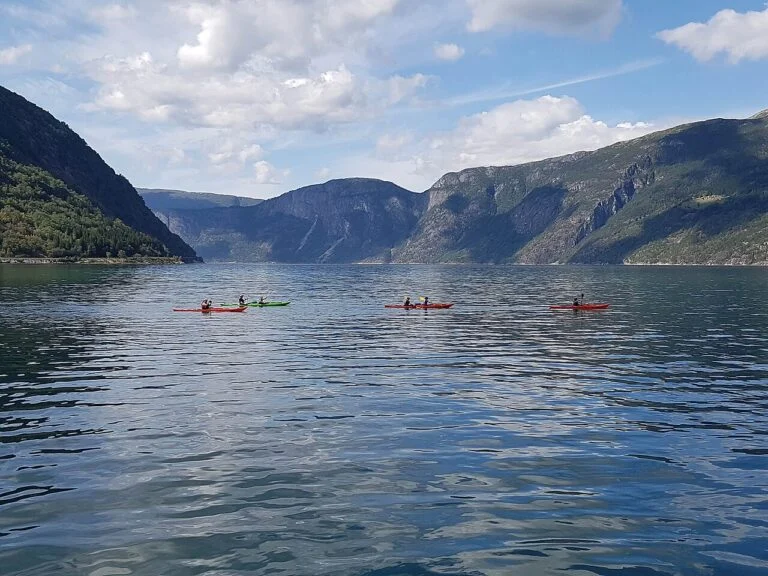
Fjord Kayaking in Norway
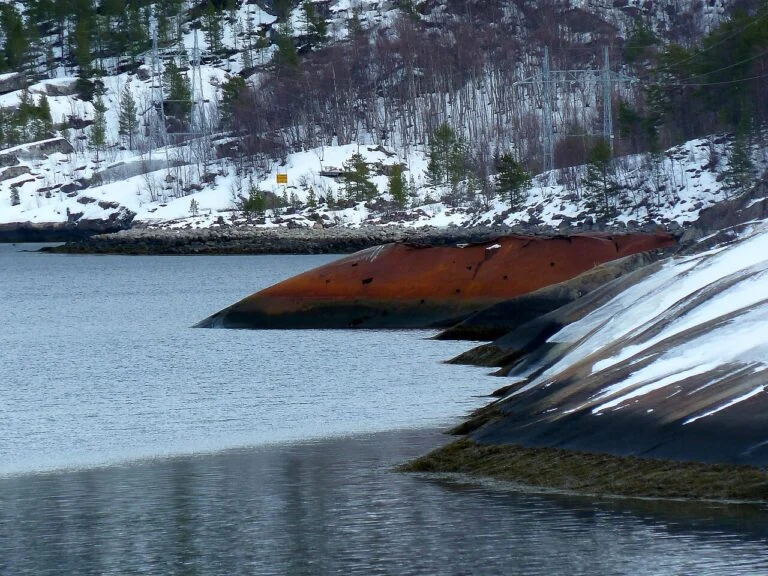
WW2 Wreck Diving in Norway
Where to stay in Bergen
Compare location, transport, room requirements and booking trade-offs in our guide to where to stay in Bergen before reserving accommodation.