10 Best Photography Tours in Norway
Photography tours can be useful whether you travel with a phone or a dedicated camera. Choose a guide who matches your preferred subjects and time of year, and ask whether tuition, gear, photographs or transport are included. These ten tours offer landscape, wildlife, cultural and portrait options.
Think about the subjects you want to photograph before choosing a tour. A photowalk is different from a vehicle-based landscape itinerary or a wildlife safari; the former prioritizes composition, while the latter depends on access, light and the movement of animals. Ask whether a camera is required or whether a smartphone is sufficient.
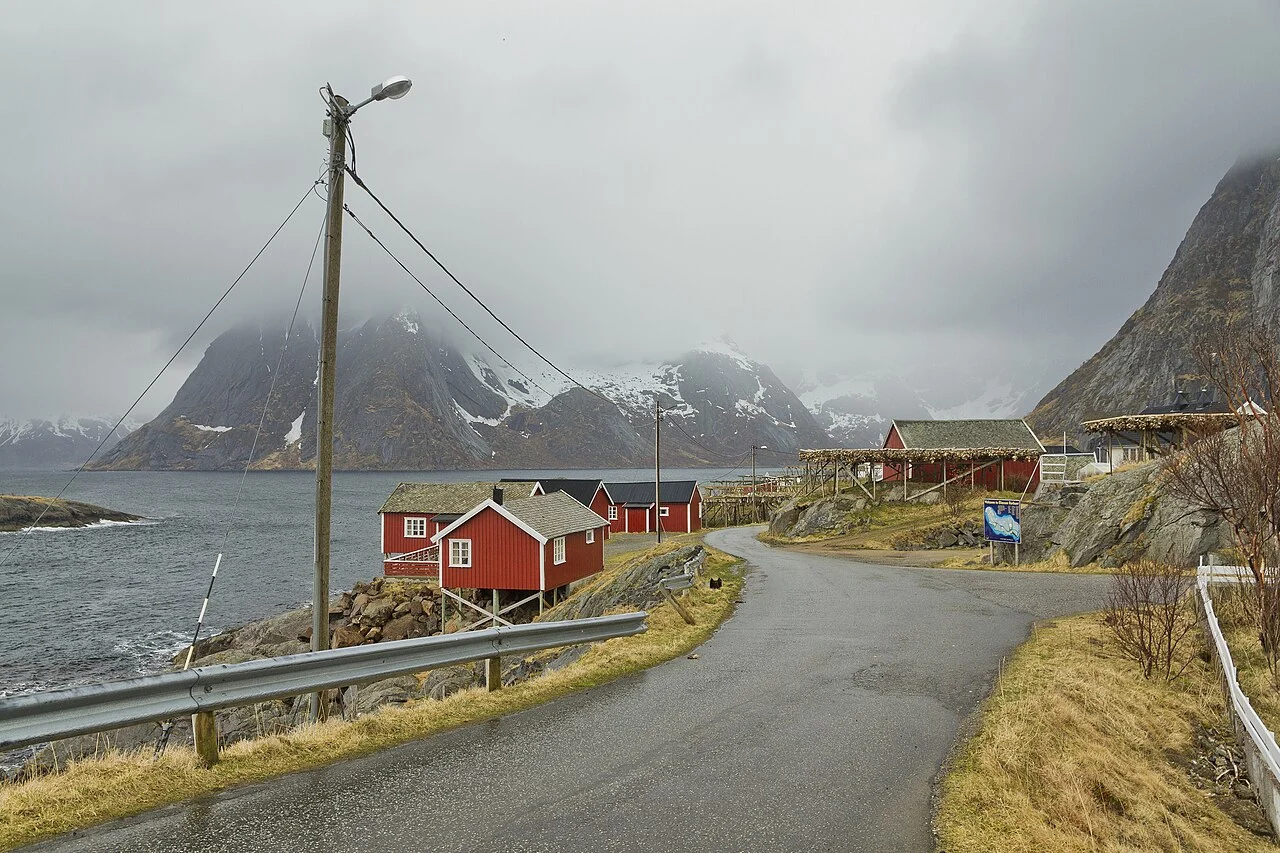
Photographs show real locations, landscapes and subject matter in Norway; they do not necessarily depict the specific listed tour or operator.
This guide contains affiliate links. We may earn a commission if you book through them, at no additional cost to you. Affiliate disclosure.
Quick answers: Photography Tours in Norway
- Worth it?
- Yes if a guide adds local knowledge, safe access or photography instruction.
- Time needed
- A half day for city routes, a full day for remote landscapes and several days for Arctic flexibility.
- Best time
- Summer for long daylight; winter for short-light scenery and possible aurora.
- Approximate cost level
- Compare guiding, vehicle, equipment and edited images; specialist trips can be expensive.
- Getting around
- Stay near the operator’s base and use a guided route rather than rushing between remote locations.
- Top priorities
- Lofoten landscapes, Tromsø aurora or fjord photography and Bergen urban details.
Before you book
Compare availability, inclusions, cancellation terms, meeting location and total price for your travel dates. These are editorial picks based on available tour descriptions, not a ranking by sales, reviews or personal first-hand testing.
1. Two days of Lofoten landscape photography
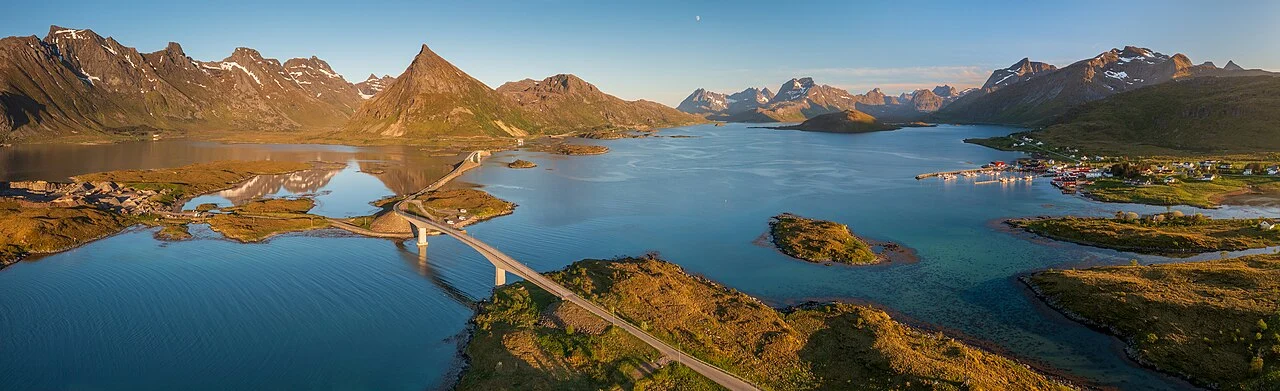
Two days provide more opportunities for different light and weather than a single hurried afternoon. The listed itinerary starts in Svolvær and covers coastal scenery and fishing villages. Ask how flexible the route is when visibility changes.
A two-day format can give you a useful contrast between wider landscape compositions and close views of fishing communities. It also gives the guide more room to change the order of stops if light or rain makes one area unsuitable on the first day.
If you have a particular image in mind, ask whether the itinerary passes that location and whether a tripod is practical. Keep enough time between tour days to back up your images and recharge your batteries.
2. Bergen photowalk with a photographer
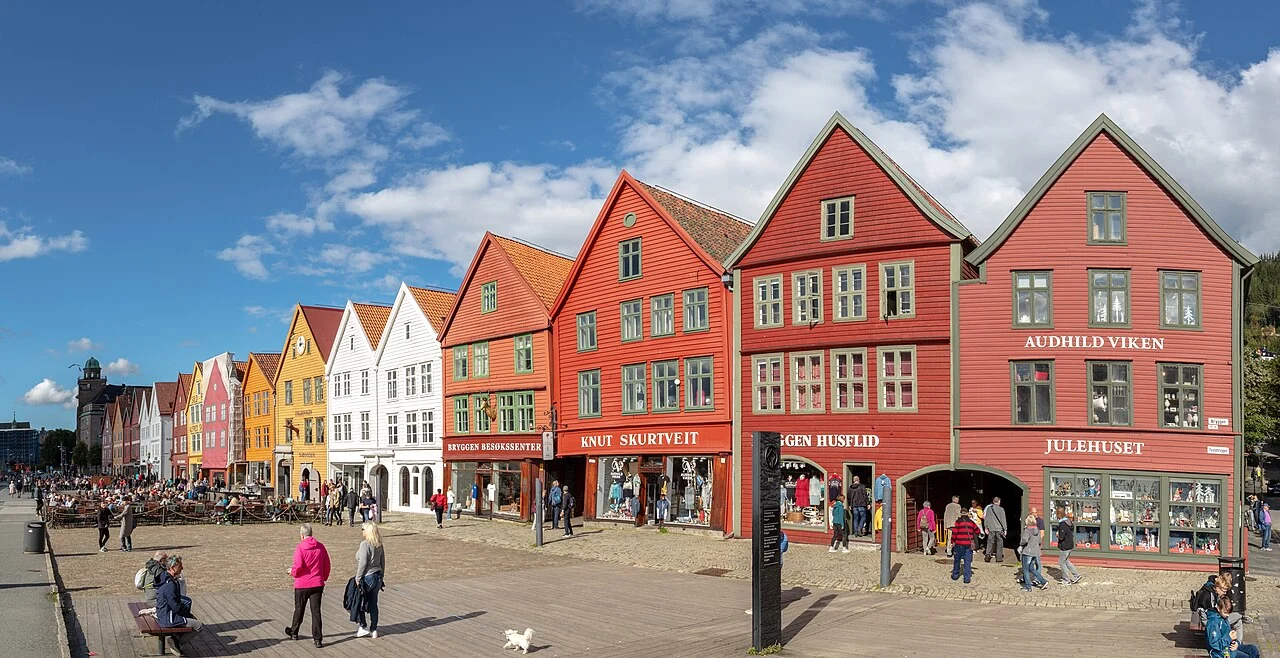
A city photowalk gives you practice framing timber streets, harbour scenes and everyday details. It is a good choice when you’re interested in composition rather than just collecting a checklist of landmarks. Ask about camera requirements.
Bergen offers more than a single famous photograph of Bryggen: look for the textures of timber, reflections in the harbour and the contrast between narrow lanes and larger streets. A guide can help you notice these details in a busy city setting.
Consider whether you want technical instruction or simply a well-planned photo route. If the weather is wet, street photography can still be rewarding, but bring appropriate camera protection and respect people’s privacy.
3. Lofoten’s winter coast
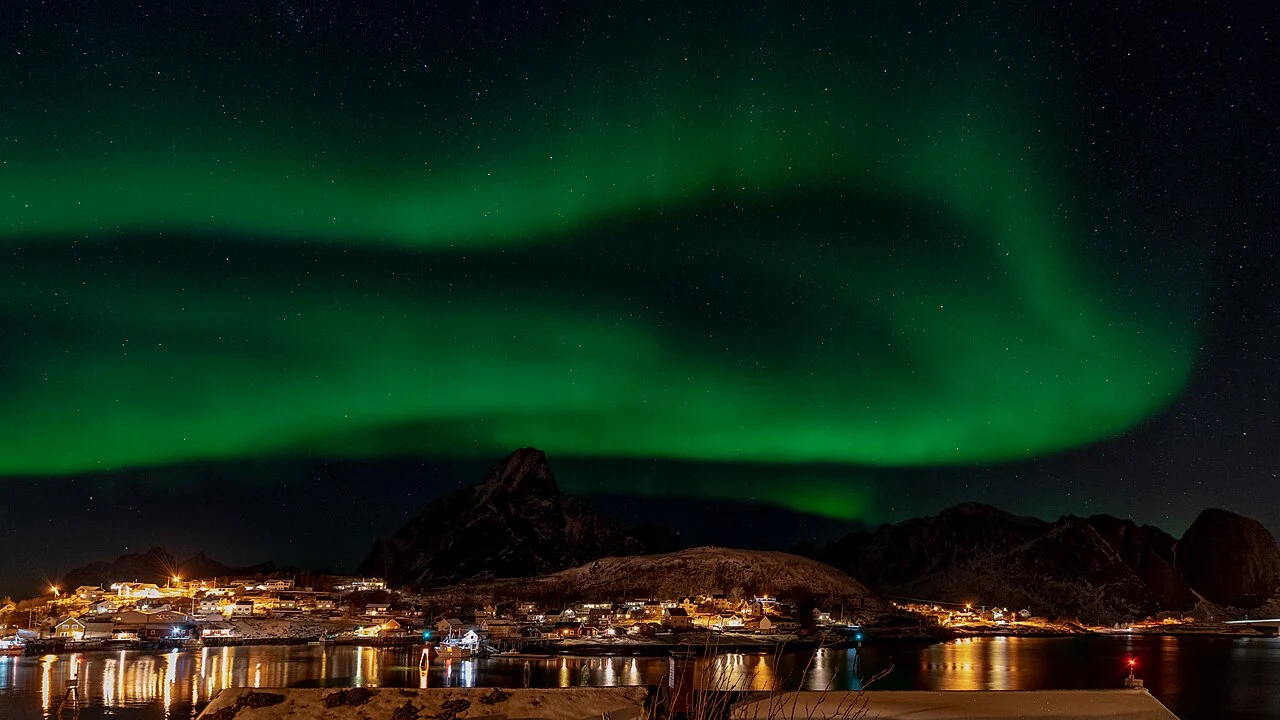
A winter photography tour provides transport between viewpoints when short daylight makes independent planning harder. Dress for standing outside and check how the guide handles slippery conditions and inaccessible roads.
Winter in Lofoten is a different visual experience from summer, with low light, snow and rapidly changing coastal conditions. The limited light makes it more important to decide which parts of the archipelago are worth prioritizing rather than trying to cover every famous village.
Ask the guide how long stops usually last and whether the group can retreat to the vehicle to warm up. Keep extra batteries in an inner pocket and leave icy or exposed viewpoints to the guide’s judgment.
4. Aurora photography from Henningsvær
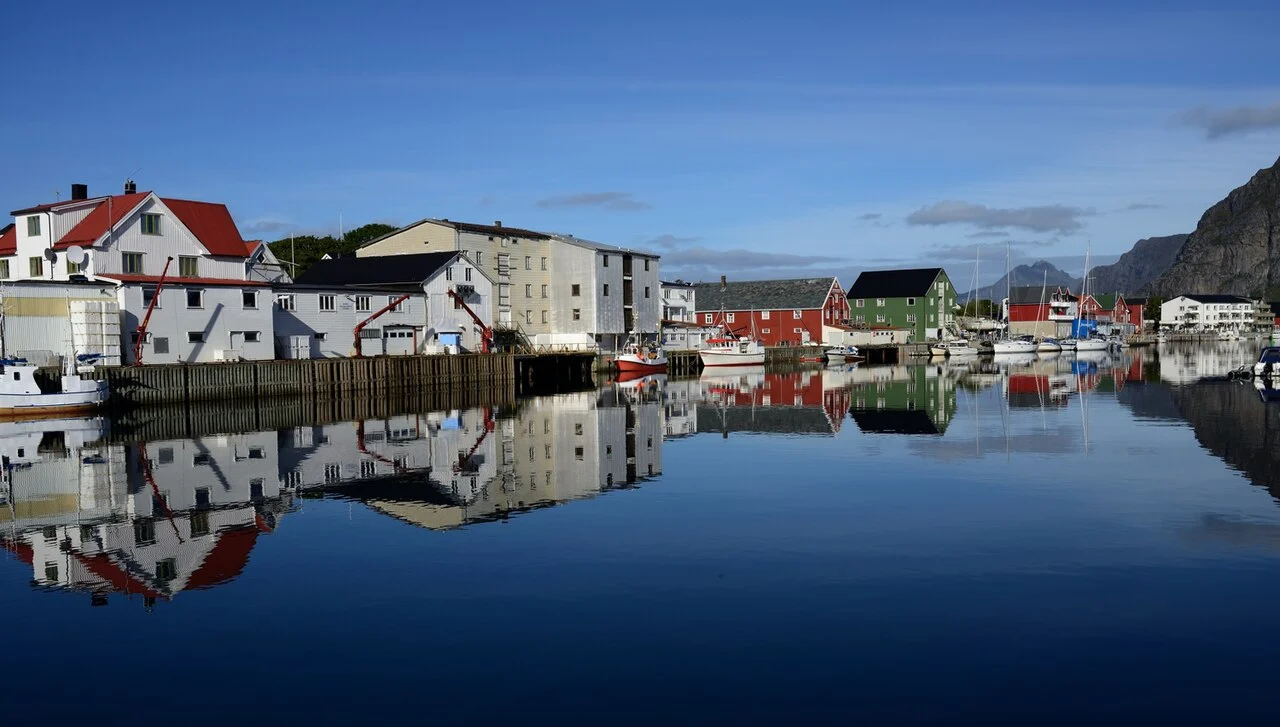
An evening tour from Henningsvær reduces the need to drive around unfamiliar islands after dark. Ask about camera settings support, tripods and transport. Cloud cover and solar conditions mean an aurora sighting cannot be promised.
Henningsvær is a useful base for photographing fishing-village details in daylight before an evening tour. The aurora chase is a separate activity; the guide may move away from the village’s lights if the conditions justify it.
No fixed viewpoint guarantees a northern-lights image. Confirm how transport and camera support work, and bring warm clothing for time spent waiting without moving. A smartphone tour participant should ask whether the guide provides assistance with phone photography.
5. Tromsø northern-lights photography by minibus
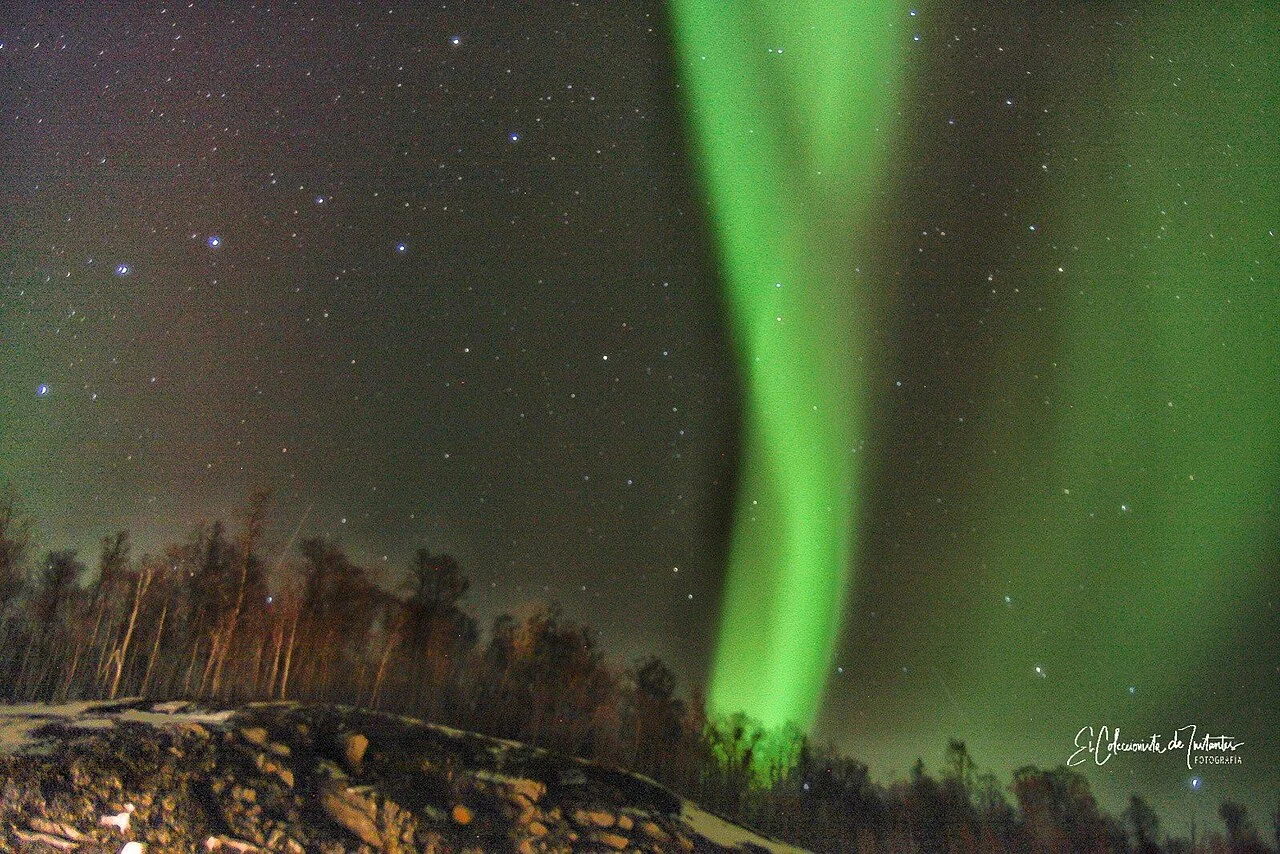
Choose a minibus tour when you want a guide to adapt the outing to conditions while you focus on photography. Bring spare batteries and confirm whether photographs taken by the guide are supplied.
A minibus is useful when the route needs to respond to cloud cover rather than follow a fixed circuit. A photography-focused guide may have more time to explain how to frame the night landscape than a standard sightseeing trip.
Check whether equipment is provided and whether the tour returns to the original meeting location or drops you at accommodation. The duration can vary, so avoid booking an early activity the following morning.
6. Arctic fjord landscapes near Tromsø
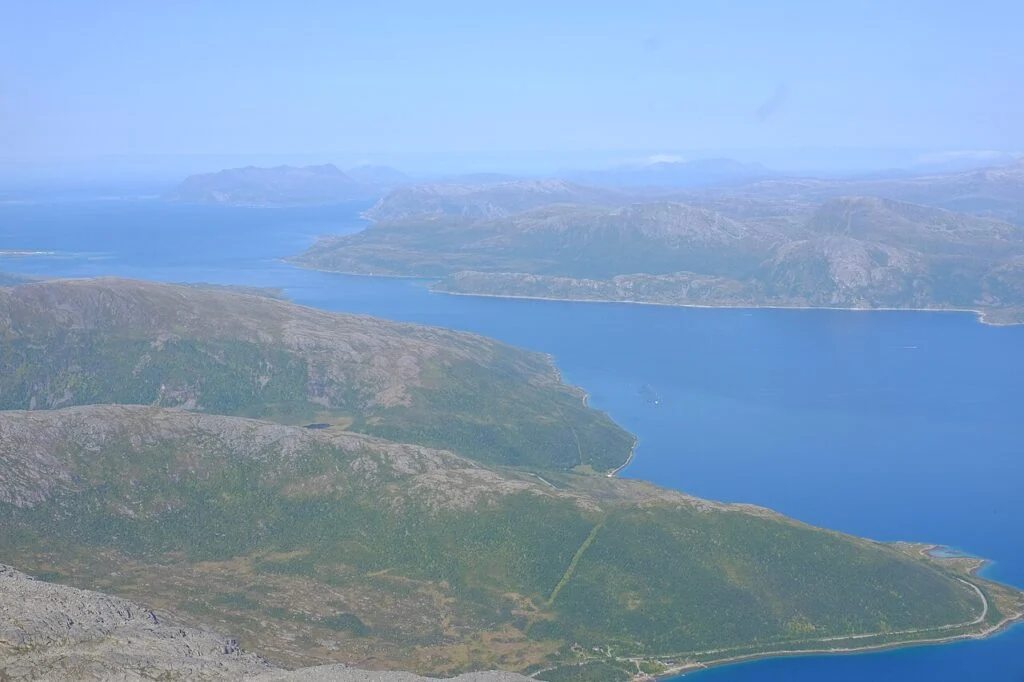
A daylight road trip is a useful photography alternative to an aurora chase. Coastal mountains and beaches offer strong compositions even without clear blue skies. Check the route and whether the stops are appropriate for your mobility.
The region around Kvaløya offers a range of accessible coastal subjects, from wide mountain silhouettes to settlement details. Daytime photography gives you a visual record of the Arctic setting even on a trip when aurora sightings are limited.
A road tour may prioritize different locations in summer and winter. Ask how the route adapts to poor visibility, and choose clothing that lets you spend several minutes outdoors at each stop rather than shooting exclusively through the window.
7. Pyramiden architecture and history
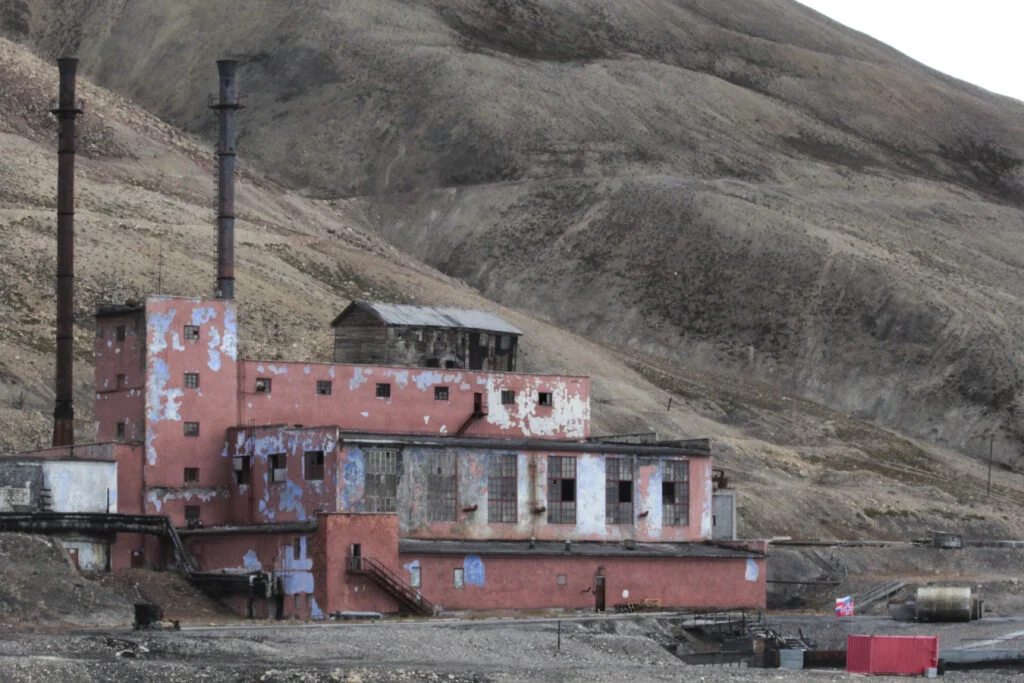
A guided visit to Svalbard’s former mining settlement offers a very different photographic subject from the fjords. Confirm access and transportation for the season and respect the guide’s instructions about buildings and wildlife.
Pyramiden provides visual material linked to the history of industrial activity in the Arctic: streets, buildings and the surrounding landscape are distinctive subjects. Treat this as a guided heritage outing rather than unrestricted exploration of abandoned structures.
Transport and access can be affected by season and local conditions. Wait for the guide’s instructions before approaching buildings, respect restricted areas and do not interpret the tour as a guarantee of particular wildlife encounters.
8. Musk ox safari photography at Hjerkinn
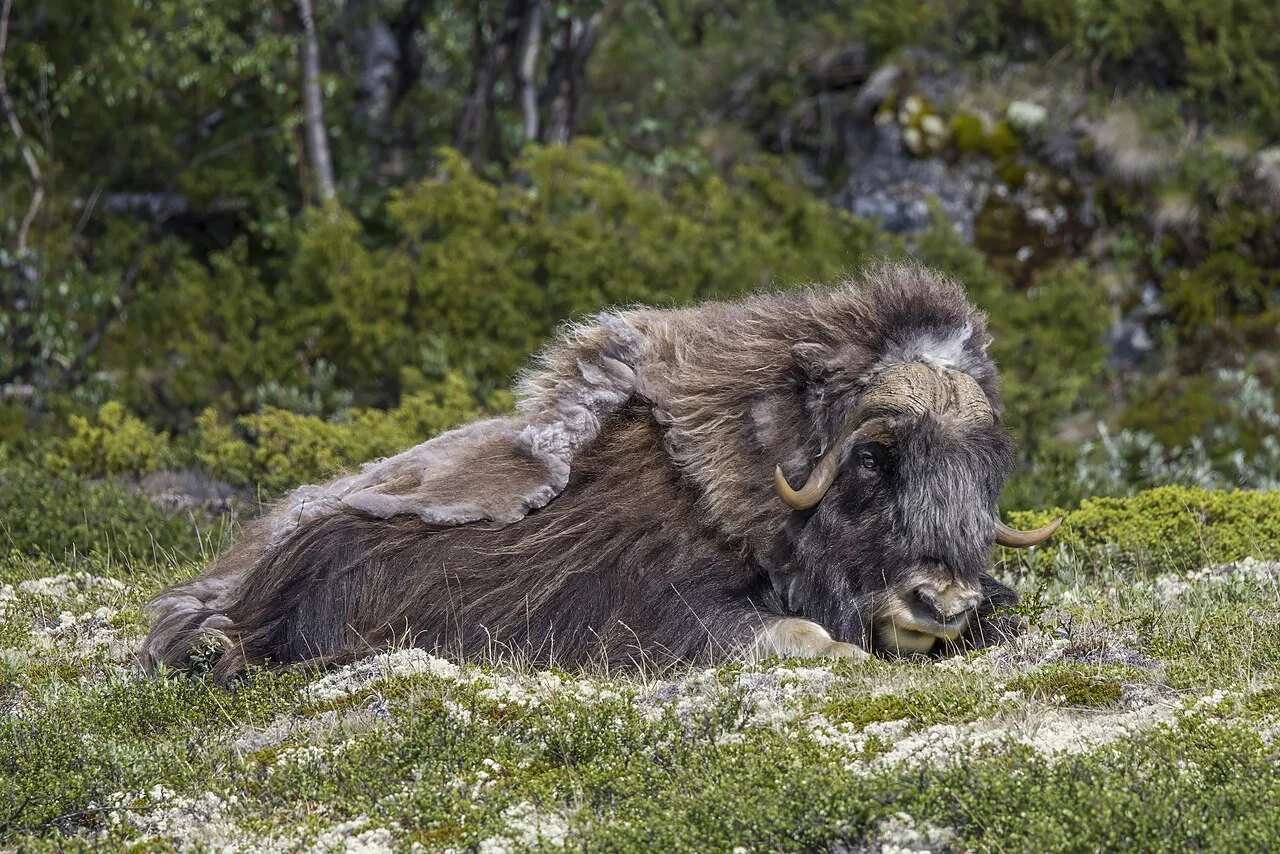
A wildlife guide can help identify suitable observation opportunities. Use a long lens rather than approaching animals, and understand that a hike and wildlife sighting depend on conditions and the animals’ location.
Photographing musk oxen is a different challenge from working at a predictable scenic overlook. The animals may be far away, and the subject can be small relative to the scale of the surrounding tundra. The landscape itself is worth photographing.
Choose a guide who explains responsible viewing and do not pressure them to approach an animal so that it fills the frame. Bring appropriate clothing for an exposed walking route and assess whether carrying heavy equipment is practical.
9. Reine, Hamnøy and the southern Lofoten villages
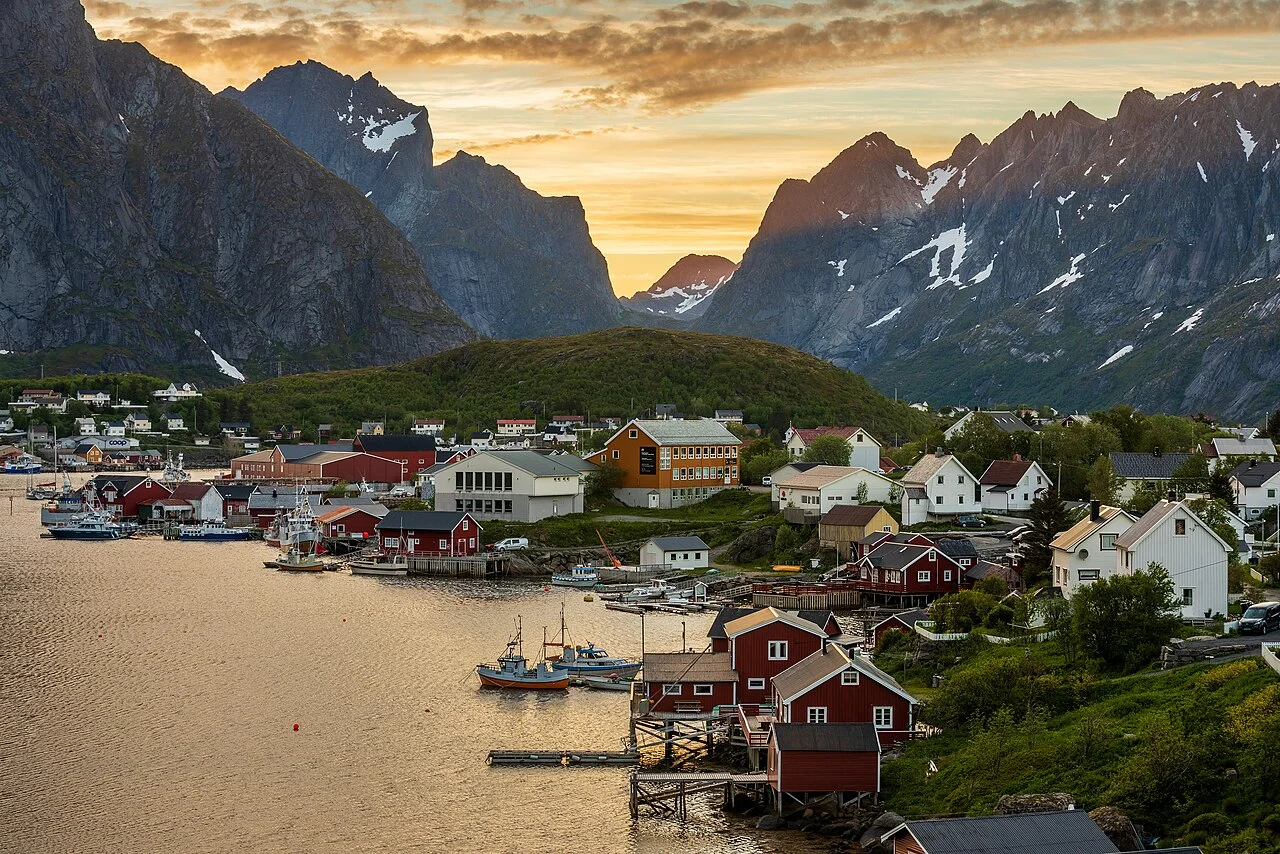
Choose a southern-islands route for fishing cabins, harbour details and steep mountain backdrops. Confirm the actual stops and whether there will be time to photograph in more than one location.
The southern villages are well suited to compositions that show houses against the scale of the mountains. A tour can help with the logistics of moving between locations, leaving you to concentrate on the image rather than parking and navigation.
Avoid treating a village as just an outdoor photo set; people live and work there. Use public stopping areas, do not enter private property and ask your guide for alternatives if the popular angles are crowded.
10. Private portrait session in Tromsø
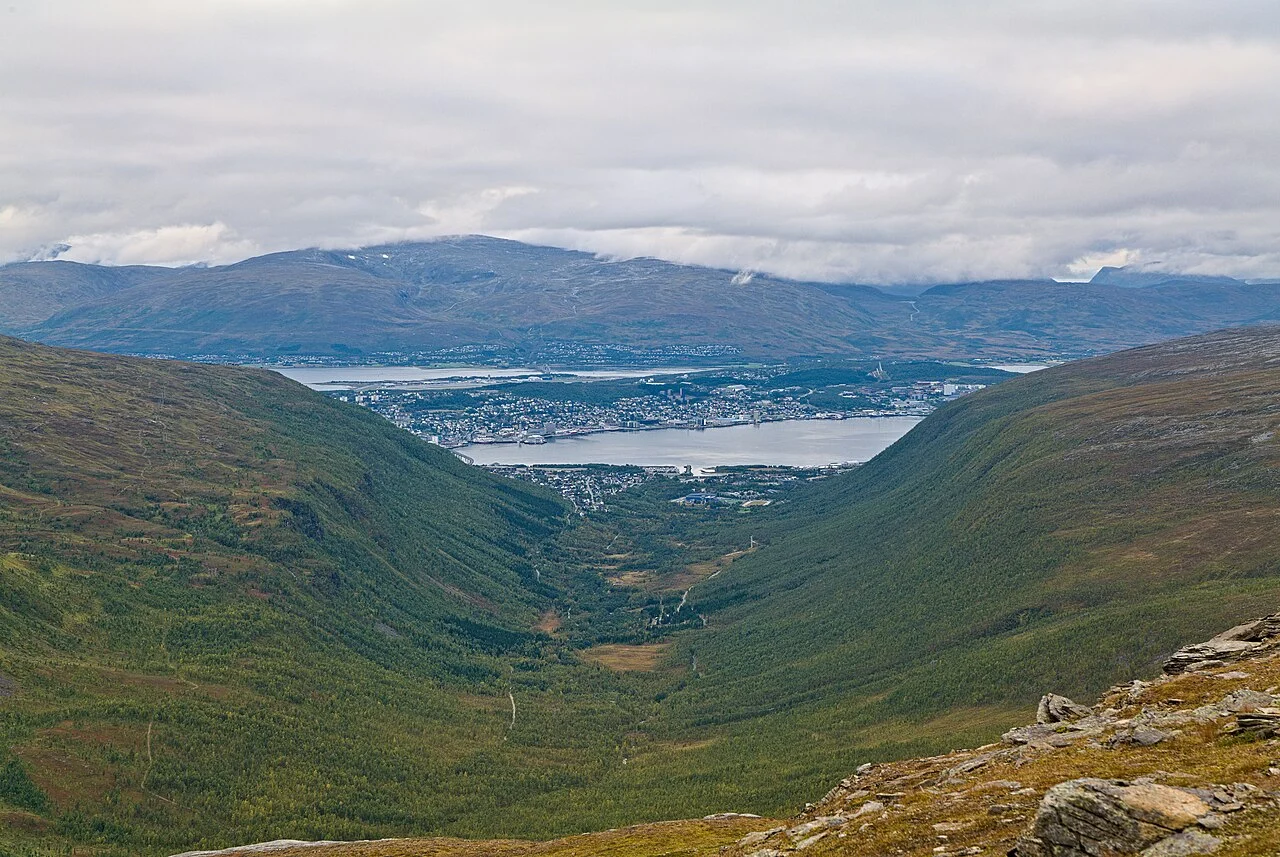
A local photographer can help capture people and place together, especially when you are travelling as a couple or family. Discuss outfits, preferred surroundings, weather alternatives and the number of edited images in advance.
A portrait session differs from a landscape tour because the subject is your own group, with the city or Arctic landscape used as the backdrop. Agree the visual style in advance, from casual city portraits to a more scenic outdoor session.
Discuss how many people may join, whether the photographer can accommodate a weather change and what edited files are supplied. Check the permission to share the photographs and delivery timeline before confirming the booking.
Planning your trip
Allow for weather changes rather than booking all photography activities on one day. Coastal routes need flexible stopping points, aurora trips need suitable darkness and clear sky, and wildlife photography is better treated as an observation experience. Carry spare batteries and protect equipment from rain and cold. If the listing includes edited photographs, ask how and when they are delivered.
Check the provider’s latest details before committing, especially if you are travelling with children, have accessibility requirements, or need to connect to a scheduled departure. Prices and availability can change.
Read our related Norway guide and the complete activity guide directory for more ideas.
Best itinerary: one, two or three days
One day
In Bergen, book a city photowalk in the morning or a light-dependent afternoon slot. Leave time for Bryggen details and independent photography; in rain focus on sheltered streets, textures and reflections rather than mountain views.
Two days
Spend two days in Lofoten from a confirmed Svolvær or Henningsvær base. Reserve a landscape itinerary for the first useful weather window and keep the second day flexible. The advertised guide route and road conditions determine actual stops. Avoid driving back across the whole archipelago after dark.
Three days
Stay three days in Tromsø for a varied portfolio. Use day one for the city, day two for a daytime fjord outing and an evening aurora tour only if you have enough rest, then leave day three for a repeat attempt or museum alternative. A Svalbard heritage or Dovrefjell wildlife trip requires a separate regional itinerary.
Practical travel tips and booking decisions
A guide who knows safe stopping points and local conditions provides value beyond camera settings. Check whether the listing includes tuition, tripods, edited files or simply transport. Decide whether you want to photograph landscapes yourself or receive portraits taken by someone else. Battery life falls in cold weather; carry spares and give equipment time to adjust when moving indoors. Never leave the group or approach wildlife to improve a composition. Light, cloud, aurora activity and road access prevent guaranteed photographs. Verify the rules for sharing delivered portraits, usage rights and the delivery timetable before payment.
Frequently asked questions
Can I join with a smartphone?
Often, but check whether the tour’s instruction and equipment are suitable for phones.
What if the northern lights do not appear?
No tour can guarantee a natural phenomenon. Review the product terms and consider a flexible itinerary.
Do I need a tripod?
For low-light photographs it can help, but verify what the guide supplies and where tripods are practical.
Are wildlife encounters guaranteed?
No. Choose responsible guides who prioritize distance and safety, not a particular picture.
Can I combine all these regions in three days?
No. Choose one base such as Lofoten or Tromsø and arrange distant regions as separate travel legs.
Official sources and related travel planning
Reference sources and official planning links were reviewed on 26 November 2026. Tour listings and dated prices may change; verify departure location, restrictions, inclusions, current operating conditions and cancellation terms directly before booking. These are editorial comparisons, not personal tour participation claims.