10 Best Things to Do in Fredrikstad: Old Town, River and Coast
Fredrikstad rewards visitors who are happy to slow down. Its appeal comes from the relationship between a fortified Old Town, the Glomma river and a working modern centre, rather than from a single spectacular monument. Start with Gamlebyen, then cross the water and let the river organise your route. Two days provide a comfortable introduction; a third opens the possibility of a coastal outing to Hvaler or Hankø. Those excursions require transport planning and should not be treated as extensions of a quick town walk. This guide prioritises places that help first-time visitors understand the city, with alternatives for rain and cooler weather. The suggested order reflects visitor usefulness and geography rather than a measured ranking or public vote.
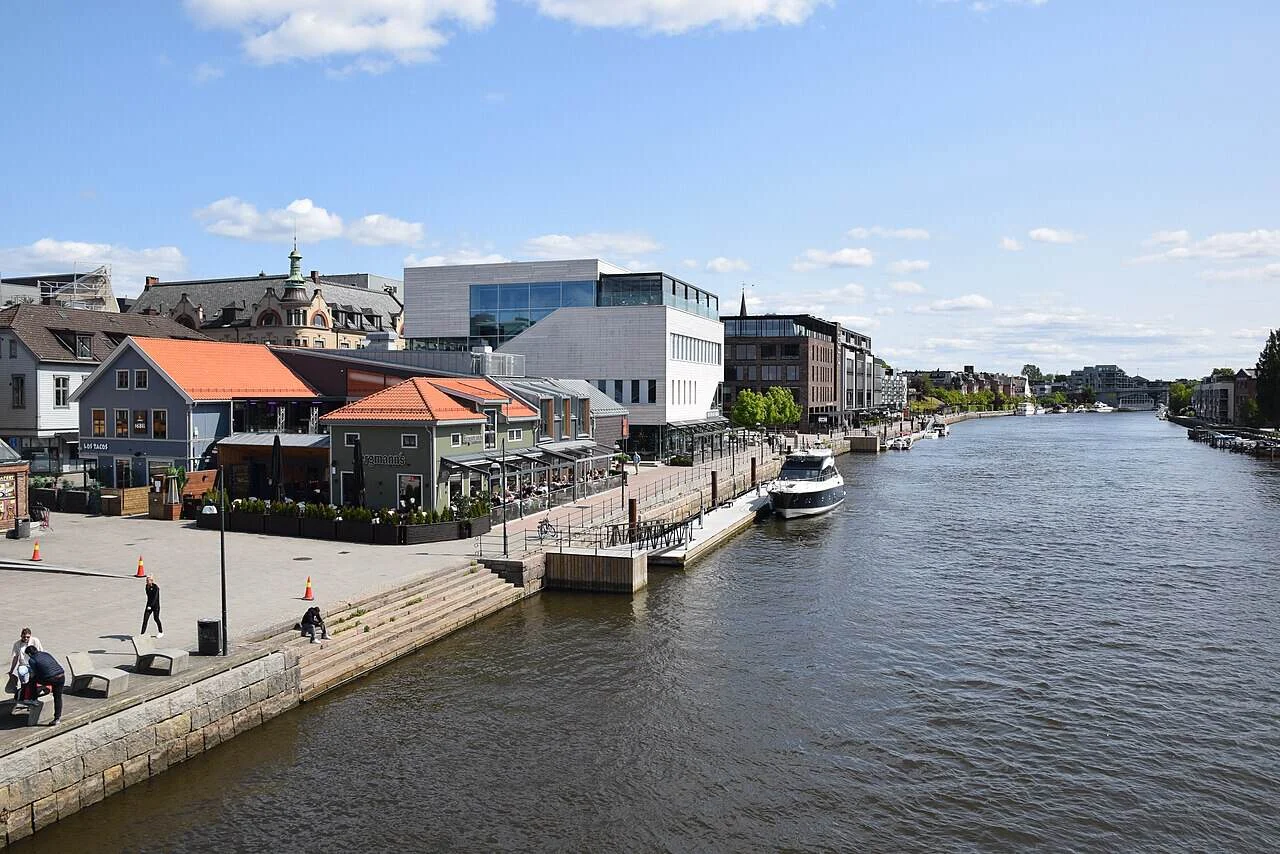
Fredrikstad: quick answers
- Worth visiting?
- Yes, for the fortified Old Town and riverfront heritage.
- Time needed
- One day centrally; two for museums and Isegran; three with a coastal trip.
- Best time
- Warmer months for island excursions; the Old Town is worth exploring year-round.
- Cost level
- Moderate to high; walking the Old Town is free, museums and coastal outings add costs.
- Getting around
- Walk and use river connections; verify buses and boats to Hvaler or Hankø.
- Top priorities
- Gamlebyen, Isegran, riverfront.
How this list was selected: NorwayTop10’s editorial choices balance distinctive places, practical access and variety for a first visit. The order is a planning guide rather than a public vote. Outings beyond the destination are identified in their descriptions; ten entries do not mean ten stops in one day.
Compare the ten options
Times are editorial planning allowances, not operator schedules. Add travel and waiting time unless the row explicitly describes a whole outing. For guided experiences, use the confirmed booking duration. See each description for terrain and seasonal restrictions.
| Place or activity | Access to plan | Time to allow |
|---|---|---|
| Explore Gamlebyen, the fortified Old Town | Walk and city ferry | 1–2 hr |
| Follow the ramparts and moat | On foot around Gamlebyen | 45–60 min |
| Visit Fredrikstad Museum | Old Town on foot | 1–1½ hr |
| Take the city ferry on the Glomma | Check the current ferry timetable | Allow time for the return crossing |
| Discover Isegran’s maritime setting | City ferry or local walking route | 1–2 hr |
| See Kongsten Fort | Walk from the Old Town area | 45–60 min |
| Walk Brygga and the modern riverside centre | Central riverside on foot | 45–90 min |
| Look for architecture around Fredrikstad Cathedral | Town centre on foot | 20–40 min |
| Plan a separate Hvaler coastal day | Road or bus, then a selected island route | Separate coastal day |
| Take an outing to Hankø | Road or bus to Vikane, then ferry | Half-day or full day |
Bookings through Viator may earn us a commission.
1. Explore Gamlebyen, the fortified Old Town
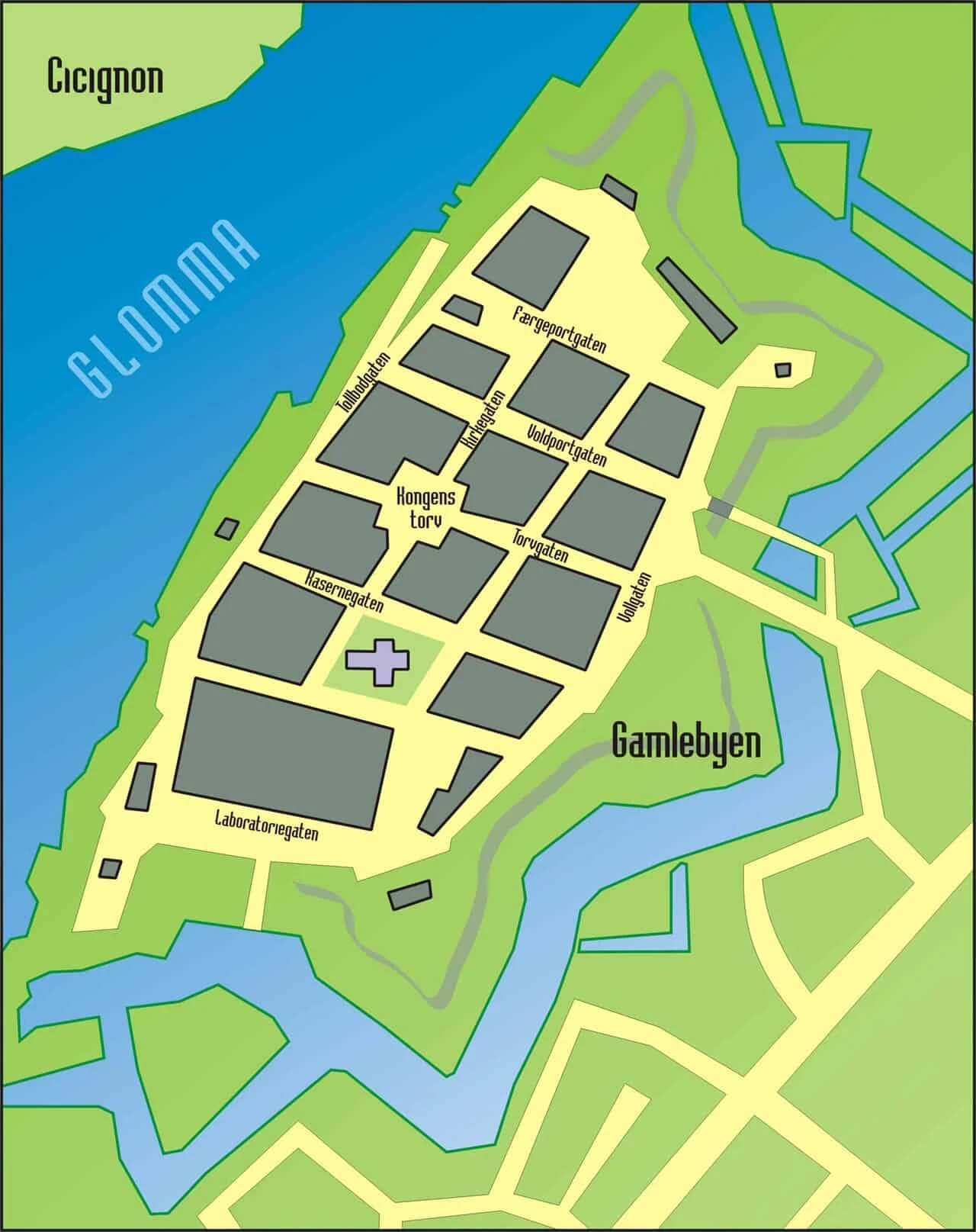
Gamlebyen is the strongest reason to choose Fredrikstad for a short city break. Walk its streets before deciding which shops, galleries or exhibitions to enter. The compact street pattern makes sense on foot, and a slow first circuit gives the buildings and open spaces more meaning than a sequence of hurried photographs.
Allow a generous morning rather than fitting the Old Town into the gap before a train. Choose one place for coffee and leave time for the riverside edge. Its appeal is the complete townscape, including quieter corners, so there is no need to identify a supposedly perfect street in advance.
Remember that this is also a lived-in neighbourhood. Keep clear of private entrances and avoid treating residential courtyards as public attractions. In wet or icy conditions, move carefully on uneven surfaces and shorten the outdoor circuit rather than forcing every lane into the same visit.
2. Follow the ramparts and moat
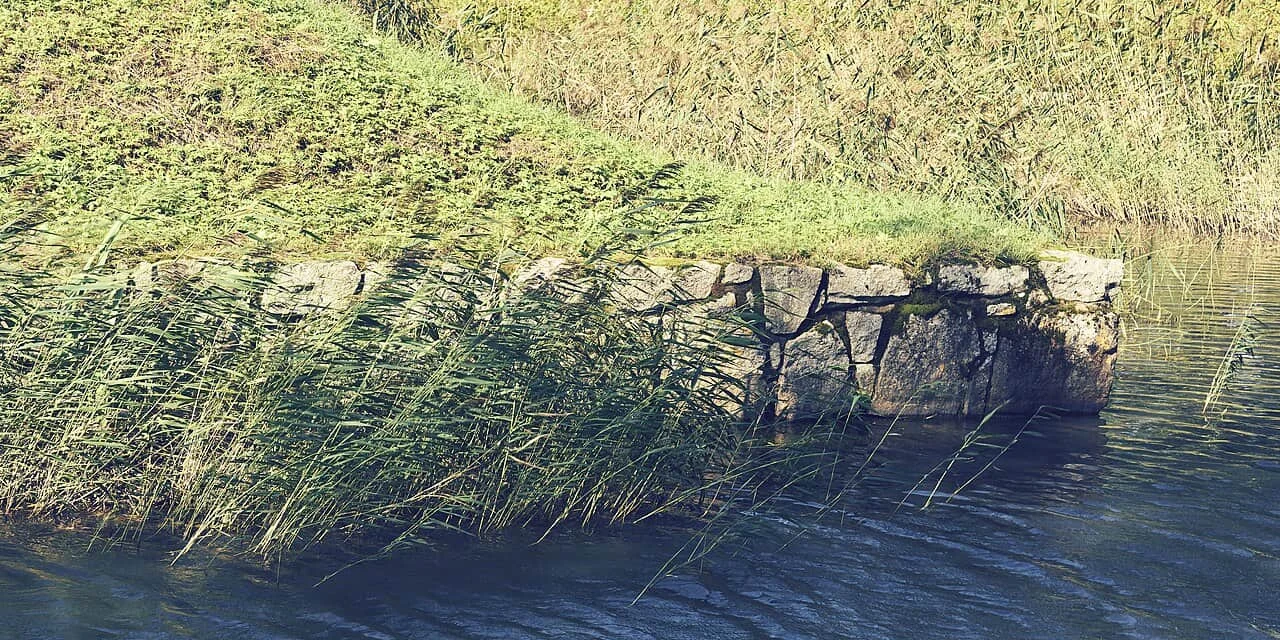
The grassed defences around Gamlebyen reveal the scale of the fortified settlement. Walking the outside edge complements time inside the streets: one shows daily life and the other explains how the town was separated and defended. Look back toward the houses as well as out over the surrounding ground.
Plan this as part of the Old Town visit, but allow it its own time. A short section can be enough if the weather is poor or someone in the group finds uneven paths difficult. There is no requirement to complete a full circuit to understand the layout.
Edges, water and slippery grass deserve attention, particularly with children. Follow the established routes and avoid climbing on vulnerable historic fabric. The changing light can improve the view, but a safe, comfortable daylight walk is more useful than waiting outside in deteriorating conditions for a photograph.
3. Visit Fredrikstad Museum
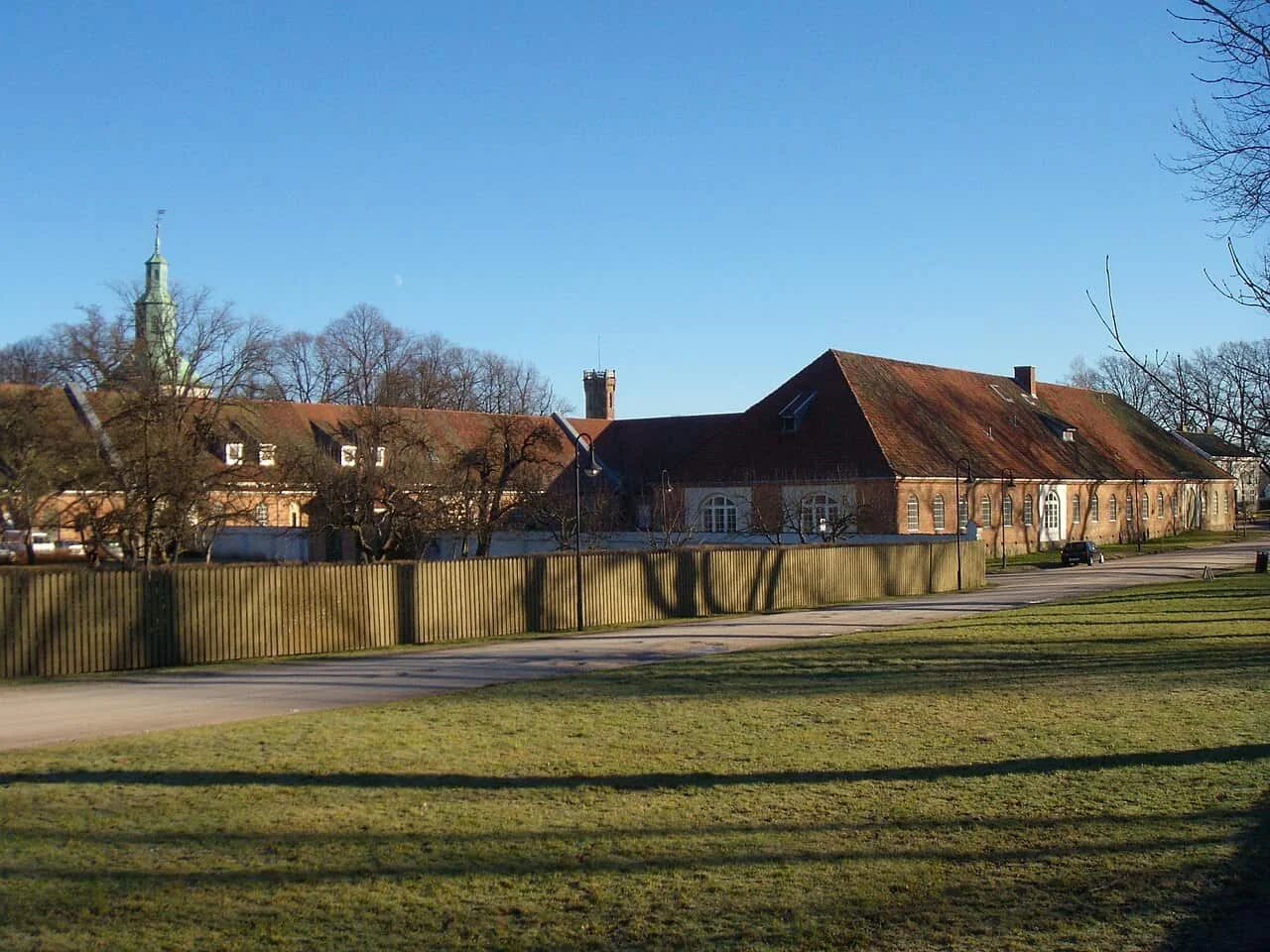
Fredrikstad Museum adds context to a town that can otherwise be reduced to attractive buildings. Use the current exhibitions to investigate how the settlement developed and how people lived and worked here. This is a useful indoor counterweight to a visit dominated by streets, ramparts and river crossings.
Check the museum’s own opening information before making it the fixed point of your morning. Exhibition programmes and access can vary, so allow the rest of the Old Town route to flex around a confirmed visit. A focused museum visit is preferable to trying to read every panel while watching the clock.
Families and mixed-interest groups can choose a few questions to follow, such as why the river mattered or how military and civilian life overlapped. Afterwards, return outside and look again at the townscape. That second look often makes the museum more memorable than simply adding another stop.
4. Take the city ferry on the Glomma
Verified planning detail: The destination's transport guide describes the Cicignon–Gamlebyen city ferry as a free crossing taking a few minutes. Use the current timetable to connect the modern centre with the Old Town. Official visitor information.
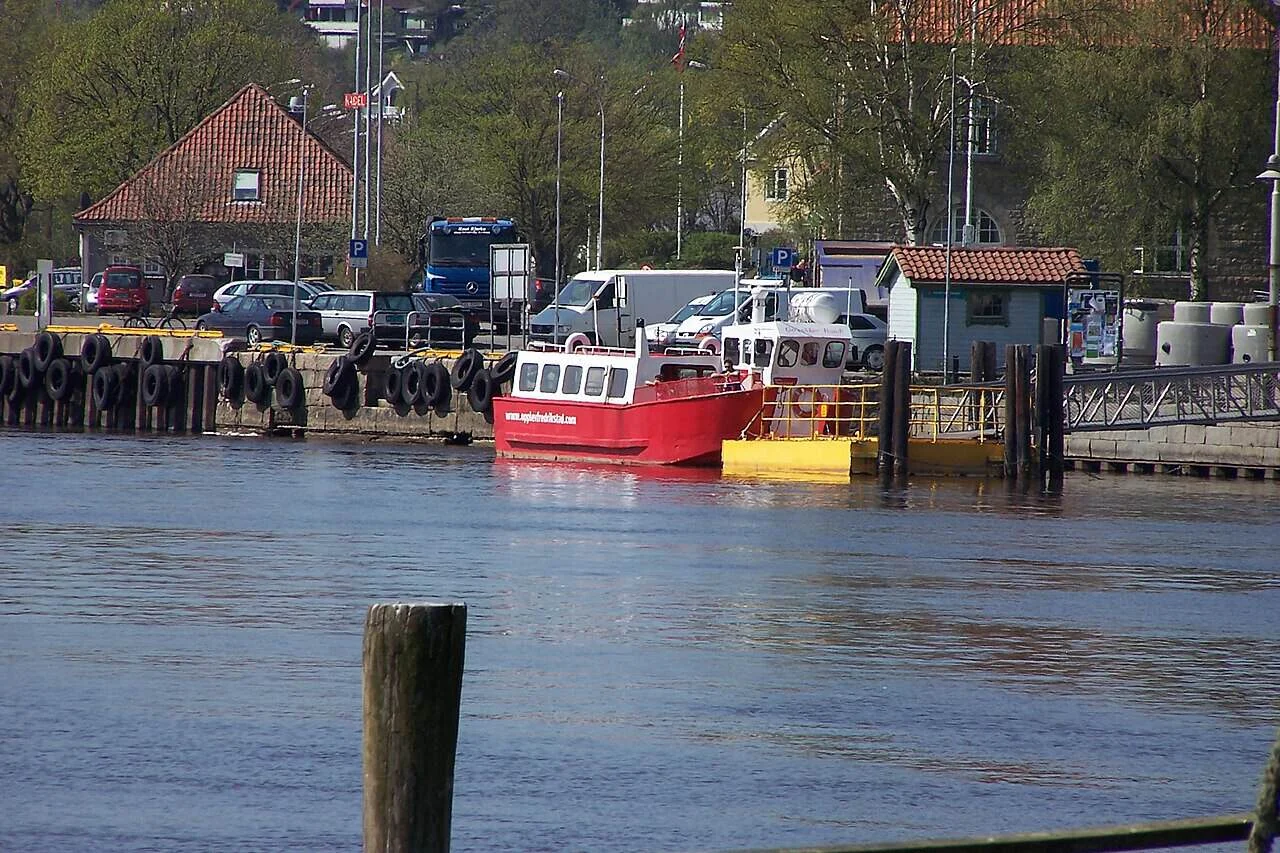
The city ferries are practical transport and an enjoyable way to see Fredrikstad from the water. They link central areas including the Old Town and give a different perspective on the banks. Choose a crossing that advances your route rather than travelling back and forth simply to accumulate ferry rides.
Read the live route and departure information carefully because not every boat serves every stop in the same way. Keep enough time to walk between a landing and your next appointment. At a terminus, follow the operator’s instructions about leaving the boat and joining a new queue.
Avoid using a ferry connection with almost no margin before a train or booked activity. In busy periods, space and queues matter as much as the advertised crossing time. A relaxed outward journey followed by a flexible walk is a better introduction than relying on the last convenient return.
5. Discover Isegran’s maritime setting
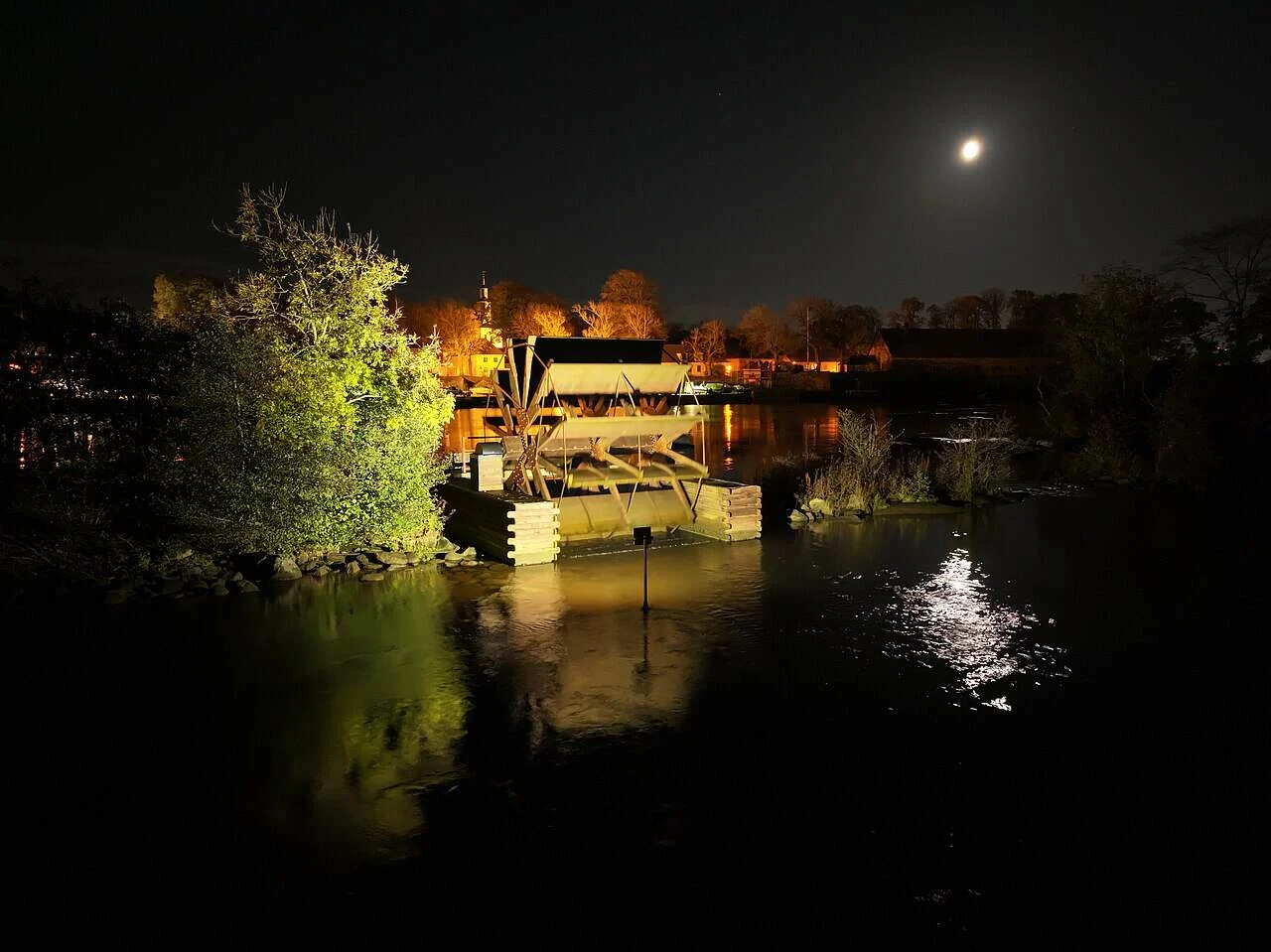
Isegran offers a change of mood from the orderly fortified streets. Its river setting and maritime associations make it a useful place to think about Fredrikstad as a town connected to boats, trade and craft. Walk the public areas and look for interpretation that explains the island’s changing roles.
Boat restoration and working craft spaces should be approached as workplaces. Do not assume that an open door means visitors can enter, and check any organised activity in advance. The island is worthwhile as a waterfront walk even when a particular building or workshop is not accessible.
Combine Isegran with a central river outing rather than automatically grouping it with a distant coastal day. Leave room to stop by the water and compare the scene with Gamlebyen. Public garden areas and outdoor spaces change with the season, so the experience is quieter outside the main growing months.
6. See Kongsten Fort
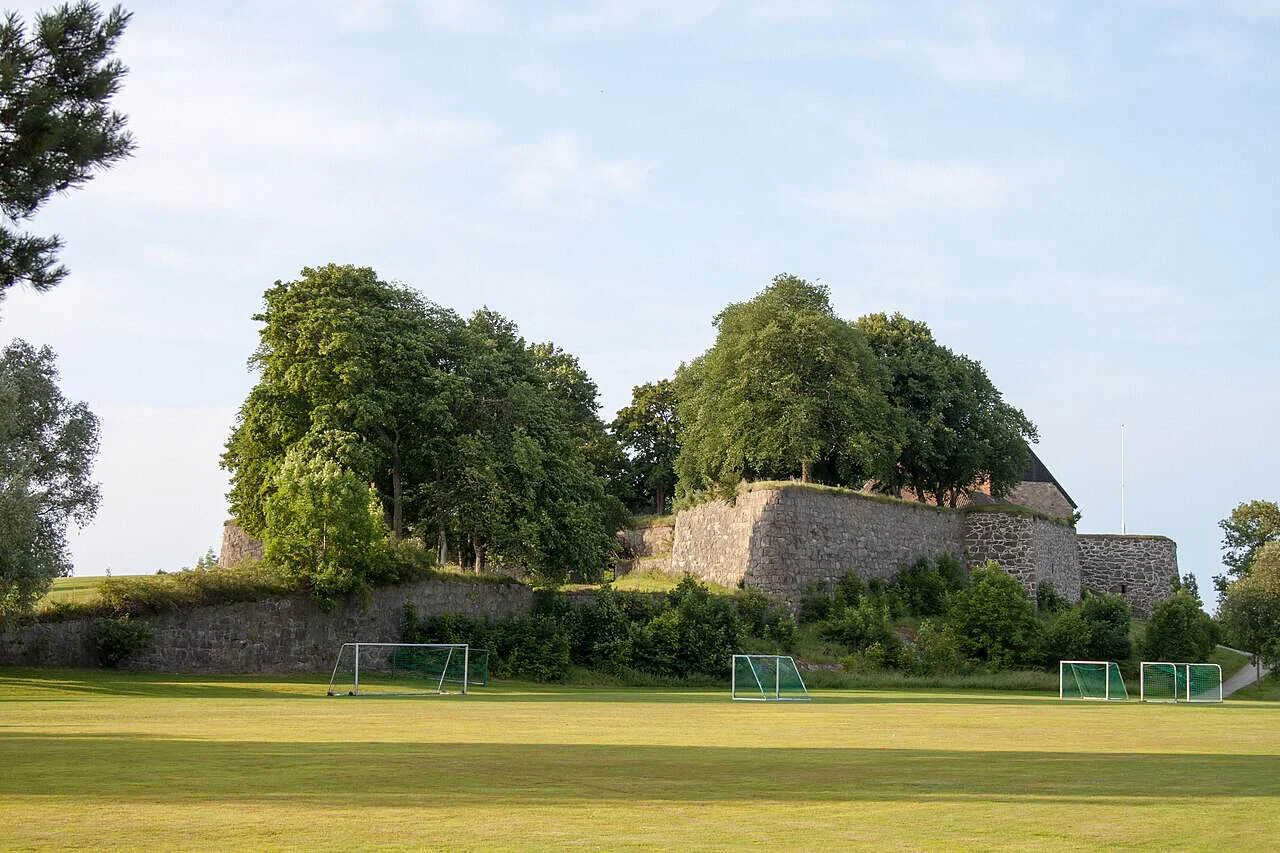
Kongsten Fort provides another layer of Fredrikstad’s defensive landscape beyond Gamlebyen. Its position makes the wider military geography easier to understand, and it suits visitors who enjoy walking between related historic places. Treat it as a separate outing from simply following the Old Town’s nearest ramparts.
Use a current local map to choose the approach and verify access information. A visitor interested mainly in cafés and galleries may reasonably give this a lower priority, while someone drawn to fortifications can allow a longer walk. The best itinerary reflects interest rather than an obligation to see every defence.
Historic stonework, steps and grassy ground can be awkward after rain. Keep to public routes and avoid climbing where access is unclear. Bring a layer even on a pleasant day; an exposed outdoor stop is less enjoyable if it is added after everyone has become cold or tired.
7. Walk Brygga and the modern riverside centre
Book here with Viator → Self-guided riverside audio walk
The contemporary centre balances the historic side of Fredrikstad. Walk along Brygga, look across the water and use the surrounding streets for a meal or a practical shopping stop. Seeing both banks prevents a visit from becoming a museum-like version of a city that still has ordinary daily life.
This is a good place to leave the itinerary less structured. Compare menus before sitting down and choose somewhere that suits the group’s appetite and budget. A waterfront location is pleasant, but it does not guarantee the best meal or the quietest table at a busy time.
Keep an eye on where the ferry landings and station are in relation to your final stop. A riverside evening works particularly well when your accommodation is nearby. If returning to another city, give yourself time for the walk back rather than assuming the centre is a single point.
8. Look for architecture around Fredrikstad Cathedral
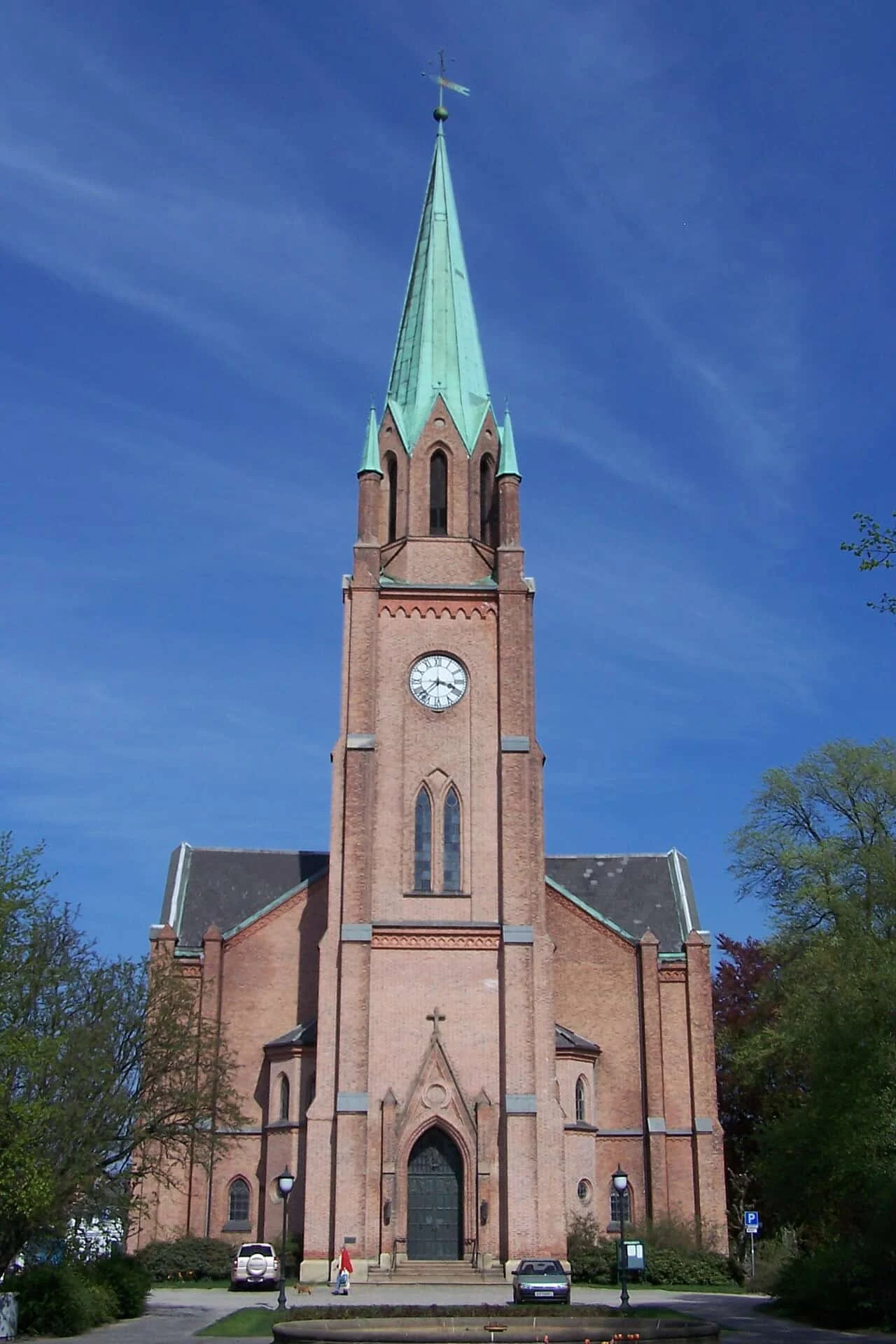
A walk around the cathedral and nearby central streets adds architectural variety to a visit dominated by timber buildings and defences. Start with the exterior and the building’s relationship to the modern centre. An interior visit is an additional possibility, not something to assume is available whenever you arrive.
Check the church’s public access and event information if going inside matters to you. Services, ceremonies and other uses take priority over sightseeing. Keep a visit quiet and brief when appropriate, and follow local instructions about photography rather than treating a church as an unrestricted exhibition space.
Combine this area with Brygga or the route to the station. It is particularly useful for visitors who want a grounded sense of the centre beyond its restaurant strip. There is no need to make a special detour if architecture is not a priority and time is short.
9. Plan a separate Hvaler coastal day
Checked 26 November 2026: Visit Fredrikstad & Hvaler says there is no scheduled ferry directly from Fredrikstad to Hvaler. Travel by bus or road to Skjærhalden on Kirkeøy, then use the local island ferry if needed. Check its advance-booking rules and returns. Current transport guidance.
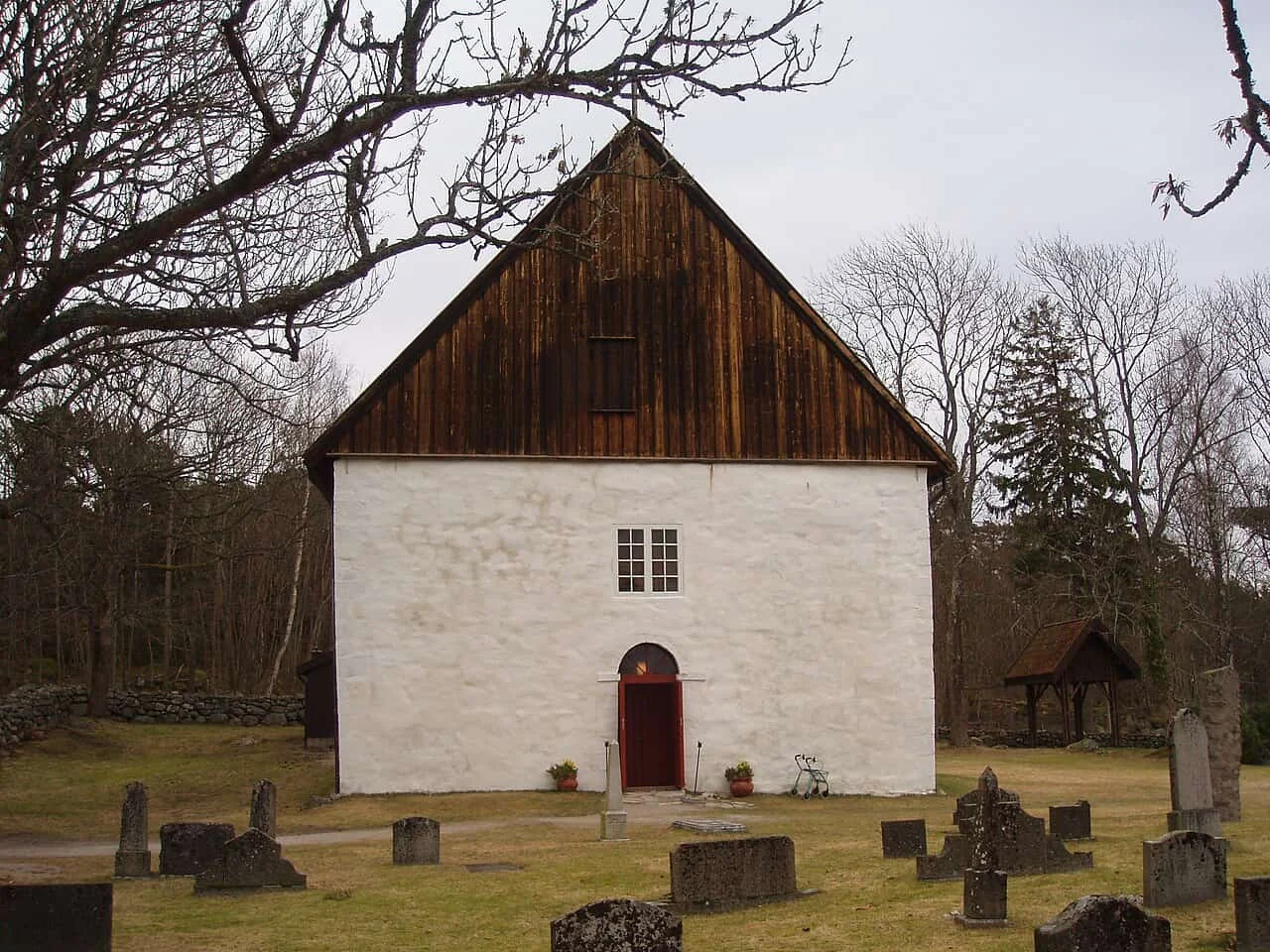
The Hvaler islands offer a different experience from Fredrikstad’s river. Choose a limited coastal objective, such as one accessible village and a manageable shore walk, rather than trying to tour the archipelago in a single afternoon. The point is to spend time by the sea, not maximise island names.
Work backwards from your return transport. Bus routes, boat services and seasonal timetables shape what is realistic without a car, while drivers still need to check parking and onward access. A route that looks short on a map may involve several separate stages and waiting time.
Coastal conditions can be windier and cooler than those in the town. Take suitable footwear and stay back from slippery or wave-washed rock. If weather or transport makes the trip cumbersome, keep the day in Fredrikstad; the islands are an optional extension, not an essential test of a successful visit.
10. Take an outing to Hankø

Hankø is another coastal option, reached by a short ferry crossing from Vikane rather than from the central Old Town. Its island setting suits a day with time for walking and a deliberately slower pace. It should be planned as an alternative to a Hvaler outing, not squeezed into the same day.
First confirm how you will reach the mainland departure point and what ferry service is available for your dates. A short water crossing does not mean a short total journey from your hotel. If using public transport, calculate the whole outward and return chain before committing to the excursion.
Choose the amount of walking around the group’s energy and conditions, and respect private property and operating facilities. Carry food or confirm seasonal catering instead of assuming every island business is open. Keep a buffer before the return ferry so the last part of the outing stays relaxed.
Realistic Fredrikstad itineraries
One day: the two sides of Fredrikstad
Spend the morning in Gamlebyen, combining a street walk with a manageable section of the ramparts. If the museum is open and interests you, use it as the main indoor stop. Cross the river by a suitable city ferry after lunch, then walk Brygga and a few central streets. Add the cathedral exterior if convenient before returning to the station or hotel. This is already a complete first visit; omit Kongsten, Isegran and the outer islands rather than treating a one-day stay as a checklist.
Two days: add maritime and military context
Keep the first day focused on Gamlebyen, the museum and modern centre. Use the second for Isegran and, if you are interested in fortifications, Kongsten Fort. Check the best transport sequence and allow proper walking time between places. Leave the afternoon flexible for galleries, another river crossing or a longer meal. In poor weather, reduce the exposed outdoor sections and revisit an indoor attraction rather than substituting a rushed coastal transfer.
Three days: choose one coastal extension
Use the first two days for Fredrikstad itself, then choose either a Hvaler coastal outing or Hankø. Research the departure point, outward connections and final sensible return before setting off. Pick one walk or village as the day’s focus and leave spare time for weather or waiting. If the forecast is unsuitable, a slower town day remains a good choice. These three days are intended to provide variety, not to promise that every attraction and both island areas can be covered.
Practical travel tips
- Use the river as your planning framework. Mark the Old Town, your accommodation, the railway station and the relevant ferry landings on the same map before deciding the order of the day. This simple step avoids repeatedly crossing the city because two attractions appear adjacent on a list.
- Separate outdoor access from interior access. A museum, church, workshop or historic building may have restricted hours even when surrounding streets and public grounds are accessible. Confirm the specific attraction you want to enter; a general destination page is not an opening guarantee.
- Check transport shortly before travelling. Ferry and bus arrangements can change, and the return leg is as important as the outward journey. Use the official operator information or Entur rather than relying only on an old itinerary or a static screenshot.
- Keep coastal ambitions modest. For a first stay, Hvaler or Hankø offers enough change of scenery on its own. Travelling between several islands and coastal destinations can consume time that would be better spent walking, resting and understanding one place.
- Treat the suggested visit lengths as planning allowances rather than official durations. Interest in military history, museum displays or photography can substantially change how long you want. Leave at least one uncommitted block instead of booking every part of the day.
Frequently asked questions
Is Fredrikstad worth visiting from Oslo?
It is a useful choice for a different kind of city day: fortified streets, river transport and a manageable centre. Check train schedules for your date and resist adding a coastal excursion to an already short visit.
Can I visit without a car?
Yes for the Old Town, central river areas and several main sights. Coastal extensions need more care with bus and ferry connections; select those only after checking a workable return.
Is Gamlebyen the whole city?
No. It is the fortified historic quarter. The modern centre and Brygga across the water are important parts of a balanced first visit, while Isegran adds a maritime perspective.
What can I do in rain?
Check Fredrikstad Museum and current gallery options, then shorten rather than abandon outdoor sections. Wet historic surfaces can be slippery; a slow café break is more sensible than forcing an exposed coastal itinerary.
Can I combine Hvaler and Hankø in one day?
They are best treated as separate alternatives. Transfers and service timetables limit useful time outdoors, especially without a car. Choose one coastal objective and give it enough time.
Are all ferry services interchangeable?
No. Central city ferries and services to coastal islands have different routes, operators or conditions. Verify the exact landing, timetable and return arrangements for each journey instead of applying information from one service to another.
Continue exploring Norway
Continue south to Halden and Fredriksten Fortress if you want a second heritage day in Østfold. Compare train or road connections and reserve time for each town rather than grouping both main attractions into a hurried afternoon.
Sources and current travel checks
Official tourism, museum and operator information informed this guide. Opening calendars, access, fares and transport can change; follow these sources for your travel dates. Suggested visit lengths and itineraries are editorial planning allowances.
Compare another historic town on an Oslofjord trip
If your route continues towards Vestfold, read the Tønsberg travel guide for a different historical setting, including Slottsfjellet. Treat it as a separate overnight or day stop and confirm the actual transport around the Oslofjord rather than assuming a short direct crossing.