Best Time to Visit Norway: Seasons, Regions and Advice
The best time to visit Norway depends on what you want to do and where you want to do it. June to August is a practical starting point for a broad first journey, but it is not the answer to every question. A traveller seeking dark skies in Tromsø needs a different calendar from someone planning a western road trip or a short Oslo museum break. The important decision is matching conditions, daylight and operating services to your actual priorities.
Compare Norway’s four seasons, regional differences and activity windows, then choose a realistic base itinerary rather than relying on a single nationwide best month.
Best time to visit Norway: quick answer
- For a broad first trip: summer gives long daylight and a wide range of services.
- For northern lights: choose dark months in the north; clear skies and aurora activity still matter.
- For midnight sun: visit northern destinations during their local summer sun period.
- For hiking: choose according to the specific trail’s snow and weather conditions.
- For city breaks: year-round, with indoor alternatives and attention to holiday opening.
- Time needed: three days for a base, longer for a regional journey.
- Cost level: high in every season; compare date-specific quotes rather than assuming winter is cheap.
Plan your Norway trip
- Trip costs — Compare three worked budgets in NOK.
- Itineraries — Compare western fjord and Northern Norway routes.
- Transport — Plan train, bus, ferry, flight and car connections.
- Visitor essentials — Check documents, payment, safety and public holidays.
Match the season to the route: six planning choices
NorwayTop10 comparison · Sources reviewed 19 November 2026. This table distinguishes an editorial starting window from an operating guarantee. The right month depends on the actual place and activity; a year-round destination does not make every road, trail or sailing available.
| Trip priority | When to start looking | What can change the plan | Practical response |
|---|---|---|---|
| Oslo museums and a city weekend | Any season, subject to opening dates | Winter has less outdoor daylight; holidays can change hours | Place walks in daylight and use an open museum as the weather alternative |
| Bergen and a Flåm/Nærøyfjord journey | May–September is a starting window for a first, daylight-focused trip; selected services also operate in winter | Winter cruise routing and connections can change; summer can be busy | Reserve dated train, boat and bus connections; keep an overnight buffer where your route needs it |
| Aurlandsfjellet mountain-road drive | Only after the seasonal opening is confirmed | The mountain crossing closes in winter; historical opening dates do not predict your travel day | Check the road authority’s live status. Treat access to Stegastein separately from access across the mountain |
| Tromsø northern lights break | September–March as a broad planning season | Darkness, cloud and aurora activity govern visibility; sightings are never guaranteed | Book an early evening in the stay, retain another evening and plan worthwhile daytime activities |
| Tromsø midnight sun trip | 20 May–22 July, using Visit Norway’s published Tromsø dates | A sun-above-horizon period does not guarantee clear skies or all-night attraction openings | Confirm the tour time and transport home; choose this trip for summer light rather than visible aurora |
| High mountain hiking added to a city or fjord trip | Use the specific trail’s snow, daylight and access information | A mild lowland day does not establish that a mountain route is open or snow-free | Choose a lower-level alternative and follow route-specific advice before committing |
Road example: Norwegian Scenic Routes distinguishes the winter-closed Aurlandsfjellet crossing from the road between Aurlandsvangen and Stegastein, which it lists as open year-round. Temporary closures remain possible. Do not infer that the entire mountain road is open because a viewpoint excursion is being sold.
Light example: Visit Norway’s midnight-sun table lists Tromsø as 20 May–22 July. Its Tromsø planning guide describes September–March as the northern-lights travel season. Those are different trip aims. Exact daylight, cloud, viewing location and tour operation still need checking for your dates.
Fjord example: Norway’s Best lists the Nærøyfjord cruise year-round but warns that winter conditions can change the sailing route. Read our Oslo–Bergen route comparison before fitting it between rail legs. Then adjust nights and food in the worked budget tool.
The city and hiking rows are editorial planning guidance, not date-specific opening or safety advice. Confirm attraction hours, trail conditions, transport and road status with their official sources before booking and before travel.
Choose a season by your main experience
Start with a priority that is concrete enough to test: a particular walk, a fjord journey, winter dog sledding or an art-focused city break. Then check whether it operates and whether you have the experience it needs. A product being advertised on a website does not establish that it runs every month. Read the dates, departure point, required conditions and cancellation arrangements before booking transport.
Give equal weight to daylight and access. Long summer evenings make a driving itinerary more forgiving, but do not justify driving tired. Winter light can be rewarding, yet the usable daylight for an exposed walk or unfamiliar road may be short. The calendar also affects meal options, public transport and small attraction opening in seasonal villages, not only the colour of the landscape.
The labels spring, summer, autumn and winter are broad organising tools. Snow can remain high above a green fjord village, and a coastal city may be rainy while an inland area is wintry. Treat the guide below as a framework for choosing dates. Check actual route and weather conditions closer to departure instead of expecting a season to behave identically across the country.
Spring in Norway: cities, waterfalls and uneven transitions
Spring is useful for travellers who enjoy a visible transition rather than expecting settled summer conditions. City walks become easier as daylight lengthens, while western landscapes may combine greenery at low elevations with snow above. Waterfalls can be an appealing priority, but the flow varies with snowmelt, rainfall and local conditions; a dramatic photograph does not establish what you will see on a specific day.
Choose a city or fjord-side base with enough open services and an indoor alternative. Bergen works for a visit combining heritage, museums and an appropriate boat trip. Oslo offers a strong cultural itinerary without depending on a mountain road opening. In smaller places, check attraction and restaurant opening directly before assuming spring shoulder season means that everything is available with fewer people.
Higher hiking routes may remain unsuitable long after mild weather reaches town. Do not infer safe access from the temperature outside your hotel. Snow, wet ground, steep slopes and river crossings can change a walk substantially. Use a lower, shorter route or a qualified guide where appropriate. If an essential activity requires dry, snow-free mountain terrain, choose its proven operating period instead of gambling on an early date.
Spring planning decisions
Book a route with flexible outdoor choices, verify public-holiday schedules and keep at least one uncommitted afternoon. A scenic road can open later than expected, while construction or weather can affect a service advertised months before. Prefer accommodation that makes your alternative day convenient. Saving a small amount on an isolated room is less helpful if poor weather leaves you driving a long distance to any open activity.
Summer in Norway: broad access and busy travel periods
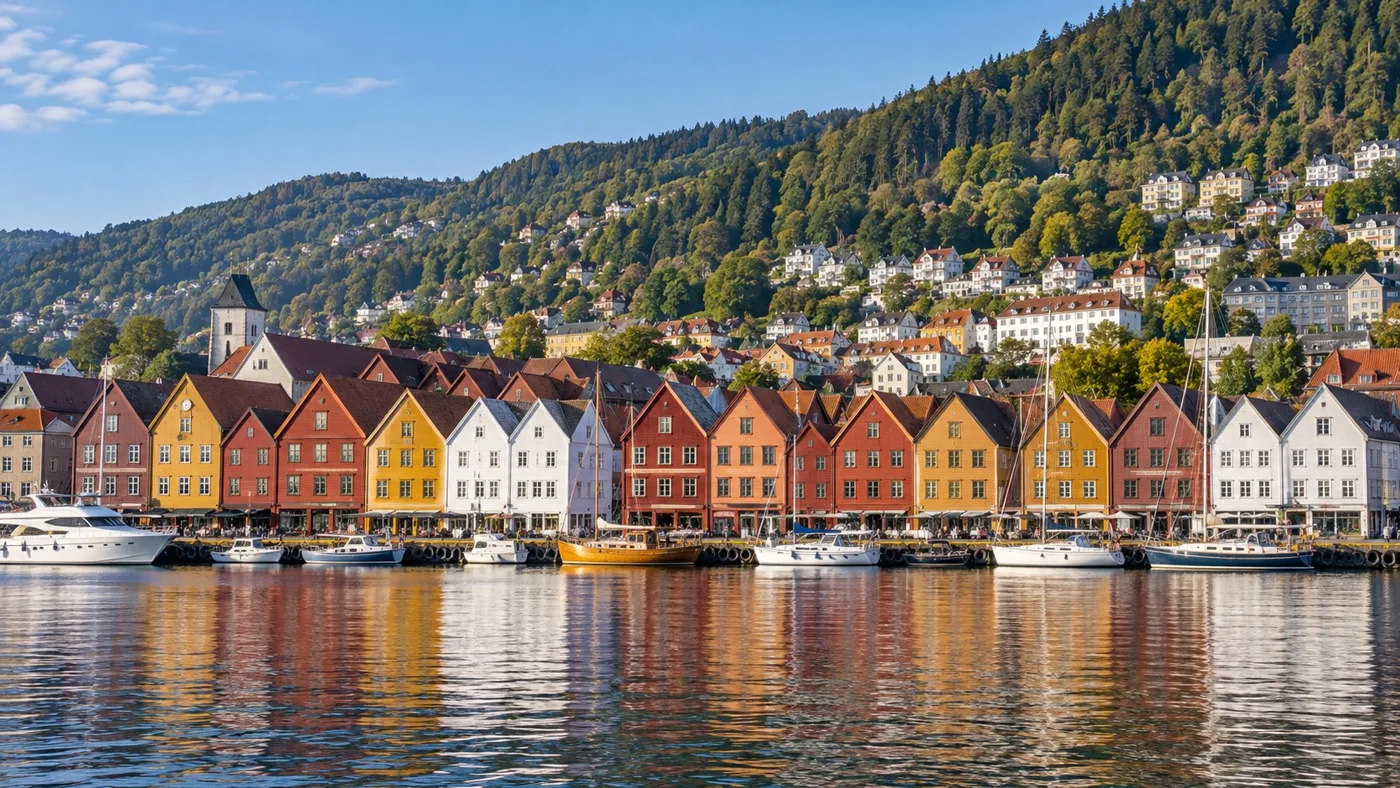
Summer is the easiest starting point for many first-time visitors because long daylight supports a mixture of cities, coast and outdoor time. It also brings pressure on popular accommodation, rental cars, ferries and small-group activities. The practical advantage is a wider choice of experiences, not a guarantee of empty roads, warm sea water or cloud-free mountain views.
Use the light to slow down rather than to double the itinerary. A late waterfront walk can be enjoyable without another long drive after dinner. At busy viewpoints and village car parks, an earlier or later visit may improve the experience, but respect residents and quiet hours. Cruise arrivals can concentrate crowds at particular times, so give a compact attraction enough time or select an alternative stop first.
Hiking possibilities generally expand as snow retreats, yet each route has its own conditions. High ground, steep shaded sections and poor visibility require particular care. Carry suitable layers, waterproof protection and food even on a bright morning. If a guide or local authority advises against a route, a long summer day does not remove the problem. Leave space to exchange the hike for a safer low-level walk.
Midnight sun is a regional experience
To experience the sun remaining above the horizon, choose a northern location and its specific local dates. The whole country has long summer evenings, but Oslo does not offer the same phenomenon as Arctic destinations. Cloud can obscure the sun, so book for the region’s wider appeal rather than a guaranteed photograph. Blackout curtains or an eye mask can help protect sleep during bright nights.
For an island journey, our Lofoten guide explains the relationship between arrival points, villages and beaches. Summer makes a wider route possible, but it does not eliminate narrow roads, parking limits or ferry connections. Book essential lodging before building a complex sequence of overnight moves around it.
Autumn in Norway: flexibility matters more
Autumn can suit travellers who value changing colours, city culture and a less hurried itinerary. It is a transition, not a single stable season. Early autumn conditions and late autumn darkness can create very different trips. Decide which part of autumn you mean before comparing offers, especially if your plan includes outdoor activities in northern or higher areas.
As daylight shortens, put walks and scenic driving into the brighter part of the day and save indoor visits or meals for later. A museum closing early may still need a morning slot, so check actual hours. Seasonal boat routes, visitor centres and small restaurants can reduce operations. A quieter village is enjoyable when quiet is your aim, but difficult when you expected a full menu of spontaneous activities.
Rain, wind, early snow and wet trails can affect plans. A summer route description should not be reused uncritically for an autumn hike. Choose footwear for traction and allow time to return before darkness, including delays. A shorter walk with a safe turnaround point is often more rewarding than reaching the start of an ambitious route after a long drive and finding it unsuitable.
Autumn aurora choices
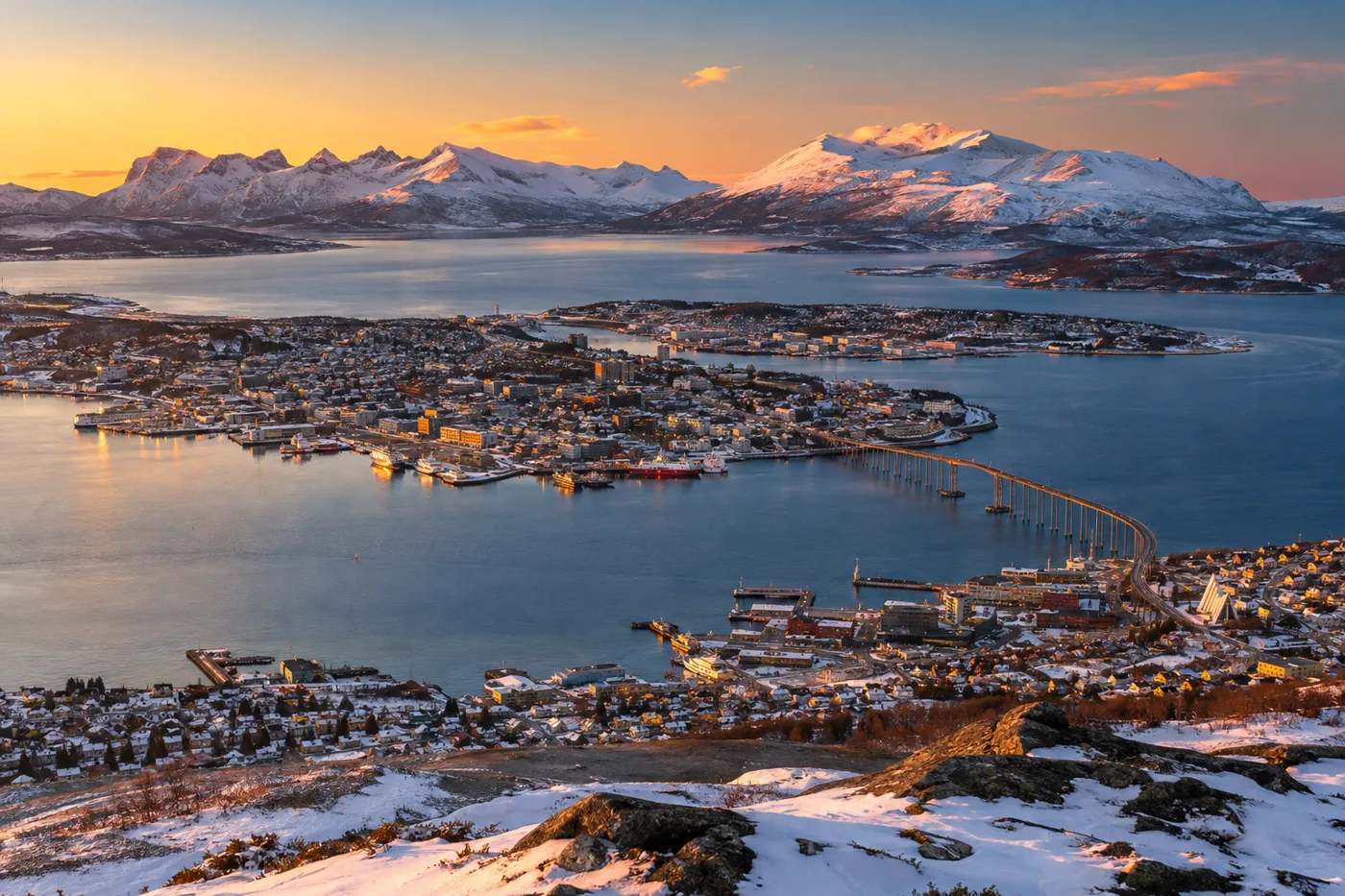
Darkening northern evenings can make aurora viewing possible while snow-based activities may still be unavailable. Do not buy a combined mental picture of autumn colours, deep snow sledding and guaranteed northern lights. Visit Tromsø lists its aurora season from September to early April, but cloud and activity remain decisive. Choose daytime interests you would still enjoy if the sky does not clear.
Winter in Norway: choose a winter holiday on purpose
Winter works best when you want winter experiences and are comfortable adapting to the conditions. It should not be treated simply as a discounted summer road trip. Darkness, snow, ice, wind and seasonal road closures can fundamentally change a route. Accommodation and specialist tours in popular northern destinations can remain expensive, so compare actual quotes instead of assuming off-season savings.
For aurora-focused travel, allow several nights in a suitable northern base and book a responsible excursion early in the stay. A guide can help find a route and explain the forecast but cannot guarantee a display. Ask about clothing, toilets, travel distance and cancellation terms. Protect sleep after a late return rather than combining every night tour with a demanding early start.
Snow-based activities require suitable snow at the operating location. Coastal rain or a warm spell may affect them differently from inland trips. Check whether you ride or drive a dog sled and whether the physical requirements suit your group. A summer summit trail is not automatically a winter walking route; steep snowy terrain can require expertise beyond ordinary hiking fitness.
Winter driving and city alternatives
Use buses, trains and guided transfers when they suit the journey, particularly if you have little winter-driving experience. A car can provide flexibility but also creates responsibility for changing road conditions and limited visibility. Keep the final day before a flight conservative. If a storm disrupts a remote drive, a non-refundable hotel reservation is not a reason to continue unsafely.
Southern and western city breaks remain useful winter choices without an aurora focus. Choose Oslo for museums and a manageable city itinerary, or use Bergen’s attractions to balance short outdoor sections with indoor visits. Check holiday closures and avoid promising that a particular waterfront will be snow-covered.
Regional differences that change the answer
Oslo, southern Norway and inland areas
A city itinerary can work through the year because its main value is not tied to one natural phenomenon. Summer allows longer outdoor sections, while winter makes indoor planning and pavement conditions more important. Inland winter conditions differ from coastal ones. If you combine a city with a mountain resort, check the transport and activity arrangements for both rather than using the city forecast for the whole trip.
Bergen and the western fjords
Rain and rapidly changing visibility belong in your planning in every season. Build an attractive museum day as well as an outdoor day. A fjord boat may still offer a worthwhile experience in ordinary rain, while strong wind or low visibility can change or cancel the route. Check the operator’s own decision; a forecast icon alone does not establish whether your product will sail.
Tromsø, Lofoten and northern mainland Norway
First choose between dark-season and bright-season priorities. Then consider how much driving or guided travel is involved. The same coastal landscape can support a summer walk, an autumn photography visit or a winter excursion with different equipment and risk decisions. Our Tromsø guide separates reliable city options from seasonal tours so weather does not determine the whole value of a short stay.
Svalbard needs a separate plan
Svalbard is not simply an additional northern stop on a mainland road trip. Its access, safety, regulations and activity seasons require separate attention. Summer boat journeys, late-winter snow activities and dark-season stays are distinct products. Use official local guidance and qualified operators rather than applying mainland hiking assumptions. Do not plan independent wilderness travel as a casual extension of a town walk.
Realistic one-, two- and three-day seasonal itineraries
One day in a city: Oslo throughout the year
09:00–12:00: choose one major museum or cultural visit, checking its opening before fixing the time. After lunch, use 13:00–17:00 for a waterfront and neighbourhood walk in suitable conditions, or a second indoor visit. Eat near your accommodation rather than adding an intercity transfer. In winter, move the outdoor section into the brighter hours; in summer, use a long evening for a relaxed stroll instead of another timed attraction.
Two days in Bergen: flexible spring, summer or autumn
Day one starts with Bryggen and the harbour, then uses the best visibility window for an appropriate viewpoint. Museums provide the alternative if cloud or wind makes the ascent poor value. Day two is reserved for one verified fjord excursion or a slower city day, according to your interests and conditions. Keep the evening free after a long boat trip. In the quieter seasons, check that the specific product operates rather than substituting a summer timetable.
Three days in Tromsø: dark-season city and excursions
Day one introduces polar history and the city, with a guided aurora outing that evening if booked. Day two centres on one suitable seasonal activity, leaving rest time after a late night. Day three provides a second weather window or an indoor museum and a short local shore visit. Put Fjellheisen into whichever clear period suits opening and wind conditions. Snow-based activities are conditional, and no day should depend on a wildlife sighting.
For a bright-season version, replace aurora evenings with waterfront time and choose summer activities actually operating on your dates. A botanical garden or guided coastal outing may fit; a winter sledding picture does not establish summer availability. Keep the same base so the weather flexibility is usable rather than lost to repeated airport and hotel transfers.
Booking and packing decisions by season
Book essential transport and limited-capacity experiences once the season and route are clear. Compare cancellation terms, particularly for weather-sensitive excursions. A tour cancellation may not reimburse separately reserved accommodation or a connecting flight. Keep the last remote activity away from an important departure, and consider insurance covering the actual activities and possible disruption.
Pack layers rather than a single assumed temperature. Waterproof outerwear, useful footwear and a way to keep essentials dry matter in coastal summer as well as winter. Add insulation appropriate to the destination and exposure; standing still during an aurora outing feels different from walking to lunch. Ask what operators provide before buying specialist clothing you may not need elsewhere.
Check Yr for local forecasts and Varsom for relevant hazard information. Use Statens vegvesen for road information and Entur for transport planning. These are planning tools, not guarantees that a particular outdoor route or connection is suitable.
Best time to visit Norway FAQ
Which month is best for a first visit?
There is no universal best month, but summer is a practical starting point for cities, fjords and a wider range of outdoor services. Choose a narrower activity window if hiking, aurora or snow sports are essential.
Can I see northern lights in summer?
Bright summer nights prevent normal aurora viewing in northern Norway. Choose dark months and allow several nights, while accepting that cloud and auroral activity can still prevent a sighting.
Is spring too early for hiking?
Not for every walk, but many higher routes can retain winter conditions. Choose a route based on current snow, terrain and weather, not a mild temperature in town. Low-level alternatives are valuable.
Is winter cheaper?
Not reliably. Popular northern winter accommodation and guided activities can be costly. Compare the complete dated itinerary, including transport and clothing requirements, rather than assuming an off-season discount.
Do fjord trips operate all year?
Some products operate beyond summer, while others are seasonal. Verify the exact route, date, meeting point and weather policy with the operator. A year-round destination does not mean every boat product runs daily.
How many days should I allow for uncertain weather?
A three-day base visit provides more options than a single overnight, but no stay guarantees a particular condition. If an outdoor experience is the main reason to travel, allow additional nights and keep the order of activities flexible.
Choose the conditions you actually want
The best time to visit Norway is the period that supports your main experience without forcing the rest of the trip. Choose a region, check its specific activity windows and retain a useful alternative day. Long daylight, dark skies, snow and quieter streets are different advantages; a strong itinerary chooses between them honestly.
Sources and review notes
Editorial selection by NorwayTop10. Planning sources reviewed 21 October 2026: Visit Norway seasons and climate, Visit Tromsø seasonal guidance, Visit Svalbard, Varsom, Entur and Statens vegvesen. Recheck current prices, opening, transport, road conditions and operator activity dates before travel. Seasonal descriptions are planning guidance, not forecasts or promised operating schedules.
Oslo
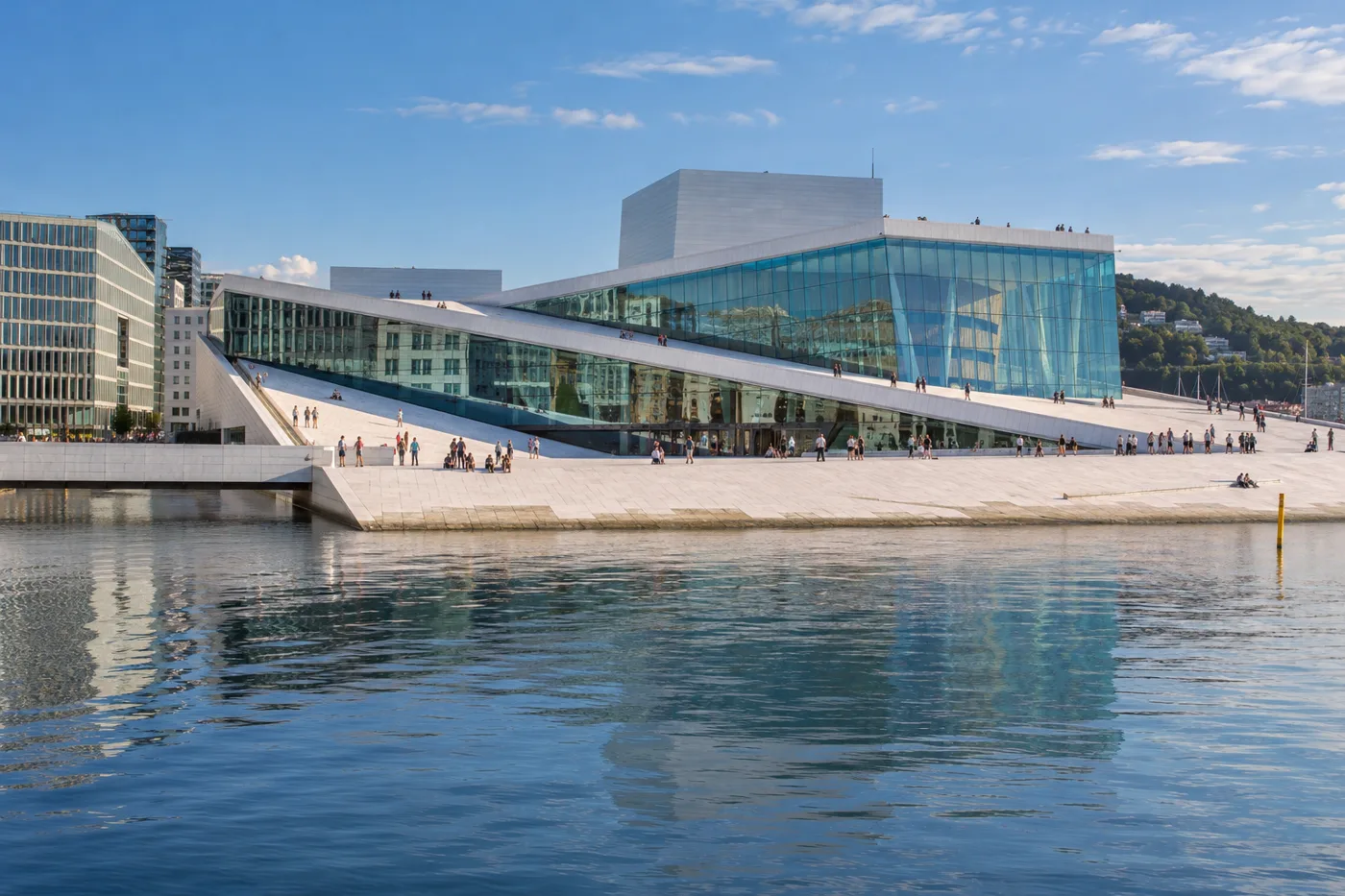
The best things to do in Oslo combine a walkable waterfront, major museums and easy access to parks and islands.
Bergen
Historic harbour walks, city mountains, fjord excursions and realistic itineraries for a first visit to Bergen.
Tromsø
Plan an Arctic city break with clear priorities, realistic day trips and seasonal advice.
Trondheim
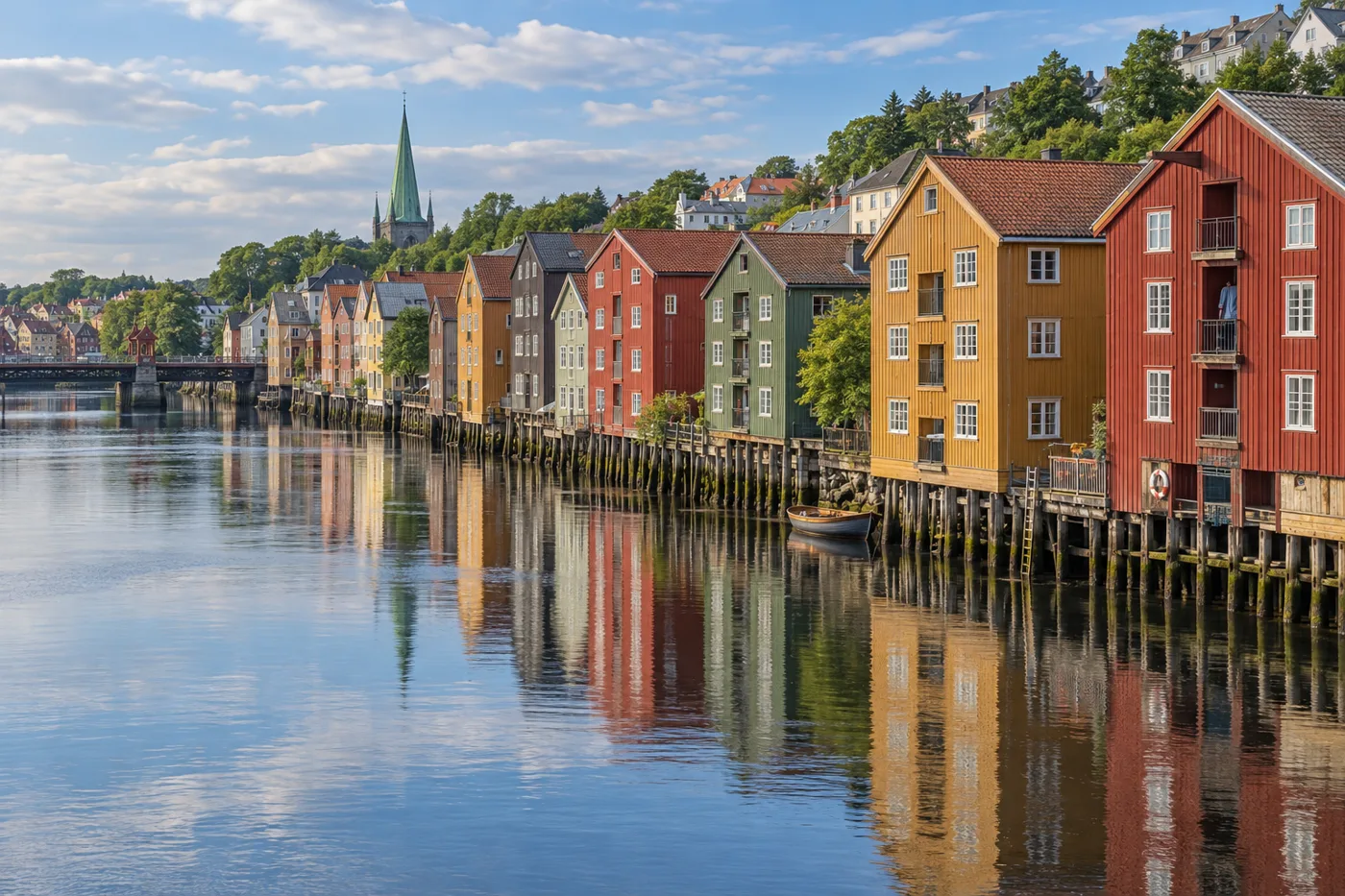
The best things to do in Trondheim connect Nidaros Cathedral with timber neighbourhoods, riverside walks and museums.
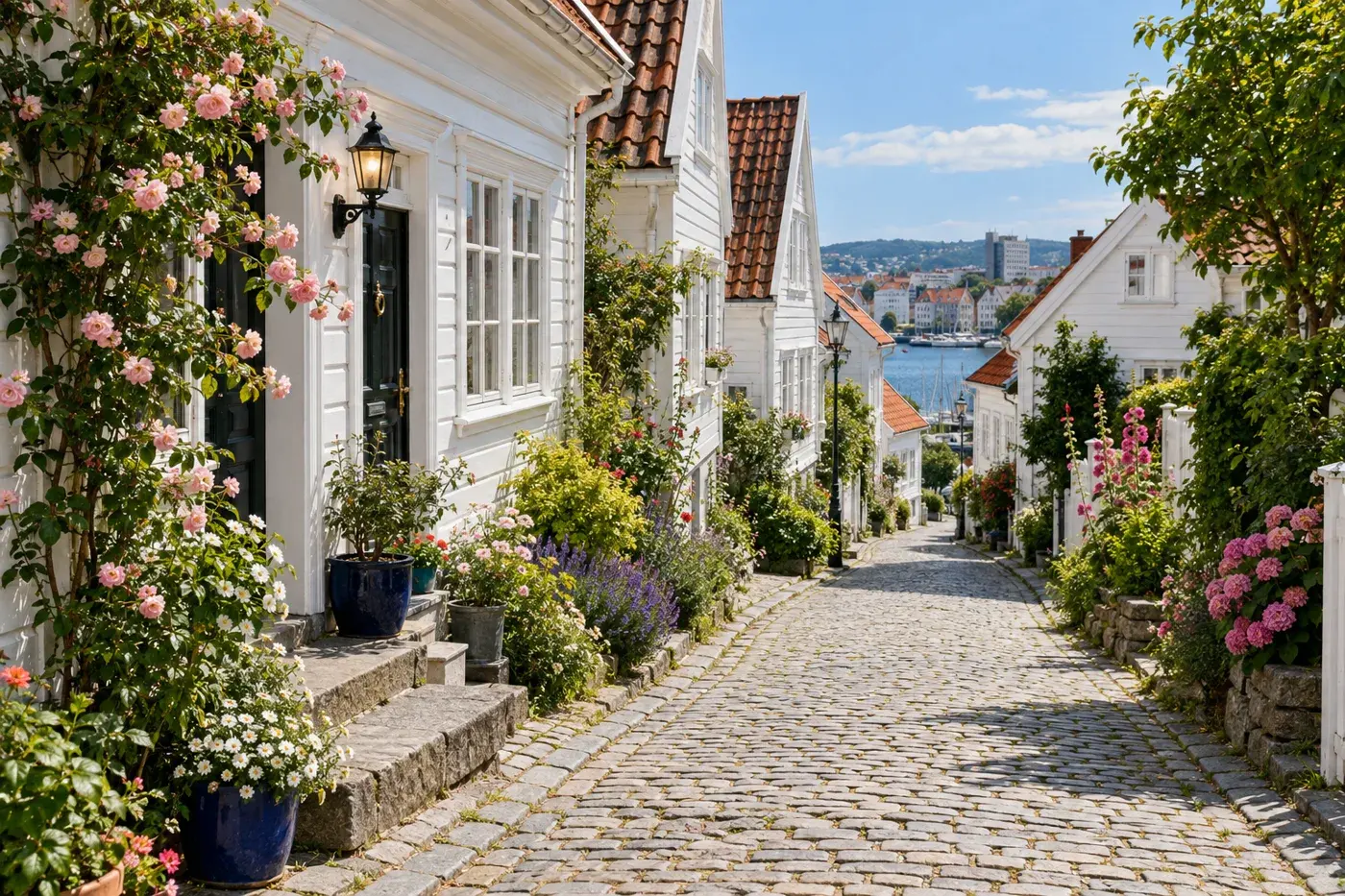
Stavanger
The best things to do in Stavanger combine a compact historic city with Lysefjord, coastal landscapes and properly planned outdoor excursions.
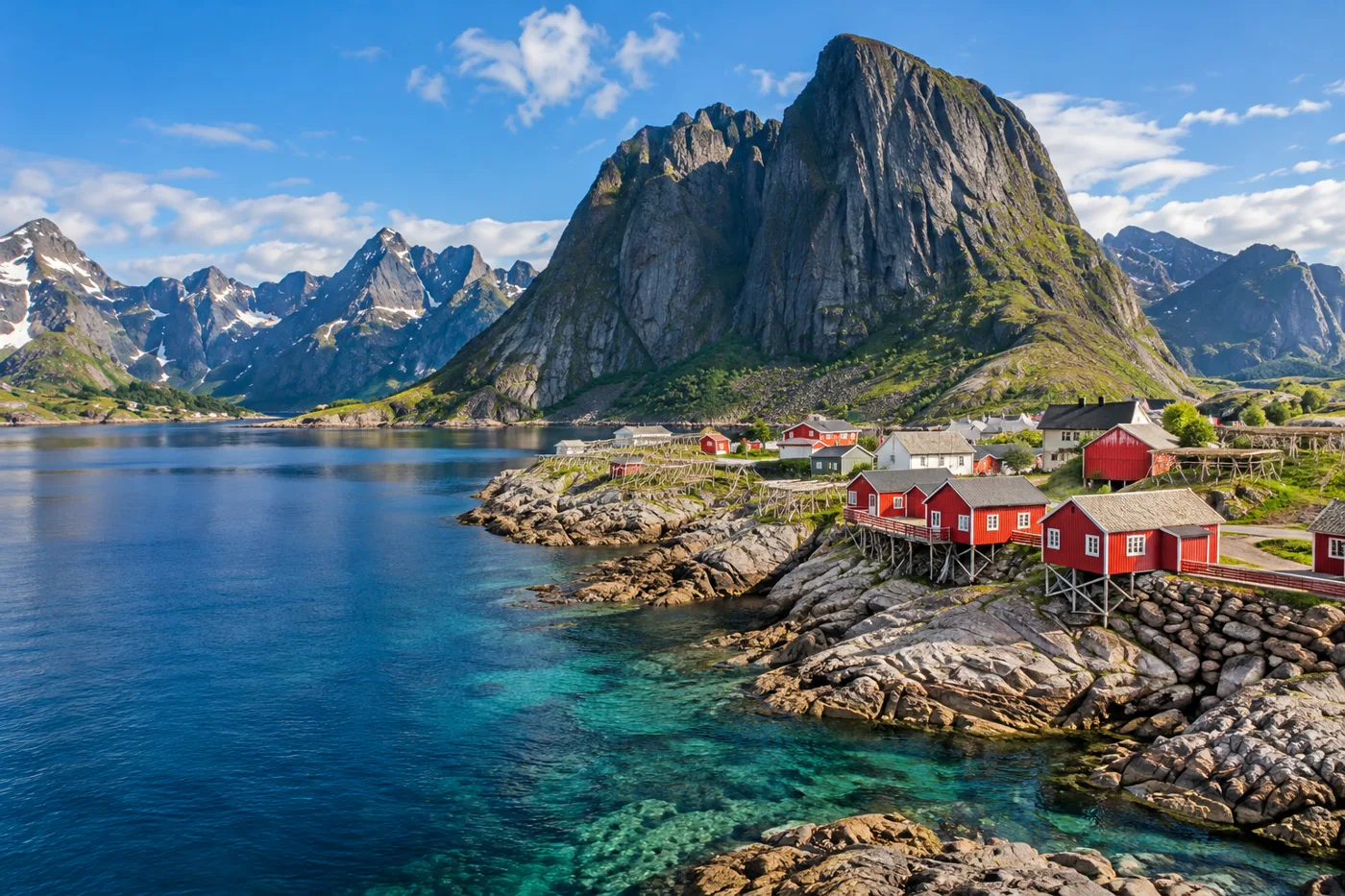
Lofoten
Plan Lofoten around fishing villages, accessible beaches and realistic road-trip distances.
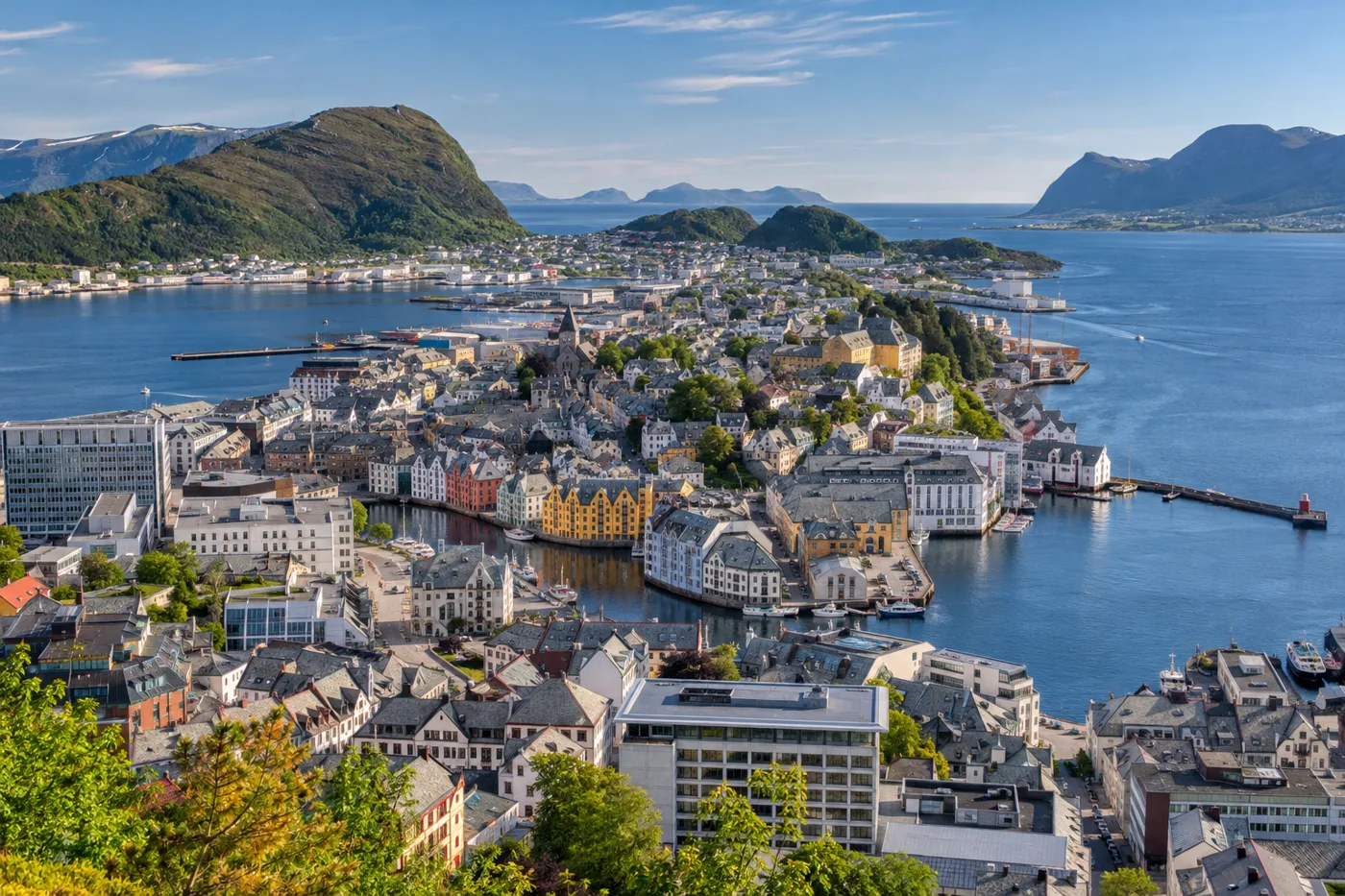
Ålesund
Plan Ålesund with architecture, Aksla, coastal walks, museums and realistic island excursions.
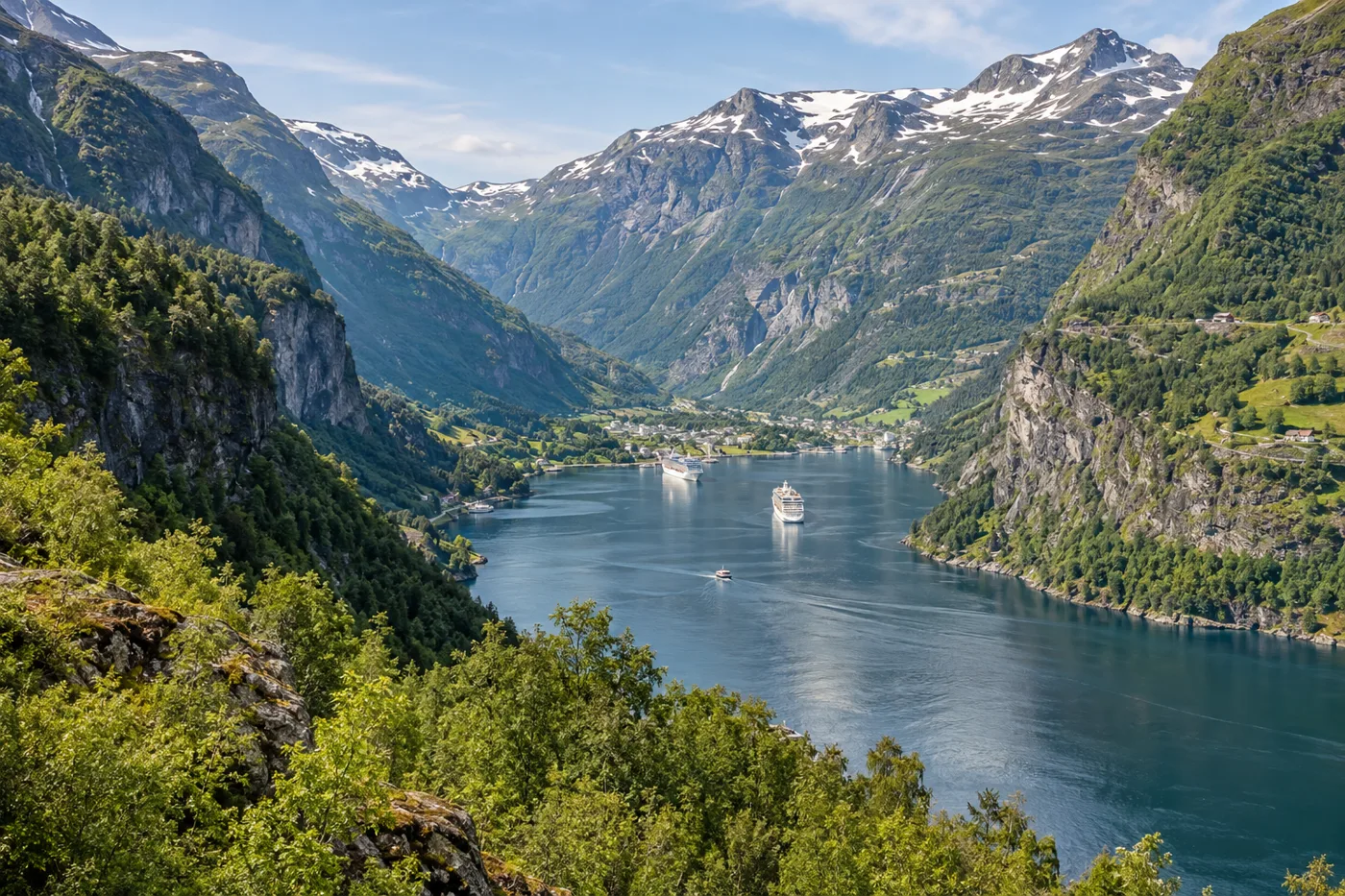
Geirangerfjord
Plan Geirangerfjord with cruises, viewpoints, waterfall walks and safe seasonal logistics.
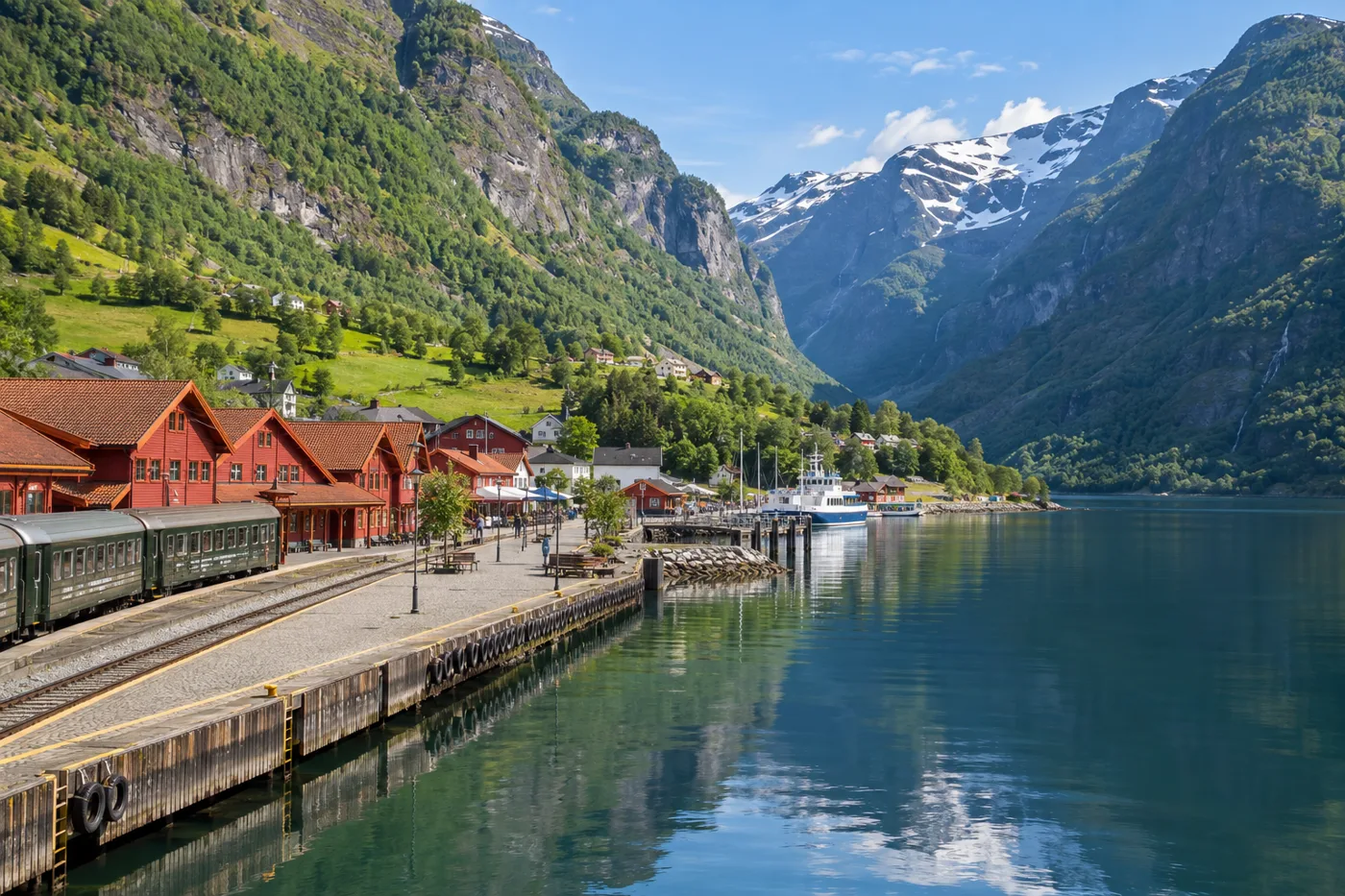
Flåm
Plan Flåm with scenic trains, Nærøyfjord, viewpoints and realistic car-free routes.
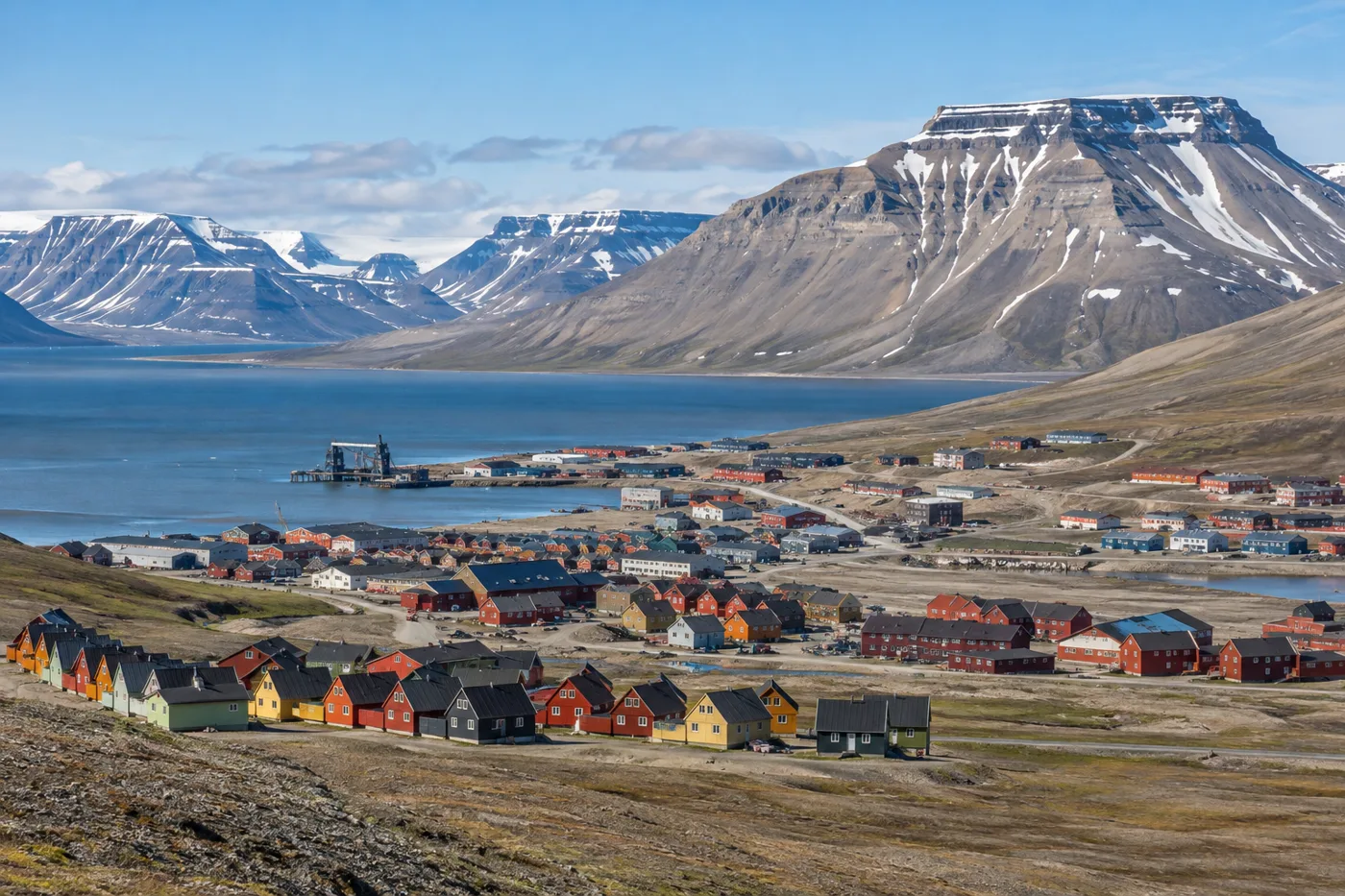
Svalbard
Plan a Longyearbyen-based Arctic visit with guided activities, museums and essential safety advice.
Use seasons to choose cultural experiences as well as scenery
Read facts about Norwegian customs and Norway’s cultural and historical fun facts for context when planning a visit around holidays, traditions or food. The visitor essentials guide explains the practical implications of calendar dates and travel arrangements.