Scenic Road Trips in Norway: 10 Stops Worth the Drive
Scenic road trips in Norway work best when the route fits the daylight, ferry times and the places you want to stop. Compare Hardanger, Aurlandsfjellet, Lofoten and the Atlantic Road.
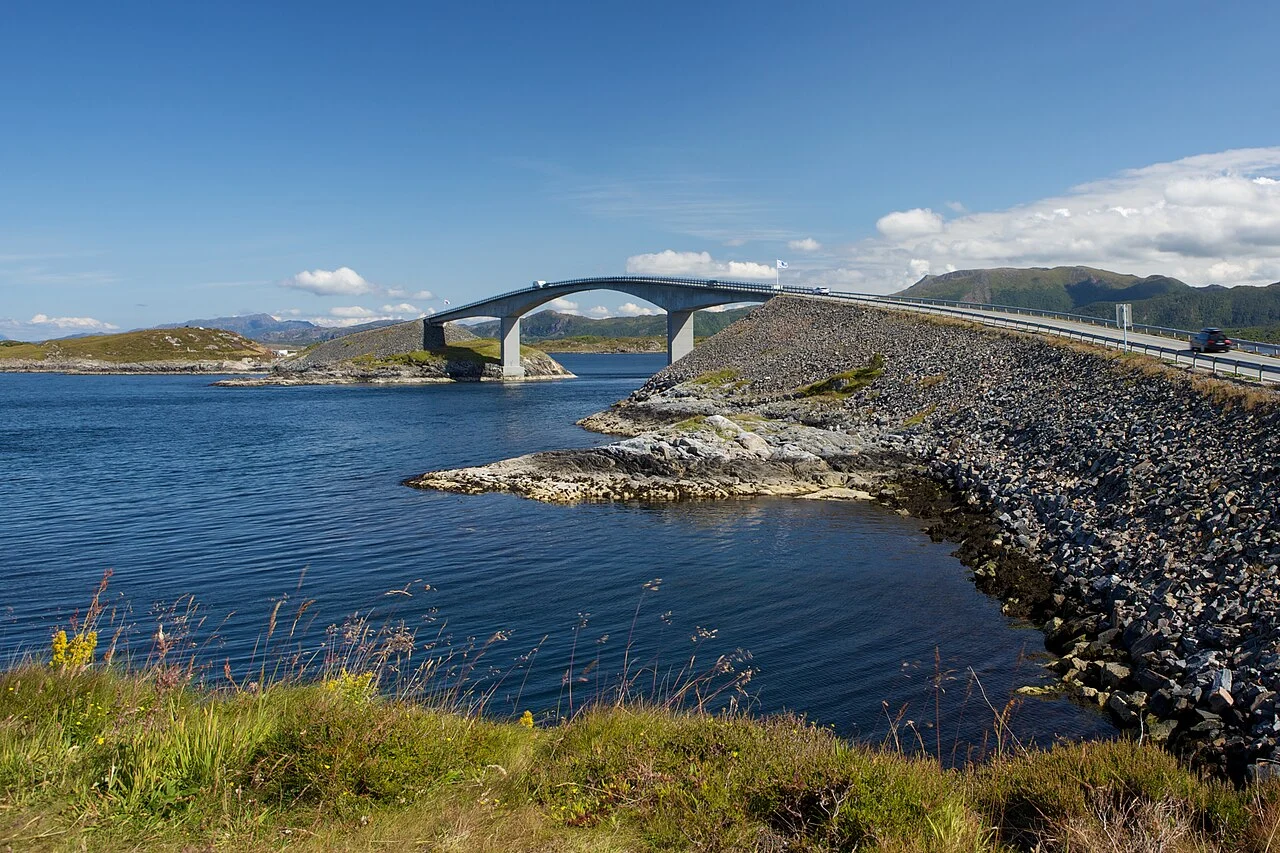
Scenic road trips in Norway at a glance
- Worth it? Yes if you have time to stop and adjust the route.
- Time? One day for a local section or two to three for a short regional trip.
- Season? Check the specific roads and daylight.
- Cost? Price rental, ferry, toll, fuel or charging and parking.
- Transport? Match the car and confirmed crossings to the route.
- Priorities. Choose one region, check closures and build in stopping time.
Choose one region for a short road trip
Scenic road trips in Norway are easiest to plan around a region and a realistic end point for each day. A map can show a short distance across a fjord while the road route goes around it or depends on a ferry. Mountain roads can also have seasonal closures. Start by deciding where you want to spend the night, then check the route you can actually drive. Give yourself time to stop, walk and eat. The views are much easier to enjoy when you are not watching the clock for the next connection.
Hardanger is a useful first road trip from Bergen because you can choose a short section and stay close to a fjord village. Lofoten is a separate northern trip with a chain of islands and a main road that connects many of the places visitors want to see. The Atlantic Road is a shorter driving experience that can fit a stay around Molde or Kristiansund. Choose according to your starting point and the number of nights you have. A three-day stay works best when you have time to spend outside the vehicle as well as moving between places.
Check the last leg of the day before adding a detour. If your accommodation needs an evening ferry, set your driving day around the crossing and work backwards. If the route ends at a small village, check meal and shop hours. A short final walk at a viewpoint is easier to move than dinner or lodging across the fjord. Make one stop the priority and treat anything else as optional when the day is running late.
Hardanger from Bergen or a fjord base
The Norwegian Scenic Routes authority describes Hardanger as four sections, including Granvin to Steinsdalsfossen, Norheimsund to Tørvikbygd, Jondal to Utne, and Kinsarvik to Låtefoss. Read those as distinct pieces of a trip. You can use part of the route without trying to cover all four in one day. If you are based in Bergen, choose a side of the fjord and decide whether you will return or stay near your last stop. The Bergen guide helps if you want a city day before collecting the car.
Steinsdalsfossen can be a main stop on a day around Norheimsund. Check current access, facilities and where to park before you arrive. Allow a separate block for a meal in town. For a trip that includes Jondal or Utne, look at the ferry timetable and decide when to cross before adding another waterfall or viewpoint. If your actual route includes Kinsarvik and Låtefoss, give yourself time for the road and use designated stopping areas. A waterfall visible from the road is still only a stop if you can park safely.
Consider an overnight on the side of the fjord you want to explore in the morning. That can save a repeat crossing and give you a backup if the first afternoon is wet. If you have a limited number of nights, check whether one fjord base and a return by the same route make more sense than a loop. The Odda guide has local options if you are approaching the southern part of Hardanger. Confirm attraction hours independently of the road status.
Aurlandsfjellet and a weather-dependent mountain crossing
The official Aurlandsfjellet route page distinguishes the seasonal high road from the approach from Aurlandsvangen to Stegastein, which it lists as open year-round. Check live conditions for both. A viewpoint being accessible from Aurland does not establish that the full mountain crossing is open. Decide whether the drive is a crossing or a return to the same base. If you plan to continue towards Lærdal, confirm the chosen road before setting out.
Allow time for the drive, parking and a short stop. If several cars arrive at once, use only a designated space and avoid blocking the road. If the view is obscured or the conditions make the approach uncomfortable, stay at fjord level or choose a different day. A schedule built around a particular lookout can be hard to change if it also depends on a timed meal or ferry. Keep the main booking lower down or leave the rest of the afternoon free.
A night in Flåm or Aurland lets you choose a better window for the viewpoint and adds time at fjord level. Use the Flåm travel guide to compare a harbour visit or a rail option. If you are combining road and train travel, confirm where to leave the vehicle and whether the train brings you back. Give the scenic drive a half-day where possible rather than fitting it into a narrow gap between reservations.
Lofoten and the Atlantic Road
The Norwegian Scenic Routes overview lists the Lofoten route at 230 kilometres, including side routes. Give the islands several days if you want to visit both the eastern and western parts. From a base around Leknes or Svolvær, choose a local first afternoon before moving west. If you are spending a night in the Reine area, leave enough time to stop on the way without arriving after local services close. The Lofoten guide can help you choose the sections that matter most to you.
A short day in Lofoten is easier with one priority beach or village and an alternative nearby. Do not assume an informal roadside space is available. Use signed parking and keep access clear for other users. If you plan to arrive or leave by ferry, check the departure point and vehicle booking separately. A late drive and early crossing are a poor combination when the last part of the drive has taken longer than expected. Stay close to the crossing if it is an anchor of the trip.
The Atlantic Road is a different trip. The official scenic route is 36 kilometres and includes places such as Eldhusøya and Geitøya. Allow time to stop rather than treating the bridges as the whole itinerary. Check which viewpoints and facilities are open and choose a base in the region. An exposed coastal stop can be uncomfortable in strong wind, so keep a short route back to town. This is a useful option when your wider journey already passes Molde or Kristiansund.
Budget, ferries and rental details
Get the full rental quote and ask how tolls, ferries and administration charges are passed on. Check the size class of the vehicle, fuel or charging costs and whether returning it in a different city changes the price. Compare current ferry fares for your actual vehicle and route. An estimate for an ordinary car may not apply to a larger camper. Check whether a reservation is possible or needed, and find out how early the operator wants you at the quay.
Add parking, accommodation and meals to the route budget. A scenic route listing can help you choose a road but does not price the entire day. Check charges and payment methods at each major stop. If you drive an electric vehicle, identify charging options along your actual route and near your lodging. Leave time for charging, and keep a second location in mind if the first one is full or unavailable. Do not make the last ferry depend on a single short charging stop.
Use the Norwegian Public Roads Administration traffic service before leaving and again before a seasonal road or ferry-dependent leg. Read the rental agreement and check what the company expects in winter conditions. A road can be open while the conditions are beyond your comfort. Choose a lower-level route, wait at a suitable place or shorten the day when the forecast or traffic updates warrant it. Keep the overnight arrival flexible where possible.
1. Steinsdalsfossen on the way to Norheimsund
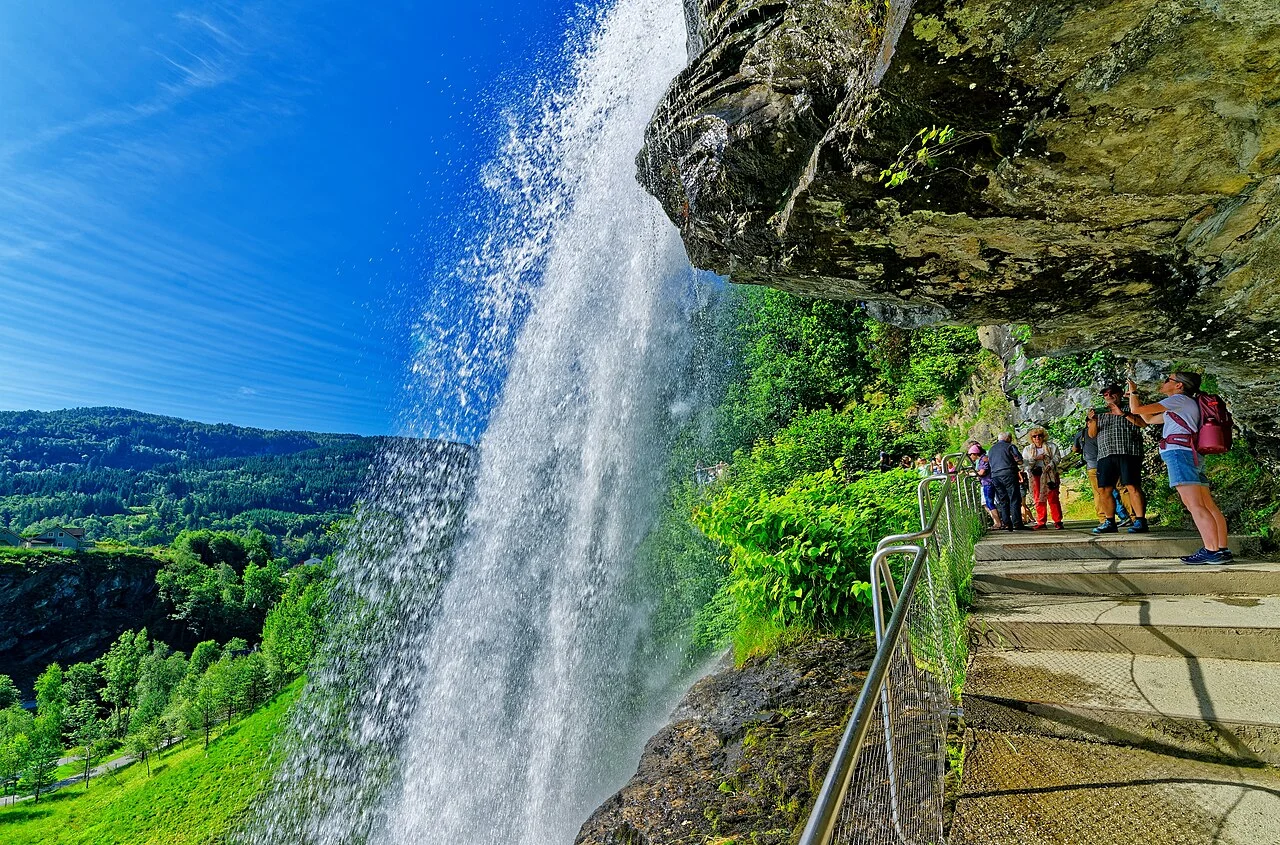
The waterfall is a useful first stop on a drive from Bergen toward Hardanger. It sits on an official scenic-route section.
Allow time to walk from the parking area and look at the water from the signed path. Heavy spray can change how long the stop is comfortable.
Budget 30–45 minutes and check access before departure. Pair it with Norheimsund and keep both stops on the same side of any ferry crossing.
2. Norheimsund for a fjord-side base
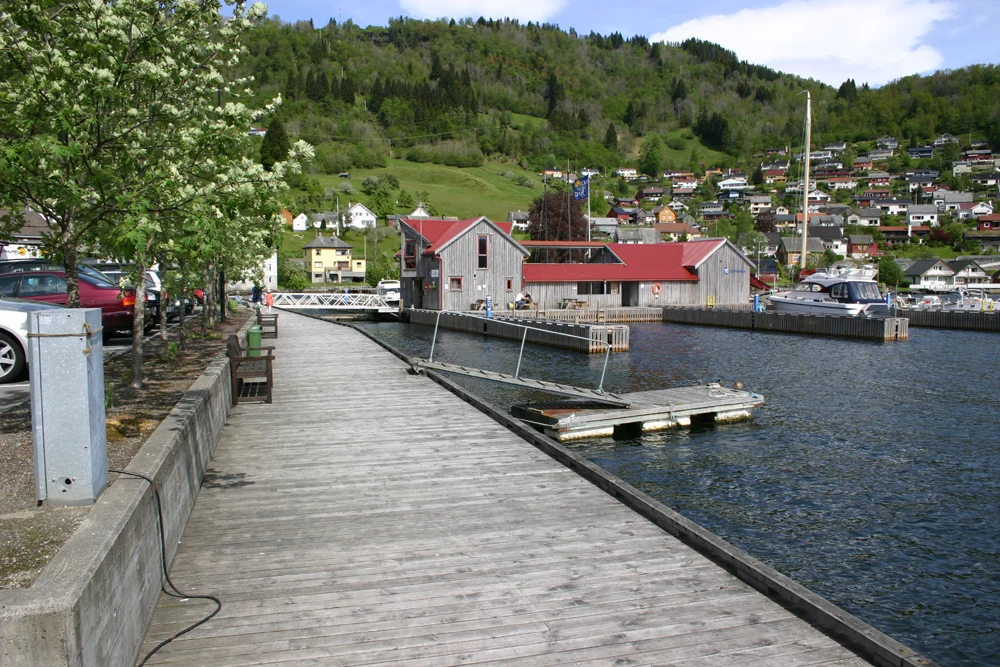
Norheimsund works well for a short trip with one accommodation base. It gives you access to the western Hardanger route sections.
Plan a waterfront stop and supplies before driving farther along the fjord. If you are tired after arriving from Bergen, make this your turnaround point.
Allow an hour for a walk and meal, longer for attractions. Compare accommodation, parking and ferry costs before adding a loop.
3. Utne and the road toward Jondal
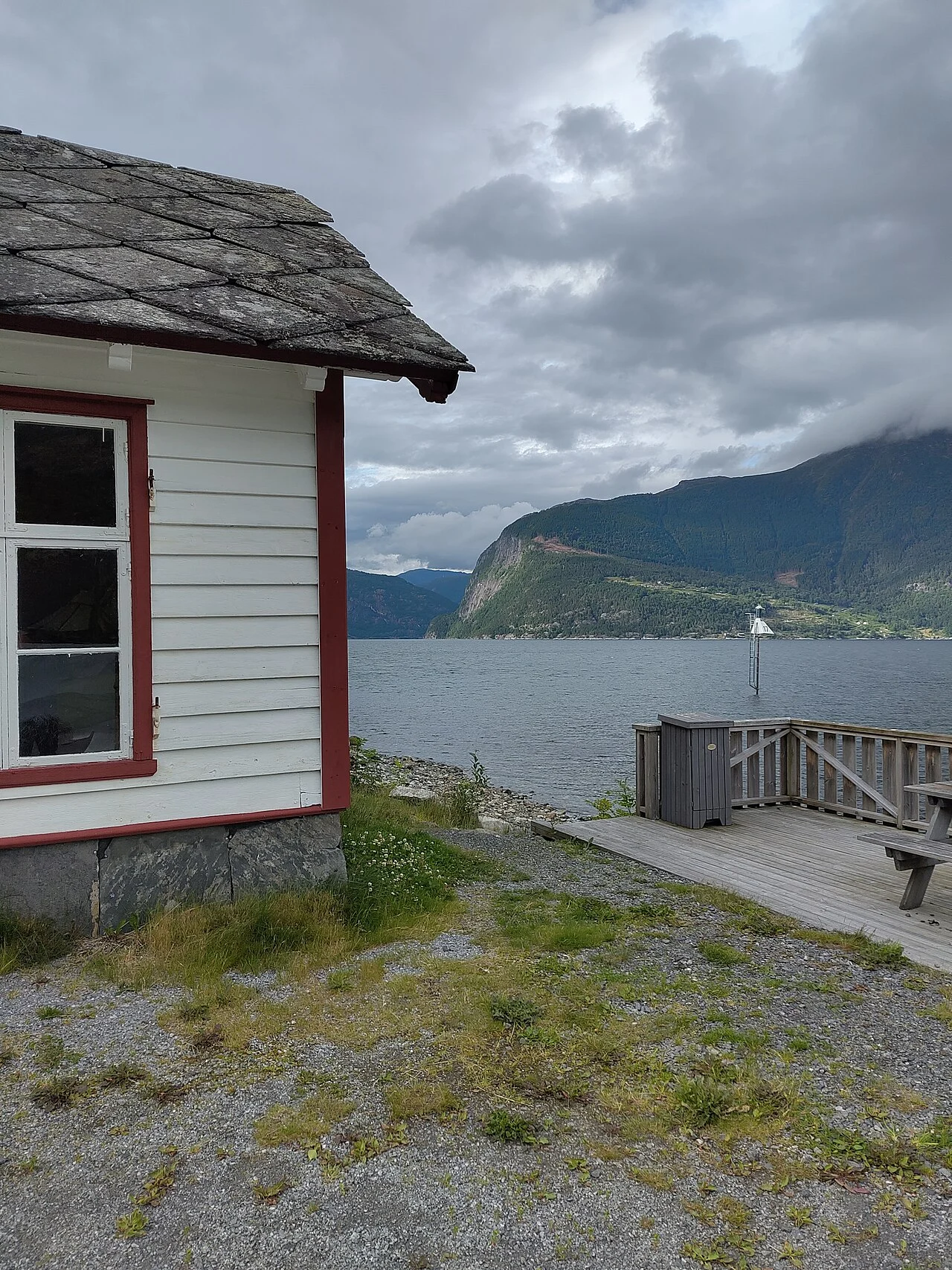
The Jondal–Utne section is a separate scenic stretch. Entering or leaving via a ferry can shape the day.
Leave time for shoreside stops and pay attention to queues where the road connects to a ferry. A crossing can be an attraction in itself if you have time on deck.
Confirm the actual route and fare for your vehicle. Check the last sailing and choose a turnaround if you will be ready too late.
4. Låtefoss south of Odda
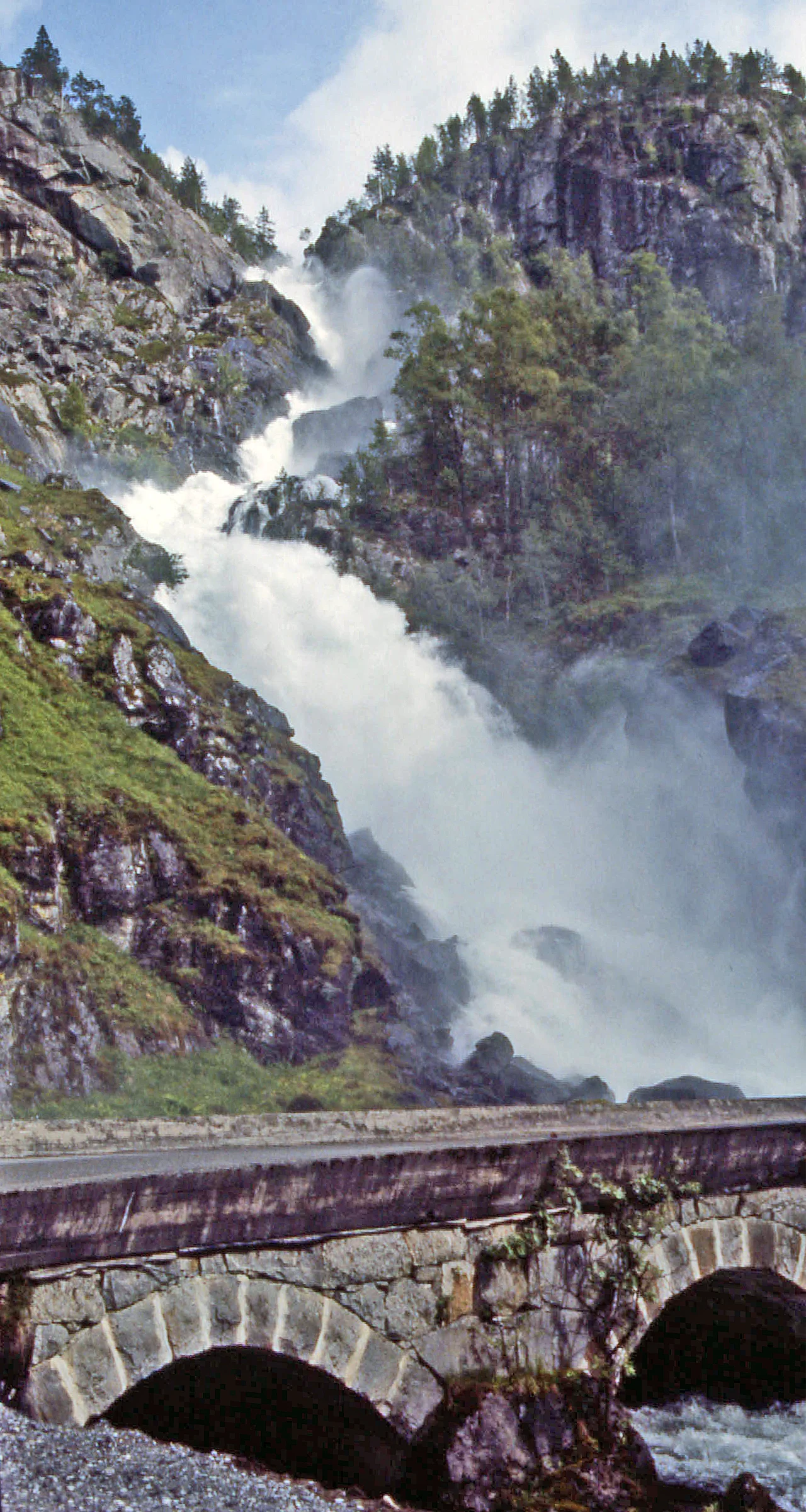
Låtefoss is a roadside waterfall on the southern Hardanger route. It pairs naturally with a longer drive through the Odda area.
Keep the stop brief if parking is busy. Use established stopping places and see how the light and spray change from the viewing area.
Allow 20–40 minutes and check road conditions. Budget for the whole drive and avoid tying the stop to a tight ferry.
5. Stegastein above Aurlandsvangen
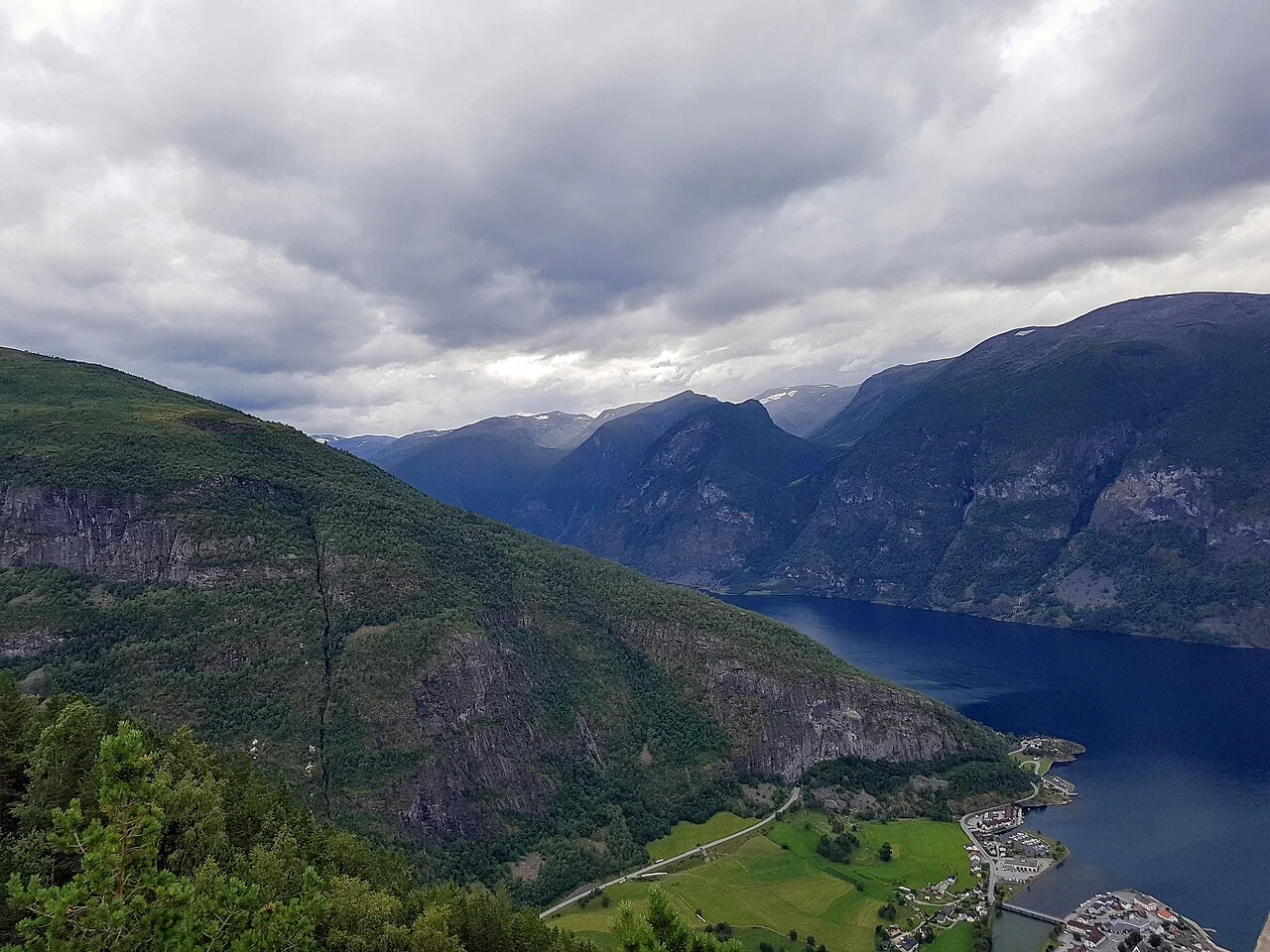
Stegastein gives an overlook of Aurlandsfjord from the road above the village. The lower approach typically remains open when the full mountain road closes.
A low cloud layer can hide the fjord, so keep the stop flexible. Use a shorter visit if the road or parking is busy.
Allow time for the uphill approach and return. Check current road status and compare the cost of driving with a booked transfer.
6. Lærdalsøyri at the far end of Aurlandsfjellet
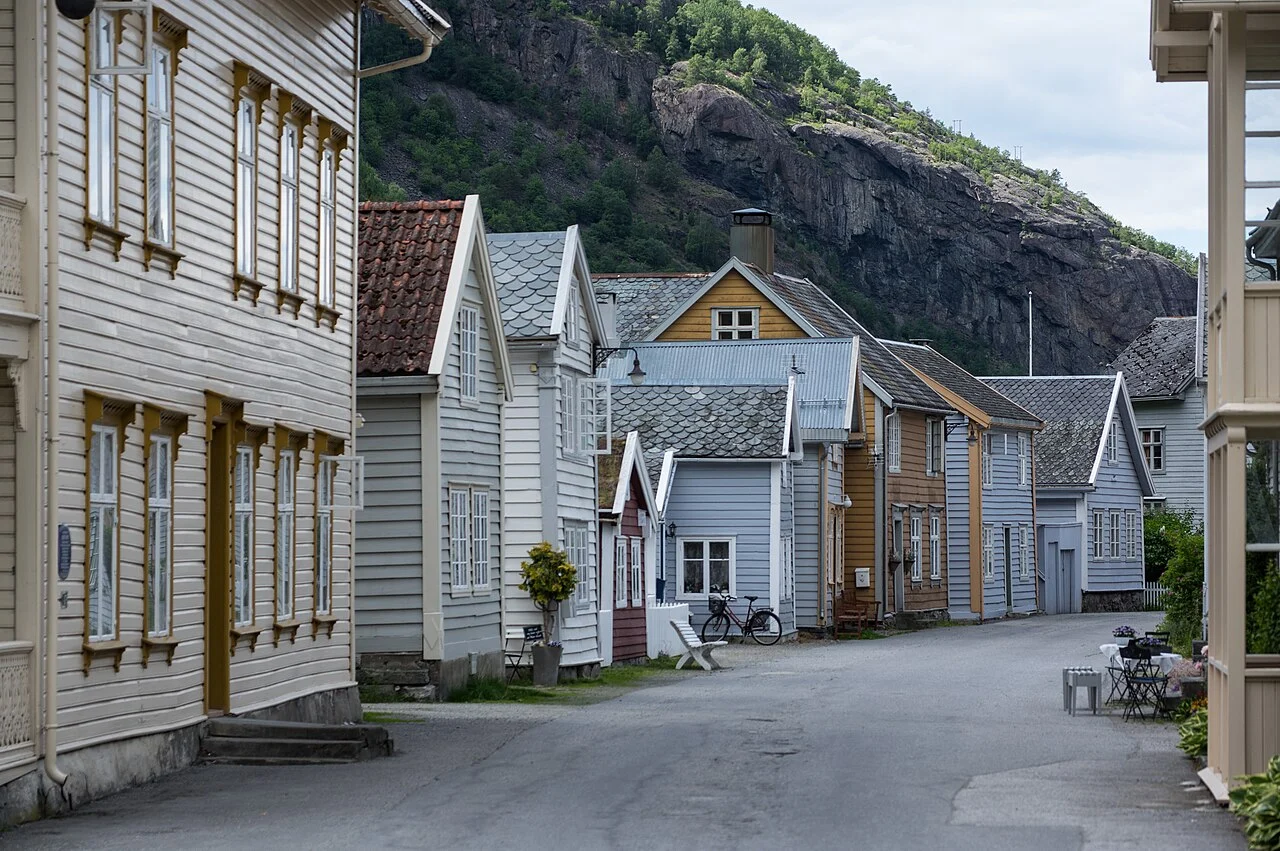
Lærdalsøyri is a useful endpoint if the mountain crossing is open. The village can also be a destination on a separate route.
Give the village time after the drive. The mountain view and the streets by the fjord justify different parts of the day.
Check the official opening status of the full mountain road. Budget for the longer scenic approach and use the tunnel route when circumstances require.
7. Storseisundet on the Atlantic Road
The Atlantic Road crosses a chain of small islands. Storseisundet is one of the recognisable bridge crossings on the route.
Use a designated stop to look back at the bridge. On a windy day, judge the shore and footpath conditions before deciding how long to stay.
Allow one or two hours including stops. Check the forecast and road notices and price the drive as part of a route between your actual overnight bases.
8. Reine and the western Lofoten road
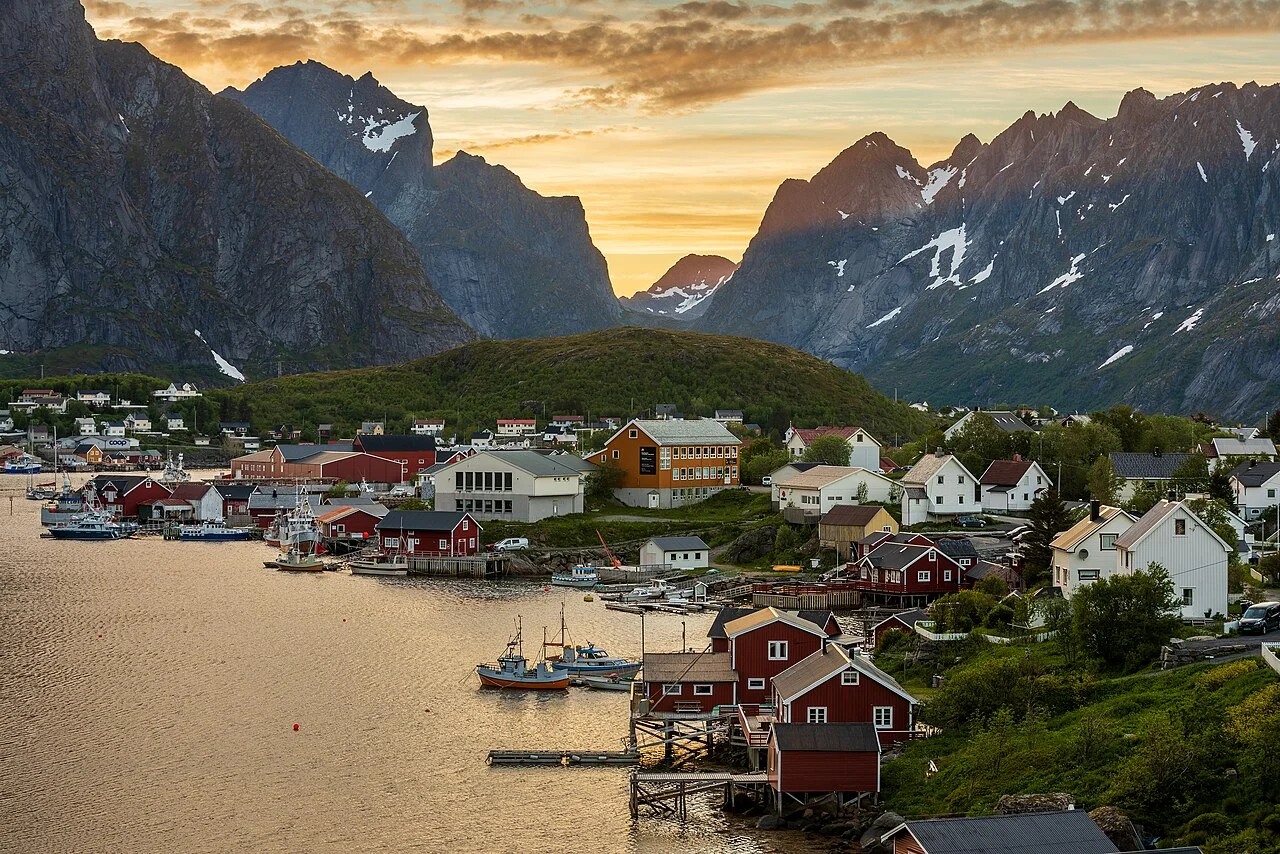
Reine is a useful overnight base if you want to see the western villages without a cross-island return on the same evening.
Take time to see the harbour from established public areas. Make any hike a separate decision based on daylight, crowds and conditions.
Check legal parking and transport. Allow half a day for the area and confirm the Moskenes ferry separately if it is part of your journey.
9. Haukland for a shorter Lofoten stop
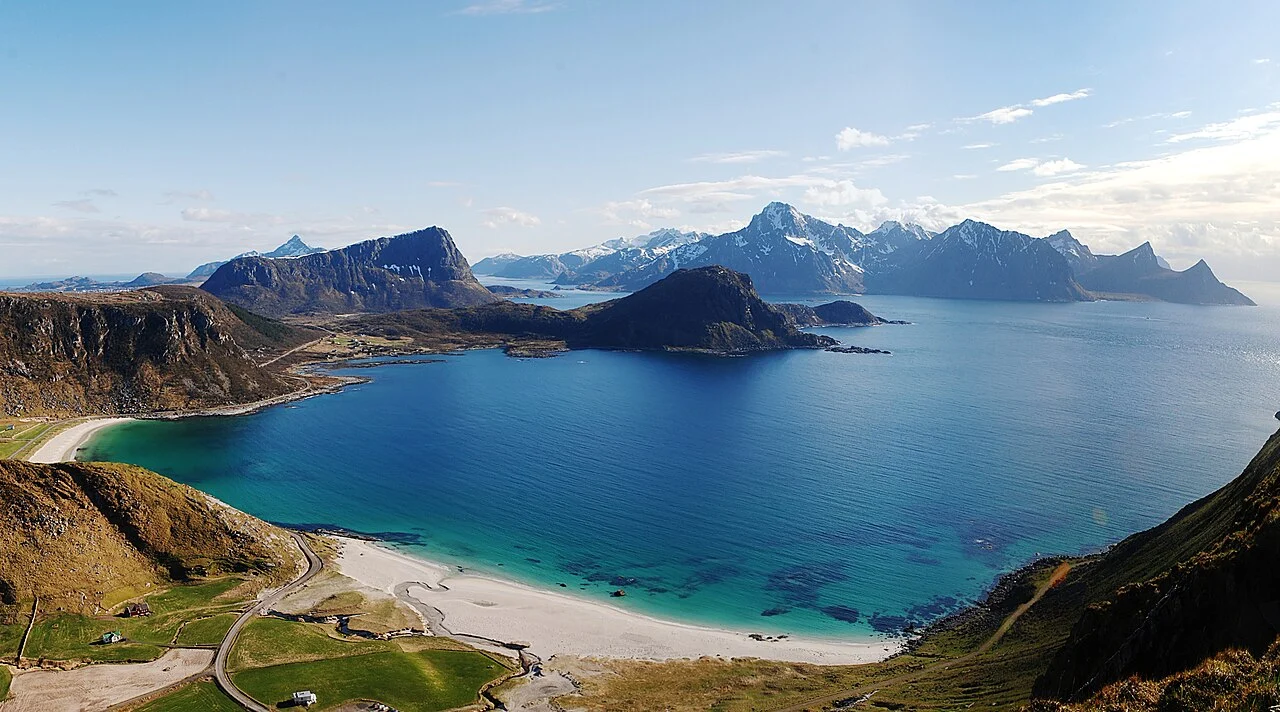
Haukland gives a coast-focused stop near Leknes. It is an alternative when a higher walk would take too long.
Use the beach and signed approaches to enjoy the landscape at a lower level. Check the forecast before deciding between a short stop and a longer walk.
Allow 45–90 minutes and check parking and access. Pair it with one nearby village or viewpoint without crowding the coastal detours into a single afternoon.
10. Ørnesvingen above Geiranger
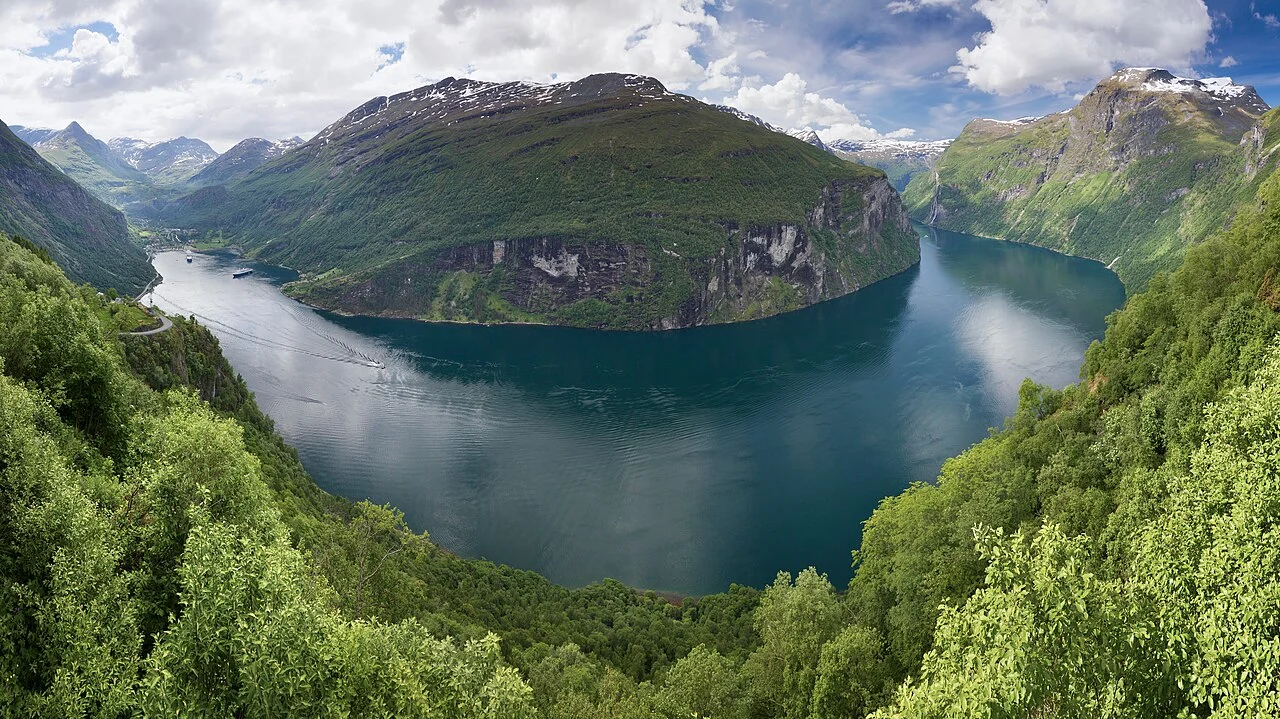
Ørnesvingen overlooks Geirangerfjord on the road toward Eidsdal. It works as its own stop when other parts of the Geiranger–Trollstigen route are closed.
Give yourself a clear weather window if the fjord view matters. When several vehicles arrive together, use the designated viewing area and leave time for the stop to clear.
Check live road and ferry information before driving. Allow time for the bends and a safe stop, and price a ferry separately if continuing beyond Eidsdal.
One-, two- and three-day itineraries
One day around Norheimsund. Leave Bergen in the morning after checking traffic and make Steinsdalsfossen your main stop if access is suitable. Use the afternoon for a meal and a short fjord visit before returning to Bergen for dinner. If the weather is poor, keep the route shorter and choose an indoor visit in town. Check parking and opening hours before leaving.
Two days around Aurland. Use day one for travel to Flåm or Aurland and an afternoon at fjord level before dinner. On day two, use the morning or afternoon for Stegastein if the approach is open and the weather suits. Keep the other block for a local visit and return or continue only on a confirmed route. If the high road is closed, use the available lower route for your onward travel or stay at fjord level.
Three days in Lofoten. On day one, arrive at your eastern or central base and spend the afternoon at one village before dinner. On day two, head west with one main coastal stop and allow time for check-in and a meal. Keep day three for a short local visit and your return journey or ferry. If wind or rain changes the route, stay nearer your base and drop the longest detour. Confirm any ferry before committing to a late stop.
What to check each morning
Open the official traffic map for the whole route while you still have a reliable connection. Look at both the first leg and the way out of the last stop. Check whether a road notice applies to your direction and vehicle, then check the ferry operator’s own timetable for the crossing you intend to take. If the route has changed, call the lodging before departure rather than trying to make up time later. Save the destination and booking details offline.
Set an approximate time to stop for lunch and another to leave the final viewpoint. Those anchors make it easier to decide whether to take a detour. They also matter when two people share the driving or when children need regular breaks. A narrow lay-by may be full, and a cafe shown on an old map may be closed. Keep a confirmed place to stop on your side of the fjord so the group can still eat if the crossing is delayed.
Compare overnight stops by the morning departure
When two villages suit the same afternoon route, choose the one that simplifies the next morning. Check whether breakfast is available before your first crossing and whether the accommodation has parking. If you are collecting or returning a hire car, check the desk hours separately. A late check-in and an early car return can cost more time than the difference in distance between two villages.
Travel from Oslo to Bergen with a driver
Prefer a driver to a self-drive route? Compare this private Oslo–Bergen sightseeing journey via the fjord region, checking the actual stops, luggage allowance and finishing point.
View the private Oslo–Bergen journey →
Check current dates, prices, meeting points and cancellation terms on Viator. Affiliate link: we may earn a commission if you book.
Related planning
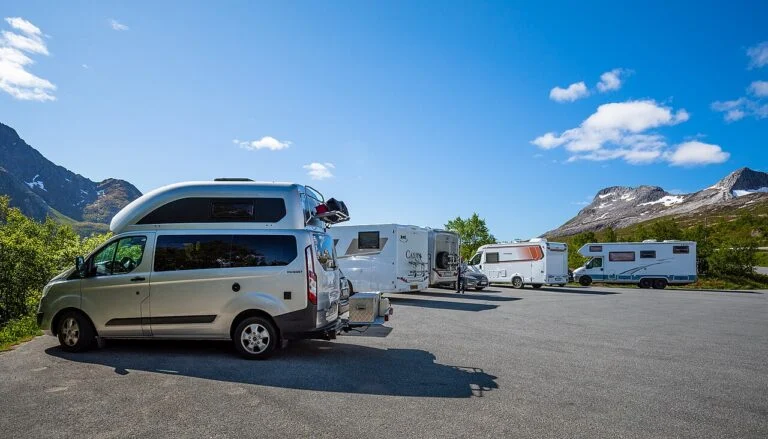
Campervan Trips in Norway
Select a bed around the next driving day
The northwest coast rewards separating the Atlantic Ocean Road from a Romsdal valley day. Compare Molde hotels for coastal routes with Åndalsnes hotels for the valley. For the Geiranger leg, use Geirangerfjord accommodation and Nordfjord hotels to check which road and departure fit the following morning.
A farm stay can be a useful stop on a rural itinerary if the access road, arrival time, meals and next day’s drive all work. Do not add a lengthy detour simply because the room is unusual.
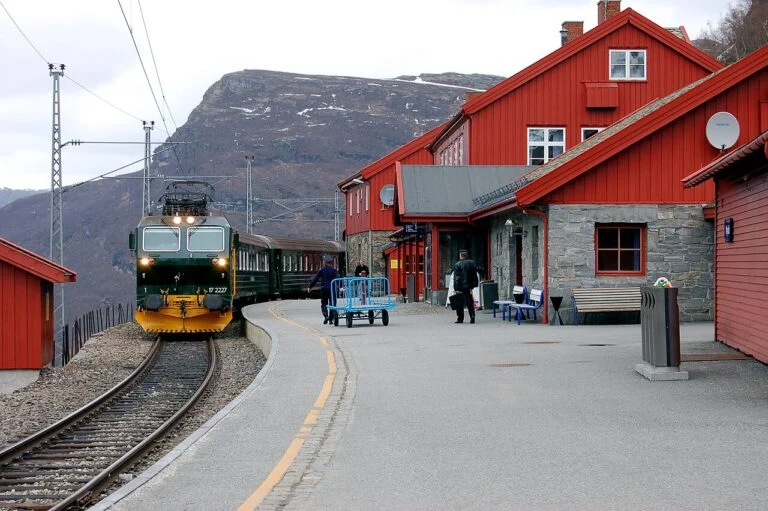
Scenic Train Journeys and the Flåm Railway
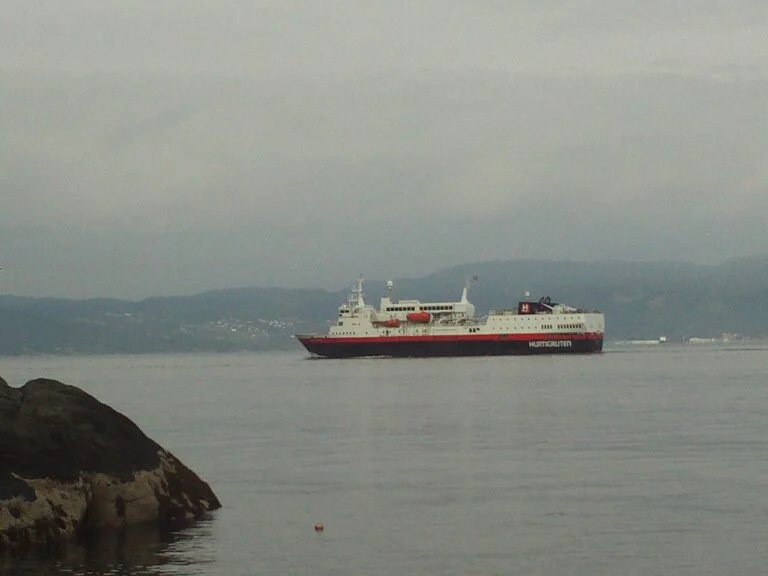
Hurtigruten and Norway’s Coastal Route
Destinations for your trip
Questions and answers
Are scenic road trips in Norway worth it?
Yes if you want to stop at smaller places and can allow time for weather, parking and crossings.
How many days should I allow?
One day works for a local section. Two or three days let you stay near the route and move a stop if conditions change.
How much does it cost?
Price the actual car, tolls, ferries, parking, charging or fuel and lodging. Get date-specific rates for the crossings you plan to use.
When is the easiest time to drive?
Choose dates when the roads you want are confirmed open and daylight fits your schedule. Check individual mountain roads and current conditions.
Do I need to reserve ferries?
Check the operator and crossing. Reservation, payment and arrival rules vary by route and vehicle.
What if a road is closed?
Use official traffic information and choose a confirmed alternative or a shorter trip. Revise lodging and meal plans if the detour changes your arrival.
Plan each day around the route you can actually drive
Choose one main stop and check every ferry or seasonal road before you leave. Keep enough time to turn back, eat and reach your accommodation without rushing.
Sources and further reading
Check Norwegian Scenic Routes and live road conditions before driving.
Confirm current prices, road access and ferry schedules before leaving.