Via Ferrata in Norway: 10 Route and Trip Planning Tips
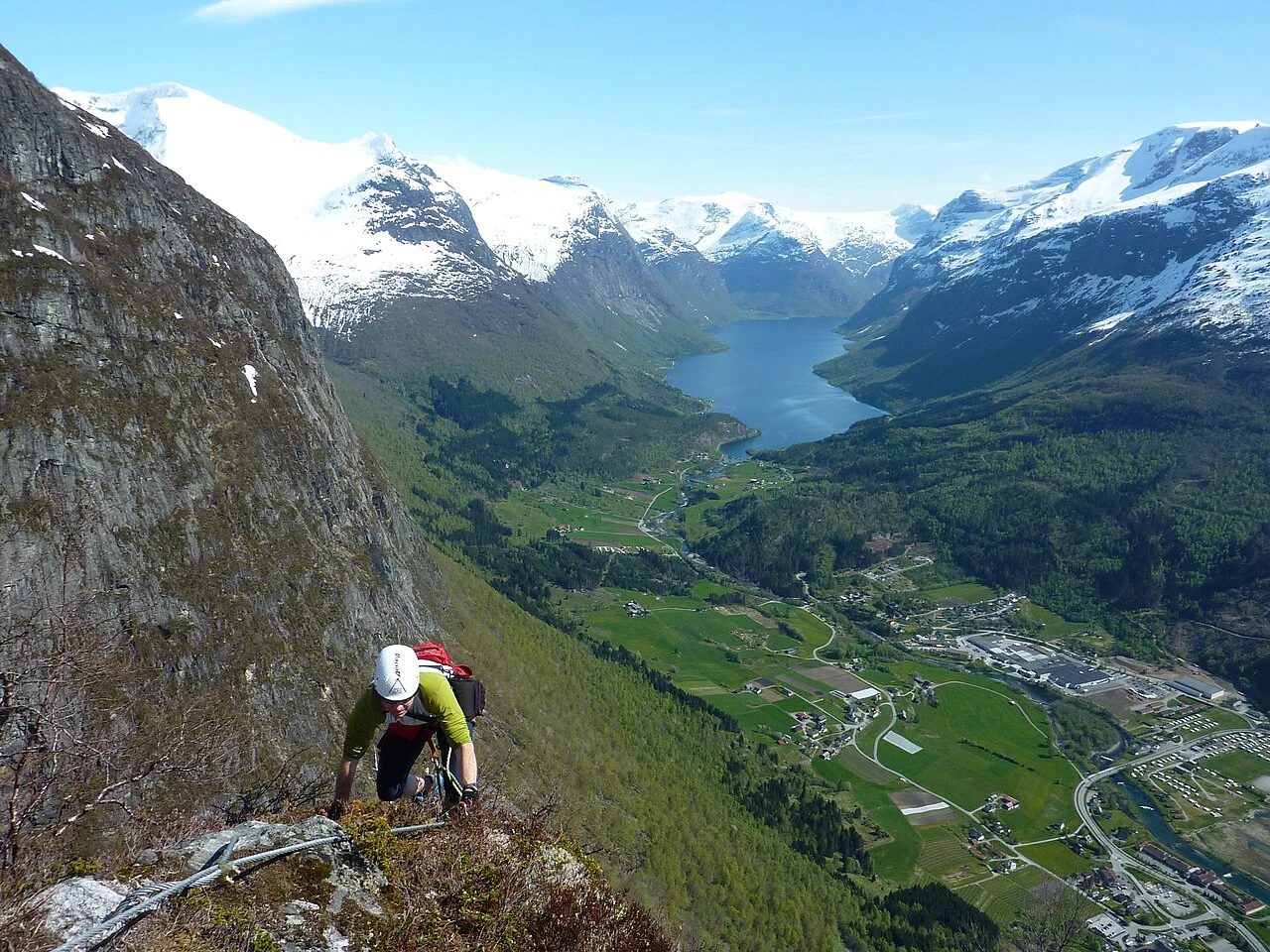
Via ferrata in Norway lets you climb above fjords and valleys on fixed-cable routes. Compare guided options in Loen, Åndalsnes and Tyssedal before choosing by exposure, duration and transport.
At a glance
- Worth it? Yes if you want a supervised climb and are comfortable with heights.
- Time? Reserve a half-day or longer for fitting, approach and descent.
- Season? Use the route operator’s calendar and current conditions advice.
- Cost? A published guided Loen example is NOK 1,840.
- Transport? Check the exact start, finish and onward connection.
- Priorities. Choose the right route, check equipment and leave a weather buffer.
1. Choose your first via ferrata in Norway
A via ferrata in Norway can take you from a fjord village to a lift station or partway up a valley wall before you walk back down. Fixed cables and climbing aids make movement possible on terrain most visitors would not otherwise climb. What changes from one route to another is how long you spend exposed, how demanding the climbing feels and what you do after reaching the top. Compare those three things before choosing the route with the most dramatic photograph.
For a first outing, ask for a guided introduction and tell the operator how the group feels about heights. A fit walker who is uncomfortable on an exposed traverse may prefer a shorter route. Someone with indoor climbing experience may still be new to moving outdoors with equipment and to spending several hours above a valley. Ask how the provider selects a route for mixed groups and what happens if someone decides early on that the exposure is too much.
Choose a region that fits the journey you already have. Loen works on a Nordfjord trip, Åndalsnes on a Romsdalen visit, and Tyssedal on a Hardanger itinerary. They are separate bases with different approaches and connections. Settle on one climbing day and keep another block free if it matters to you. Taking the train to Åndalsnes and driving to a launch point in Hardanger are different transport decisions, even when both tours are described as half-day excursions.
2. Loen and the Skylift return
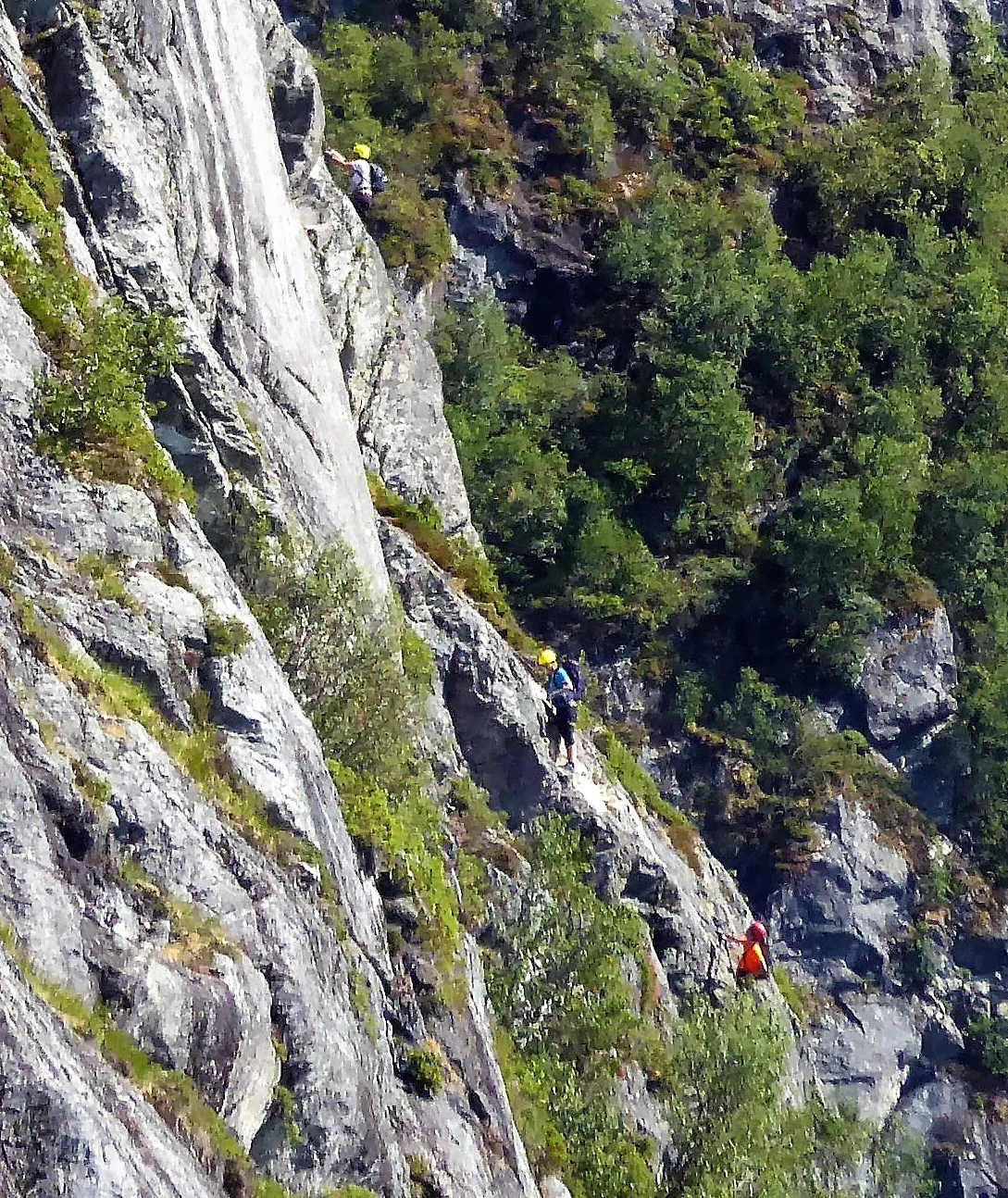
The guided Loen product climbs toward Hoven above Nordfjord and includes the return by Loen Skylift. The operator’s English guide lists NOK 1,840 for an adult with instructor, equipment and lift return. Its booking catalog can show different starting prices, so use the published figure as an example and confirm the rate for your exact departure. Check child eligibility and ask whether bridges or other features are part of the route selected for your group.
One advantage of this format is that the return is part of the product. You can finish above the fjord and take the lift back rather than reserving a separate transport leg from a remote trail end. Check the actual last return on the day and ask what the operator does if the lift or climb is affected by conditions. If you want lunch at Hoven, leave a flexible block. A fixed reservation can become difficult to reach if the group takes longer than expected.
Allow the main part of the day for check-in, fitting, the approach, the climb and the descent. Ask the operator for its latest meeting instructions and expected duration for the exact route. If your group includes someone who wants to meet you at the top without climbing, confirm that they can reach Hoven separately and agree on what to do if the finish time moves. The Loen travel guide can help you choose a nearby alternative for the rest of the day.
3. Romsdalsstigen from Åndalsnes
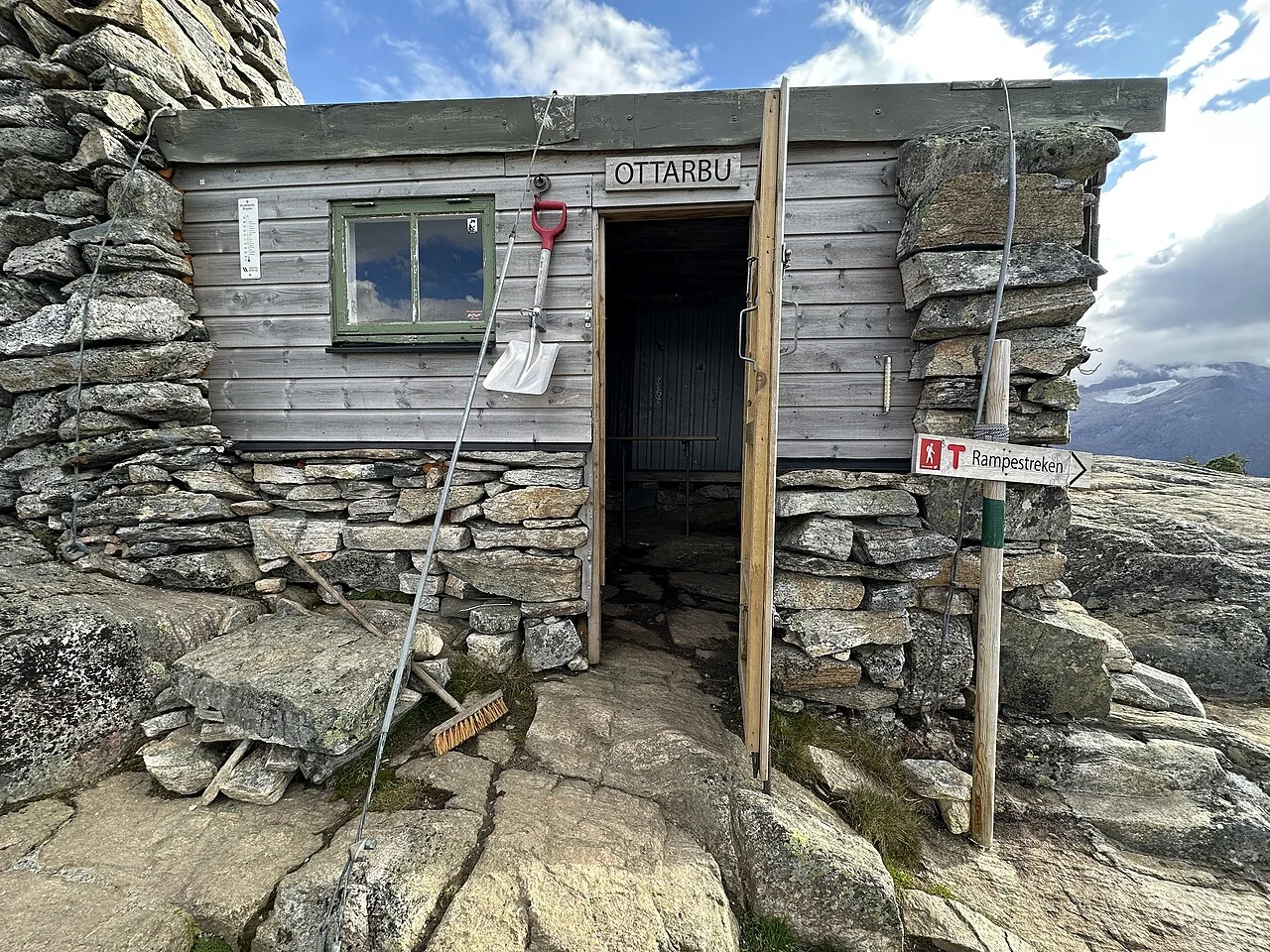
Norsk Tindesenter in Åndalsnes is the point of reference for Romsdalsstigen. Start by comparing the Intro Wall with the more demanding products and give the provider an honest description of your group. An introductory wall can make sense if you want to find out how you react to exposure before committing to a longer climb. Ask which route the guide recommends and how much walking and descent are included in the estimate.
The centre publishes a maintenance fee of NOK 150 and a time booking for eligible independent users of the Intro Wall with approved equipment. That figure is a route fee and does not buy a guided lesson or equipment. For a first visit, get a current quote for the guided format and check what is supplied. The centre’s FAQ describes an approach from the town centre for independent users. Guided guests should confirm their own meeting point and the arrangement after finishing.
Åndalsnes is useful if you want to pair the climb with a train-based stay, but check the last departure before booking a same-day return. A room in town makes it easier to collect kit, wait indoors if the start moves and stay for a meal after the outing. Use the Åndalsnes travel guide to plan a town or valley day around the climbing. Confirm the museum or gondola’s own availability before choosing one as a weather alternative.
4. Tyssedal and the Trolltunga area
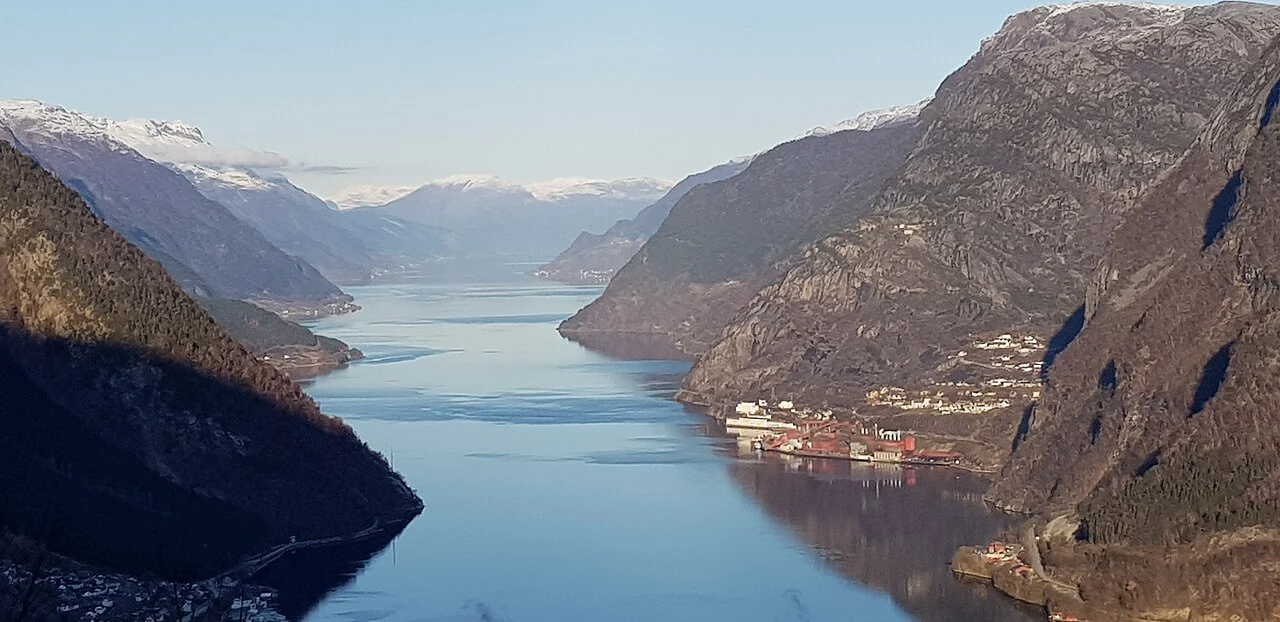
Trolltunga Active offers a guided Tyssedal via ferrata with a hydropower theme. Check the price, duration, eligibility and meeting point for your date. The combination may appeal if you want to understand why the steep terrain was used for infrastructure as well as experience the climb. Ask where the guided outing starts and ends, especially if you are staying in Odda and relying on public transport or a taxi.
The Trolltunga via ferrata is a distinct product, and the familiar Trolltunga viewpoint hike is a separate planning decision. Look at the complete programme and confirm how much walking is involved before and after the cable section. The operator publishes seasonal rules for independent use of its privately managed routes, with exact dates depending on conditions. A route fee does not make an independent climb suitable for a new participant. Use the Trolltunga hiking guide if the ledge and the hiking day are your primary interests.
If you are touring Hardanger, allow enough time to get from your base to the correct meeting point. A departure listed under a regional name may begin outside the town where you are staying. Check road and ferry information for the journey you actually plan, and keep a margin for an activity ending later than expected. A shorter local outing can fit a trip better than a long route followed by a rushed onward transfer.
5. Weather, equipment and suitability
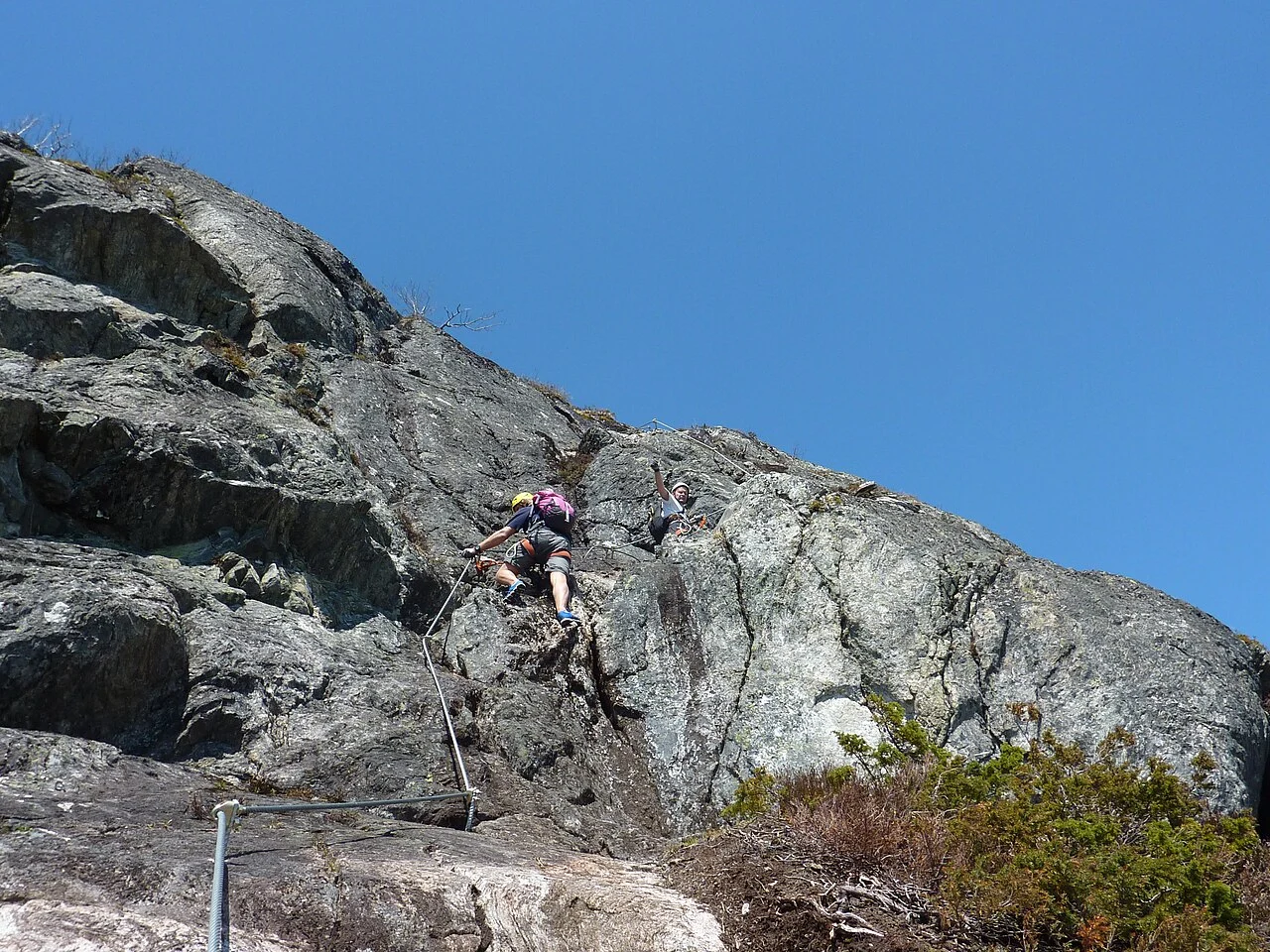
Use the operator’s current conditions decision. Wind and rain affect exposed rock, while visibility can change the way the route feels to a first-time visitor. Check the start time and how the provider contacts participants if a climb is moved. A day can be suitable for a town walk or a gondola visit while the climbing route is unavailable. Keep those bookings separate unless the seller explicitly packages them and explains what happens when a component changes.
Ask what the operator supplies and which items you must bring. A guided package may include a helmet, harness and via ferrata equipment, while boots, gloves, food and weatherproof layers can be your responsibility. Confirm fit and any published age, weight or other limits for the actual product. If a participant has a relevant mobility concern or is unsure about sustained climbing, describe it to the guide before booking. The guide can explain what the route demands and advise on a suitable option.
Follow the briefing and use only the equipment and route the guide approves. A cable, ladder or bridge does not make the outing appropriate for everyone. Ask about exposure, rest opportunities and where people can stop if they are uncomfortable. Independent climbing calls for prior competence, suitable equipment and compliance with local rules. When you are deciding where to learn, compare the quality and scope of the guided introduction instead of treating equipment hire as a substitute.
6. Budget, transport and booking order
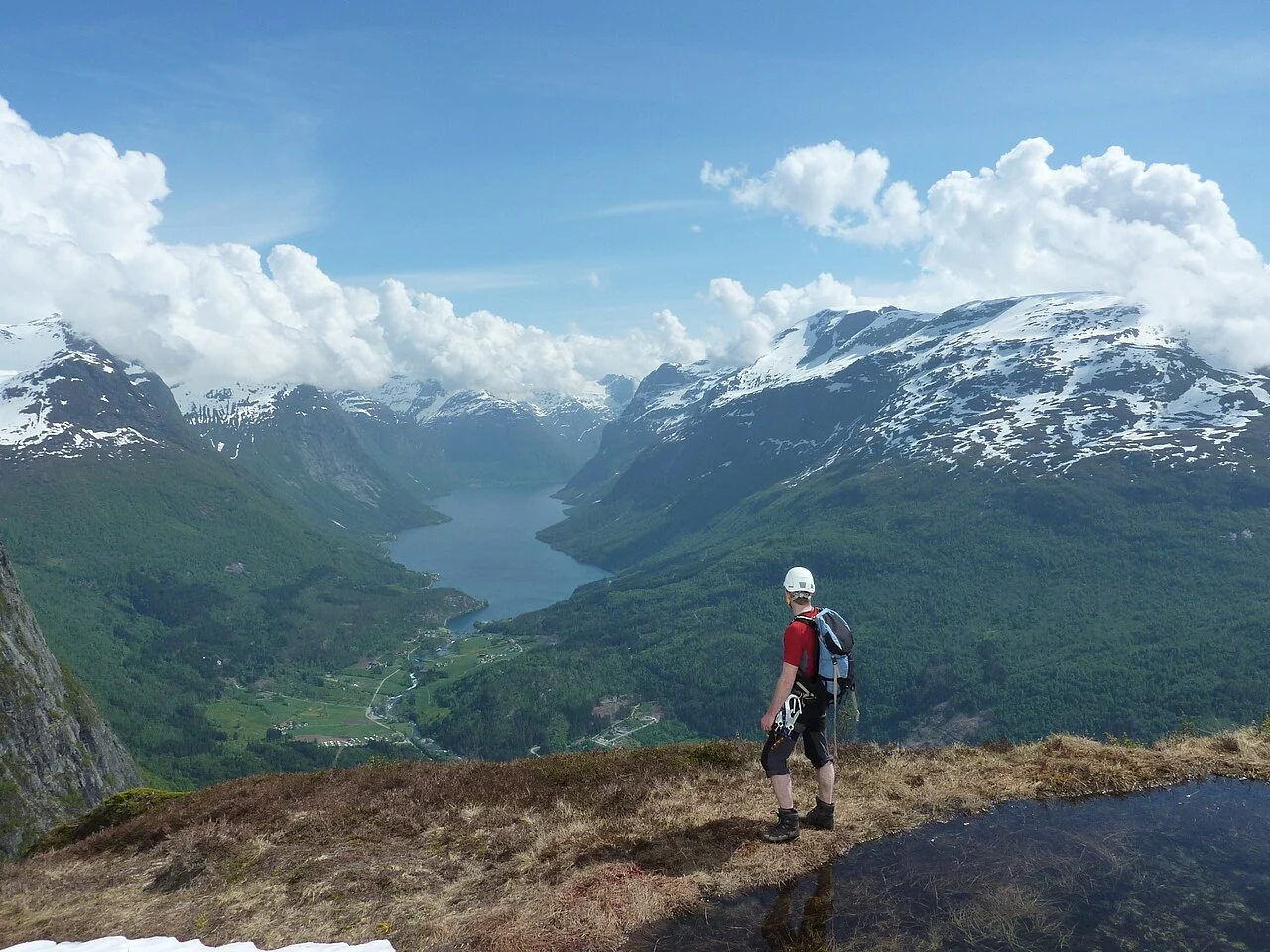
Price the full day for each person. Add transport, equipment that is not included, food and the return if it is sold separately. A route fee, rental price and guided package describe different products. Check the total and age rates rather than assuming that the first figure on a site applies to everyone in your group. If the climb is a highlight of the trip, flexible accommodation can be worth considering so you can make use of another departure.
Book the guide around the time you can realistically reach the meeting point. Confirm the start and the expected return, then work backwards from your train, ferry or next hotel. If your party is driving, check the parking instructions and road conditions and leave time for summer traffic. For a car-free day, confirm the last leg to the operator as well as the main train or bus. Ask whether the outing returns to the same place where you left your bags.
Read the terms for both guest cancellation and weather changes. An operator may move the departure, choose a different route or offer another date. If your trip gives you only one available day, decide whether those terms work before paying. Save the meeting point and the operator’s contact details offline. Pack a warm layer for the wait and check whether there is somewhere to change or buy food before the session begins.
7. Keep the Loen Skylift as a separate plan
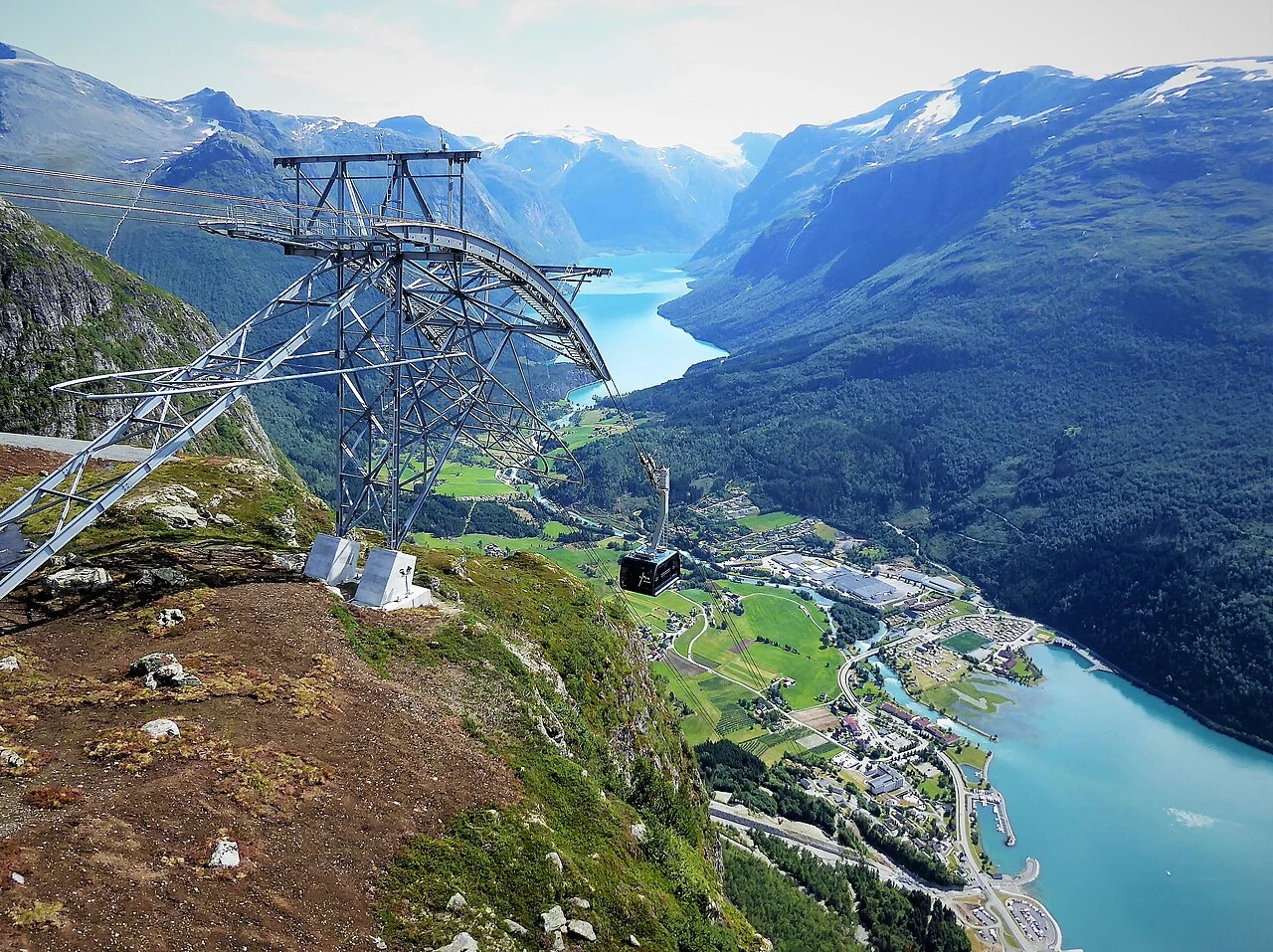
The Skylift lets non-climbers share part of the mountain setting. It also gives your group options when an ascent is unsuitable.
Agree on a time and place to meet at the top, and check what happens if one plan is delayed. Weather can affect the lift as well as the climb.
Compare the current lift fare with what the guided route includes and confirm the last return.
8. Use Åndalsnes for a mixed group
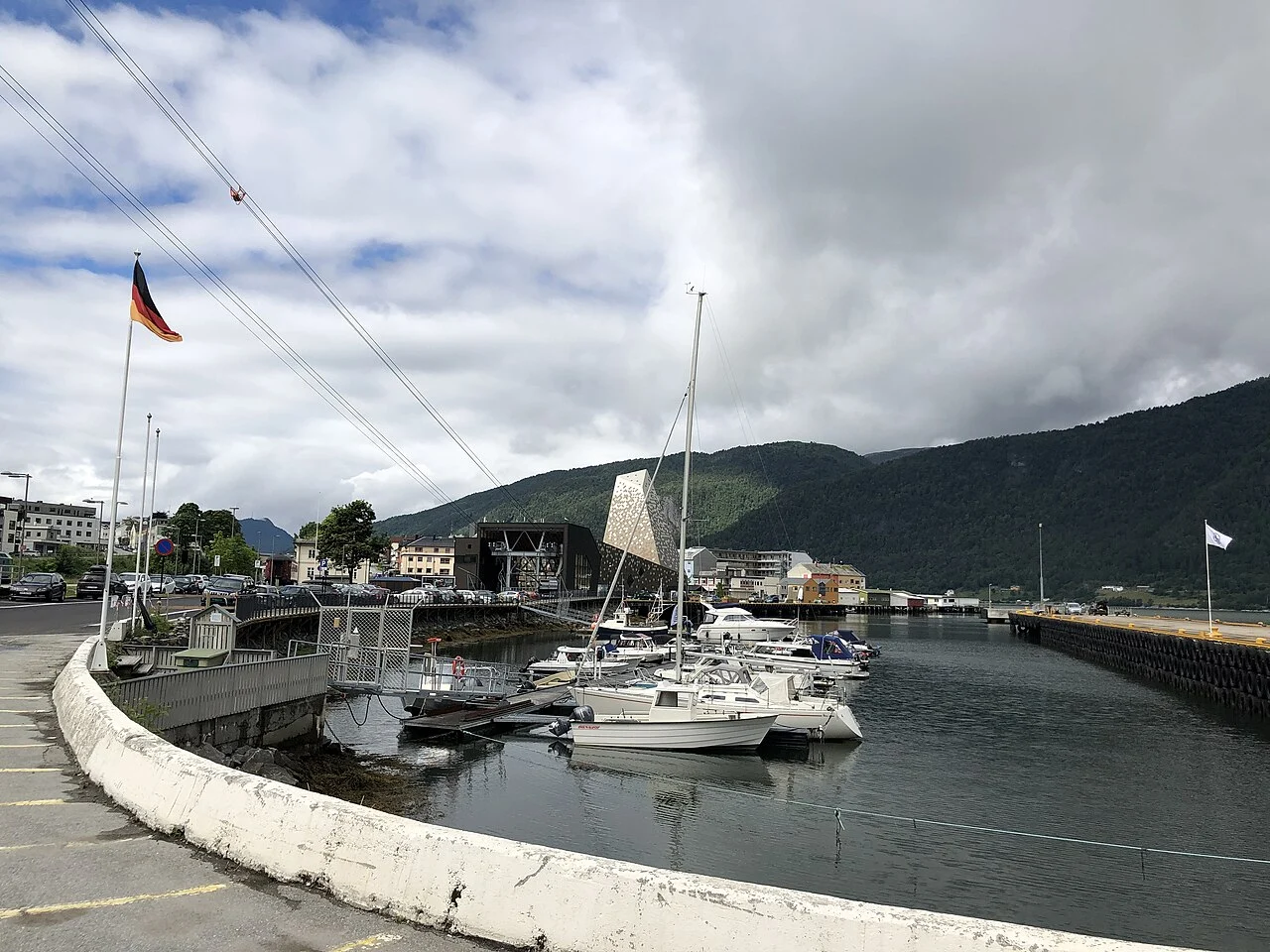
Åndalsnes makes it possible to plan a climb and a separate shore or gondola day.
Choose the climb through the route operator and the alternative through its own timetable. Give each party enough time to get back independently.
Confirm ticket prices and weather adjustments. Leave enough time for the train or other onward leg.
9. Treat Tyssedal as its own destination
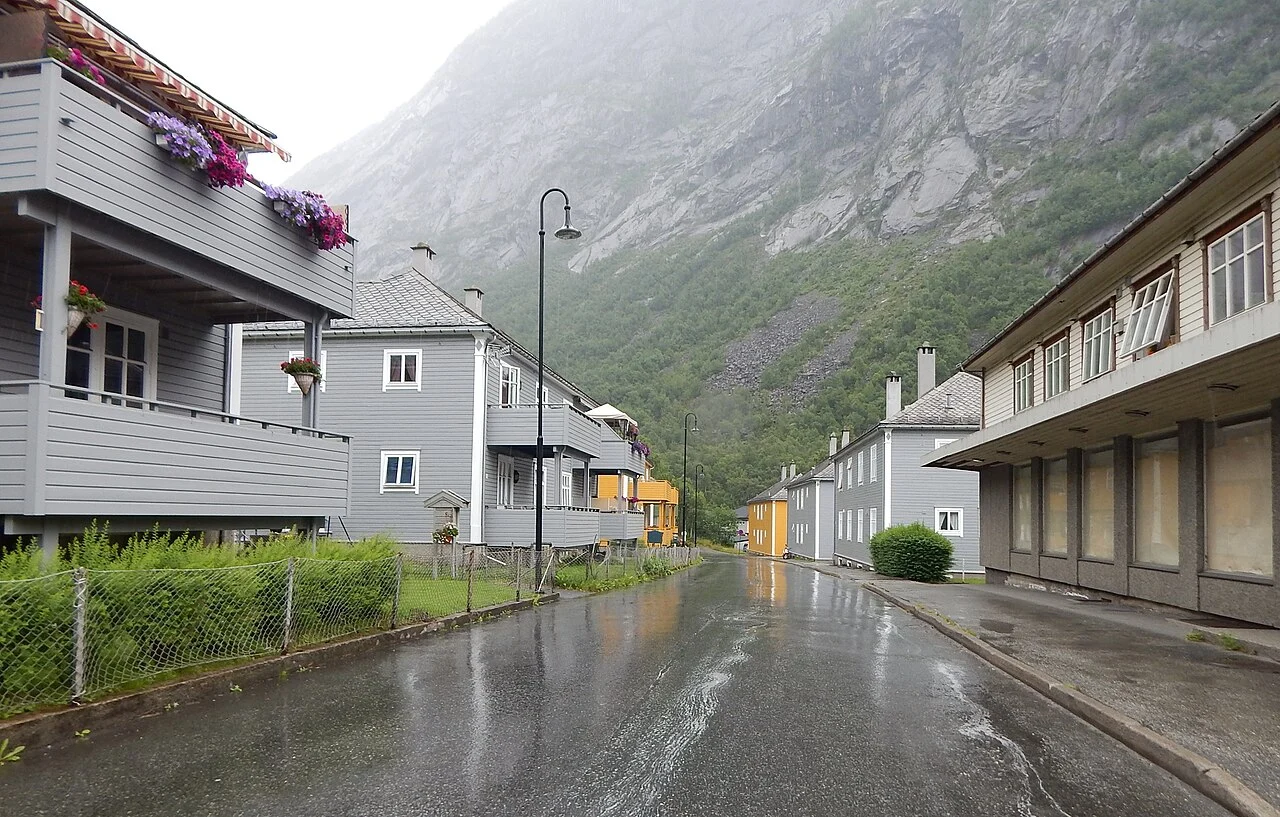
Tyssedal sits by Sørfjorden and has a different approach from the standard Trolltunga hike.
Check where your guide expects to meet and whether the climb is the full activity or part of a longer itinerary.
Allow the published duration plus travel. Compare guiding, equipment and any parking or shuttle fees.
10. Plan a weather day in Nordfjord
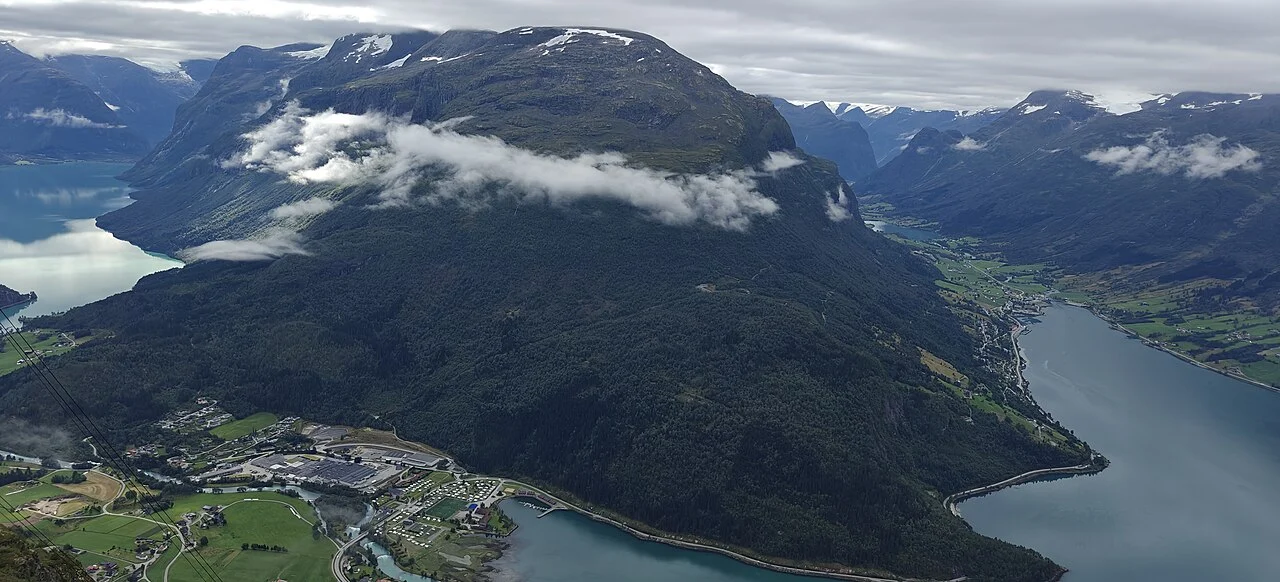
A day near Loen gives you a second opportunity when a climb cannot go ahead.
Keep a short fjord-side outing available and let the operator decide whether the route is open. Avoid treating a low cloud ceiling as the only issue.
Check rescheduling terms before you book and leave enough time to reach your next base.
One-, two- and three-day itineraries
One day in Loen. Use the morning for breakfast, check-in and equipment fitting. Reserve the main part of the day for the guided climb and lift return, leaving the afternoon flexible around the finish. Eat in Loen in the evening. If the climb is cancelled, check whether the lift still runs independently or choose a lower-level fjord visit. Confirm the time of the last lift before making an onward plan.
Two days in Åndalsnes. On day one, arrive by rail or road, find your meeting point and use the afternoon for a town visit. Confirm the operator’s instructions before dinner. On day two, reserve the morning and early afternoon for the appropriate guided wall and the return, then take a warm break before evening travel. Swap the two days if conditions and booking availability make that possible. If the climb cannot run, check the opening hours of a town-based visit.
Three days in Hardanger. Use day one for arrival, a short local visit and dinner near your lodging. On day two, travel to the confirmed Tyssedal meeting point, keep the main daylight block for the activity and return for an unhurried evening. Hold part of day three for a rescheduled session or a low-level stop before travelling onward. If you are adding the longer Trolltunga hike, give it a separate day and choose its weather and transport window independently. Do not stack two demanding routes into one daylight block.
Try Romsdalsstigen’s Intro Wall
The Romsdalsstigen Intro Wall is one option for a guided climbing day in Åndalsnes. Check the route requirements and equipment; this listing is for the Intro Wall, a different route from the West Wall.
View the Intro Wall experience →
Check current dates, prices, meeting points and cancellation terms on Viator. Affiliate link: we may earn a commission if you book.
Related planning
Destinations for your trip
Questions and answers
Can a beginner try via ferrata?
Yes on a suitable guided introduction. Explain your fitness and comfort with heights so the provider can choose a route.
How long should I allow?
Set aside at least a half-day and use the provider’s estimate for the exact route. Include fitting, approach and descent.
How much does it cost?
Loen Skylift lists one guided adult example at NOK 1,840 including equipment and lift return. Check the live quote for your dates.
What is the best season?
Check the operator’s climbing season and date-specific conditions. A lift or visitor centre can be open when a climb is unavailable.
Can I reach a route without a car?
Åndalsnes is a practical rail base. Confirm the guide’s meeting point, finish and onward connection before booking.
What if someone in the group changes their mind?
Discuss this before departure and follow the guide’s directions on the route. Plan a separate town or lift-based activity for anyone who prefers to stay ashore or on lower ground.
Choose the route before booking the rest of the day
Match the climb to your group and region, confirm what the price includes and leave a flexible block for the return. Keep a local alternative ready so the operator can make the right call when conditions change.
Sources and further reading
Confirm current schedules, prices and access before booking.