Trolltunga Hike: 10 Decisions for a Safer, Realistic Trip
The Trolltunga hike near Odda crosses high mountain terrain to a rock ledge above Ringedalsvatnet. Choose your starting point before you price the trip. The official estimate from Skjeggedal is 27 km return and 8–12 hours, while Mågelitopp cuts both distance and climbing when its road operates. This guide connects the two routes with booking decisions, a flexible Hardanger itinerary and alternatives for days when the mountain is out of reach.
Quick answers
- Worth it? Yes for fit, experienced walkers in suitable conditions.
- Time: Allow one full hiking day plus a weather reserve.
- Best time: The main hiking season is typically June through September, subject to conditions.
- Cost: Allow for parking or shuttles and optionally a guide.
- Transport: Base yourself around Odda and reserve seasonal access where needed.
- Priorities: Choose P2 or P3, check conditions and set a turnaround time.
1. Choose Odda as a base
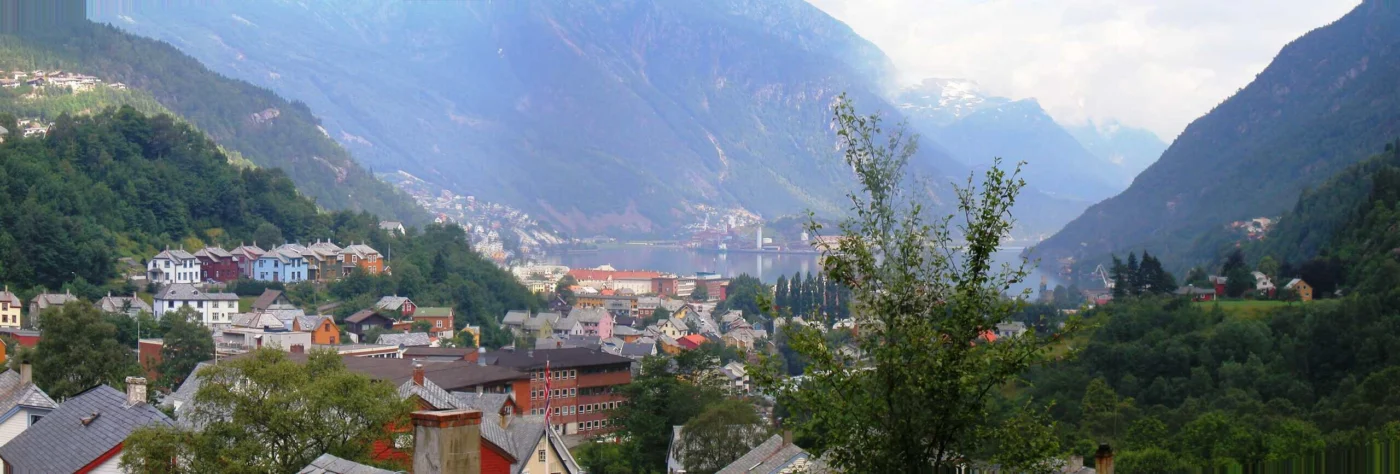
Odda sits at the head of Sørfjorden and makes a practical base for a walk that begins well inland from the water. Staying there before the hike means you can organise breakfast, pack lunch and make access decisions without first driving several hours across western Norway.
The town works especially well if only some of your group plan to hike. A partner with a rest day can build a separate waterfront or valley itinerary and arrange a meeting back in town. A lodging with a fridge helps when the trail morning begins before nearby cafés open.
Check whether your lodging is near a stop served by the shuttle you intend to use. Save its address, confirm parking rules if you have a car, and reserve two nights if possible. Use our Odda guide for a flexible arrival or recovery day.
2. Understand Tyssedal and P1
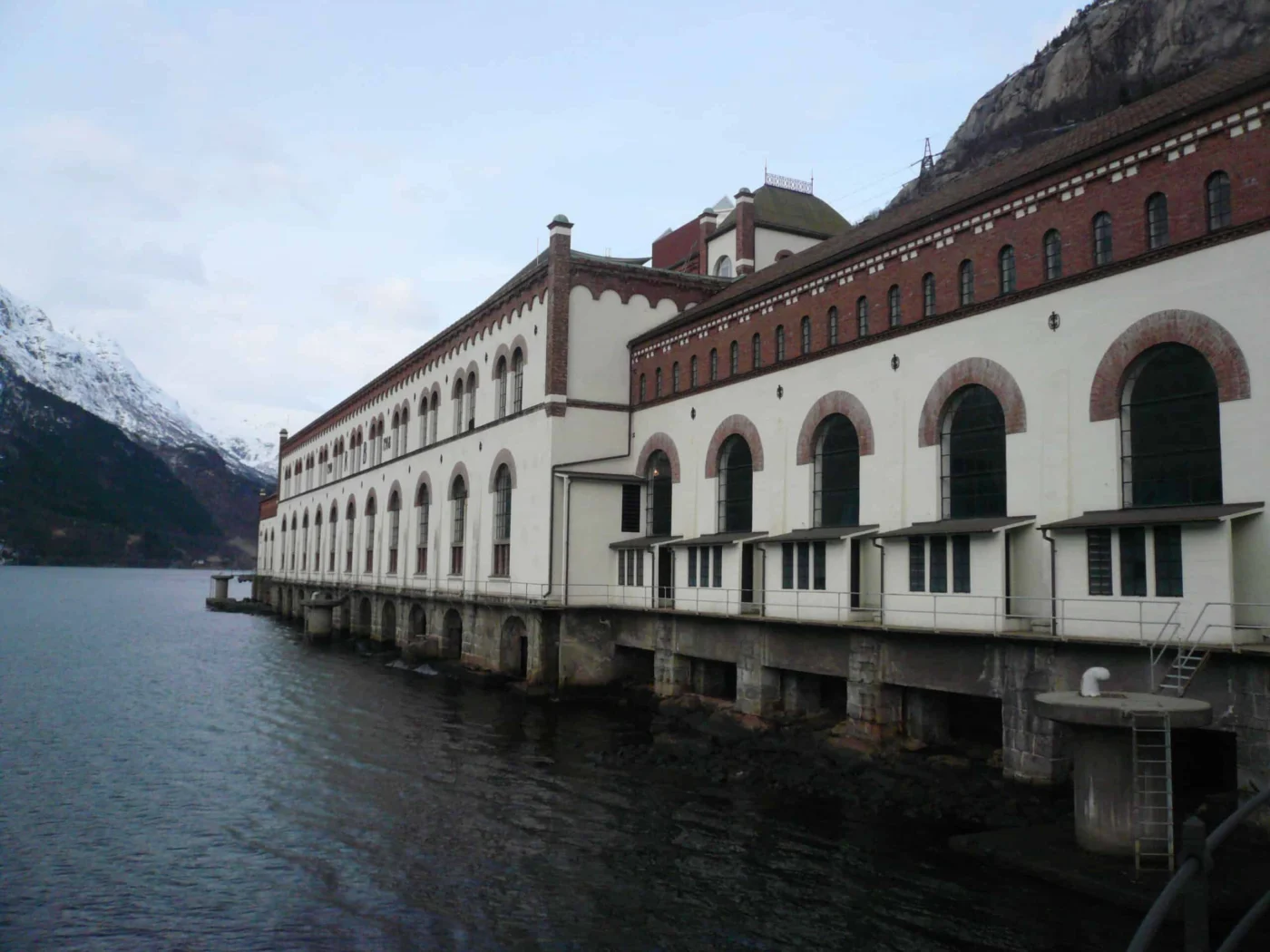
P1 at Tyssedal is the lower parking option in the access system. Treat it as part of the transport chain: your planned walk starts at P2 or P3, and you need to account for the connection from the lower valley and back.
Tyssedal is also an industrial heritage stop in its own right. Its historic hydropower setting provides context for the area’s roads and reservoir landscape. If visiting the museum appeals, keep that for a separate afternoon rather than counting on a timely return from the mountain.
Start by reading the official parking map, then compare the fare for each shuttle leg with the price and availability of upper parking. Check which operator serves each segment and whether the return needs a booking. Save the stop names in both directions, since a ticket to one car park does not automatically take you to another.
3. Use the P2 route from Skjeggedal
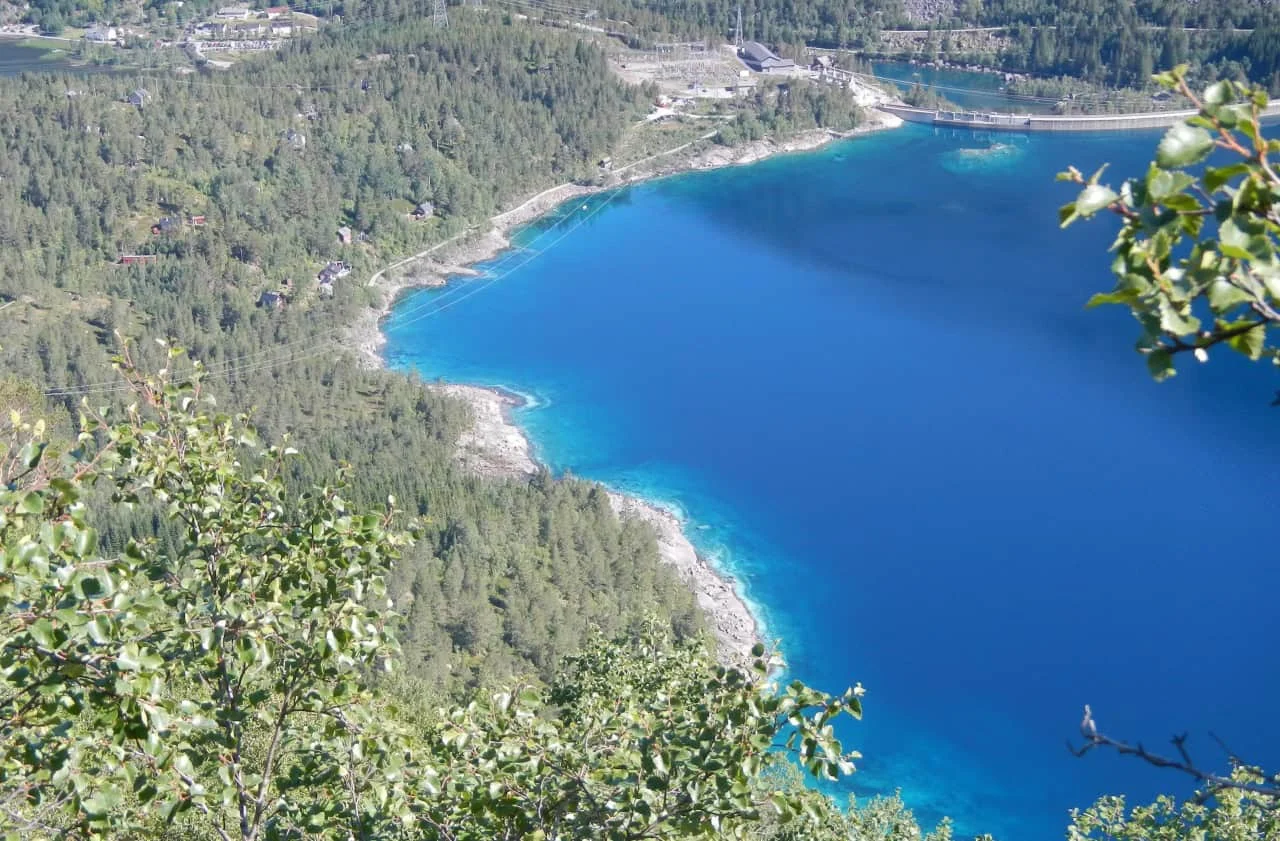
Skjeggedal is the starting point for the official 27 km return route. The visitor organisation gives an 8–12 hour estimate. That range is a planning baseline, and weather, a slow group member, or time spent waiting for a photograph can extend the day.
The extra walking from P2 comes early and again at the end when your legs are tired. Build your estimate from a recent long mountain day with similar demands. Someone who covers the same distance quickly on a flat city route should still plan for a much slower trip here.
If you book P2 parking or a shuttle, check exactly when you can start and when your return ride leaves. Include time to find the stop, put on layers and get everyone ready. If transport leaves little margin at the end of the official range, consider another day or a different access arrangement.
4. Compare the P3 route from Mågelitopp
2027 access update, checked 26 November 2026: The official Trolltunga site lists the Odda–P2 shuttle from 22 May to 26 September. Dates for P3 parking and the P2–P3 shuttle have not yet been announced. Check the official access calendar before booking; do not assume that the higher trailhead is available.
P3 at Mågelitopp takes out the lower approach. The official estimate is around 20 km return and 7–10 hours, still a full mountain day with uneven ground and substantial time in exposed terrain. It can suit experienced hikers who want to save energy for the plateau.
The access road is seasonal and the spaces are limited. A parking booking and an access toll can be separate charges, and a ride to P2 does not guarantee an onward ride to P3. Price the whole route for the group, including the way down, before paying.
Check the operator’s vehicle restrictions, especially with a campervan, large rental vehicle or roof box. Follow the posted access rules. If you book the higher trailhead, write down what you will do if it closes. Use P2 only if the group has the fitness, time and return transport for the longer route.
5. Time the opening climb
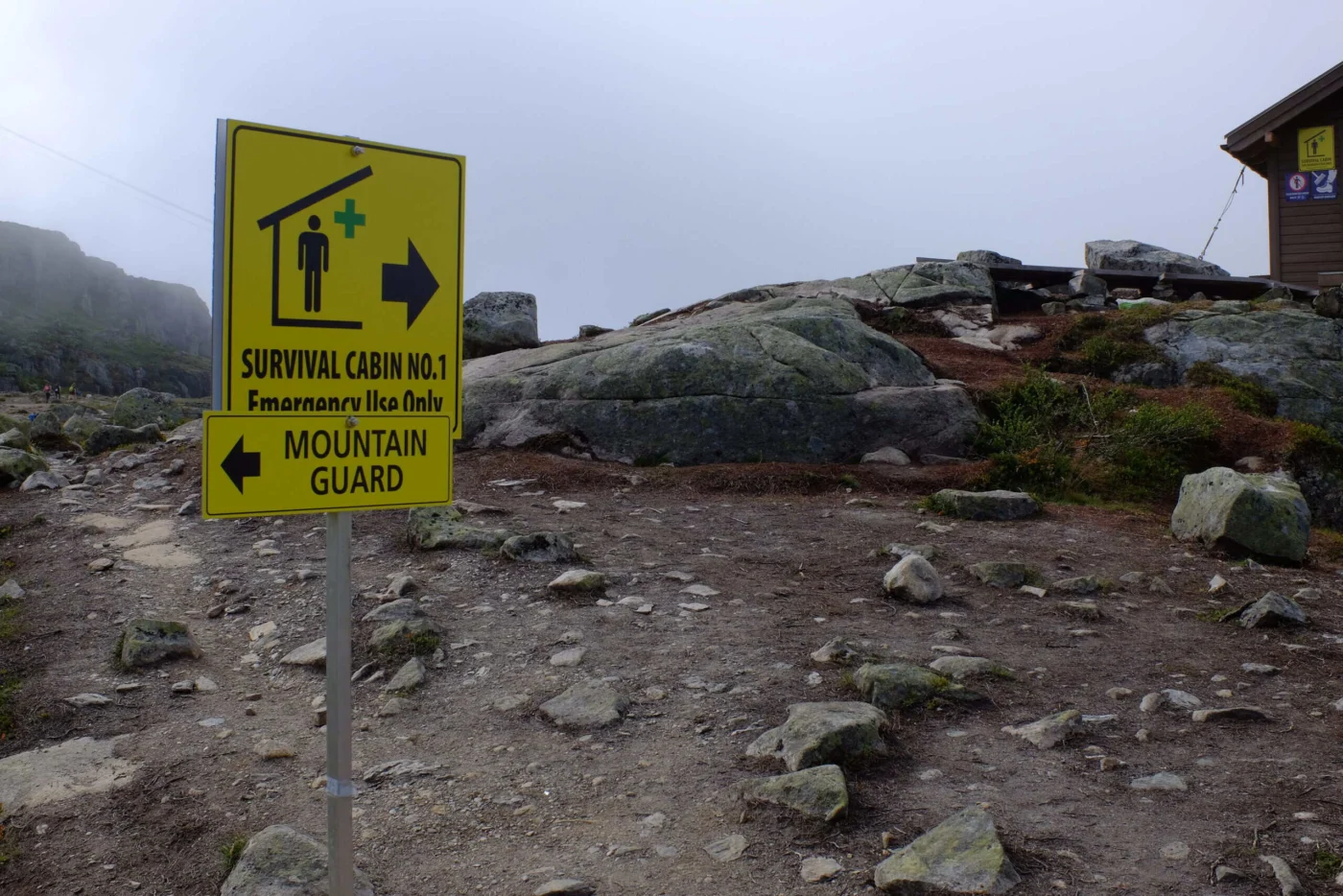
The start is where a small delay can become a long afternoon. Allow for loading bags, shuttle connections and time on the lower climb. A comfortable pace at the beginning preserves the energy you need to walk downhill several hours later.
Choose a pace that the slowest person can maintain without frequent long stops. An early check-in with the group is useful here. Feet that already hurt, a pack that rubs, or someone breathing hard at every brief rise all matter more than the time printed on the parking ticket.
Set out with a fully charged phone, offline navigation and a paper map or another backup you know how to use. Carry food you can eat easily, water, warm layers and waterproof protection. Follow official advice on departure times for the date of your walk and bring a headlamp as backup.
6. Allow for changing plateau conditions
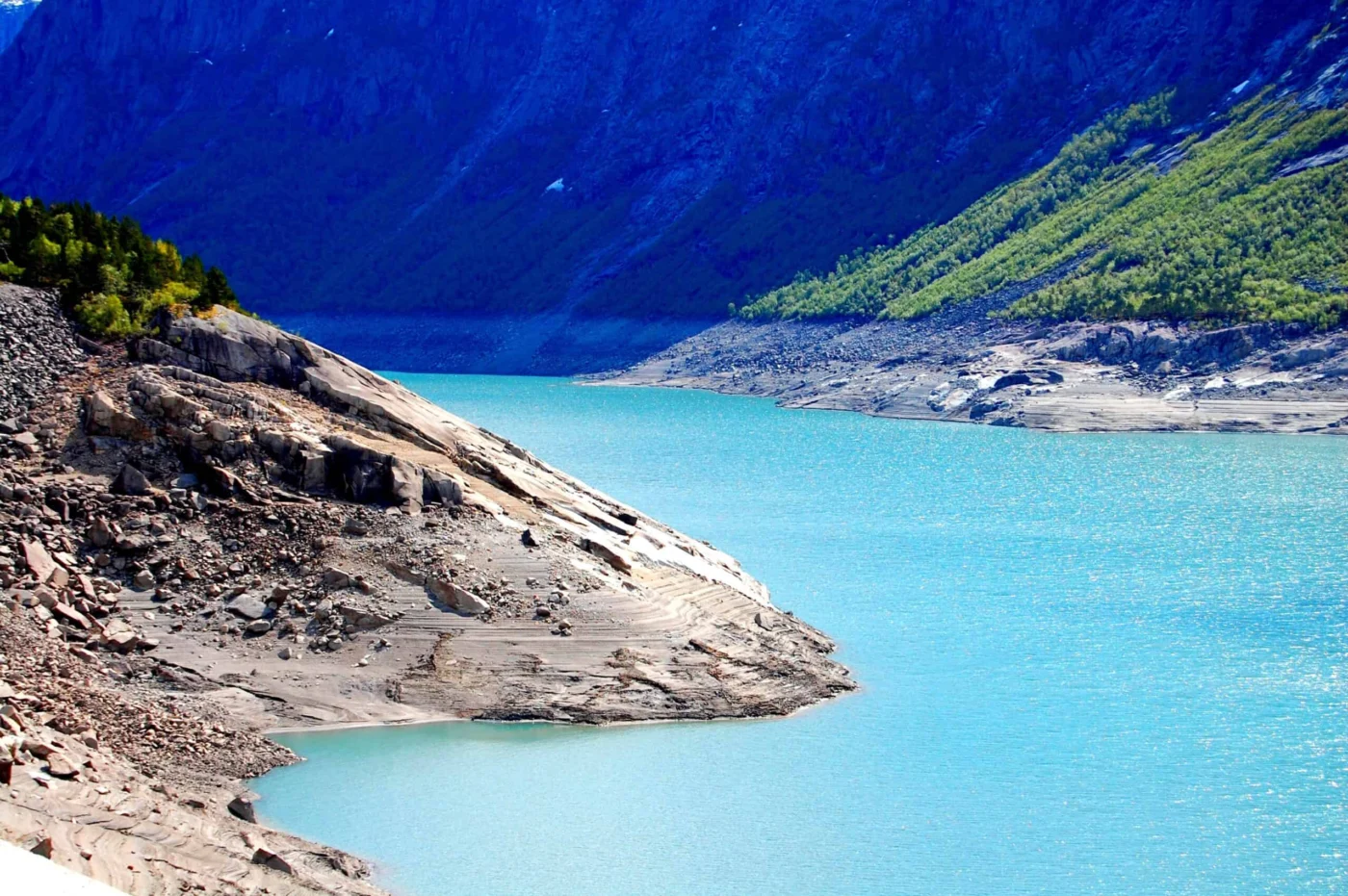
Once above the approach, Trolltunga is still a long walk across mountain terrain. It can be considerably cooler and windier than Odda. Clouds can remove the distant landmarks you were using to judge progress, and sunshine in town tells you little about visibility higher up.
Keep each rest purposeful. Add a layer when you stop, eat before you feel depleted and agree as a group before continuing into worsening conditions. A mountain forecast and the official trail report are both useful because they answer different questions about the day ahead.
Check conditions the evening before and again before departure. Choose a different activity if snow, strong wind or poor visibility exceed the group’s ability. Keep waterproofs and insulation accessible in the pack. The effort of stopping to retrieve them is lower while you are still warm and have a clear place to stand.
7. Visit the viewpoint on your own terms
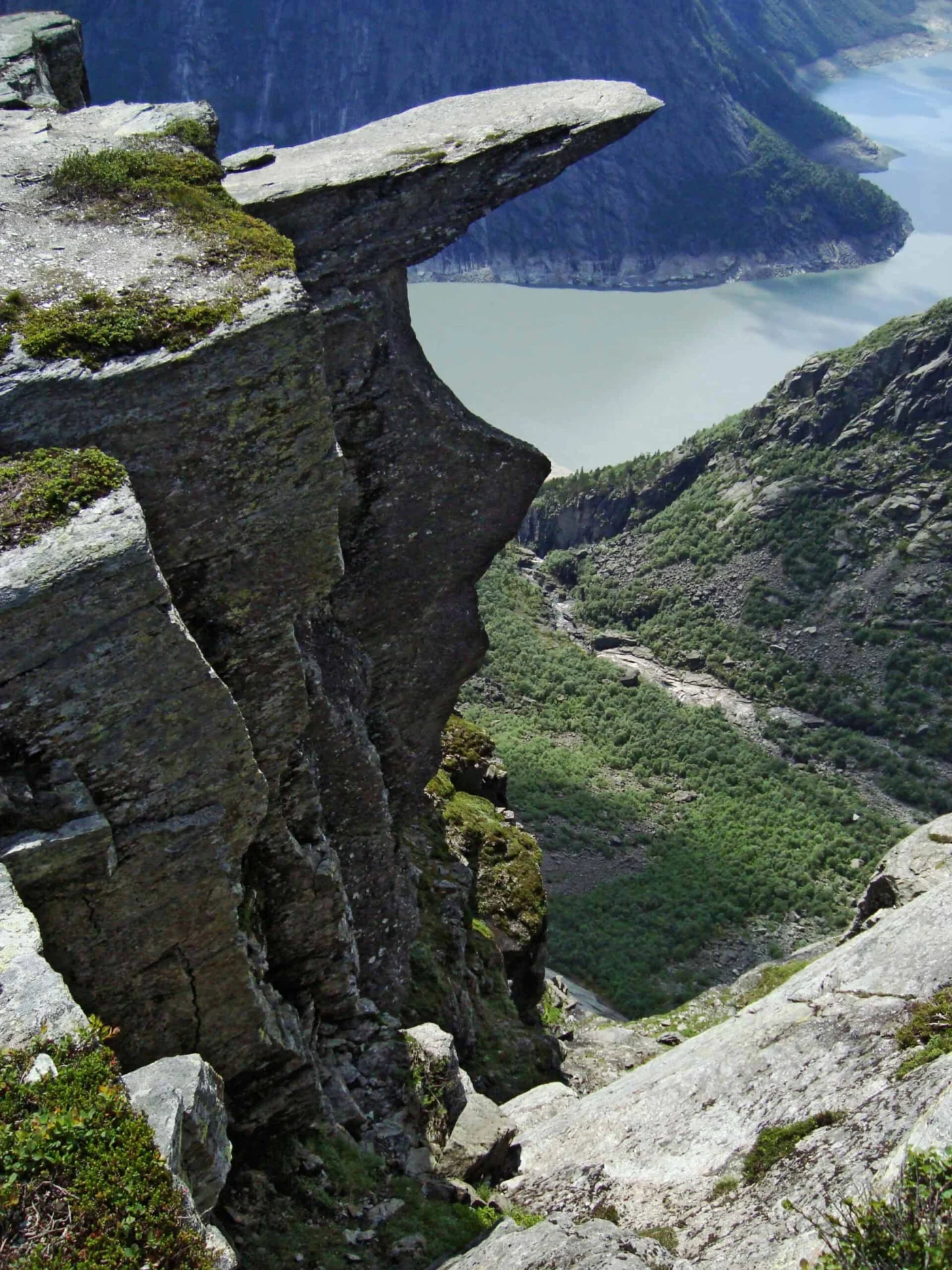
The ledge extends above Ringedalsvatnet and makes for a distinctive photograph, but the rest of the plateau is part of the experience. The scale of the reservoir and the mountains beyond becomes clear well before any photograph requires someone to approach a drop.
A queue at the rock can lengthen the day, and waiting in wind can cool a group rapidly. Agree beforehand whether your goal is to see the landscape or to get a particular photograph. A longer wait has a cost in daylight and comfort even if you feel fresh on arrival.
Stay well away from unprotected edges and keep equipment secure before taking pictures. Skip exposed positions in poor conditions or if anyone is uneasy. Keep time for a snack and layer change, then start back at the group’s agreed time even if the queue has barely moved.
8. Budget for the return journey
Reaching Trolltunga is roughly the midpoint of the walking day. On the return, attention and coordination can fade while the uneven terrain remains. Build time for small breaks and for a slower descent, especially if anyone has sore knees or feet.
Work backwards from the last shuttle, road access deadline or available daylight, whichever limits your group first. Include time to reach the actual collection point and a meaningful margin for ordinary delays. Check everyone’s remaining food and water before you leave the viewpoint.
Agree a turnaround rule before departure and stick to it if progress slows. Keep some food for the last part of the route and avoid making onward travel on the same evening depend on the shortest published hike estimate. If you have a prepaid connection, plan a viable alternative in advance.
9. Decide when to book a local guide
A local guide can choose a plan around the weather, explain gear needs and manage an unfamiliar start. The official hiking season runs from 1 June to 30 September for experienced independent hikers in suitable conditions. For 1 October–31 May, the official site recommends a guided hike, and advises using a professional guide in winter. Check the current seasonal advice.
When comparing guides, ask how many hours they allow for the trip, where they meet and what happens if the mountain is unsuitable. Find out whether they expect experience with snow and what the operator considers the minimum fitness level for the day.
Obtain an all-in quote that includes any transfers, equipment and taxes, and read the cancellation terms before booking. Ask which equipment you must bring and whether the operator supplies it in your size. Allow an evening to organise the essentials if you arrive by public transport.
10. Keep a lower-altitude Hardanger day ready
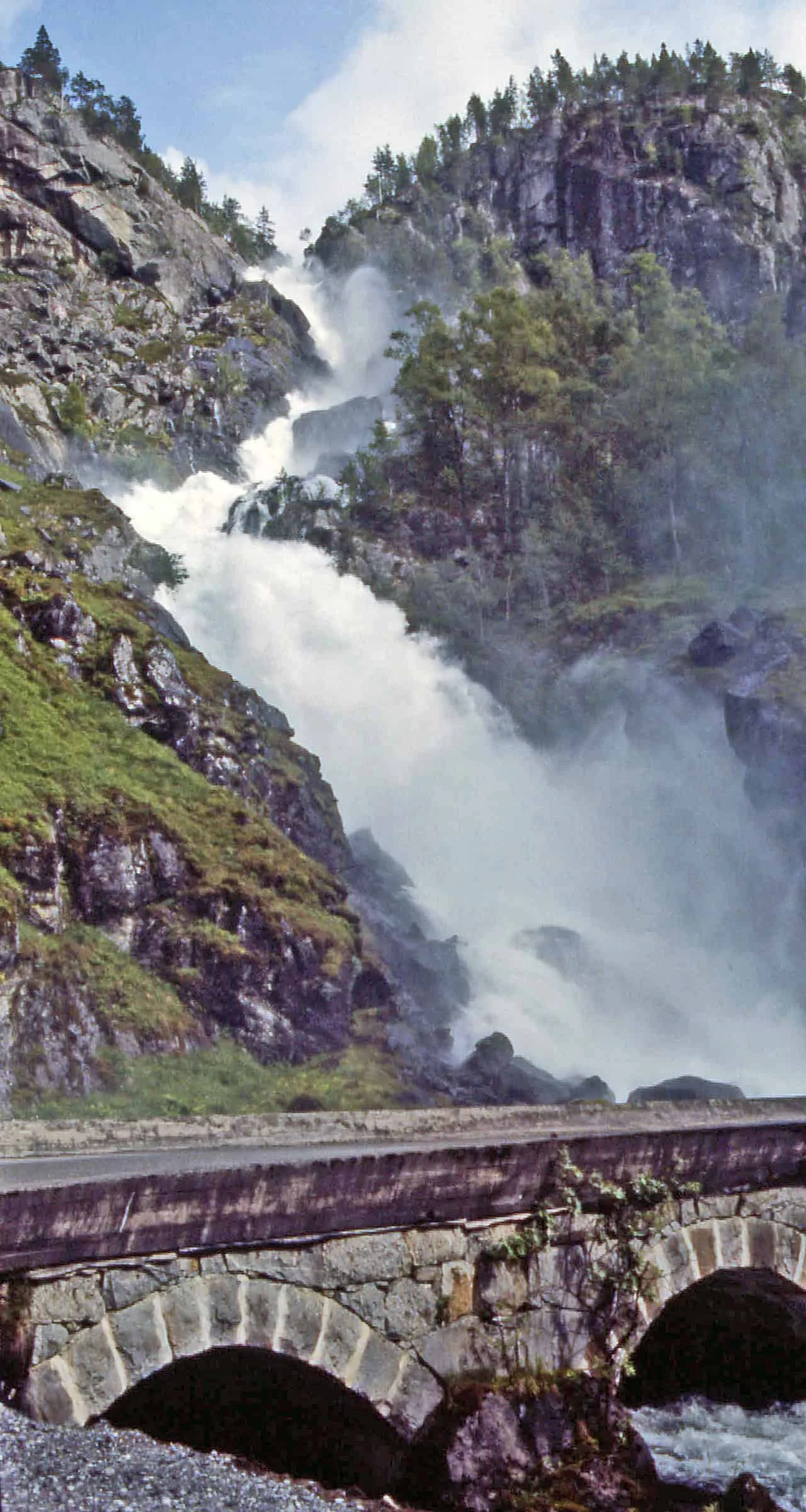
Hardanger has lower-elevation options if you wake up to poor visibility or the road you need is closed. A museum in Tyssedal or a waterfront day around Odda keeps you close to base. The point of the alternative is to give the group something worth doing while waiting.
Låtefoss can work as a short roadside stop when road and parking conditions permit. Eidfjord is better as a separate outing with time for the drive and the Norwegian Nature Centre if it is open. Our Eidfjord guide helps you decide what fits.
Check opening hours before relying on a museum as a rain plan, and leave the following morning clear if you hope to move the hike. Build meals and accommodation around the two possible sequences. That makes it easier to choose the right hiking day without losing a booking elsewhere.
Trolltunga hike itineraries
1-day itinerary
Morning: Depart from your base near Odda using your confirmed transport to P2 or P3. Afternoon: Use the published route estimate to reserve the whole day and turn back at your agreed deadline. Evening: Return to the same base and eat there. If the mountain is unsuitable, visit Tyssedal if its museum is open or spend the day at lower elevation around Sørfjorden.
2-day itinerary
Day 1 morning: Travel to Odda without a fixed mountain objective. Afternoon: Locate the shuttle stop or car park, collect food and check your route. Evening: Review the official trail information and lay out your gear. Day 2 morning and afternoon: Hike in appropriate conditions, allowing up to the full official time range for your start and extra for breaks. Evening: Stay locally if the return will be late. In poor mountain weather, use your second day for a shorter Hardanger outing.
3-day itinerary
Day 1: Arrive, get supplies and spend the afternoon near the waterfront, then review forecasts after dinner. Day 2: Start early for Trolltunga if conditions are suitable, return to Odda for the evening and keep any dinner reservation flexible. Day 3: Take the better mountain window if you postponed. Otherwise plan a morning in Tyssedal or a separate drive to Eidfjord and allow the afternoon for return travel. From Bergen, use the Bergen travel guide to plan the city portion on a separate day.
Trolltunga hike travel tips
Price the whole day before committing. A car may incur parking and a road toll, while a passenger itinerary may require several tickets. Add accommodation, food and any guide quote, then compare the options per person. Check refund and change terms on each leg.
Download the route, forecasts, tickets and current maps while connected. Tell someone where you are going and when you expect to be back. Save Norway’s medical emergency number, 113. Recheck official route, road and shuttle information on the morning of your hike.
Allow adequate recovery before a long drive and keep wet clothing separate from your travel bag. Hardanger drives involve variable road conditions and sometimes ferry connections, so leave time for transfers when changing bases.
Plan a guided Trolltunga day
Compare a guided Trolltunga day hike if you want support planning the mountain outing. Confirm the start point, season, equipment and full return time before arranging onward travel.
View the guided Trolltunga hike →
Check current dates, prices, meeting points and cancellation terms on Viator. Affiliate link: we may earn a commission if you book.
Related planning
Destinations for your trip
Frequently asked questions
Is Trolltunga worth a full day?
Yes if the terrain, time and conditions fit your group. Plan the trip around the walk itself, including the plateau and lake views, and decide separately whether a ledge photograph matters.
How long does it take?
The official baseline is 8–12 hours for 27 km from P2 and 7–10 hours for about 20 km from P3. Include additional time for connections, preparation and any long queue.
What should I book first?
Choose a local base with some flexibility. Then book the guide, parking or shuttle that makes your specific start and return possible. Recheck connections before payment.
What does the hike cost?
Budget for parking or shuttle tickets, any access toll, food and lodging. Guided outings carry a separate charge. Compare current booking totals for your group, since providers and access points charge differently.
When should I go?
The main independent hiking season is typically June through September when conditions permit. Consult the official season advice and use an appropriate local guide for periods or terrain outside your experience.
Can I go without a car?
Yes when scheduled connections and the seasonal trailhead shuttle fit. Stay near a served stop, check the final departure back to your base and choose an early start with enough time for the longer end of the hike estimate.
Conclusion
For Trolltunga, make the route, start and return transport one decision. A night in the Odda area, a flexible weather day and a clear plan for turning around give you room to enjoy the walk and the rest of Hardanger.
Official sources and current conditions
Check operators and official visitor sites for current prices, opening hours, departures and booking requirements.