Snowkiting in Norway: 10 Tips for a First Winter Trip
Snowkiting in Norway is easiest to try through a coached course at Haugastøl. Compare one-day and weekend courses, then plan your equipment and travel around the weather on Hardangervidda.
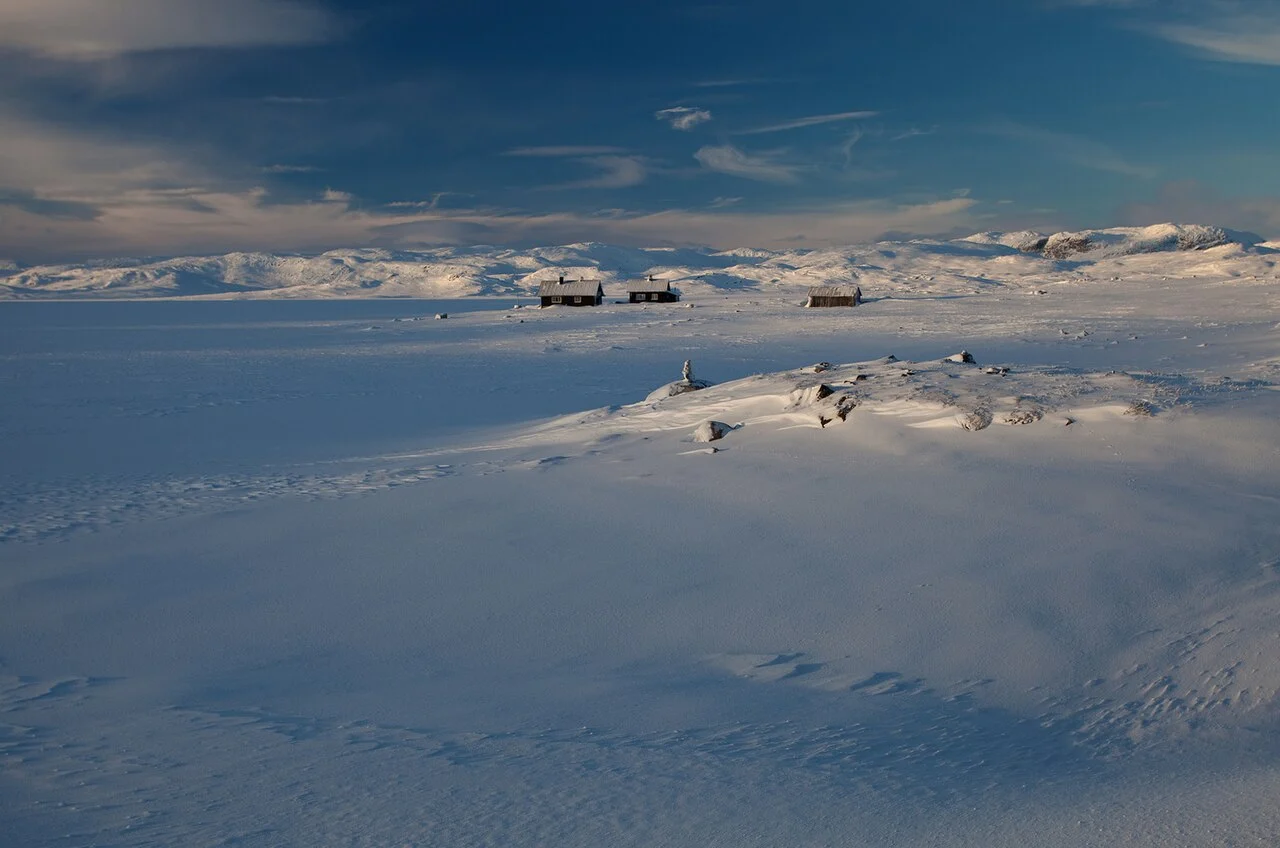
Snowkiting in Norway at a glance
- Worth trying? Yes, if you want a coached winter activity and can keep plans flexible.
- How long? One day for an introduction or two for a weekend course.
- When? Haugastøl suggests February to April for longer daylight.
- Cost? Published course examples run from NOK 2,400 for one day to NOK 4,400 for a weekend.
- Transport? Check Road 7 or confirm a train and the last road transfer.
- Three priorities. Book a course, confirm equipment and plan a bad-weather alternative.
1. Where to try snowkiting in Norway
Haugastøl sits on the eastern approach to Hardangervidda, west of Geilo. It is a practical base for a first course because providers meet there and select a training area for the conditions on the day. What you are buying is time with an instructor and access to their local judgement. A room with a view of the plateau is useful if you want to be close to the meeting point, but it tells you nothing about whether a particular slope or lake is suitable.
The appeal of Hardangervidda is the space. Once students are ready, a course can move beyond standing still with the kite to using skis or a board on snow. In a beginner group, the first day may feel slower than a video of experienced riders crossing the plateau. Expect equipment preparation, demonstrations and repeated practice with feedback. Ask the school what counts as progress on a day with marginal wind before deciding whether a one-day session is worth the journey.
Base yourself at Haugastøl when course time takes priority. A room in Geilo can make more sense if other members of the party want town services or a ski day while you learn. The trade-off is a separate journey to the course and back. Find out whether everyone meets at the lodging, whether the instructor chooses a different practice area and how the group reaches it. The course advertised from Haugastøl and the actual location of the snow session are distinct parts of the plan.
2. Which snowkite course to book
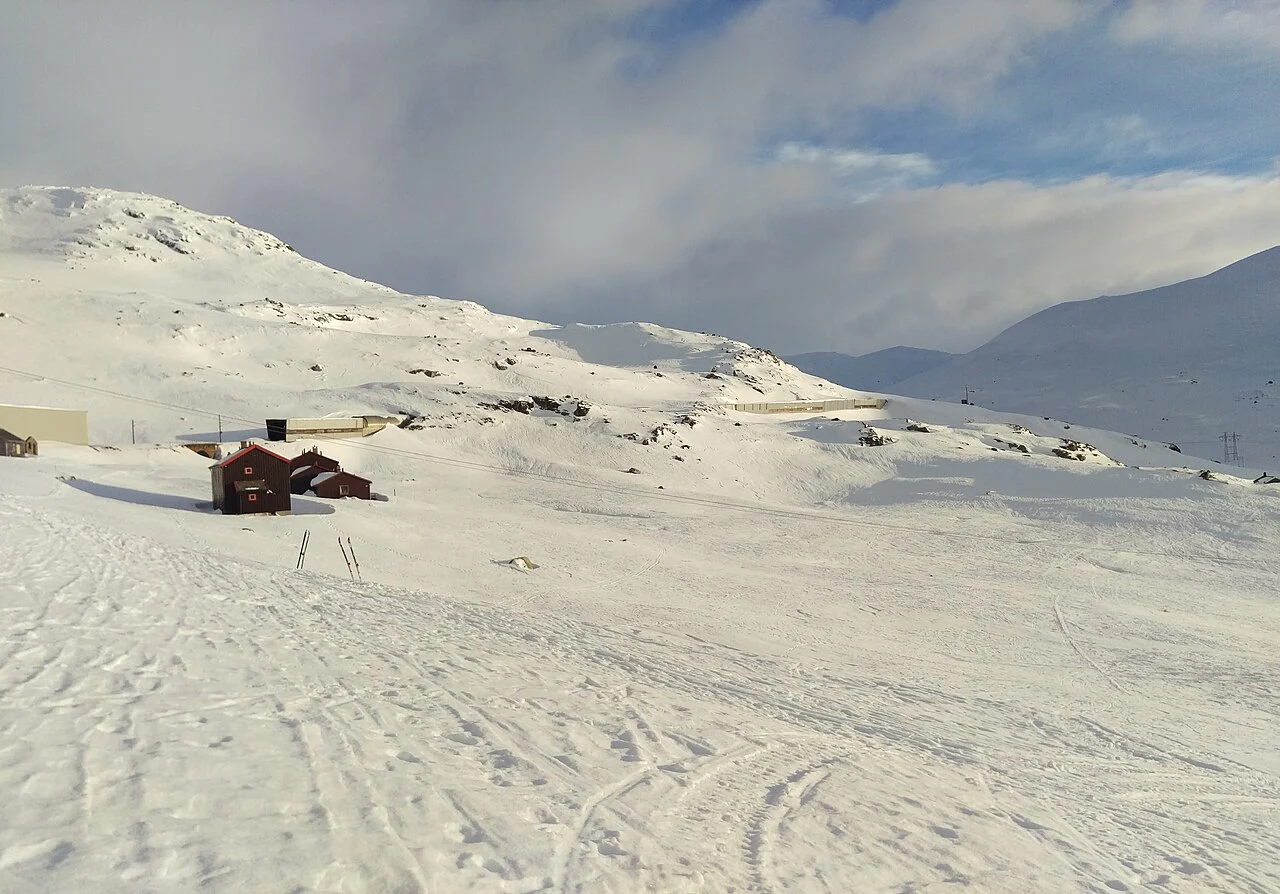
Vindskolen lists a one-day Hardangervidda course from NOK 2,400 and a two-day weekend course from NOK 3,750. Kitekurs.no lists its Haugastøl weekend at NOK 4,400, with kite equipment and instruction included and participants bringing skis or a snowboard. These are published examples. Check the price and starting time for the exact date, the group’s experience level and the policy if conditions prevent the advertised programme.
Choose one day if you are already in the area and can accept a short introduction. A weekend gives more scope for repeating skills and working with changes in the wind. Ask whether the hours are split across two days and what happens if only one day can be used. If you would have to travel a long way twice, factor that into the value of a credit for another date. Ask whether accommodation and any rental arrangements can be moved under the same terms.
Tell the provider about prior kite experience separately from your skiing or snowboarding ability. A competent downhill skier may still need the introductory kite session. If you already kite on water, ask whether the school offers a level suited to transferring those skills to snow. Ask the instructor what you can realistically expect after the course and whether another coached session would be appropriate before independent riding in a new place.
3. When to go and how to reach the course
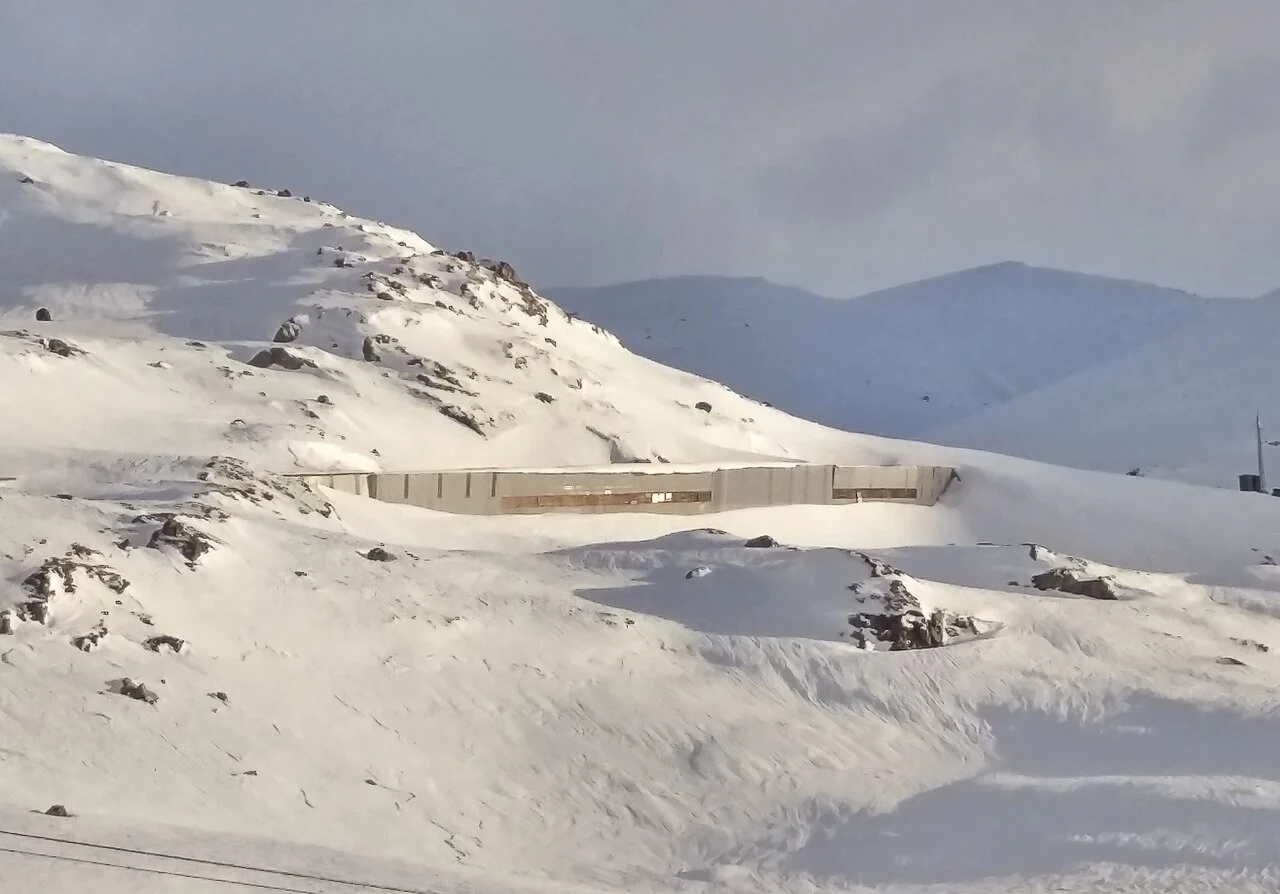
Haugastøl’s English snowkiting guide suggests February to April for longer daylight and generally favourable snow conditions. Use that range as a starting point and then look for a course that fits the date. A winter forecast can change within the trip, and a school can reject a particular spot even when the region has ample snow. Early-season snow cover and late-season access need their own confirmation.
Road 7 is the road approach to Haugastøl and continues across the plateau. The Norwegian Public Roads Administration traffic service is the place to check current conditions, including closures and convoy operations. If arriving from the west, look at the crossing before leaving a place where you can wait indoors. Agree with the school on how to handle delays. A detour that looks short on a summer map can consume the available daylight or leave you on the wrong side of the plateau.
If you plan to use the Bergen Railway, check live departures for Haugastøl or Geilo on the date you travel. Confirm which train stops, how you and your luggage reach the accommodation and how the course handles transport to the teaching spot. Geilo is a useful place to compare services, but a train ticket to town does not cover the last leg. Read the Norway scenic train guide for context and use the operator’s timetable when booking.
4. What to bring and what to budget
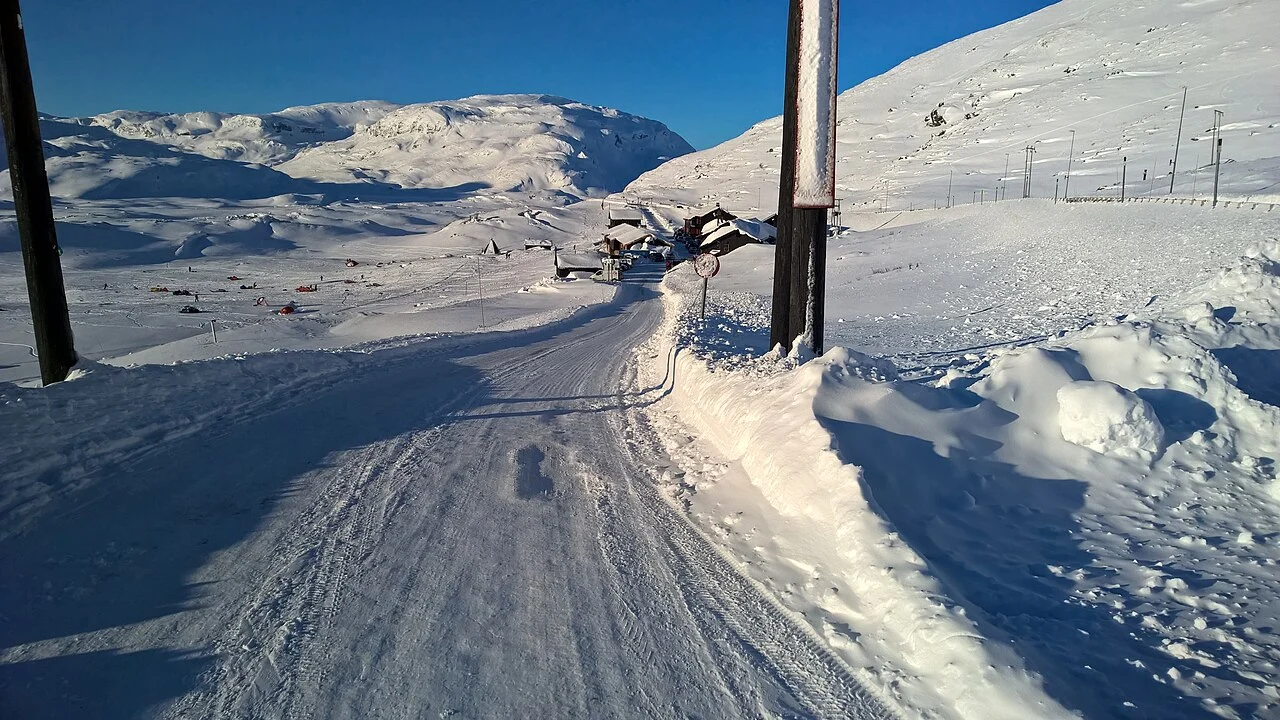
Add up instruction, two nights of lodging if you need them, transport, meals and any missing equipment. If you are taking a weekend course, compare lodging with kitchen access against the cost of eating out. Ask the accommodation which meal services are available on your dates. On the plateau you may be out when you would normally have lunch, so check what the school expects participants to bring and where you can refill a bottle or warm up.
Confirm the equipment list before renting or packing. Haugastøl and Visit Norway indicate that course participants should plan on bringing warm winter clothes and skis or a snowboard, and Visit Norway’s listing also names a helmet. Ask your school what kite gear is included, which type of skis or board it recommends for the class, and what needs to be rented in advance. Compare rental opening hours with your arrival. A Friday evening arrival can leave little time if the gear desk opens after the course meets.
Pack dry items for afterwards and ask whether the course provides a warm waiting area or whether the group stays near vehicles during breaks. Tell the school if anyone in the party needs special arrangements. Plan around the option of remaining indoors or returning to the base if the cold or wind makes the session unsuitable for you. Give non-participants a separate plan and a way to reach you without having to wait outside at the training area.
5. Wind, visibility and wildlife on the plateau
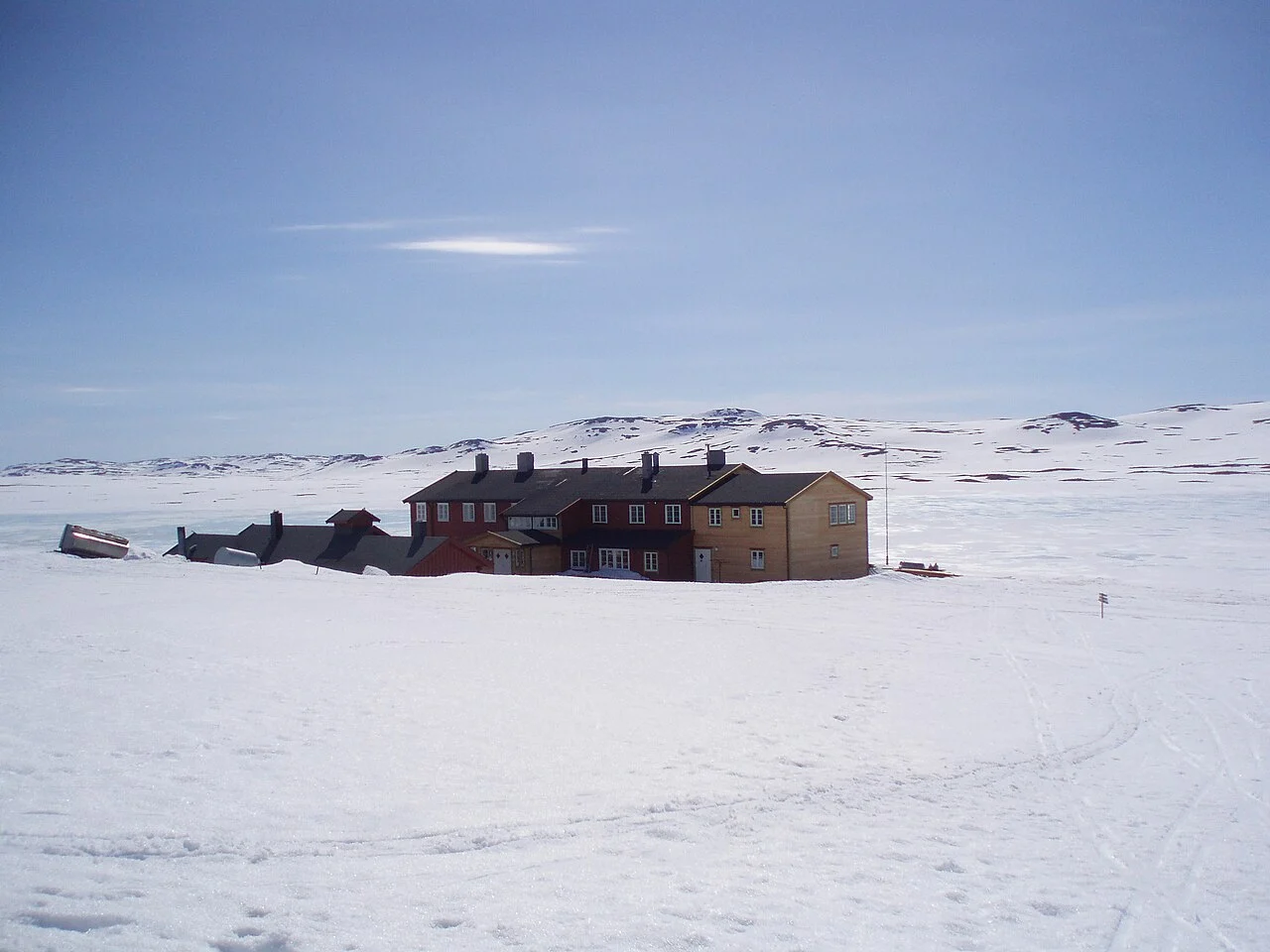
Follow the instructor’s decision about where to train and when to stop. Snowkiting combines moving equipment, wind and terrain, so small changes can affect a lesson. Ask how the school handles visibility dropping or wind increasing while the group is out. Use the published programme to understand what is taught and the instructor’s briefing for directions on the day. A start time in your booking is the time to meet, rather than a promise that the group will launch immediately.
Avoid treating an open snowfield or a snow-covered lake as a ready-made training area. Ask the instructor about roads, power lines, other users, ice and terrain boundaries. NVE’s Varsom service publishes regional information on hazards including avalanche and ice conditions. Use it alongside local advice. Regional alerts cannot establish whether a specific patch of ice, approach or slope is suitable for a group on a particular day.
Hardangervidda is wild reindeer country. Ask about the approved training area, seasonal restrictions and what to do if wildlife is nearby. Give wildlife space and follow instructions from the provider and local authorities. Keep outside the way of other users when watching from shore or from a trail. If you are waiting for a class, use designated parking and ask where spectators can stand rather than following the group into its working area.
6. Keep the rest of the trip flexible
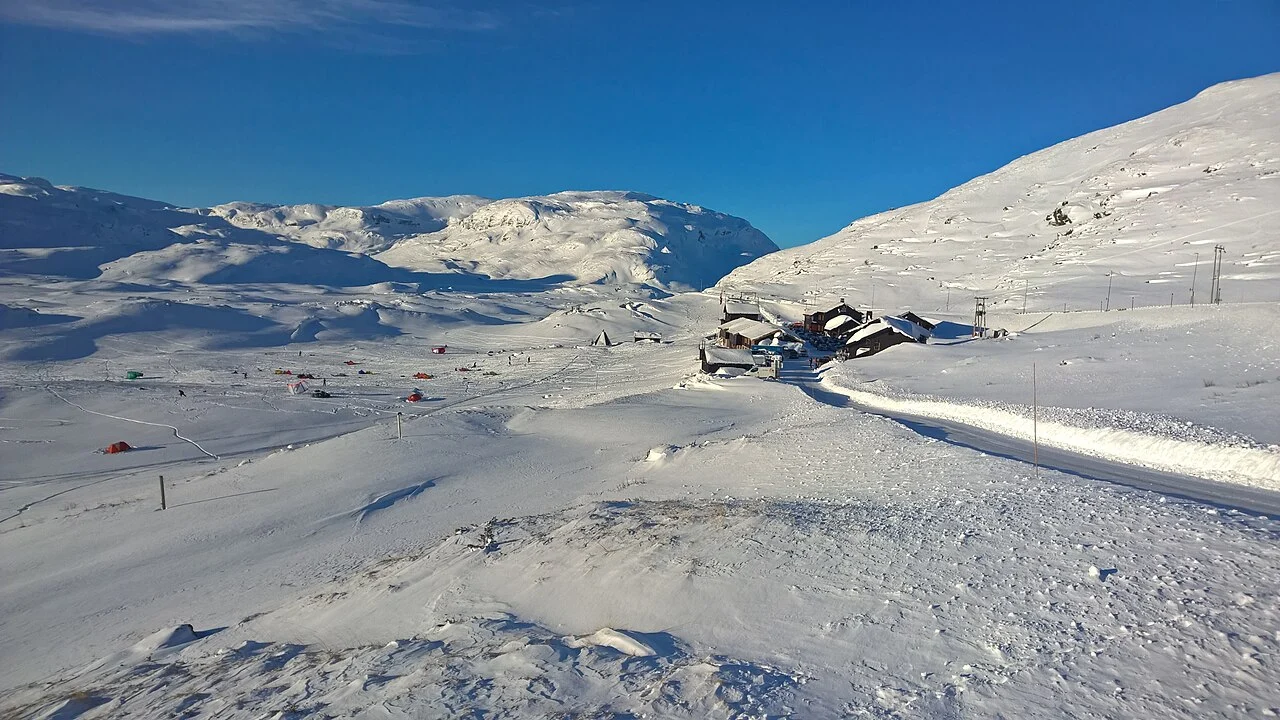
The simplest itinerary has one main booking a day. If you add a timed lift pass, a long onward drive or a dinner reservation far from base, give yourself enough room to absorb a moved lesson. Confirm the shop and lodging hours, and make a separate plan for food if you arrive late. If travelling as a group, make sure at least one person has the school’s number and the meeting address available offline.
When you choose a fallback, match it to the reason the course is off. A weak-wind day may suit an easy local outing. A road closure or poor visibility calls for something closer to your accommodation. Ask the staff what is reachable under the current conditions. If your first course is the reason you travelled, use a spare day before adding another prepaid activity and keep the school informed about how long you can stay.
Before travelling, confirm the meeting time, equipment and passenger requirements, the refund or change rules and whether the school arranges movement between locations. Look at the road and train updates again before departure. That quick check gives you a decision point while you can still move a booking or change where you wait.
7. Use Hallingskeid as context for rail access
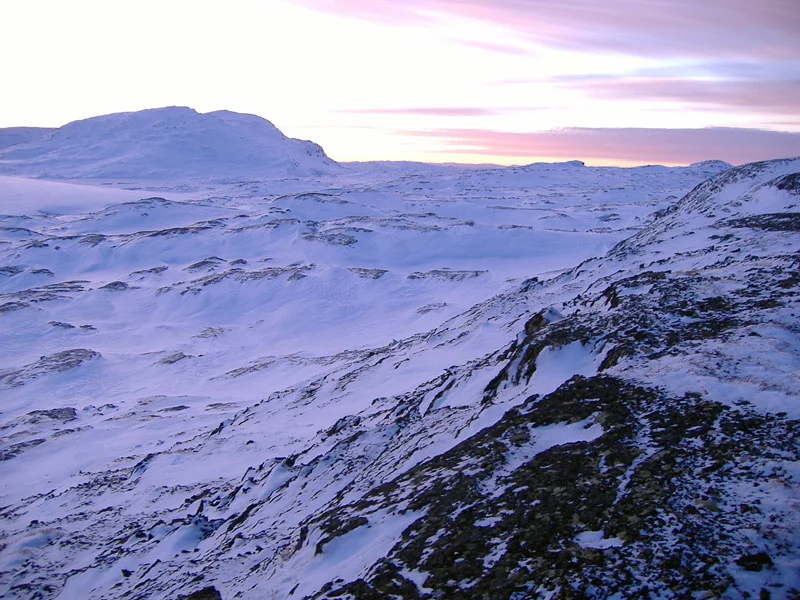
The Bergen railway crosses the winter plateau. A photograph of the railway helps explain why valley and mountain conditions can be different on the same day.
Book your travel around the actual course meeting point. A station that looks close on a map may not provide a practical final transfer with winter luggage.
Check the station and service before buying a fare. Ask the instructor to confirm the last leg from any railway stop.
8. Base the first lesson at Haugastøl
Haugastøl lists winter courses that start near the plateau. A lesson and a room close to the meeting point can reduce the amount of travel on the first morning.
Ask what you need to provide and which items the school supplies. Tell the instructor whether you will use skis or a snowboard so they can explain the prerequisites.
Check the live date and course rate before booking the room. Ask whether a weather change means a different venue or a moved session.
9. Treat the plateau as a flexible venue
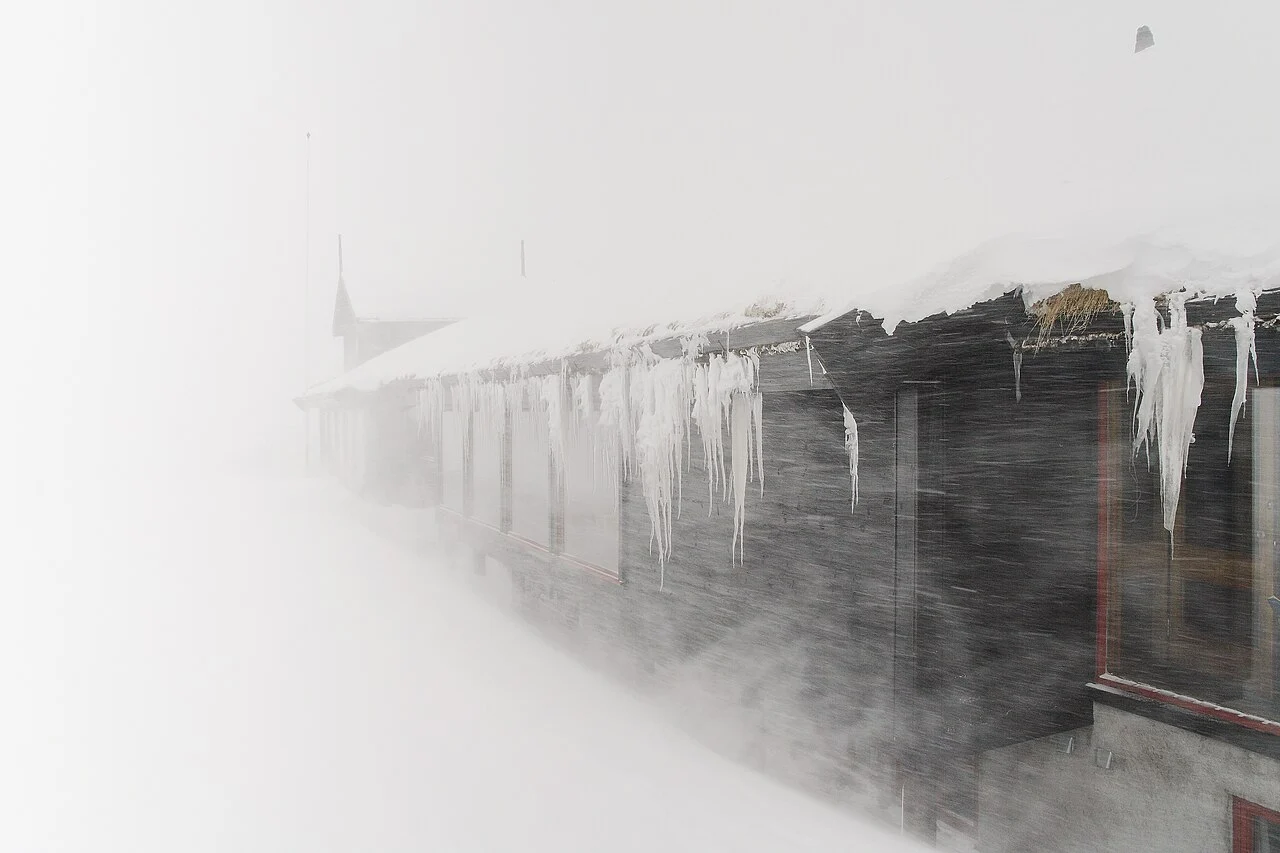
Hardangervidda has different access points, and conditions can vary across the area. The school may decide on the terrain only close to departure.
Keep your final travel step flexible. Agree who drives and where you can wait if the road or forecast changes overnight.
Check road status and arrange transport with the school. Keep the fare, accommodation and transfers separate when comparing the total price.
10. Give the wind a spare day
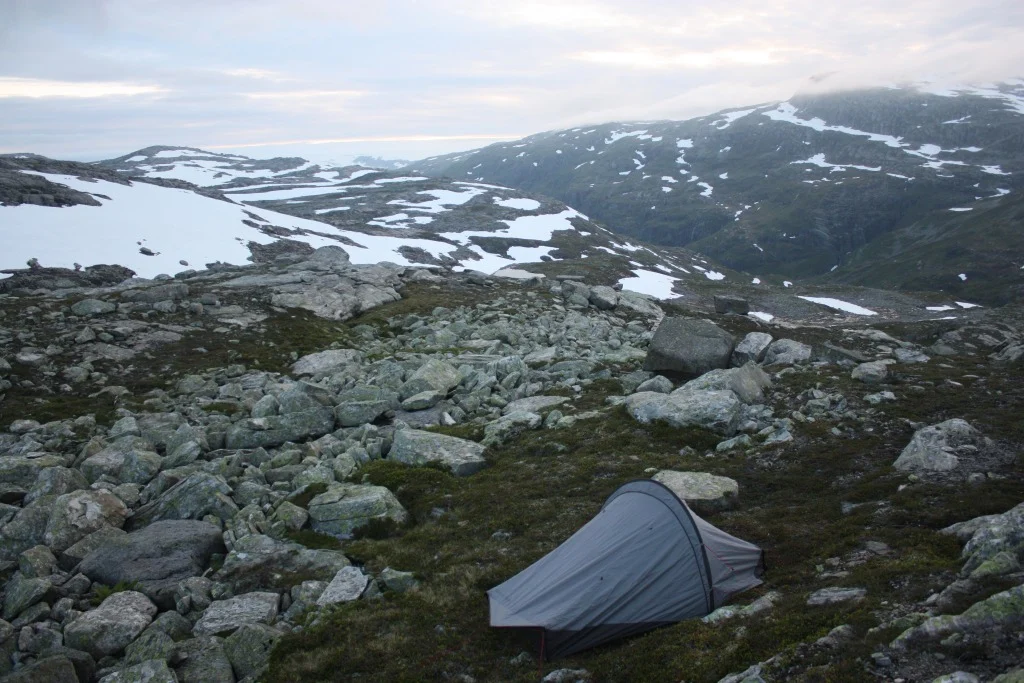
A single fixed lesson leaves little room when wind or visibility makes the session unsuitable. A spare day makes a longer trip easier to justify.
Choose an indoor or low-exposure alternative before leaving home. A stay near your base makes it easier to switch back if the instructor can offer another slot.
Confirm what happens to your payment when a lesson moves. Budget for the additional night and avoid a tight connection after the last possible session.
One-, two- and three-day snowkiting itineraries
One day from a local base. Stay near Haugastøl or Geilo the previous night. Use the morning for breakfast, the road and a buffer before the agreed meeting time. Reserve the rest of the daylight block for the one-day course and allow time to change and return any gear before dinner. If the school cannot teach outdoors, follow its rebooking instructions and choose a local indoor stop or an easy marked winter activity only where conditions allow. Keep onward transport well clear of the expected end.
Two days at Haugastøl. Arrive the evening before the first session if the course starts early. On day one, use the morning for equipment and instruction and leave the afternoon for the instructor’s plan. Eat and dry your gear close to your base. On day two, keep the morning and early afternoon free for the second session or a revised start. Leave later for the onward journey. If the plateau road is closed, recheck both the route and the course before leaving the accommodation.
Three days with Geilo as a second base. Use day one for the journey, equipment collection, a short local visit and dinner. Use days two and three for a weekend course, returning to the same bed after the first day to keep the morning simple. If a session is cancelled, ask about moving the booking and choose an alternative near your base. The cross-country skiing guide can help you choose a groomed option when local trails are open. Keep your final evening flexible if you need to return rental equipment.
Related planning
Destinations for your trip
Questions and answers
Can a complete beginner try snowkiting?
Ask the provider for its introductory course and describe your skiing or snowboarding ability. The instructor can help match the course to your level.
When is the best time to go?
Haugastøl suggests February to April for daylight and snow. Local wind, visibility and road status still decide what is possible.
What is the price of a course?
Published examples start at NOK 2,400 for one day and NOK 3,750 for a weekend, with another weekend listed at NOK 4,400. Confirm exact inclusions.
What should I bring?
Ask your school about warm clothing, a helmet, skis or a snowboard, and the equipment supplied in the fee.
Do I need to rent a car?
A car can simplify the last leg, but ask about rail stops, pickup and access to the training area. Confirm all three before booking.
What if there is no wind?
Check whether your course changes the programme, offers a new date or has different refund terms. Keep one local alternative available.
Book the course before the rest of the trip
Choose one base, confirm your equipment and hold the daylight hours for the course. A spare block of time makes the rest of the itinerary easier to adjust if the weather changes.
Sources and further reading
Confirm prices, opening hours, transport and current conditions before booking or travelling.