Musk Ox Safari on Dovrefjell: 10 Practical Travel Tips
A musk ox safari on Dovrefjell in Norway is a guided mountain walk with wildlife watching from a distance. Compare local bases, prices, seasons and what to bring.
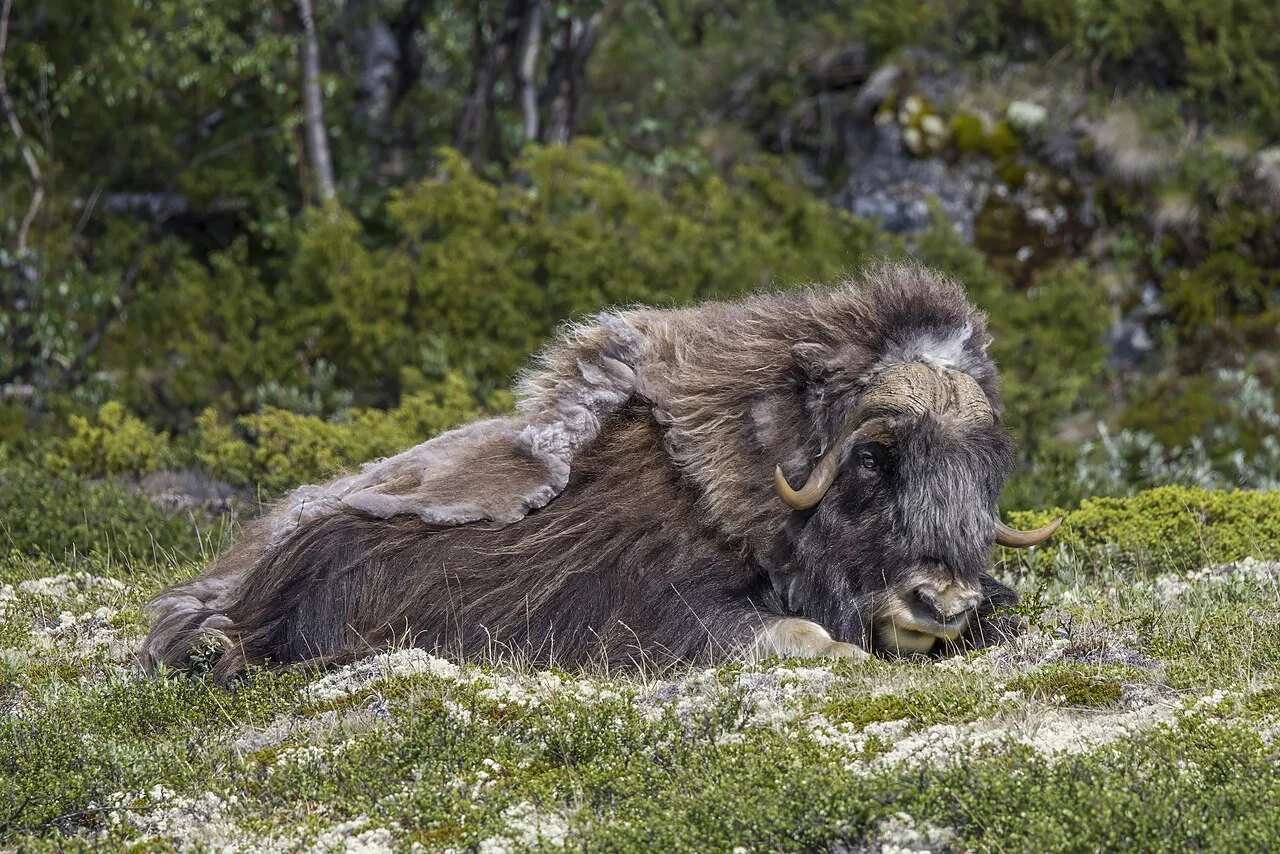
Musk ox safaris on Dovrefjell at a glance
- Worth it? Yes for a guided mountain walk and distant wildlife viewing.
- Time? Allow a half-day or longer.
- Season? Start with summer dates and confirm the calendar.
- Cost? A published adult example is NOK 495.
- Transport? Confirm the meeting point and any final transfer.
- Priorities. Book a guide, check conditions and keep at least 200 metres from musk oxen.
1. What a musk ox safari involves
A musk ox safari on Dovrefjell is usually a guided walk across open mountain terrain. You travel on foot to a suitable observation point and watch from a distance. The guide decides where the group can go and when it needs to change direction. That makes the day different from a vehicle-based wildlife tour with regular stops. Ask about the likely walking distance, surface and pace before choosing a departure. A group may cover more ground on a day when the animals are difficult to see.
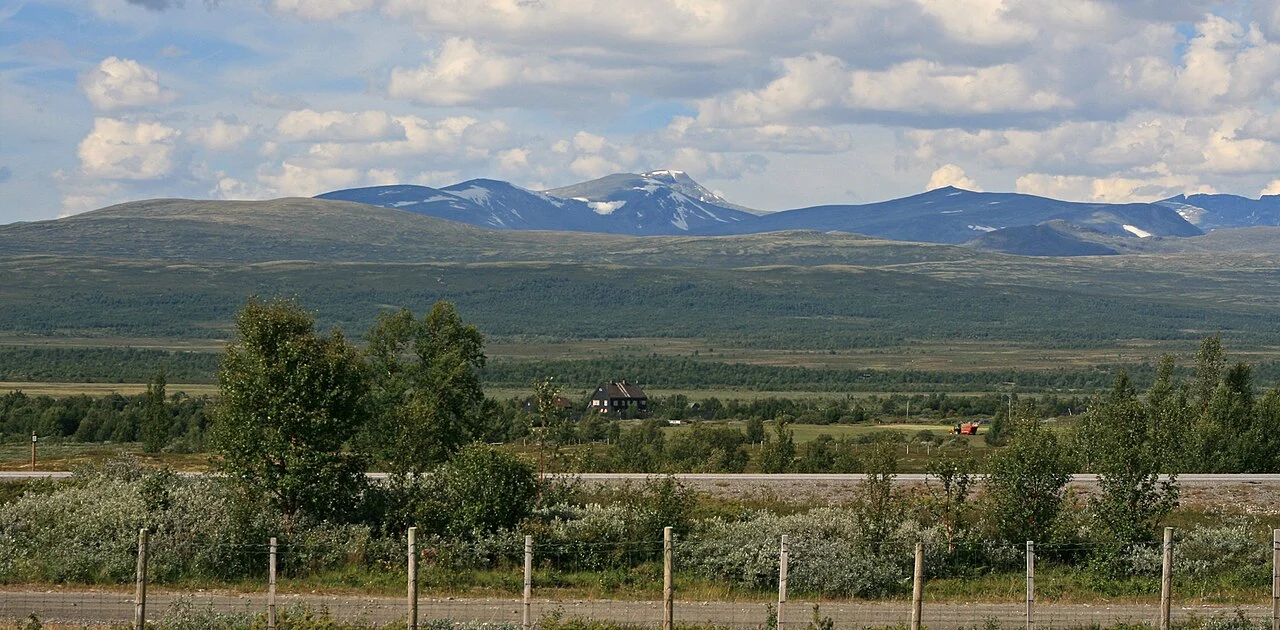
The landscape is a large part of the outing. Hjerkinn sits high on the E6 between Dombås and Oppdal, and the surrounding ground can feel open and exposed even when the journey from your lodging was sheltered. You may spend time scanning broad slopes where individual animals are difficult to distinguish without binoculars. Bring an interest in the mountain environment as well as the animals. A guide can explain what you are looking at even on a day when the herd is far away.
Choose the trip for the least experienced walker. An outing rated easy can still mean walking on uneven ground and standing in wind for a long time. Ask whether the quoted time includes transfers, breaks and observation. If someone needs a predictable finishing time or frequent access to a toilet, tell the provider in advance. Ask if there is a shorter format or a practical alternative nearby. Agree on a separate meeting point if a companion plans to stay at your base.
2. Hjerkinn, Dombås and Oppdal as bases
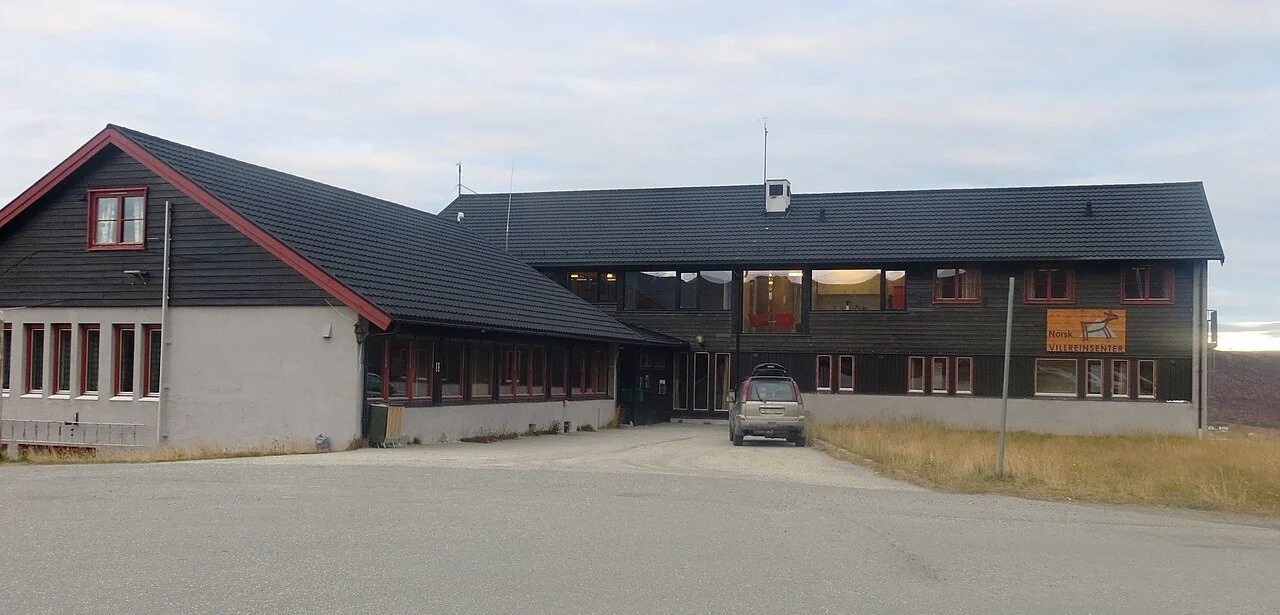
Hjerkinn makes sense if you want to stay close to the mountain and avoid a long transfer before the walk. The national park identifies it as an approach for guided musk ox outings. Ask the guide whether you meet at your lodging, an operator office or a parking area. The name Hjerkinn can describe the wider area as well as a particular address. Confirm exactly where to wait and what you need to bring before leaving.
Dombås can be practical if your wider trip already comes from the south or follows the railway north. Oppdal can work if you approach from the Trondheim side. Compare the last leg from either town before paying. A train journey to the area does not establish that you can reach the guide at the right hour. Check both directions and confirm whether the operator can offer pickup. If you must hire a taxi, get a quote for the return as well as the outward journey.
Base the night before the walk on where you need to be in the morning. A late arrival and a long drive before check-in leave little room for changes. Ask the accommodation about breakfast, packing a lunch and storing luggage after checkout. If you are approaching from the north, the Trondheim guide helps plan a separate city stay. Leave it as its own stop rather than counting on a quick return after several hours outside.
3. Prices, group size and the booking calendar
Visit Norway lists a Furuhaugli guided safari example at NOK 495 for adults and NOK 250 for children under 13. The listing describes daily departures from 20 May to 20 September for that product. Confirm the current price, operating dates and age requirements with the provider. The child price is a fare category and does not establish that a specific walk suits every child. Ask about the planned duration and how the guide adapts the route to its group.
The national park maintains a list of recommended operators. It describes regular organised summer outings and says some providers offer winter safaris by arrangement. Compare the actual products. A standard group walk, a privately guided departure and a winter booking can have different equipment, transport and cancellation terms. Ask whether there is a minimum number of participants and when the provider confirms the trip. Get the exact group price if you need a private outing.
Budget for travel, food and lodging as well as the safari ticket. If one quote includes transport and another starts at an outlying meeting point, compare the total for your party. Ask whether binoculars are supplied and whether you need to bring a packed lunch. Check the payment and refund terms before booking. If you will only have one day in the area, look for terms you can work with if wind, rain or wildlife movements lead to a changed route.
4. Wildlife distance and how to watch
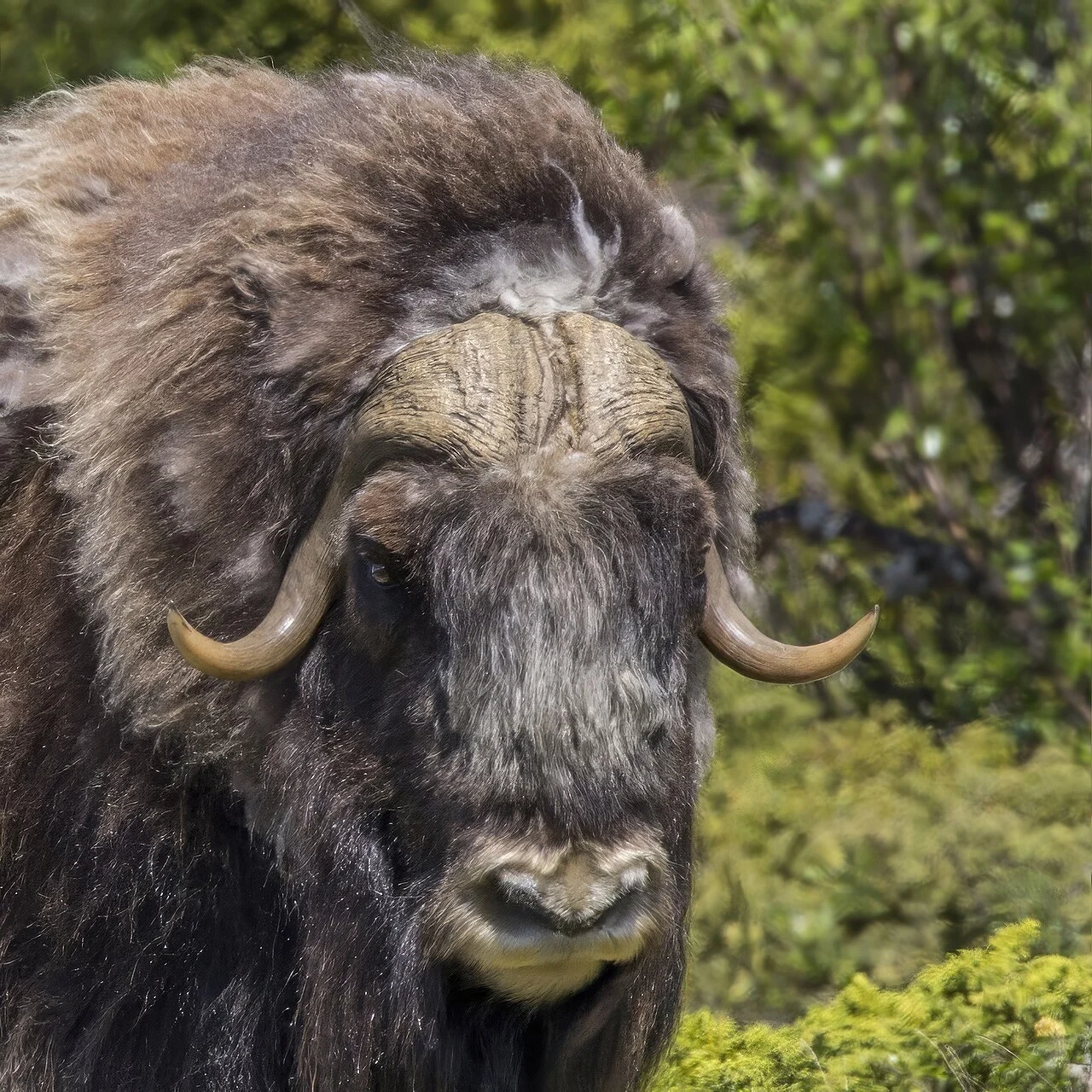
The regional visitor authority says to keep at least 200 metres from musk oxen. Follow the guide and allow more space if instructed. Use binoculars or a long lens instead of asking to get closer. If animals move, stay with the group and let the guide decide what to do. The distance is a minimum, and terrain and visibility may call for a more conservative position. A small image in the viewfinder is an ordinary part of watching wild animals.
Keep the group together and give other visitors room. If you are taking photographs, use equipment you can put away quickly when the guide wants to move. Avoid leaving the group to get a different angle or following animals uphill. A guide can help you tell when a dark shape is an animal and where to scan next. Ask questions during a suitable stop instead of spreading out to look for separate views.
Treat a day with distant sightings as a wildlife day. Seeing how the animals use open ground can tell you more about their surroundings than a quick close photograph. If the guide decides to turn back, use the rest of the day for a lower-level stop or a warm meal. Do not try to retrace the guide’s route independently to get a closer view. Follow current national park guidance and respect closures and site instructions.
5. Season, weather and what to bring
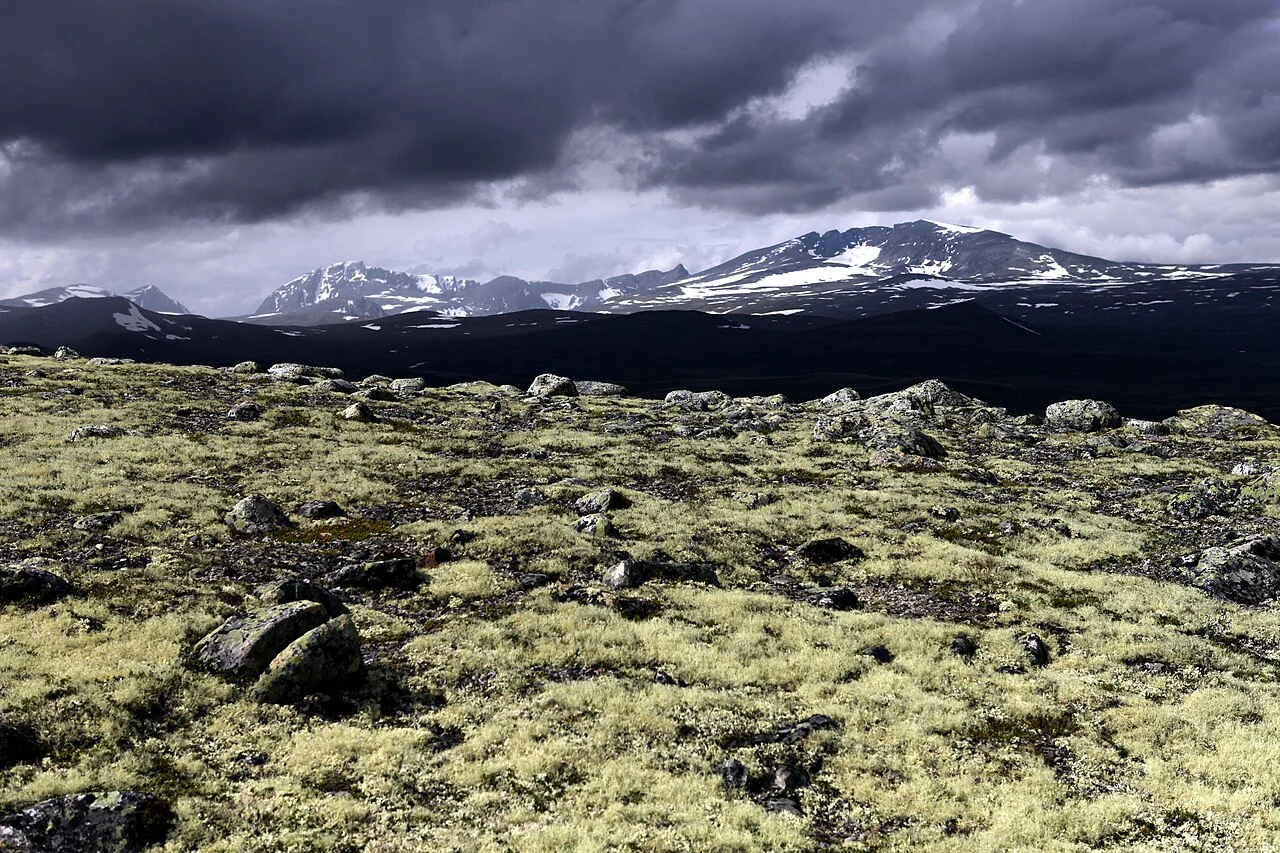
Summer is the simplest starting point for many visitors because regular guided departures are easier to find. Check the booking calendar and current local conditions rather than choosing from an old timetable. In the shoulder season, ask what ground conditions the guide expects and how much light there will be. Winter outings need their own arrangements and suitability check. Ask the provider what it requires and whether the group can handle the expected time outdoors.
Bring layers for wind and periods of standing still. Ask the operator about footwear, food, water and any gear it provides. Keep an extra layer where you can reach it during a stop. Confirm whether you will have access to shelter and how much time you are likely to spend away from the vehicle. If children are joining, plan for breaks and explain that the group may need to be quiet and wait at a distance.
Check the official traffic service for the driving leg. Conditions on the E6 and on any final approach can affect check-in. Save the guide’s contact number and address offline. Ask when the guide will make a weather decision and whether you should check before travelling. A walk cancelled on the mountain does not have to spoil the rest of the day if you have a local stop and a flexible meal planned.
6. Make the trip work for the whole party
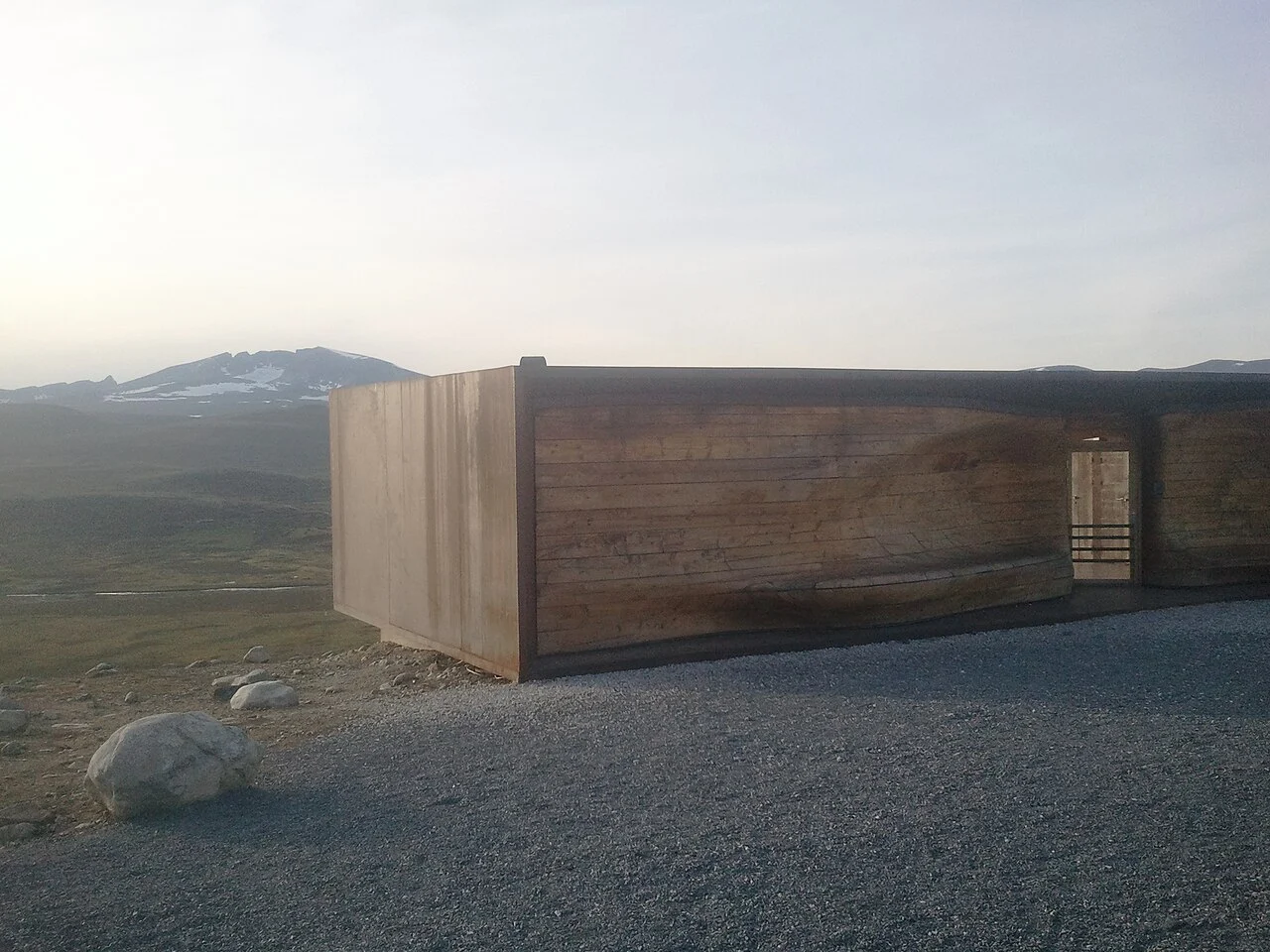
If one person is mainly interested in photography and another wants a short walk, compare private and scheduled tours before booking. Ask how long the group usually stays at one observation point. A person who gets cold standing still may prefer a shorter trip with more movement, while a photographer may be happy to wait. Check where the gear can be stored when you are moving. Give the guide a realistic description of what your group wants rather than asking for a guaranteed sighting.
A spare half-day is most useful when it is close to the same base. If your next hotel is far away, a moved outing may mean changing both the reservation and the drive. Keep the following morning free when possible and ask what the operator offers if it cannot go out. If you are including Dovrefjell in a broader Norway road trip, avoid using the final part of a long driving day as your only wildlife window.
Consider what companions will do if they decide to skip the walk. Pick somewhere they can reach and a meal or meeting point that remains practical if the return is delayed. A visitor centre is only a useful backup when it is open and reachable. Confirm the opening hours and the drive before relying on it. If you share one vehicle, decide who needs it. Make sure everyone can contact the group or the provider if the day changes.
7. Take the train to Kongsvoll only if the guide confirms the meeting
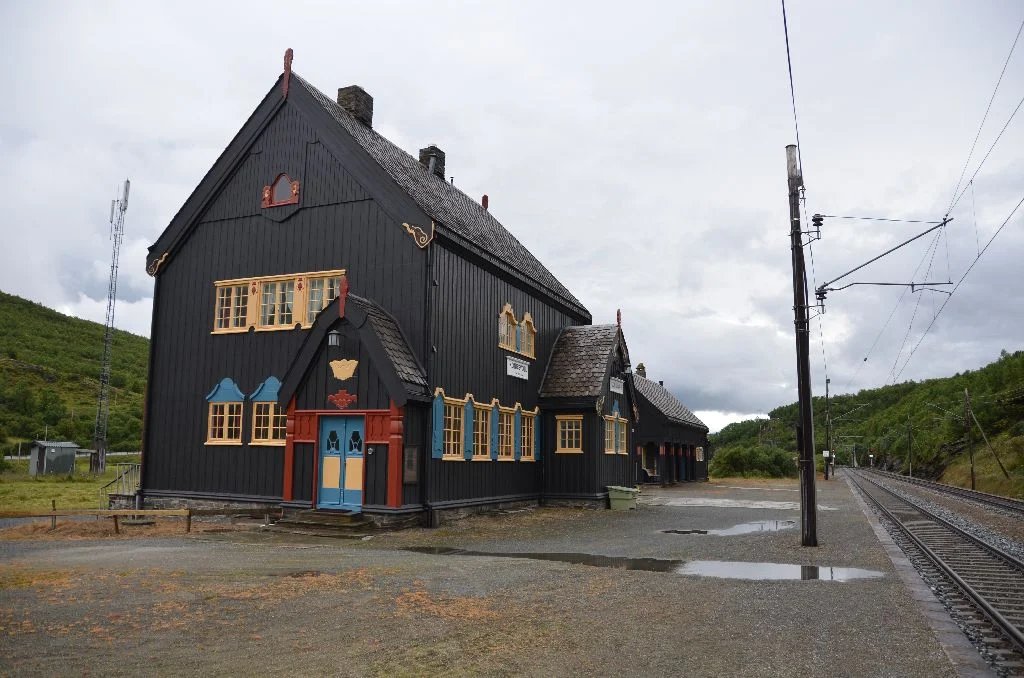
Kongsvoll is a rail stop on the plateau. It can suit an itinerary without a car if your safari is arranged around that station.
Check the exact meeting site on a map. Station access and the place where the guide starts walking can be different, especially if the driven part of the outing changes.
Confirm the return before paying and compare rail fares with transfers from your accommodation. Set aside the tour’s full duration and a buffer for walking back.
8. Stay in Dombås for the southern approach
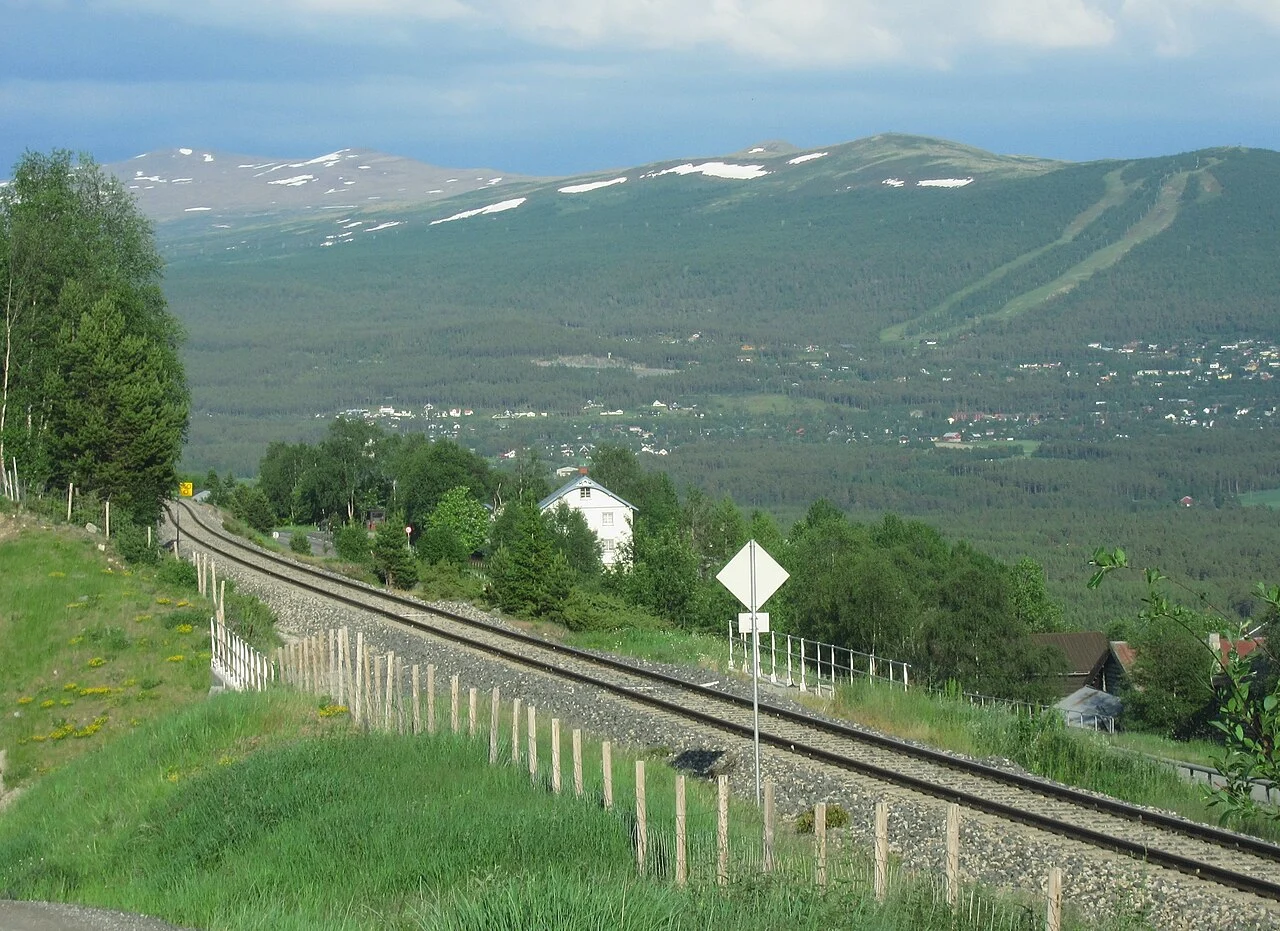
Dombås works as a base if your trip comes up from the south or includes another rail leg.
Use the town for supplies and arrange the morning ride to the meeting point separately. This gives you a workable day if the guide needs to choose a different start.
Compare accommodation and transfer costs together. Ask the guide when the trip is likely to finish before committing to an evening train.
9. Stay in Oppdal for the northern approach
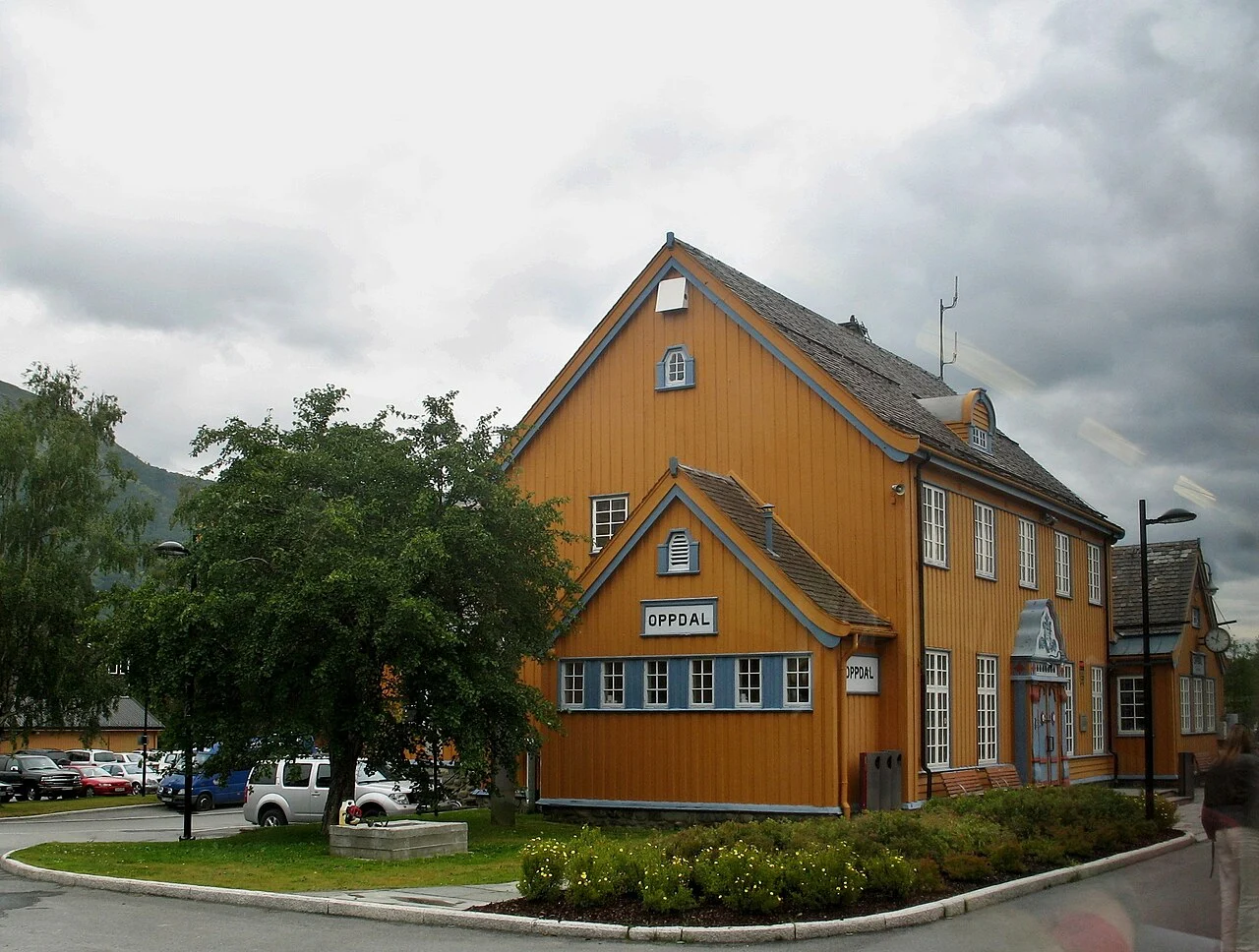
Oppdal is convenient if you are arriving from Trondheim and want to approach the plateau from the north.
Pick your room according to how you will reach the operator. A base close to rail and shops is useful if a tour moves to another day.
Leave a full day for the safari and check whether transport is included. Travel times and the exact starting point vary by provider.
10. Use Viewpoint Snøhetta as a separate visit
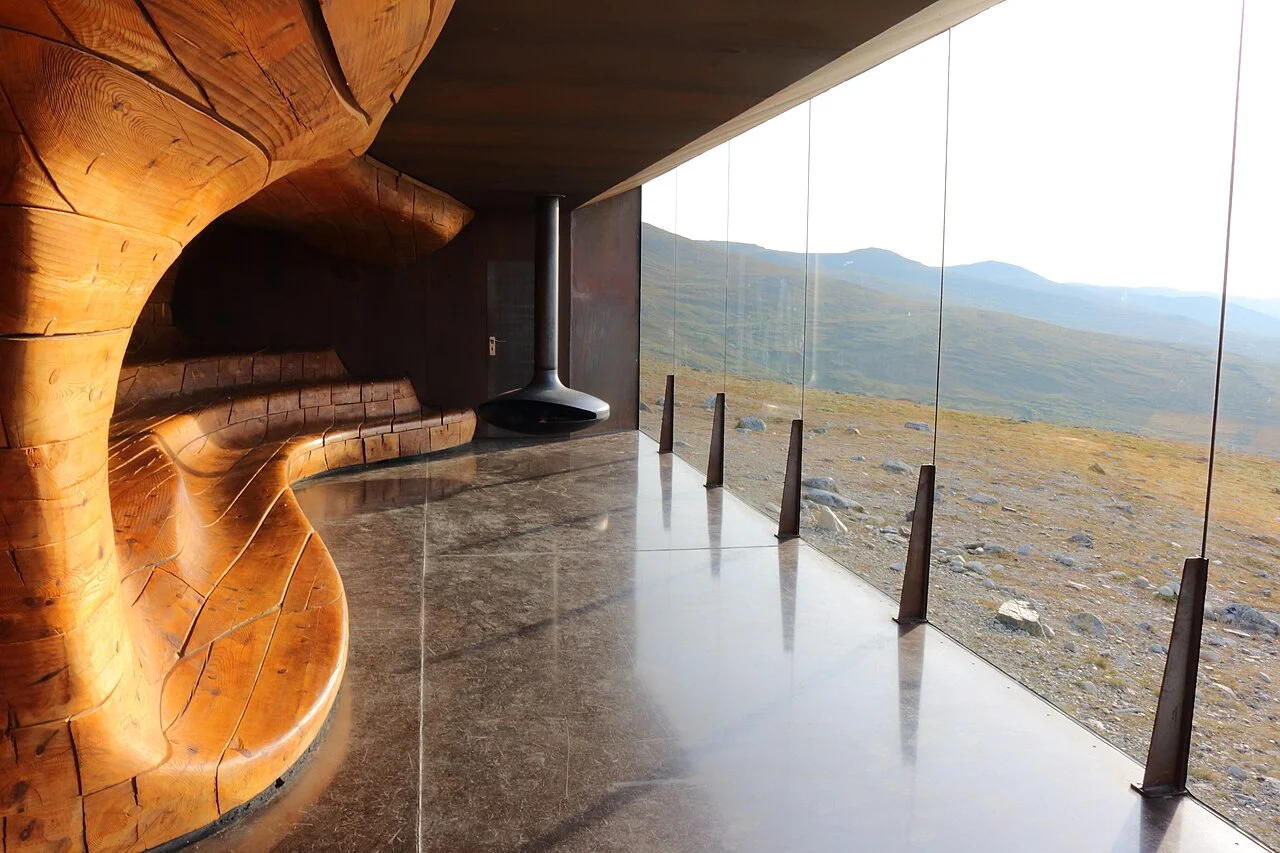
The viewpoint gives you a way to see the landscape above Hjerkinn even if some of the group is skipping a longer outing.
Treat it as a scenery stop. Look at the scale of the plateau and leave wildlife room to move if you see it.
Check the published opening, trail conditions and any access restrictions before travelling. Allow time to walk both ways and account for wind even when the valley feels calm.
One-, two- and three-day itineraries
One day from a local base. Use the morning for breakfast and the drive to the confirmed meeting point. Reserve the main part of the day for the guided walk, leaving enough time to return and warm up before dinner. If the trip starts in the afternoon, spend the morning near your accommodation rather than driving to a distant attraction. If it is cancelled, choose a local town or lower-level visit and check the actual return conditions.
Two days around Hjerkinn. On day one, arrive, check the pickup and spend the afternoon on a short confirmed local visit. Eat near your lodging and prepare food and clothing that evening. Give day two to the guided walk and use the evening for a flexible meal or onward travel with a generous buffer. If you arrive early enough and day one has better conditions, take a confirmed first-day outing and keep the second day available. In poor weather, choose a sheltered alternative near your base.
Three days with a mountain and railway stop. Use the first day for arrival via Dombås or Oppdal and a short afternoon stop. On day two, give the morning and afternoon to the safari and stay nearby that evening. Keep part of day three for a moved outing or a short local visit before your confirmed onward trip. Use the scenic train guide if the trip continues by rail, and check the exact departure and transfer separately. If the mountain conditions remain poor, make the third day about the town and the onward connection.
Check the meeting and the finish before paying
Ask whether the guide expects guests to drive between the meeting place and the start of the walk. This distinction matters if you arrive by rail or share a car with companions who have other plans. Ask whether your bags stay at the accommodation, in the car or with the provider. A separate vehicle transfer can also mean a later return to the original pickup point. Confirm where the trip ends and leave enough time to collect your belongings.
If you only have one available day, decide what you can change before paying. A room near the departure can make an early start easier. A flexible onward ticket can help if the group returns later than expected. Check whether the operator can offer another time if conditions change, and confirm that you can actually reach it. A moved booking only helps if transport, clothing and lodging still fit the new time.
Look for musk ox with a guide
Compare a guided musk ox safari from Oppdal for a walk on Dovrefjell. Confirm the meeting point and expected walking effort, and leave wildlife sightings to the animals rather than treating them as guaranteed.
Check current dates, prices, meeting points and cancellation terms on Viator. Affiliate link: we may earn a commission if you book.
Related planning
Destinations for your trip
Questions and answers
Is a musk ox safari worth it?
Yes if you enjoy a guided mountain walk and are happy to watch wildlife at a distance. Book for the landscape and the guide’s knowledge as well as the chance of seeing the animals.
How much does it cost?
Request current adult and child fares from one of the national park’s listed operators. Ask whether transport, equipment and any additional costs are included.
How long should I allow?
Keep a half-day or longer and ask for the total duration from check-in to return. The walking route depends on conditions and where observation is possible.
When should I go?
Summer is the easiest starting point for regular guided trips. Some operators arrange winter visits. Check the actual date, weather and equipment requirements.
Can I go without a car?
Ask the provider to confirm pickup or arrange transport both ways. A train stop alone does not complete the journey to the meeting point.
How close can I get?
Keep at least 200 metres away and follow the guide’s directions. Use optics and accept a distant view.
Book the walk and keep a spare window
Choose a local base, confirm the meeting point and give the animals space. A second block of time in the same area lets you adapt to mountain conditions without rushing the walk or the return.
Sources and further reading
Confirm prices, access and schedules before booking.