Orca Snorkeling in Norway: 10 Decisions Before You Book
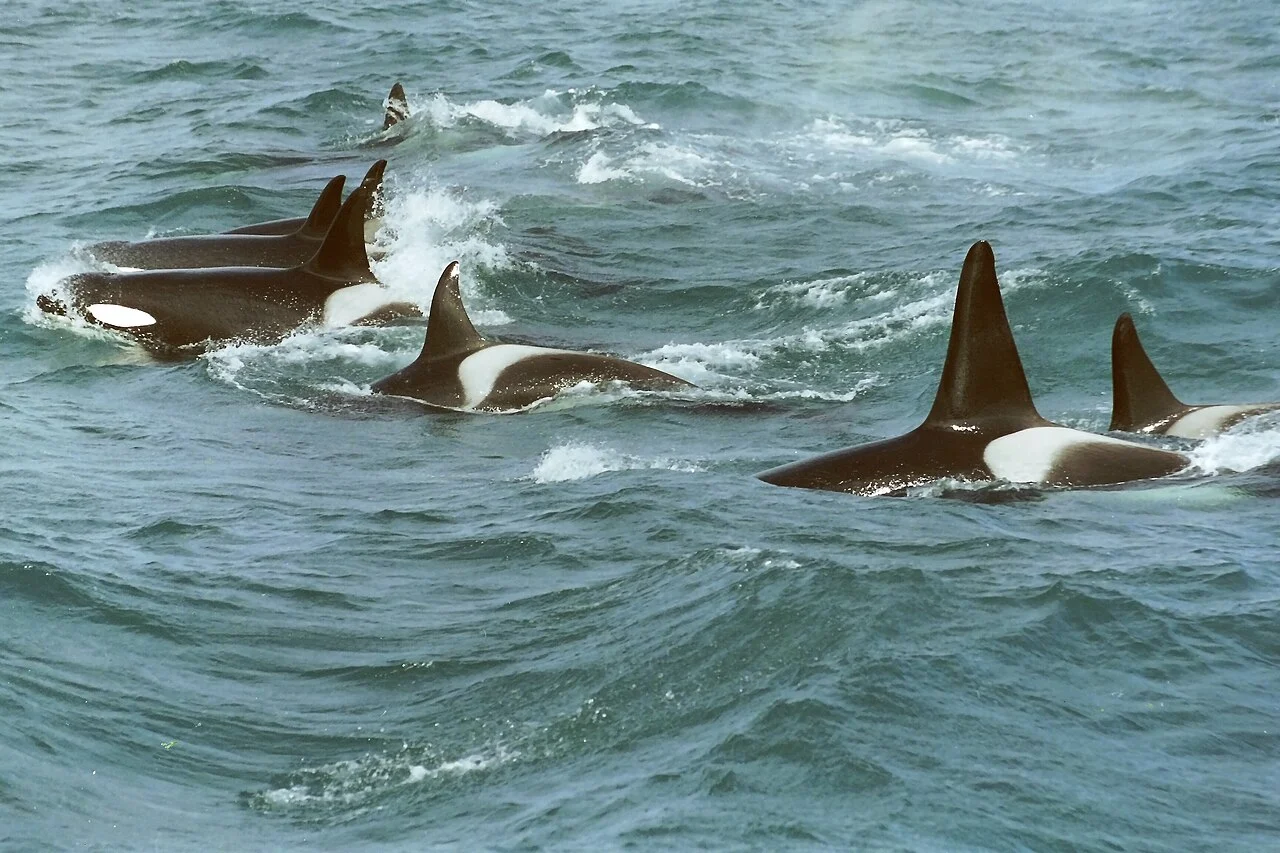
Orca snorkeling in Norway is advertised by some operators in winter, but Visit Tromsø discourages in-water activities with whales. Cold water, limited visibility, feeding behaviour and nearby vessels create separate risks. If your main aim is to observe orcas in the wild, a responsible boat trip is the better starting point. Use this guide to choose a departure, compare boat formats and understand what an in-water listing entails.
Quick answers
- Worth it? Choose responsible boat-based viewing for a first trip.
- Time: Allow one full tour day plus a weather reserve.
- Best time: Check current winter departures and recent local reports.
- Cost: Compare the complete price including transfers.
- Transport: Confirm whether you depart from Tromsø or Skjervøy.
- Priorities: Read local wildlife guidance, choose a suitable boat and keep a weather day.
1. Read Visit Tromsø’s position
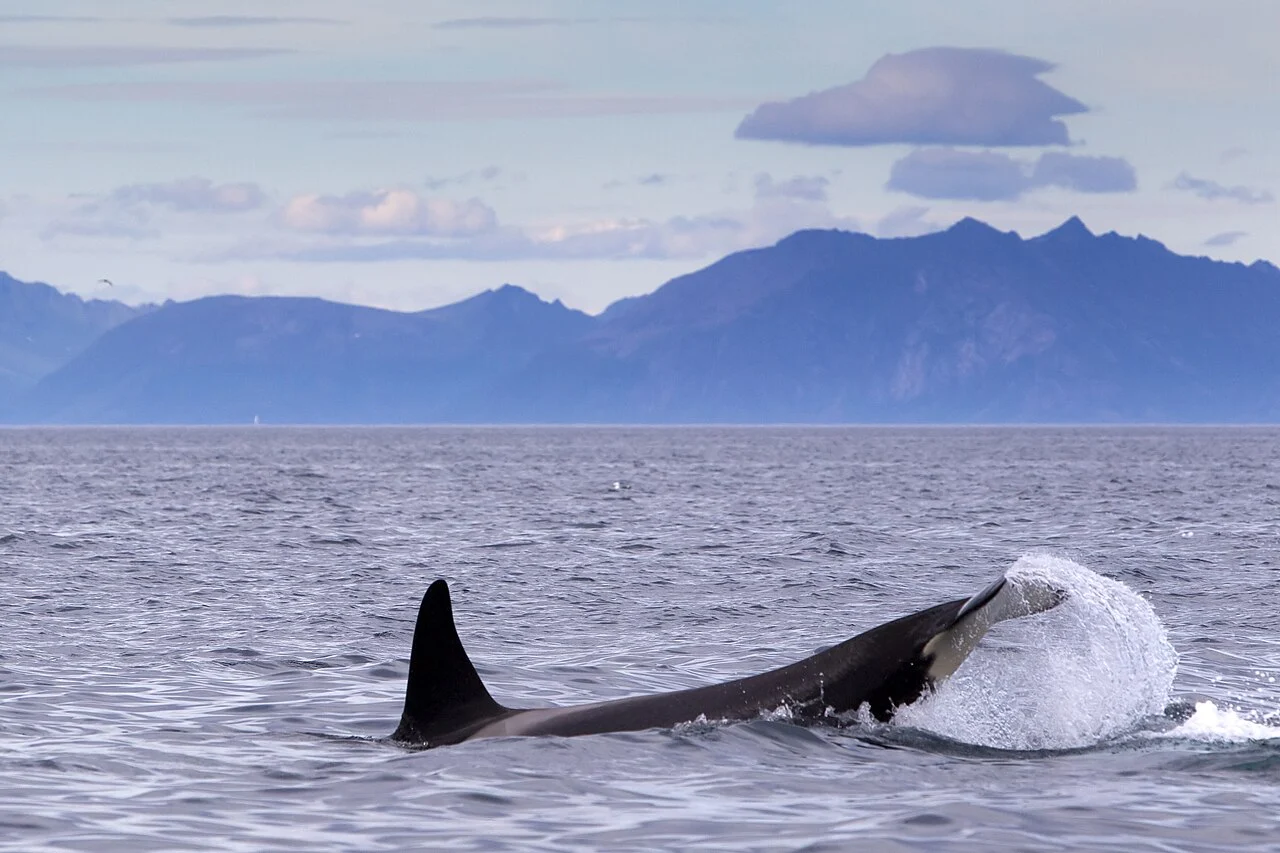
Visit Tromsø explicitly discourages entering the water with whales. The destination guidance addresses risks to people and the possibility of disrupting the animals. Read it before comparing availability, because the presence of a commercial listing does not tell you how the destination assesses the activity.
The distinction matters if your real aim is to see how orcas move through a fjord. A responsible boat-based trip can provide that opportunity from above the water, with more time to observe the wider setting and without depending on underwater visibility. Sightings remain uncertain on any departure.
Read the destination’s in-water and boat-based guidance before committing. Set aside time to compare a covered vessel with an open boat and review how each operator describes wildlife behaviour. Ask what the crew does when a location is already busy or the animals are feeding.
2. Understand why feeding changes the decision
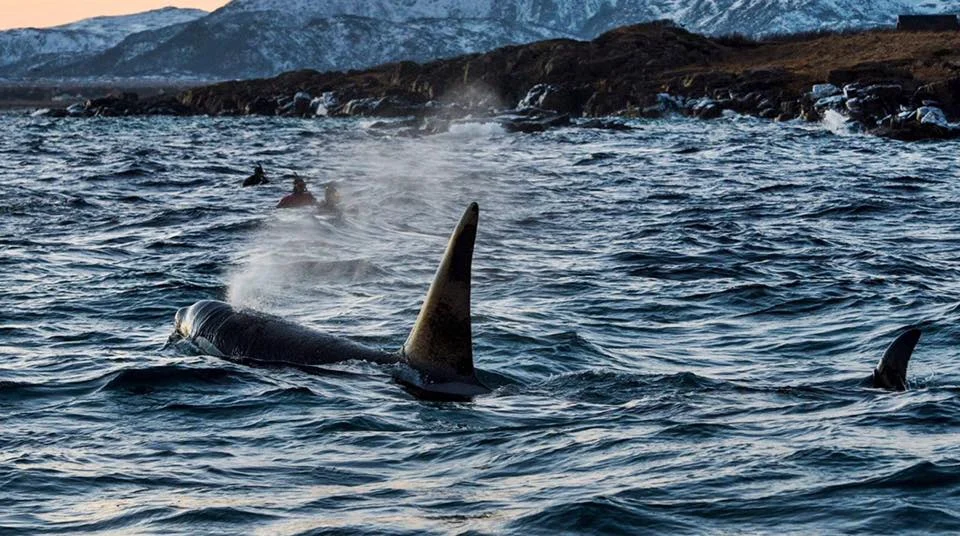
Orcas and humpbacks may follow fish in northern Norwegian waters, and several animals can move rapidly in a concentrated area. A person watching from a distance can see the surface activity, but the same movement can be hard to follow from water level.
Feeding is important to the animals and can be interrupted by a disturbance. Ask whether the operator avoids intercepting their path and whether the crew is willing to leave a scene early. A decision to move away can give you time to look at other parts of the fjord.
Read the operator’s wildlife policy before booking and check it against the destination guidance. Leave enough time for a crew to travel without pressure to produce a sighting by a deadline. A tour that promises a guaranteed close encounter gives you little basis for judging how it will behave.
3. Check the departure point
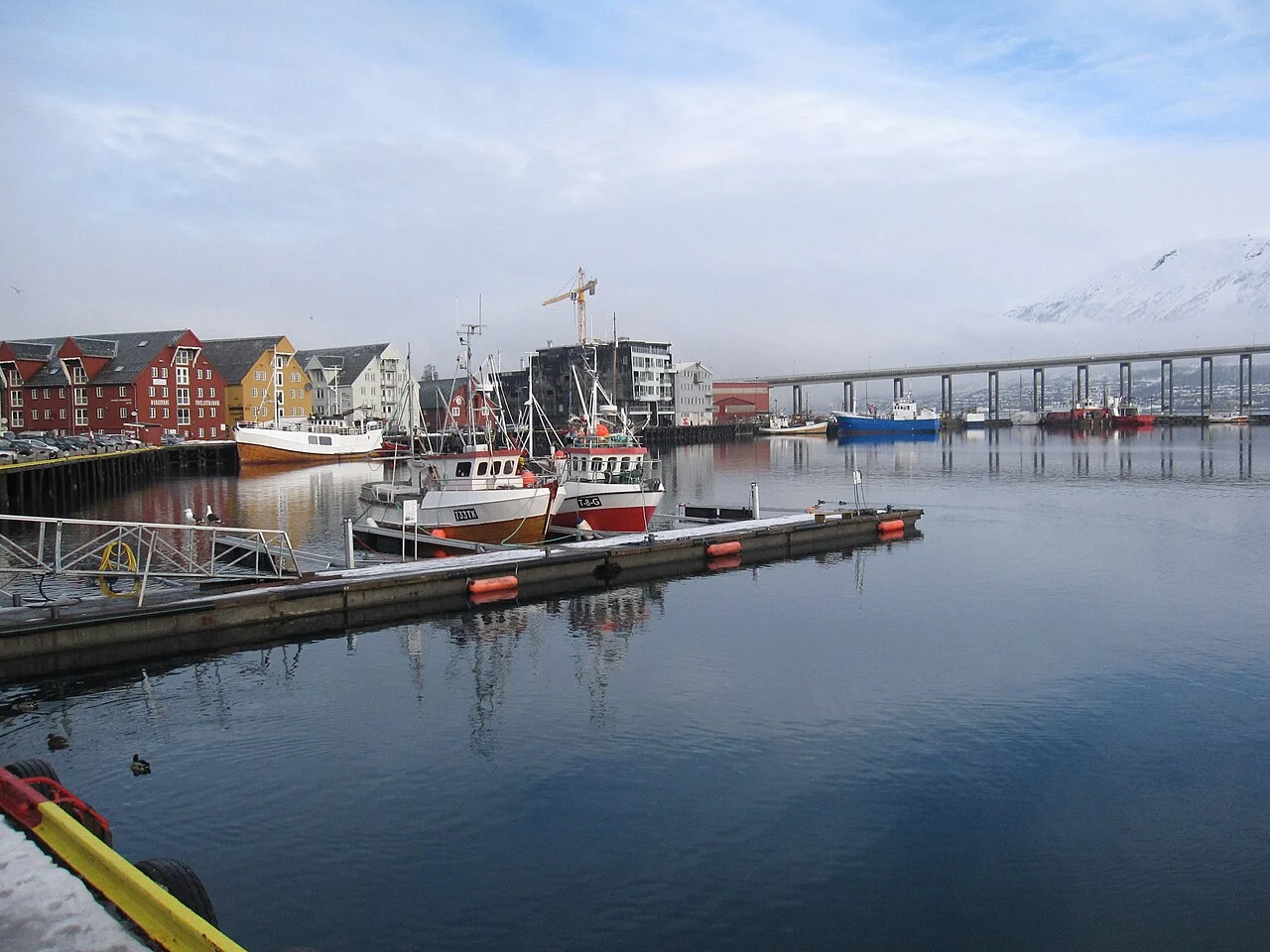
A listing marketed to Tromsø visitors may actually operate from Skjervøy or include a land transfer to another harbour. The difference can determine how early you leave, how much time you spend aboard and whether you can return to your hotel that evening.
Compare your options door to door. A long boat journey can still work for a passenger who values warm seating and time on the water. Someone who is more comfortable on land might prefer to sleep near the embarkation point. Read the itinerary closely before choosing a hotel.
Confirm the harbour, check-in time and included transfers in writing. Budget for a paid transfer if none is included and check how you will get back if the tour is delayed. Keep the evening flexible. Use our Tromsø city guide to plan other days.
4. Consider a Skjervøy overnight
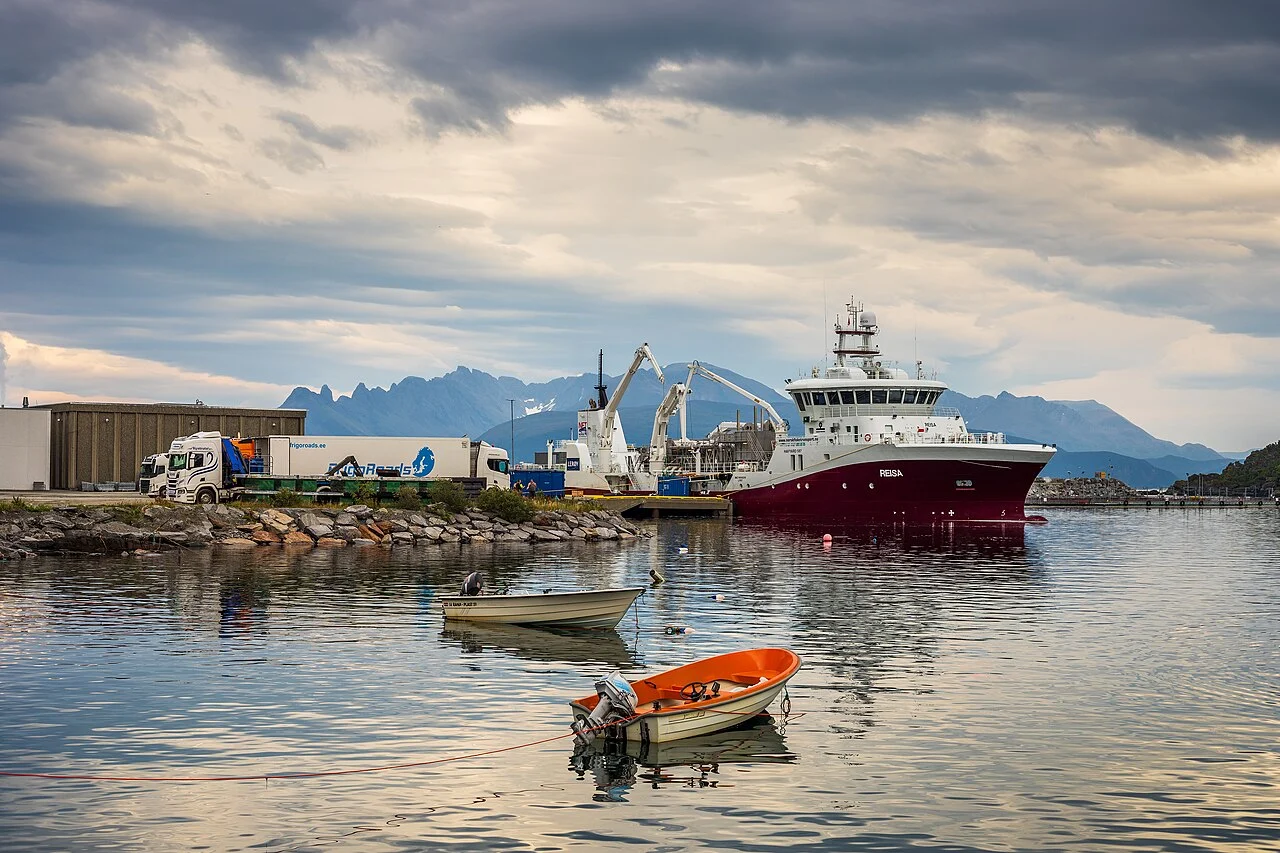
Skjervøy is a departure point for tours in the area, and staying nearby can be useful when you need to be at the harbour early. It also lets you keep your evening in town if the trip runs late or a road journey takes longer than expected.
Think about the village stay independently of the tour. Check what you can do locally if a departure is cancelled and whether you can buy an evening meal. A room near the quay is helpful only if its check-in, breakfast and onward arrangements work for your group.
Check seasonal bus or road access and allow time for winter driving or schedule changes. Ask about luggage storage and the walking route to the dock. Reserve accommodation with suitable terms if your dates depend on an operator’s weather decisions.
5. Choose a covered boat for comfort
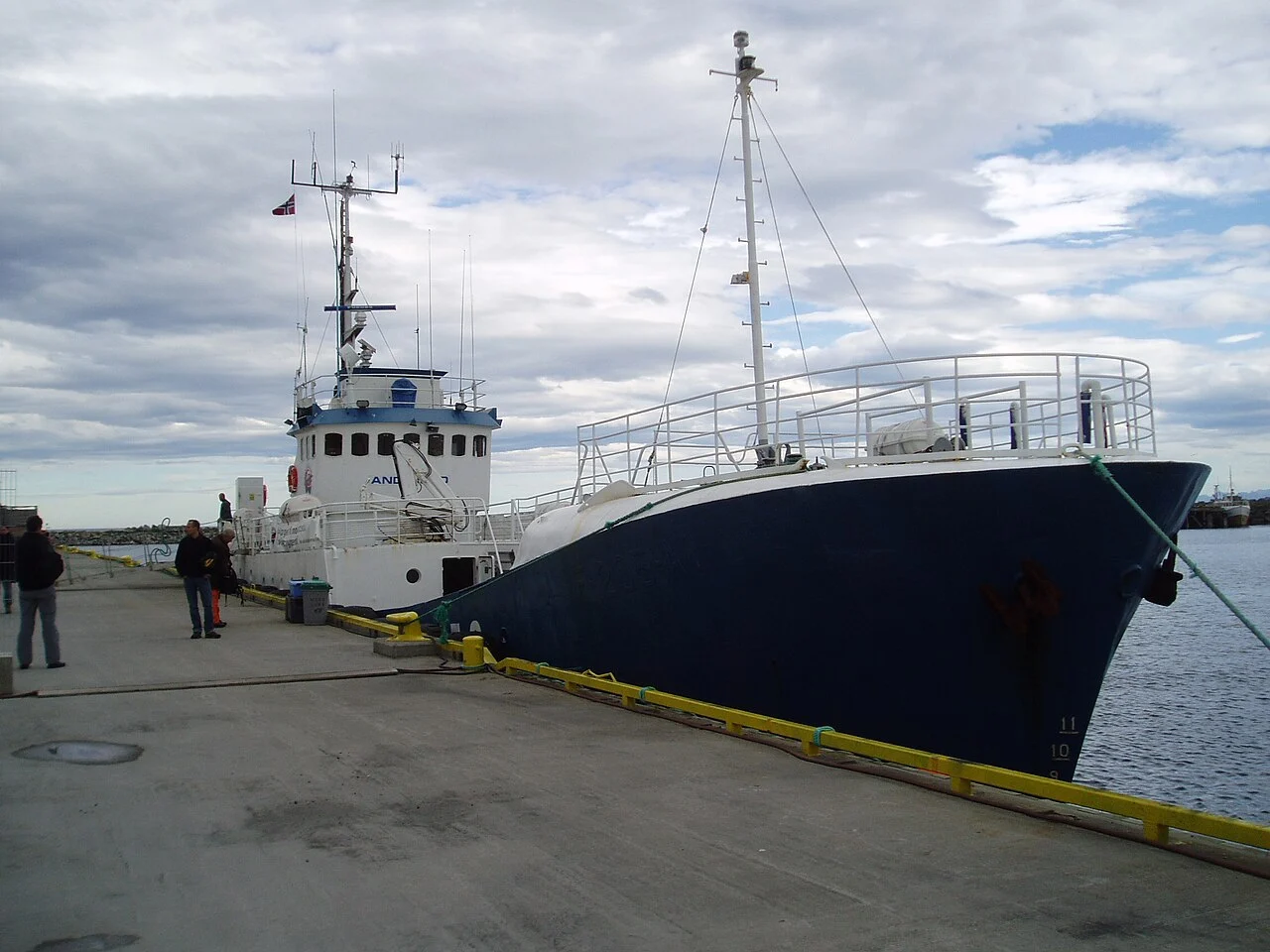
A covered vessel may suit families, people who get cold quickly and travellers who want a longer day at sea with access to shelter. Compare actual onboard facilities. An enclosed cabin, accessible seating and a toilet can make a significant difference on a winter trip.
Consider how often you will want to go outside. The cabin can be a place to warm up between periods on deck, and the best viewing area may be exposed to wind or spray. Follow crew instructions for moving around and give others room at the rail.
Ask about boarding steps, deck access, time aboard and food before booking. Check child and mobility policies directly. Compare the full fare with other vessels and leave the afternoon or evening free if arrival times depend on wildlife and weather.
6. Consider what an open RIB requires
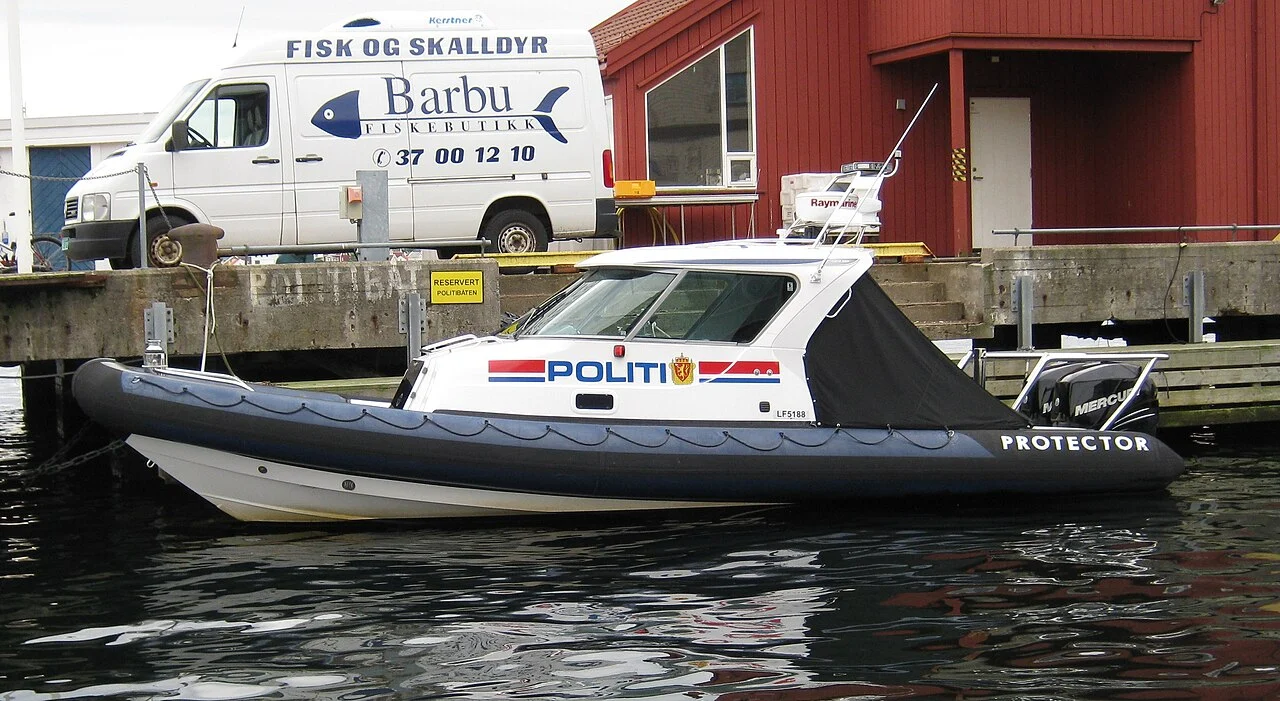
A rigid inflatable boat, or RIB, offers a more exposed experience close to the water. The ride and winter air can be demanding, especially in wind or spray. Age, fitness and mobility requirements vary by operator and conditions.
Think about your ability to sit or brace on a moving boat for the published time. Ask what clothing the operator provides, and whether you can wear personal layers underneath. Someone who wants to warm up indoors may prefer a different format even if the open boat has a shorter itinerary.
Confirm suit sizing, boarding arrangements and any restrictions before paying. Include time for fitting and the safety briefing. Check whether the operator has an alternative date or boat format if wind or your equipment fit makes the departure unsuitable.
7. Account for cold water and visibility
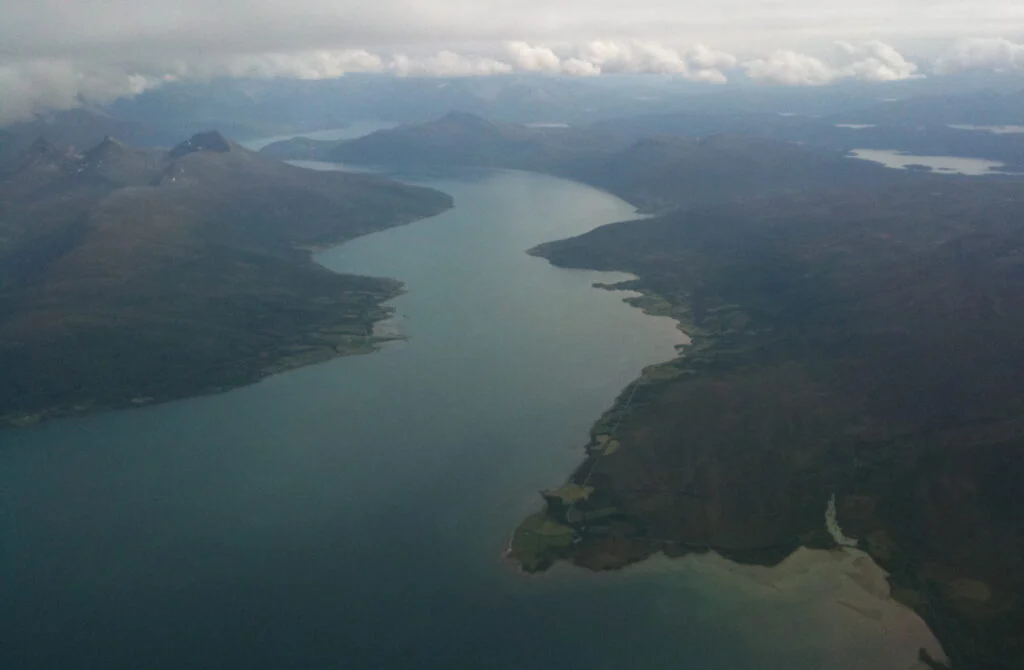
The winter fjord is an unforgiving environment. Visit Tromsø highlights cold water, limited visibility and fast-changing weather as reasons to be cautious about entering the water. These conditions exist even when whales are far away and the view from the harbour looks calm.
Underwater images can conceal how difficult it is to see clearly from the surface. A visitor may spend much of the day travelling or waiting, and a responsible crew can decide that an in-water portion cannot proceed. A boat-based tour can still show the landscape and wildlife without making the day depend on water entry.
Ask about expected time aboard, recent conditions and how itinerary changes affect the booking. Choose a boat trip if you have any doubts about the conditions, your fitness or the coverage in your insurance. Keep an indoor alternative ready on shore.
8. Read insurance and eligibility before paying
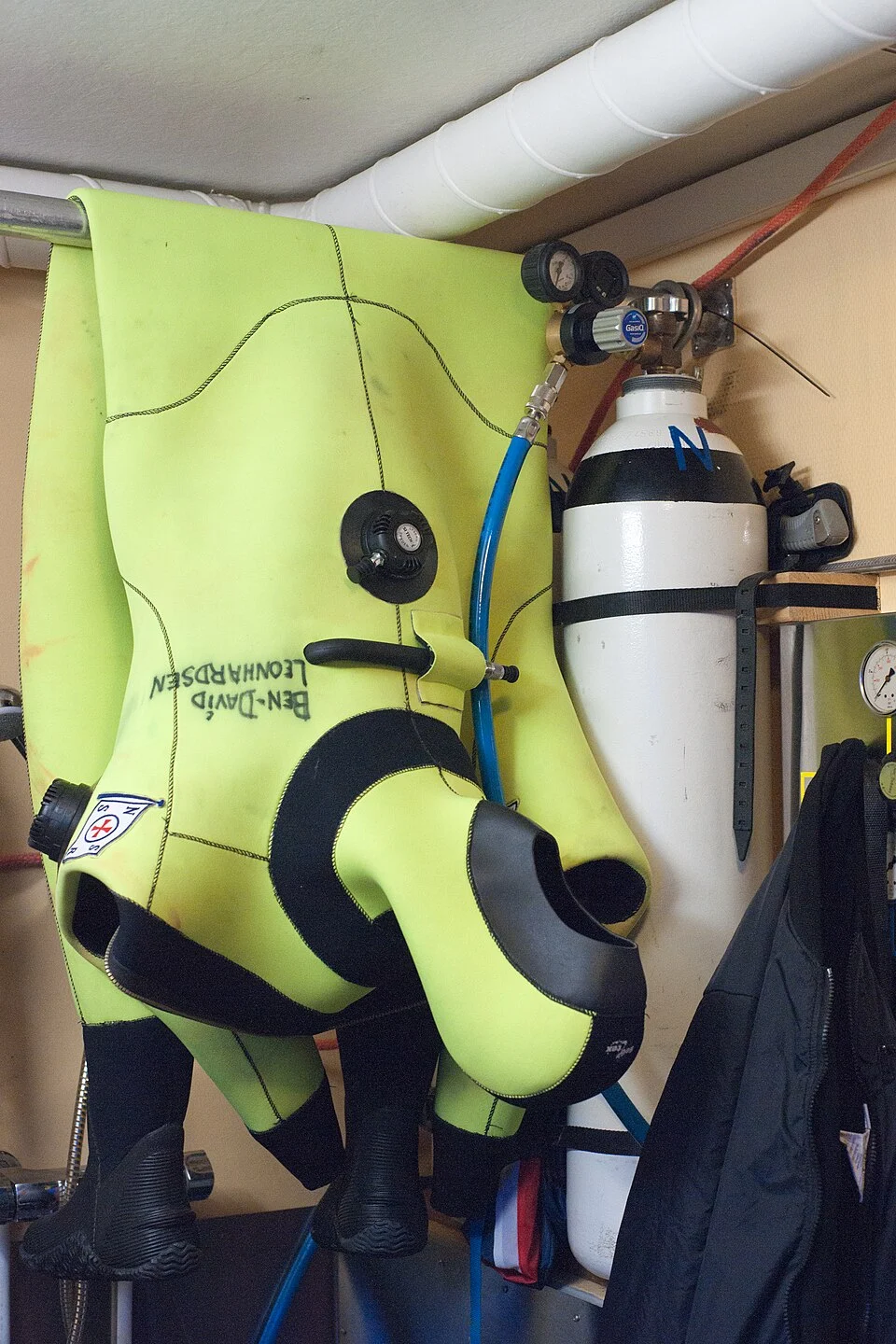
An in-water listing can have age, health and experience criteria and separate insurance implications. Those are practical reasons to read the written conditions rather than relying on general marketing. Ask the insurer specifically about the named activity, the location and emergency assistance.
If you are still evaluating an in-water listing after reading the destination’s position, ask what formal screening the operator uses, what rescue support is present and what happens if a guest decides to stay aboard. A vague answer leaves important questions unresolved.
Confirm coverage before paying a nonrefundable deposit. Compare the total cost with a responsible boat trip, taking into account suit hire, transfers and cancellation terms. Ask about refund eligibility when the boat runs but the activity changes. Budget for an alternate day in town.
9. Build a genuine reserve day
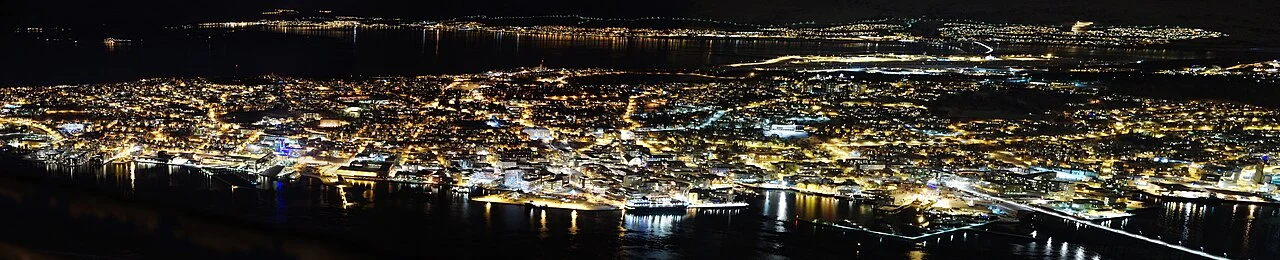
The presence of whales varies with prey and conditions, and weather can stop a boat from departing. Allow a reserve day that you are actually free to use. A second day filled with expensive fixed bookings gives you little room to move the boat trip.
Keep one flexible indoor visit in Tromsø and one short outdoor option that works around the daylight. Our northern lights guide can help you plan a separate evening, but avoid a late return if your transfer leaves early the following morning.
Read the cancellation and rebooking policy before paying. Ask when the operator typically makes weather calls and when you need to be reachable. Leave time to eat, dry layers and rest after a long boat day. Book onward travel with room for a normal delay.
10. Watch for behaviour and distance
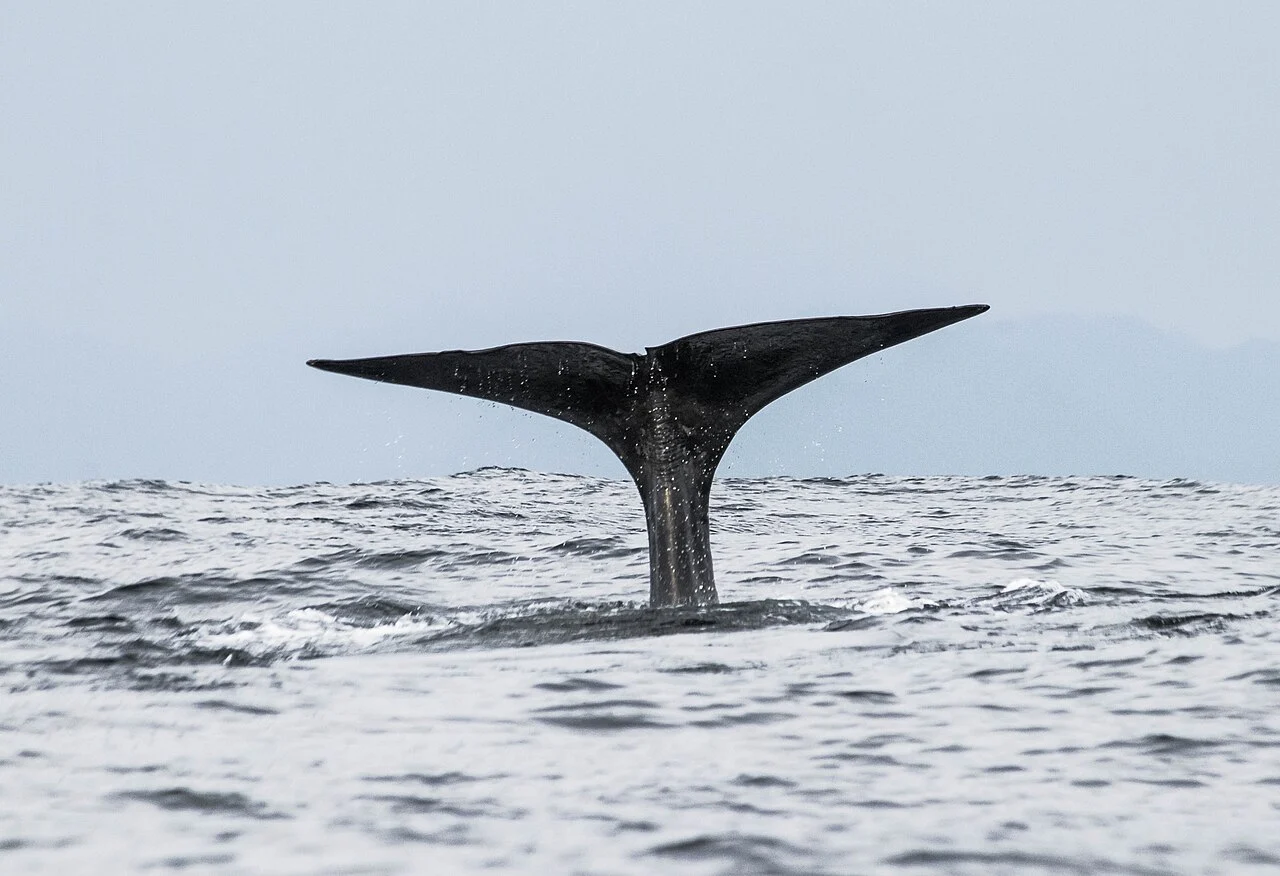
The value of the trip can come from watching an animal’s movements in the wider fjord, even if it never comes close. Take binoculars if useful and ask the crew where to look. Give yourself time to see repeated movements rather than spending the whole outing looking through a camera.
Observe how the boat approaches and leaves. Follow the crew’s instructions, give other passengers space and avoid pressuring anyone to get closer. A brief sighting can be enough to understand the setting, and a departure can still be worthwhile for the fjord even when there are no whales.
Choose an operator that explains its approach in advance and publishes a realistic duration. Compare its schedule with the travel time and your group’s tolerance for cold. Use our Norway activities guide to choose something else if the trip no longer fits.
Orca snorkeling in Norway itineraries
1-day itinerary
From Tromsø or Skjervøy, leave in the morning for your confirmed harbour and a responsible boat trip. Reserve the afternoon for the tour and return transfer, then plan dinner near your lodging. If the crew cancels, use a museum or a short waterfront visit when conditions allow.
2-day itinerary
On day one, travel in the morning, check the departure point and food options in the afternoon and review the weather message in the evening. On day two, take the boat trip in the morning, keep the afternoon for the return and stay locally for dinner. If the boat is cancelled, use the day for town activities.
3-day itinerary
On day one arrive in Tromsø or at your chosen departure base. Use the afternoon to verify the meeting point and keep the evening quiet. Put the boat trip on the better of days two and three, and reserve the other day for a museum or an accessible shore walk. Keep evening connections flexible and separate a long onward journey from the boat day.
Orca snorkeling in Norway travel tips
Check the precise travel time and latest notices before departure. Layer for time on deck, bring a dry layer if advised and check what the operator supplies. Tell the operator about mobility or boarding needs before arriving at the dock.
Compare total costs including local transport, luggage, food and any rescheduling conditions. Reserve a flexible room and give the tour a full day if it includes transfers. Check winter road conditions before driving to a different departure port.
Use current destination guidance and listen to the crew. If your main goal is wildlife viewing, choose a boat option that can maintain distance and leave feeding animals undisturbed. There may be days when staying ashore is the sound decision.
Related planning
Destinations for your trip
Frequently asked questions
Does Visit Tromsø recommend swimming with orcas?
No. Its published guidance discourages in-water activities with whales and explains the risks to people and disturbance to wildlife.
When should I visit?
Check winter tour dates and recent local reports. Whale presence and weather vary, so allow a spare day.
Where do the tours leave?
Some leave from Tromsø and others from Skjervøy or another harbour. Verify whether transfers are included.
How much does it cost?
Check the operator’s current fare and compare the cost with transfers and any separate equipment charges included.
How long should I allow?
Reserve a full day when starting with a road transfer or a long boat trip. Check the expected return before booking dinner or onward transport.
What is the most practical alternative?
Choose a responsible boat-based trip. For travellers who need shelter or who get cold easily, ask about a covered vessel.
Conclusion
Start with the destination’s wildlife guidance and choose a boat you can comfortably spend several hours aboard. Confirm the real departure point and leave time to move the booking if conditions change.
Official sources and current conditions
Check operators and official visitor sites for current prices, opening hours, departures and booking requirements.