10 Best Things to Do in Kristiansund: Islands and Coastal Heritage
Kristiansund is an island town whose harbour is the organising feature of a visit. Boats connect neighbourhoods, maritime trades explain much of the heritage, and viewpoints show how the settlement fits between sheltered water and the Atlantic coast. It rewards visitors who combine a few short journeys with time on foot rather than trying to cover every island by car. The town also offers useful indoor cultural experiences, while Grip and the Atlantic Road require separate planning. Allow a full day for an introduction and add nights if you want an offshore trip or a wider coastal route.
Kristiansund: quick answers
- Worth visiting?
- Yes, for island neighbourhoods, maritime heritage and coastal excursions.
- Time needed
- One day for harbour and a museum; two or three with Grip or the Atlantic Road.
- Best time
- Late spring to early autumn for the broadest boat and outdoor choices.
- Cost level
- Moderate to high; normal Sundbåten service is free, Grip tours and lodging cost extra.
- Getting around
- Walk and use Sundbåten centrally; arrange transport for the Atlantic Road.
- Top priorities
- Sundbåten, Piren, Normoria or a maritime museum.
How this list was selected: NorwayTop10’s editorial choices balance distinctive places, practical access and variety for a first visit. The order is a planning guide rather than a public vote. Outings beyond the destination are identified in their descriptions; ten entries do not mean ten stops in one day.
Compare the ten options
Times are editorial planning allowances, not operator schedules. Add travel and waiting time unless the row explicitly describes a whole outing. For guided experiences, use the confirmed booking duration. See each description for terrain and seasonal restrictions.
| Place or activity | Access to plan | Time to allow |
|---|---|---|
| Sundbåten between the islands | Harbour quays and current timetable | Allow a separate return-sailing block |
| Piren and the central harbour | Central harbour on foot | 30–60 min |
| Normoria and Nordmørsmusea exhibitions | Central cultural venue | 1–1½ hr |
| Norsk Klippfiskmuseum | Local walk or boat connection | 1–1½ hr |
| Mellemværftet shipyard museum | Harbour walking route | 45–90 min |
| Varden viewpoint | Local uphill walk | 45–90 min, plus approach |
| Kirkelandet Church | Town visit on foot | 20–40 min |
| Kvernberget viewpoint walk | Travel to the route start | Use the official return hiking time |
| Grip fishing village: a seasonal offshore trip | Seasonal offshore boat | Use the booked boat-trip duration |
| The Atlantic Road as an onward journey or day trip | Road excursion | Half-day or full road-trip day |
1. Sundbåten between the islands
Verified 26 November 2026: Normal scheduled Sundbåten journeys are free; the operator estimates 20–30 minutes for a harbour circuit. Guided trips are separate. Its visitor information and timetable page explain the service. Check the specific quay and return sailing when using the boat to connect visits on different islands. Official visitor information.
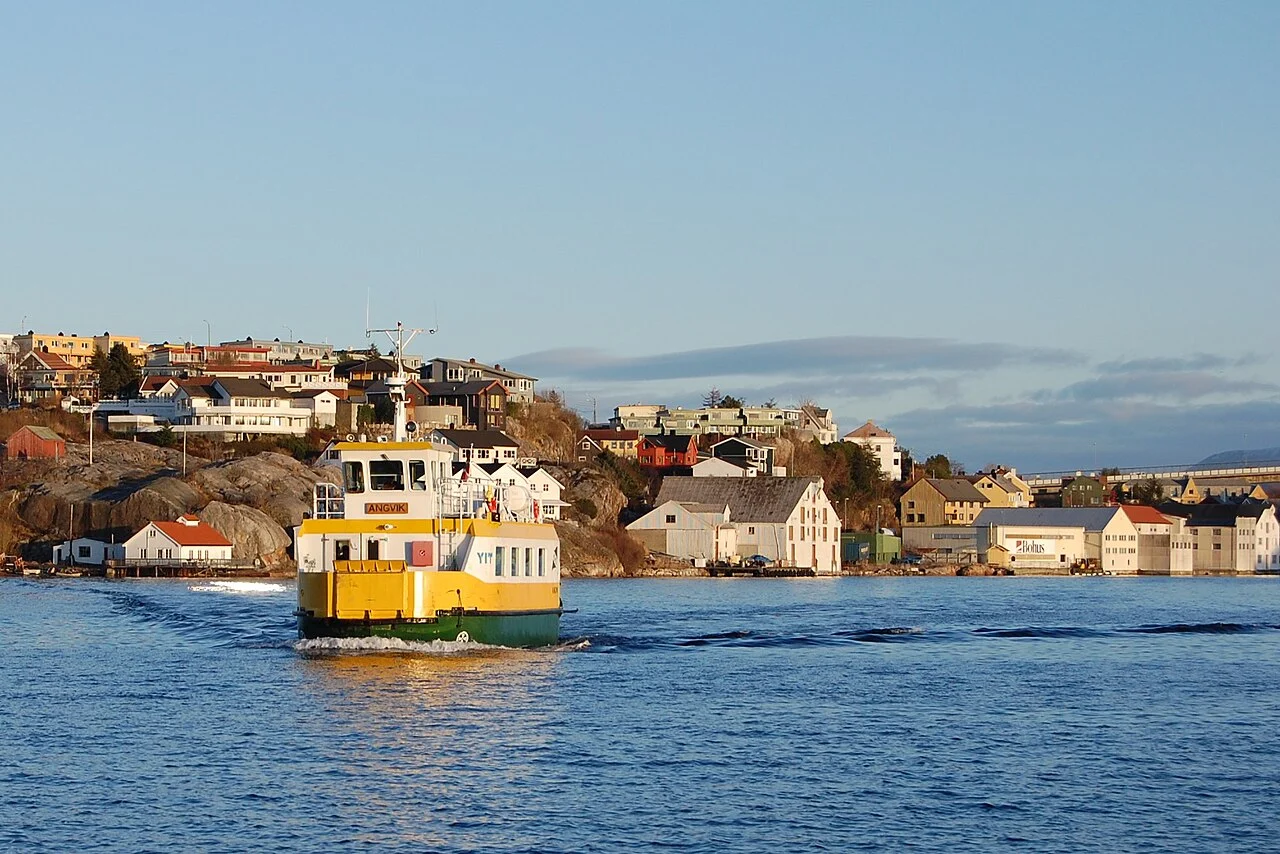
Sundbåten is both local transport and an introduction to Kristiansund’s harbour geography. Riding between the town’s islands helps make sense of a place that can look fragmented on a road map. Look at the quays, houses and working waterfront from the water, then use a stop to begin a neighbourhood walk. The experience is strongest when treated as part of the town rather than simply a short cruise.
Consult the current timetable for operating days, stops and service notices. Do not assume a tourism listing means the boat runs continuously every day, especially on Sundays or holidays. If you plan to get off, know how you will return. Travellers with a wheelchair, pushchair or heavy luggage should check boarding arrangements rather than relying on the small distance between stops.
A useful approach is to make a first circuit for orientation and then select one area to explore more deeply. Leave room for ordinary passengers and follow crew instructions at the quay. Pair the ride with the central waterfront or Mellemværftet instead of filling the day with unnecessary road transfers. The boat offers the perspective that explains why the harbour has shaped Kristiansund’s everyday life.
2. Piren and the central harbour
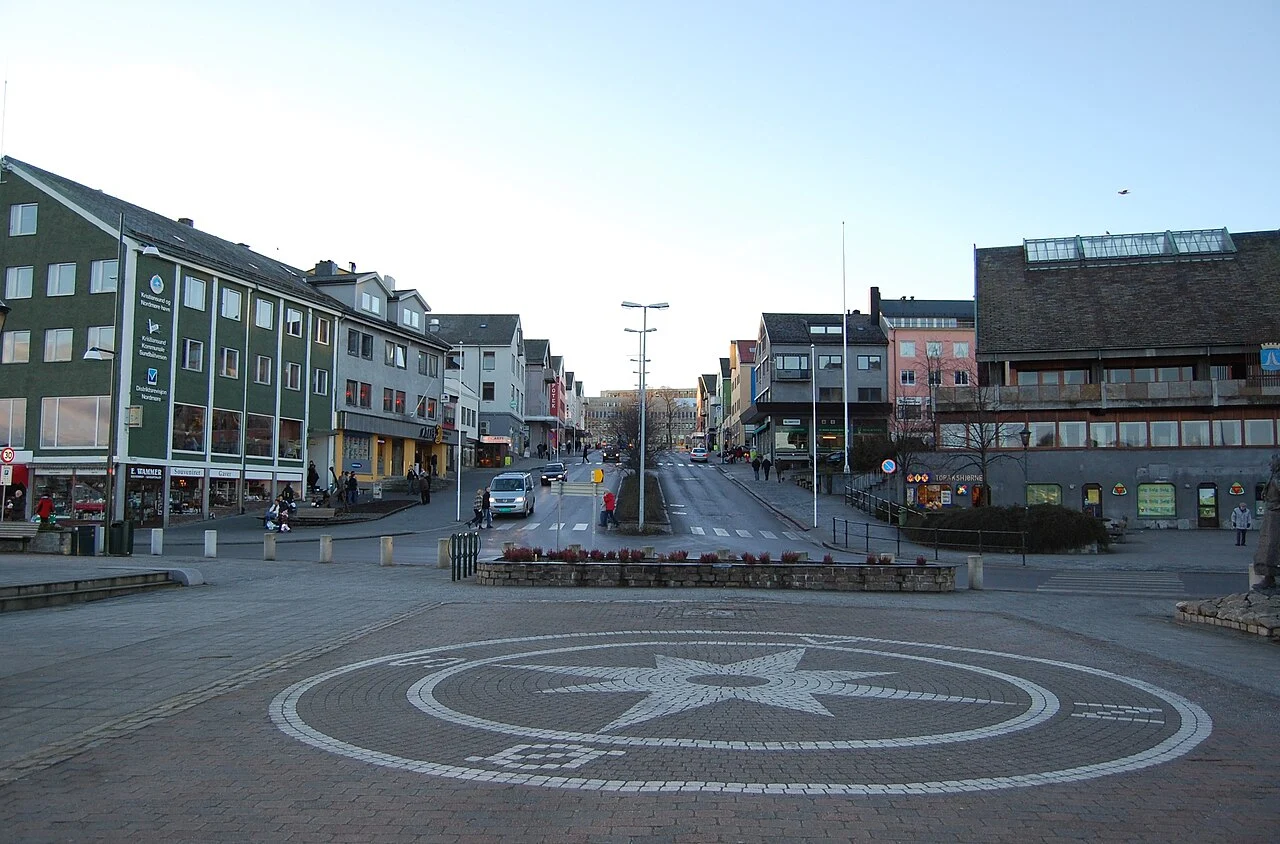
Piren and the surrounding harbour area make a natural starting point. The central waterfront contains the Klippfiskkjerringa sculpture, a reminder of the labour behind the clipfish trade. Looking across the water also gives a first impression of the colourful built landscape. Spend time moving between public viewpoints rather than expecting one photograph to represent the whole island town.
Harbour areas mix leisure, transport and working space, so stay on public routes and watch for vehicles around quays. The waterfront is a useful meeting point, but check the exact departure quay for any boat excursion rather than assuming every service leaves from the same place. A sheltered café stop can be welcome when wind makes the open quays less comfortable.
Combine the harbour with Sundbåten and central streets for a low-pressure arrival afternoon. If your schedule is limited, this gives a more coherent sense of Kristiansund than rushing to distant attractions. Leave time to look at the contrast between water-level activity and the neighbourhoods rising behind it. On a longer stay, returning at a different time of day can reveal a different quality of light.
3. Normoria and Nordmørsmusea exhibitions
Normoria is a central cultural venue bringing together several parts of Kristiansund’s cultural life. Nordmørsmusea has its main exhibition here, giving visitors a way to explore regional history beyond individual harbour buildings. This is particularly useful early in a stay because the themes can inform later visits to the clipfish warehouse, shipyard and surrounding coast.
Check the museum’s current exhibition information and the venue’s programme separately. A museum visit, a concert and an opera performance have different ticket arrangements and schedules. Do not assume an event is available on any evening simply because the venue hosts performances. If the main purpose is a particular show, confirm dates before deciding how long to stay in town.
Normoria is an effective poor-weather anchor for a central day. Combine it with the harbour or Kirkelandet Church when conditions allow, instead of treating it merely as a waiting room for better weather. Cultural visits offer a meaningful alternative to another coastal drive. Allow time to engage with the displays and choose a programme that reflects your interests rather than trying to sample every venue.
4. Norsk Klippfiskmuseum
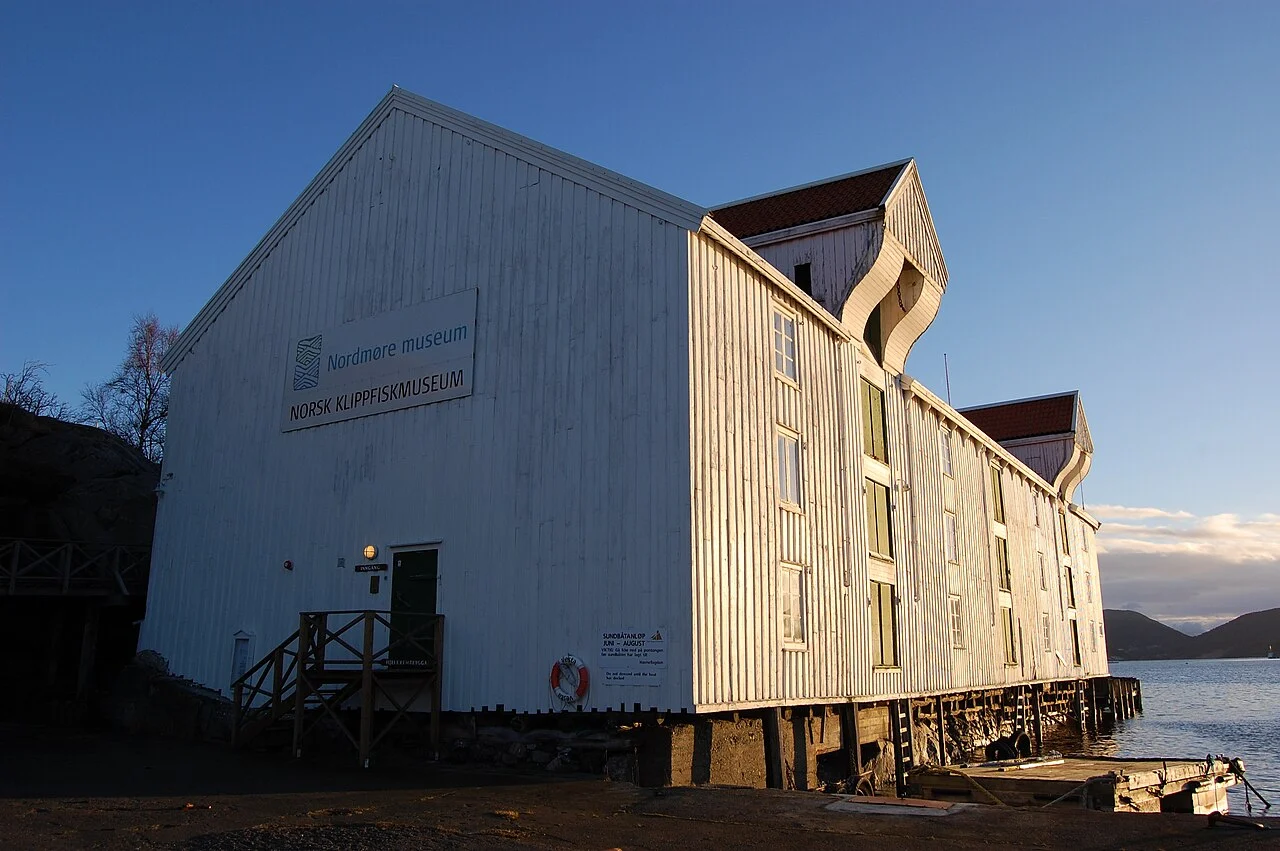
The Norwegian Clipfish Museum focuses on an industry closely tied to Kristiansund’s identity. Clipfish is salted and dried fish, and the museum’s warehouse setting helps explain the work, storage and trade behind it. This is more specific than a general maritime exhibition: it connects the town’s waterside buildings with an export economy and the people whose labour sustained it.
Check the operator’s opening dates and guided-visit arrangements before crossing town for the museum. Historic interiors can have access limitations, so ask about stairs and surfaces if relevant. An exterior warehouse view does not replace the interpretation available during an operating visit. Visitors particularly interested in food history should allow a generous block rather than adding the museum at the end of a crowded day.
Pair the museum with a meal featuring clipfish or bacalao if a suitable current menu is available. That is a suggestion for connecting history and food, not a guarantee that every local restaurant serves the dish. Read menus and reserve if necessary. For families, focus on a few practical questions about how fish was prepared and transported; the physical setting helps make the subject concrete.
5. Mellemværftet shipyard museum
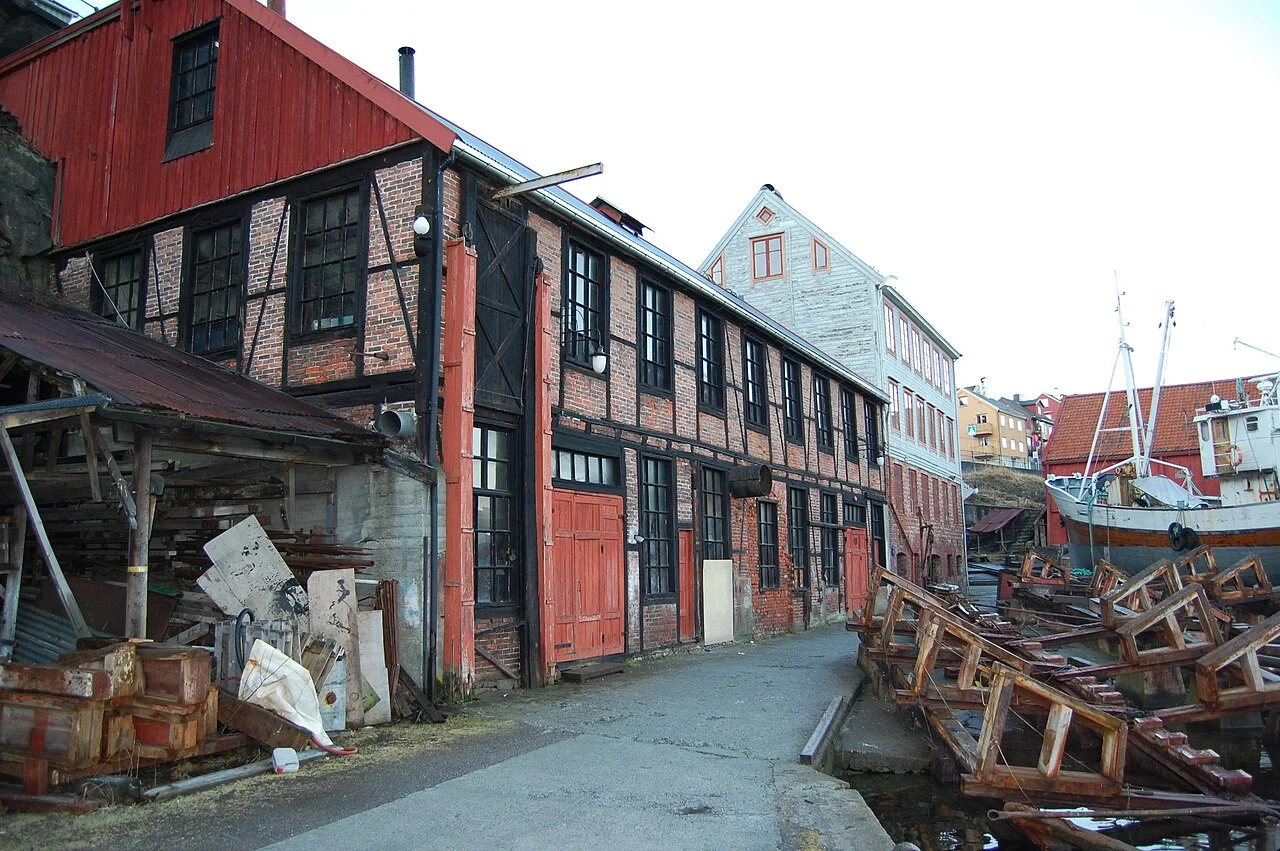
Mellemværftet preserves a historic shipyard environment in the inner harbour. It provides a different maritime story from the clipfish museum: the emphasis is on vessels, repair and skilled work. Seeing the workshops and waterfront setting helps connect Kristiansund’s trade with the craft required to maintain boats. It is a worthwhile choice for visitors interested in industrial heritage or traditional wooden vessels.
The site retains working activity, so follow signs and respect any temporary closures, particularly around hauling or launching operations. A museum shipyard should not be treated as an unrestricted playground. Check current visiting and guiding arrangements for access to buildings or demonstrations. An open outdoor area does not necessarily mean that every workshop is available to enter.
Combine the shipyard with a walk around Vågen and a Sundbåten journey where the timetable fits. This produces a connected maritime half day rather than a series of isolated car stops. Visitors who enjoy detailed craft interpretation may want longer than those simply observing the setting. Keep the plan adaptable and ask staff where it is appropriate to stand when work is under way.
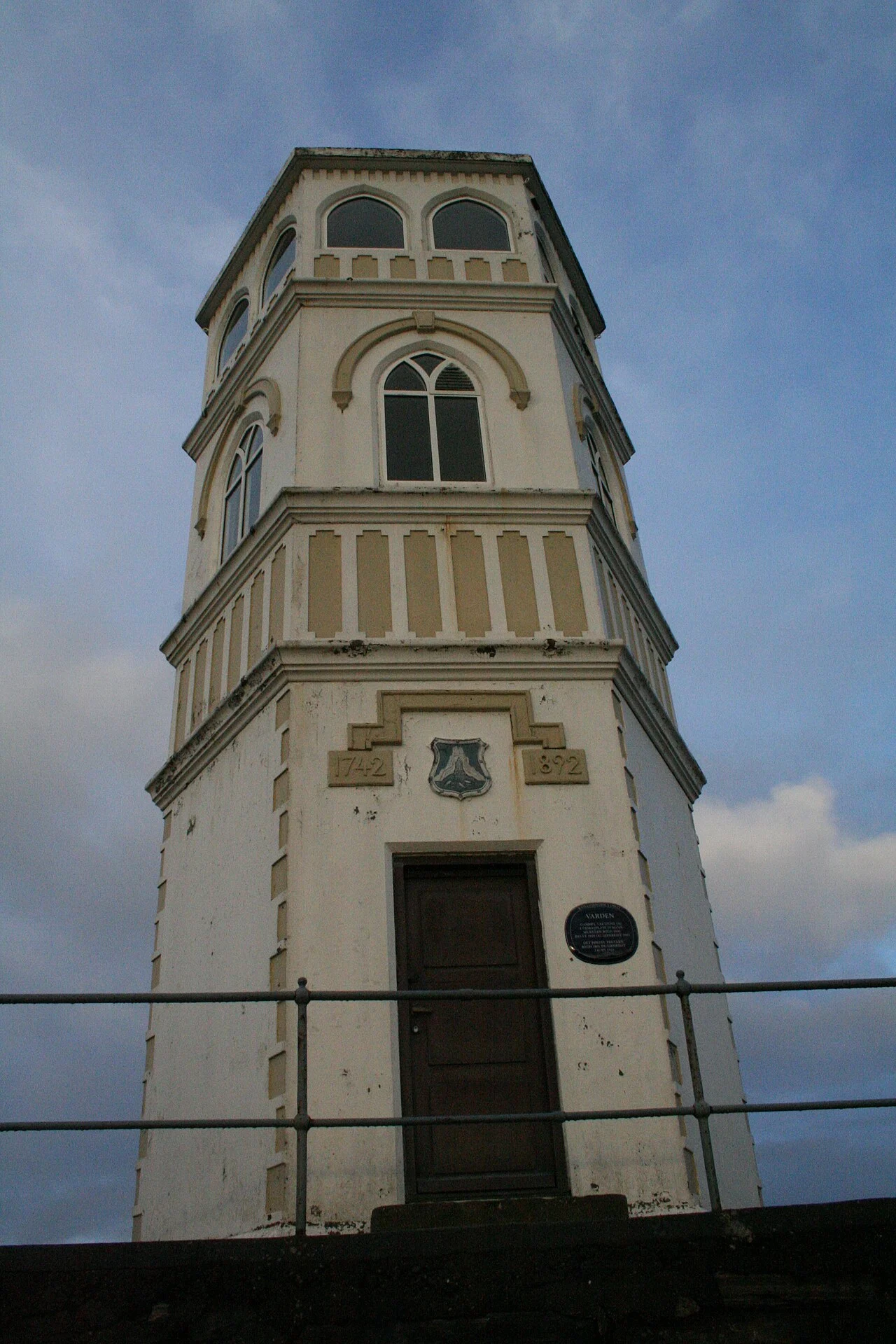
6. Varden viewpoint
Varden is a useful place to understand Kristiansund’s island layout from above. It offers a contrast to the harbour-level view from Sundbåten and helps orient visitors before a wider coastal journey. The viewpoint is associated with the Kirkelandet area, so it can be incorporated into a town walk rather than treated as an expedition beyond the urban area.
The approach still involves climbing and the conditions of the chosen path matter. Use a local map, wear suitable shoes and allow time to return without rushing. In wet, windy or icy weather, the fact that the viewpoint is within town does not make every route equally comfortable. Those with limited mobility should ask about the exact access and viewing arrangements before setting out.
Choose a clear interval for the best sense of water channels and surrounding land. Combine Varden with Kirkelandet Church and a relaxed return through nearby streets. It is more satisfying to spend time recognising the islands than to reach the top solely for a quick photograph. If visibility is poor, save it for later and use the museum options instead.
7. Kirkelandet Church
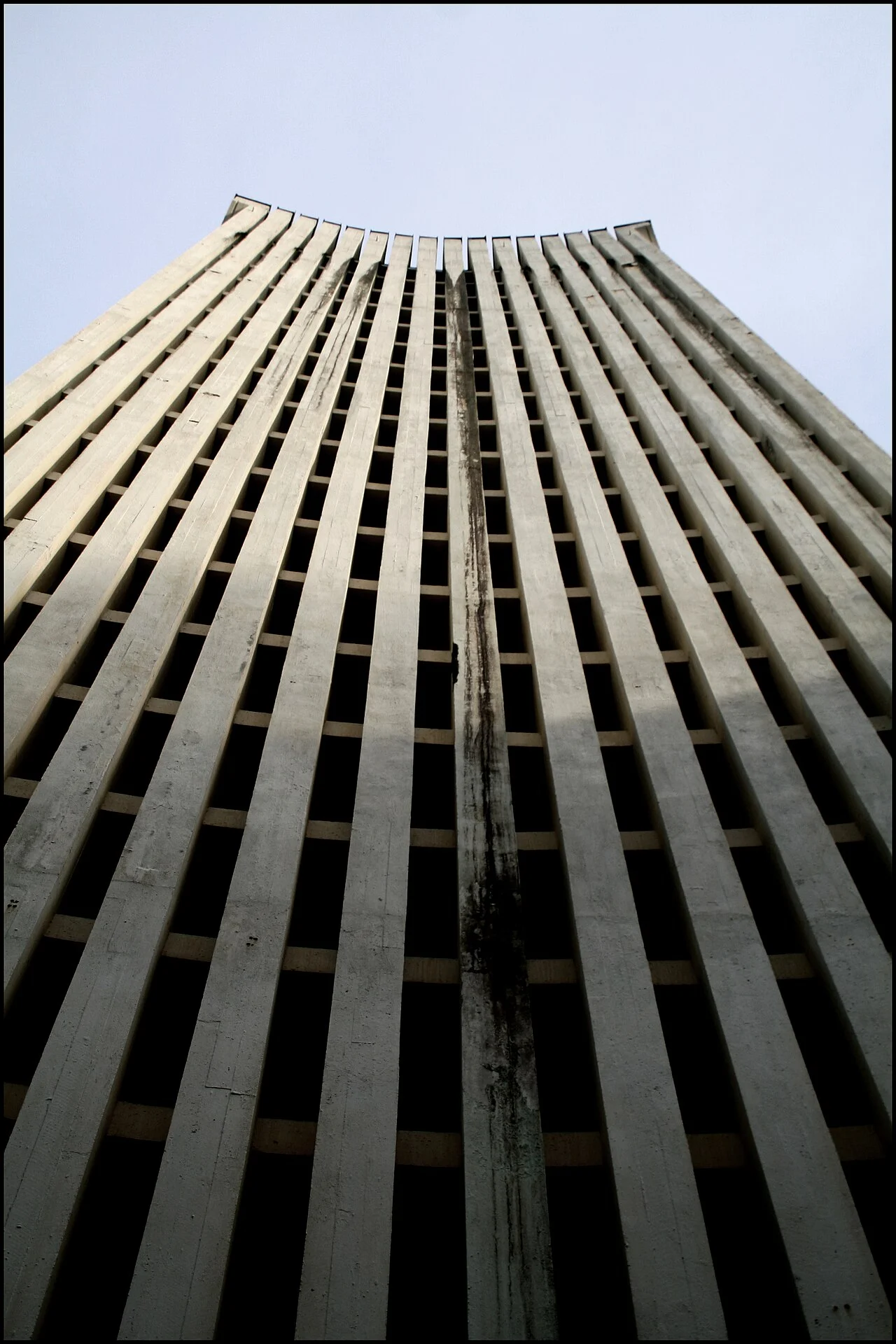
Kirkelandet Church is a prominent example of modern church architecture in Kristiansund. It offers a clear contrast to the historic timber warehouses and working maritime sites elsewhere in the town. Its role in an itinerary is architectural and cultural rather than as another view of the same harbour scenery. Visitors interested in postwar Norwegian buildings should place it alongside, rather than below, the older heritage attractions.
This is a functioning church, so sightseeing access depends on parish arrangements, services and ceremonies. Confirm interior opening if that is important to your visit. An exterior stop is still worthwhile as part of a walk, but it should not be presented as a guaranteed indoor activity. Inside, respect quiet, photography guidance and any areas reserved for worship.
The church and Varden can form a connected route with time for breaks. Avoid expecting everyone in the group to share the same interest: one person may want to study the building while another prefers the surrounding streets. Set a realistic meeting point and allow flexibility. A compact architectural stop can add variety to a day otherwise dominated by boats and waterfront museums.
8. Kvernberget viewpoint walk

Kvernberget is a higher outdoor viewpoint associated with the Nordlandet side of Kristiansund. It is a good choice for visitors who want a more active outing and a wider view of the town, water and surrounding landscape. Unlike a harbour stroll, the route has a clear uphill objective. Choose it because you want the walk as well as the panorama, not simply to collect another viewpoint.
Check the starting point and route description before leaving central Kristiansund. The distance from a boat stop to the trailhead is part of the outing and should not be ignored when planning without a car. Wear footwear for the actual terrain and carry wind protection. Low cloud or strong wind can make the summit less rewarding, so keep a shorter alternative available.
Give the walk its own block rather than squeezing it between tightly timed museum visits. If using public transport, identify the return options in advance. Active visitors can combine it with an island neighbourhood walk, while others may prefer Varden as the town’s main panorama. There is little benefit in doing both on a short visit if it means rushing through the places that interest you more.
9. Grip fishing village: a seasonal offshore trip
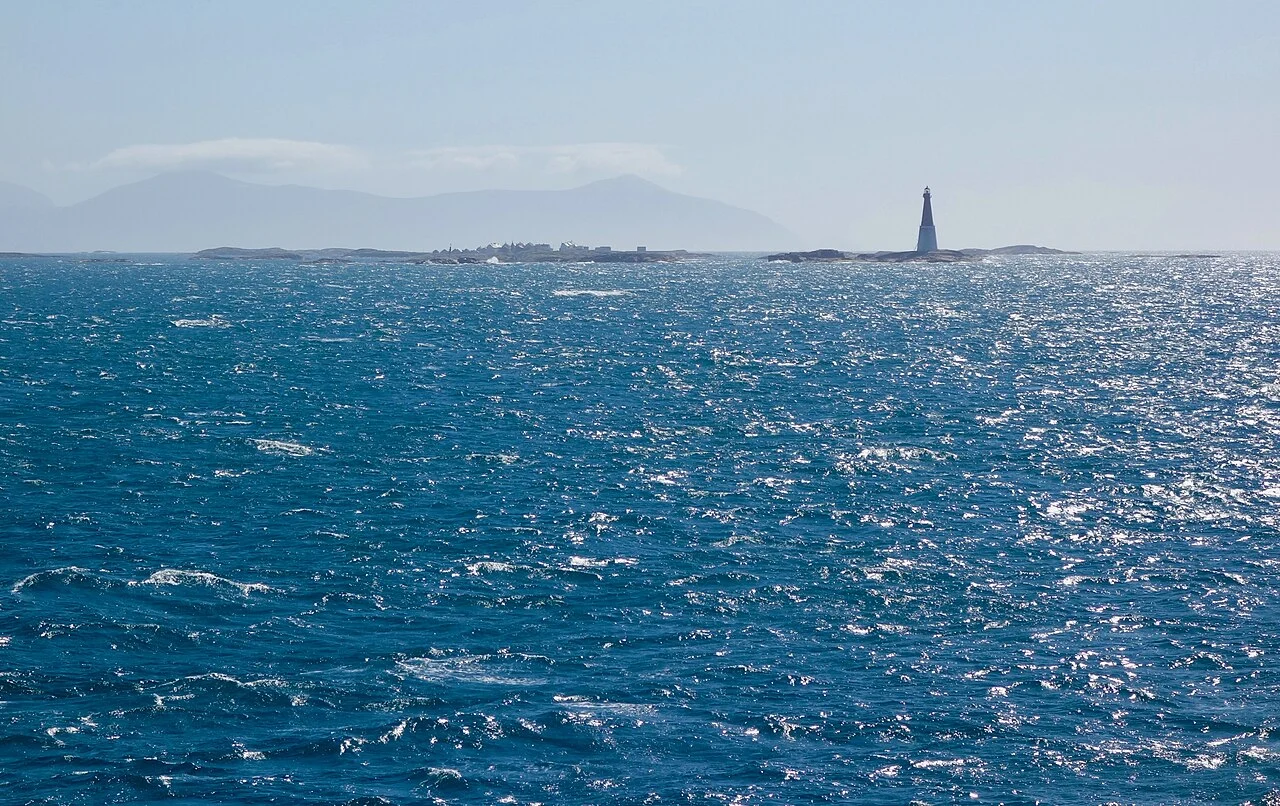
Grip is an offshore fishing-village excursion from Kristiansund. The boat journey and island setting distinguish it from moving between neighbourhoods on Sundbåten. This is an exposed-coast experience, so weather and the seasonal visitor service are central planning factors. It is best suited to travellers who want time in a small maritime community rather than another mainland viewpoint.
Book against the operator’s current schedule and read the cancellation and return arrangements. Do not assume a visitor sailing runs all year or on every day outside its advertised season. If you are prone to seasickness, consider the sea forecast and your own comfort before committing. The island visit should fit comfortably before any onward travel, with a margin for changes.
Once ashore, follow the permitted visitor routes and respect buildings that are not open to the public. Pack layers and whatever food or water the operator recommends rather than assuming extensive services. Keep the rest of the day light. A slower central evening after returning is more realistic than scheduling an additional Atlantic Road circuit immediately after the boat docks.
10. The Atlantic Road as an onward journey or day trip
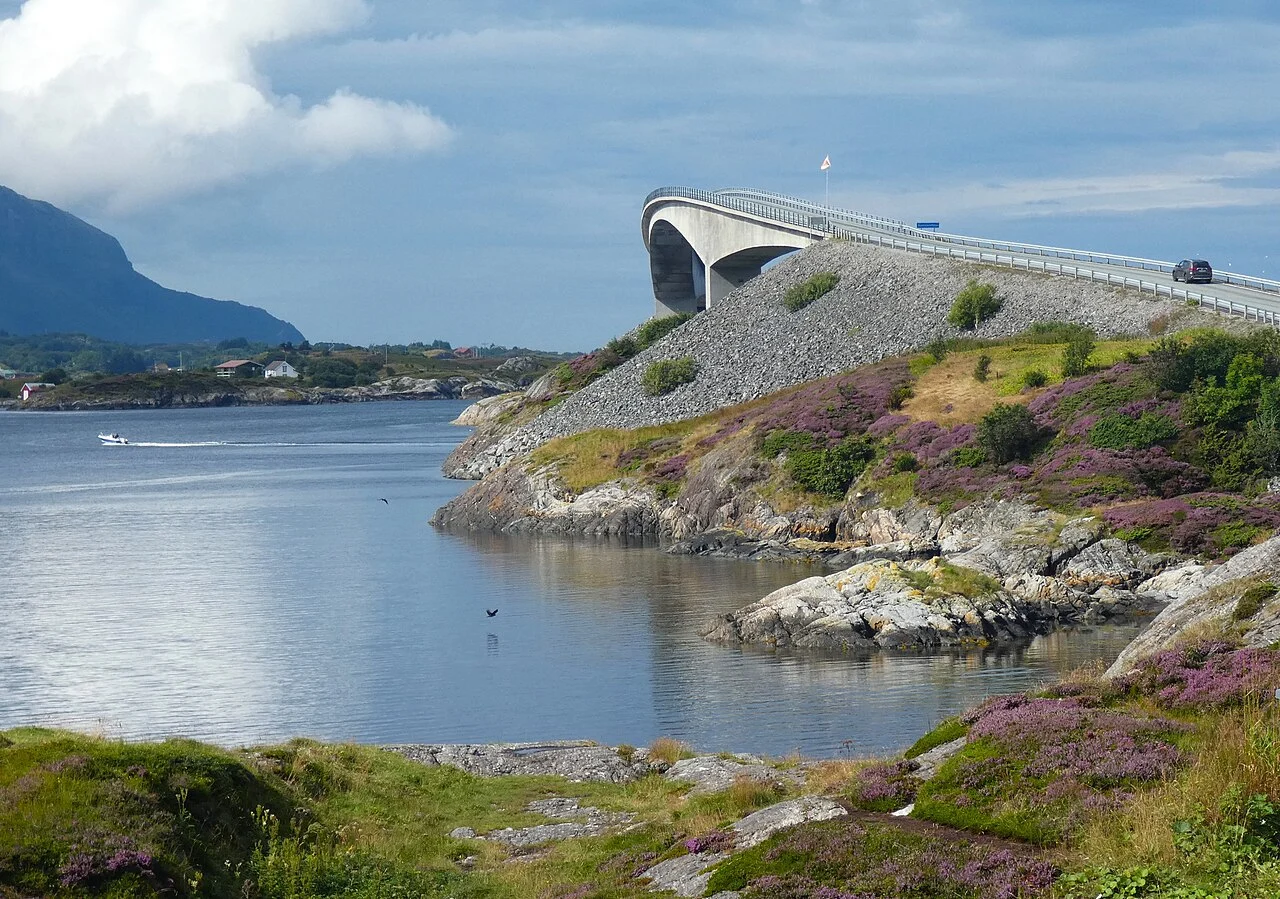
The Atlantic Road lies beyond the town and offers an open coastal landscape of bridges, islands and designated viewpoints. It can be a separate excursion or part of a journey towards Molde. The latter often makes better use of travel time if your wider route already continues in that direction. Distinguish the scenic road section from the full distance between your accommodation and the coast.
Use official stopping areas and watch conditions before walking close to the sea. Strong wind and waves are reasons to keep back, not to approach the water for a more dramatic photograph. Drivers need time to stop safely instead of watching the scenery while moving. Public-transport visitors should verify a complete itinerary or choose an organised trip with clear pickup and return arrangements.
Allow the coastal drive to breathe by choosing a few stops, not every attraction between two towns. It combines well with a wider regional road trip but poorly with a tightly scheduled Grip excursion on the same day. If conditions are uncomfortable, remain with the museums and sheltered harbour activities in Kristiansund. The town has enough individual character to justify a stay without the road being compulsory.
Realistic Kristiansund itineraries
One day: harbour, boat and regional history
Start at Piren and use Sundbåten, when the timetable permits, to understand the island layout. Choose either Normoria’s regional exhibitions or one specialist maritime museum as the main indoor visit. In a clear interval, walk towards Kirkelandet Church and Varden, allowing for the climb and return. Finish with a meal in town. Do not add Grip or the Atlantic Road: they would remove the time needed to enjoy Kristiansund itself.
Two days: add maritime depth or an island excursion
Spend the first day on the central harbour, Sundbåten and Normoria. Use the second for a confirmed Grip sailing in season, keeping the rest of that day flexible. If the boat is unavailable or unsuitable, combine the clipfish museum and Mellemværftet according to their opening arrangements, with a walk around the inner harbour. This alternative is a worthwhile programme in its own right, not simply a second-best substitute for going offshore.
Three days: include the wider coast
Keep a town day and a maritime or Grip day. Use the third for the Atlantic Road, ideally continuing towards Molde if that matches the wider route. If remaining in Kristiansund, allow enough time for the outward drive, designated viewpoints and an unhurried return. A car-free alternative is a Kvernberget walking day with verified transport, followed by another cultural visit or performance. Keep the sequence flexible around sea conditions and museum opening days.
Practical travel tips
- A car is not essential for the central harbour and some island walks; check Sundbåten operating days and the distances between quays and attractions.
- Confirm each museum separately: a central exhibition and a historic waterfront site can have different seasonal access.
- Book Grip against the current operator schedule and allow margin before onward journeys.
- Carry a windproof layer even for short boat rides and exposed town viewpoints.
- Plan coastal driving in daylight when possible, with designated stops rather than improvised roadside photographs.
Frequently asked questions
Is Kristiansund the same as Kristiansand?
No. Kristiansund is the island town in northwestern Norway covered here. Kristiansand is a different city in southern Norway. Check the spelling carefully when booking accommodation and transport.
How long should I stay?
One full day gives a useful introduction to the harbour, a boat ride and a cultural visit. Two or three days work better if you want Grip, specialist museums or the Atlantic Road without rushing.
Does Sundbåten run every day?
Check the current timetable and service notices. Operating days and holiday arrangements matter, and a visitor description should not be used as a substitute for the actual schedule.
Can I visit Grip in winter?
Do not assume the seasonal visitor boat operates in winter. Check the operator’s advertised dates and sea conditions. Outside the visitor season, focus on the town’s museums and island walks.
What is the best rainy-day option?
Normoria’s museum exhibitions are a strong central choice when open. Specialist maritime museums may also suit, but check their own opening arrangements before travelling across town.
Can I reach the Atlantic Road without a car?
A verified public-transport itinerary or organised excursion may work, but the scenic road is outside the centre. Confirm stops and return arrangements rather than relying on a map showing nearby bus routes.
Continue exploring Norway
Sources and current travel checks
Official tourism, museum and operator information informed this guide. Opening calendars, access, fares and transport can change; follow these sources for your travel dates. Suggested visit lengths and itineraries are editorial planning allowances.
Choose accommodation and plan Kristiansund
Compare accommodation options alongside the places you want to visit. Check the journey to the property before reserving.