10 Best Things to Do in Trondheim: A Practical Travel Guide
The best things to do in Trondheim connect Nidaros Cathedral with timber neighbourhoods, riverside walks and museums. This Trondheim travel guide keeps nearby stops together and treats Ringve, Sverresborg and Bymarka as separate choices. Two full days provide a balanced introduction, while three create space for music, regional history or the forest. Choose Trondheim for culture and a varied city stay rather than treating it as an Arctic northern-lights base or a quick substitute for the western fjords.
An independent Trondheim travel guide with ten priorities, practical visit lengths, realistic one-, two- and three-day routes, transport advice and seasonal alternatives.
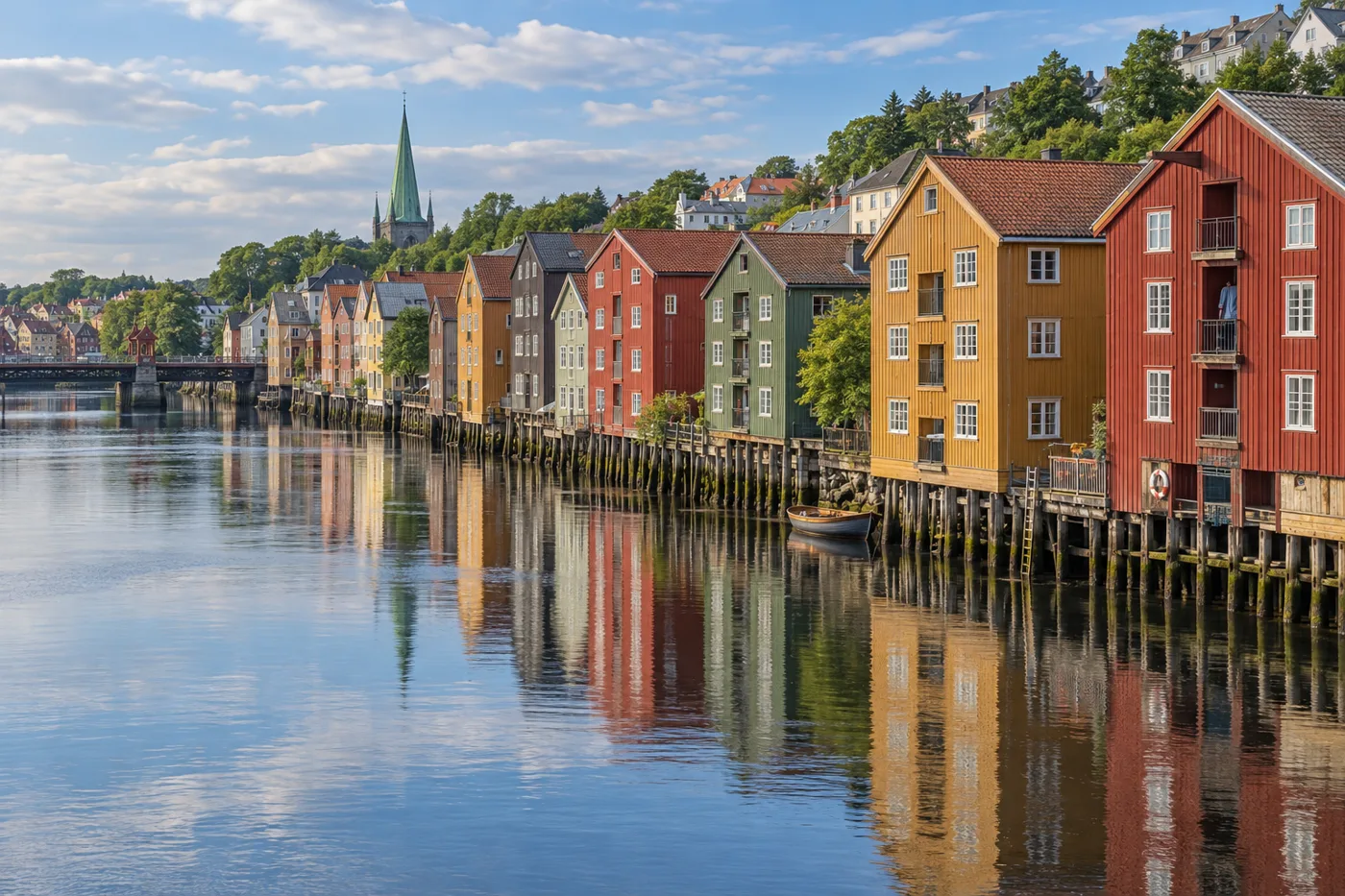
Trondheim: quick answers
- Worth visiting?
- Yes; choose experiences that suit your interests and season.
- Time needed
- Two full days, or three with an outing beyond the centre.
- Best time
- May–September for broad outdoor choices; winter for a shorter city break.
- Cost level
- High; balance paid attractions with free walks.
- Getting around
- Walk centrally; use public transport and booked transfers farther out.
- Top priorities
- Nidaros Cathedral, Bakklandet, Gamle Bybro and Nidelva wharves
How this list was selected: NorwayTop10 editorial selection, not a public vote. We assess first-time visitor value, local distinctiveness, practical access and the variety an experience adds to a short stay. The order does not mean every visitor should follow it: interests, mobility, weather and operating dates determine the best final route. No operator paid for inclusion.
In this guide
- Nidaros Cathedral
- Bakklandet
- Gamle Bybro and Nidelva wharves
- Kristiansten Fortress
- Archbishop’s Palace and Crown Regalia
- Rockheim
- Ringve Music Museum and garden
- Bymarka forest outing
- Sverresborg Trøndelag Folk Museum
- Solsiden and the modern waterfront
Best things to do in Trondheim: the Top 10
Bookings through Viator may earn us a commission.
1. Nidaros Cathedral
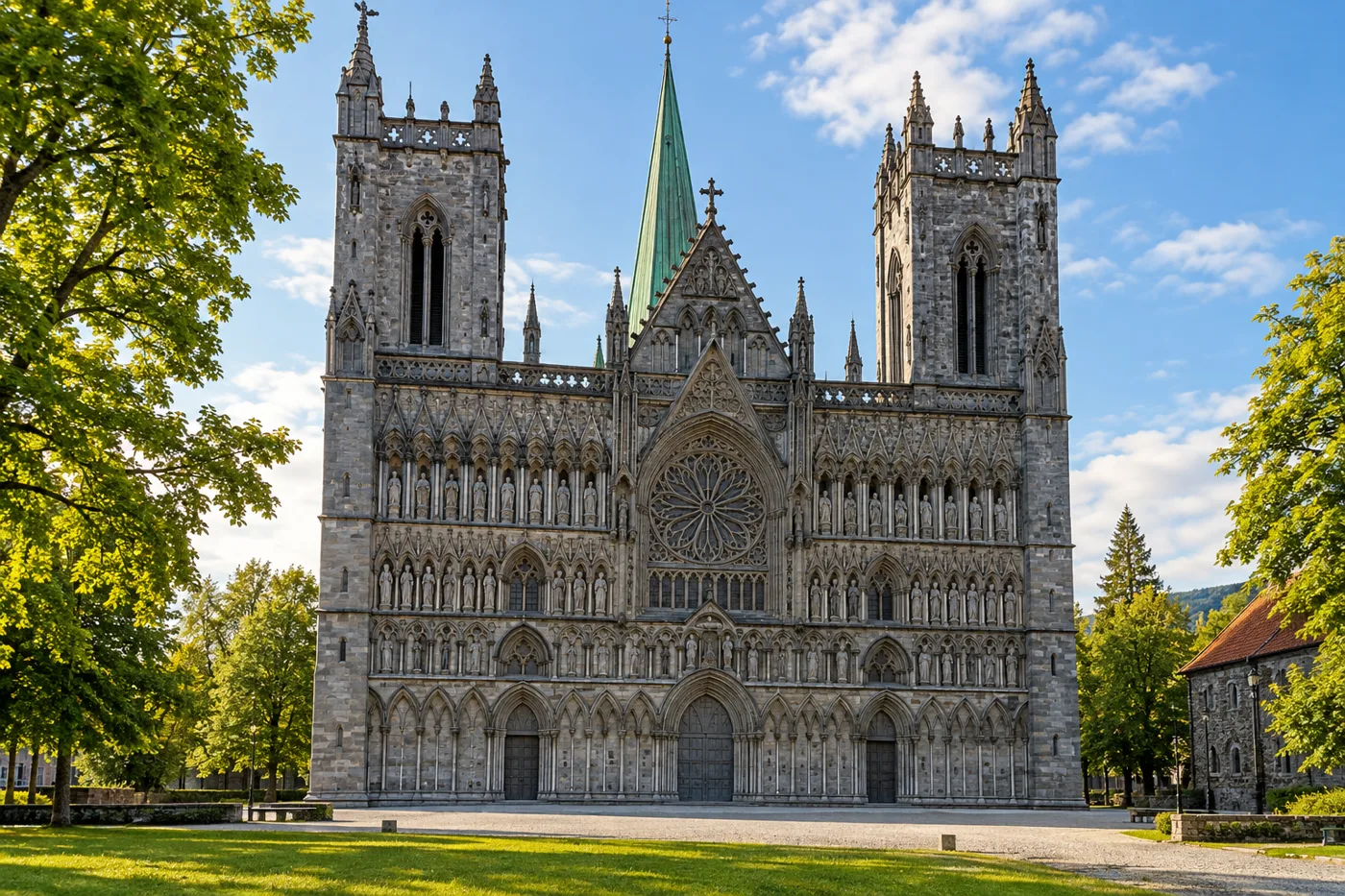
Book here with Viator → Guided walk including cathedral exterior
Nidaros Cathedral is Trondheim’s principal historic landmark, associated with pilgrimage to St Olav and still used for worship. Its carved west front and layered architecture deserve more than a quick photograph. For a first visit, it supplies the clearest introduction to the city’s importance in Norwegian religious and political history.
Walk around the exterior before visiting inside, giving yourself time to look beyond the building’s scale. A tour can explain restoration and sculpture that are easy to overlook alone. Treat services separately from sightseeing: visitors attending worship should do so respectfully rather than using the service as an admission shortcut.
Allow 60–90 minutes. At the 21 October 2026 check, standard adult cathedral entry is NOK 140 and a combined cathedral-and-two-museums ticket is NOK 260. Confirm current hours at nidarosdomen.no: Sunday sightseeing starts later, and church events may change access. Build the morning around the actual visitor window.
Best for: medieval history.
2. Bakklandet
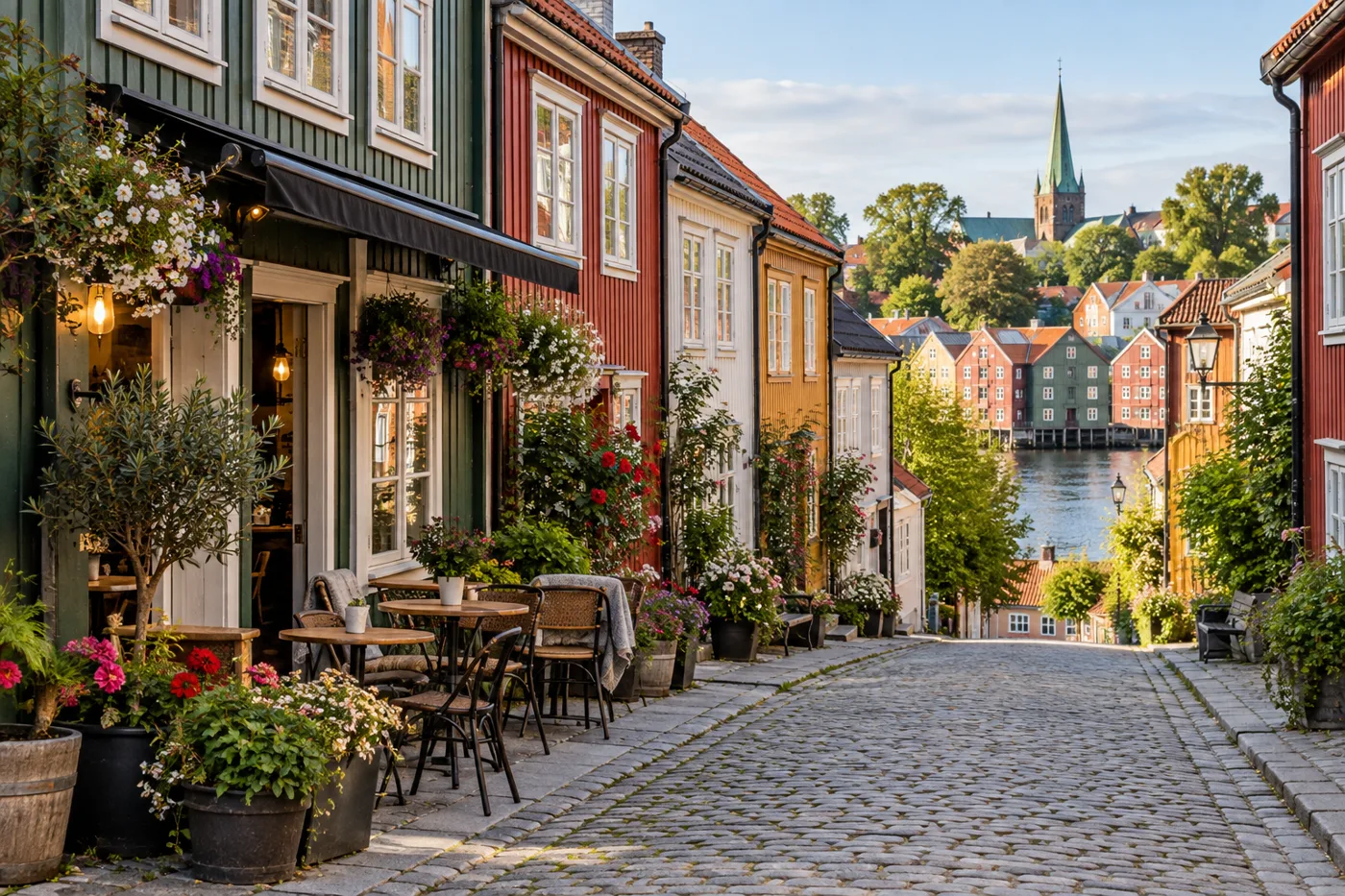
Book here with Viator → Half-Day Highlights of Trondheim by Bus and City Walk
Bakklandet’s low wooden houses sit across the Nidelva from the cathedral quarter. Its lanes and cafés give a domestic scale to a visit that might otherwise centre on monumental architecture. The neighbourhood rewards unhurried walking rather than a search for one essential building or an elaborate guided route.
Explore a few lanes and notice the slopes rising from the river. The bicycle lift is a local curiosity, but ordinary streets and café life are the more substantial experience. People live, work and cycle here: avoid blocking doorways and routes when photographing or gathering with a group.
Allow one to two hours. Walking is free, with optional café costs. Cobbles and winter ice need care, particularly on gradients. Combine the district with Gamle Bybro and, in suitable conditions, Kristiansten Fortress. These neighbouring stops create a logical walking route without taxis or repeated crossings between distant parts of the city.
Best for: timber neighbourhoods.
3. Gamle Bybro and Nidelva wharves
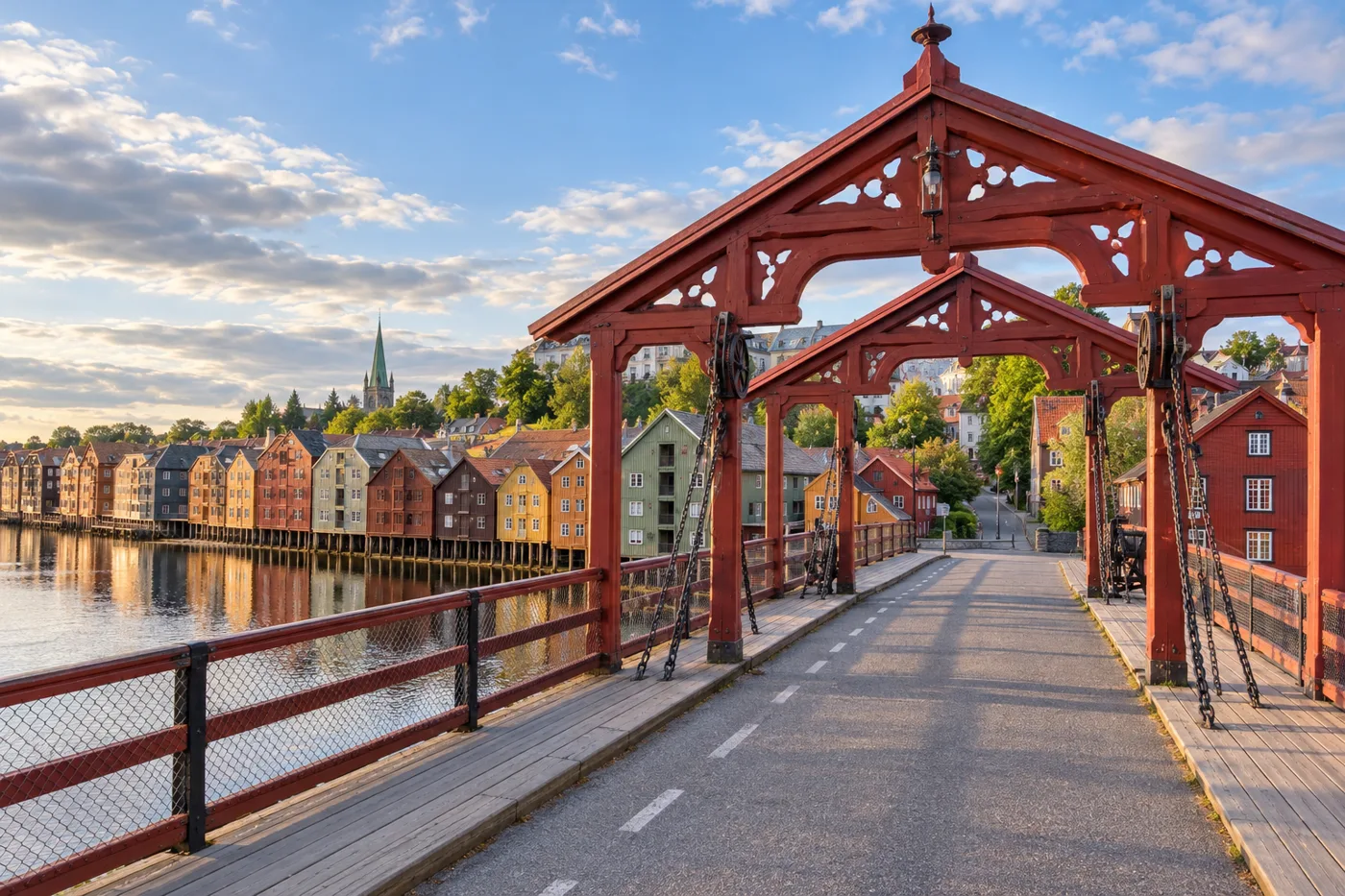
Book here with Viator → Self-guided historic city audio walk
Gamle Bybro links the historic centre with Bakklandet and frames the timber wharves along Nidelva. The red gateway structure is recognisable, but the wider river landscape makes the visit more interesting. A short walk on both banks reveals changing perspectives on the buildings and water.
Take photographs without obstructing crossing traffic, then continue along public riverside routes. Many wharf buildings are private interiors, so enjoy their architecture from permitted paths. Perfect reflections depend on wind and current; the walk remains worthwhile even when the water does not resemble a still postcard scene.
Allow 45–75 minutes, free of charge. Morning or later daylight may be quieter than peak sightseeing hours. Stay on secure surfaces in winter and avoid icy edges. The bridge fits naturally between Nidaros Cathedral and Bakklandet; use it as a transition within a route rather than planning it as a separate excursion.
Best for: river photographs.
An audio walking tour provides historical context at your own pace; check its route and where it finishes.
4. Kristiansten Fortress
Book here with Viator → City sightseeing bus tour
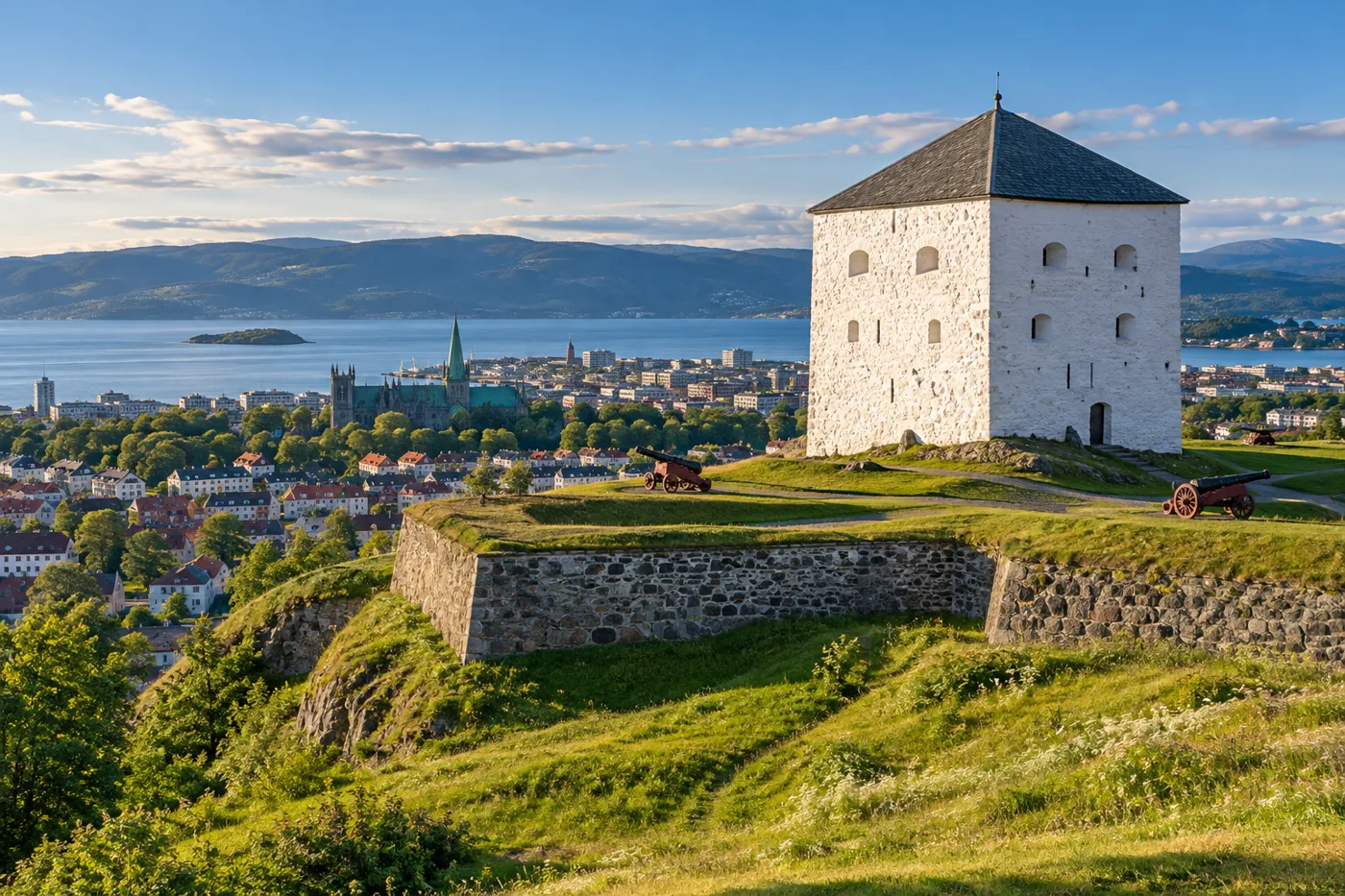
Kristiansten occupies the hill east of the centre, offering views across the city and fjord. The defensive setting also helps explain Trondheim’s geography. It is an attractive short outing for travellers comfortable with an uphill approach, but its practicality depends on weather and the condition of the paths.
Walk from Bakklandet at a comfortable pace and pause to look back across the rooftops. The grounds can be enjoyable when the tower is not open. Interior access should be considered an optional addition, rather than assuming every historic building can be entered whenever the surrounding park is accessible.
Allow around 90 minutes including the climb and return to the lower neighbourhood. Grounds are generally free when open, while interior arrangements are seasonal; check official fortress visitor information. Prioritise a clear daylight interval. Ice can make the slope demanding, so choose a flatter river walk when footing or mobility makes the climb unsuitable.
Best for: city views.
5. Archbishop’s Palace and Crown Regalia
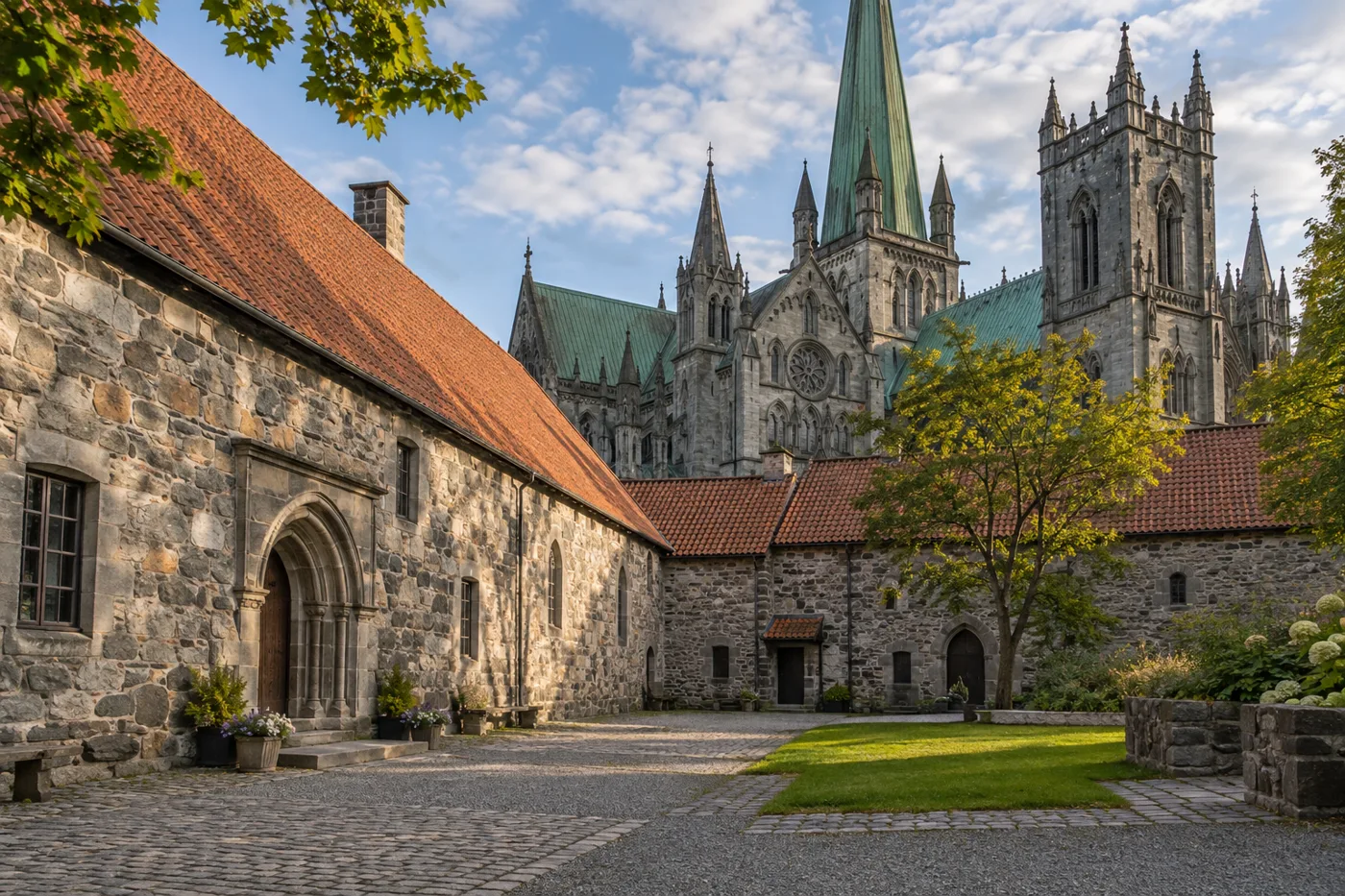
The Archbishop’s Palace adds archaeology, political authority and royal symbolism to the cathedral story. Its museums help explain how religious and secular power interacted in Norway. The position beside Nidaros makes it particularly efficient for travellers who want historical depth without spending the day travelling between scattered sites.
Choose the palace history, Crown Regalia or both according to your interests. A combined ticket only offers value if you actually want each collection. Take a break between the cathedral and museums, especially with children; continuous interpretation can become tiring even when the buildings are physically close.
Allow 90 minutes to two hours beyond the cathedral visit. At the 21 October 2026 check, standard adult entry for the palace and regalia museums is NOK 140. Check opening independently from the cathedral: Mondays may be closed and visitor windows can be shorter. The official site lists current combined-ticket options and holiday exceptions.
Best for: royal and church history.
6. Rockheim
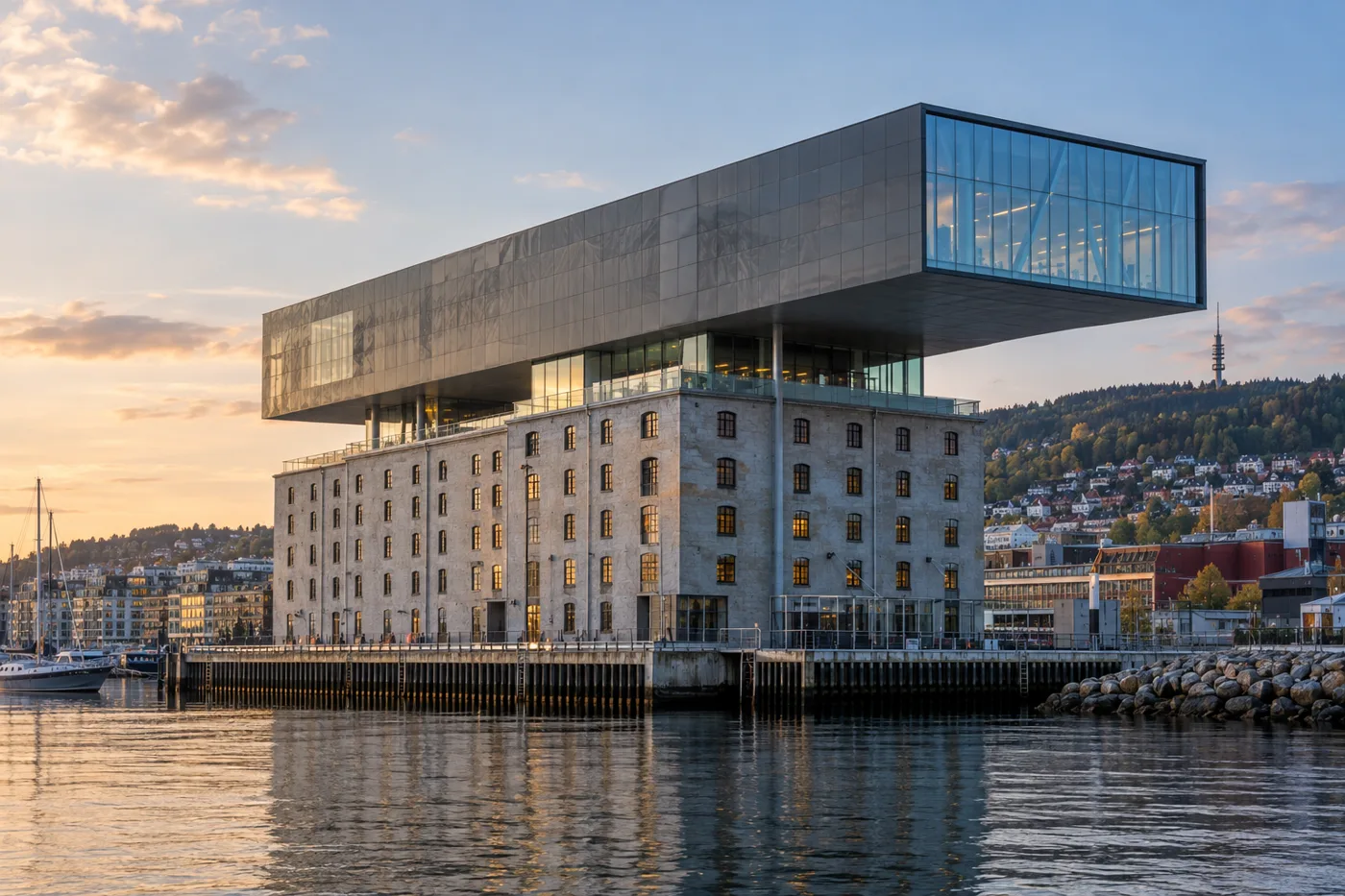
Rockheim introduces Norwegian popular music in a contemporary harbour setting. It contrasts deliberately with the medieval centre and gives a wet afternoon a strong cultural purpose. The subject can engage visitors who would not normally choose a historical museum, particularly those willing to listen and explore interactive interpretation.
Allow enough time for the music rather than approaching every exhibit as a panel to read quickly. Some references will be unfamiliar, which is part of the value of visiting outside your own musical background. The harbour district around the building adds another layer of Trondheim to the outing.
Budget approximately two hours. Admission is paid; check rockheim.no for current tickets and exhibitions. Its published 2026 pattern is Tuesday–Friday 10:00–16:00 and Saturday–Sunday 11:00–17:00, closed Monday; verify exceptions. The station is nearby, but leave a genuine luggage and departure buffer if fitting the museum into a travel day.
Best for: popular music.
7. Ringve Music Museum and garden
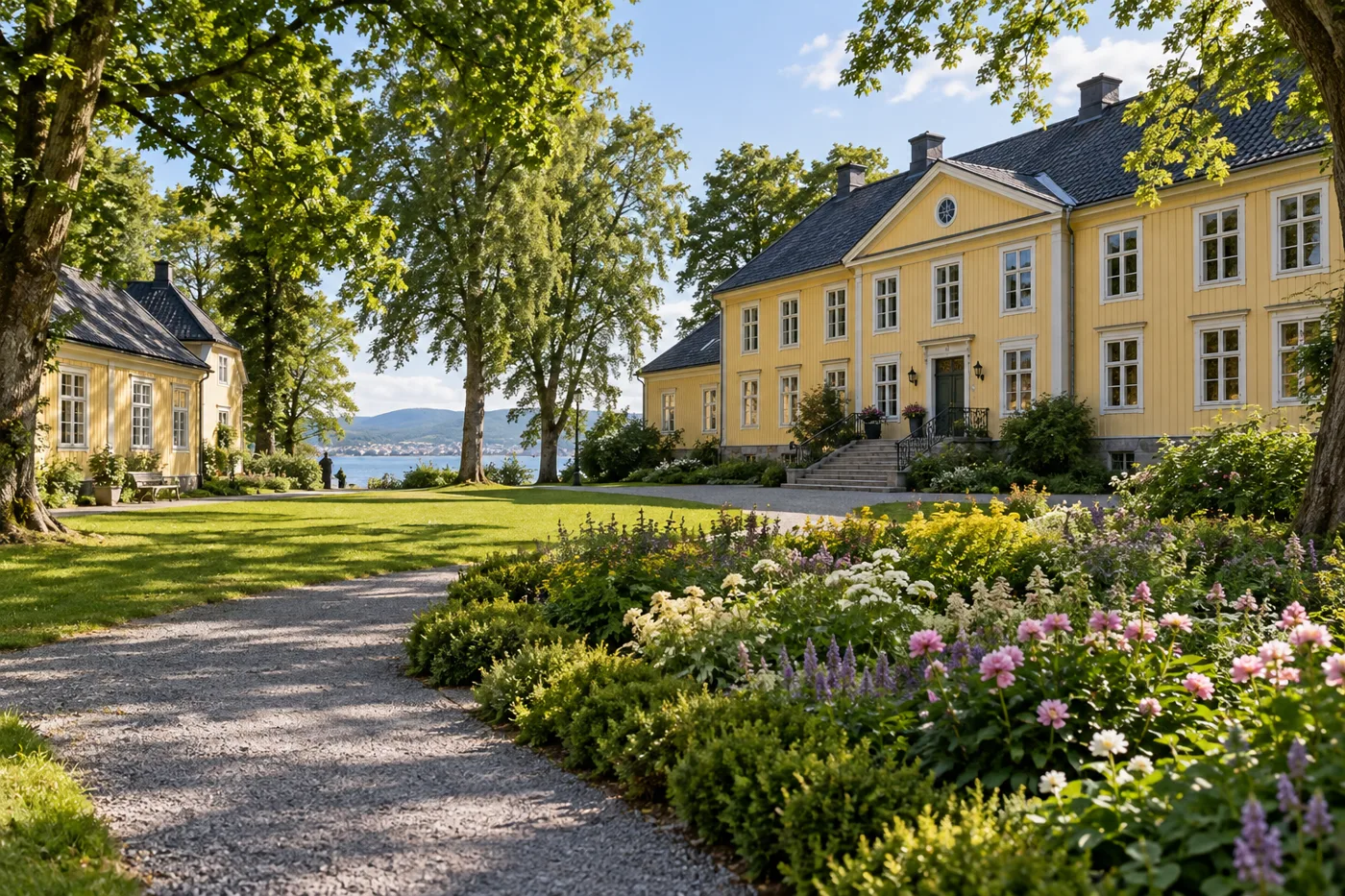
Ringve focuses on musical instruments and music history outside the central sightseeing circuit. The surrounding botanical garden adds an outdoor element, making it a worthwhile choice for visitors whose interests extend beyond churches and old streets. It deserves its own outing rather than a hurried stop between unrelated attractions.
Check the guided programme before arrival, since interpretation can bring instruments to life more effectively than labels alone. Add a garden walk when conditions suit. Winter gives a different outdoor experience, and access to historic interiors or tours may differ from the summer programme.
Allow half a day including public transport. The museum charges admission; confirm visiting arrangements at ringve.no and garden access through the relevant official information. Use AtB to plan the bus and final walk. Book a particular tour if central to your visit and check accessibility before travelling with mobility limitations.
Best for: instruments and gardens.
8. Bymarka forest outing
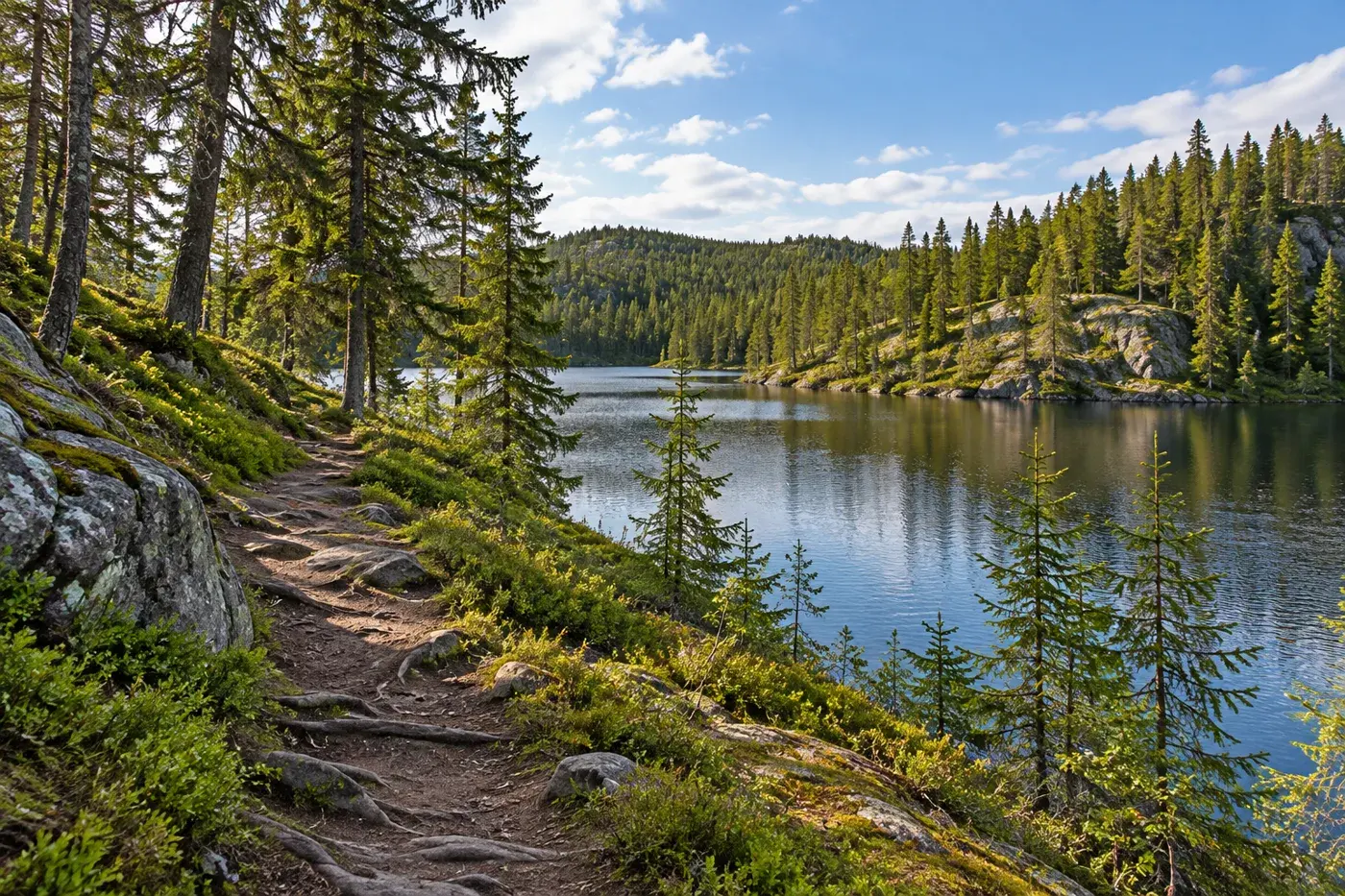
Bymarka is the wooded recreation area west of Trondheim, with marked routes and lakes that provide a break from the city. It introduces Norway’s everyday outdoor culture without requiring a remote mountain expedition. The right walk, however, depends on season, experience and current trail conditions.
Select a modest marked loop suited to your footwear and available daylight. In winter, prepared ski tracks should not automatically be used as pedestrian paths. Bring food, water and a spare layer, recognising that forest footing and temperature may differ from the protected streets where you began the day.
Reserve half a day including transport. Walking itself is free, while equipment, transport and refreshments cost extra. Consult AtB and current local route information before setting out. Return with daylight in reserve during colder months. If conditions exceed your experience, use Rockheim or another museum rather than treating the forest visit as compulsory.
Best for: nearby nature.
9. Sverresborg Trøndelag Folk Museum
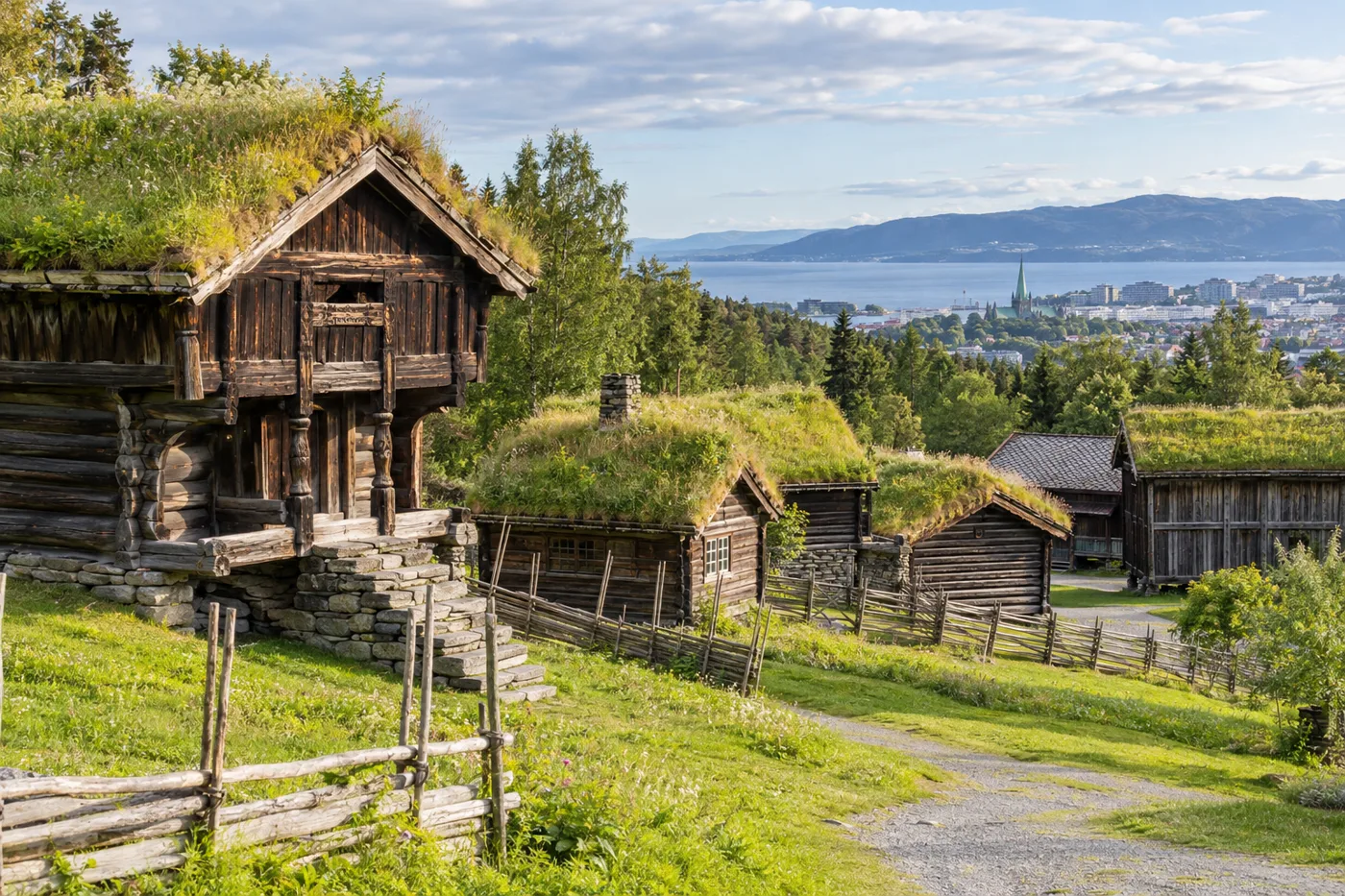
Sverresborg explains regional life through historic buildings and exhibitions beyond the central old town. It is particularly useful if your trip will not include rural Trøndelag. The open-air layout adds architectural and everyday-life context that differs from both the cathedral and music museums.
Look for the distinctions between urban and rural buildings rather than simply counting how many you can enter. Demonstrations and interior access can vary by season. Indoor exhibitions provide shelter, but they do not make every outdoor path comfortable during rain, snow or icy conditions.
Allow two to three hours plus transport. Admission is paid; check sverresborg.no for current opening days, programmes and access. AtB helps plan the bus and final approach. Keep this as a substantial outing: combining Sverresborg, Ringve and a Bymarka walk on one short day creates unnecessary travel and rushed visits.
Best for: regional heritage.
10. Solsiden and the modern waterfront
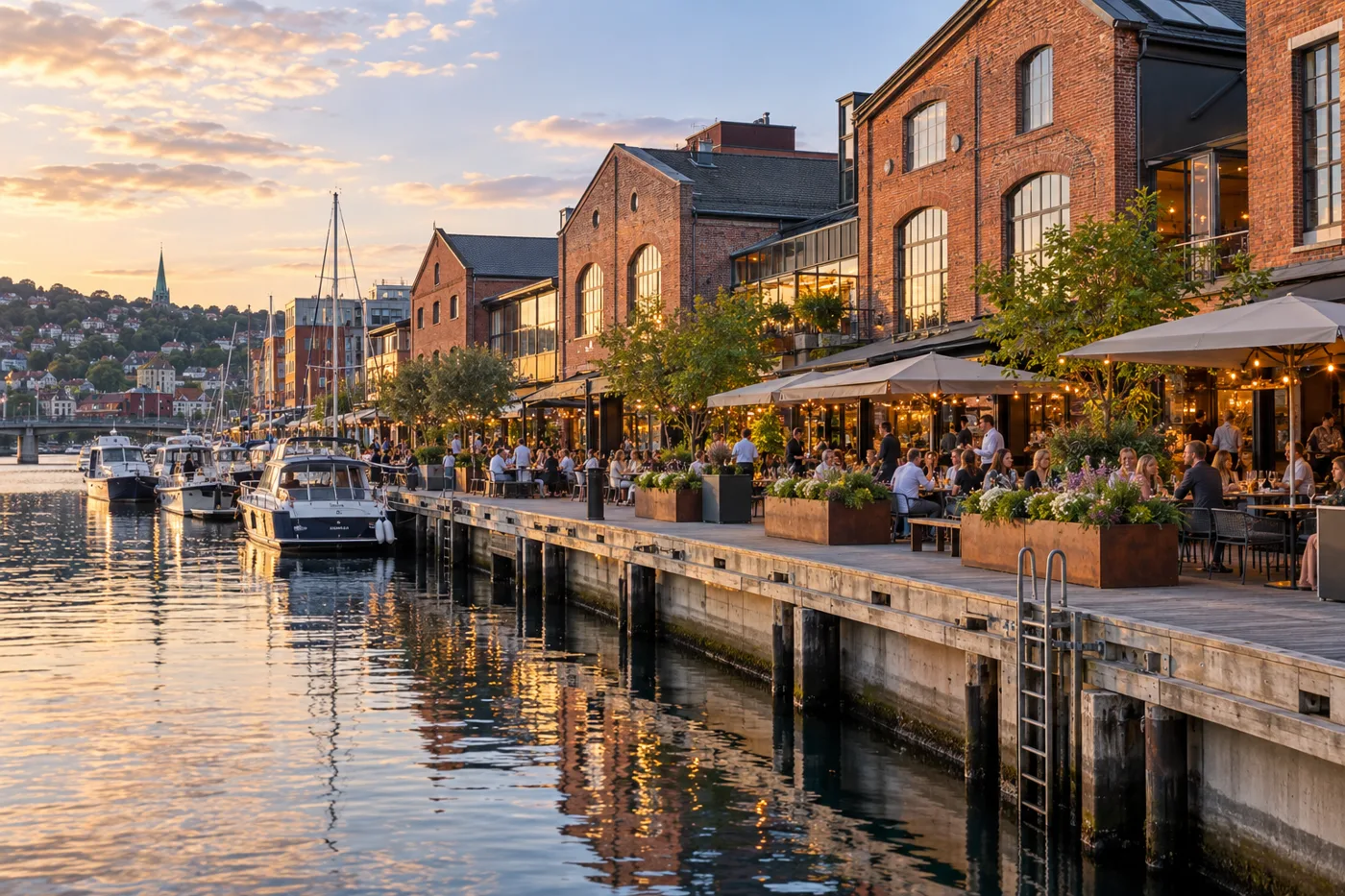
Solsiden reuses a former shipyard area near the centre, with restaurants and waterside spaces among surviving industrial forms. It offers a contemporary end to a historical city day. Think of it as a walk and potential meal rather than a ticketed attraction requiring a separate daytime expedition.
Look around the water before choosing where to eat, comparing actual menus and prices. Some terraces are busier at evening dining times, while a simple walk costs nothing. Plan a sensible return route to your accommodation, particularly when winter ice makes waterfront surfaces slippery.
Allow one hour for walking or two with dinner. Public space is free; restaurant costs and opening days vary. Reserve for a specific popular restaurant or larger group. Pair the district with Rockheim and the harbour when useful, or walk across from Bakklandet after an afternoon in the older neighbourhood.
Best for: an evening waterfront meal.
Trondheim itinerary: one, two or three days
One day in Trondheim: cathedral and old river streets
Morning, 09:00–12:00 on a suitable weekday: visit Nidaros Cathedral and examine its exterior. If adding the palace museums, note that they may not open until 11:00; extend this historical block to approximately 13:00 and move lunch later rather than rushing two additional collections into an hour. Confirm current opening, because Sunday requires a different sequence and Monday palace access may be unavailable.
Afternoon, 12:00–17:00: cross Gamle Bybro and eat in Bakklandet before exploring its lanes. Climb to Kristiansten in clear weather and suitable footing, allowing time for the return. In heavy rain or ice, keep to the lower district and choose a central indoor alternative.
Evening: eat in the centre or Solsiden. Winter visitors should place the fortress before the final café stop so the view falls in daylight. A single day is a selection of priorities, not enough time for every museum, the forest and the outlying heritage sites.
Two days in Trondheim: music and modern waterfront
Day two morning, roughly 10:00–13:00 depending on opening: visit Rockheim, giving its listening and interactive elements time. Walk through the harbour area afterward. If your interests are predominantly historical, replace this with a longer palace visit rather than choosing a music museum merely to complete the list.
Afternoon, 14:00–17:00: explore Solsiden and river paths, or return to a central attraction you missed. Keep this block lighter after concentrated museum time. Poor winter weather may favour a longer lunch and indoor stop, but check closing times before deciding late in the day.
Evening: book ahead if you want a particular restaurant. For departure by train, leave time for luggage and the station. Treat an onward night train as a separate reserved journey with a proper check-in buffer, rather than adding a remote final attraction because the departure appears late.
Three days in Trondheim: choose an outer-city outing
Morning, approximately 09:00–13:00 including travel: choose Ringve for instruments and gardens, Sverresborg for regional history or Bymarka for a modest marked nature walk. These are alternatives rather than one cross-city circuit. Confirm public transport, opening days and the final walking section before leaving the centre.
Afternoon, 14:00–17:00: return for a meal and one remaining central stop. If forest conditions are unsuitable, choose a museum from the outset instead of travelling to Bymarka and improvising an unsafe route. Winter requires suitable equipment, appropriate paths and a conservative daylight allowance.
Evening: enjoy Bakklandet or the waterfront at a slower pace, or prepare for onward travel. Arctic Norway is a substantial journey beyond Trondheim, not a local day trip. Winter driving can take longer than optimistic map estimates, so avoid planning a late departure followed by an ambitious remote drive.
Planning the best things to do in Trondheim
Use AtB for buses beyond the centre. The cathedral, Gamle Bybro and Bakklandet fit together on foot, while Ringve and Sverresborg need separate travel decisions. Compare the complete time cost of an outlying hotel with the convenience of a central base rather than choosing on room price alone.
Reserve accommodation and particular concerts or restaurants when your dates are fixed. Opening days may be more restrictive than ticket availability for museums. Check the cathedral and palace separately: their visiting windows can differ, and a combined ticket does not extend either building’s opening hours.
Winter ice affects Bakklandet slopes, riverside paths and the ascent to Kristiansten. Grippy shoes and a shorter route are more valuable than an ambitious checklist. Trondheim has long summer evenings but no true midnight sun. In darker months, use daylight for outdoor sights and build the remaining hours around confirmed indoor opening.
Separate accommodation, meals, local transport and paid excursions when budgeting. Restaurant dining and repeated admissions make Norway expensive; supermarket lunches and free walks help balance a few paid priorities. Room prices change considerably by date and availability, so compare your actual dates rather than relying on a fixed daily hotel estimate.
Keep weather-sensitive outings separate from transport that cannot move. Check official opening times, current ticket prices, ferry timetables and cancellation terms again shortly before visiting. Leave a margin between excursions and onward travel. The sources below support planning, but a dated guide cannot replace an operator’s live closure notice.
Trondheim travel guide: frequently asked questions
Is Trondheim worth visiting on a Norway trip?
Yes for medieval history, timber neighbourhoods and music museums. It adds cultural variety to a longer route. It is not the same experience as the western fjords and should not be sold as an Arctic aurora destination.
How many days do you need in Trondheim?
Two full days allow the cathedral quarter, Bakklandet and a substantial museum visit. Three gives room for Ringve, Sverresborg or a forest outing without compressing them into a rushed cross-city itinerary.
What is the best time to visit Trondheim?
Late spring to early autumn gives long daylight for walking and gardens. Winter offers a quieter city break with museums and careful outdoor planning. Check ice, daylight and seasonal programmes rather than expecting the summer itinerary to work unchanged.
Can I get around Trondheim without a car?
Yes. Central sights fit well together on foot, and AtB provides local transport for longer journeys. Check the final walk to outlying museums and the seasonal suitability of forest access. A car is unnecessary for the cathedral and Bakklandet circuit.
What does Nidaros Cathedral cost?
At the 21 October 2026 check, standard adult cathedral entry is NOK 140, while a combined ticket covering the cathedral and two museums is NOK 260. Verify current prices and visiting hours on the cathedral’s official website before paying.
What should be booked and what works in bad weather?
Reserve accommodation, concerts and specific guided programmes. Rockheim and the palace museums provide alternatives to an icy fortress climb or unsuitable forest walk. Check opening days carefully; the cathedral, palace and other museums need not share the same weekly schedule.
Where to go next in Norway
Choose a connected next stop and allow separate travel time between regions. These guides explain what each destination needs.
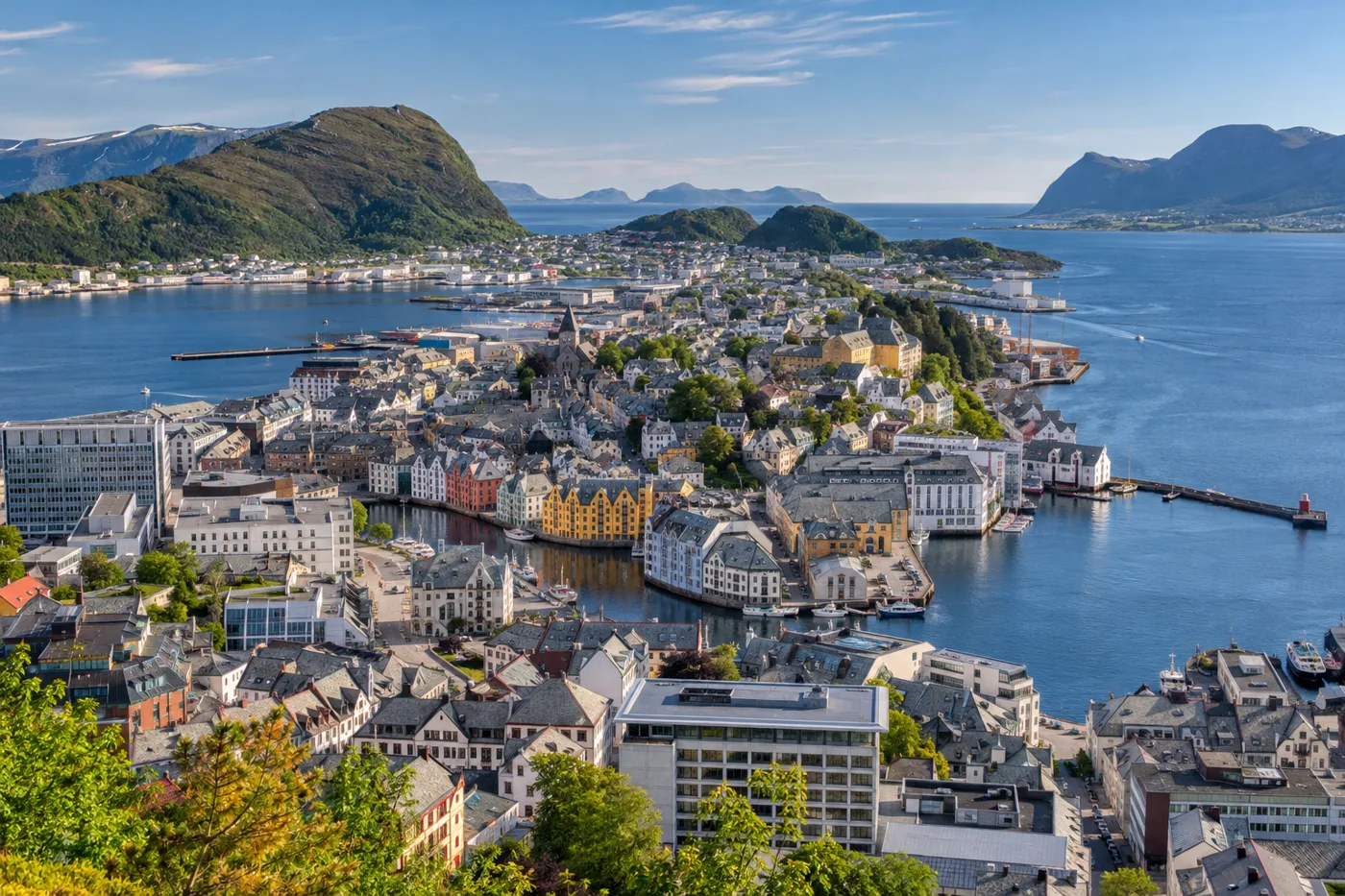 10 Best Things to Do in Ålesund: A Practical Travel Guide
 10 Best Things to Do in Oslo: A Practical Travel Guide
 10 Best Things to Do in Tromsø: An Arctic Travel Guide
 10 Best Things to Do in Bergen: A Practical City Guide
Planning your visit to Trondheim
Build your Trondheim visit around a few priorities, keeping nearby places together and allowing weather to change their order. Give the main museums enough time and reserve a separate block for a substantial excursion. This produces a more useful trip than completing ten stops at speed. Our guides to Oslo, Bergen, Stavanger, Trondheim and the Norwegian fjords help you choose the next leg of your journey.
Official sources and practical checks
Official information was reviewed during preparation. Fares, hours, road access and departures can change. Check the operator for your dates before booking. Suggested visit durations are editorial planning allowances.
- Visit Trondheim official tourism information
- Nidaros Cathedral visitor information
- Rockheim visitor information
- Ringve Music Museum
- Sverresborg visitor information
- AtB public transport
- Visit Norway Trondheim guide
Links labelled as affiliate links may earn NorwayTop10 a commission on eligible bookings. Read our editorial policy and commercial disclosure.
Choose accommodation in Trondheim
Compare accommodation options alongside the places you want to visit. Check the journey to the property before reserving.
Plan experiences around your stay
These guides compare regional options and practical considerations. Check the actual departure point; a related guide is not a promise that every activity is available in this town.

Musk Ox Safaris on Dovrefjell
Compare guided activities before booking
Use these tour comparisons to match your available time, meeting point and travel season with the right experience in this region:
Compare cycling and museum options in Trondheim
If you want to cover more ground than a centre walk, compare guided e-bike tours in Norway and check which destinations and dates are actually available. For a rainy day, the museum experience guide can help you decide between paid admission and an independently arranged visit. Do not book a timed excursion without checking the cathedral or museum’s own hours.
Salmon Fishing in Norway
Hurtigruten and Norway’s Coastal Route