Diving and Snorkeling in Norway: 10 Practical Tips
Diving and snorkeling in Norway bring you into cold coastal waters around Lofoten and Saltstraumen. Compare guided outings, published prices and equipment requirements before booking.
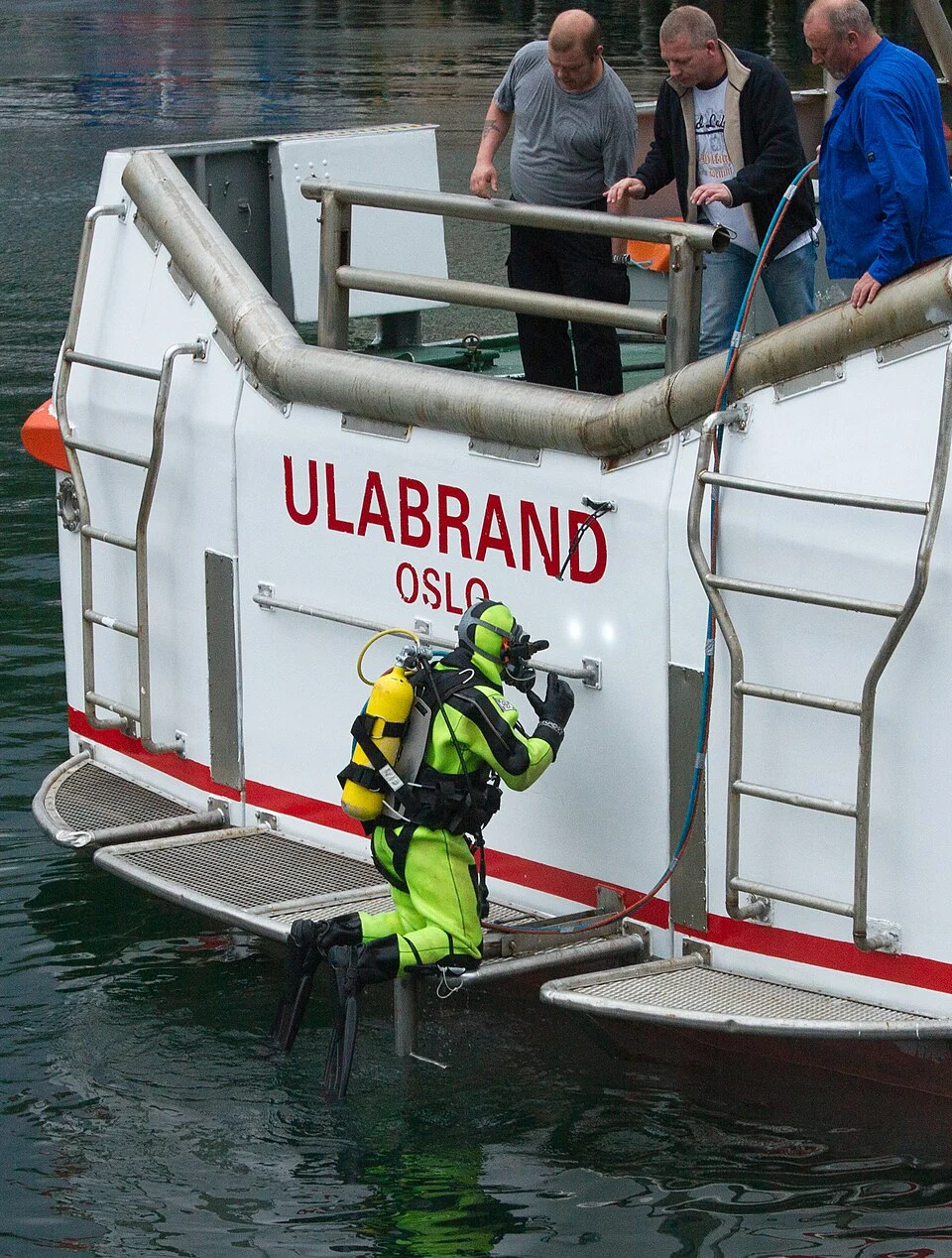
Diving and snorkeling in Norway at a glance
- Worth it? Yes for a supervised cold-water outing suited to your experience.
- Time? Allow at least a half-day including fitting and transfers.
- Season? Use the operator’s calendar and conditions advice.
- Cost? Published snorkeling examples start around NOK 1,190–1,295.
- Transport? Confirm the actual launch, pickup and return.
- Priorities. Choose appropriate supervision, check equipment and keep a shore alternative.
1. Choose a cold-water outing that fits your experience
Diving and snorkeling in Norway offer different ways to see kelp, fish and the rocky coast below the surface. Begin by choosing how you want to spend the day. A supervised snorkel is a surface activity. A first scuba experience requires instruction and a suitable setting. A guided dive for certified visitors assumes a level of training that the operator will want to verify. These are different bookings even when they leave from the same harbour.
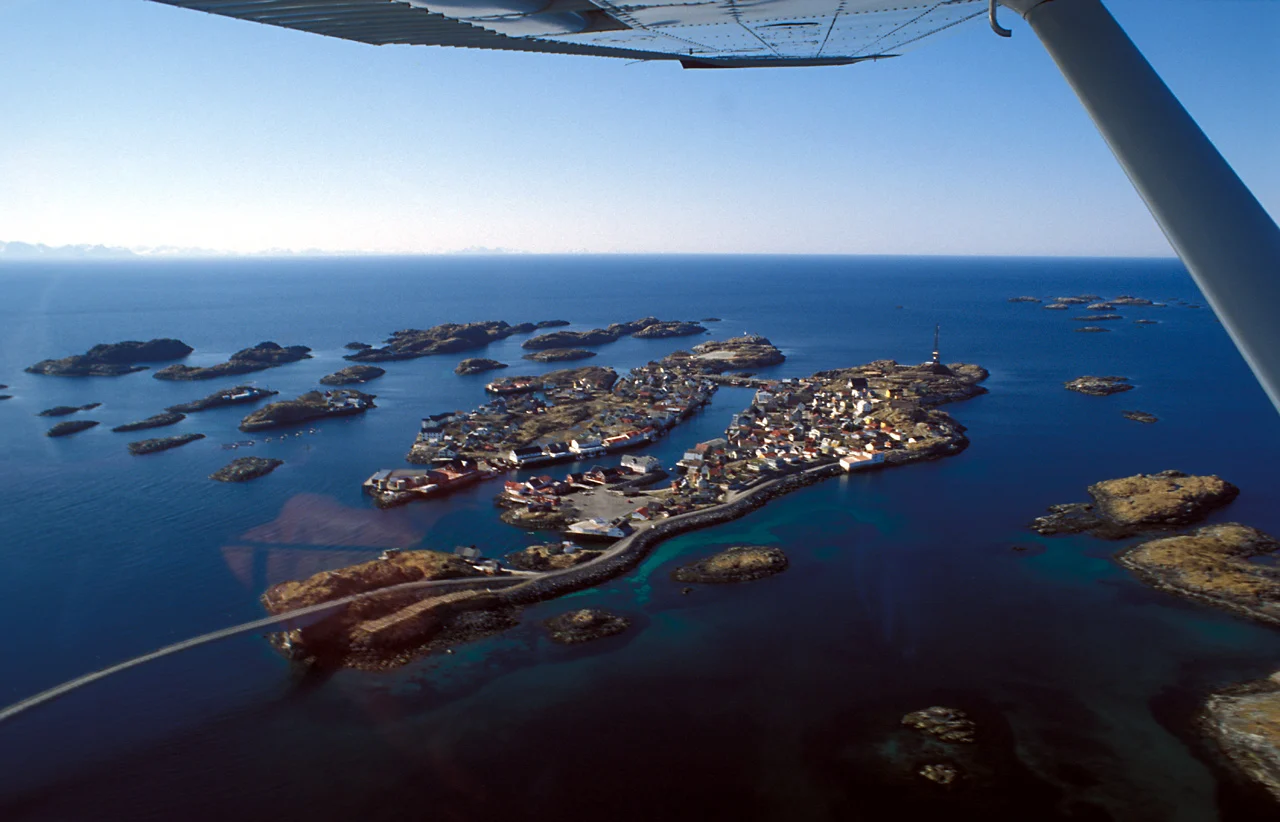
Choose a base that already fits your wider route. Lofoten has snorkeling and scuba listings around different villages, while Saltstraumen is a separate outing from Bodø. Check the actual meeting point and where you return. A product described as being in Lofoten can be a substantial drive from your room, especially when you need to arrive early for equipment fitting. If someone in your group stays ashore, make sure they have somewhere to spend that time and a practical way to get back.
Think about what you want to see without making the booking depend on a specific sighting. A guide can explain why kelp, rocks and currents shape what is visible in a particular place. The day can still be worthwhile when visibility is limited or the crew selects a different site. If you chiefly want to see the coastal scenery, a boat or shore visit may suit the whole party better. Decide before paying rather than after everyone is dressed and ready to leave.
2. Snorkeling around Henningsvær and elsewhere in Lofoten
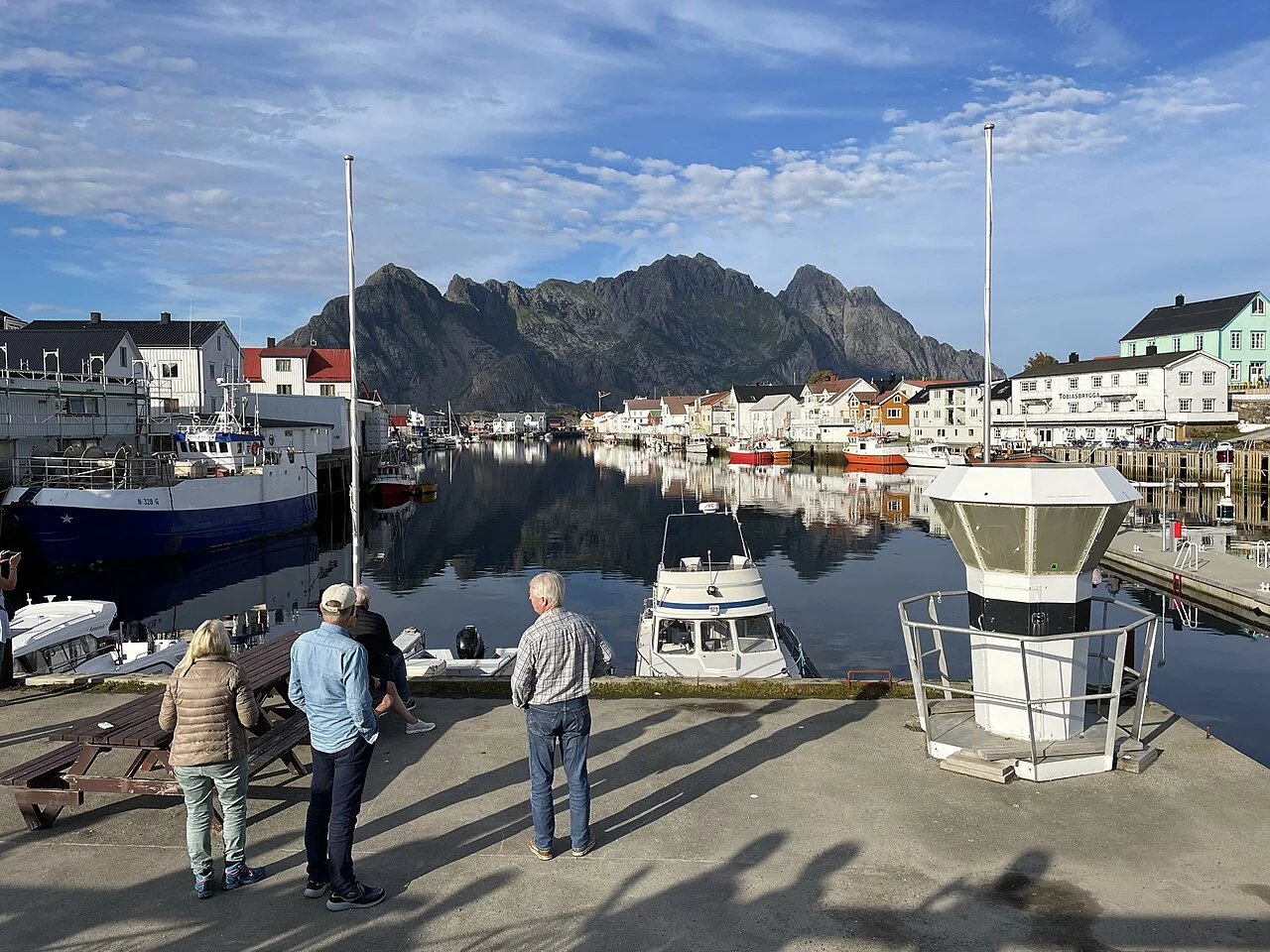
Visit Lofoten lists a drysuit snorkeling experience around Henningsvær with transport by small inflatable boat and a published price of NOK 1,295. Its tourism listing is a planning example. Confirm the current rate, duration, operating dates and meeting point. Ask how much of the time is spent changing, on the boat and in the water. A shorter period in the water can suit people trying a cold-water outing for the first time.
Ask how participants get back aboard, what the boat is like and whether you need to be comfortable swimming in open water. Check how the guide supervises the group and how staff handle a participant who wants to leave the water early. If there are children, confirm the exact age and size requirements and whether an adult needs to be in the water with them. Let the provider assess suitability before you commit to a booking.
Other Lofoten products have different prices and starting points. The regional booking marketplace lists a separate summer snorkeling experience from Lofoten Diving at NOK 1,590. Compare the exact product and location before treating those two fares as equivalent. The Lofoten travel guide can help you choose a base and a local weather alternative. Give the outing enough time to get dry and have a meal before a long drive.
3. Saltstraumen from Bodø
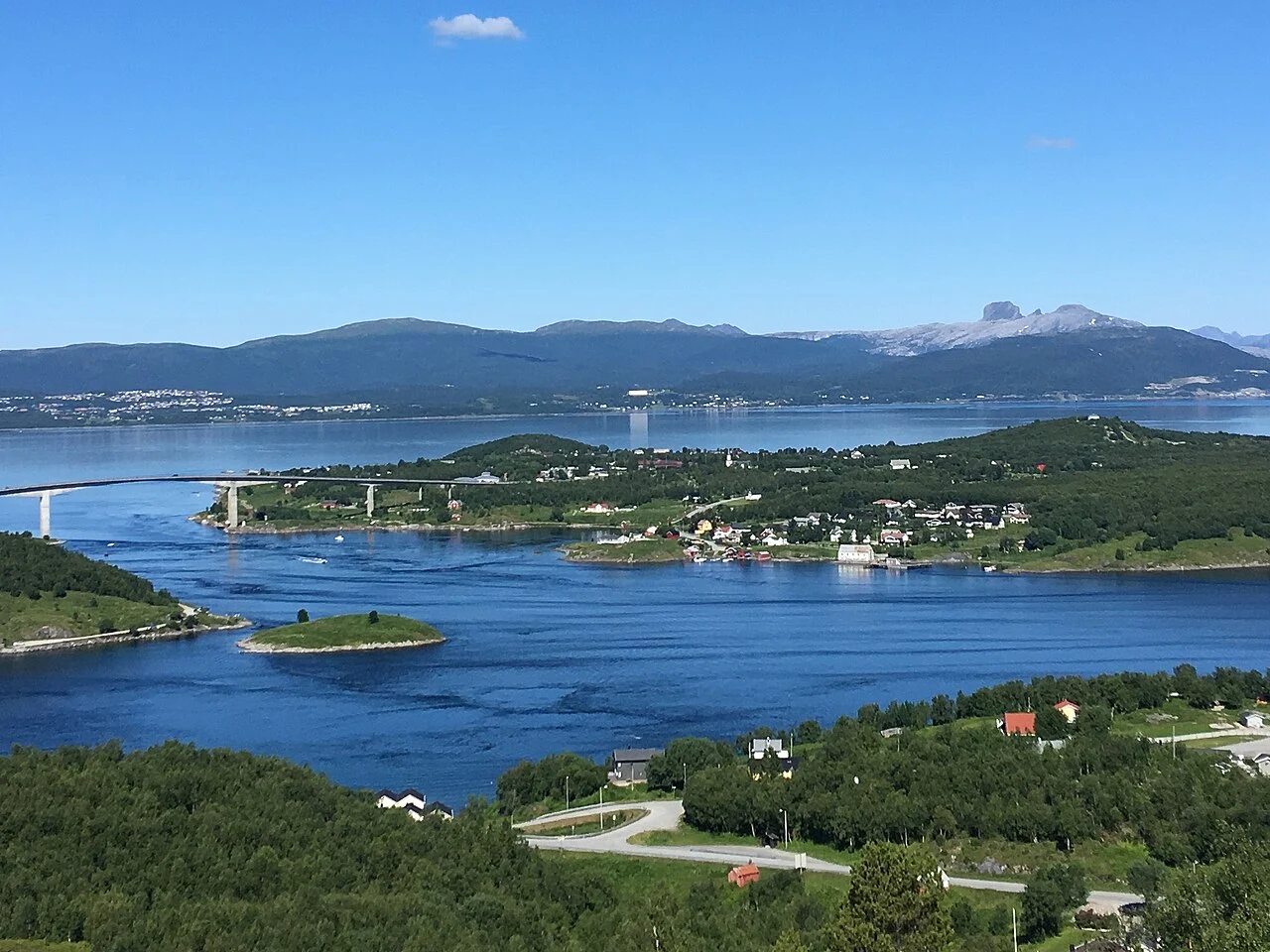
Saltstraumen is known for strong tidal currents. Visit Norway recommends scuba diving there only for experienced divers with a local instructor who knows the site. If you are newly qualified or have been out of the water for a long time, tell the operator about your recent dives and ask about a more appropriate setting. A visitor timetable or a shore observation of the current does not establish whether a particular dive is suitable.
Visit Norway also lists a supervised snorkeling product with a guide in the water and a nearby boat. Visit Bodø’s booking page shows a published example from NOK 1,190. That is a managed outing, with the operator responsible for deciding where and when participants enter. Confirm the current price, check-in and eligibility. Ask how the provider adapts the programme to conditions and how it handles a cancellation. Do not infer independent access or suitability from the fact that a guided product exists.
If you want to see the tidal landscape without entering the water, ask local visitor information for an appropriate shore viewpoint and current access. Treat the shore visit as a separate plan. The Bodø travel guide has options for spending the rest of the day in town. Check the road or bus in both directions and give yourself a buffer before a ferry, rail departure or flight.
4. Scuba qualifications, equipment and specialist sites
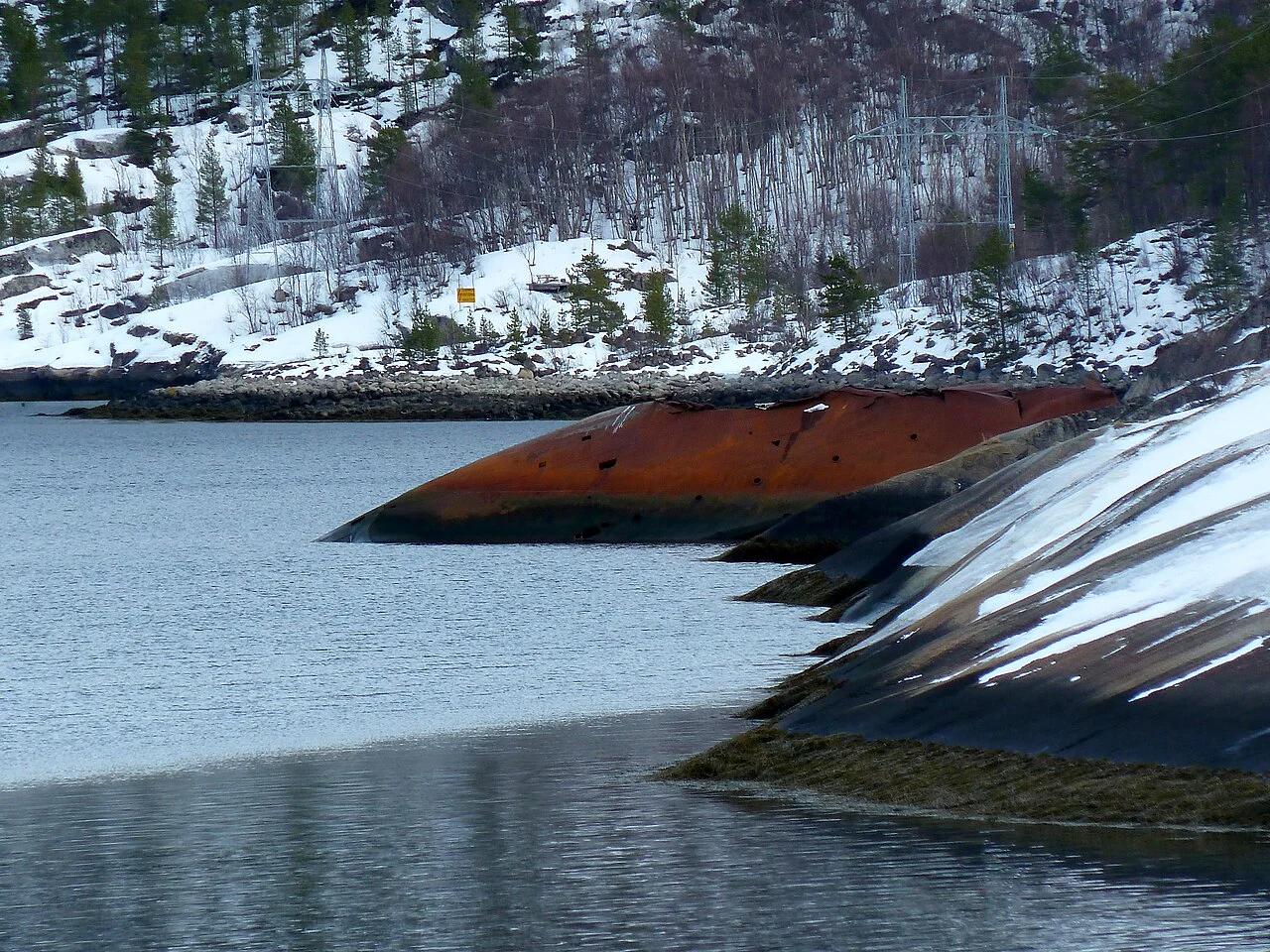
If you want to try scuba for the first time, choose a supervised introductory product with a qualified instructor and confirm that it accepts participants without certification. Visit Norway lists a Lofoten Diving introductory example at NOK 1,990. Ask what is covered, what screening and paperwork apply, and how long you should set aside. A trial dive and a certification course serve different purposes. Ask the dive centre to explain the course and its requirements if earning a qualification is your aim.
Certified visitors should confirm what the operator accepts for the planned dive and what recent experience it expects. Give an accurate account of the water temperatures and equipment you are accustomed to. Ask what exposure protection the provider requires and whether it offers a course if you need additional training. A hire price does not establish eligibility. Confirm the fit of equipment and follow the briefing and the guide’s choice of site. Ask the provider about timing relative to flights before booking either activity.
Wrecks, strong currents and cave environments call for specialist assessment. A general holiday dive booking does not establish that access, training or permissions are appropriate for one of those sites. Discuss your interests with a qualified local operator and let it recommend a suitable route. The Norway wreck diving guide gives context for why heritage protection and permissions affect what visitors can do. Choose a different site if the operator advises against the one you had in mind.
5. Season, costs and cancellation terms
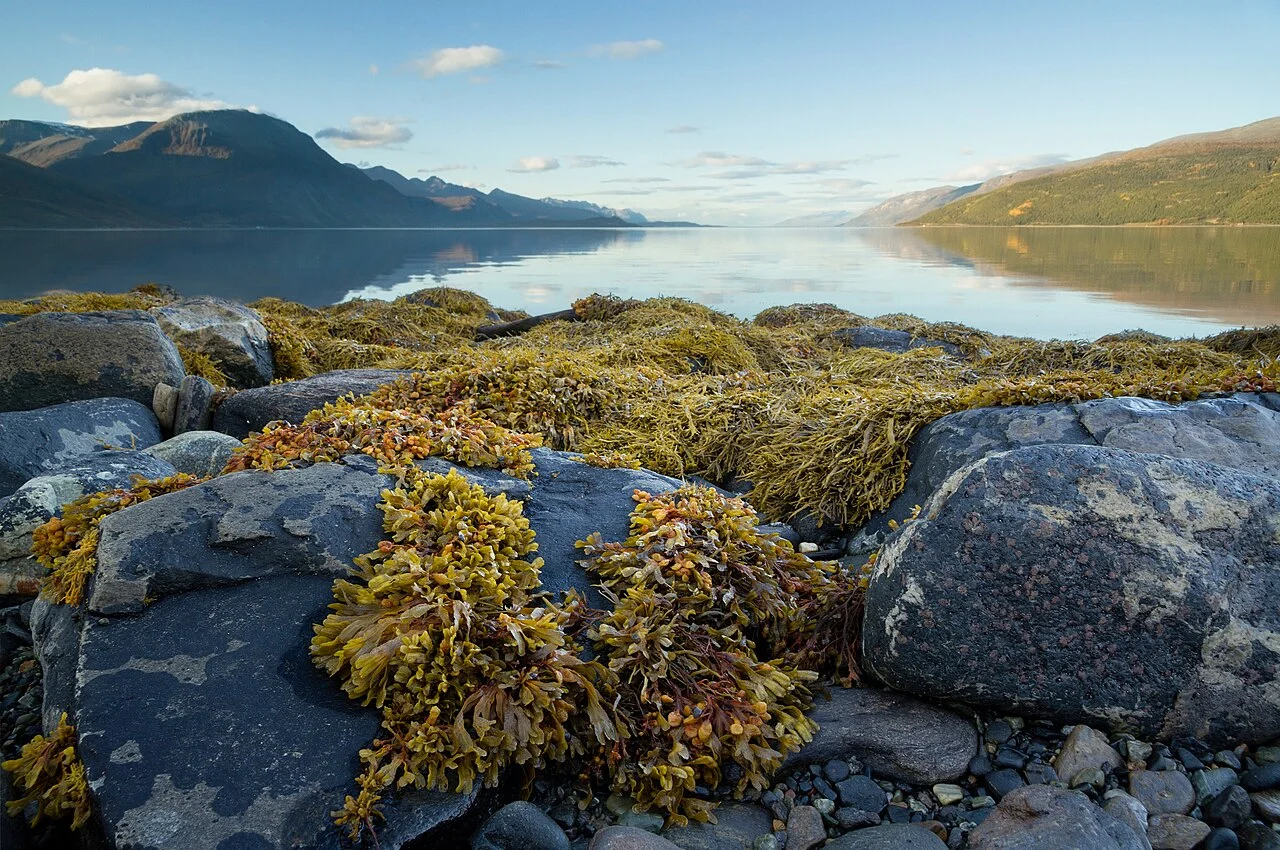
Use each operator’s current calendar and ask what the date means for the actual trip. A summer product can change route because of wind, visibility or sea conditions. A cold-season trip may require equipment or experience you have not used before. Ask how the centre decides whether to run the trip and when you can expect a message. If you have travelled primarily to get in the water, leave a second possible slot and keep an alternative on land.
Compare the total price for the party. The examples in this guide describe different products, so check whether transport, protective clothing, boat time and supervision are included. Ask what you must supply, whether equipment can be fitted for everyone and how much time you need before departure. If you book privately, compare the total for the group with the per-person rate on a scheduled outing. Confirm what happens if the minimum number of participants is not reached.
Check the terms for guest cancellation and operator changes separately. A route change, credit or refund can have different consequences when you are staying one night rather than several. Save your confirmation, meeting point and contact details offline. Ask the provider what conditions trigger a change and whether you should contact it before driving to the site. If you use a bus or ferry, choose a connection that lets you accommodate a slower return.
6. Start with a guided Lofoten snorkel
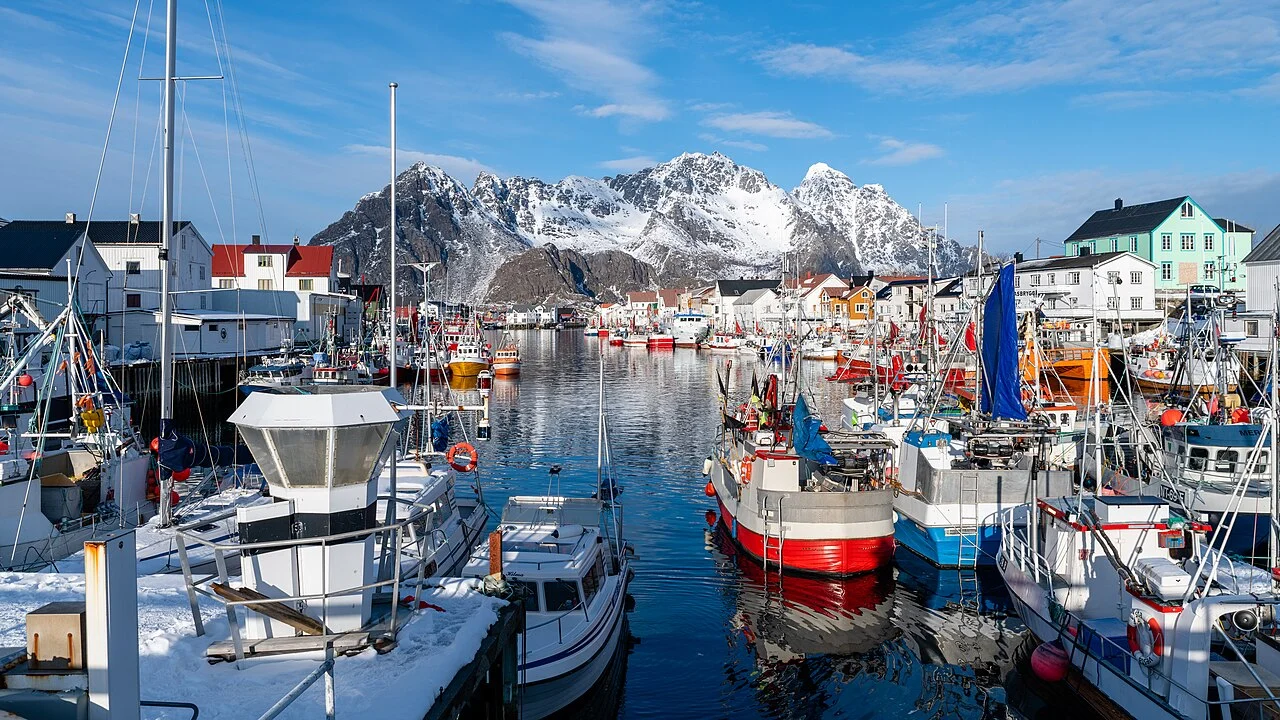
A guided session around Henningsvær gives the group a base for fitting gear and checking conditions.
Ask where the activity is expected to run and what changes if visibility is poor. The actual entry can be more important than the published duration.
Allow a half-day and check the current fare, supplied gear and minimum age before committing.
7. Keep a shore visit in Henningsvær
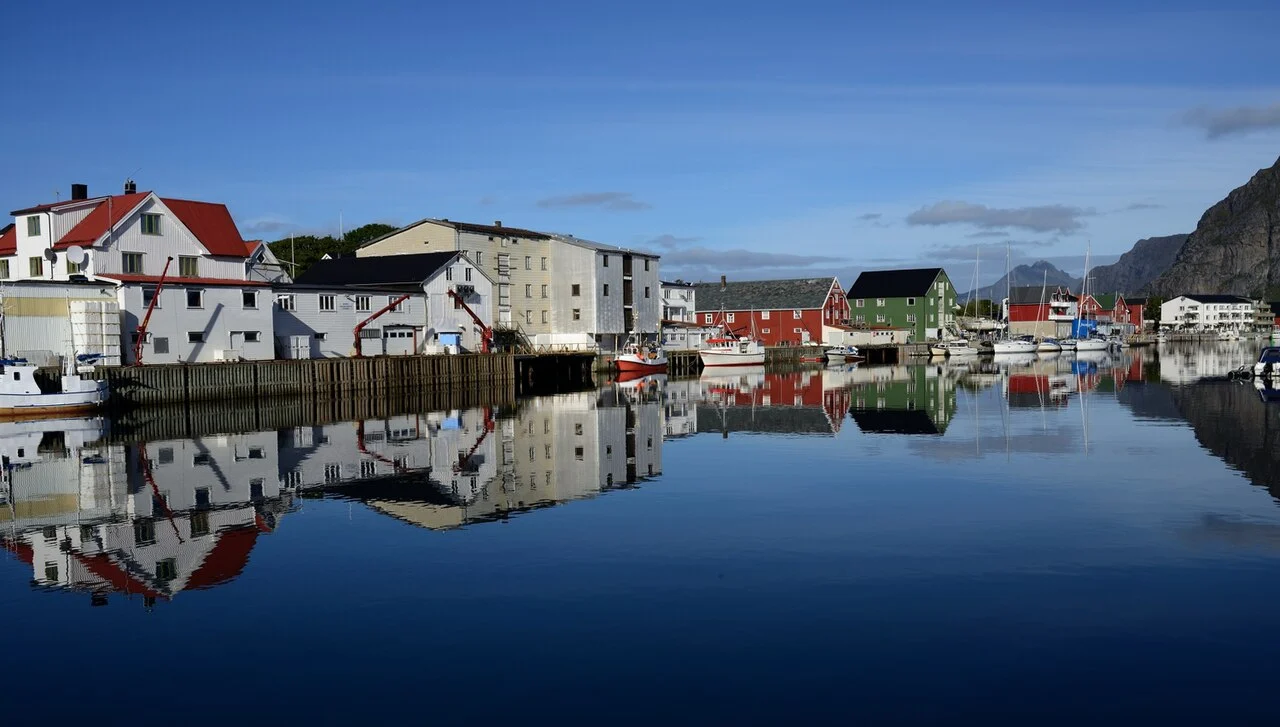
Henningsvær works as a separate outing for people who prefer to stay dry. The village and harbour can carry the day when water access changes.
Agree where to meet after the session and leave room for an indoor stop. The shoreline is also a useful place to understand the island setting before going out.
Check parking and any venue hours. Budget separately for the land outing and the session.
8. Use Bodø as the transfer base for Saltstraumen
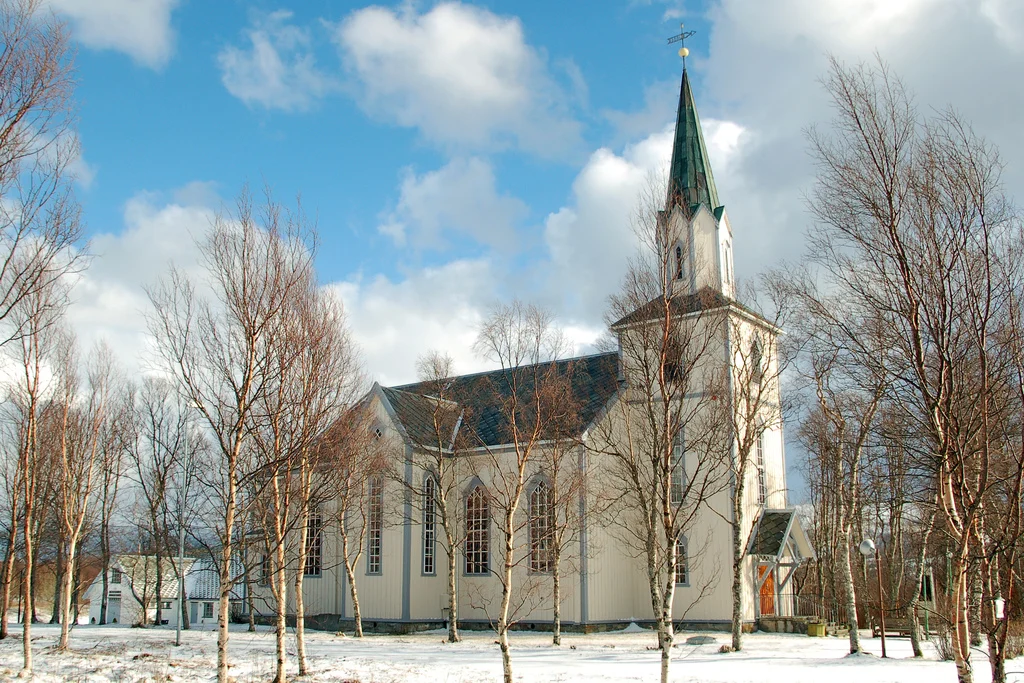
Saltstraumen is a separate transfer from central Bodø. Plan it around confirmed guidance rather than a casual stop between other bookings.
Check whether companions can spend time on shore while participants are with the guide. Leave the operator to select the appropriate water conditions.
Confirm pickup, return and total price directly. Allow time for changing before any onward transport.
9. Separate a Narvik wreck trip from a beginner dive
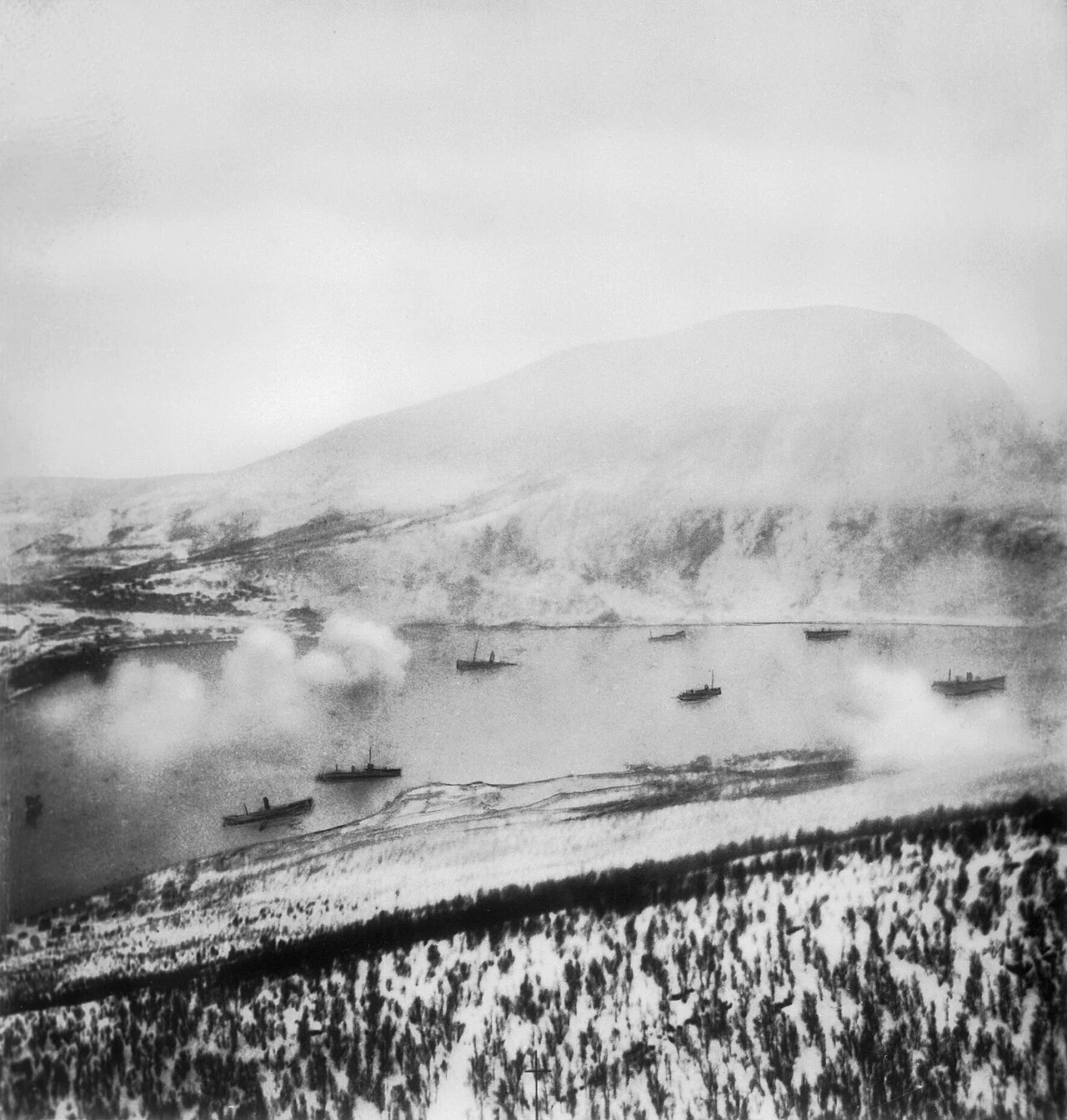
A wreck-focused trip has different requirements from a first cold-water outing. The provider needs to assess your qualifications and experience before you travel.
Tell the dive centre what experience you have and how recently you dived. Ask about a simpler option if the group has mixed levels.
Check course or guide fees, equipment and weather terms. Keep a separate day for Narvik onshore.
10. Reserve a dry day in Nordland
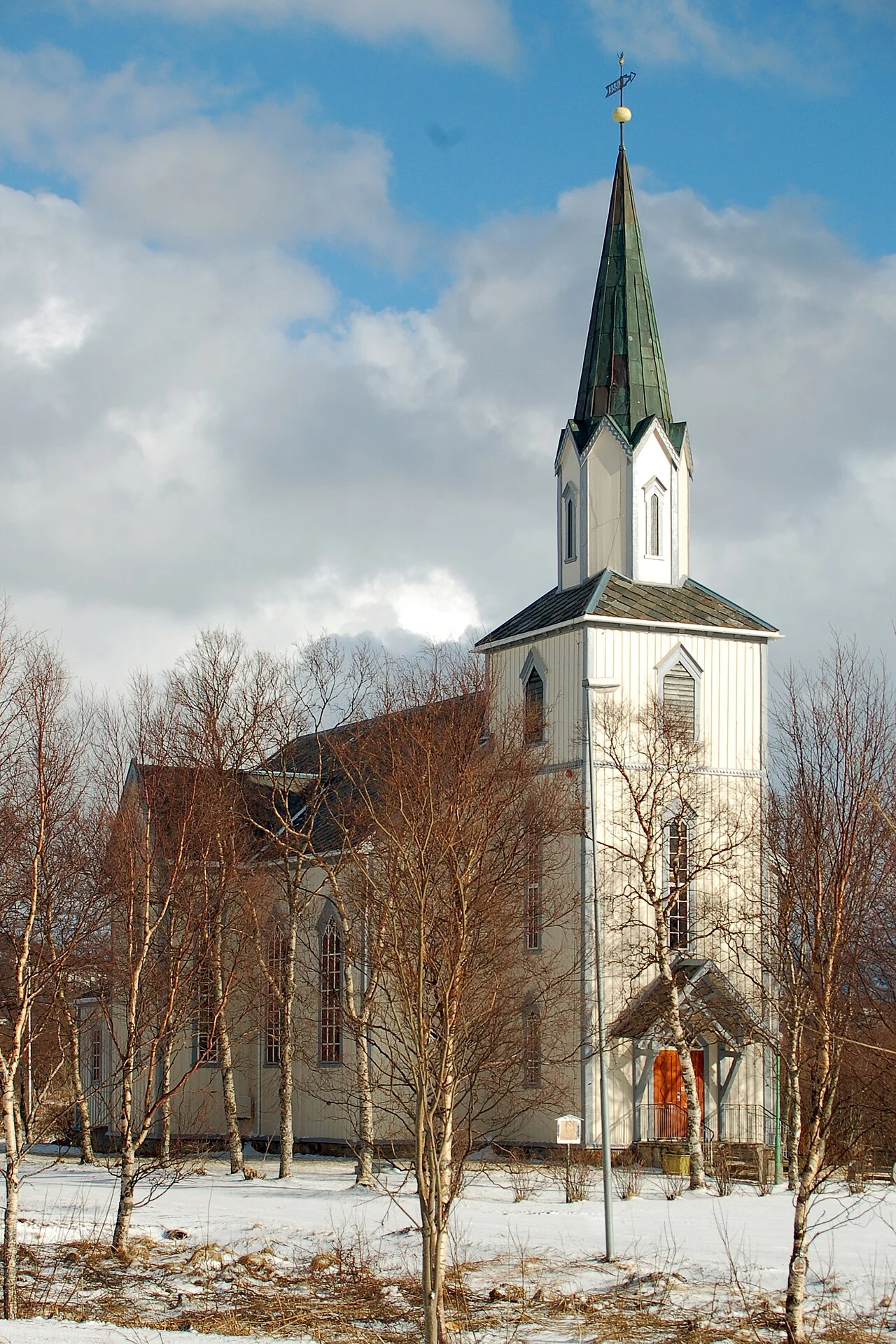
A spare day helps when a dive or snorkel moves because of weather or visibility.
Choose an indoor or shore option in the same area as the operator. That keeps it easy to return if a new session opens up.
Allow a full day of flexibility and check attraction hours. Compare cancellation terms before booking an inflexible transfer.
One-, two- and three-day itineraries
One day around Henningsvær. Use the morning for breakfast and travel to the confirmed meeting point. Leave a half-day for fitting, the supervised outing and changing afterwards. Use the other half for a local walk or meal and return to your base in the evening. If the operator cancels, keep the outing on land and confirm opening hours before driving to another village. Avoid placing a tight onward connection immediately after the activity.
Two days from Bodø. On day one, arrive and use the afternoon for a town visit. Confirm the road or bus to Saltstraumen and contact the provider if conditions are uncertain. On day two, keep the main block for a confirmed guided outing or a shore visit, then return to Bodø for a meal. If you have an earlier suitable booking and can reach it comfortably on day one, use day two as a spare slot. Check onward transport and leave a margin.
Three days in one Lofoten base. Use day one for arrival, a short local visit and a meal near your accommodation. Reserve day two for a supervised snorkel or an appropriate scuba experience, with time afterwards to get dry and warm. Keep a block on day three available for a moved outing or a coast visit. If you are flying after scuba, agree the timing with the dive operator before choosing your flight. If the sea remains unsuitable, use an indoor or shore alternative before travelling onward.
Make the trip work for everyone
Give non-participants a plan that does not involve waiting on an exposed quay. Agree on a nearby meeting point and a flexible time. If the group shares one vehicle, work out who needs it and how others will get back. A café or town stop is an option only if you have checked opening hours and transport. If everyone wants to see the same stretch of coast, ask about a sightseeing trip that suits the group.
Pack a warm change and follow the operator’s advice about what to bring under the supplied clothing. Keep a small dry bag available if the guide permits it and ask where you can put a larger bag. Allow time to change after the outing before your next reservation. If you plan to take photos, ask how to secure the equipment and put it away whenever the guide requests it.
Plan a separate shore day
If you want to spend another day on the coast, keep it flexible until you know how the first outing went. In Lofoten, choose a village close to your lodging and check whether a harbour walk or museum fits the weather. In Bodø, use a town stop if you are waiting for the operator to confirm a departure. A short local outing is easy to move. A second prepaid activity across the region can leave you with a long drive immediately after getting out of the water.
If you are visiting Norway as part of a longer trip, check whether a previous or later destination has a suitable introductory product before committing to a complex transfer. Compare the instructor’s time, protective clothing and approach to beginners. The simplest booking often gives you more time for the experience itself and enough room to change plans if the sea or the group’s needs are different from what you expected.
Explore Lofoten below the surface
Compare this guided Lofoten scuba experience with your qualifications and cold-water confidence. Ask about certification, equipment and any snorkeling option before booking the activity for a mixed group.
View the Lofoten diving experience →
Check current dates, prices, meeting points and cancellation terms on Viator. Affiliate link: we may earn a commission if you book.
Related planning
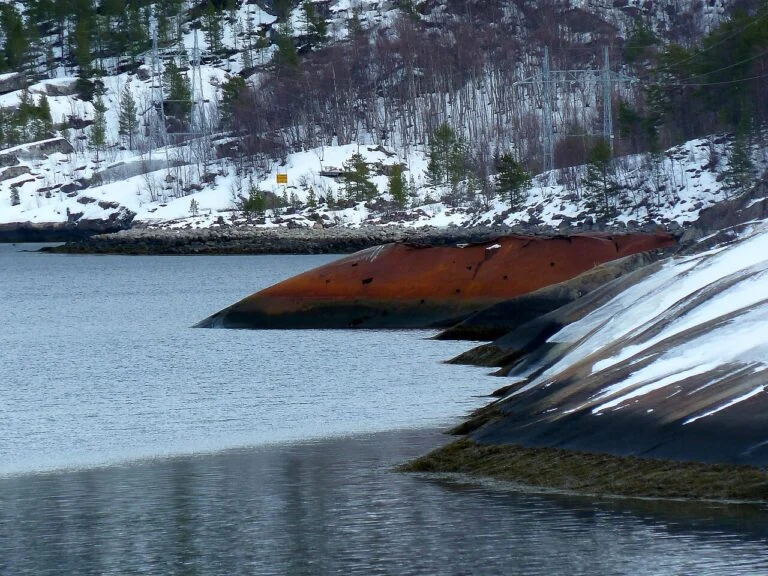
Destinations for your trip
Questions and answers
Is cold-water snorkeling worth it?
Yes if you want a supervised look at coastal marine life and are comfortable in the conditions the operator describes. Sightings and visibility vary.
What does it cost?
Published snorkeling examples include NOK 1,190 at Saltstraumen and NOK 1,295 around Henningsvær. Confirm current fares and what is included.
Can a beginner try scuba?
Use an introductory product with a qualified instructor. Ask about screening, equipment and whether it accepts people without certification.
How much time should I allow?
Reserve a half-day for travel, fitting and changing on a typical local outing. Confirm the exact duration and time in the water.
Do I need a car?
That depends on the meeting point and your base. Check both directions or arrange pickup before paying.
What if the sea conditions are unsuitable?
Follow the operator’s decision and ask about a different site or departure. Keep a shore or town alternative available.
Book the setting and supervision you need
Choose the outing according to your experience and base. Confirm equipment, meeting point and the return before you travel, and leave time for the operator to adapt the day.
Sources and further reading
Confirm schedules, prices and equipment directly before booking.